Breaded Pan-Fried Beef Cutlet
A simple, straightforward recipe for a breaded beef cutlet cooked right in the skillet! It's a lightly pounded piece of beef in a crispy breadcrumb coating. The meat comes together very easily, turning out tender and juicy inside with a crunchy crust outside!

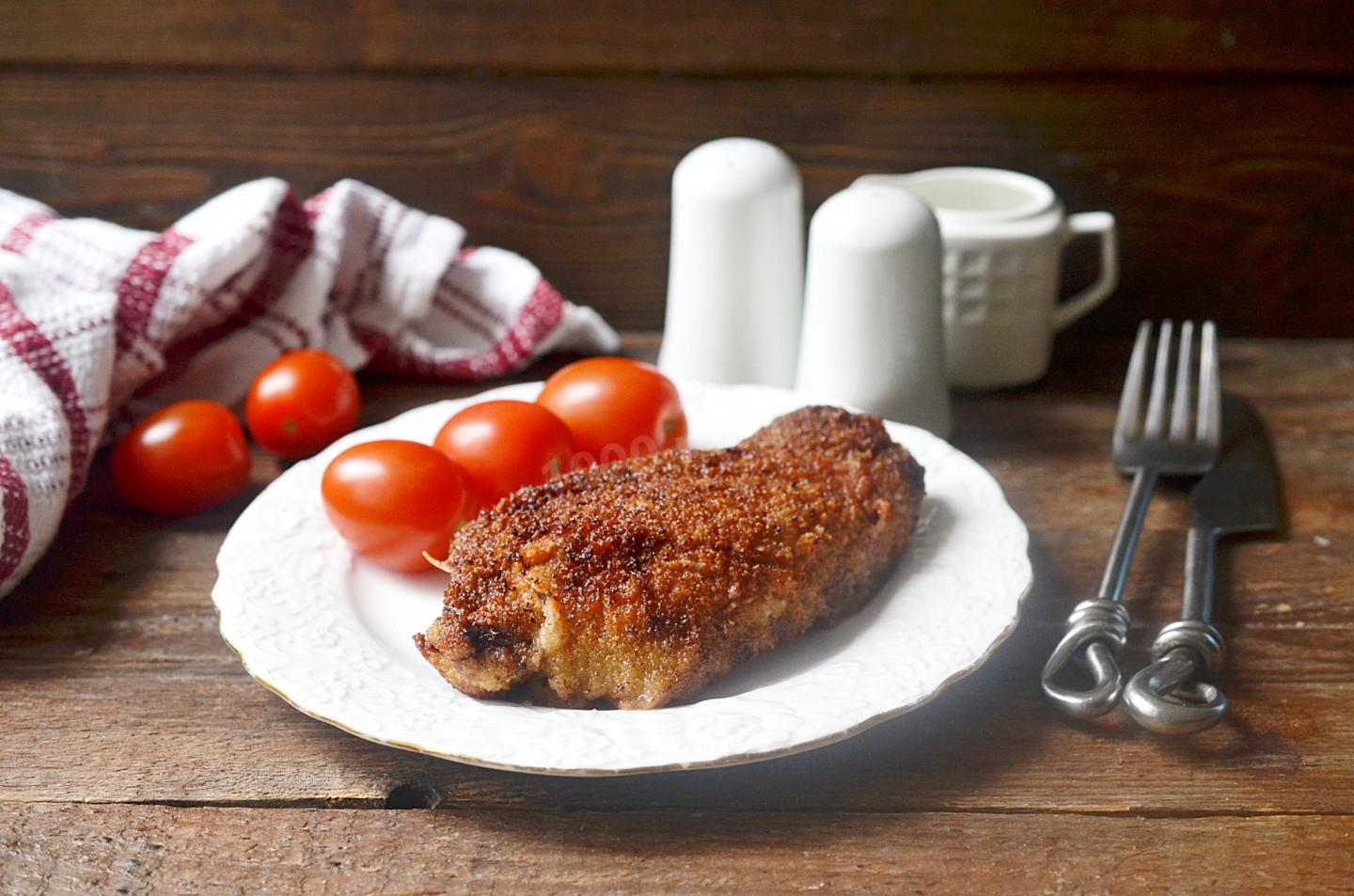
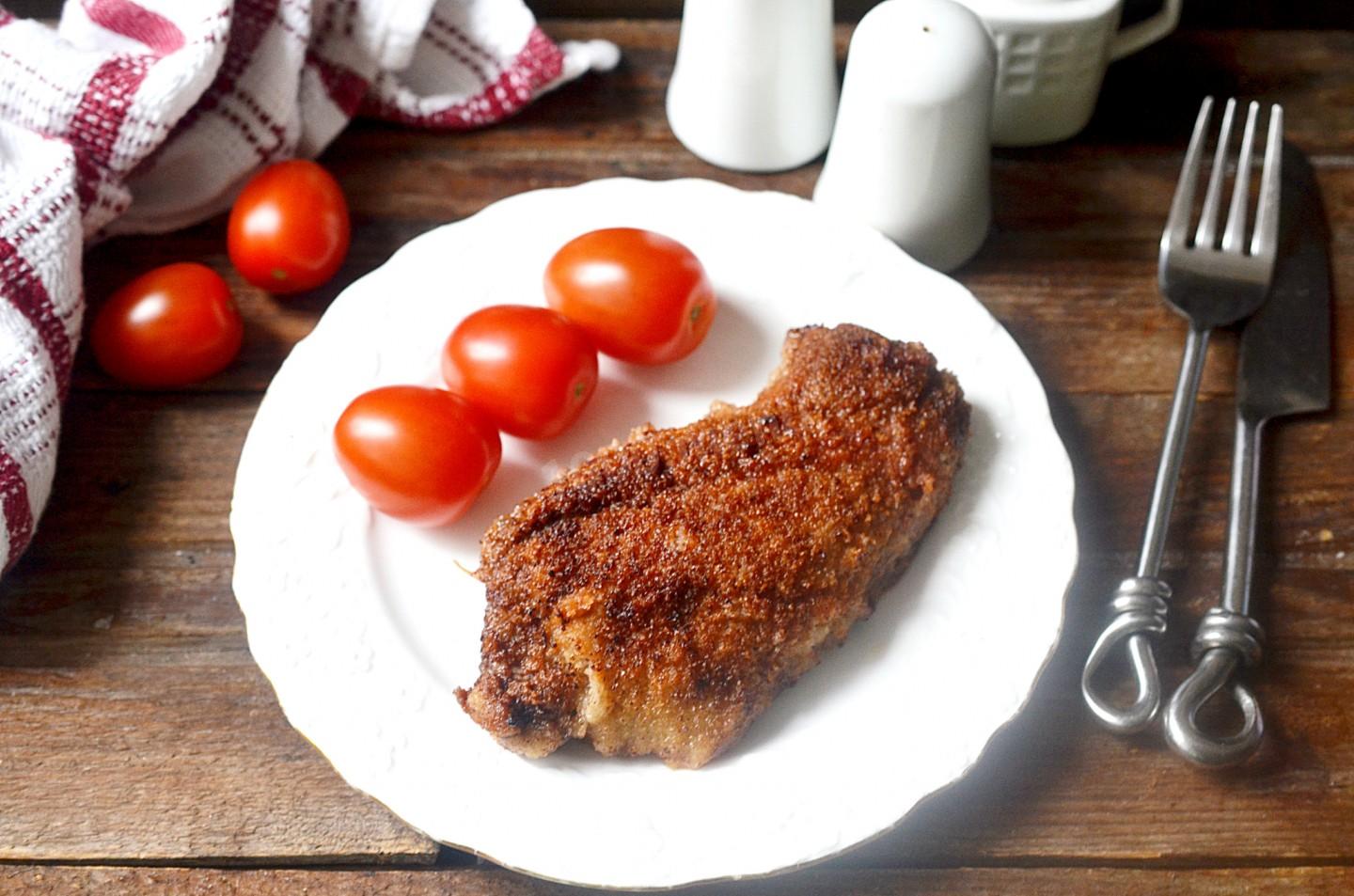
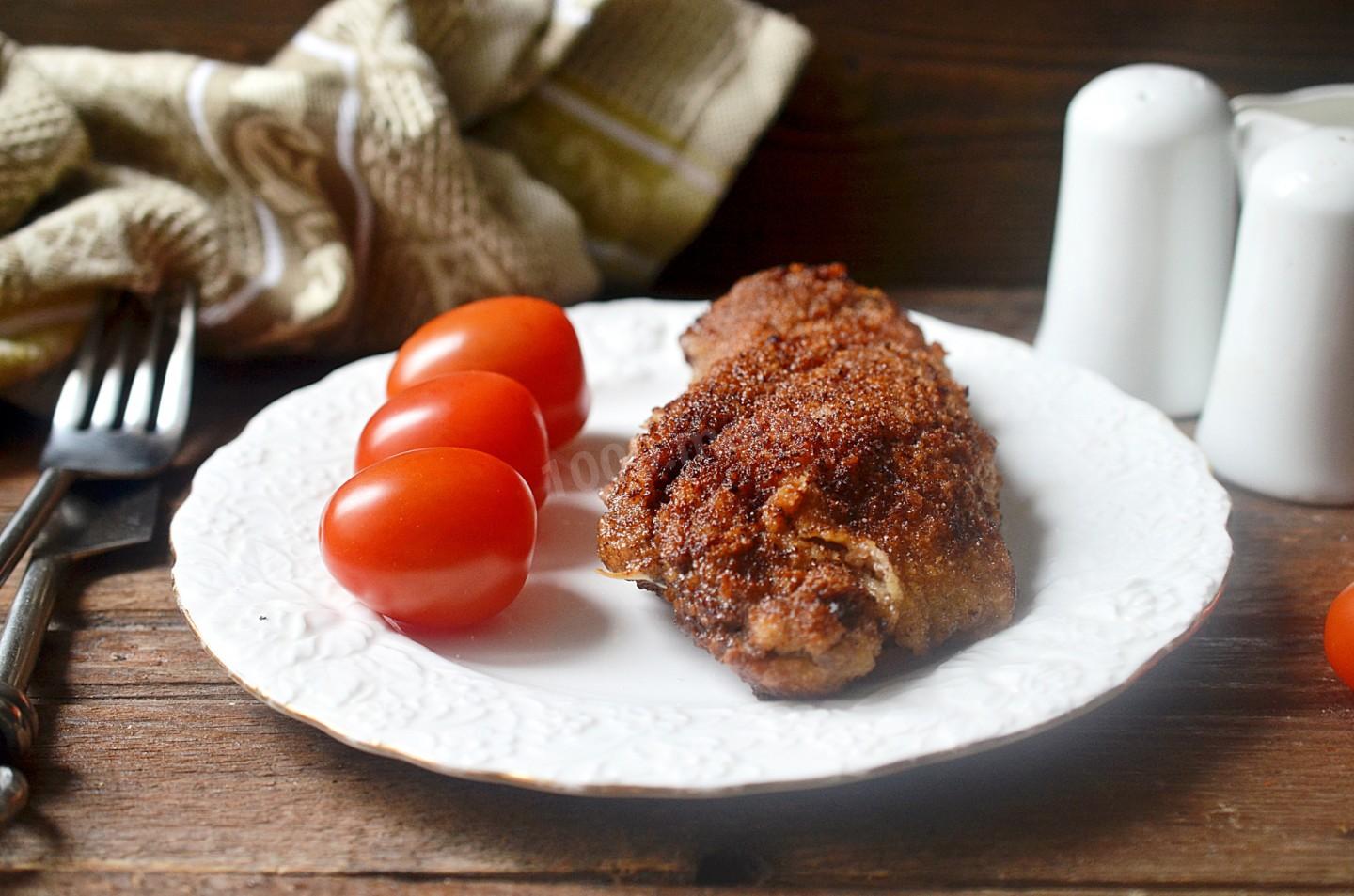
Cooking method
-
Step 1:
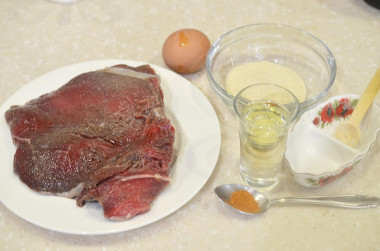
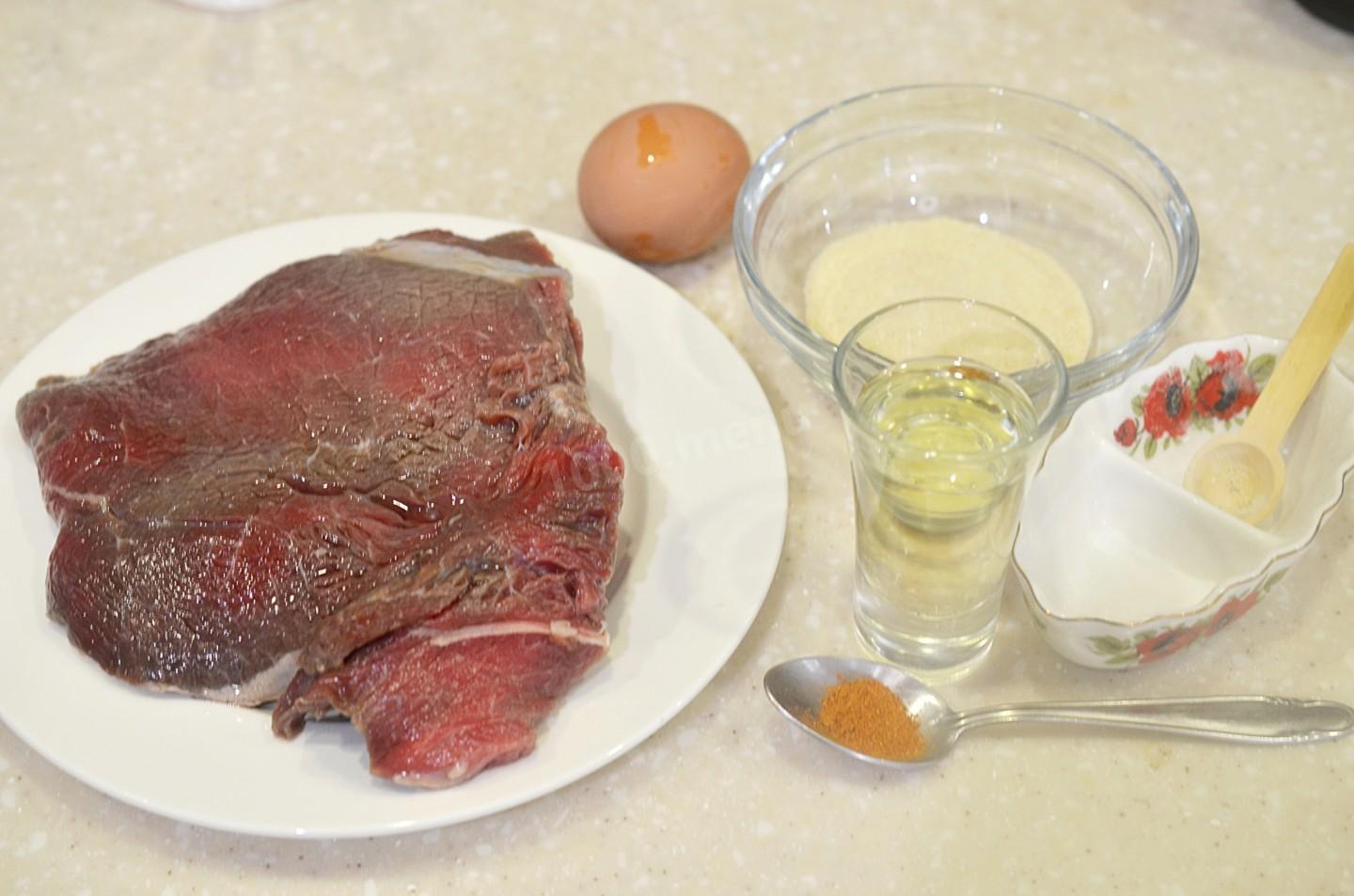
How do you fry a breaded beef cutlet? Gather everything you'll need. The key to a great cutlet is good-quality meat. Marbled beef is your best bet: it's not only higher quality, but the streaks of fat keep the finished dish from drying out. Breadcrumbs are best made at home — just grate some dry bread — but store-bought crumbs work perfectly well too.
-
Step 2:
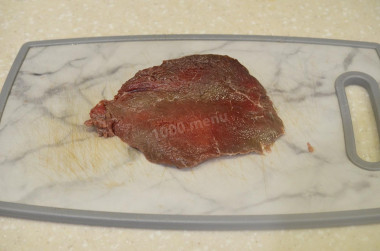
You'll want a flat, medium-sized piece about ¾ inch (2 cm) thick. Rinse the meat well and pat it dry.
-
Step 3:
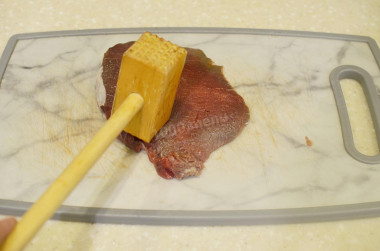
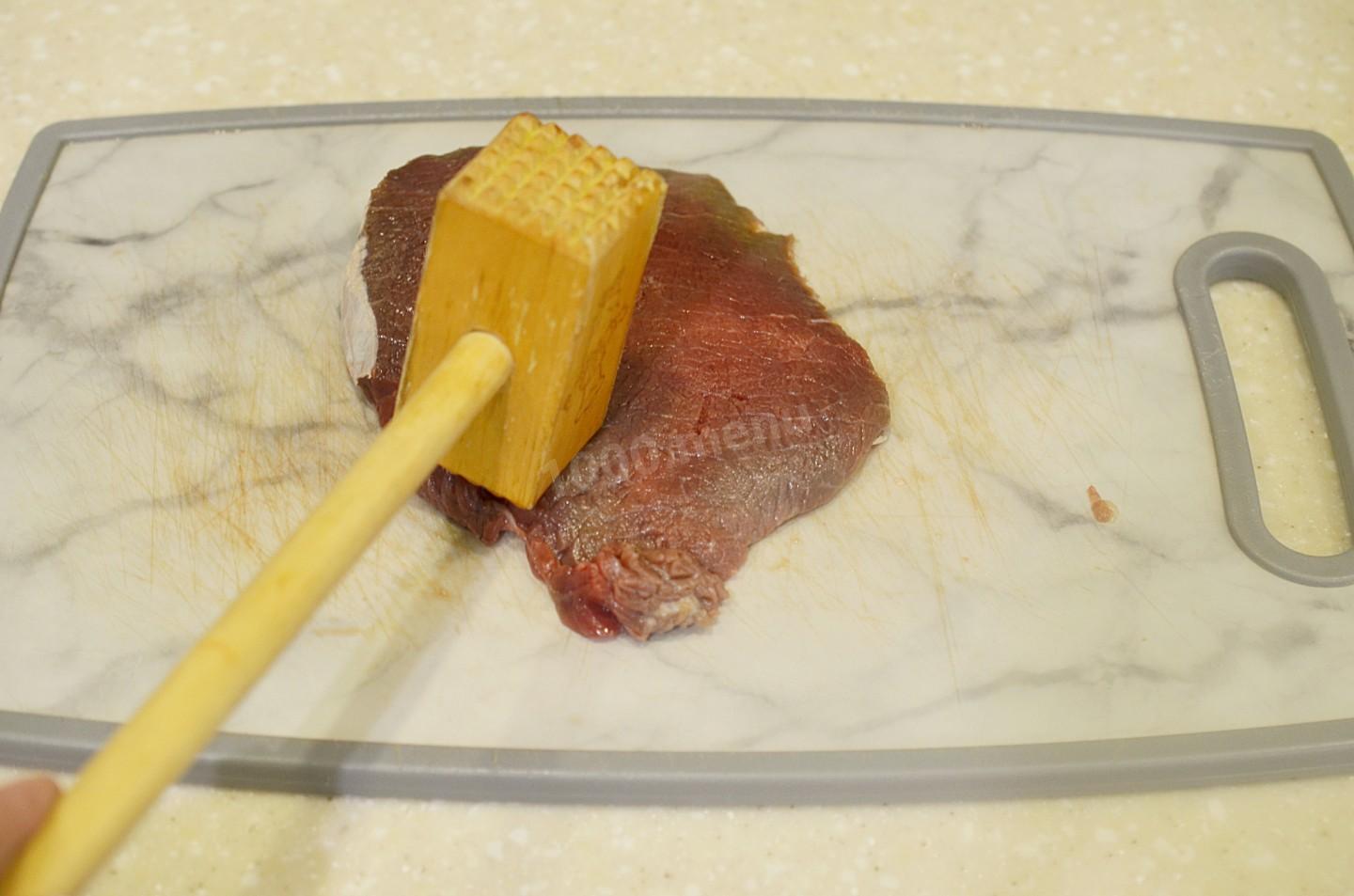
Lightly pound the meat with a meat mallet. Don't overdo it — just a gentle tenderizing is all it needs.
-
Step 4:

Crack the egg into a separate shallow dish and beat it lightly with a fork. Use a large egg, farm-fresh if you can. At this point you can add your favorite seasonings to the egg. A classic cutlet isn't seasoned with much beyond salt and pepper, but go with what you like — dried garlic, an herb blend, or Herbes de Provence all work well.
-
Step 5:
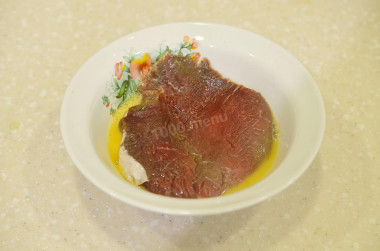
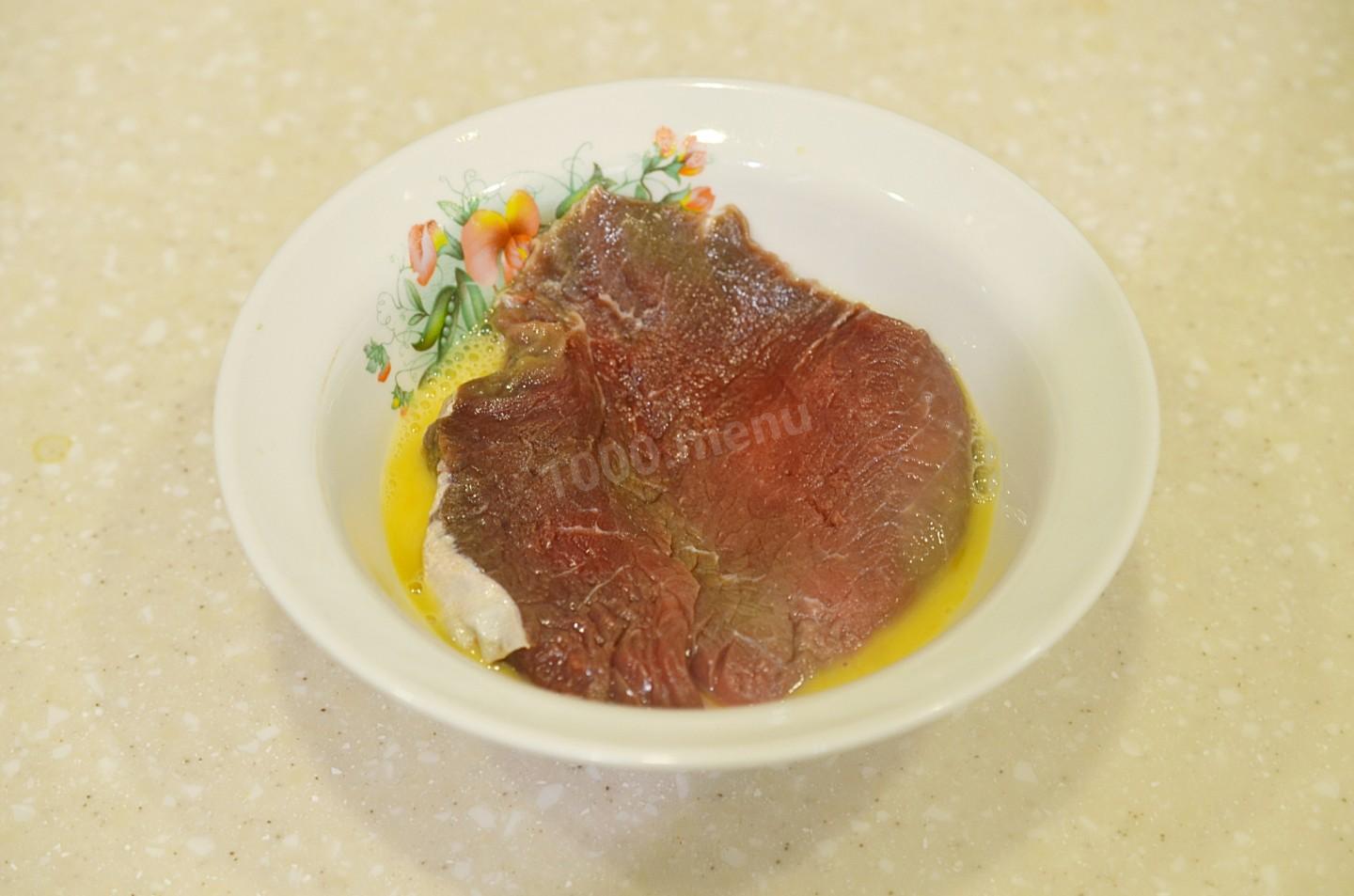
Dip the meat into the beaten egg, coating it well on all sides.
-
Step 6:
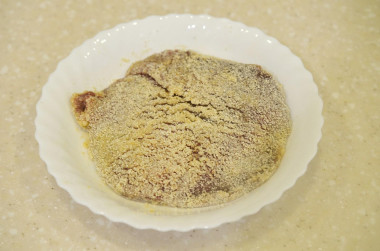
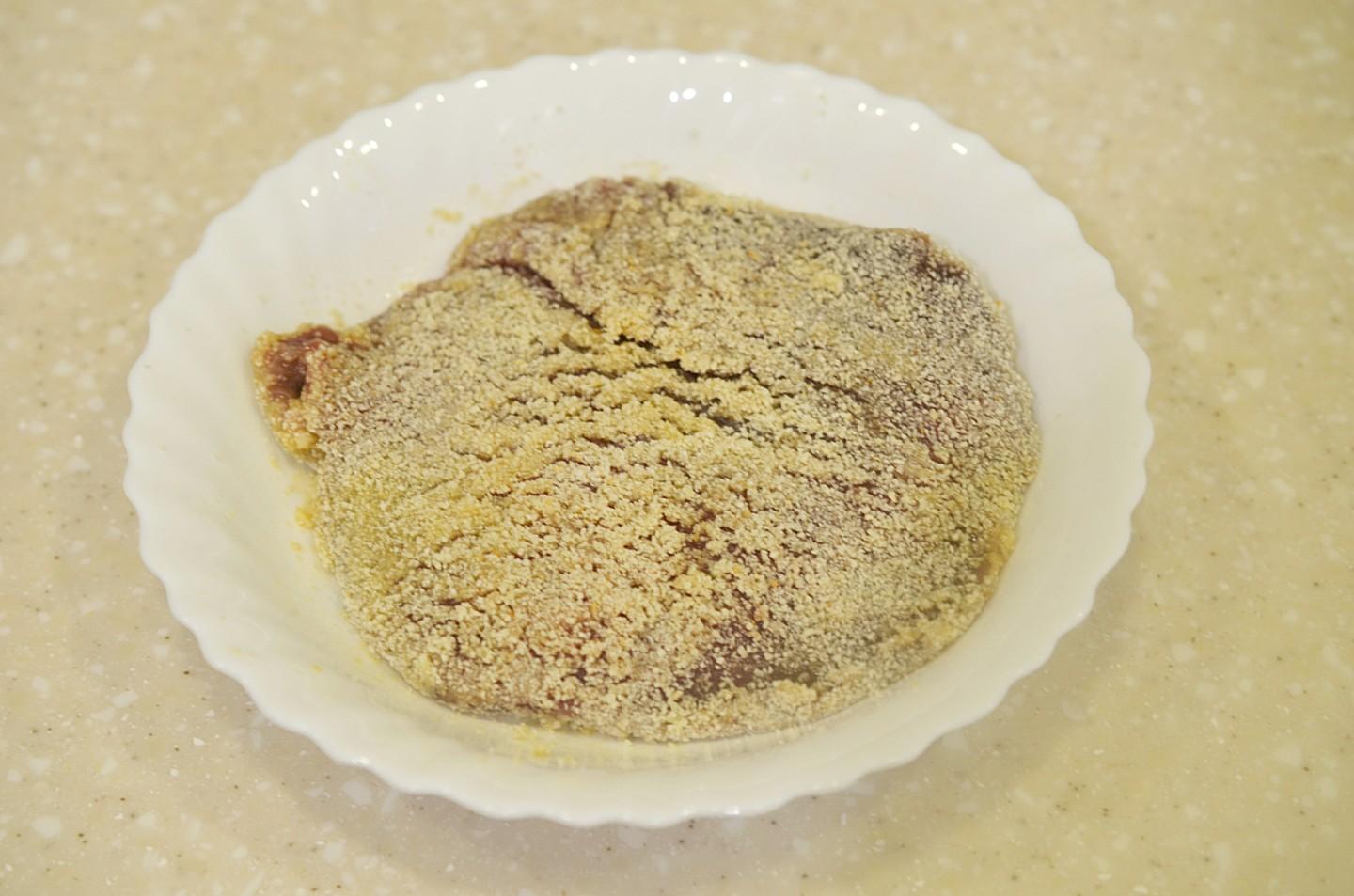
Then dredge the meat in breadcrumbs. Coat it well on every side for a dense, crispy crust.
-
Step 7:
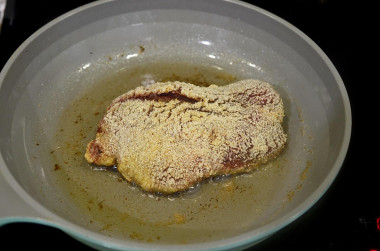
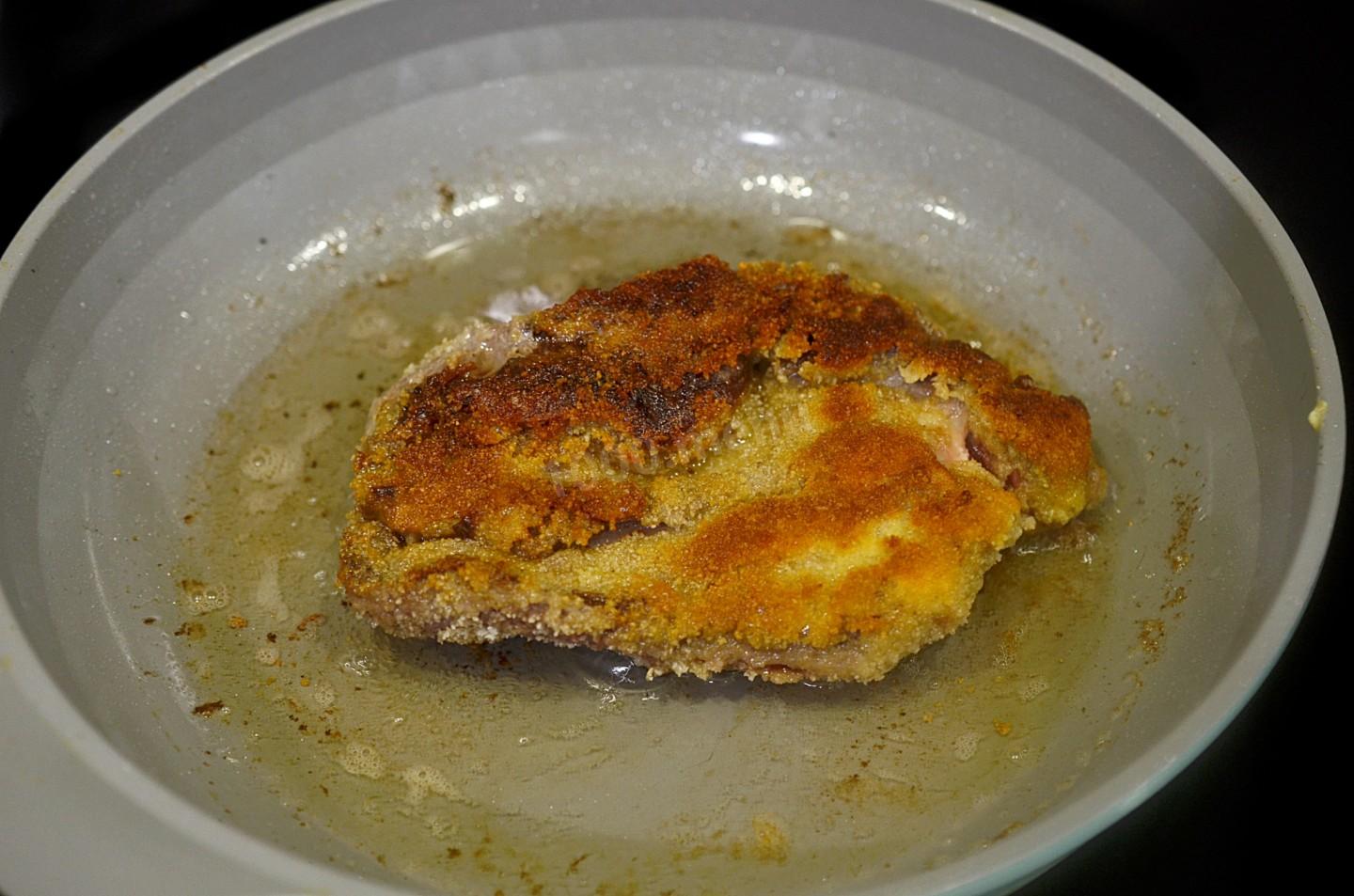
Heat the vegetable oil in a skillet. Any oil works — sunflower, olive, or any other — but it must be refined, since only refined oil is suitable for frying. Lay the cutlet in the pan and fry over low heat on the first side, about 7–10 minutes.
-
Step 8:
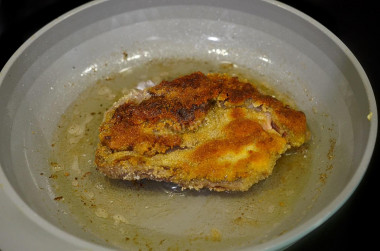
Flip the meat and fry the other side for the same amount of time. You can also cover the pan with a lid to cook it through completely.
-
Step 9:
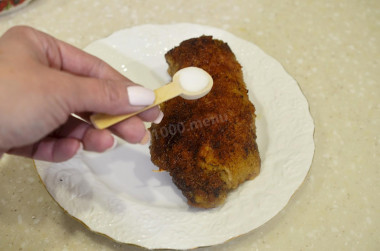
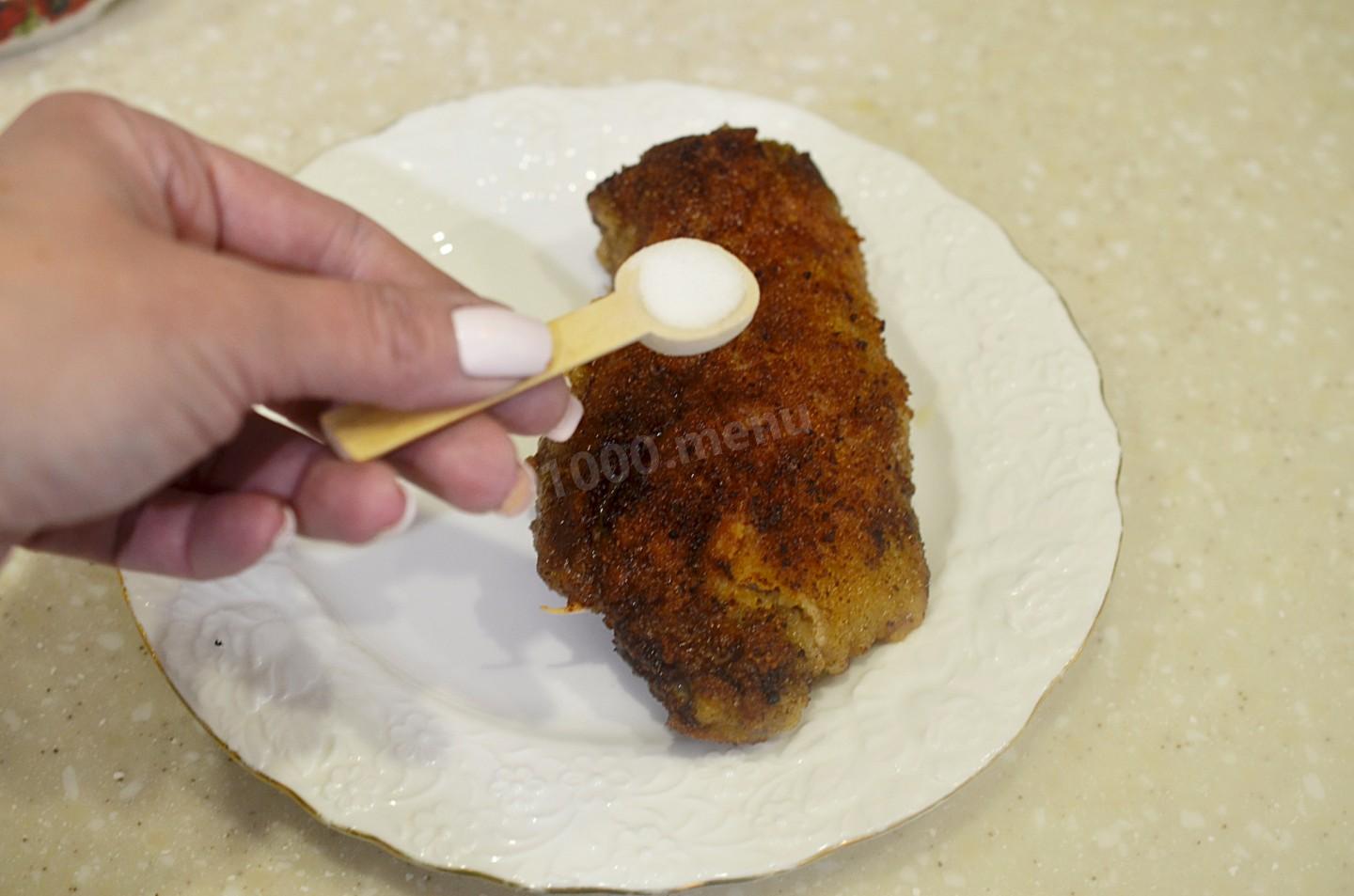
Salt the finished cutlet. We salt at the end so the meat stays juicy — salting beforehand can dry it out, since salt draws moisture from the meat.
-
Step 10:
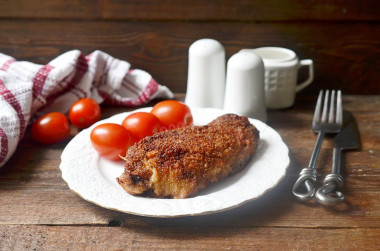
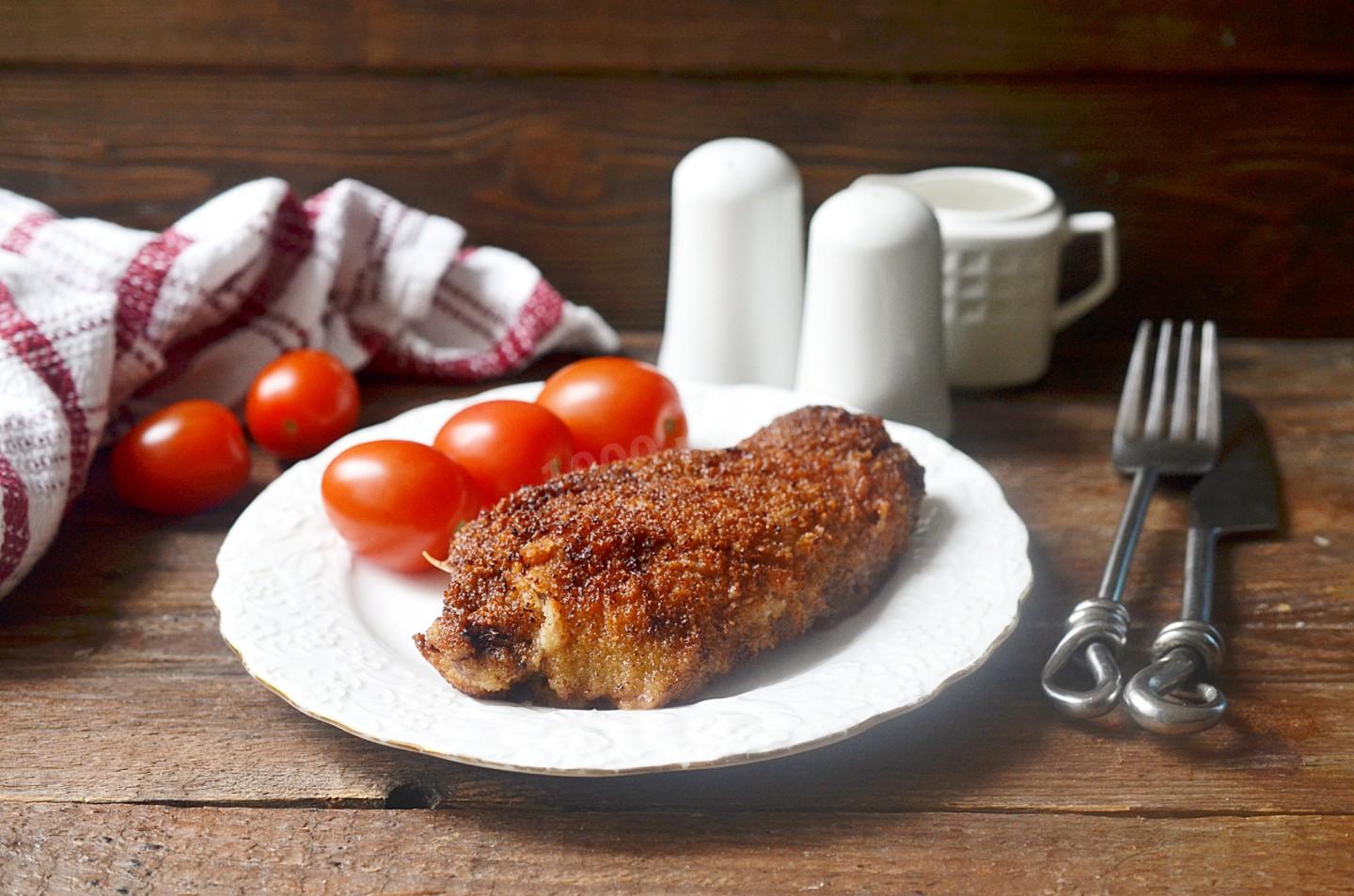
Serve the cutlet right away, while it's hot. It goes with any side dish or with vegetables. Enjoy!



- Every oil is good only up to a certain point — its smoke point, past which it starts to burn and form harmful compounds, including carcinogens. For how to gauge frying temperature and choose the best oil for the pan (and which ones to skip), read here.
- The right skillet matters! A poorly chosen pan can undo even the best recipe. For all the details on picking the perfect skillet for different dishes, read here.
- Since everyone's tolerance for salt, sweetness, bitterness, heat, and acidity is different, always add spices and seasonings to your own taste! And if you're using a seasoning for the first time, remember that some are especially easy to overdo (chili pepper, for one).
Caloric content of the products possible in the composition of the dish
- Melted beef fat - 871 kcal/100g
- Fat beef - 171 kcal/100g
- Lean beef - 158 kcal/100g
- Beef brisket - 217 kcal/100g
- Beef - okovalok - 380 kcal/100g
- Beef - lean roast - 200 kcal/100g
- Beef shoulder - 137 kcal/100g
- Beef - ribs - 233 kcal/100g
- Beef - ham - 104 kcal/100g
- Beef - tail - 184 kcal/100g
- Boiled ham - 269 kcal/100g
- Beef corned beef - 216 kcal/100g
- Chicken egg - 157 kcal/100g
- Egg white - 45 kcal/100g
- Egg powder - 542 kcal/100g
- Egg yolk - 352 kcal/100g
- Ostrich egg - 118 kcal/100g
- Vegetable oil - 873 kcal/100g
- Salt - 0 kcal/100g
- Breadcrumbs - 347 kcal/100g
Similar recipes

- Fast and tasty
- Homemade dinner
- Second course
- Eggs
- Meat and meat products
- Bakery products
- Spices seasonings spices
- Fats and oils
- With crackers
- Salt
- Vegetable oil
- Frying
- In a frying pan
- The second is fast and delicious
- Dishes in 30 minutes
- Meat second course
- Beef
- Meat for dinner
- Balanced nutrition
- Recipes for lean dishes without butter