Ajapsandali in Jars for Winter
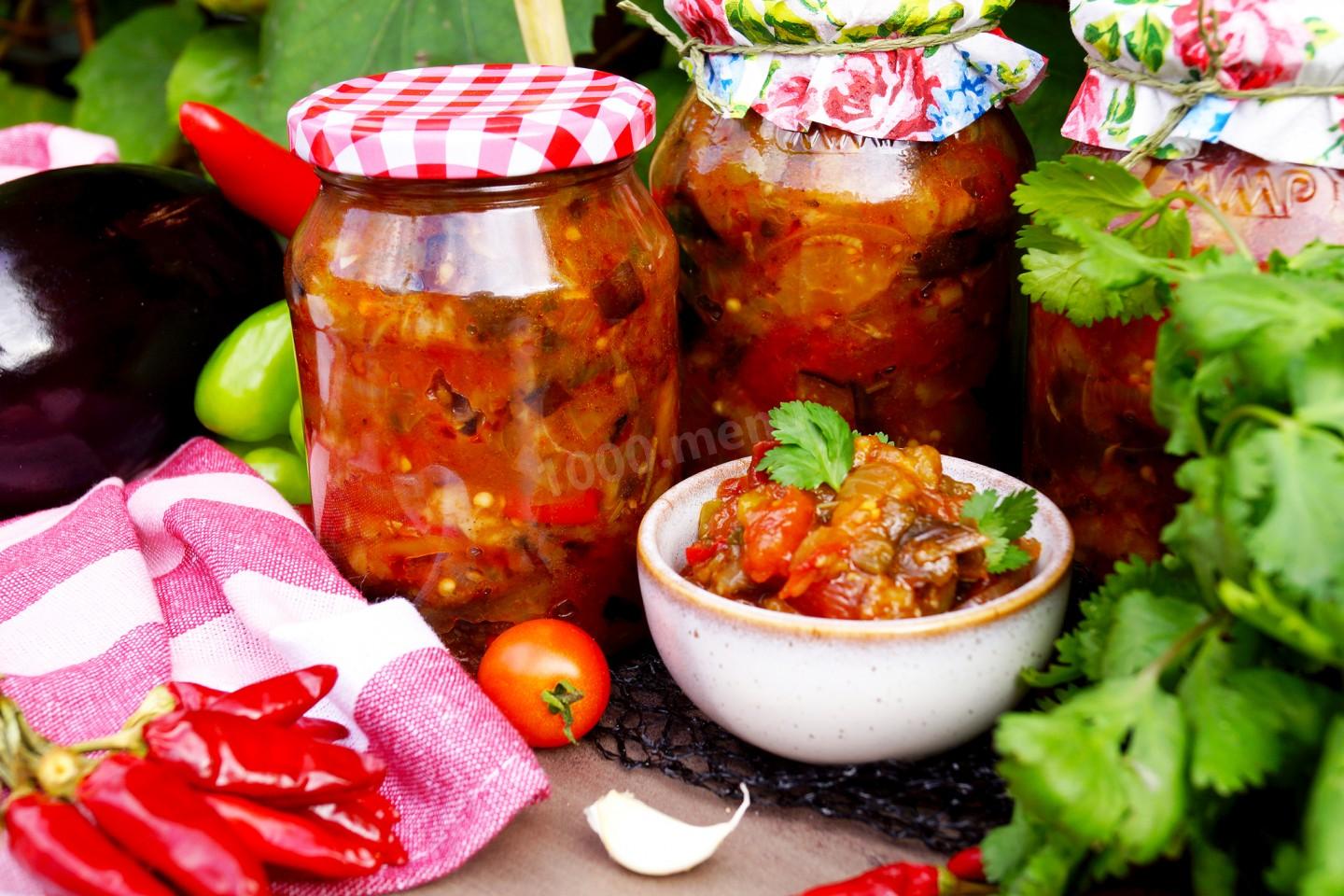
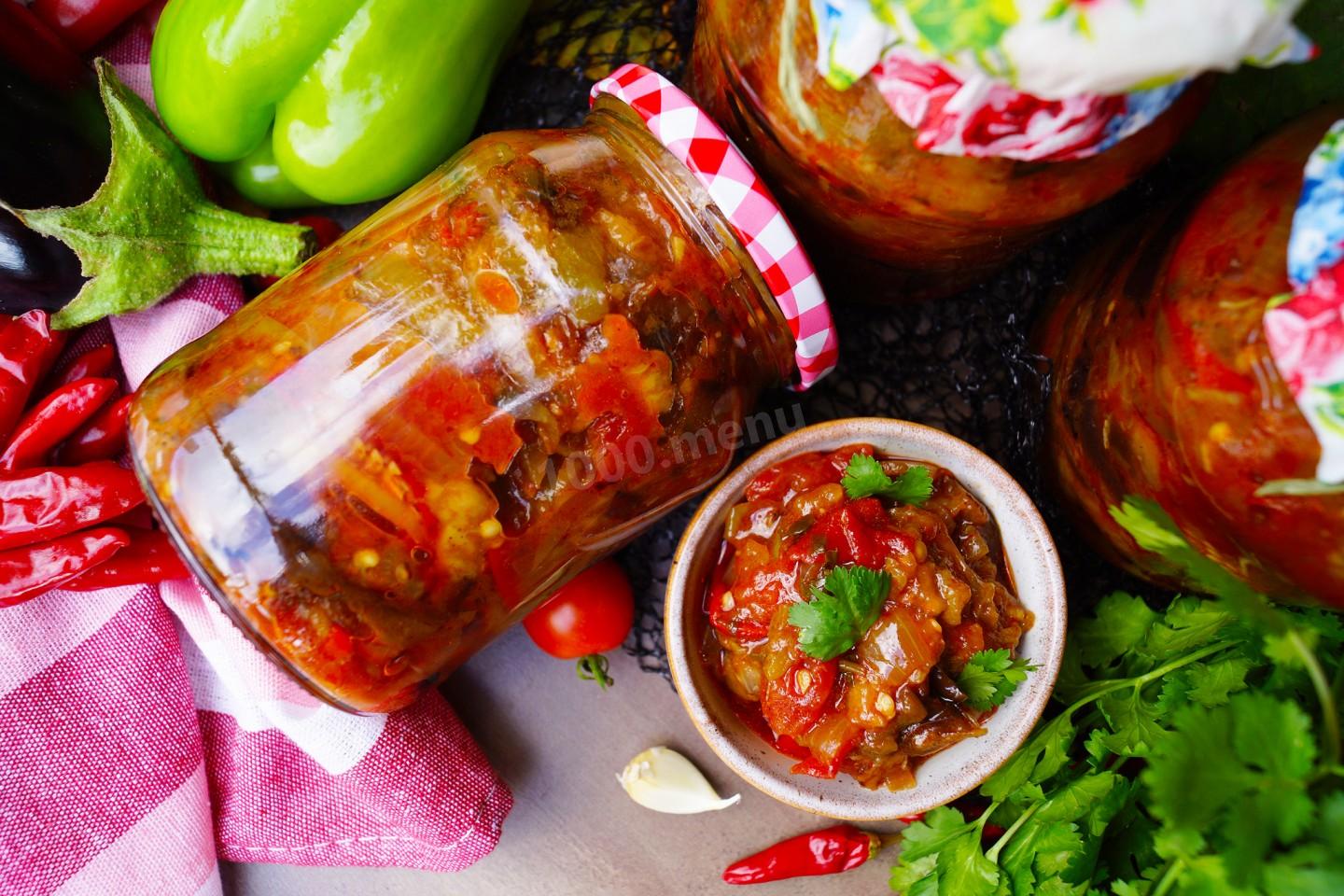
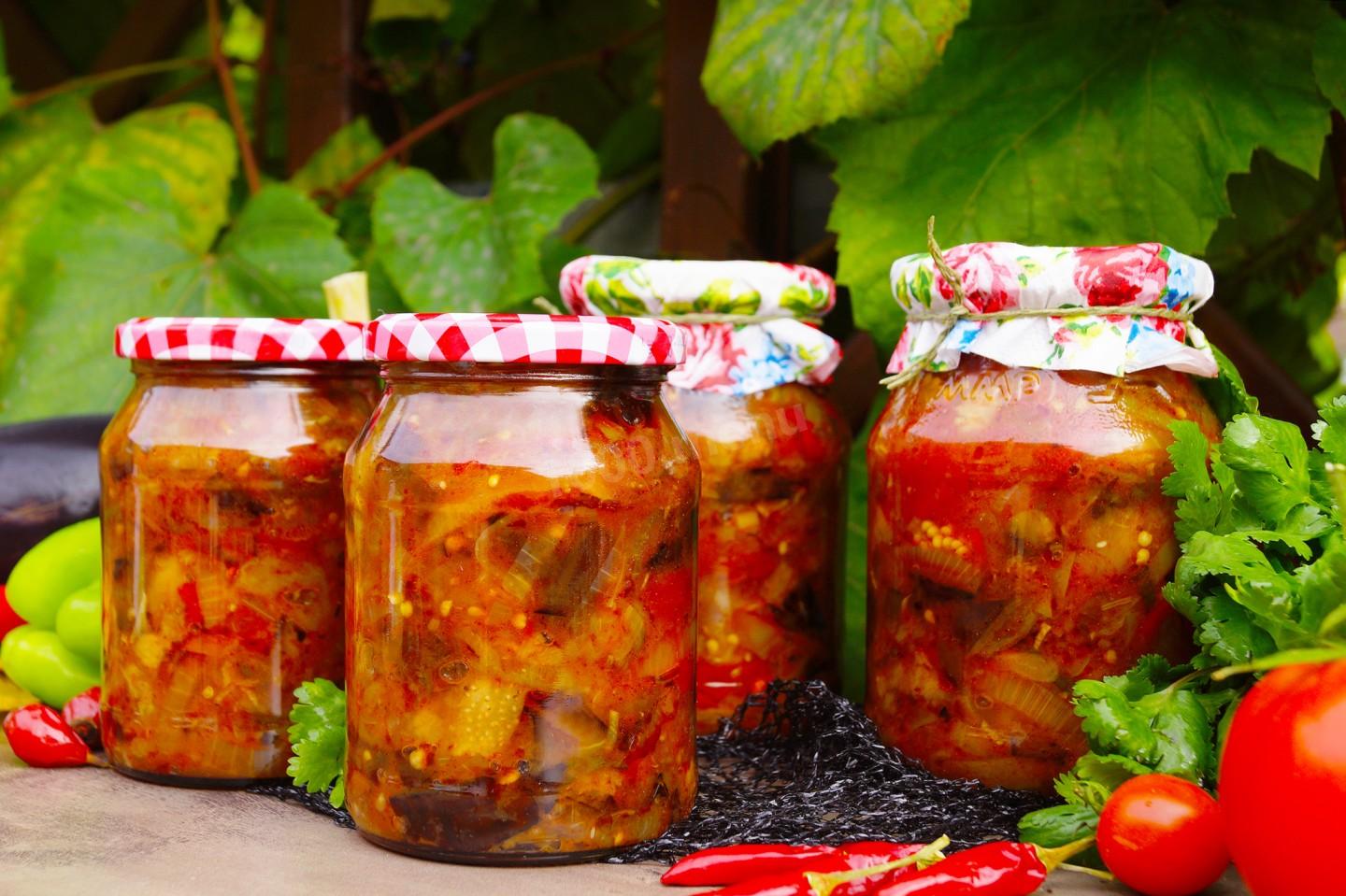
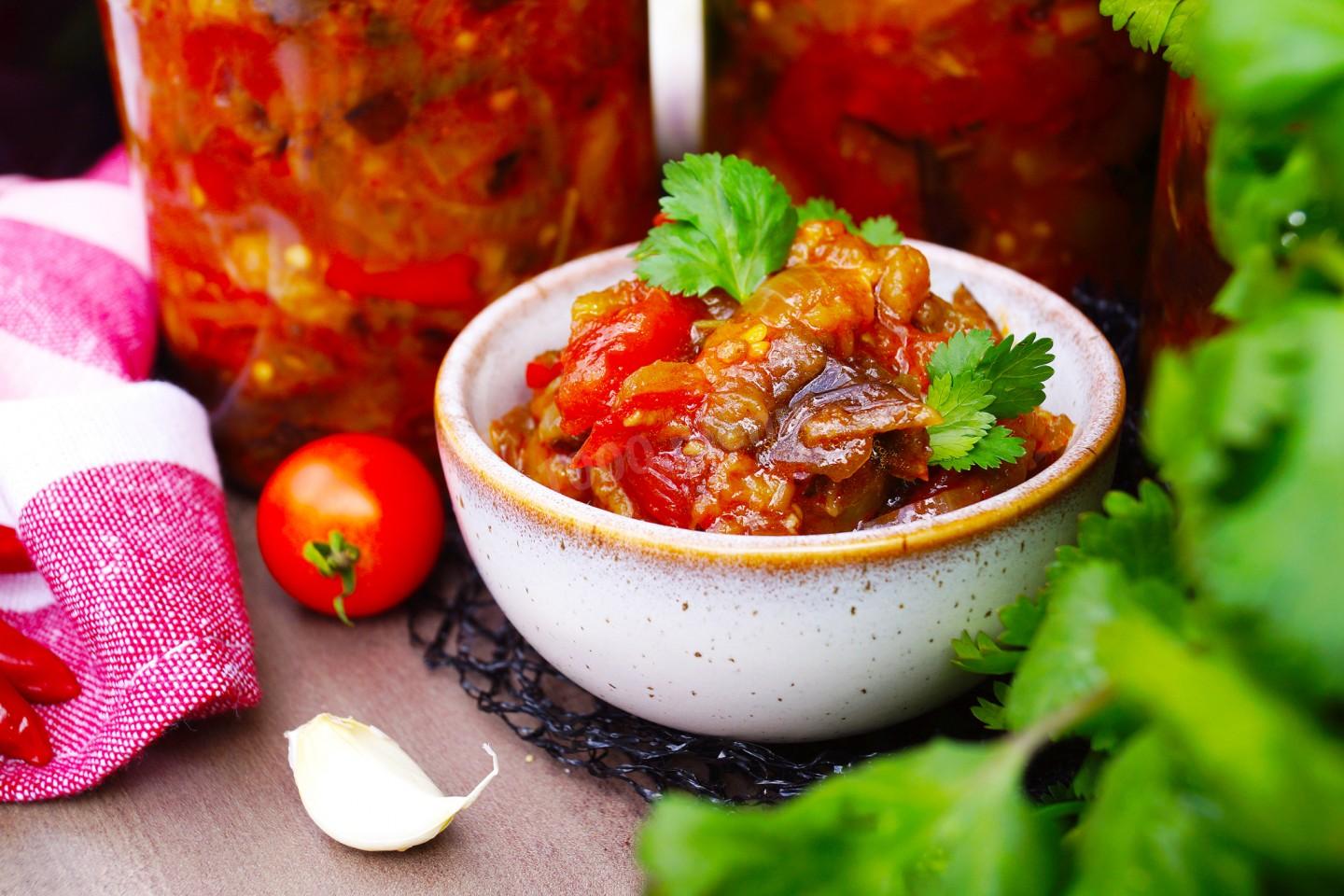
A wonderful eggplant-and-vegetable relish to put up for winter! This incredibly fragrant ajapsandali keeps beautifully in jars and tastes great served either cold or warm. Try it with a hunk of fresh-baked bread, or spread this eggplant relish on baguette slices and serve it as a party appetizer.

Cooking method
-
Step 1:
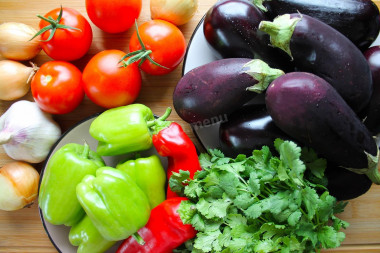
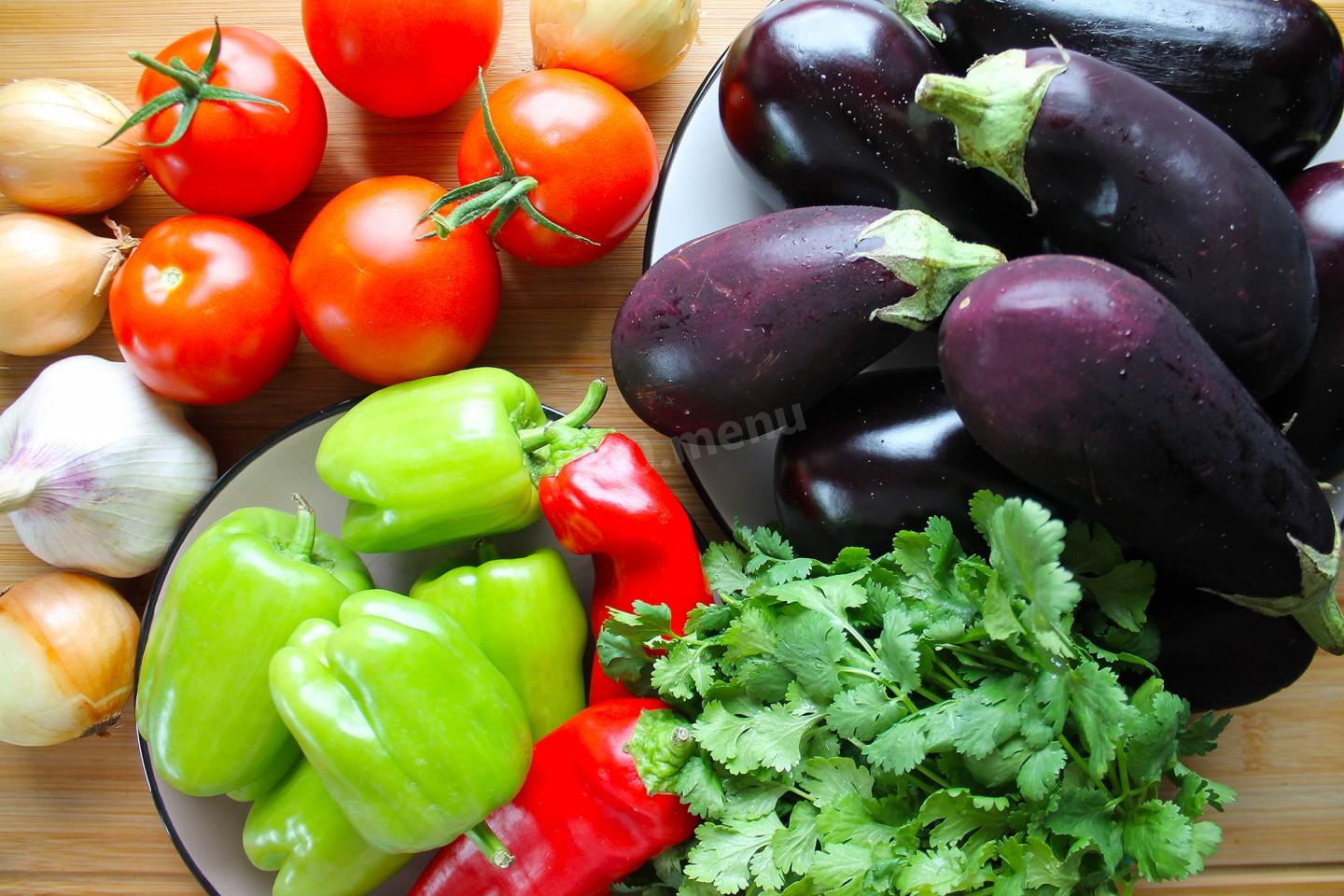
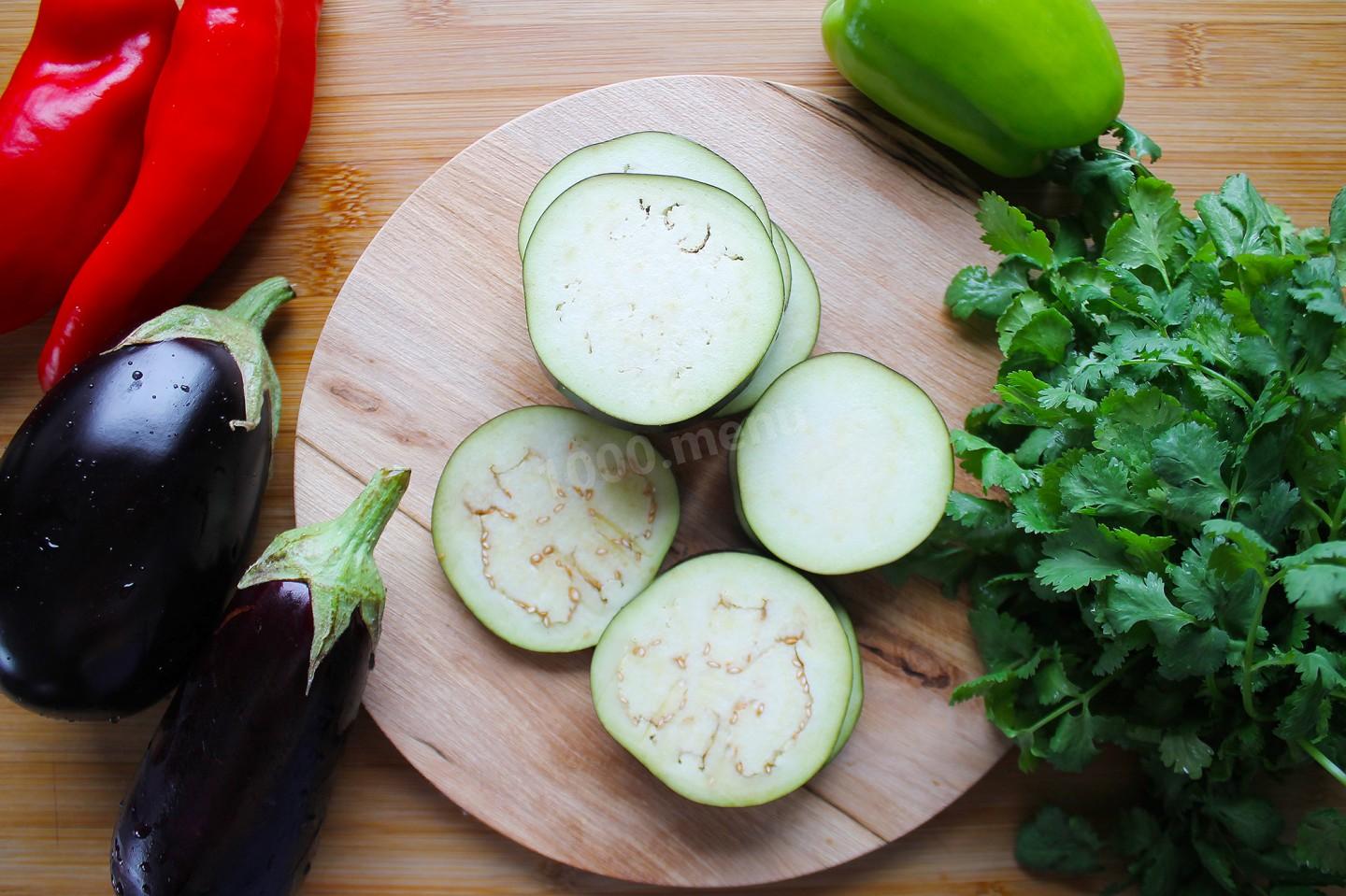
How do you can ajapsandali for winter? Start by gathering all the main ingredients. Wash the vegetables thoroughly and rinse them, along with the cilantro, under running water.
-
Step 2:
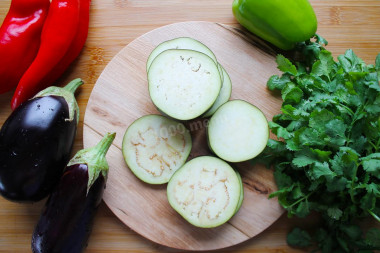
Trim the ends off the eggplants, then slice them into rounds about ⅓ inch (7–8 mm) thick.
-
Step 3:
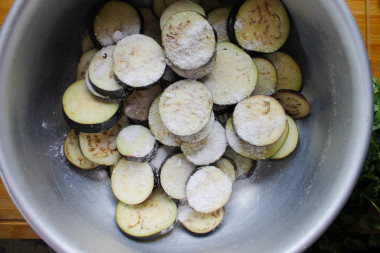
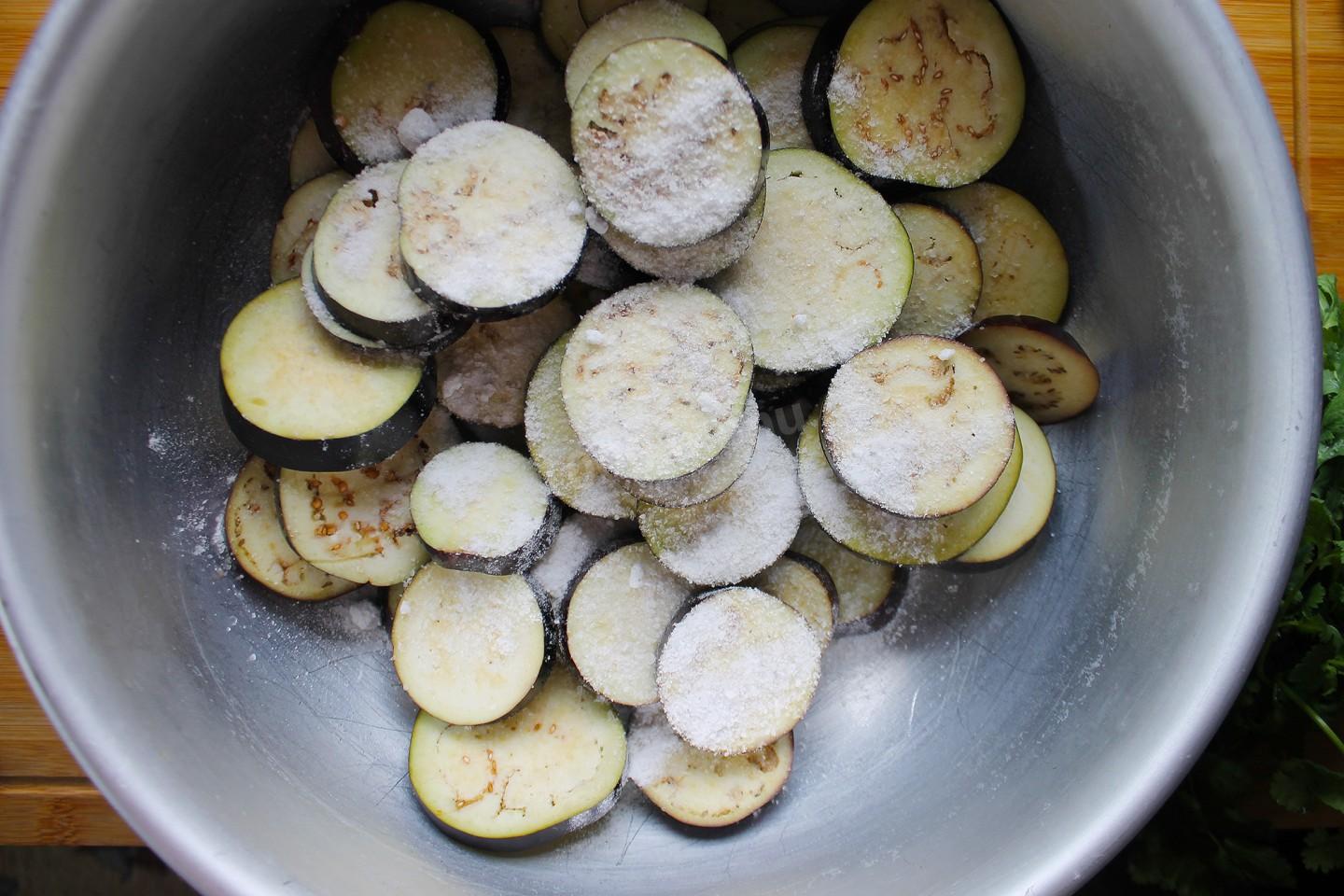
Sprinkle the eggplant rounds with coarse salt, toss to coat, and let them sit for 20 minutes. This draws out the moisture so you'll need less oil when you fry them later.
-
Step 4:
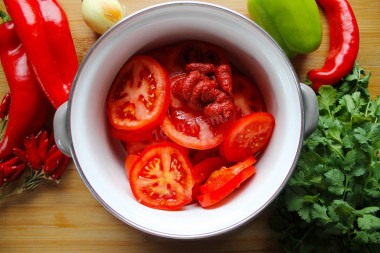
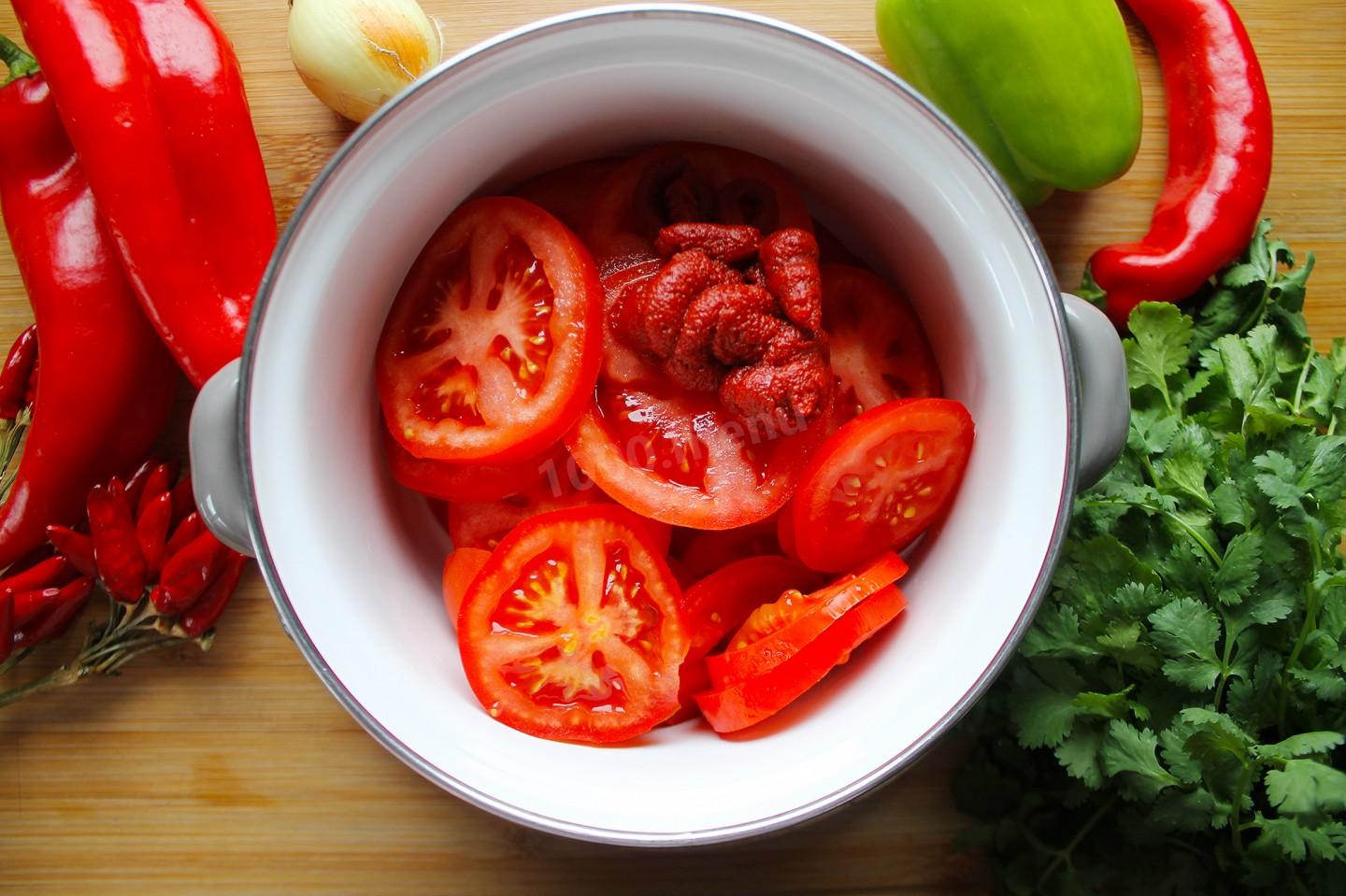
Meanwhile, make the sauce. Core the tomatoes, then slice them into rounds or half-rounds about ¼ inch (5–7 mm) thick. Put them in a small saucepan and stir in the tomato paste — it gives the finished dish a deeper color and a pleasant tang. Set the pan over medium heat and cook, stirring now and then, for about 20 minutes.
-
Step 5:
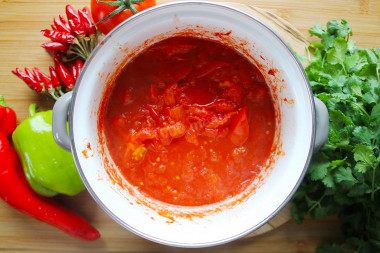
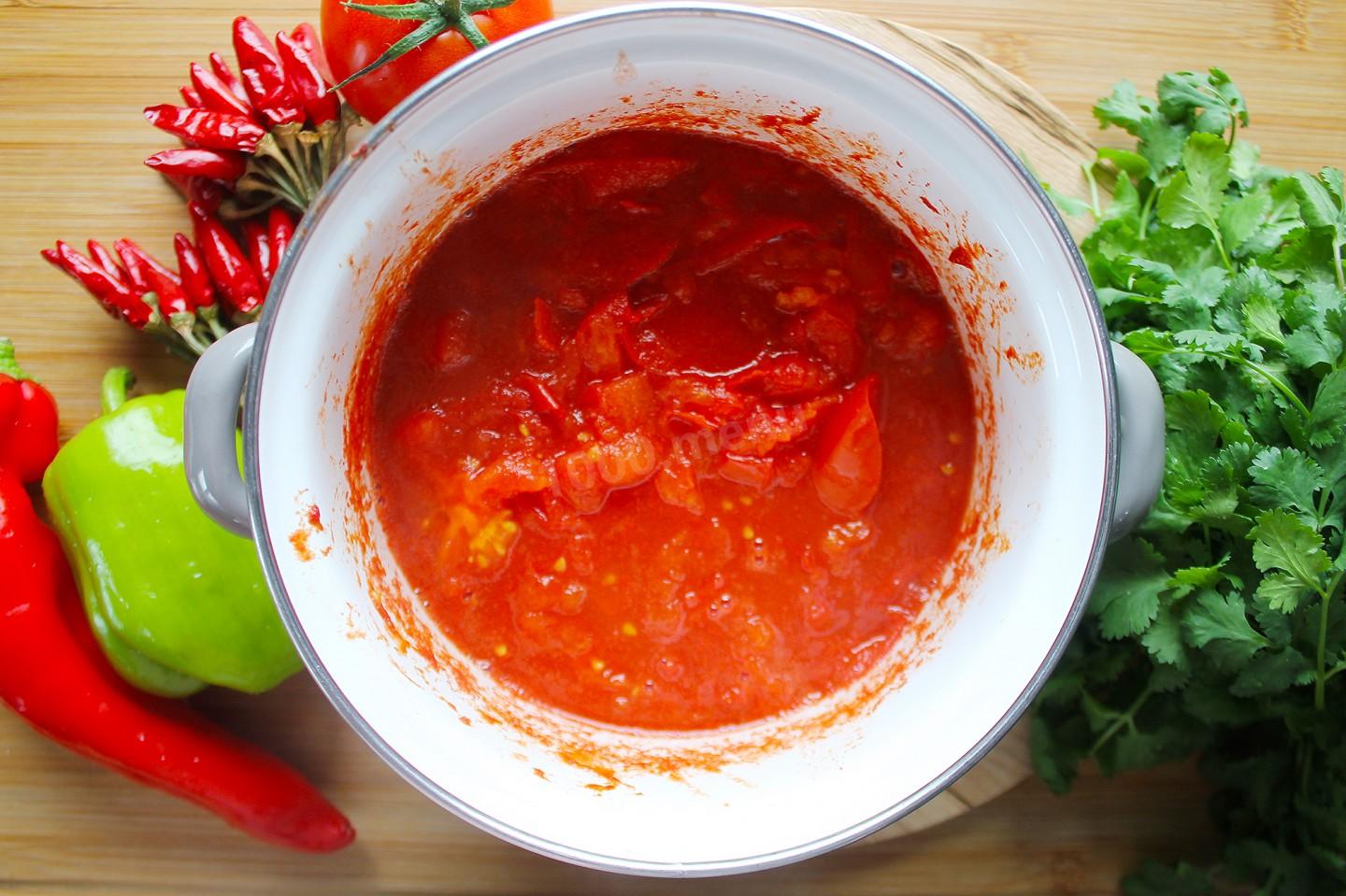
The tomatoes will release their juices into a fragrant sauce. Cover the pan, take it off the heat, and let it steep while you prep the rest of the vegetables.
-
Step 6:
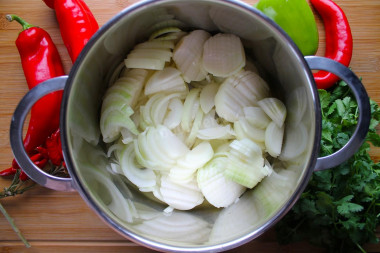
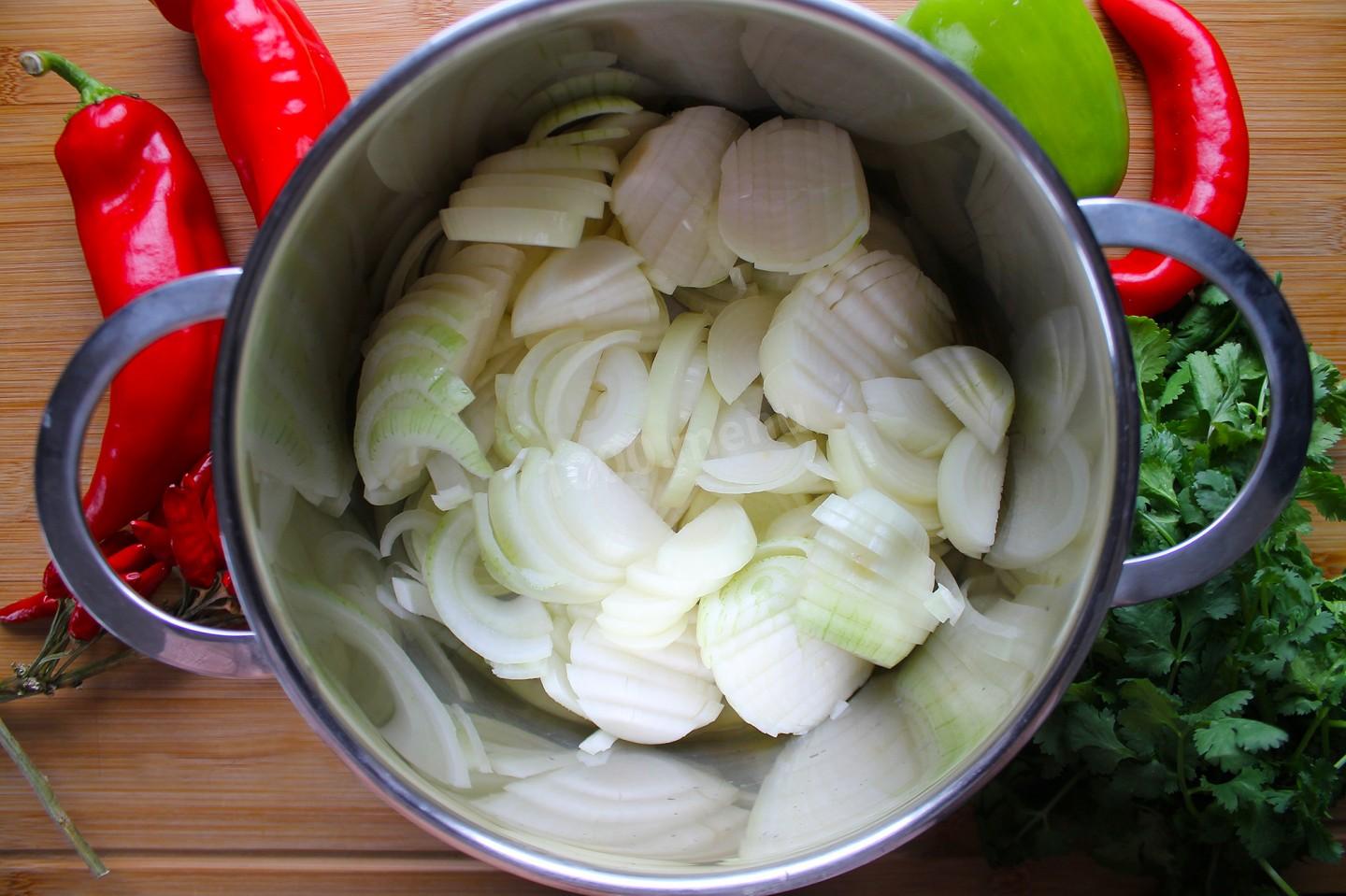
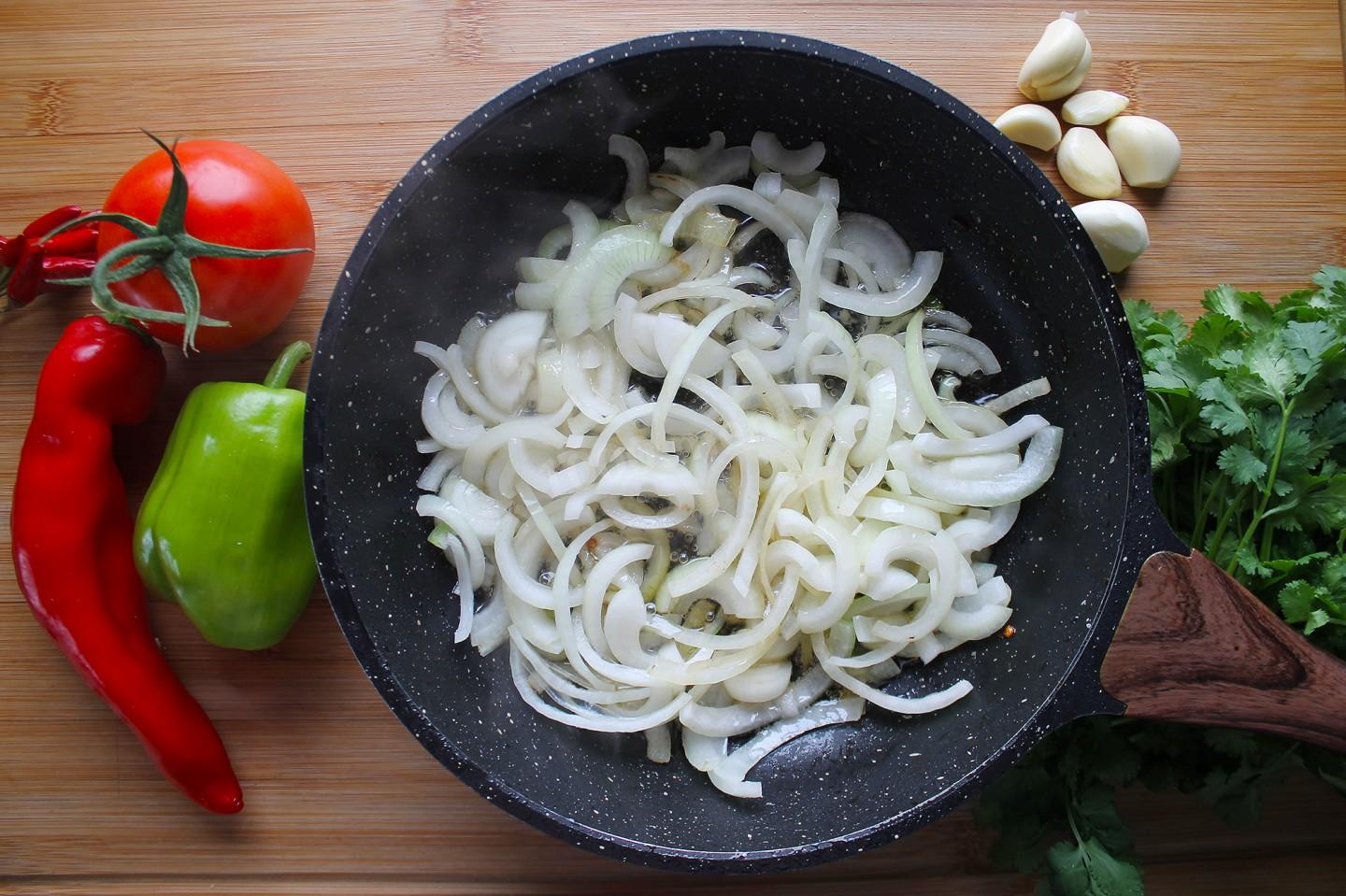
Peel and rinse the onions and slice them thinly.
-
Step 7:
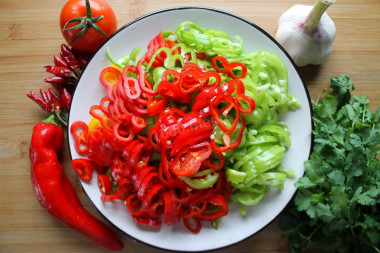
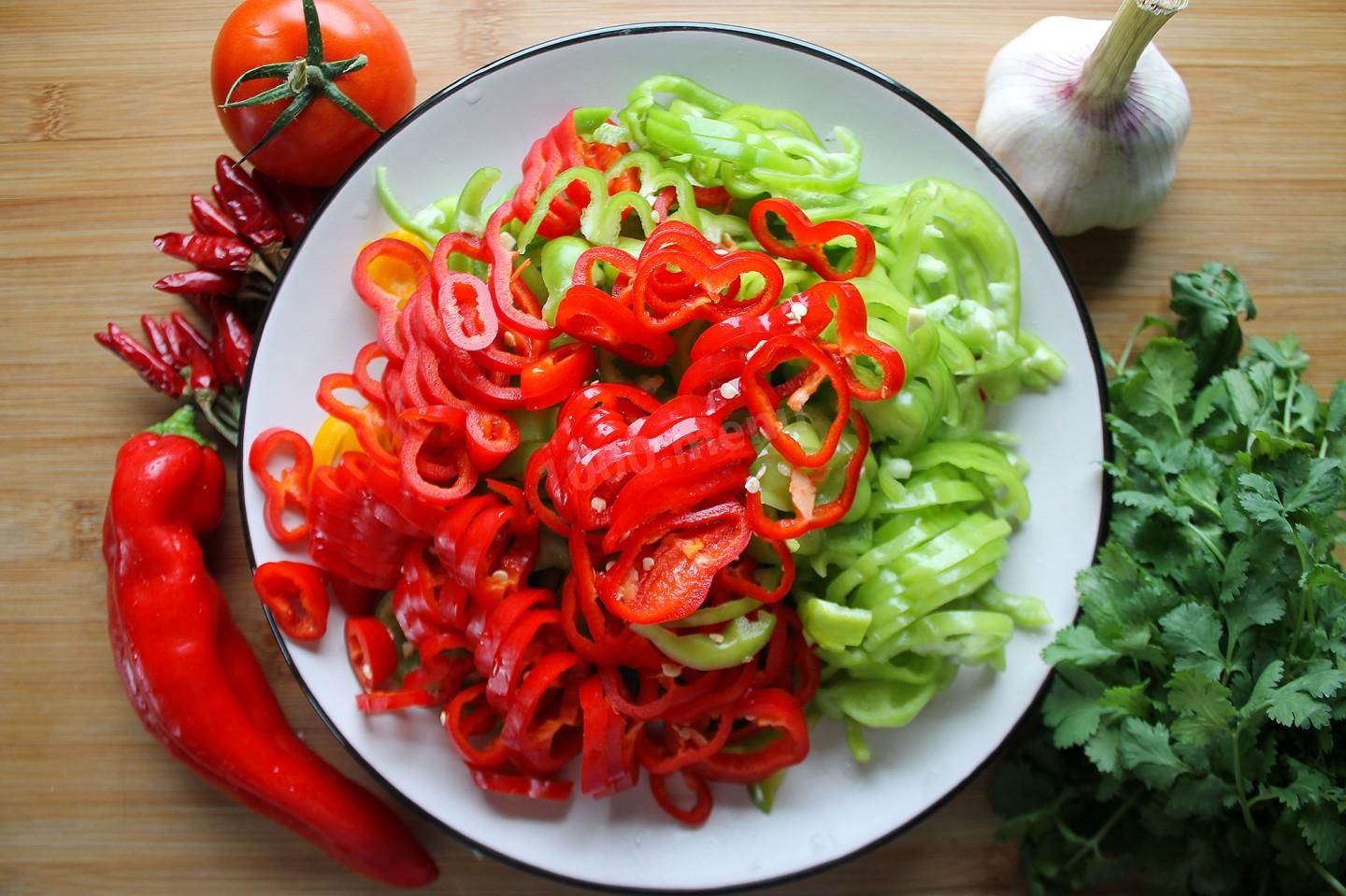
Halve the bell peppers and remove the seeds, white ribs, and stems. Cut them into thin half-rings. Use red peppers, or a mix of colors, so the finished dish looks brighter and more appetizing.
-
Step 8:
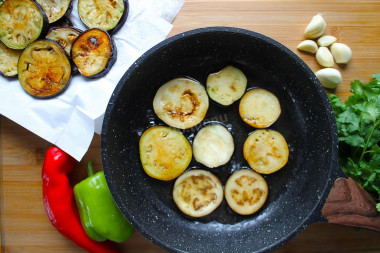
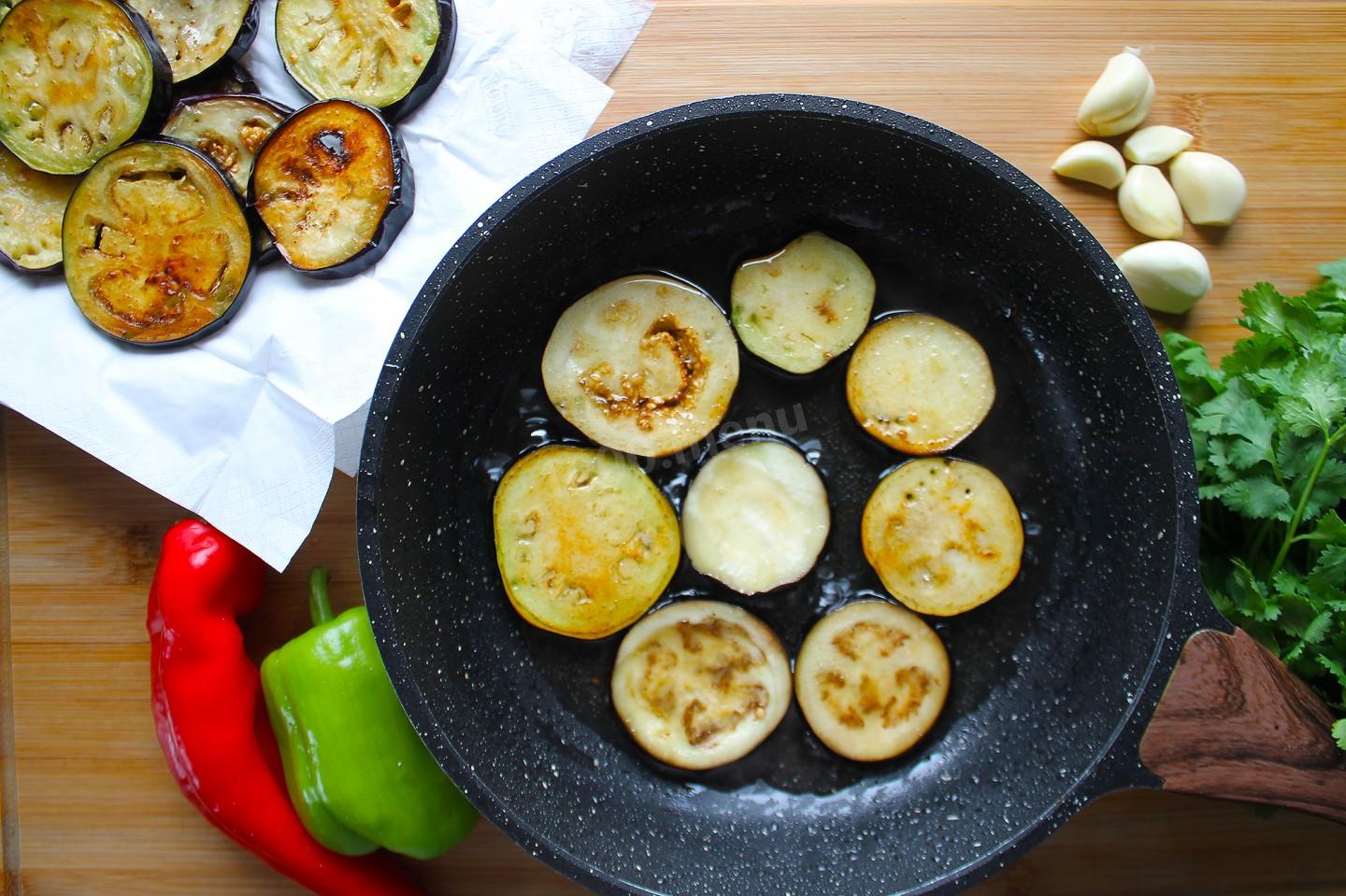
By now the eggplants have rested, so it's time to fry them. Rinse off the salt with cold water and squeeze the rounds dry. Heat the vegetable oil in a skillet and fry the eggplant on both sides until golden. Work in batches, and use a second skillet if you have one to save time. Add more oil as needed. Transfer the finished rounds to paper towels to blot off the excess oil.
-
Step 9:
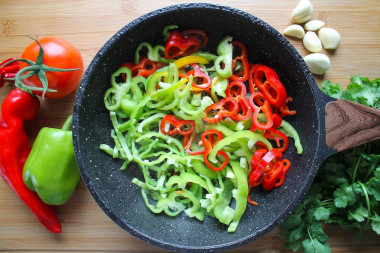
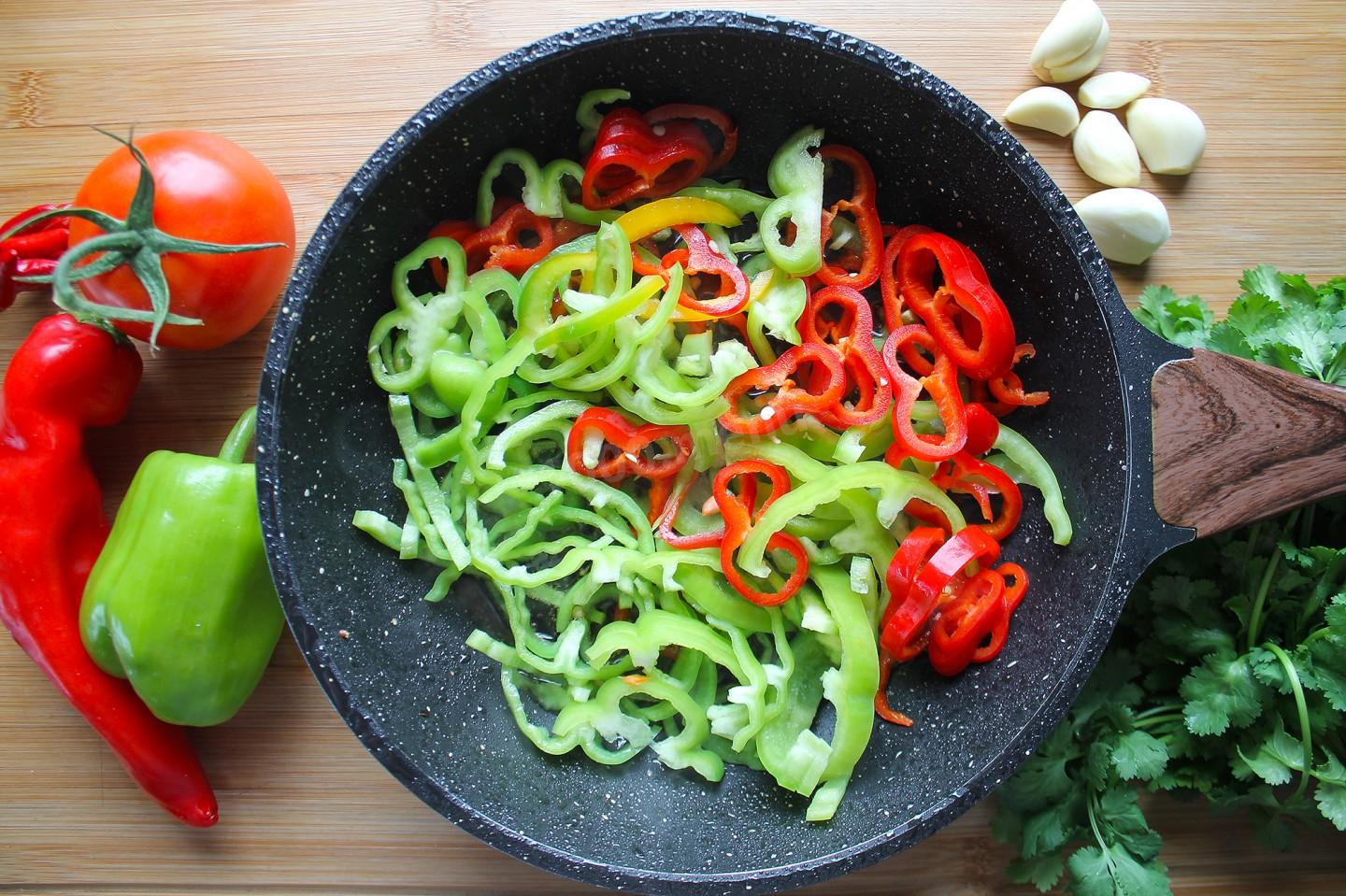
Fry the bell peppers in the oil left over from the eggplant. Cook, stirring occasionally, until the peppers are soft.
-
Step 10:
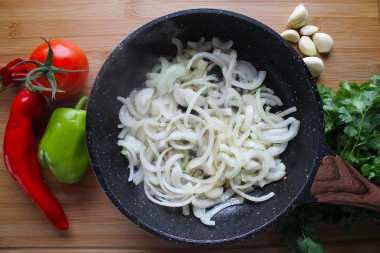
Remove the peppers from the pan and fry the onions until lightly golden.
-
Step 11:
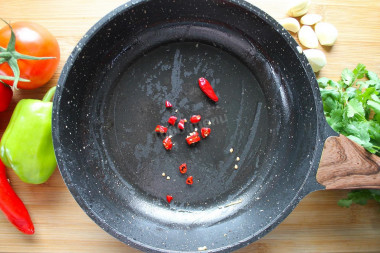
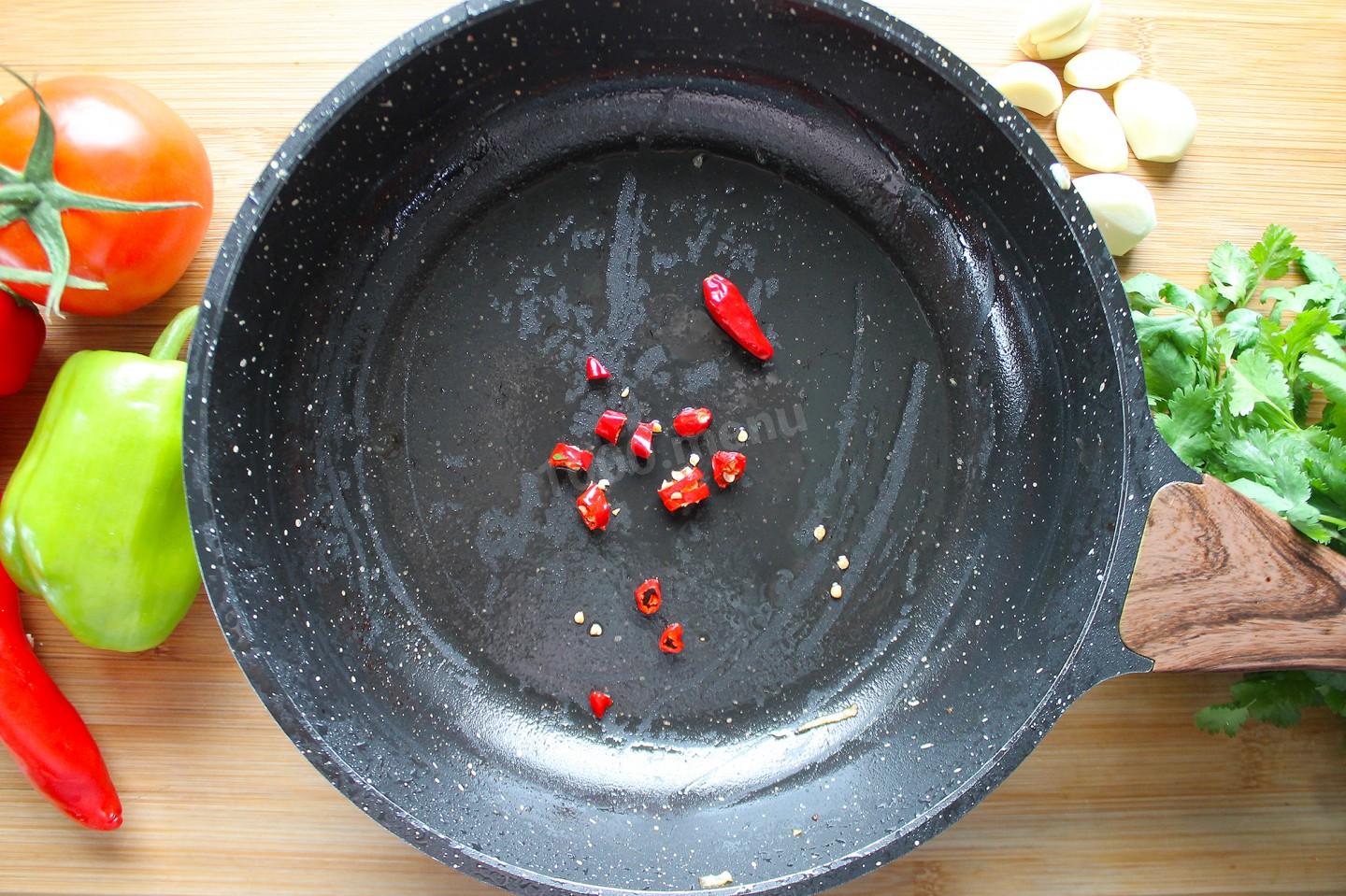
Slice the hot chili into rings and fry it lightly. Adjust the amount of chili to taste: if you like things spicy, use a few peppers and leave the seeds in (they add extra heat). If you'd rather skip the heat in a dish like this, leave the chili out altogether.
-
Step 12:
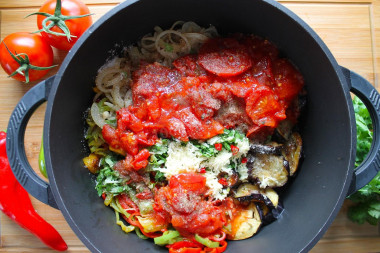
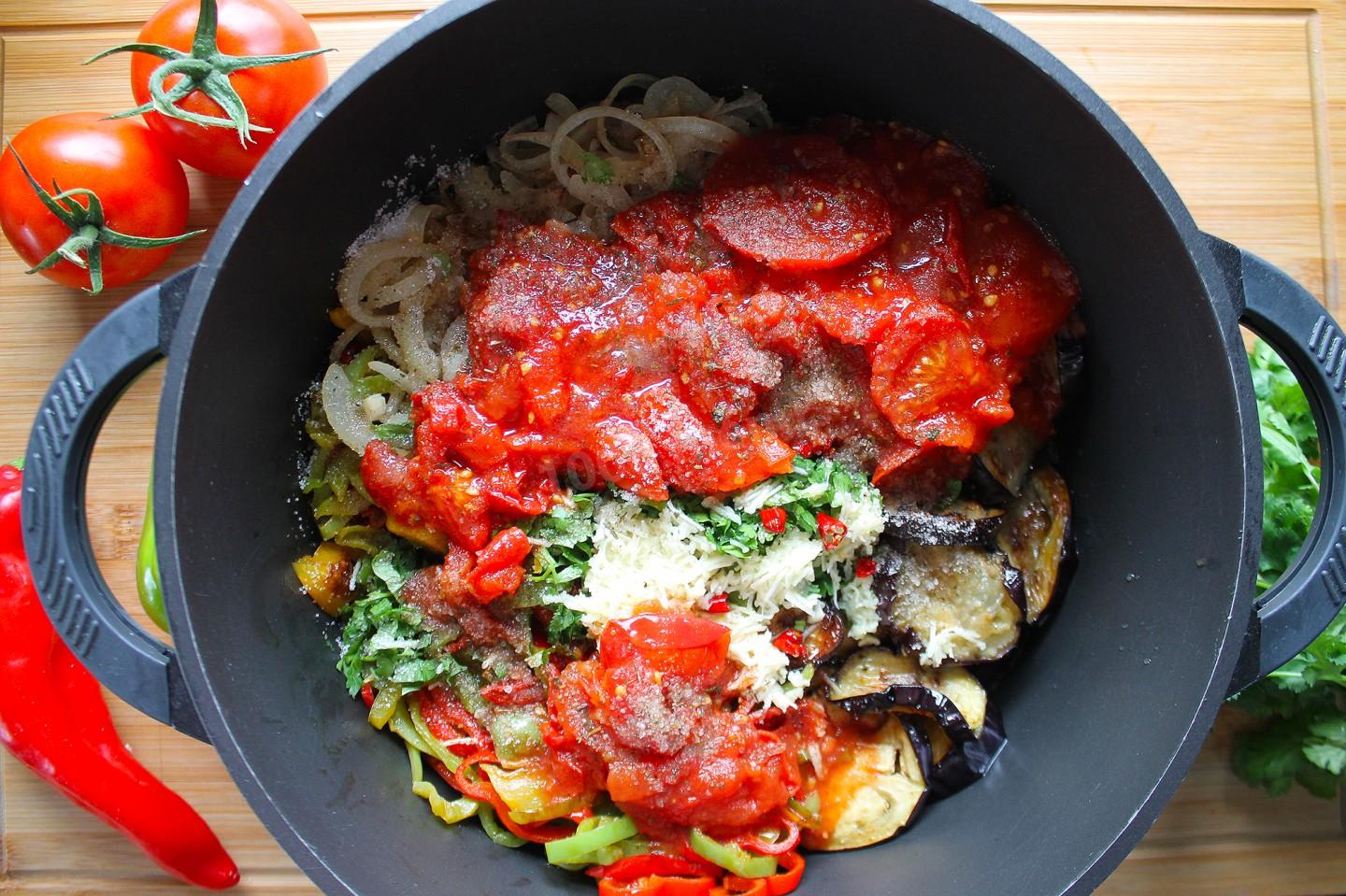
Combine everything in one large pot or bowl. Add the salt, sugar, chopped cilantro, and garlic pressed through a garlic press. I used a seasoned salt blend, which added dried herbs and made the ajapsandali even more fragrant — at this stage you could also add a little dried basil, khmeli-suneli (a Georgian spice blend), and so on. Add the salt gradually; everyone's taste is different, and 1 tablespoon may turn out to be too much for you.
-
Step 13:
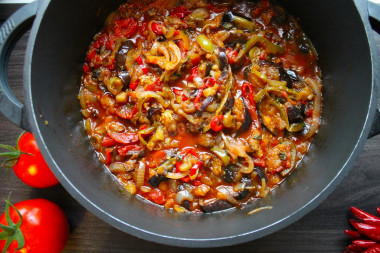
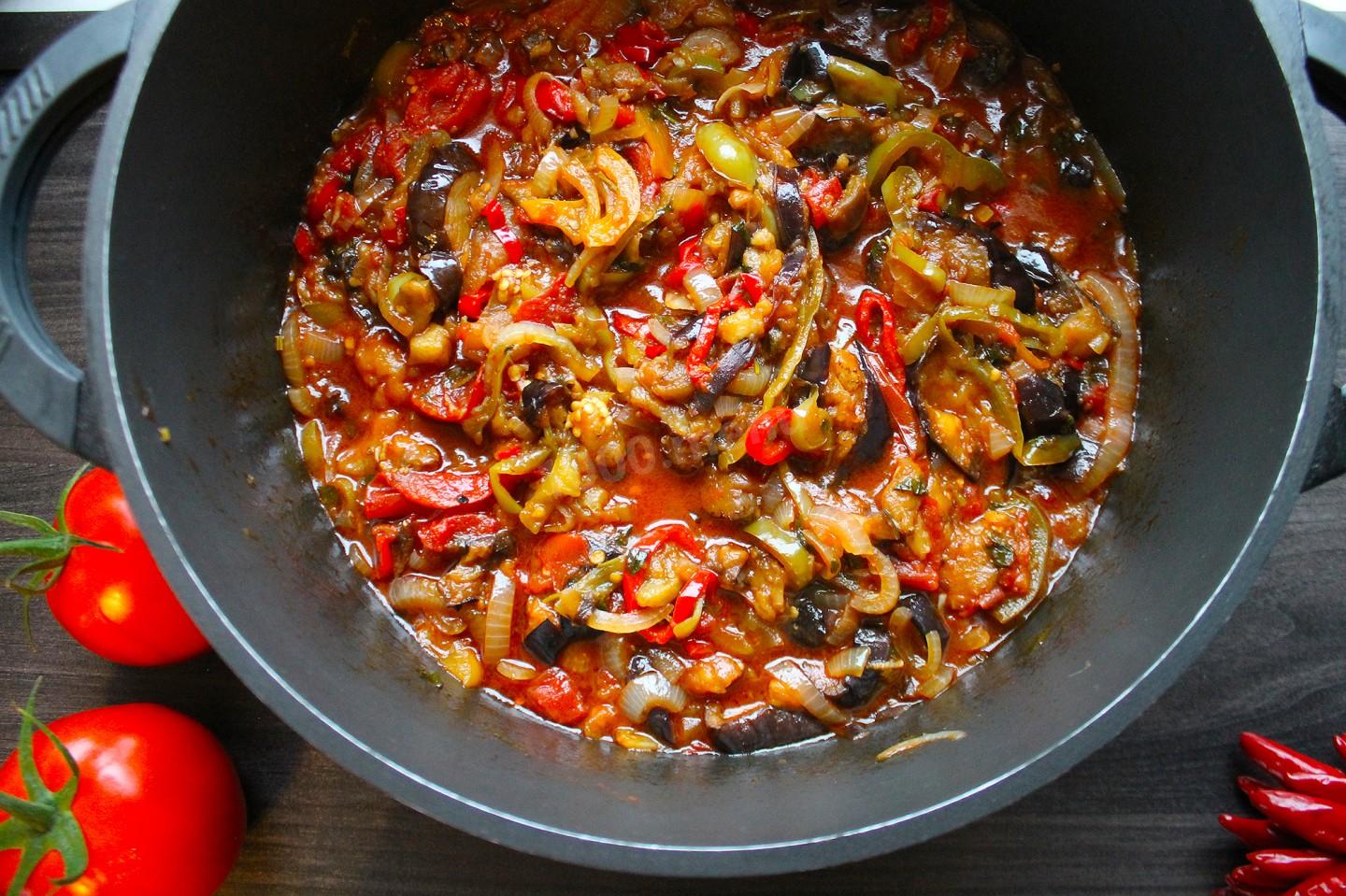
Set the pot over medium heat and cook for about 20–25 minutes (the ajapsandali should bubble gently the whole time). Stir the vegetable stew now and then so nothing scorches. At the end, pour in the vinegar and cook for another 3–5 minutes. The timing may vary a bit — just watch that the vegetables don't cook down to mush.
-
Step 14:
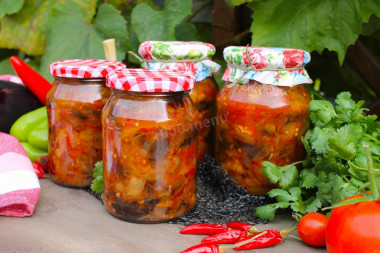
Spoon the finished stew into sterilized jars and seal with sterilized lids. Turn the jars upside down, wrap them in a warm blanket, and leave them until completely cool.
-
Step 15:
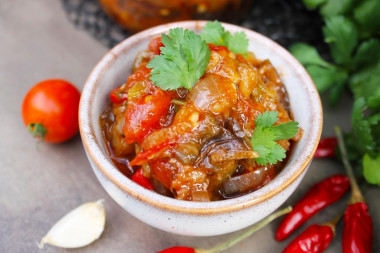
Your delicious, fragrant Georgian ajapsandali is ready!
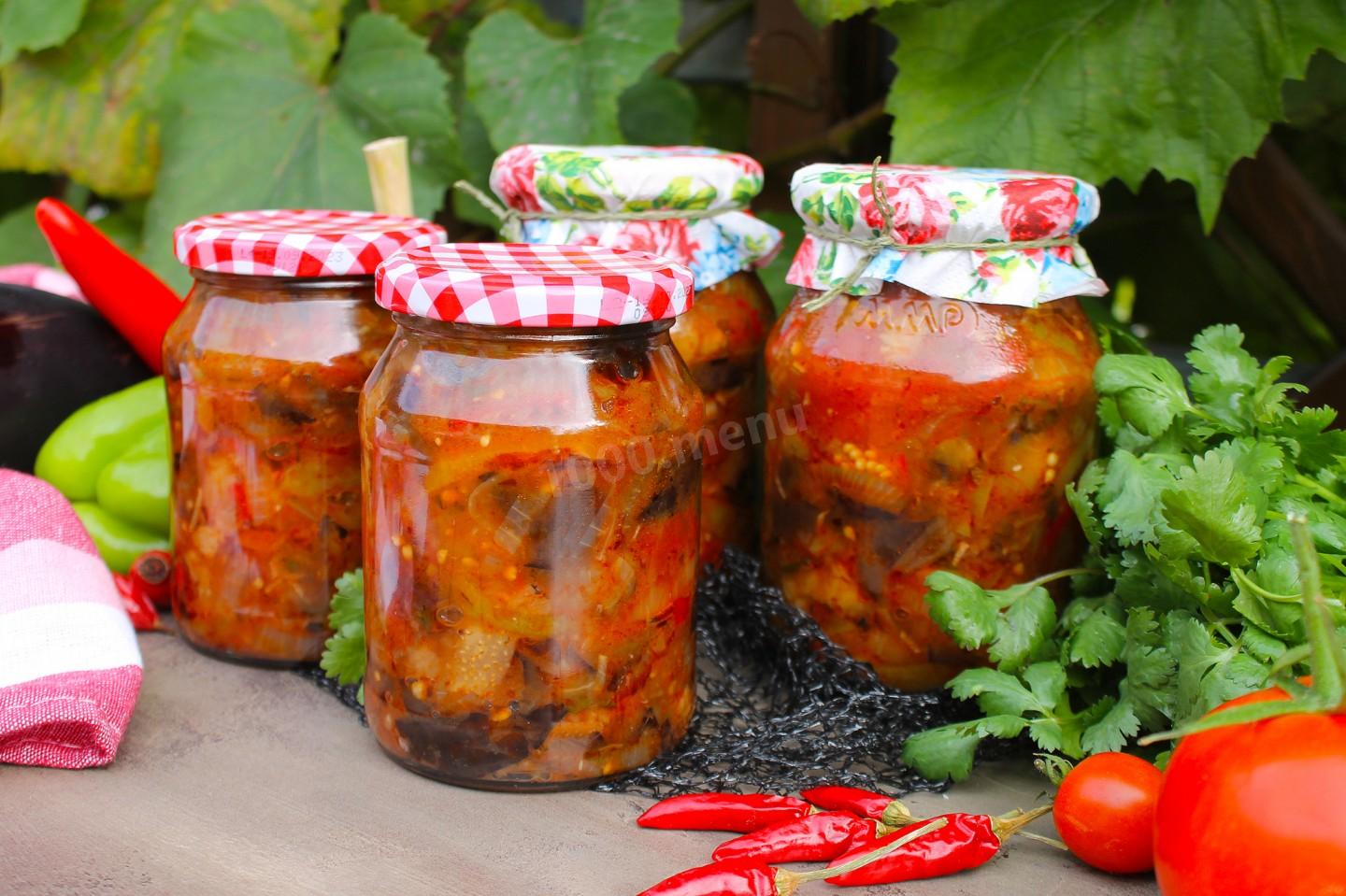
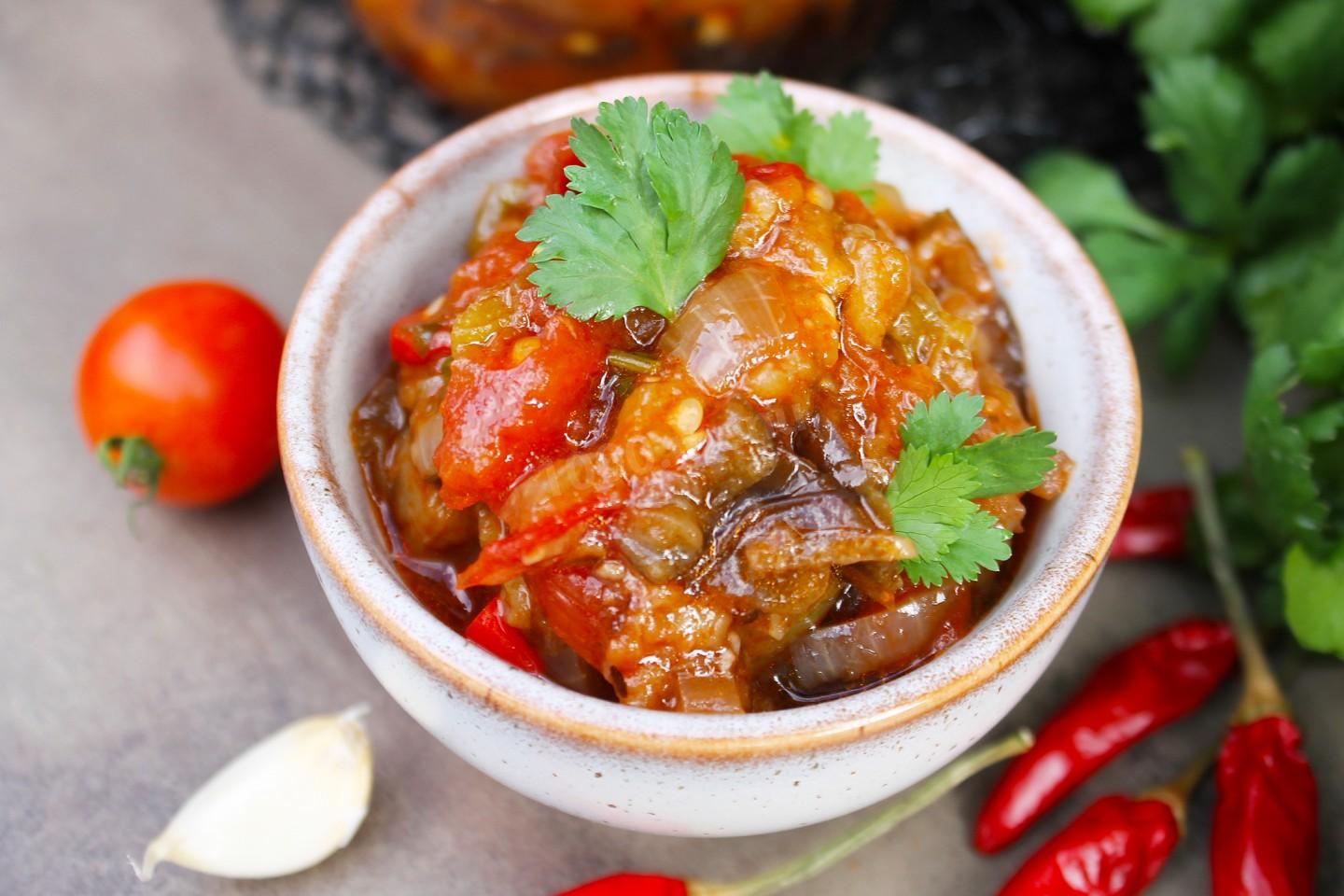
- Store the jars anywhere cool enough. This amount gave me about 2 quarts (2 liters) of finished relish. Ajapsandali is delicious on its own, or as a side for meat, potatoes, and much more. Enjoy!
- To make sure your summer bounty keeps you happy all through the cold season, read up on the basic rules, tips, and tricks for canning and preserving.
- To keep your eyes from stinging when you slice onions, rinse both the onion and your knife in cold water. Rubbing your cutting board with a slice of lemon before you start will keep it from absorbing that oniony smell.
Caloric content of the products possible in the composition of the dish
- Onion - 41 kcal/100g
- Tomatoes - 23 kcal/100g
- Sweet pepper - 27 kcal/100g
- Eggplant - 24 kcal/100g
- Garlic - 143 kcal/100g
- Granulated sugar - 398 kcal/100g
- Sugar - 398 kcal/100g
- Wine vinegar (3%) - 9 kcal/100g
- Vinegar 9% - 11 kcal/100g
- Balsamic vinegar - 88 kcal/100g
- Apple vinegar - 14 kcal/100g
- Vinegar - 11 kcal/100g
- Vegetable oil - 873 kcal/100g
- Tomato paste - 28 kcal/100g
- Hot capsicum - 40 kcal/100g
- Salt - 0 kcal/100g
- Coriander greens - 25 kcal/100g
Similar recipes

- National cuisine
- Second course
- Homemade preparations
- Vegetables
- Sweet
- Spices seasonings spices
- Fats and oils
- Other
- Garlic
- Кинза
- Pepper
- Salt
- Vinegar
- Vegetable oil
- Tomato paste
- Caucasian cuisine
- Frying
- Stewing
- Ajapsandal
- Eggplant second course
- Vegetable blanks
- Marinades
- From tomato
- From eggplant
- From sweet pepper
- From onion
- Vegetarianism
- Recipes for lean dishes without butter
- Sugar