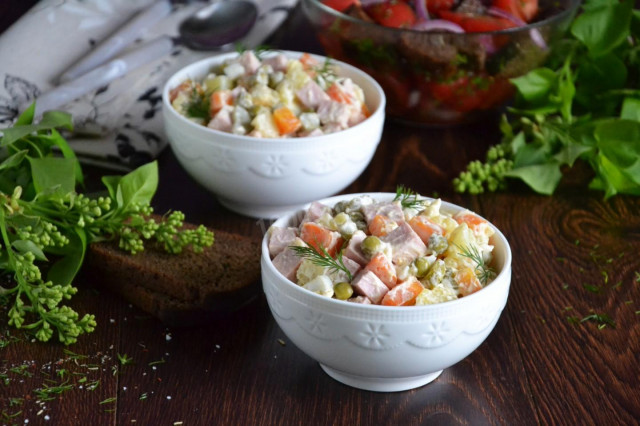
Homemade Ghee from Butter
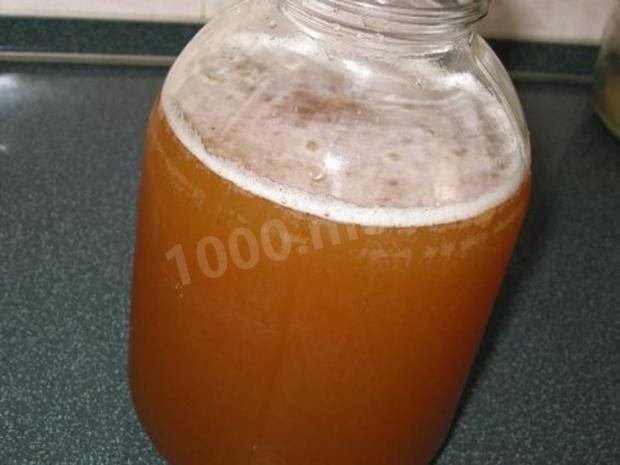
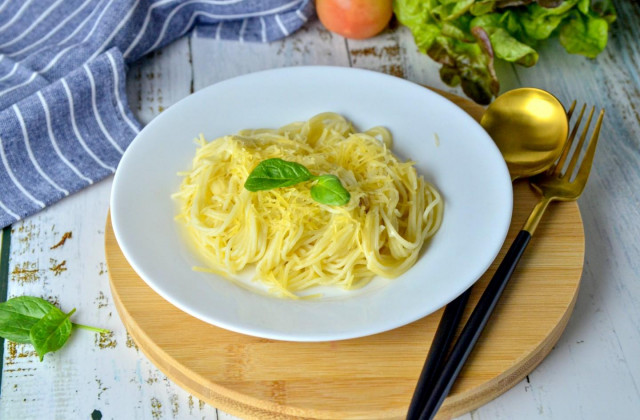
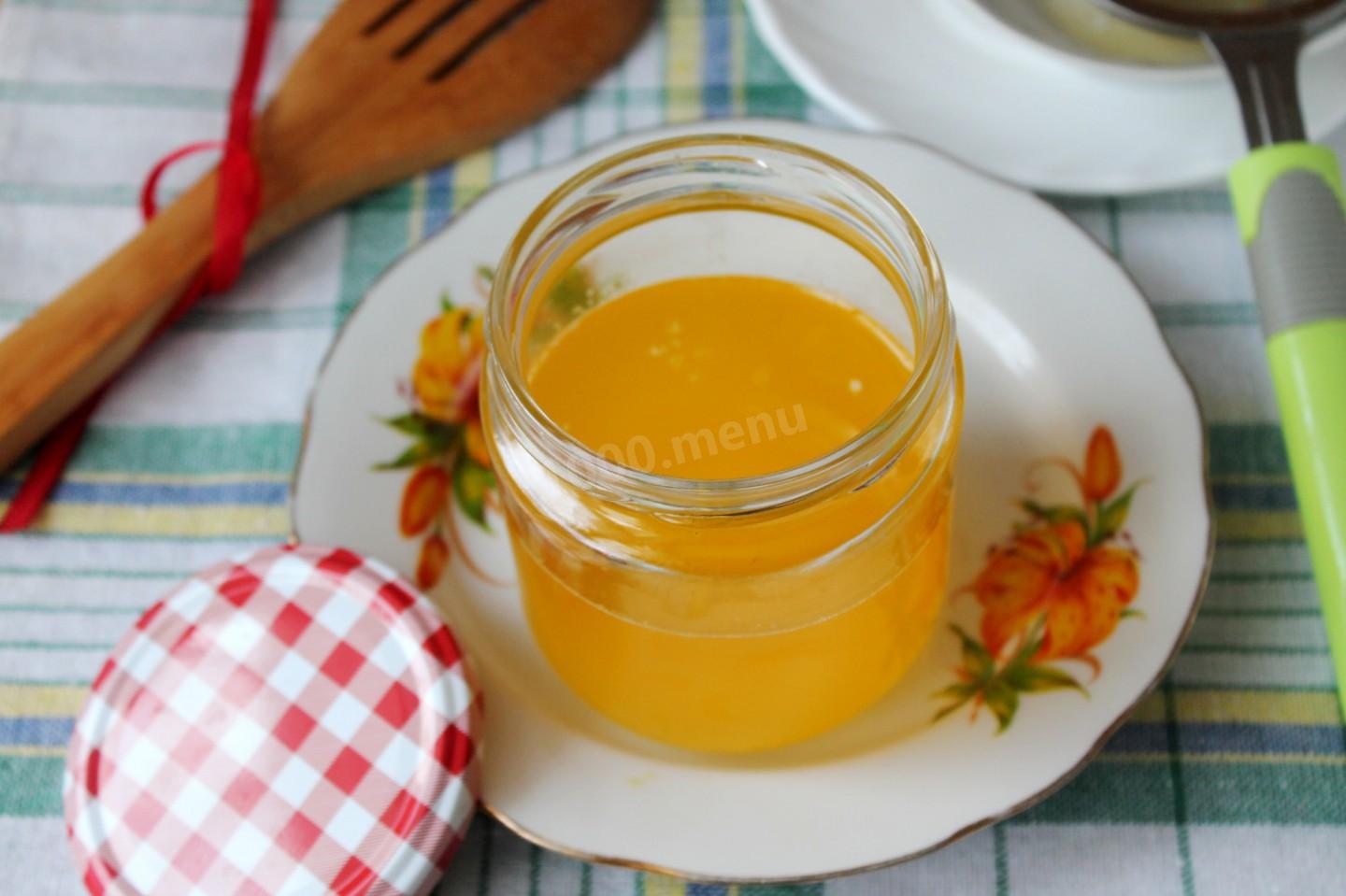
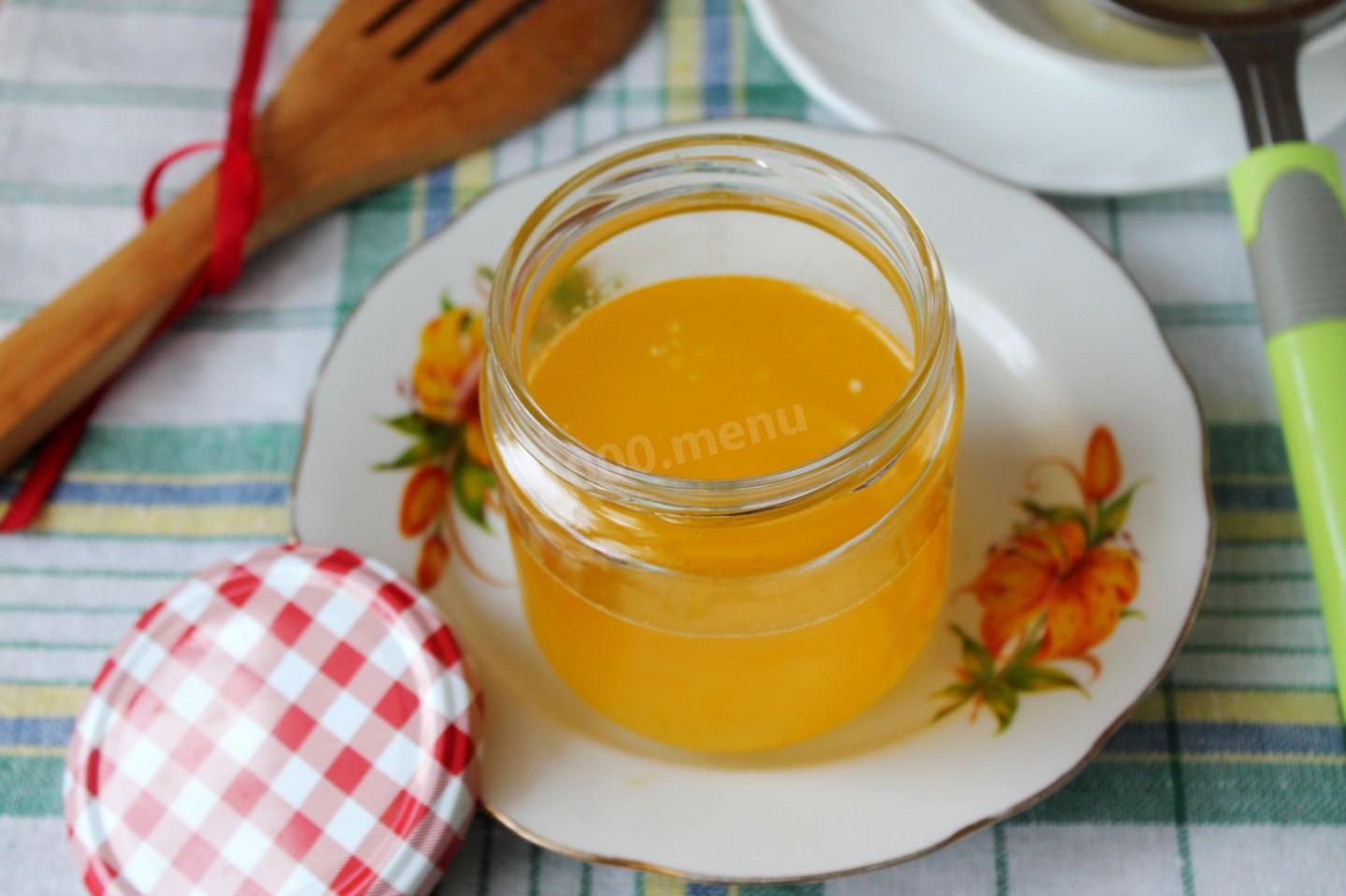
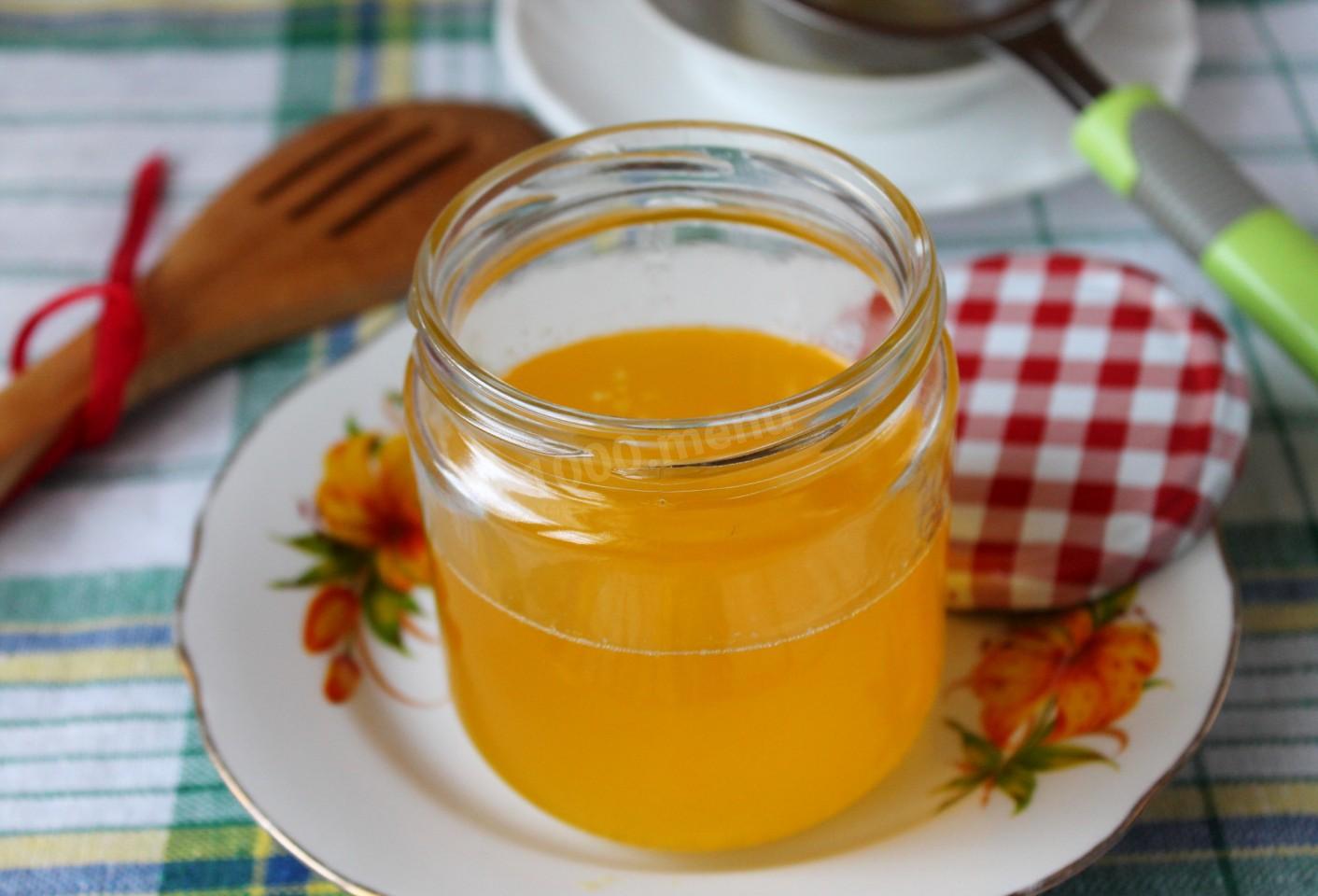
The gentlest way to make ghee at home. This ghee is made using a water bath. As it cooks, whey settles to the bottom and foam forms on the surface — both can be used as food. Homemade ghee comes out a lovely bright yellow and lightens as it sets. If it crumbles when stored in the refrigerator, that means you've made it right. Ghee is handy to cook with: you can fry on it because it doesn't burn the way regular butter does, so it doesn't produce carcinogens. It's lovely served over porridge, pasta, boiled potatoes, and pancakes.
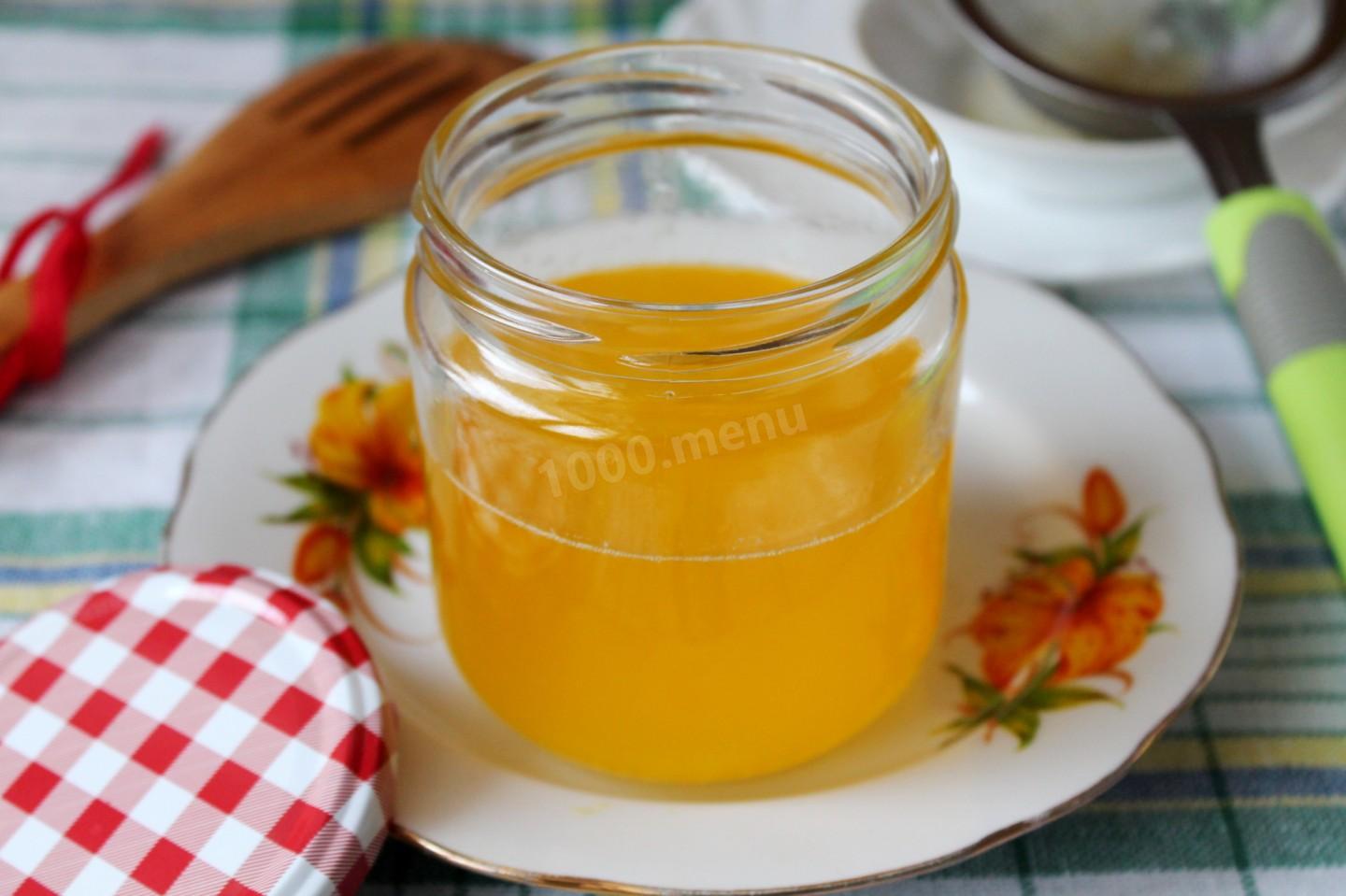
Cooking method
-
Step 1:
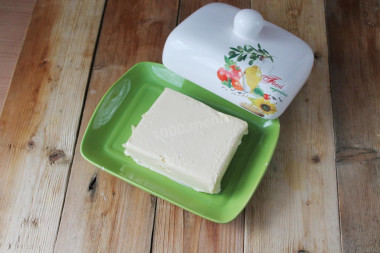
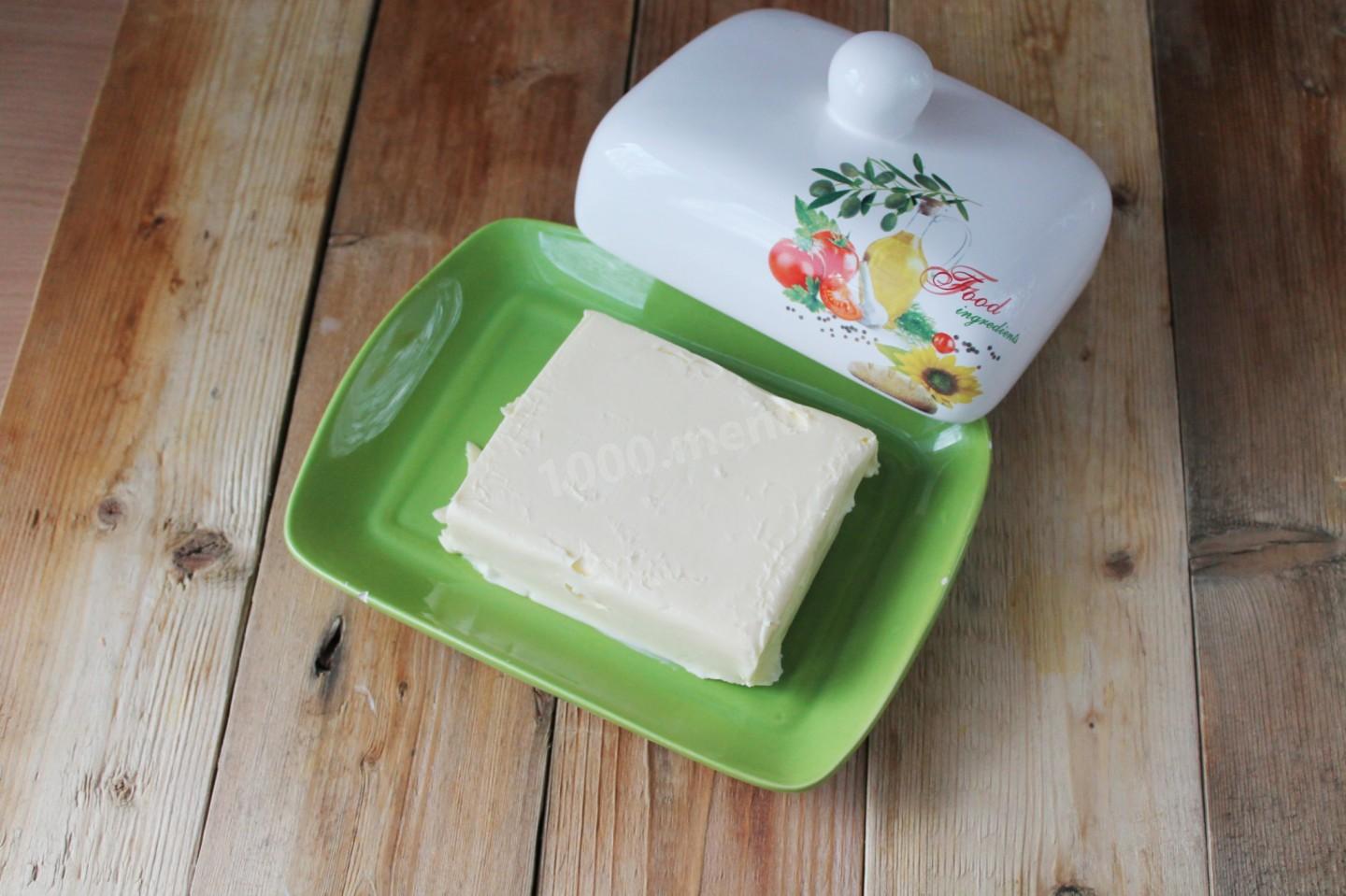
Use good butter — preferably farmhouse butter, or, if store-bought, the highest fat content available, usually 82.5%.
-
Step 2:
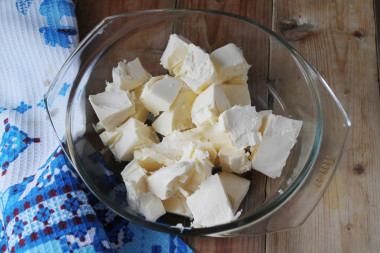
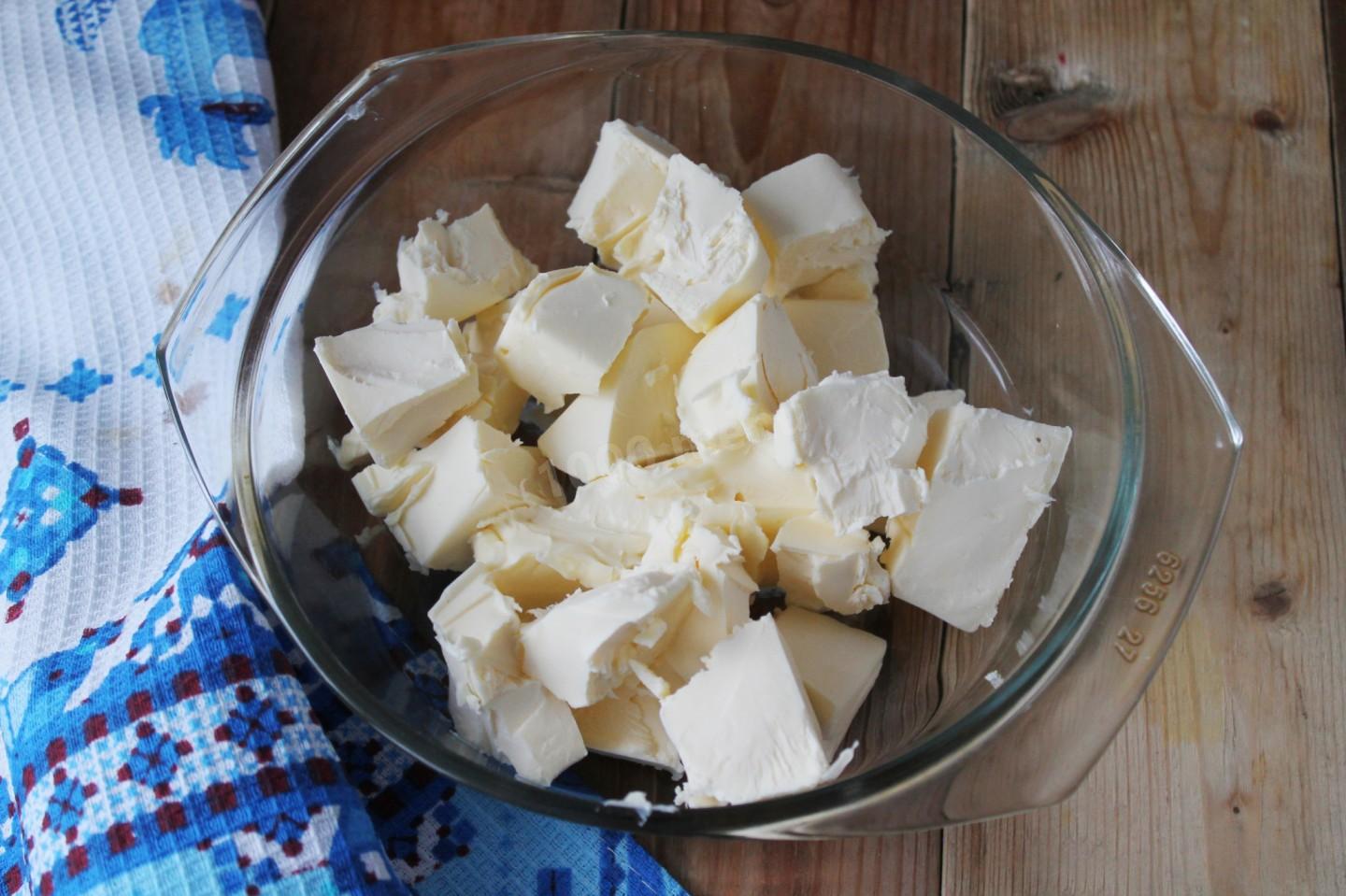
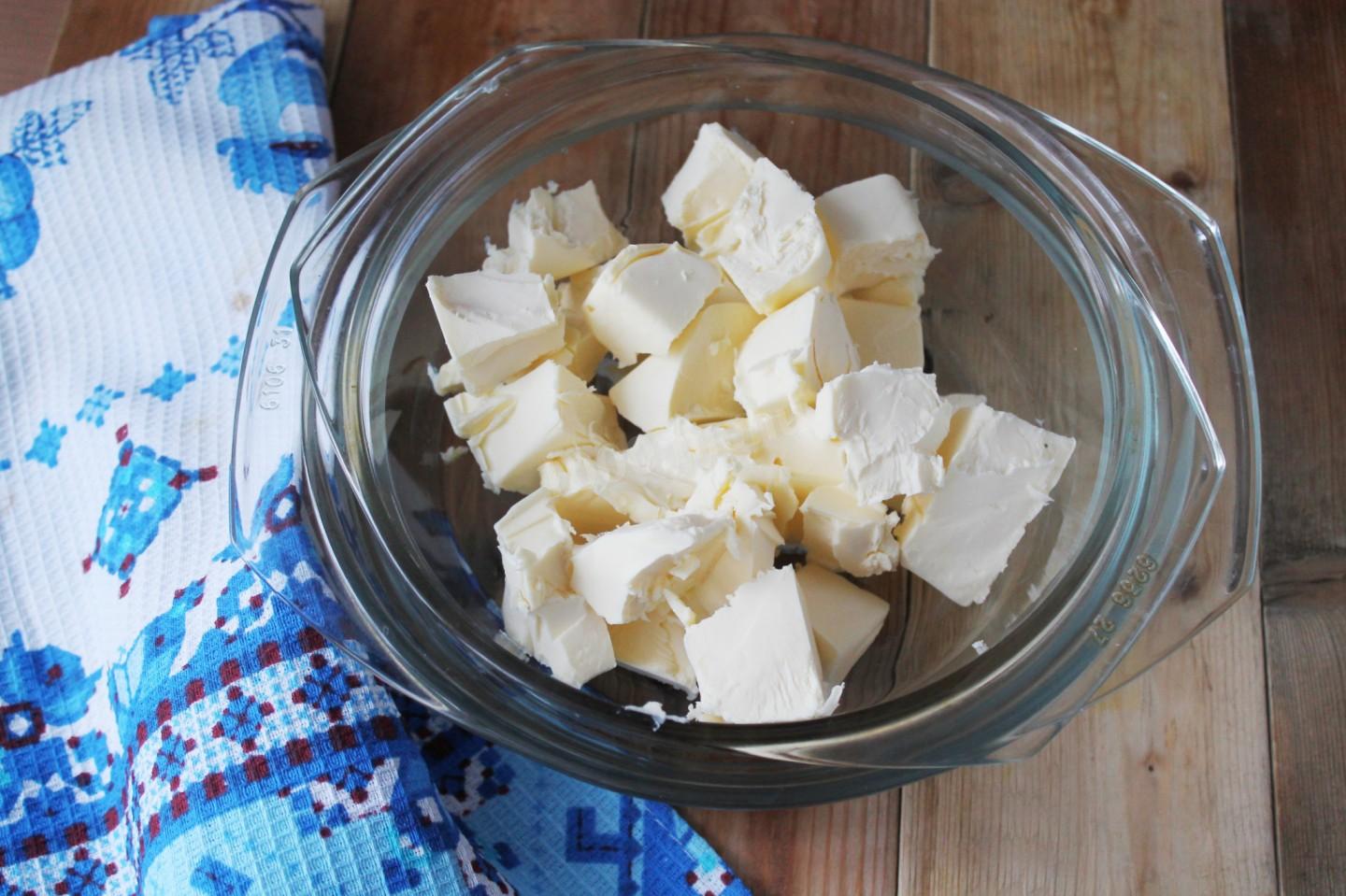
Chop the butter into pieces and put it in the pot you'll melt it in. Nesting microwave-safe pots work well here, since they fit one inside the other.
-
Step 3:
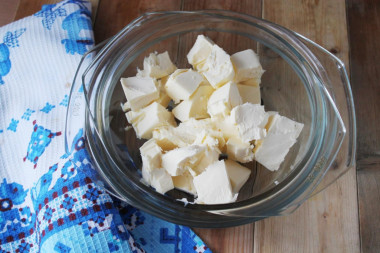
Pour a little water into the larger pot — how much depends on the size and height of your pots. Set the pot of butter inside it and place it over the heat.
-
Step 4:
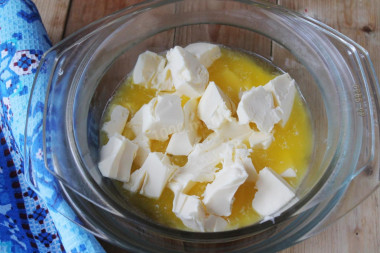
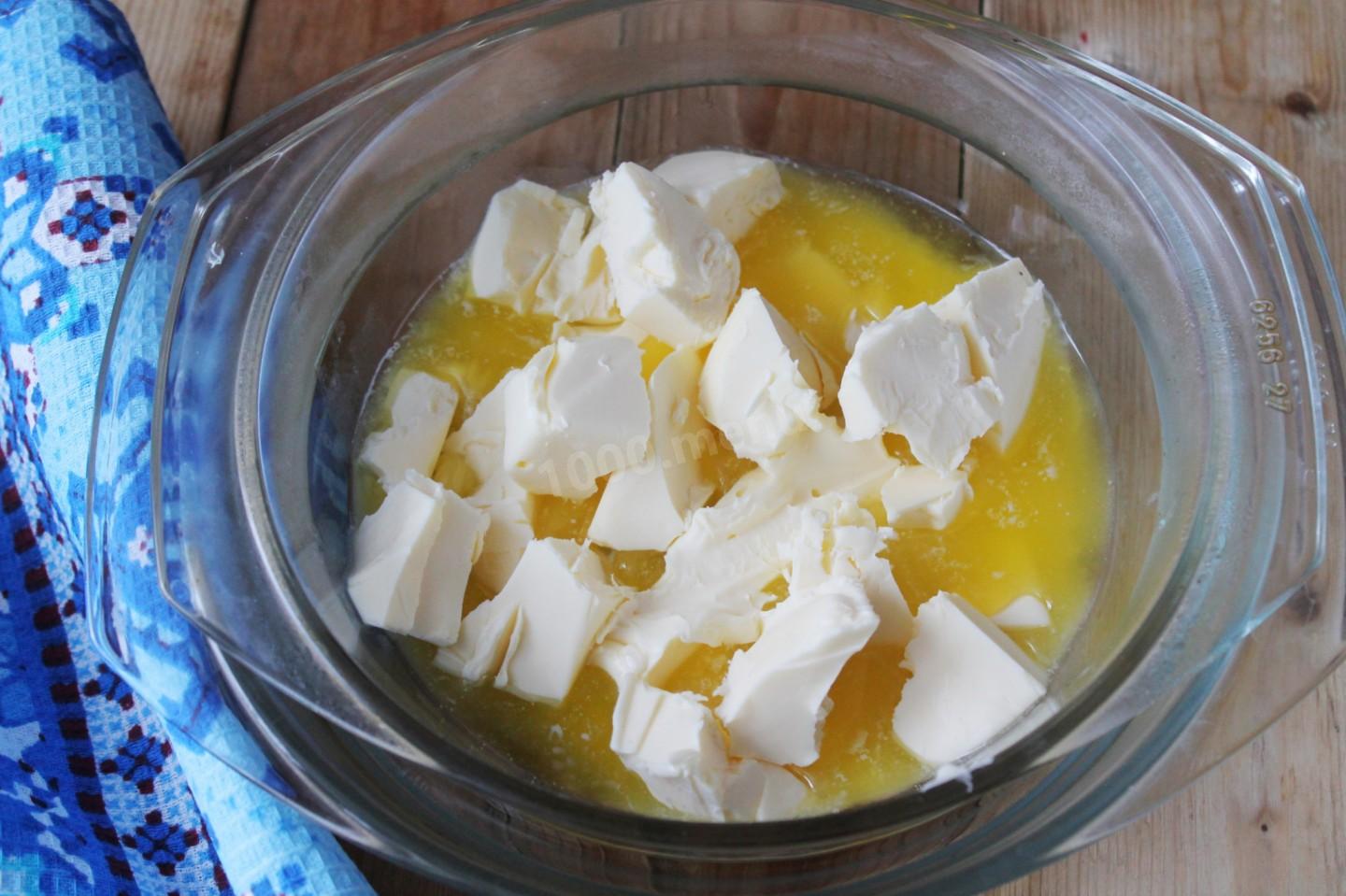
Once the water boils, lower the heat and keep it at a gentle simmer. The butter will gradually begin to melt.
-
Step 5:
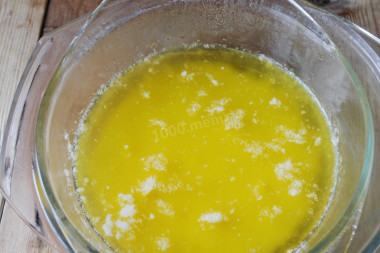
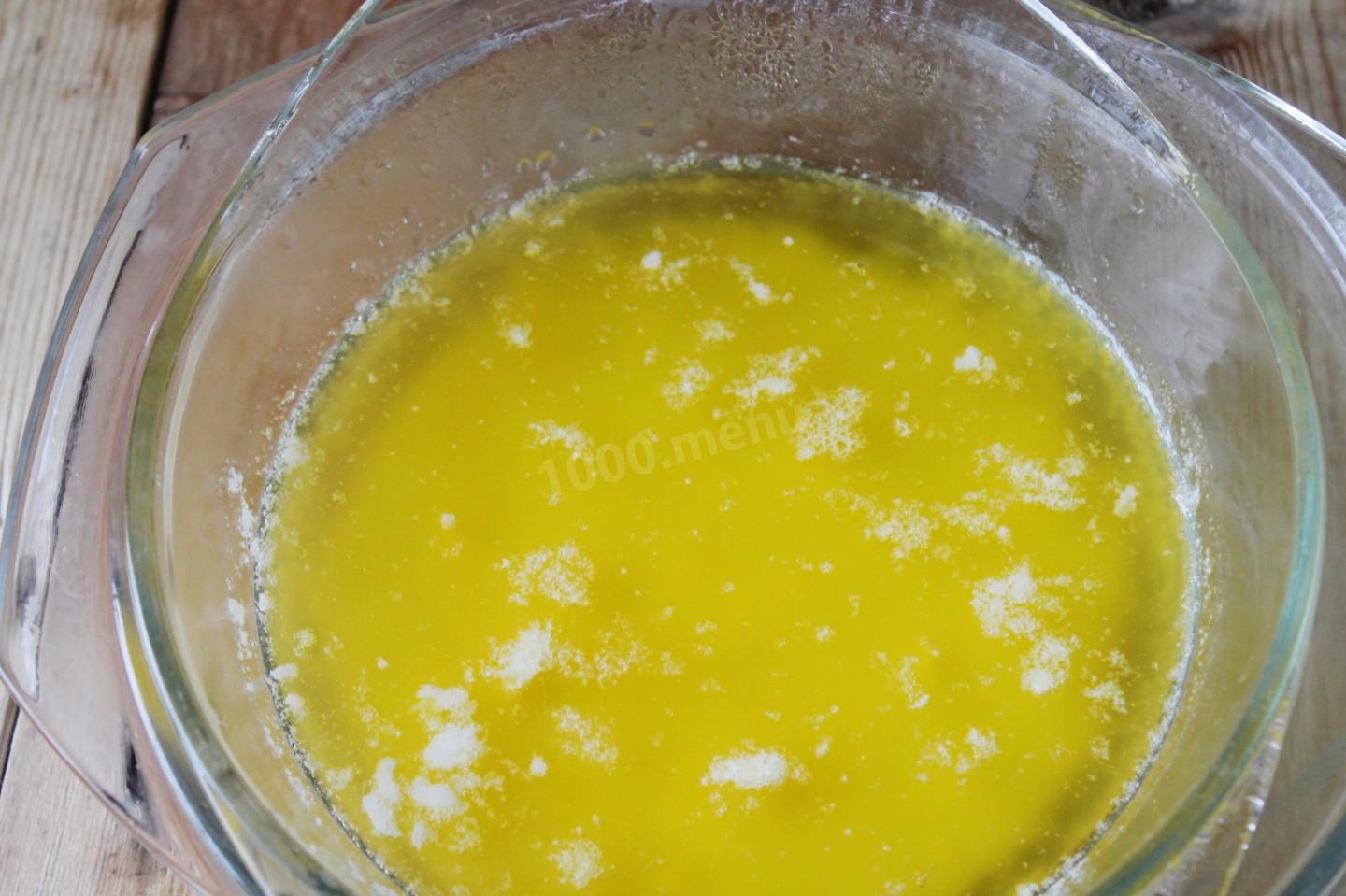
Once all the butter has melted, white foam will start to form on the surface — this is also a very valuable food, so don't throw it away under any circumstances. You can stir it straight into a sauce or porridge, or spread it on a slice of bread. Keep heating the butter until it turns clear, the whey settles to the bottom, and no new foam forms on top. Then let the butter stand for 2–3 hours at room temperature.
-
Step 6:
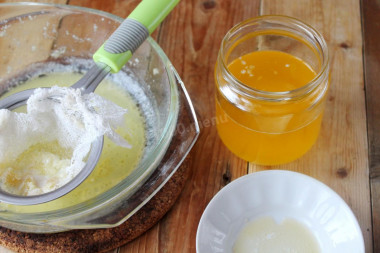
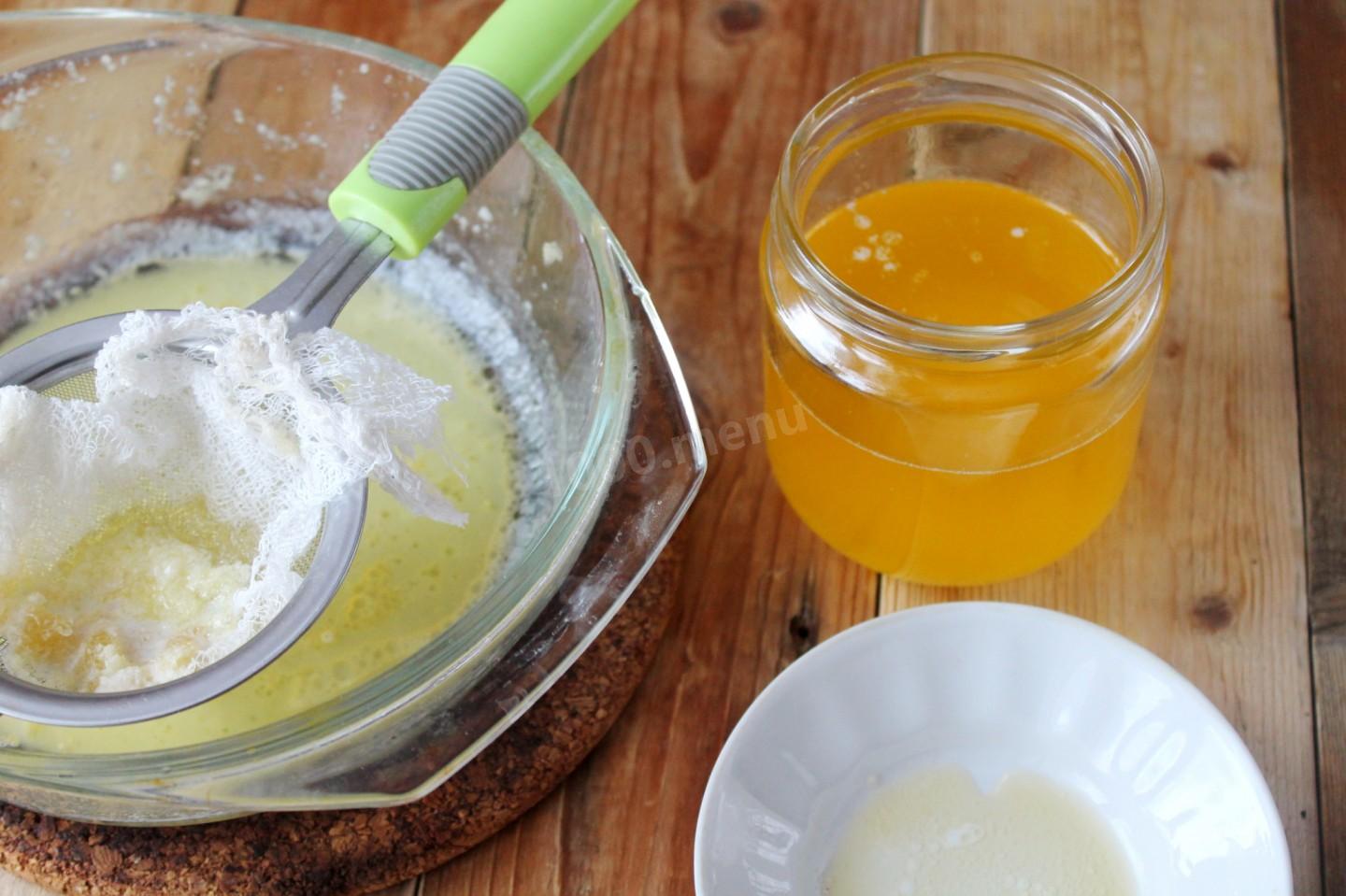
Skim off the foam with a wooden spoon. Now you can carefully strain the butter: line a sieve with several layers of cheesecloth and, trying not to disturb the layer of whey beneath, strain the butter through it.
-
Step 7:
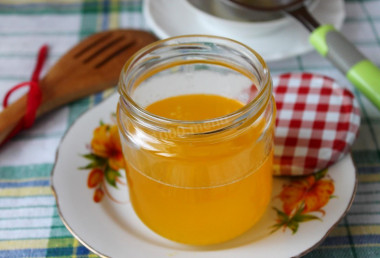
If some whey slips into the jar, no harm done — once the butter sets, poke a hole and drain it off. Store your homemade ghee in glass or ceramic containers in a dark place; light destroys the vitamins in dairy products.
- Ghee made from butter has been known since ancient times. During excavations, archaeologists found ceramic amphorae of ghee made centuries ago — and the ghee hadn't lost its main properties. Today I'm sharing the gentlest way to make ghee: in a water bath. This method rules out scorching and is the cleanest way to produce it.
Caloric content of the products possible in the composition of the dish
- Butter, 82% - 734 kcal/100g
- Unsalted premium butter - 709 kcal/100g
- Unsalted farmhouse butter - 661 kcal/100g
- Salted farmhouse butter - 652 kcal/100g
- Ghee - 869 kcal/100g