Skillet Pork with Onions and Carrots
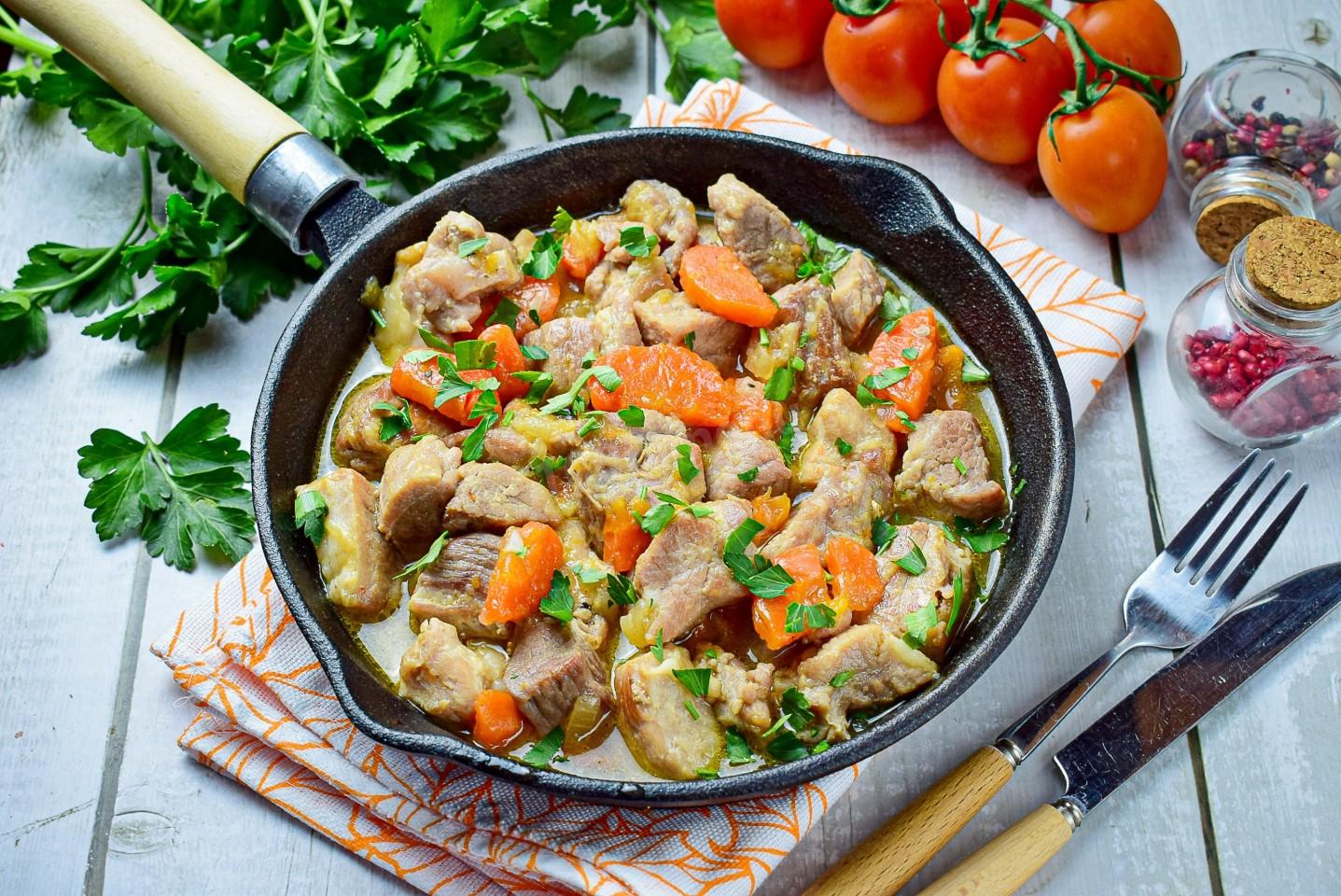
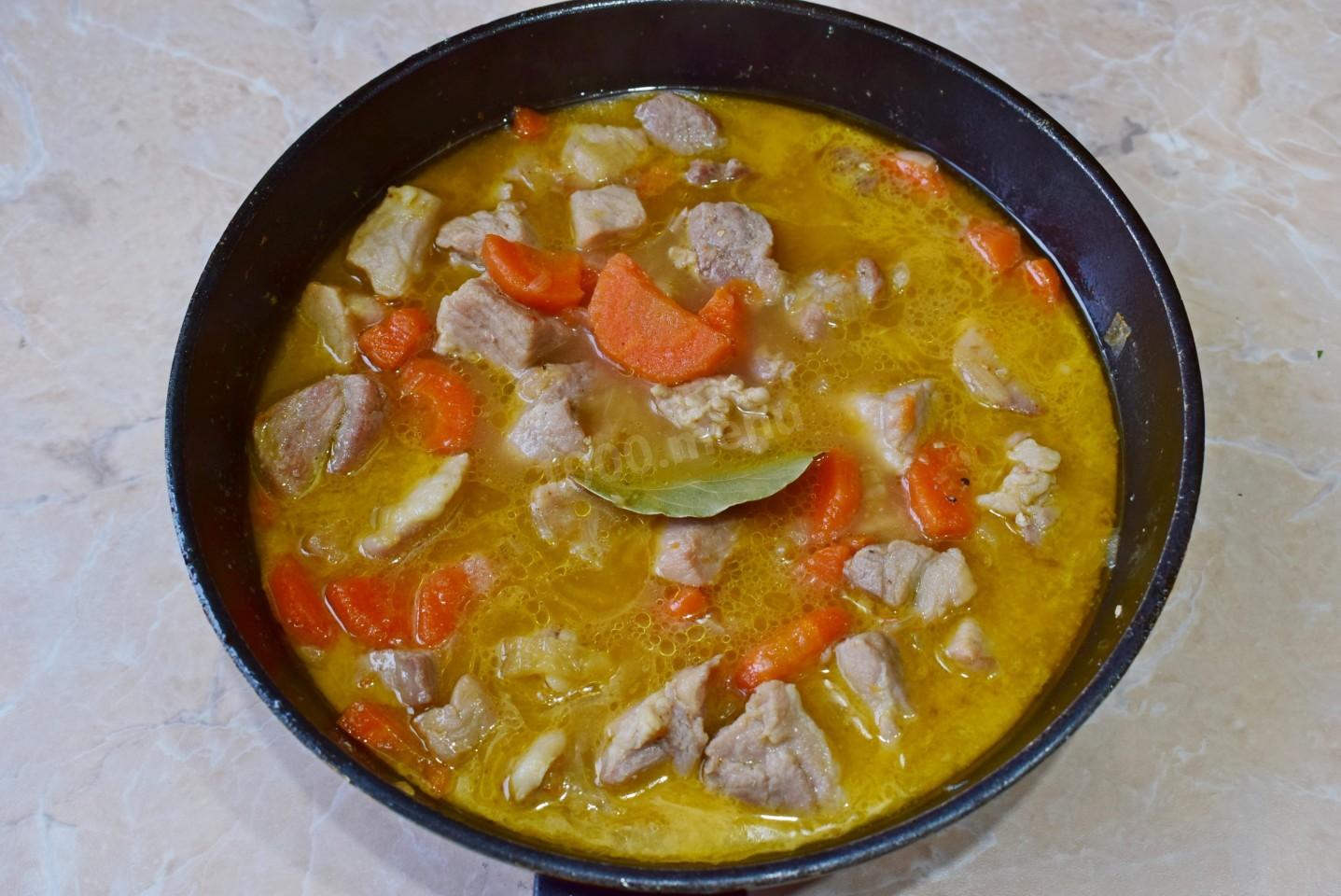
A tasty, meltingly tender braise with vegetables for lunch! This pork with onions and carrots is very easy to make and almost hands-off — for most of the cooking time the meat takes care of itself. You just need to check on it now and then!

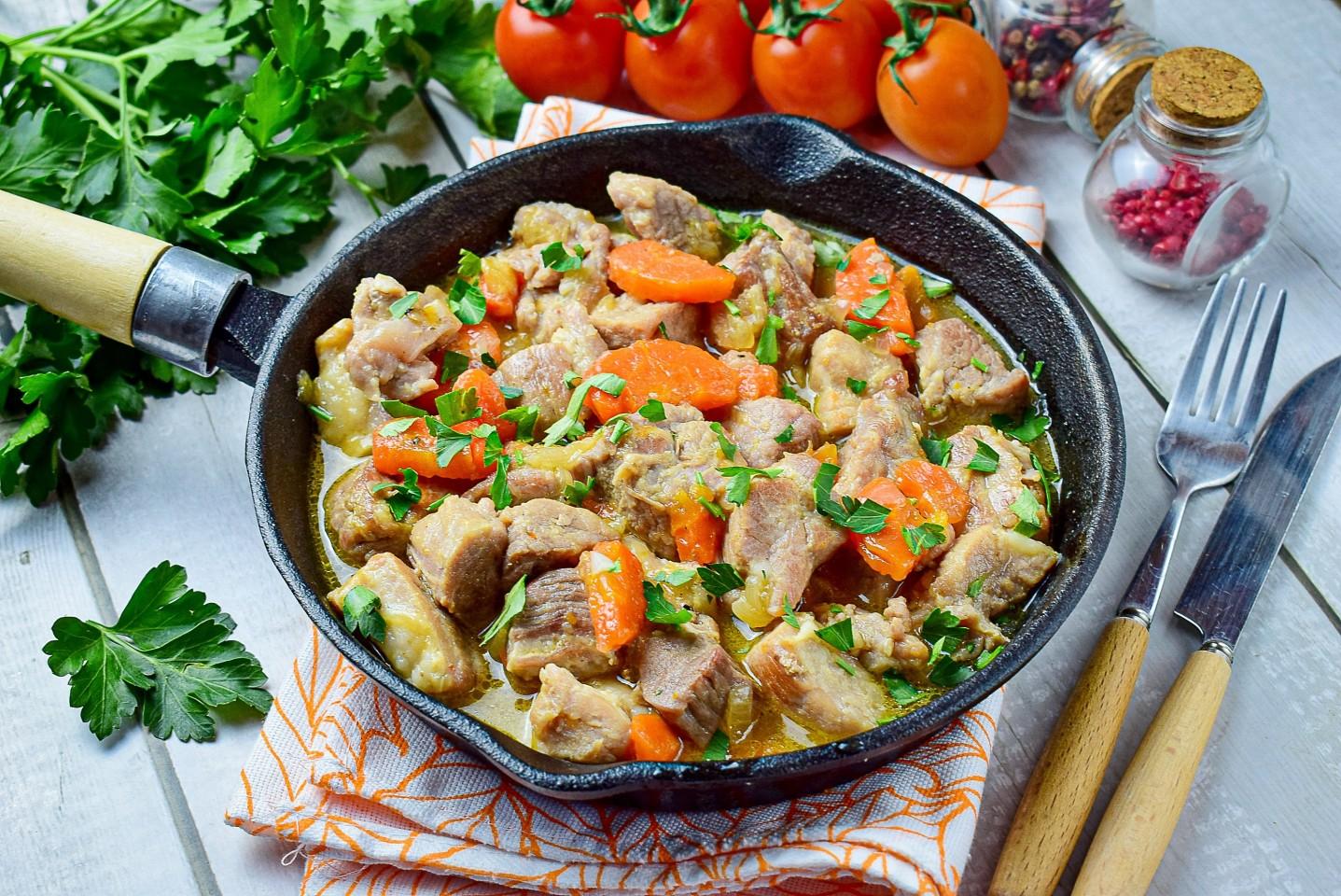
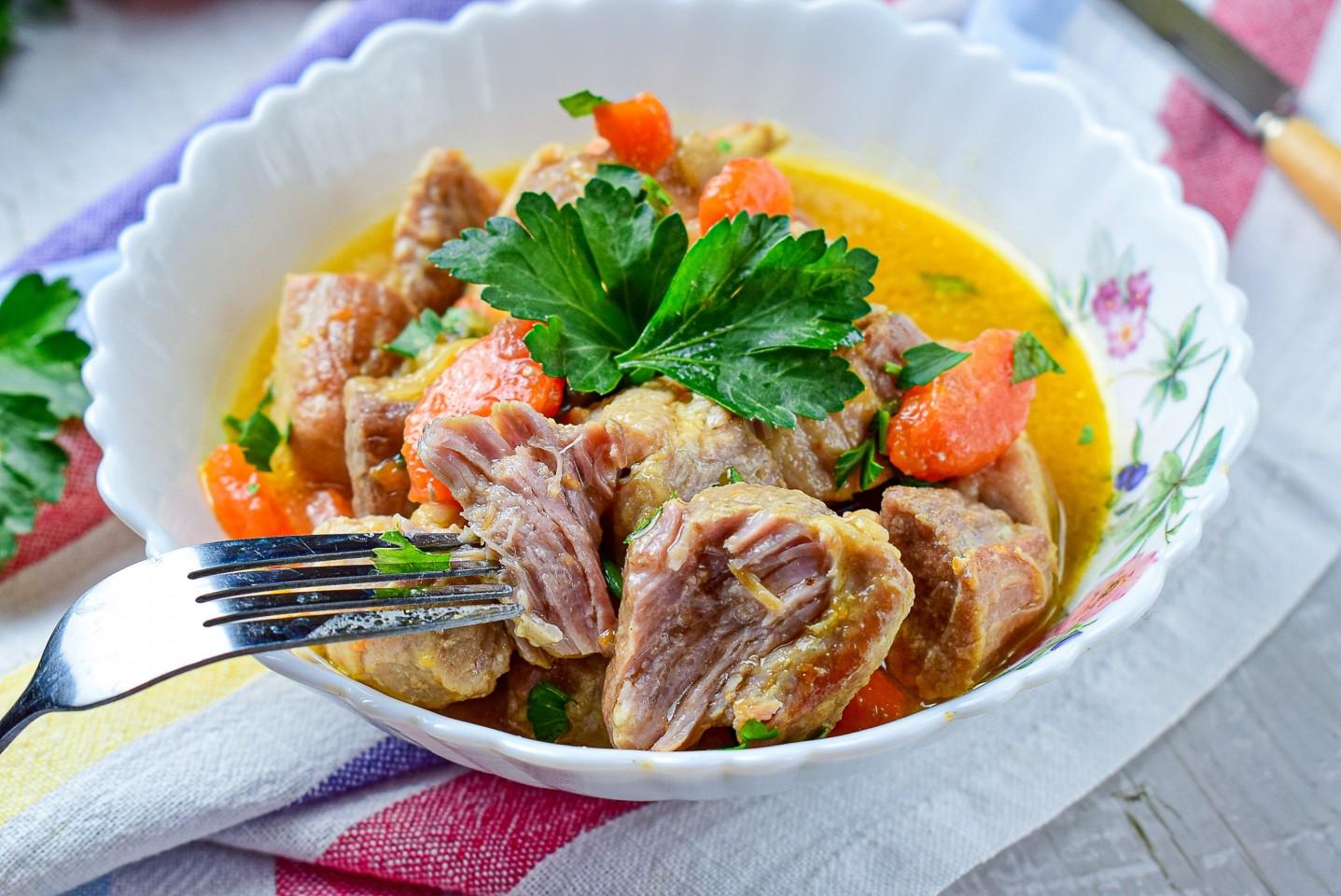
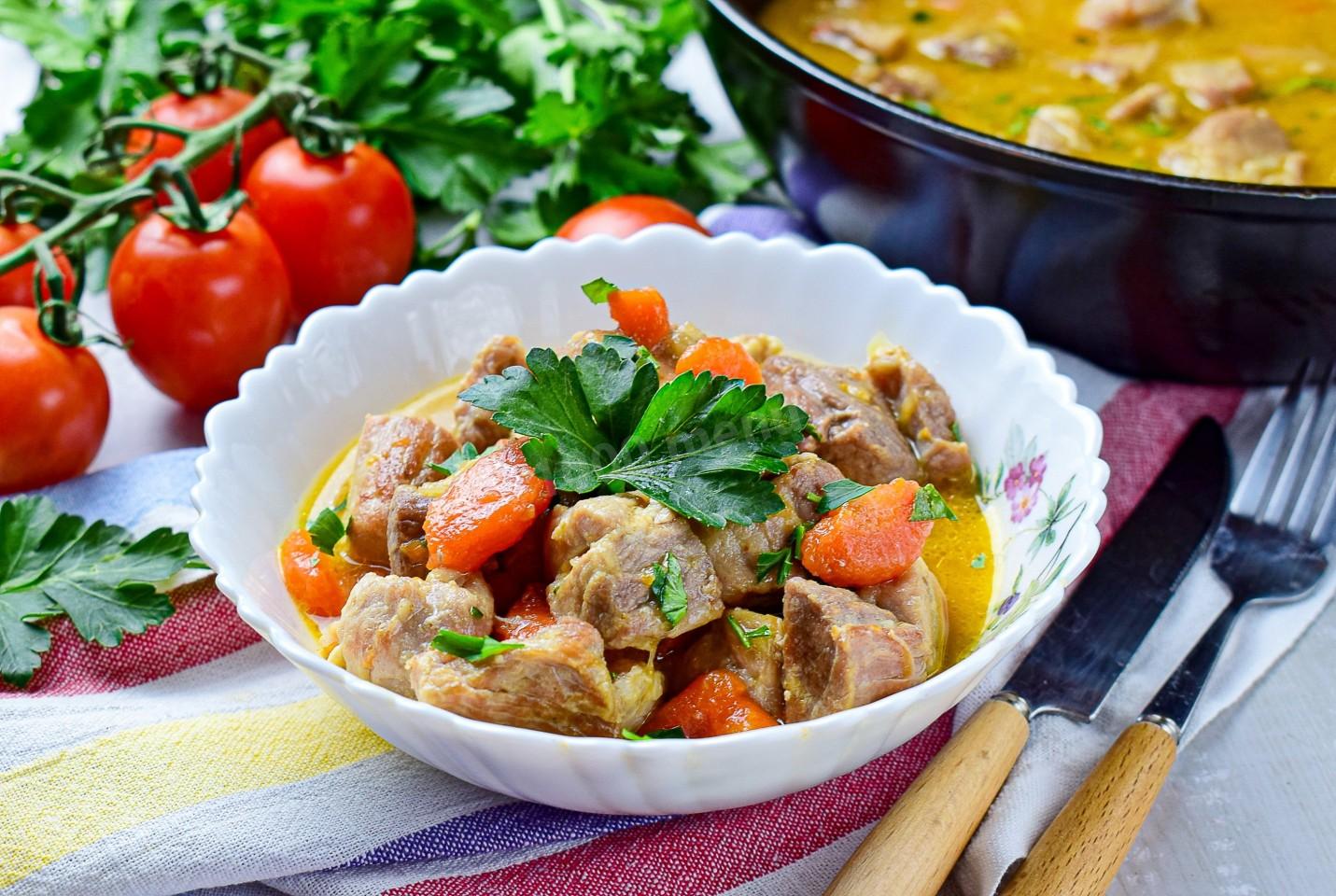
Cooking method
-
Step 1:
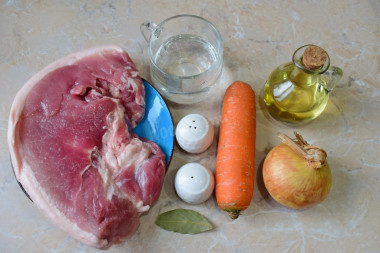
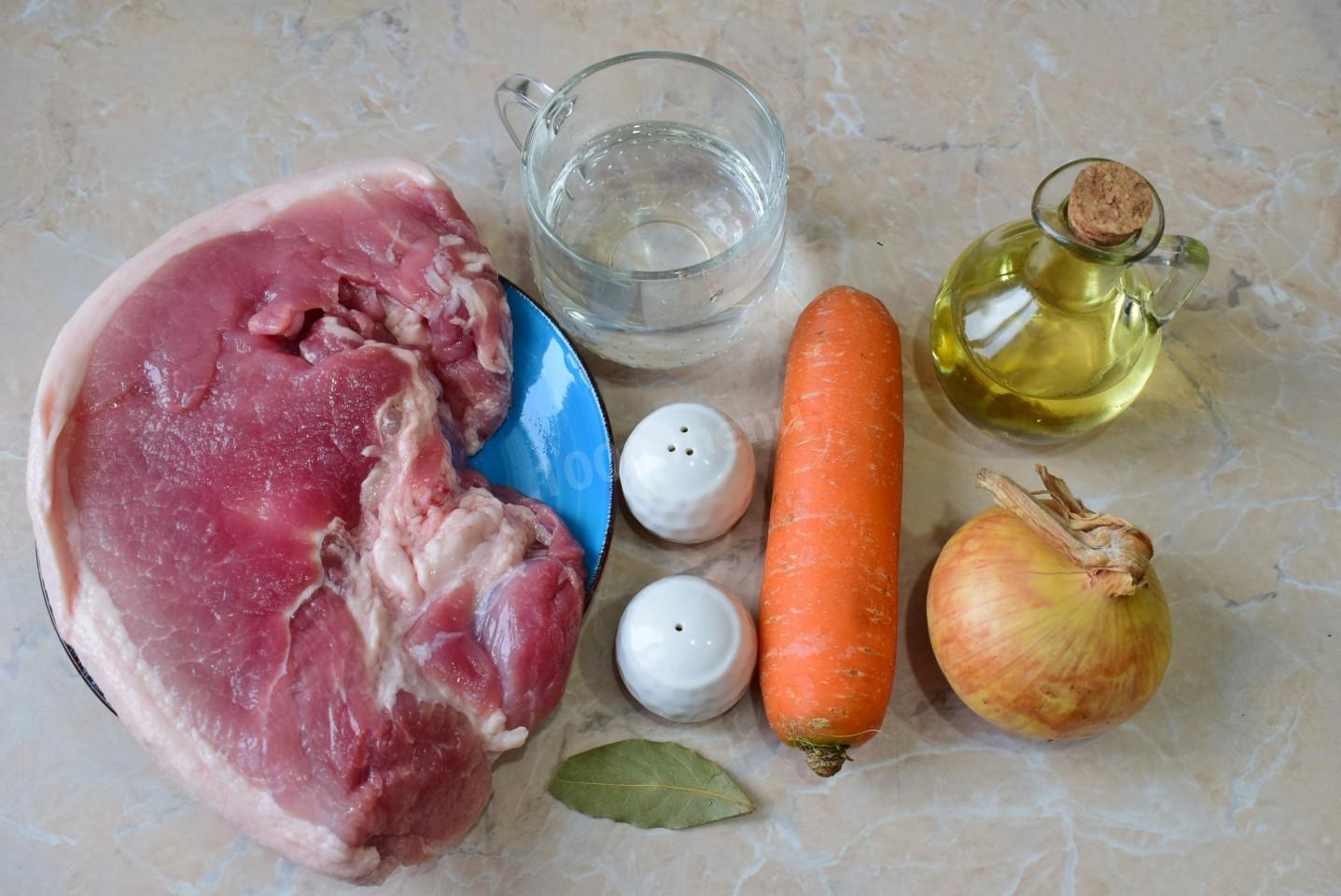
How do you make skillet pork with onions and carrots? Gather the ingredients. Rinse the pork under running water and pat it dry with a paper towel to remove excess moisture.
-
Step 2:
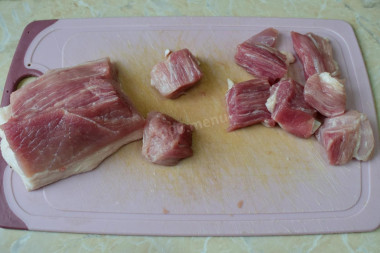
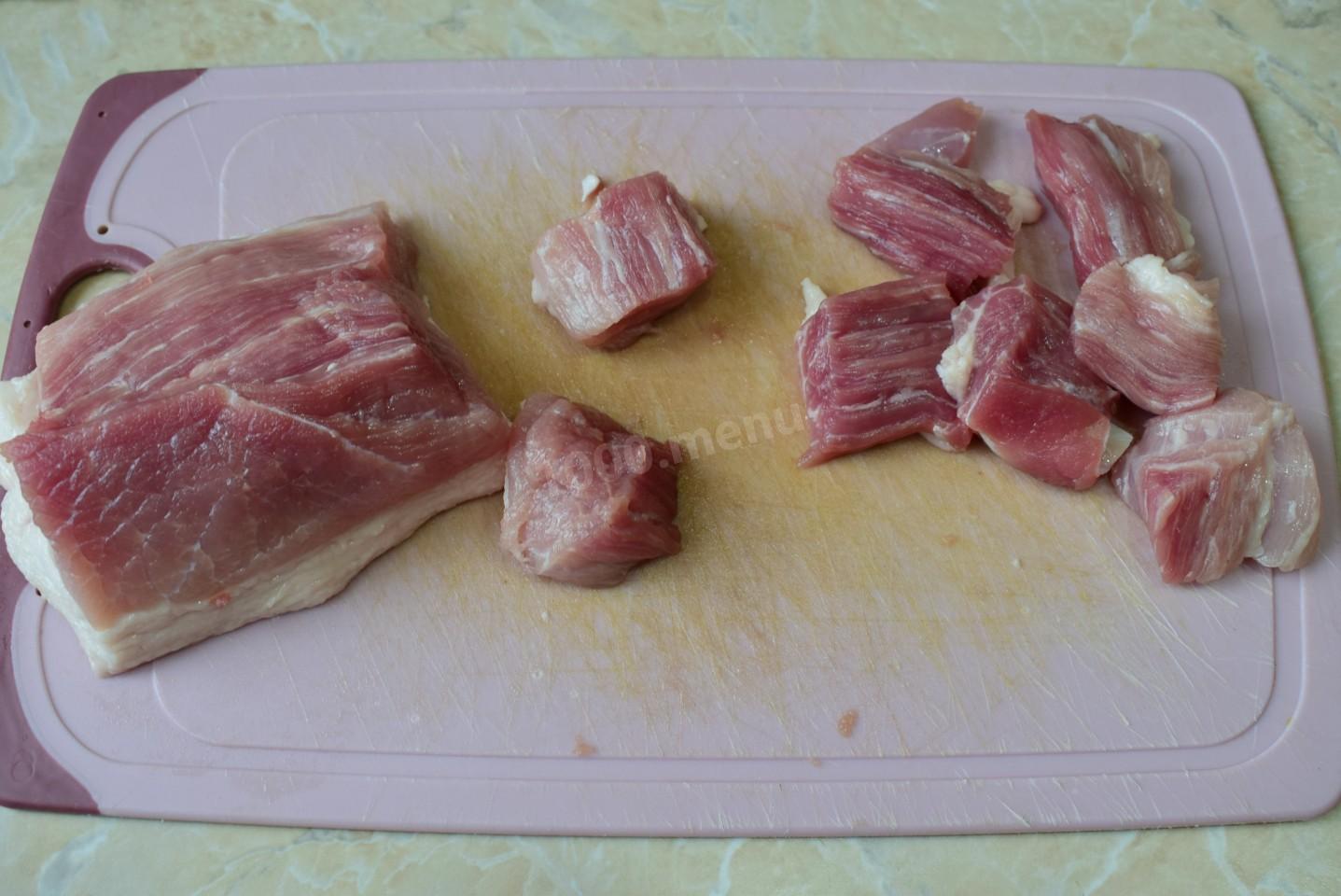
Use boneless pork. Cut the meat into large, roughly equal pieces.
-
Step 3:
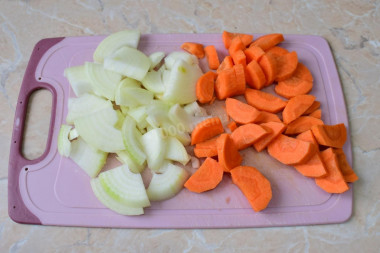
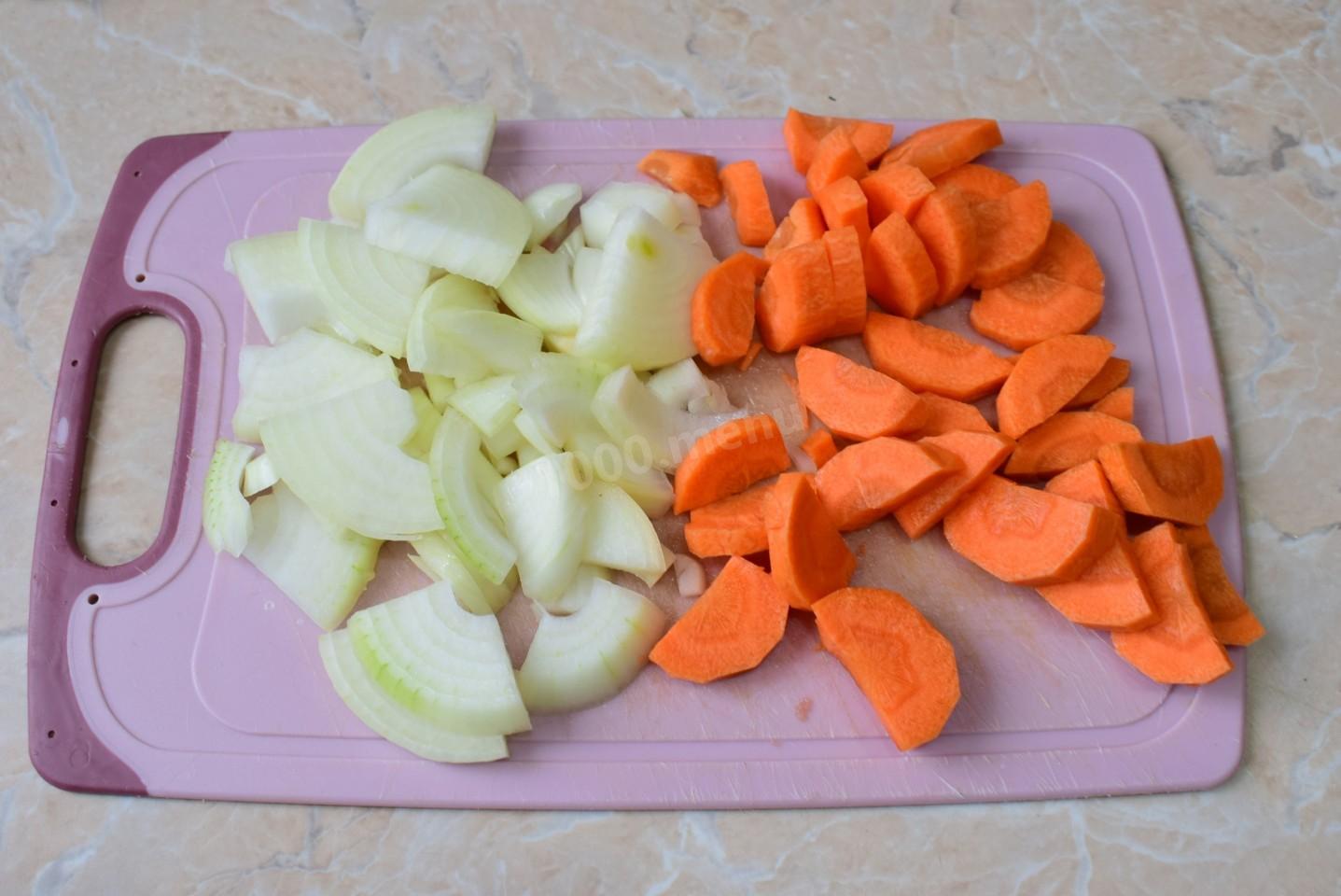
Peel and cut up the onion and carrot. Cut the onion into half-rings or a bit smaller. Cut the carrot into rounds or sticks, or grate it on the coarse holes of a box grater.
-
Step 4:
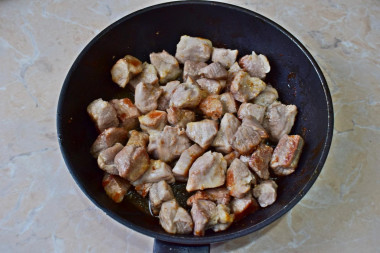
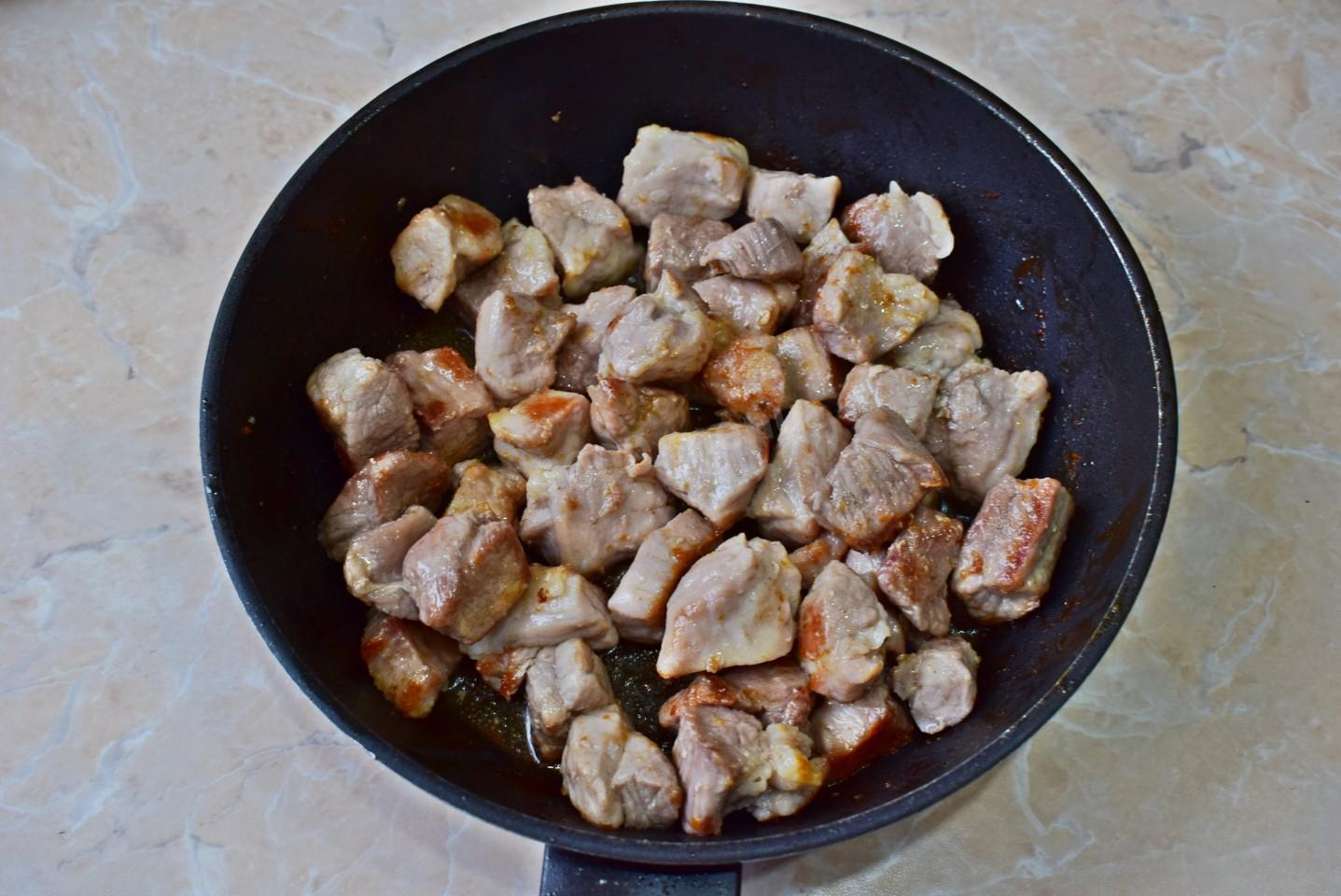
Use a good deep skillet. Heat it until hot and add a little vegetable oil. Add the cut-up meat and fry until it turns golden and starts to brown.
-
Step 5:
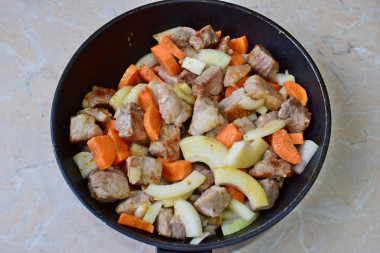
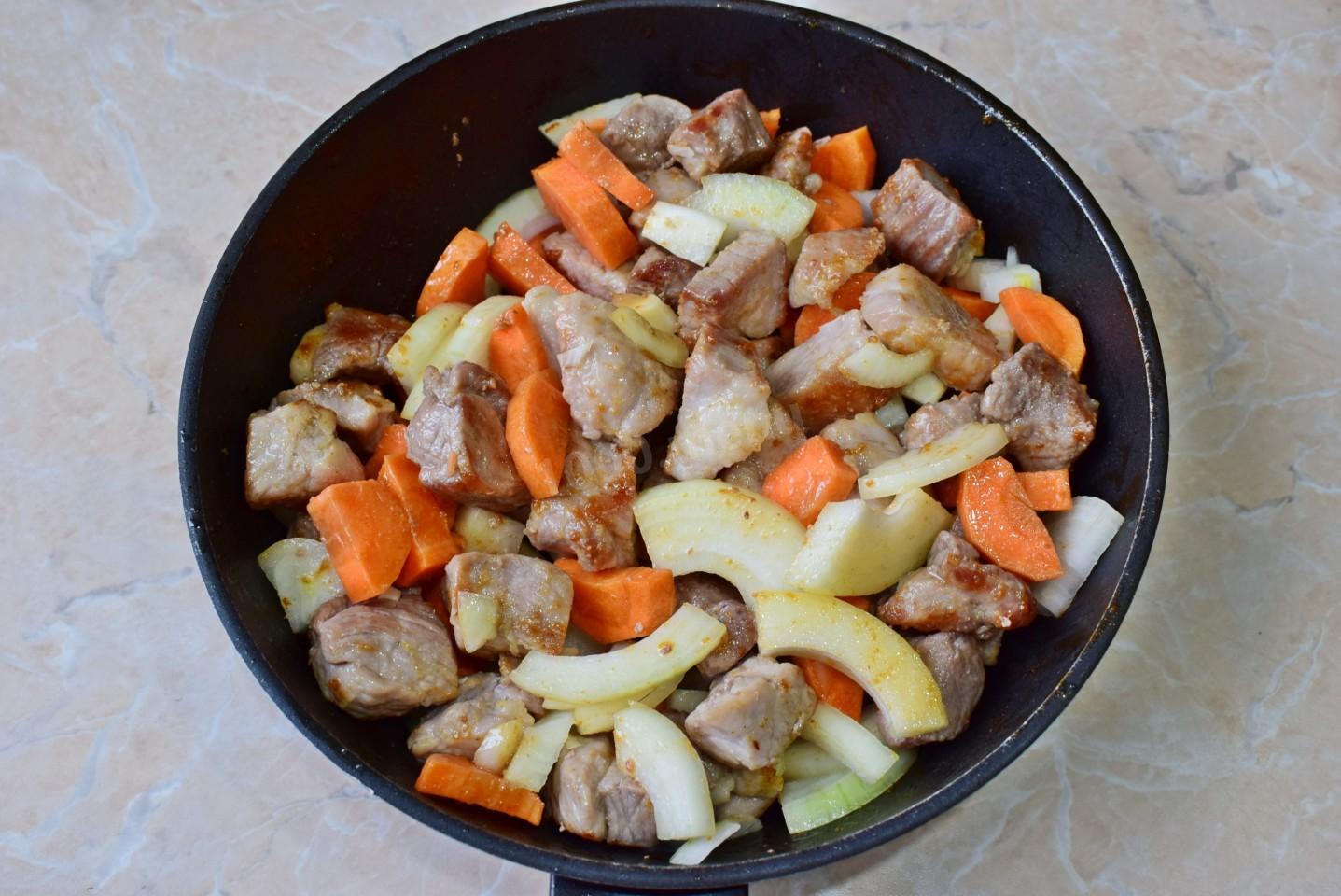
Then add the onion and carrot to the meat. Stir everything and fry for 3–5 minutes, until the vegetables give off their aroma.
-
Step 6:
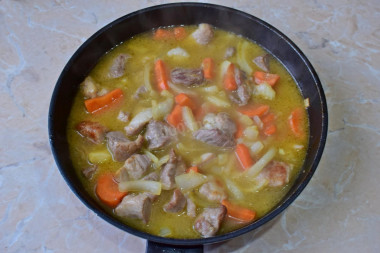
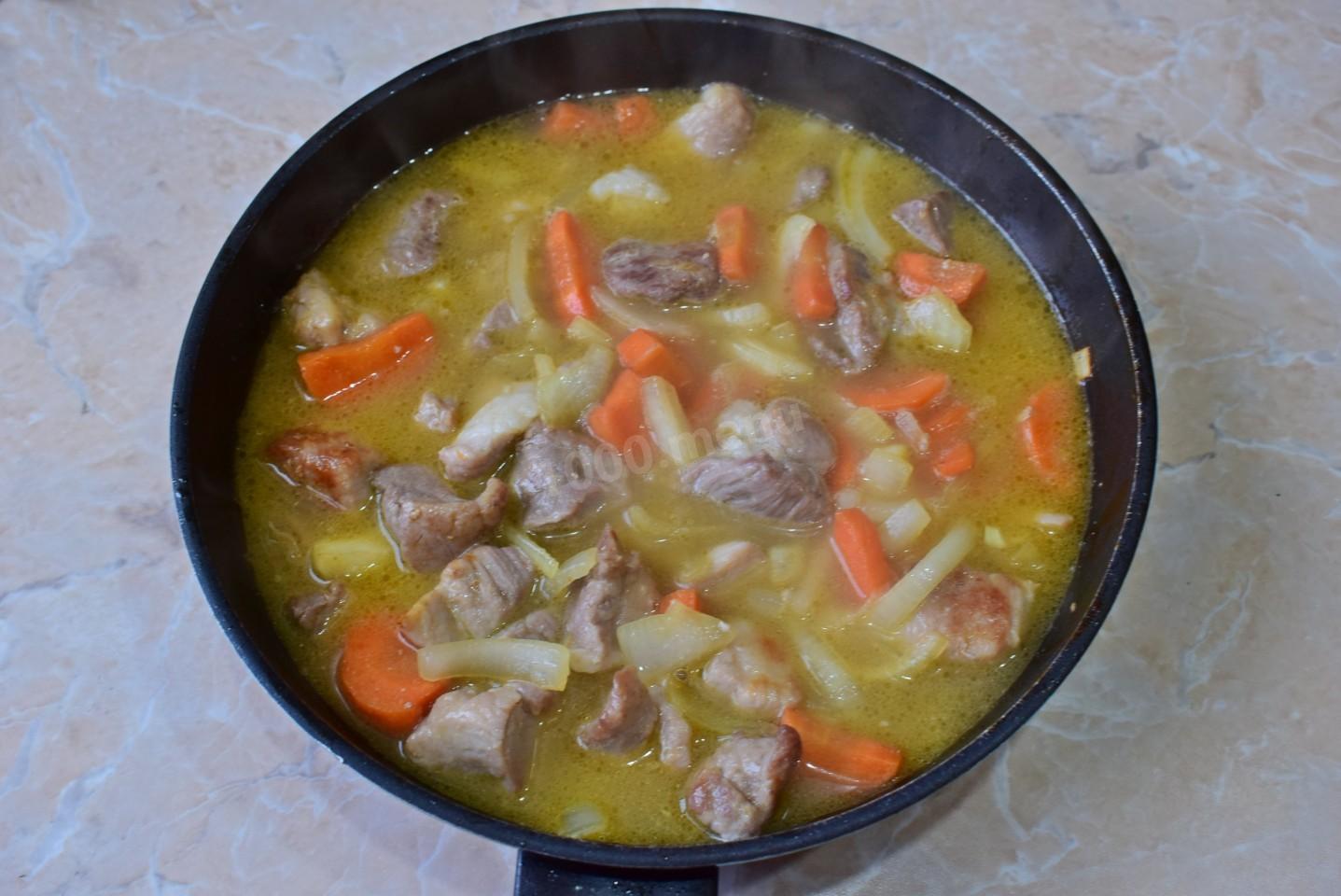
Pour hot water over the meat, cover, and simmer over low heat for 1.5 hours. In that time the meat turns very tender and soaks up the flavor of the vegetables. Season with a little salt and spices to taste; ground pepper works well.
-
Step 7:
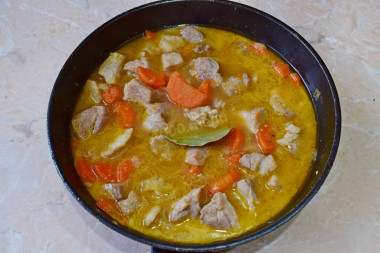
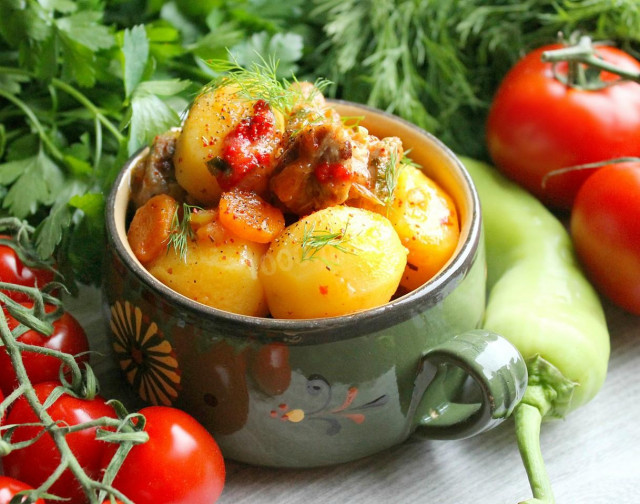
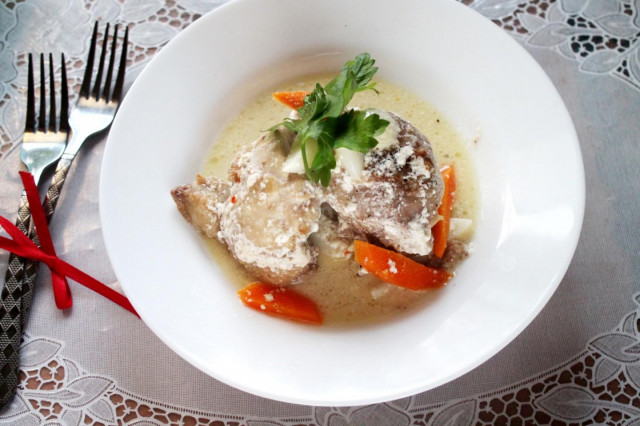
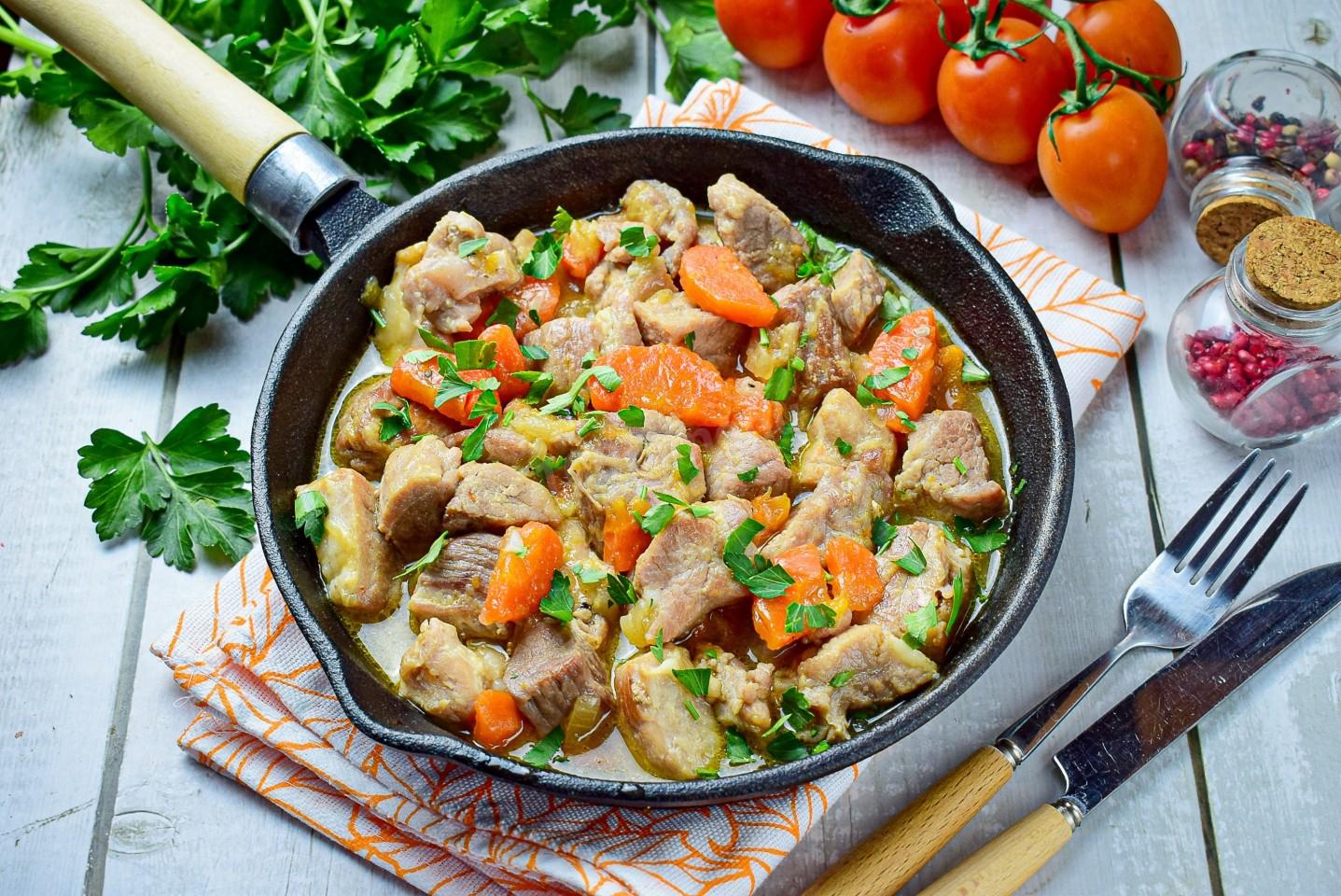
Your pork with onions and carrots is ready! Serve it on its own or with any side dish. Enjoy!
- One thing to keep in mind: the wrong pan can ruin even the best recipe. For all the details on choosing the perfect pan for different dishes, see our guide.
- Besides pork, you can use any other meat in this dish. Just keep in mind that the cooking time, flavor, and calorie count will change. Beef, for example, takes longer than pork, while chicken breast or turkey takes less.
- Since everyone's tolerance for salt, sweetness, bitterness, heat, and acidity is different, always add spices and seasonings to your own taste. If you're trying a seasoning for the first time, remember that some are especially easy to overdo — chili pepper, for one.
Caloric content of the products possible in the composition of the dish
- Pork fat - 333 kcal/100g
- Pork meat - 357 kcal/100g
- Pork - low-fat roast - 184 kcal/100g
- Pork chop on a bone - 537 kcal/100g
- Pork - schnitzel - 352 kcal/100g
- Pork shoulder - 593 kcal/100g
- Boar's leg - 113 kcal/100g
- Pork - 259 kcal/100g
- Carrots - 33 kcal/100g
- Dried carrots - 275 kcal/100g
- Boiled carrots - 25 kcal/100g
- Bay leaf - 313 kcal/100g
- Vegetable oil - 873 kcal/100g
- Salt - 0 kcal/100g
- Water - 0 kcal/100g
- Onion - 41 kcal/100g
- Spices dry - 240 kcal/100g