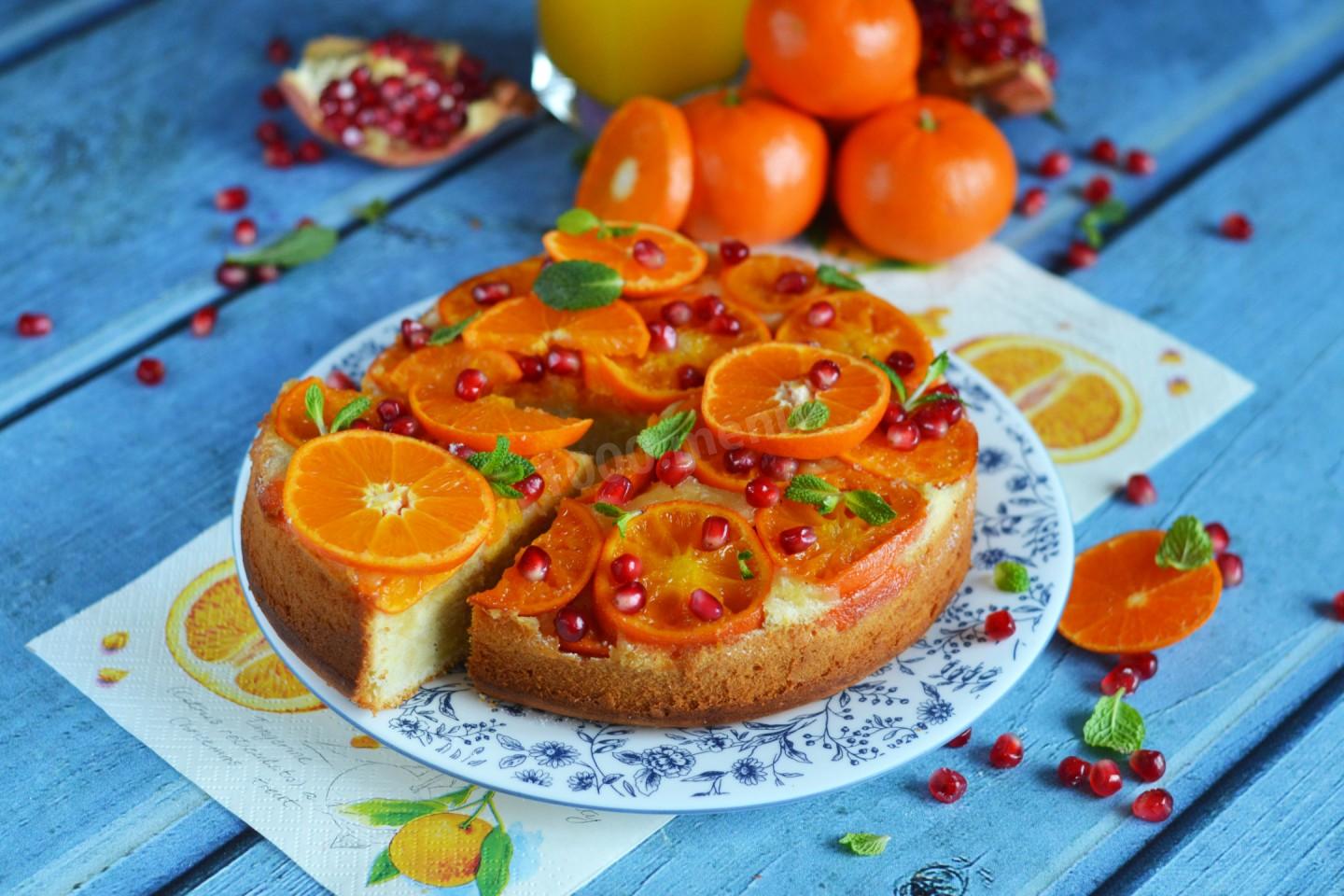
Baked Tangerine Upside-Down Cake
The most delicious, juiciest tangerine cake you've ever had! Making it is a genuine pleasure: right from the start, the kitchen fills with the scent of bright, sunny citrus, soon joined by the warm aroma of cinnamon batter. The recipe is dead simple, but the cake comes out amazing!


Cooking method
-
Step 1:
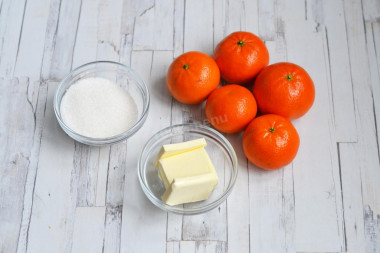
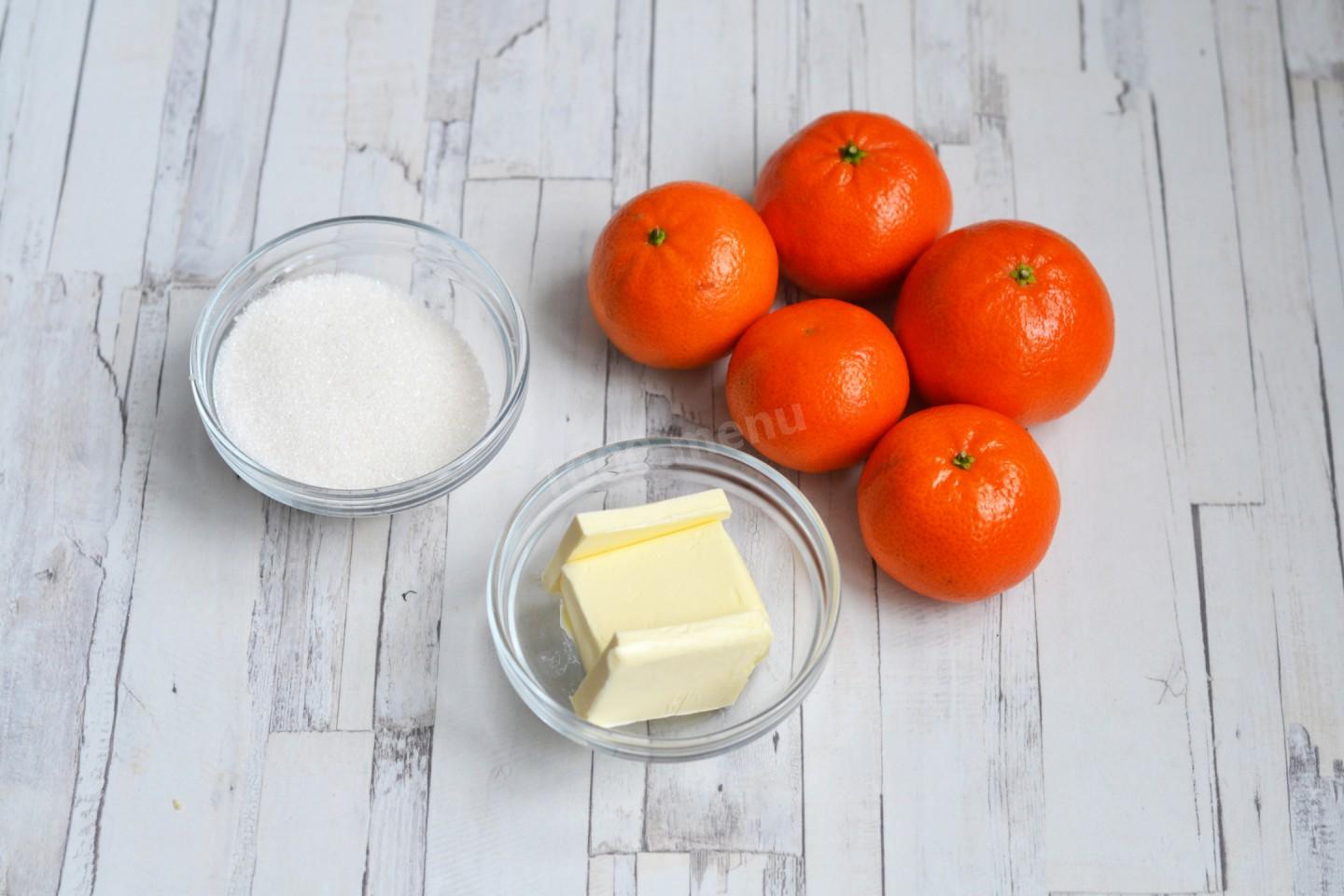
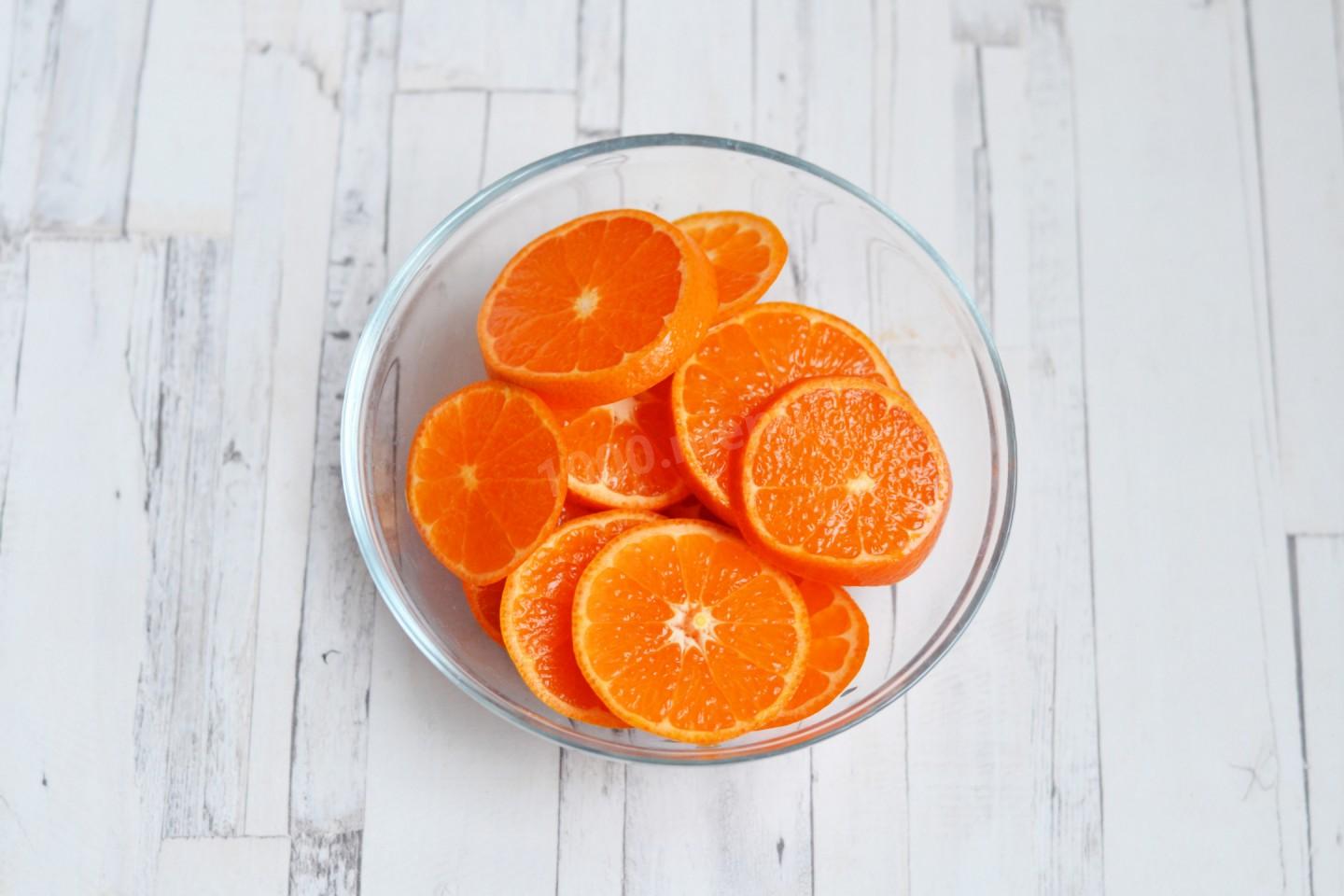
How do you make a tangerine cake? Start with the tangerines themselves. Choose tangerines that are sweet, juicy, and fragrant—preferably on the smaller side. It's important that the peel clings tightly to the flesh.
-
Step 2:
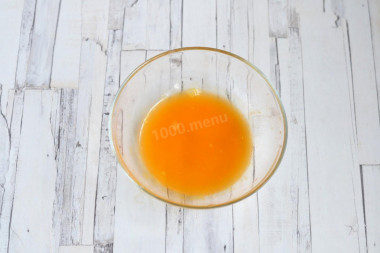
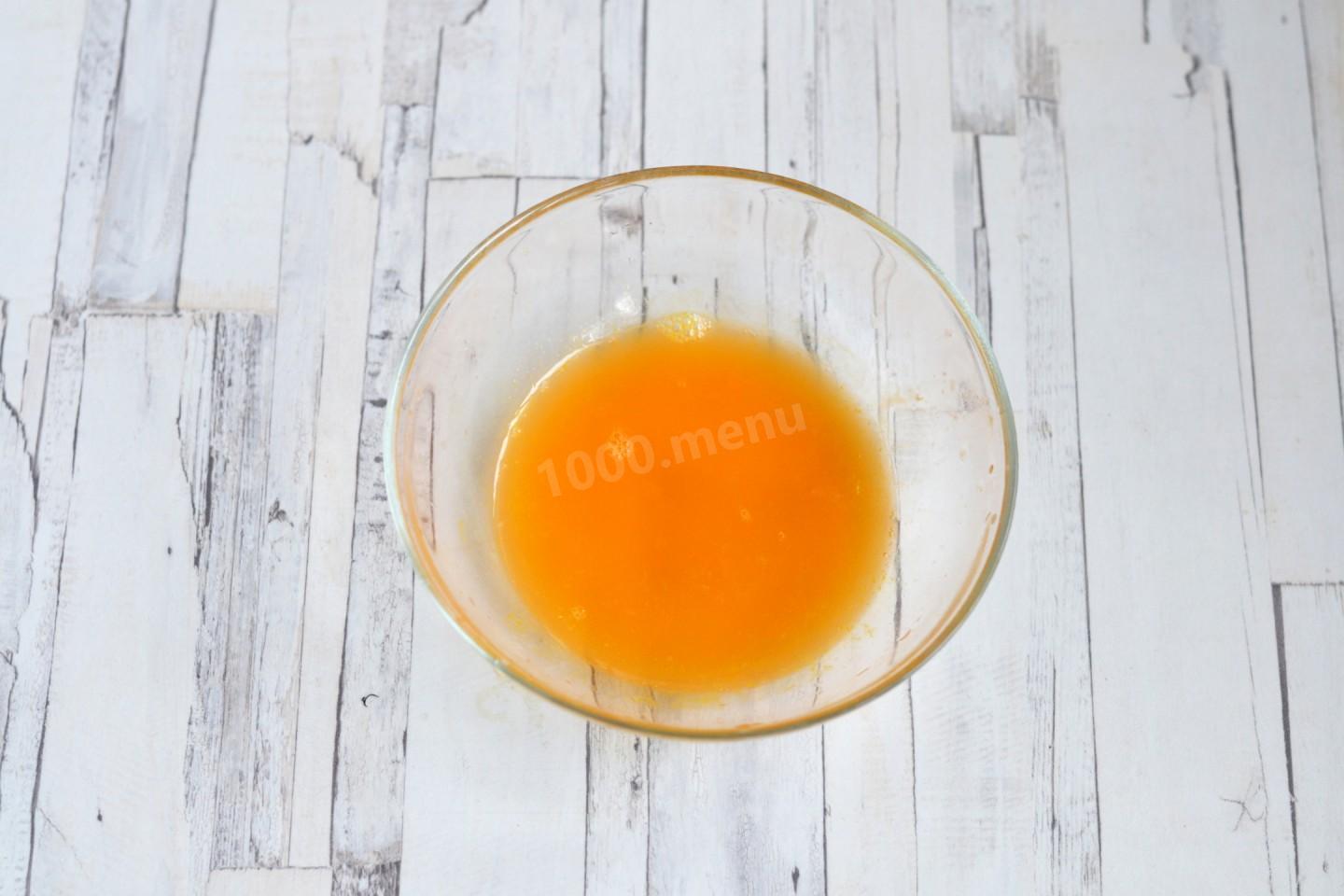
Wash and dry the tangerines well. Cut one in half and squeeze out the juice.
-
Step 3:
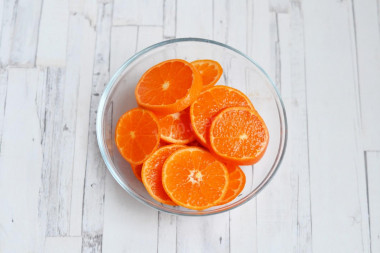
Slice the remaining tangerines—peel and all—into fairly thick rounds.
-
Step 4:
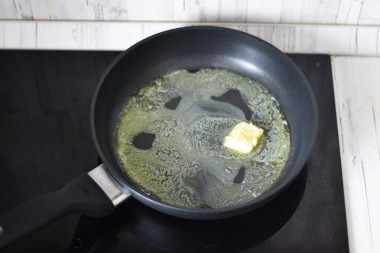
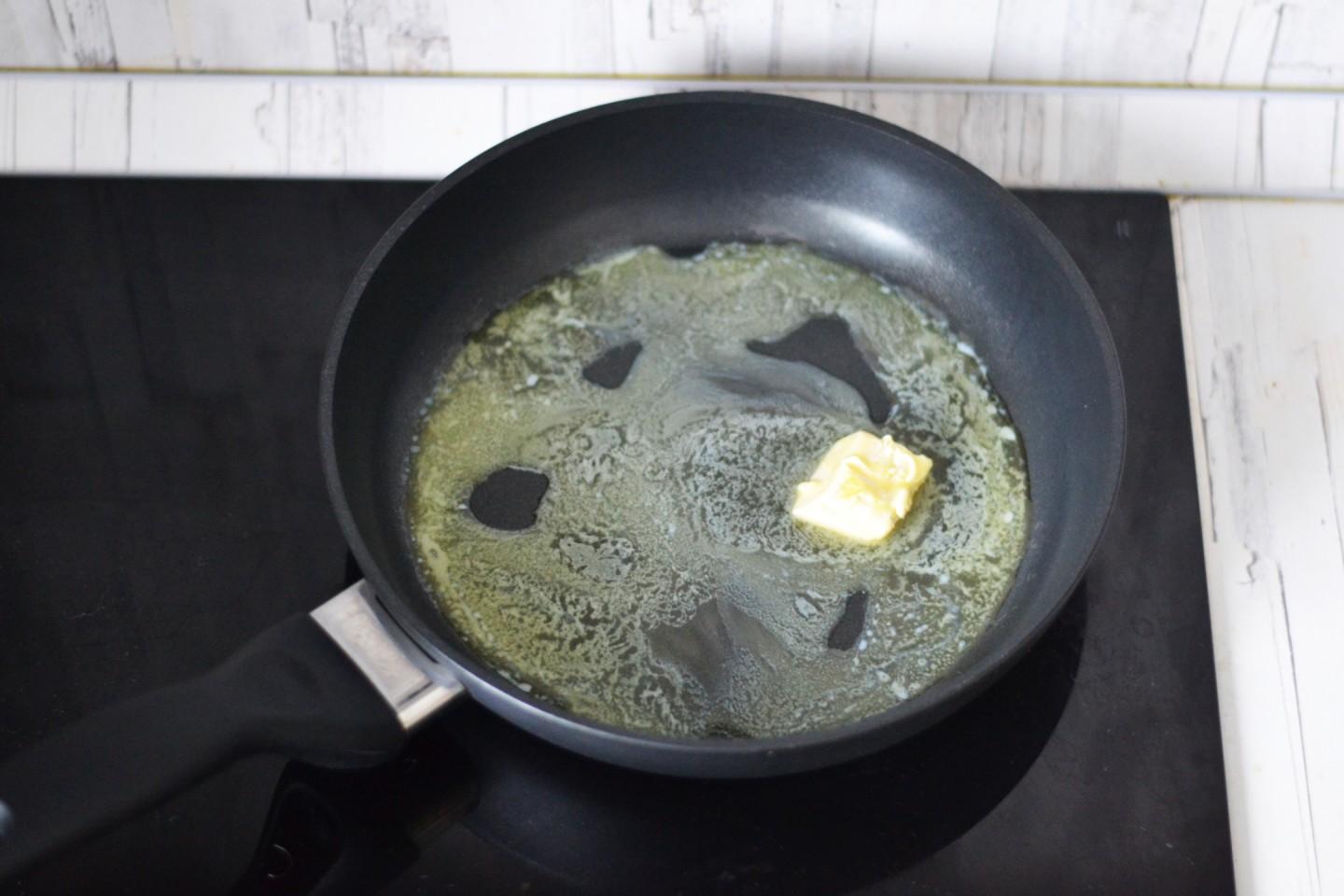
Melt the butter in a skillet over medium heat.
-
Step 5:
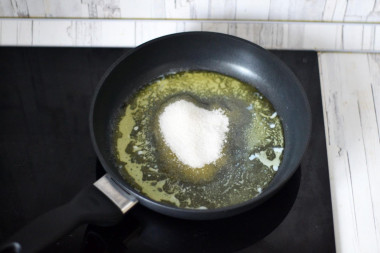
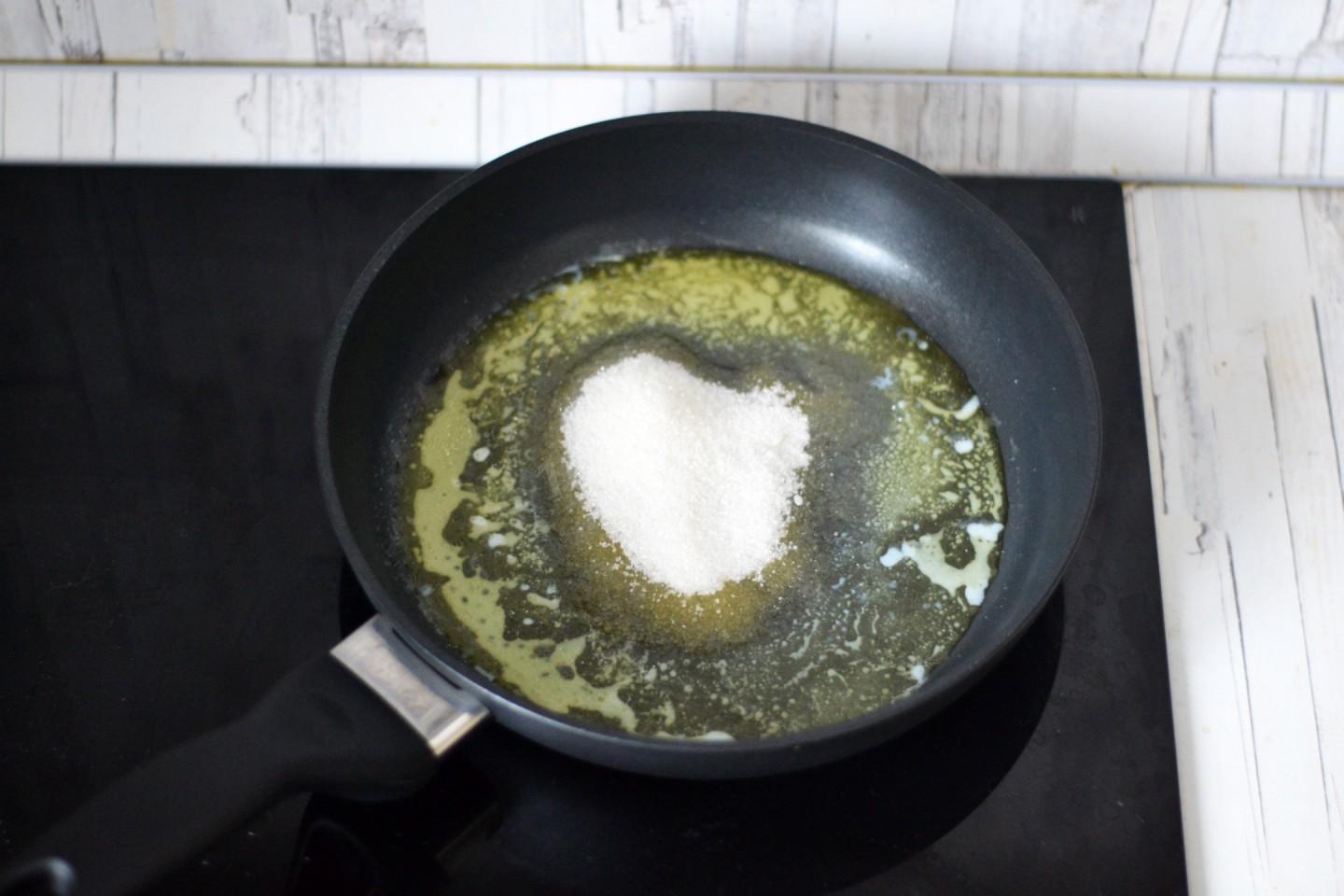
Stir in the sugar.
-
Step 6:
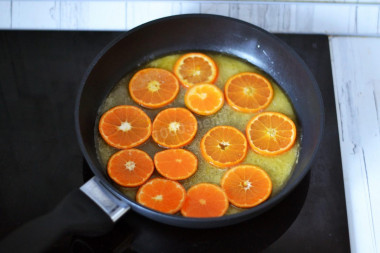
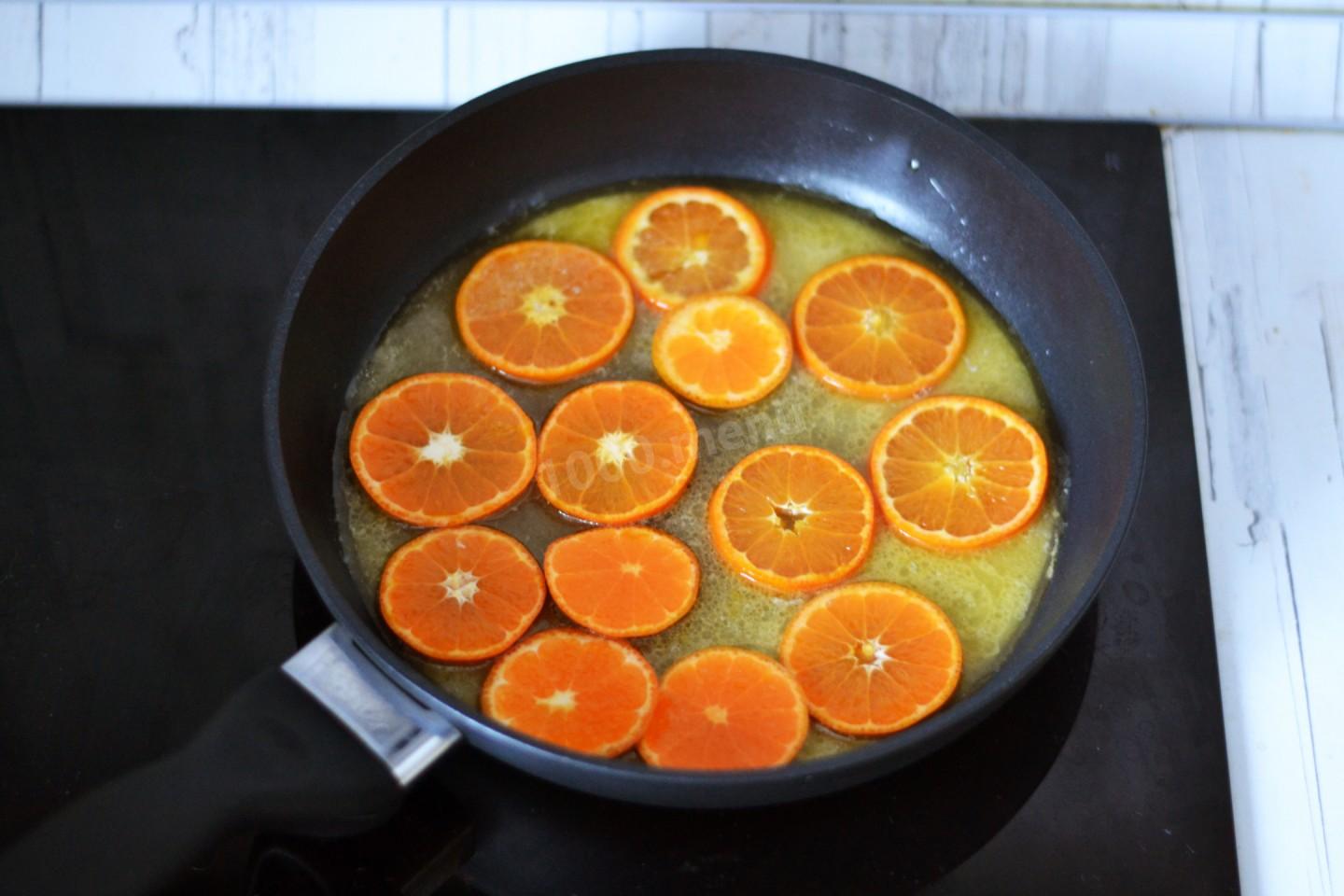
Add the tangerine rounds, pour in the tangerine juice, and simmer everything together, stirring, for about 5 minutes. You can skip caramelizing the tangerines and just lay fresh rounds in the pan instead. But cooked this way, they turn out softer and more flavorful.
-
Step 7:
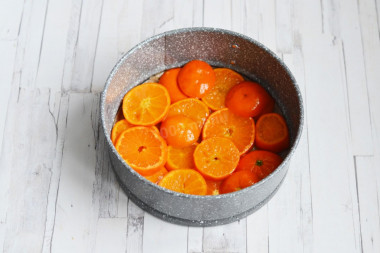
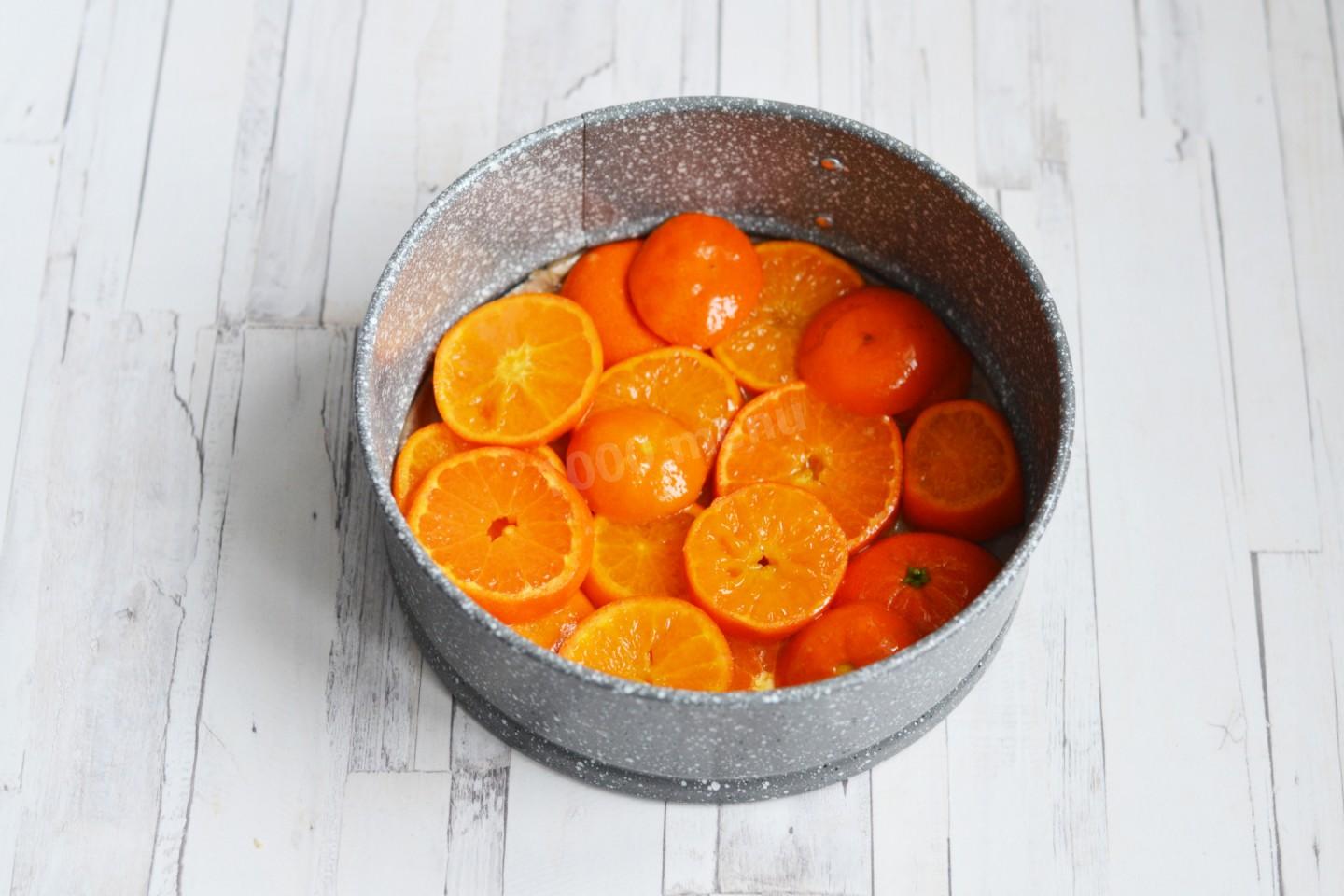
Transfer the tangerine rounds to a baking pan lined with parchment and buttered. My pan is 7 inches (18 cm) across, but an 8- to 9-inch (20–22 cm) pan works too. Just keep in mind: the thinner the batter layer, the more likely the top will brown before the inside bakes through, especially where the batter meets the fruit. Save the juice left in the skillet—it makes a great sauce for pancakes, or you can stir it into the batter.
-
Step 8:
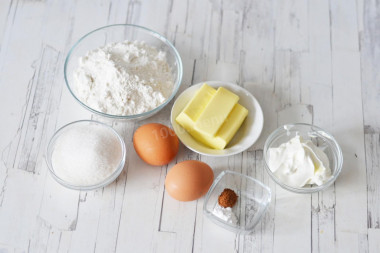
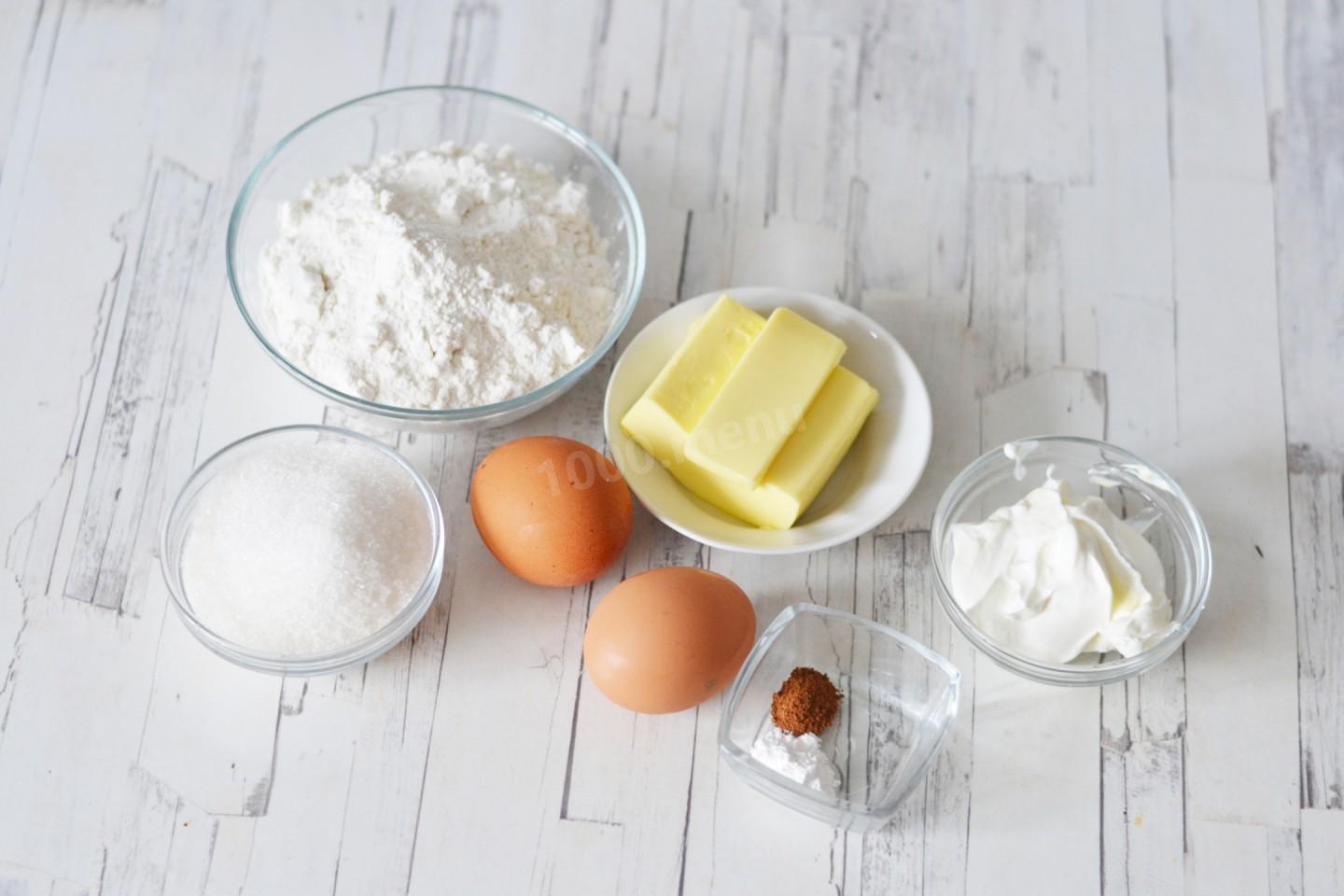
Now make the fragrant batter. The butter should be at room temperature, so take it out of the fridge ahead of time. Use sour cream with about 20–25% fat.
-
Step 9:
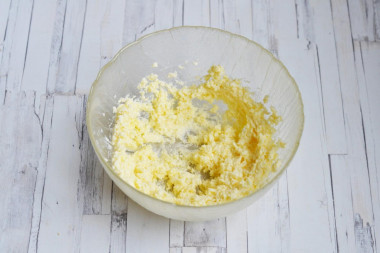
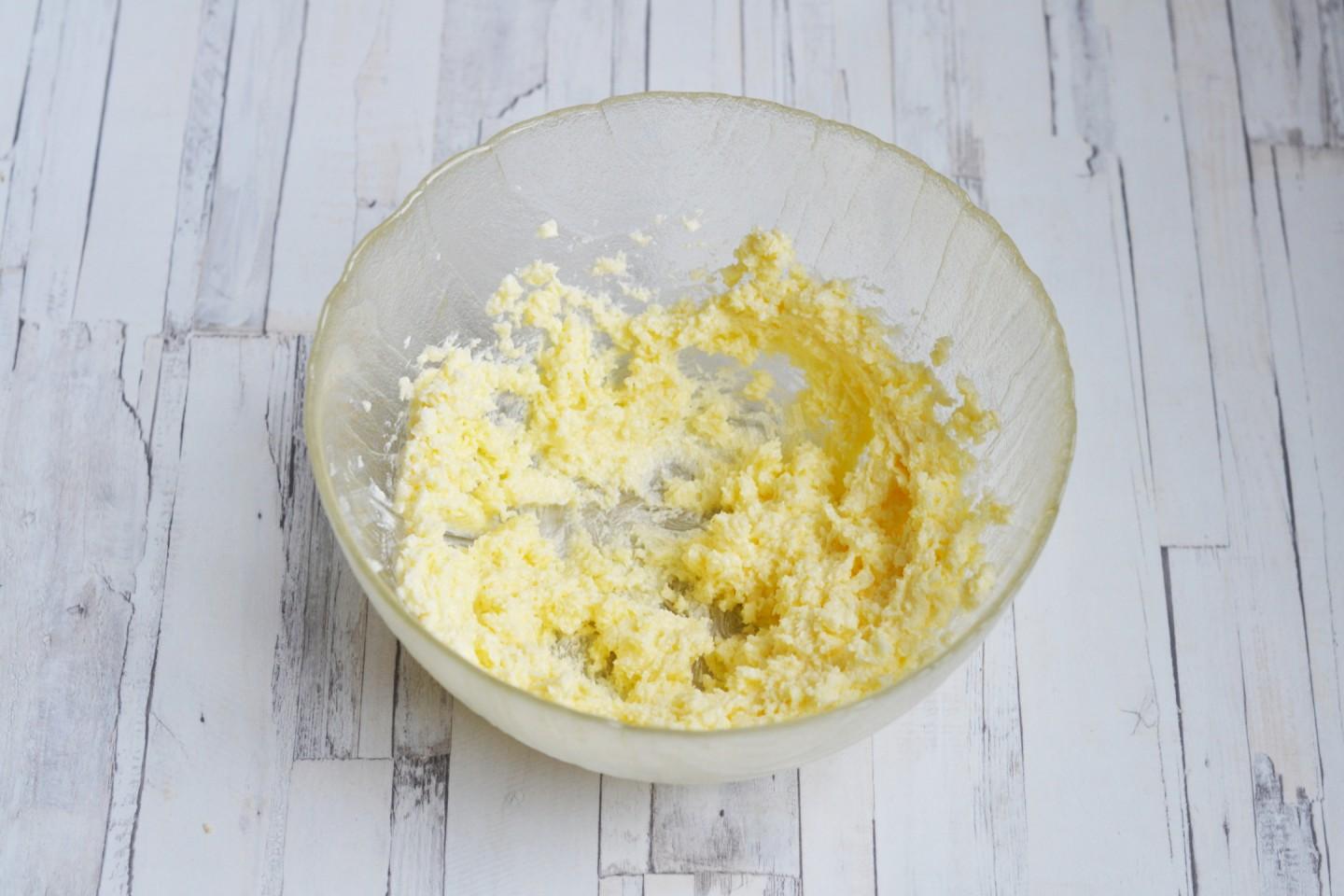
In a bowl, combine the softened butter and sugar. Beat with a mixer on high until the sugar dissolves. At this point you can, if you like, mix in the cooled fragrant tangerine syrup left over from the skillet.
-
Step 10:
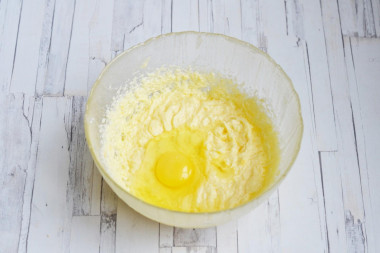
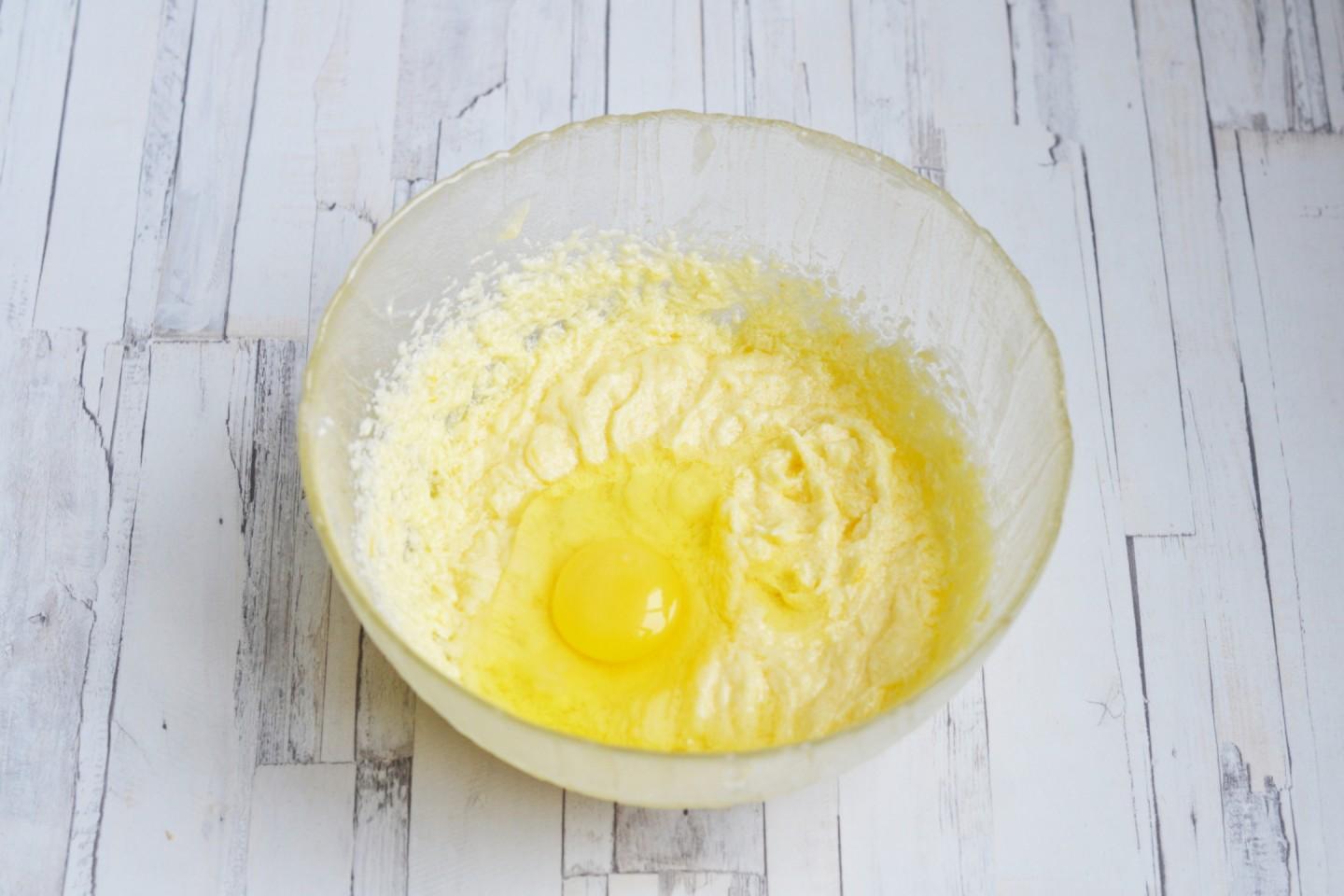
Add the eggs one at a time, beating well after each.
-
Step 11:
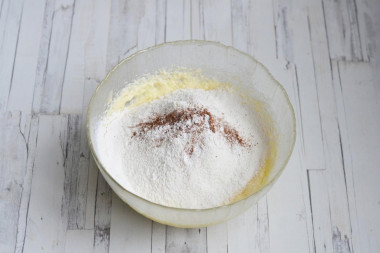
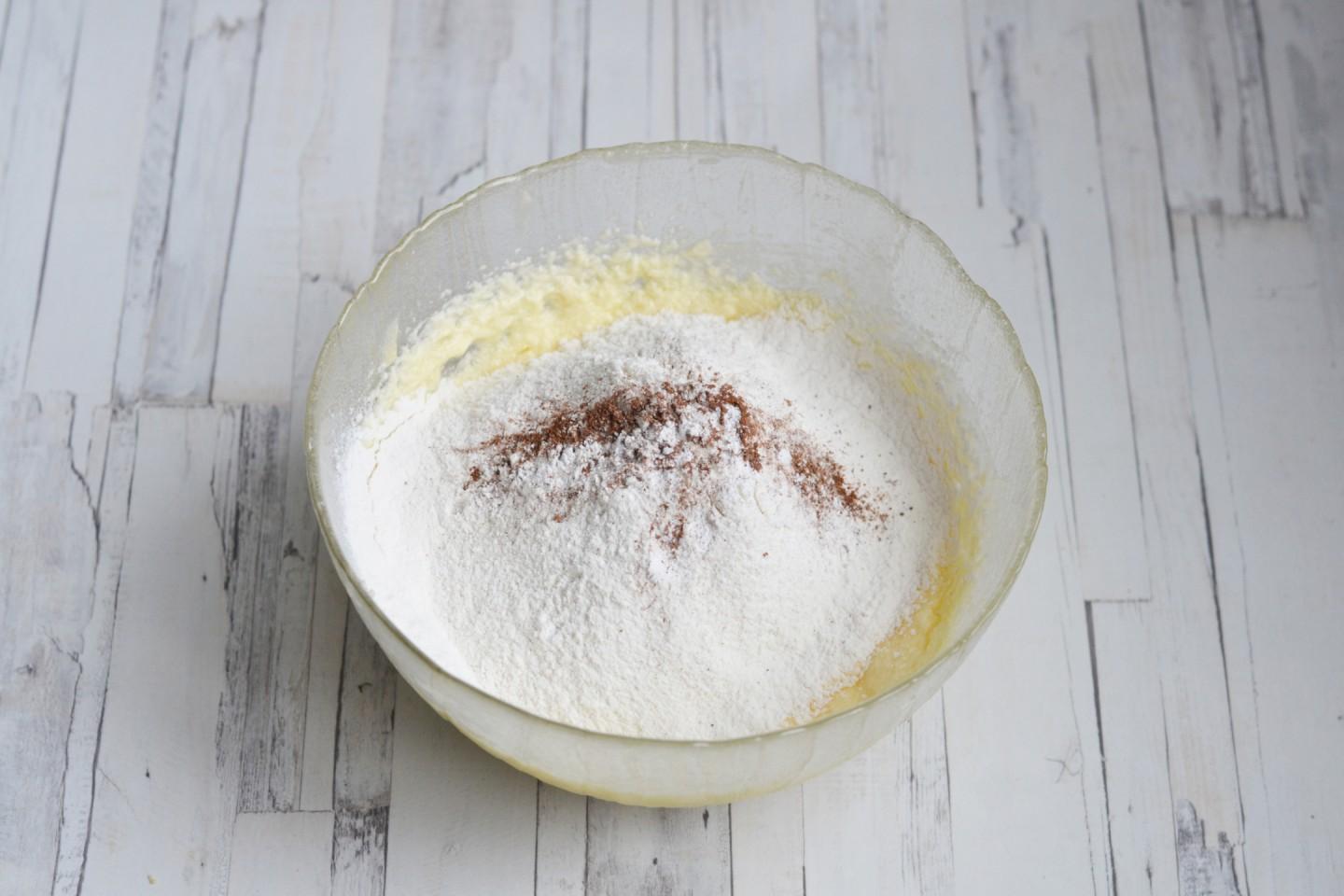
Add the sifted flour, baking powder, and ground cinnamon, and mix on low speed. If you added the tangerine syrup from the skillet, increase the flour by 1–2 tablespoons.
-
Step 12:
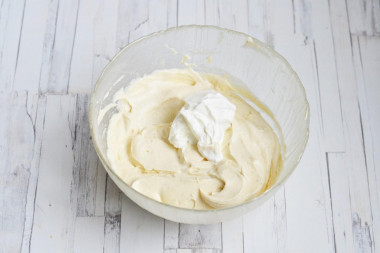
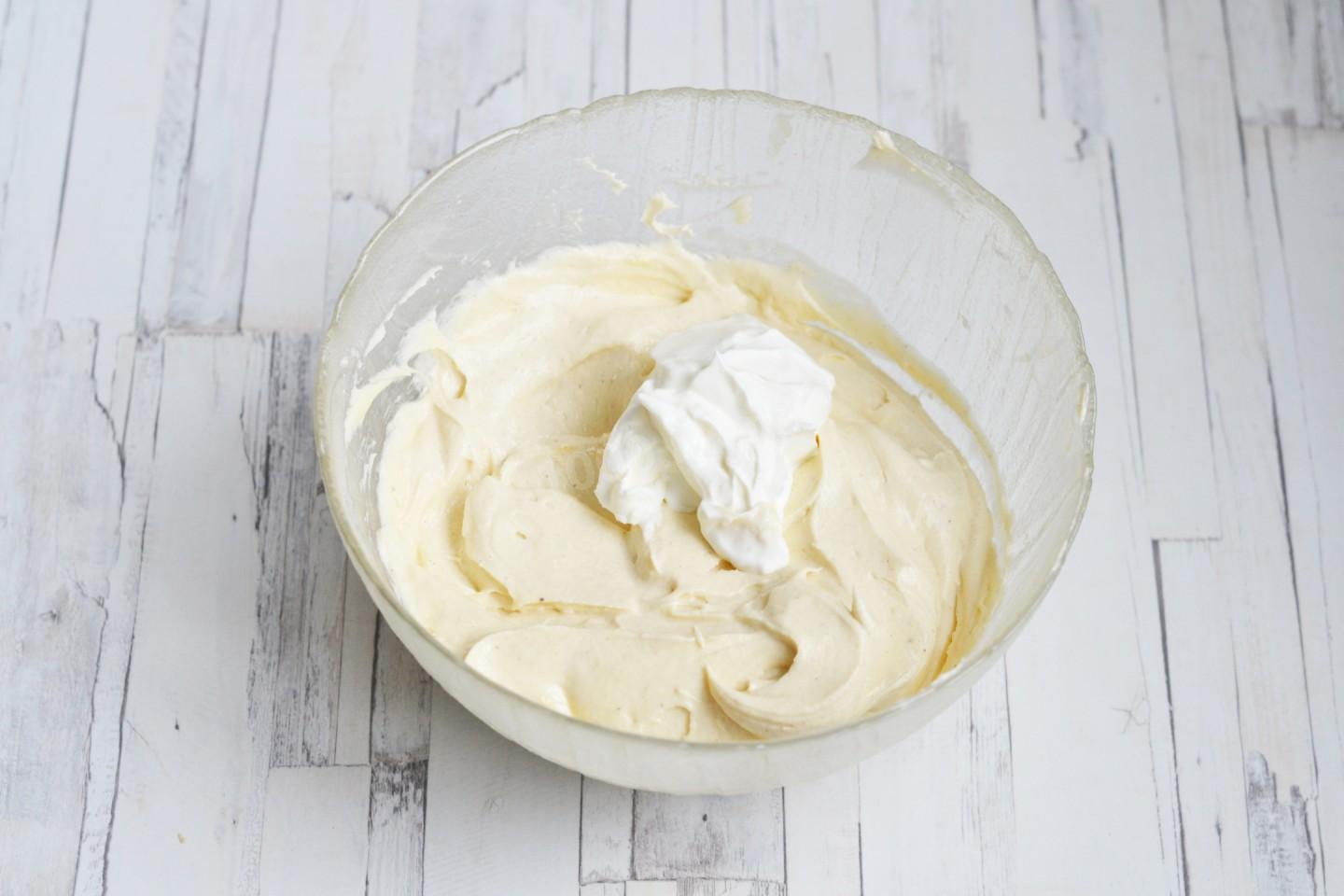
Add the sour cream and mix again.
-
Step 13:
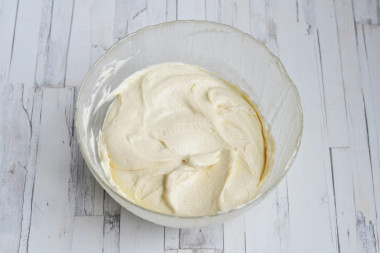
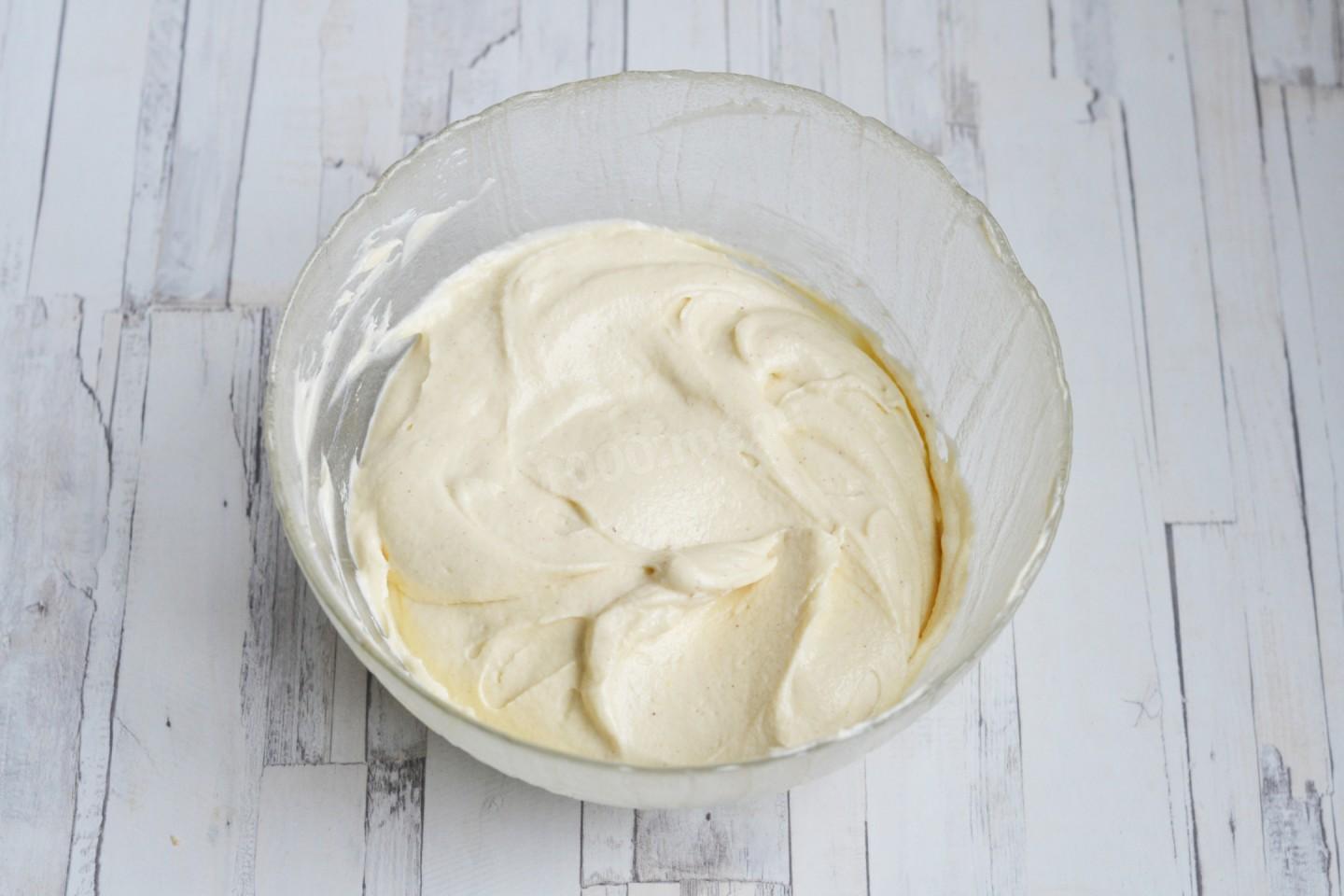
You'll end up with a thick, fragrant, tender batter. Note that this is a rich butter cake batter, so the finished cake comes out slightly moist, with a soft, velvety crumb.
-
Step 14:
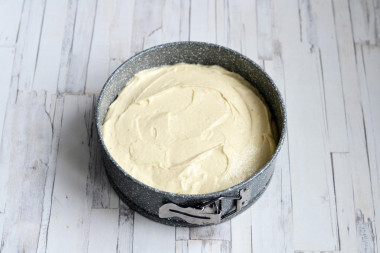
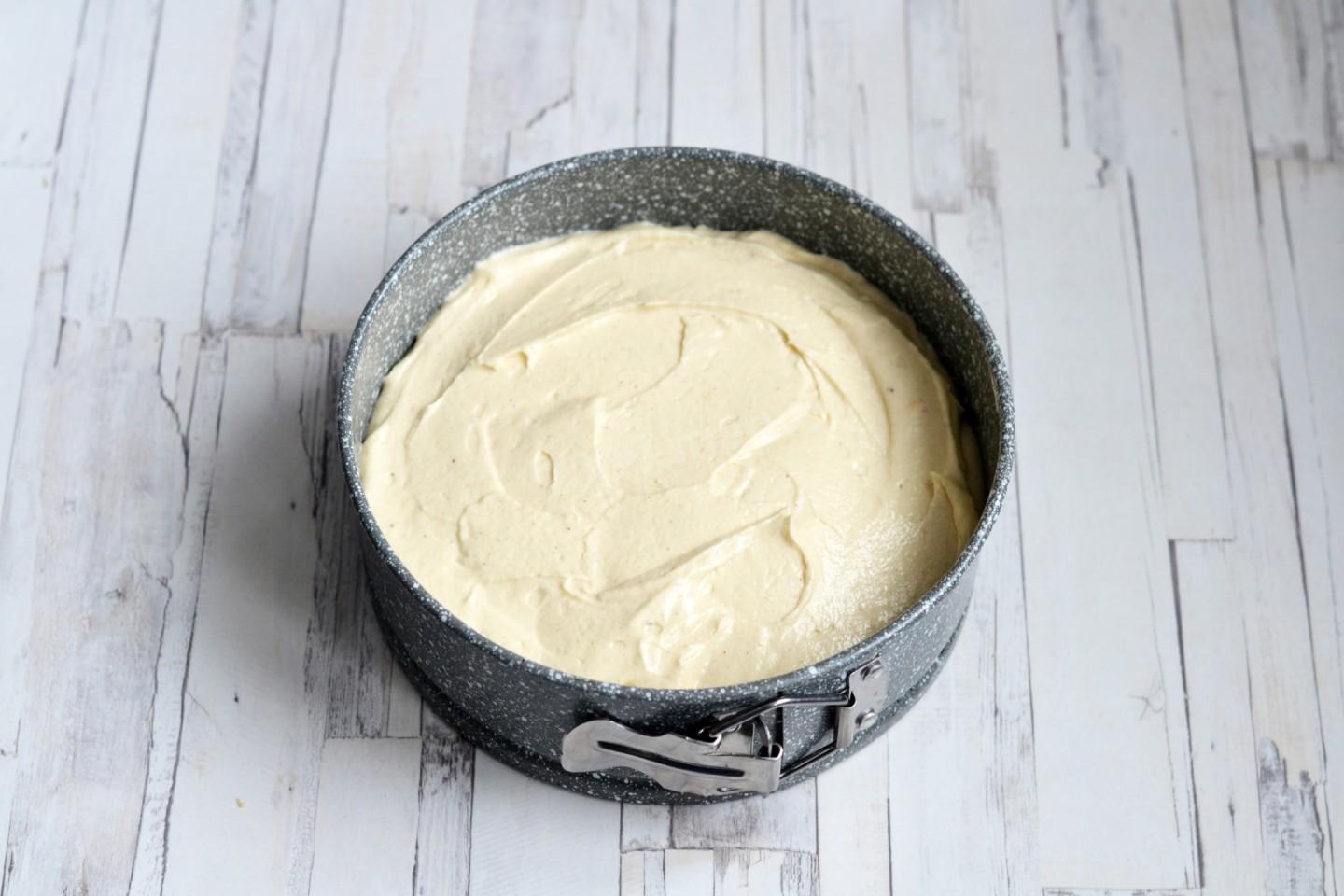
Spread the batter evenly over the tangerines and smooth the top with a spatula. Bake in an oven preheated to about 350°F (180°C) for around 45 minutes, until golden. To keep the tangerine juice from dripping onto the oven floor, set a piece of foil or parchment under the pan. Depending on your pan size, the batter layer will be thicker or thinner, and the baking time will change accordingly—the thinner the layer, the faster it bakes. So don't leave the cake in the oven unattended.
-
Step 15:
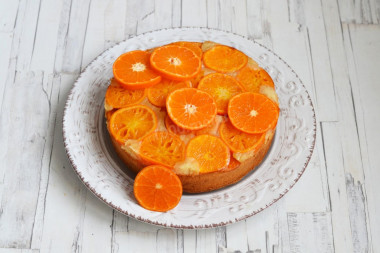
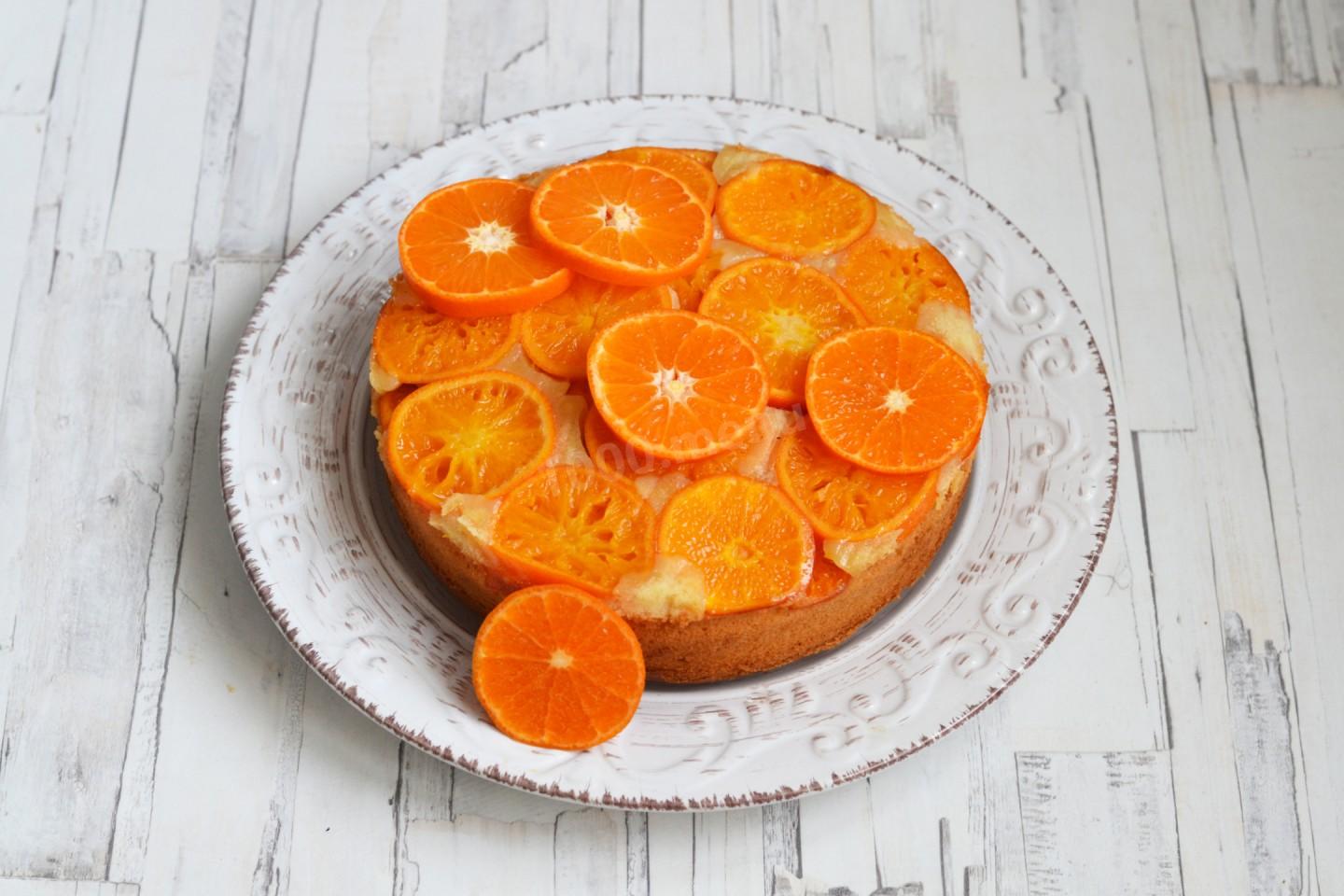
You can leave the cake in the cooling oven for another 10 minutes. Let the finished cake cool slightly, then flip it out onto a platter so the tangerines are on top.
-
Step 16:

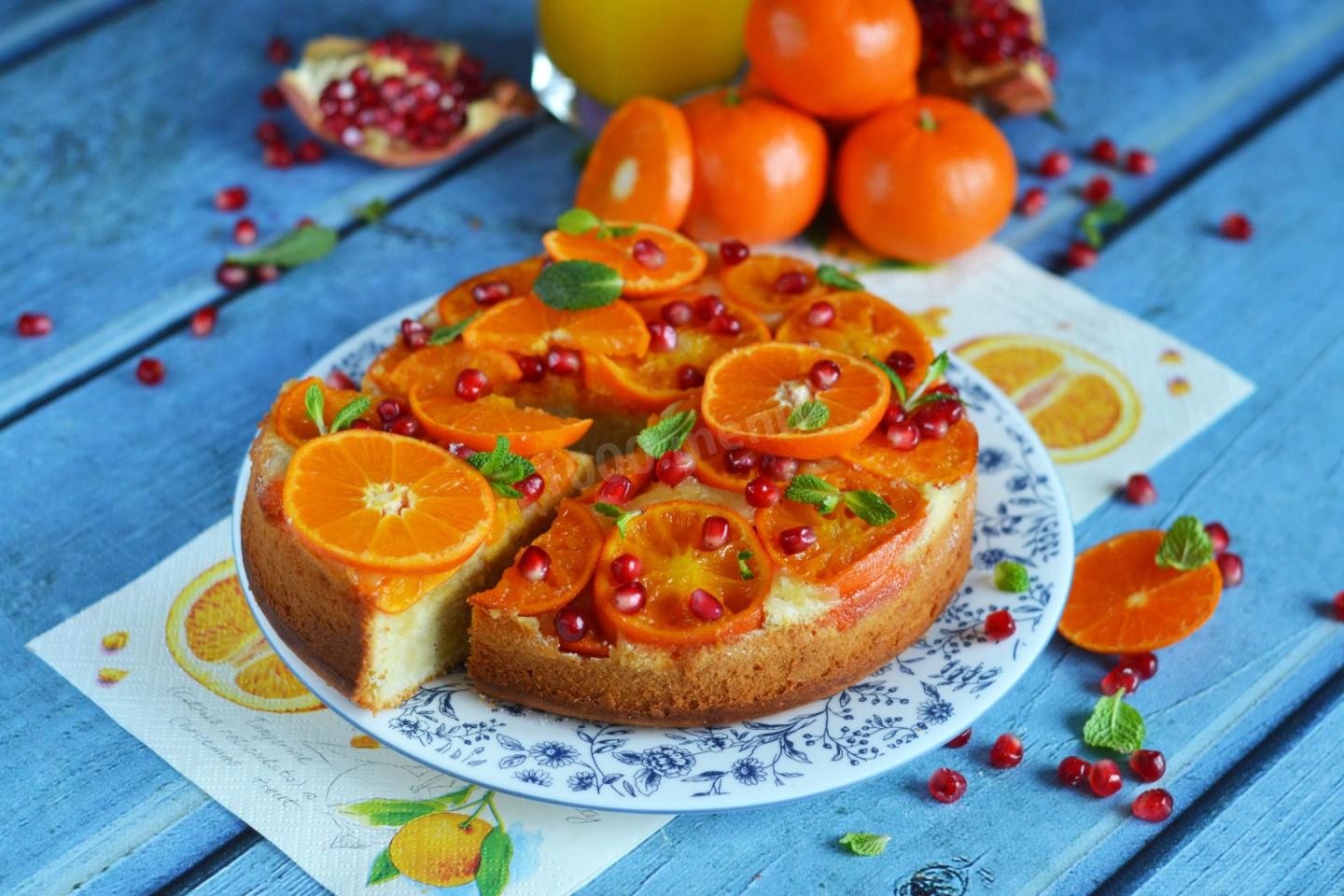
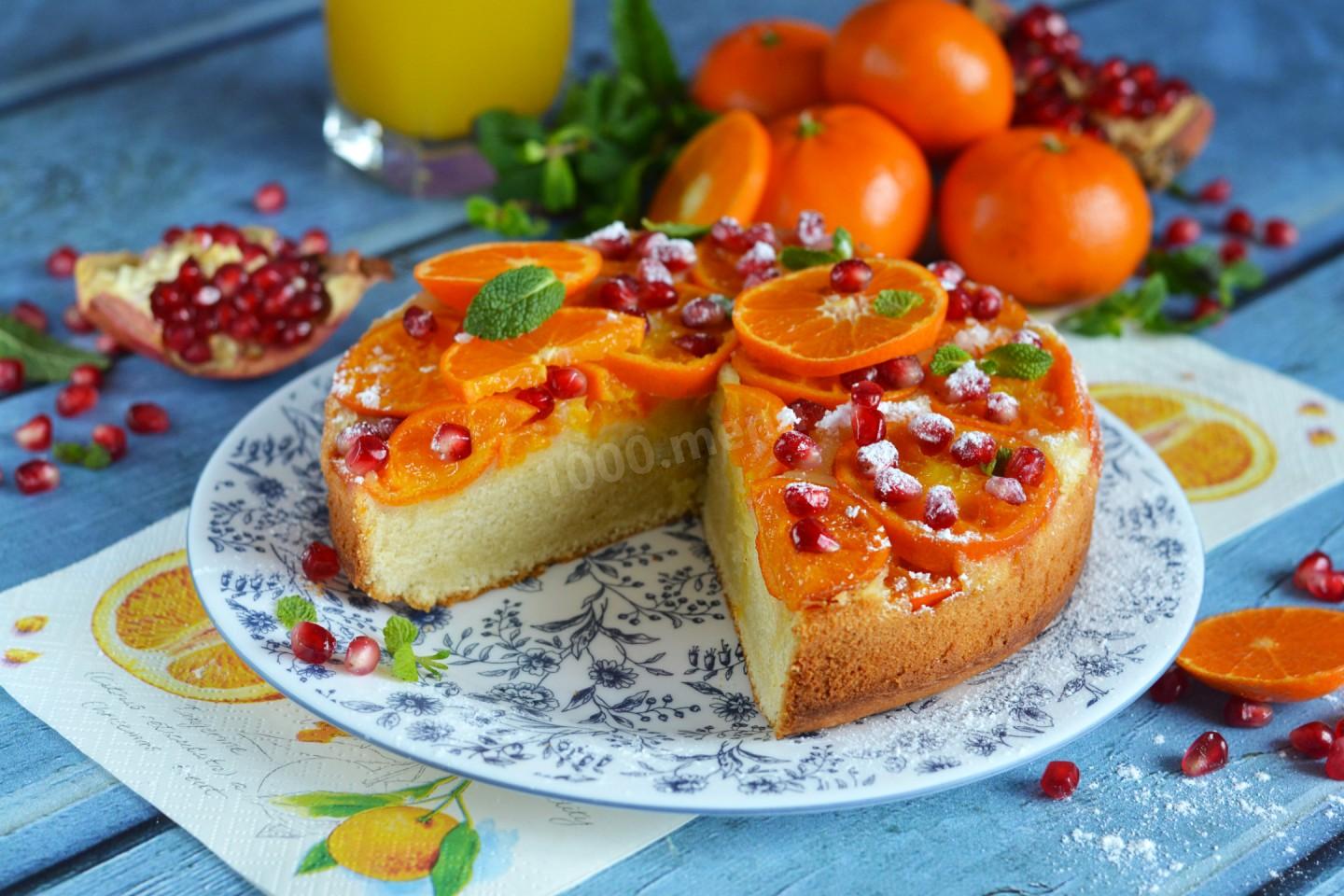
Before serving, decorate the cake however you like. I finished mine with fresh tangerine slices, pomegranate seeds, mint leaves, and a dusting of powdered sugar.
-
Step 17:

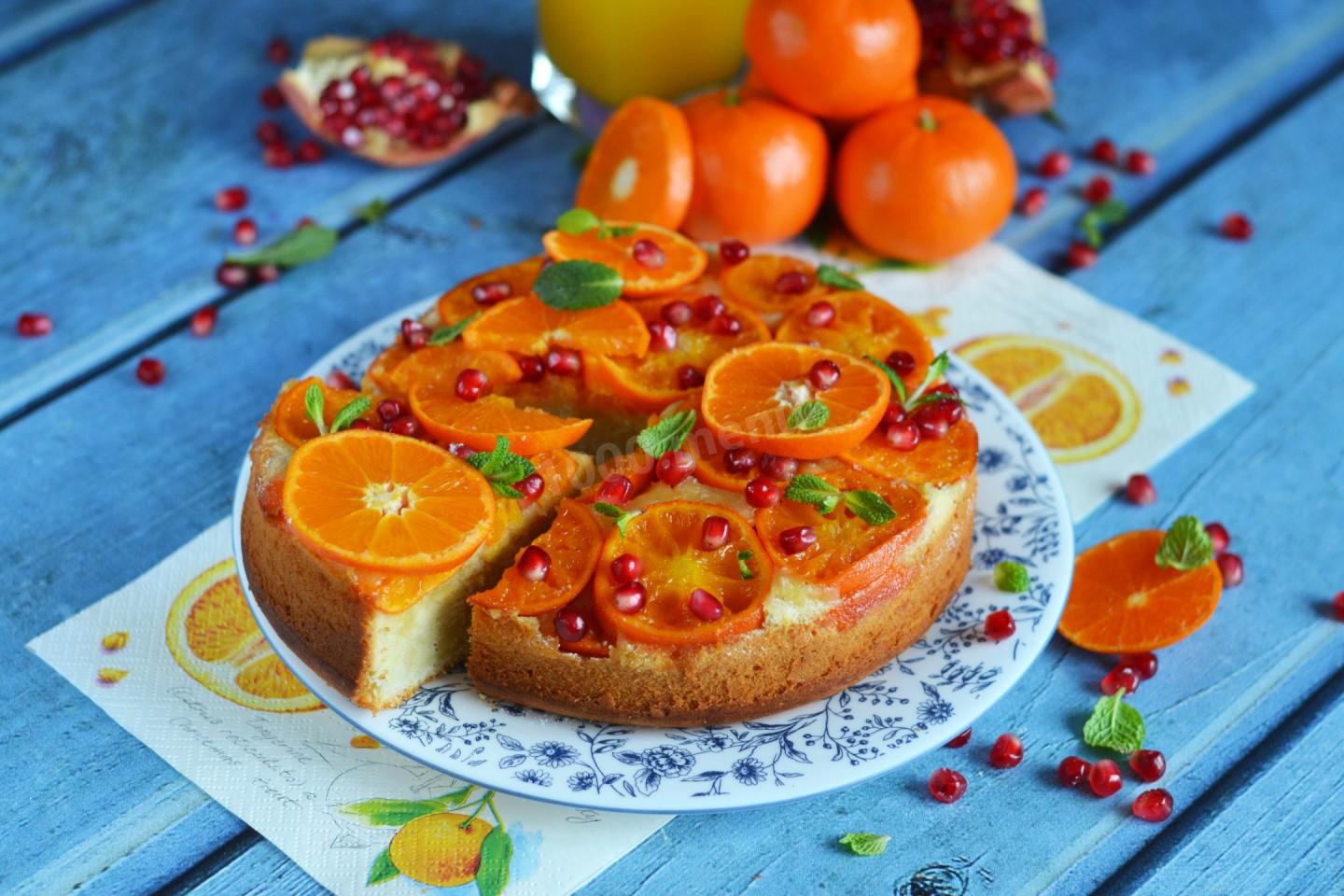
Here's how the cake looks sliced. The crumb near the fruit may be a bit moister—that's exactly right, since the fruit releases juice as it bakes. Cutting into the cake lets more juice run from the tangerines, soaking the crumb a little further. That's what makes this cake so tender in both taste and texture. Enjoy!
- Keep in mind that every oven is different. Your temperature and baking time may vary from what's given here. For reliably good results, it helps to know your own oven's quirks.
- Be ready to use a little more or a little less flour than the recipe calls for. Go by the consistency of the batter rather than an exact amount. It pays to understand flour and how it behaves.
- If you'd rather not use baking powder, you can substitute baking soda: 1 teaspoon baking powder = ½ teaspoon baking soda + ¼ teaspoon white vinegar. If the recipe uses more or less than 1 teaspoon of baking powder, scale the soda and vinegar to match.
Caloric content of the products possible in the composition of the dish
- Sour cream 30% fat - 340 kcal/100g
- Sour cream 25% fat - 284 kcal/100g
- Sour cream 20% fat - 210 kcal/100g
- Sour cream 10% fat - 115 kcal/100g
- Sour cream - 210 kcal/100g
- Chicken egg - 157 kcal/100g
- Egg white - 45 kcal/100g
- Egg powder - 542 kcal/100g
- Egg yolk - 352 kcal/100g
- Ostrich egg - 118 kcal/100g
- Pomegranate - 52 kcal/100g
- Tangerines - 33 kcal/100g
- Canned tangerines - 40 kcal/100g
- Cinnamon - 247 kcal/100g
- Fresh mint - 49 kcal/100g
- Dried mint - 285 kcal/100g
- Mint - 49 kcal/100g
- Enriched whole durum wheat flour - 333 kcal/100g
- All-purpose whole durum wheat flour - 364 kcal/100g
- Fine pastry flour - 348 kcal/100g
- Flour - 325 kcal/100g
- Granulated sugar - 398 kcal/100g
- Sugar - 398 kcal/100g
- Butter 82% - 734 kcal/100g
- Unsalted table butter - 709 kcal/100g
- Unsalted farmhouse butter - 661 kcal/100g
- Salted farmhouse butter - 652 kcal/100g
- Clarified butter - 869 kcal/100g
- Baking powder - 79 kcal/100g