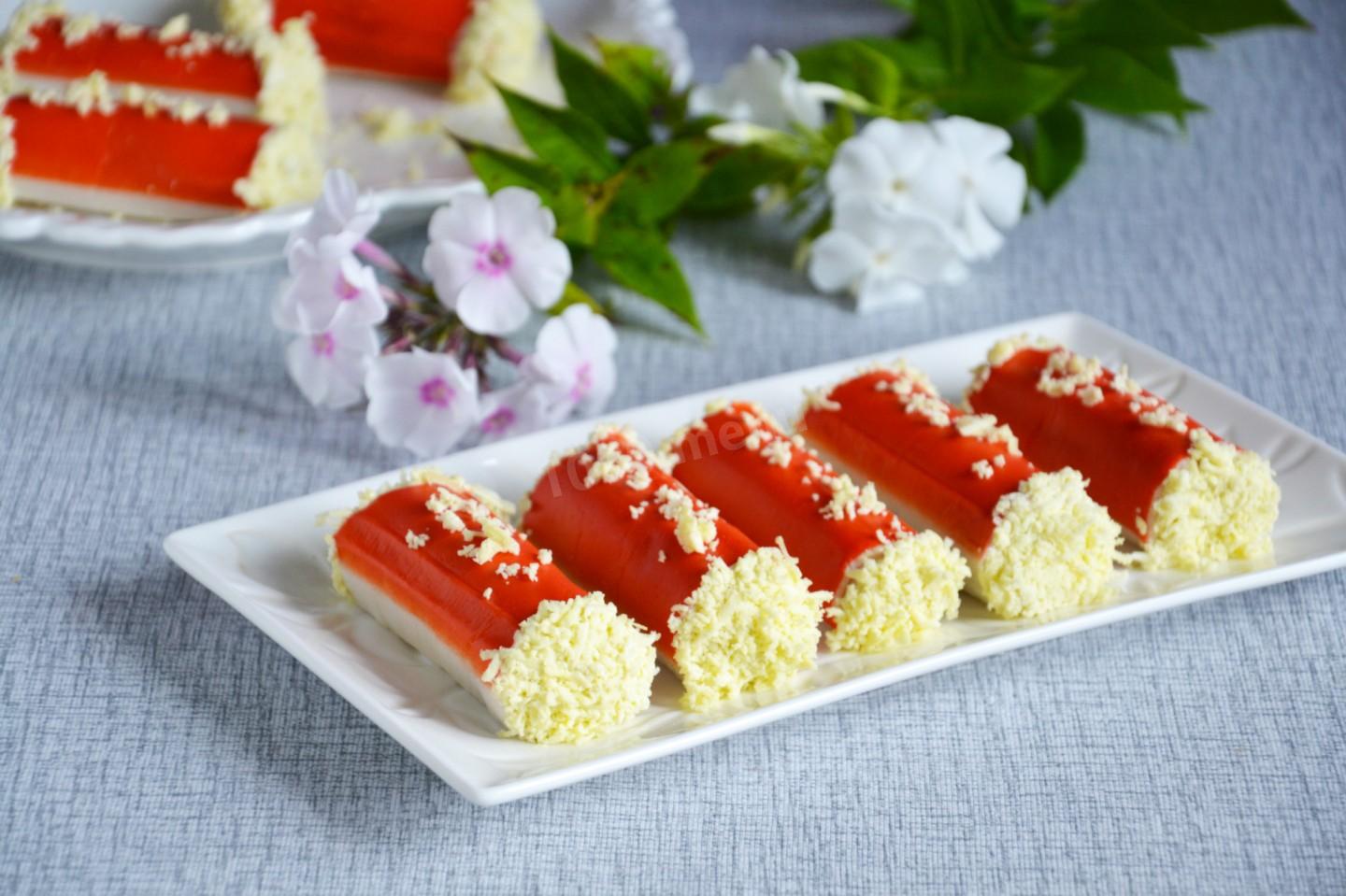
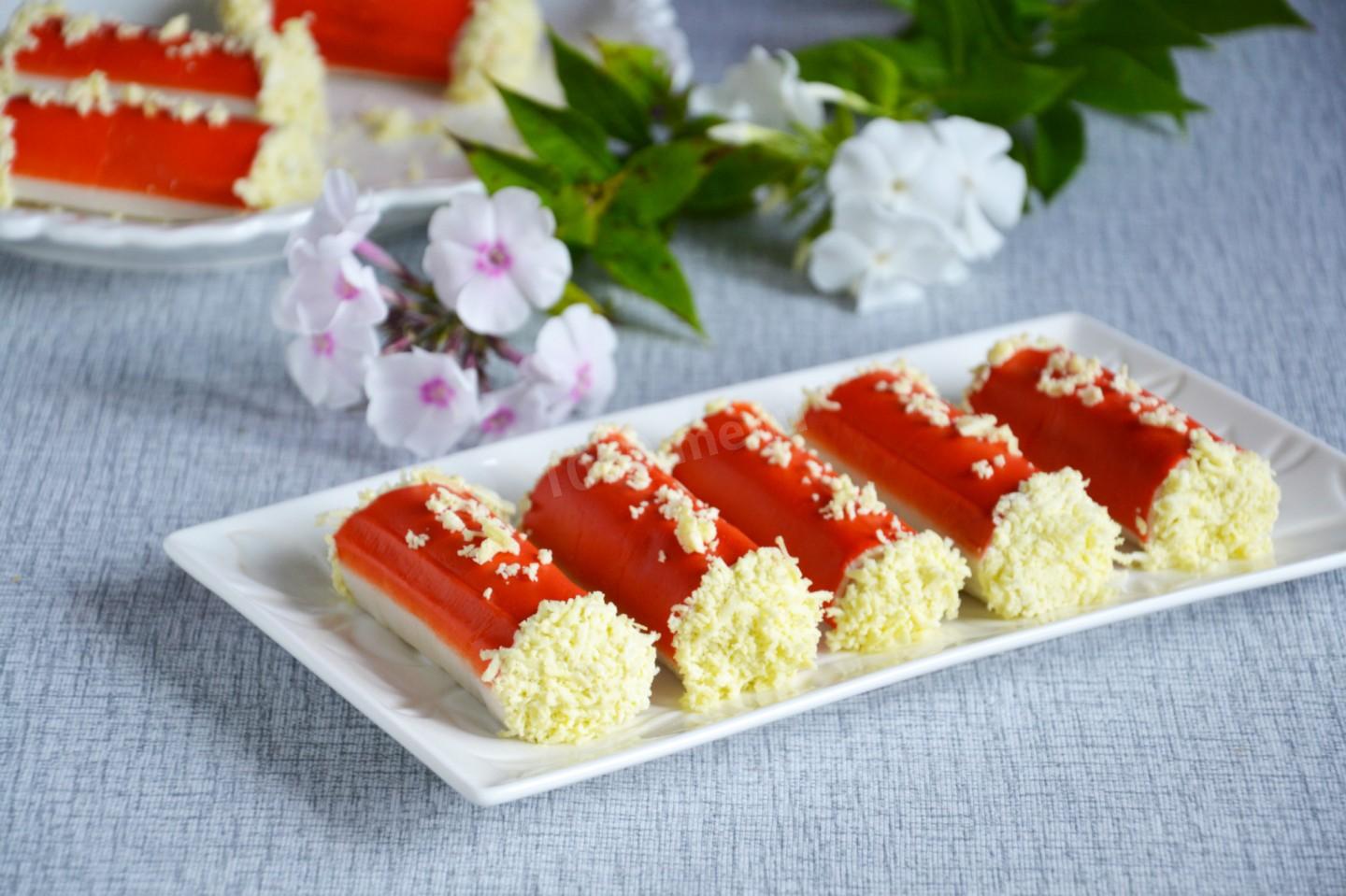
Crab Stick Rolls for the Festive Table
An eye-catching, colorful appetizer that's sure to grab your guests' attention. Bright, glossy crab sticks have become a firm fixture in our cooking. They're inexpensive and lend dishes a pleasant seafood flavor, so cooks were quick to embrace them.

Cooking method
-
Step 1:
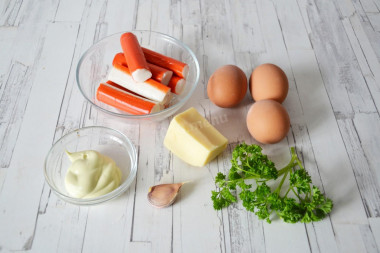
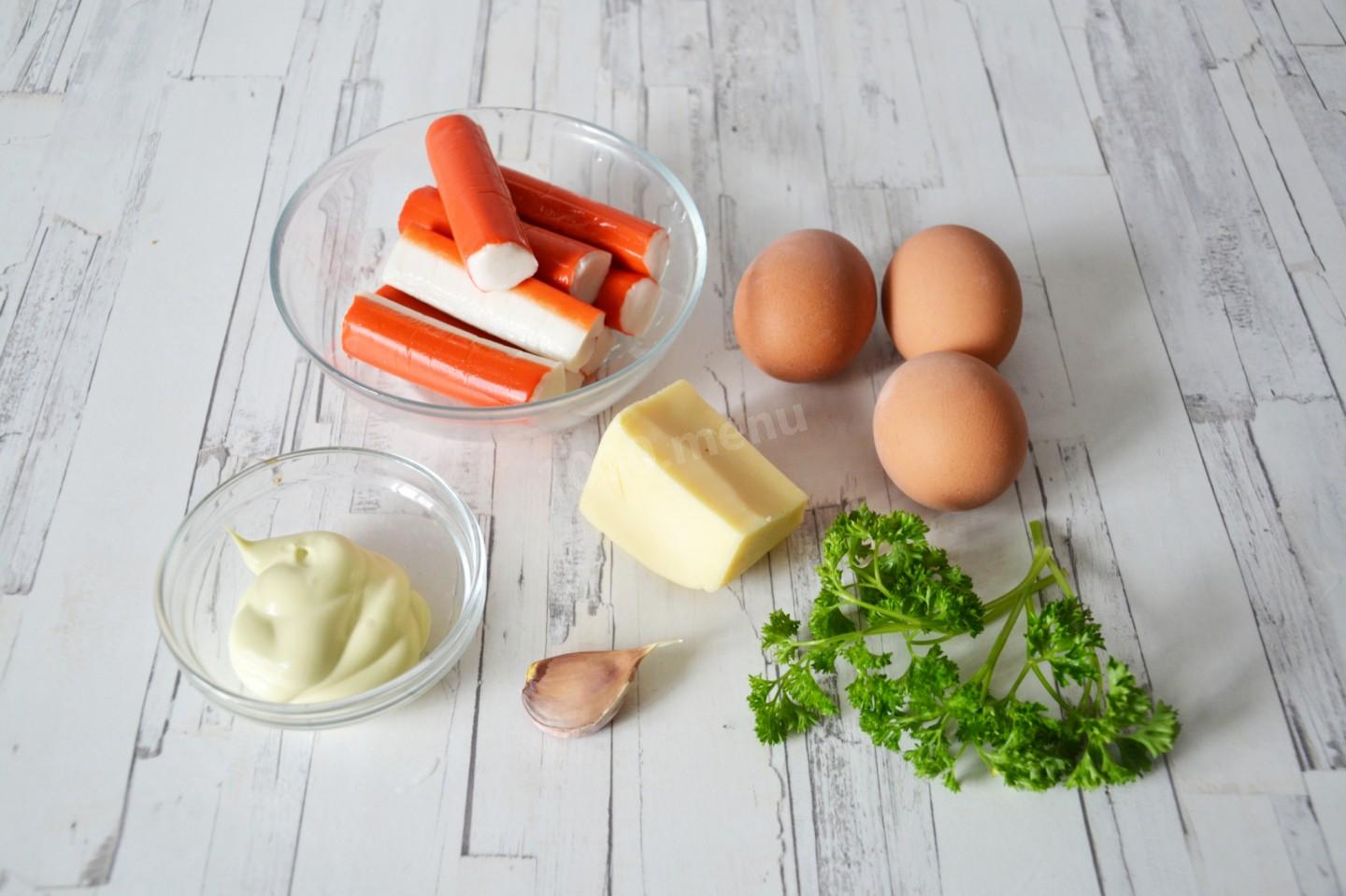
Gather the ingredients. To make crab stick rolls, you'll need: crab sticks, eggs, cheese, herbs, garlic, and mayonnaise.
-
Step 2:
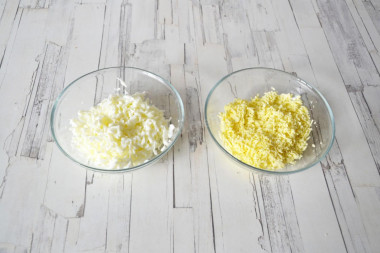
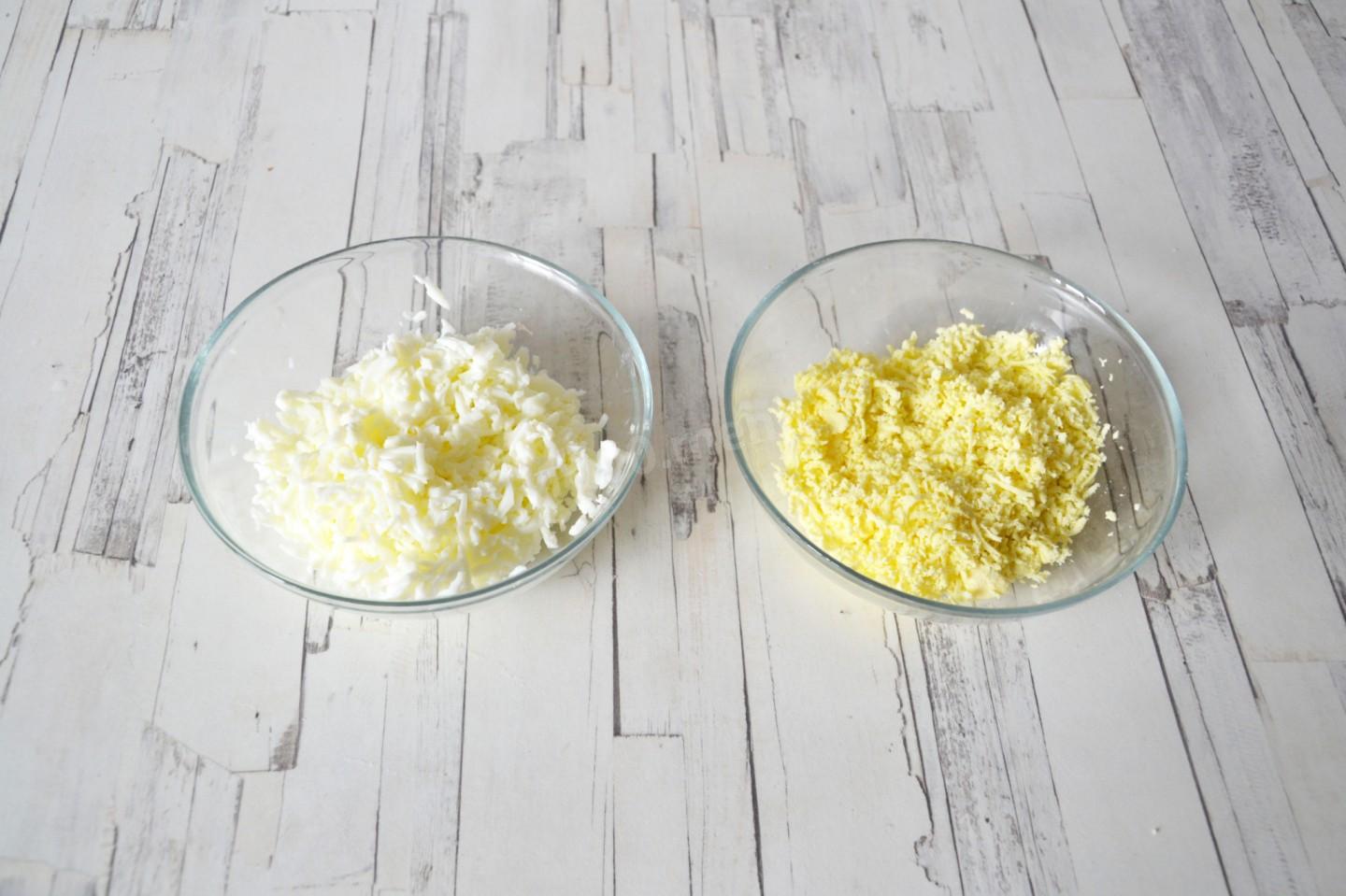
Hard-boil the eggs, cool, and peel them. Separate the whites from the yolks and grate each separately on a medium grater.
-
Step 3:
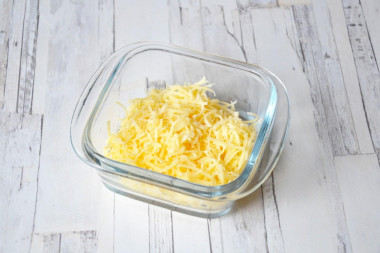
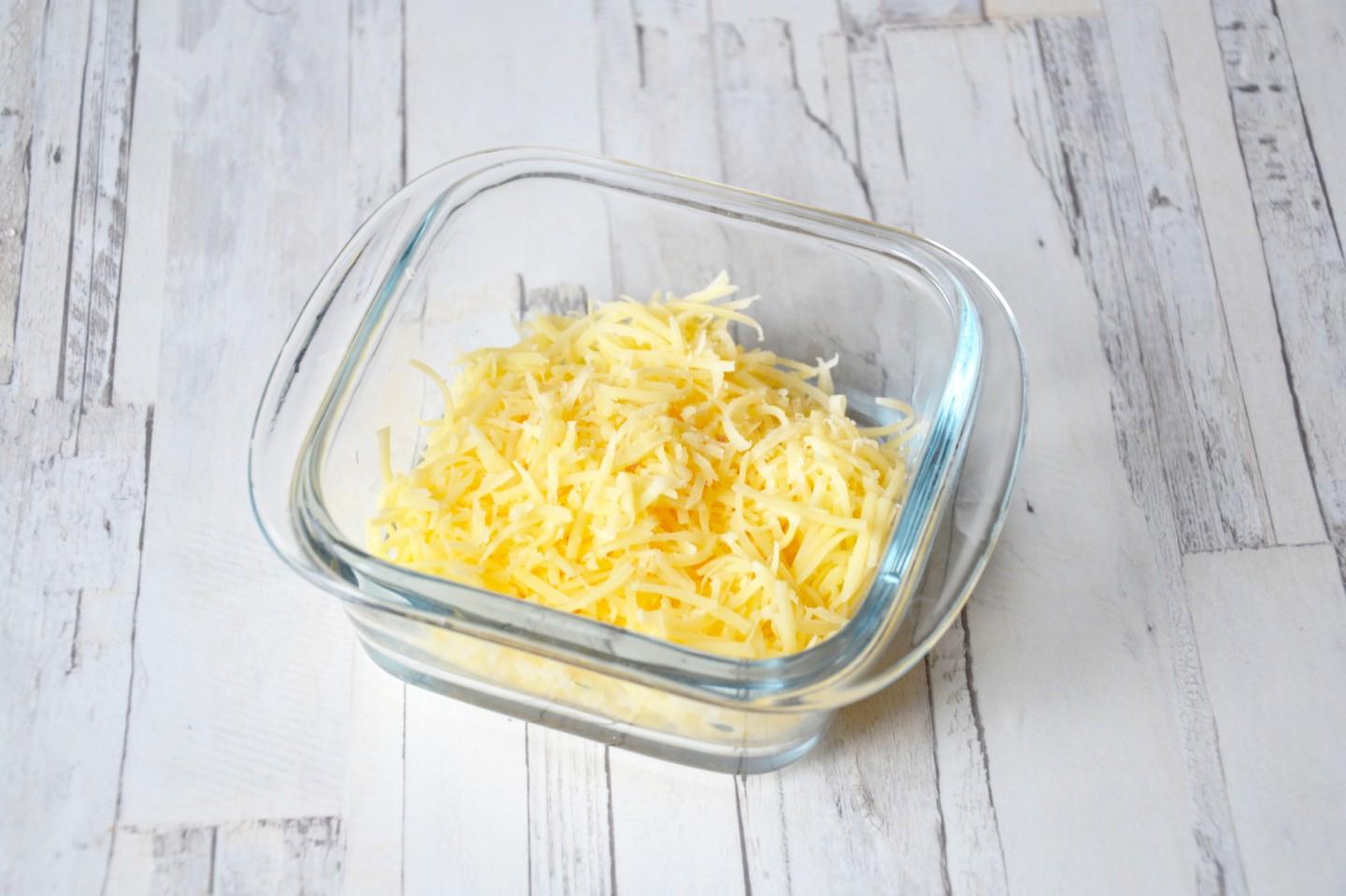
Grate the cheese on a medium grater as well.
-
Step 4:
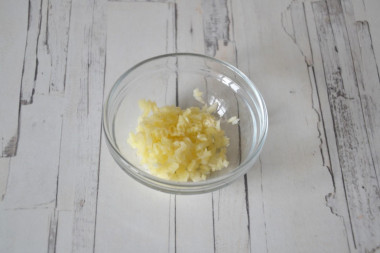
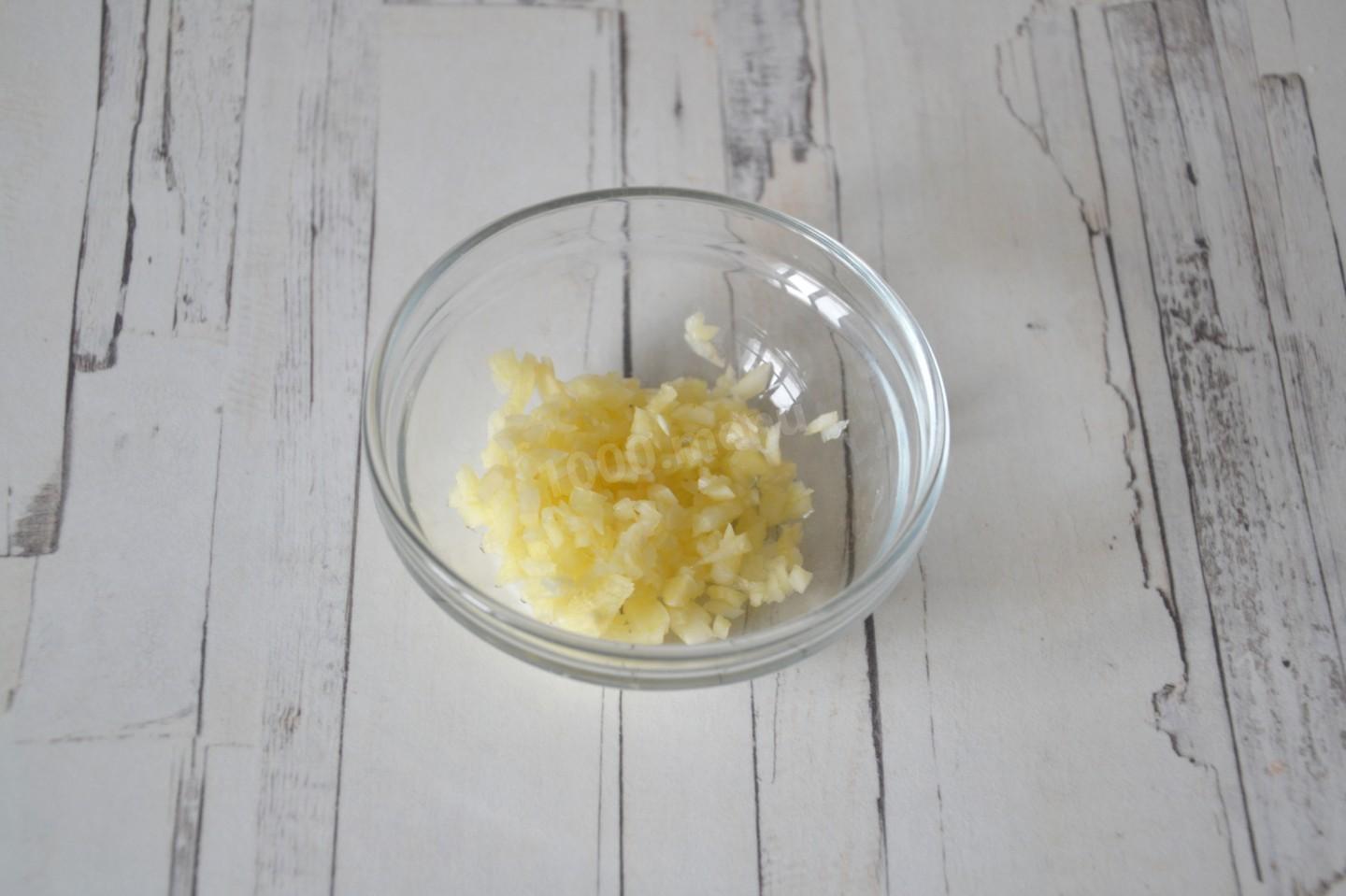
Peel the garlic and press it through a garlic press.
-
Step 5:
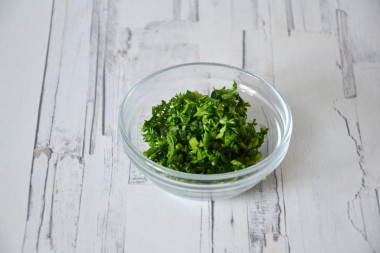
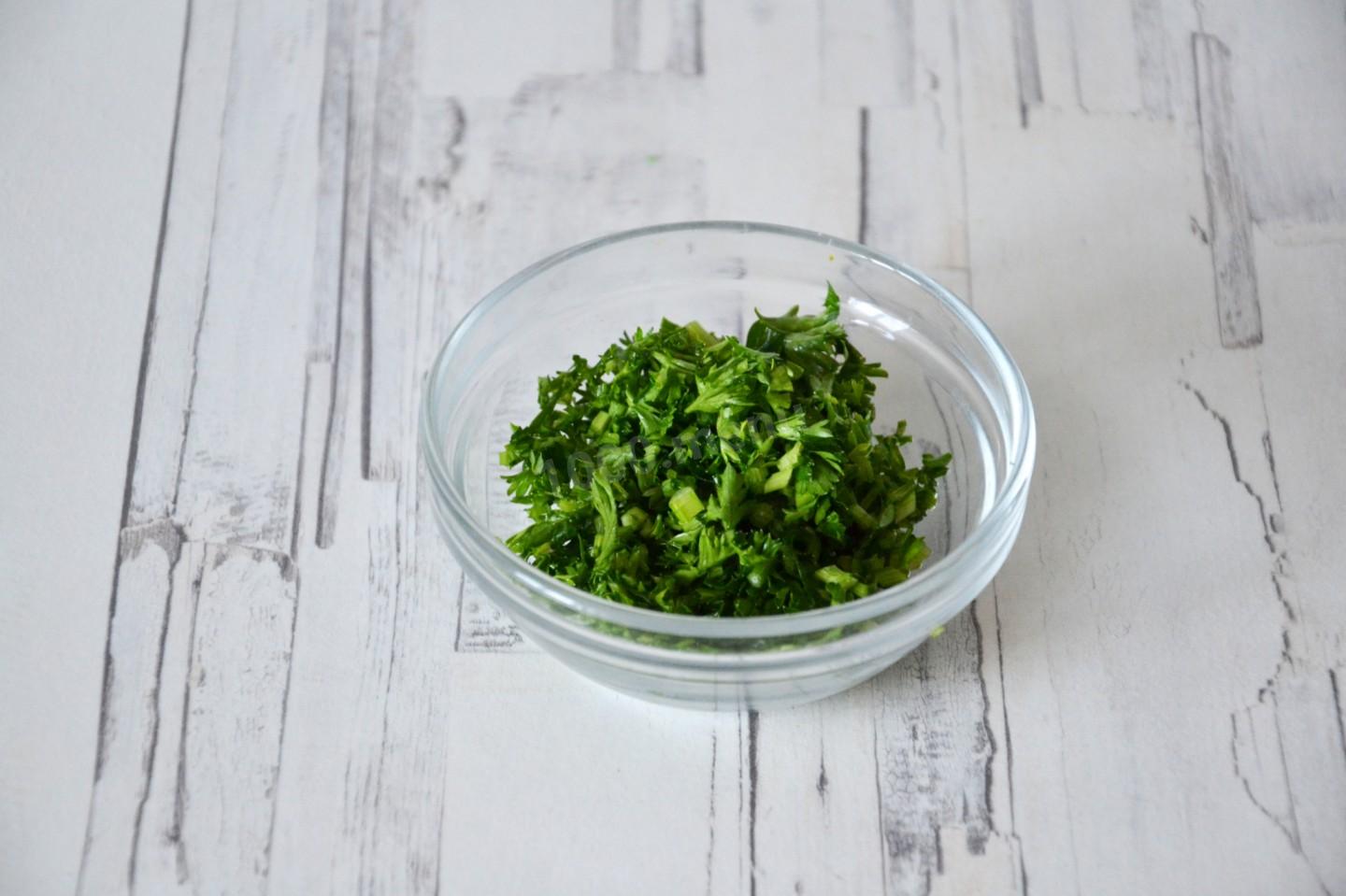
Wash, dry, and finely chop the parsley.
-
Step 6:
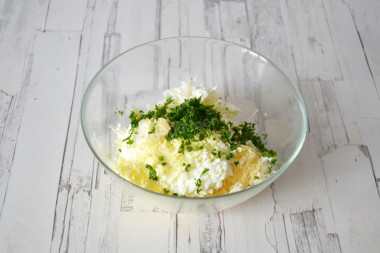
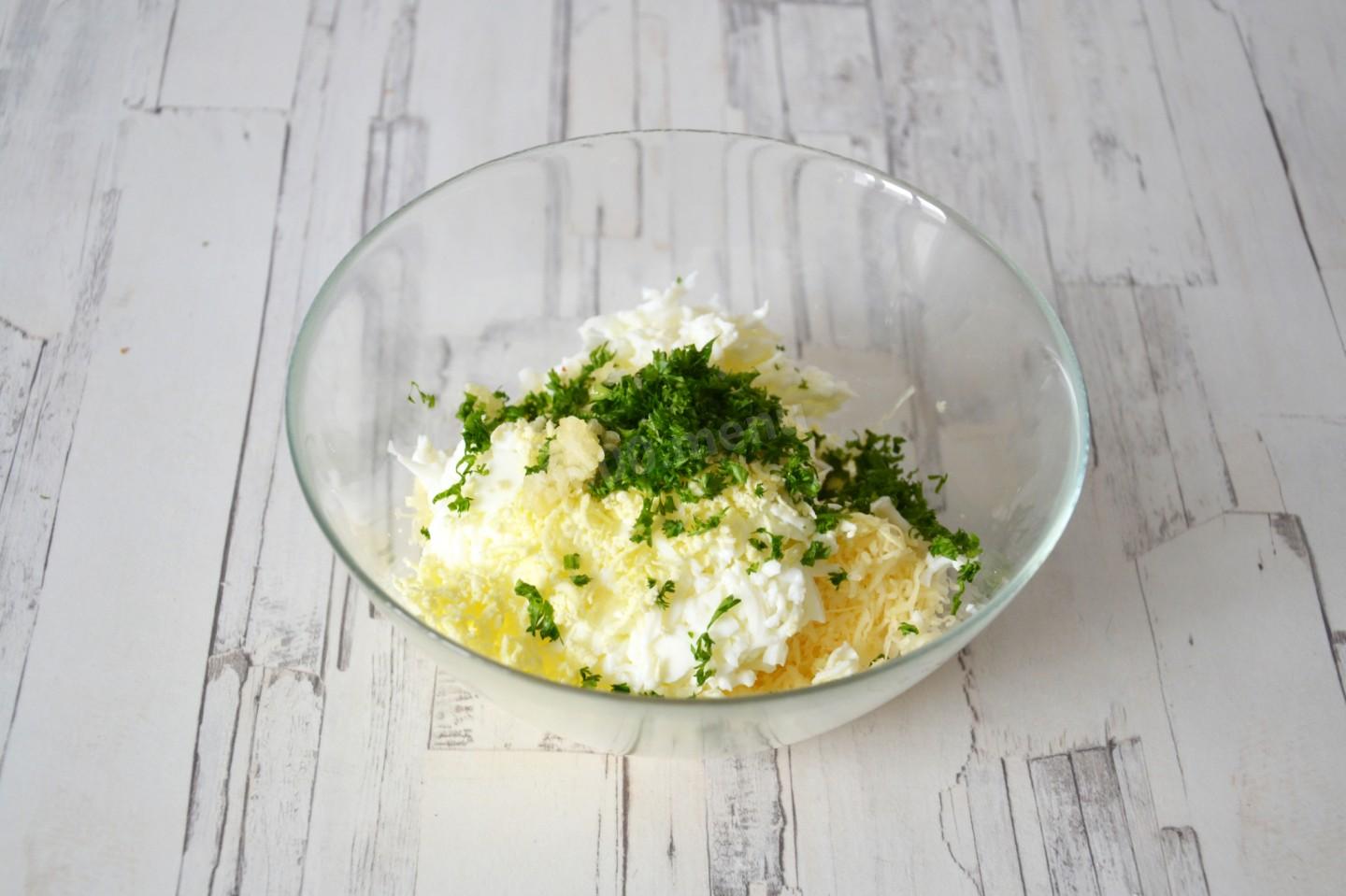
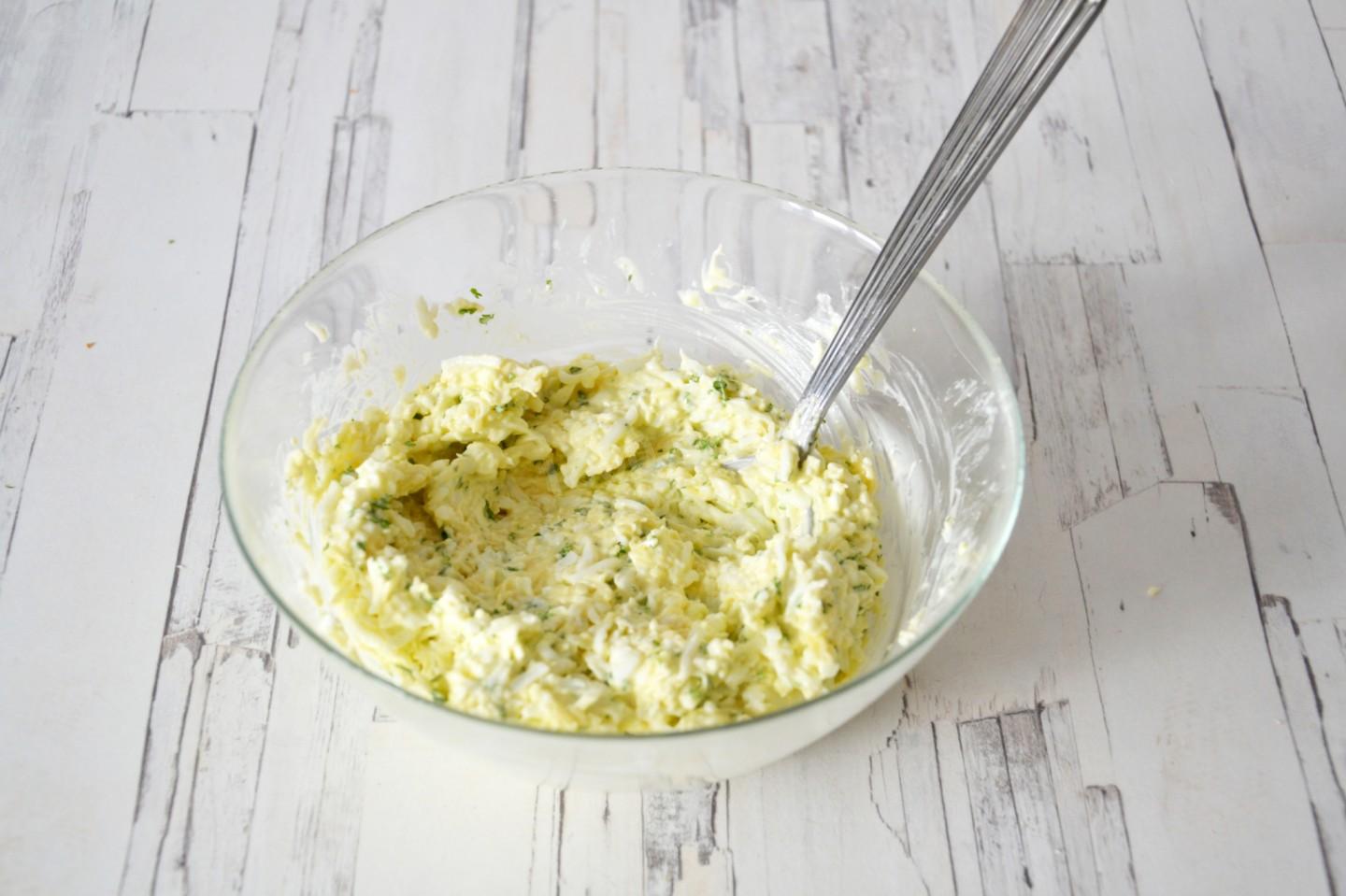
In a bowl, combine the grated egg whites, grated yolk, cheese, garlic, and parsley.
-
Step 7:
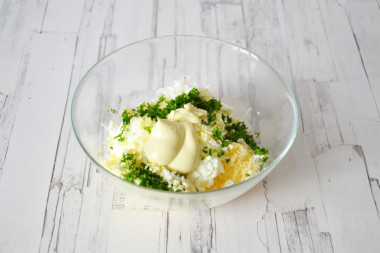
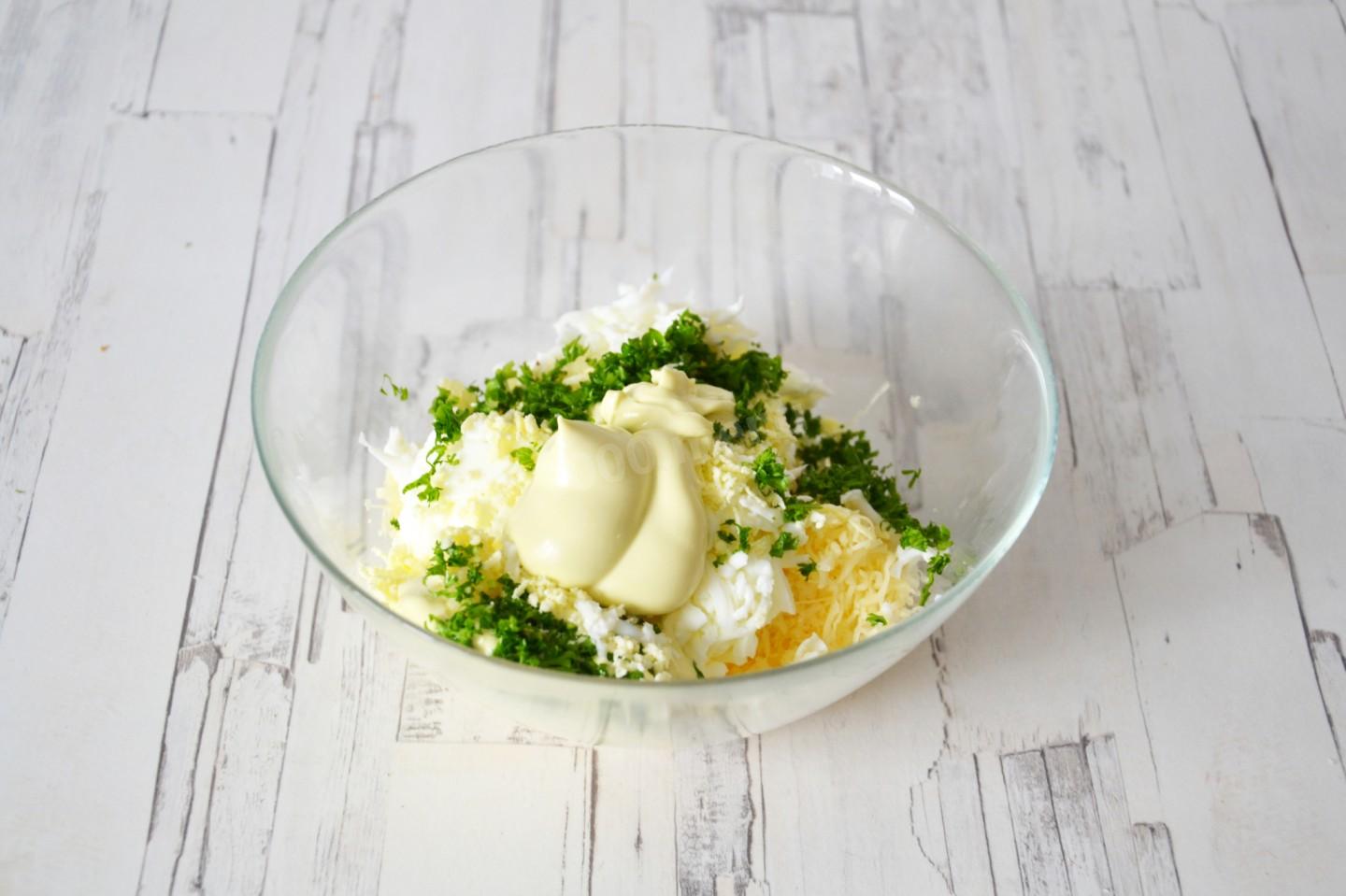
Dress with mayonnaise.
-
Step 8:
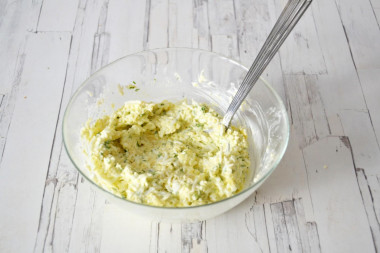
Add pepper and mix.
-
Step 9:
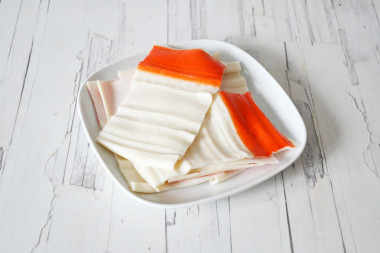
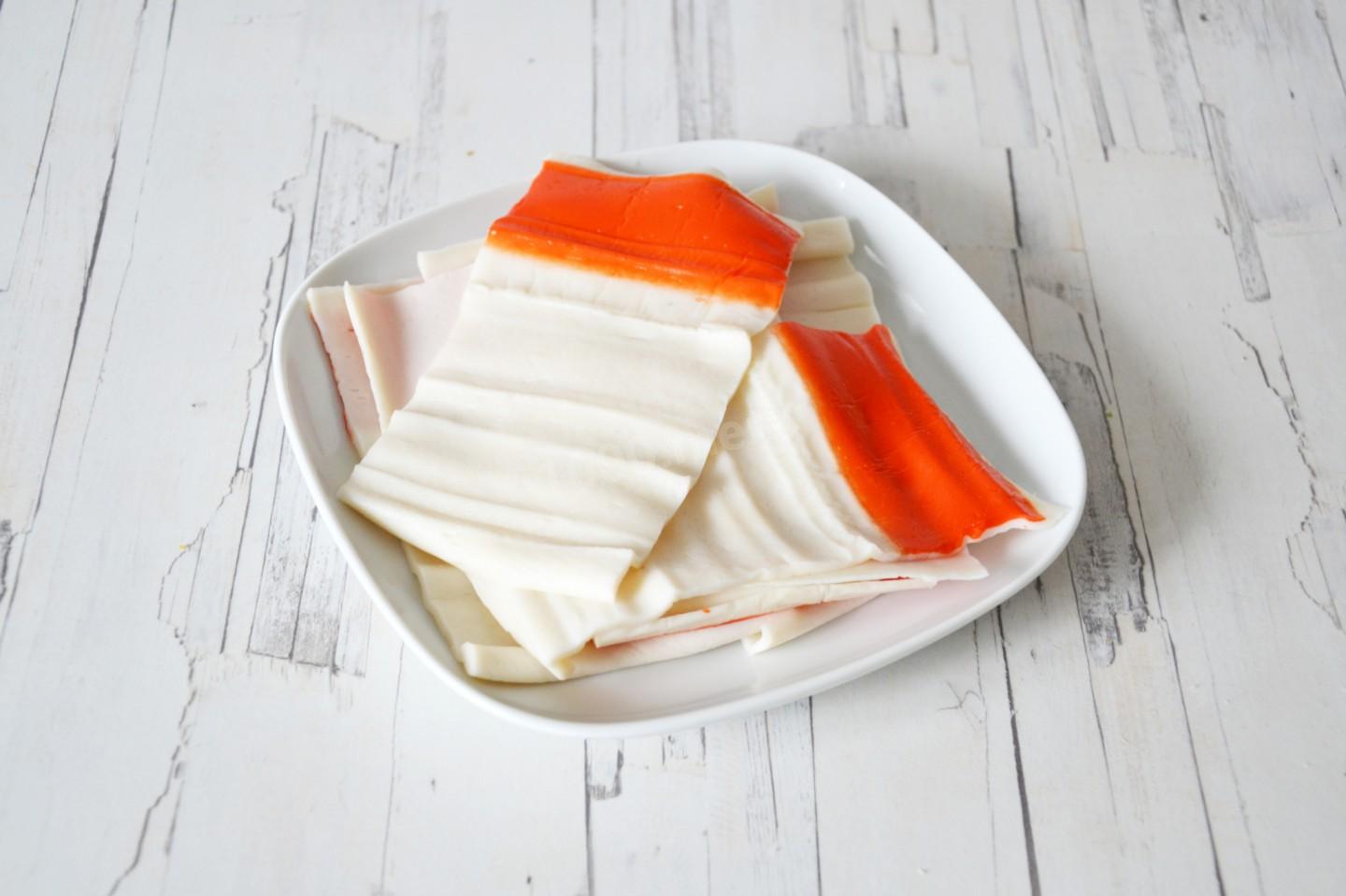
Carefully unroll the crab sticks, taking care not to tear them. If they don't unroll easily, you can dip them in hot water for a few seconds or hold them over steam.
-
Step 10:
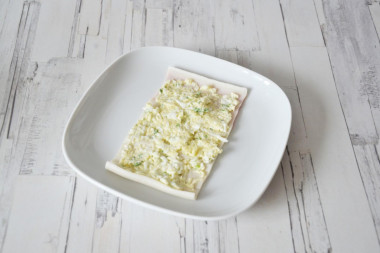
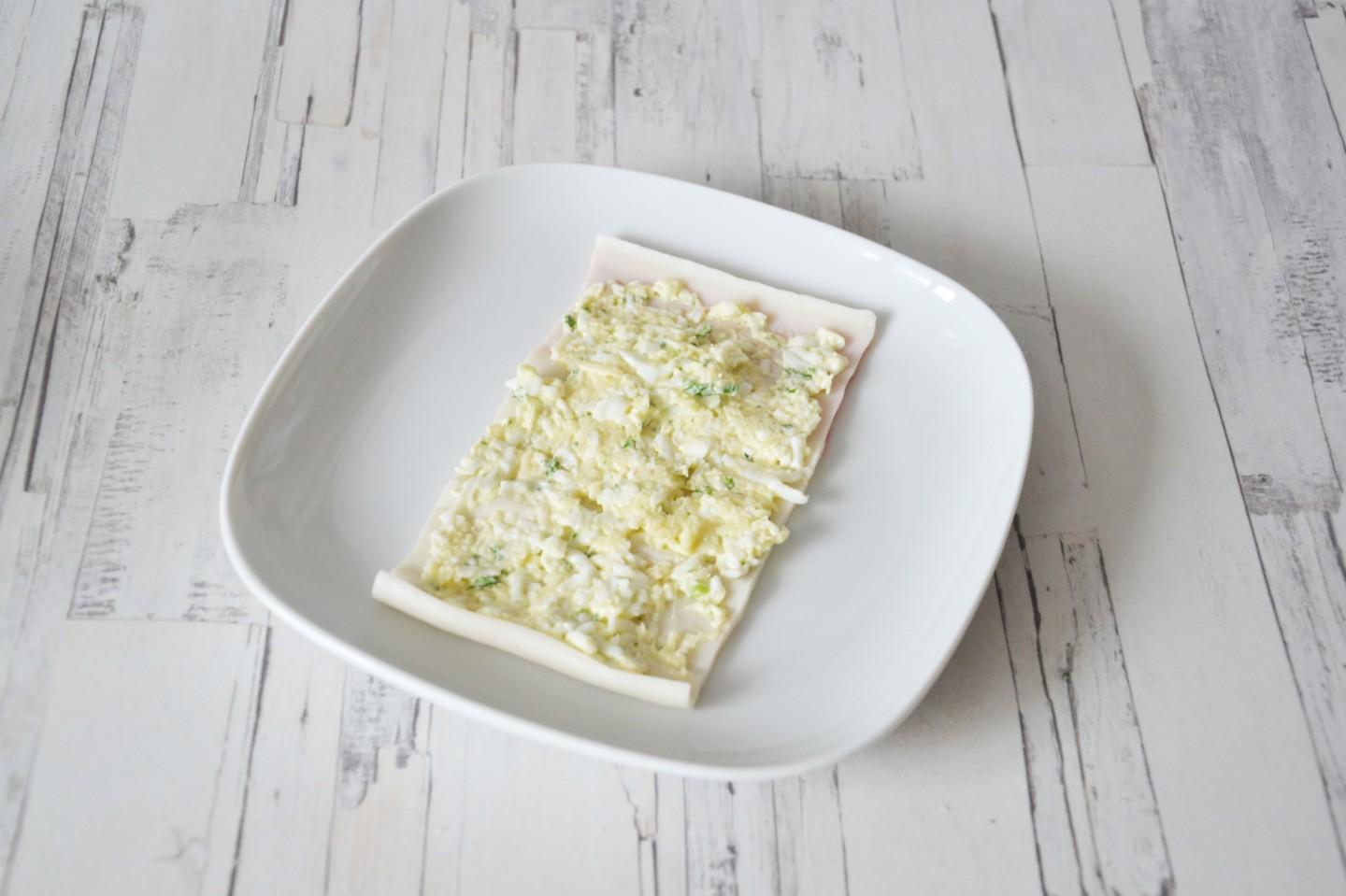
Put a little filling on each unrolled stick and spread it evenly over the whole surface.
-
Step 11:
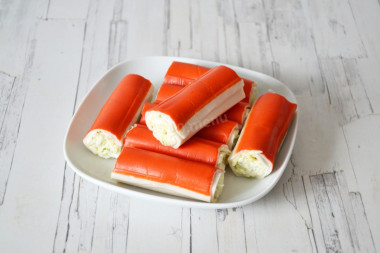
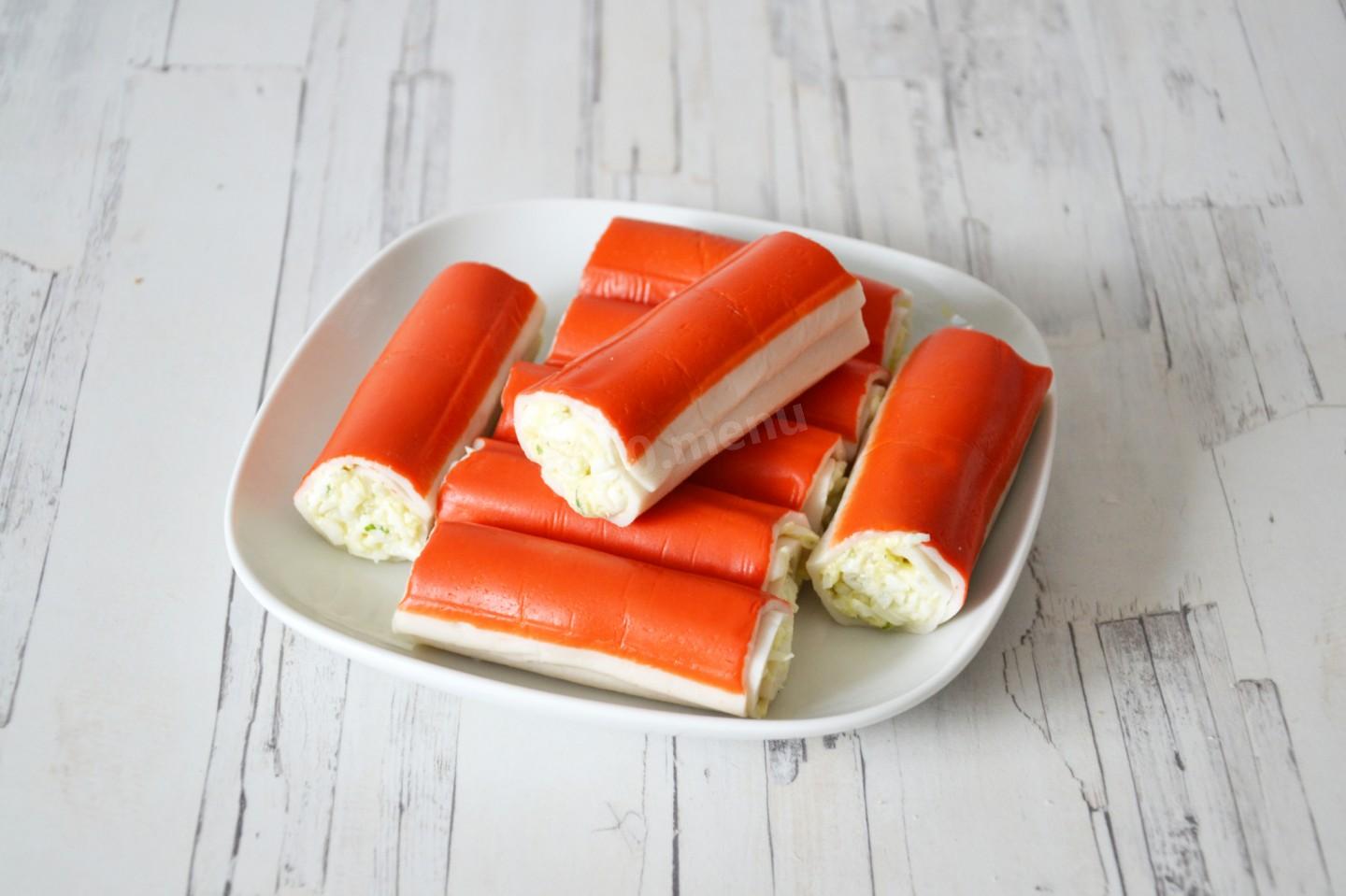
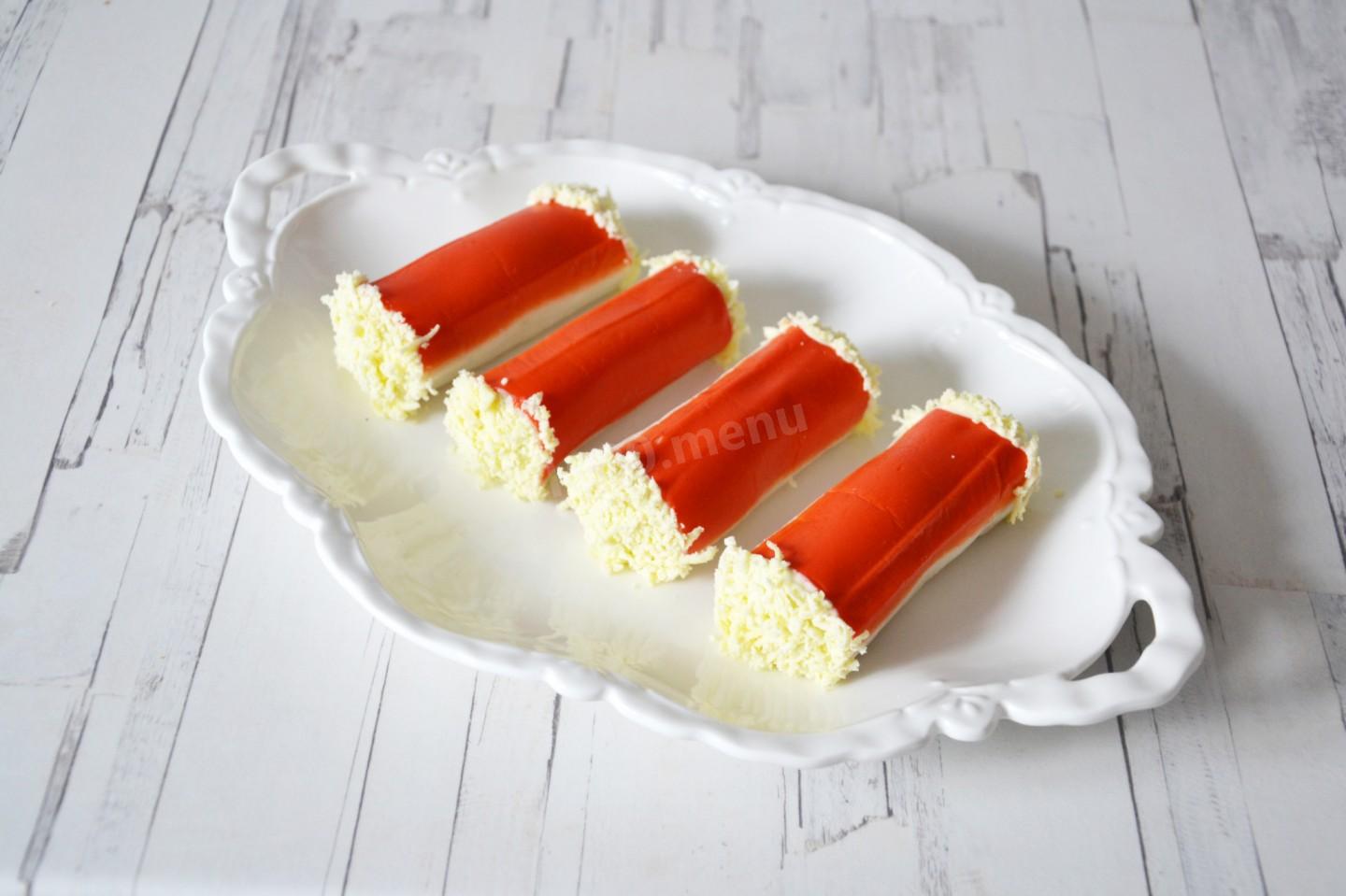
Gently roll the sticks back into tubes with the filling inside.
-
Step 12:
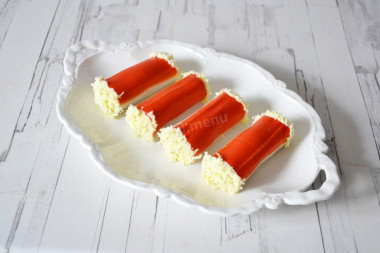
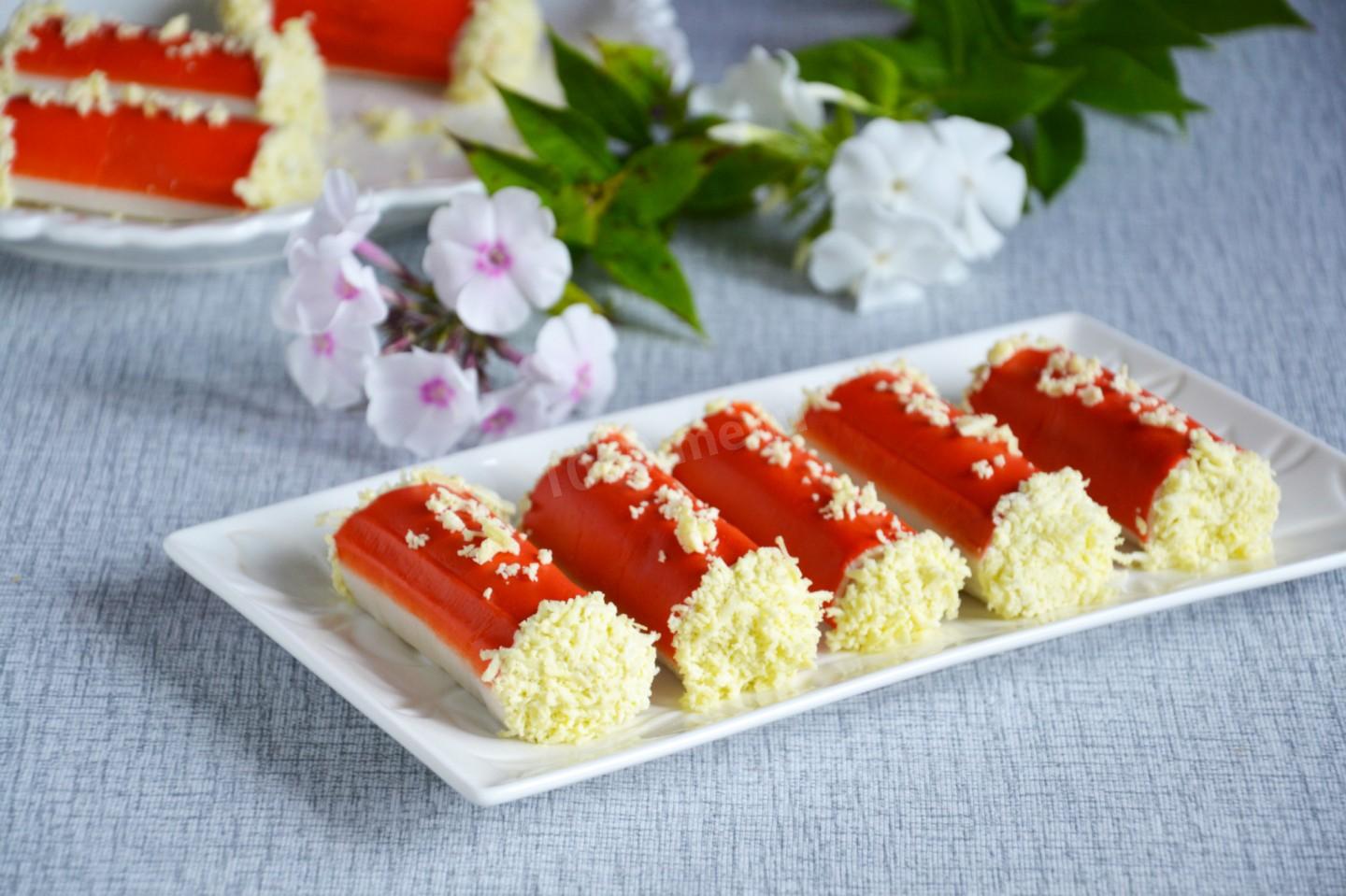
Arrange the finished rolls on a platter and sprinkle them with the remaining yolk and sprigs of parsley.
-
Step 13:
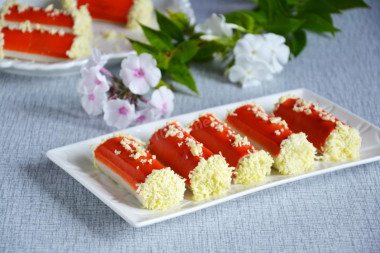
Put the crab stick rolls in the refrigerator for 20–30 minutes, then serve. Enjoy!
- Not everyone knows that there's actually no crab meat in crab sticks at all. If you read the ingredient list on the package, you'll see that the main component is a minced fish product called "surimi." The Japanese invented it back in the 12th century. Islanders noticed that minced meat made from ground, pressed ocean fish tasted pretty good and could be shaped into all sorts of figures to dress up a meal. For a long time, the Japanese couldn't sell surimi or dishes made from it abroad — neither Americans nor Europeans wanted to eat white balls and patties with strange Asian names. That went on until, in the second half of the 20th century, Japanese food manufacturers hit on an ingenious way to win over picky overseas consumers. To make the product more appealing, they decided to color it: they painted a red stripe of food coloring onto the white paste and began selling it for export as "imitation crab meat." Surimi in its new guise quickly conquered the markets not just of the US and Europe but of the whole world. Surimi is usually made from the meat of white ocean fish — pollock, herring, mackerel, or hake. The fillet is ground and washed repeatedly in cold water until only the insoluble proteins remain. The resulting mass is then spun in a centrifuge to remove excess moisture. What's left is an almost flavorless paste, so sugar, salt, and various flavor enhancers are added, along with stabilizers and preservatives for shelf life. After that, a red stripe is applied to the surimi using carmine, paprika, or other dyes. You'd think crab sticks were already a fake version of crab meat — and yet even this imitation has been faked. Chinese crab sticks contain no surimi at all; they're made of vegetable (soy) protein, starch, and egg white, plus flavorings.
Caloric content of the products possible in the composition of the dish
- Chicken egg - 157 kcal/100g
- Egg white - 45 kcal/100g
- Egg powder - 542 kcal/100g
- Egg yolk - 352 kcal/100g
- Ostrich egg - 118 kcal/100g
- Dutch cheese - 352 kcal/100g
- Swiss cheese - 335 kcal/100g
- Russian cheese - 366 kcal/100g
- Kostroma cheese - 345 kcal/100g
- Yaroslavsky cheese - 361 kcal/100g
- Altai cheese, 50% fat - 356 kcal/100g
- Soviet cheese - 400 kcal/100g
- Steppe cheese - 362 kcal/100g
- Uglich cheese - 347 kcal/100g
- Poshekhonsky cheese - 350 kcal/100g
- Lambert cheese - 377 kcal/100g
- Appenzeller cheese, 50% fat - 400 kcal/100g
- Chester cheese, 50% fat - 363 kcal/100g
- Edam cheese, 40% fat - 340 kcal/100g
- Cheese with mushrooms, 50% fat - 395 kcal/100g
- Emmental cheese, 45% fat - 420 kcal/100g
- Gouda cheese, 45% fat - 356 kcal/100g
- Amadeus cheese - 364 kcal/100g
- Dom Blanc cheese (semi-hard) - 360 kcal/100g
- Lo Spalmino cheese - 61 kcal/100g
- Etorki cheese (sheep, hard) - 401 kcal/100g
- White cheese - 100 kcal/100g
- Full-fat yellow cheese - 260 kcal/100g
- Altai cheese - 355 kcal/100g
- Kaunas cheese - 355 kcal/100g
- Latvian cheese - 316 kcal/100g
- Limburger cheese - 327 kcal/100g
- Lithuanian cheese - 250 kcal/100g
- Lake cheese - 350 kcal/100g
- Gruyère cheese - 396 kcal/100g
- Garlic - 143 kcal/100g
- Ground black pepper - 255 kcal/100g
- Parsley - 45 kcal/100g
- Crab sticks - 73 kcal/100g
- Vici juicy crab sticks - 73 kcal/100g
- Meridian snow crab sticks - 140 kcal/100g
- Miramar crab sticks - 140 kcal/100g
- Santa Bremor snow crab sticks - 70 kcal/100g
- Salad mayonnaise, 50% fat - 502 kcal/100g
- Light mayonnaise - 260 kcal/100g
- Provençal mayonnaise - 624 kcal/100g
- Provençal mayonnaise - 627 kcal/100g
- Table mayonnaise - 627 kcal/100g