Canned Fish and Rice Patties
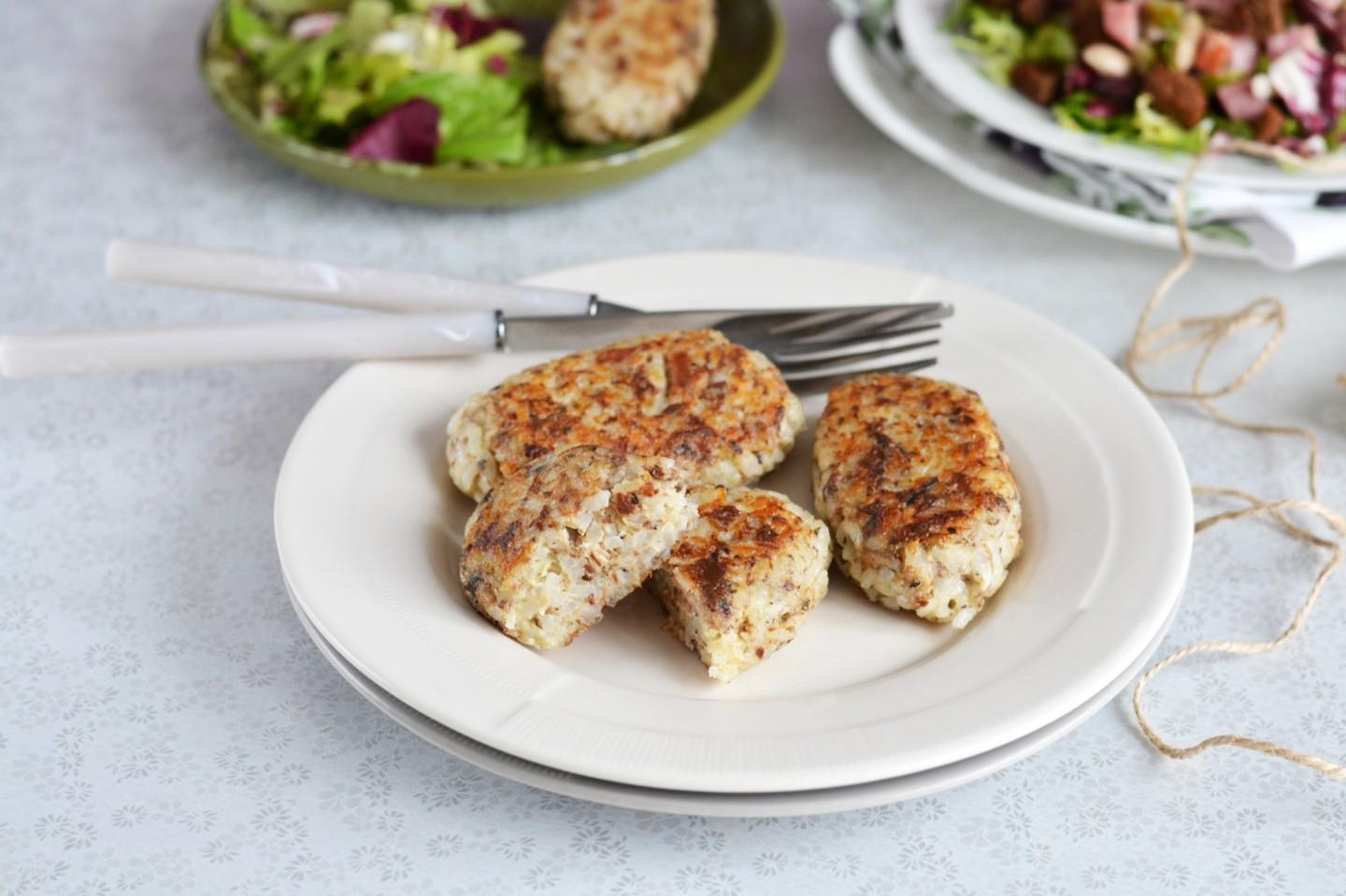
Made from everyday ingredients, cheap, an everyday dish for the whole family! Even a beginner can make these canned fish and rice patties. If you freeze cooked rice ahead of time, they'll take just minutes to make. Serve them with any fish side dish or a fresh vegetable salad. Simple and tasty!



Cooking method
-
Step 1:
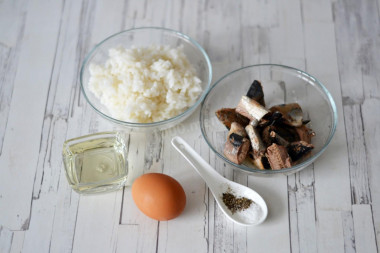
How do you make canned fish and rice patties? Gather the ingredients. You can use any canned fish you like — I have sardines. It's better if they're packed in oil or in their own juice, that is, without tomato sauce. Round rice is preferable. Wash the egg well and pat it dry with paper towels.
-
Step 2:
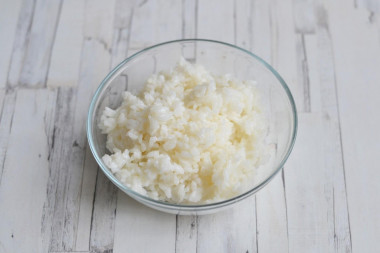
Rinse the rice several times, until the water runs clear. Transfer it to a pot. Cover with water and cook until tender. Salt the water. There should be about two or three times as much water as rice. Drain the cooked rice in a colander and let the water run off. Cool it.
-
Step 3:
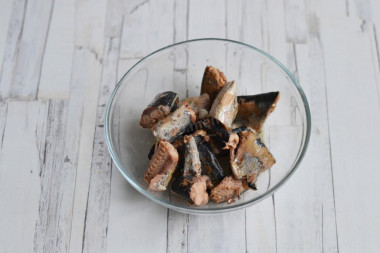
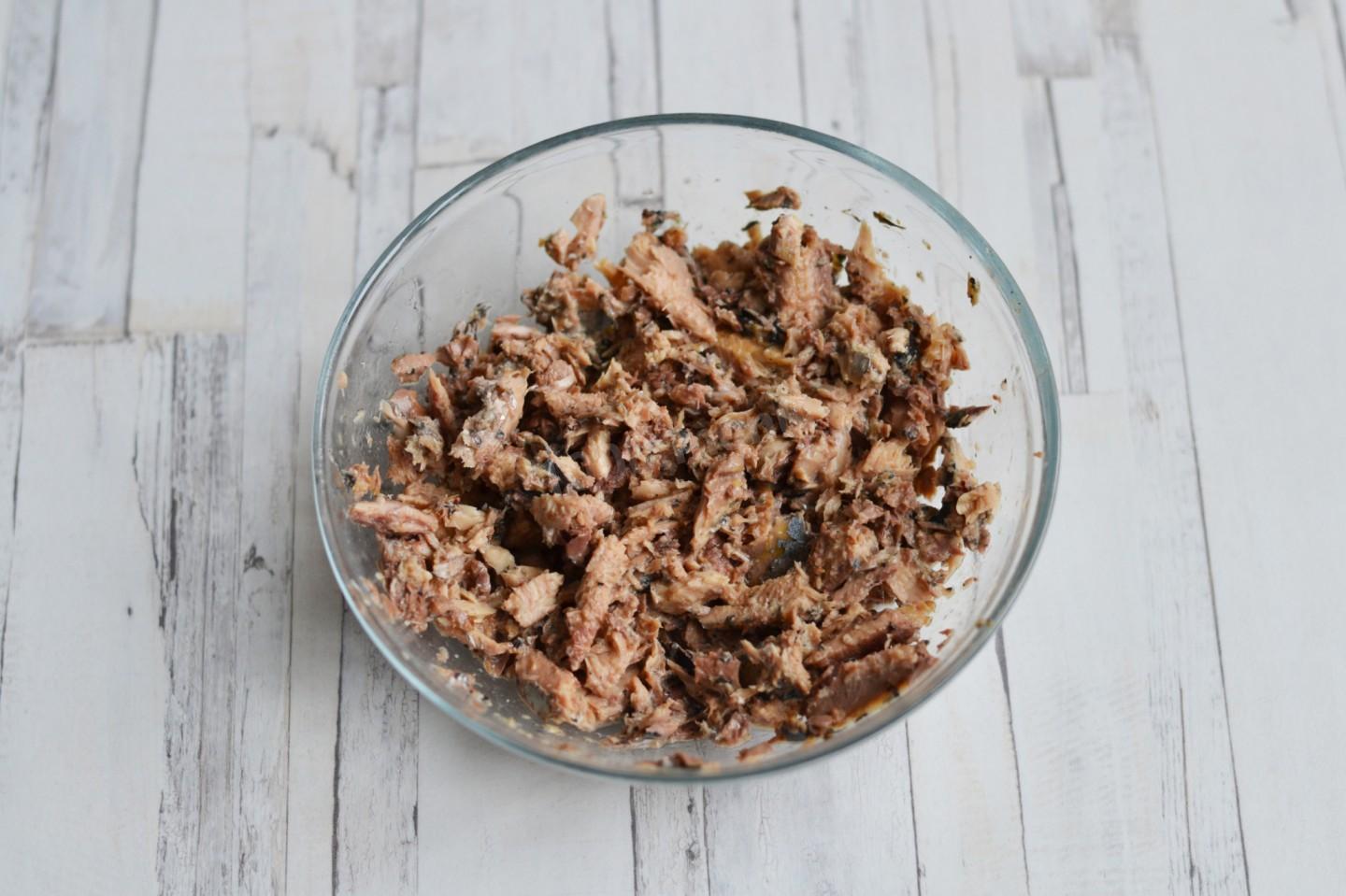
Drain the juice or oil from the can. Take the fish out of the can and let the excess liquid drain. If there are any large bones in the fish, remove them. Transfer the fish to a deep bowl.
-
Step 4:
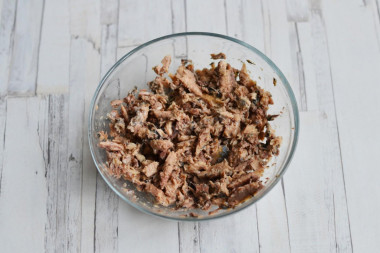
Mash the fish with a fork.
-
Step 5:

Add the cooled rice to the bowl of mashed fish. Crack in a raw egg. Season with salt and pepper.
-
Step 6:
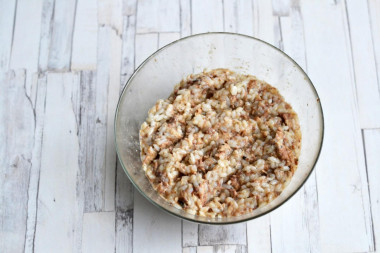
Mix everything until evenly combined. If the fish mixture turns out a bit runny, you can add 1–2 tbsp of semolina, then leave the mixture for 15–20 minutes so the semolina swells and absorbs the excess moisture. I didn't do that — my mixture had the right consistency.
-
Step 7:

Wet your hands with water and form the mixture into small patties of whatever shape you like. Mine are oval; yours can be round (or even square).
-
Step 8:
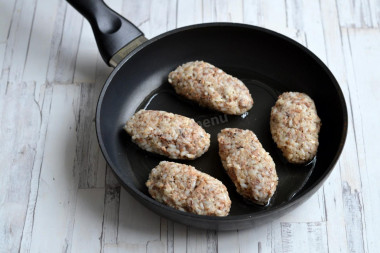
Heat the vegetable oil in a skillet. Add the patties and fry them for 2–3 minutes per side. I judge them done by the golden crust that forms. Watch that they don't burn — adjust the heat and time to suit your stove.
-
Step 9:
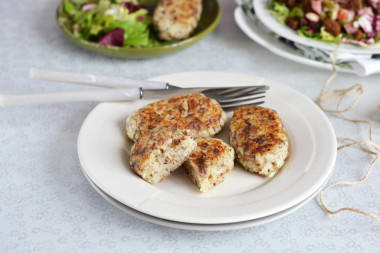
Serve the patties hot with any side dish — vegetables, pasta, and so on. Enjoy!




- You can add onion sautéed in vegetable oil to the mixture, as well as any herbs to taste. To make the patties airy, you can separate the white from the yolk and whip it with a mixer into a thick, fluffy foam. Fold the egg white into the mixture at the very end, after all the other ingredients. There's usually a can of fish and some rice on hand, so when you need to make something in a hurry, this recipe is a lifesaver. When choosing canned food, it's best to avoid bulging cans. A can can bulge for various reasons — for example, if the contents have been frozen or if bacteria are multiplying in the canned food, including the agent that causes botulism, a very dangerous disease.
- Canned fish patties are a good alternative to patties made from fresh minced fish, and they save a lot of time in cooking, while turning out just as tasty and juicy.
- Shake the can before buying. The more liquid it has, the less fish.
- Use an oil with a high smoke point for frying! All oils are good only up to a certain temperature — the smoke point, at which the oil begins to burn and form toxic compounds, including carcinogens. Unrefined oils, with rare exceptions, have a low smoke point; they contain many unfiltered organic particles that quickly start to burn. Refined oils are more heat-stable and have a higher smoke point. If you're going to cook in the oven, in a skillet, or on the grill, make sure to use an oil with a high smoke point. The most common high-smoke-point oils are refined sunflower, olive, and grapeseed oil.
- Since everyone's sense of saltiness, sweetness, bitterness, spiciness, acidity, and heat is different, always add spices and seasonings to your own taste! If you're using a seasoning for the first time, keep in mind that some are especially easy to overdo (chili pepper, for example).
Caloric content of the products possible in the composition of the dish
- Chicken egg - 157 kcal/100g
- Egg white - 45 kcal/100g
- Egg powder - 542 kcal/100g
- Egg yolk - 352 kcal/100g
- Ostrich egg - 118 kcal/100g
- Raw wild rice - 353 kcal/100g
- Raw brown rice - 360 kcal/100g
- Boiled brown rice - 119 kcal/100g
- Raw enriched white rice - 363 kcal/100g
- Boiled enriched white rice - 109 kcal/100g
- Raw long-grain parboiled white rice - 369 kcal/100g
- Boiled long-grain parboiled white rice - 106 kcal/100g
- Dry instant rice - 374 kcal/100g
- Ready-to-eat instant rice - 109 kcal/100g
- Rice - 344 kcal/100g
- Ground black pepper - 255 kcal/100g
- Vegetable oil - 873 kcal/100g
- Salt - 0 kcal/100g
- Saury blanched in oil - 283 kcal/100g
- Atlantic sardine with added oil - 238 kcal/100g
- Sardine in oil - 221 kcal/100g
- Sardine in tomato sauce - 162 kcal/100g
- Mackerel in oil - 278 kcal/100g
- Sprat in tomato sauce - 154 kcal/100g
Similar recipes

- Homemade dinner
- Second course
- Eggs
- Fish and seafood
- Cereals and cereal products
- Spices seasonings spices
- Fats and oils
- Pepper
- Salt
- Vegetable oil
- Cooking
- Frying
- Simple dinner
- Inexpensive dinner
- Cutlets
- Fish second course
- Canned fish
- Simple quick dinner
- Inexpensive budget dinner
- Recipes for lean dishes without butter
- From rice