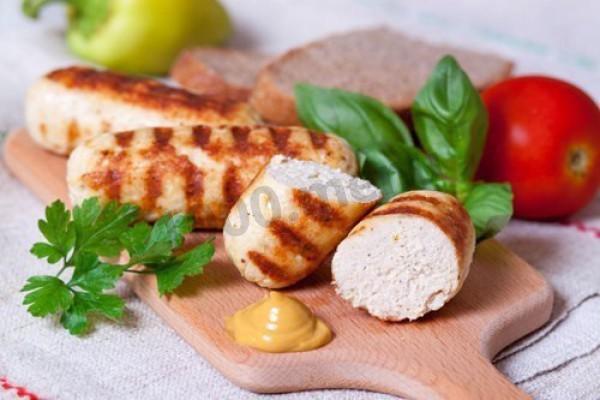
Homemade Chicken Sausages (in Plastic Wrap)
Sticking to a healthy, balanced diet? Then this is for you! Serve these with any classic sausage side, or just go by your own taste — same goes for sauces and salads. After all, these are sausages: homemade chicken sausages, good on their own. If you're cooking for kids, you can leave out the pepper and spices.
Cooking method
-
Step 1:
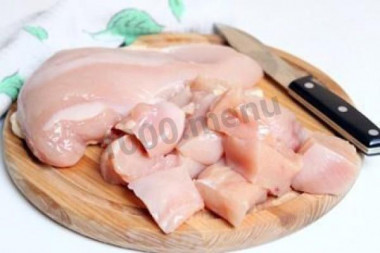
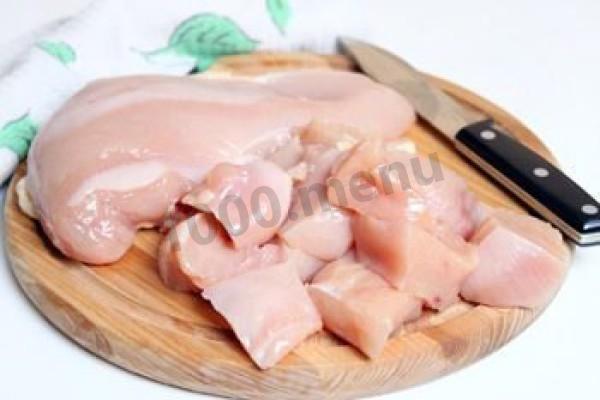
How do you make homemade chicken sausages in plastic wrap? The main component, naturally, is ground chicken, so make sure your ground chicken or chicken fillet is fresh. You can use store-bought ground chicken or grind it yourself.
-
Step 2:
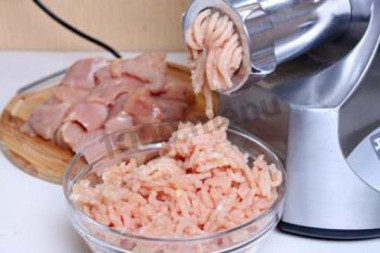
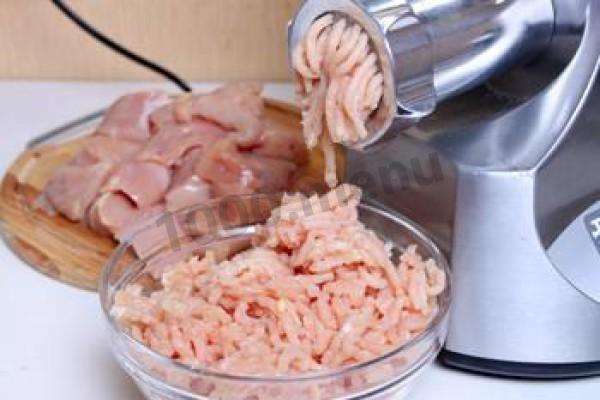
Cut the chicken fillet into pieces and run it through the finest plate of a meat grinder (the finer, the more tender the result). If you only have a medium or coarse plate, grind it twice to break the meat down as much as possible.
-
Step 3:
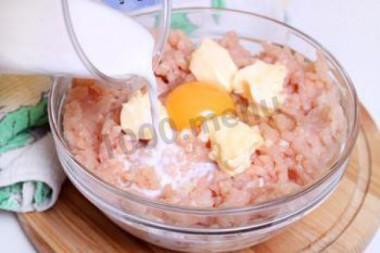
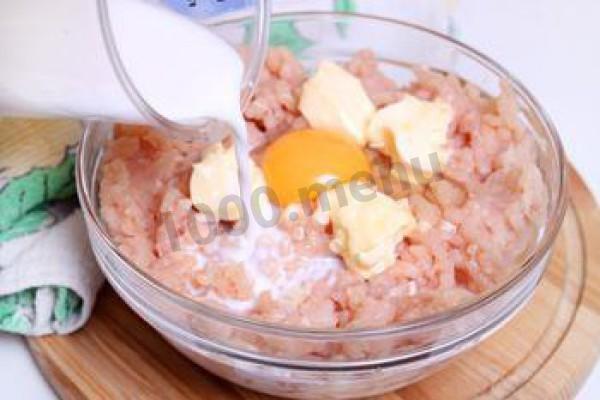
Add the egg, softened butter, milk (the fat content doesn't really matter), salt, pepper, and ground coriander to the ground chicken.
-
Step 4:
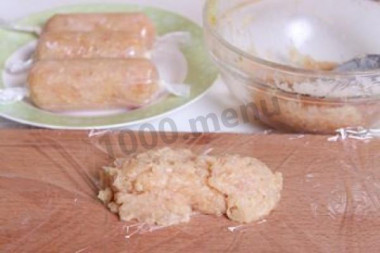
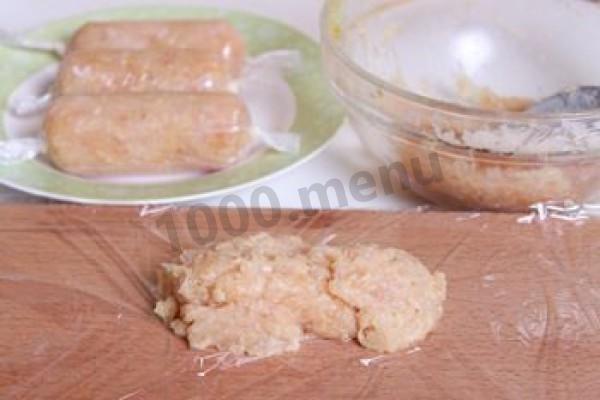
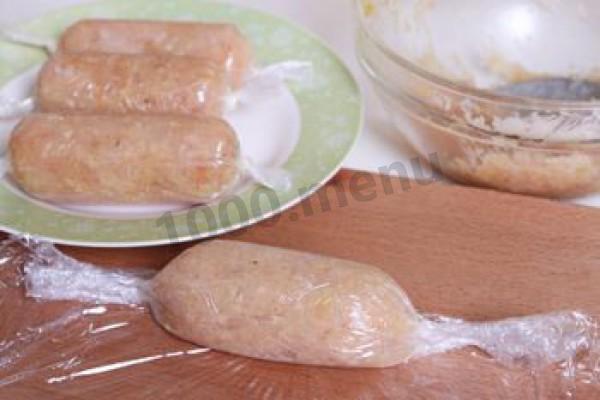
Now for the fun part — shaping the sausages. Decide on the size: thick sausages, long and thin ones, or tiny ones for little kids. Put about 2 tablespoons of the mixture onto a piece of plastic wrap.
-
Step 5:
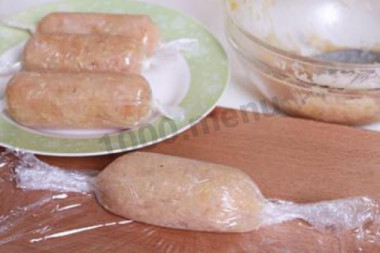
Roll it up tightly, wrapping it several times so the filling can't escape, shaping a sausage of the size you want. Twist it closed like a candy, tying the ends in a knot or securing them with string. Wrap and tie it tightly so there's no trapped air — then, after cooking, the sausage comes out smooth and firm, with no dents.
-
Step 6:
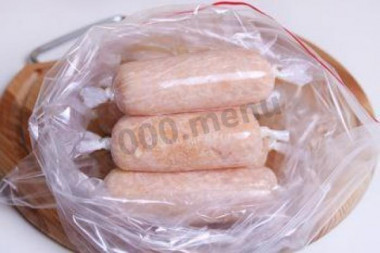
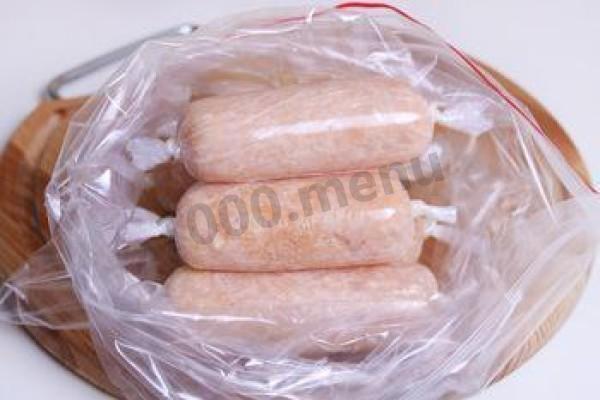
You can freeze chicken sausages to keep on hand. Two options: — freeze them raw in the wrap and boil them later, without thawing; — or freeze them already cooked (boiled), then reheat them however you like (microwave or oven, for example).
-
Step 7:
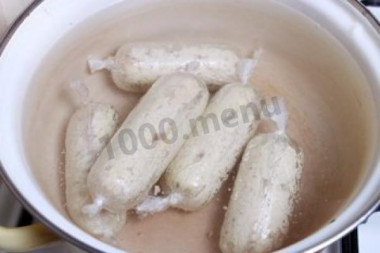
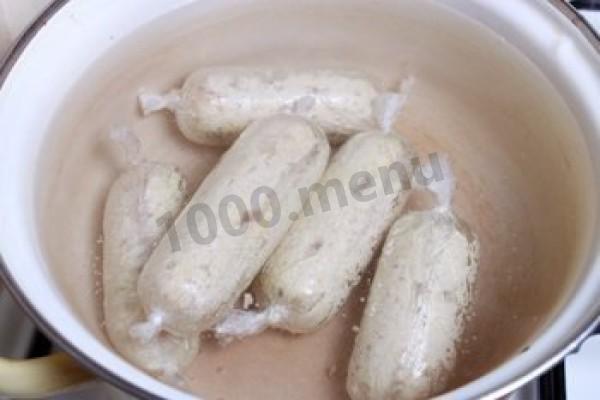
Bring water to a boil in a pot. Boil the sausages for 15 minutes. That's it — done.
-
Step 8:
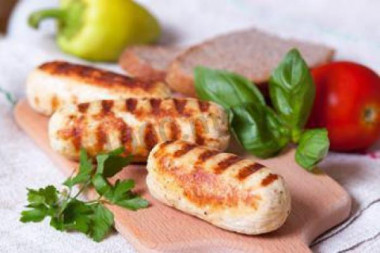
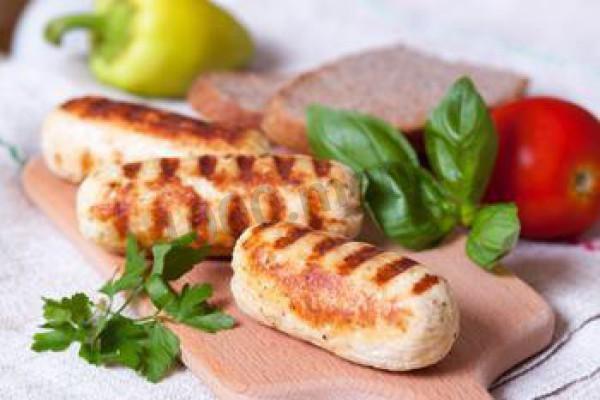
You can eat the sausages simply boiled, or pan-fry them until golden — in vegetable oil, olive oil, or even butter.
- Always wash eggs before using them, since even a shell that looks clean can carry harmful bacteria. A food-safe wash and a brush work best.
- It's handy to label your home-frozen packages with what's inside and the date (use pencil, since pen ink can smear). That way you'll know how long they'll keep and can easily find what you need in a full freezer.
- If you use a pre-made spice blend, be sure to read the label — these often already contain salt, so keep that in mind or you risk over-salting the dish.
Caloric content of the products possible in the composition of the dish
- Whole cow's milk - 68 kcal/100g
- Milk 3.5% fat content - 64 kcal/100g
- Milk 3.2% fat content - 60 kcal/100g
- Milk 1.5% fat content - 47 kcal/100g
- Concentrated milk 7.5% fat content - 140 kcal/100g
- Milk 2.5% fat content - 54 kcal/100g
- Chicken egg - 157 kcal/100g
- Egg white - 45 kcal/100g
- Egg powder - 542 kcal/100g
- Egg yolk - 352 kcal/100g
- Ostrich egg - 118 kcal/100g
- Ground black pepper - 255 kcal/100g
- Butter 82% - 734 kcal/100g
- Amateur unsalted butter - 709 kcal/100g
- Unsalted peasant butter - 661 kcal/100g
- Peasant salted butter - 652 kcal/100g
- Melted butter - 869 kcal/100g
- Salt - 0 kcal/100g
- Paprika - 289 kcal/100g
- Chicken breast (fillet) - 113 kcal/100g
- Ground coriander - 25 kcal/100g