Chocolate Custard for Cake
A tasty, quick, and easy treat for anyone with a sweet tooth! This chocolate custard for cakes is made from everyday ingredients you always have on hand. It's very versatile — great for layering cakes and filling pastries and cream horns — and perfect for festive desserts or any tea time.
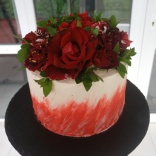
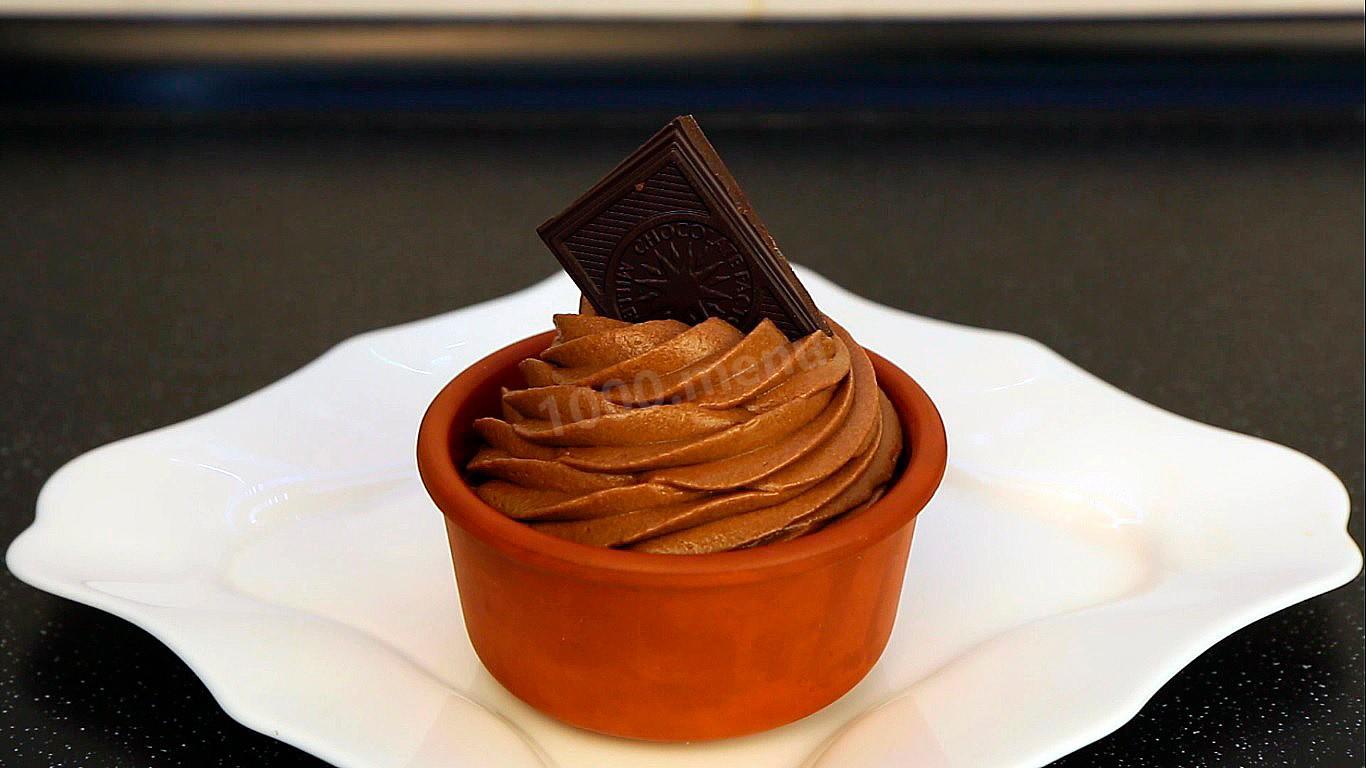
Cooking method
-
Step 1:
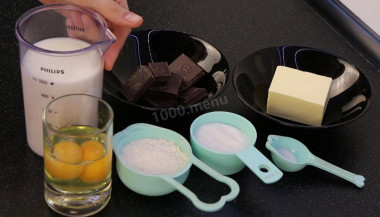
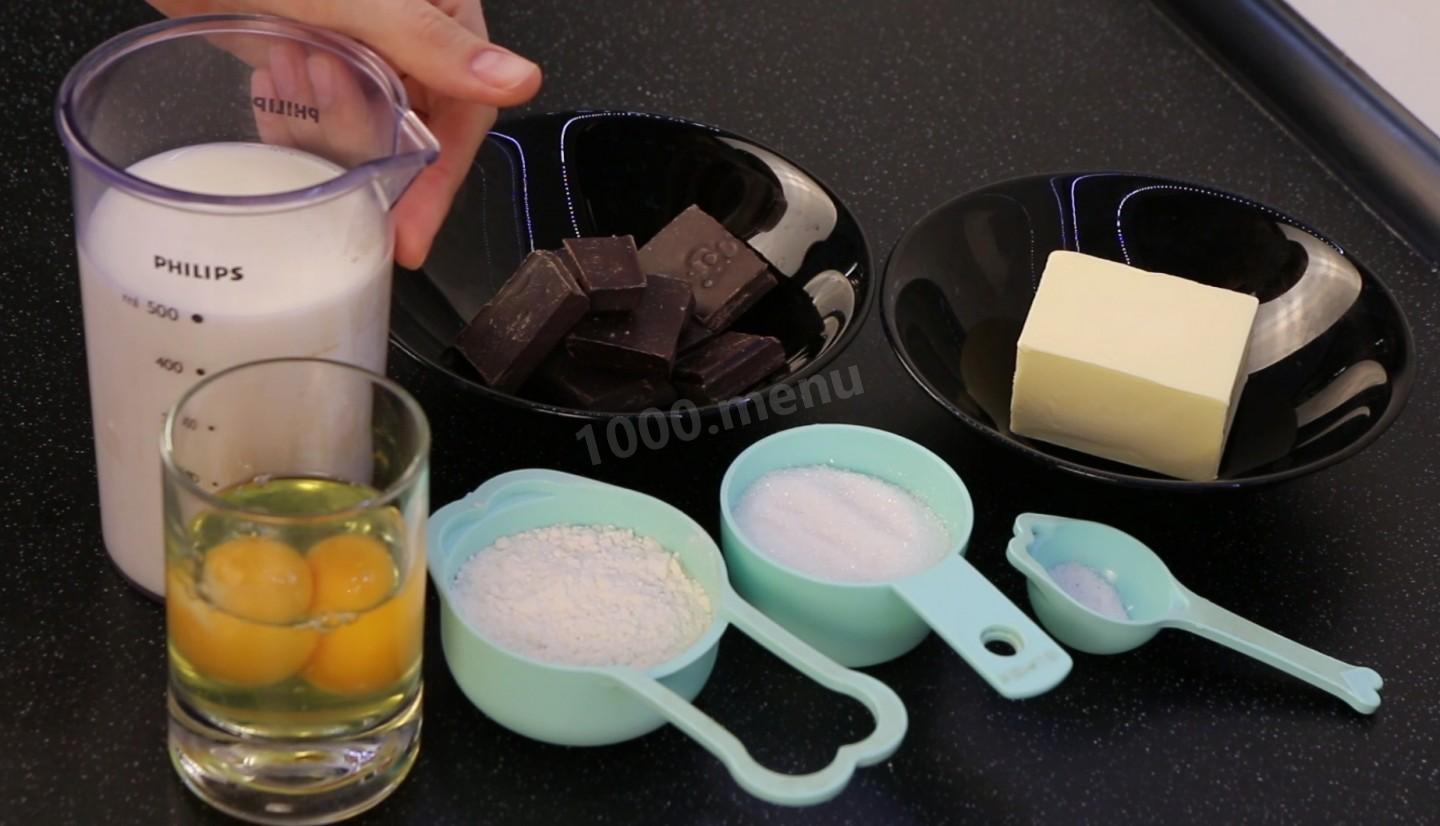
How do you make chocolate custard with milk? Use good-quality butter, at least 82% fat (take it out of the fridge ahead of time). The milk should be at room temperature. You can replace the flour with cornstarch (30 g). Adjust the sugar to taste — it all depends on your preference and the chocolate itself. Mine is 56% cocoa.
-
Step 2:
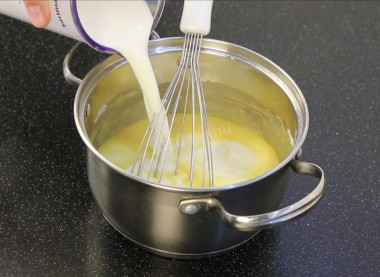
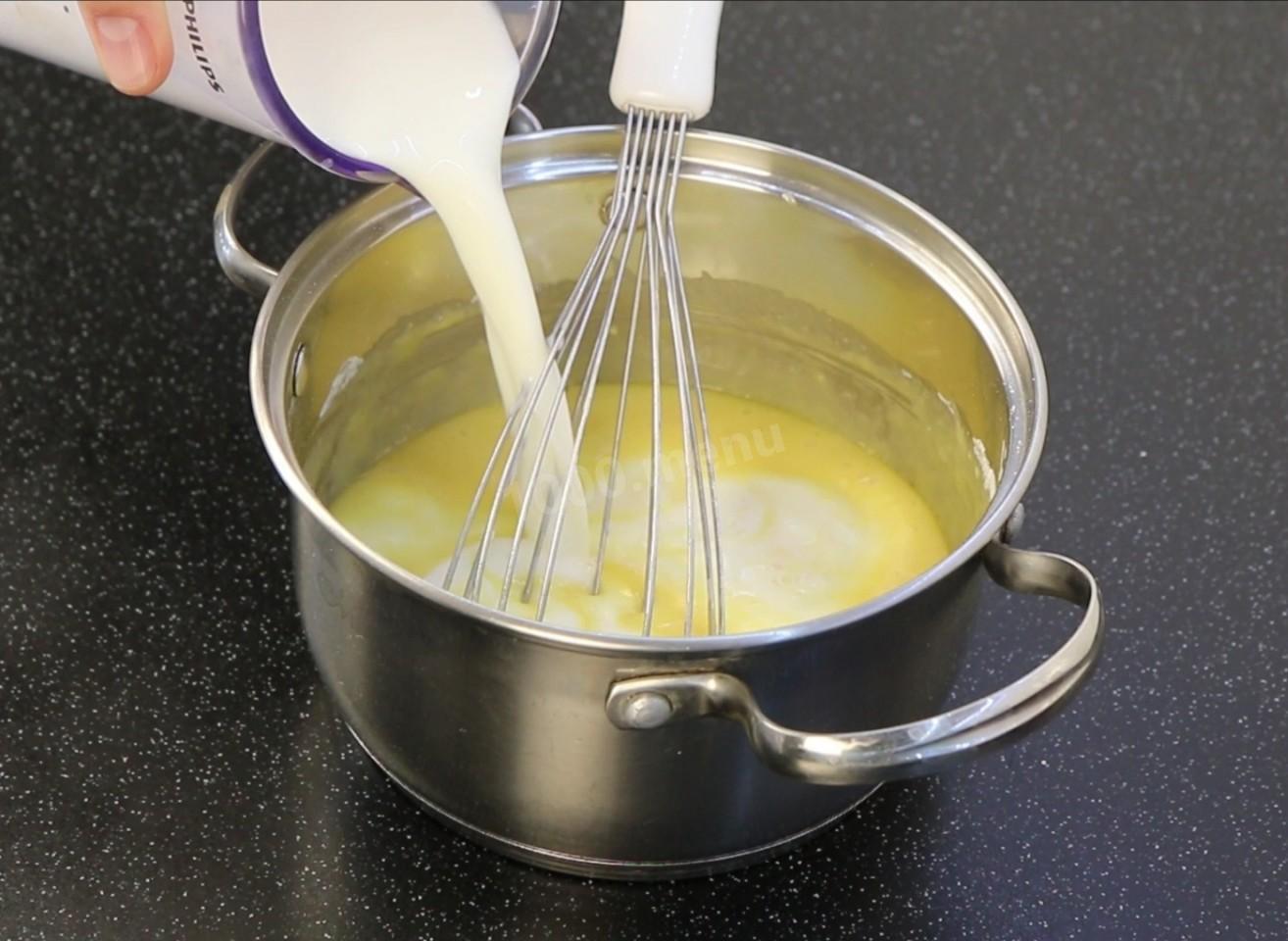
In a heavy-bottomed saucepan, combine the eggs with the sugar and salt and whisk well. Add the flour and whisk again until smooth, with no flour lumps. Then add the milk and mix well again.
-
Step 3:
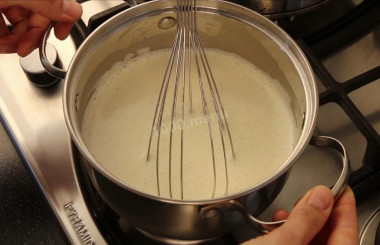
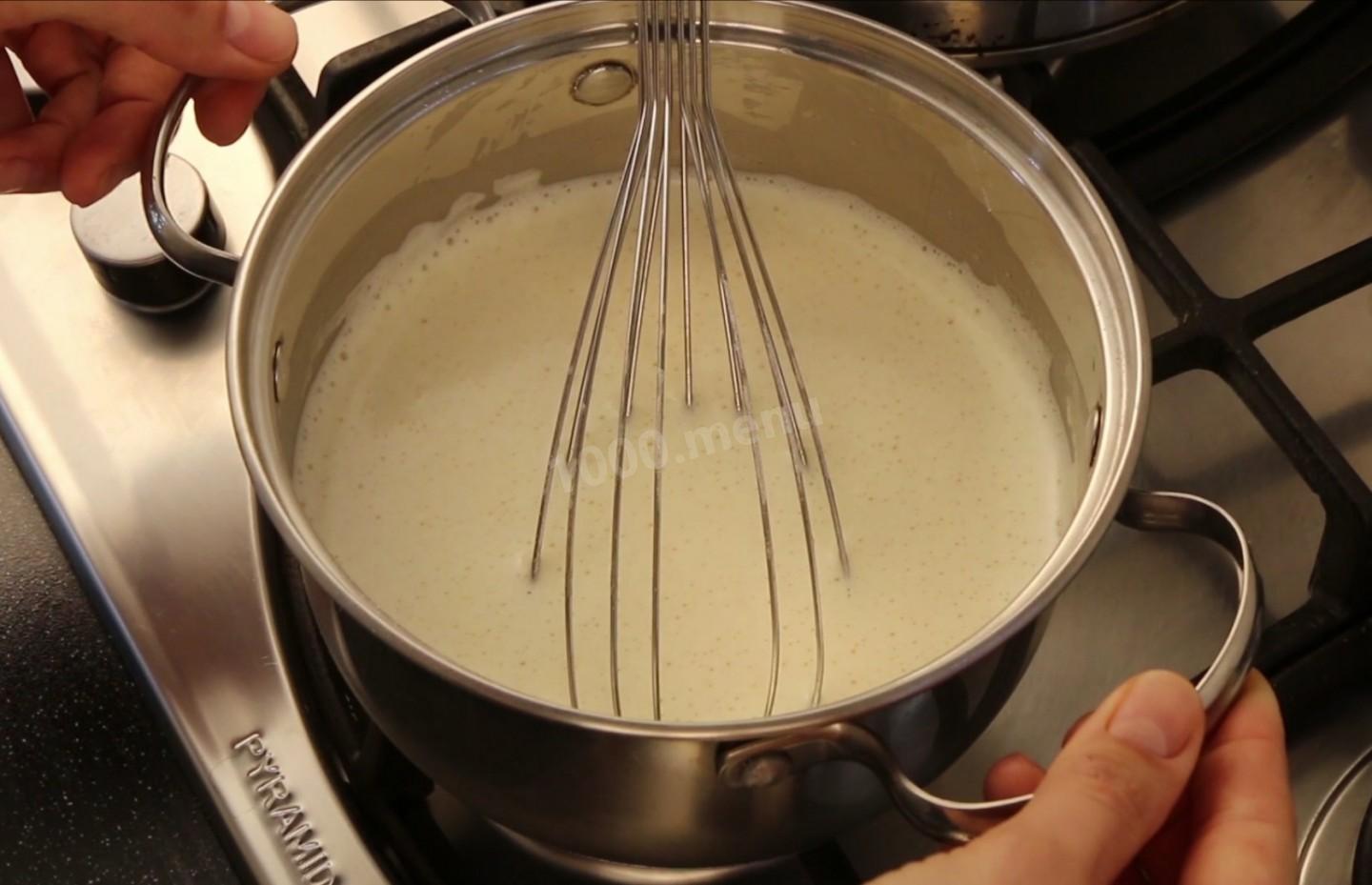
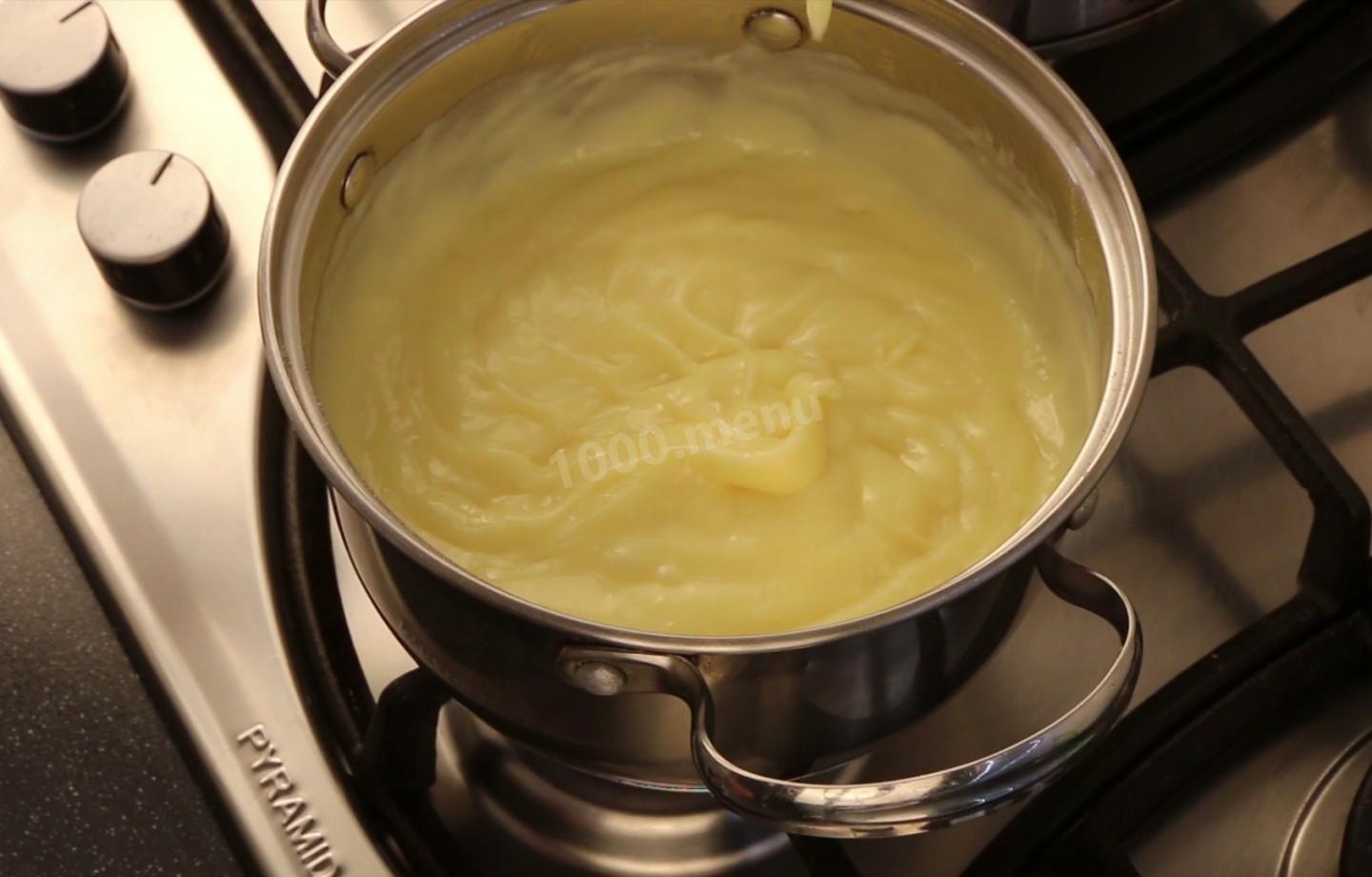
Set the saucepan over slightly below-medium heat and cook the custard, stirring constantly.
-
Step 4:
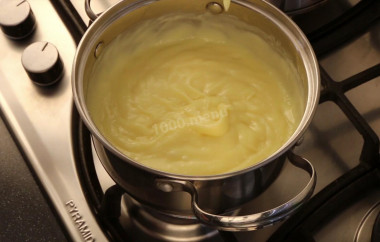
For me this usually takes about 10 minutes; it may take you a bit more or less, depending on your stove and pan. When the first bubbles appear, turn off the heat and keep stirring a little longer, since the bottom is very hot and the custard can scorch.
-
Step 5:
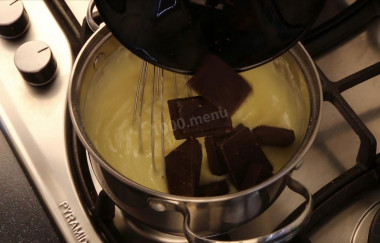
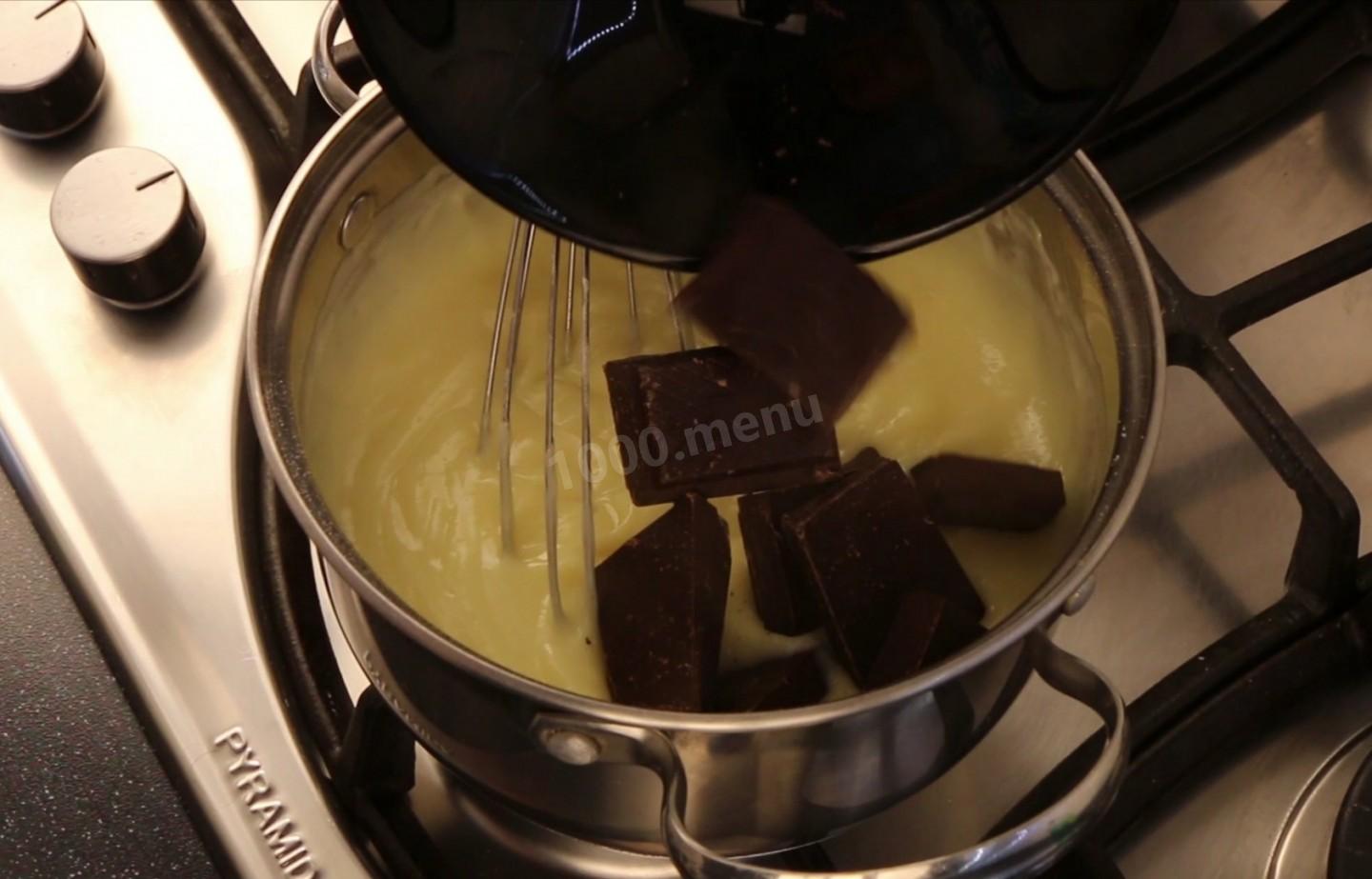
Then add all the chocolate at once. You can chop it, but the mixture is hot enough that it will melt well as is.
-
Step 6:
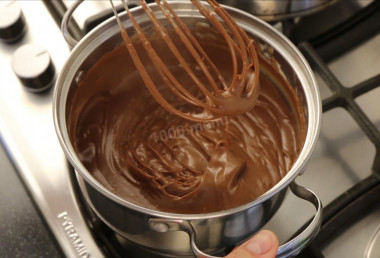
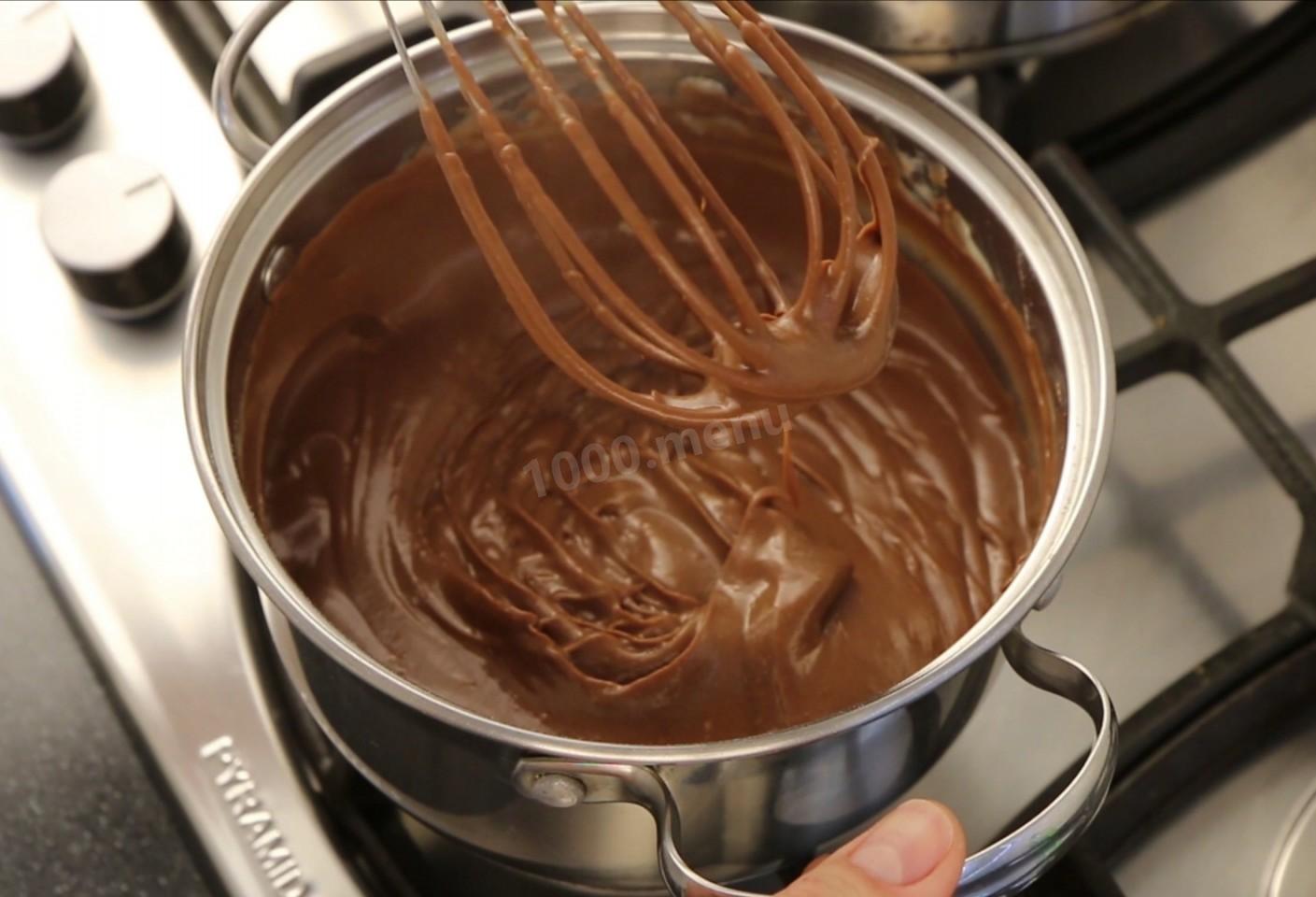
Here's the chocolate-custard base you should get — glossy, smooth, and moderately thick.
-
Step 7:
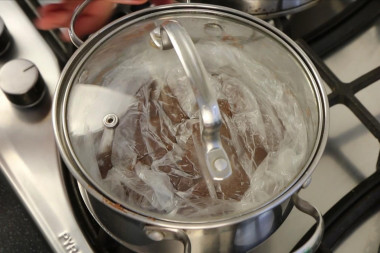
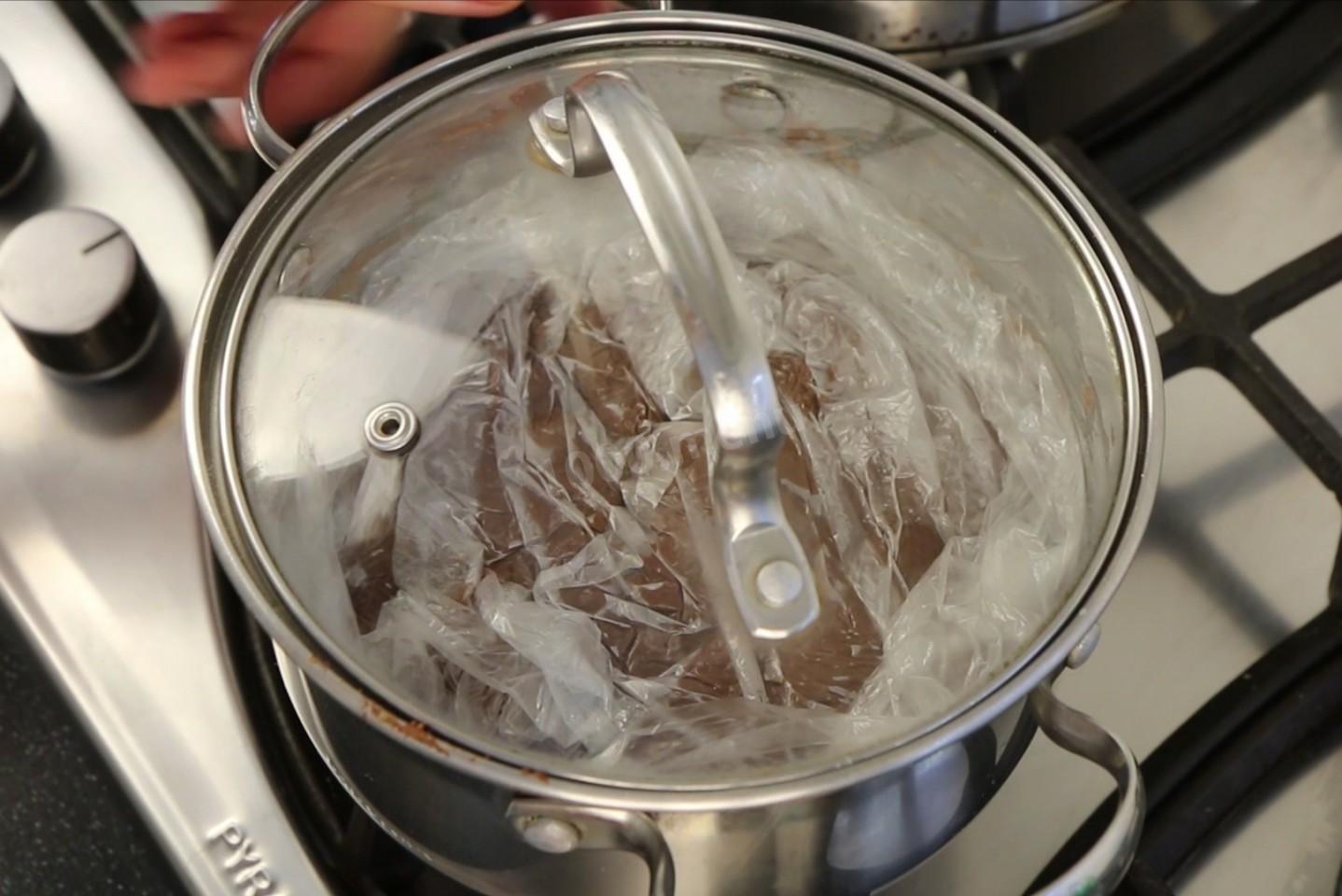
Cover the saucepan with plastic wrap pressed against the surface and let it cool. I put it in the fridge.
-
Step 8:
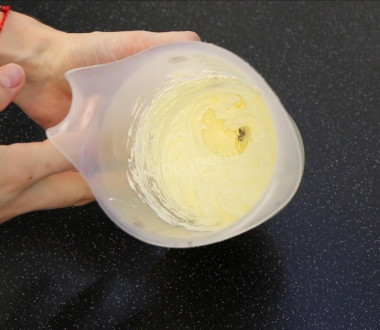
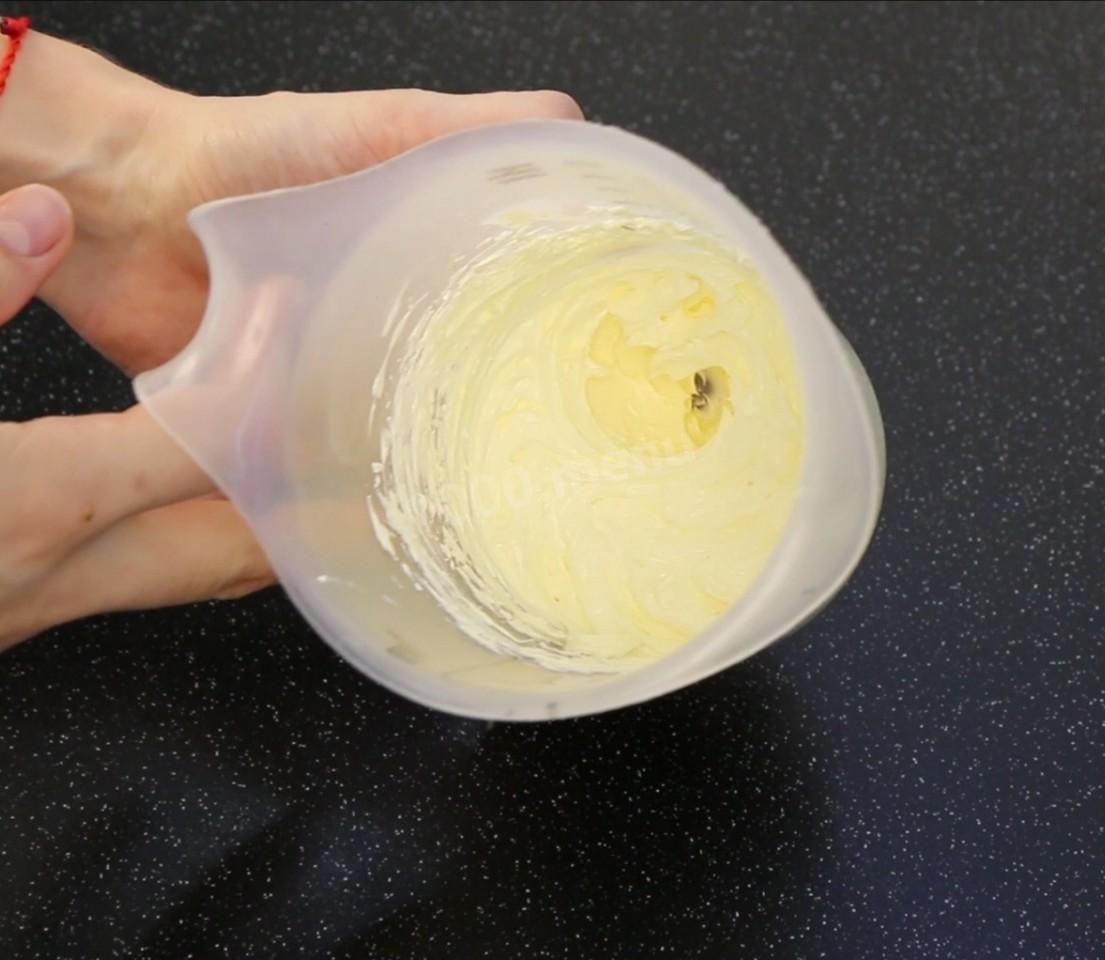
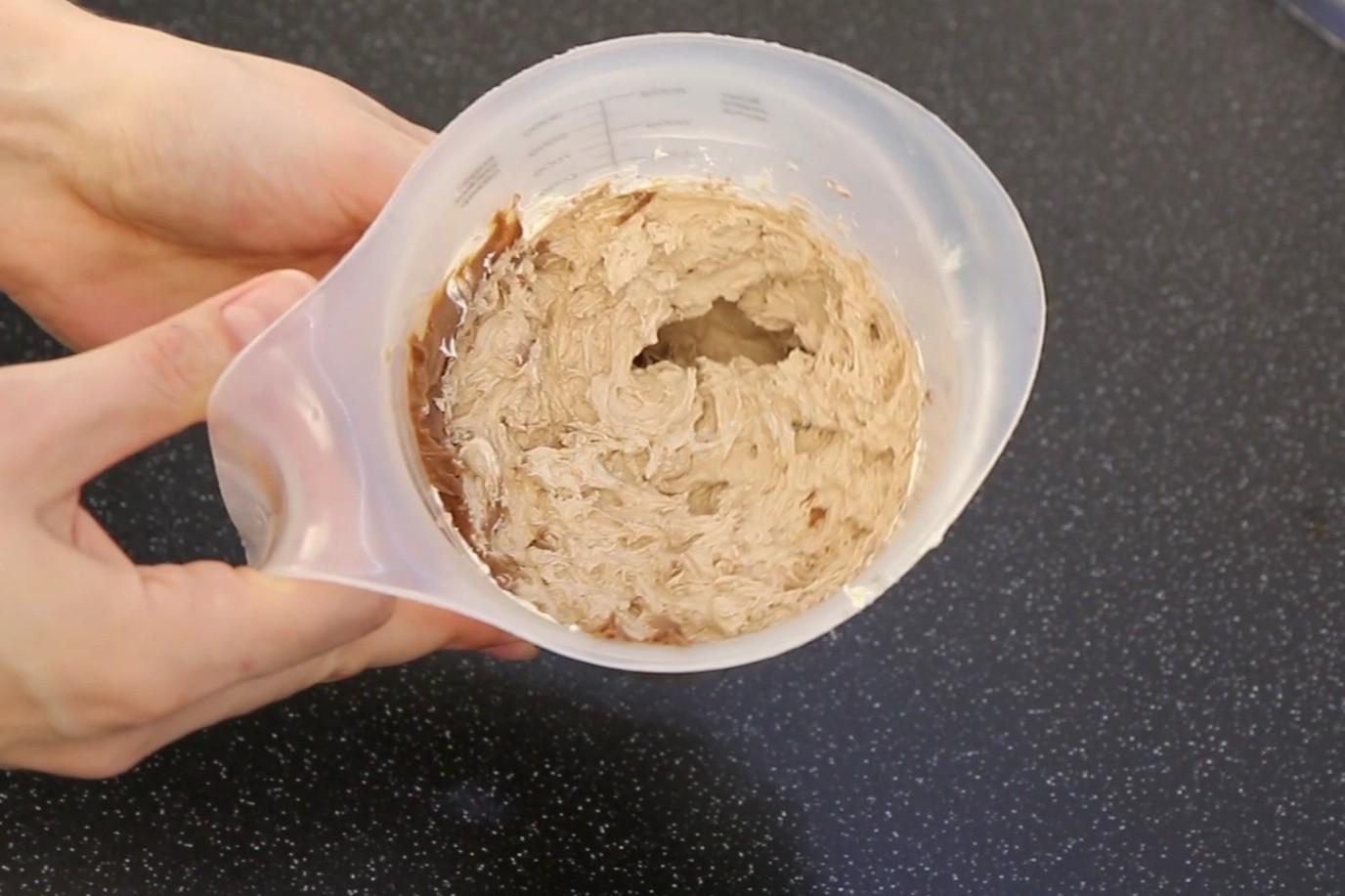
Only once the chocolate-custard base is well chilled, beat the softened butter until pale and fluffy. You can use less butter, or none at all, if you prefer — but it gives the custard stability and lightness.
-
Step 9:
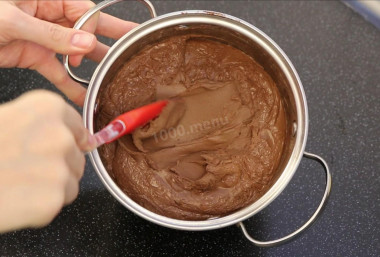
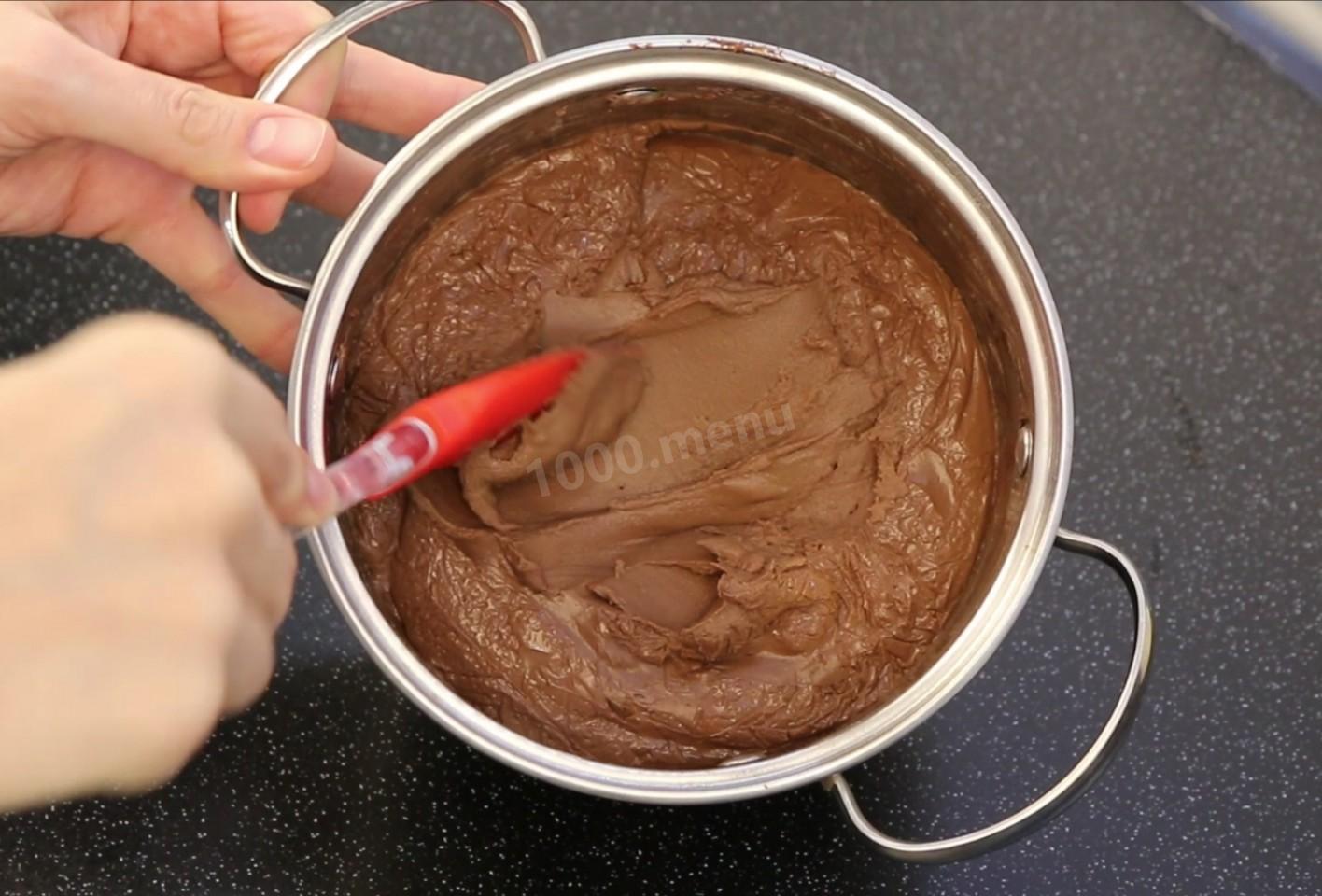
The cooled custard base will be much firmer.
-
Step 10:
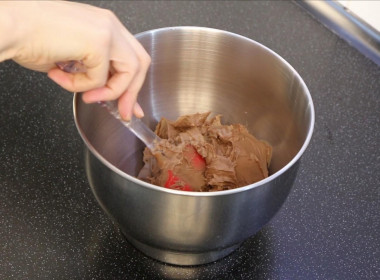
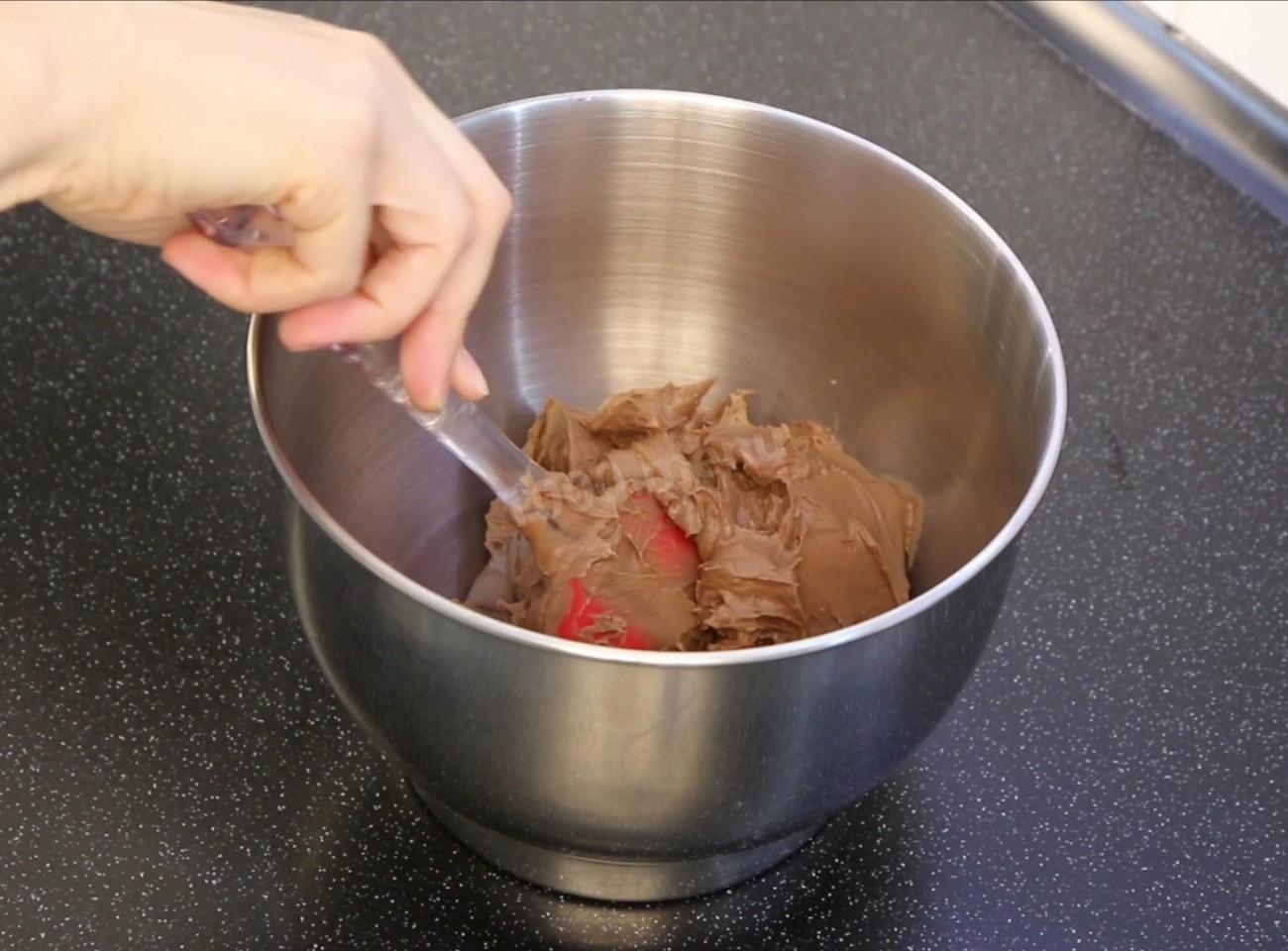
For convenience, I transfer the chocolate base to a larger bowl.
-
Step 11:
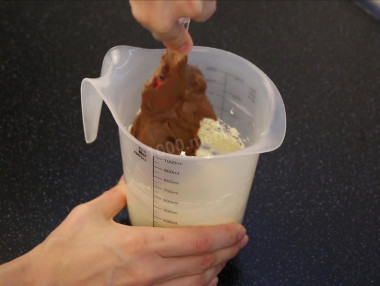
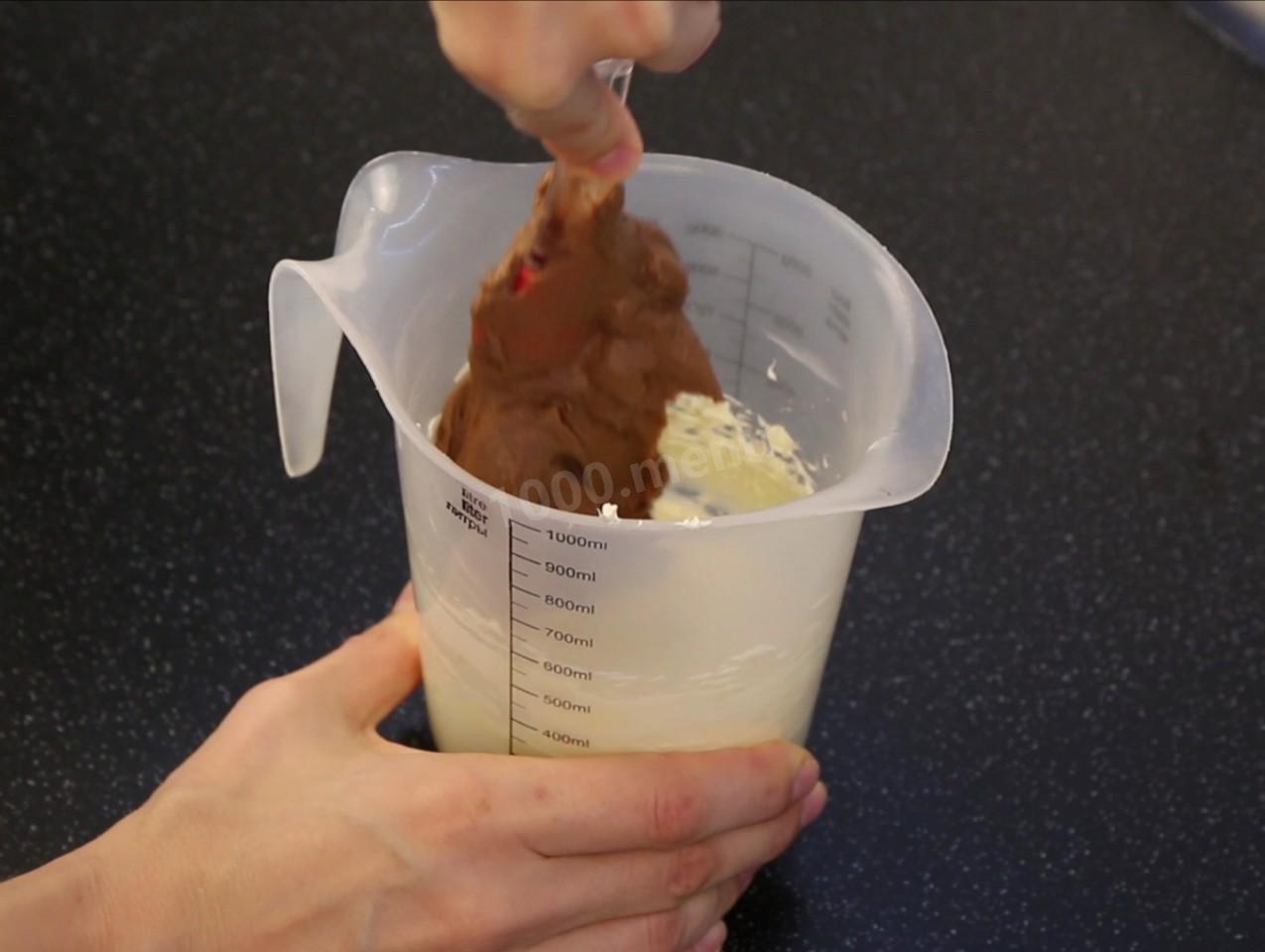
Then combine the chocolate base with the butter, very carefully and in small amounts. Start with a few spoonfuls of the chocolate base into the butter — if the temperatures are very different, the custard can split. It's not a disaster, but it's better to avoid. If it does happen, set the bowl in warm water for a few seconds and stir well. The custard will lose some of its fluffiness but still taste delicious.
-
Step 12:
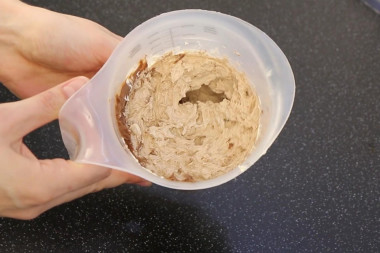
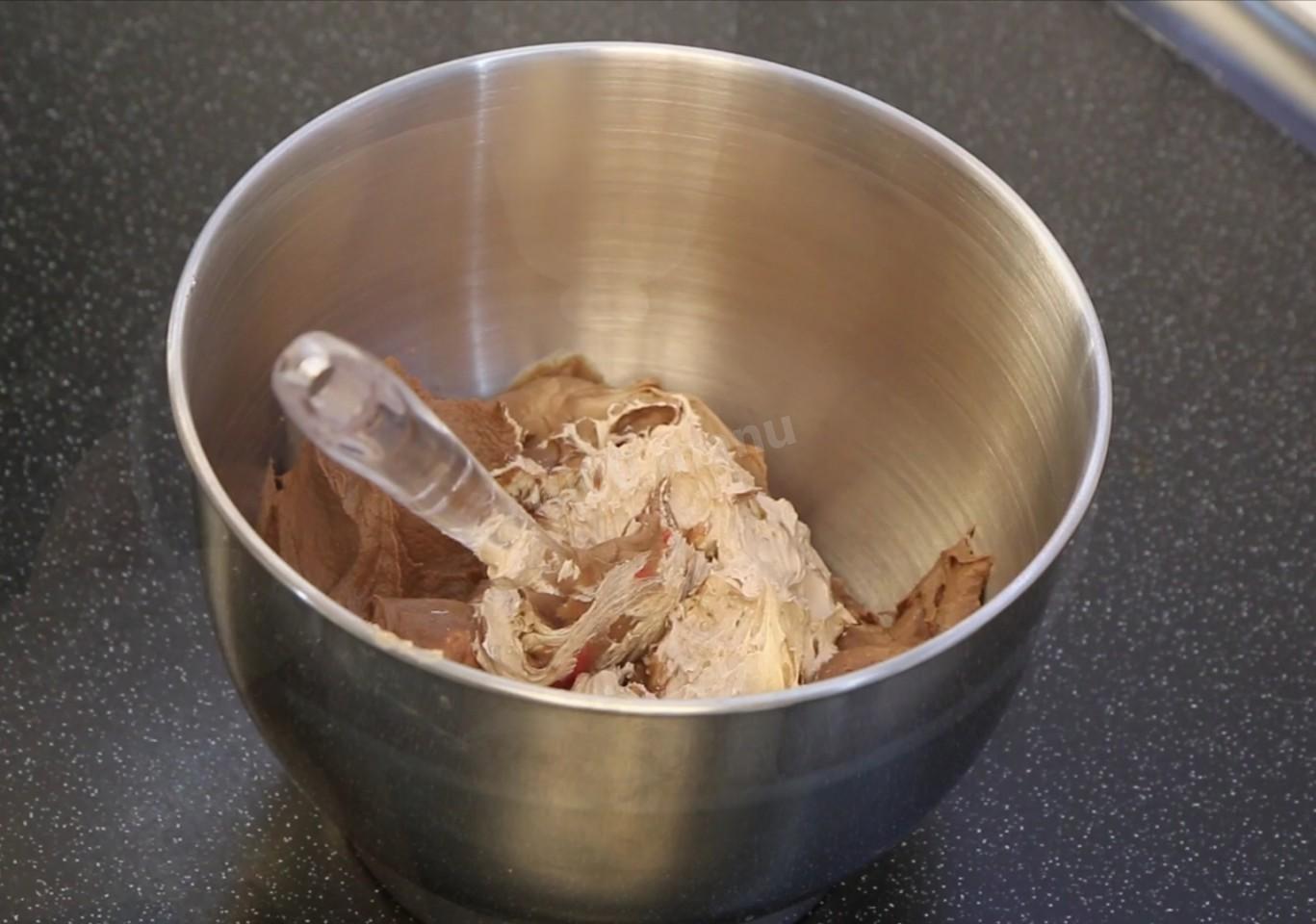
This is roughly how much I combined.
-
Step 13:
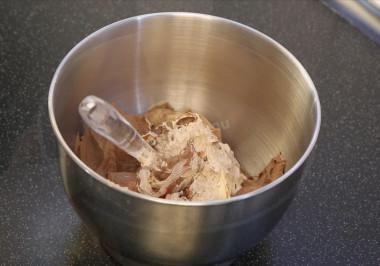
Then bring it all together, stirring the butter (mixed with a little chocolate base) into the rest of the chocolate mixture.
-
Step 14:
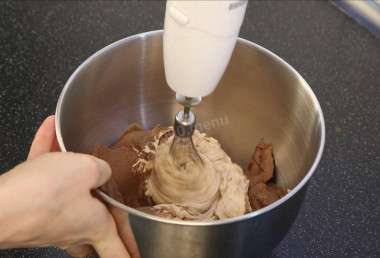
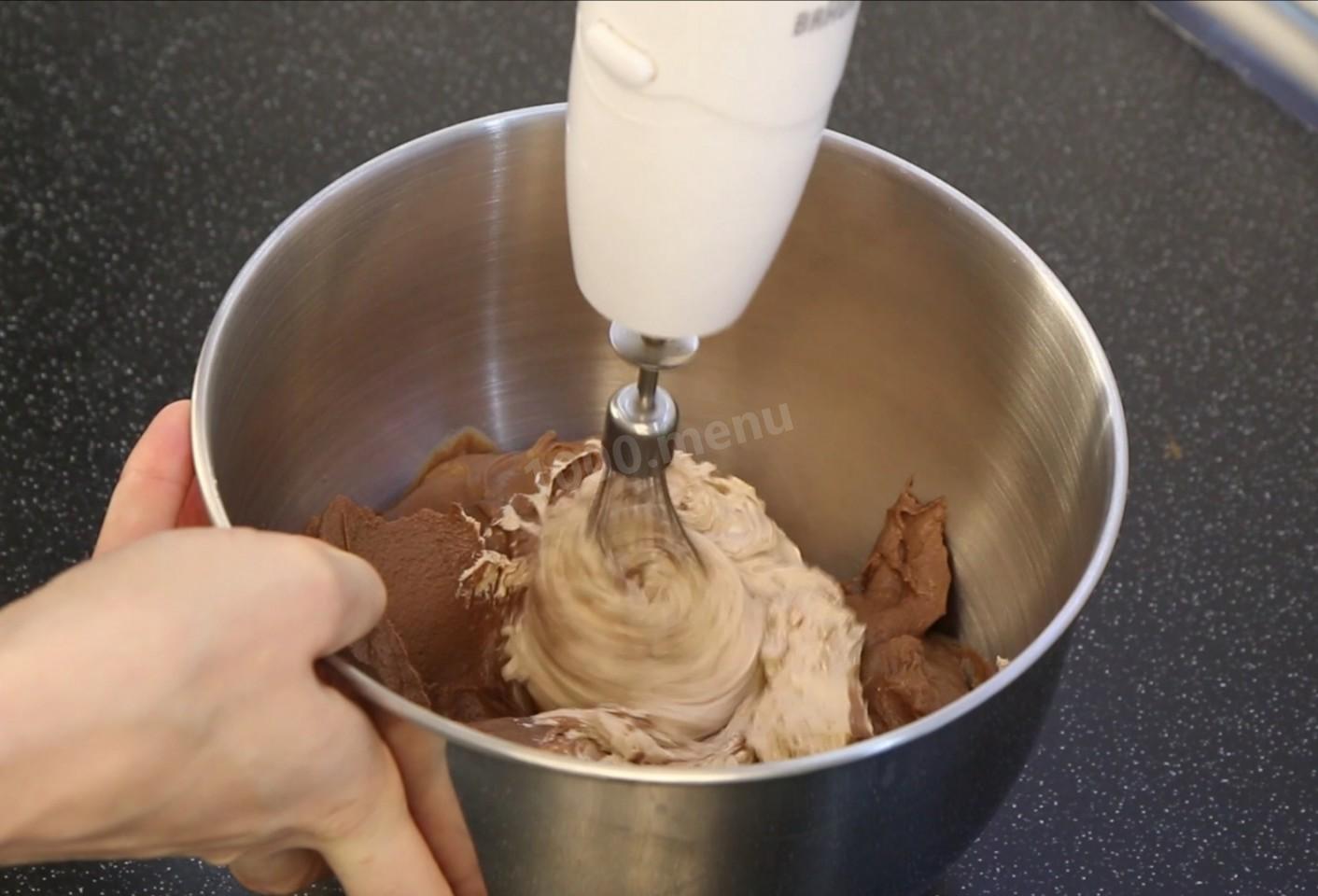
Beat well with a mixer.
-
Step 15:
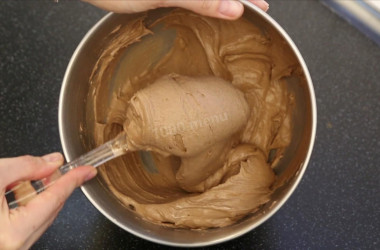
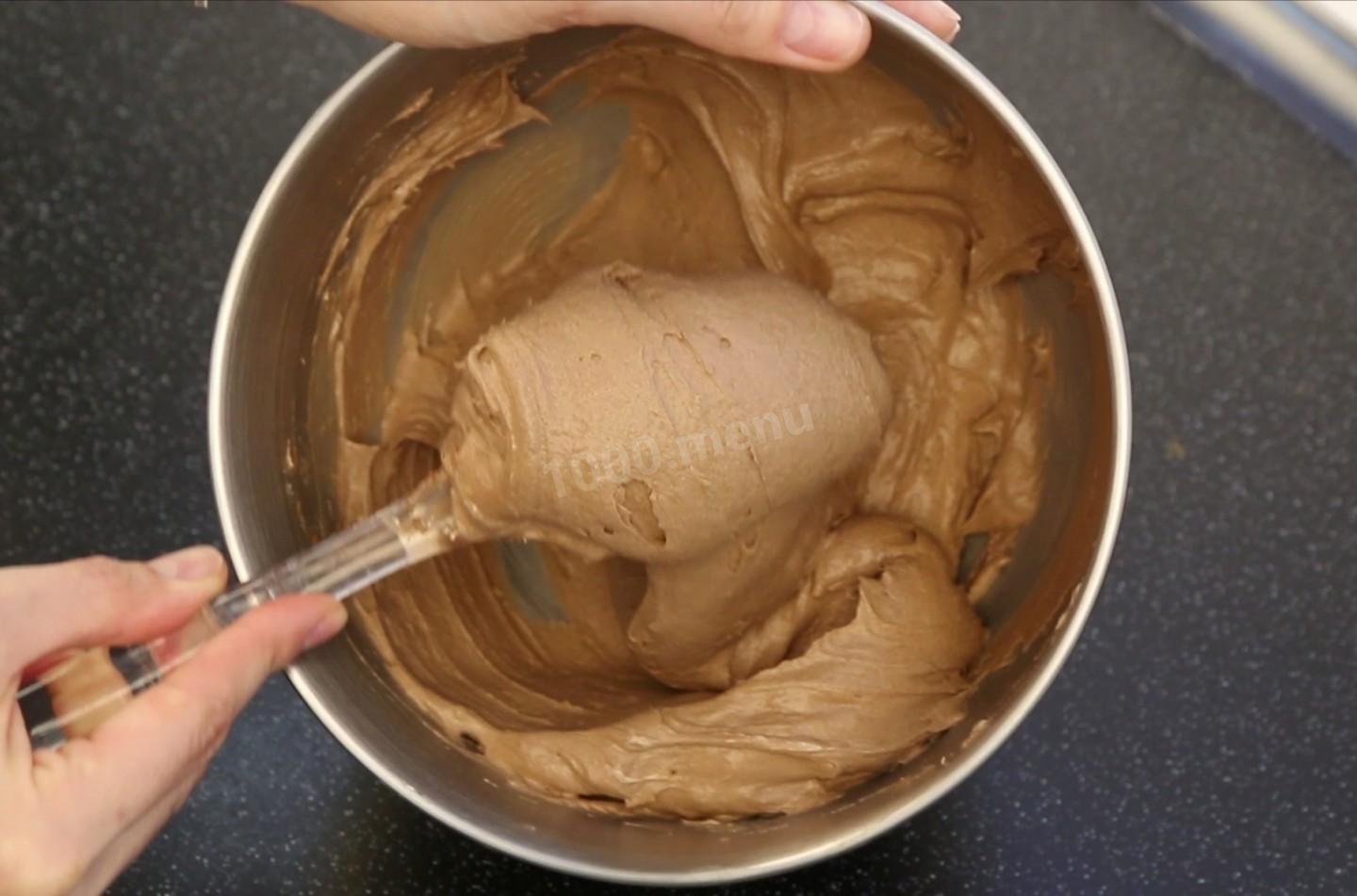
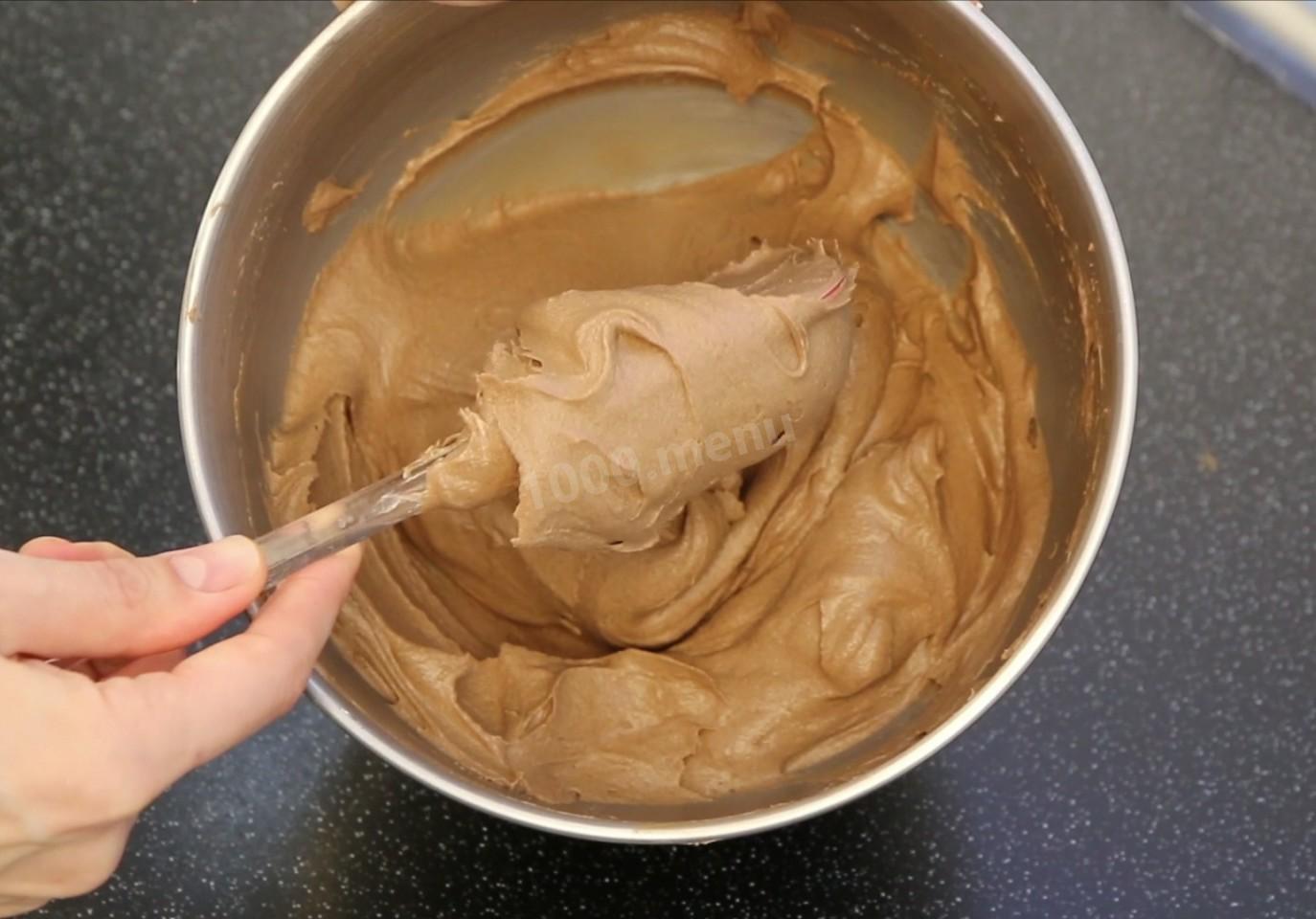
Here's the custard you end up with — very fragrant and delicious.
-
Step 16:
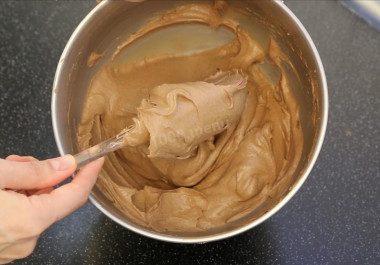
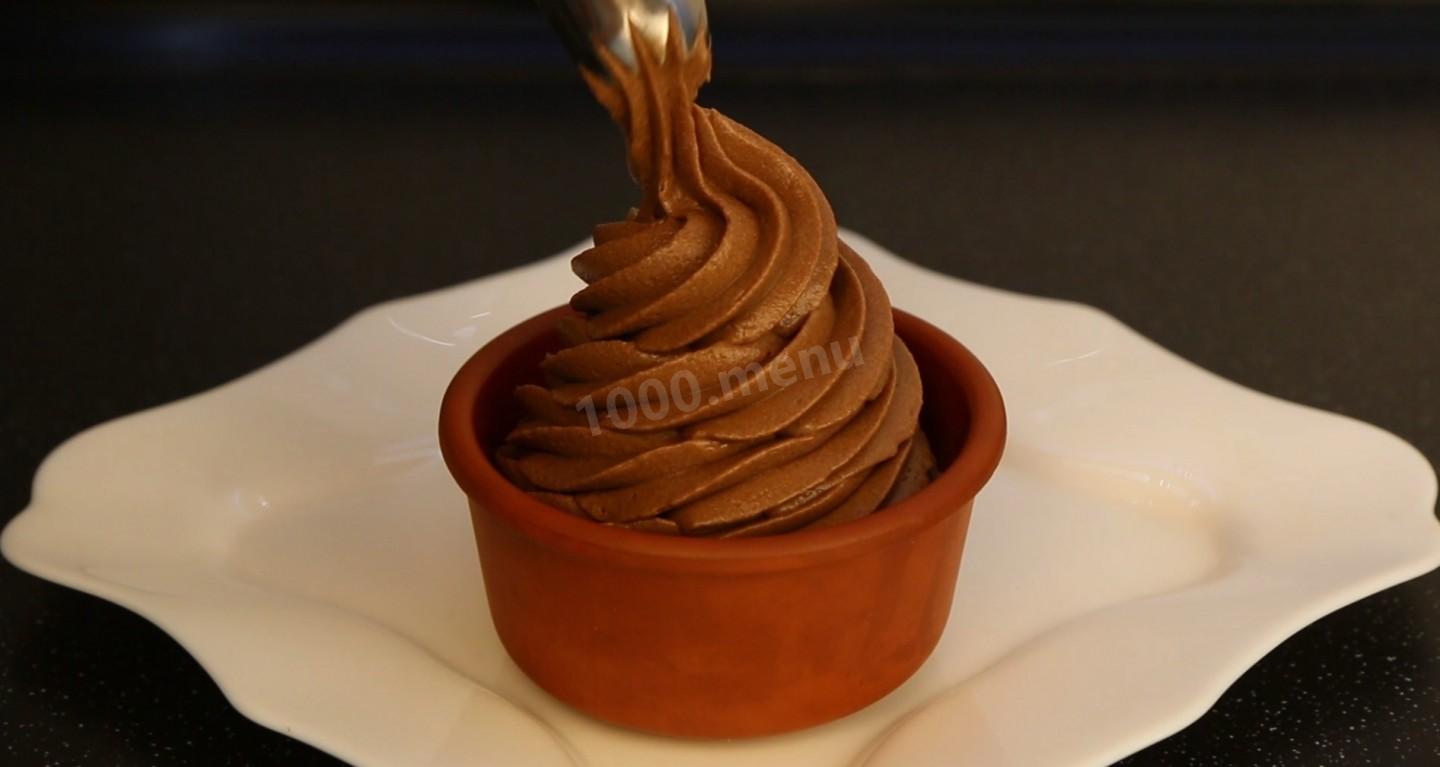
Smooth and quite stable.
-
Step 17:
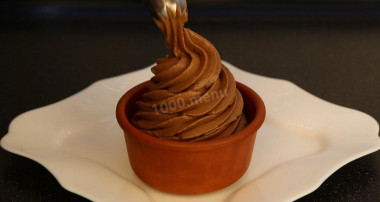
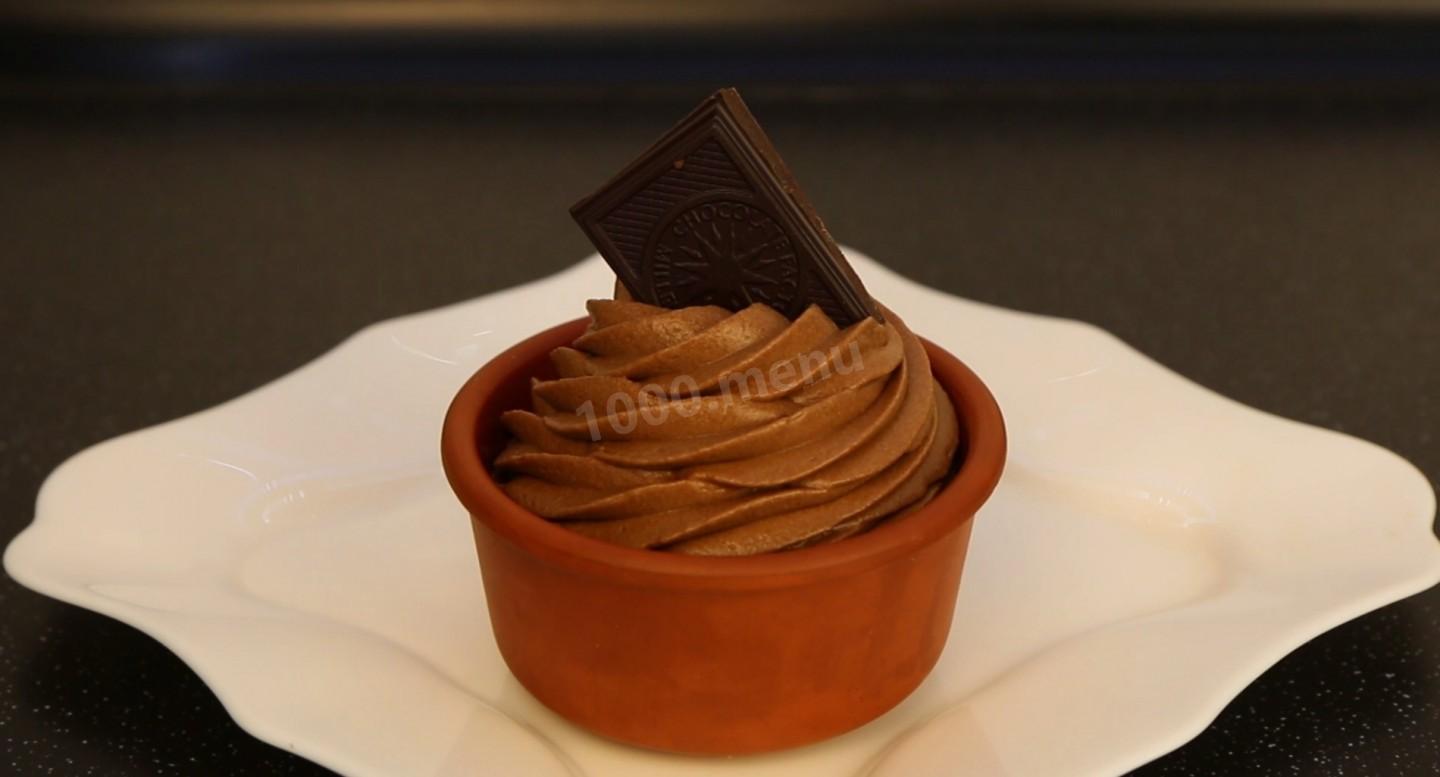
And ready to use.
-
Step 18:
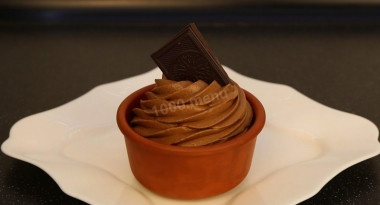
Chocolatey, fragrant, just sweet enough, and not at all hard to make. I really hope you enjoy the recipe and find it useful. All the best!
- Instead of sugar, you can use a heat-stable sweetener.
- Important! To make sure the custard turns out, follow a few simple rules: Let the custard base thicken as it cooks (the flour needs to cook through, but watch that the custard doesn't scorch or form lumps). The cooked flour base must cool down completely — if you add butter to a warm base, the butter melts and the custard won't whip. And use good-quality butter; poor butter can hurt the texture and make the custard runny.
Caloric content of the products possible in the composition of the dish
- Whole cow's milk - 68 kcal/100g
- Milk 3.5% fat content - 64 kcal/100g
- Milk 3.2% fat content - 60 kcal/100g
- Milk 1.5% fat content - 47 kcal/100g
- Concentrated milk 7.5% fat content - 140 kcal/100g
- Milk 2.5% fat content - 54 kcal/100g
- Chicken egg - 157 kcal/100g
- Egg white - 45 kcal/100g
- Egg powder - 542 kcal/100g
- Egg yolk - 352 kcal/100g
- Ostrich egg - 118 kcal/100g
- Whole durum wheat flour fortified - 333 kcal/100g
- Whole durum wheat flour universal - 364 kcal/100g
- Flour krupchatka - 348 kcal/100g
- Flour - 325 kcal/100g
- Granulated sugar - 398 kcal/100g
- Sugar - 398 kcal/100g
- Butter 82% - 734 kcal/100g
- Amateur unsalted butter - 709 kcal/100g
- Unsalted peasant butter - 661 kcal/100g
- Peasant salted butter - 652 kcal/100g
- Melted butter - 869 kcal/100g
- Salt - 0 kcal/100g
- Chocolate 70 % - 539 kcal/100g
- Dark chocolate - 539 kcal/100g