Orange curd
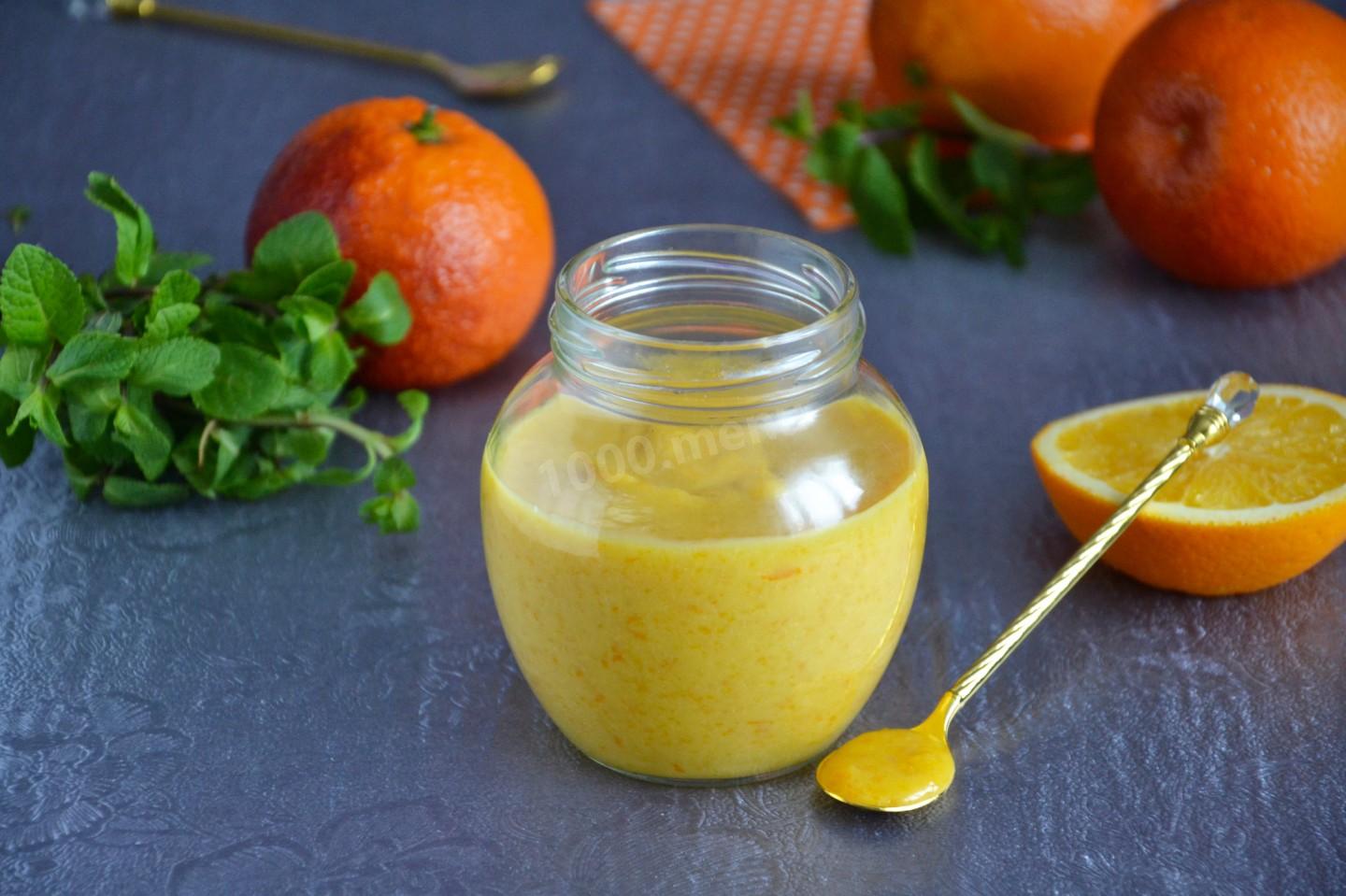
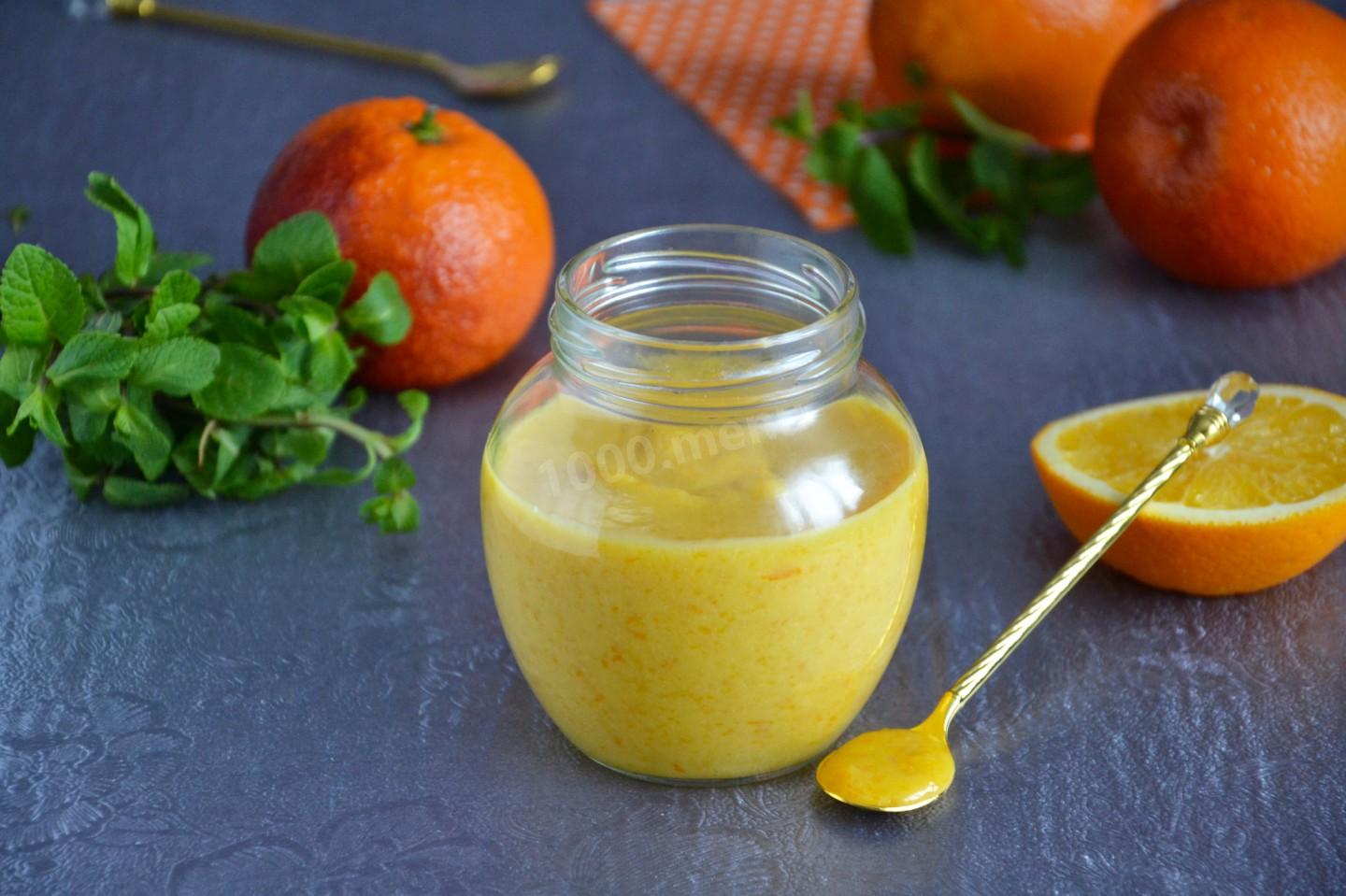
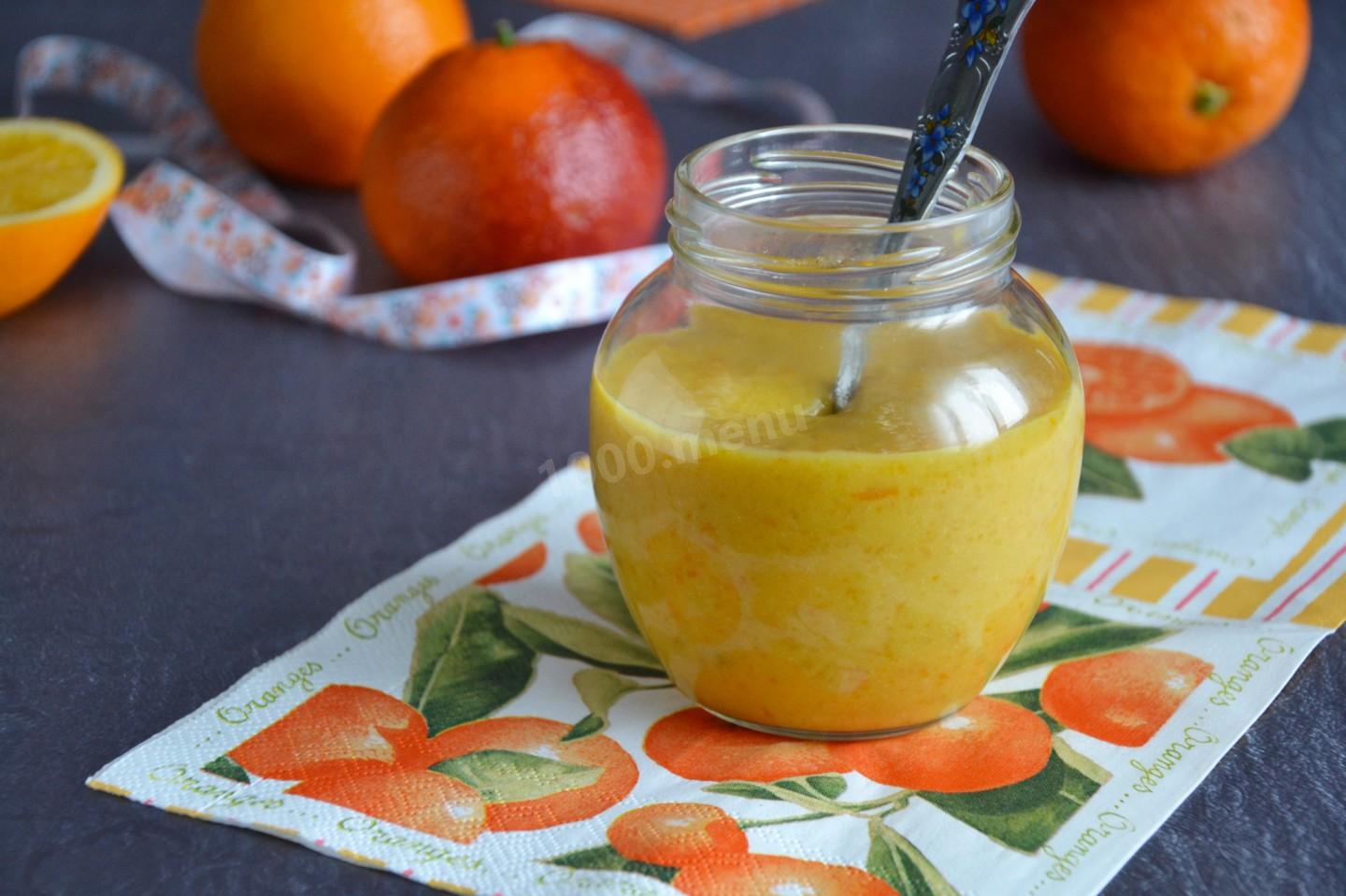
Neither grown-ups nor kids will turn this treat down! Fragrant orange curd can be used as a filling and as a layer in cakes, all kinds of pastries, crêpes, pies, and any sweet baking. And it couldn't be easier to make!

Cooking method
-
Step 1:
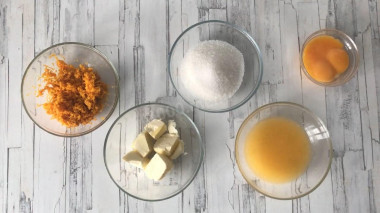
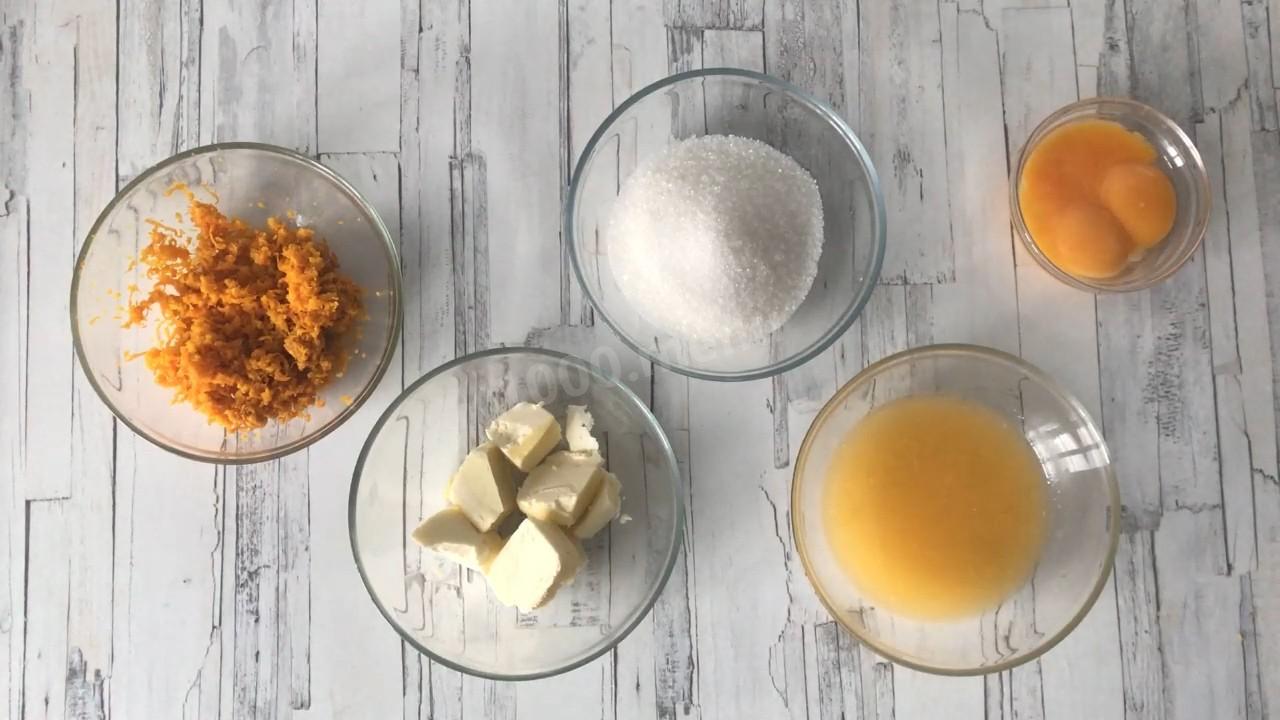
How do you make orange curd? Measure out all the ingredients. Wash the orange well and wipe it dry. To bring out the zest's aroma, you can pour boiling water over the orange first. Squeeze the juice from the orange and grate the zest on the fine side of a grater.
-
Step 2:
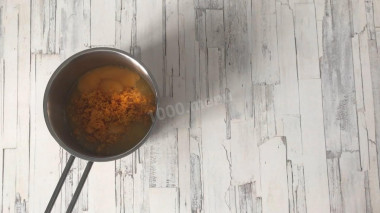
In a saucepan, combine the raw egg yolks, sugar, orange zest, and orange juice.
-
Step 3:
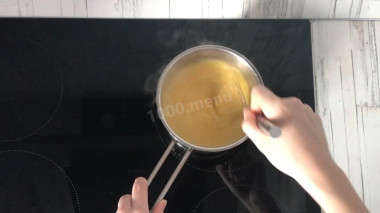
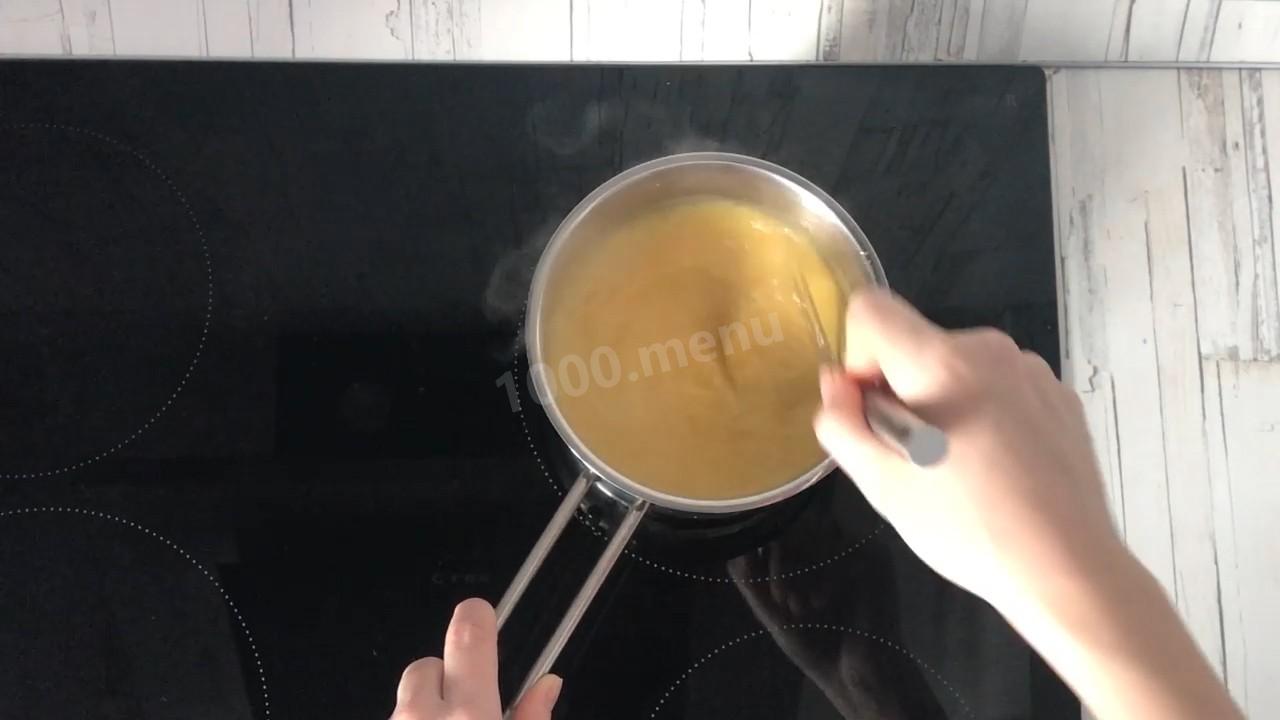
Over low heat, stirring constantly, cook the mixture until it thickens, then take it off the heat immediately.
-
Step 4:
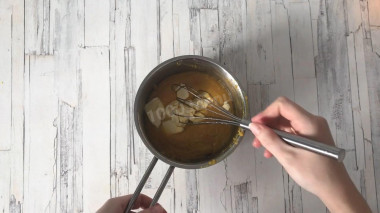
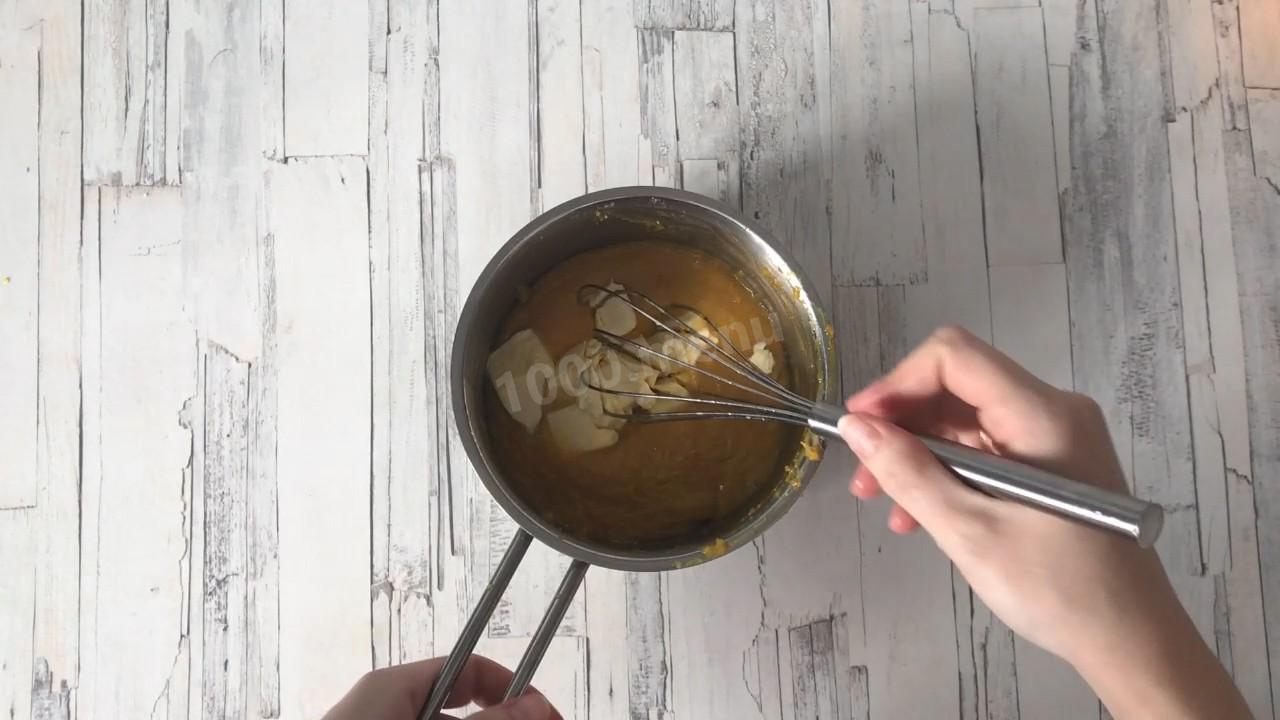
Let the curd cool a little, then add the diced butter. Stir until smooth.
-
Step 5:
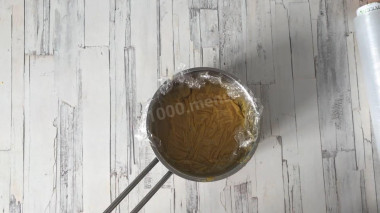
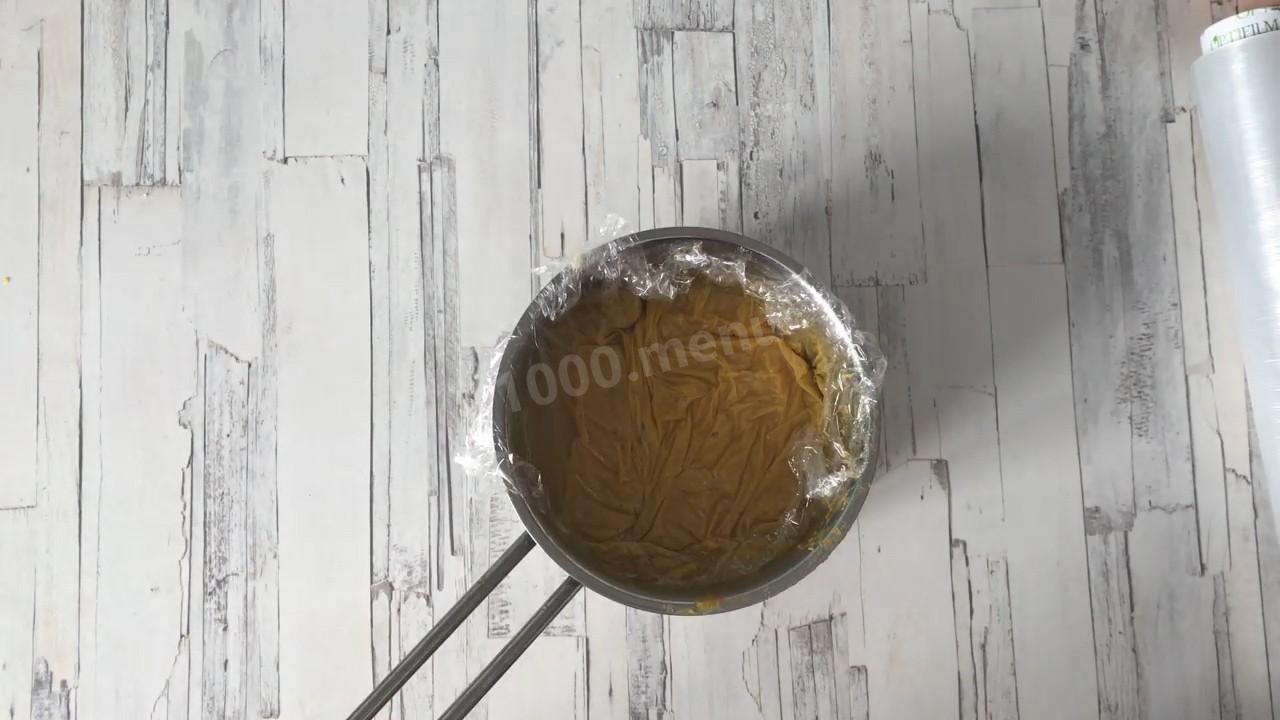
Press plastic wrap directly onto the surface of the curd, leaving no gaps, and cool it completely at room temperature. Store the cooled curd in a sealed jar in the fridge and use it as needed.

- I made this curd as a filling for tartlets. Tartlets with this cream are far tastier than ones with ordinary jam or preserves. You can also spread it on warm, lightly toasted bread and serve it with hot coffee or tea — it's super delicious!
- Last year I made lemon curd for a cake. Now it was time to experiment with oranges. You can make curd from any fruit or berry, but citrus curds are especially popular. To my taste, the orange curd came out even more interesting than lemon. You can simply spread it on toast, or use it as a layer for cakes, pastries, and macarons.
- Instead of sugar, you can use a heat-stable sweetener.
- Always wash eggs before using them, since even a shell that looks clean can carry harmful bacteria. A food-safe wash and a brush work best.
- Important: this recipe needs only freshly squeezed orange juice! Don't use concentrate or store-bought juice from cartons. The sweeter and brighter the oranges, the better. The ideal choice is bright, large fruit of a deep orange color.
Caloric content of the products possible in the composition of the dish
- Granulated sugar - 398 kcal/100g
- Sugar - 398 kcal/100g
- Butter 82% - 734 kcal/100g
- Amateur unsalted butter - 709 kcal/100g
- Unsalted peasant butter - 661 kcal/100g
- Peasant salted butter - 652 kcal/100g
- Melted butter - 869 kcal/100g
- Oranges - 36 kcal/100g
- Egg yolks - 352 kcal/100g