Five-minute serviceberry jam for winter
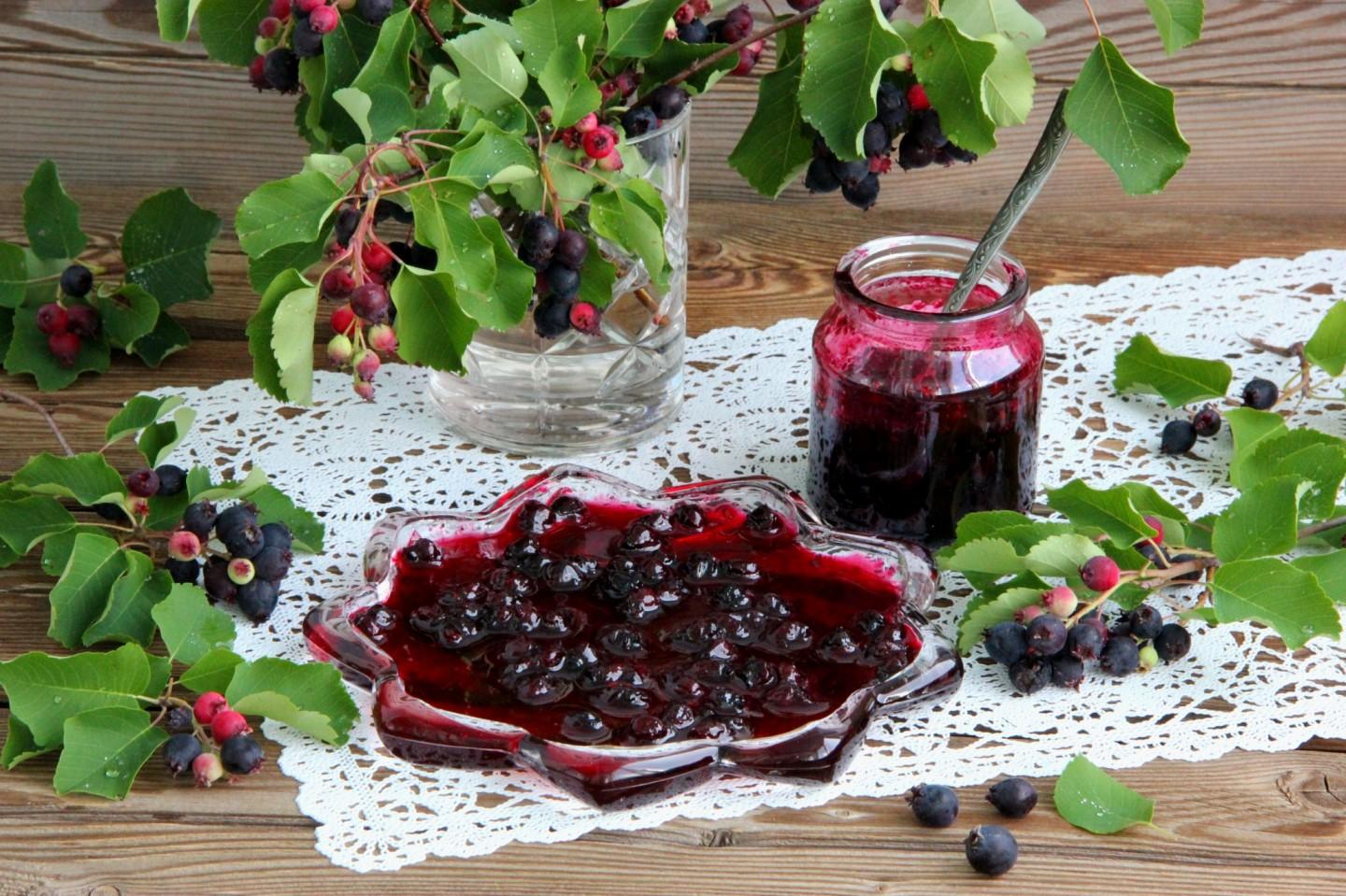
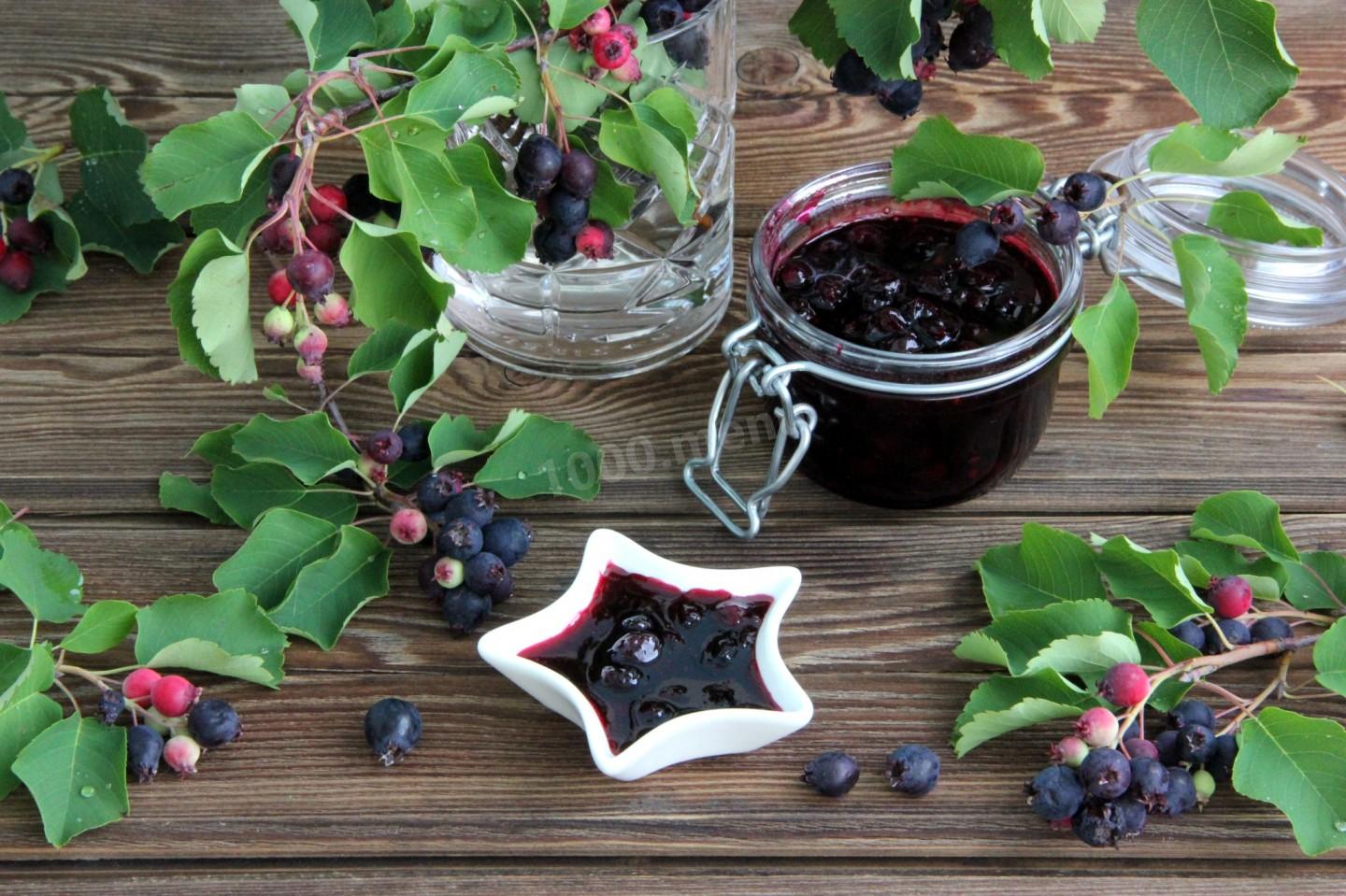
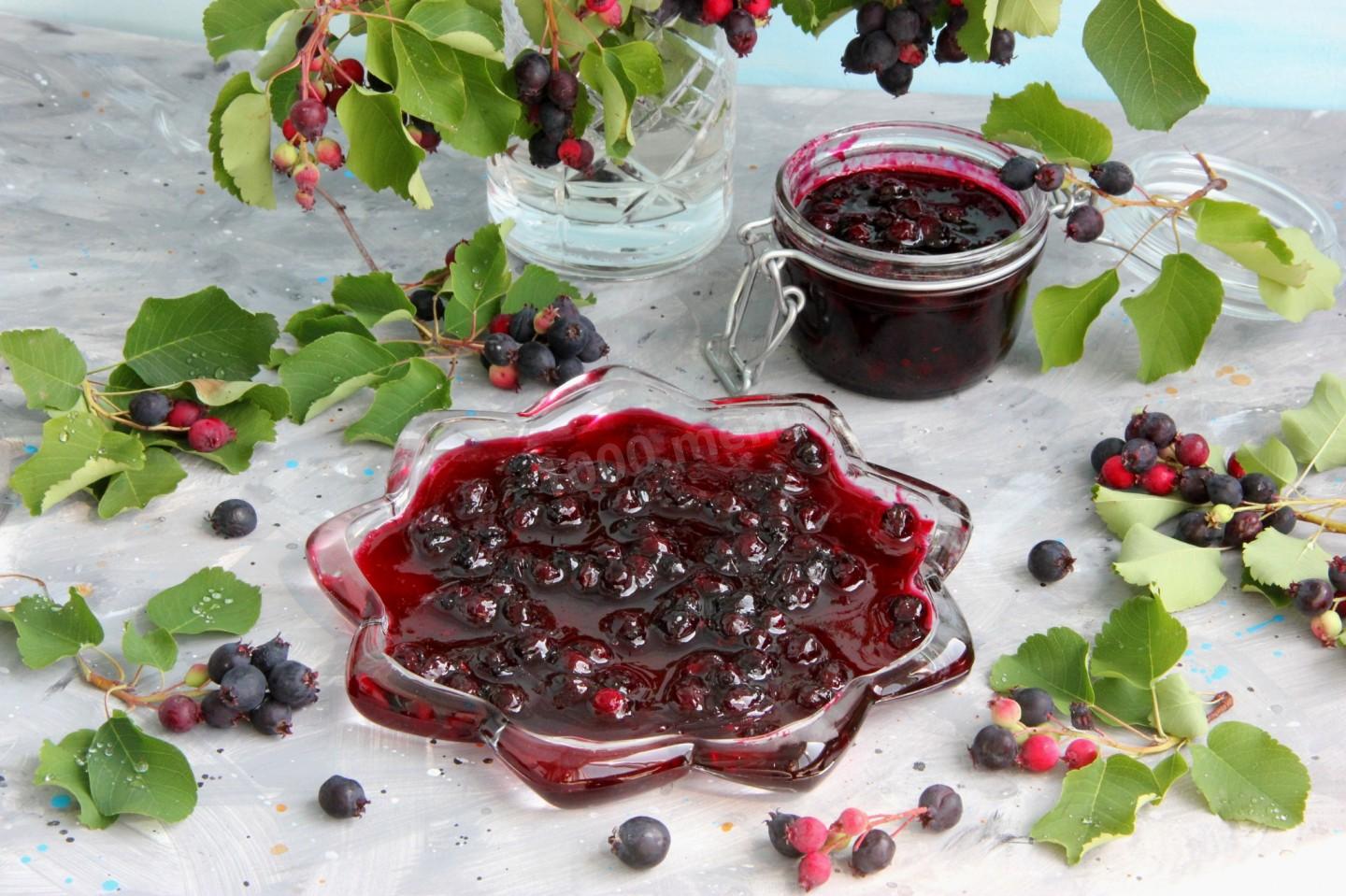
A delicious treat for winter that's quick to make. Serviceberry isn't quite an ordinary berry. It doesn't have a bold aroma or flavor. But every gardener and home cook loves it for being undemanding and for pairing so well with other tart berries and fruits. Even so, you can make a very good jam from serviceberry alone.

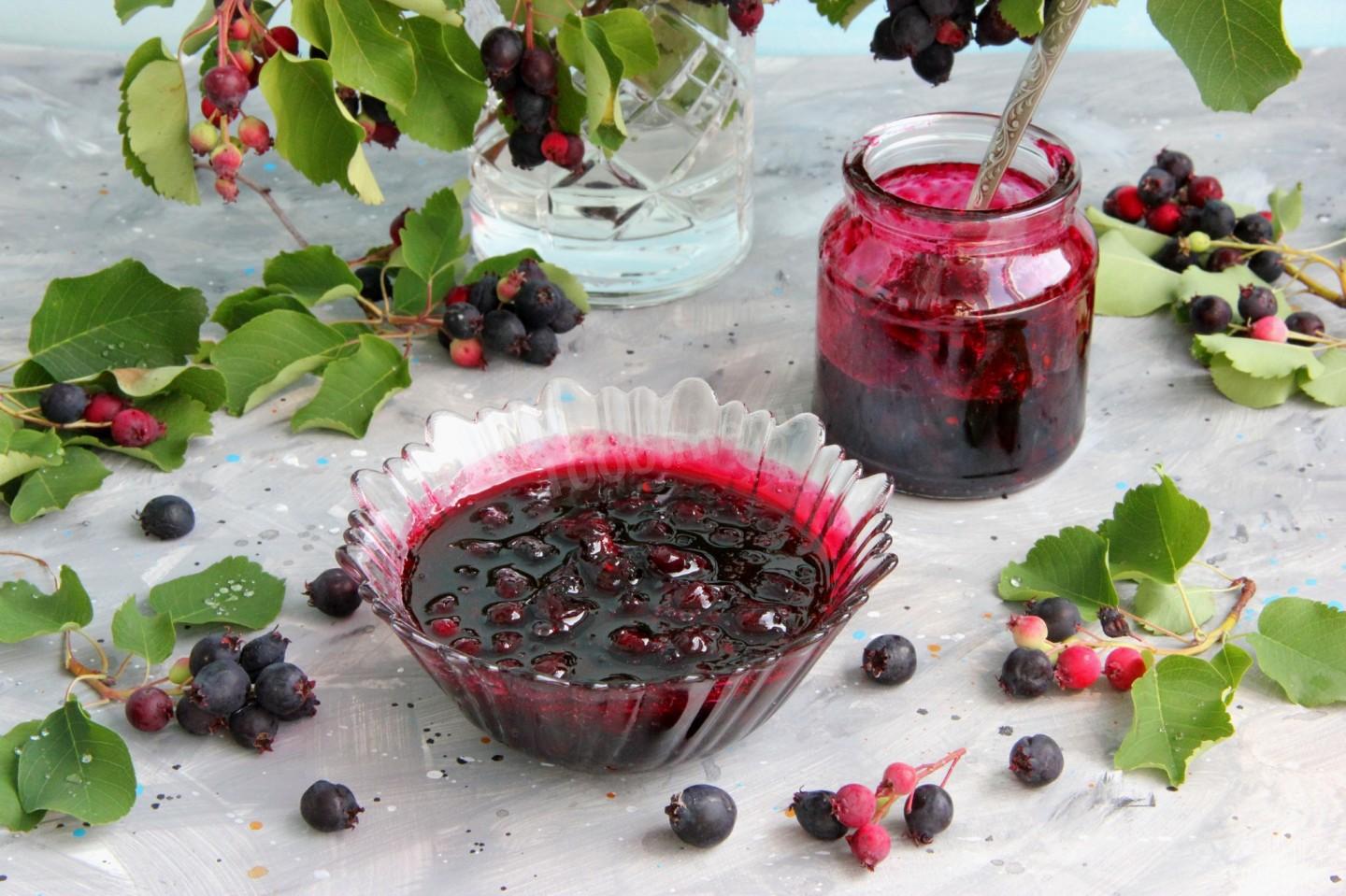
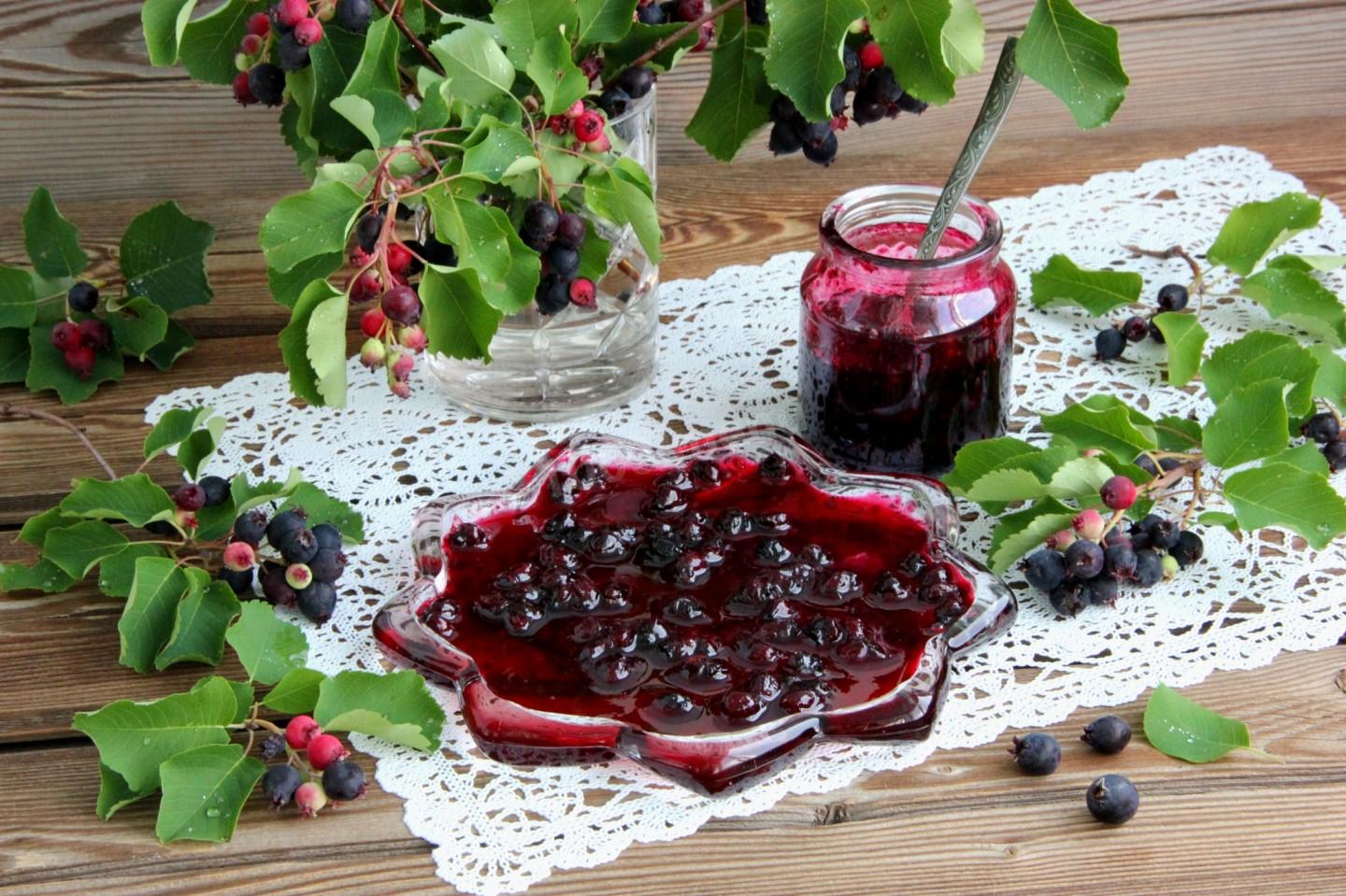
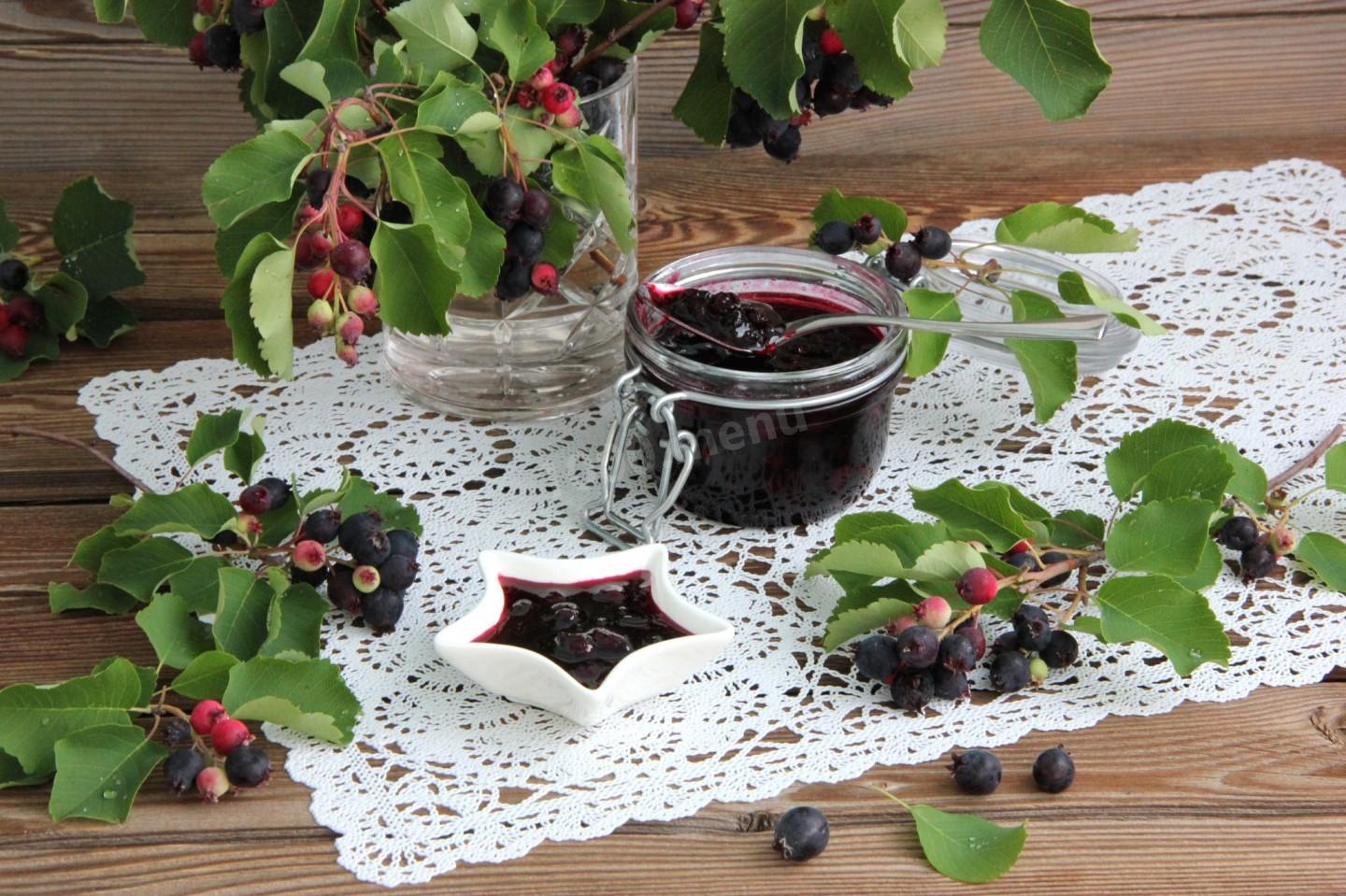
Cooking method
-
Step 1:
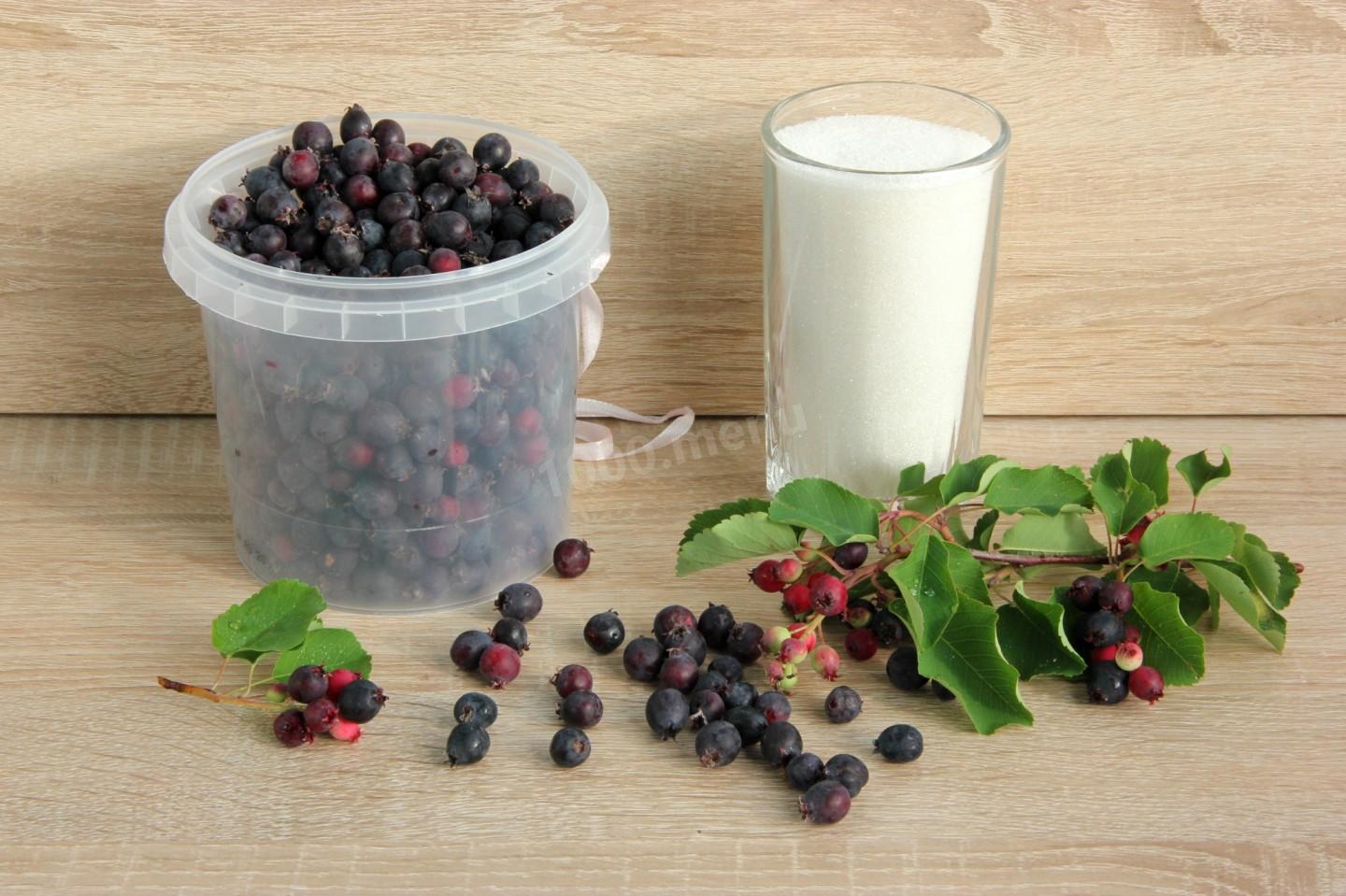
Gather or buy the serviceberries. Like any berry, it's best to use them the day you pick them or the next day. If you have to wait, keep the berries somewhere cool.
-
Step 2:
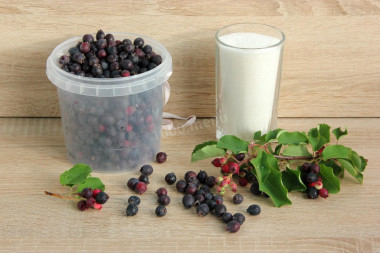
For the jam you'll need the serviceberries themselves, sugar, and — without fail — something acidic, since serviceberry is a fairly bland berry. You can use either citric acid or lemon juice, but one of them is a must. That's what gives the jam a pleasant tartness and keeps it from crystallizing. Water, on the other hand, isn't needed at all. First, sort the berries and pick out any debris. Discard any damaged, pecked, or underripe fruit. Keep only the good berries.
-
Step 3:
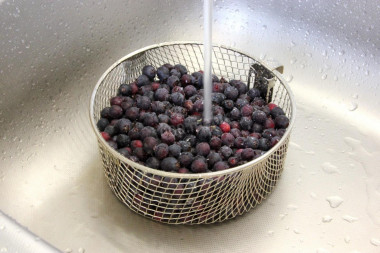
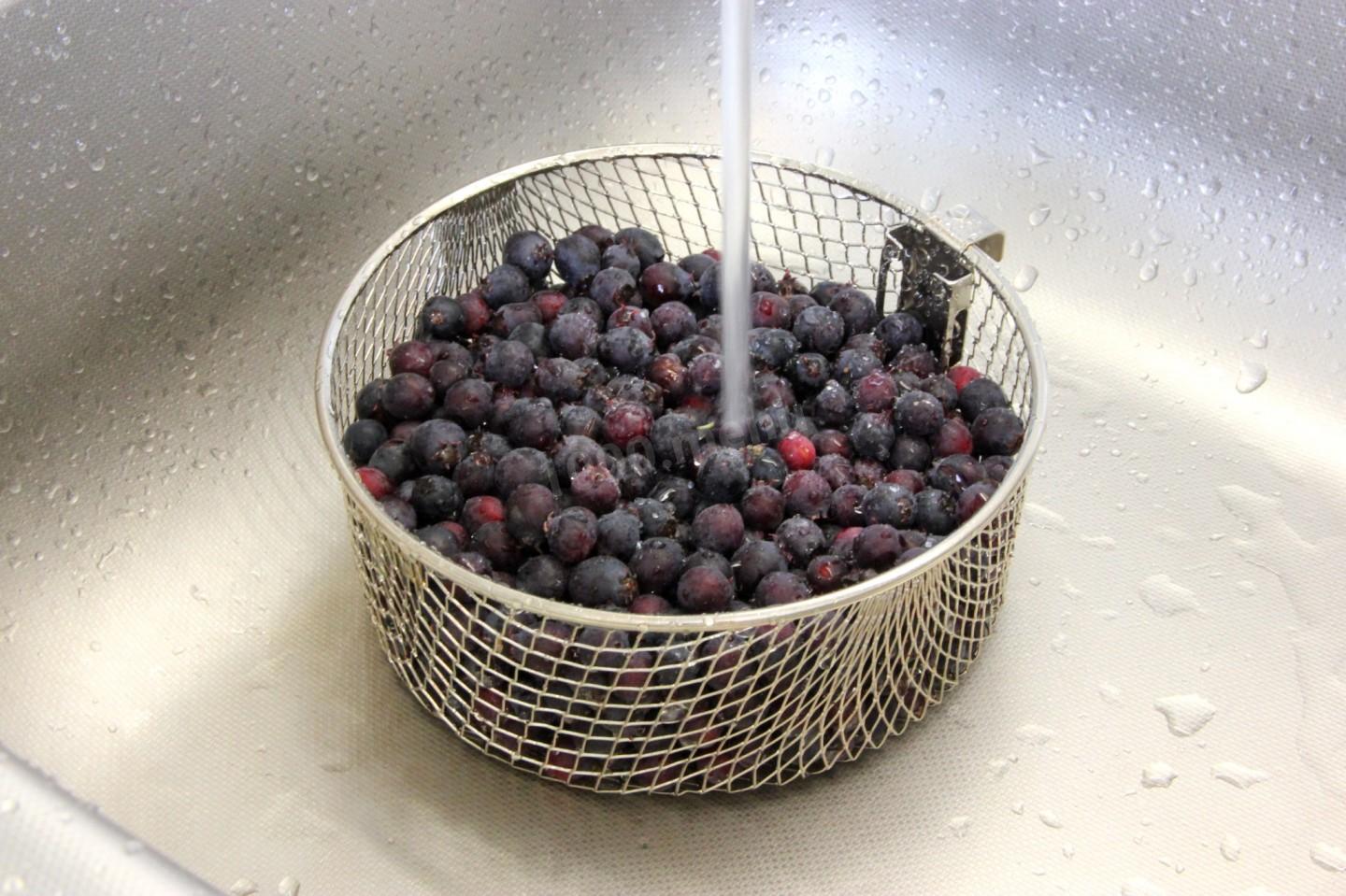
Then tip them into a colander and rinse well under cool water.
-
Step 4:
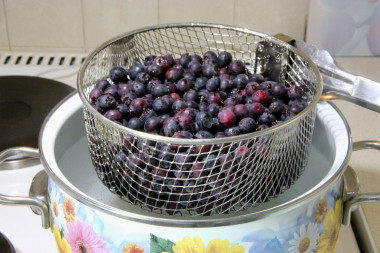
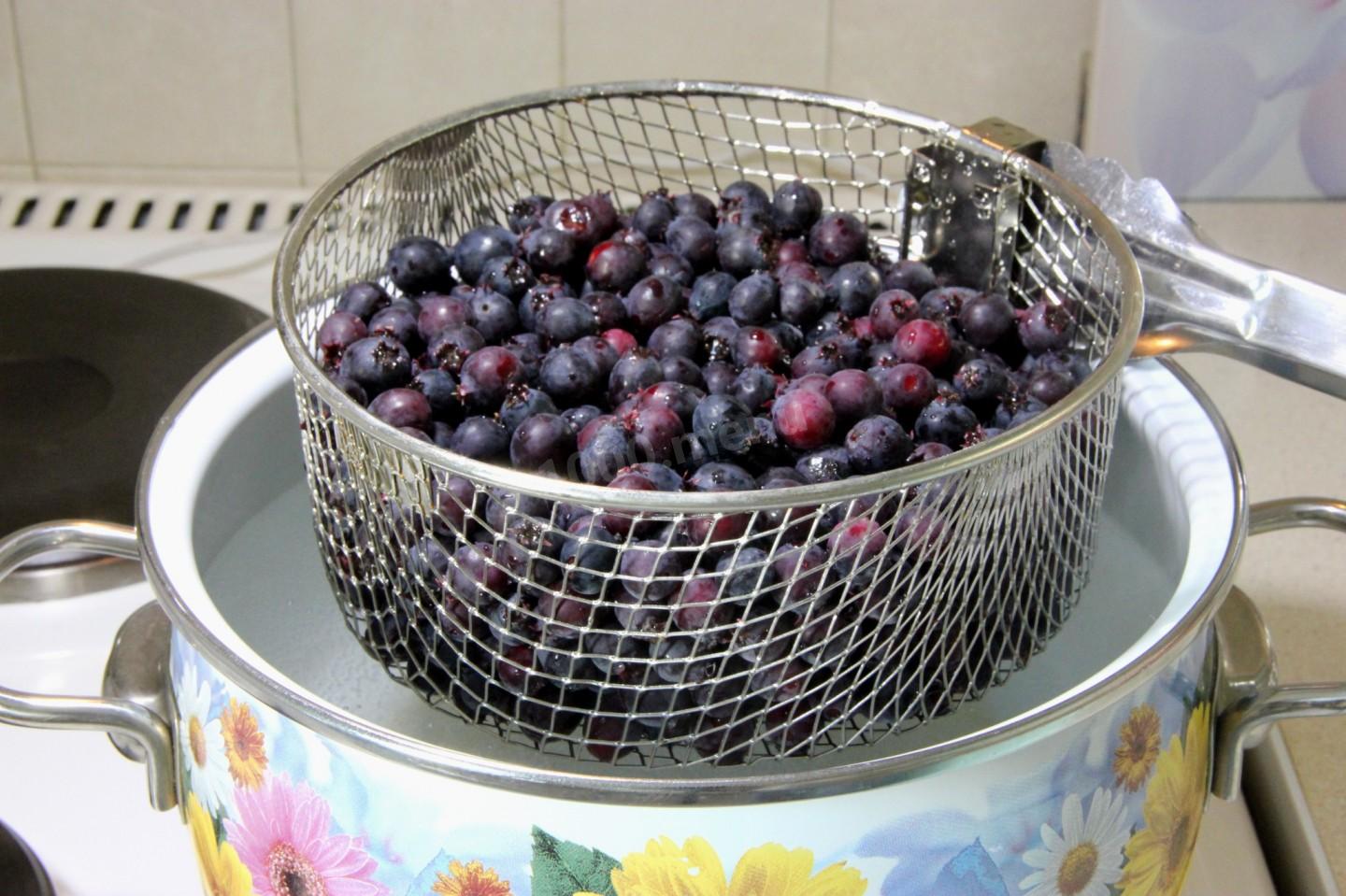
If your serviceberries have a thin skin, skip this step. Sometimes the skin is on the thick side. In that case, heat water in a roomy pot, but don't let it boil. Dip the berries, still in the colander, into the barely hot water and pull them right back out. The berries shouldn't burst, and the water shouldn't pick up color. This helps the juice release more easily, and in the finished jam the berries stay whole and soak up the syrup faster. Just be sure to do it right, or don't risk it.
-
Step 5:
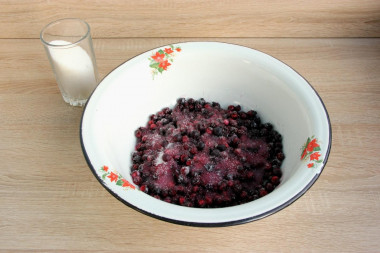
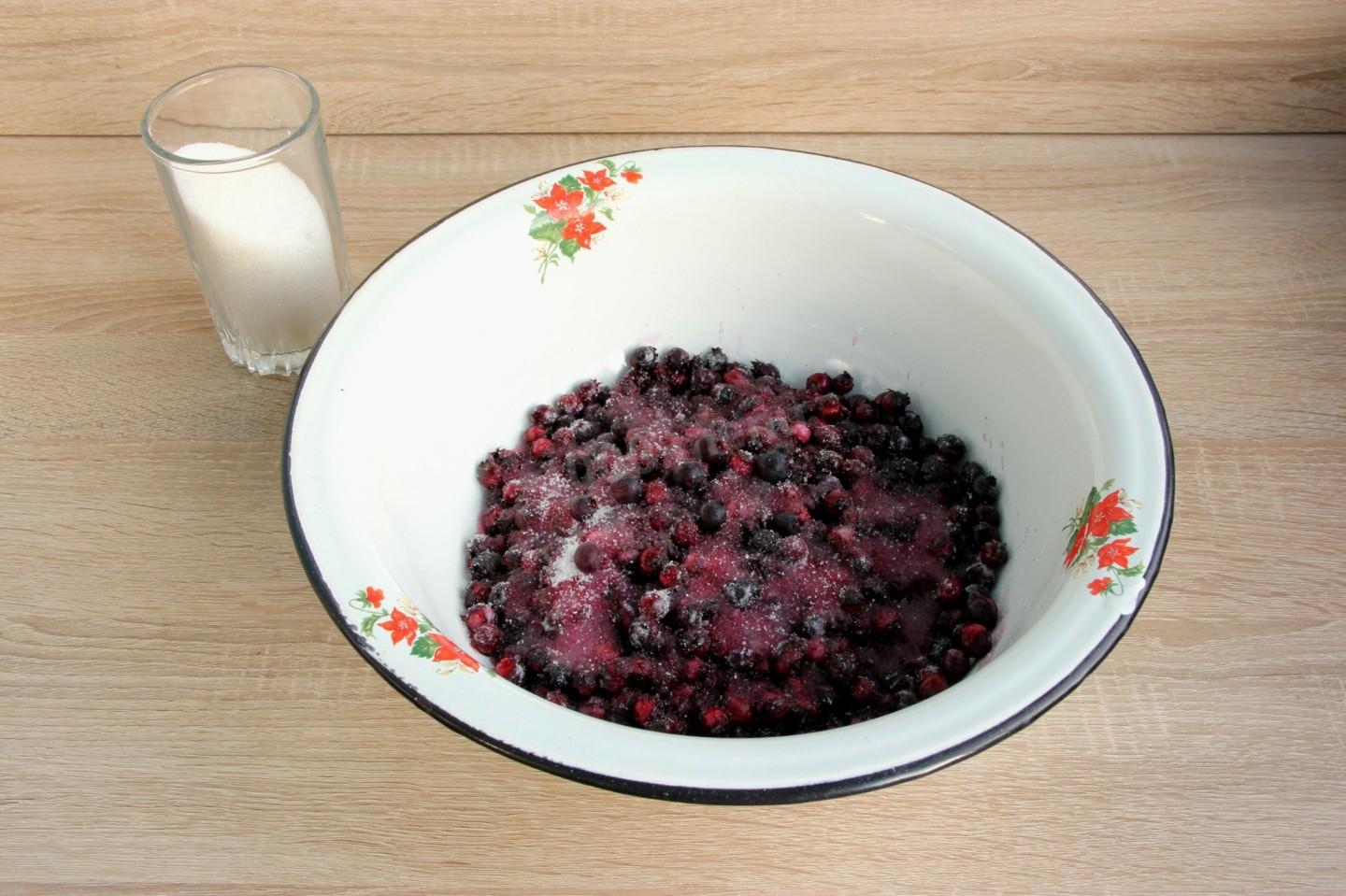
Pour the serviceberries into a roomy bowl or preserving pan. Add half the sugar and stir gently. Leave it on the counter so the juice draws out. It's best to use an enamel or stainless-steel pan with a heavy bottom. The sides should be wide for better evaporation. Don't cook more than about 4 lb (2 kg) of berries at a time. If you can't cook them right away, the sugared berries can go in the refrigerator and be cooked in the morning.
-
Step 6:
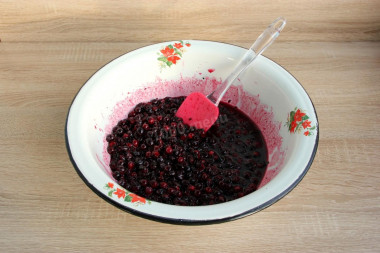
Whether blanched or simply rinsed, the berries will readily give up their juice in about half an hour. That juice is plenty — there's no need to add water or cook a separate syrup, and the jam's flavor only benefits.
-
Step 7:
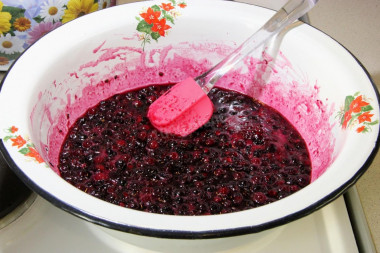
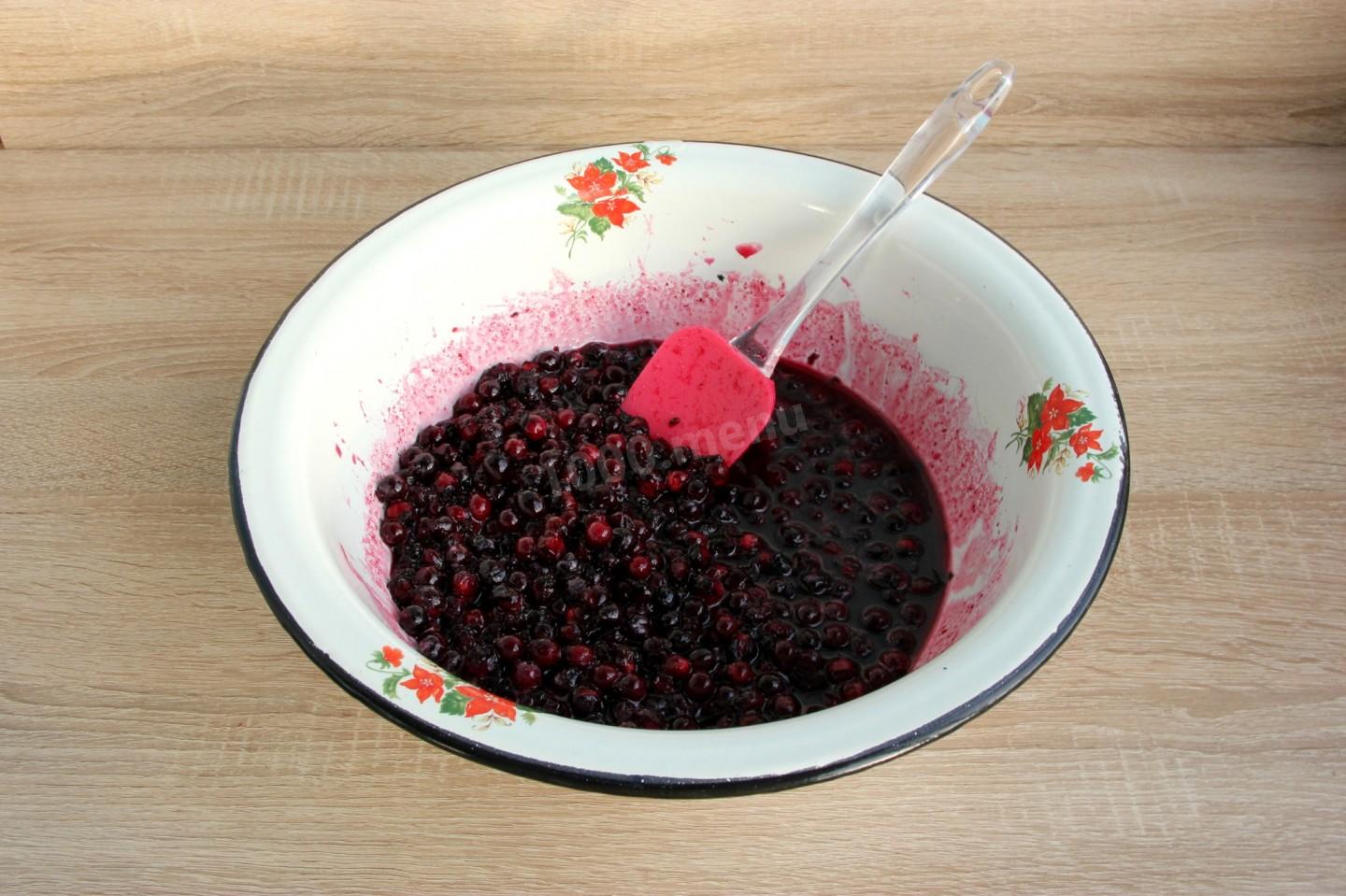
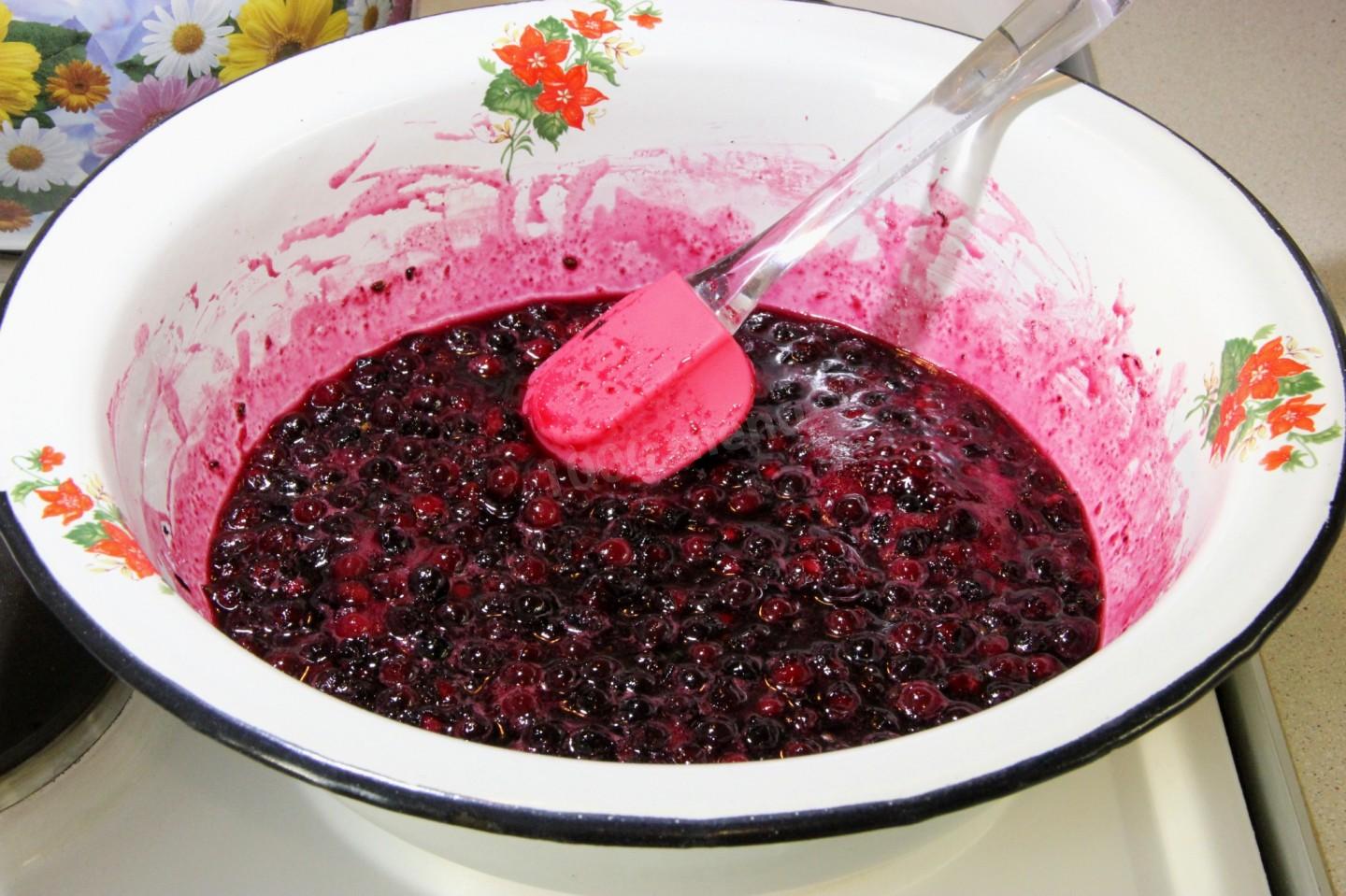
Set the bowl over low heat and stir gently so all the sugar dissolves without scorching. Then raise the heat to medium and bring to a boil. Lower the heat again and, without letting it boil hard, cook for 5 minutes. Don't skim the foam that forms yet; just stir the jam slowly with a spatula, reaching the bottom.
-
Step 8:
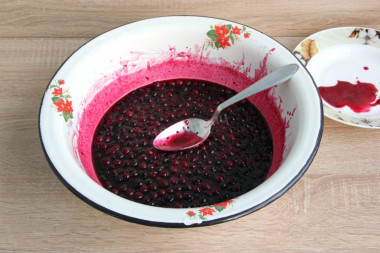
After 5 minutes, take the pan off the heat. Rocking it side to side and back and forth, drive the foam toward the center of the bowl. Skim it off, repeating the rocking, until all the foam is gone. I didn't have much foam, but you must remove it so the jam keeps well and tastes good.
-
Step 9:
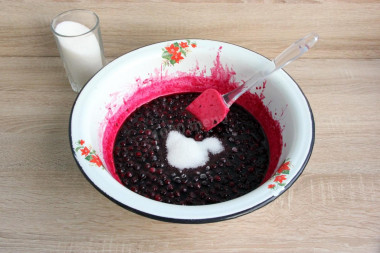
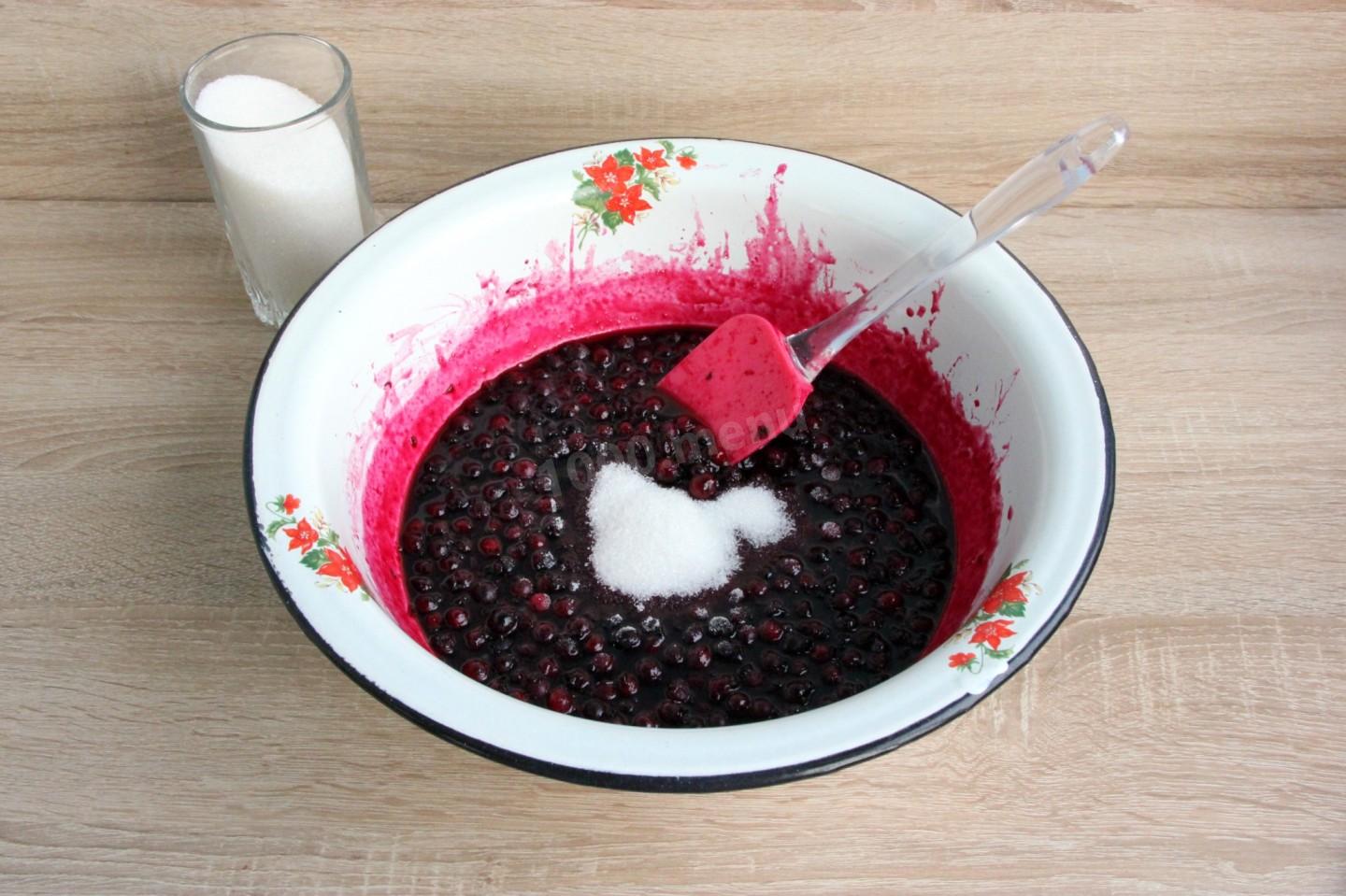
Add the remaining sugar to the hot, skimmed berry mixture. Stir it well until dissolved. Leave it to cool completely; during that time the softened serviceberries soak up the syrup thoroughly.
-
Step 10:
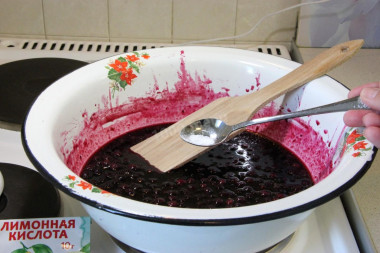
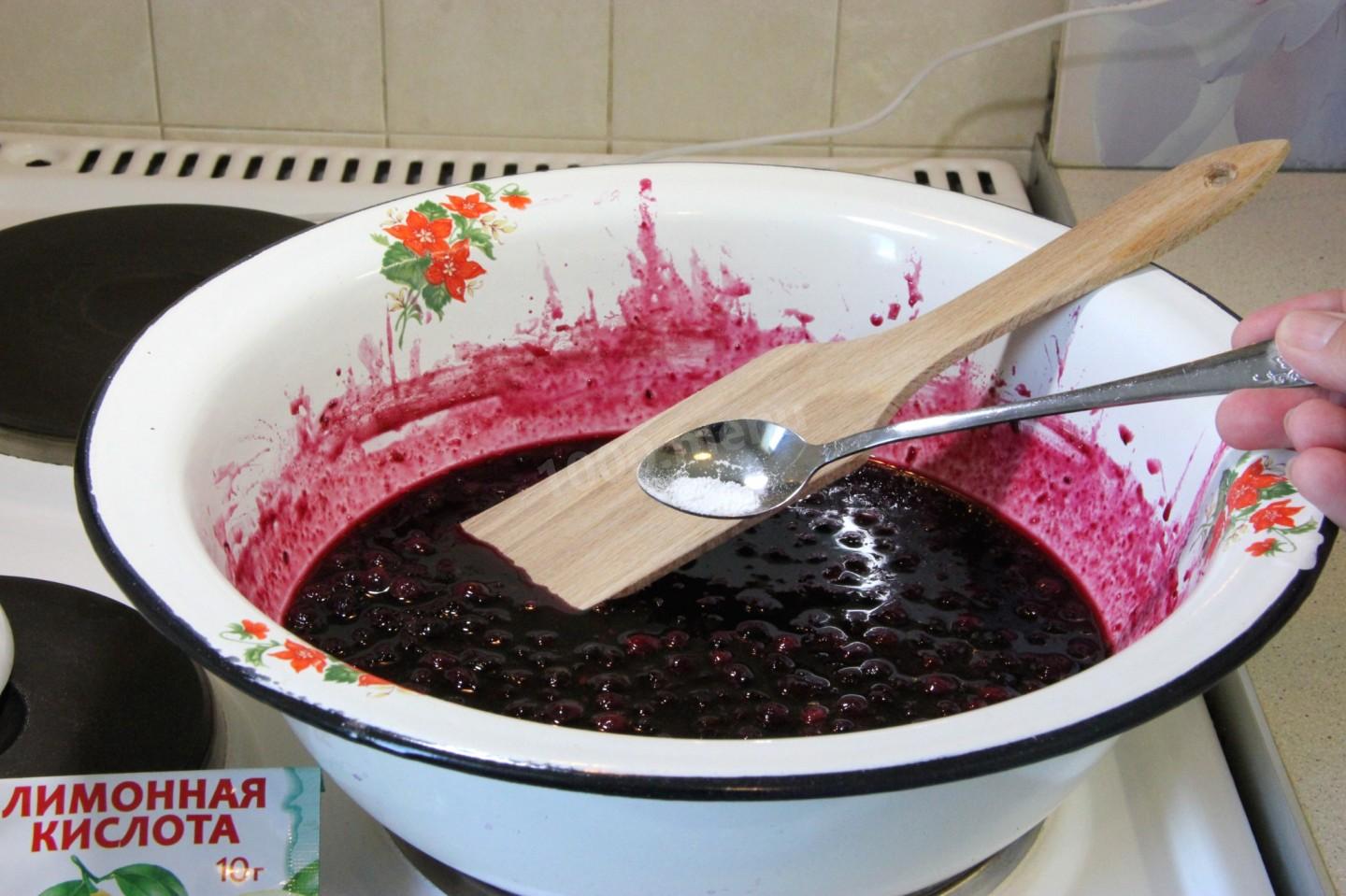
Boil again for another 5 minutes, adding the citric acid at the end. Stir well and skim off the foam.
-
Step 11:
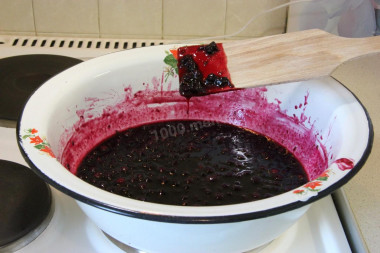
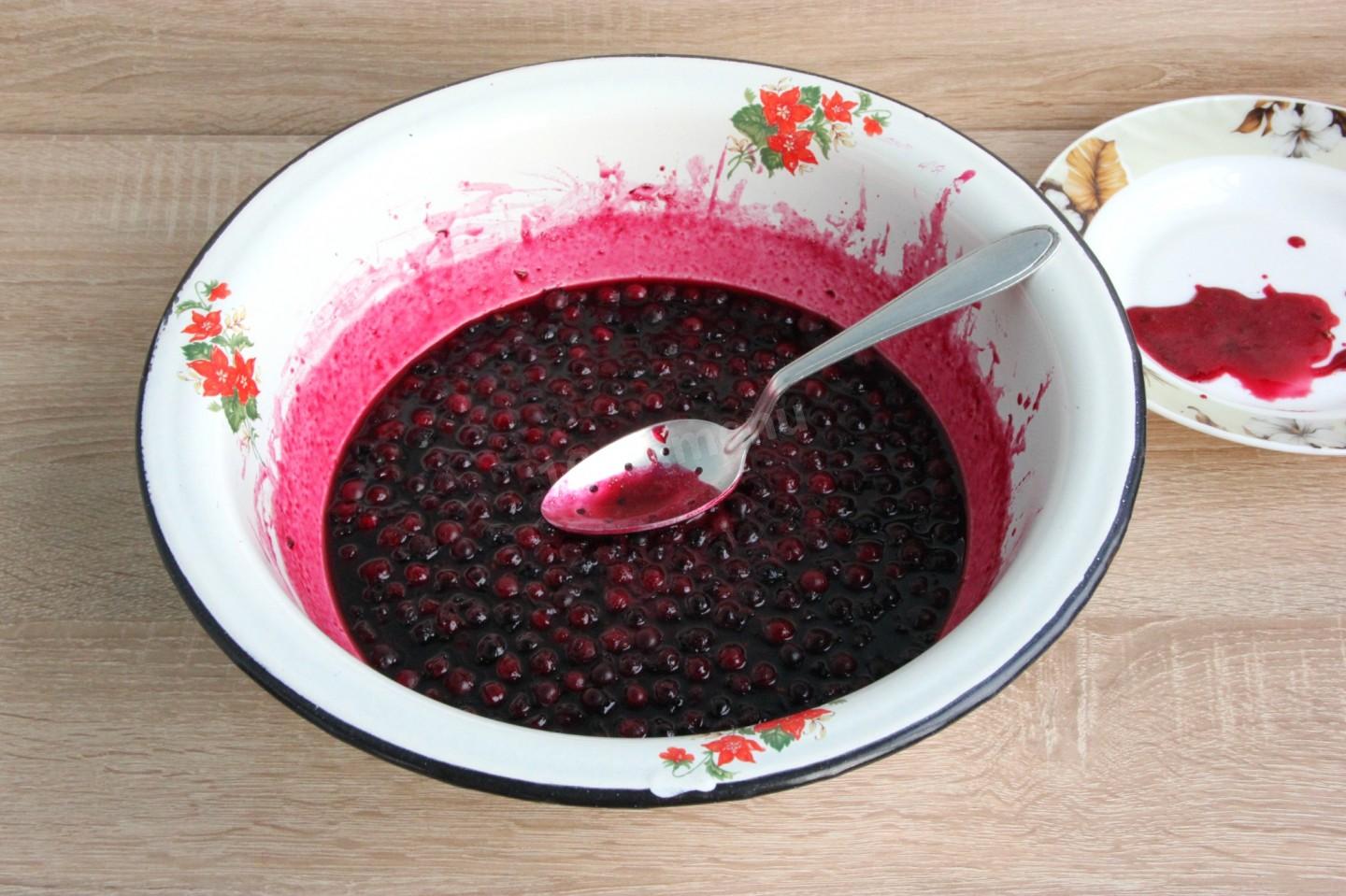
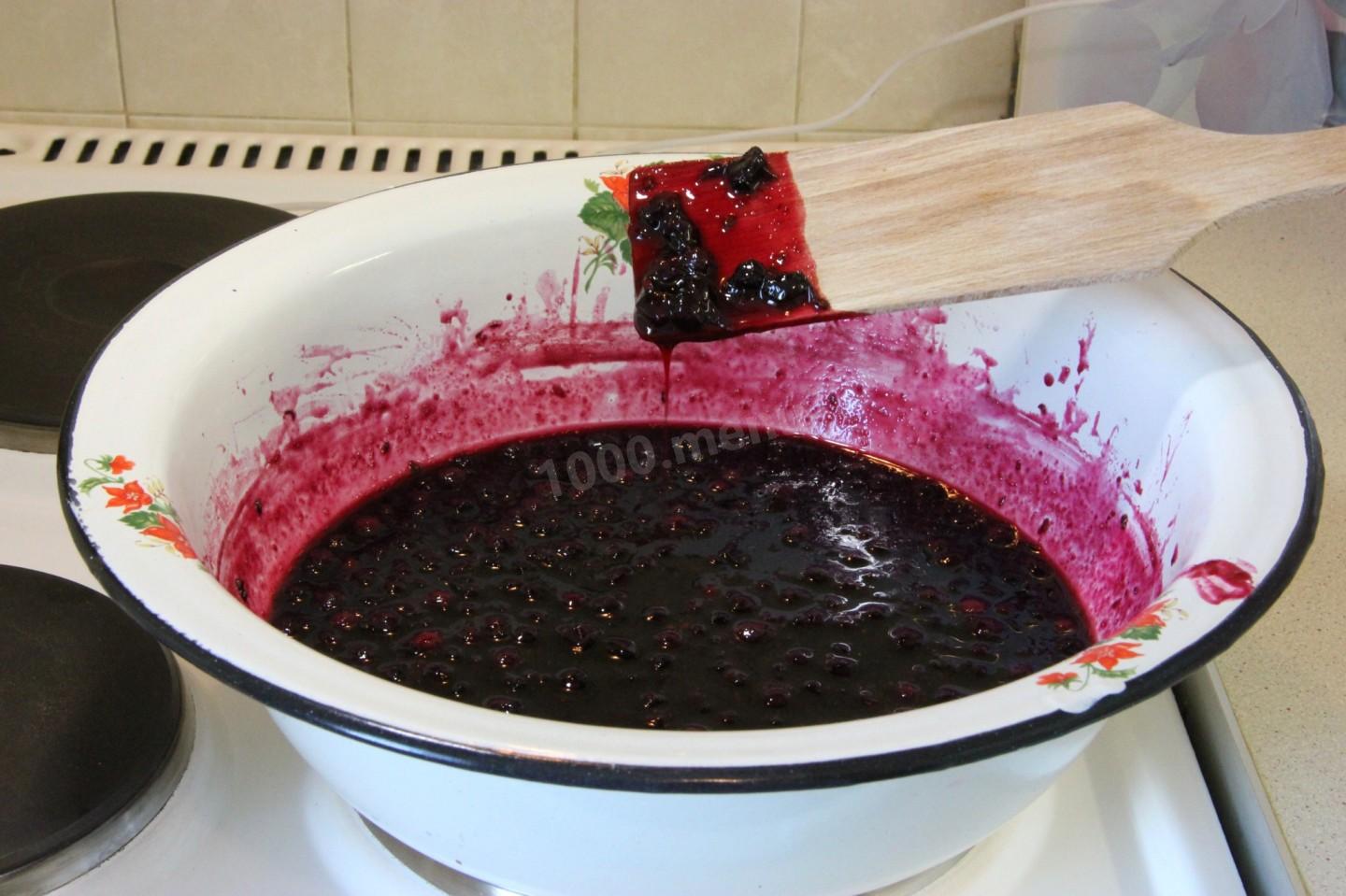
In the finished jam the berries are whole, soaked in syrup, and don't float. The hot berry syrup runs freely off the spatula, but don't overcook the jam. Once it cools, it sets up in the jar like jelly. This amount of berries makes one 1-pint (0.5 L) jar of jam, plus a little to taste.
-
Step 12:
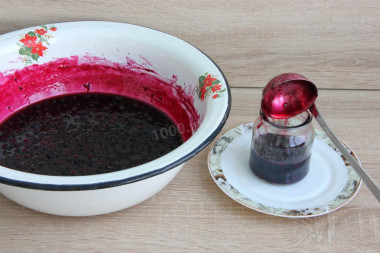
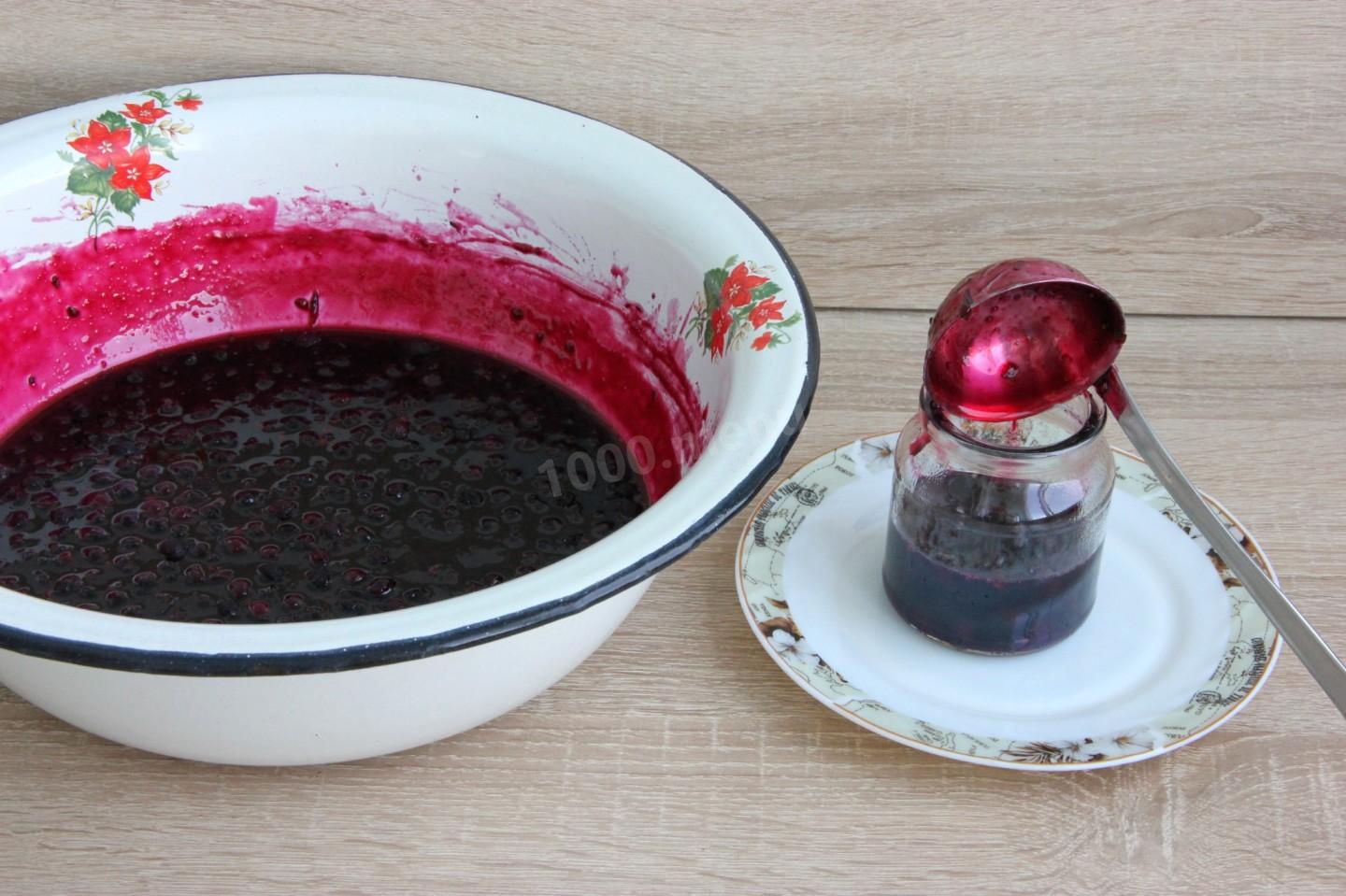
Ladle the jam hot into sterile, dry jars right up to the rim. Seal with sterile lids, turn them upside down, and leave them to cool under a blanket, then move them to a cool, dark place for storage. If you'll keep it in the refrigerator, you can ladle it hot into jars and let it cool uncovered. Once it cools, the top will gel; then close it with a plastic or screw-on lid — sterile, of course. This jam keeps well, with a shelf life of up to 2 years.
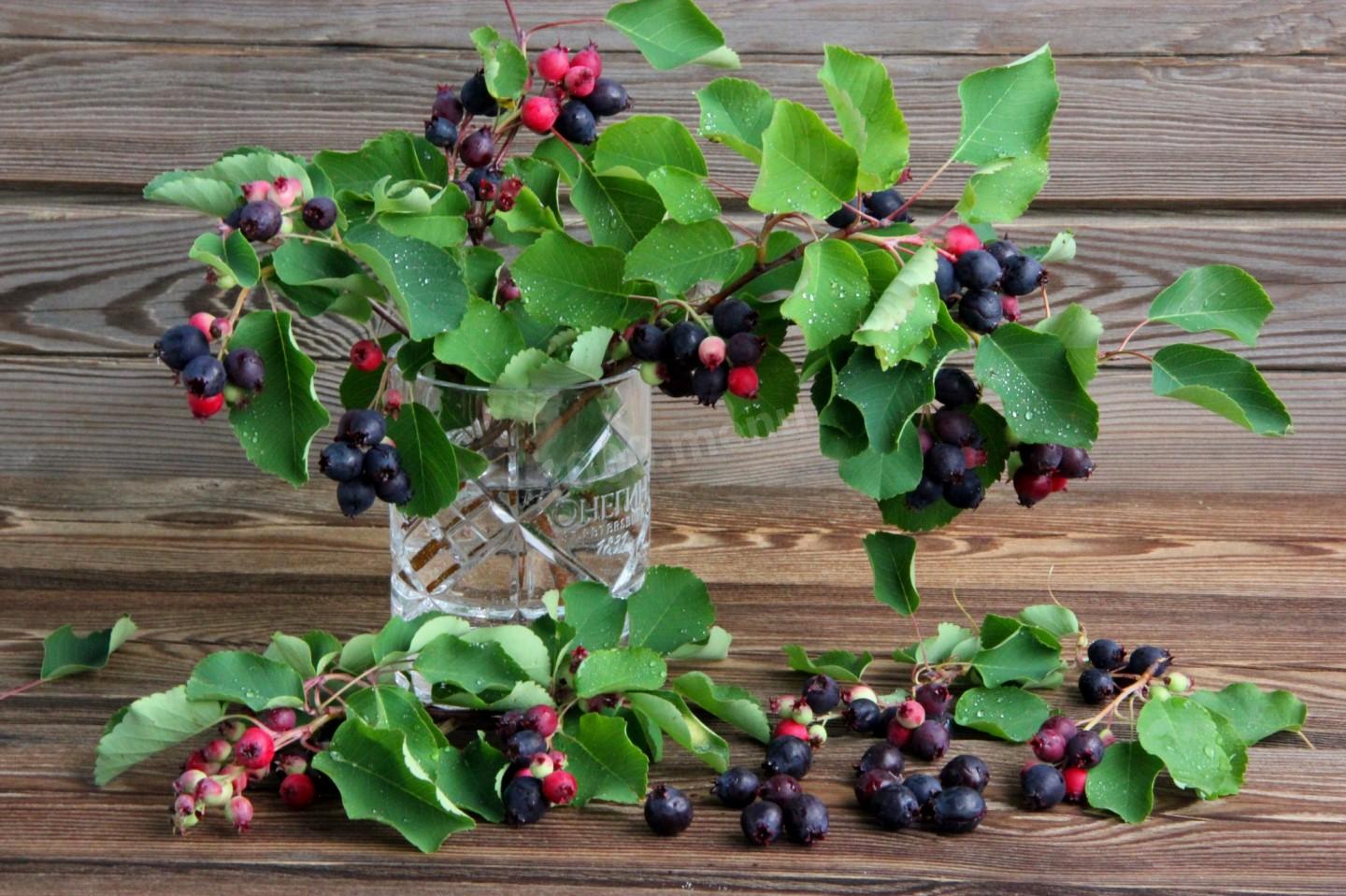
- Serviceberry is a fairly sweet berry. There's no need to add sugar in the standard 1:1 ratio.
- For both flavor and good keeping, half as much sugar is plenty. There are recipes that use just 200 g of sugar per 1 kg of berries, and some with no sugar at all.
- With this recipe the jam comes out moderately sweet, with a slight tartness. Without the added acid, it would just be sweet and, as they say, "bland."
- It's because of this trait of serviceberry that the jam is more often made with an acidic addition, which greatly improves the flavor. People add cherries, currants, raspberries, gooseberries, apples, lemon and citric acid, or vanilla sugar.
- Serviceberry isn't only made into jam — it's a very prolific berry and delicious with all sorts of additions. People freeze it, make no-cook "live" jam, jelly, preserves, confiture, and various compotes, tinctures, and cordials.
- So if you've walked past this little berry before, now's the time to give it a try.
- To learn how to sterilize jars in the oven and make raspberry jam, see my recipe Five-minute raspberry jam for winter.
- Remember that ingredients like salt, sugar, and vinegar (and its substitutes) are used in winter preserving recipes not just for flavor but, above all, as preservatives. So never reduce the salt and sugar concentrations, and don't swap vinegar (essence) for one weaker than the recipe calls for, or the vinegar (salt/sugar) won't do its preserving job and the preserve will spoil.
- Instead of sugar, you can use a heat-stable sweetener.
Caloric content of the products possible in the composition of the dish
- Granulated sugar - 398 kcal/100g
- Sugar - 398 kcal/100g
- Citric acid - 0 kcal/100g
- Serviceberry - 45 kcal/100g