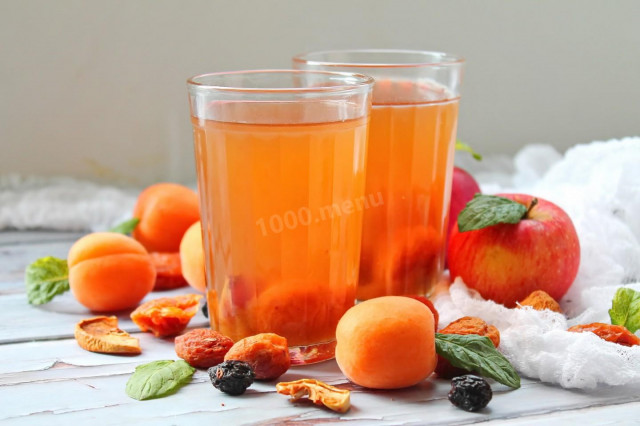
Dried Fruit Compote (Stovetop)
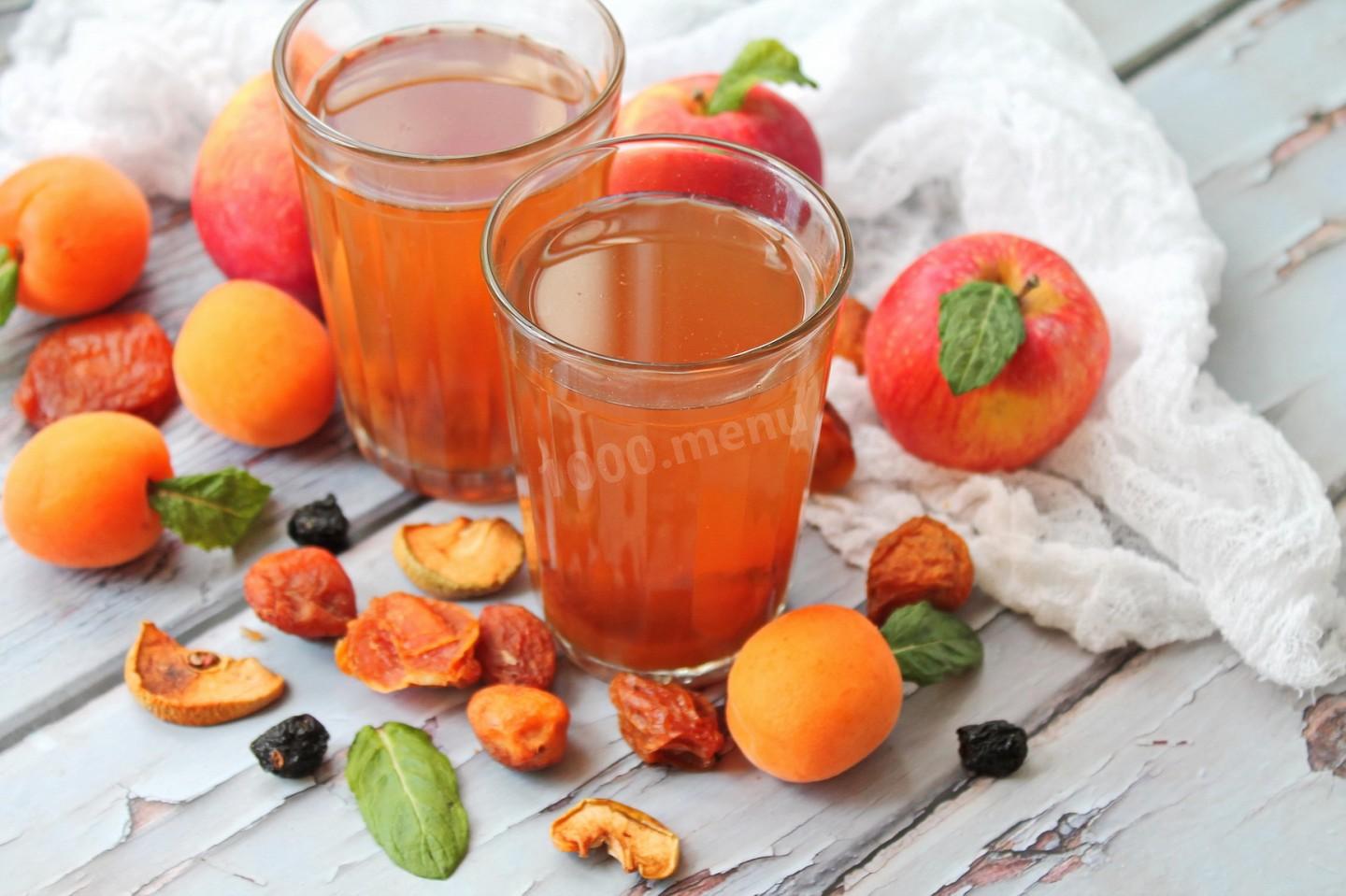
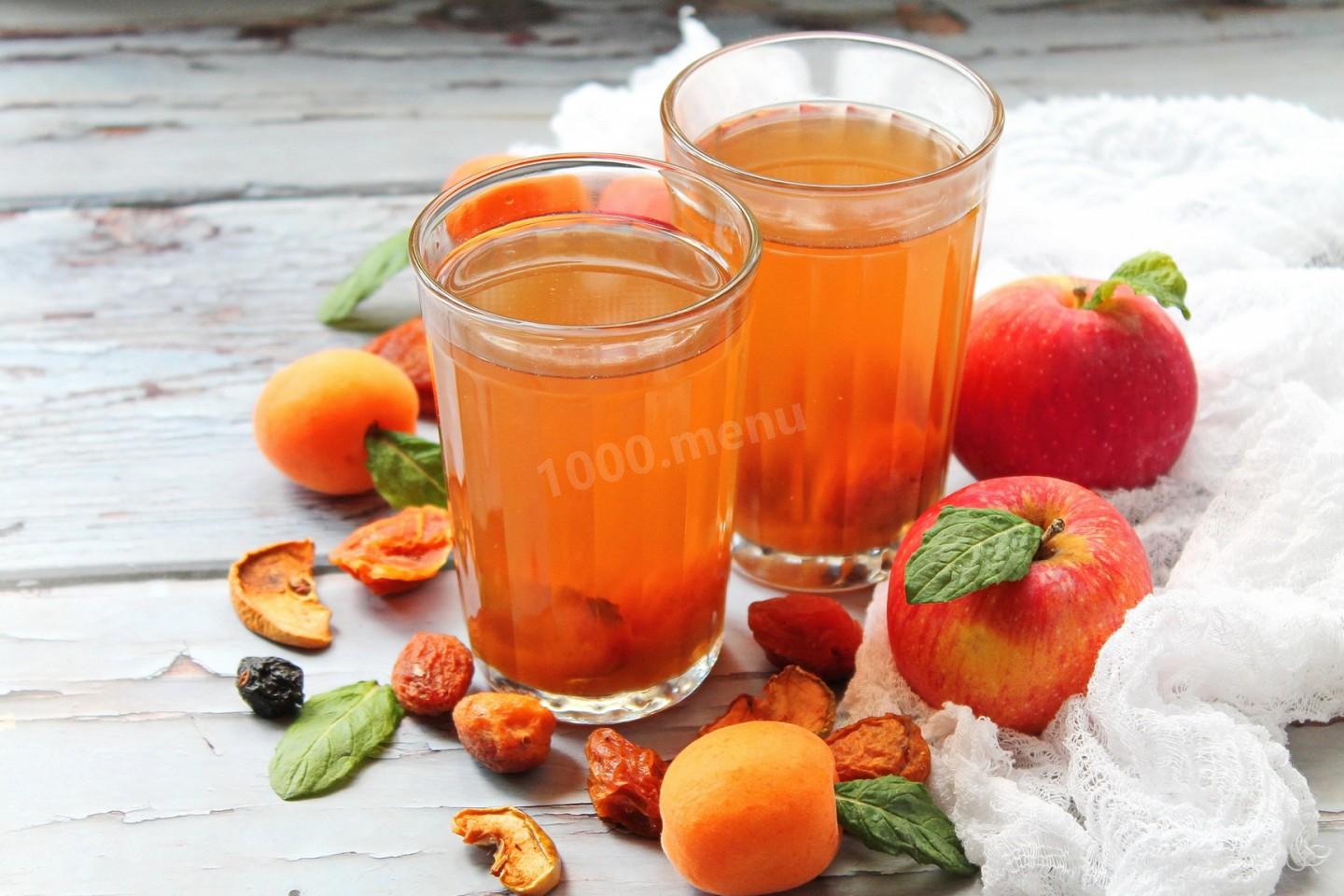
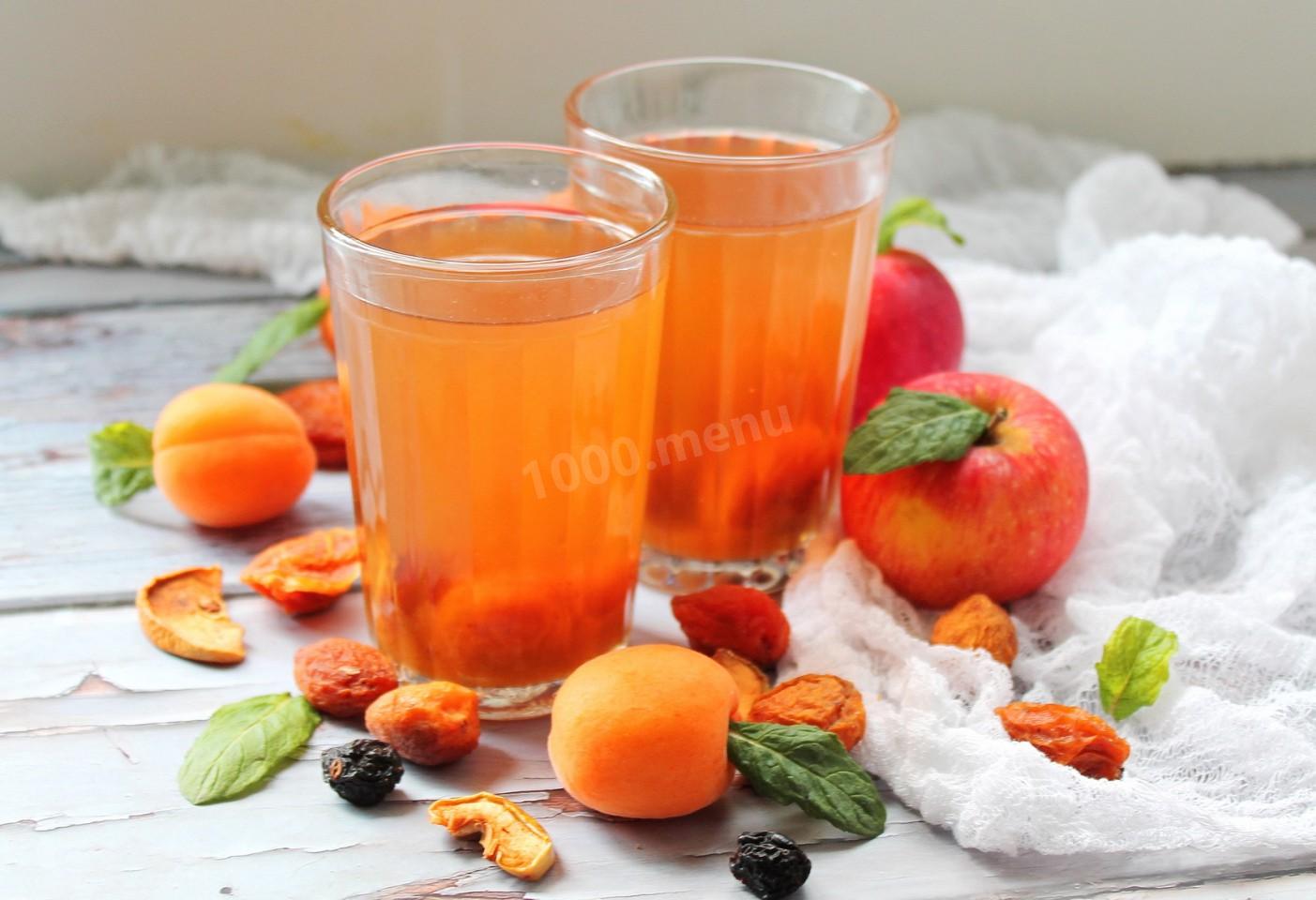
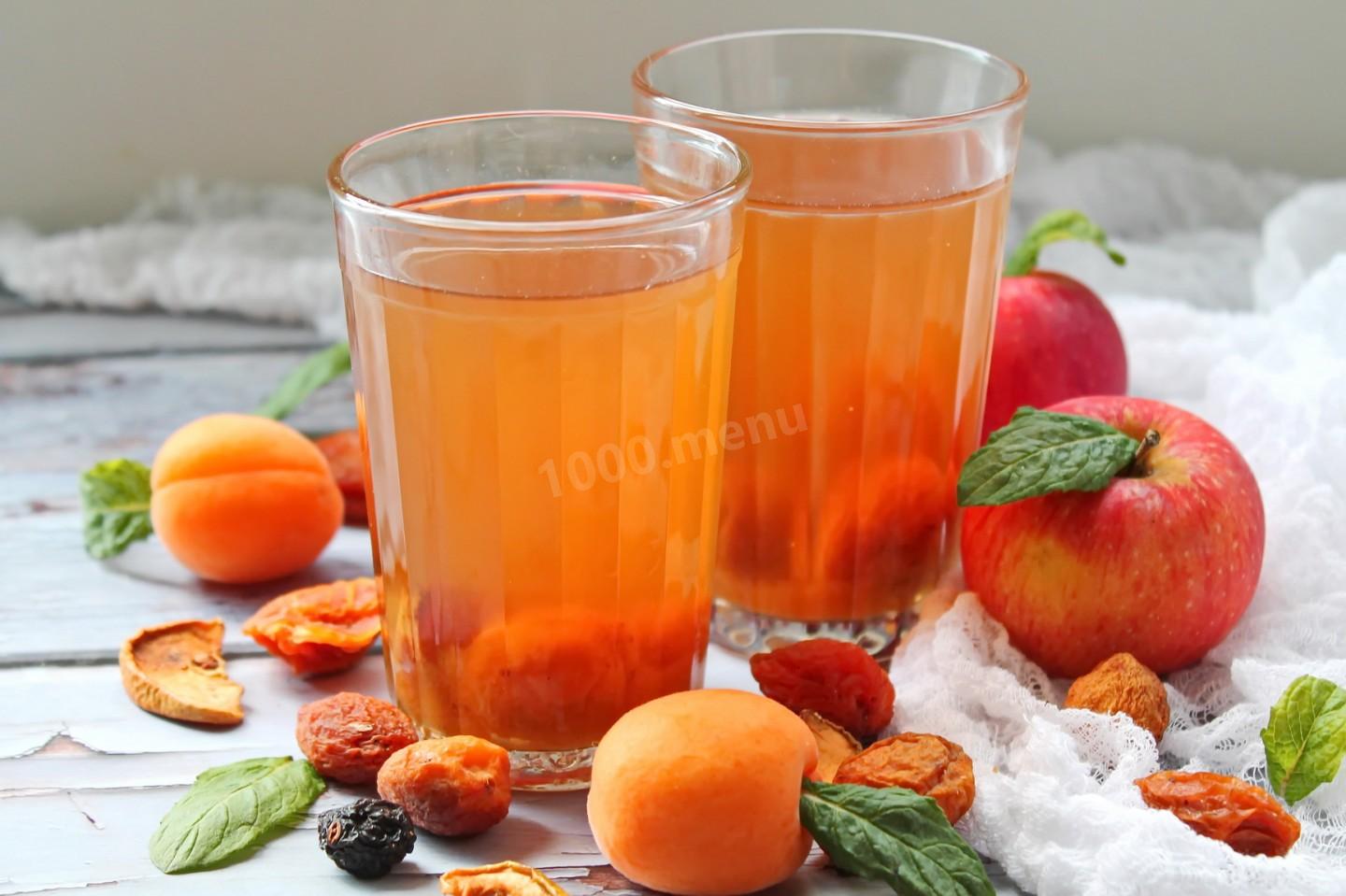
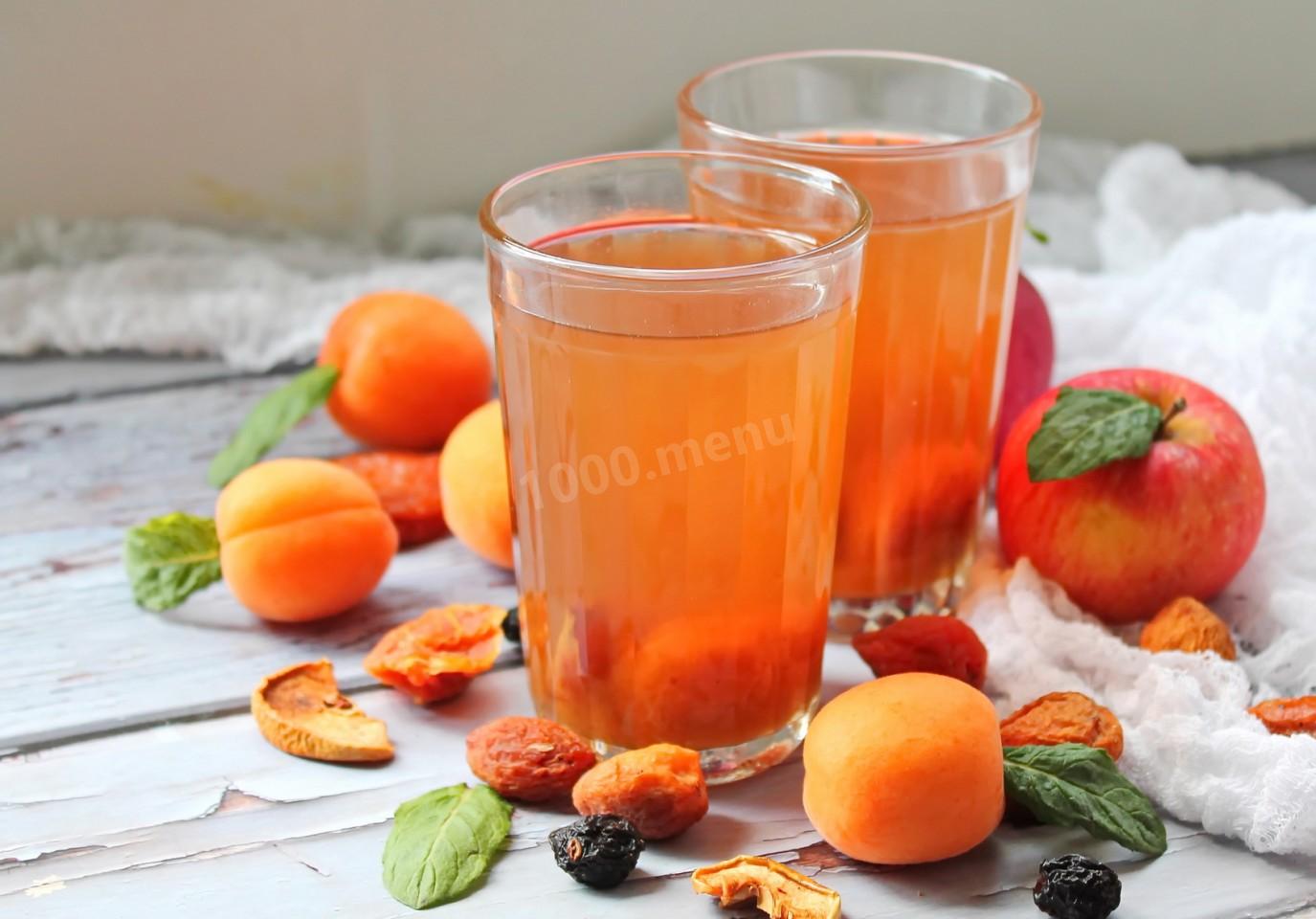
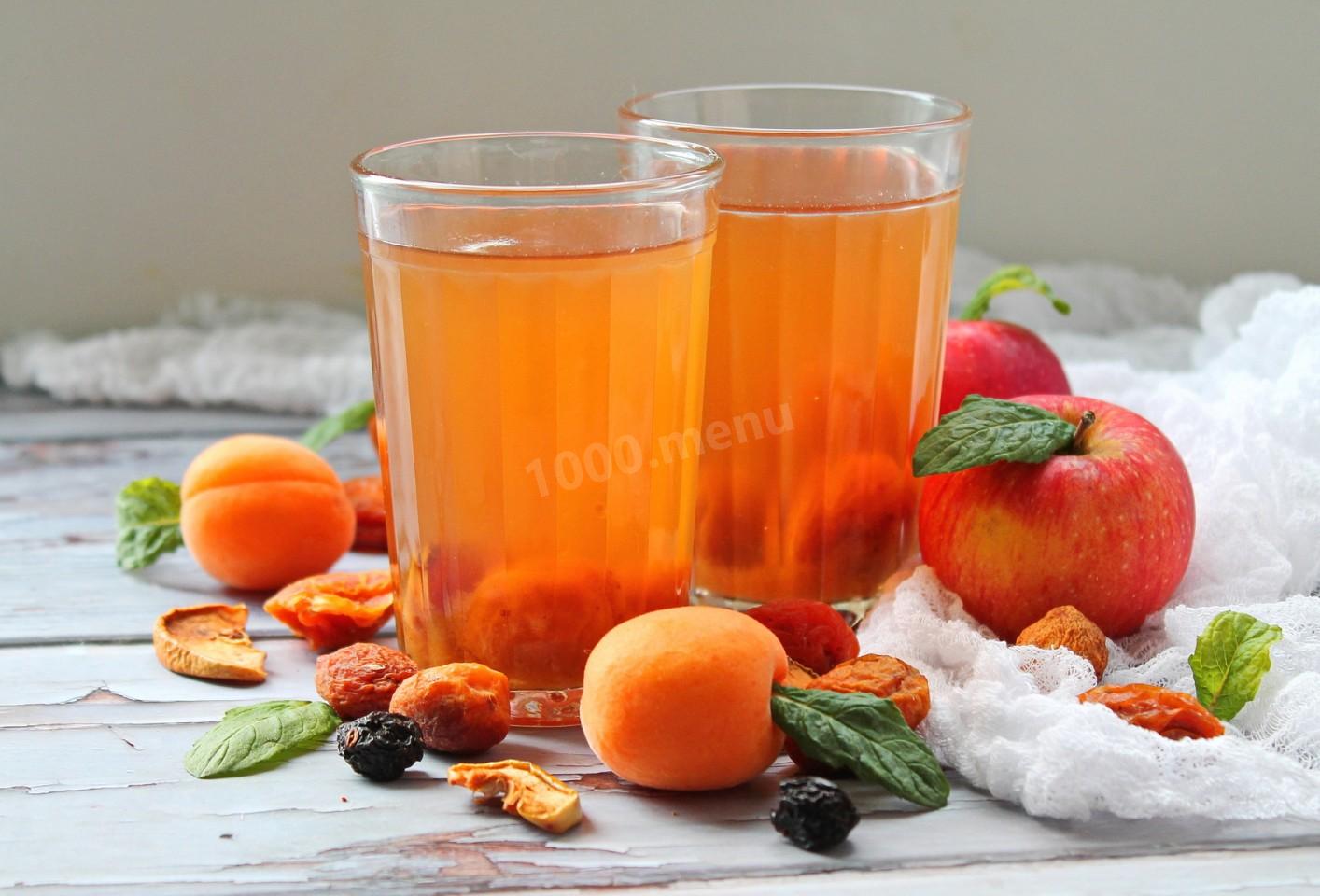
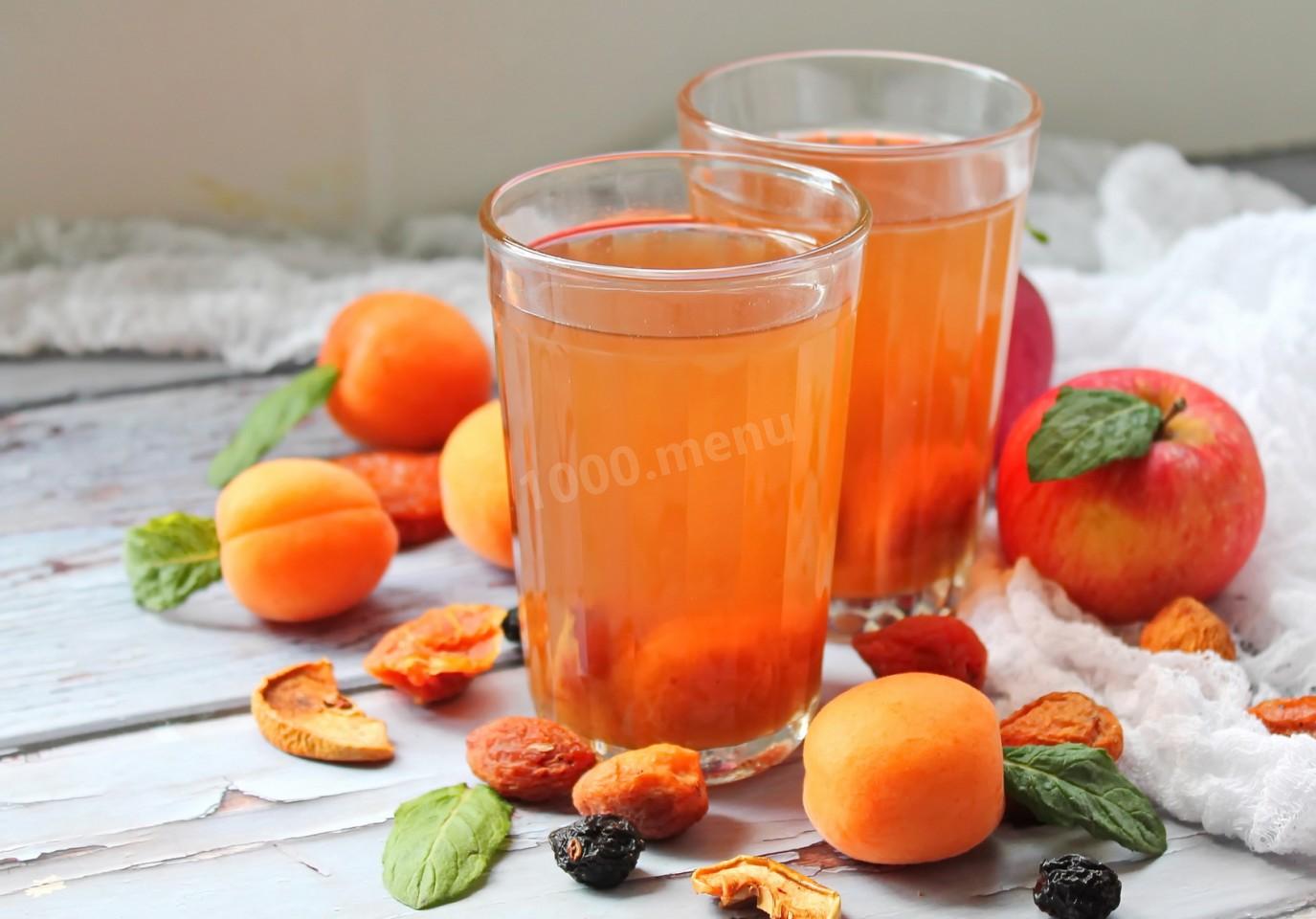
A delicious dried-fruit compote, the kind you remember from childhood. And it's good for you — a real treasure trove of vitamins and minerals, just what the body needs in winter and spring when fresh fruit and berries are hard to come by. Plus it's low in calories, which is a bonus if you're watching your diet.

Cooking method
-
Step 1:
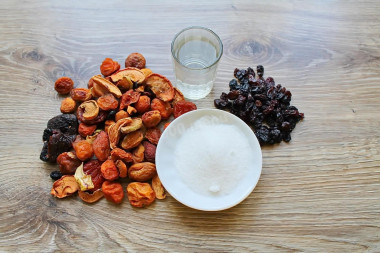
Here's what I'll cover:
- how to cook dried fruit compote on the stovetop
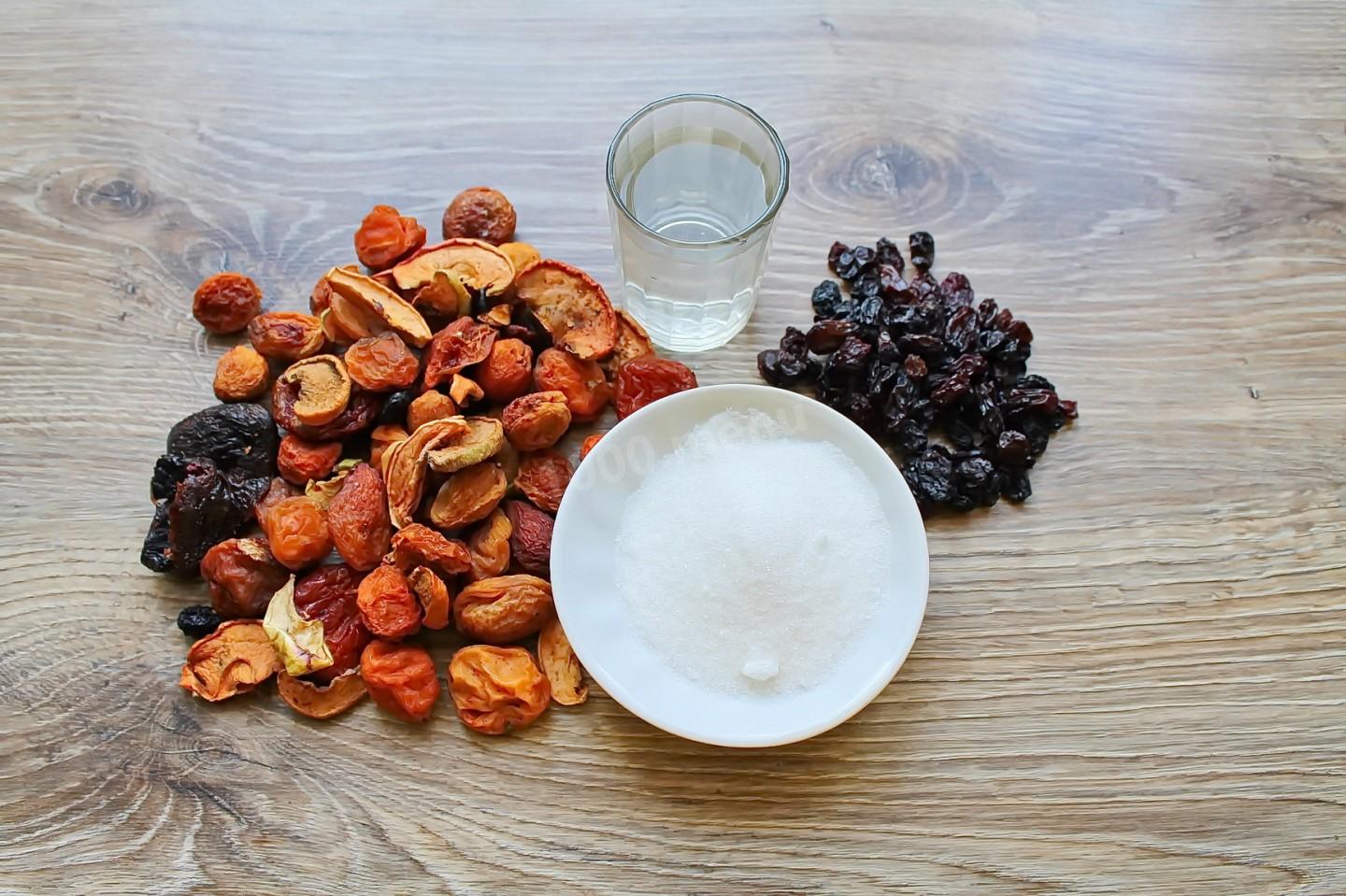
- how long to cook it Gather everything you need. The mix can be all sorts of things, but it usually includes dried apple and pear slices, dried apricots, prunes, and raisins. You can round it out with dried figs, cornelian cherries, peaches, or cherries. The more varied the mix, the richer and tastier the compote.
-
Step 2:
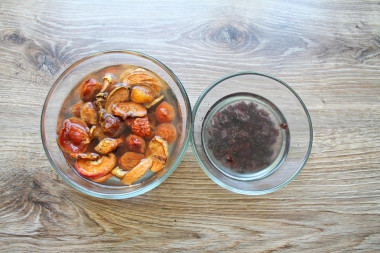
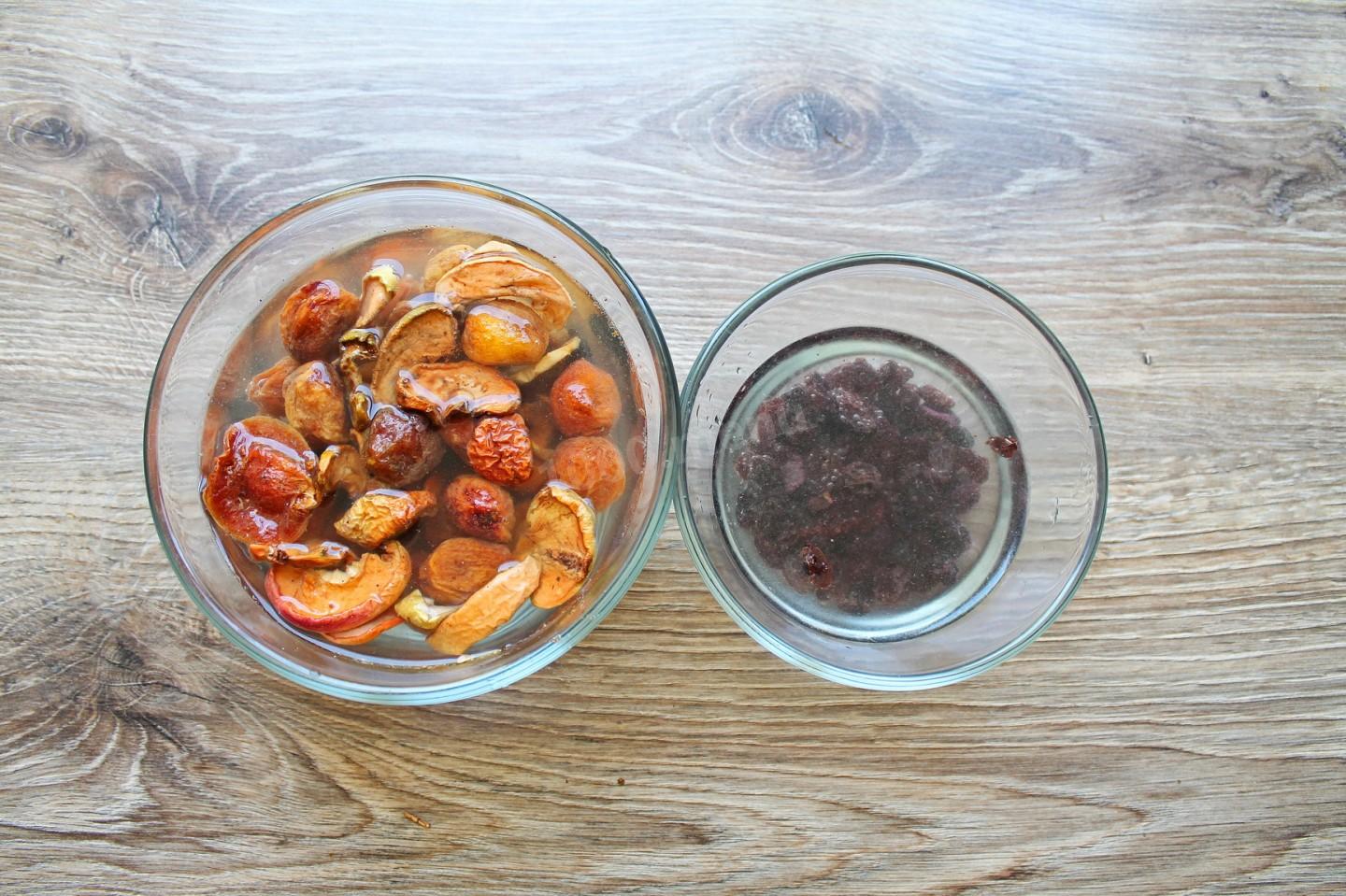
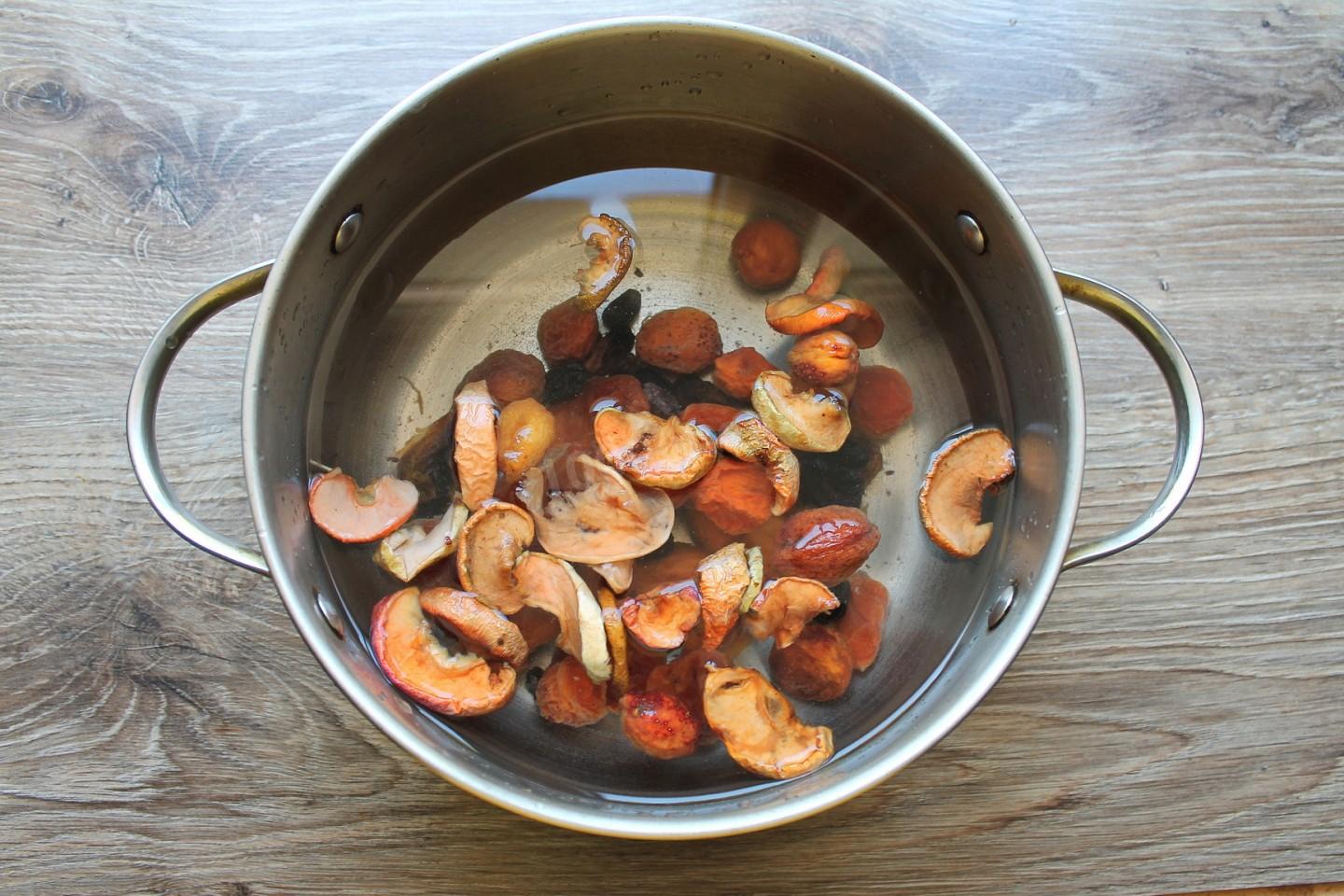
The mix also determines the color. Lots of prunes and dark raisins give a deep, tea-dark compote; if dried apricots, apples, and light raisins dominate, you get a lovely dark-amber color. Soak the dried fruit and raisins for 5 minutes in warm water, in separate bowls, to make it easier to rinse off any grit. Then rinse the dried fruit well under warm running water.
-
Step 3:
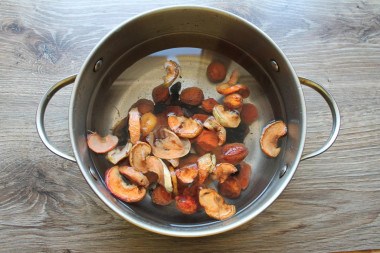
Pour the water into a pot, set it over medium heat, bring it to a boil, and add the rinsed dried fruit. It's best to use filtered or bottled water — softer water lets the flavor of the dried fruit come through better.
-
Step 4:
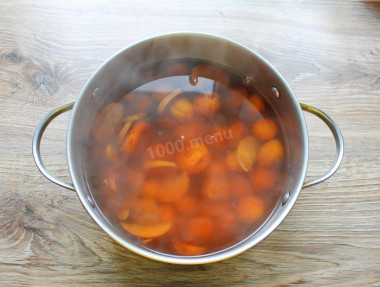
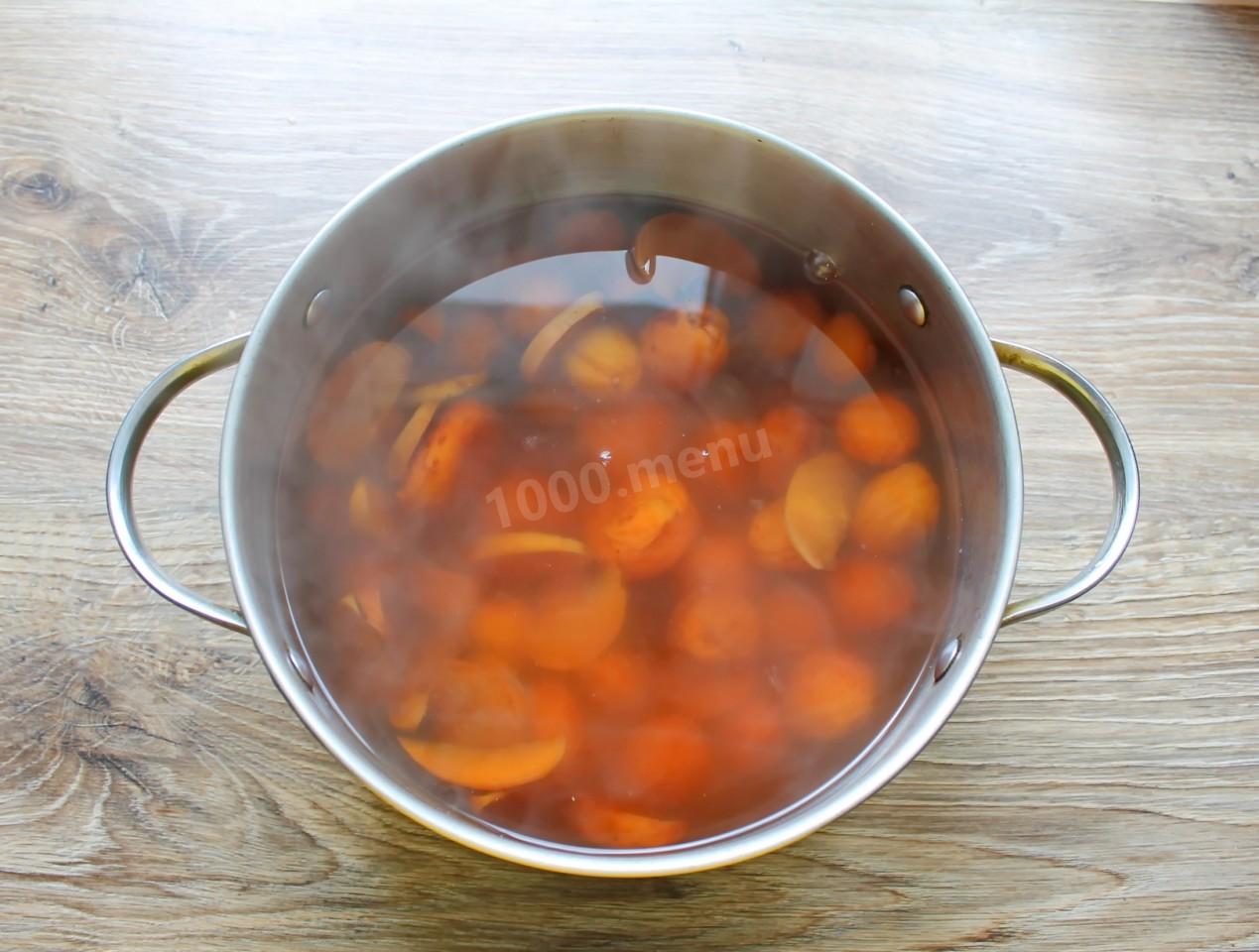
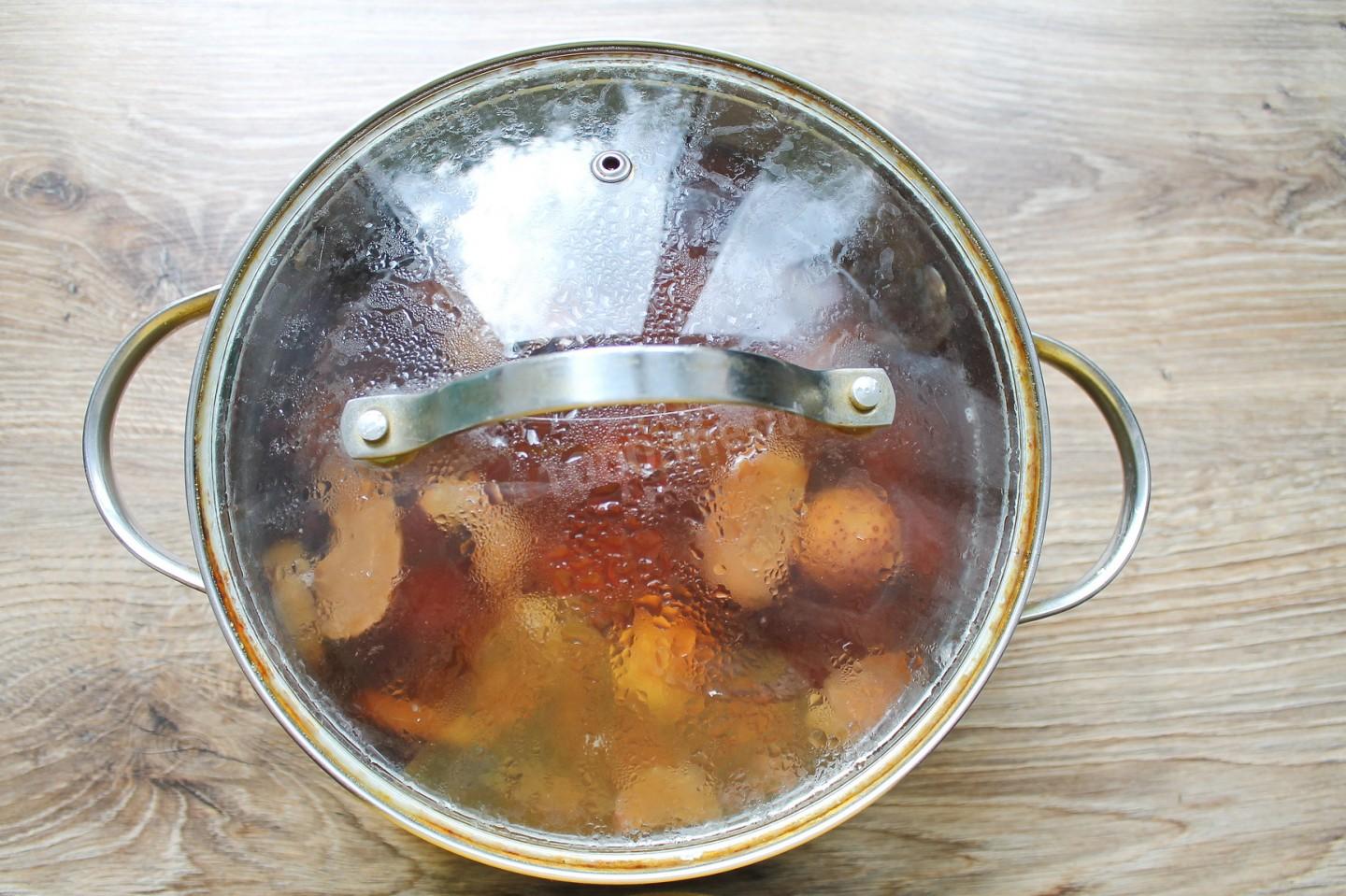
Lower the heat, cover, and simmer gently for 30 minutes.
-
Step 5:
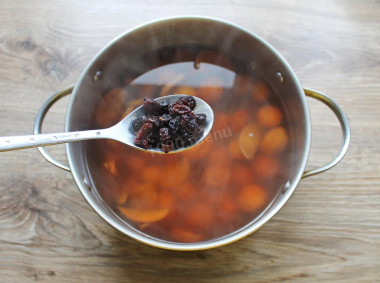
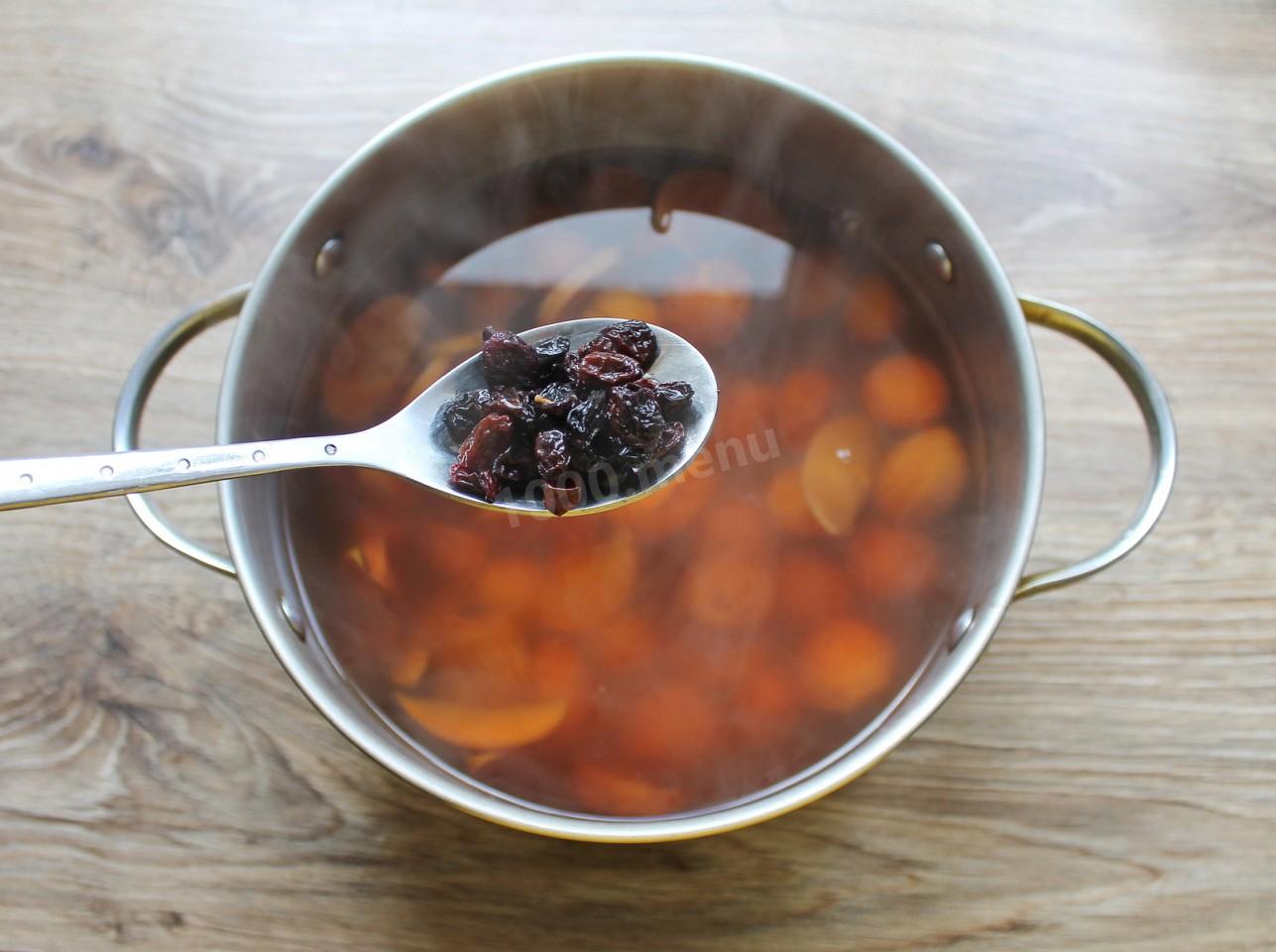
Then add the rinsed raisins and cook another 15–20 minutes. You can use dark or golden raisins.
-
Step 6:
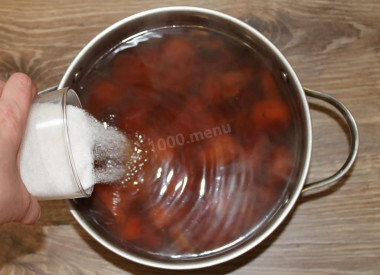
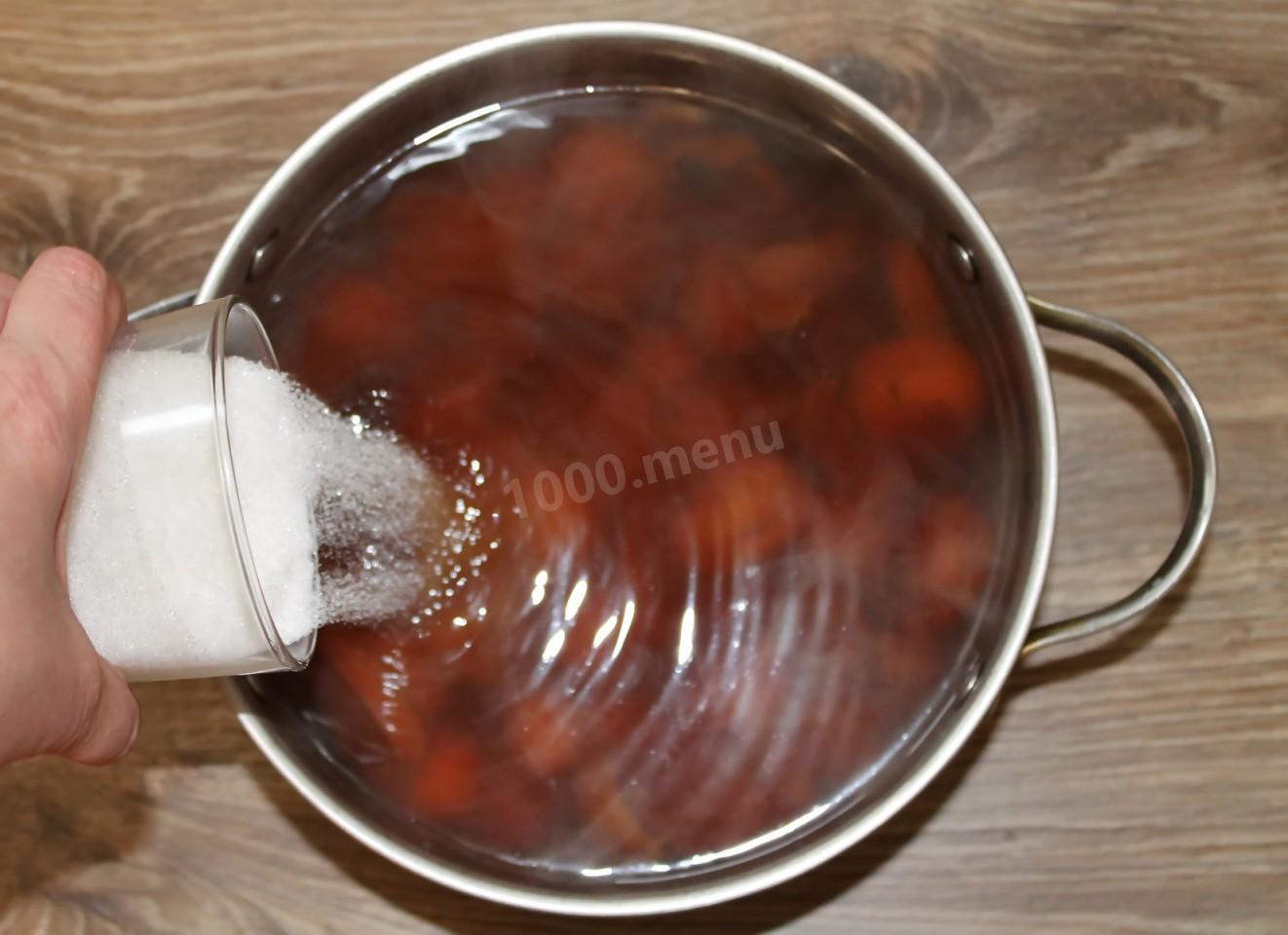
Stir the sugar into the compote until it fully dissolves. Cane sugar gives it a caramel note. Cook for 10 minutes. Instead of sugar you can use honey, a sweetener, or none at all.
-
Step 7:
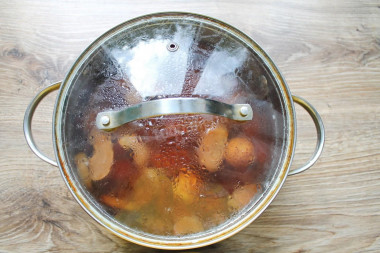
Take the pot off the heat and wrap it up for 1–2 hours. This lets the raisins and dried fruit soften further and give all their flavor and sweetness to the compote. It turns out richer and tastier, and once cooled, it's sweeter still than when warm.
-
Step 8:
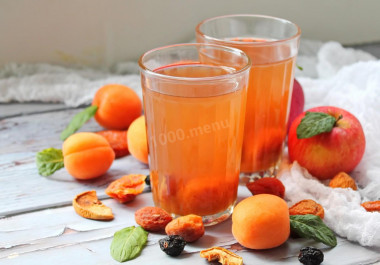
Serve it cold on a hot day, or warm to take the chill off on cold, raw days. It's best kept in the fridge so it doesn't ferment. Enjoy.
- Instead of sugar, you can use a heat-stable sweetener.
- For cooking, it's best to use filtered or bottled water with a neutral taste. Tap water can leave the drink with an off, characteristic aftertaste.
Caloric content of the products possible in the composition of the dish
- Dried fruit - 250 kcal/100g
- Granulated sugar - 398 kcal/100g
- Sugar - 398 kcal/100g
- Raisins - 280 kcal/100g
- Golden raisins - 279 kcal/100g
- Water - 0 kcal/100g