Homemade Pelmeni in a Dumpling Mold
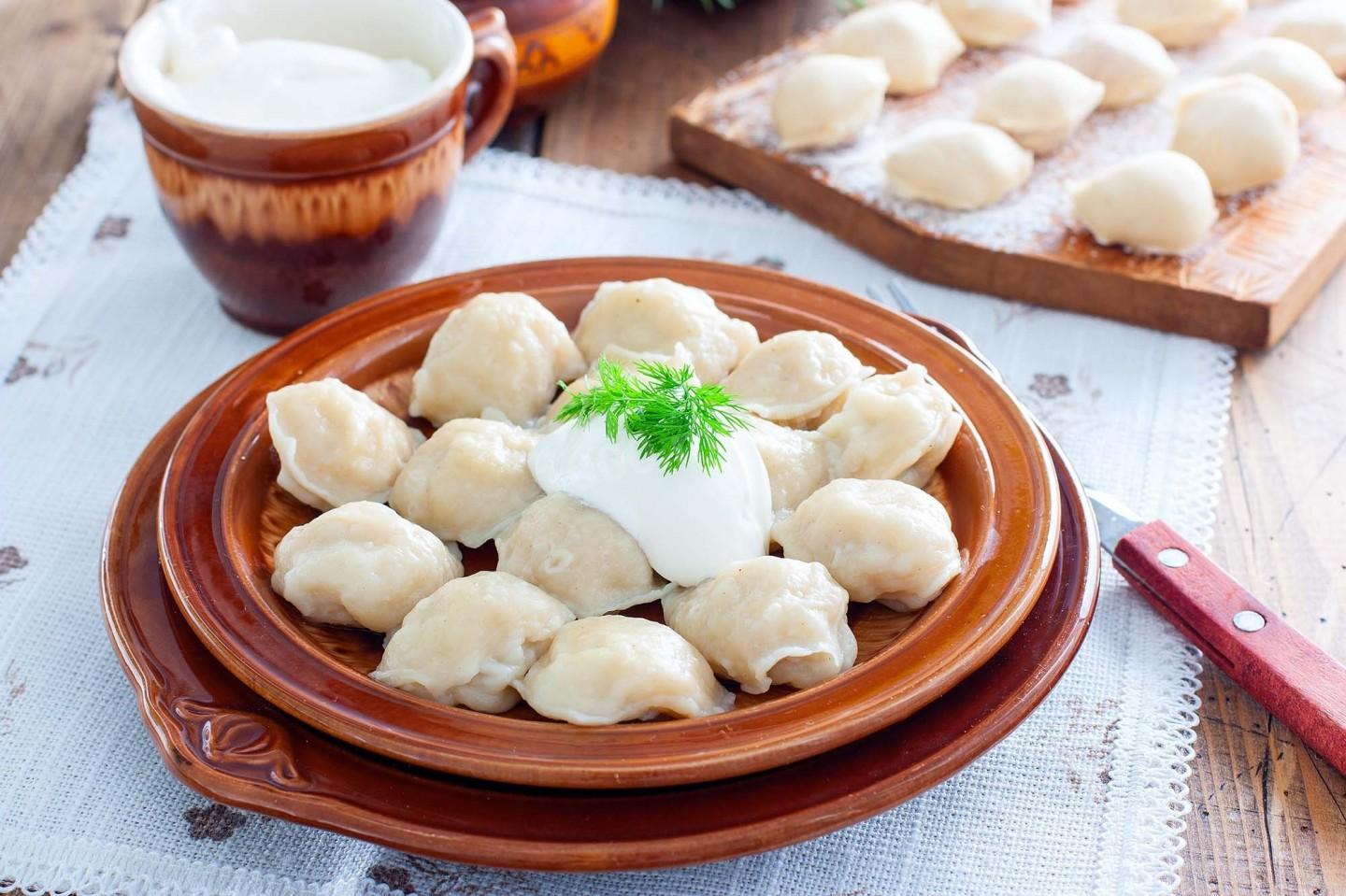
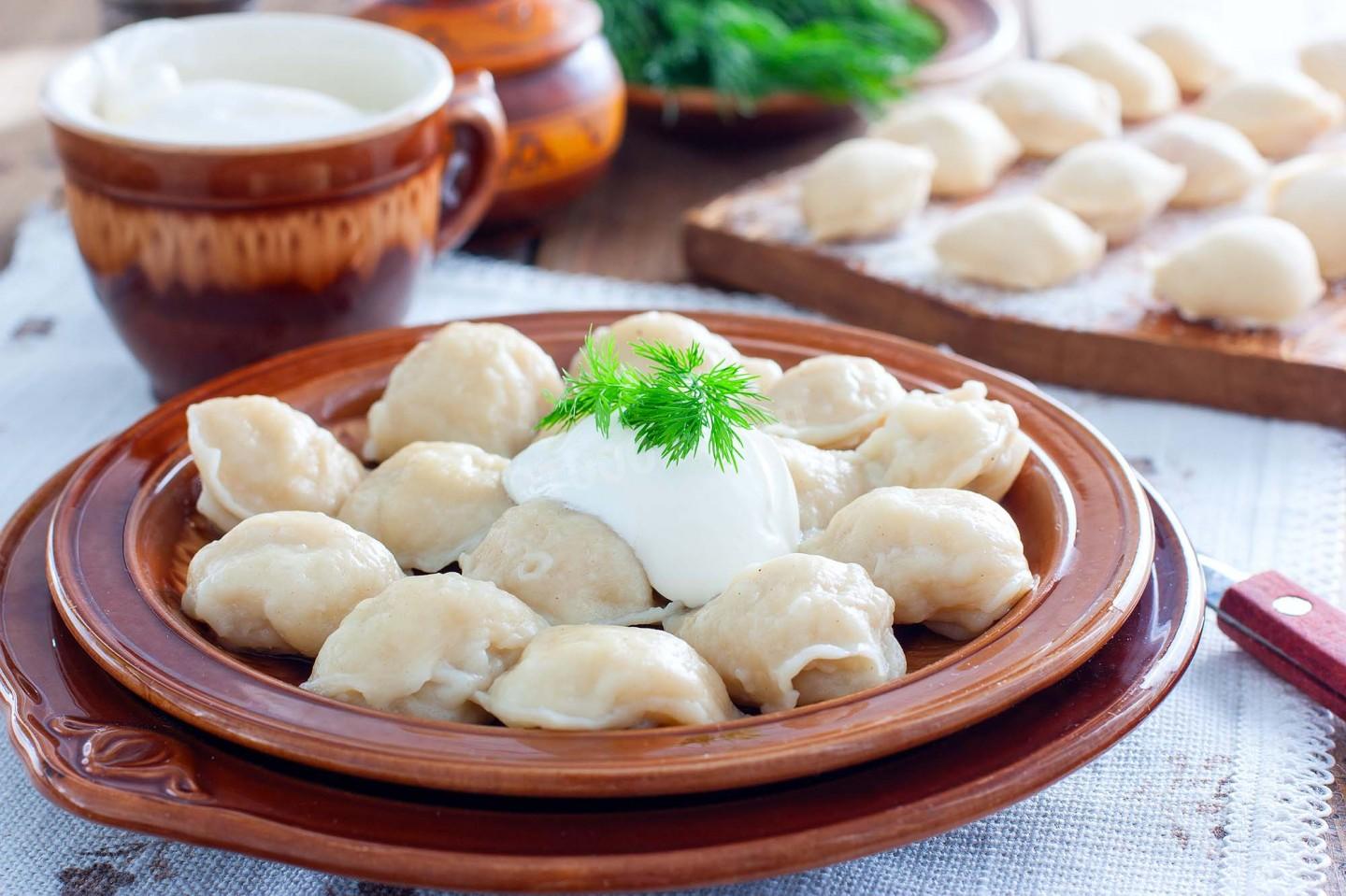
Homemade pelmeni made the easy way. Homemade pelmeni (Russian meat dumplings) are always a good, tasty thing. But making enough to feed the whole family is hard work. That's where a pelmeni mold comes in handy — three dozen dumplings, fast and all at once!

Cooking method
-
Step 1:
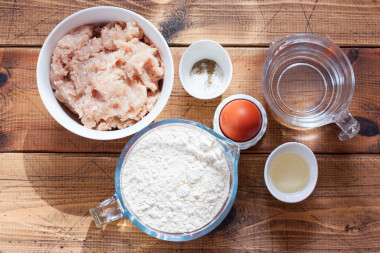
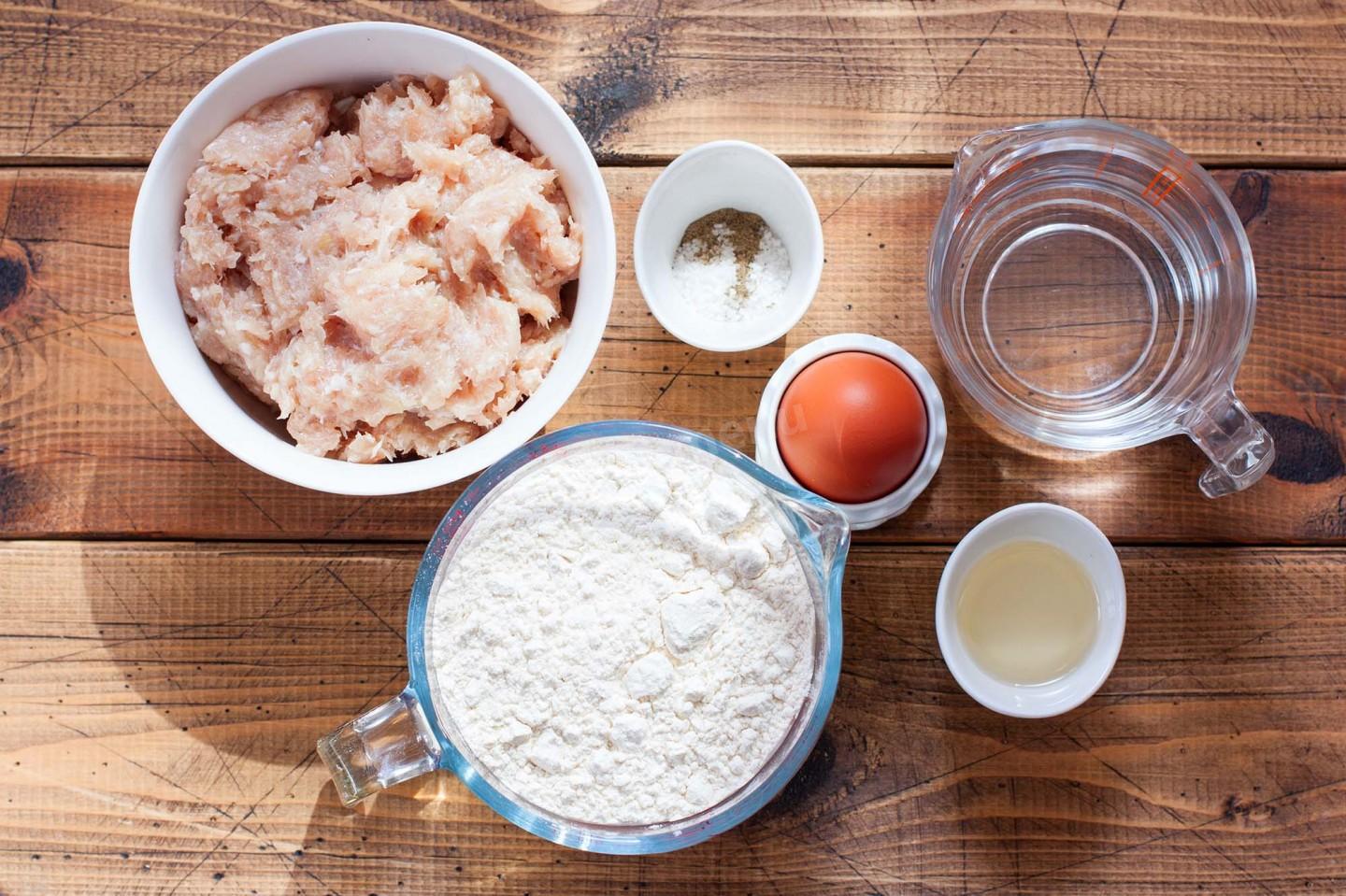
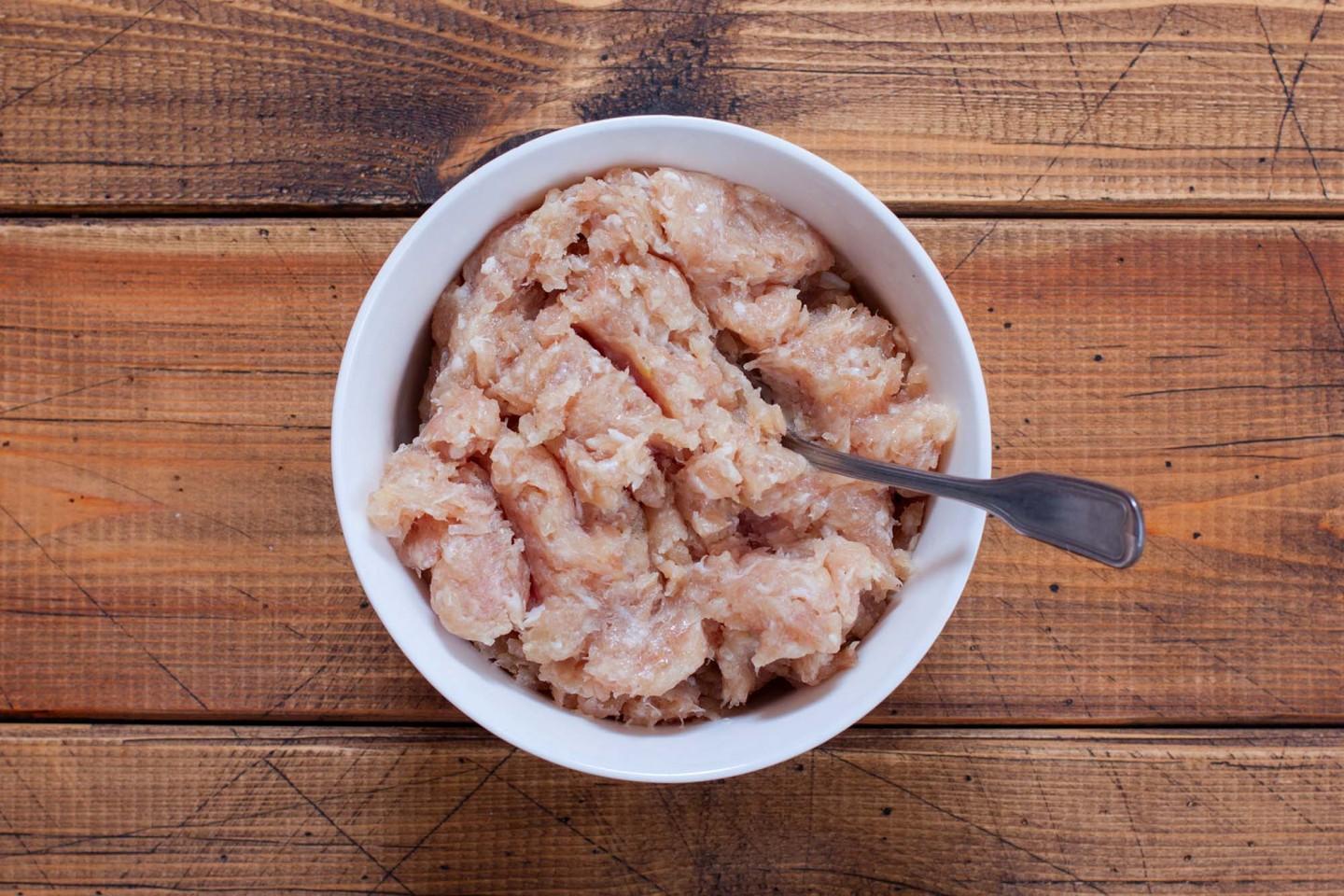
How do you make homemade pelmeni in a dumpling mold? Gather the listed ingredients. My ground meat is a homemade chicken/pork blend with onion and garlic already mixed in. You can use any ground meat for pelmeni. The wheat flour is all-purpose; the amount given is approximate — you may need a bit more for the dough and for rolling it out, dusting the finished dumplings, and so on. The oil is vegetable oil, and the water is warm, boiled water. I used a large egg.
-
Step 2:
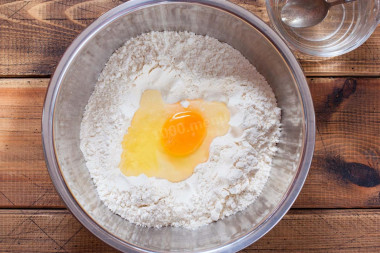
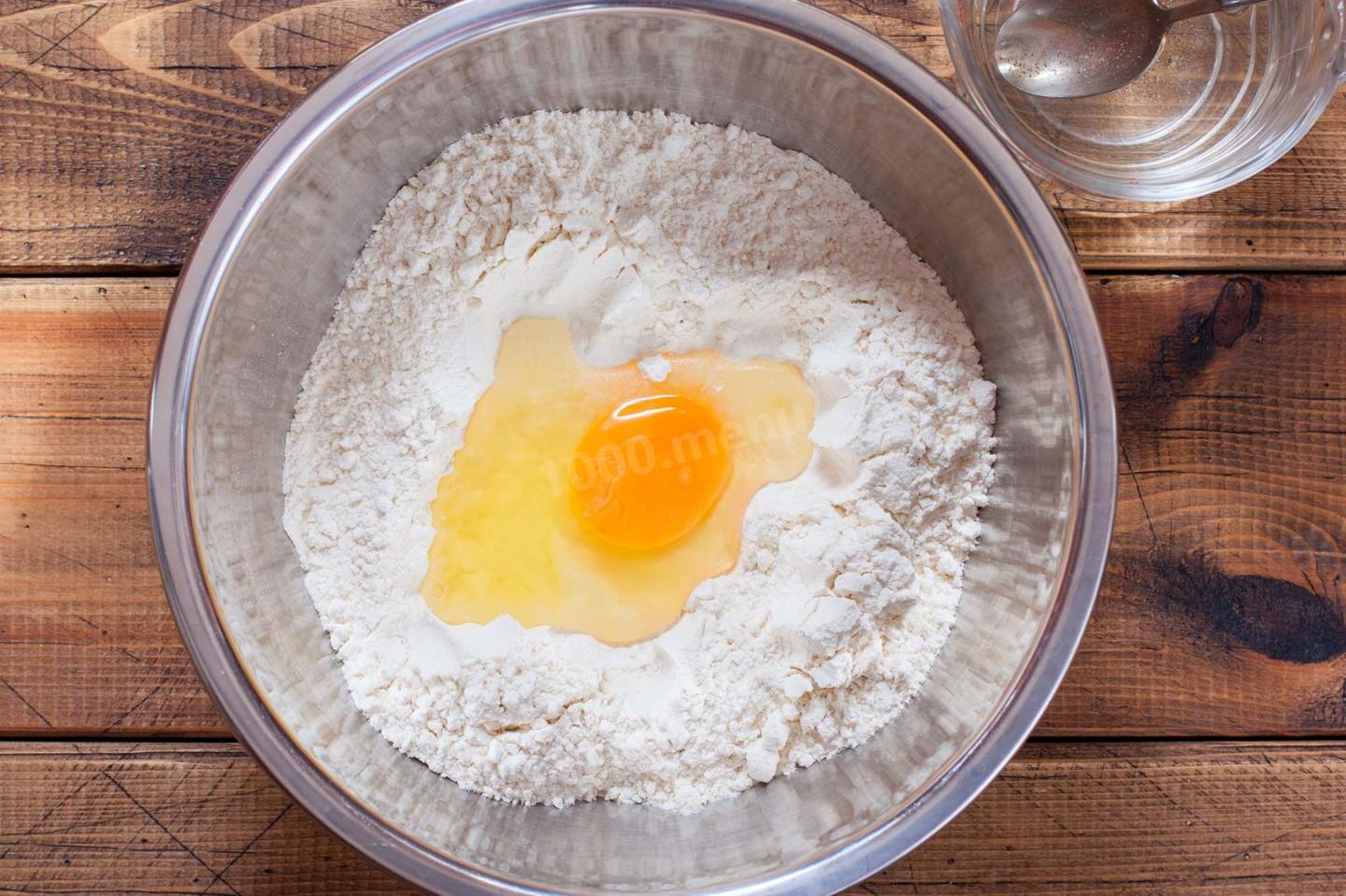
Dissolve the salt in the warm water, plus a little ground black pepper if you like. Sift 3.5 cups of flour into a deep bowl, make a well, and crack a clean raw egg into it. Stir with a spoon or fork. You may need more or less flour — go by the consistency of the dough.
-
Step 3:
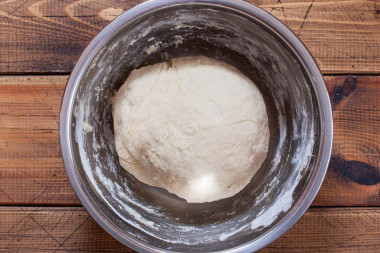
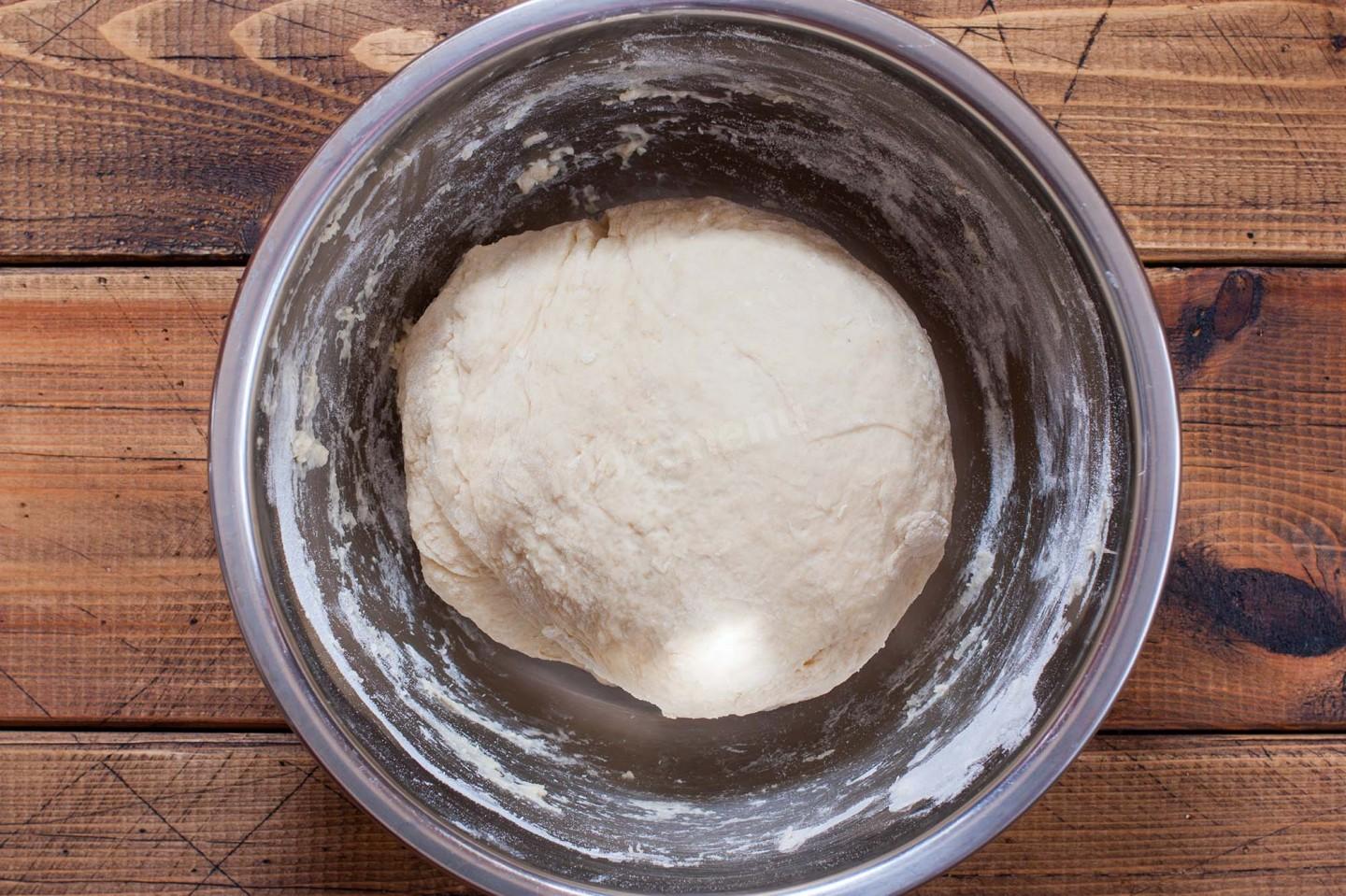
Pour in the salted warm water and the vegetable oil, and knead the dough. Add more flour as needed to bring the dough together into a ball. It should turn out smooth and springy. Wrap the dough in a bag or plastic wrap and let it rest on the counter for 30–40 minutes.
-
Step 4:
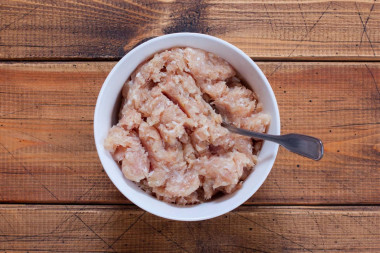
If your ground meat doesn't already have onion and garlic, add the chopped vegetables (finely chopped is best) to the meat along with salt and ground black pepper. Mix until evenly combined.
-
Step 5:
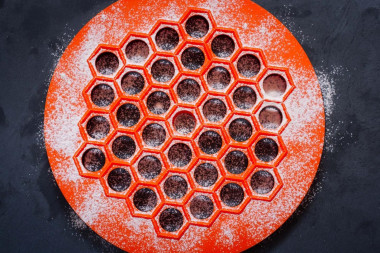
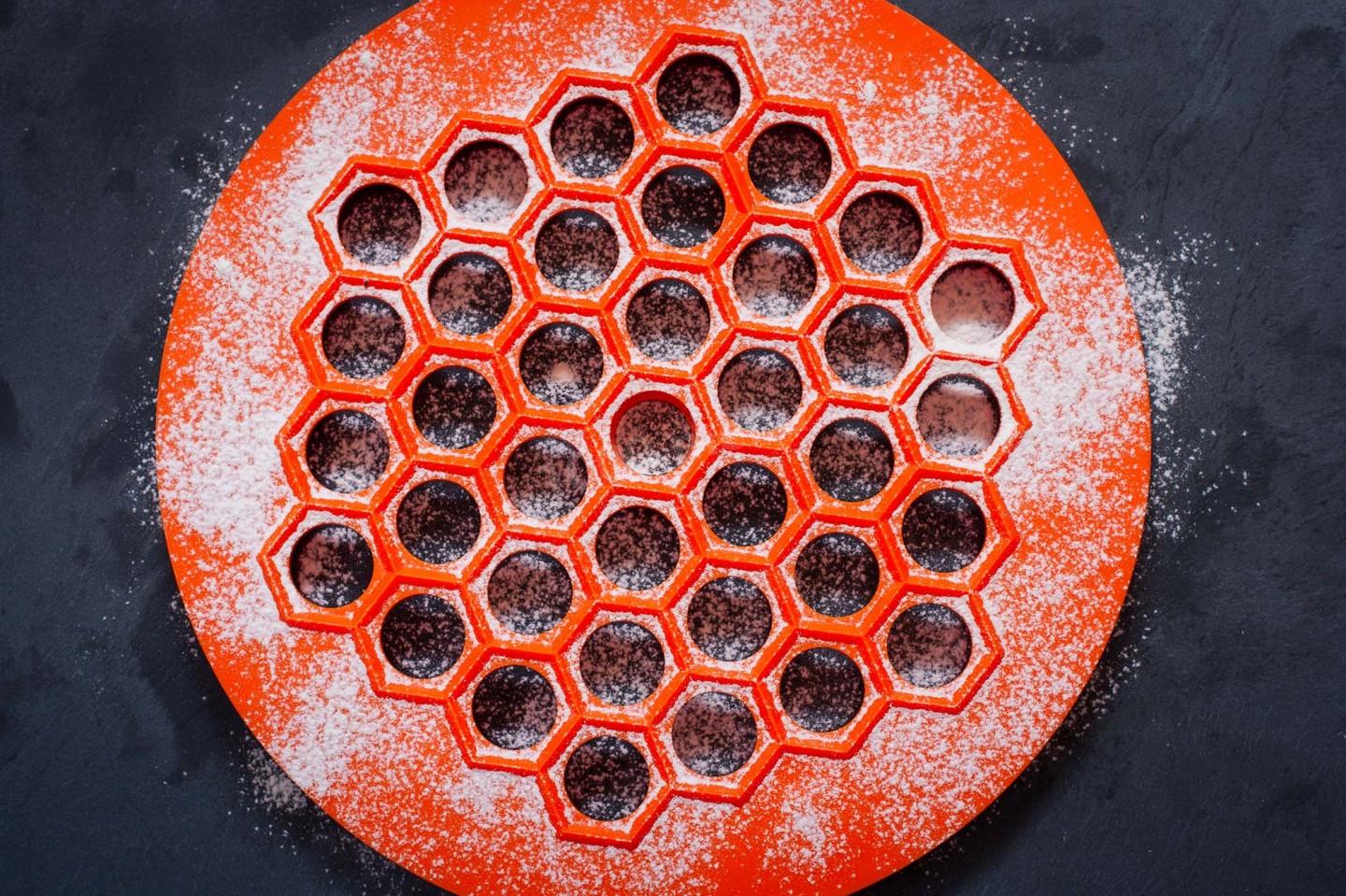
I recommend using a metal pelmeni mold — it's sturdier and easier to work with. I only have a plastic one at home. Dust the mold with flour, which makes it easier to release the finished dumplings.
-
Step 6:
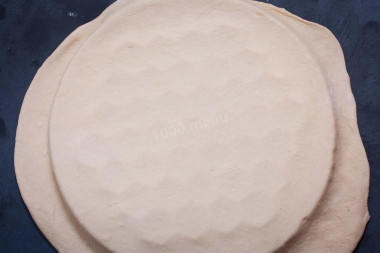
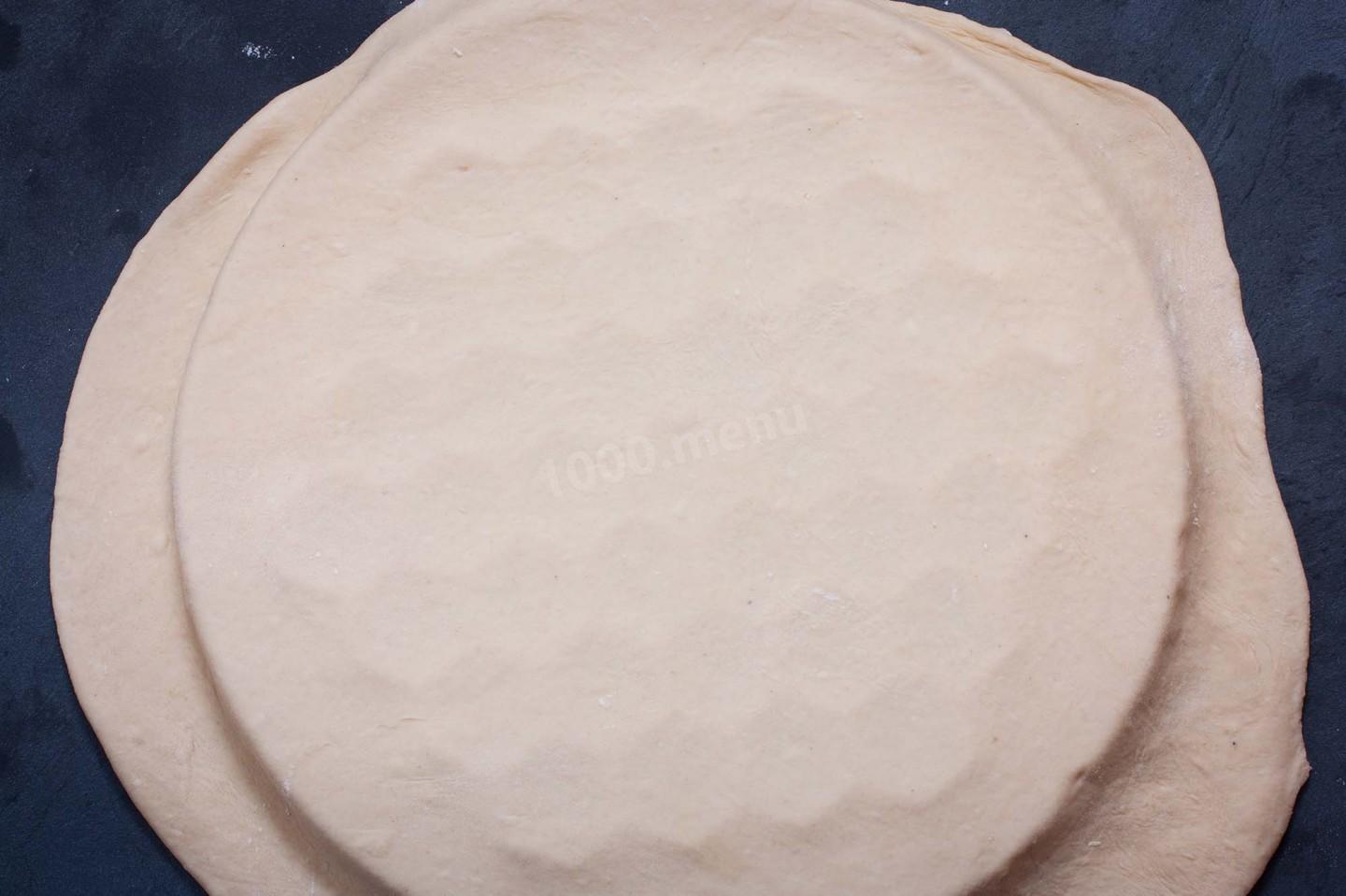
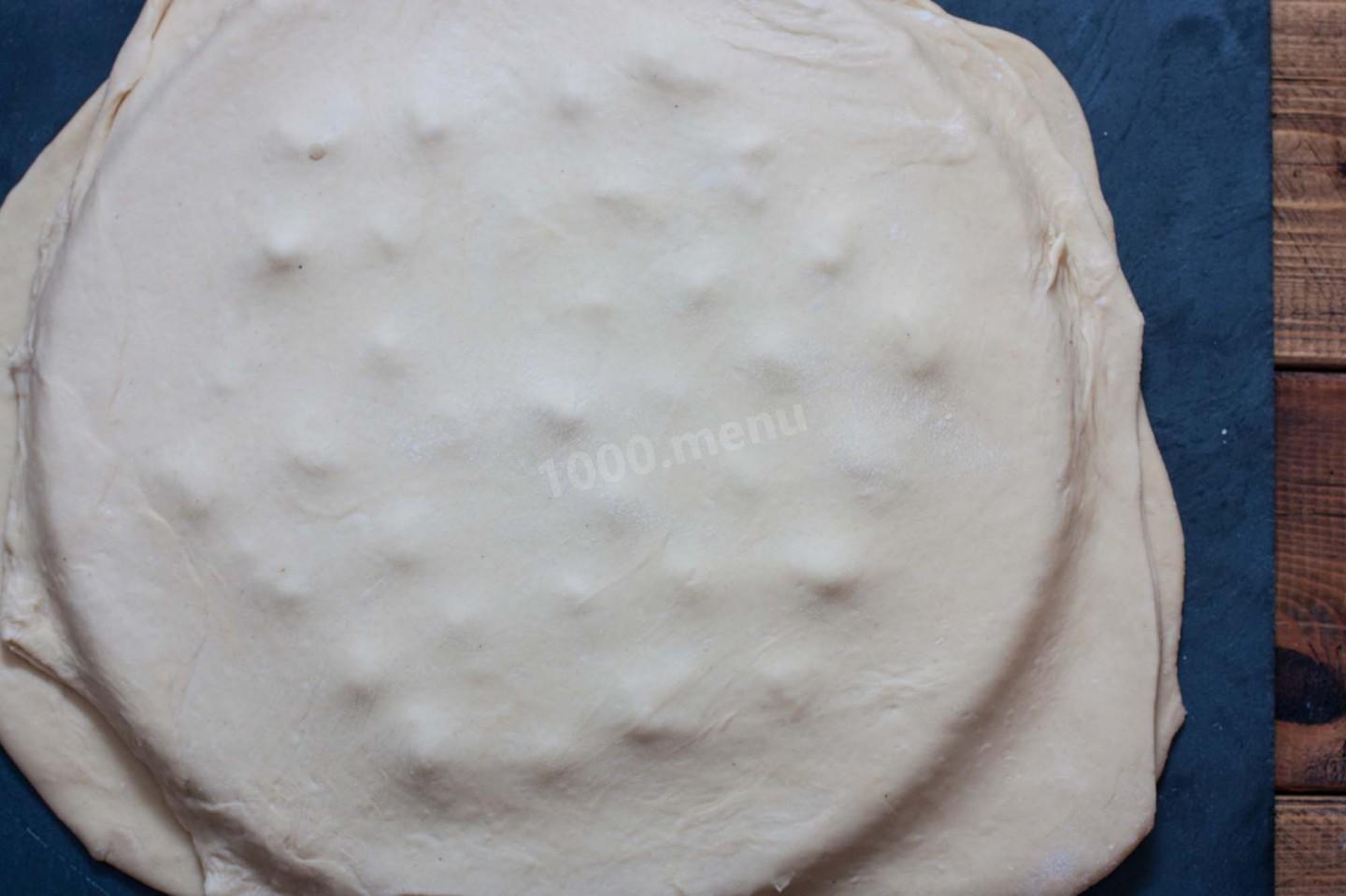
Divide the rested dough into two or three parts. Dust the counter with flour and roll one part out into a thin sheet. Dust the dough and rolling pin with flour so it doesn't stick. Lay the rolled-out sheet of dough over the mold.
-
Step 7:
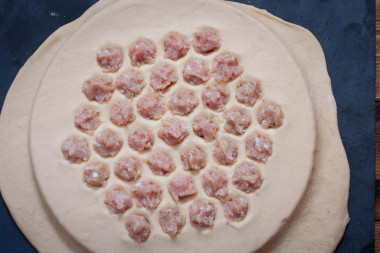
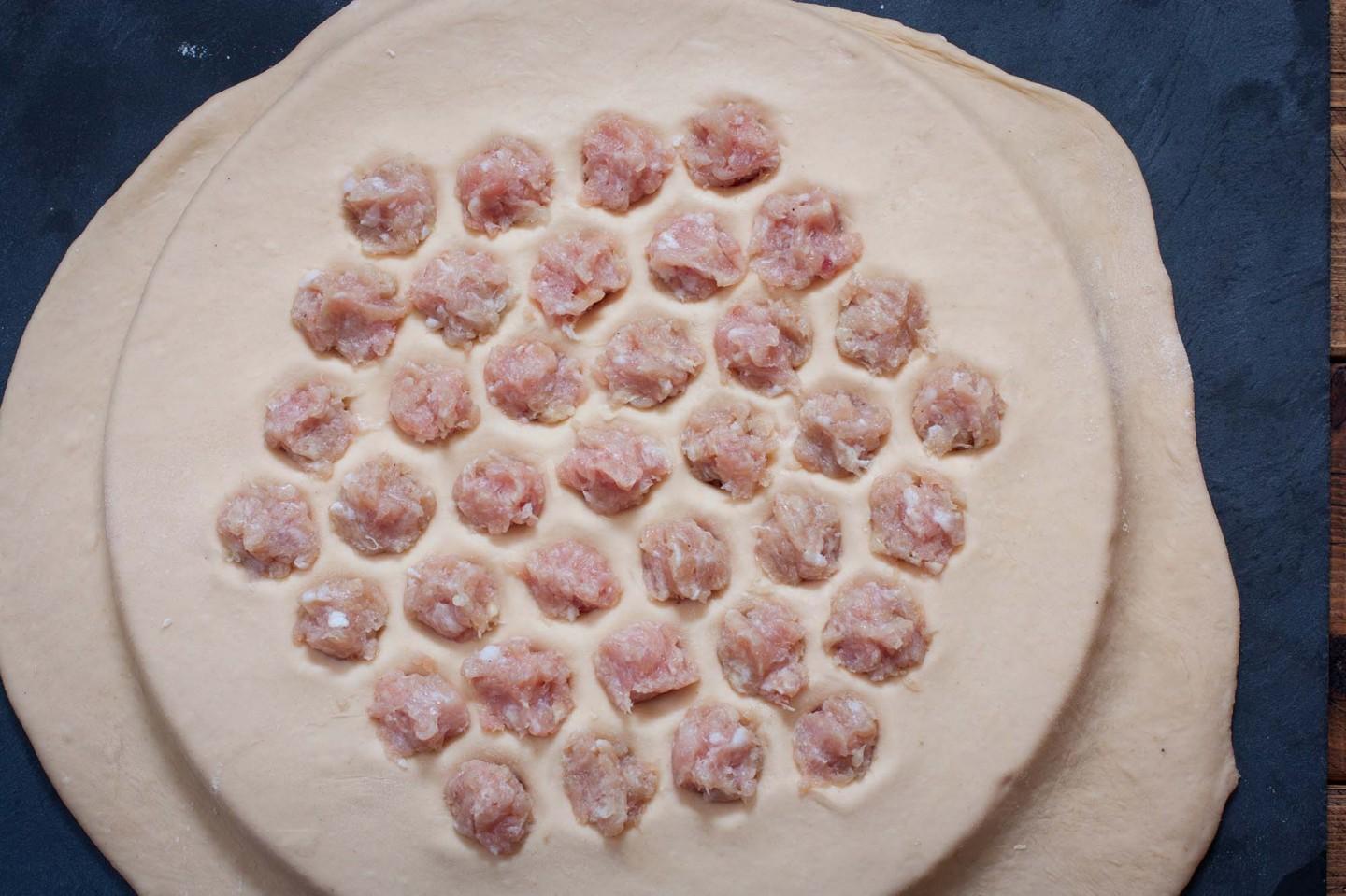
Using a teaspoon (about half a teaspoon each), drop the filling into the wells, pressing it gently into the dough. Try not to get filling on the edges of the wells, or the dumplings will be weak and fall apart while cooking.
-
Step 8:
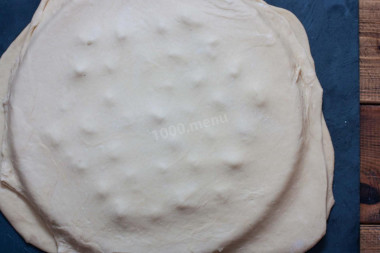
Roll out the second part of the dough into a thin sheet as well and lay it over the filled mold.
-
Step 9:
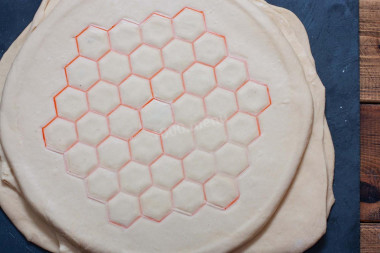
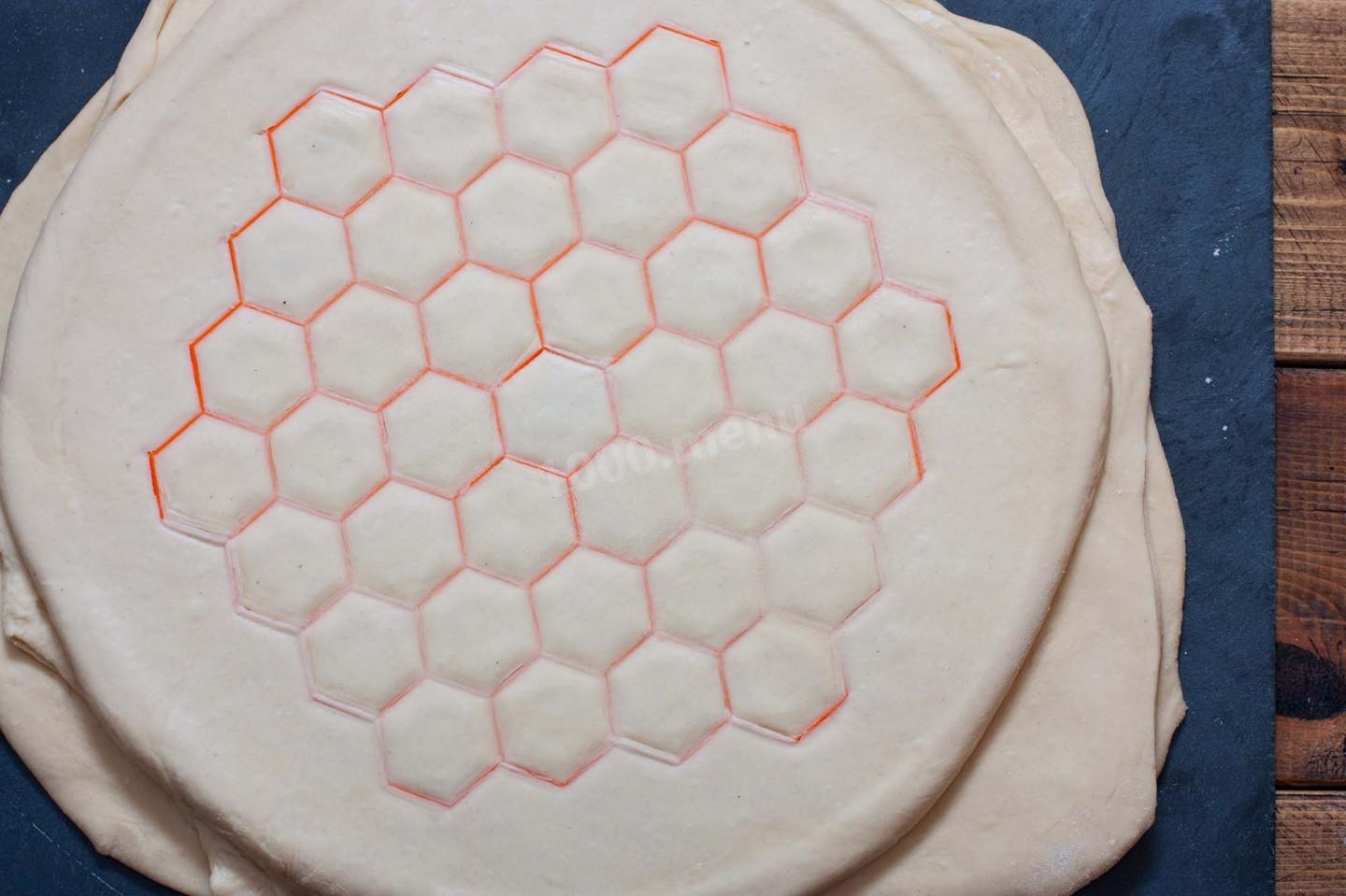
Dust this sheet with flour. With a rolling pin — lightly at first, then harder — roll over the dough on the mold. Roll until the ridges of the mold show through between the dumplings.
-
Step 10:
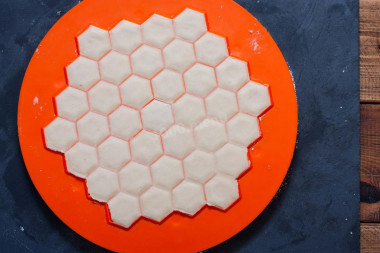
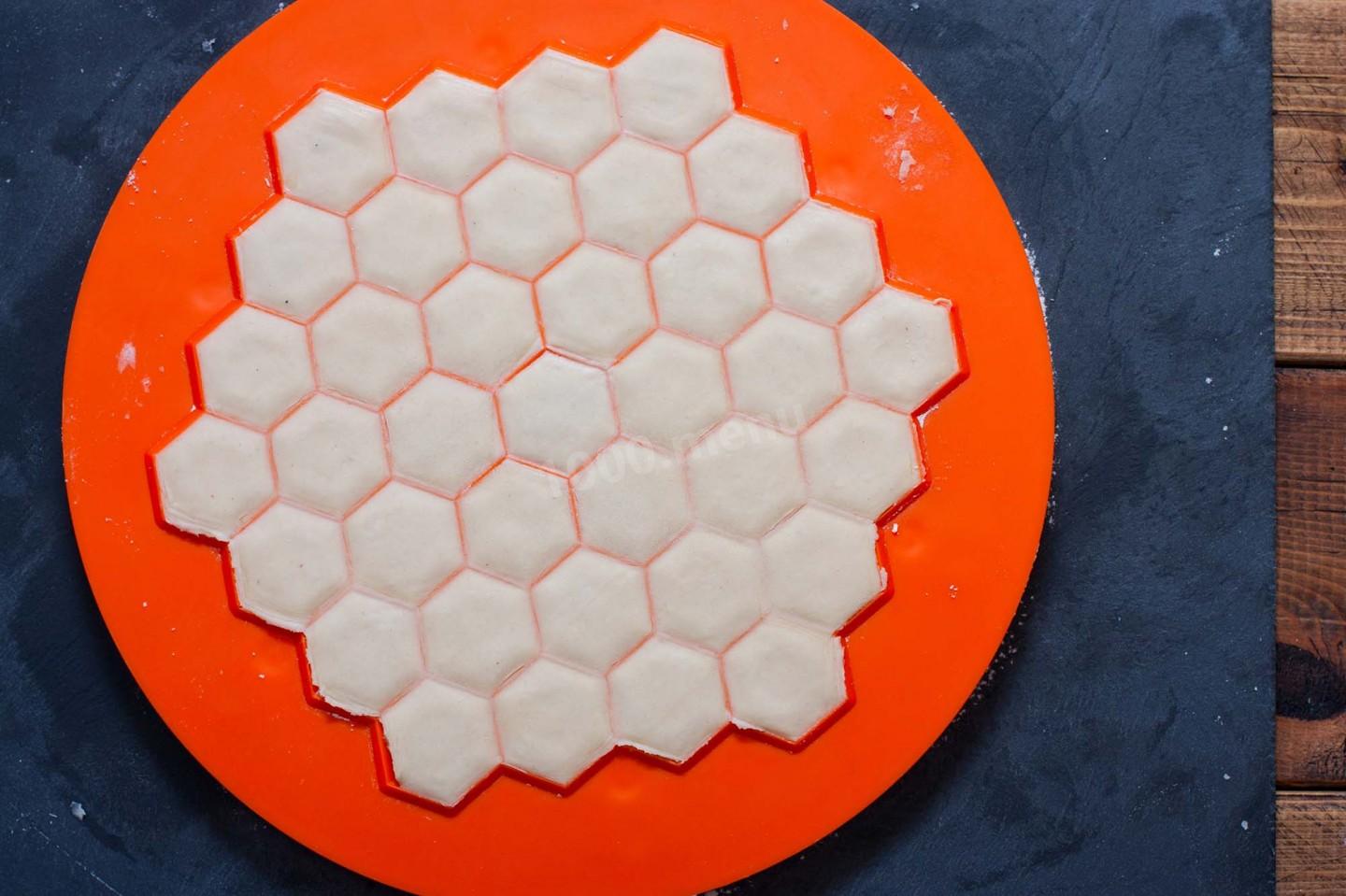
Remove the excess dough. Then flip the mold over and shake the dumplings out onto the counter. If they don't come out easily (it's harder with plastic), you can help them along with your hands without damaging them.
-
Step 11:
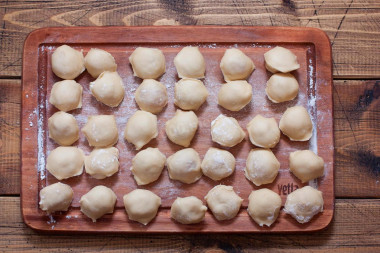
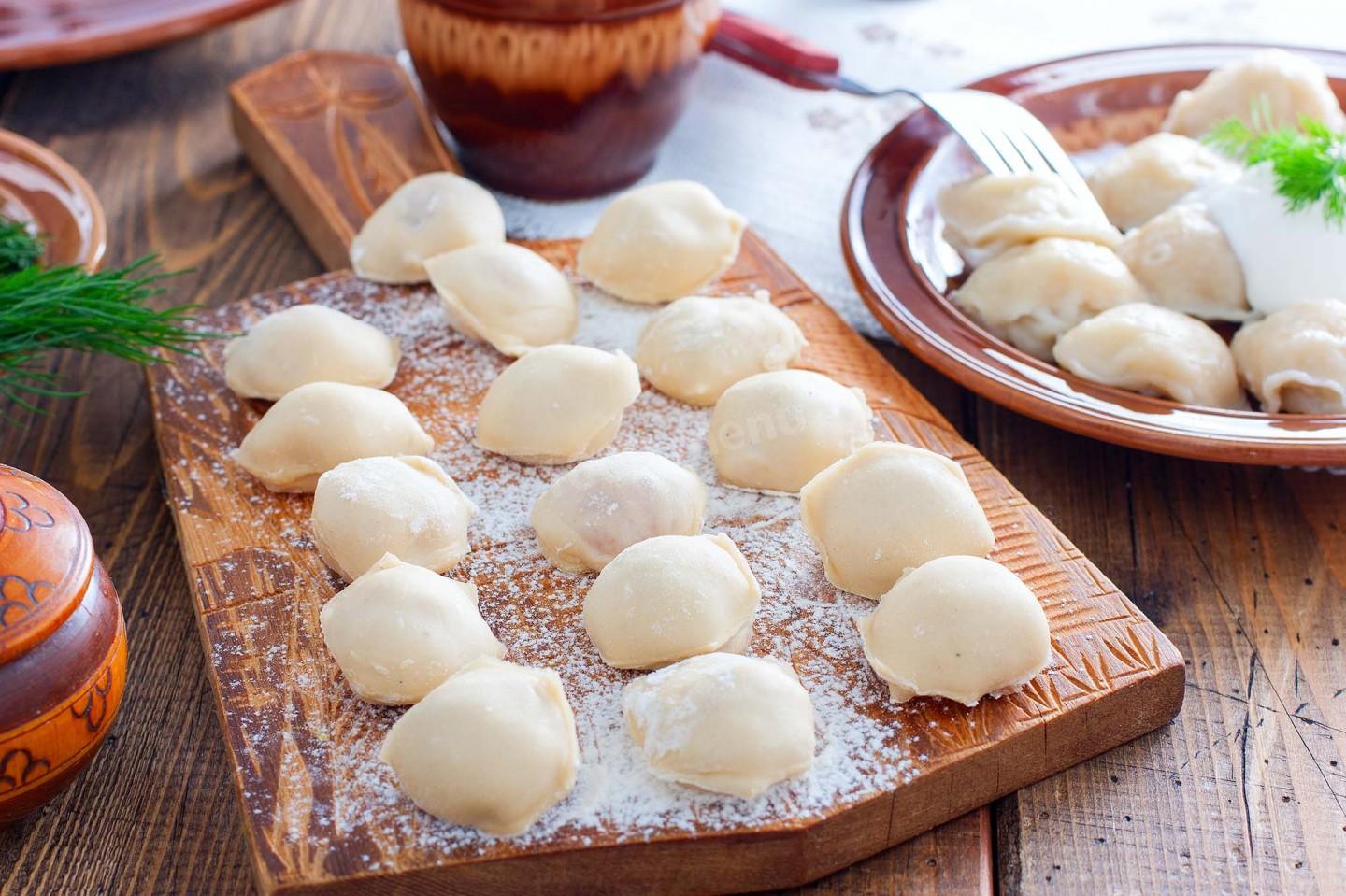
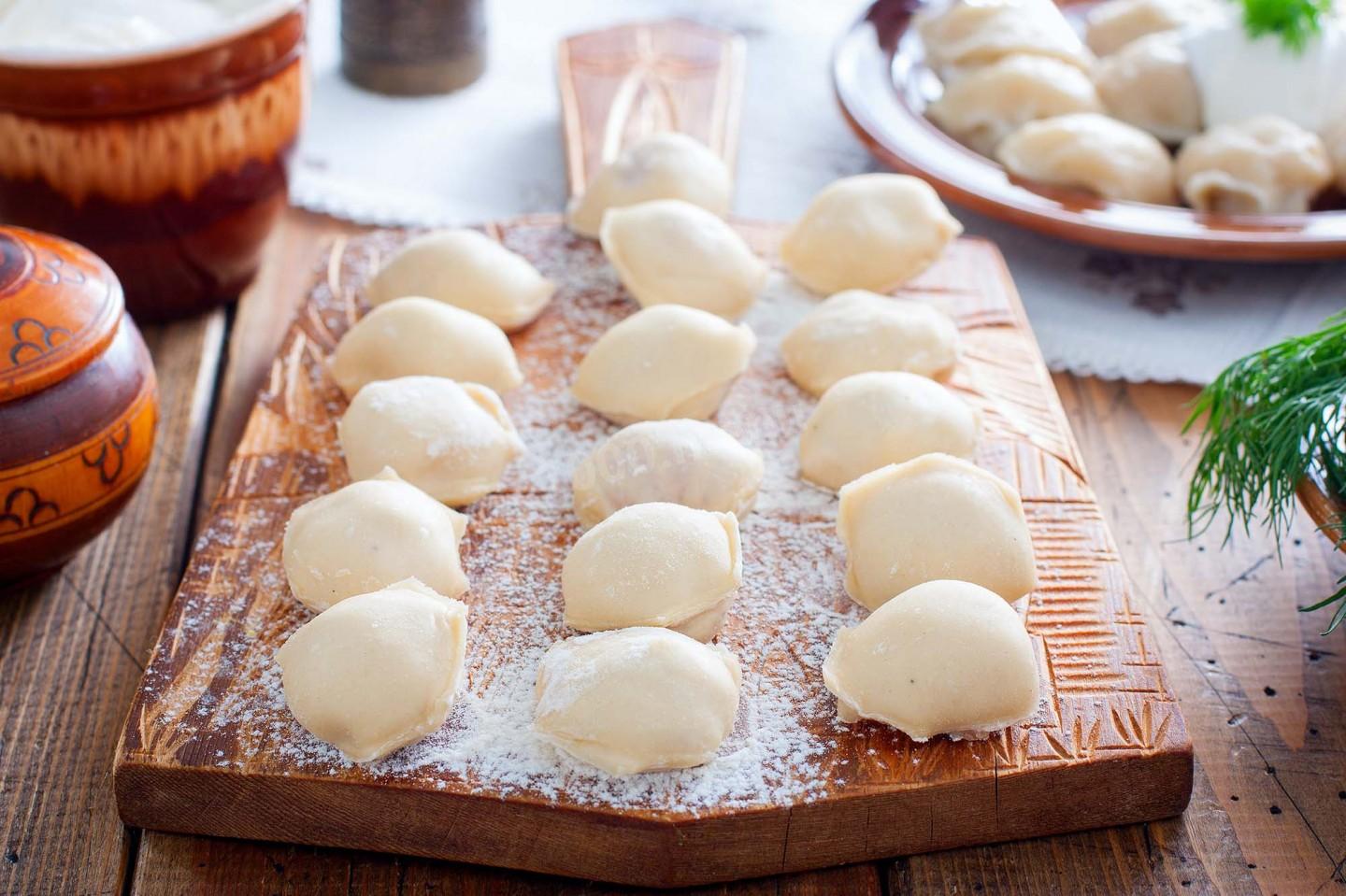
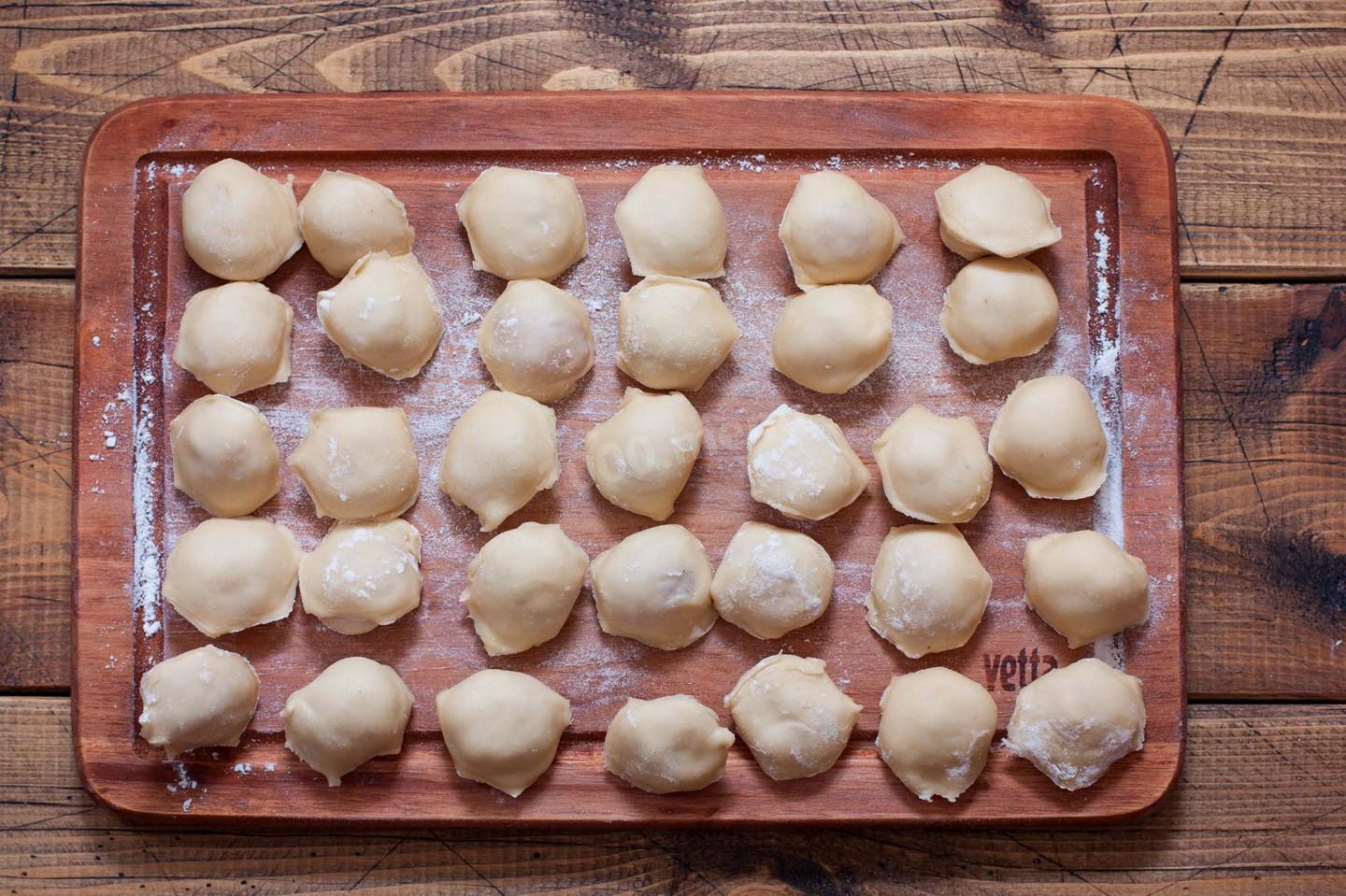
Lay the finished dumplings on a floured board, keeping them from touching each other. You can freeze the pelmeni: put them in the freezer on the board first (or in a special dumpling tray, if you have one), and once they firm up, transfer them to a bag. But it's best to boil the dumplings right away.
-
Step 12:
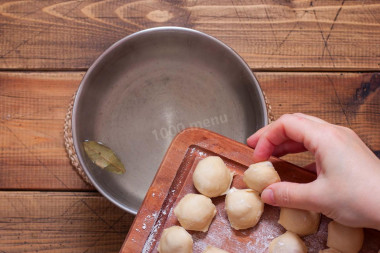
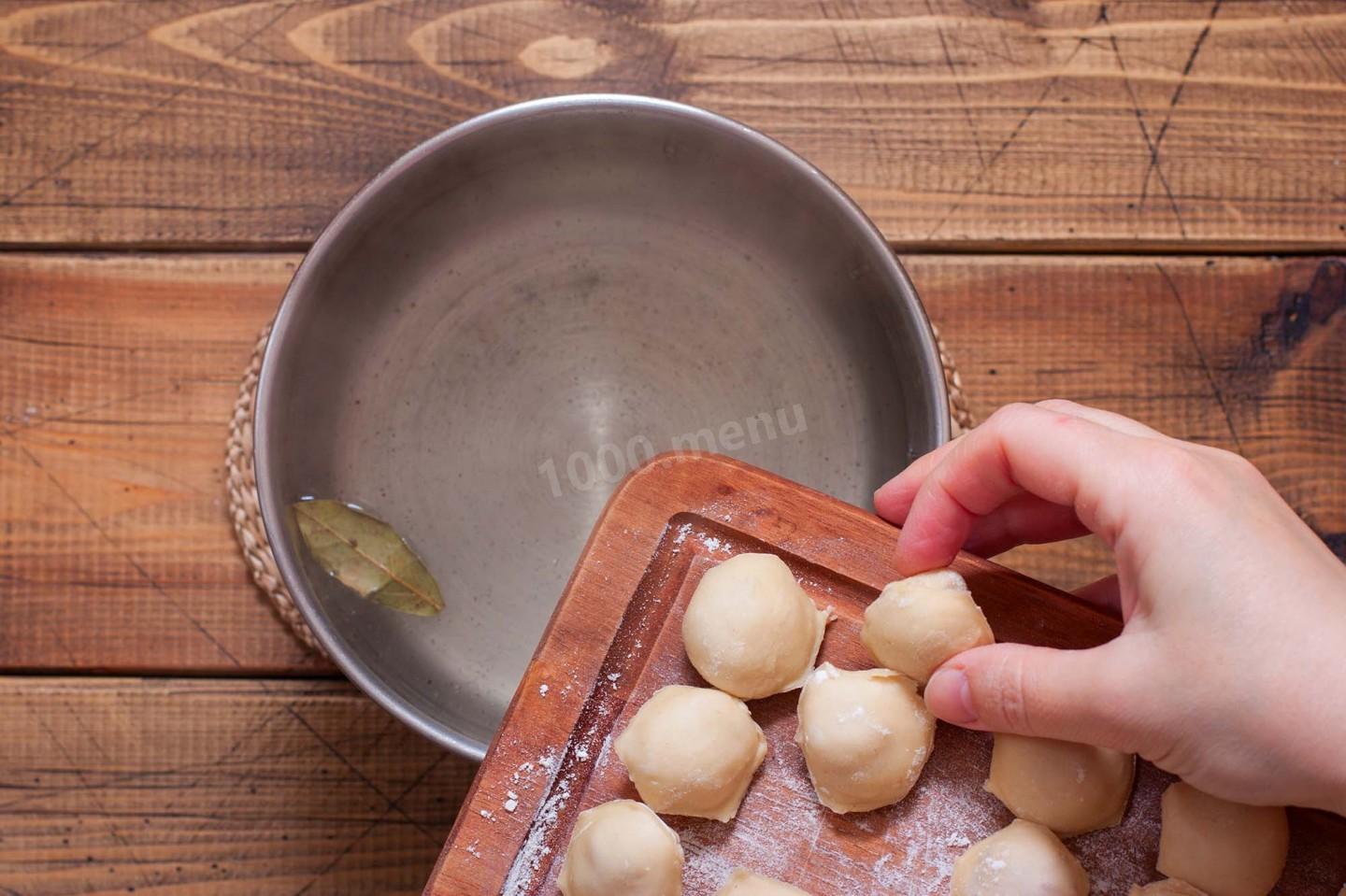
To boil the pelmeni, put water on high heat and add salt, a bay leaf, and black pepper. When the water boils, drop in the dumplings one at a time, stirring repeatedly so they don't stick together. Reduce the heat to medium and wait until the dumplings float to the surface.
-
Step 13:
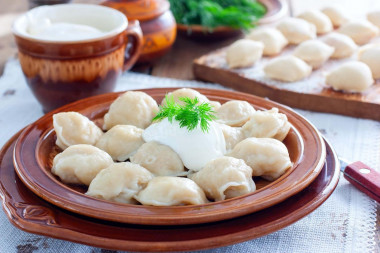
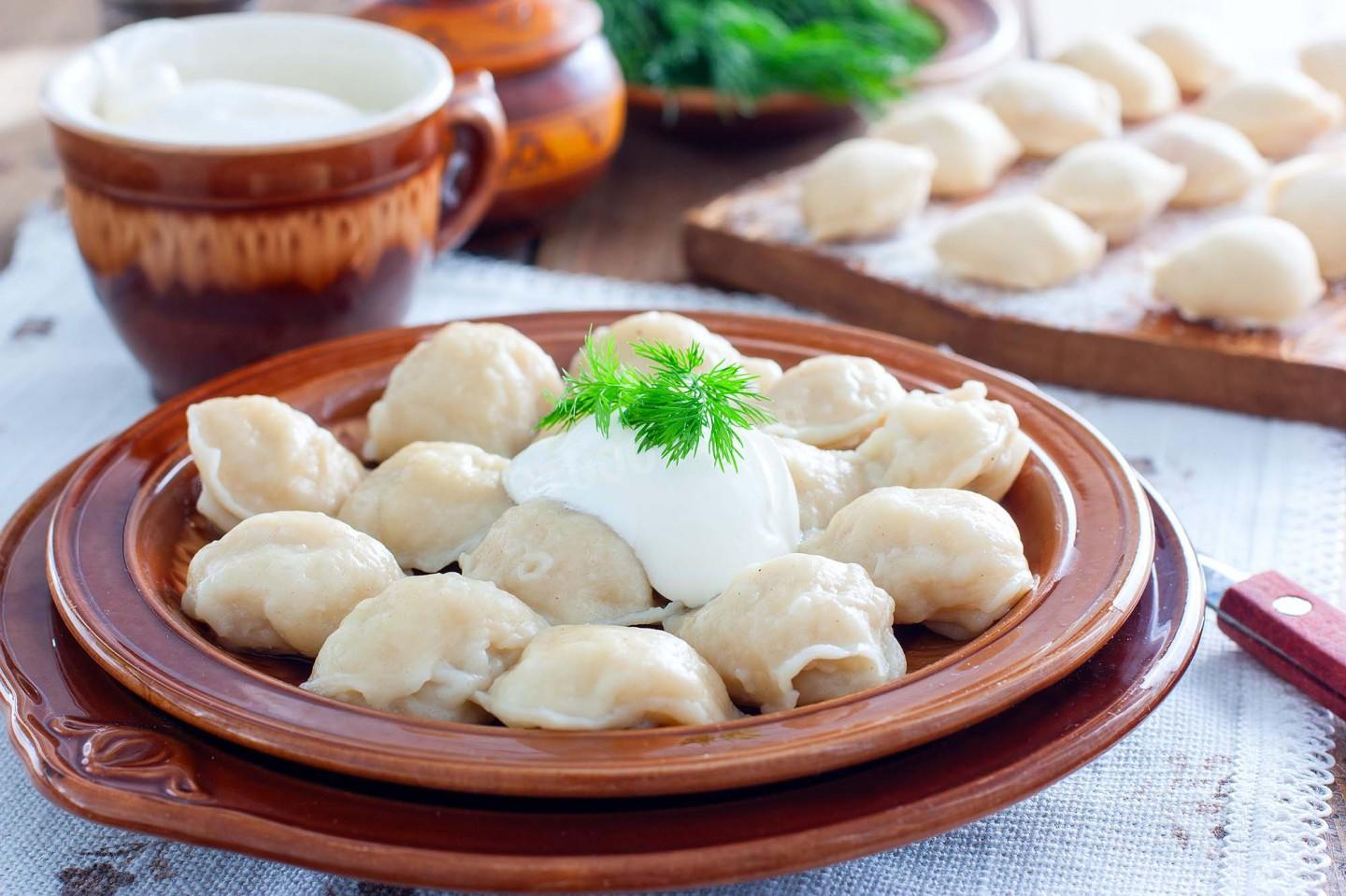
Lift the cooked dumplings out with a slotted spoon onto a plate and serve. You can offer sour cream and fresh herbs alongside. Homemade pelmeni are perfectly fine to serve to kids.
- Be prepared to need more or less flour than the recipe calls for. Go by the desired consistency of the dough, not the amount of flour. For lots of useful information about flour and its properties, read this article!
- For how to choose the perfect pot for soup, porridge, or pickling cucumbers, see the article about pots.
- If you use ready-made spice blends, be sure to read the ingredient list on the package. These blends often already contain salt, so factor that in or you risk over-salting the dish.
Caloric content of the products possible in the composition of the dish
- Onion - 41 kcal/100g
- Chicken egg - 157 kcal/100g
- Egg white - 45 kcal/100g
- Egg powder - 542 kcal/100g
- Egg yolk - 352 kcal/100g
- Ostrich egg - 118 kcal/100g
- Garlic - 143 kcal/100g
- Ground black pepper - 255 kcal/100g
- Mixed ground meat - 351 kcal/100g
- Vegetable oil - 873 kcal/100g
- Salt - 0 kcal/100g
- Water - 0 kcal/100g
- Wheat flour - 325 kcal/100g
Similar recipes

- Children's recipes
- National cuisine
- Second course
- Eggs
- Meat and meat products
- Vegetables
- Flour
- Spices seasonings spices
- Fats and oils
- Other
- Garlic
- Pepper
- Salt
- Vegetable oil
- Water
- Russian cuisine
- Cooking
- Пельмени
- Meat second course
- Minced meat
- From onion
- Wheat flour
- Recipes for lean dishes without butter