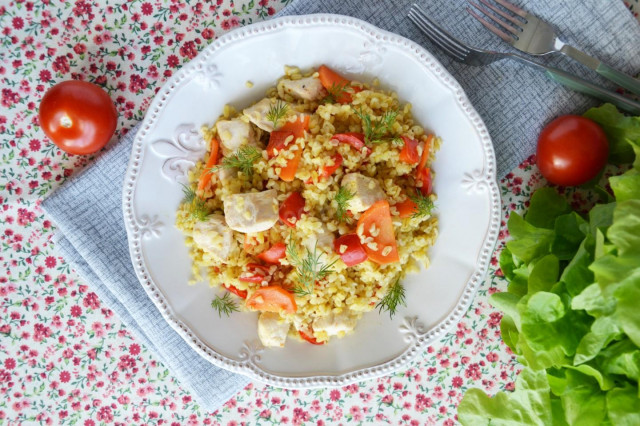
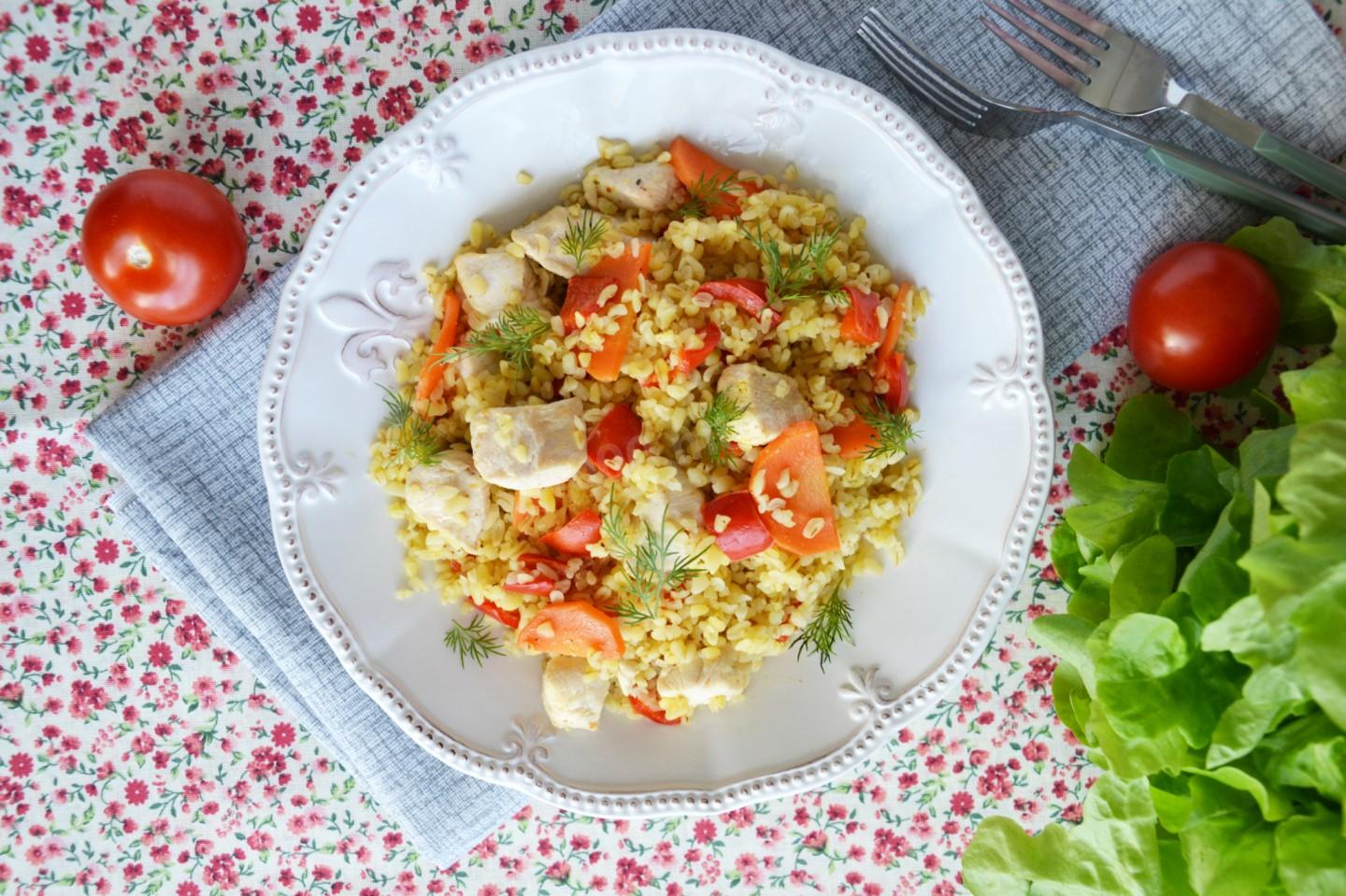
Skillet Bulgur with Chicken and Vegetables
A quick, hearty dish that brings together grain and meat. I tried bulgur for the first time. Personally, I loved the grain itself and the flavor combination that came together in this recipe. It's simple and fast to make. The dish is inexpensive and easy on the budget, and the result is gorgeous — nourishing and aromatic.

Cooking method
-
Step 1:
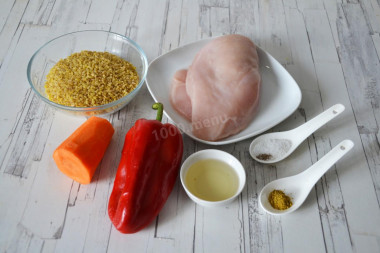
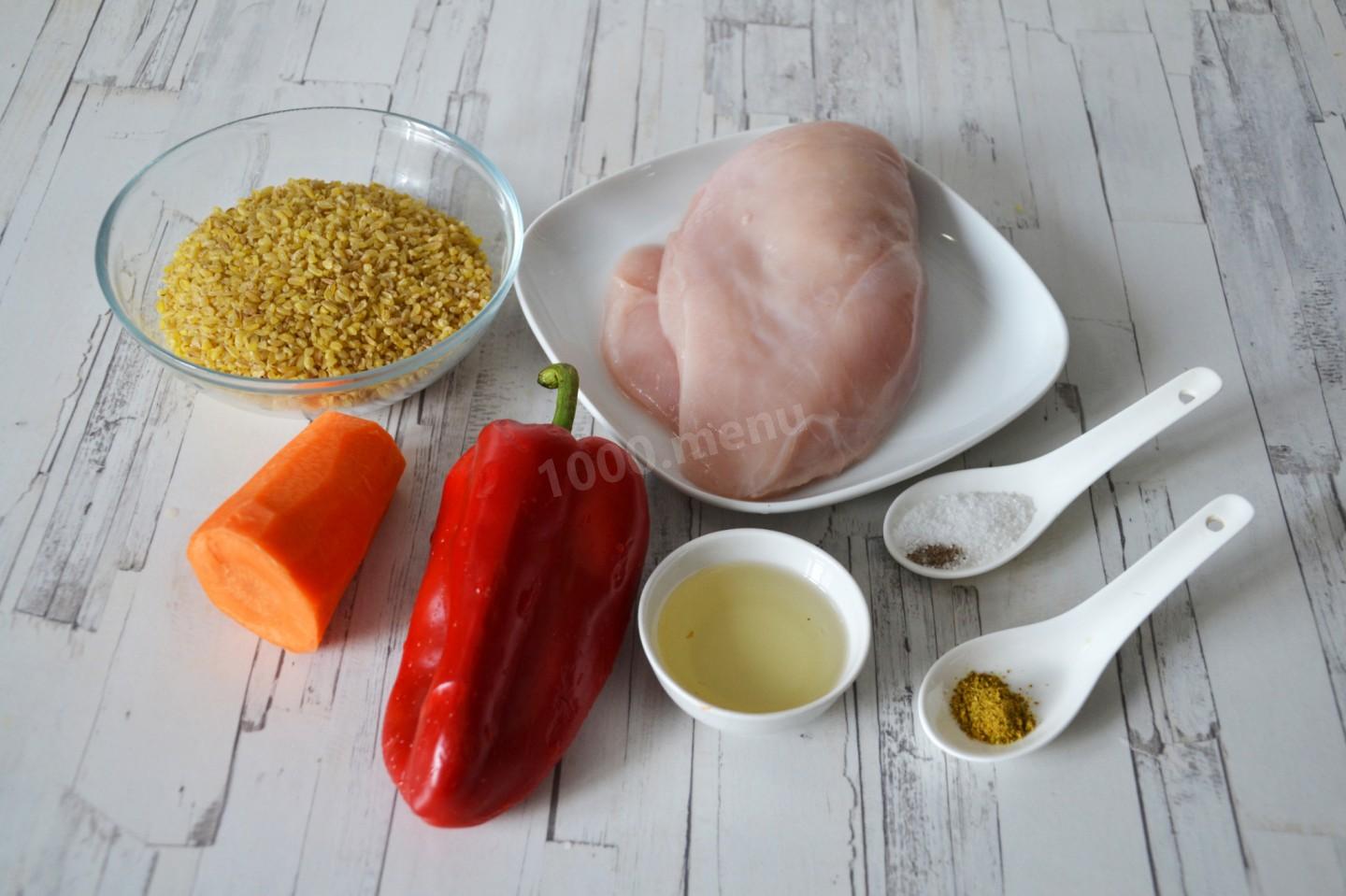
How do you make skillet bulgur with chicken and vegetables? Gather the ingredients you'll need. For this dish, coarse-grain bulgur is best. How do you buy bulgur the right way? Be sure to check the packaging — it should be intact, with no damage or signs of moisture. If the package is clear, look at the contents. The grains should be clean, free of debris, bright yellow, and loose.
-
Step 2:
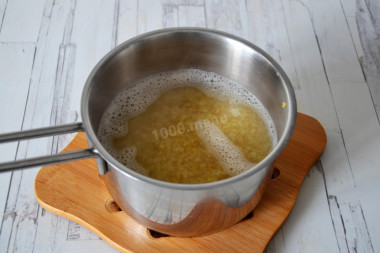
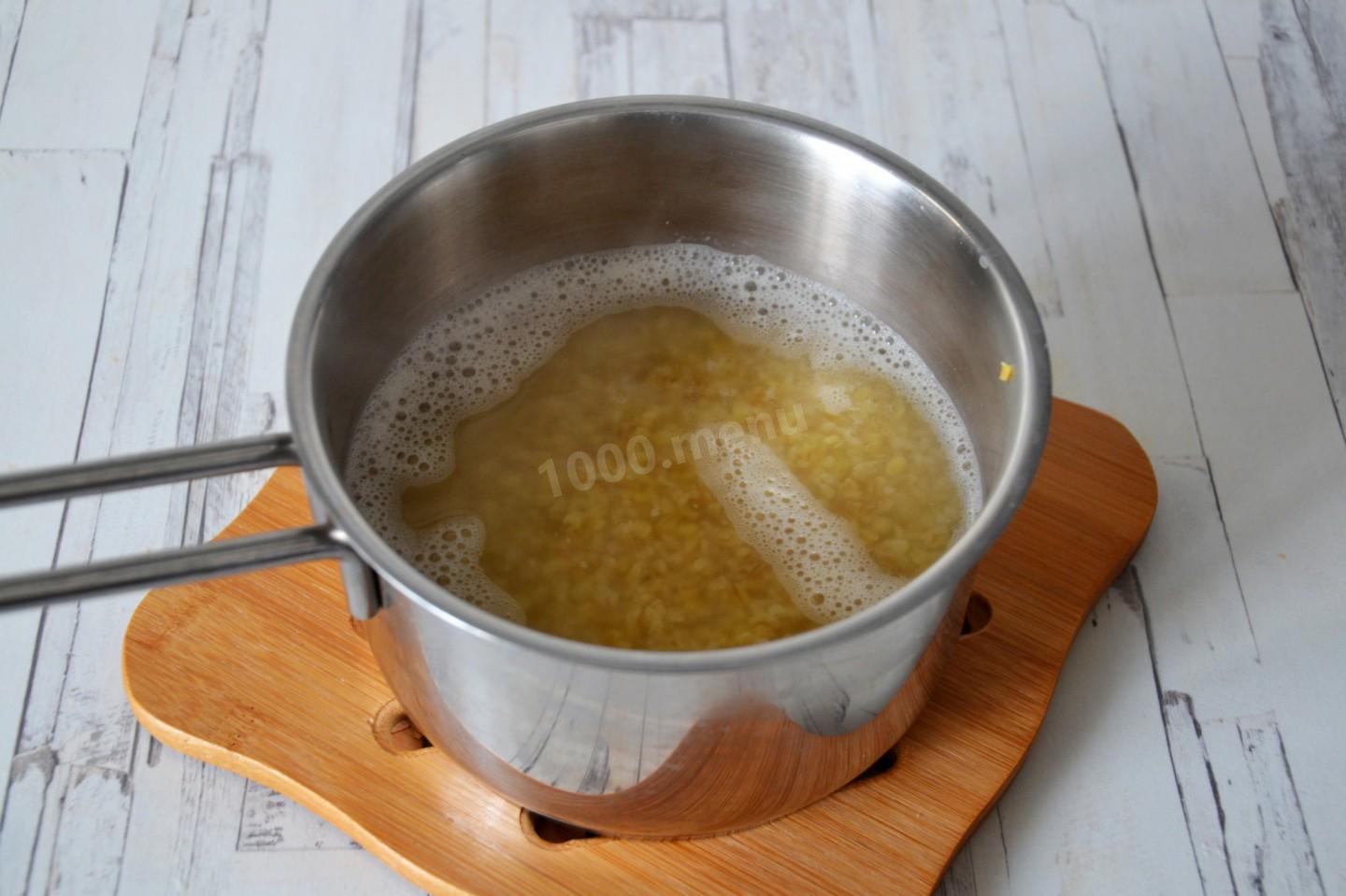
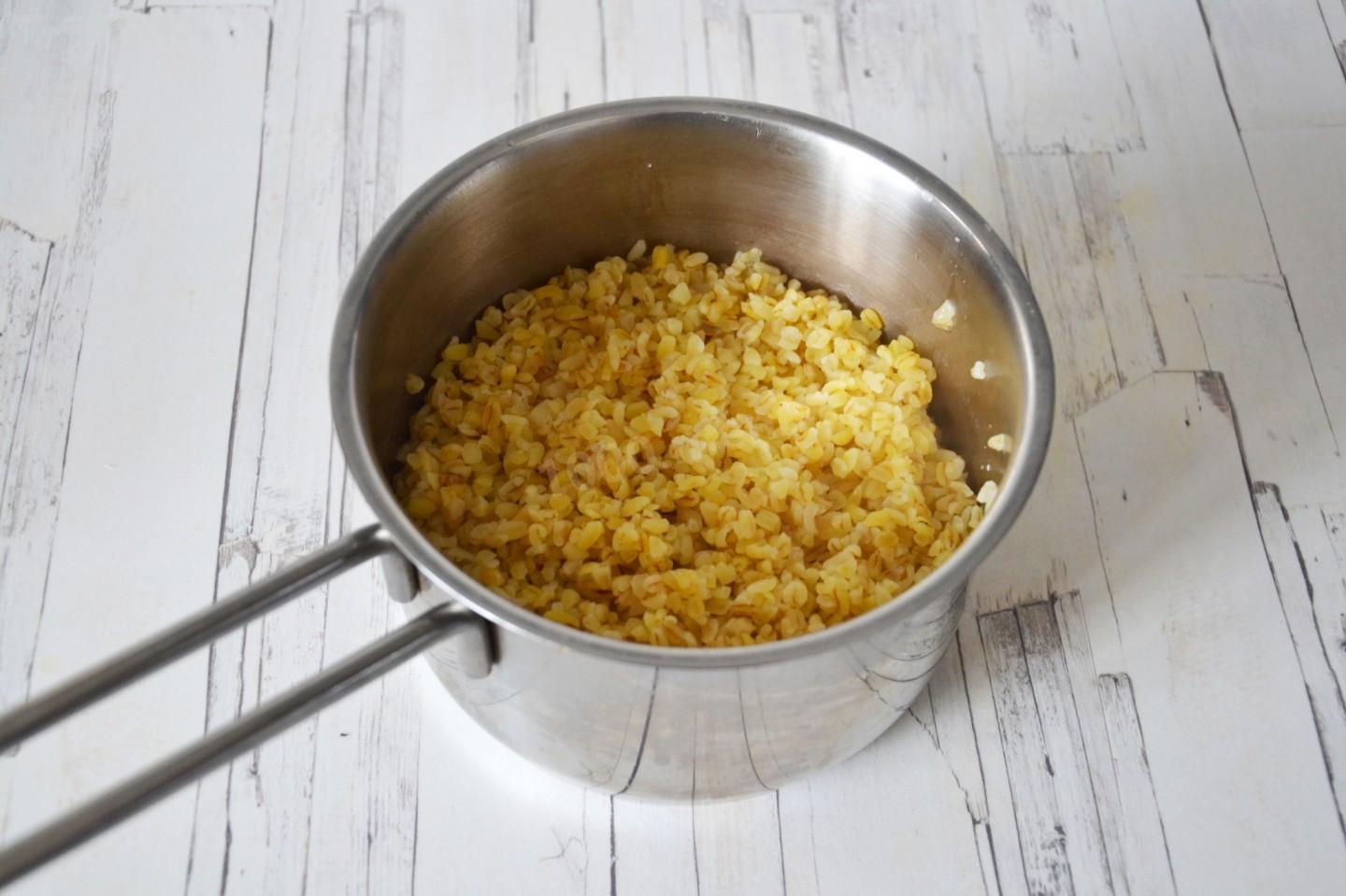
Rinse the bulgur well. Put the grain in a saucepan and pour in 400 ml of filtered hot water. Add a pinch of salt and simmer over low heat for about 15 minutes after it boils, until the grain absorbs all the liquid and turns soft. If the liquid has evaporated but the bulgur isn't done yet, add a little boiling water. Even better, cook the grain in pre-made chicken or vegetable broth. For flavor, you can add 2–3 peeled garlic cloves.
-
Step 3:
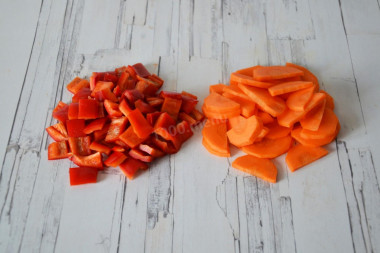
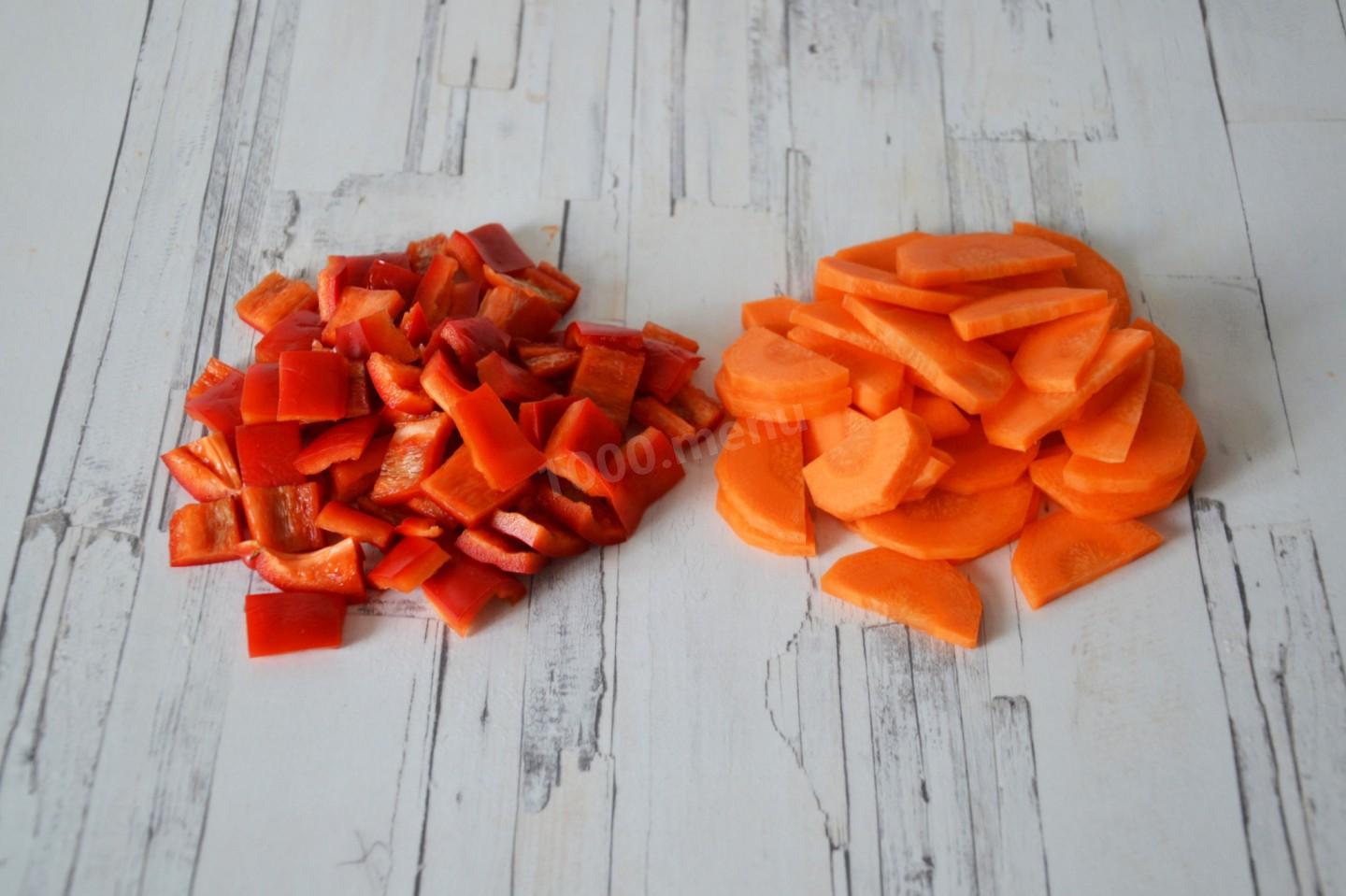
Wash the bell pepper, cut it in half, remove the seeds, and cut it into small pieces. Wash the carrots thoroughly, peel them, and cut them into thin slices.
-
Step 4:
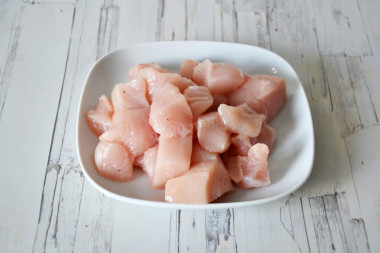
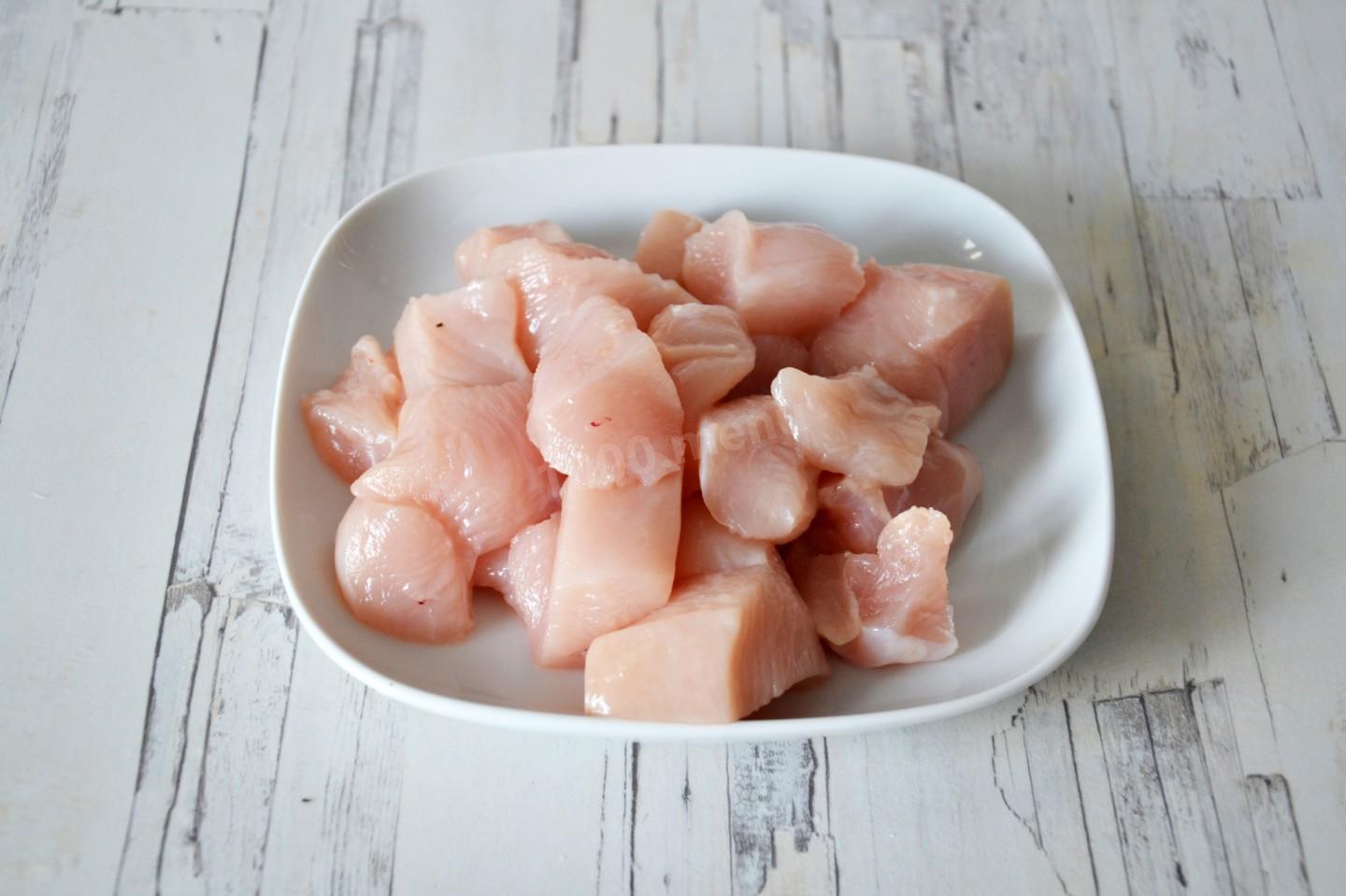
Rinse the chicken fillet and pat it dry with paper towels. Cut it into small pieces.
-
Step 5:
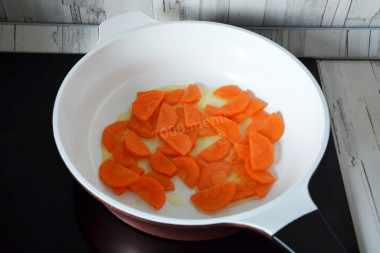
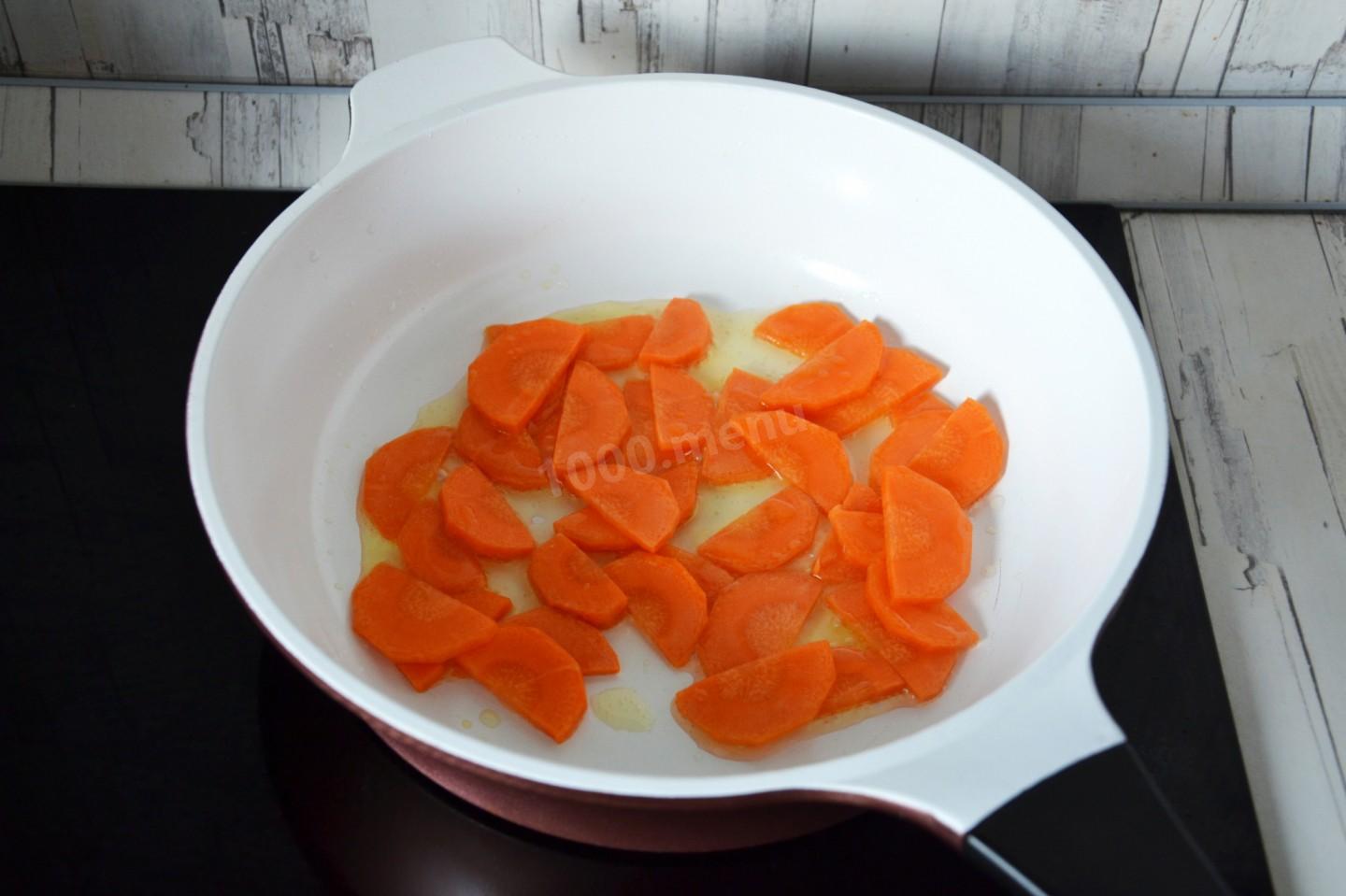
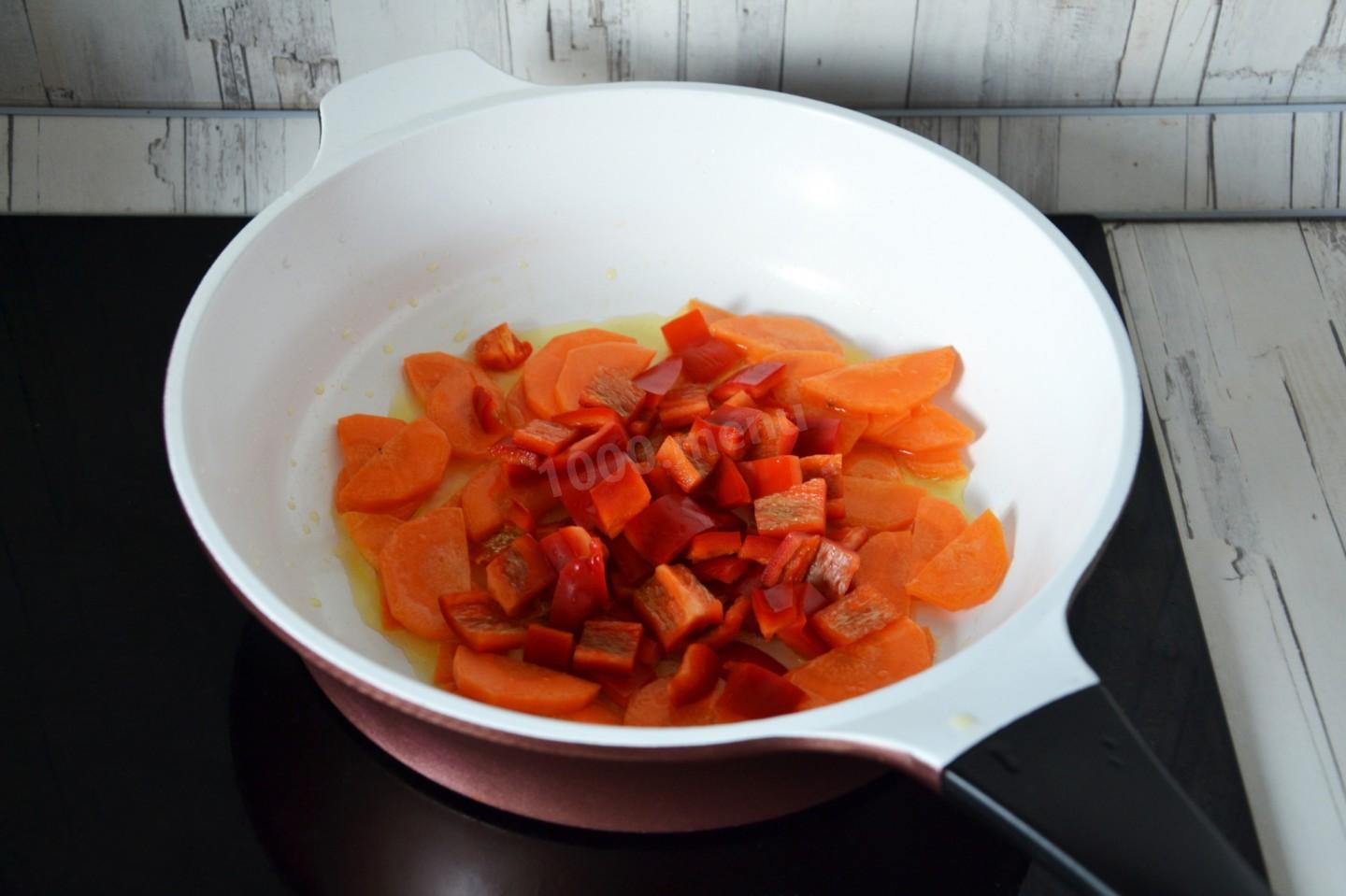
Pour the vegetable oil into a skillet and heat it well. Fry the carrot for 2–3 minutes, stirring.
-
Step 6:
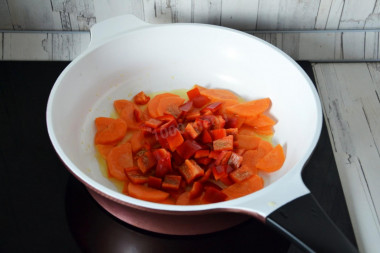
Add the bell pepper to the carrot and fry, stirring, for 3 minutes.
-
Step 7:
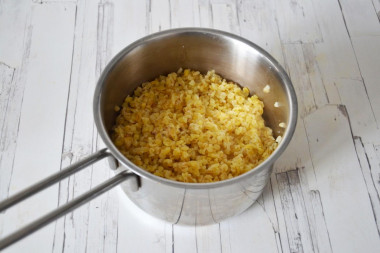
Drain the cooked bulgur in a sieve and let the water run off.
-
Step 8:
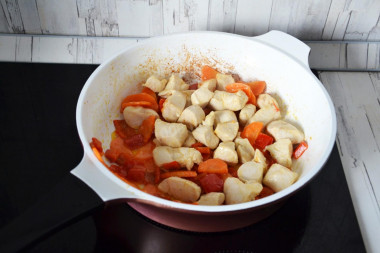
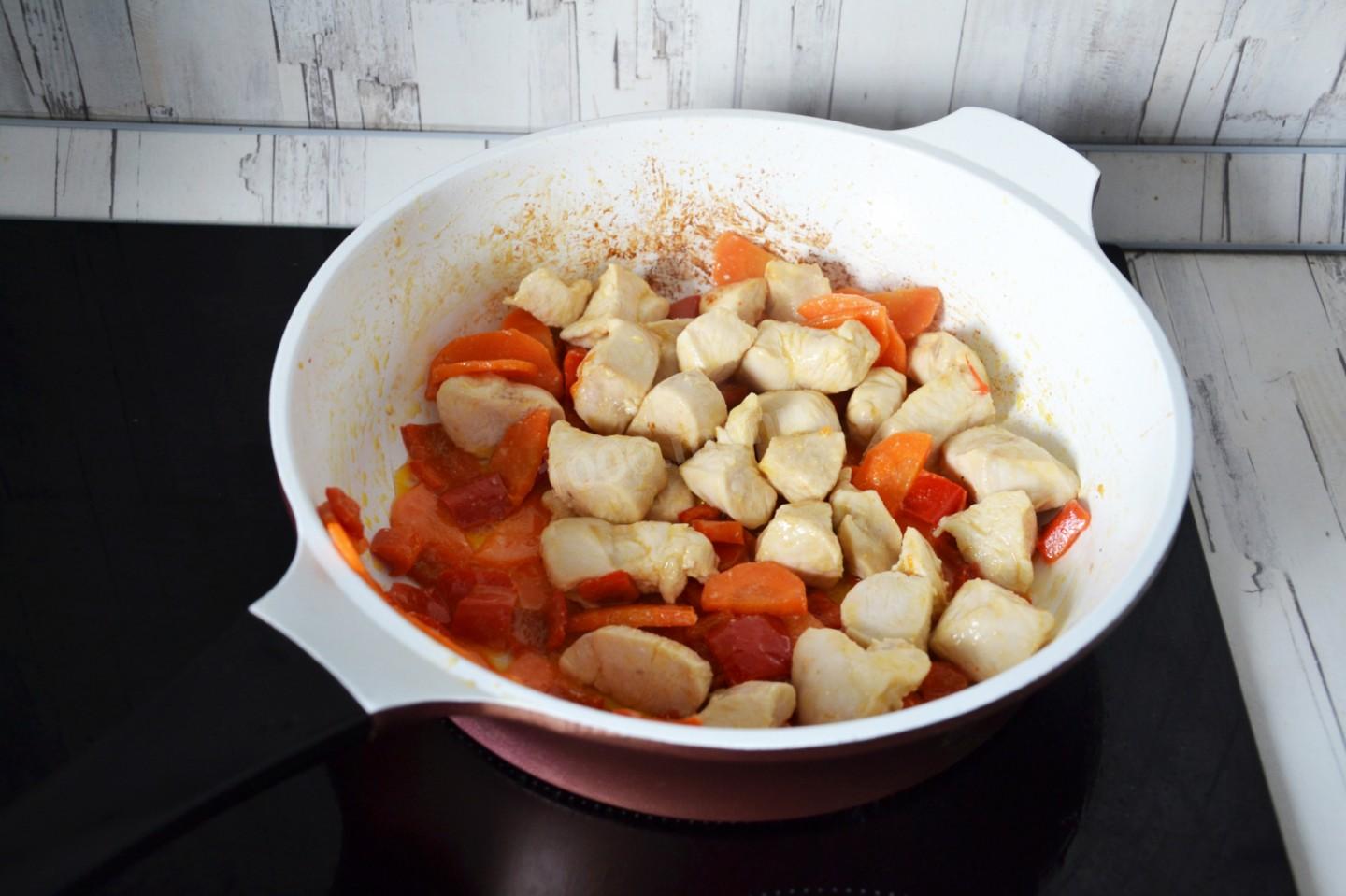
Then add the chicken fillet to the skillet. Fry everything together for 15 minutes, stirring, until the meat turns opaque. Alternatively, you can fry the chicken with the spices until done first, and only then add the chopped vegetables.
-
Step 9:
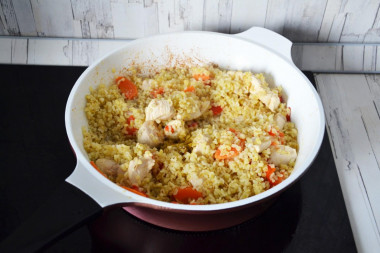
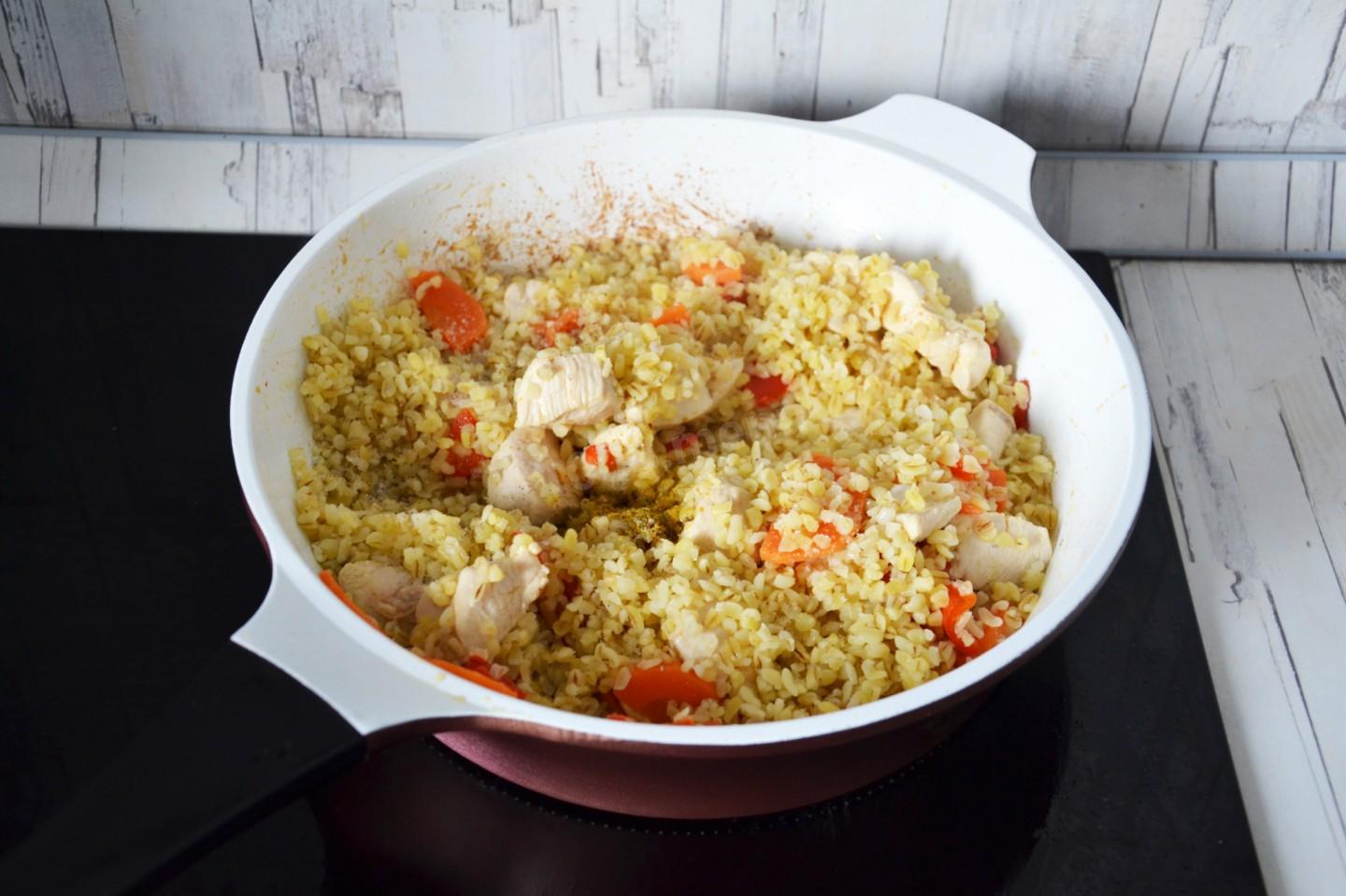
Add the cooked bulgur to the skillet. Season with salt and pepper, add the pilaf spice blend, and stir. Or use your favorite seasonings to taste — for example, paprika, curry, or dried garlic (1 tsp each), or a ready-made spice blend for chicken or pilaf. If you like, sprinkle the dish with chopped herbs (parsley, dill) before serving.
- Wash the meat and be sure to pat it dry with a paper towel; otherwise the excess moisture will keep it from frying — it'll steam instead.
- Root vegetables are best scrubbed with a brush or a stiff sponge under running water.
- You can substitute turkey or any other meat you like for the chicken. But keep in mind that this will change the cooking time and the calorie count.
- If you use ready-made spice blends, be sure to read the ingredient list on the package. These blends often already contain salt, so factor that in or you risk over-salting the dish.
- Use an oil with a high smoke point for frying! All oils are good only up to a certain temperature — the smoke point, at which the oil starts to burn and form toxic compounds, including carcinogens. Unrefined oils, with rare exceptions, have a low smoke point. They contain a lot of unfiltered organic particles that start to burn quickly. Refined oils stand up to heat better and have a higher smoke point. If you're going to cook in the oven, in a skillet, or on the grill, make sure you use an oil with a high smoke point. The most common high-smoke-point oils are refined sunflower, olive, and grapeseed.
- There's a simple way to check whether the oil in the pan is hot enough: lower a wooden spatula into it. If bubbles gather around it, you can start frying.
- Since everyone's tolerance for salty, sweet, bitter, sharp, sour, and hot flavors is different, always add spices and seasonings to your own taste! If you're using a seasoning for the first time, keep in mind that some are especially important not to overdo (chili pepper, for example).
Caloric content of the products possible in the composition of the dish
- Sweet pepper - 27 kcal/100g
- Carrots - 33 kcal/100g
- Dried carrots - 275 kcal/100g
- Boiled carrots - 25 kcal/100g
- Ground black pepper - 255 kcal/100g
- Bulgur - 342 kcal/100g
- Vegetable oil - 873 kcal/100g
- Salt - 0 kcal/100g
- Dried spices - 240 kcal/100g
- Chicken breast (fillet) - 113 kcal/100g
Similar recipes

- Second course
- Meat and meat products
- Vegetables
- Cereals and cereal products
- Spices seasonings spices
- Fats and oils
- Pepper
- Salt
- Dry spices
- Vegetable oil
- Cooking
- Frying
- In a frying pan
- Meat second course
- Poultry
- Chicken with vegetables
- From carrots
- From sweet pepper
- No eggs
- Recipes for lean dishes without butter
- Bulgur