Soft Ryazhenka Dough for Hand Pies and Buns
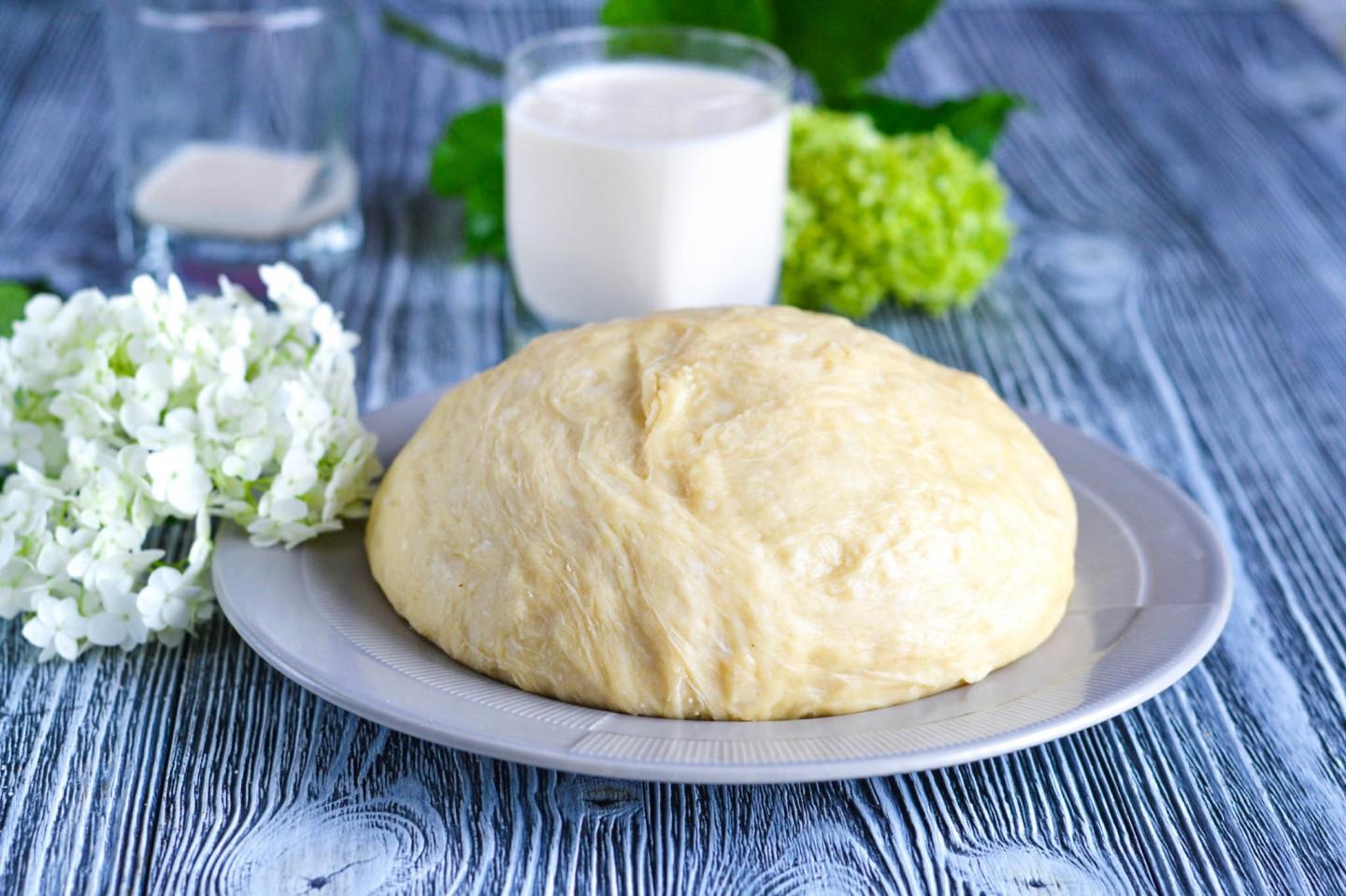
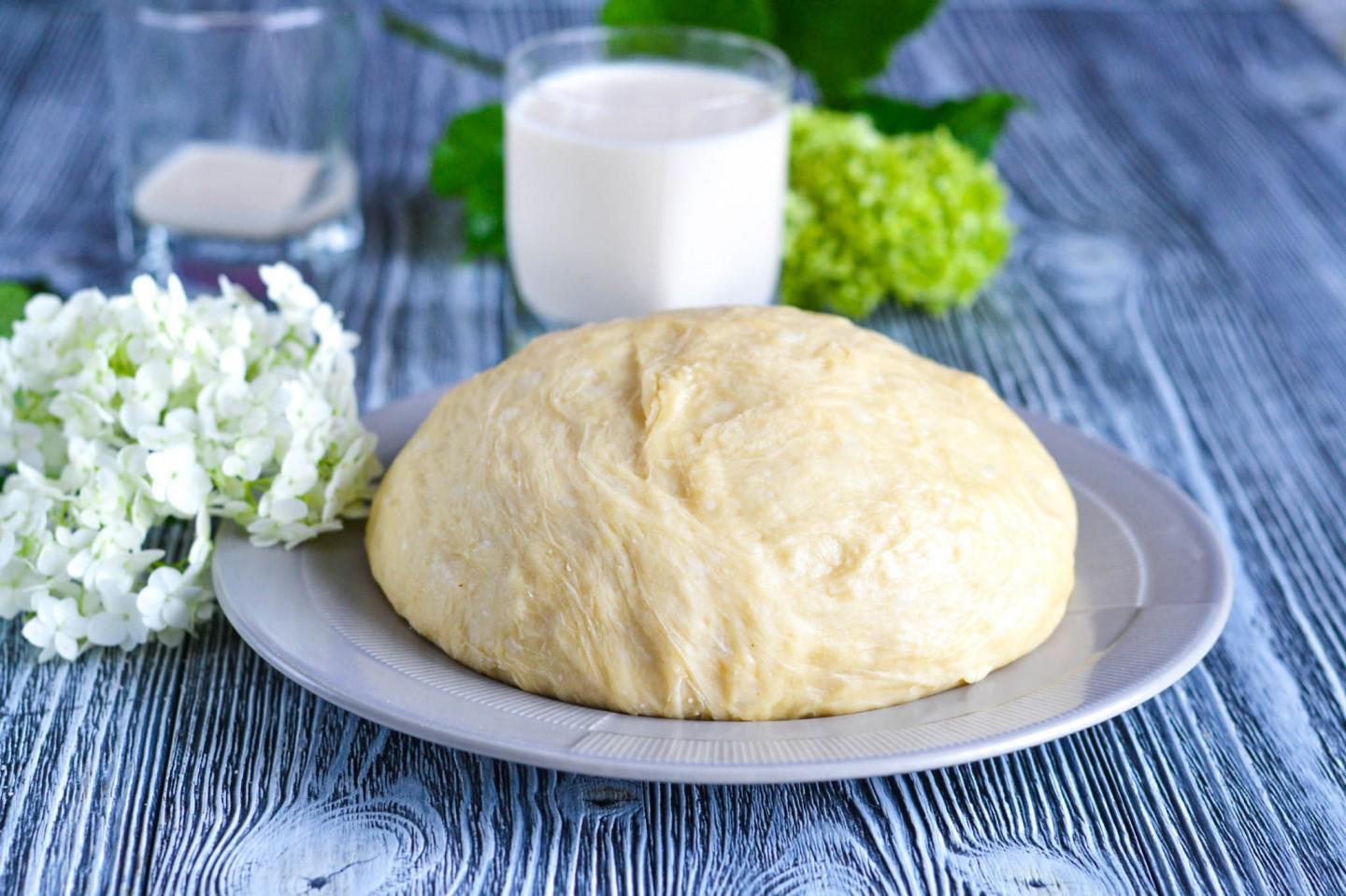
Incredibly fluffy, soft, and easy to handle — and budget-friendly, too! This ryazhenka (fermented baked milk) dough for hand pies, pies, and buns is a lifesaver when you're out of both milk and kefir. Honestly, it's worth making on its own — the baked goods turn out that good.

Cooking method
-
Step 1:
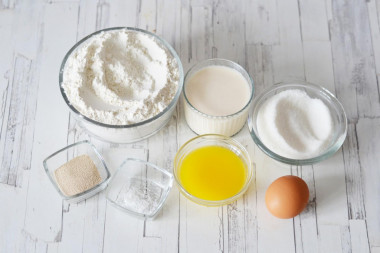
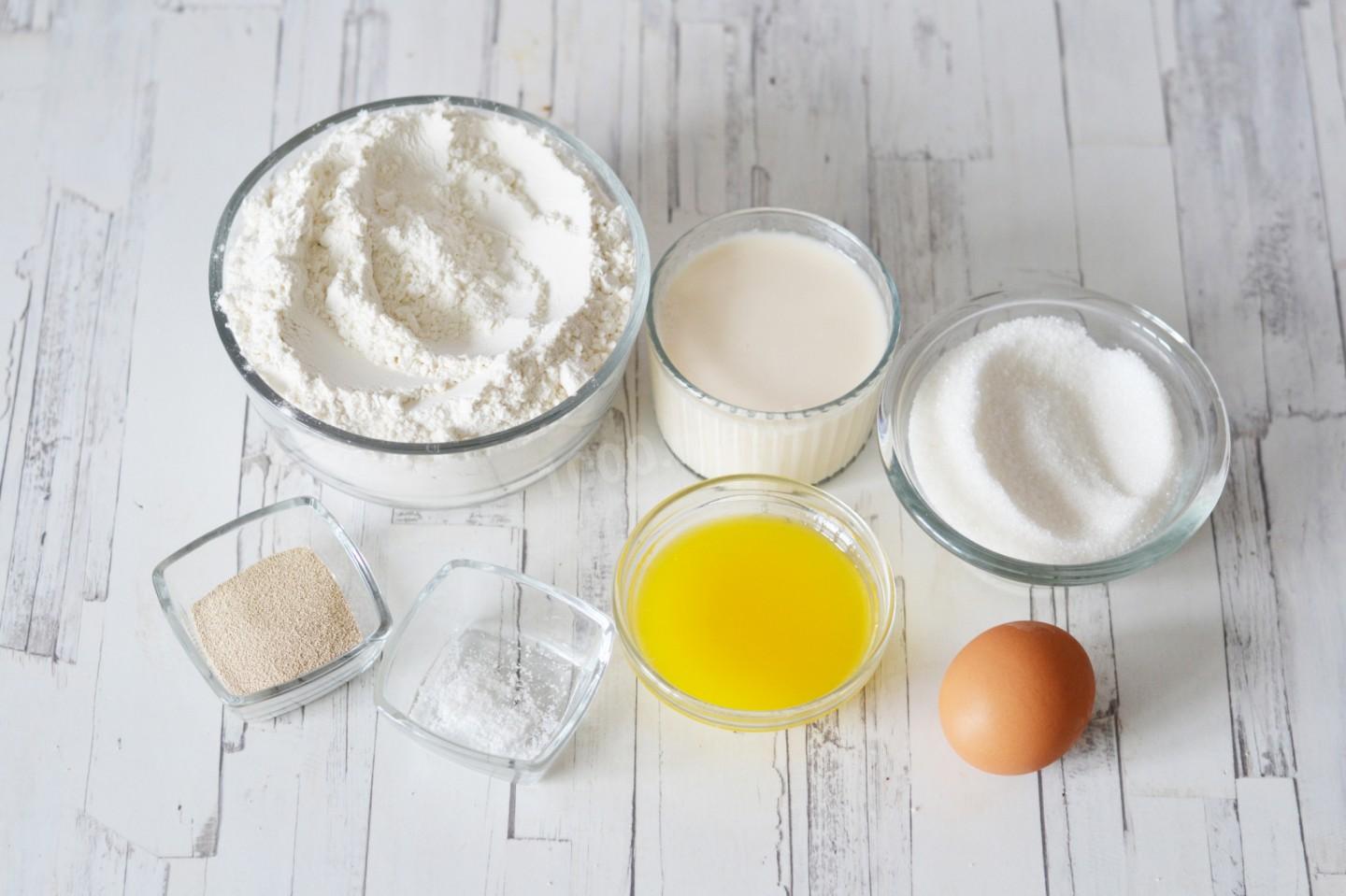
How do you make ryazhenka dough for hand pies, pies, and buns? Start by gathering your ingredients. Use all-purpose flour, and reach for a higher-fat ryazhenka if you can. Depending on what you plan to bake, you can make this dough sweeter or more neutral: a sweet dough is great for buns and big fruit pies, while a neutral dough is perfect for hand pies with all kinds of fillings.
-
Step 2:
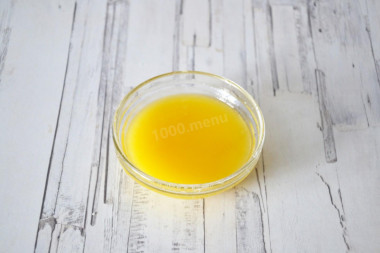
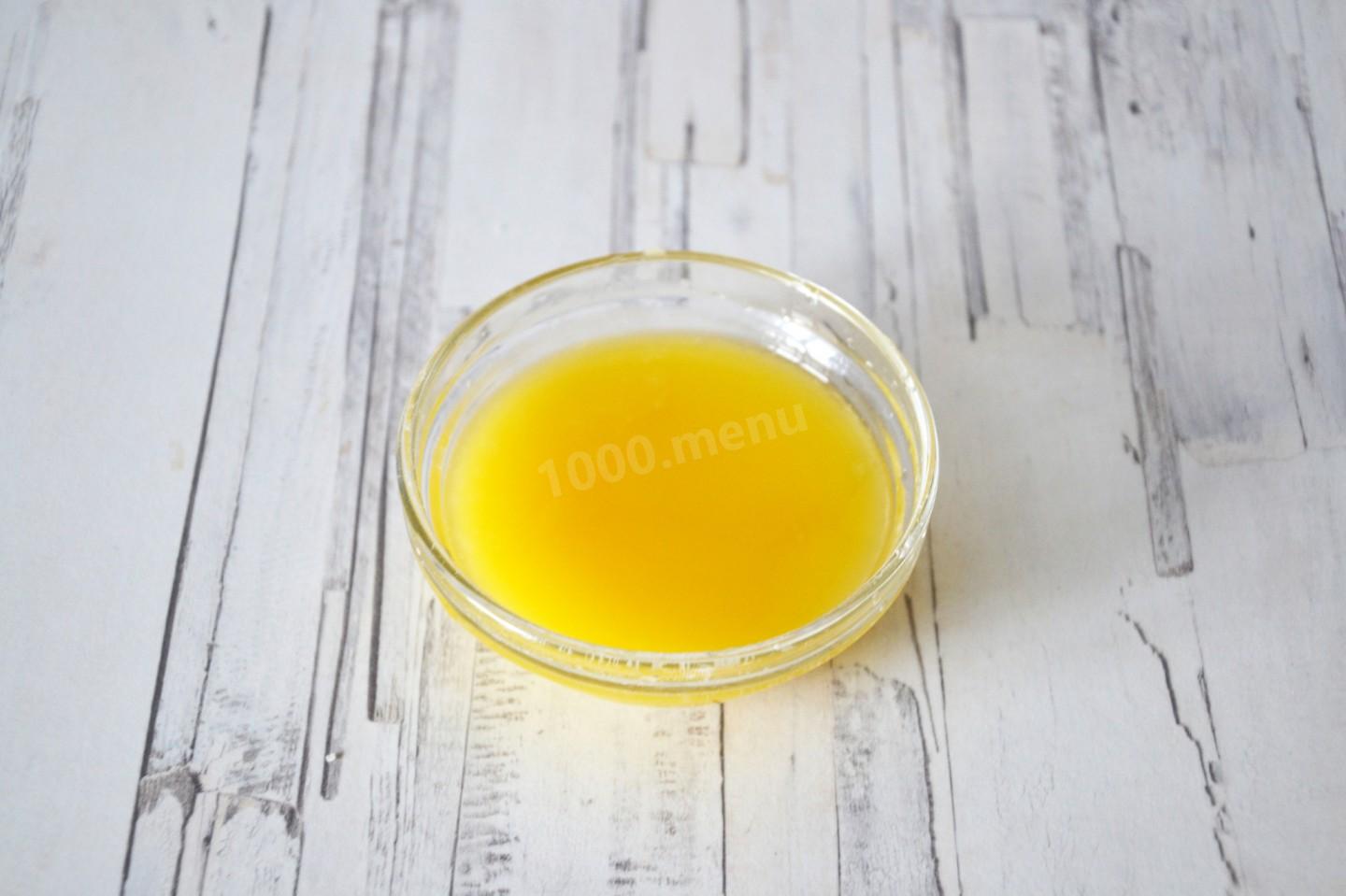
Use the best-quality butter you can find — pure butter with no vegetable-oil additives. Melt it using any of the methods described at the end of the recipe, then let it cool.
-
Step 3:
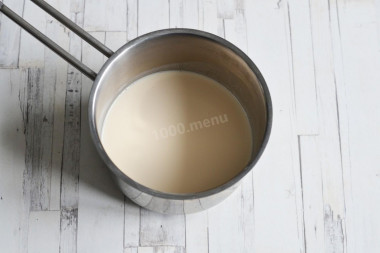
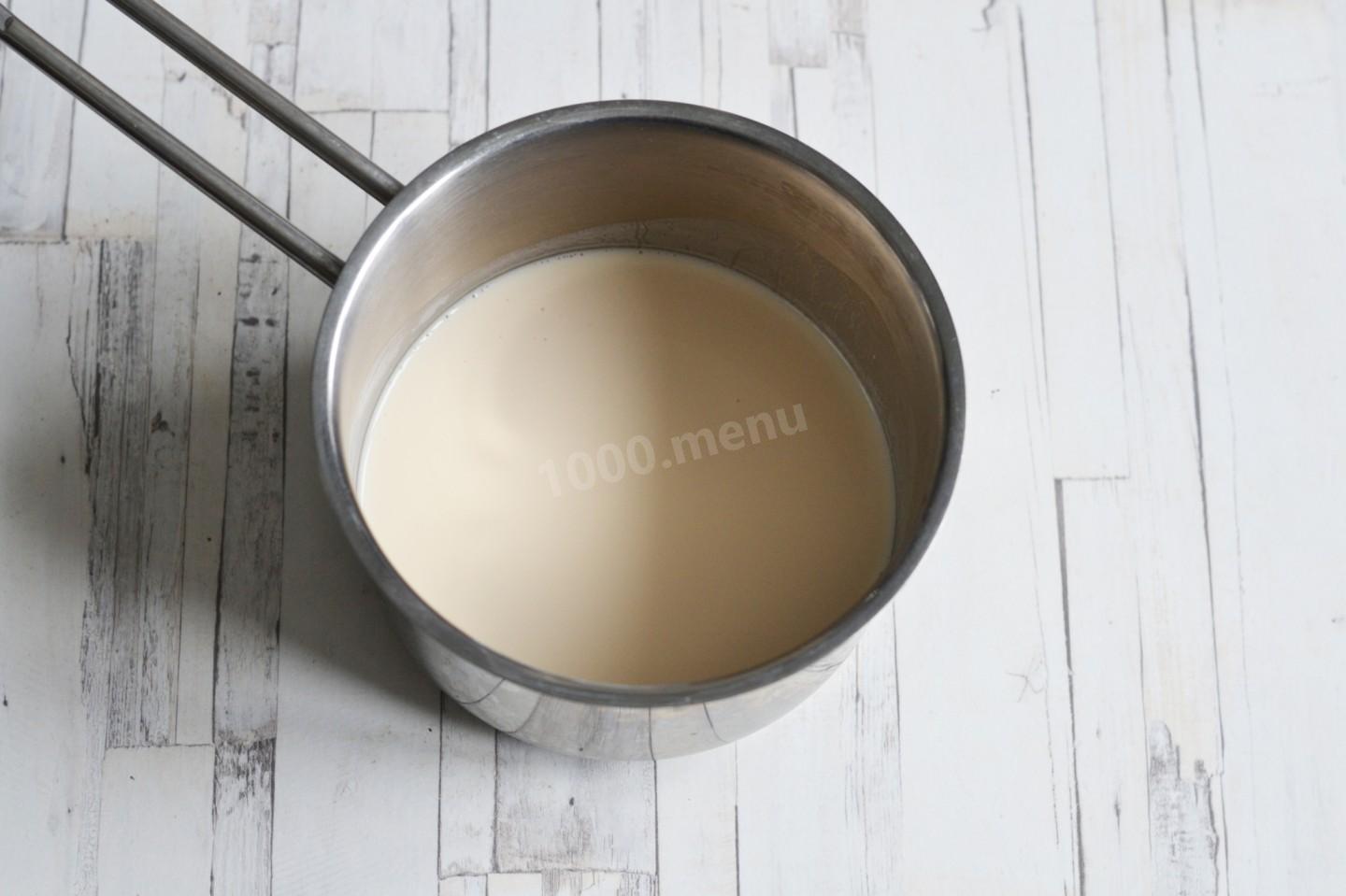
Warm the ryazhenka to 98–104°F (37–40°C). Like any cultured dairy, ryazhenka has to be heated gently so the whey doesn't separate:
- Heat it only over the lowest heat on the stovetop — never in the microwave.
- Stir it constantly with a spatula or spoon.
- Check the temperature every minute. It should be warm, not hot. If it forms flakes and the whey separates, it has overheated.
-
Step 4:
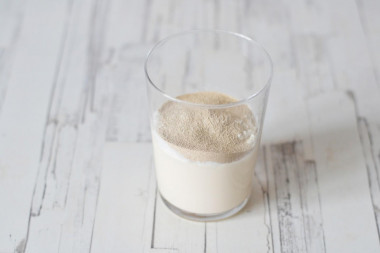
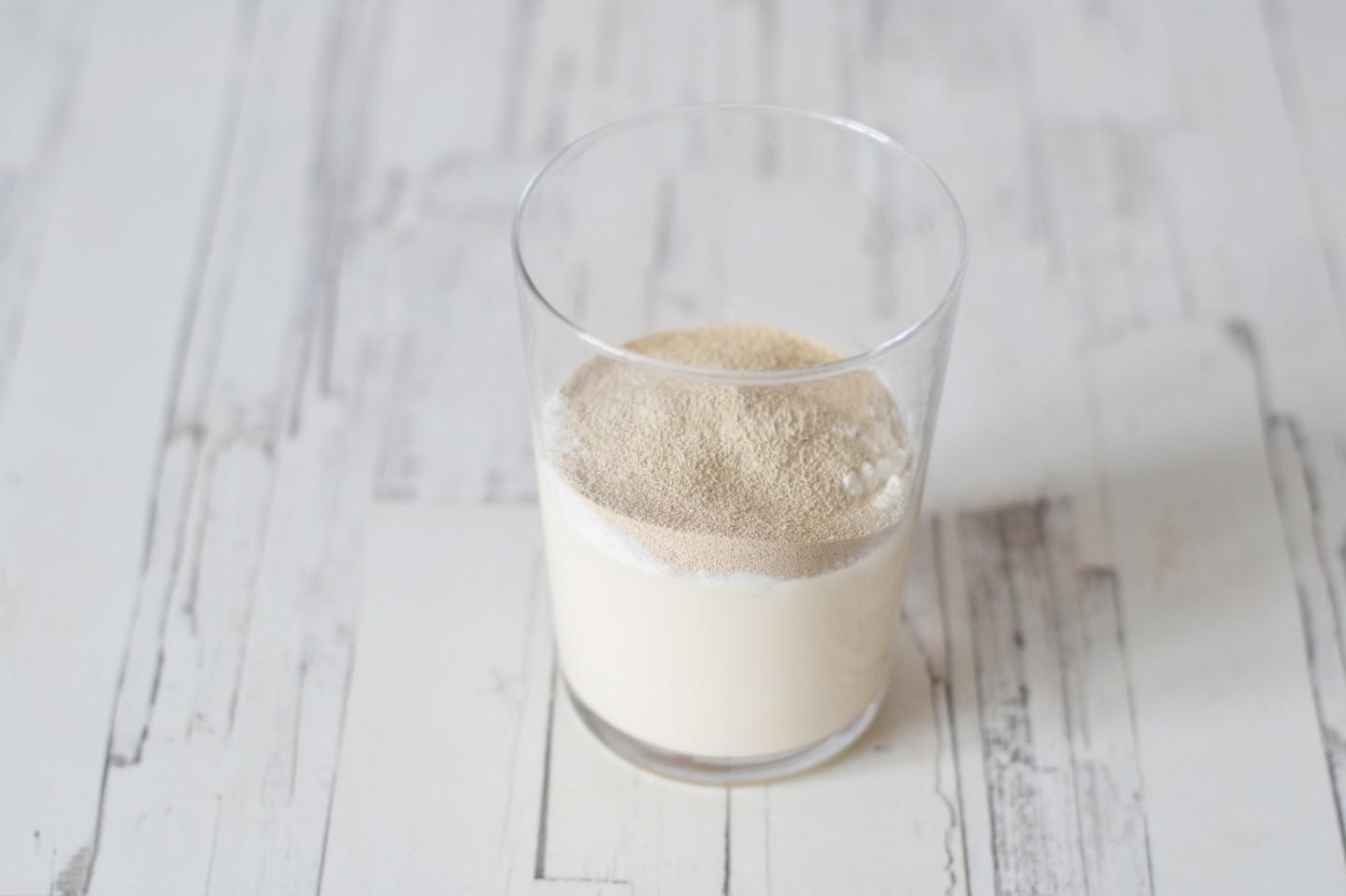
Add 2 tablespoons of the flour, 1 tablespoon of sugar, the salt, and the dry yeast to the warm ryazhenka. Tip: dry yeast can be hard to stir in because it clumps, so scatter it over the surface in a thin layer — but stir the flour, salt, and sugar into the ryazhenka first.
-
Step 5:
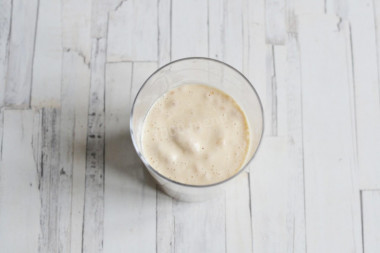
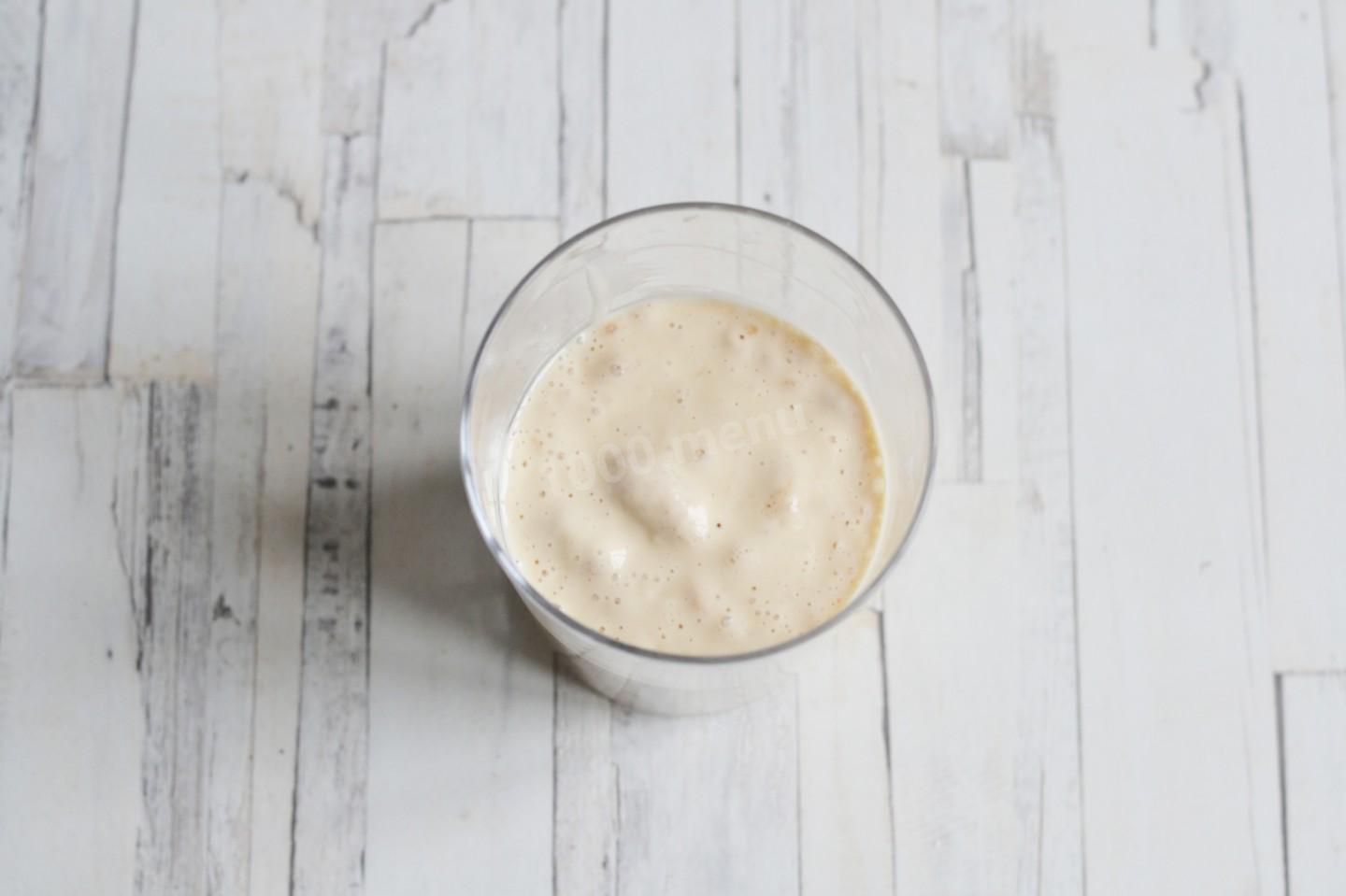
Mix everything well and let it sit for 20 minutes, until a fluffy foam cap forms. That means the yeast is active and you can keep going. If nothing happens, you'll need fresher yeast. You can swap dry yeast for fresh compressed yeast at a 1:3 ratio — for every 1 gram of dry yeast the recipe calls for, use 3 grams of fresh.
-
Step 6:
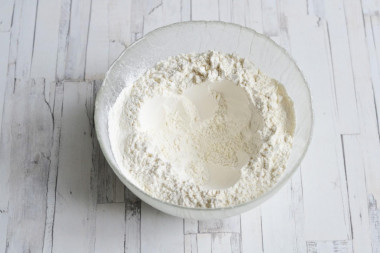
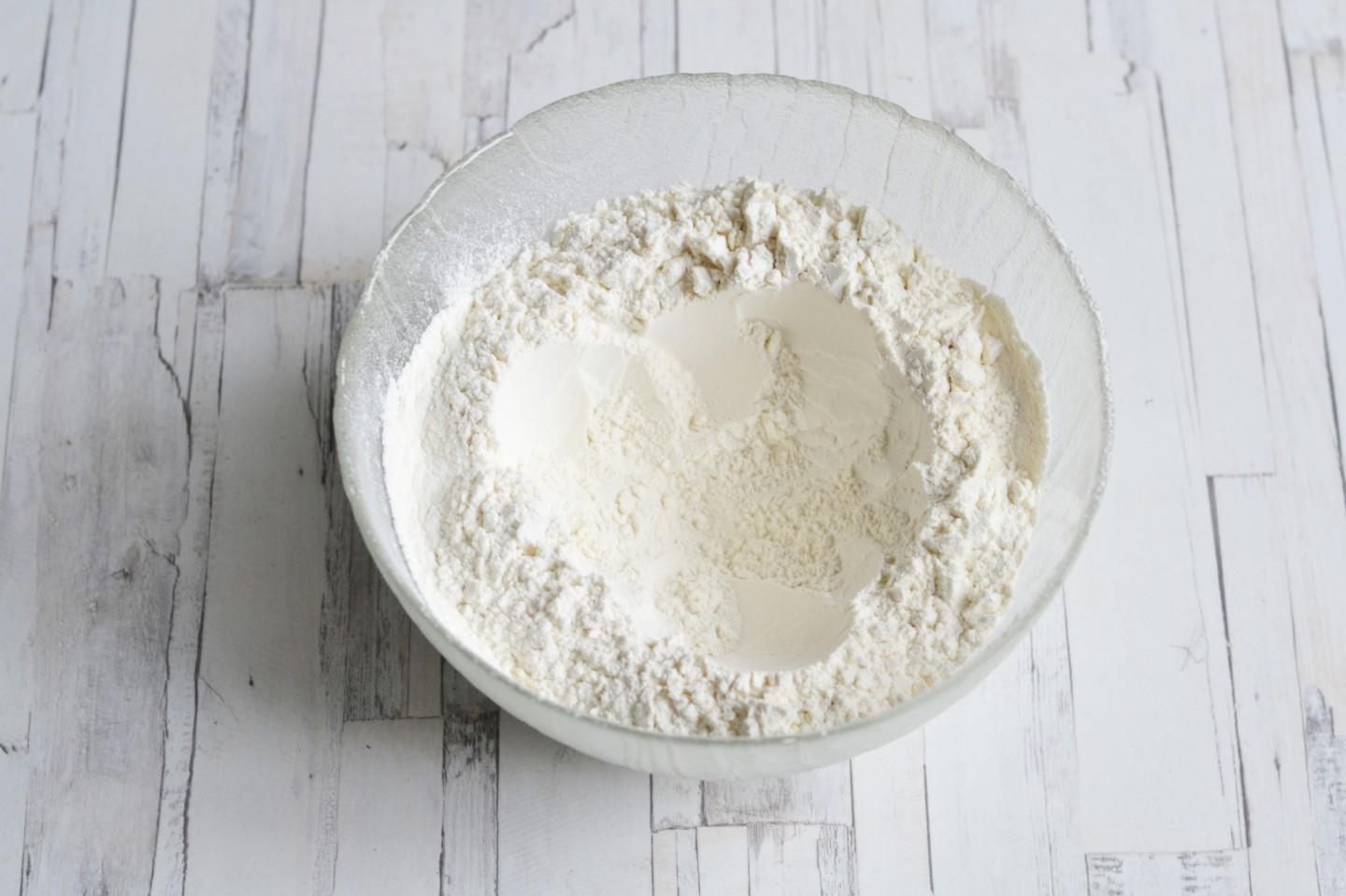
Sift the remaining flour into a deep bowl and make a well in the center. Sifting matters — it aerates the flour so the baked goods come out airy and rise well.
-
Step 7:
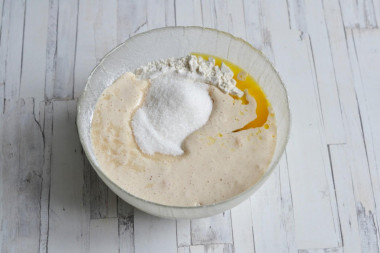
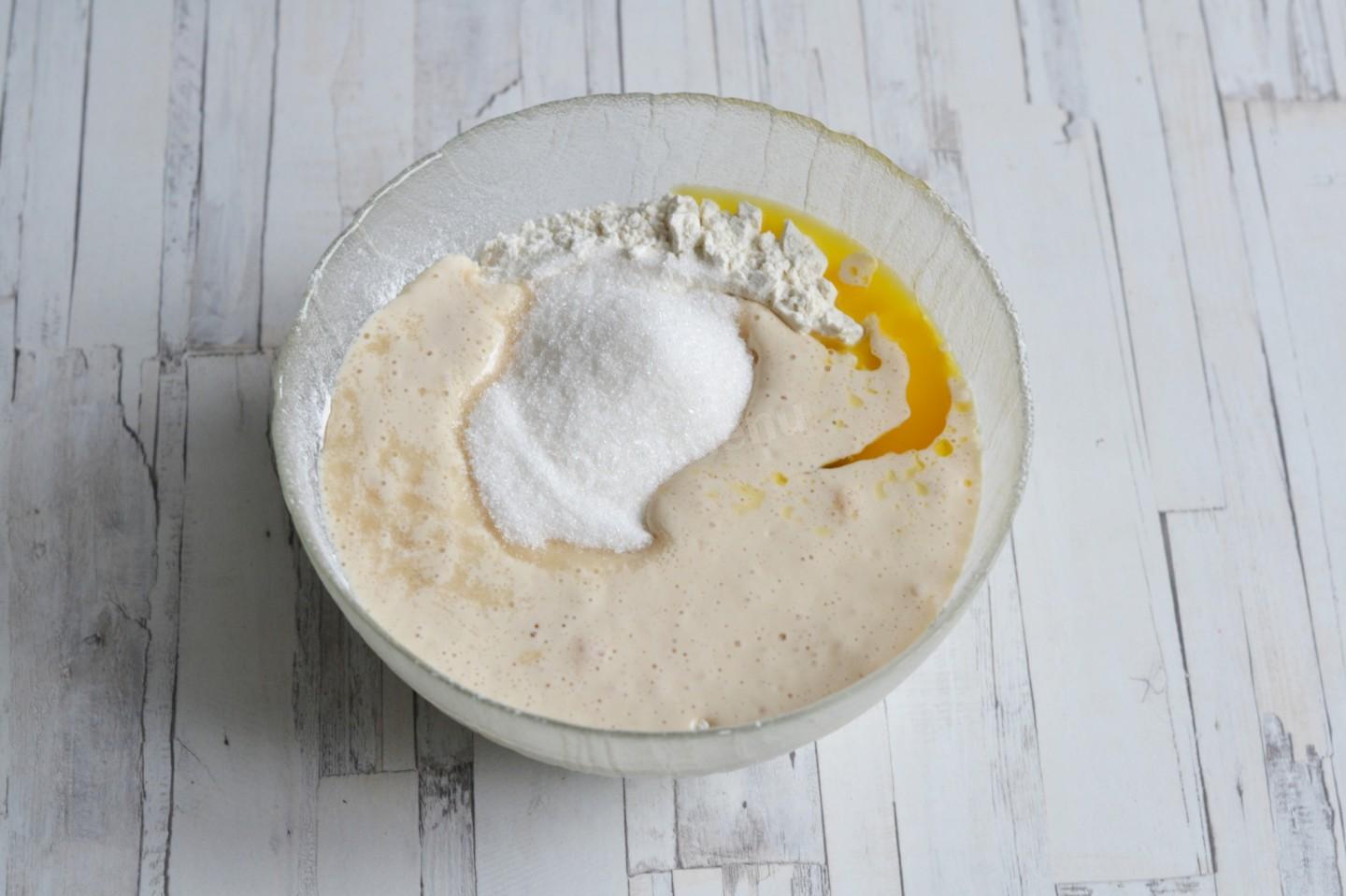
Pour the sponge and the melted butter into the well, crack in the egg, and add the remaining sugar. For a neutral dough, 1 tablespoon of sugar is plenty. Since I was making a fruit pie and wanted a distinctly sweet dough, I added about 90 g more sugar.
-
Step 8:
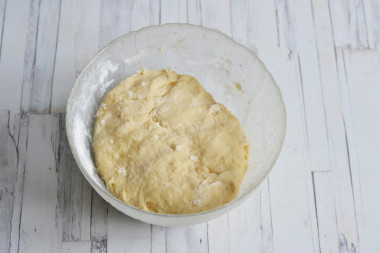
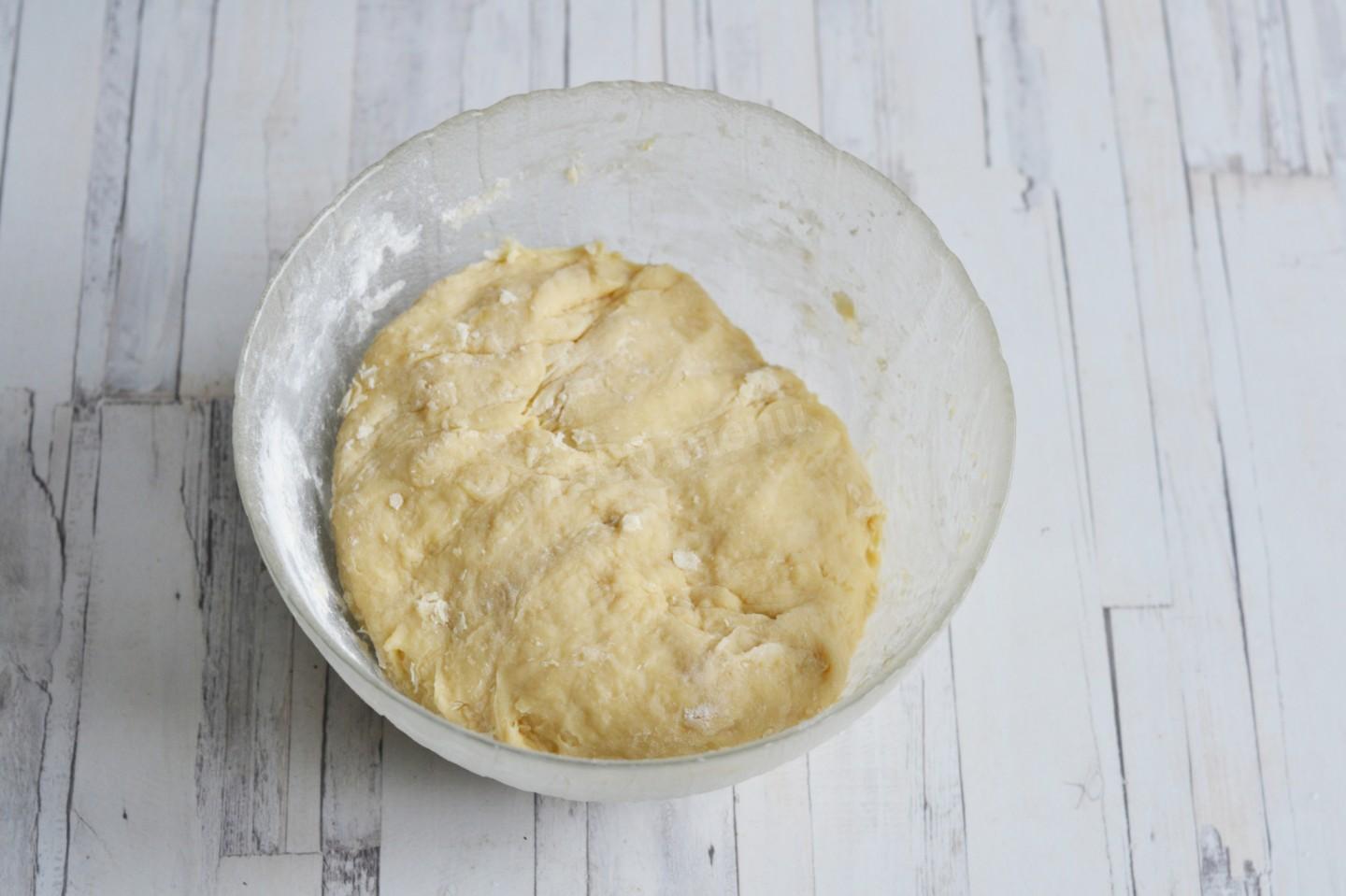
Knead a soft, elastic dough, dusting in more flour as needed. At first it will stick to your hands; as you knead and add flour, it gets less sticky. Don't overload it with flour, though — it's better to add a little later, when you roll the pieces out on a floured surface. Shape the finished dough into a ball, cover it with a towel, and leave it somewhere warm for 1 hour to rise.
-
Step 9:
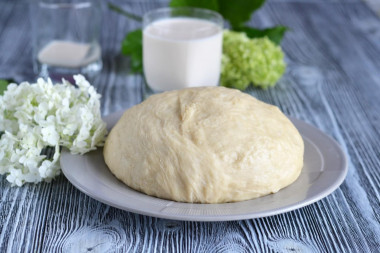
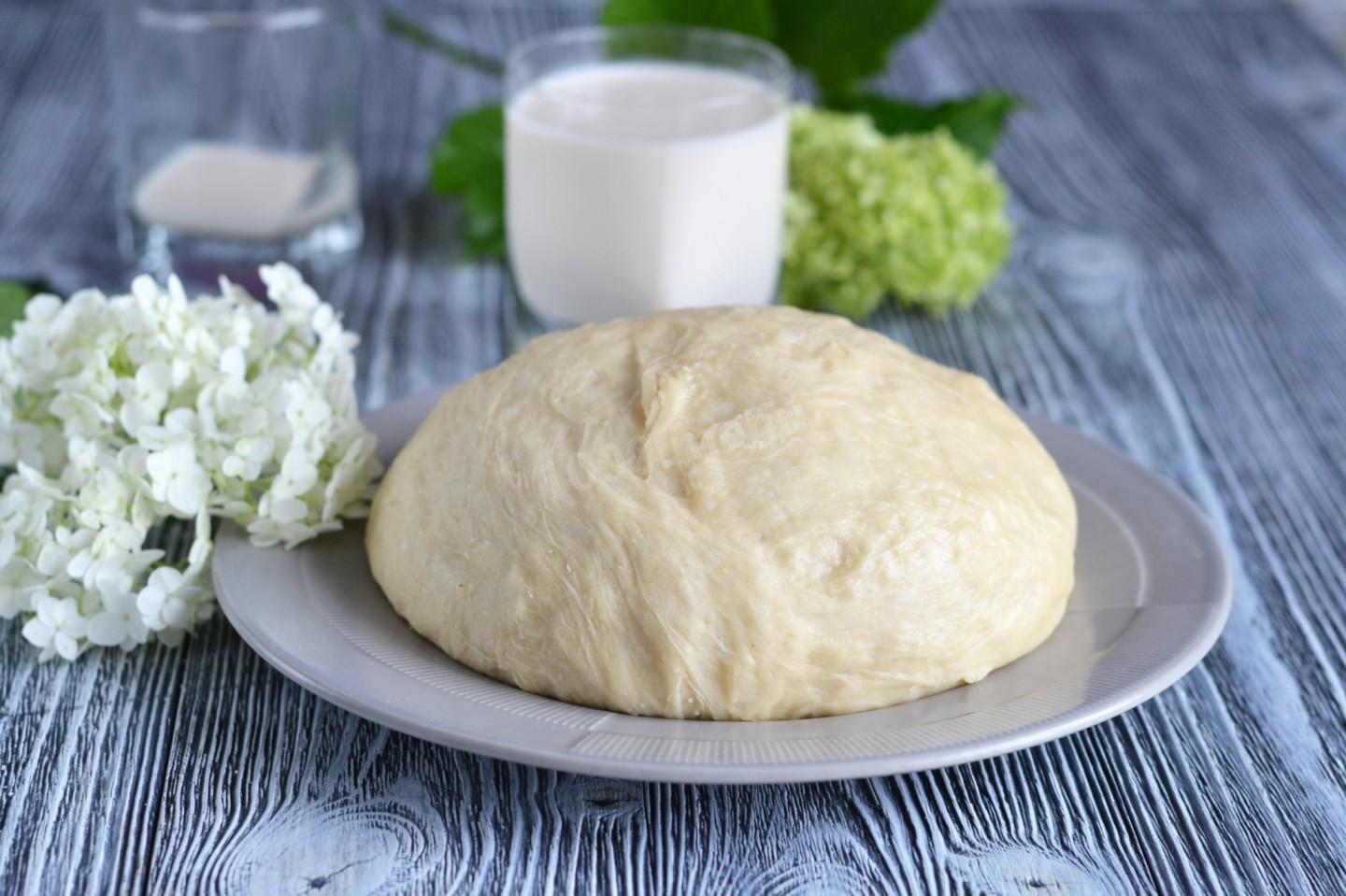
Your ryazhenka dough is ready. Use it to shape hand pies, as a base for large pies, or to form soft, tasty buns. Enjoy!
- You can melt the butter in the microwave or in a water bath. In the microwave: cut the butter into small pieces and put them in a microwave-safe container. To keep it from spattering, cover the container with a paper towel. Melt on the lowest power or the defrost setting — start with about 5 seconds. If it hasn't melted yet, microwave again in 5-second bursts until it does. In a water bath (double boiler): you'll need two containers of different sizes. Fill the larger one with water and set it on the stove. Rest the smaller one on top so it's submerged about halfway, and add the cut-up butter. The boiling water will melt it; stir gently to speed things up. As soon as the butter is fully melted, take it off the heat.
- Always wash eggs before using them — even a shell that looks clean can carry harmful bacteria. A food-safe wash and a brush work best.
- Be ready to use a little more or less flour than the recipe states. Go by the consistency of the dough rather than the exact amount of flour.
Caloric content of the products possible in the composition of the dish
- Chicken egg - 157 kcal/100g
- Egg white - 45 kcal/100g
- Egg powder - 542 kcal/100g
- Egg yolk - 352 kcal/100g
- Ostrich egg - 118 kcal/100g
- Pressed yeast - 109 kcal/100g
- Whole durum wheat flour fortified - 333 kcal/100g
- Whole durum wheat flour universal - 364 kcal/100g
- Flour krupchatka - 348 kcal/100g
- Flour - 325 kcal/100g
- Granulated sugar - 398 kcal/100g
- Sugar - 398 kcal/100g
- Ryazhenka - 85 kcal/100g
- Butter 82% - 734 kcal/100g
- Amateur unsalted butter - 709 kcal/100g
- Unsalted peasant butter - 661 kcal/100g
- Peasant salted butter - 652 kcal/100g
- Melted butter - 869 kcal/100g
- Salt - 0 kcal/100g