Caramel Glaze for Cake
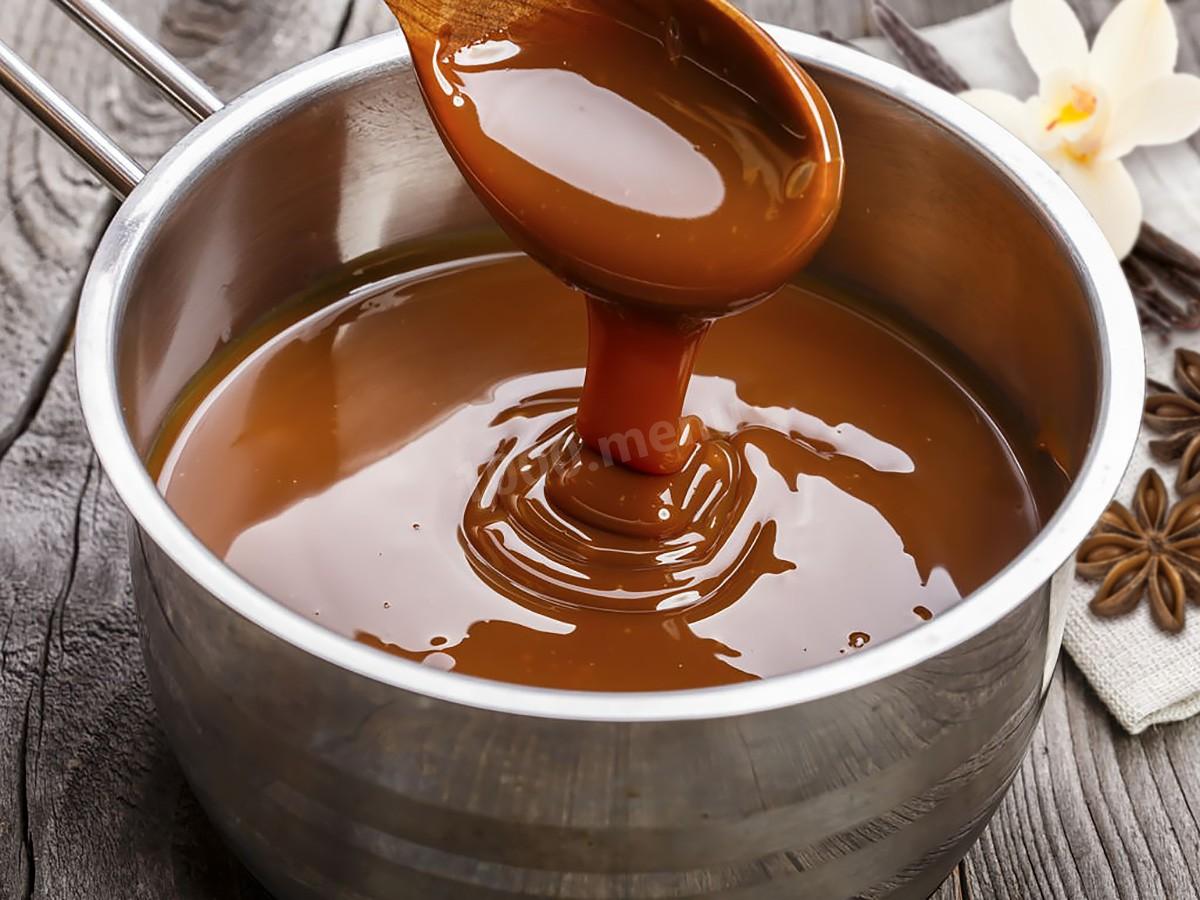
Learn how to make a caramel coating the right way. Caramel glaze for a cake is something else! Beautiful color, divine aroma. Any home cook can make this glaze — all it takes is the will. The brown sugar in the recipe can't be swapped for regular sugar. The butter should be high-quality, with the highest possible fat content. Replacing the butter with margarine is out of the question! You'll also need a kitchen thermometer for this glaze. It's worth buying, since anyone who loves to cook will reach for a thermometer again and again.
Struna
Recipe author
Caramel Glaze for Cake
Nutrients and energy value of the composition of the recipe
By weight of the composition:
Proteins 2 %
2 g
Fats 21 %
18 g
Carbohydrates 76 %
64 g
419 kcal
GI:
25
/
0
/
75
- Glaze is one of the most popular cake coatings. You can coat a cake all over by setting it on a wire rack with a tray underneath. Or you can pour it just over the top, letting it form pretty drips down the sides. The drips set instantly only on a cold cake surface. The glaze's working temperature is 100°F (38°C) — you shouldn't pour hot glaze over a cake. Here, again, a kitchen thermometer helps. 1. Use a heavy-bottomed saucepan. The bottom heats evenly, so the glaze won't scorch. 2. Put the butter and brown sugar in the saucepan. Add the corn syrup and condensed milk. 3. Mix everything well with a hand whisk. Set the pan over medium heat and bring the mixture to a boil, stirring as you go. 4. Stir the whipped cream into the glaze. Mix. Set up the thermometer. Keep stirring constantly until the caramel reaches 238°F (114°C). 5. Take the pan off the heat and add the vanilla and salt. Don't use the glaze right away — it needs to cool to its working temperature, no higher than 98–100°F (37–38°C). How else can you check whether the glaze is ready? Very simply, with the soft-ball test. Here's how: pour cold water into a glass or bowl; dip a teaspoon into the glaze; drip the glaze from the spoon into the cold water. If the drop forms a soft ball in the water, the glaze is ready. If not, cook it a little longer until the soft-ball test works. Use the glaze for cakes and pastries. Happy baking!
Caloric content of the products possible in the composition of the dish
- Vanilla - 288 kcal/100g
- Sweetened condensed milk - 324 kcal/100g
- Butter 82% - 734 kcal/100g
- Unsalted premium butter - 709 kcal/100g
- Unsalted farmhouse butter - 661 kcal/100g
- Salted farmhouse butter - 652 kcal/100g
- Clarified butter - 869 kcal/100g
- Salt - 0 kcal/100g
- Brown sugar - 394 kcal/100g
- Syrup - 300 kcal/100g
- Whipped cream - 257 kcal/100g
Similar recipes

Related and additional categories: