Boraki — Armenian Fried Dumplings
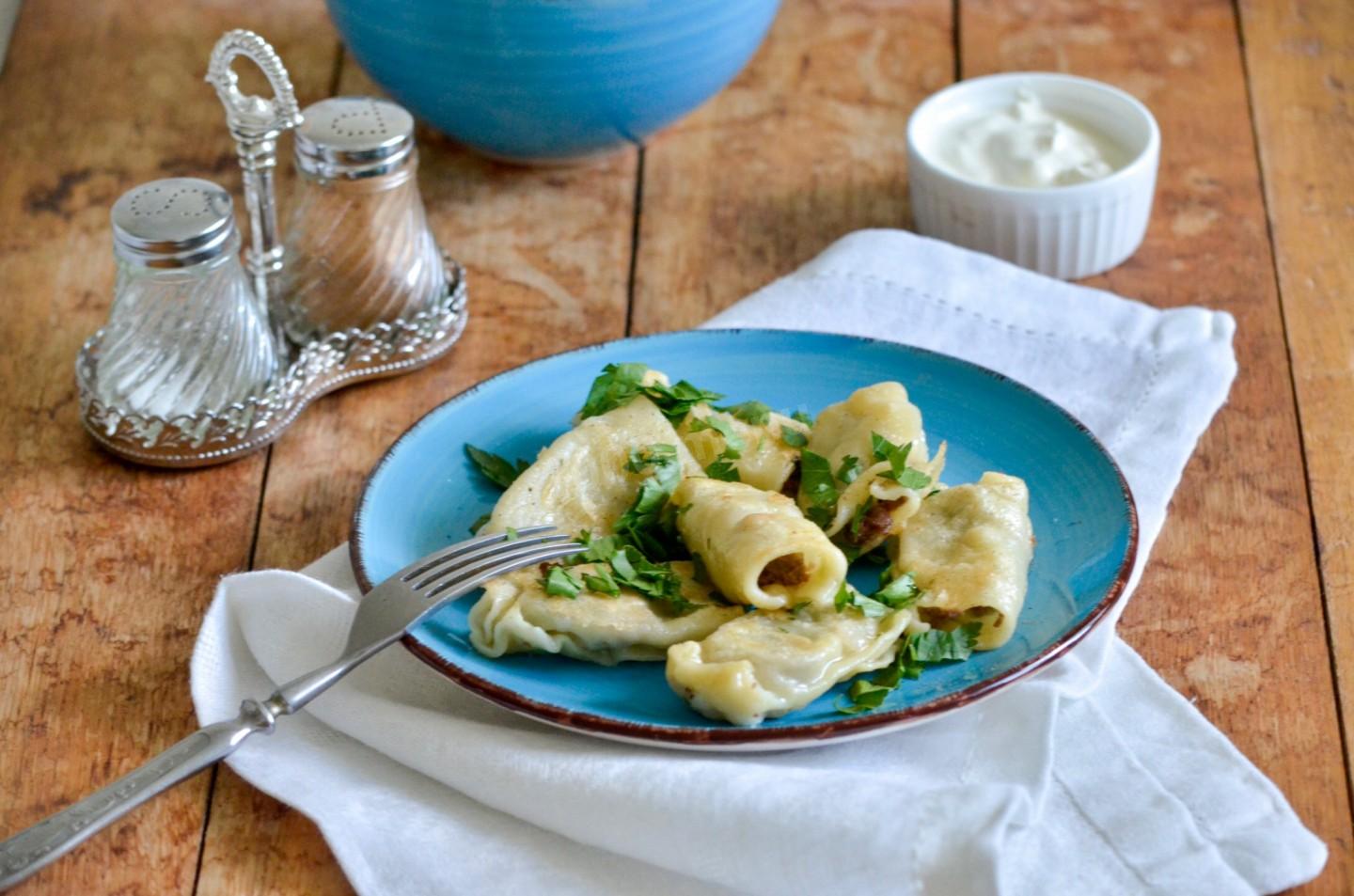
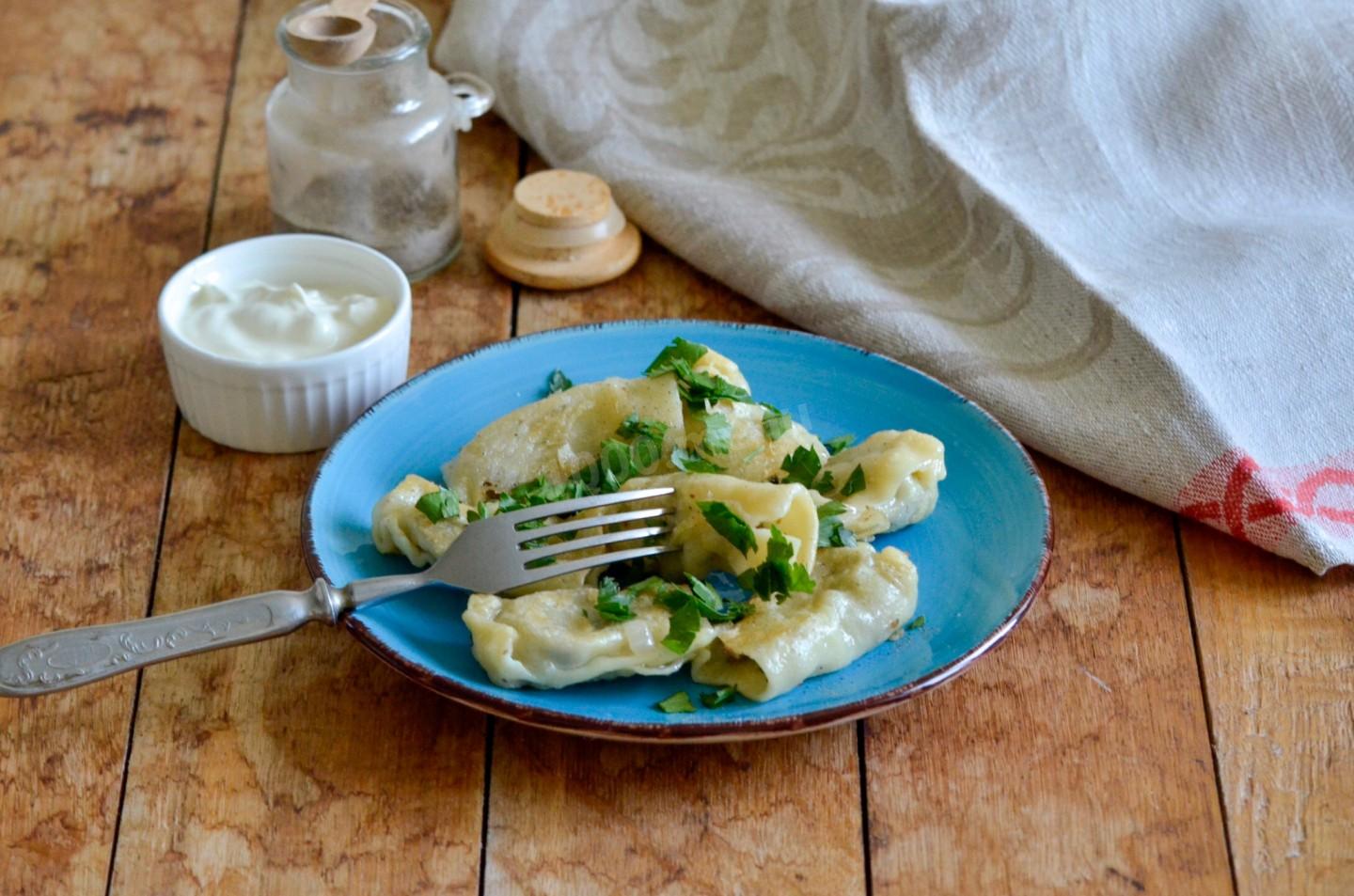
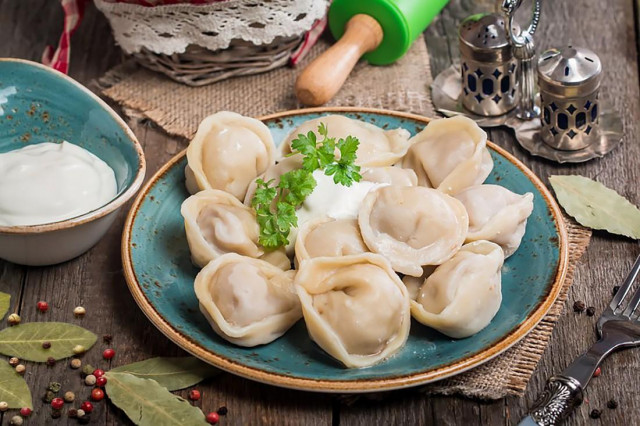
Armenian dumplings — boiled first, then fried. Just about every cuisine has its own dumpling: Italians have ravioli, the Chinese have wontons, Georgians have khinkali, and Armenians have boraki. What sets these apart is that the filling goes in already cooked rather than raw, and the dumplings are first simmered briefly in a little broth, then pan-fried.

Cooking method
-
Step 1:
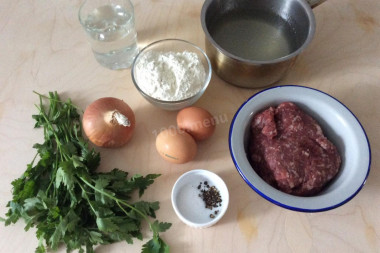
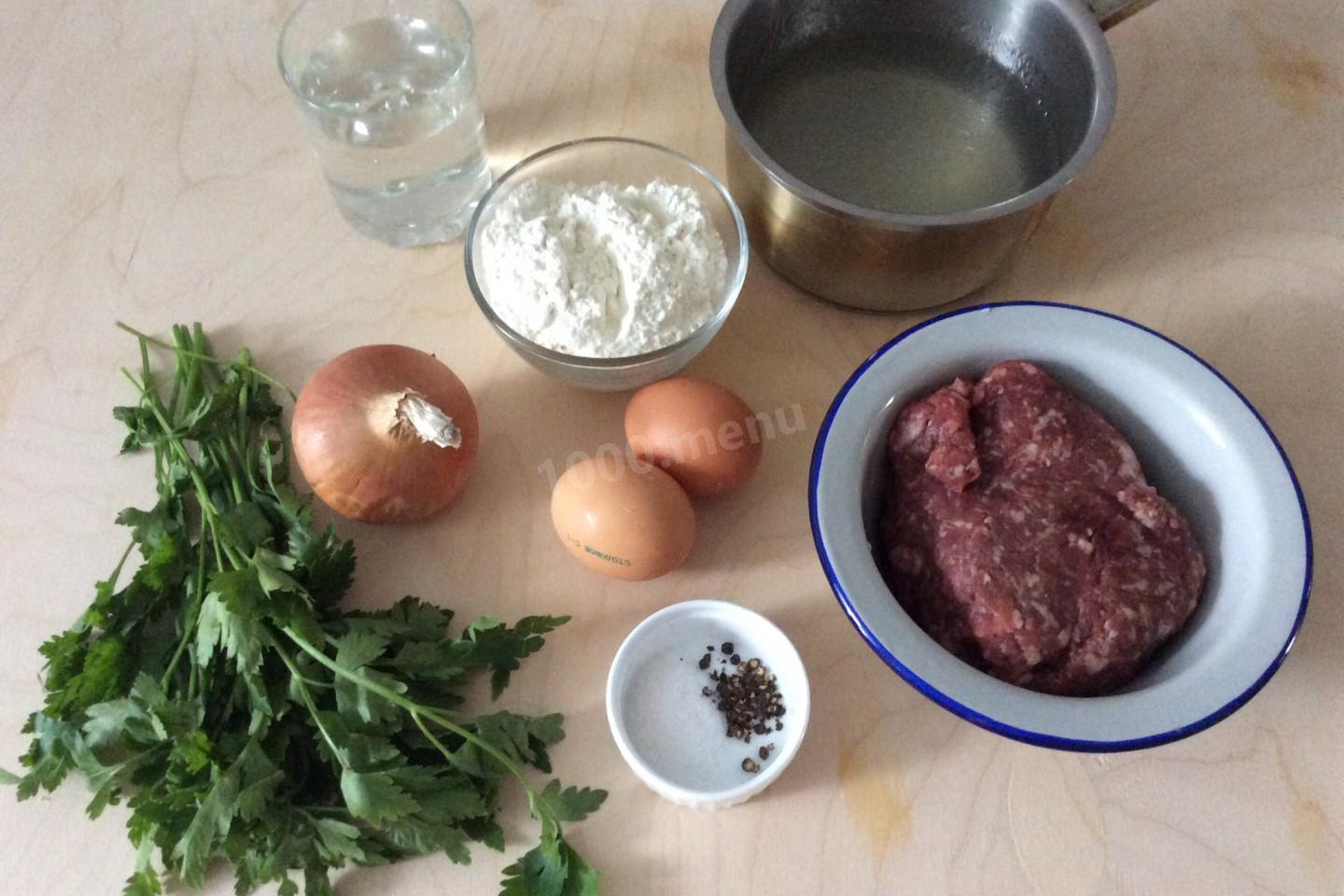
Gather your ingredients. My ground meat is a ready beef-and-pork blend. Add herbs to taste — cilantro, basil, and parsley all work well in boraki. You can use water instead of broth, but broth tastes better. Use whatever spices you like; the spicier the better — this is Caucasian cooking, after all.
-
Step 2:
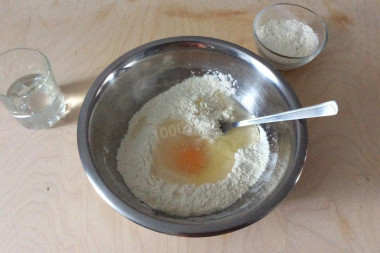
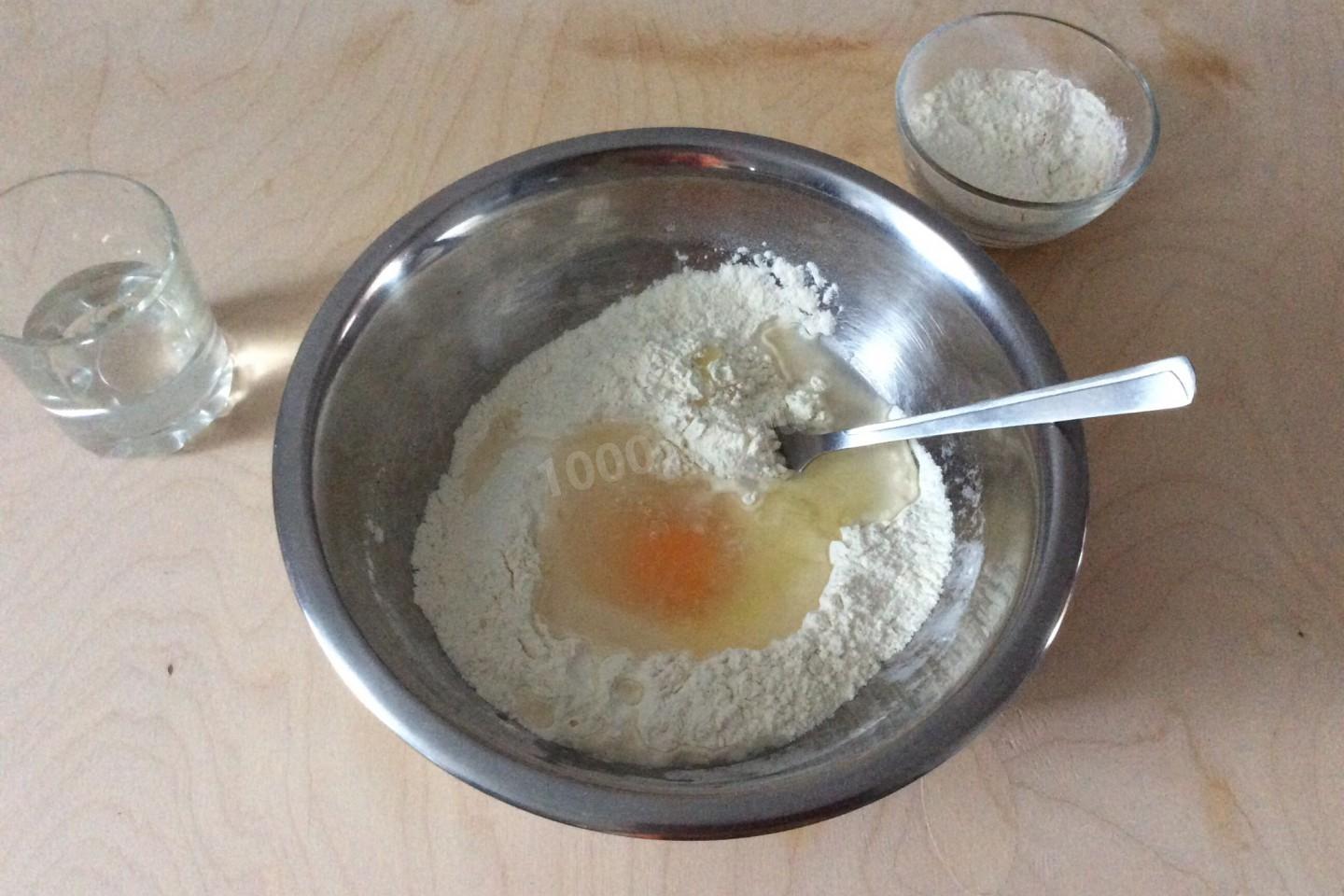
First make the dough. Sift the flour into a bowl or right onto the counter, and add the salt, eggs, and water. Mix well and knead a stiff dough, like one for dumplings.
-
Step 3:
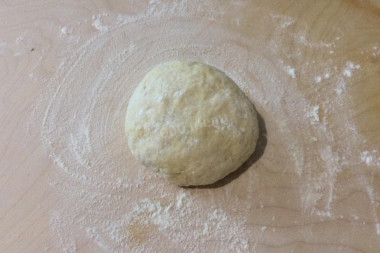
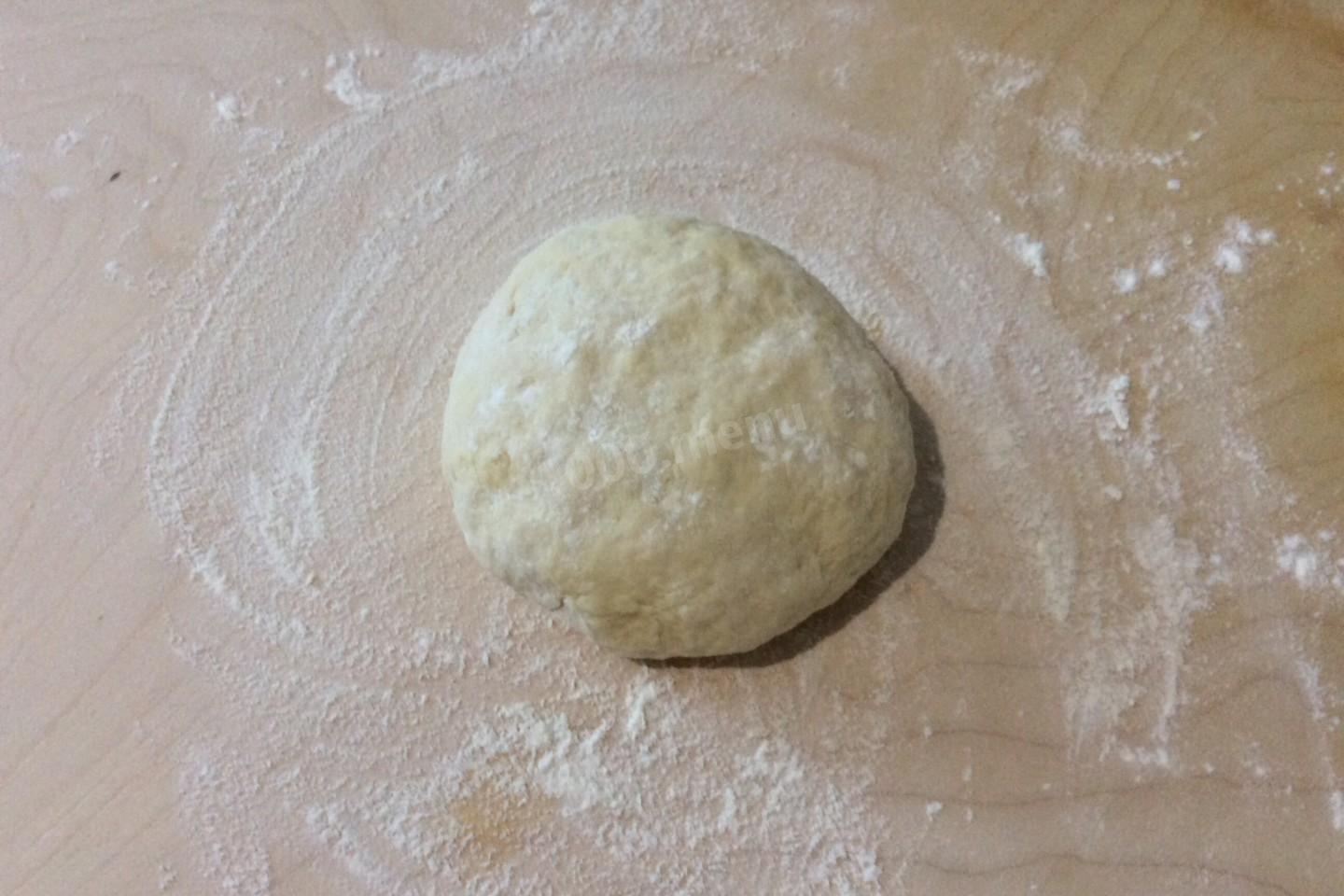
The dough should turn smooth and elastic — slapping it against the counter helps. Cover it with a towel and let it rest for half an hour.
-
Step 4:
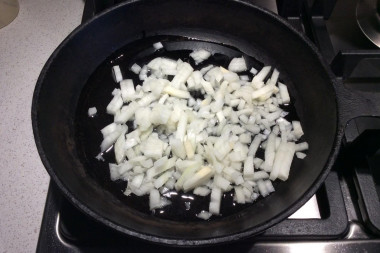
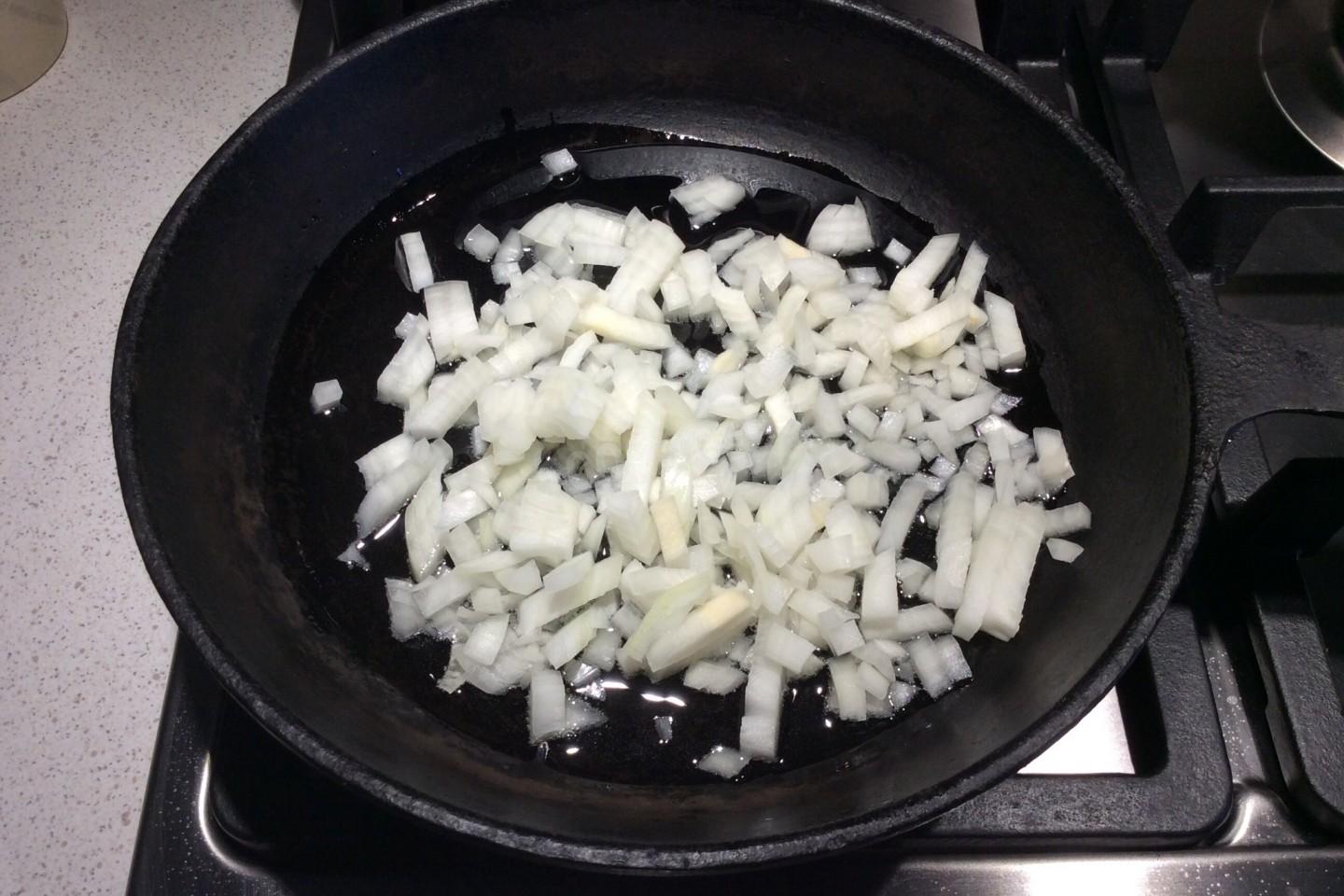
Meanwhile, make the filling. Peel the onion, finely chop it, and sauté briefly in vegetable oil.
-
Step 5:
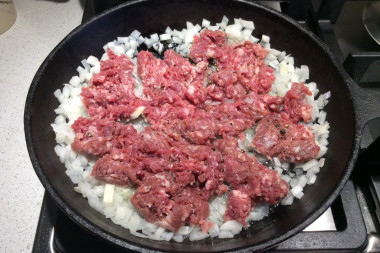
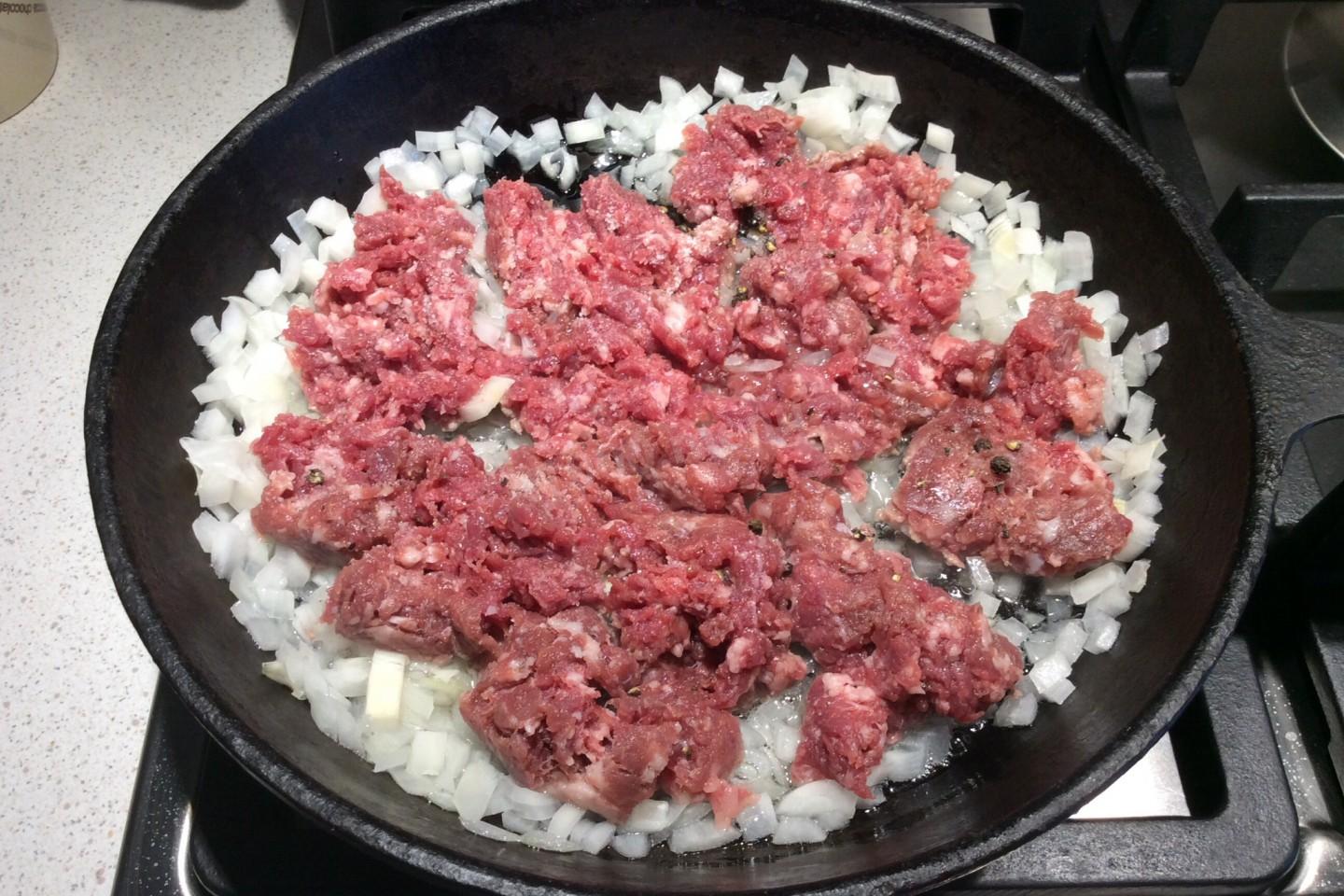
Add the ground meat to the onion. Cook over medium heat until done, about ten minutes — you can cover it with a lid.
-
Step 6:
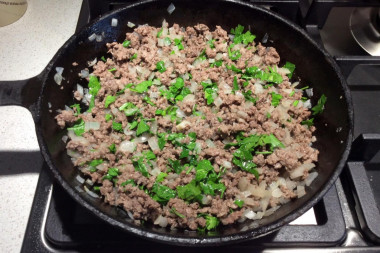
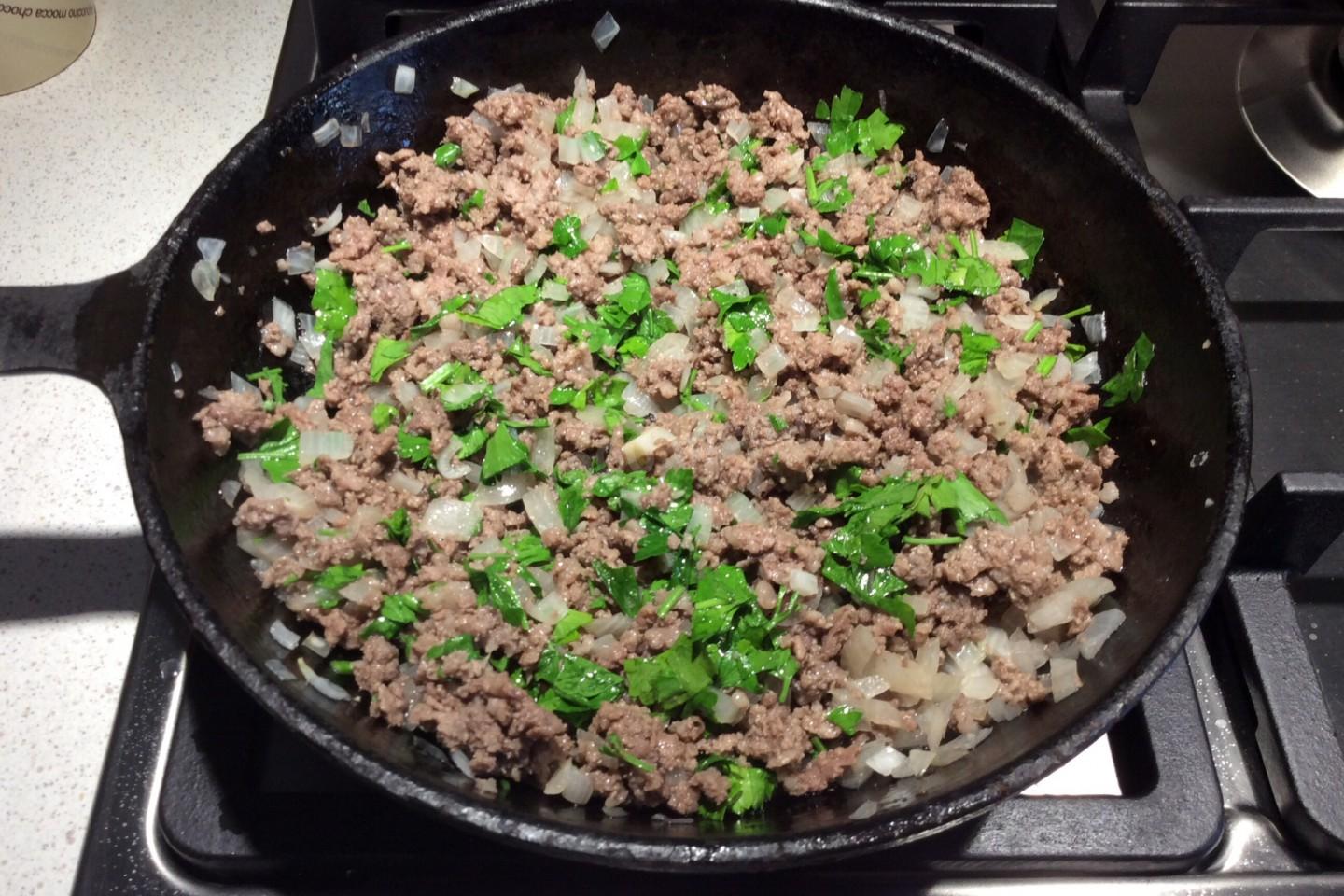
At the end of cooking, add salt, pepper, and seasonings to taste, plus finely chopped herbs. You can also add tomatoes if you like. Transfer the filling to a separate bowl and let it cool.
-
Step 7:
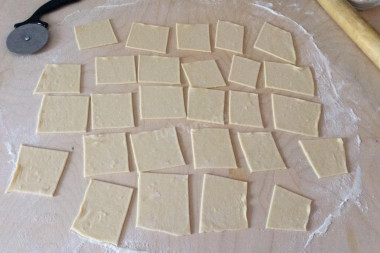
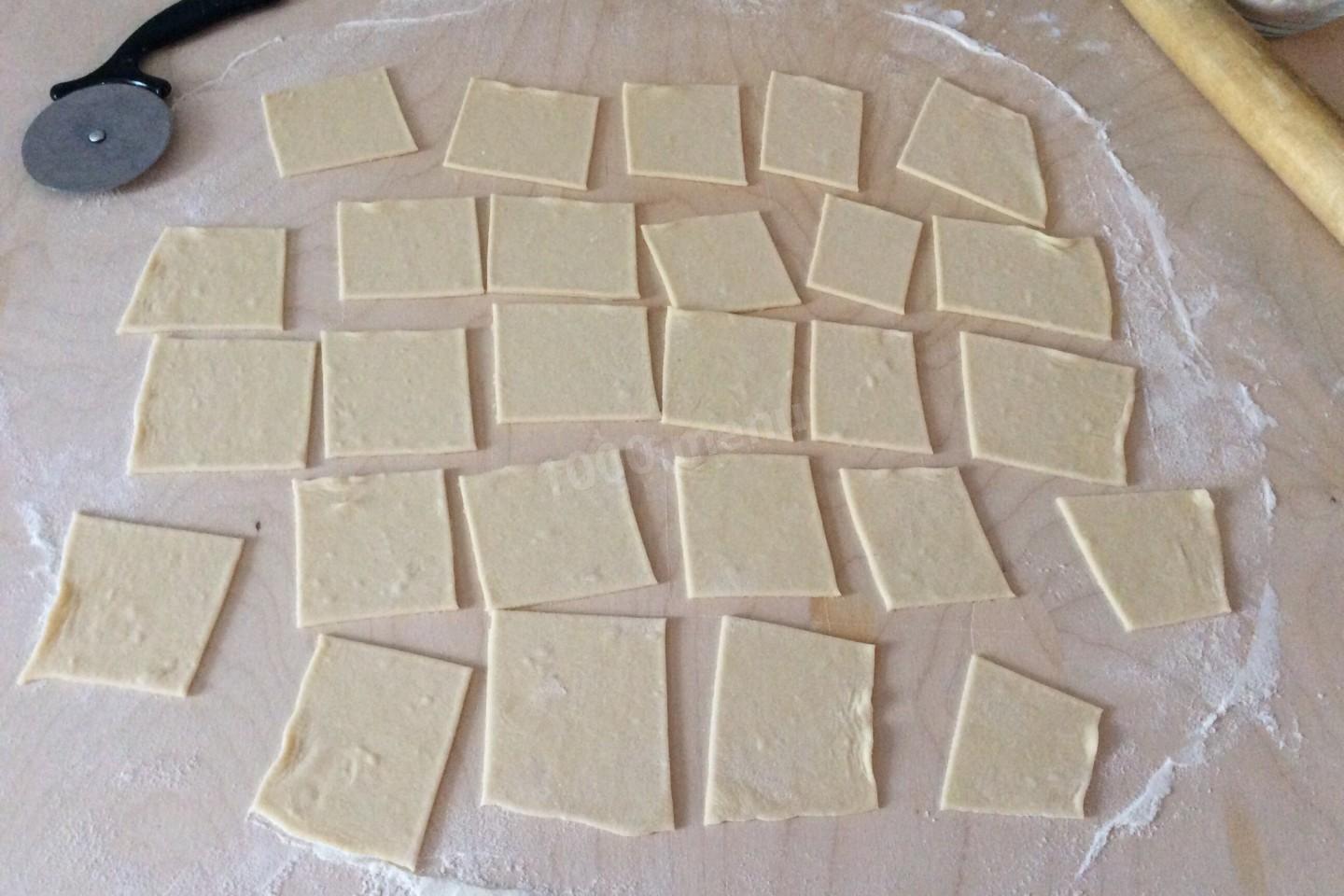
Roll the dough out about 1/16 inch (2 mm) thick and cut it into 2-inch (5 cm) squares. I use a pizza cutter — quick and easy.
-
Step 8:
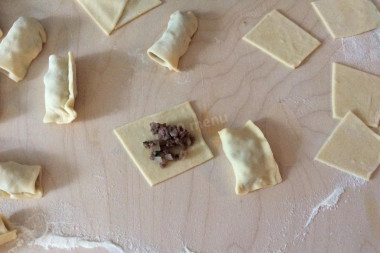
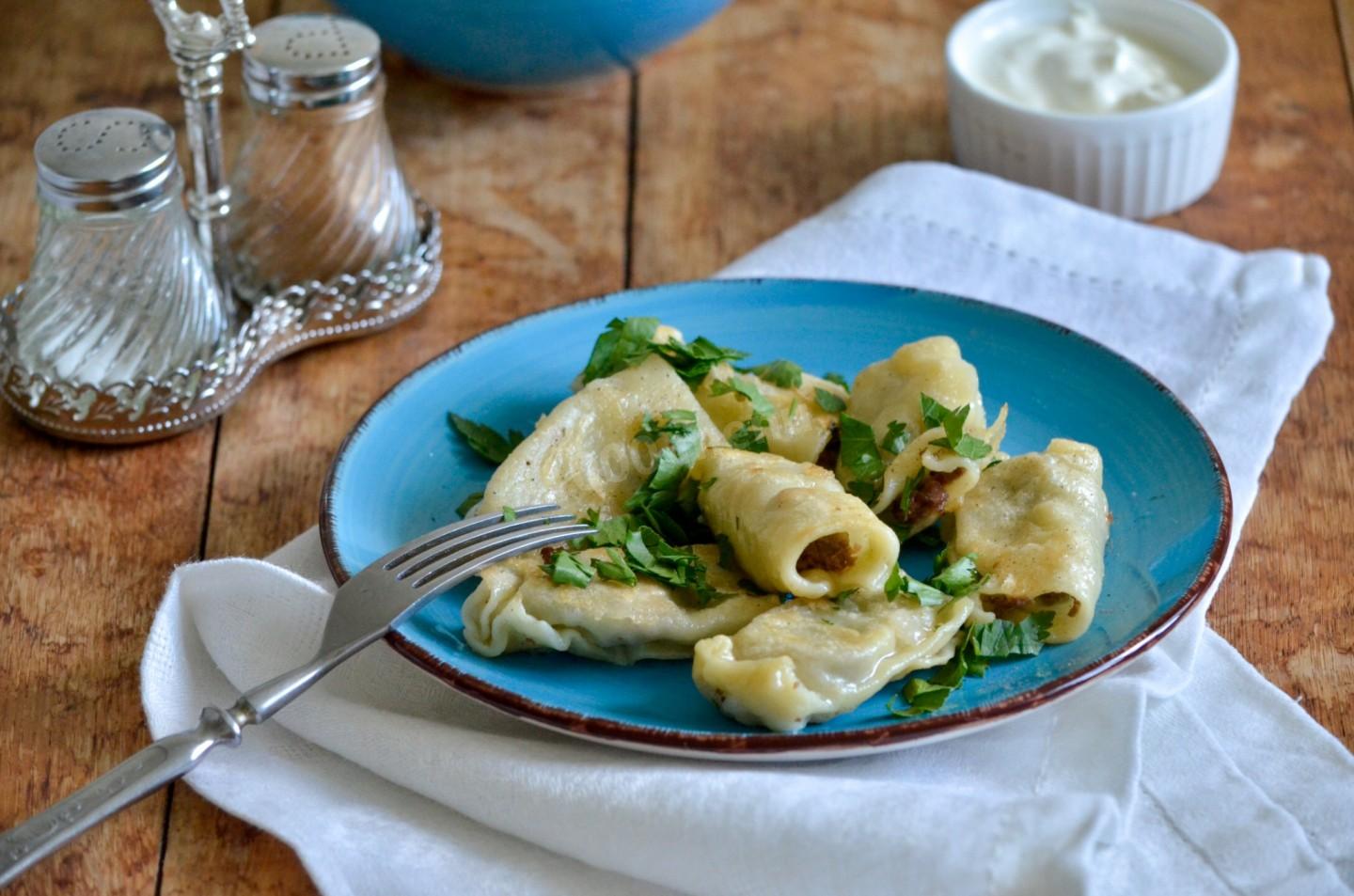
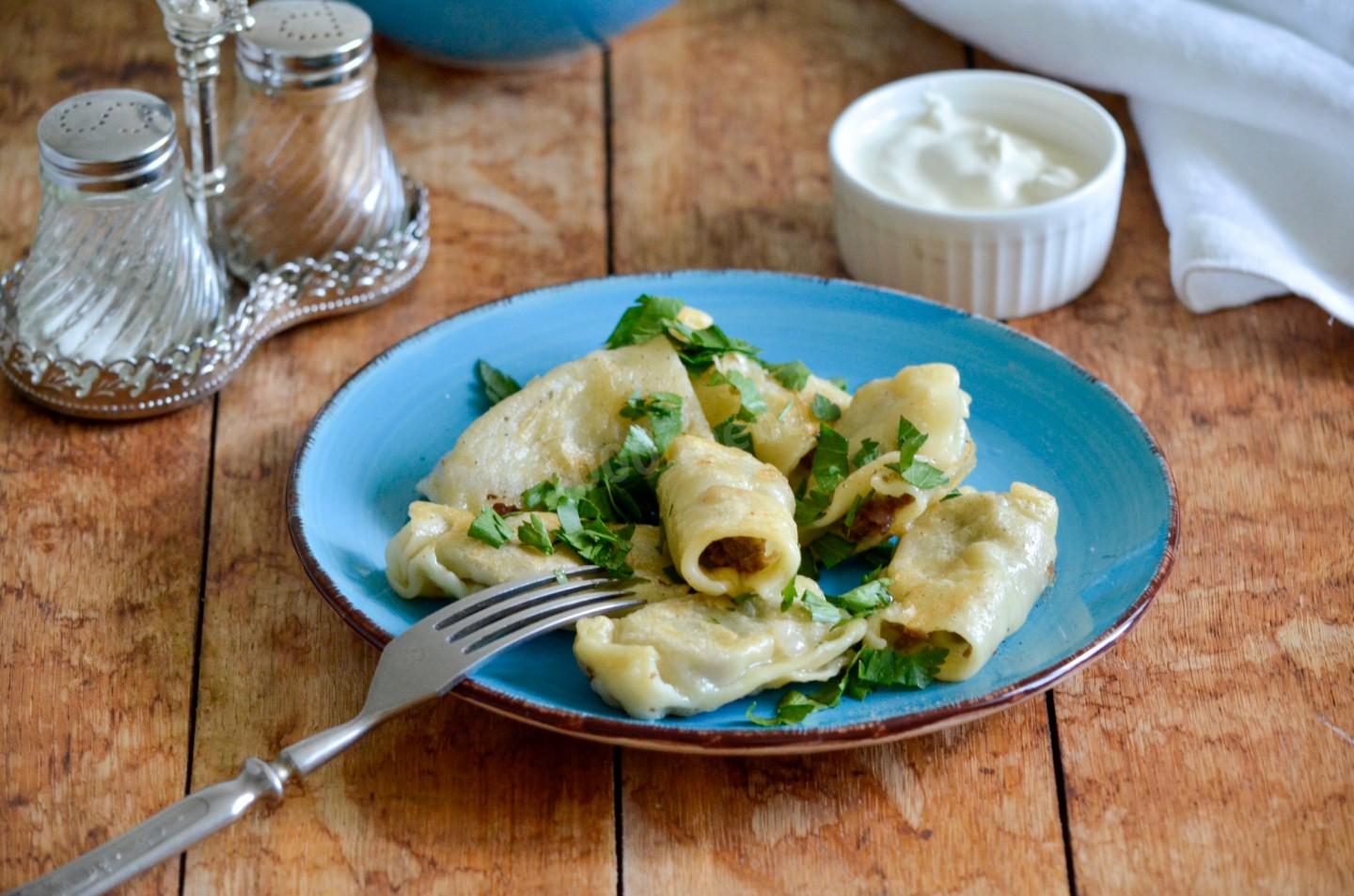
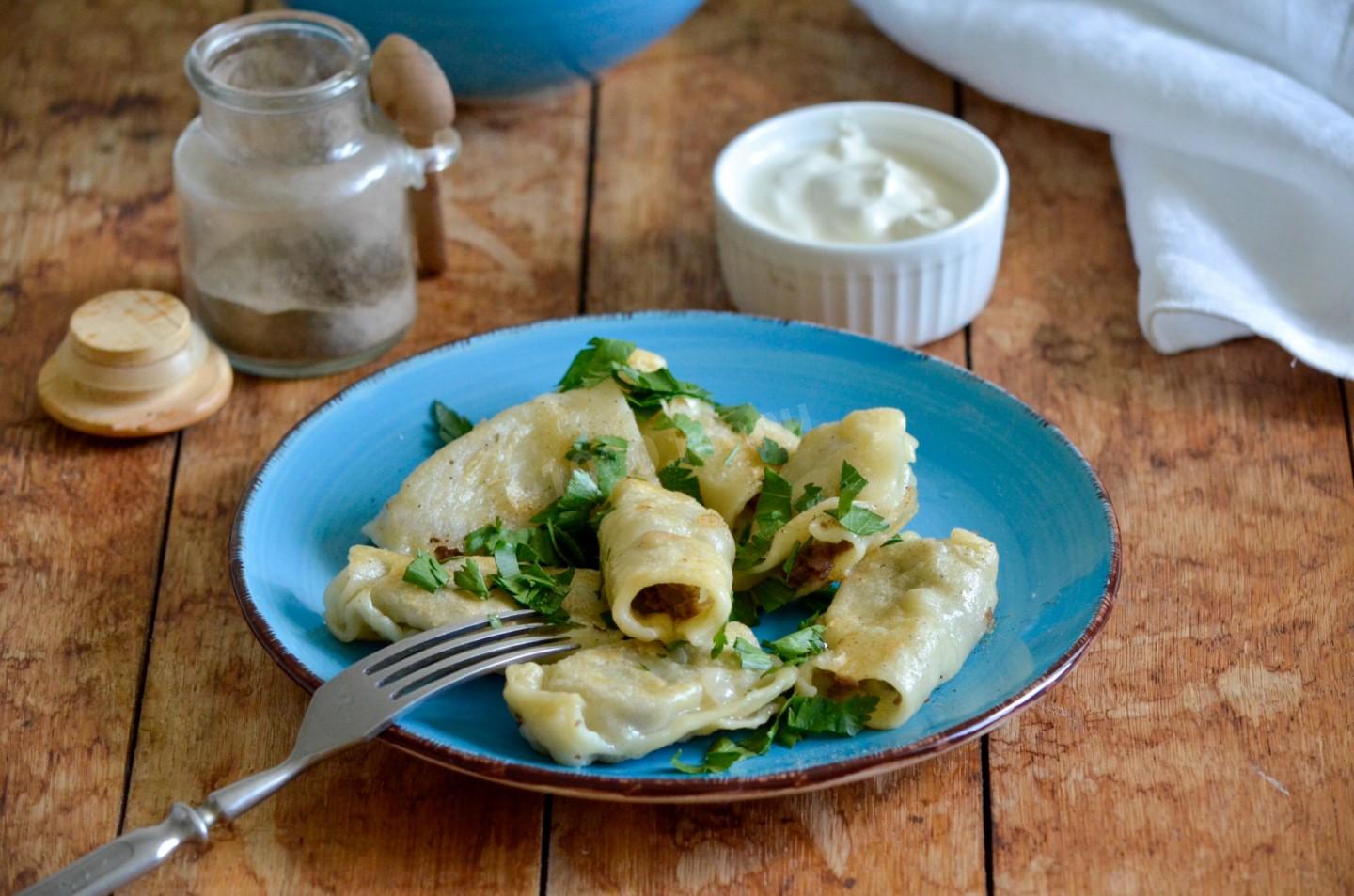
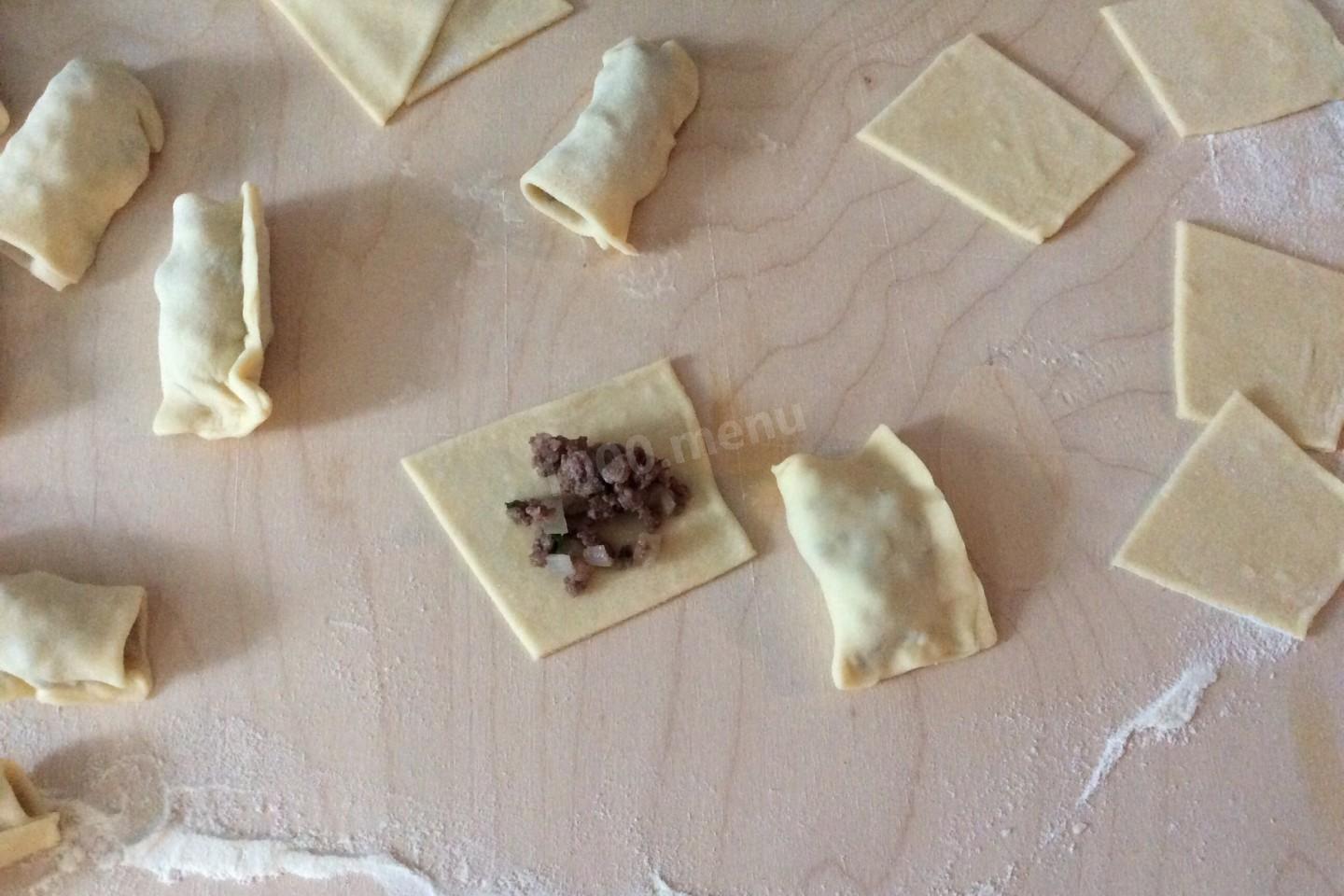
Shape the boraki. They should look like little open-ended cylinders. Put about a teaspoon of filling on each square and pinch the two sides closed, as shown — press the long seam against the sides and flatten the bottom.
-
Step 9:
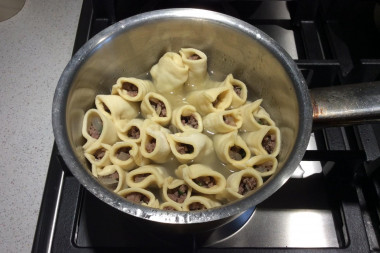
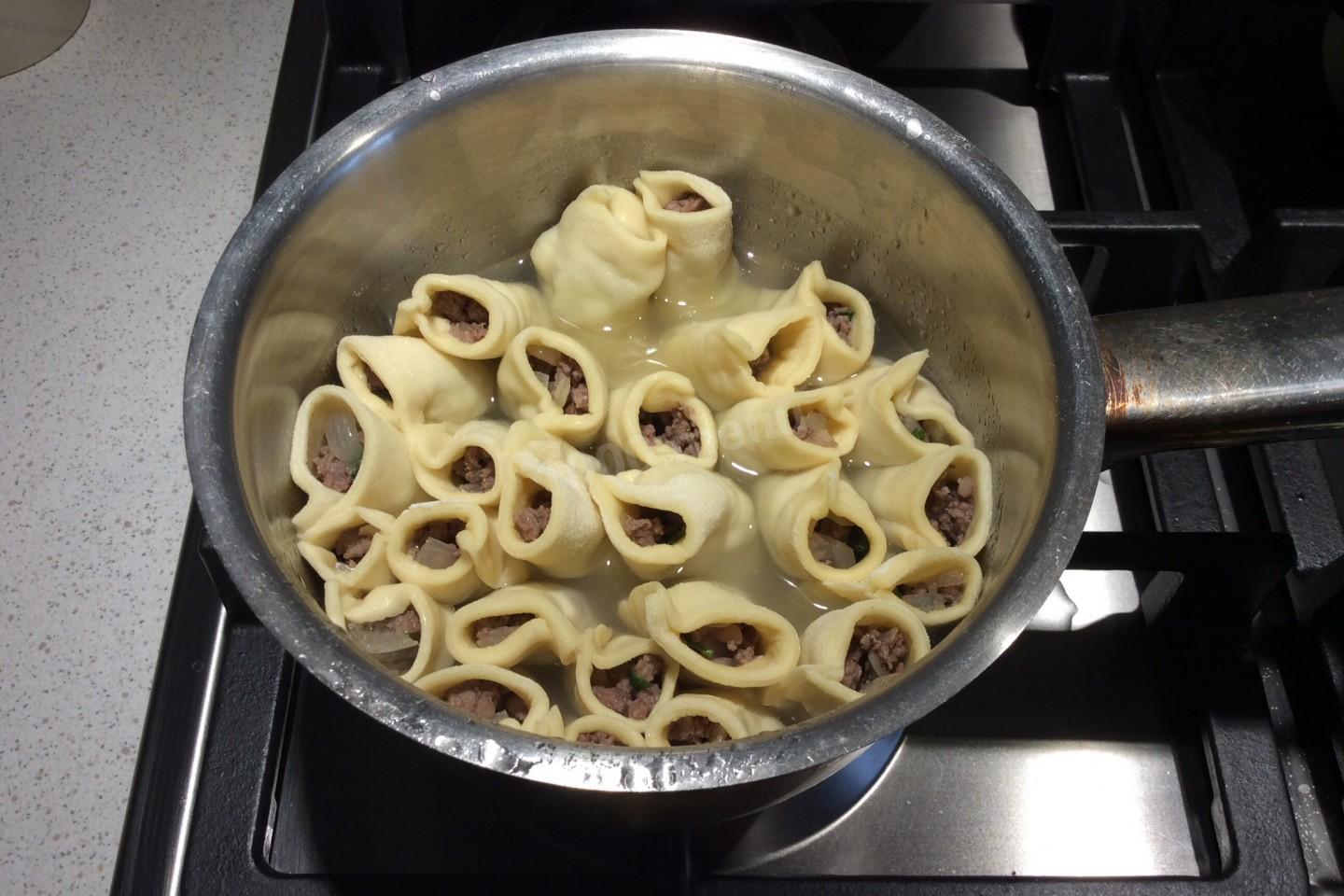
Stand the dumplings open-side up in a pot or deep skillet. Pour in boiling broth so it covers them about three-quarters of the way. Bring to a boil over medium heat, then lower the heat to a minimum and let them simmer, covered, for about ten minutes. Watch the broth level — don't let it boil dry; top it up if needed.
-
Step 10:
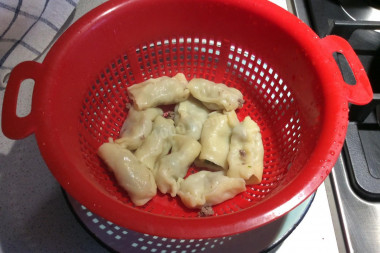
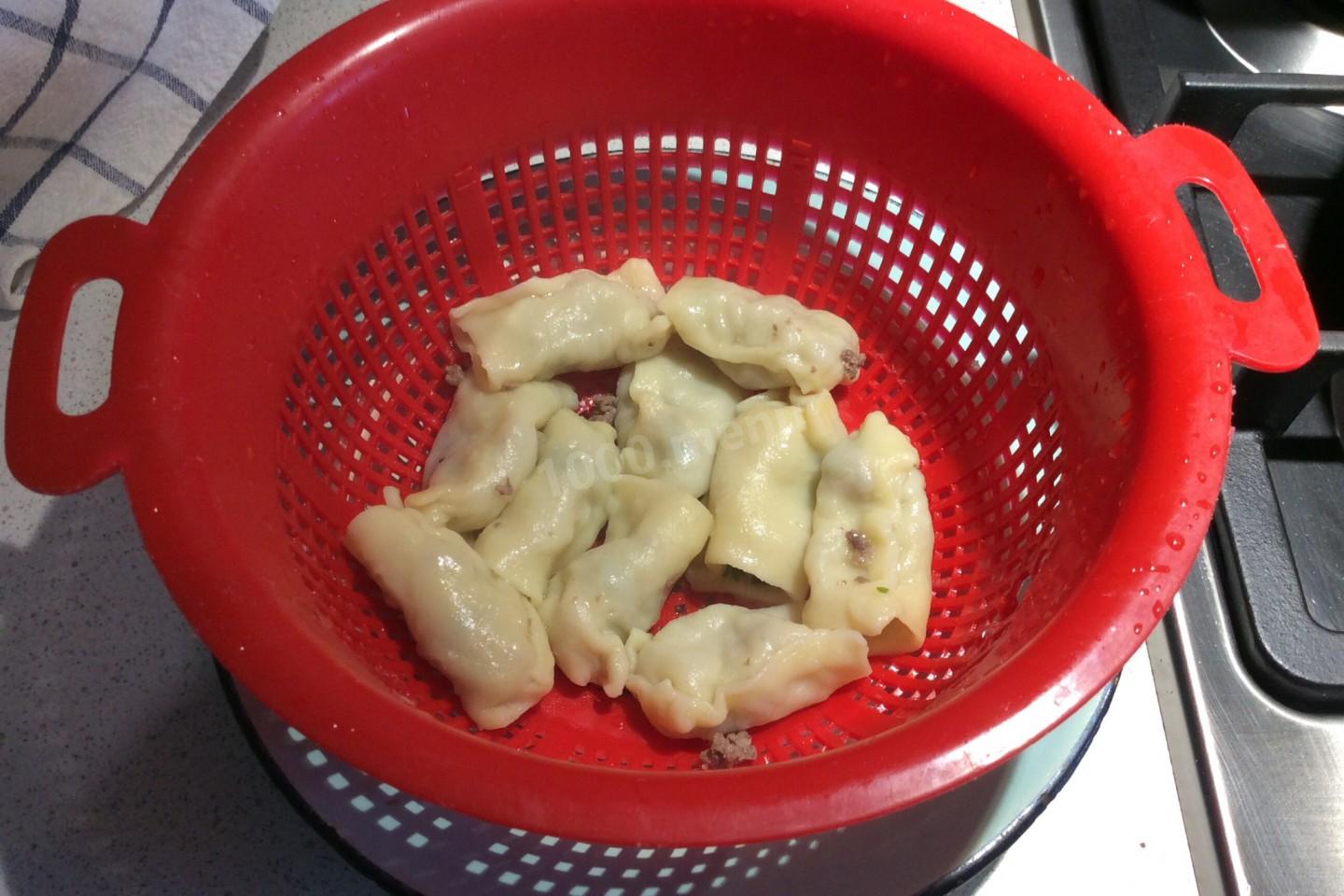
Carefully drain the simmered dumplings in a colander and let the liquid run off.
-
Step 11:
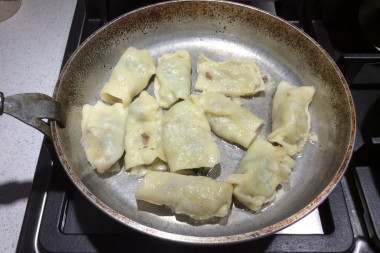
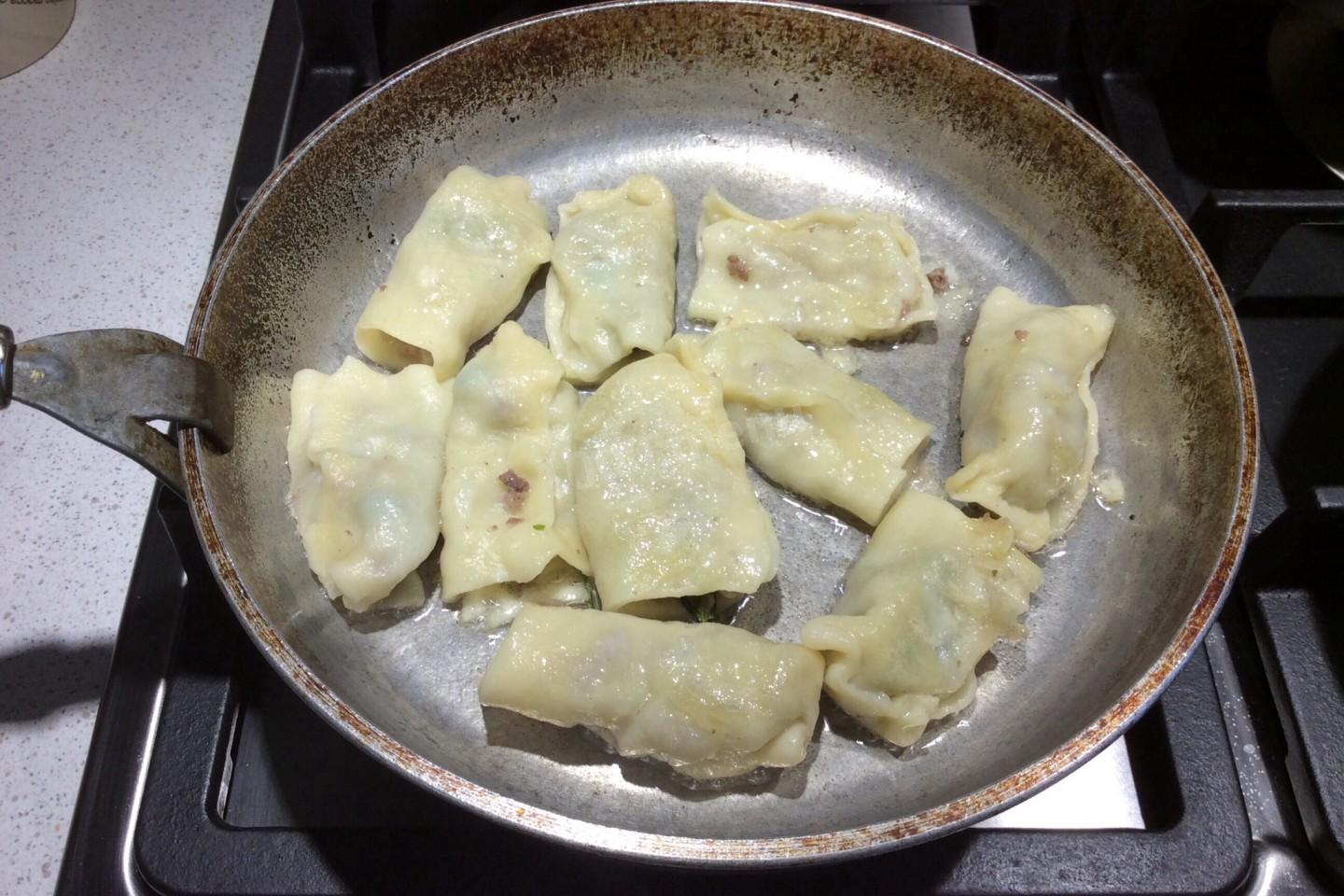
Heat oil well in a skillet and fry the dumplings.
-
Step 12:
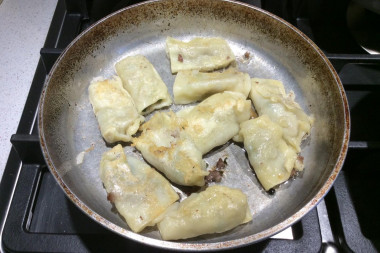
Fry on both sides until golden brown.
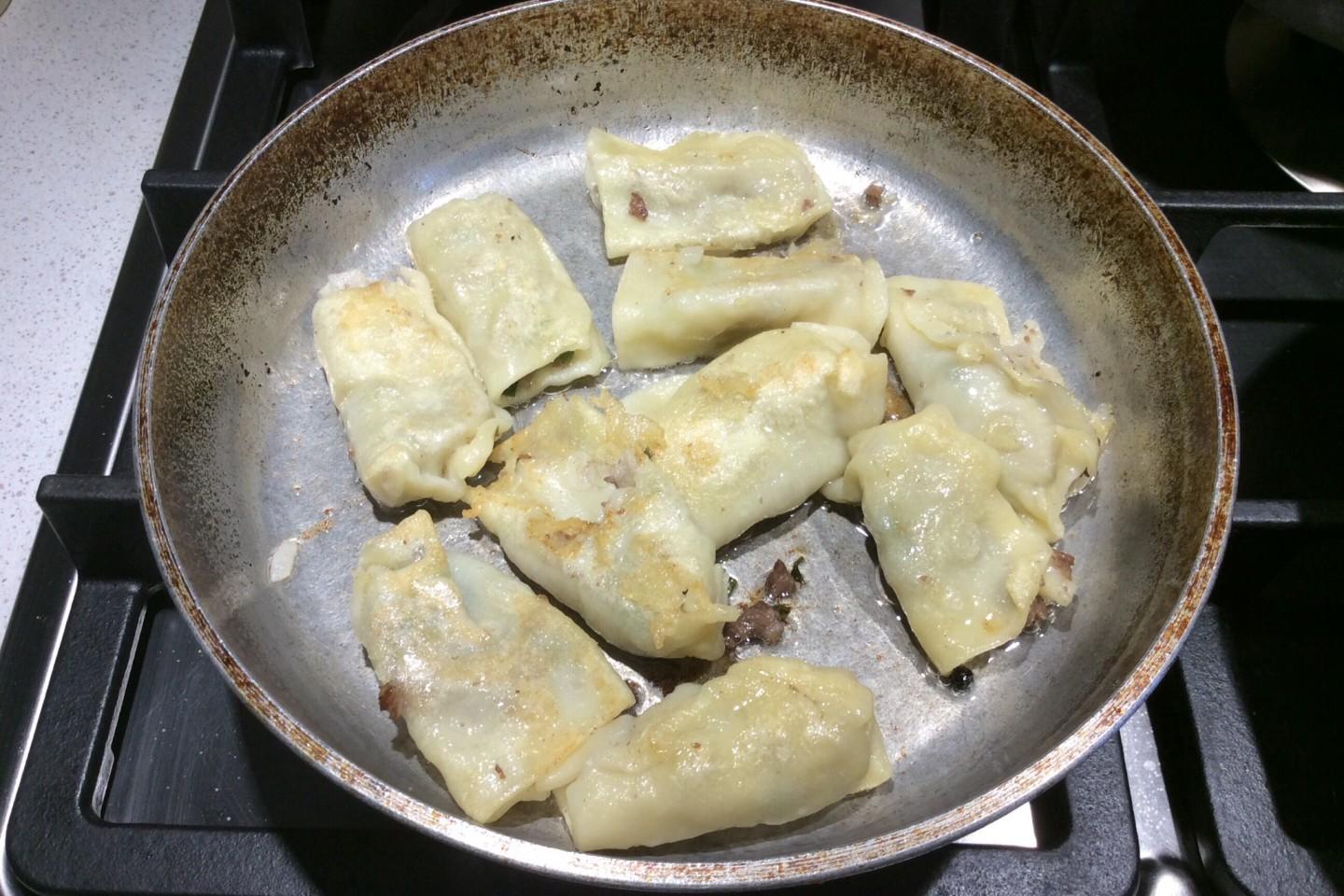
- Sprinkle the finished boraki with fresh herbs and serve with sour cream, adjika, or a matsoni-based (fermented yogurt) sauce.
Caloric content of the products possible in the composition of the dish
- Onion - 41 kcal/100g
- Chicken egg - 157 kcal/100g
- Egg white - 45 kcal/100g
- Egg powder - 542 kcal/100g
- Egg yolk - 352 kcal/100g
- Ostrich egg - 118 kcal/100g
- Ground black pepper - 255 kcal/100g
- Whole durum wheat flour fortified - 333 kcal/100g
- Whole durum wheat flour, universal - 364 kcal/100g
- Flour krupchatka - 348 kcal/100g
- Flour - 325 kcal/100g
- Mixed minced meat - 351 kcal/100g
- Vegetable oil - 873 kcal/100g
- Salt - 0 kcal/100g
- Water - 0 kcal/100g
- Fresh frozen soup greens in a package - 41 kcal/100g
- Greenery - 41 kcal/100g
- Broth - 15 kcal/100g
Similar recipes

- National cuisine
- Second course
- Eggs
- Meat and meat products
- Vegetables
- Flour
- Spices seasonings spices
- Fats and oils
- Other
- Зелень
- Pepper
- Salt
- Vegetable oil
- Broth
- Water
- Caucasian cuisine
- Cooking
- Frying
- In a frying pan
- Пельмени
- Meat second course
- Minced meat
- From onion
- Recipes for lean dishes without butter