Blackberry Jam for Winter
A unique berry makes a unique winter preserve. Blackberries have a really distinctive taste, yet for some reason putting them up for winter isn't all that popular — which is a shame.
This berry is indispensable in the kitchen. On cold winter days, a spoonful of blackberry jam makes a cup of tea taste even better. And in hand pies, pies, dumplings, desserts, pastries, and porridges, it lends an unusual aroma and flavor that make them special.
This close cousin of the raspberry also holds an honored place among berries used in folk remedies. It's a favorite for anyone with a weakened immune system, who catches colds easily, or who has kidney issues, and so on.
Serve blackberry jam with tea, make tasty, wholesome drinks from it, or simply spread it on a slice of white bread. It's delicious any way you use it.

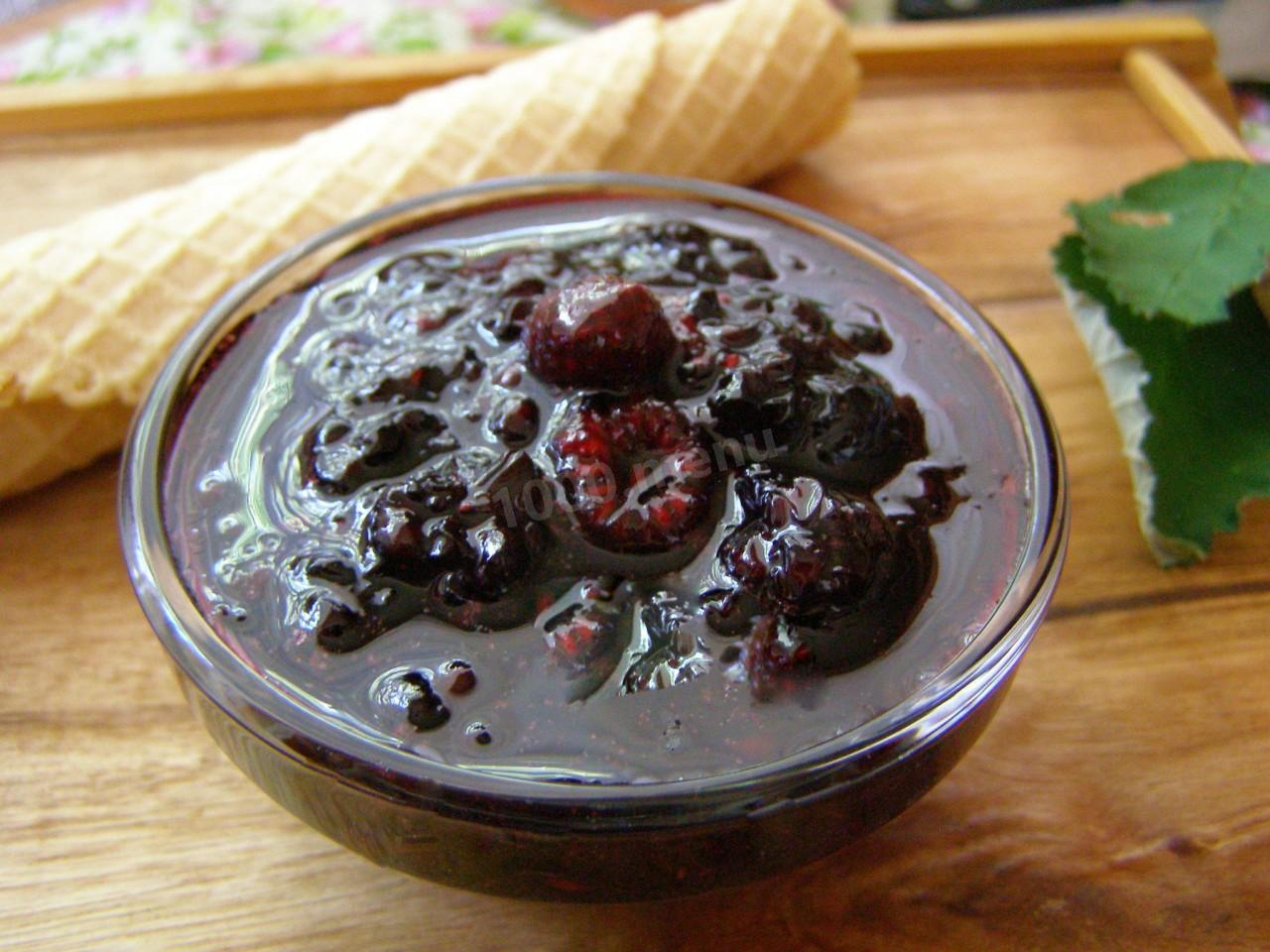
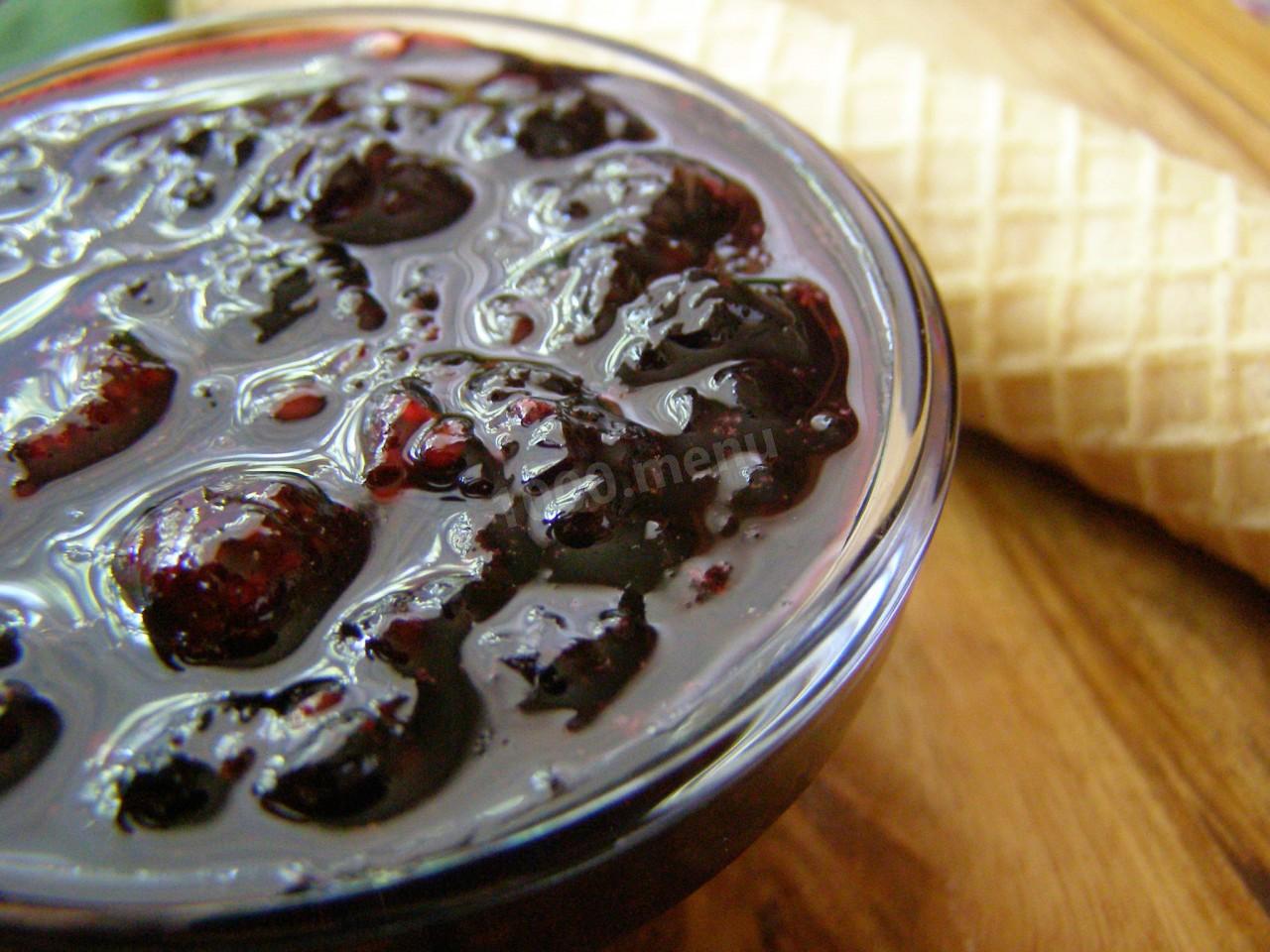
Cooking method
-
Step 1:
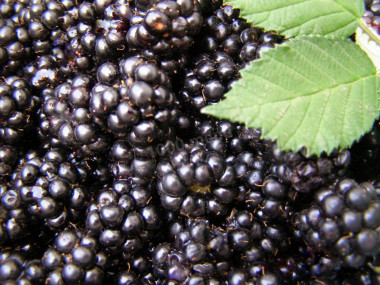
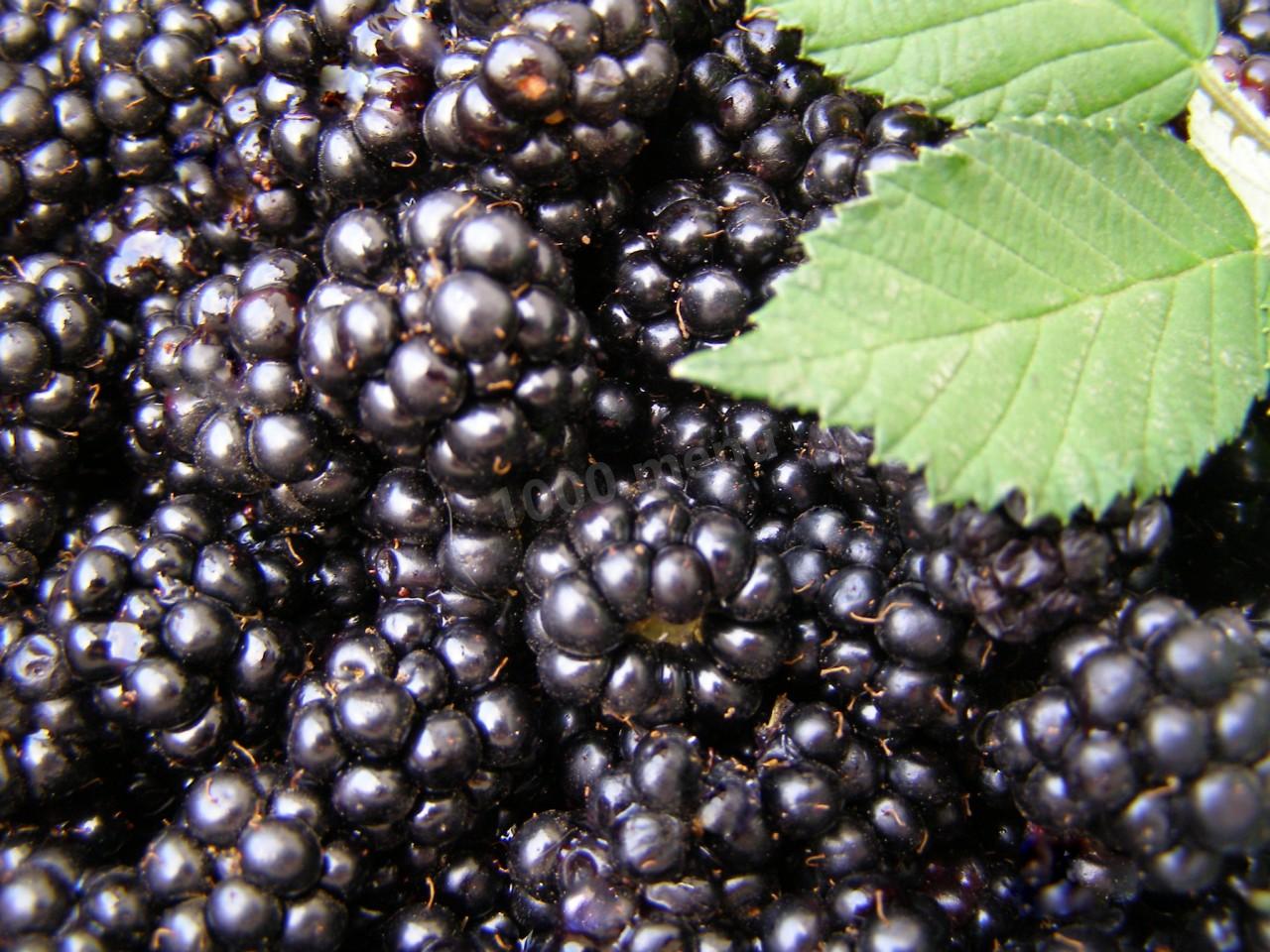
Where to start? It depends on whether you bought the blackberries at the store or picked them straight off the bush, as I did. I gathered ripe berries and pulled them off the stems, then sorted through them — berries ripen unevenly, so some are ripe while others are still green or already dried out. That took me half an hour.
-
Step 2:
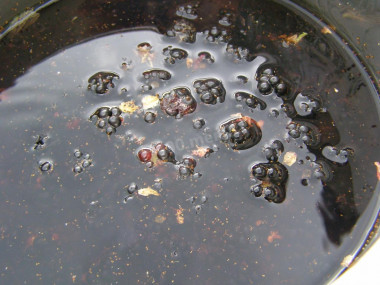
I removed only the unripe berries and rinsed the rest with water — in several rounds, because blackberries always carry a lot of debris and dust, and the bad berries float up along with bits of leaf and so on.
-
Step 3:
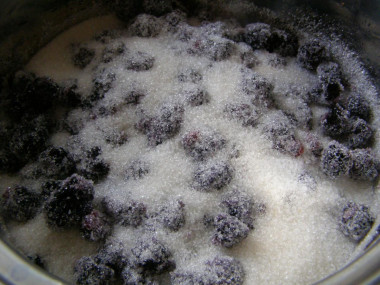
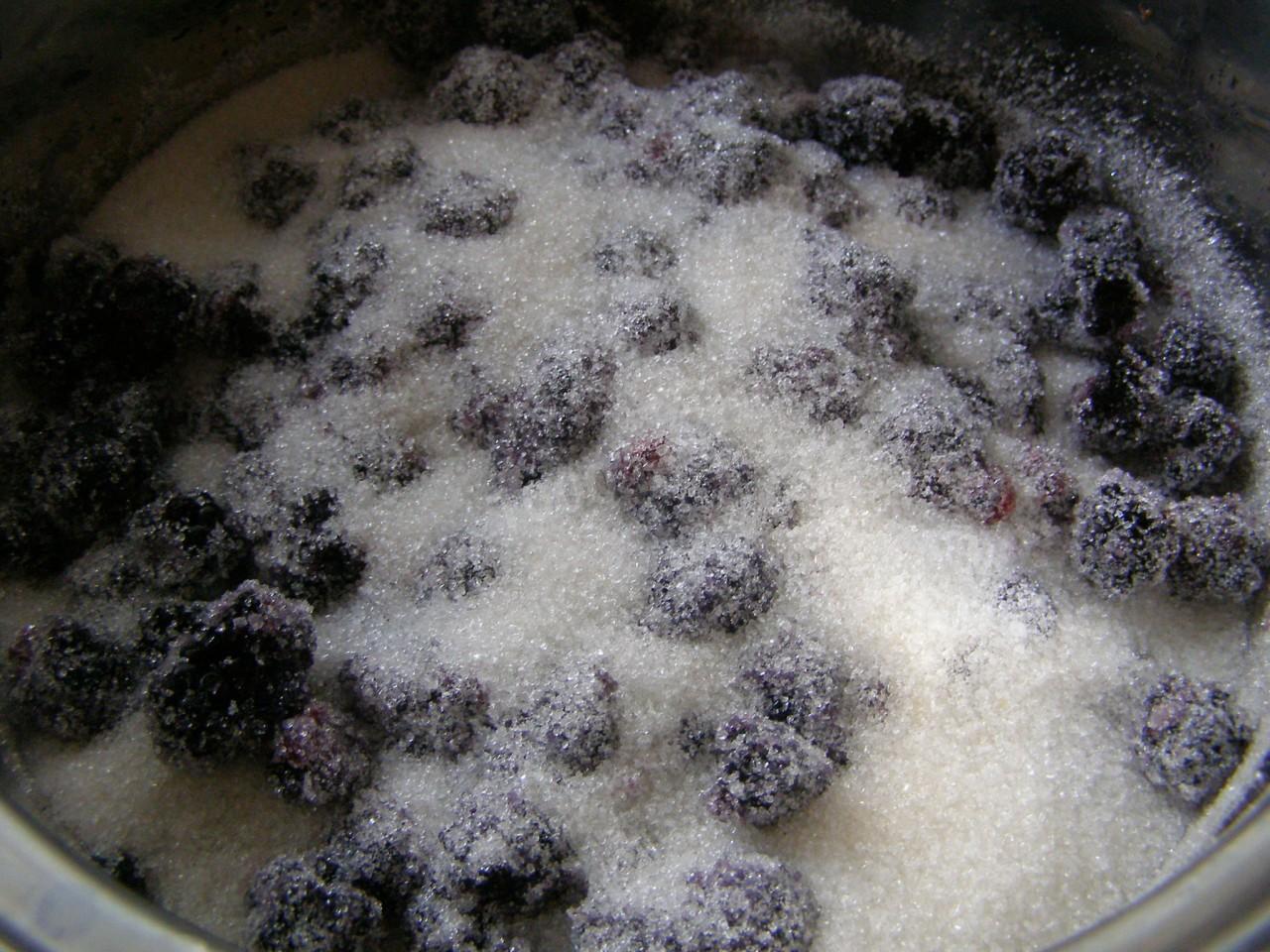
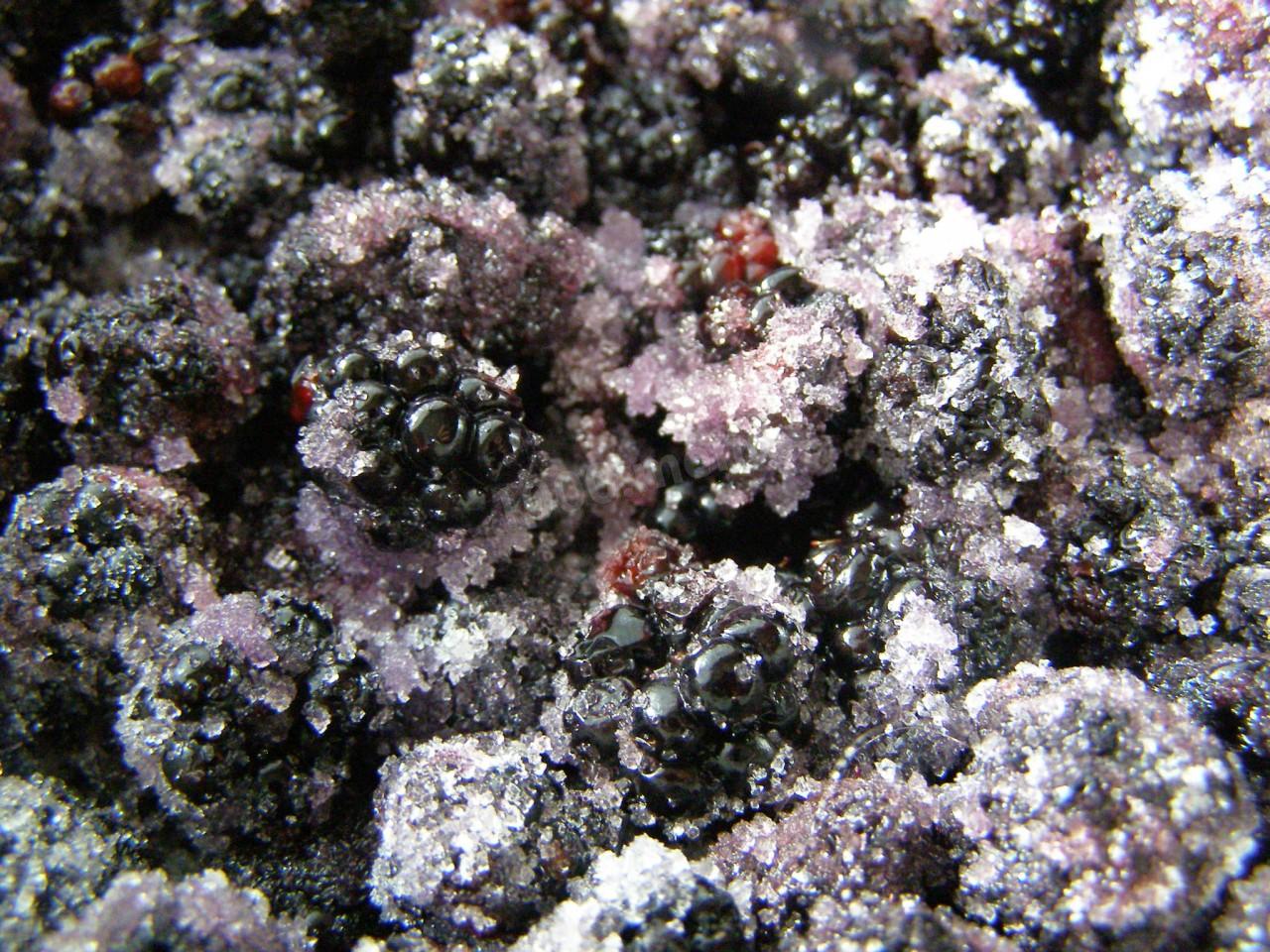
Once the water ran clear, I drained the berries and layered them with sugar, dividing it so there was enough for all the blackberries.
-
Step 4:
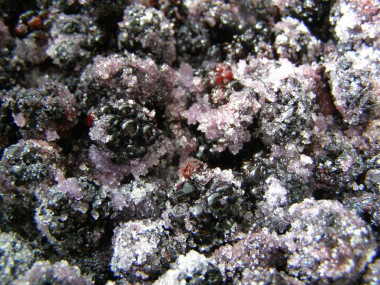
Although blackberries aren't as delicate as raspberries, you still don't want to crush them — just give them a gentle shake so the sugar spreads and the juice starts flowing, which usually happens after the first shake. The sugar takes on the blackberry color. At this point, decide for yourself: either start cooking right away (for a quick five-minute jam) or wait until the juice fully covers the berries (about 5 hours).
-
Step 5:
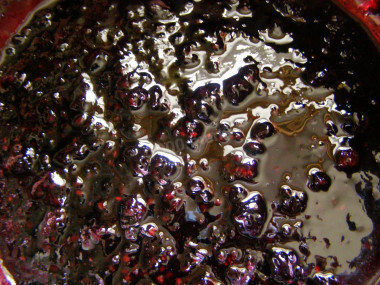
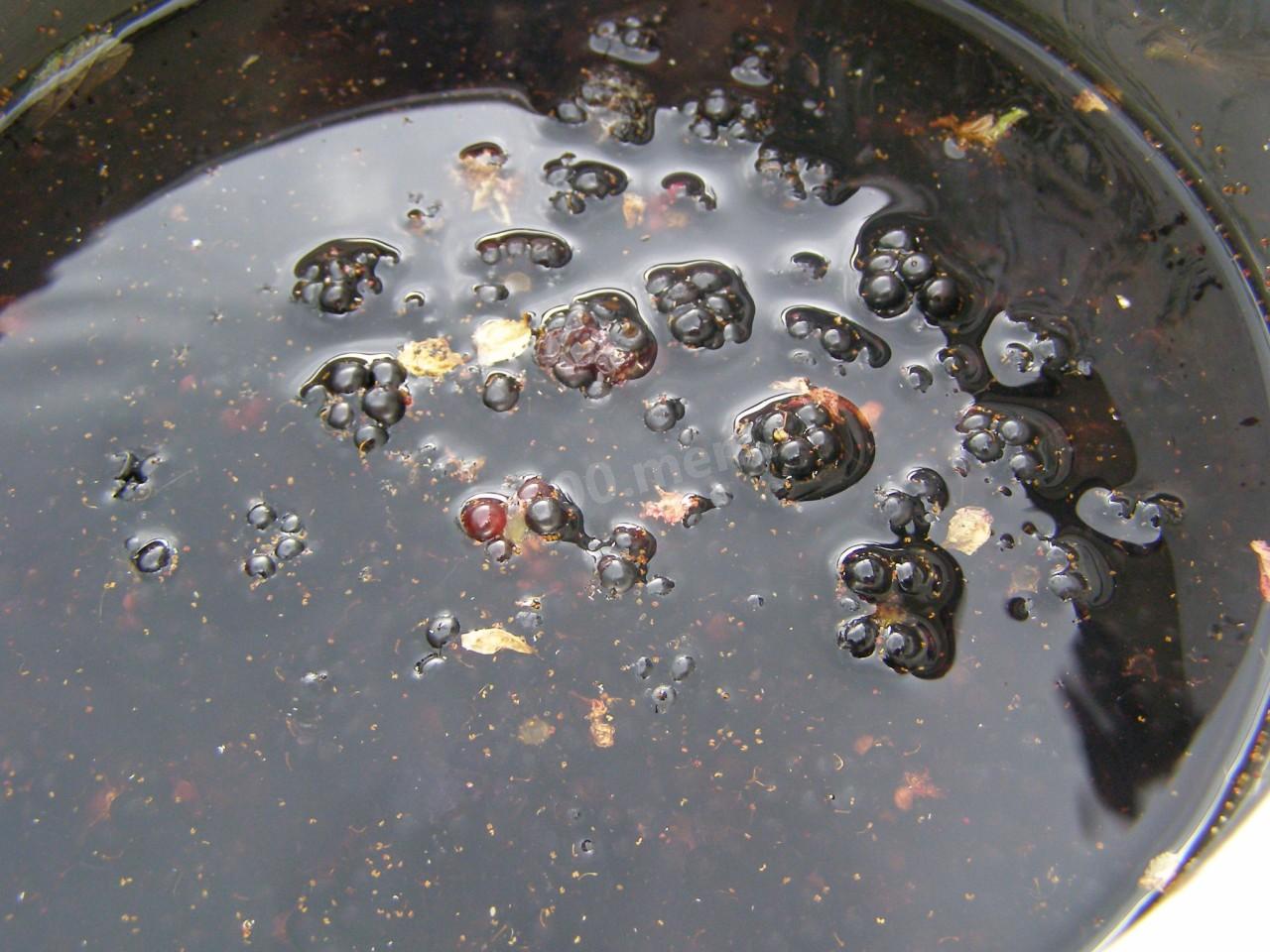
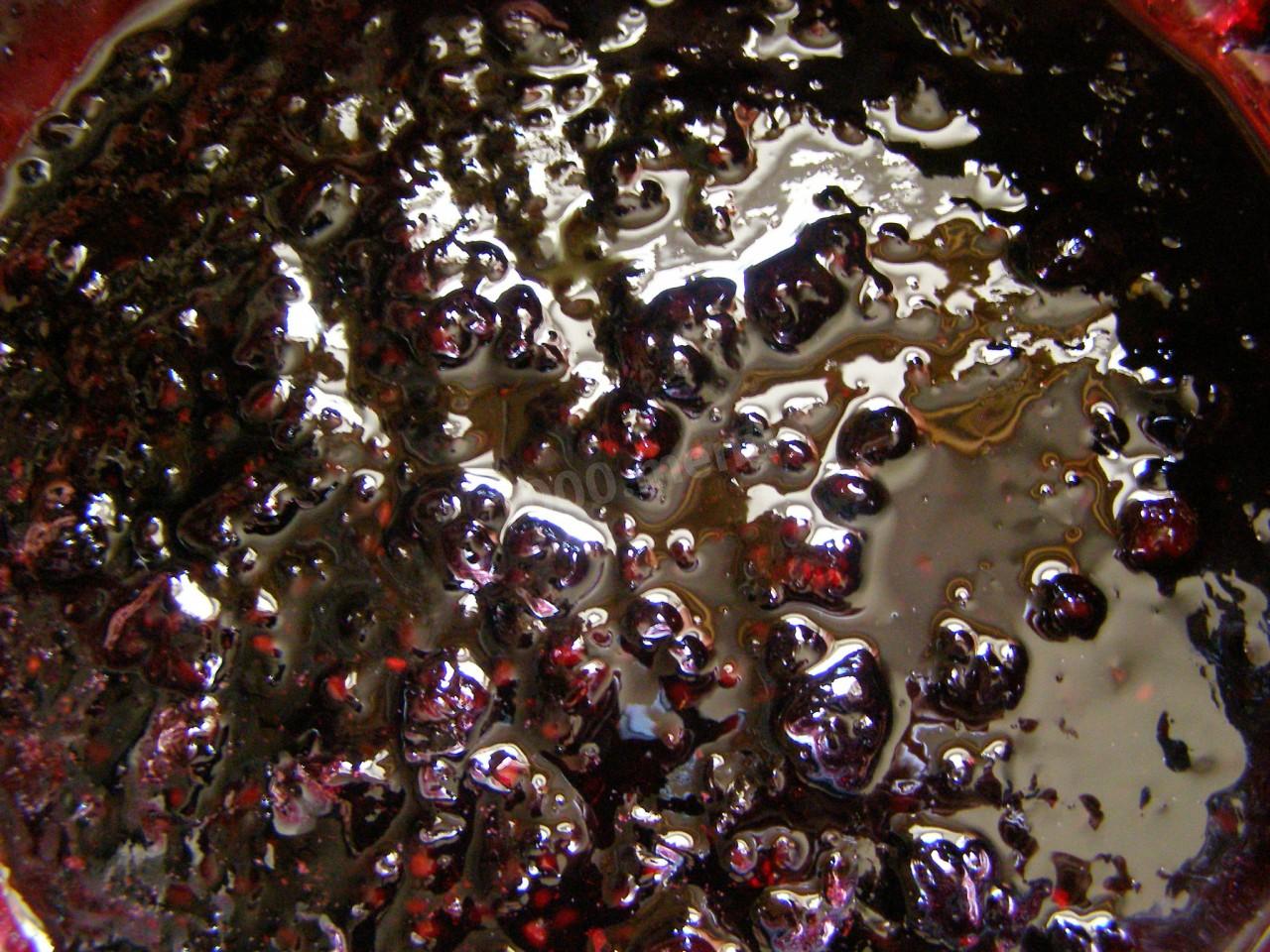
I usually don't wait for a lot of juice — otherwise you end up with blackberries in their own syrup, and I want jam. So I put the pot of sugared blackberries on the stove as soon as I saw a little juice. Stirring constantly with a wooden spoon or spatula, bring it all to a boil. Then turn the heat to low and cook for 5 minutes, stirring constantly so it doesn't scorch.
-
Step 6:
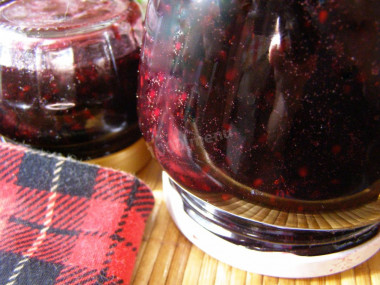
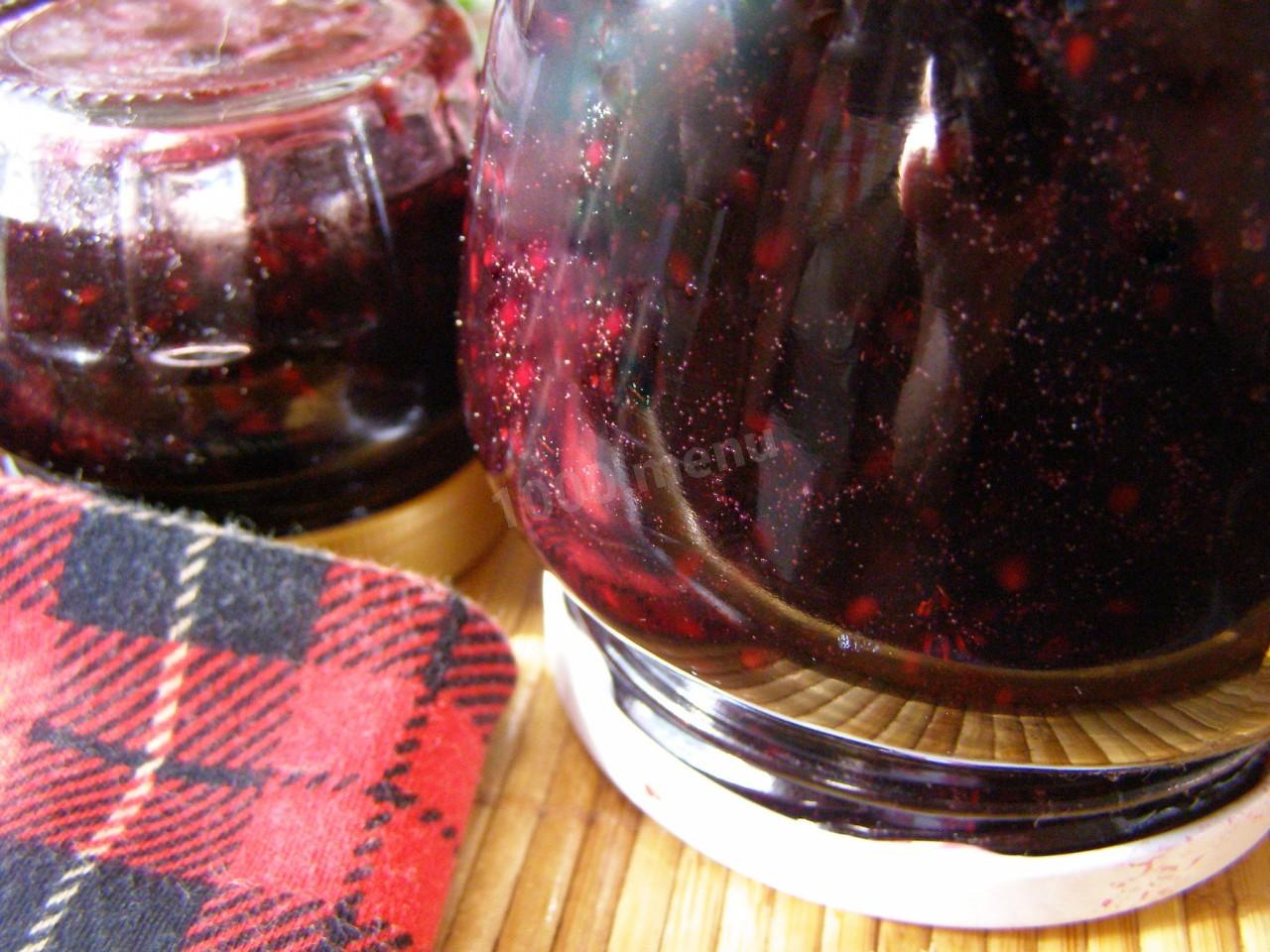
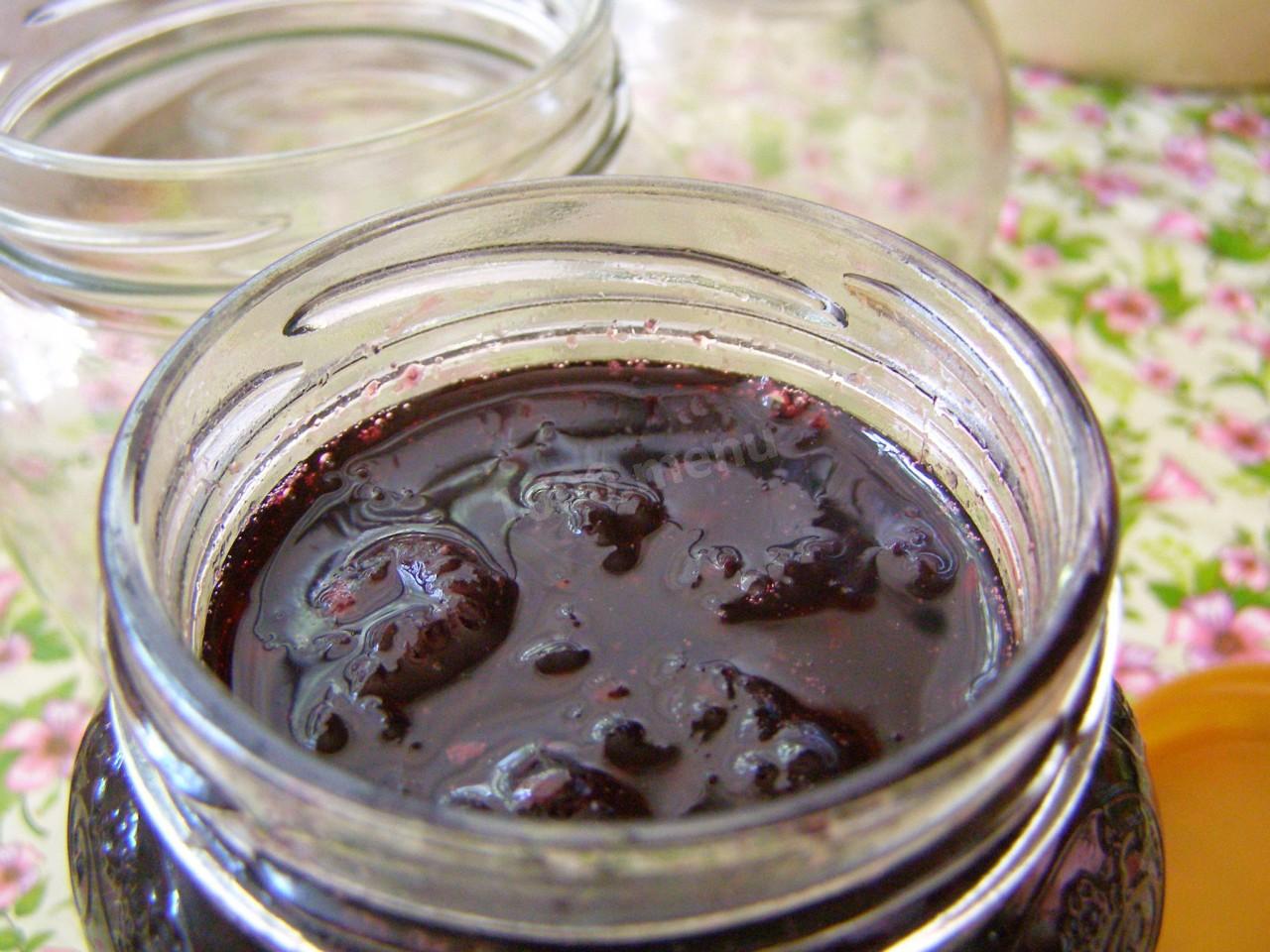
Here's another choice: either seal the jars right after the five-minute boil and store them, or let the jam cool and bring it back to a boil a few more times for 5 minutes each. I didn't repeat the boiling — I packed the still-boiling jam straight into clean, sterilized dry jars and screwed on the lids. It's better that way, and you don't even need to wrap the jars in anything warm like you would for other jams. Just cool them quickly and put them on the shelf.
-
Step 7:
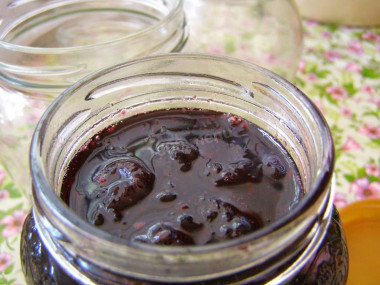
Open it later in the cold or slushy days and enjoy. Blackberry jam is simply incomparable.
- A few more tips. Use only ripe berries for jam. Jam is usually cooked quickly to preserve the nutrients of the raw fruit, but sometimes it's left up to a day — also to keep those nutrients. In my experience, it's best not to cook blackberry jam in large batches: as it thickens, it starts sticking to the bottom and scorching. You can grind the berries instead of cooking them whole. The amount of sugar can be adjusted up or down — even down to no sugar at all. You can mix in all sorts of other berries and fruits, but blackberries are especially wonderful with raspberries. A couple more options: cook for half an hour once the berries release their juice and seal in sterile jars; or wait 5 hours for the juice, cook for 5 minutes, add a little citric acid, spoon into clean jars, cover with plastic lids, and store in the cold.
Caloric content of the products possible in the composition of the dish
- Granulated sugar - 398 kcal/100g
- Sugar - 398 kcal/100g
- Blackberries - 31 kcal/100g