Canned Quince Compote (No Sterilizing)
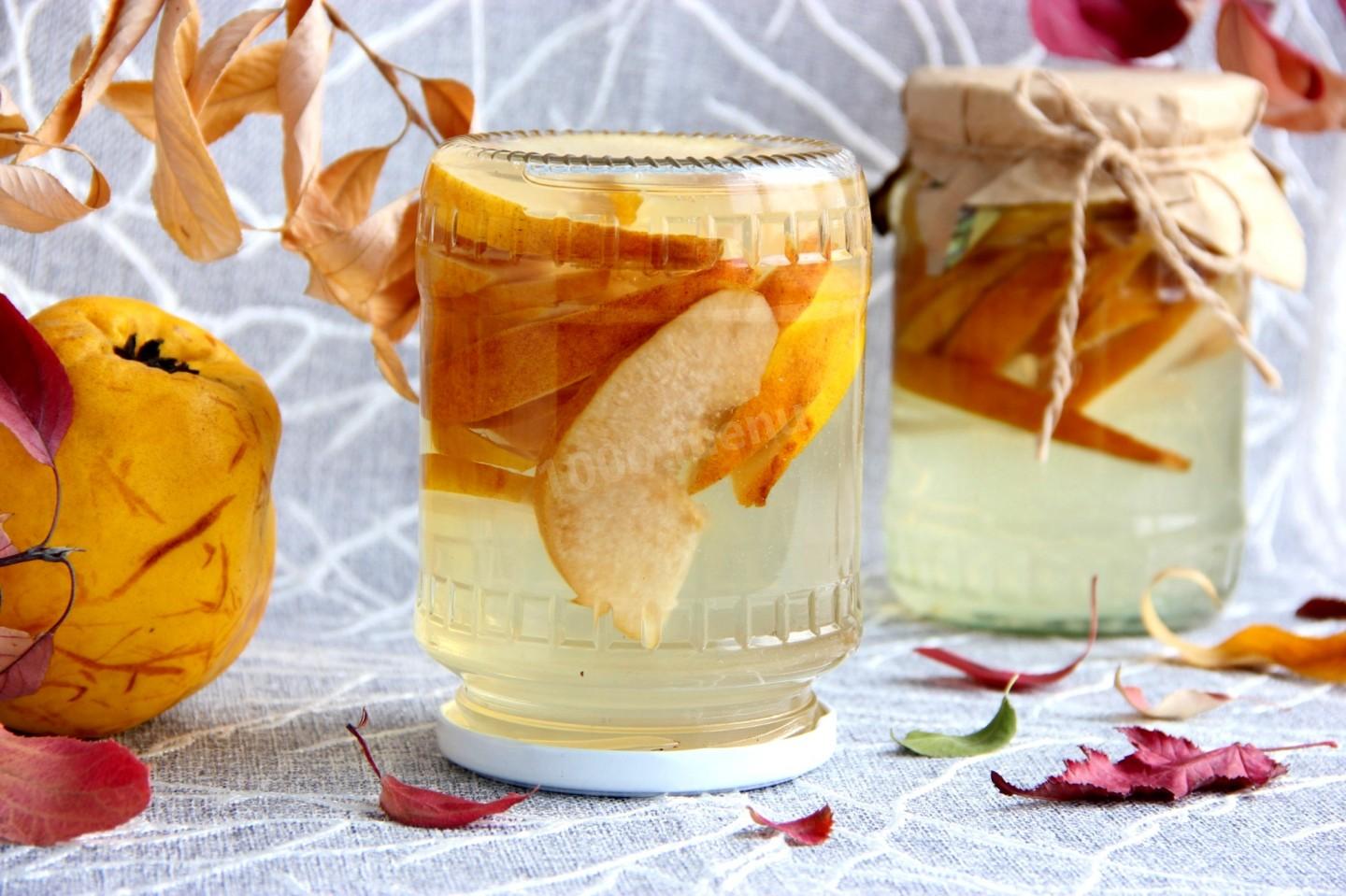
A delicious quince compote to put up for winter, with no canner sterilizing required. Raw quince is rock-hard, and not many people enjoy eating it that way. But cook it down into a jam or compote and its full flavor and aroma finally come through!

Cooking method
-
Step 1:
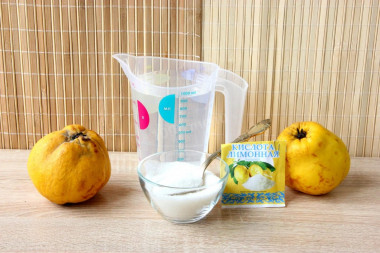
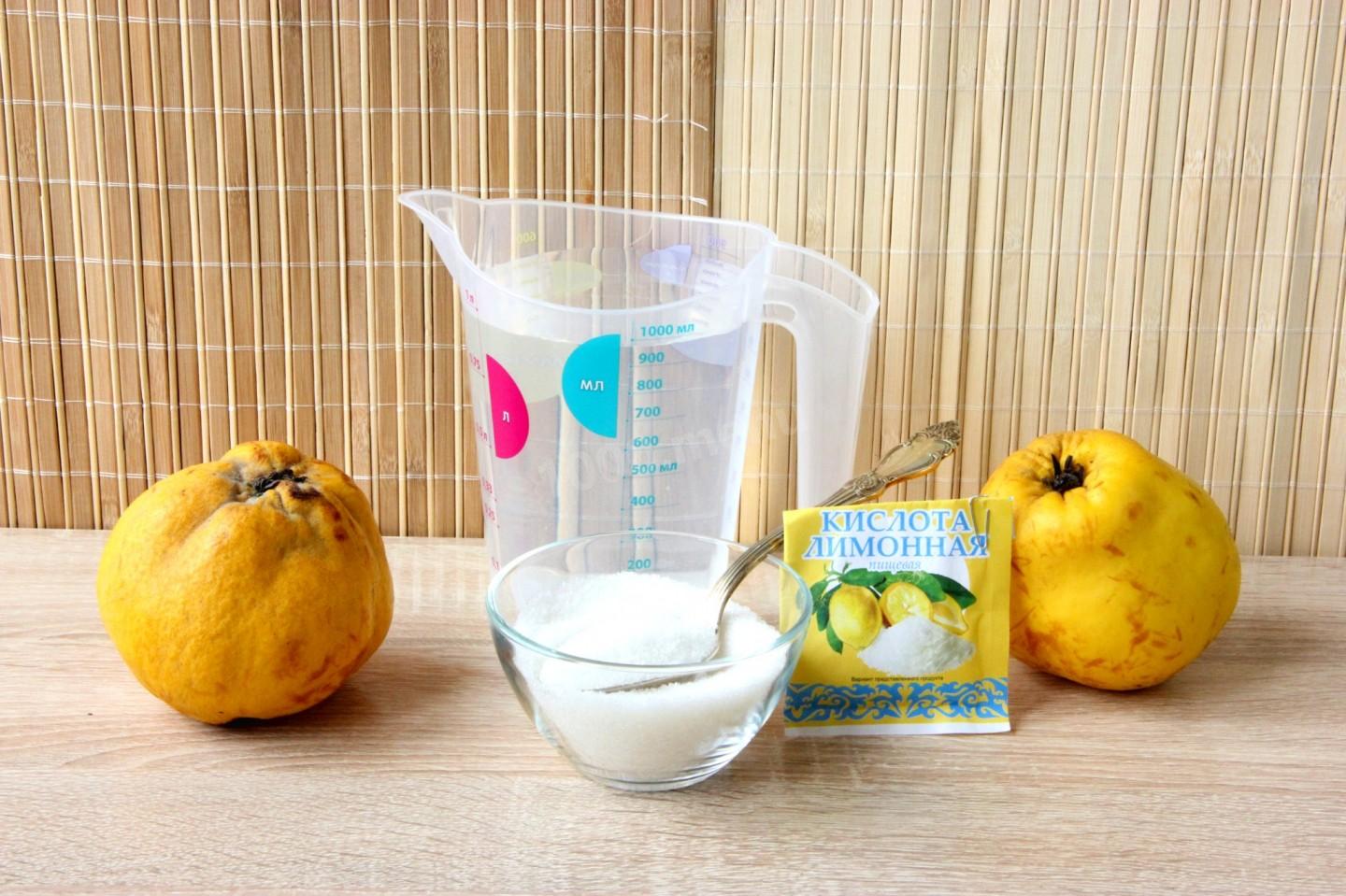
Gather your ingredients.
-
Step 2:
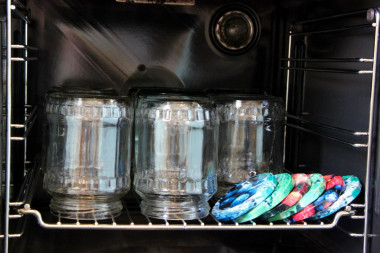
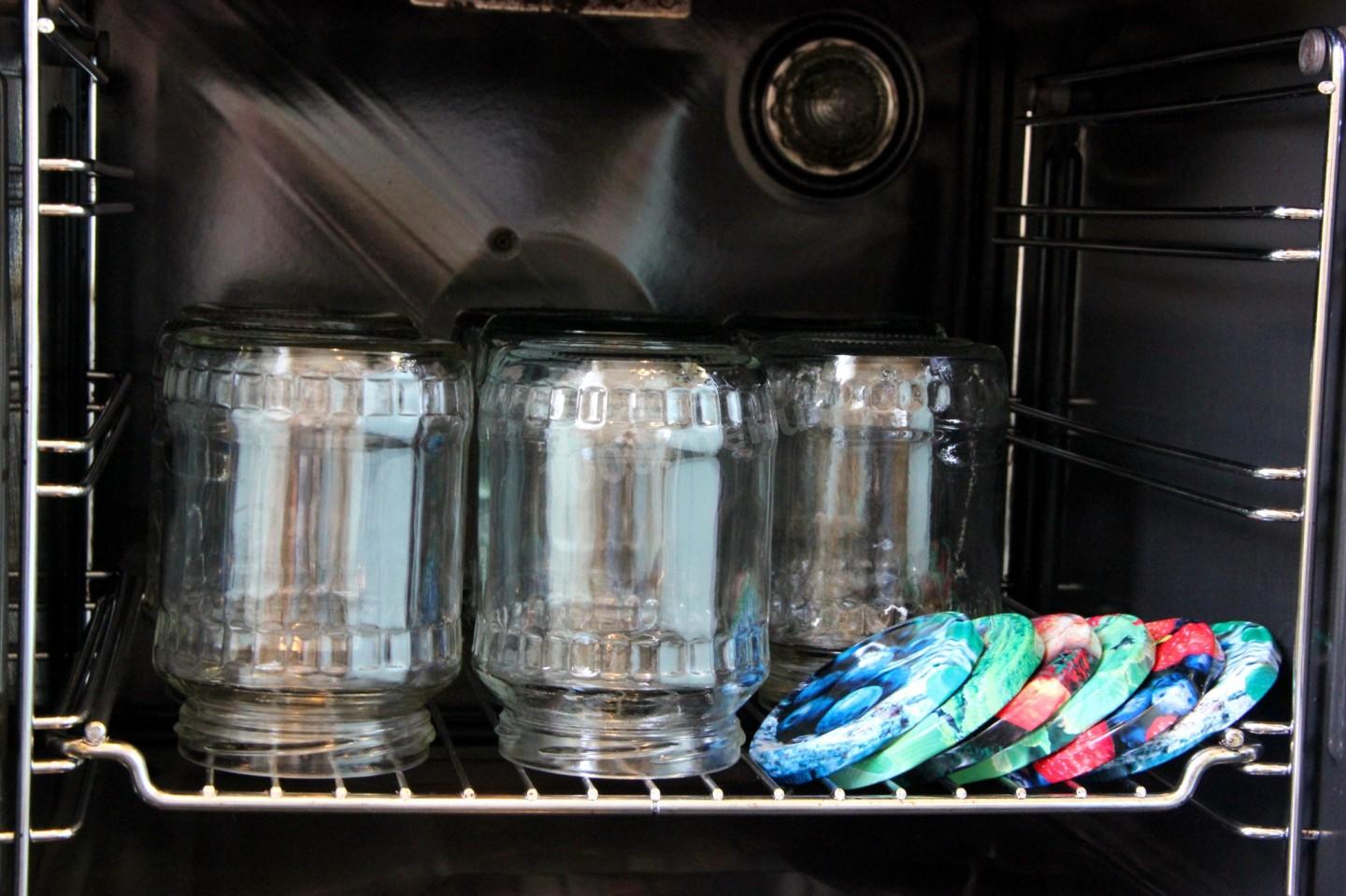
The first thing to do is prep the jars — everything else comes together quickly. Wash the jars with baking soda and rinse them well under running water. While still wet, set them neck-down in a cold oven and lay the lids out too. Turn the oven to 300°F (150°C); once it reaches temperature, sterilize the jars for 15 minutes for 1-quart (1 L), 20 minutes for 2-quart (2 L), or 25 minutes for 3-quart (3 L). This is my favorite way to sterilize jars — I've used it for years and it's never let me down.
-
Step 3:
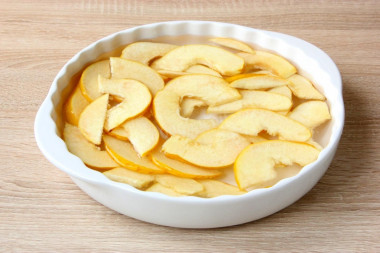
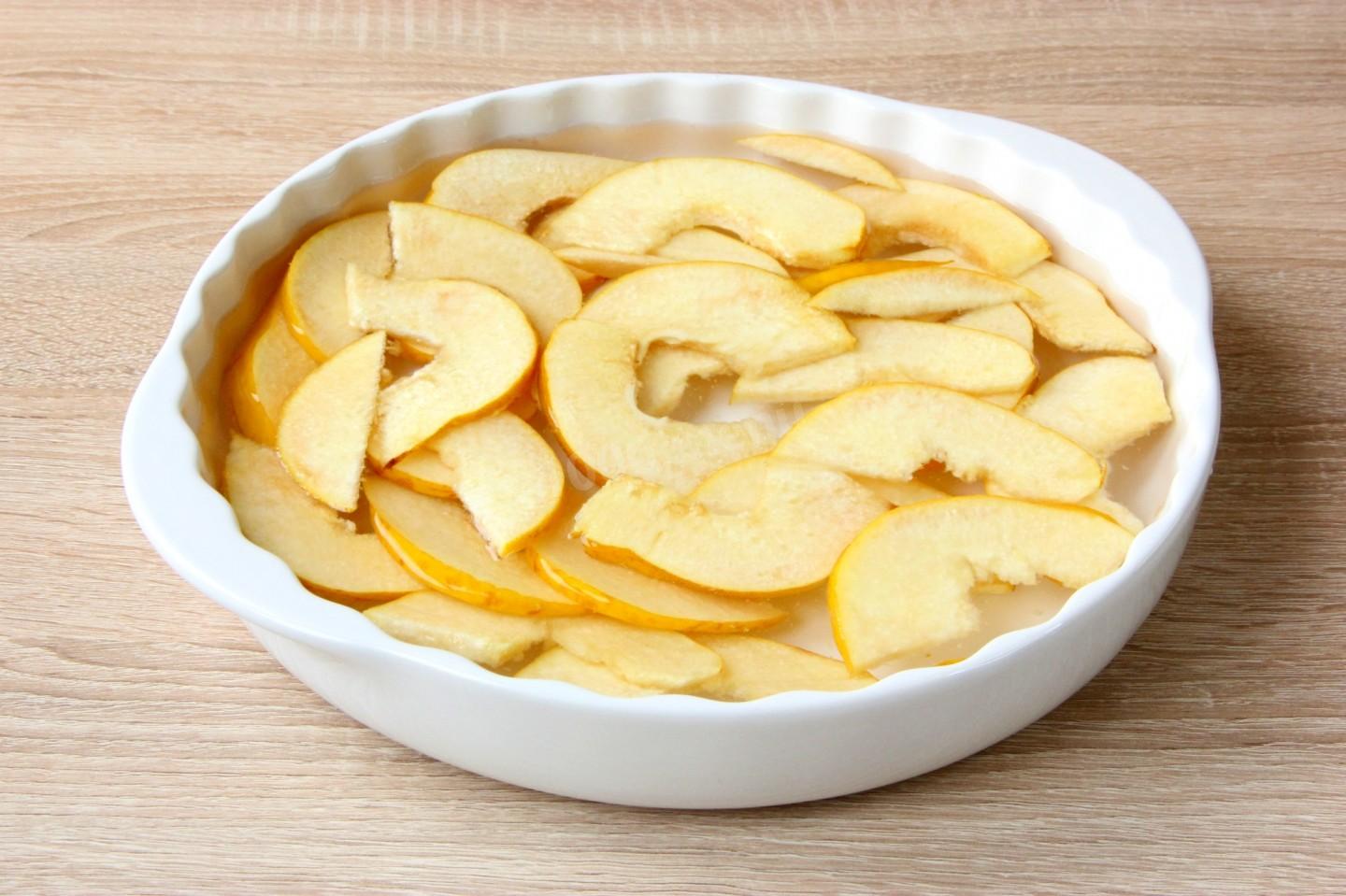
Rub the fuzz off the quince with a dry towel and wash it thoroughly. Trim off the hard dark top with the leftover blossom end and the bottom of the fruit. Cut the quince into quarters and cut out the core and seeds. Leaving the peel on, slice it into thin pieces. Drop the sliced quince straight into water acidified with lemon juice or citric acid so it doesn't turn brown.
-
Step 4:
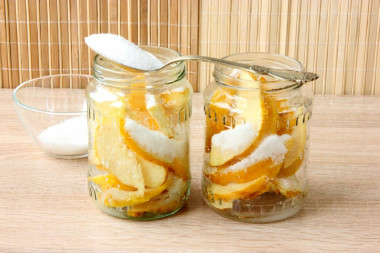
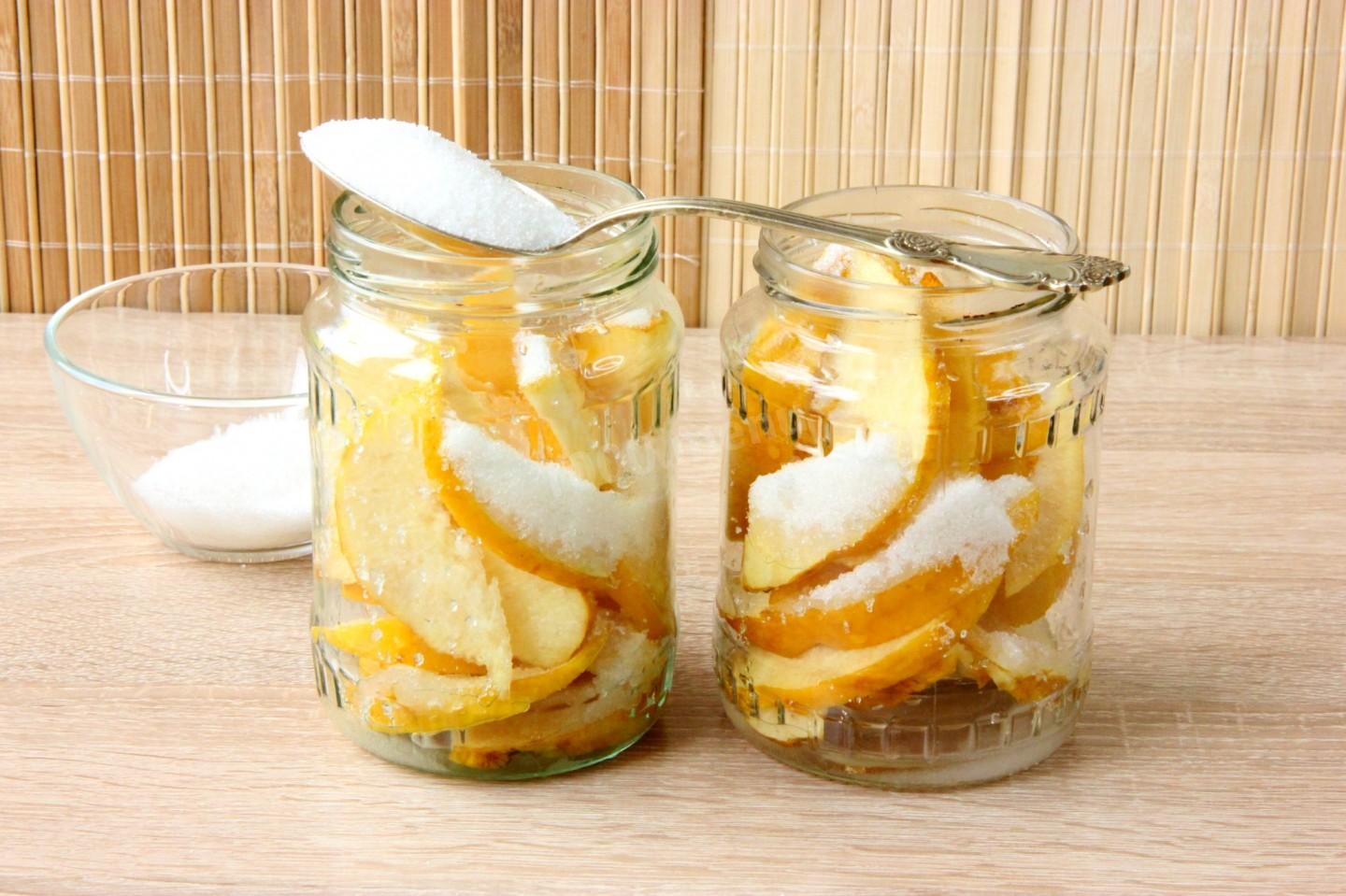
Pack the quince slices into the sterilized jars. I was making two 0.7-liter (about 1.5-pint) jars, so I split the quince and sugar between them. Add 3 heaping tablespoons of sugar to each jar.
-
Step 5:
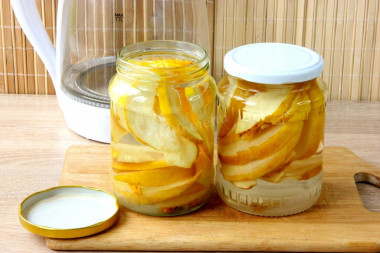
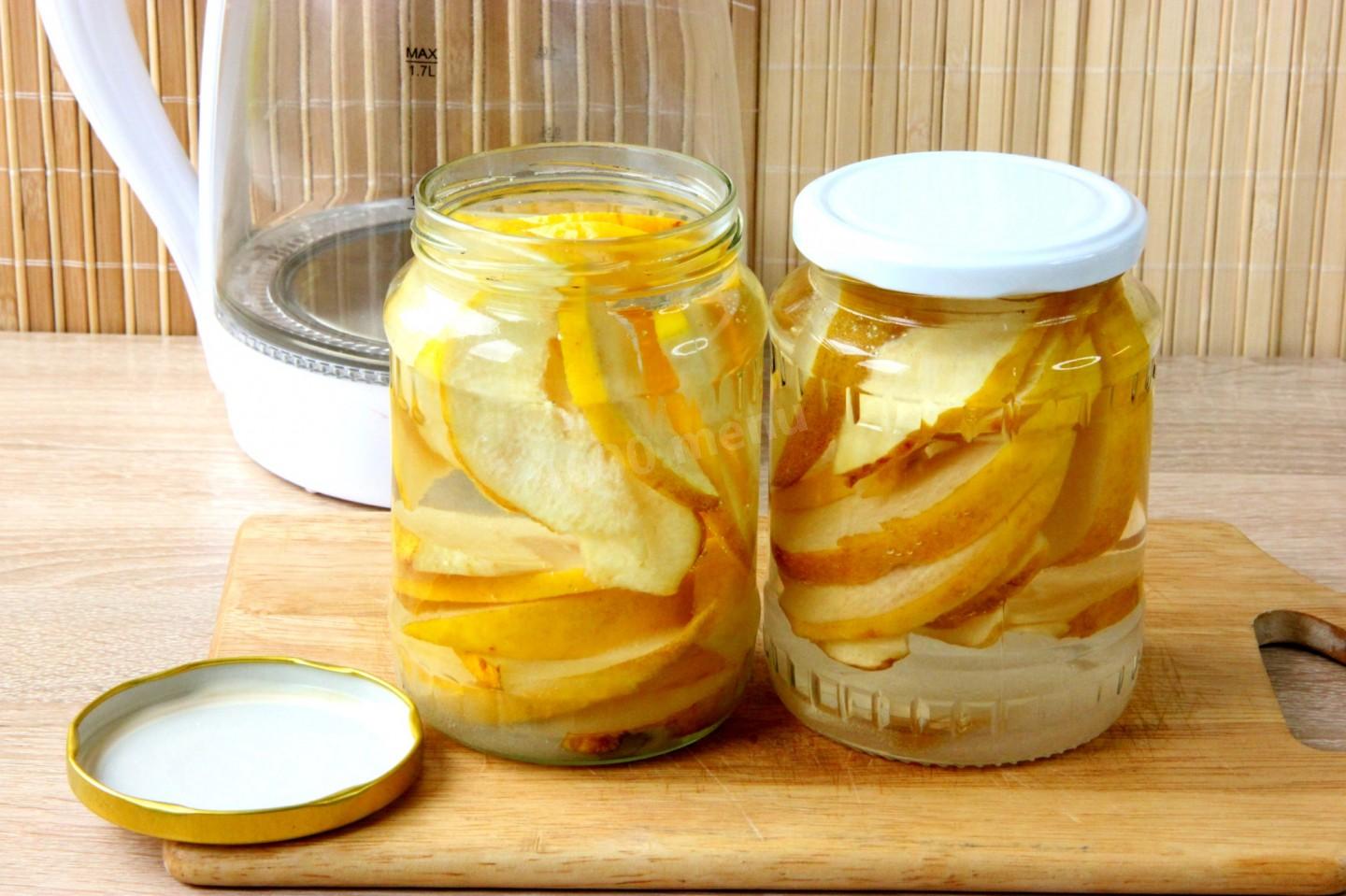
Boil the water and carefully pour it from the kettle right into the jars, up to the rim. Cover with a lid and let stand for 15 minutes; this pasteurizes the fruit. Use only vigorously boiling water, as much as fits in the jar — my two jars took about 1 liter.
-
Step 6:
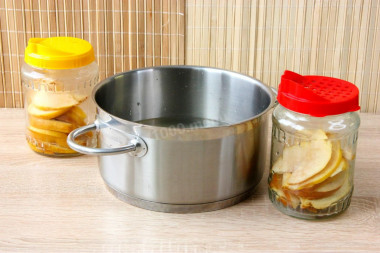
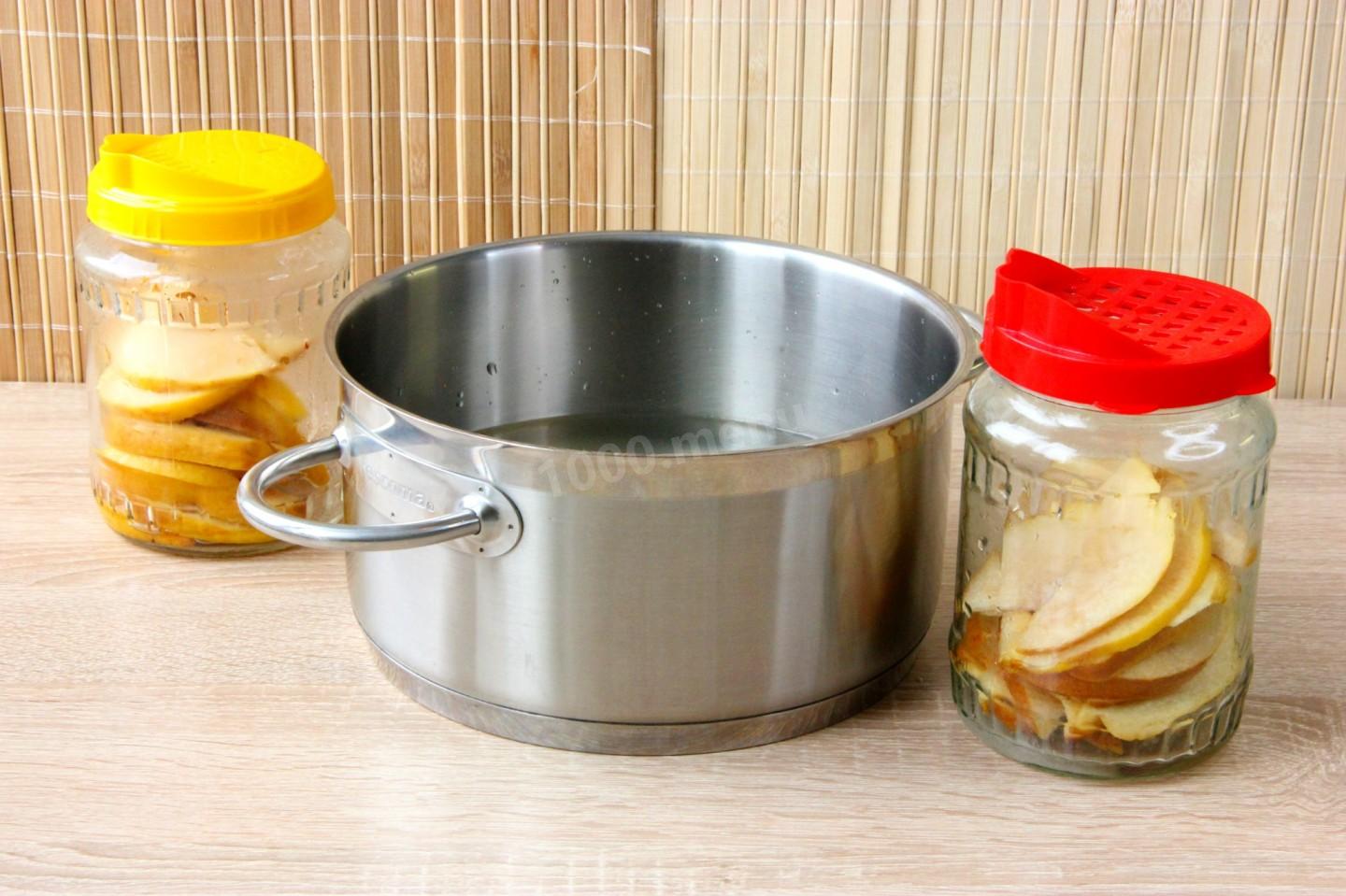
After the time is up, drain the water from both jars into a saucepan — a special perforated lid makes this easy. Add another 100 ml of water and bring to a boil. Let the syrup boil for about 3–4 minutes. Add a knife-tip of citric acid to each jar. Then pour the boiling syrup back over the quince, filling each jar until it overflows.
-
Step 7:
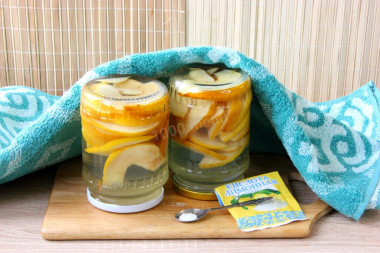
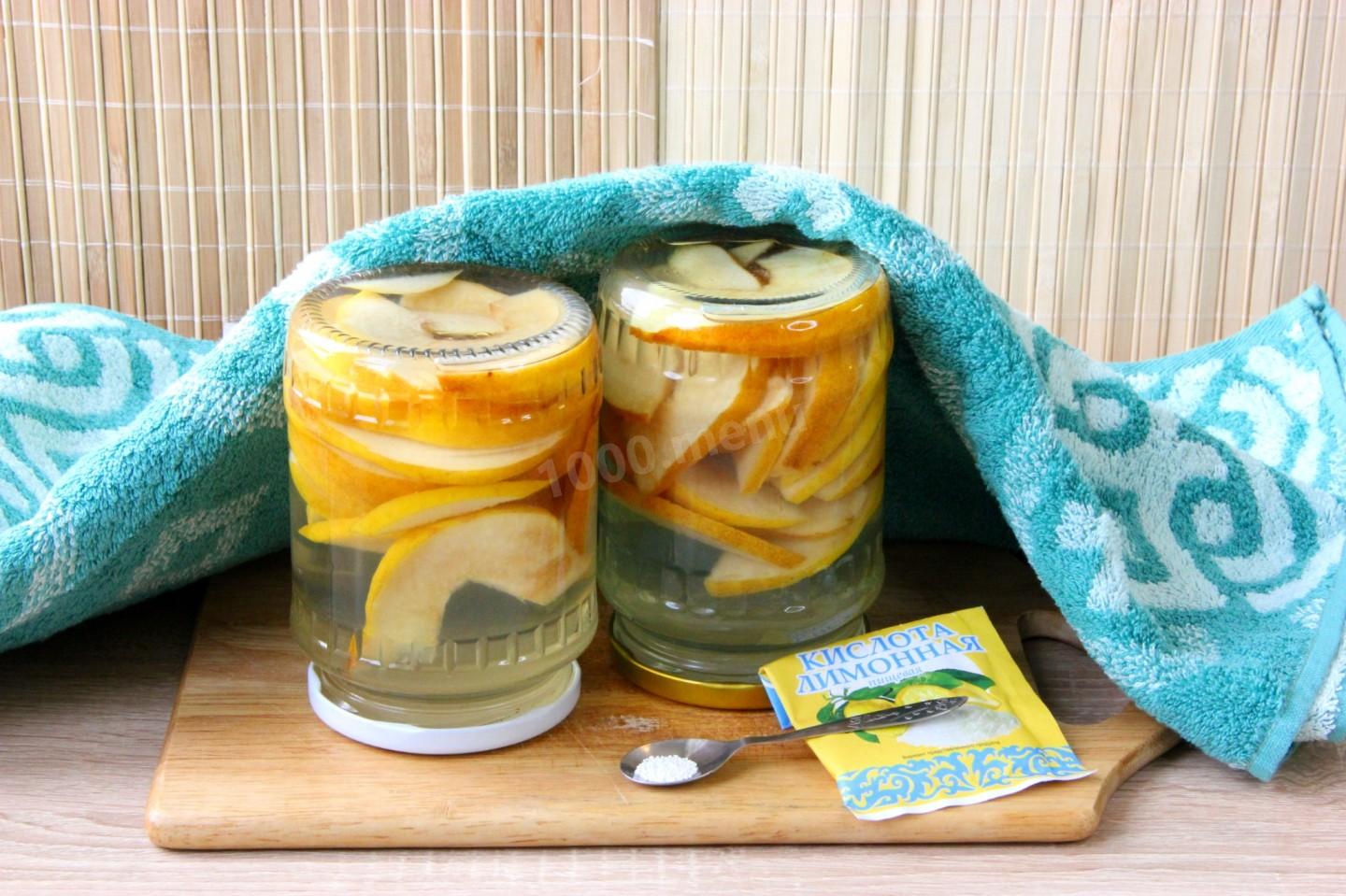
Set a lid loosely on the jar and leave it for 2–3 minutes so the air bubbles trapped in the water and fruit rise to the surface, then screw the lid on tight. Wipe each jar and roll it across the table to check the seal (a natural wood surface works best). If there isn't enough syrup, just top off with boiling water. Turn the jars upside down onto their lids, wrap them in a blanket, and let them cool that way. Then move them straight to a cool, dark place for storage, or keep them in the fridge.
- You can open a jar of compote after a month. Don't do it any sooner — the quince needs that time to come into its own. You can vary the flavor by adding spices or other fruits and berries: apples, pears, feijoa, kiwi, pomegranate, dogwood, cranberries, grapes, hawthorn, and so on. Just make sure they pair well with quince and with each other. On its own, with no additions, quince compote has a pale, light-lemon color. The serving count here refers to the number of jars.
Caloric content of the products possible in the composition of the dish
- Quince - 40 kcal/100g
- Granulated sugar - 398 kcal/100g
- Sugar - 398 kcal/100g
- Citric acid - 0 kcal/100g
- Water - 0 kcal/100g