Mimosa Fish Salad with Carrot and Cheese
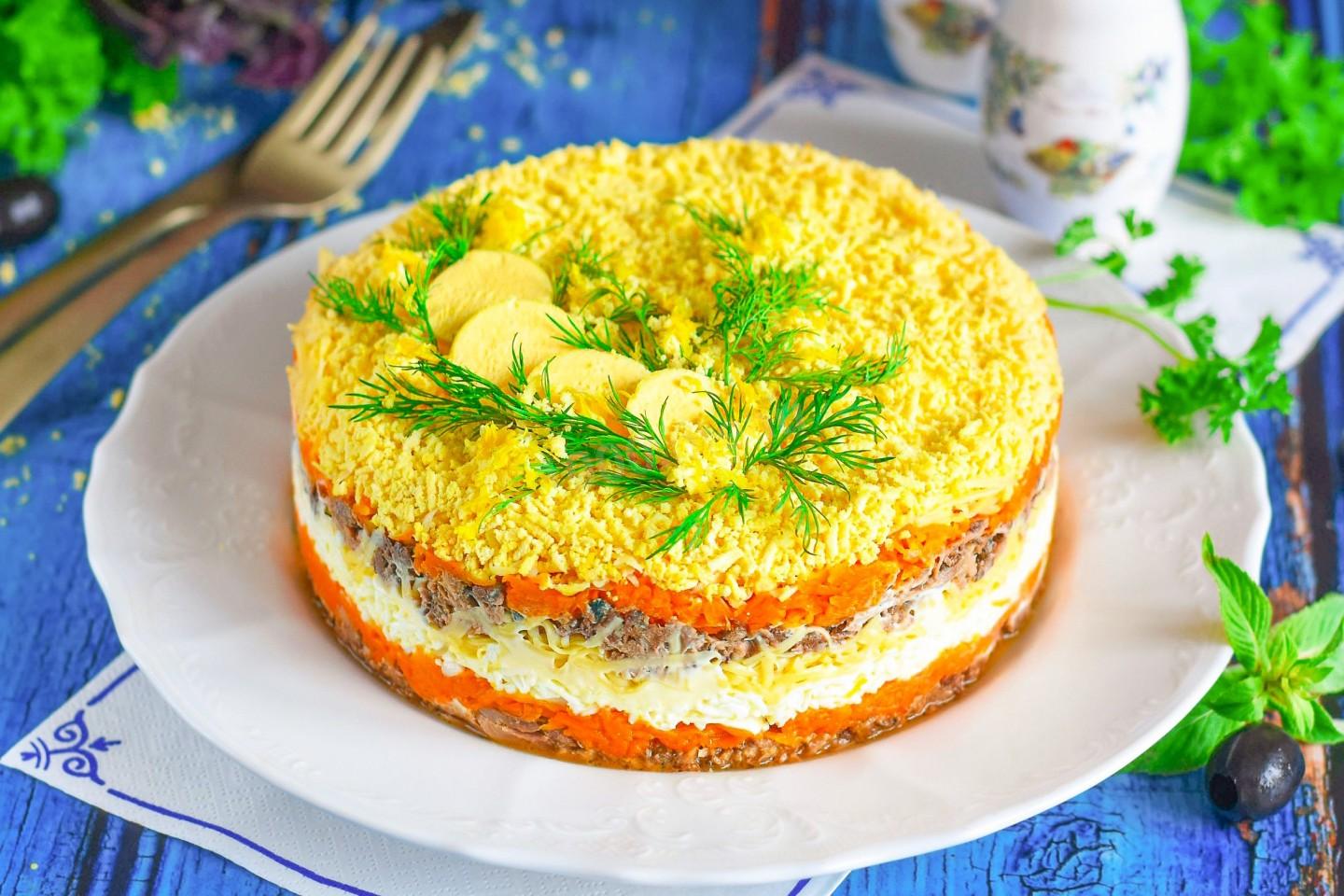
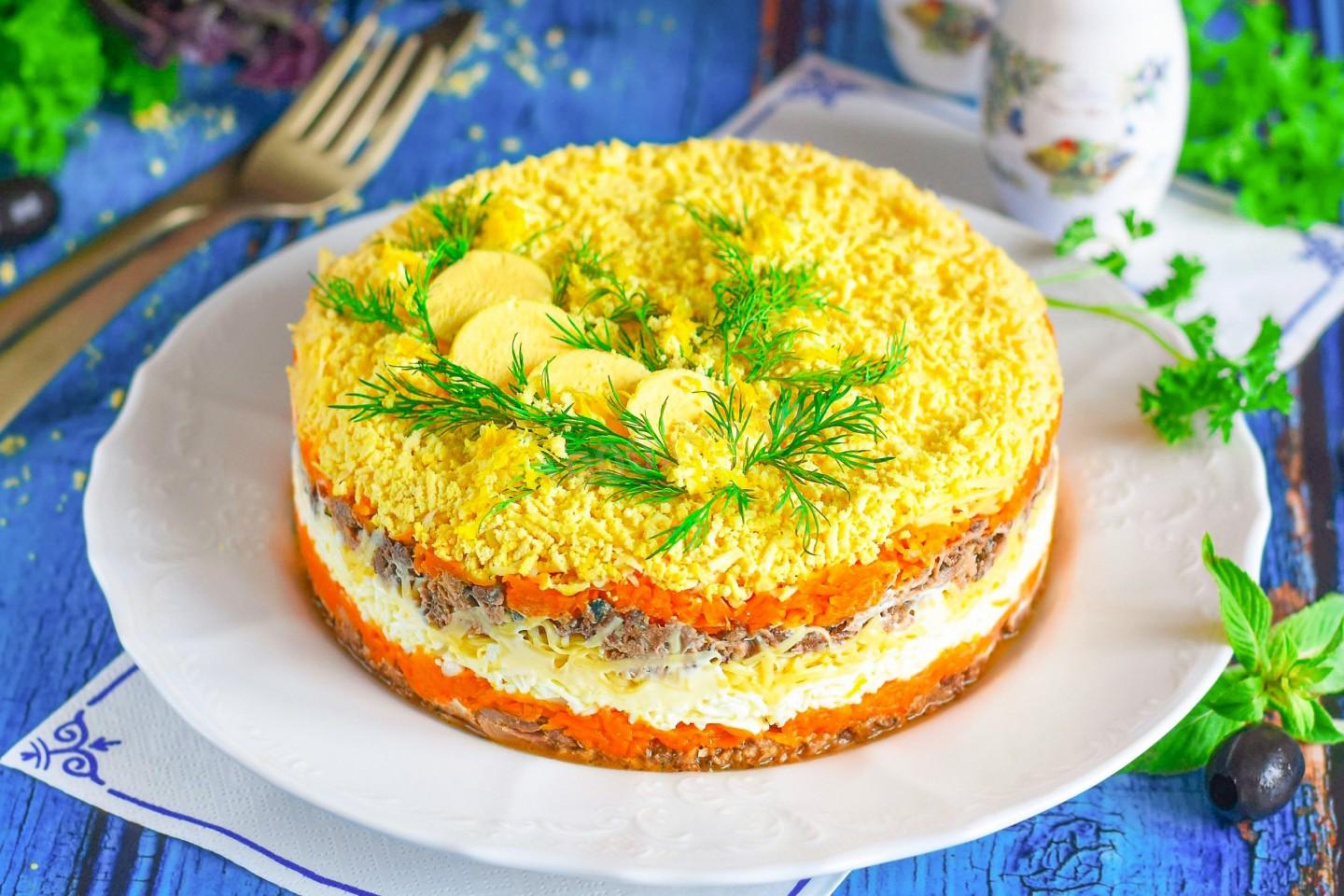
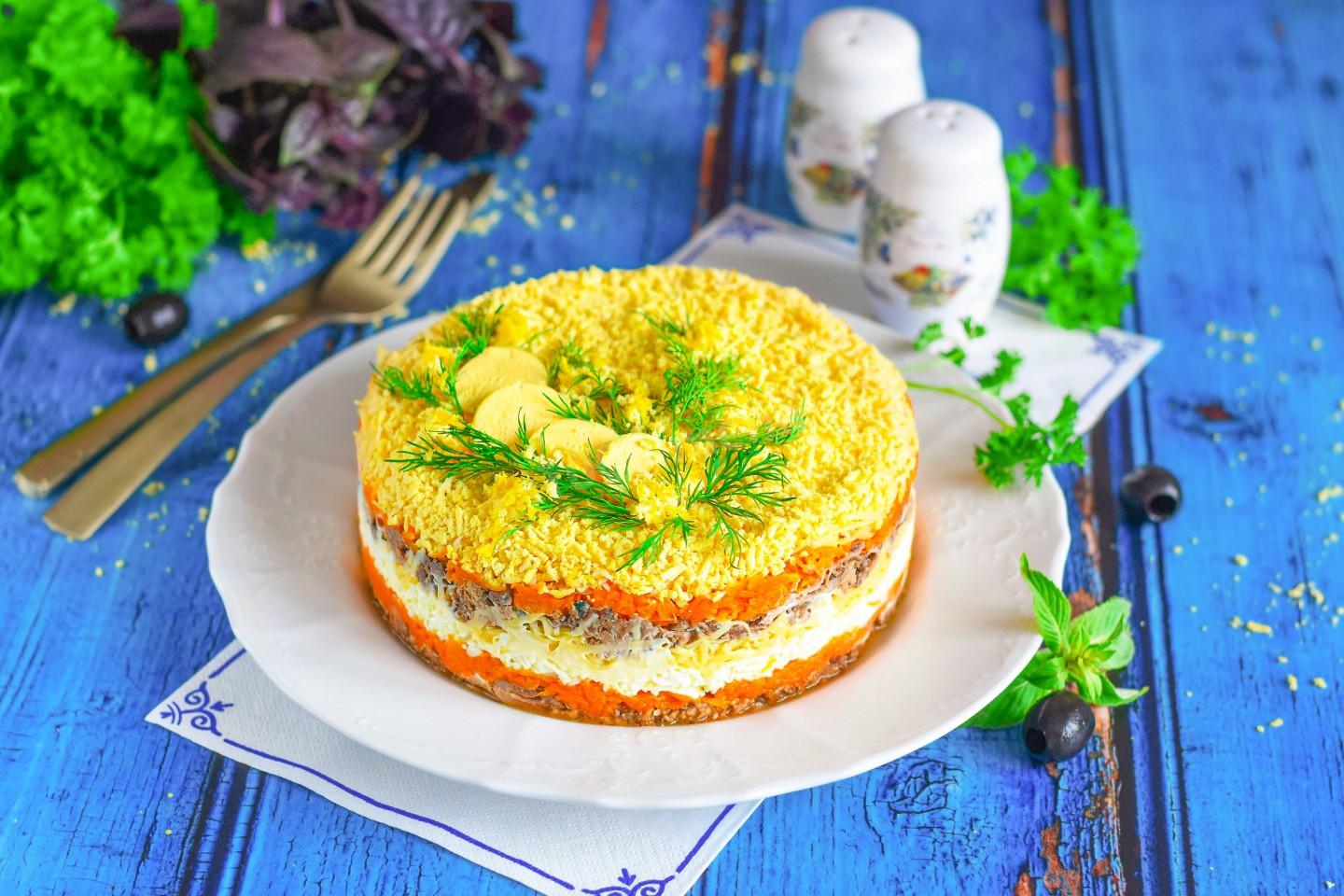
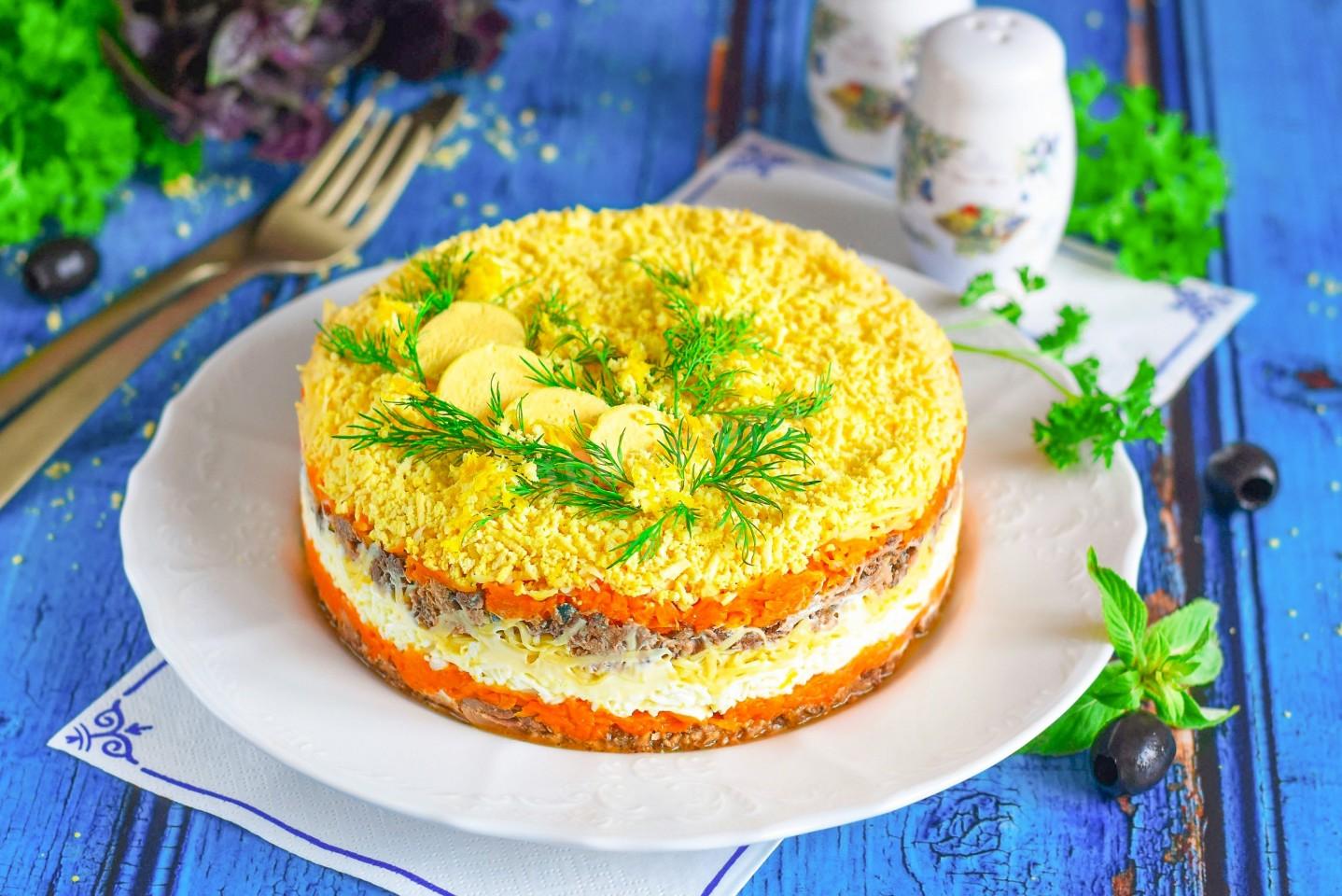
Festive, layered, bright, and classic—a salad with Soviet-era roots! This Mimosa fish salad with carrot and cheese dresses up any spread. It's one take on the famous Mimosa, with cheese standing in for the usual potato. Give it a try—it's so good!

Cooking method
-
Step 1:
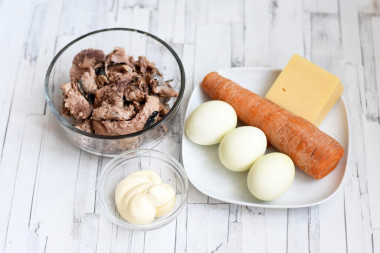
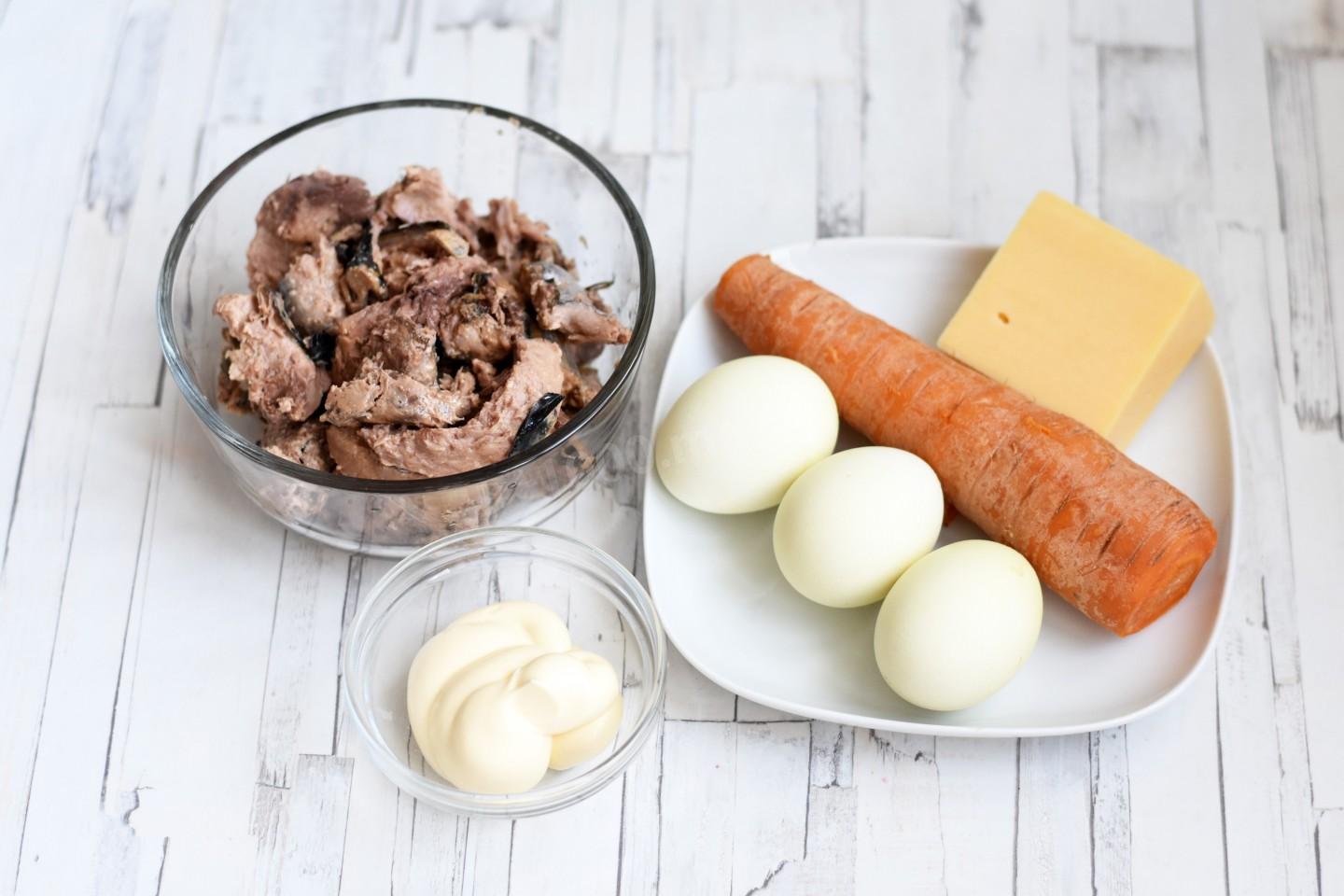
How do you make Mimosa fish salad with carrot and cheese? It's very simple—even a teenager can handle it. Start by gathering all the ingredients on the list. You can also add onion if you like: chop it, quick-pickle it in apple cider vinegar to tame the bite, then rinse. Whether to include it is up to you—I find it delicious without.
-
Step 2:
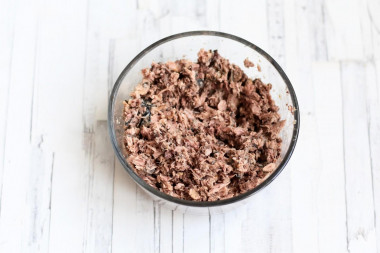
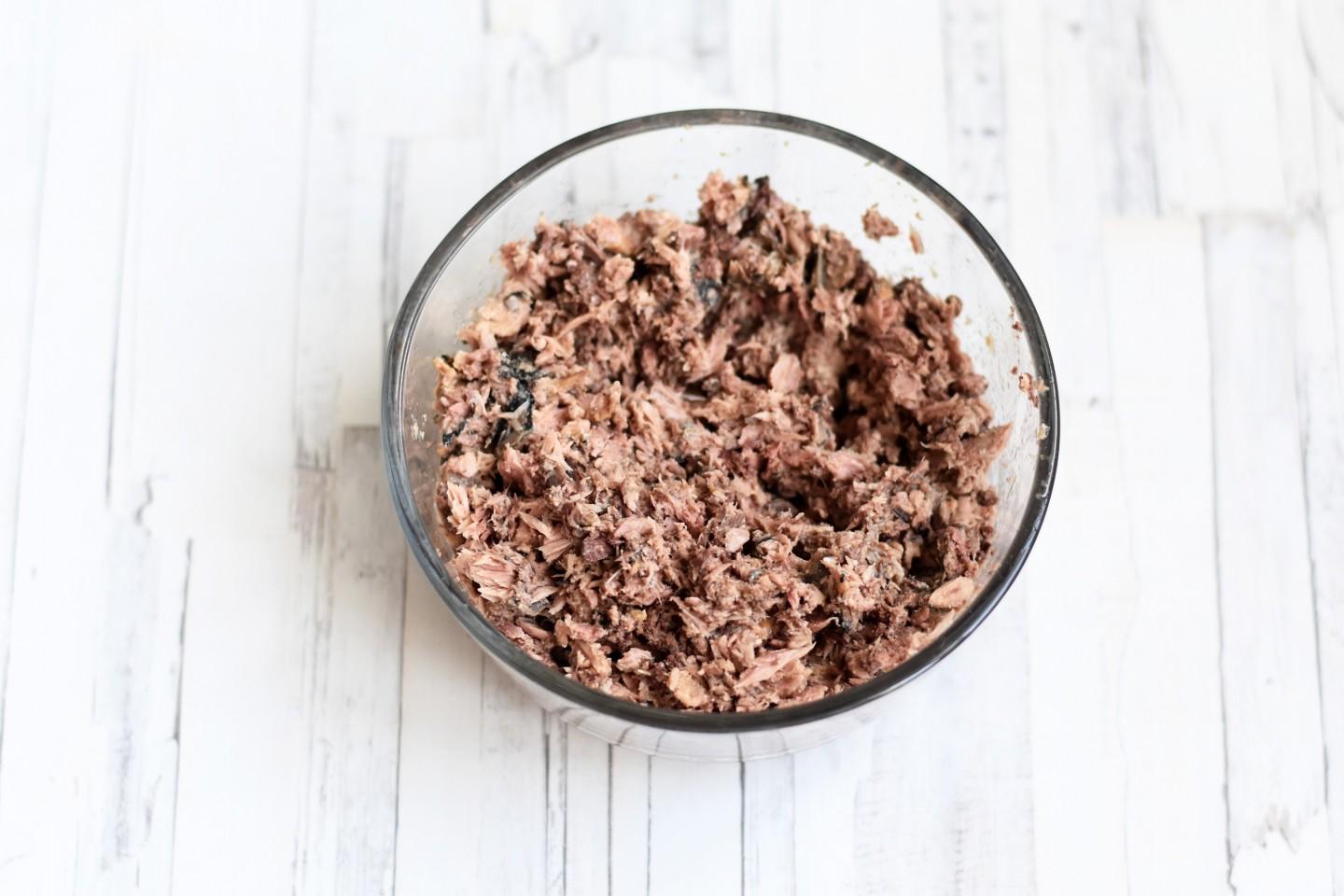
Take the fish out of the can, drain off the liquid, remove any bones and the backbone, and mash it with a fork. You want 250 g of drained fish, so you may need 2 cans. Any canned fish works—pink salmon or saury most often, but tuna, sardines, and so on are great too.
-
Step 3:
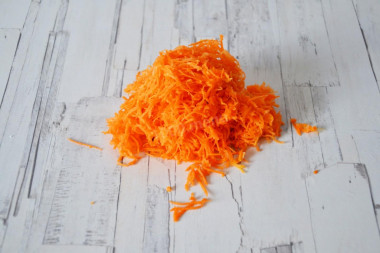
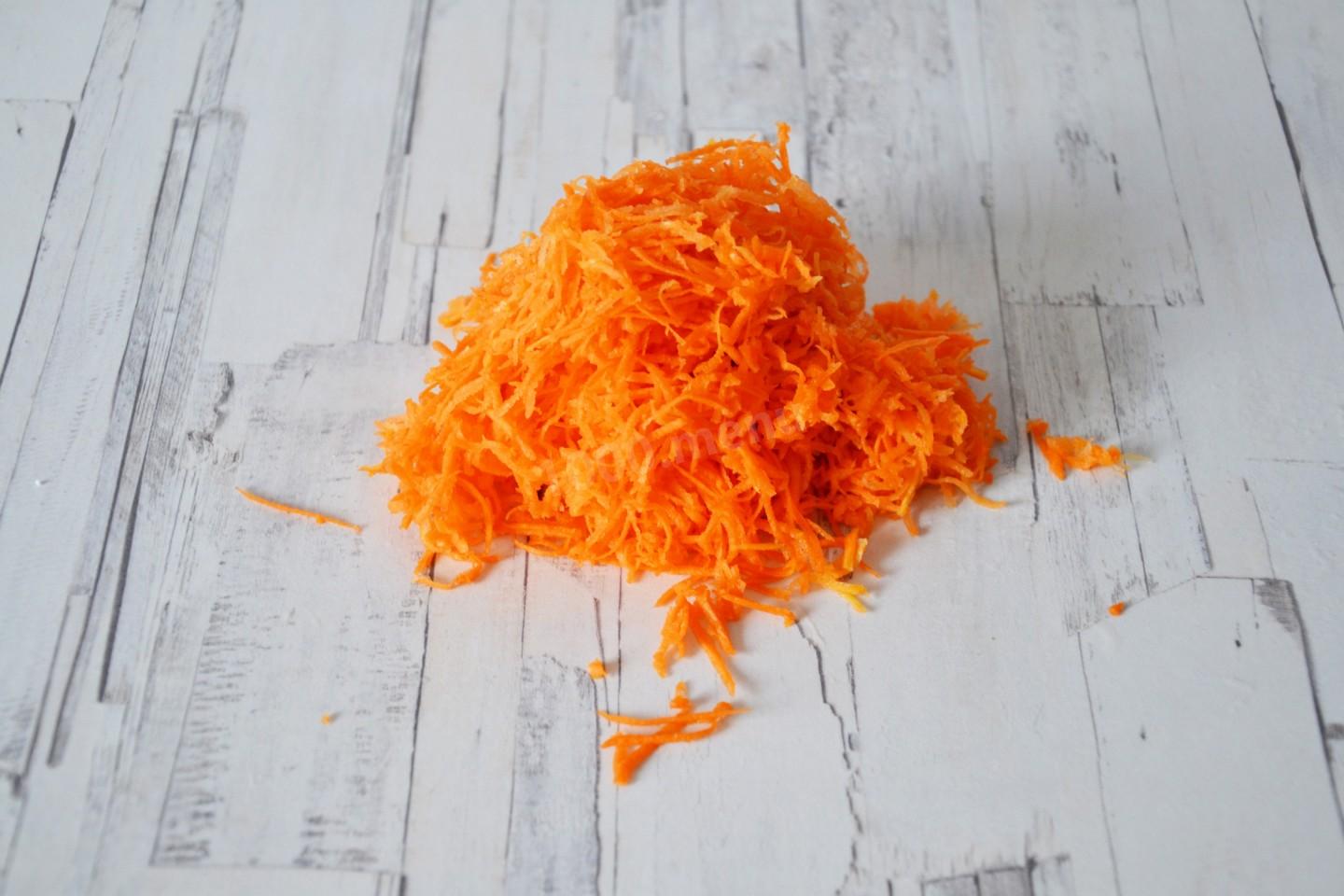
Boil the carrot in its skin until tender, then cool, peel, and grate it on the small holes of a box grater. The secret to this salad is grating everything fine—that's what gives it its airy, delicate texture. How do you cook the carrot? Wash it, put it in a pot of cold water, and simmer over low heat for 20–25 minutes after it comes to a boil, depending on size. It's done when a sharp knife slides in easily.
-
Step 4:
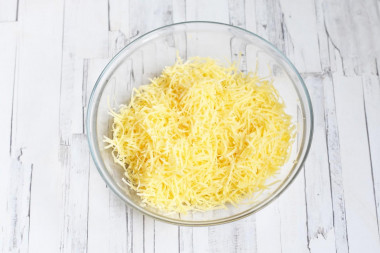
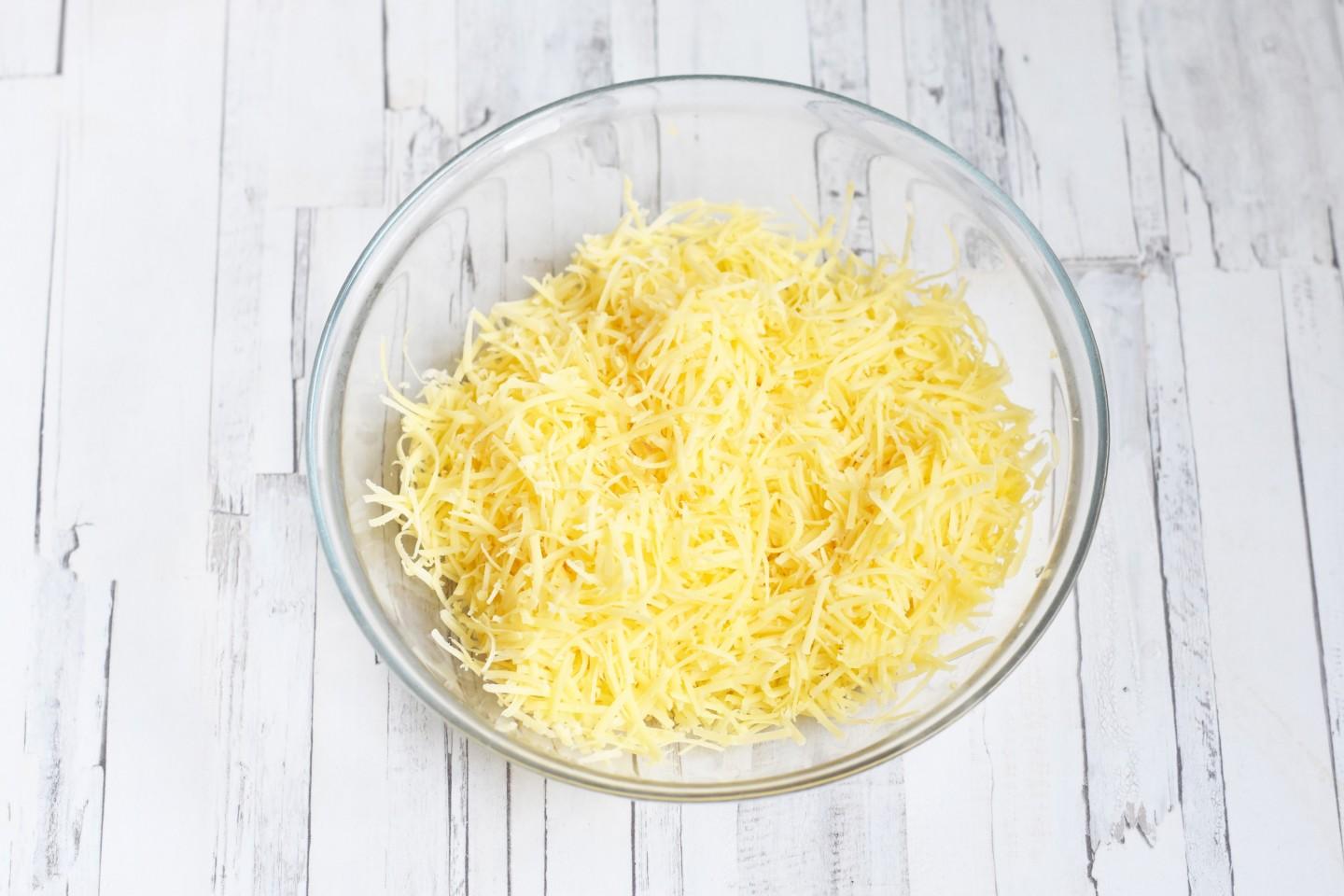
Grate the cheese fine, too. Any good melting cheese works here—a mild yellow cheese, Gouda, even low-moisture pizza mozzarella. The main thing is that it's tasty, good quality, and made without milk-fat substitutes.
-
Step 5:
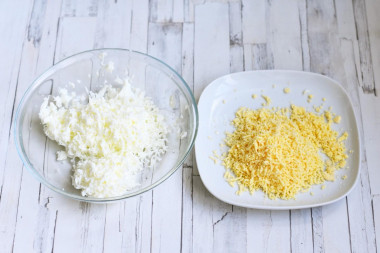
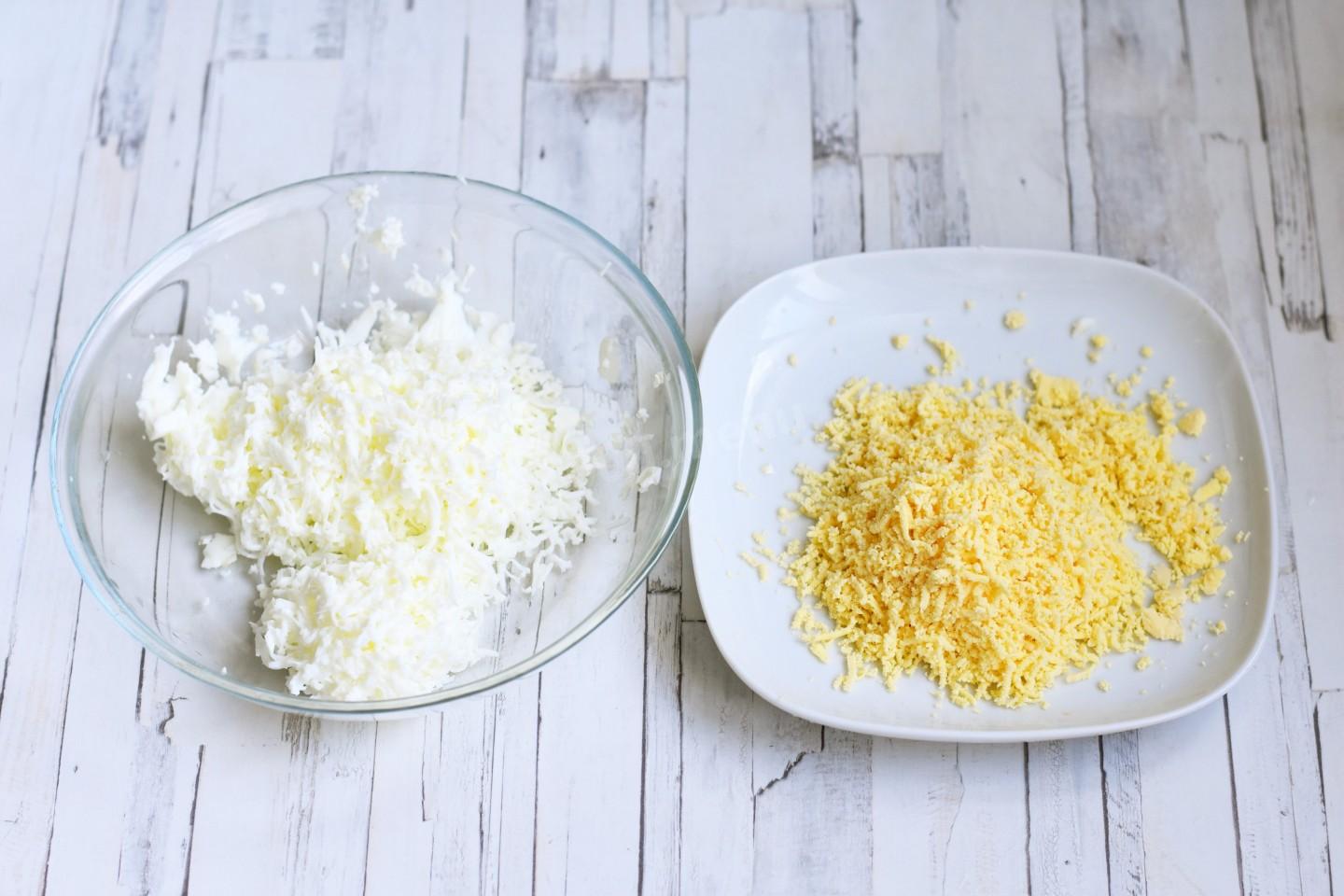
Hard-boil the eggs and peel them. Separate the whites from the yolks and grate each one fine, keeping them apart. You can, of course, grate everything straight into a ring mold and build the salad as you go—whatever you prefer. I like to prep everything first and then assemble.
-
Step 6:
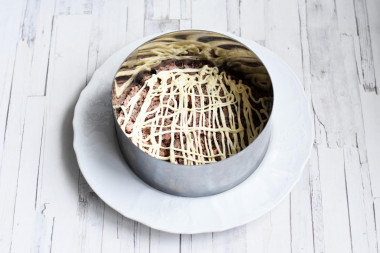
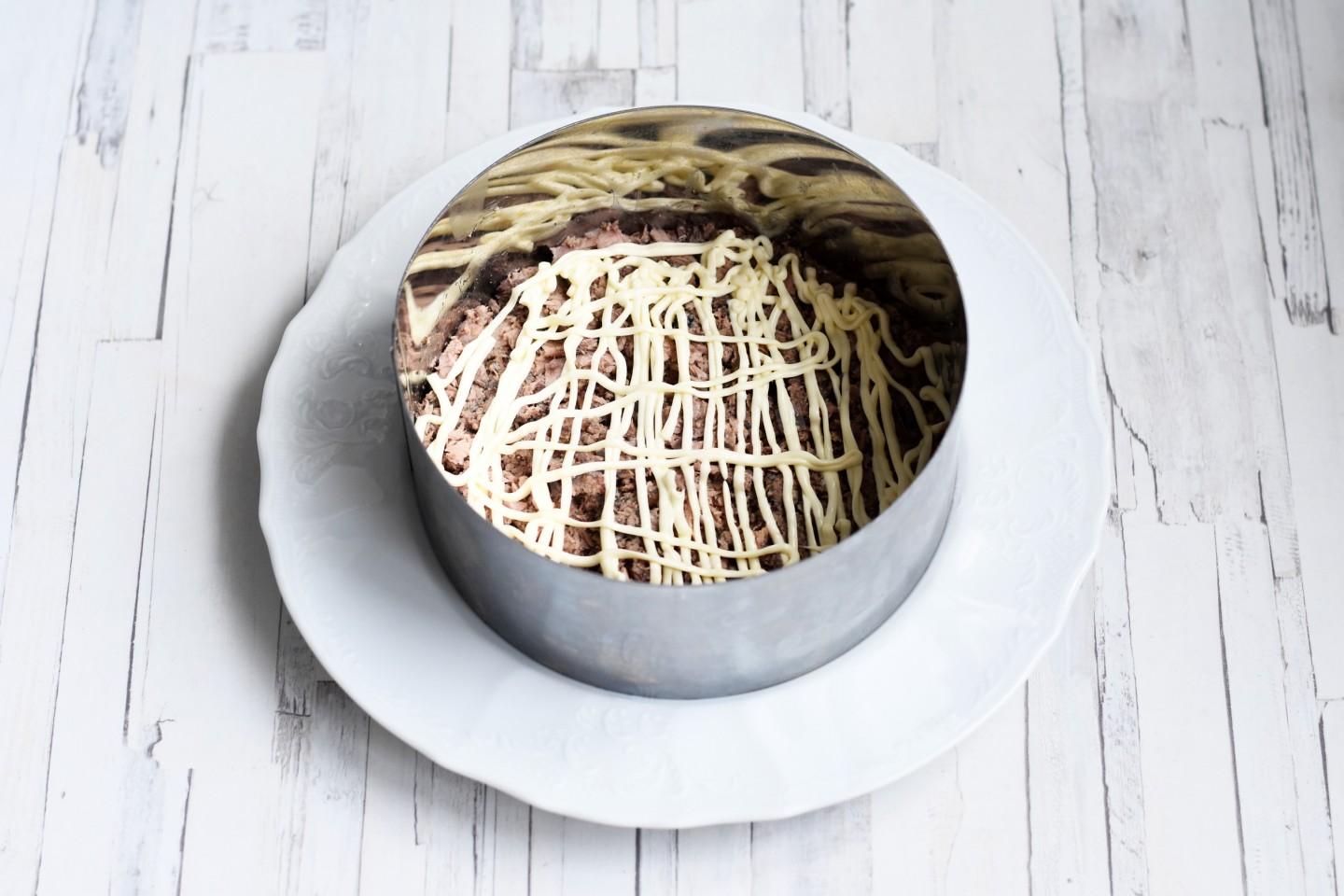
You can simply layer everything in a salad bowl, but I like to build it in a pretty ring mold so all the layers show. For extra flair, I split some of the layers in two. For the first layer, spread half the fish and drizzle with mayonnaise.
-
Step 7:
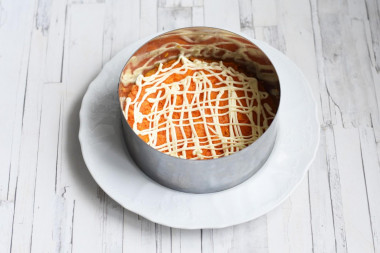
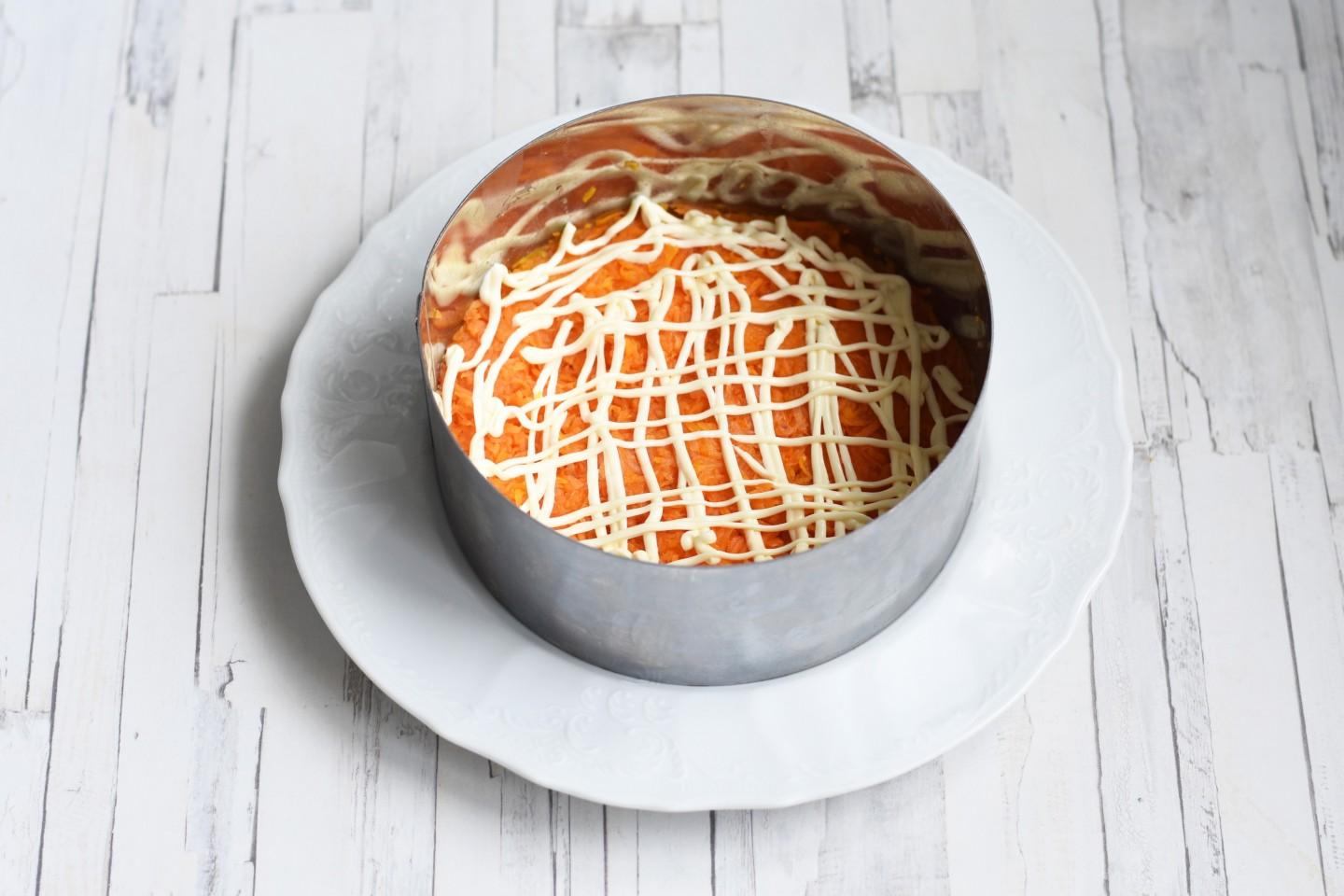
Next, spread half the grated carrot and drizzle with mayonnaise too. If you're adding pickled onion, layer it over the carrot.
-
Step 8:
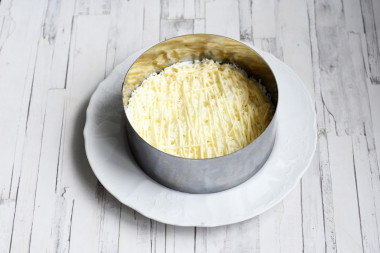
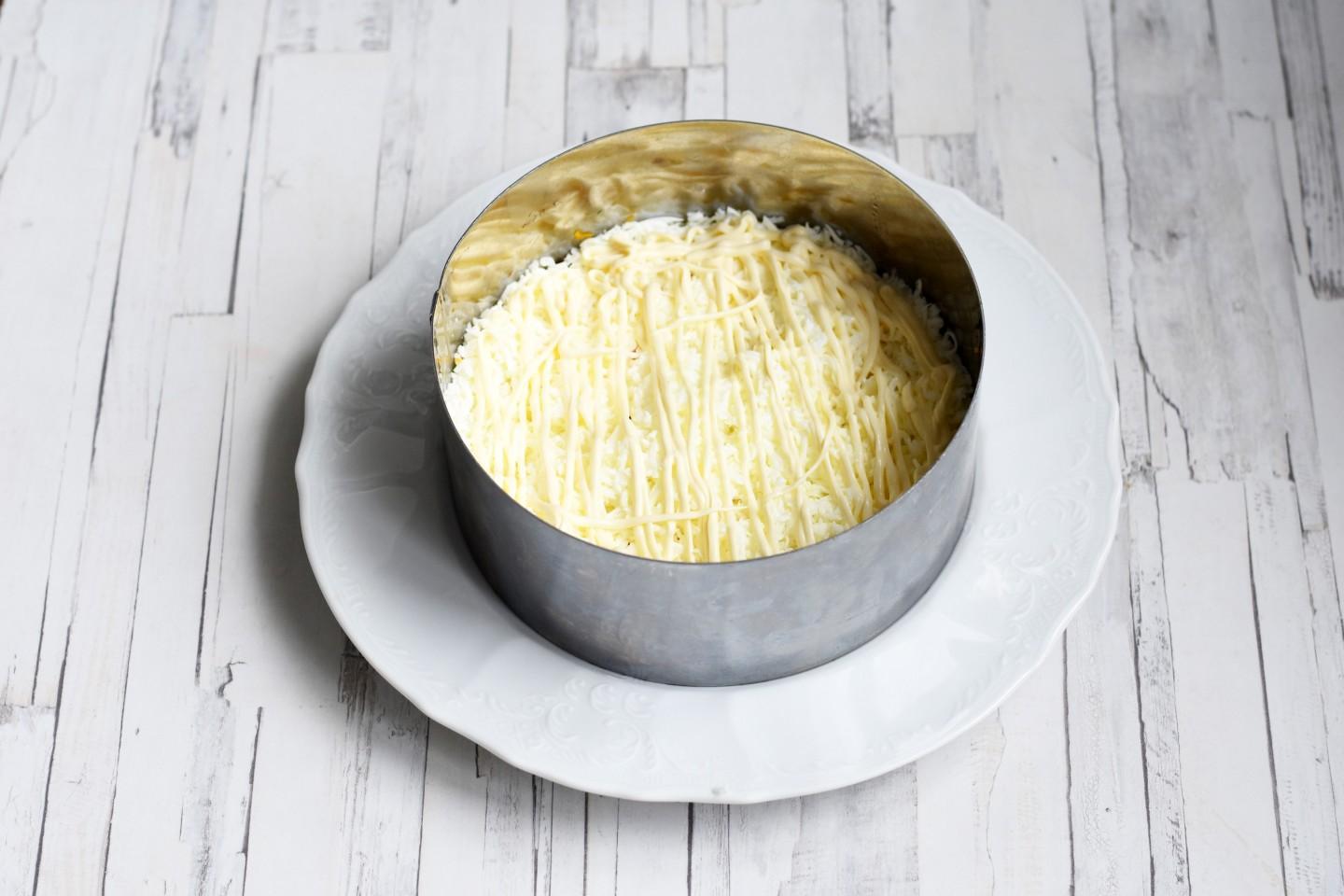
Then a layer of all the grated egg whites with mayonnaise.
-
Step 9:
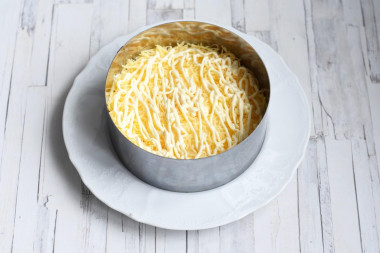
Sprinkle half the grated cheese on top and drizzle with mayonnaise.
-
Step 10:
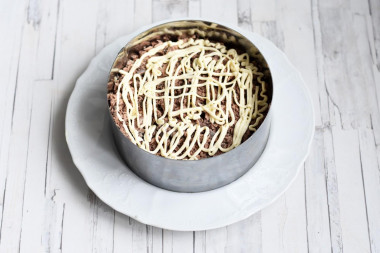
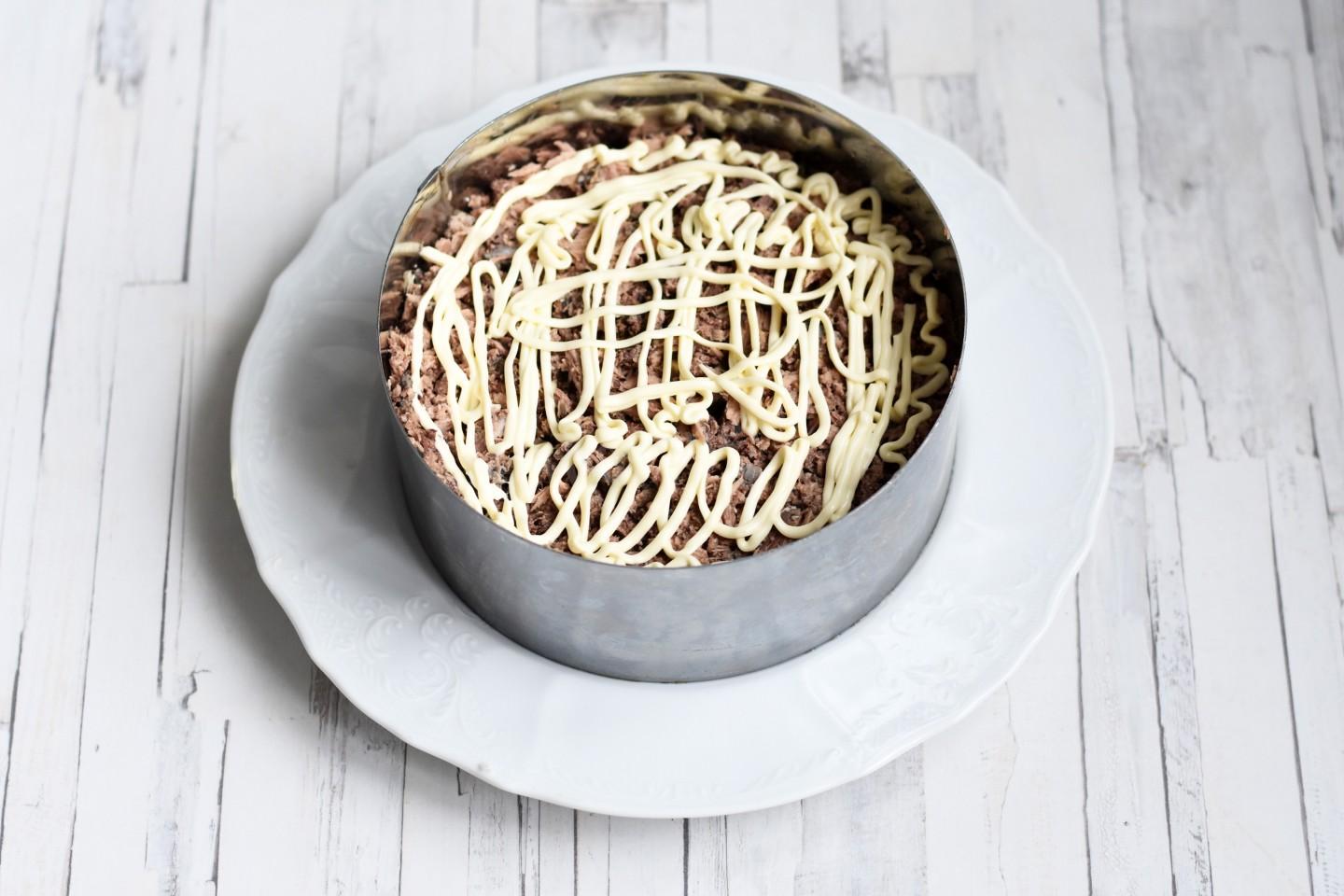
Next, the second portion of fish.
-
Step 11:
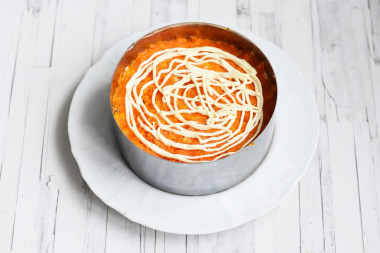
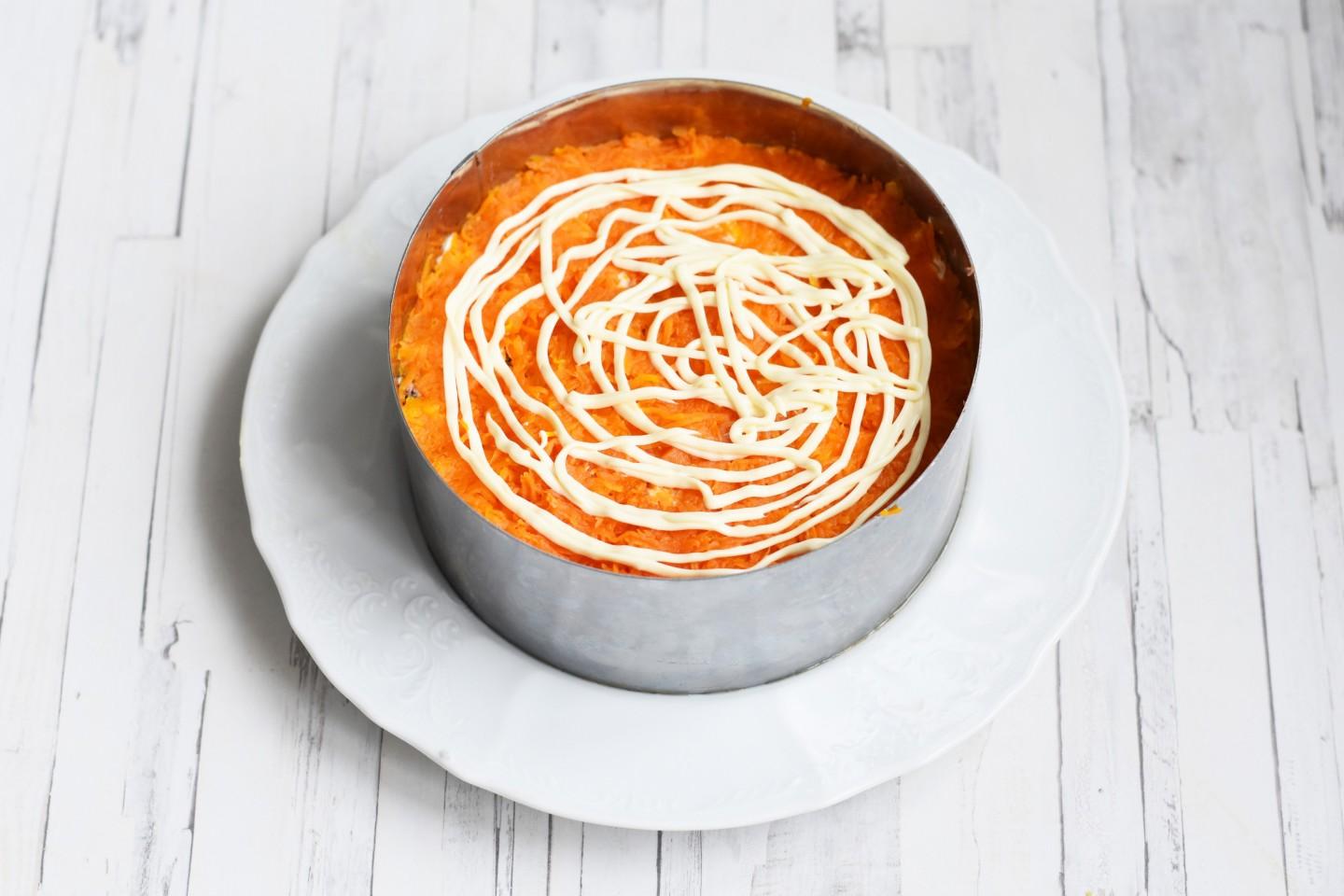
Then the rest of the grated carrot.
-
Step 12:
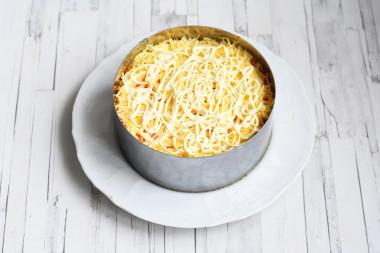
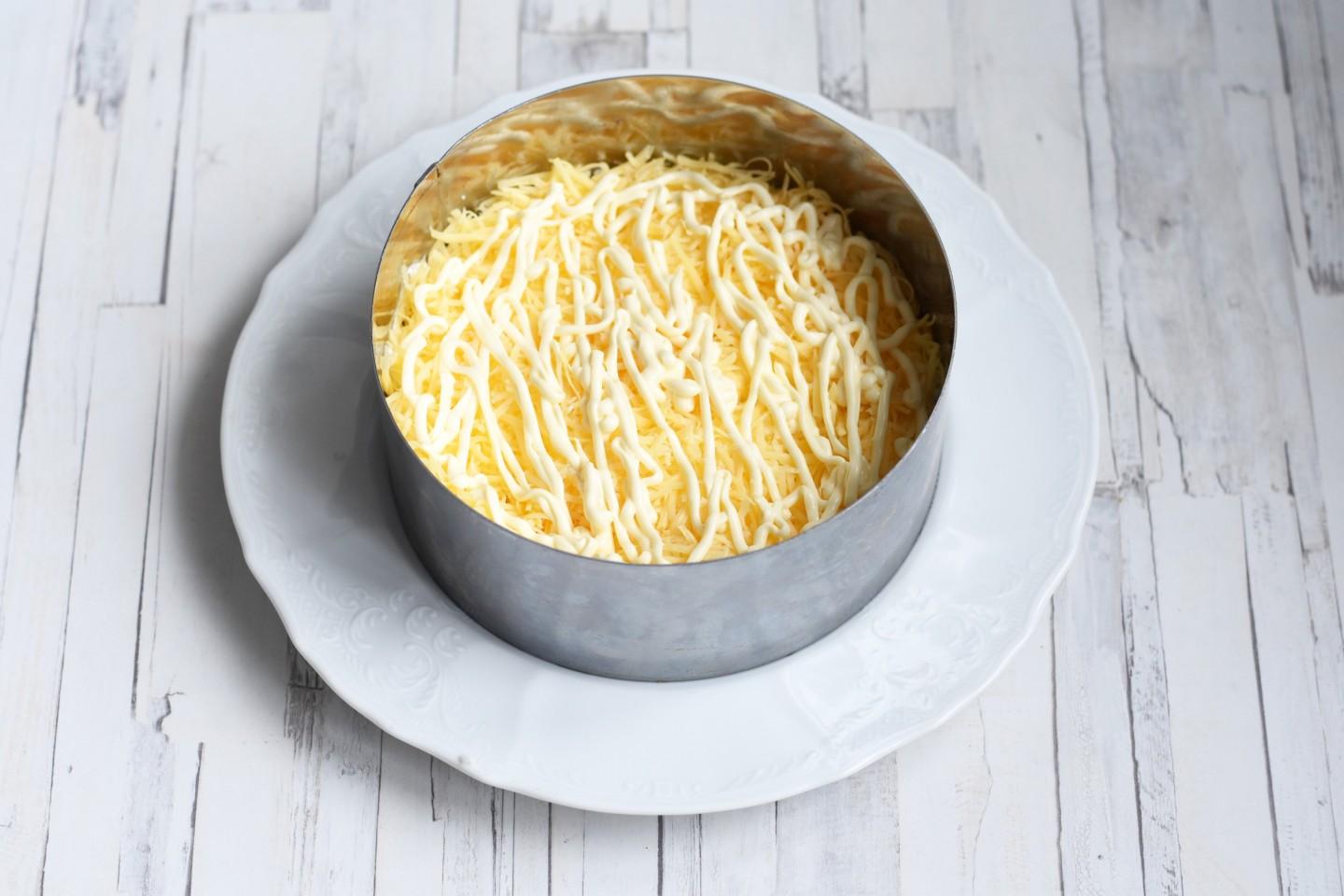
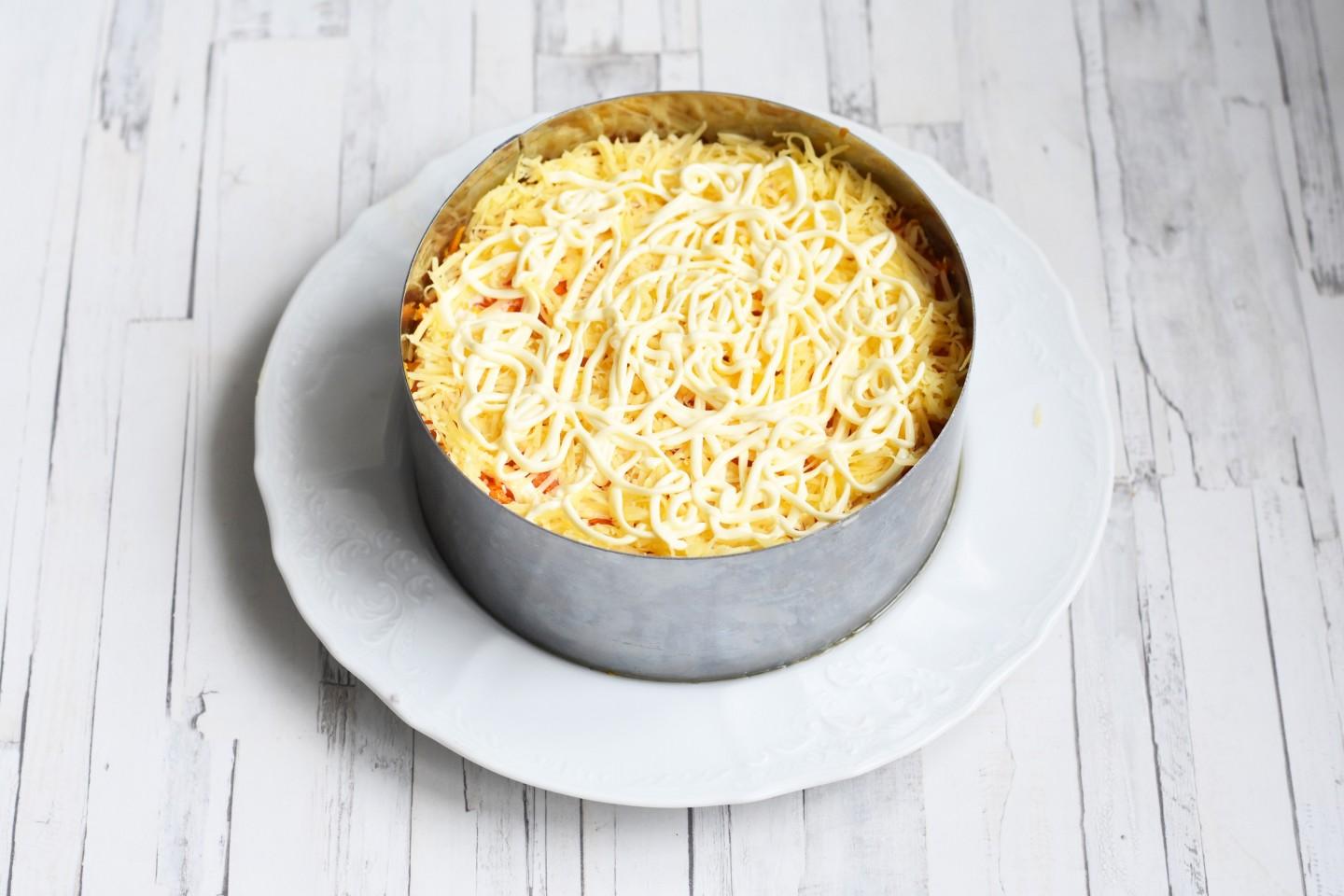
And the remaining cheese. Pipe a thin mayonnaise grid over each layer.
-
Step 13:
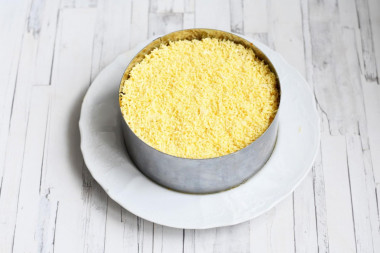
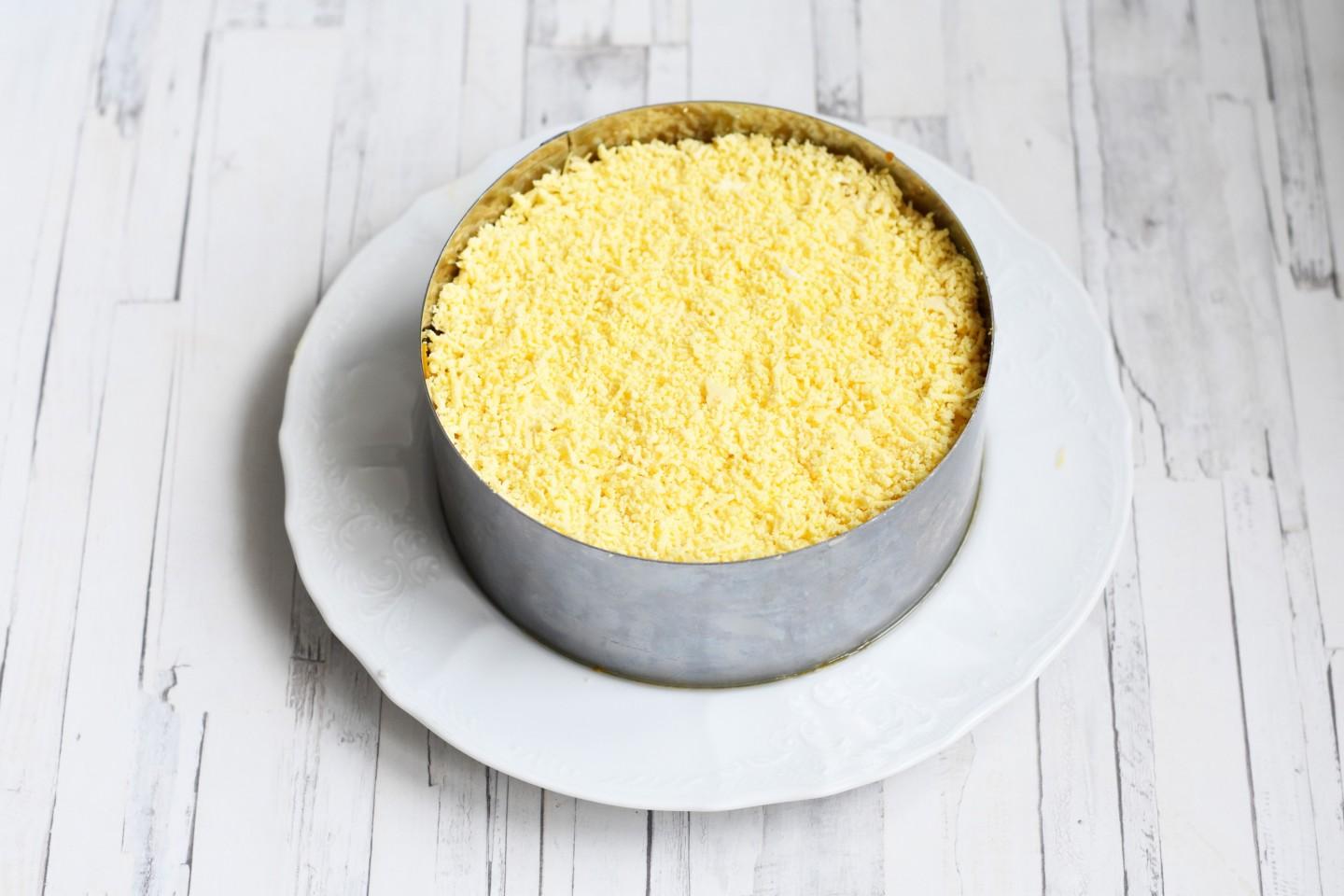
And the final layer—all the grated yolks. Chill the salad in the refrigerator for 1 hour to let it set. If you leave it longer, cover the mold with plastic wrap so the yolks don't dry out.
-
Step 14:
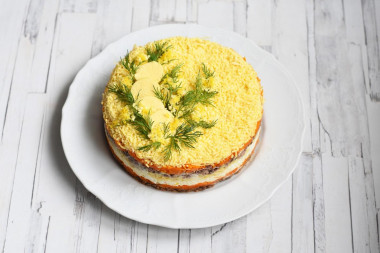
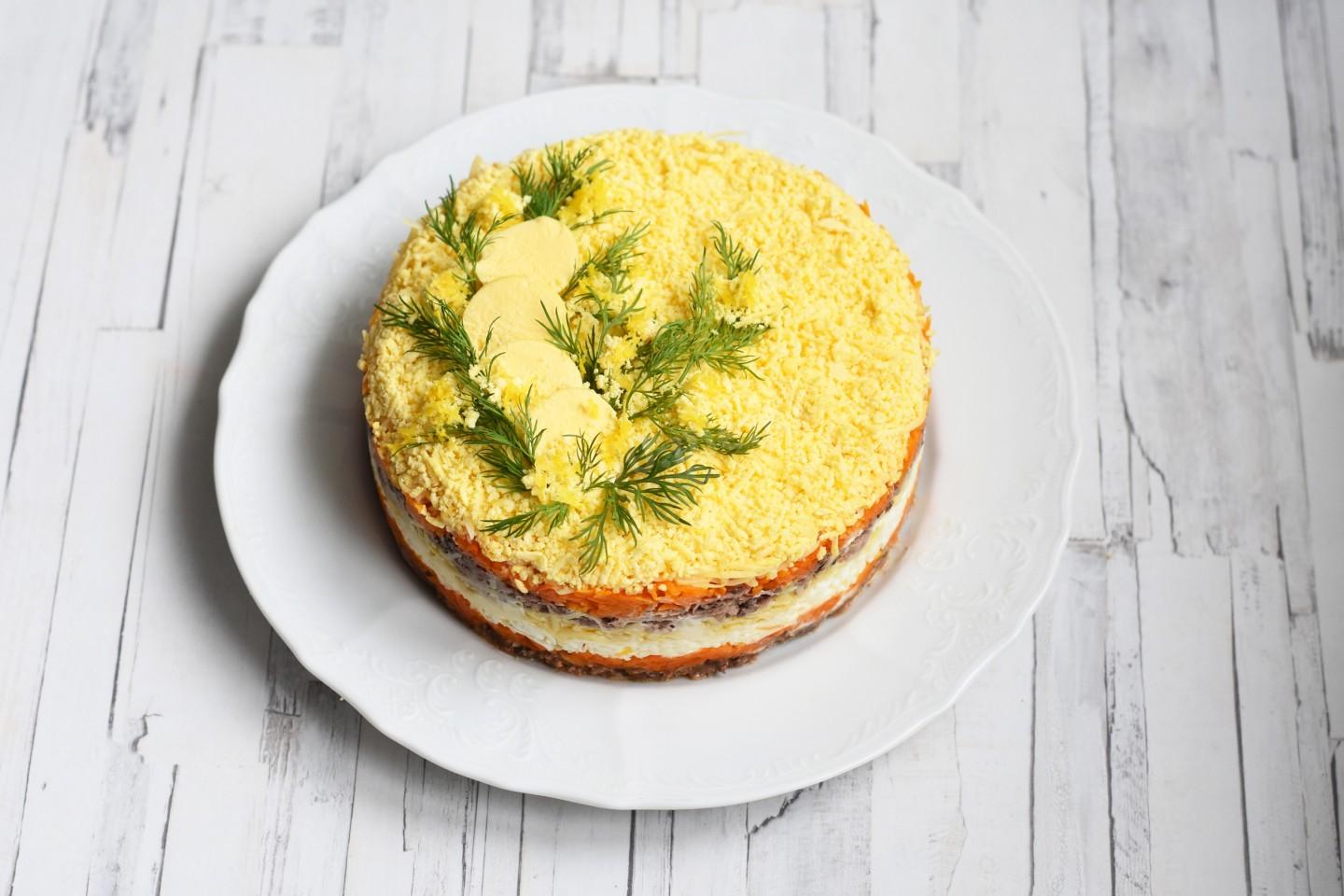
Lift off the ring mold just before serving and garnish however you like. Enjoy!
- Give the can a shake before you buy it—the more liquid you hear, the less fish inside.
- It's best to make your own mayonnaise—it'll taste better and be better for you. You'll find some great homemade mayonnaise recipes here. You can also use sour cream or plain yogurt as a dressing instead of mayonnaise, on their own or blended with mayonnaise in any ratio you like, which cuts down the calories.
Caloric content of the products possible in the composition of the dish
- Chicken egg - 157 kcal/100g
- Egg white - 45 kcal/100g
- Egg powder - 542 kcal/100g
- Egg yolk - 352 kcal/100g
- Ostrich egg - 118 kcal/100g
- Carrots - 33 kcal/100g
- Dried carrots - 275 kcal/100g
- Boiled carrots - 25 kcal/100g
- Dutch cheese - 352 kcal/100g
- Swiss cheese - 335 kcal/100g
- Russian cheese - 366 kcal/100g
- Kostroma cheese - 345 kcal/100g
- Yaroslavsky cheese - 361 kcal/100g
- Altai cheese 50% fat content - 356 kcal/100g
- Soviet cheese - 400 kcal/100g
- Cheese 'steppe' - 362 kcal/100g
- Uglich cheese - 347 kcal/100g
- Poshekhonsky cheese - 350 kcal/100g
- Lambert cheese - 377 kcal/100g
- Appnzeller cheese with 50% fat content - 400 kcal/100g
- Chester cheese with 50% fat content - 363 kcal/100g
- Edamer cheese with 40% fat content - 340 kcal/100g
- Cheese with mushrooms of 50% fat content - 395 kcal/100g
- Emmental cheese with 45% fat content - 420 kcal/100g
- Gouda cheese with 45% fat content - 356 kcal/100g
- Aiadeus cheese - 364 kcal/100g
- Dom blanc cheese (semi-hard) - 360 kcal/100g
- Cheese 'lo spalmino' - 61 kcal/100g
- Cheese 'etorki' (sheep, hard) - 401 kcal/100g
- White cheese - 100 kcal/100g
- Fat yellow cheese - 260 kcal/100g
- Altai cheese - 355 kcal/100g
- Kaunas cheese - 355 kcal/100g
- Latvian cheese - 316 kcal/100g
- Limburger cheese - 327 kcal/100g
- Lithuanian cheese - 250 kcal/100g
- Lake cheese - 350 kcal/100g
- Gruyere cheese - 396 kcal/100g
- Salad mayonnaise of 50 % fat content - 502 kcal/100g
- Light mayonnaise - 260 kcal/100g
- Provencal Mayonnaise - 624 kcal/100g
- Provencal mayonnaise - 627 kcal/100g
- Table mayonnaise - 627 kcal/100g
- Canned pink salmon - 136 kcal/100g
Similar recipes
- Festive table
- Salads
- Eggs
- Fish and seafood
- Cheese
- Vegetables
- Fats and oils
- Mayonnaise
- Cooking
- Salad with cheese
- Simple festive salads
- Salads with mayonnaise
- Vegetable salads
- Sea salad
- Festive salads
- Birthday recipes
- New Year recipes
- Recipes for March 8
- Fish with vegetables
- Fish with cheese
- Canned fish
- Made of solid cheese
- From carrots