Pear Jam for Winter
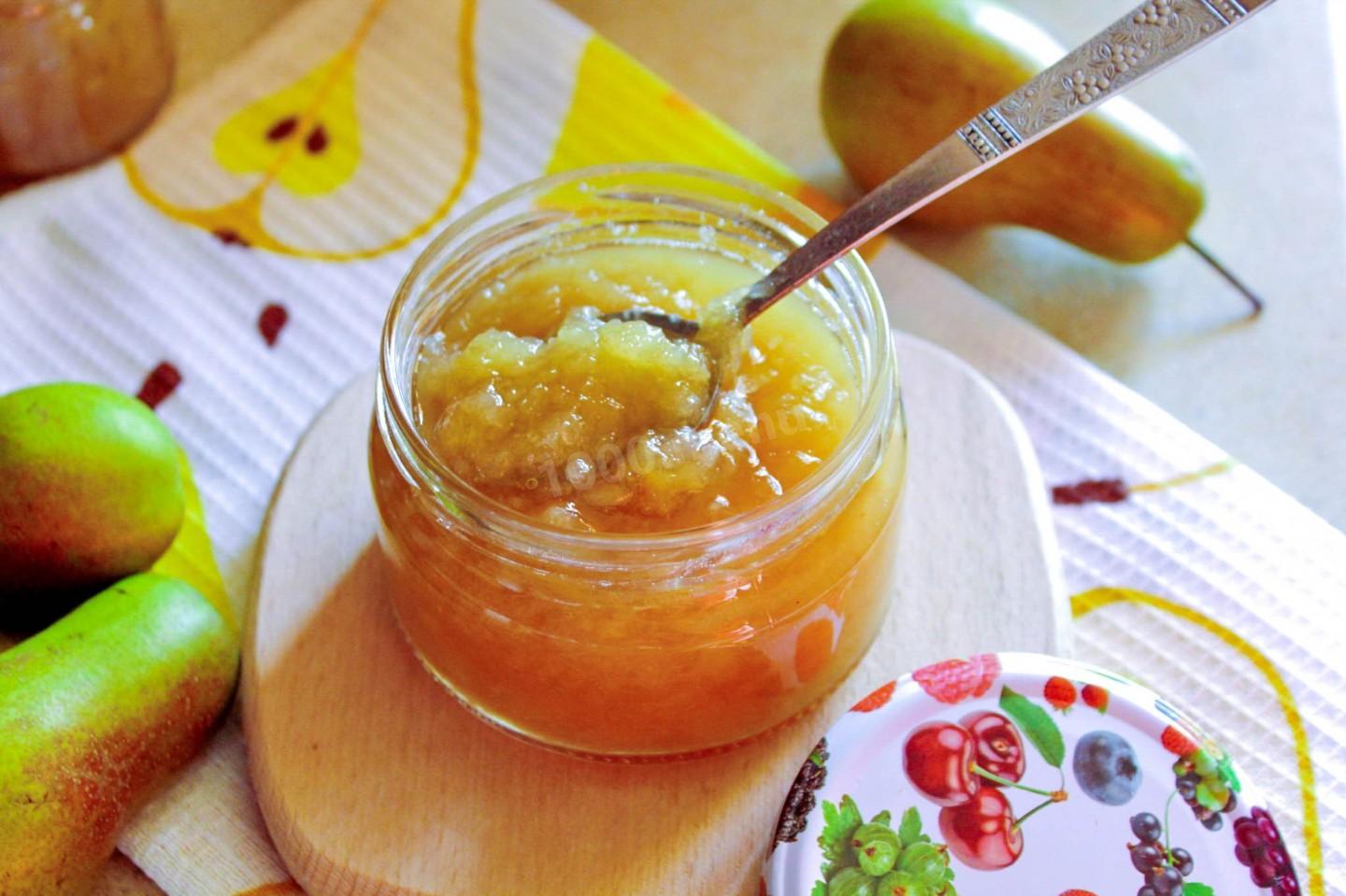
Easy, fast, wholesome, fragrant, and so tasty! Pear jam is a simple recipe for a sweet winter preserve. It's made without sugar—stevia, a natural sweetener, stands in for it—so the jam comes out not just delicious but good for you, too.

Cooking method
-
Step 1:
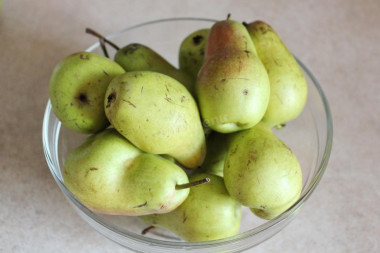
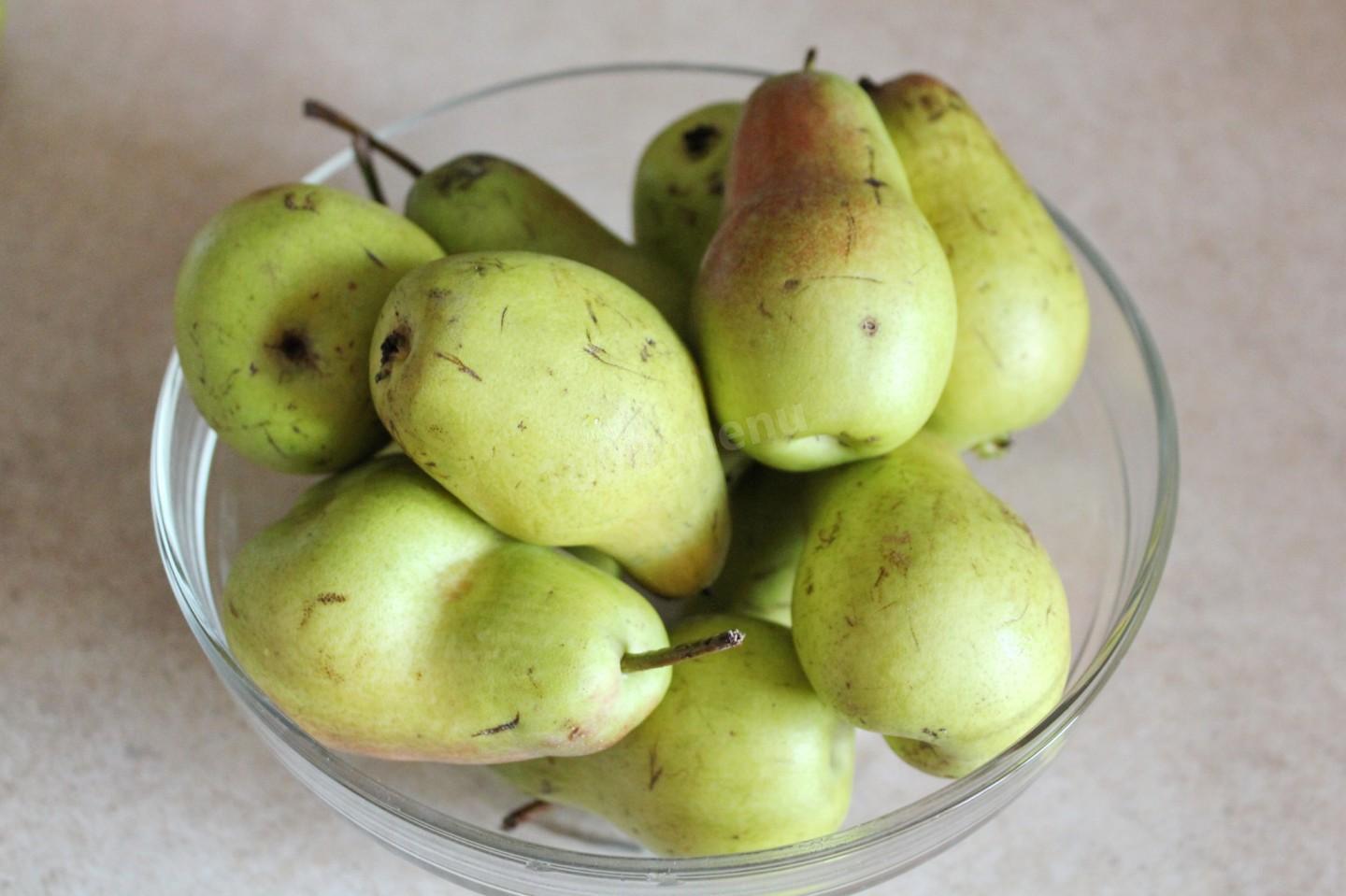
How do you make pear jam for winter? Choose soft, sweet pears for this recipe—yellow ones are ideal. You can use regular sugar instead of stevia. The lemon juice adds a touch of tartness to the sweet jam; adjust the amount to taste. It also acts as a preservative for longer storage.
-
Step 2:
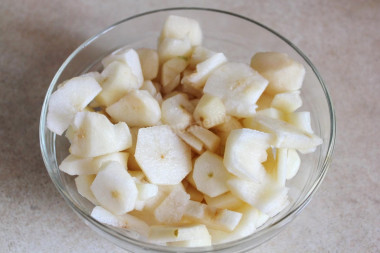
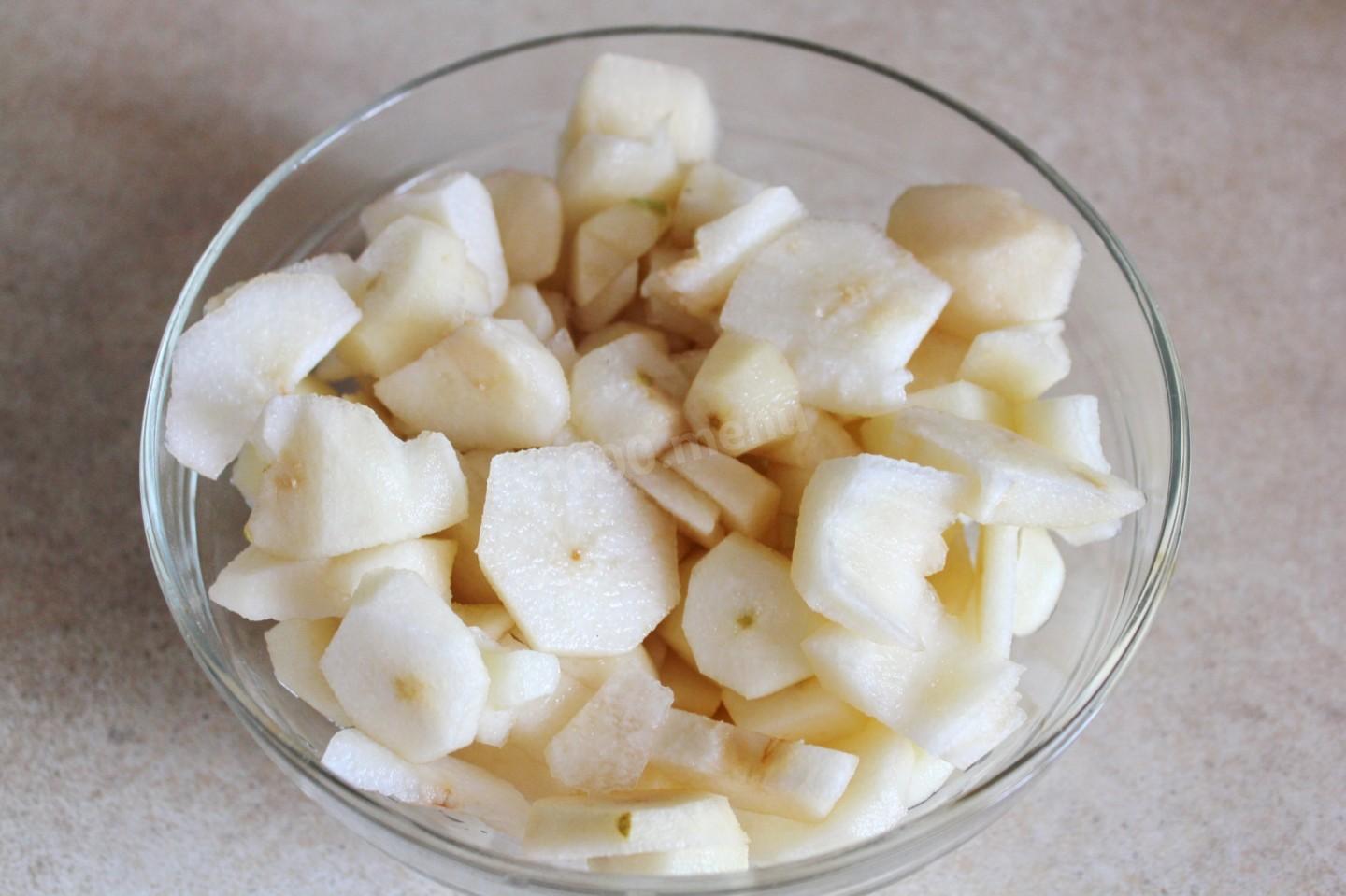
Wash and dry the pears thoroughly. Peel them, cut into pieces, and remove the cores and seeds.
-
Step 3:
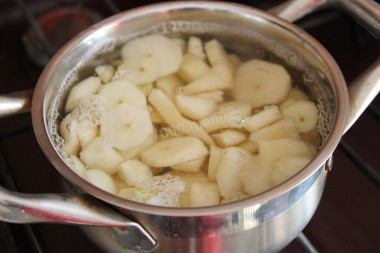
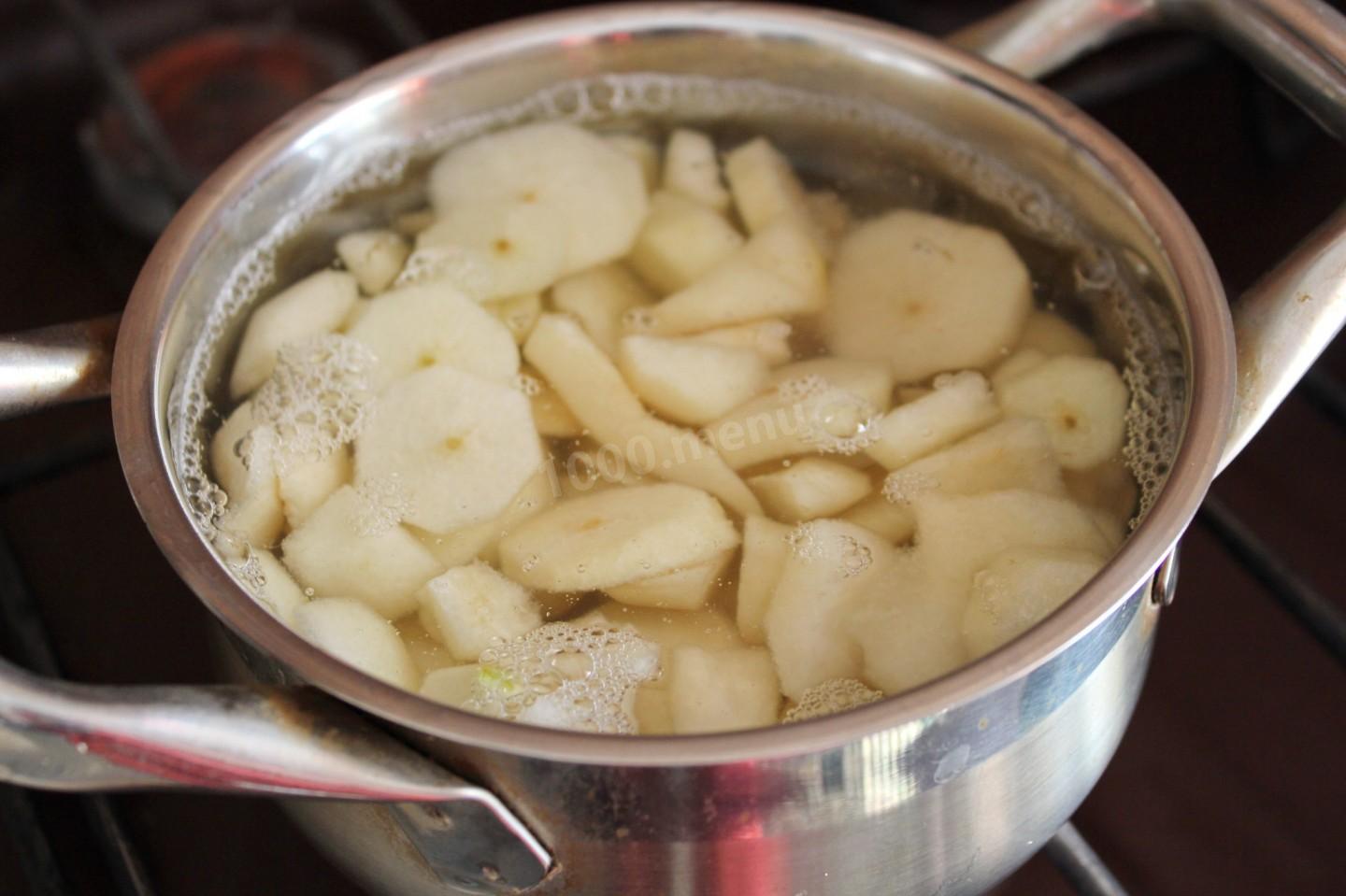
Put the cut pears in a pot and add boiling water to cover them. Use an enameled or stainless steel pot for cooking. Don't use aluminum—it can react with the acid.
-
Step 4:
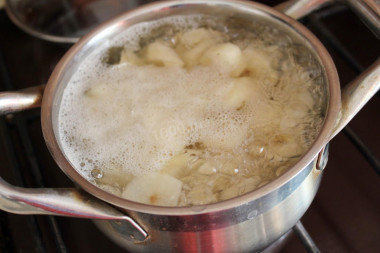
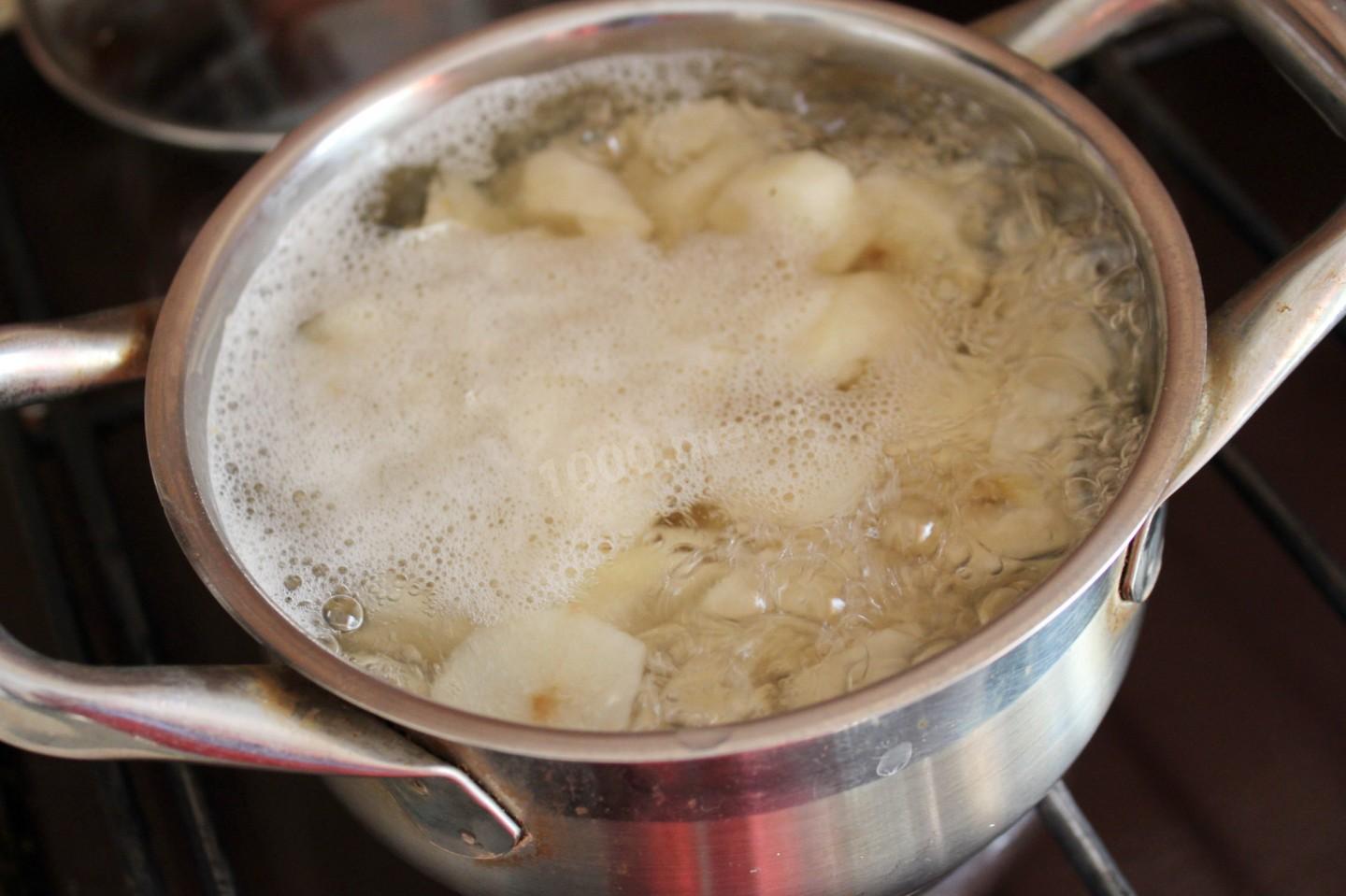
Set the pot of pears over low heat. Bring to a boil and cook for 15 minutes. Skim off any foam that forms.
-
Step 5:
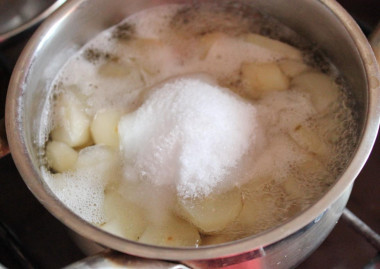
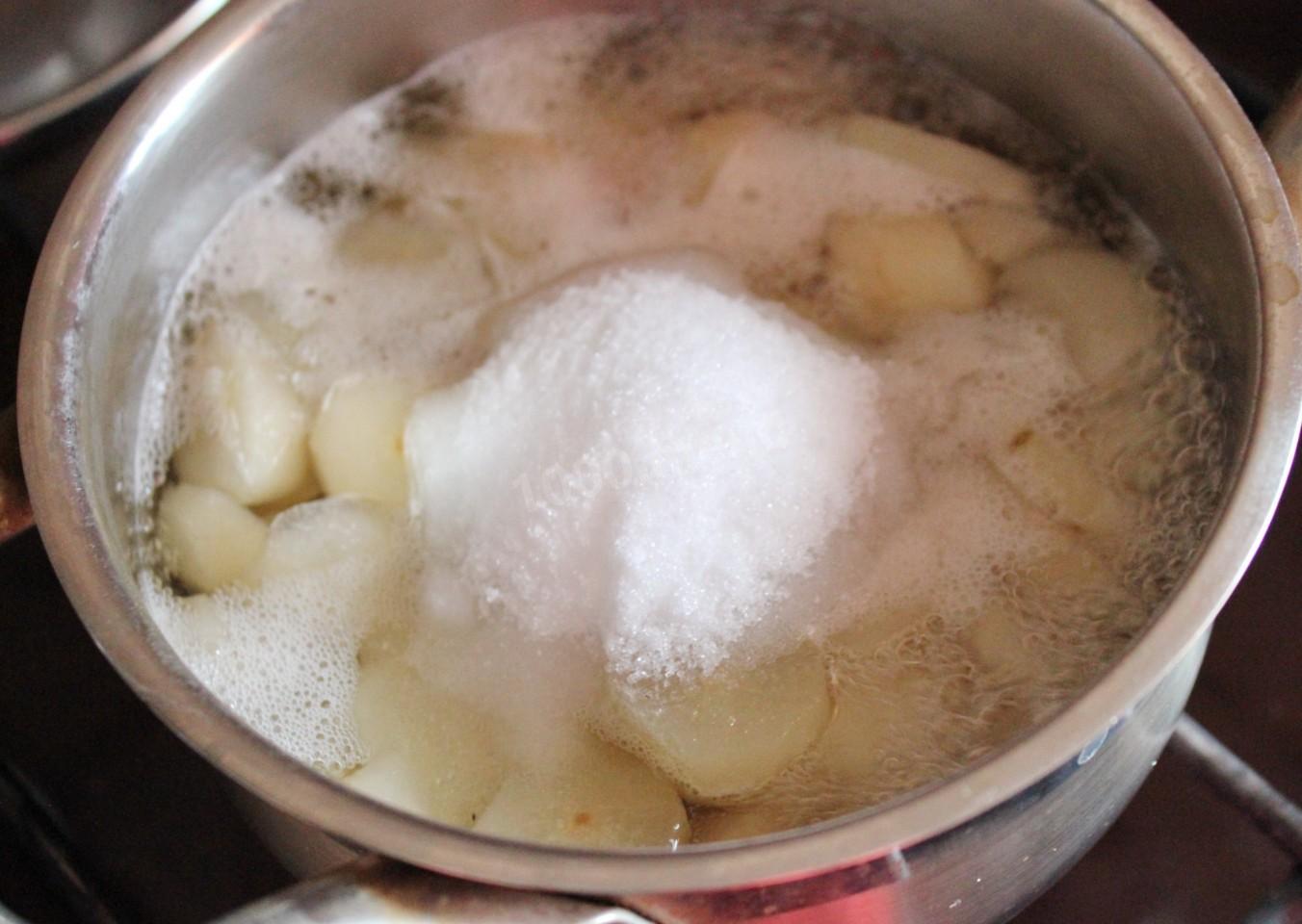
Next, add the stevia to the pot and stir until it fully dissolves.
-
Step 6:
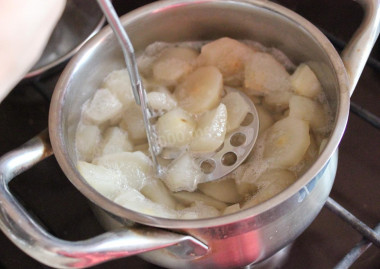
When the 15 minutes are up, take the pot off the heat and mash the pears to a purée. Return the pot to the heat and cook over low heat for another 20 minutes, stirring from time to time.
-
Step 7:
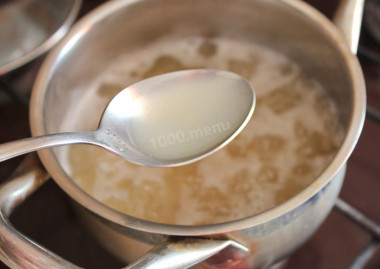
Add the lemon juice—you can squeeze it from a single lemon wedge. Stir, and cook for another 20 minutes over low heat. Stir more often now so the jam doesn't scorch.
-
Step 8:
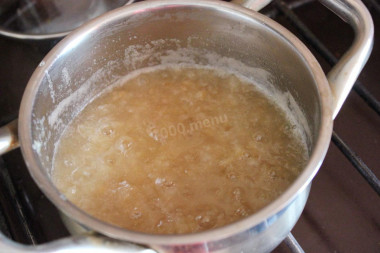
The pear jam should cook down until thick and start to caramelize. When it does, take the pot off the heat. Immediately ladle the jam into sterilized jars and seal with sterilized lids. Store the pear jam in a cool, dry place.
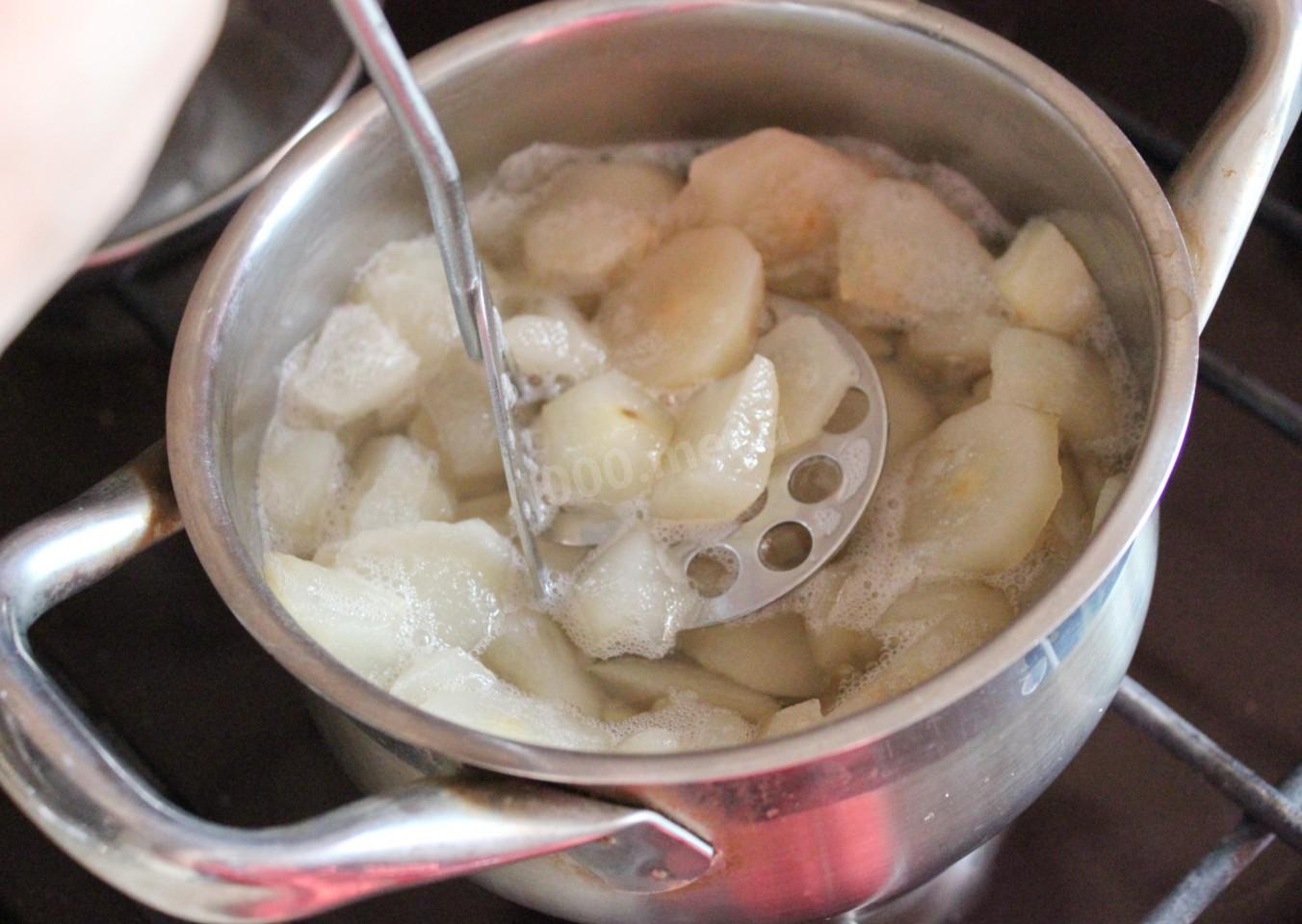
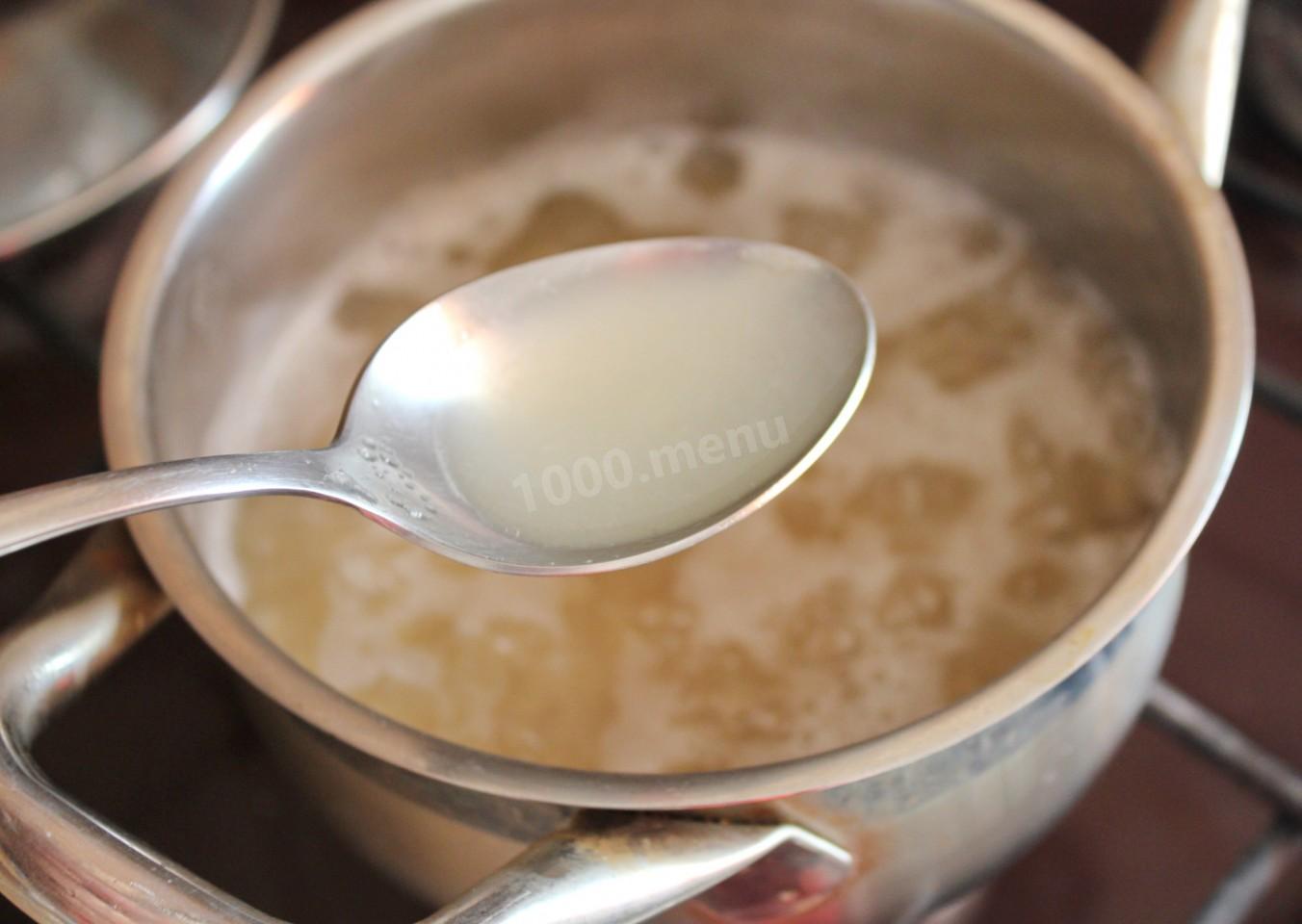
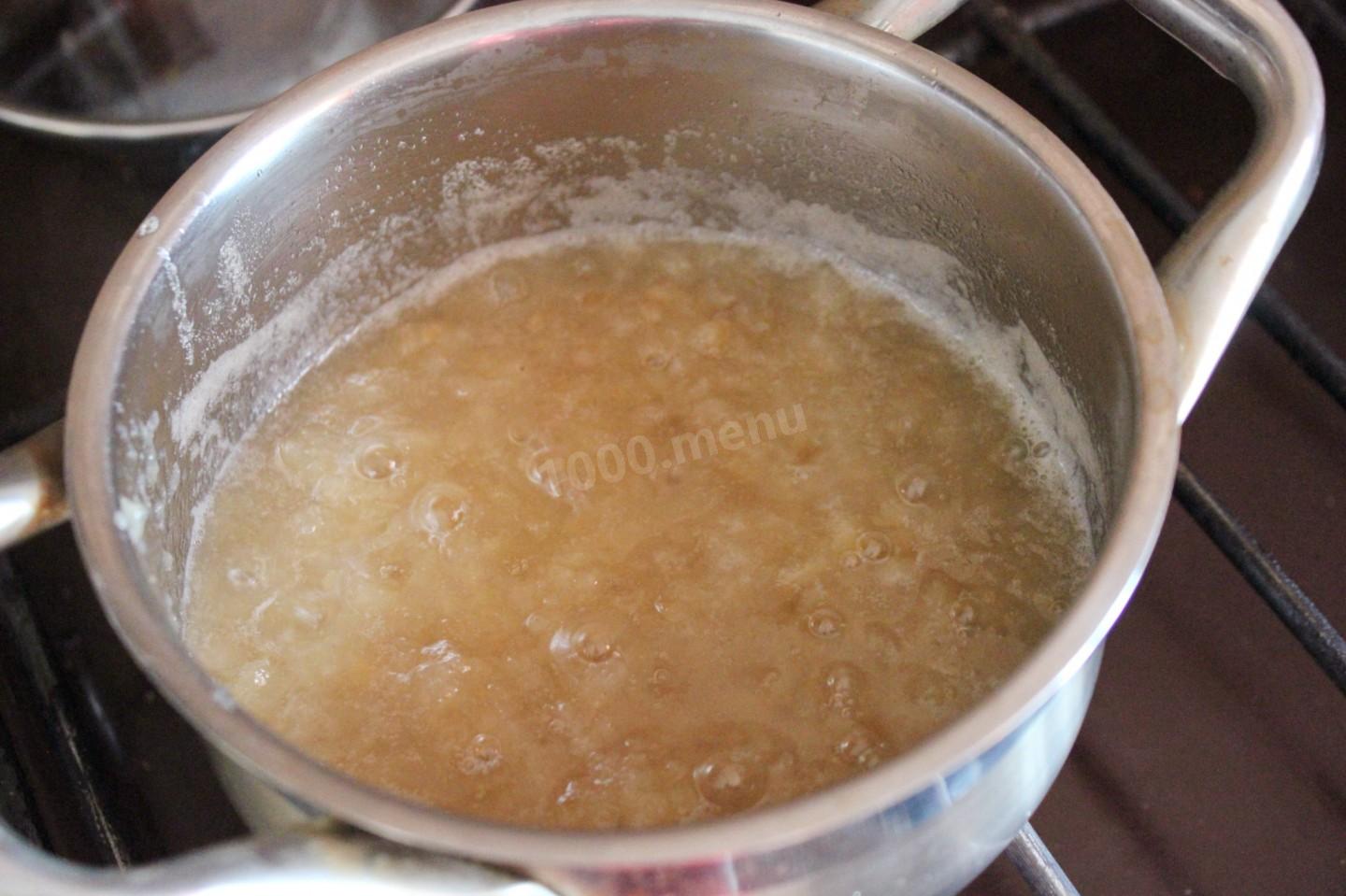
- A very handy recipe if you've got a crop of early pears that don't keep well—you can turn them right into a wonderful jam to enjoy in the cold months. Stir it into your morning oatmeal, spread it on bread with tea or milk, or just eat it by the spoonful alongside an unsweetened bitter drink like tea, chicory, or coffee, since the jam is already very sweet. If you prefer a smoother, more uniform texture, purée the jam with an immersion blender. Mashing by hand leaves tiny bits, which some people like; others prefer even bigger pear pieces they can chew. Those pieces turn translucent as they cook, and the jam looks beautiful. Enjoy!
- To make sure your summer harvest keeps you happy all through the cold season, read up on the basic rules, secrets, and tips for winter preserves.
- It's best to use filtered or bottled water with a neutral taste. If you use tap water, keep in mind it can give the dish an off, characteristic flavor.
Caloric content of the products possible in the composition of the dish
- Pear - 42 kcal/100g
- Dried pear - 246 kcal/100g
- Canned pears - 76 kcal/100g
- Water - 0 kcal/100g
- Lemon juice - 16 kcal/100g
- Stevia - 18 kcal/100g