Crabapple Jam
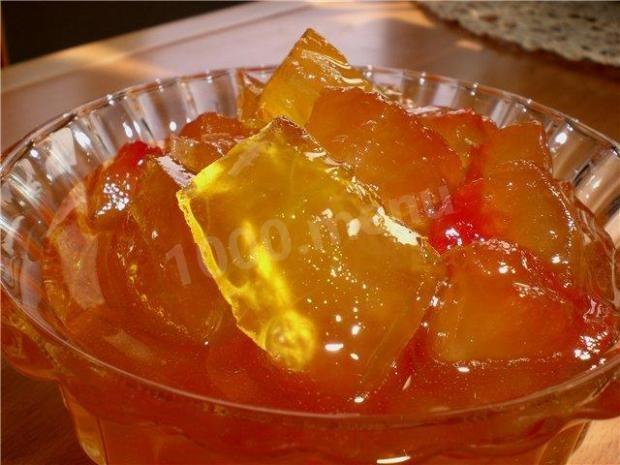
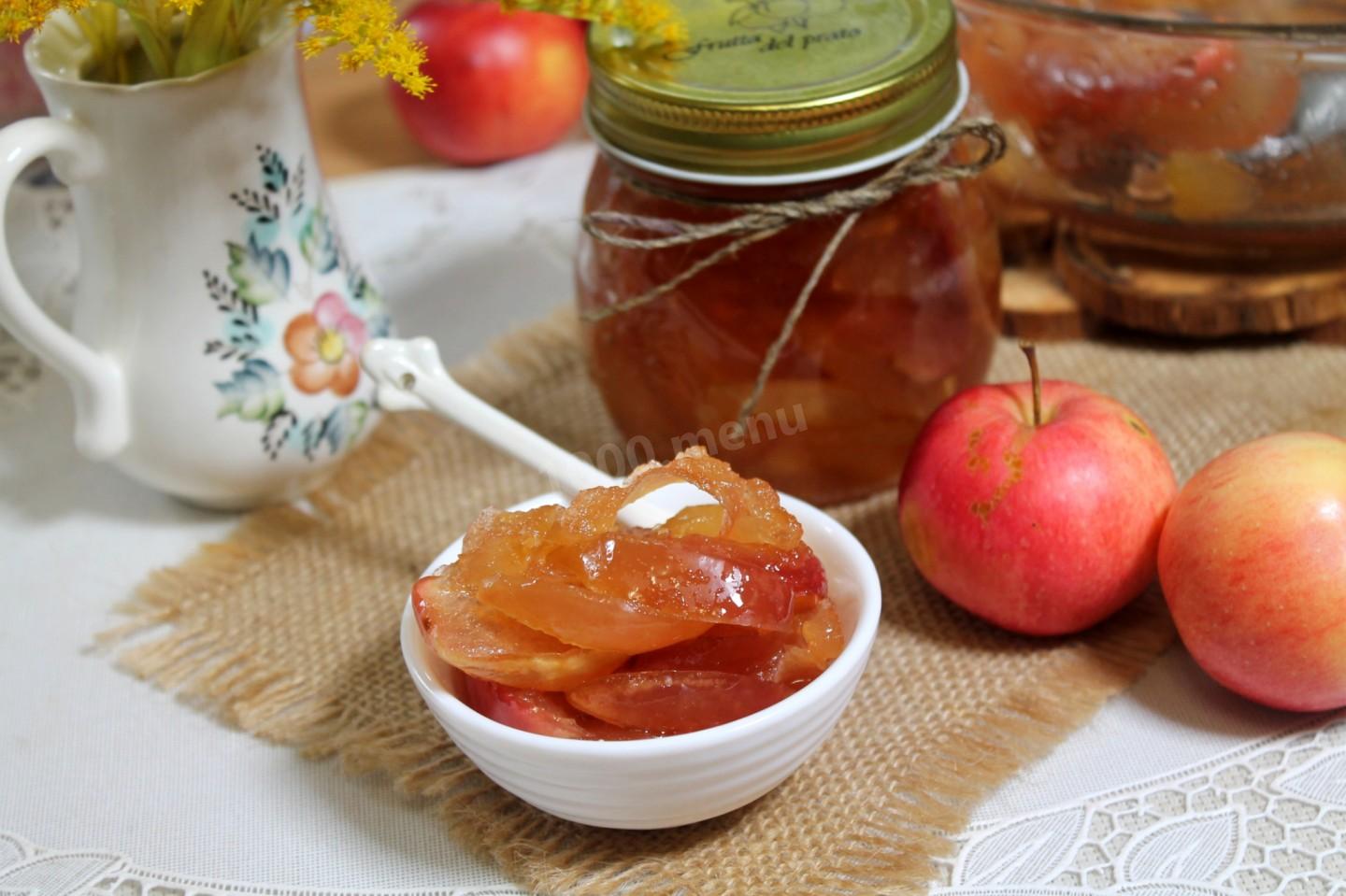
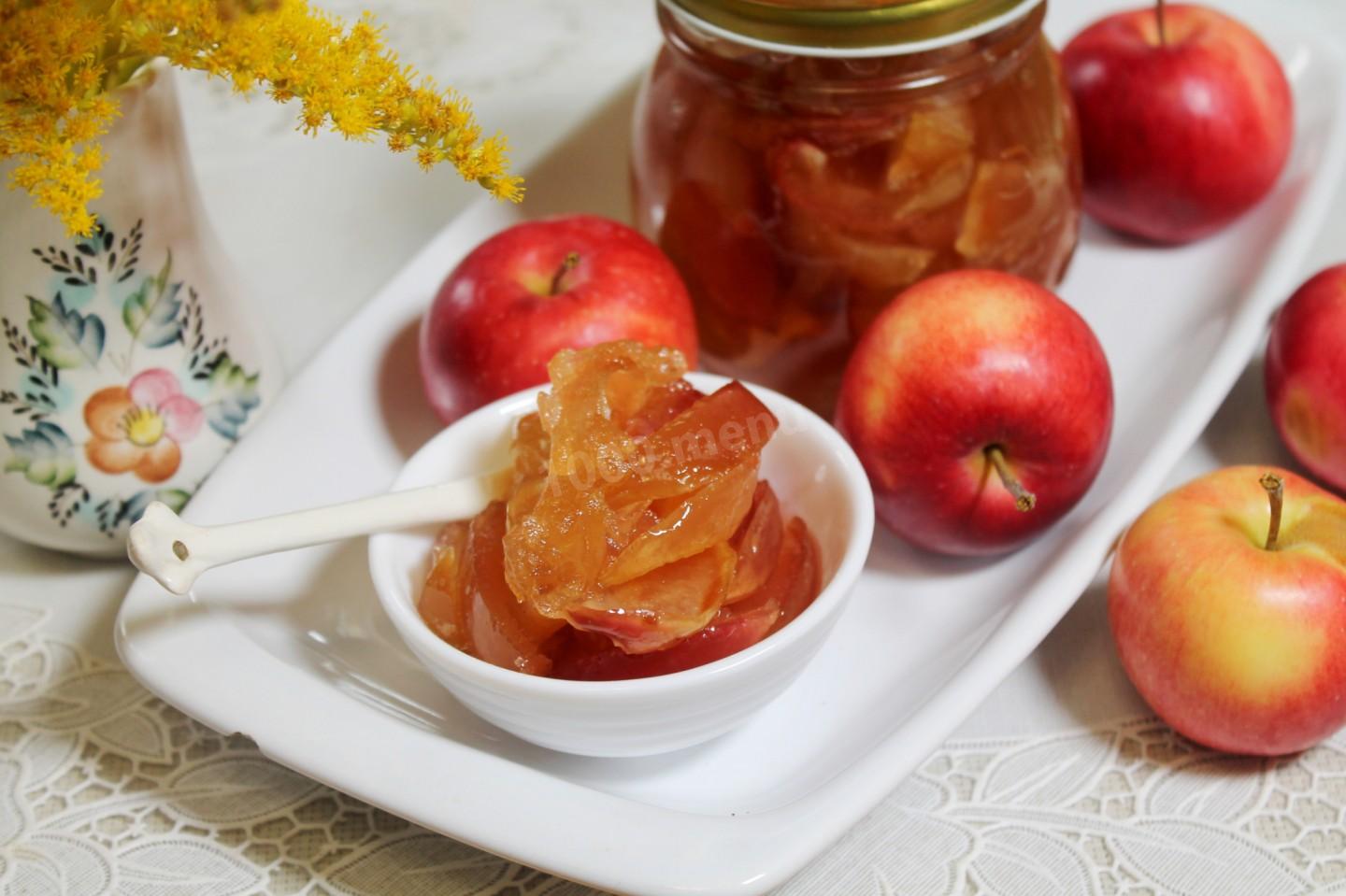
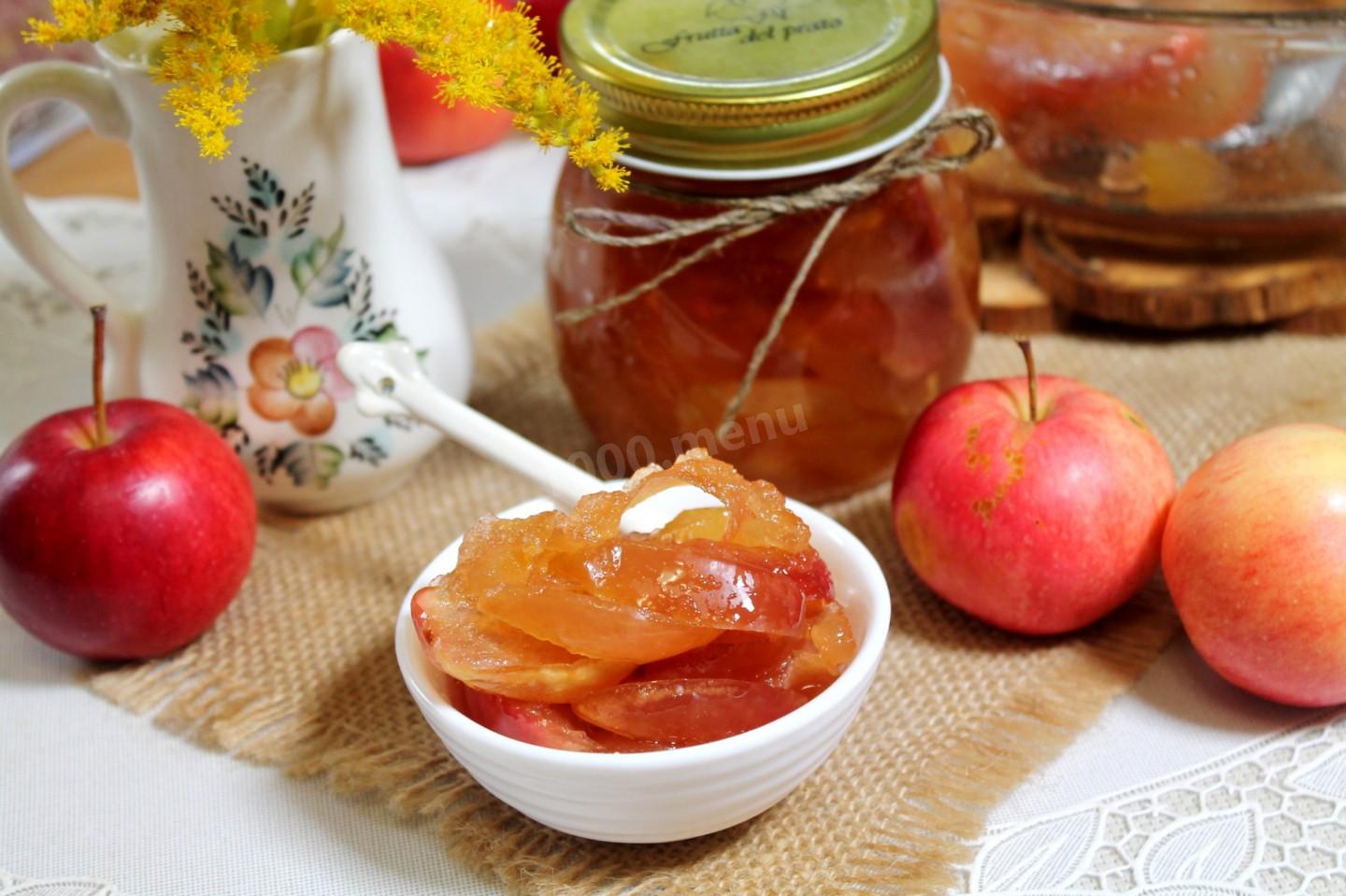
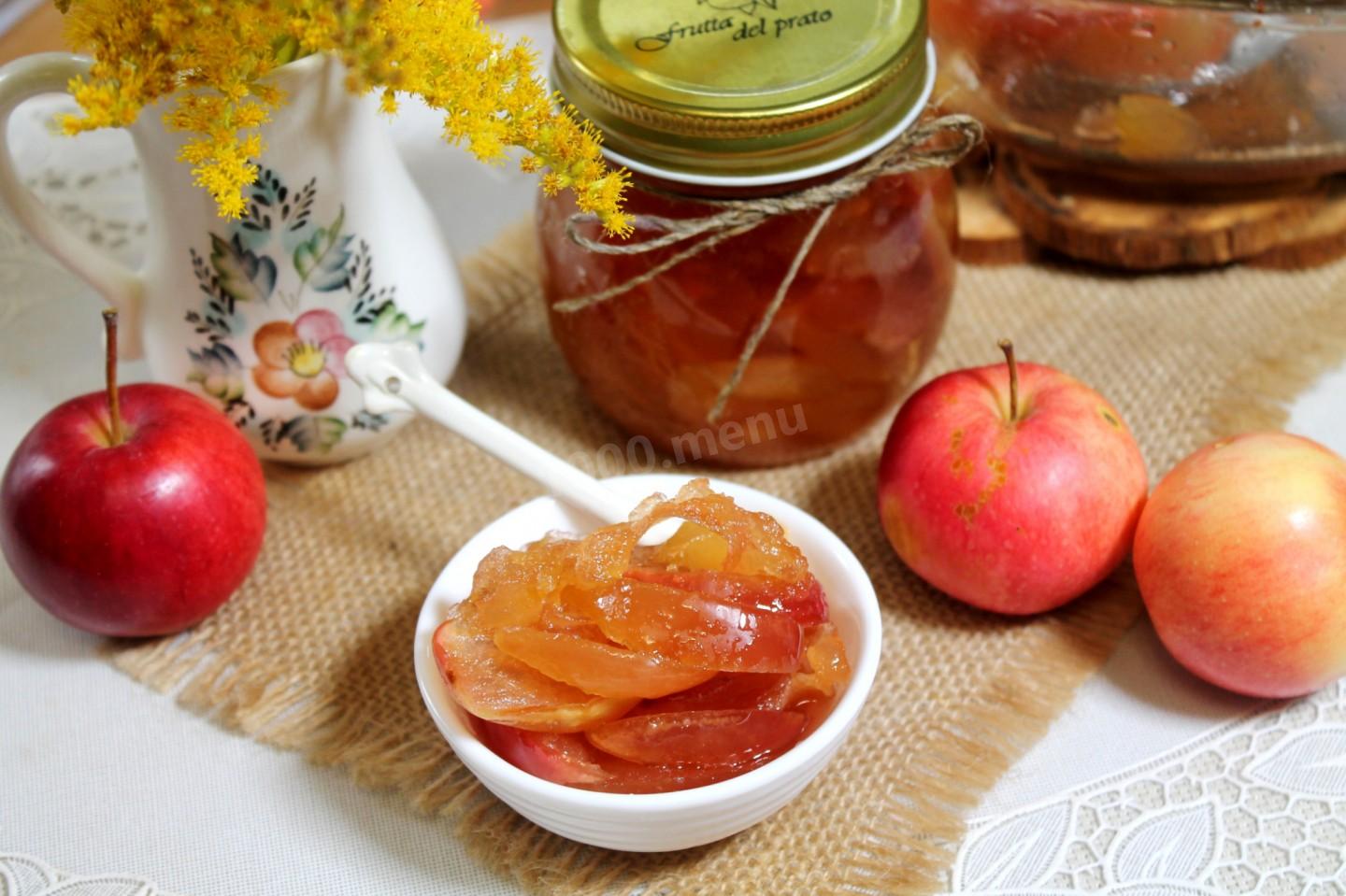
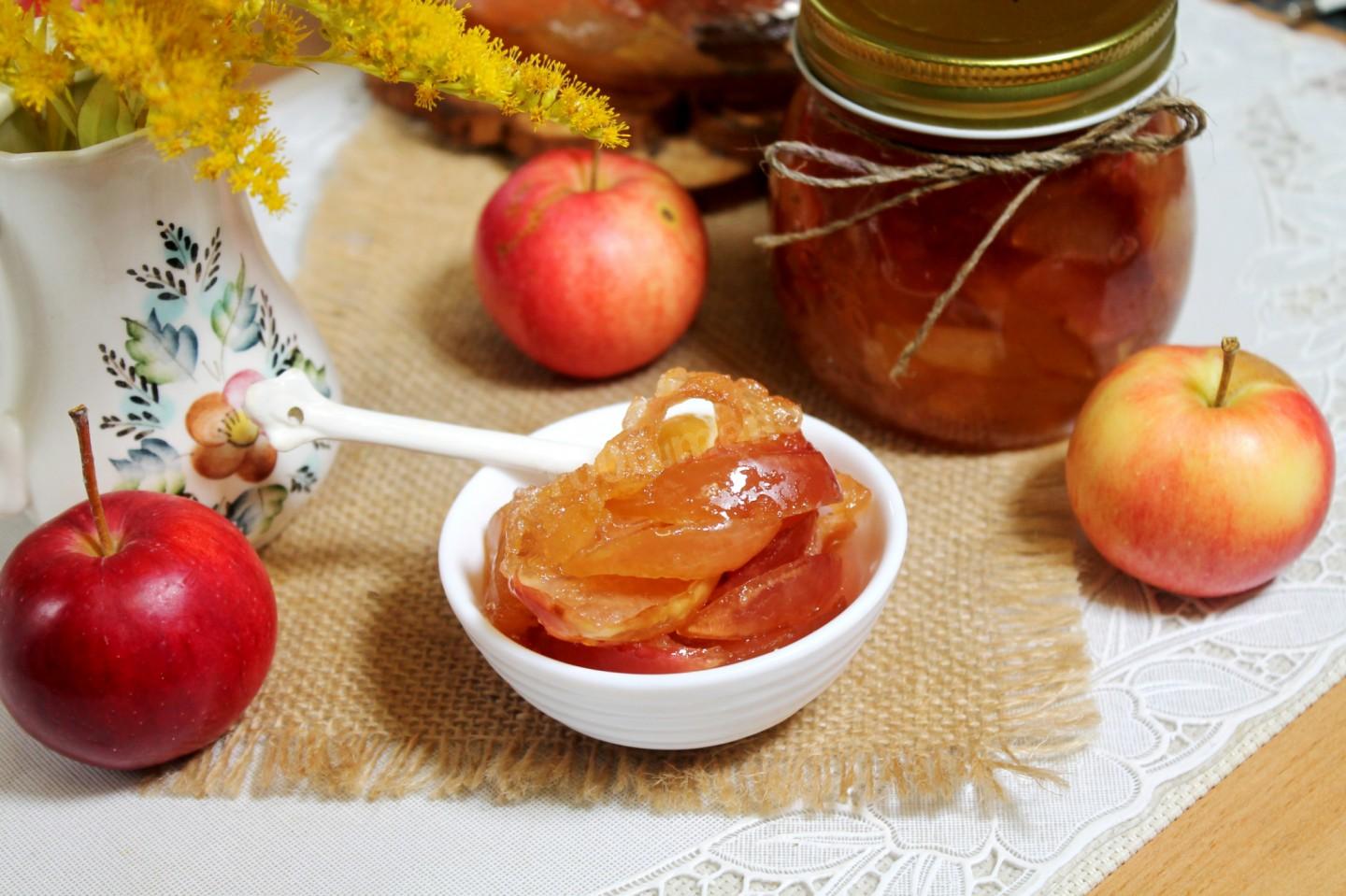
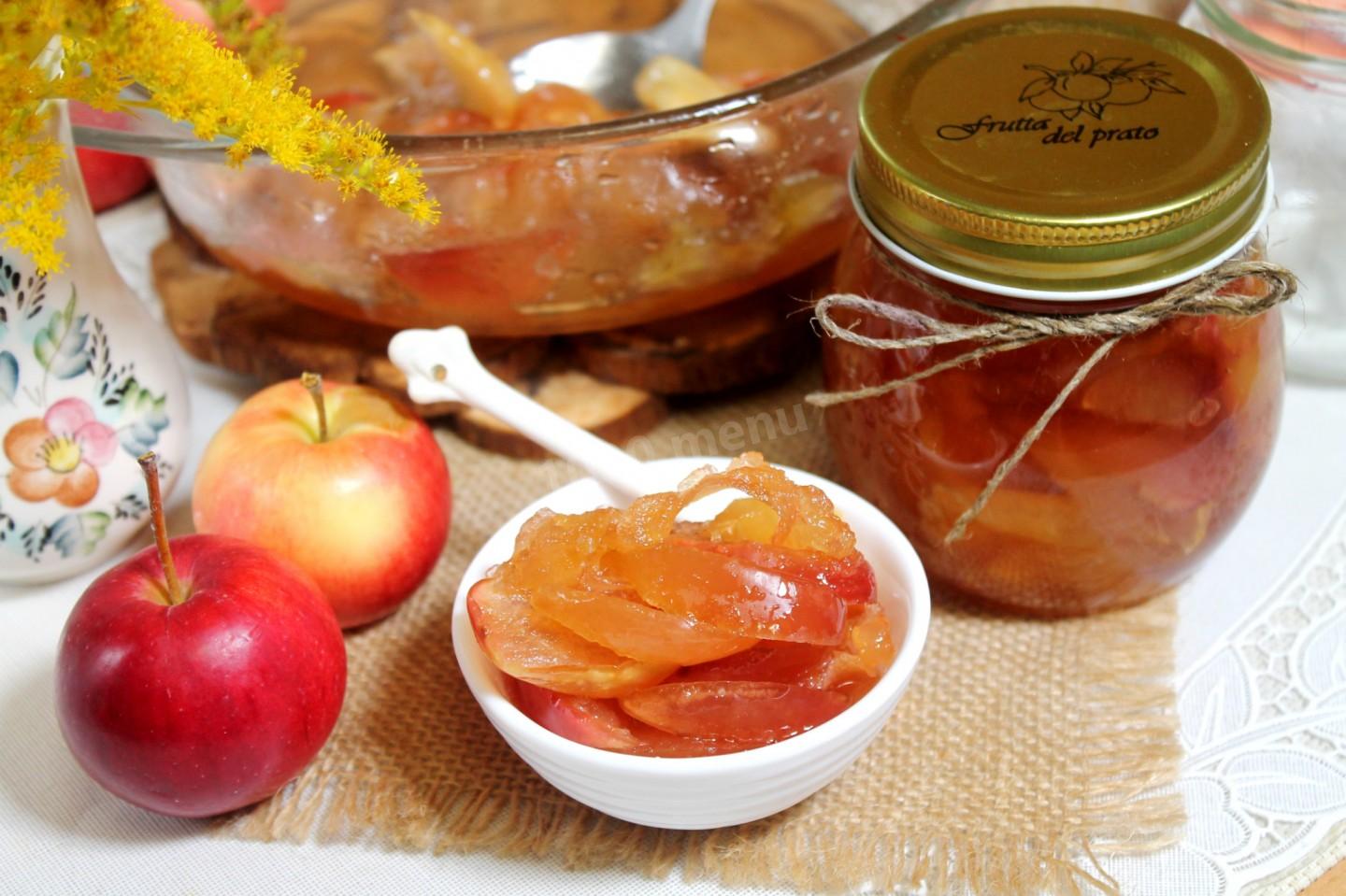
Crabapple jam—an elegant yet simple treat! It's beautiful, bright, delicious, and fragrant, with translucent slices that practically beg to be eaten! You can cook it to several different textures: darker and thick, medium-bodied, or tender slices suspended in sugar syrup. Take your pick!
Cooking method
-
Step 1:
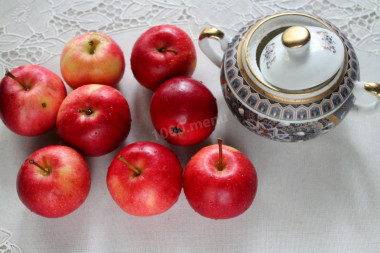
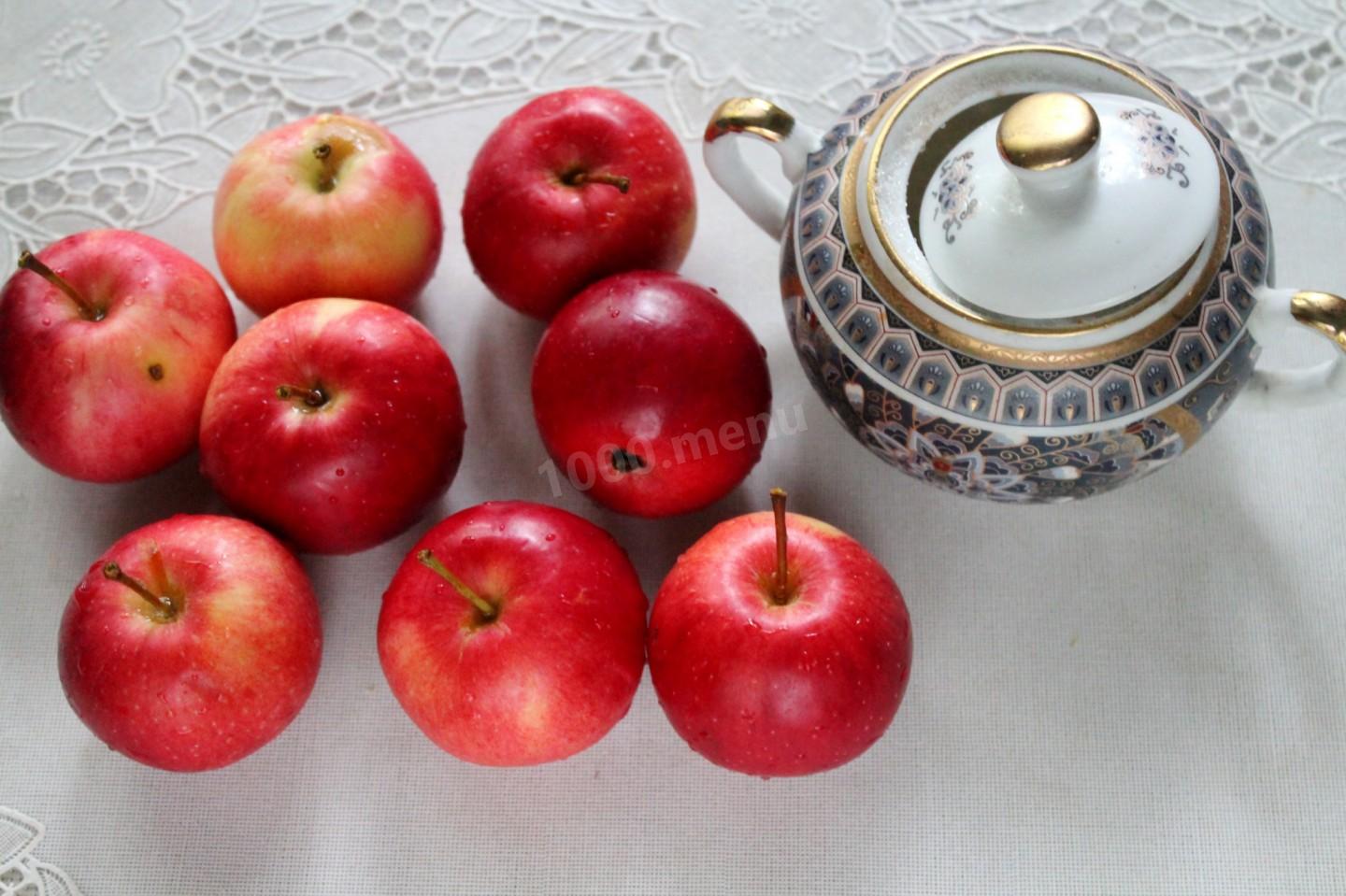
To make crabapple jam, you'll need crabapples, sugar, and water. That's all it takes to get a fragrant, translucent jam of crabapple slices.
-
Step 2:
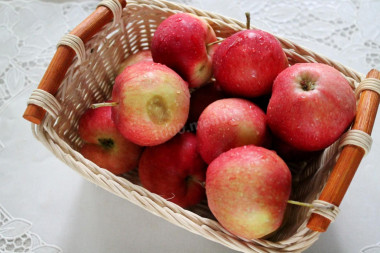
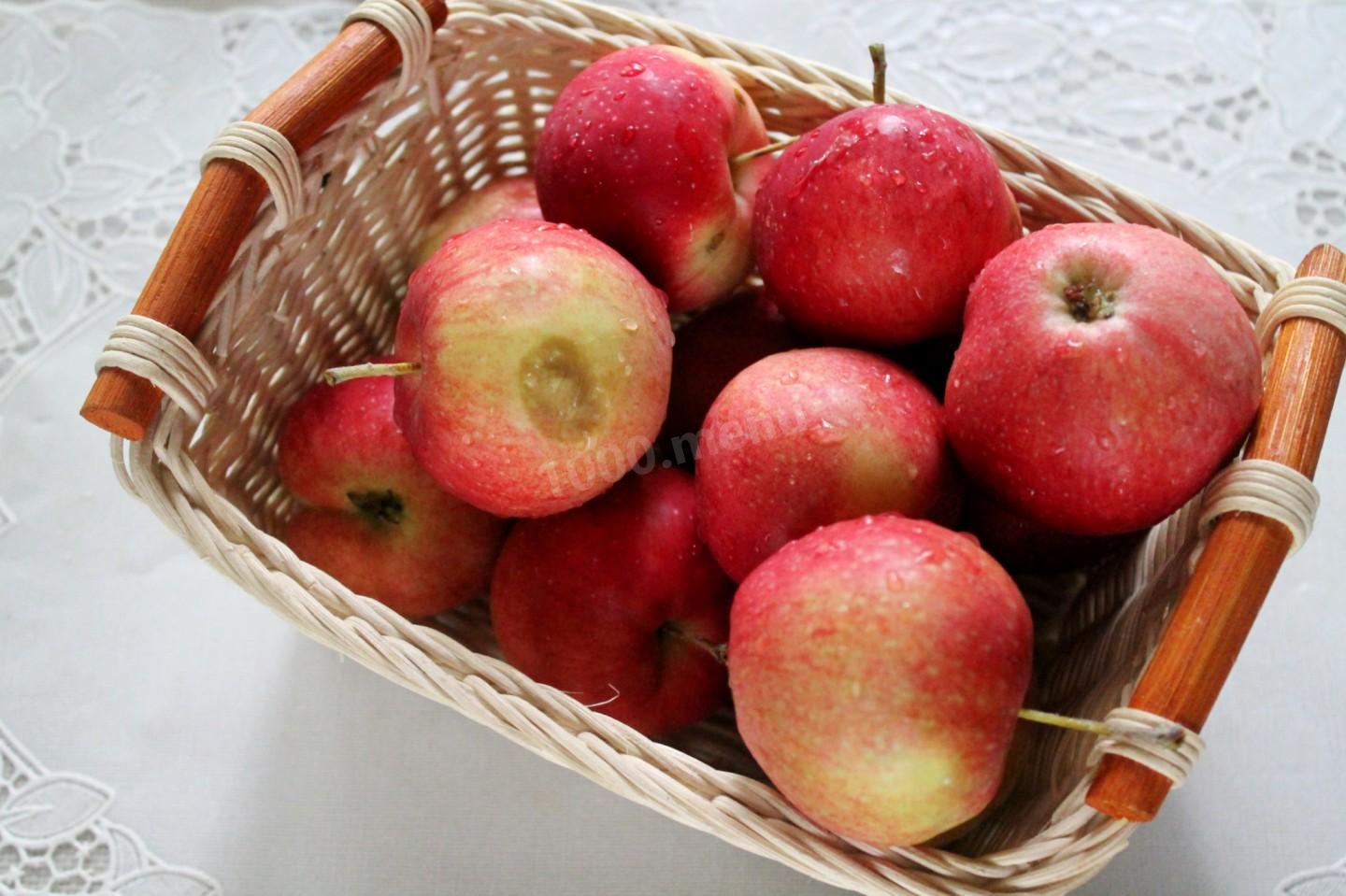
Sort the crabapples and wash them well, then let them drain or pat them dry with a paper towel. We don't want any extra water, especially at the first stage, when we need the apples to release their own juice.
-
Step 3:
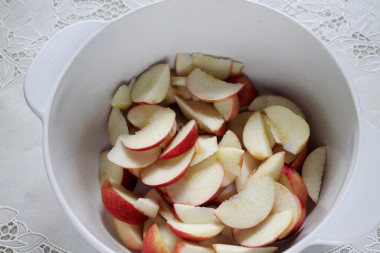
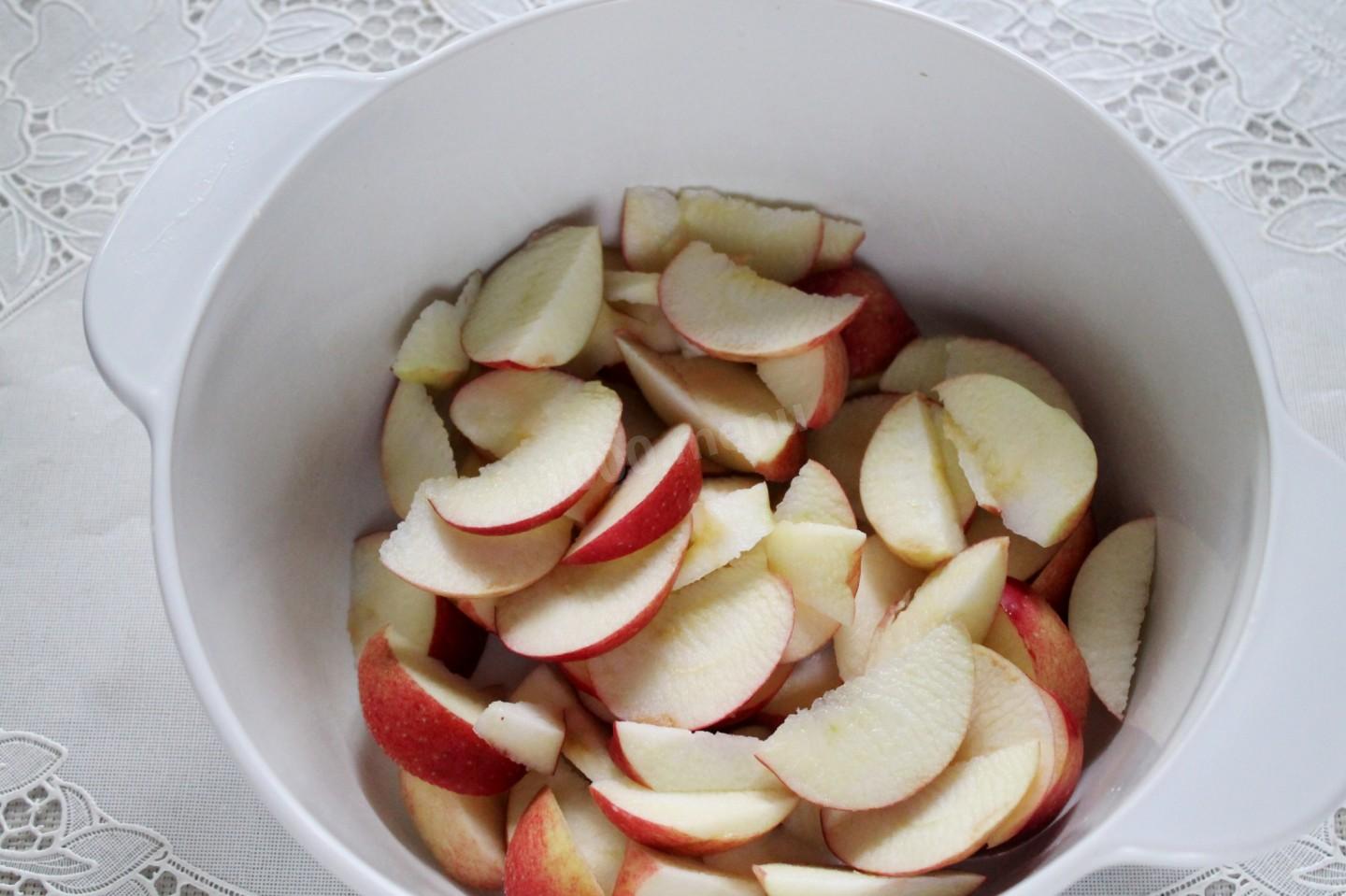
Cut the crabapples into slices—it's easy, since the fruits are small and sit comfortably in your hand. Slice around the core, which we don't need. You don't have to toss the cores, by the way; you can use them to make a fruit drink, kissel, or even homemade wine. And if you keep a garden and some livestock, the apple scraps will be a treat for goats, sheep, a pig, or a cow.
-
Step 4:
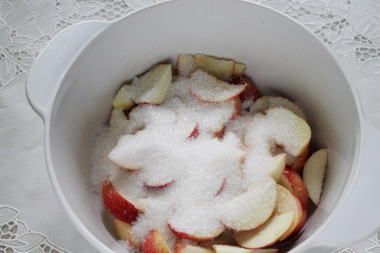
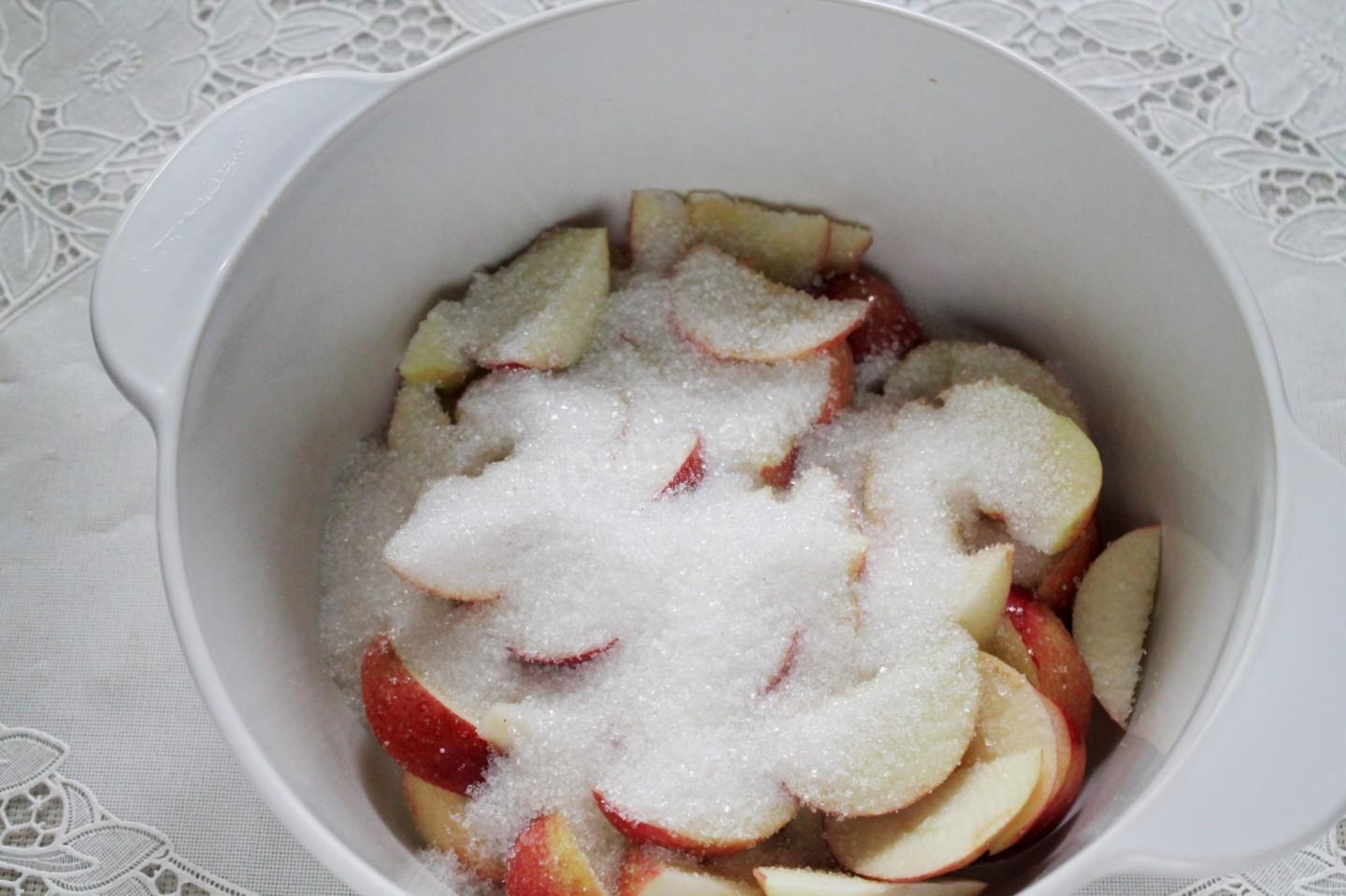
Layer the apple slices with the sugar and leave them like that for 10–12 hours. As you can see, making this jam is no trouble at all!
-
Step 5:
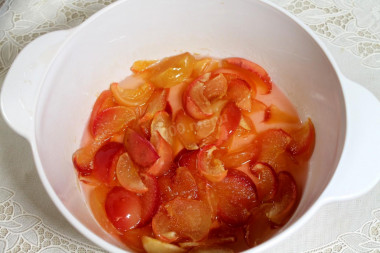
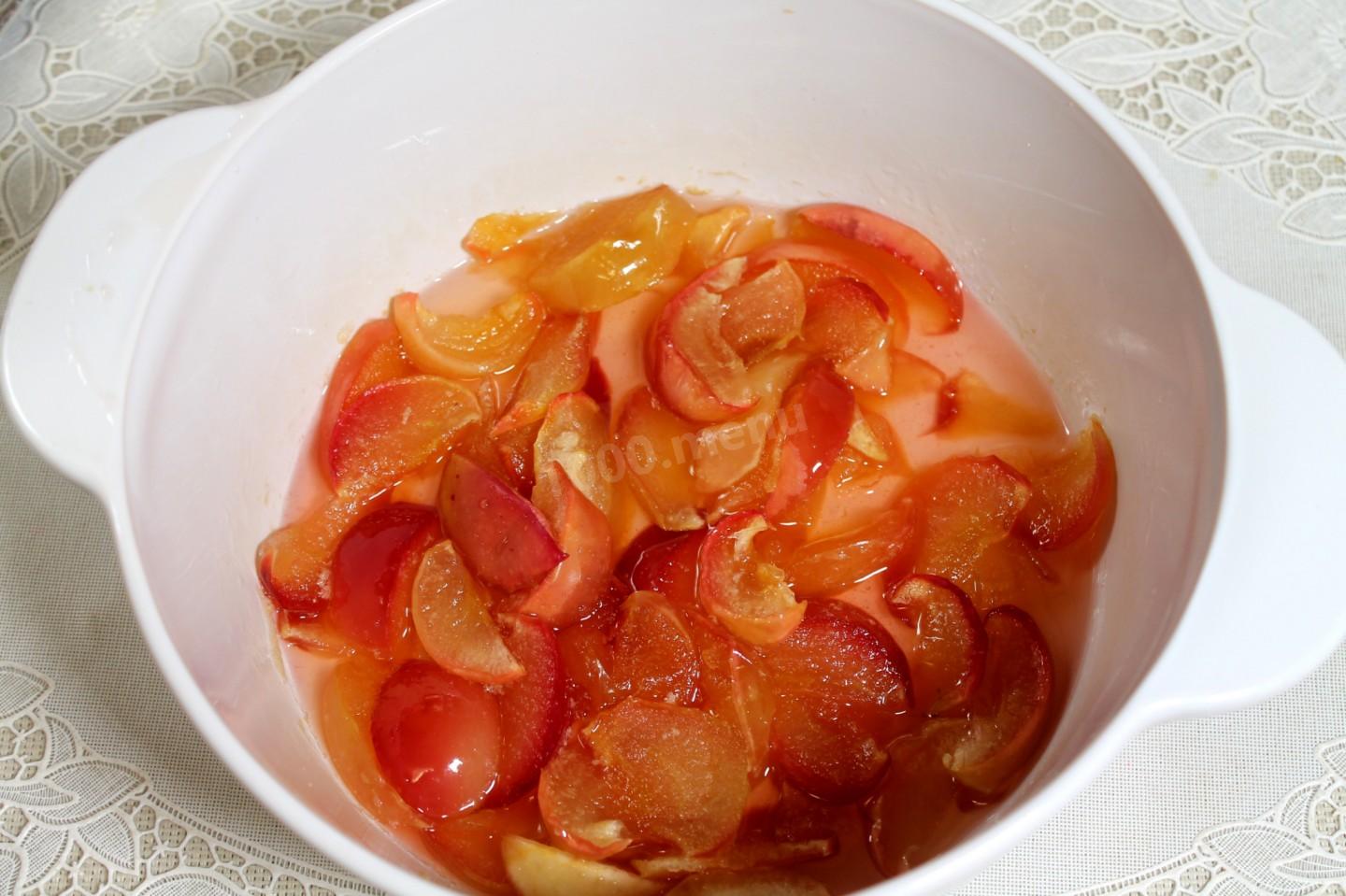
Now bring the apples and their released syrup to a boil, adding a little water. There are several ways to go here: you can skip the water, add just a bit, or cook a sugar syrup first and drop the slices into it. I suggest the middle path—add water to the apples and sugar, bring to a boil, simmer for 5 minutes, and let the jam cool completely.
-
Step 6:
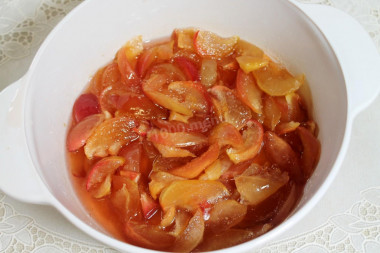
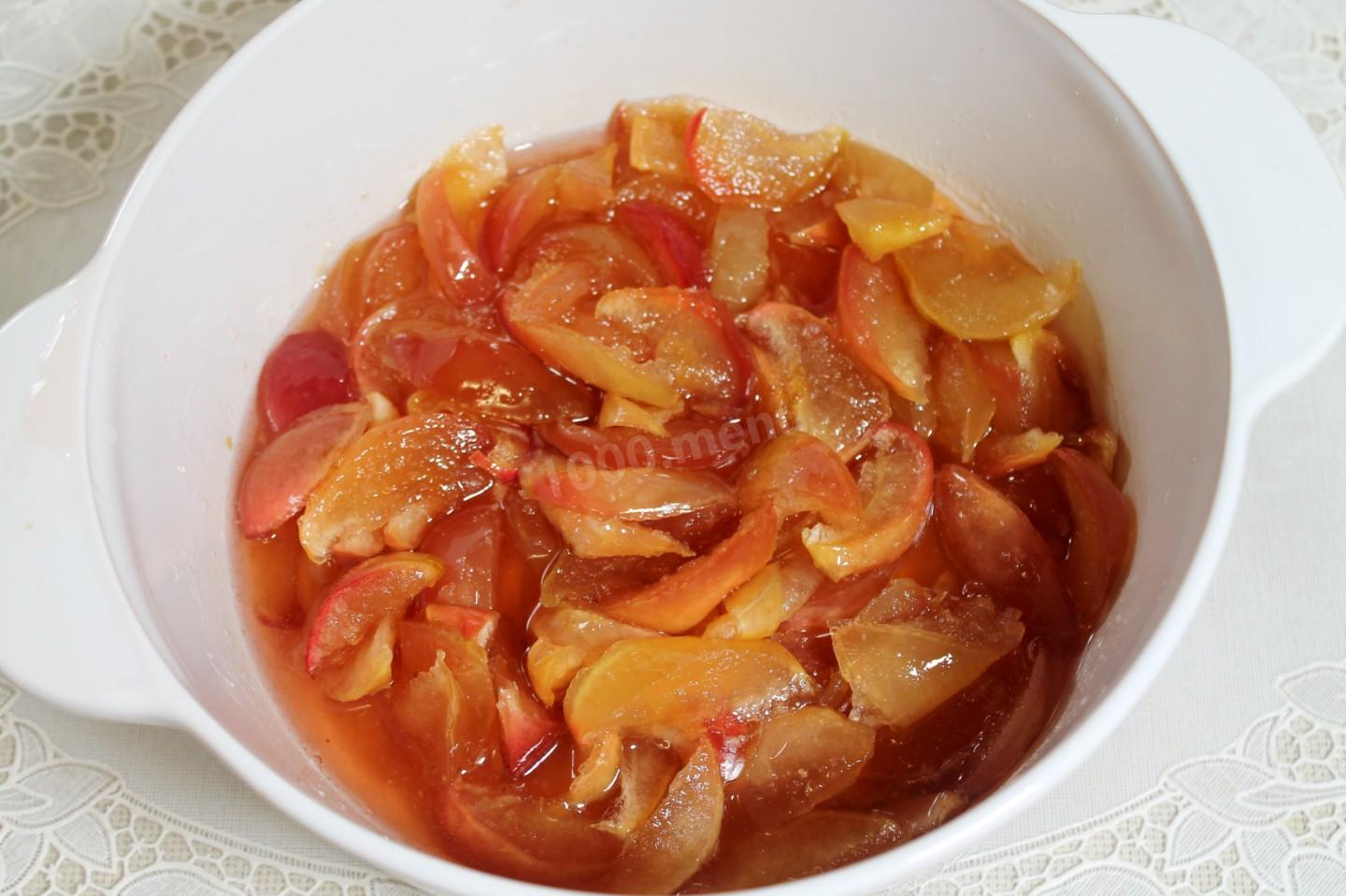
Next, bring the jam to a boil again—I do this covered, so the apple slices soak up the syrup completely and none stay dry. Cool the jam again, then cook it a third time over low heat until it's done.
-
Step 7:
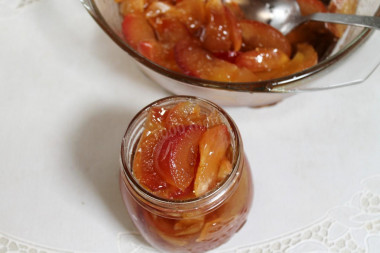
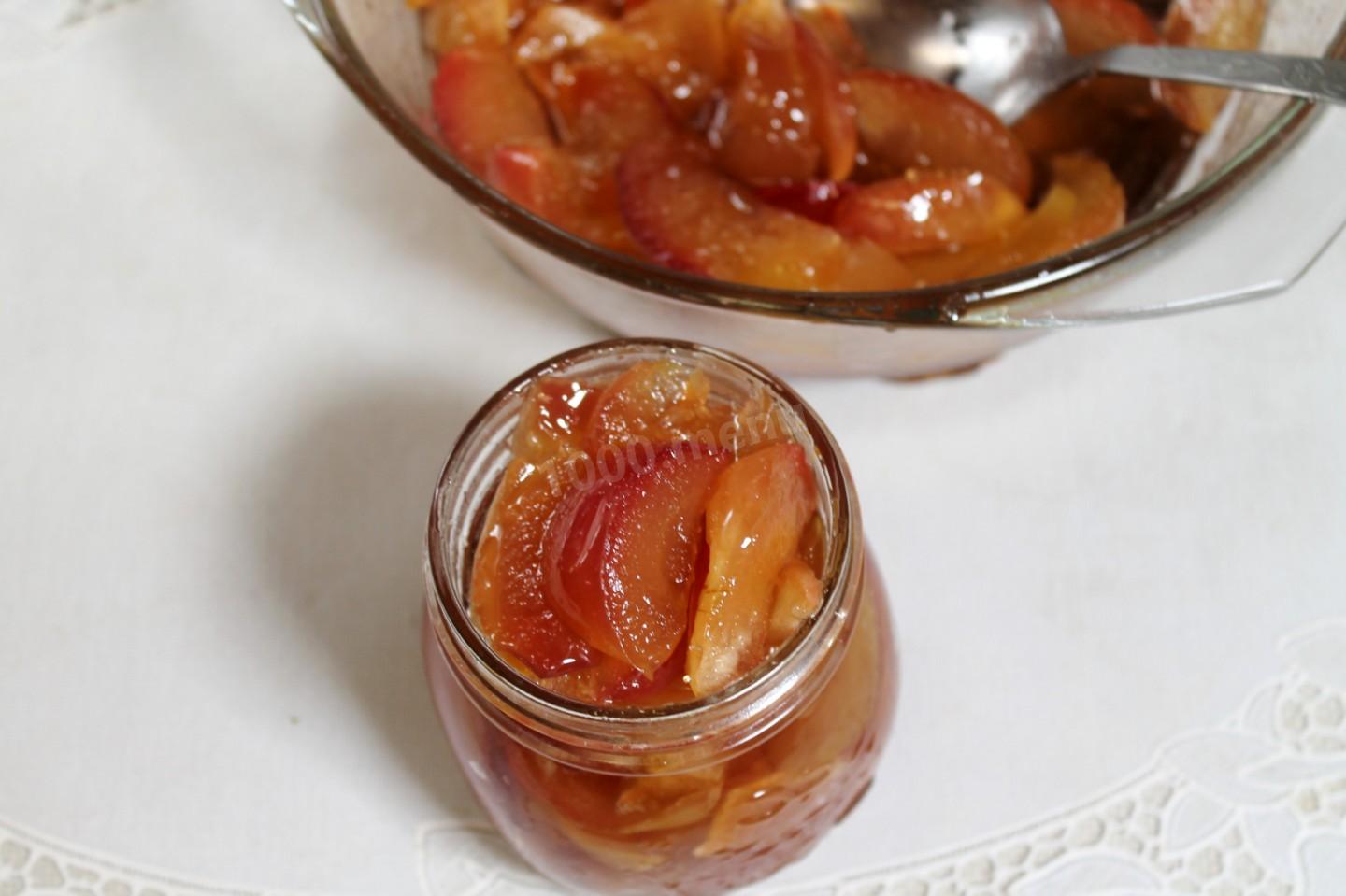
You can ladle the crabapple jam piping hot into dry jars, filling them to the top and sealing them tightly. But I prefer to spoon it in once it's cooled and put the lids on only after it's stopped giving off heat, so no condensation forms on the lid.
-
Step 8:
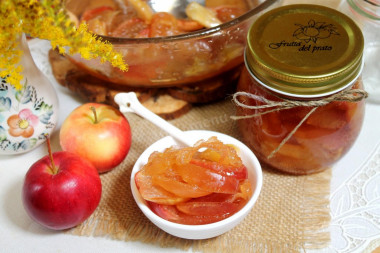
This crabapple jam keeps at room temperature for up to a year. Serve it with tea, layer it into cakes and pastries, or use it to decorate any baked good.
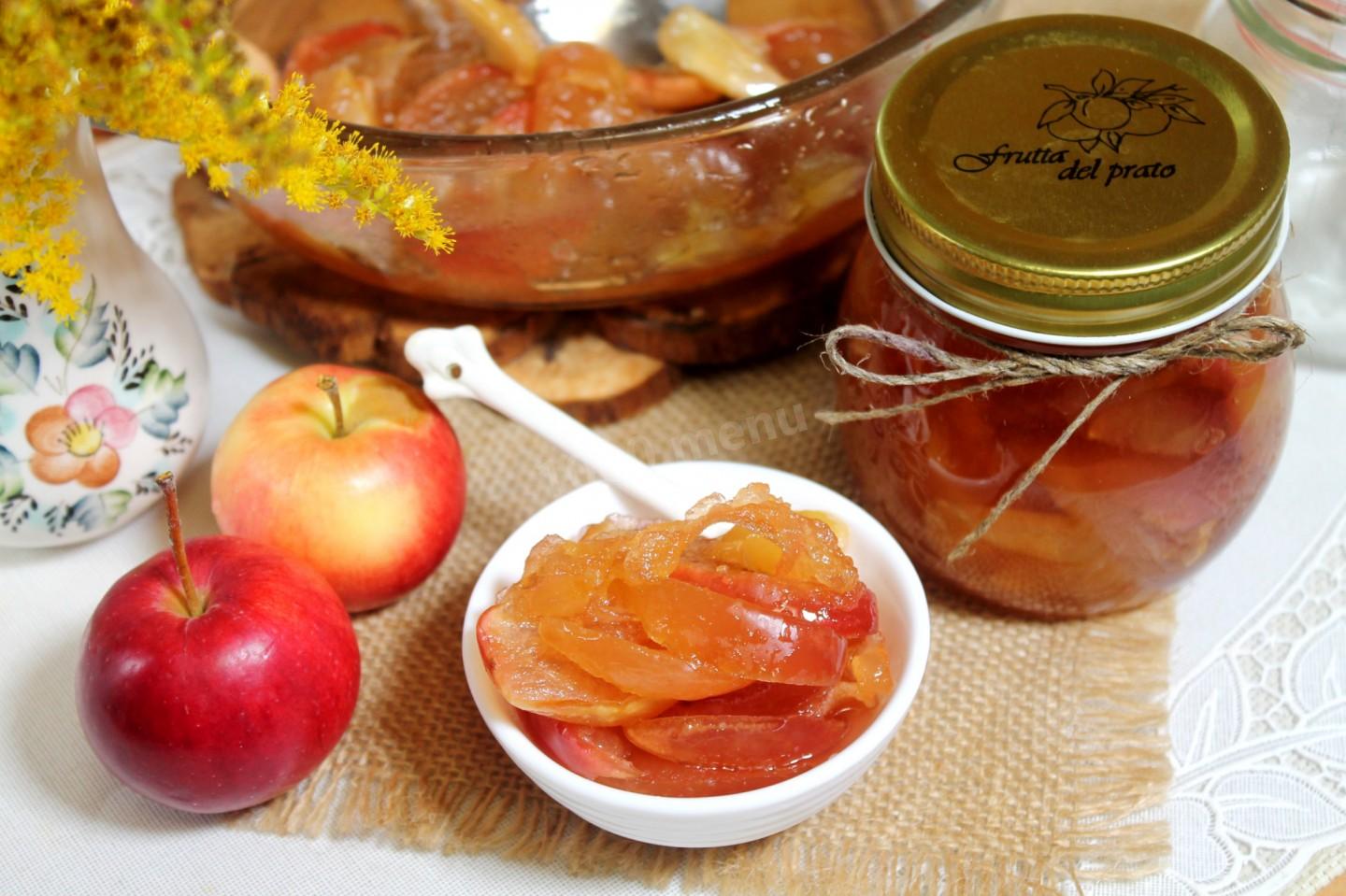
- Crabapple isn't really a single variety but a whole group of small-fruited apples lumped together under that name. The name comes from the resemblance of these trees' leaves to those of the Chinese cherry, so people began calling any apple tree with such leaves a "crabapple" (in Russian, "kitayka," literally "little Chinese one"), regardless of the shape, color, or size of the fruit. The apples in this group are small, and there are about a hundred varieties worldwide with different fruit shapes and sizes. Making the jam couldn't be simpler: cook it longer for a more caramelized result—darker in color and flavor—or cook it less and add water for a delicate, light apple preserve.
Caloric content of the products possible in the composition of the dish
- Apples - 47 kcal/100g
- Dried apples - 210 kcal/100g
- Canned apple mousse - 61 kcal/100g
- Granulated sugar - 398 kcal/100g
- Sugar - 398 kcal/100g
- Water - 0 kcal/100g