Zucchini Juice for Winter
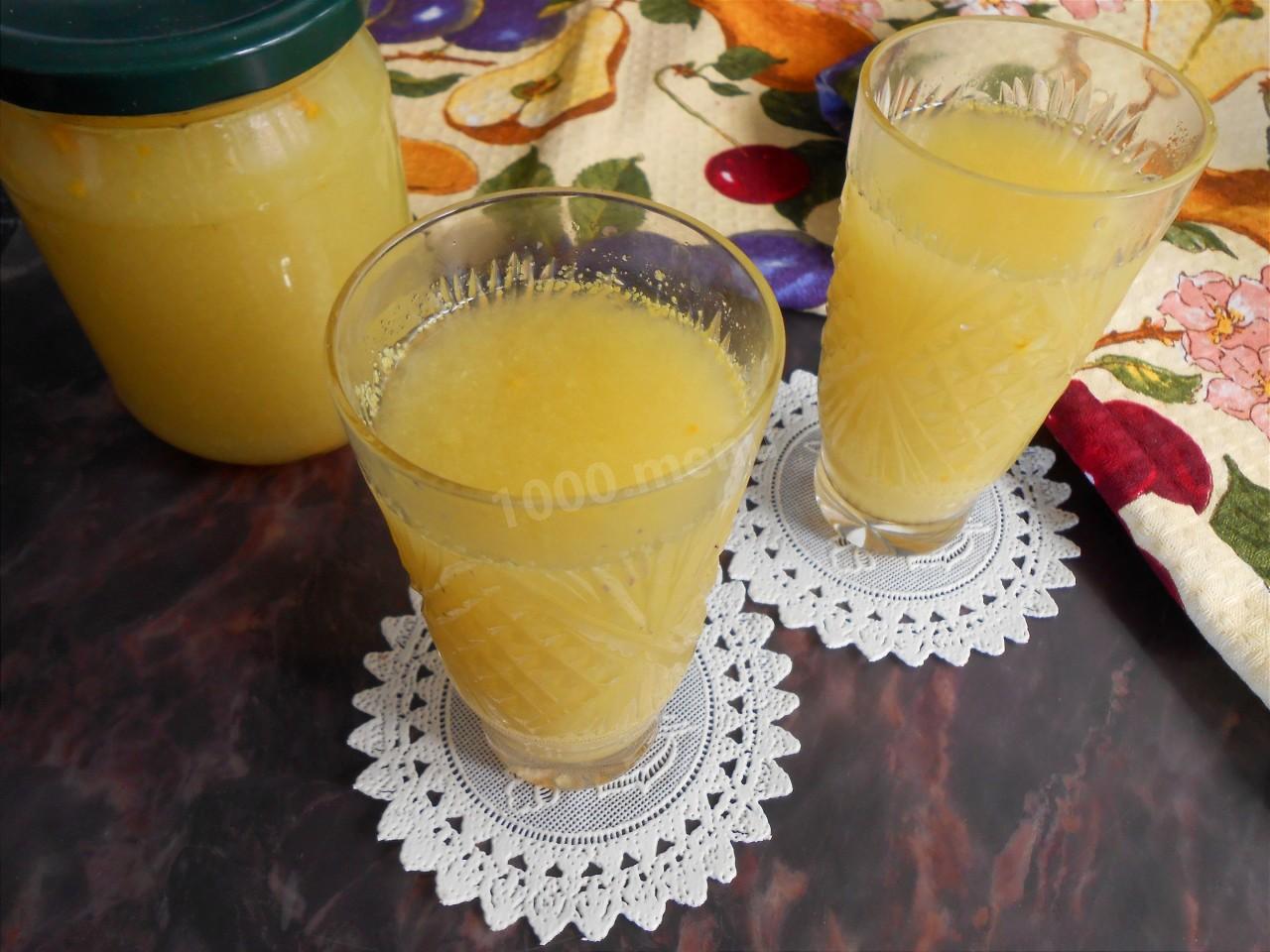
A bright, fragrant, healthy drink that tastes of summer and sunshine! Zucchini juice is a great thing to put up for winter, especially in a year with a big zucchini harvest. It's no trouble to make, and come winter you'll thank yourself more than once for your summer effort! Kids especially love this drink.

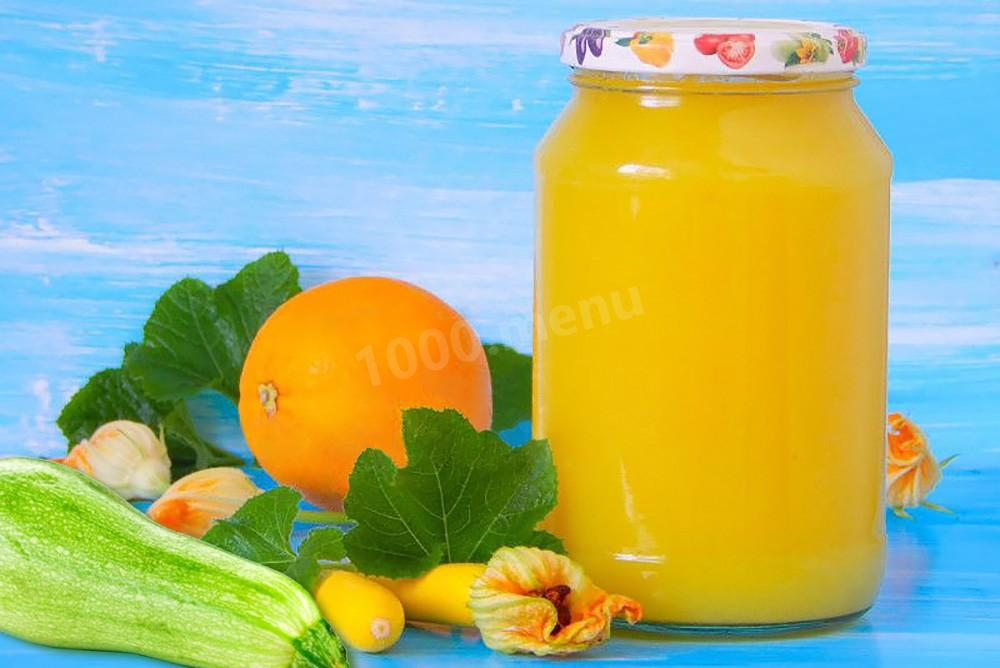
Cooking method
-
Step 1:
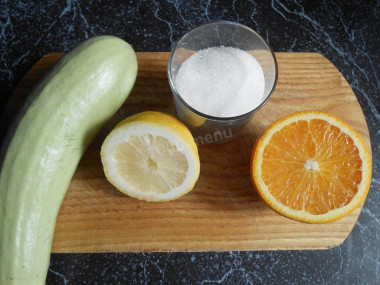
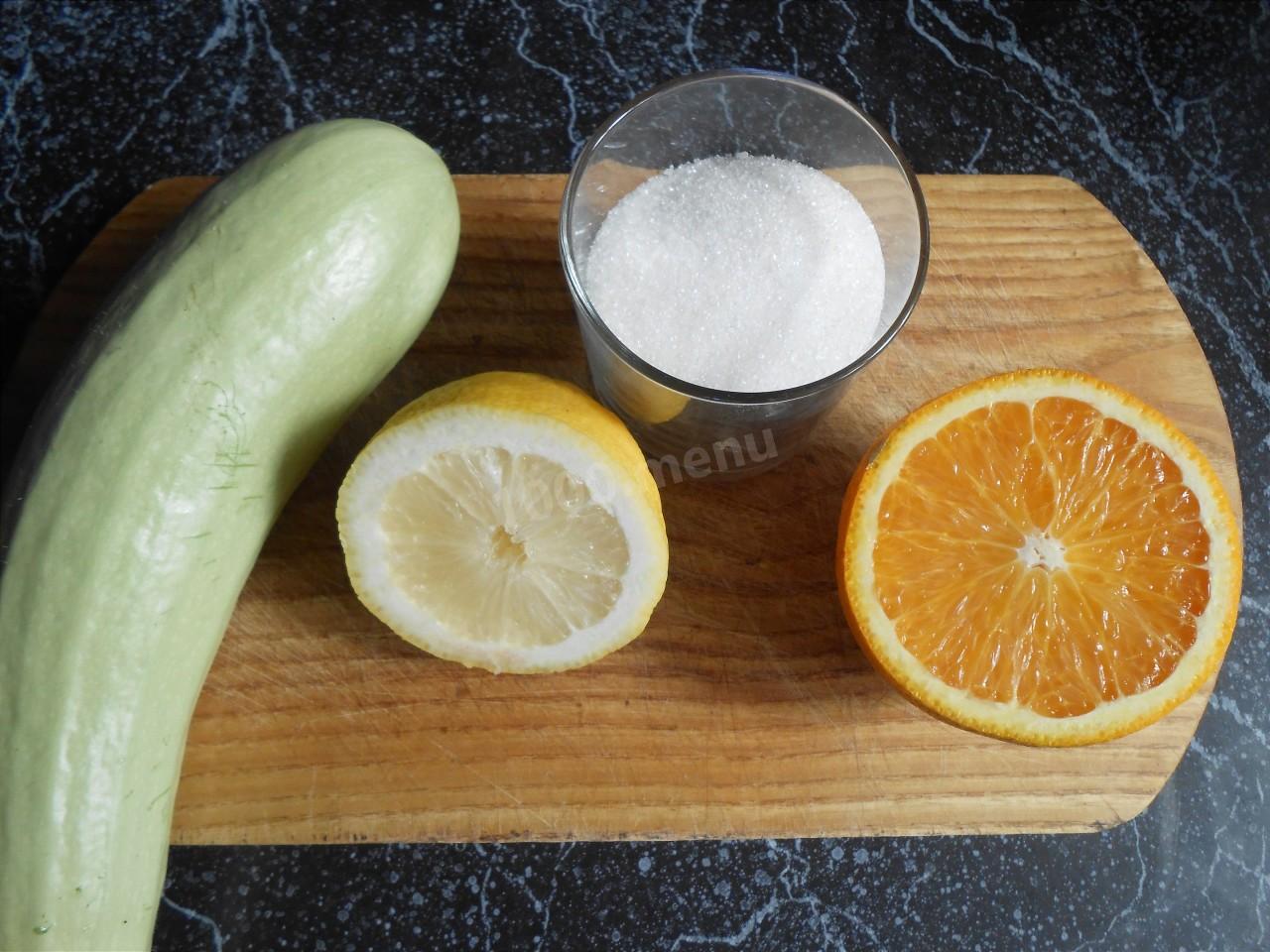
How do you make zucchini juice for winter? Gather the ingredients from the list. Weigh the zucchini after peeling. Get the jars and lids ready ahead of time—it's best to put the juice up in small jars. The amounts here made me about a liter of juice, so a 1-quart jar or two pint jars are ideal. Sterilize them however you like.
-
Step 2:
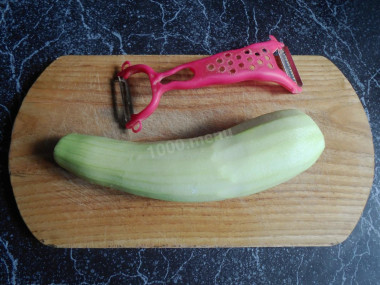
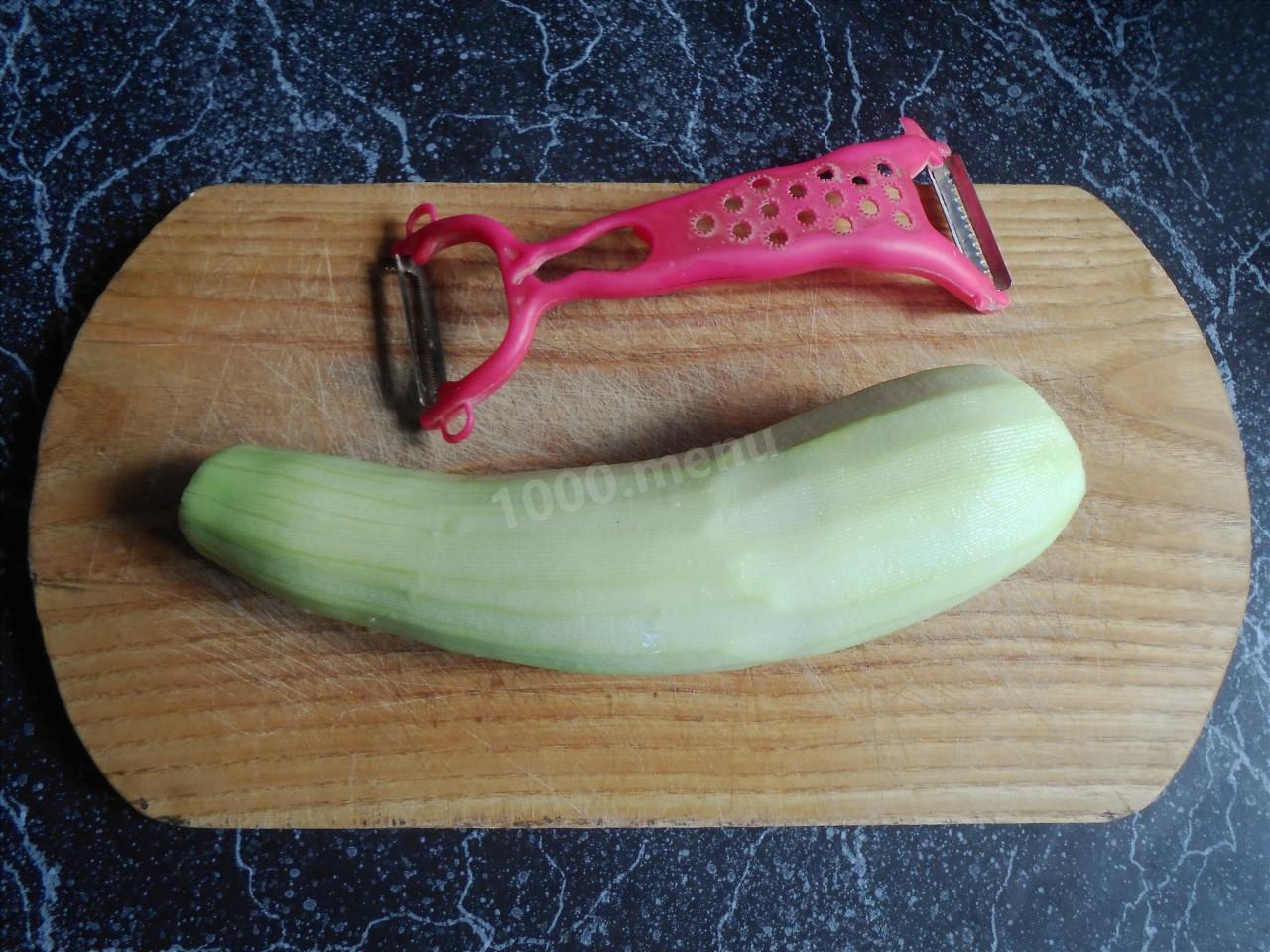
Any zucchini works for the juice—green, yellow, or white, young or overripe. Rinse them well under running water, then wipe them dry with a clean towel. Trim the stems. If the zucchini are old, peel off the skin and scoop out the seeds; young ones don't need peeling. If the seeds are soft, you can leave the inner flesh in.
-
Step 3:
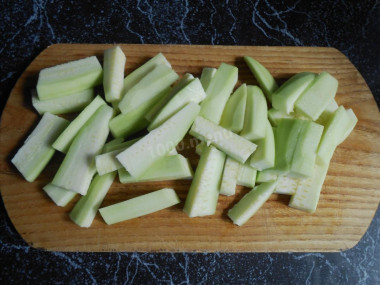
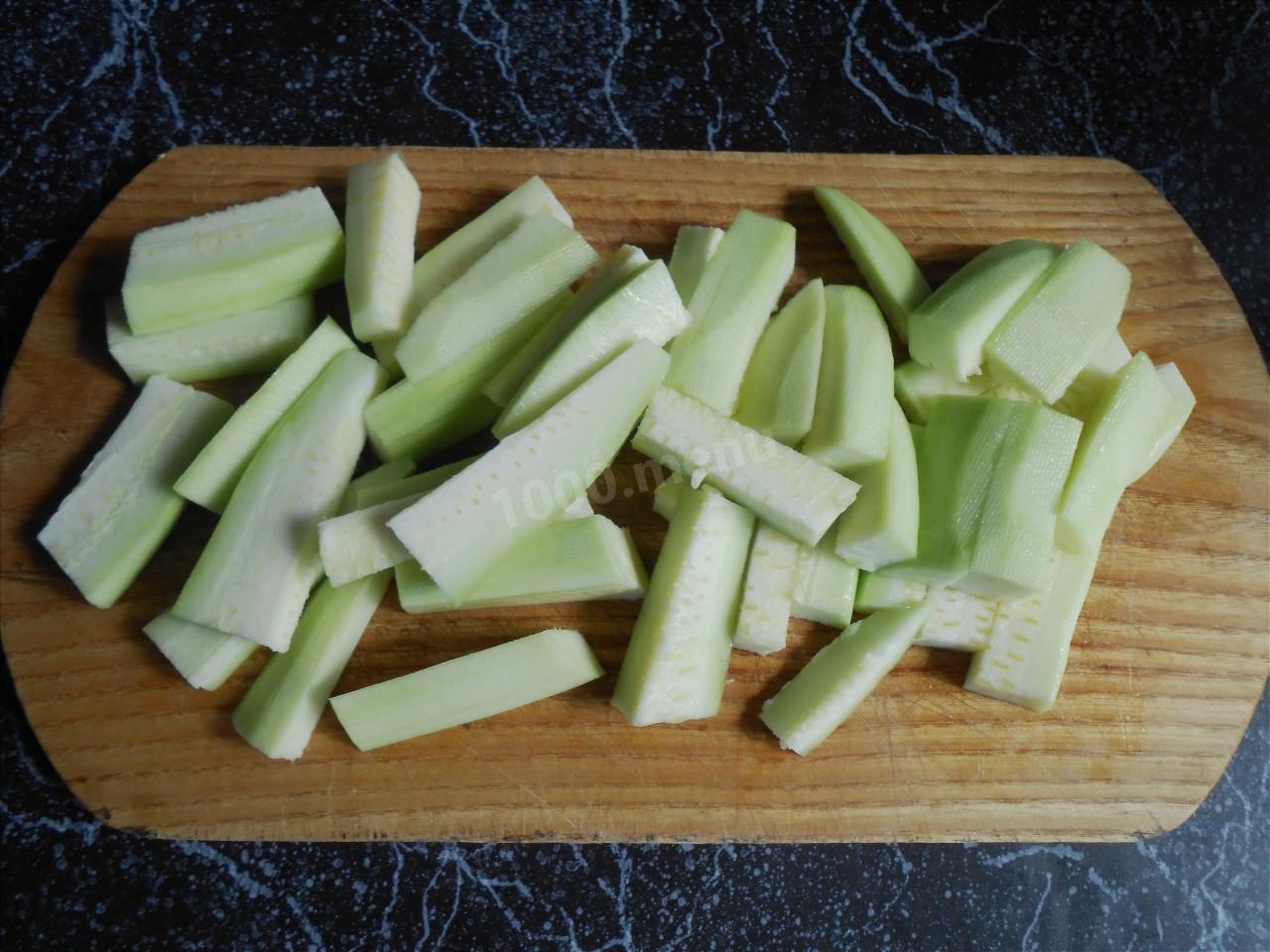
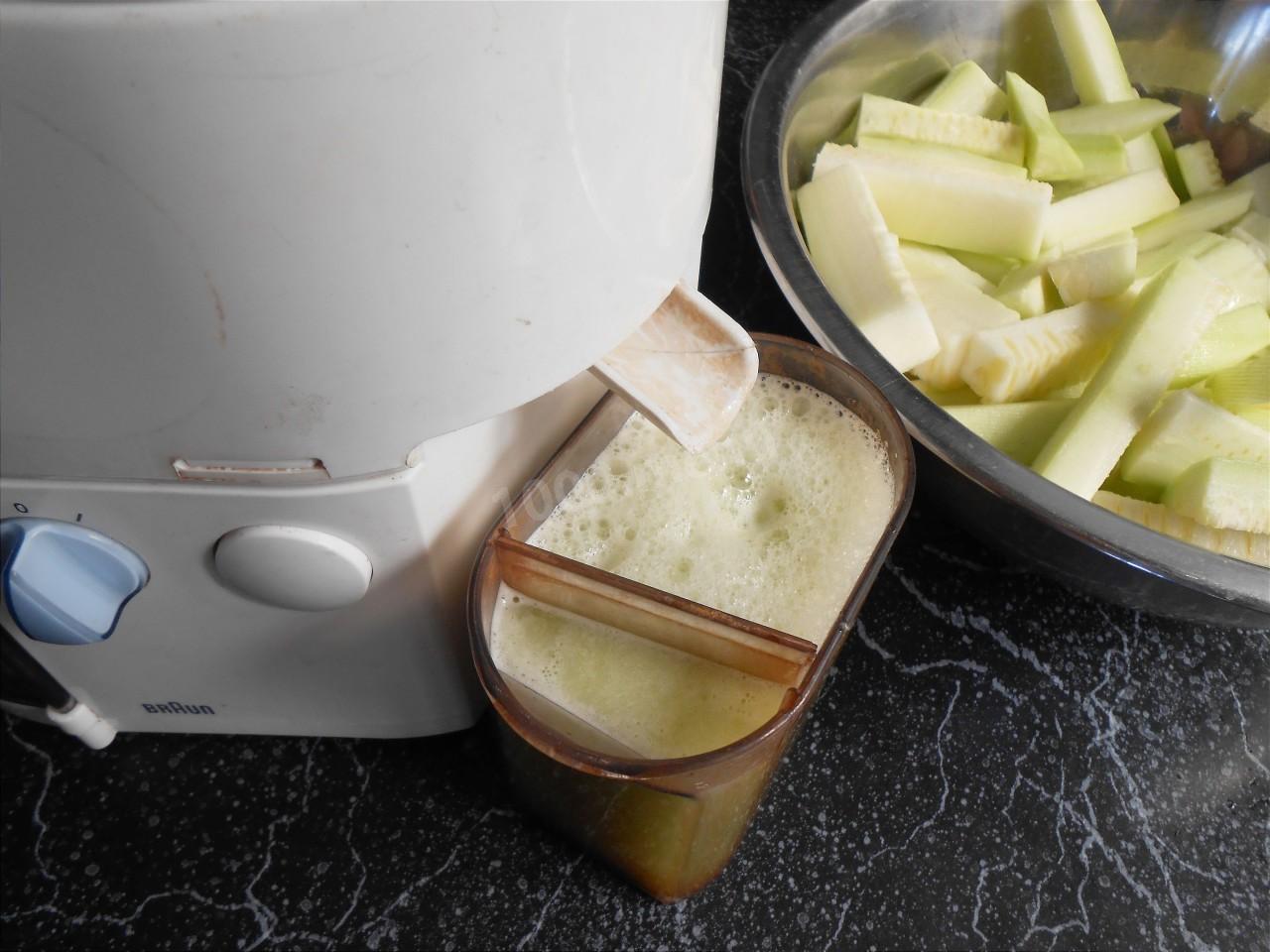
Cut the zucchini into large pieces that fit your juicer's feed chute.
-
Step 4:
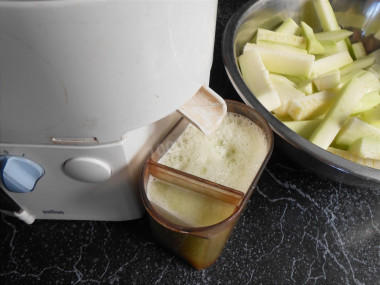
Run the zucchini through the juicer. Depending on how young and juicy they are, you'll get 700–900 ml of juice. On its own, zucchini juice doesn't have much flavor or aroma. It's healthy, sure, but not everyone will find it tasty—kids especially. So the rest of the recipe is about improving the taste, color, and aroma of this wholesome treat, and getting it ready for long storage.
-
Step 5:
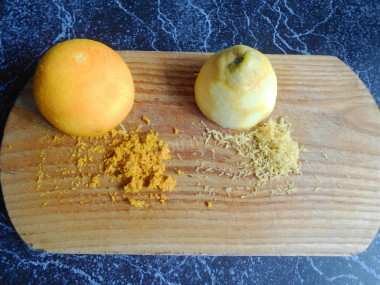
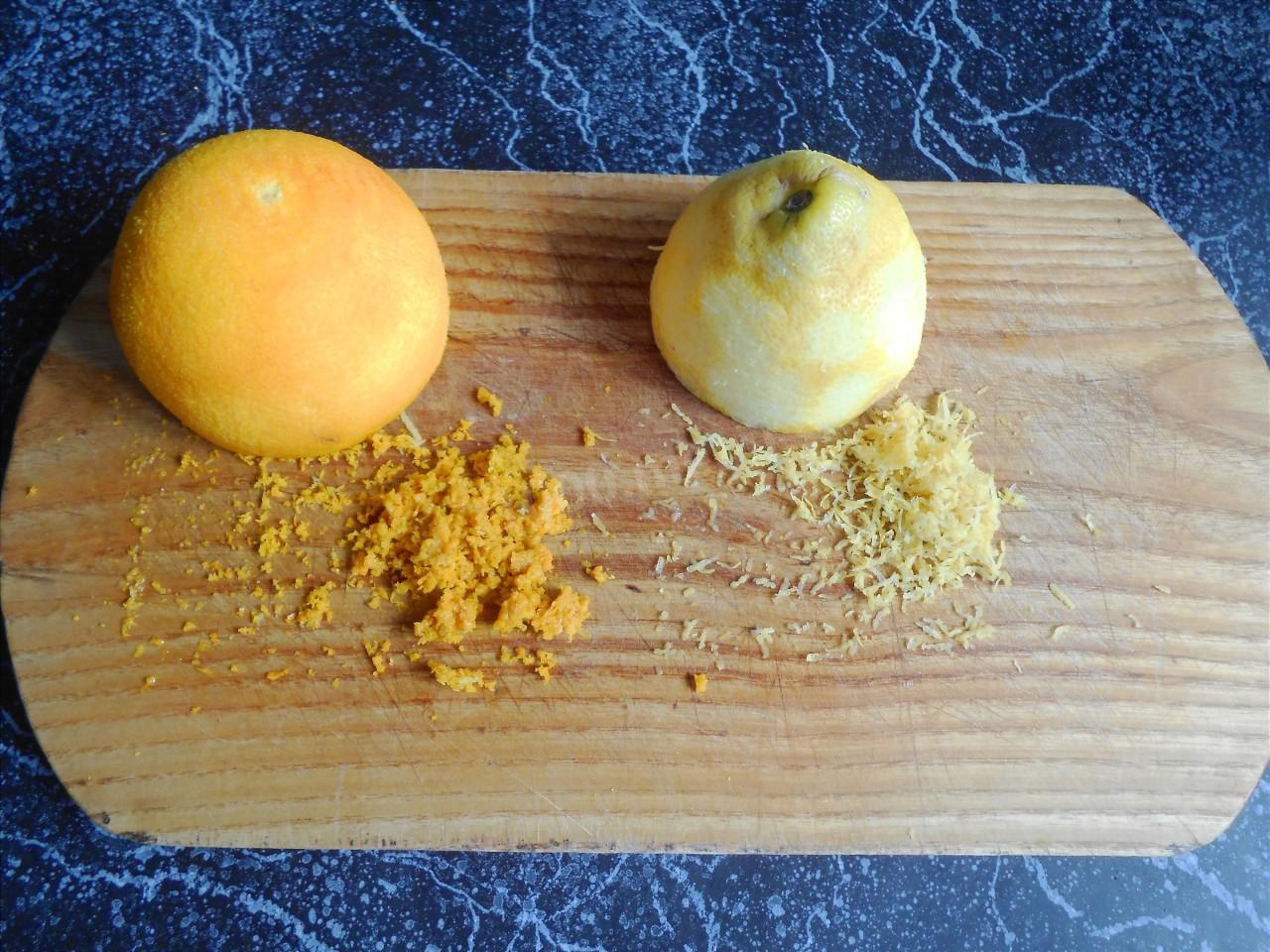
Wash the orange and lemon thoroughly under warm running water. Scrub the peel with the rough side of a sponge or a brush to remove the coating that citrus is treated with to extend shelf life. Then wipe the fruit dry and grate off the zest—just the colored top layer, avoiding the white pith, which can make the juice bitter.
-
Step 6:
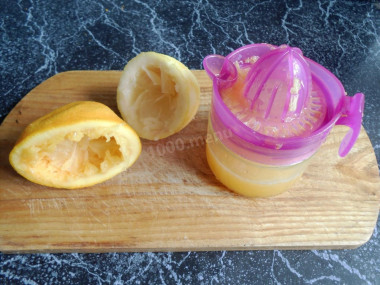
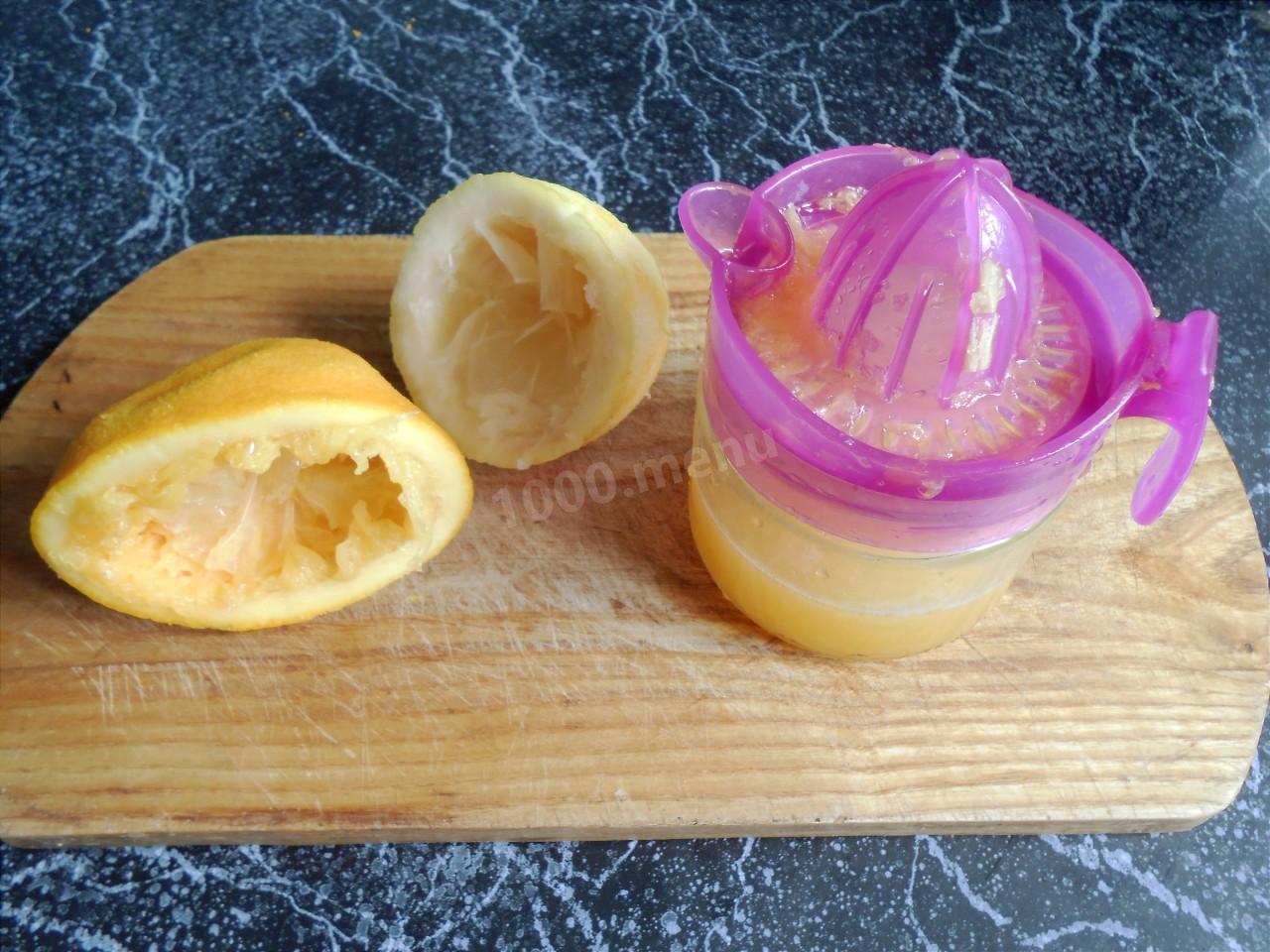
After zesting the orange and lemon, squeeze out the juice—with a juicer or by hand after cutting the fruit into pieces. Combine the orange and lemon juice, then strain it through a fine sieve.
-
Step 7:
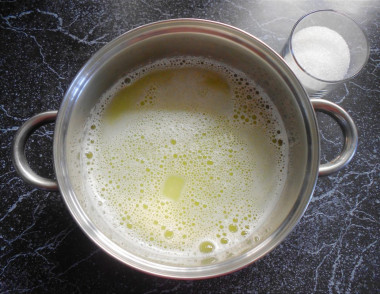
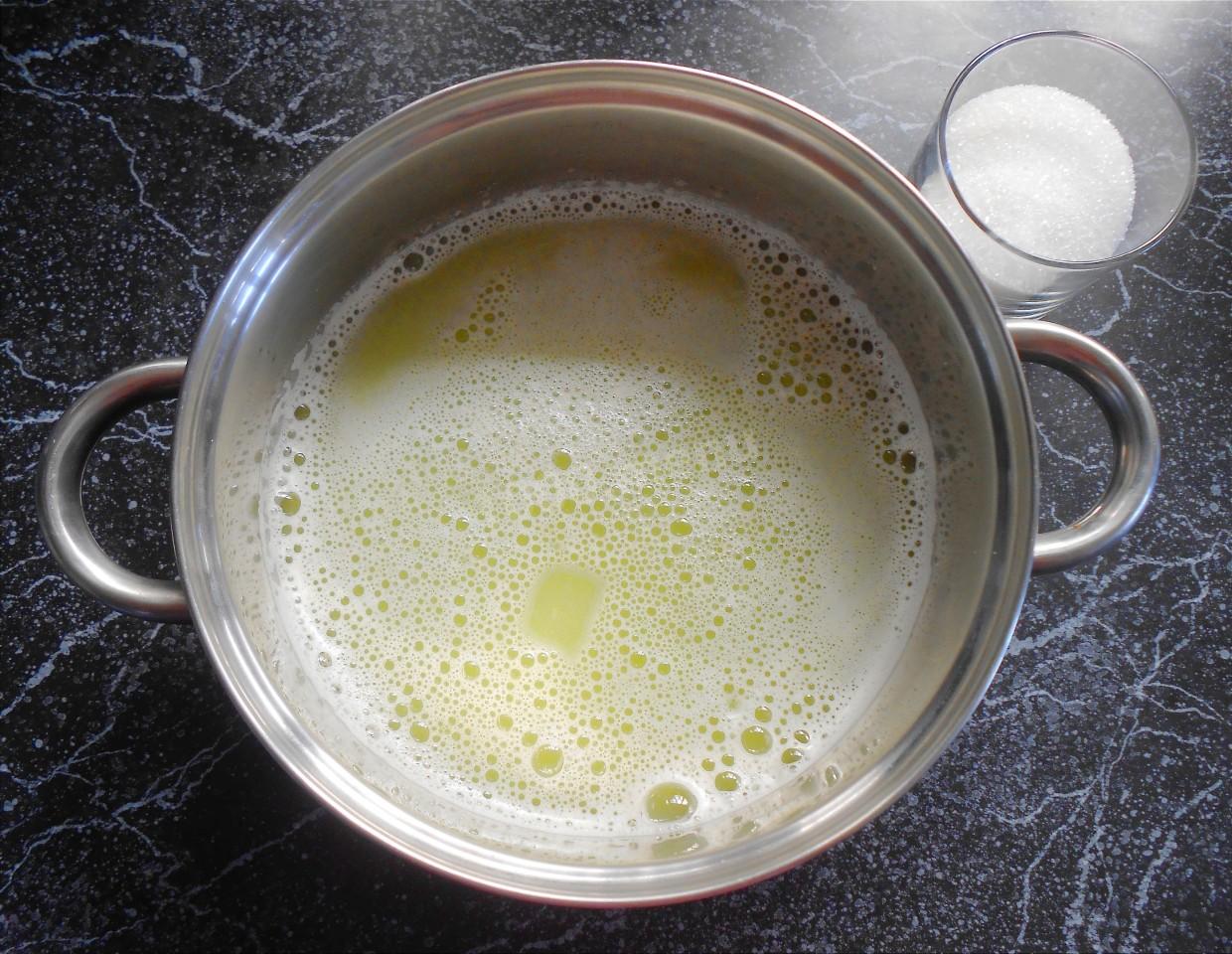
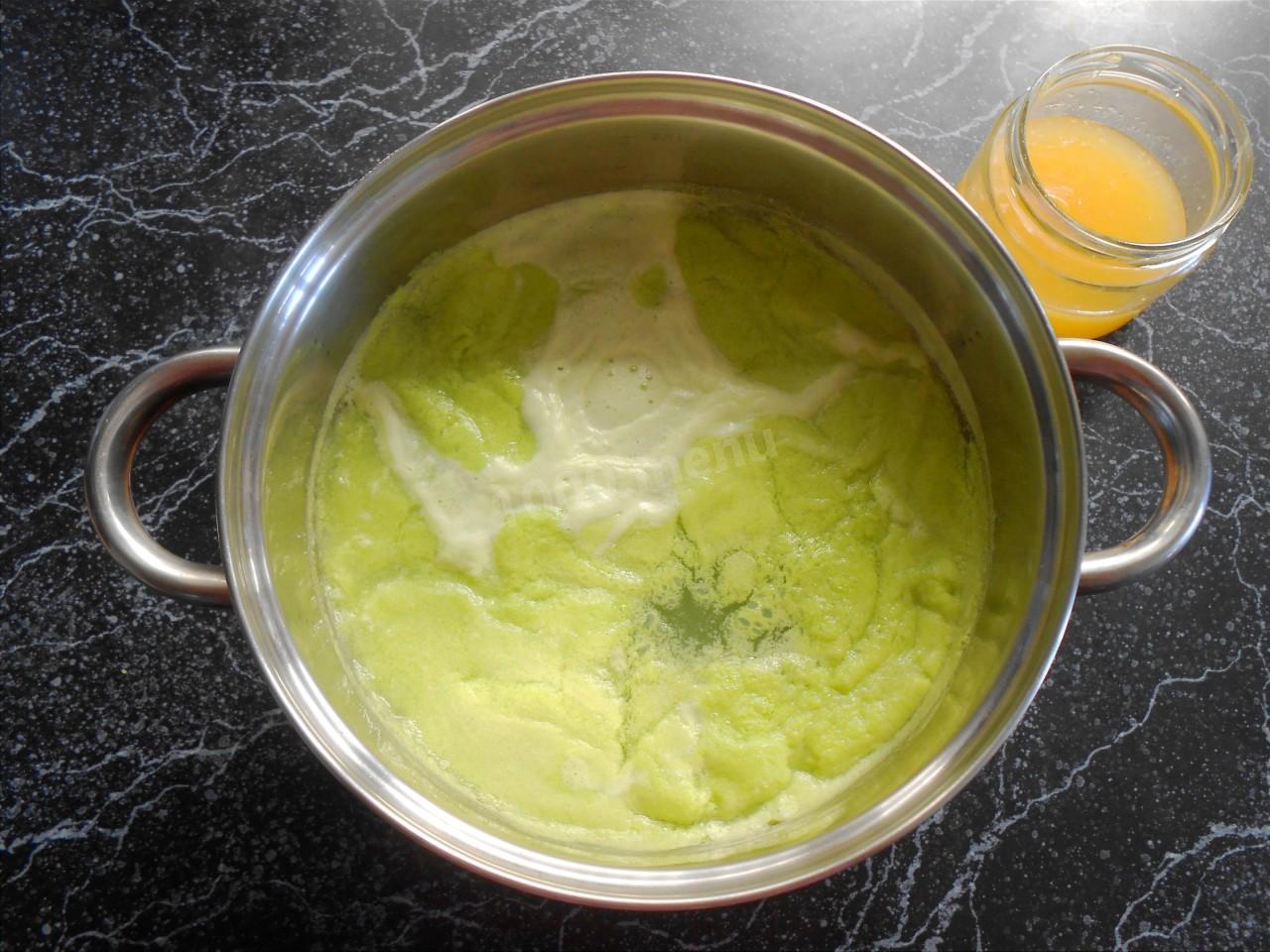
Pour the zucchini juice into a right-sized pot and set it over medium heat. Add the sugar. Bring the contents to a boil, stirring, until all the sugar dissolves.
-
Step 8:
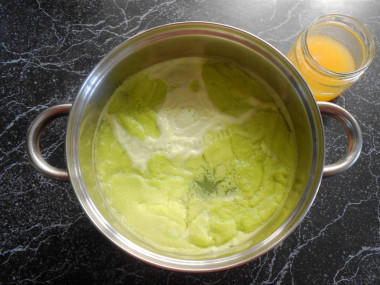
Add the lemon-orange juice to the zucchini juice and wait for the liquid to return to a boil.
-
Step 9:
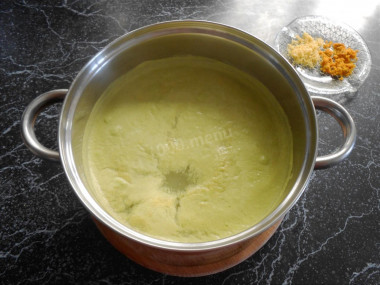
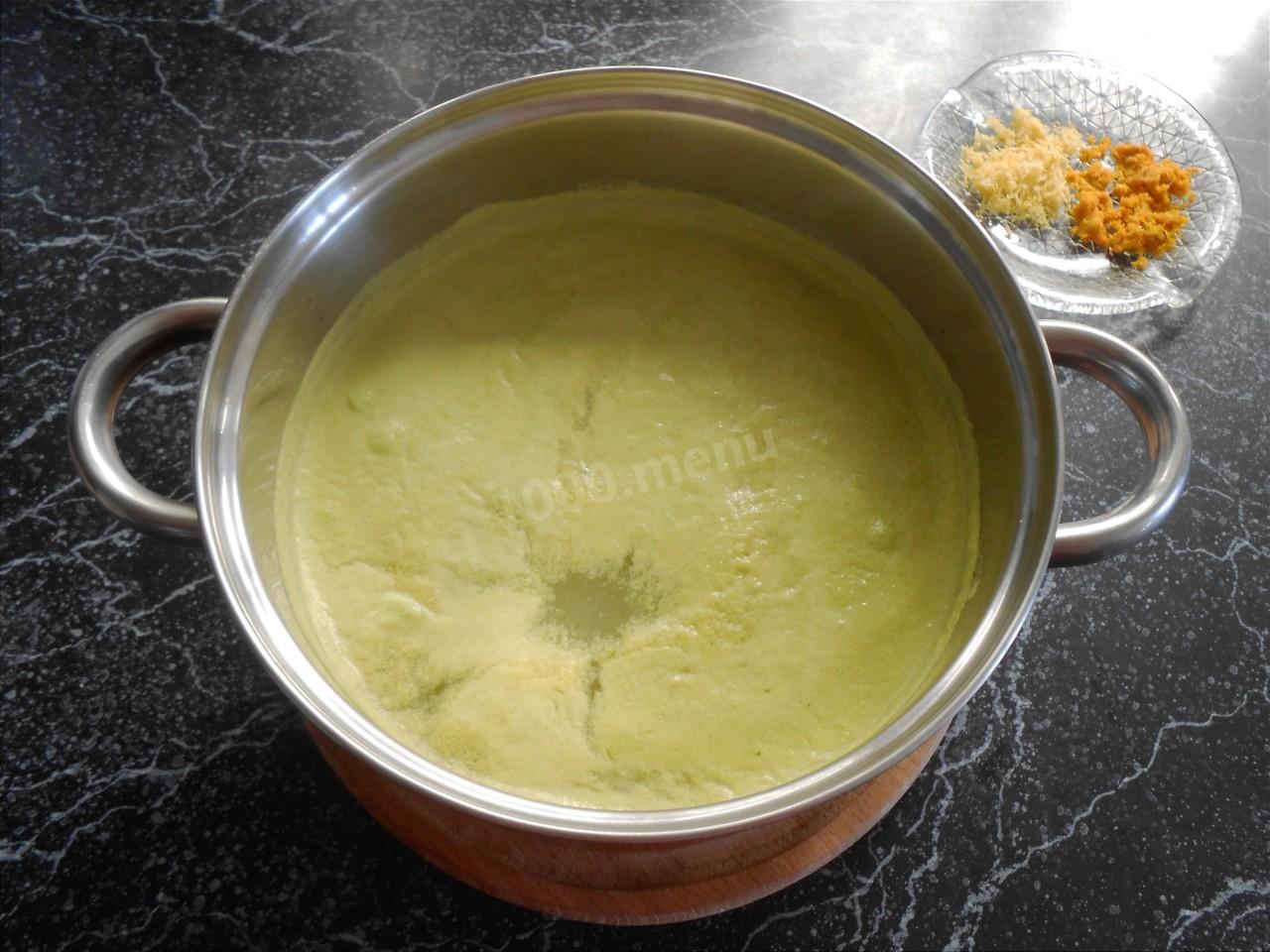
Then add the lemon and orange zest. Cook the juice for 3–4 minutes after it boils.
-
Step 10:
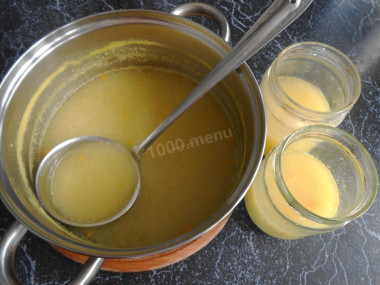
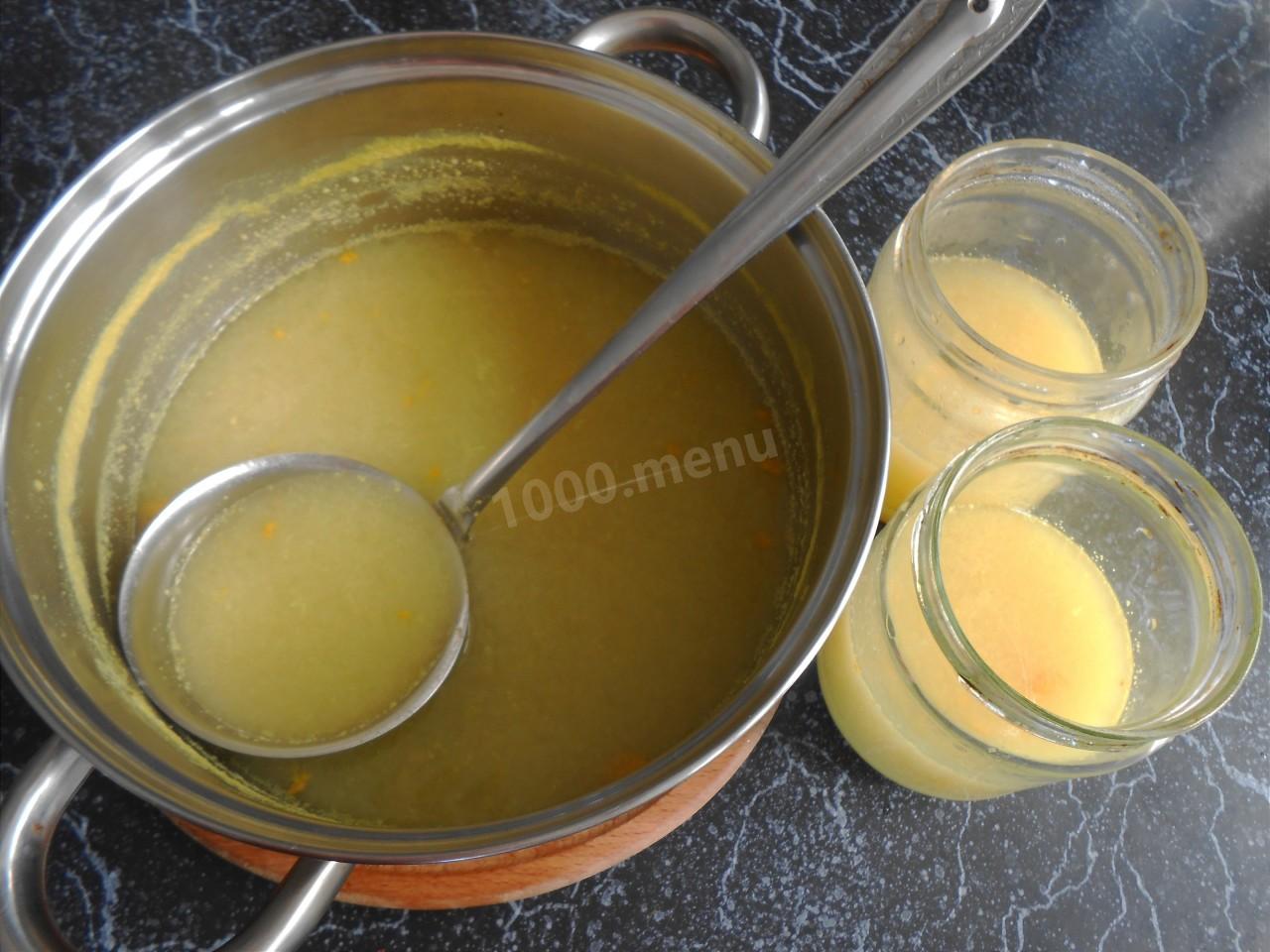
Pour the hot juice into the prepared sterilized jars. If you end up with a little extra, no problem—taste it right away, or have a few extra jars of different sizes ready so it's easier to match the amount. Seal the jars tightly (roll up or screw on the lids).
-
Step 11:
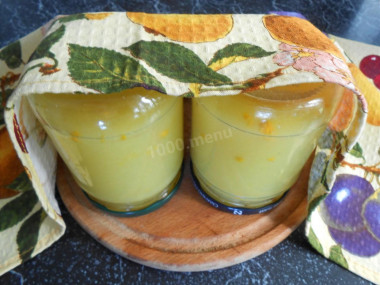
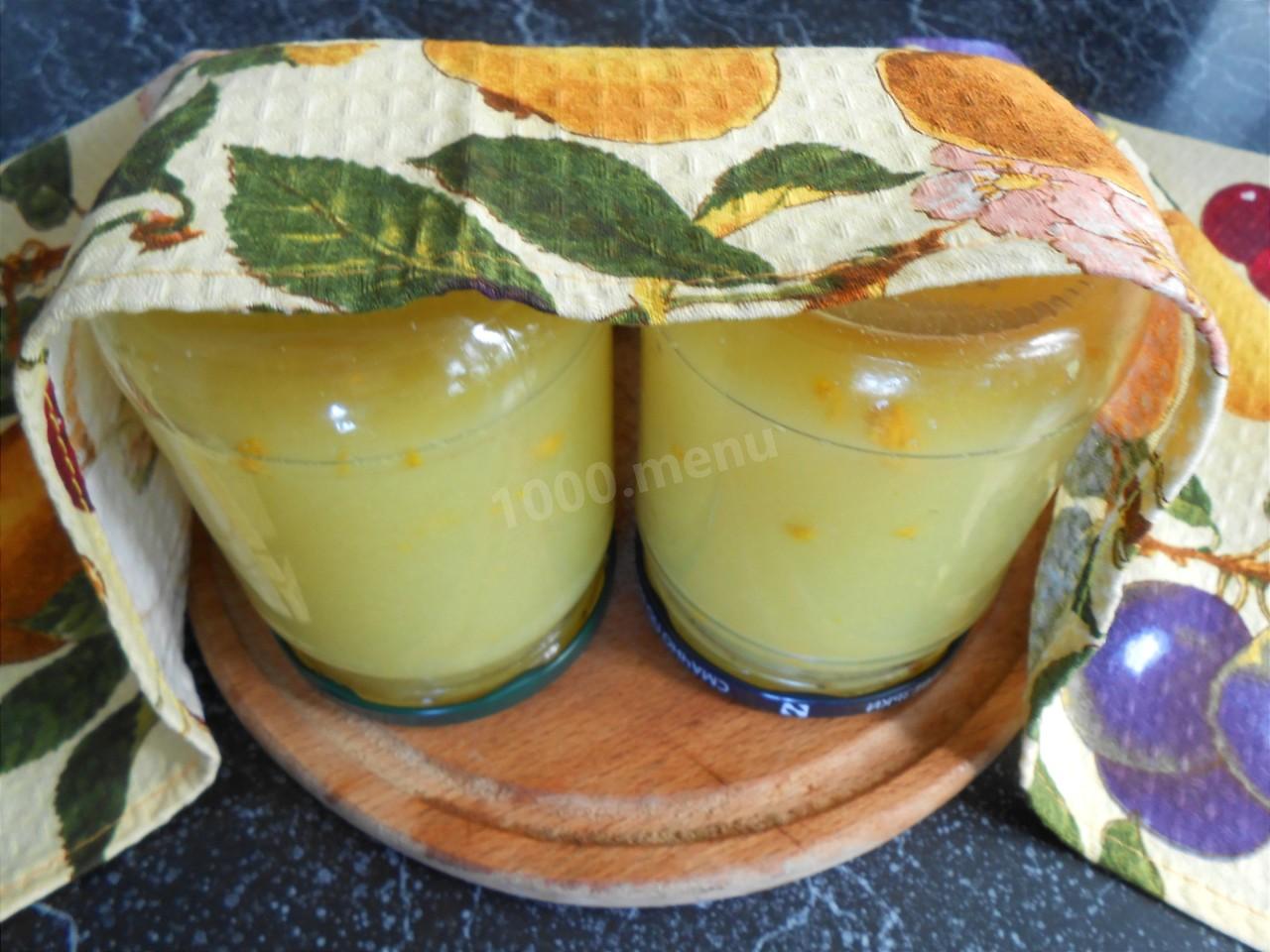
Turn the jars upside down, wrap them in a blanket, and leave them that way for a day. Then move the juice to a dark, cool spot for long-term storage.
-
Step 12:
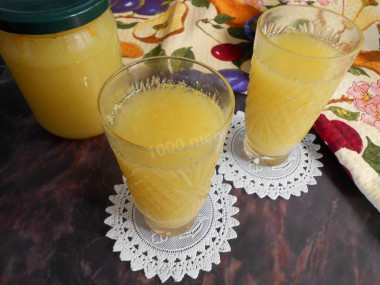
Serve the zucchini juice over ice or dilute it with water to taste.
Happy canning!
- For how to figure out the number of jars, why jars sometimes burst and how to prevent it, plus more tips and tricks, see the article on winter preserves.
- For how to choose the perfect pot for soup, porridge, or canning, see the article on pots.
Caloric content of the products possible in the composition of the dish
- Zucchini - 23 kcal/100g
- Lemon - 16 kcal/100g
- Lemon zest - 47 kcal/100g
- Granulated sugar - 398 kcal/100g
- Sugar - 398 kcal/100g
- Oranges - 36 kcal/100g