Bird Cherry Compote in Jars for Winter
Your kids will forget all about soda! A wonderful homemade compote for a healthy immune boost — sure to please many and pleasantly surprise you with its slightly tart flavor.

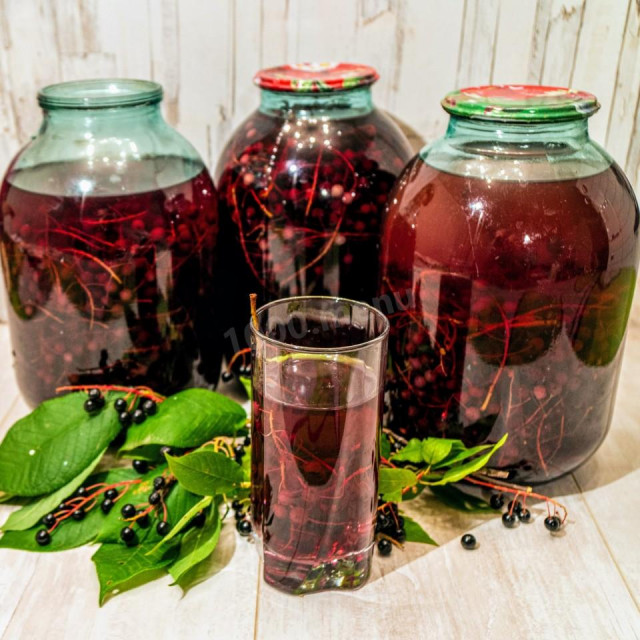
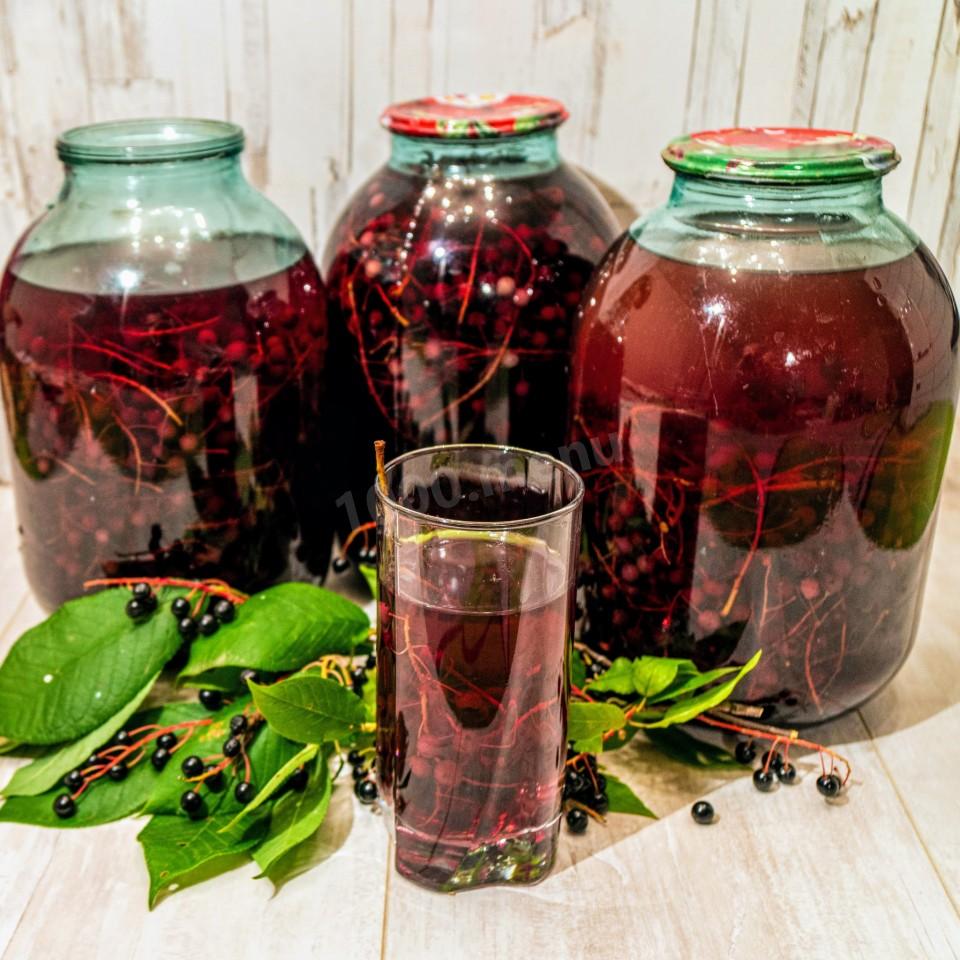
Cooking method
-
Step 1:

To make the syrup, set two pots on the stove, pour 3.5 liters of water into each, and bring to a boil.
-
Step 2:

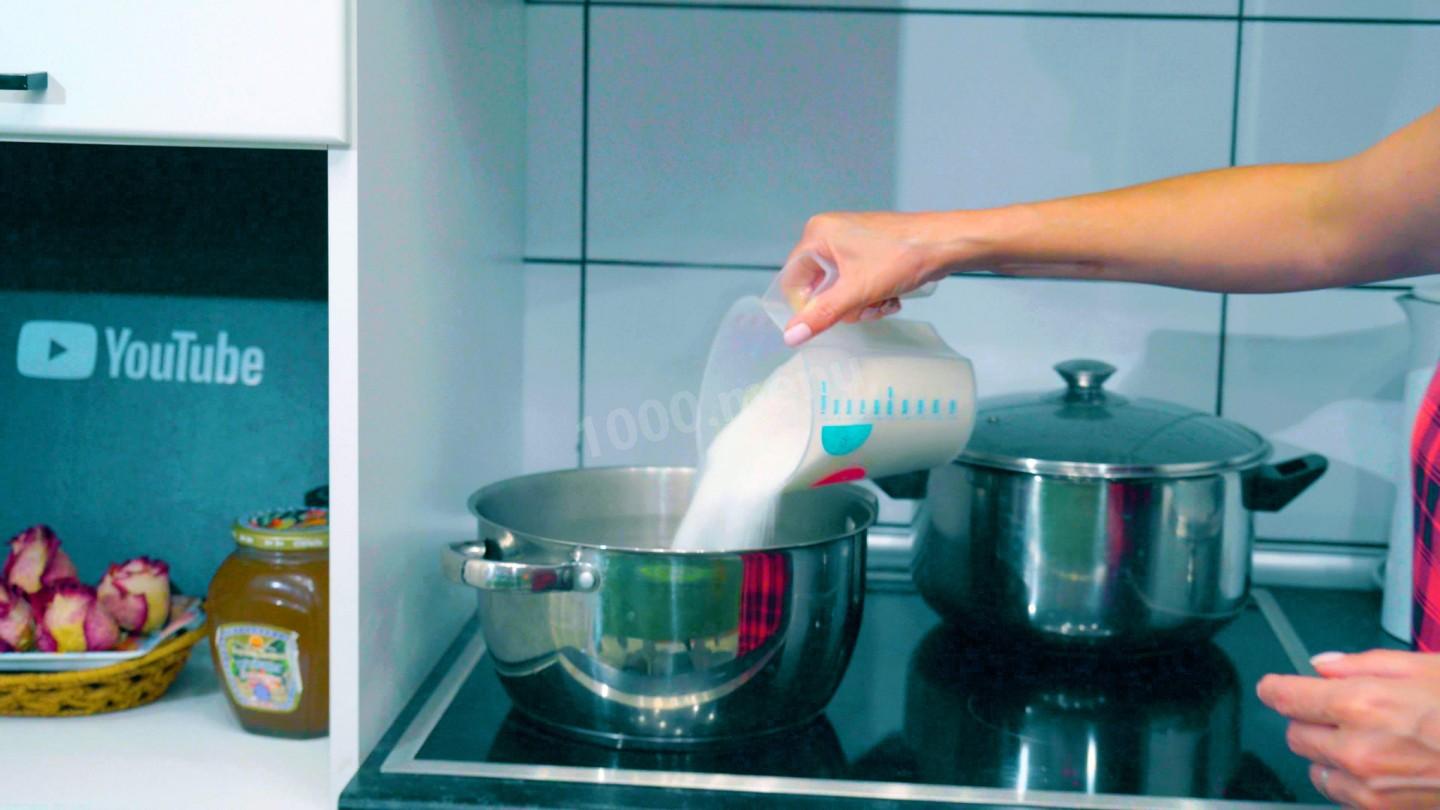
Add 700 g (about 3.5 cups) of sugar to each pot of boiling water.
-
Step 3:
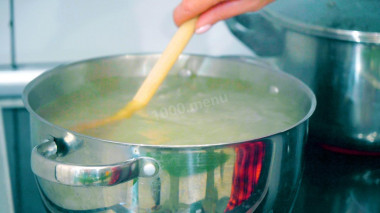
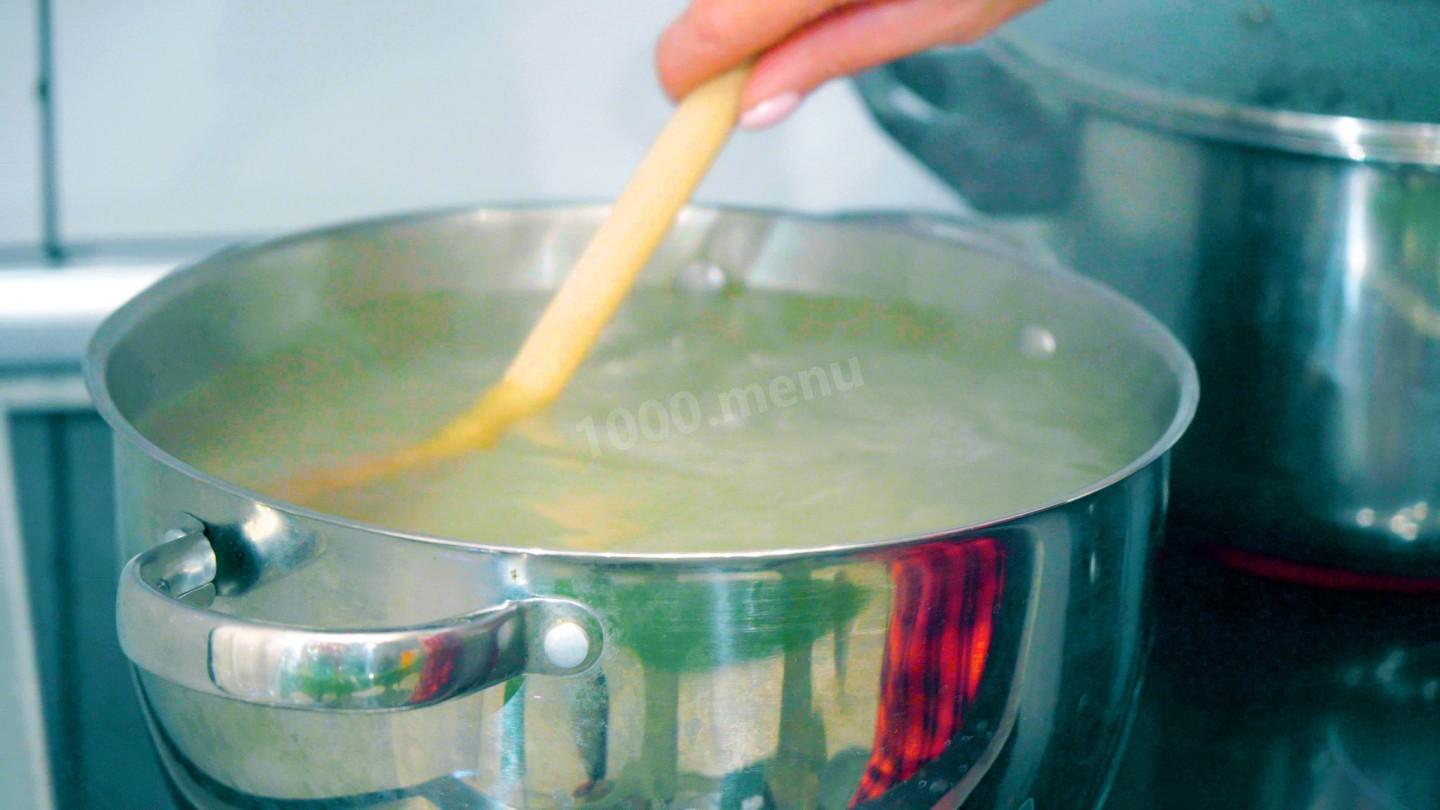
Stir the sugar in well and bring each pot back to a boil.
-
Step 4:
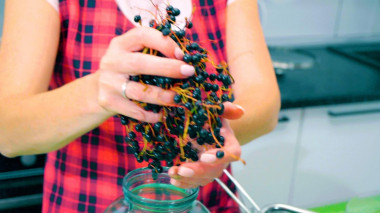
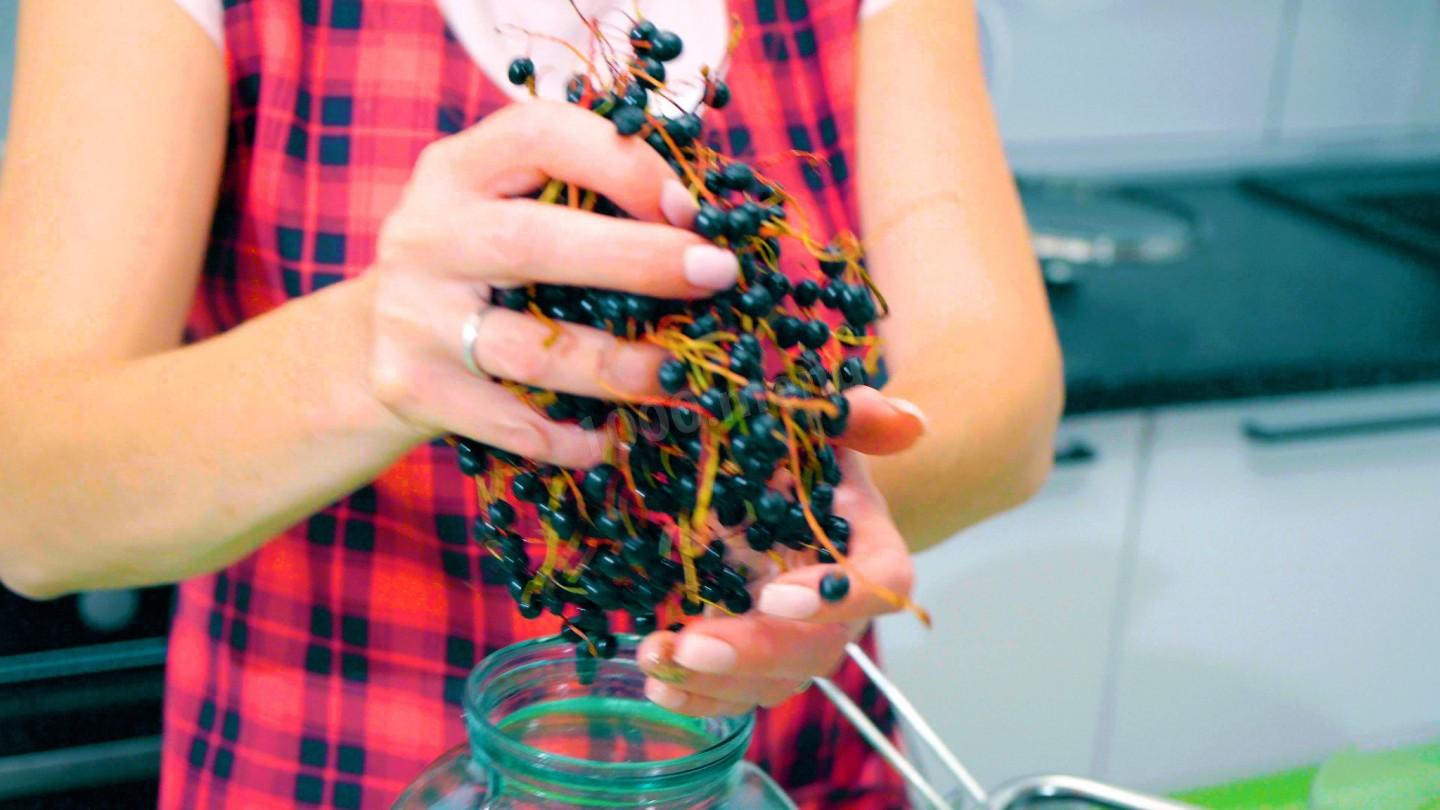
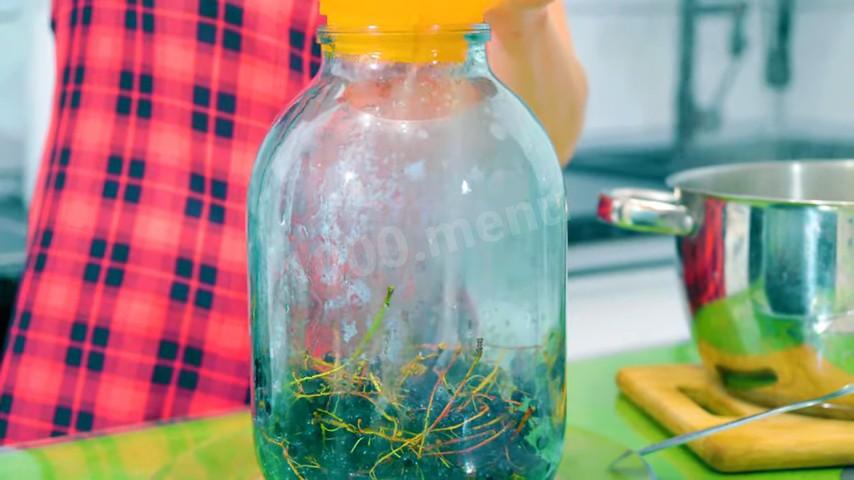
Put 400 g of well-washed bird cherries into each of three sterilized 3-liter jars.
-
Step 5:
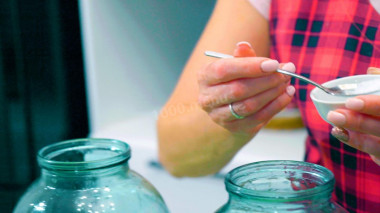
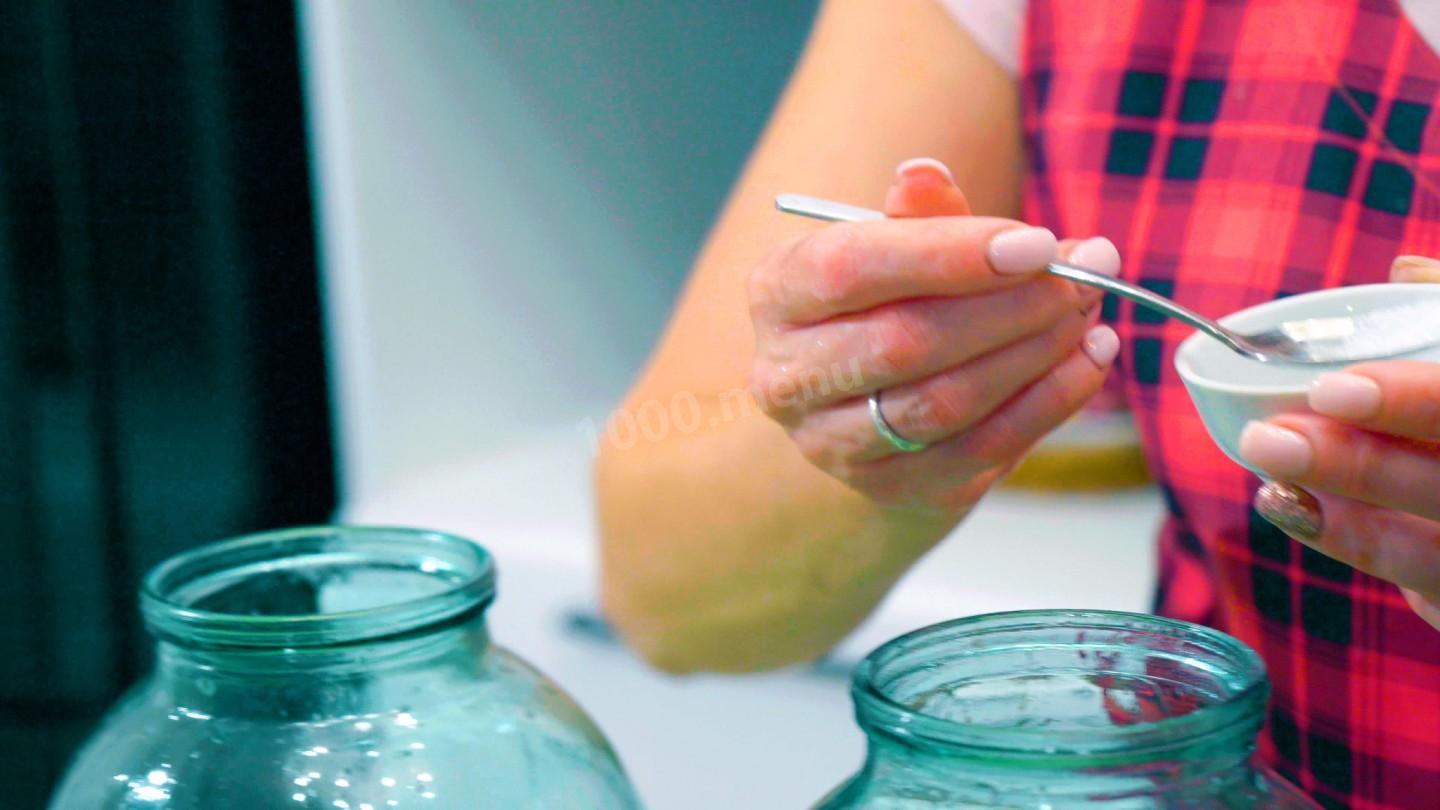
Add a quarter teaspoon of citric acid to each jar.
-
Step 6:
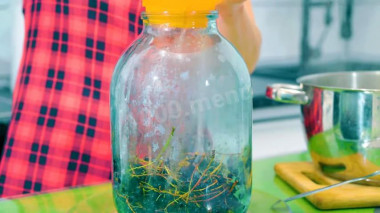
Take each pot off the heat and carefully ladle the boiling syrup into the jars, right to the top.
-
Step 7:
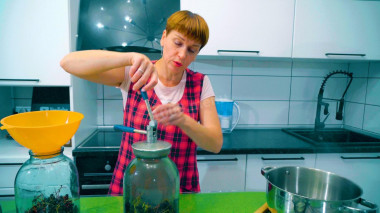
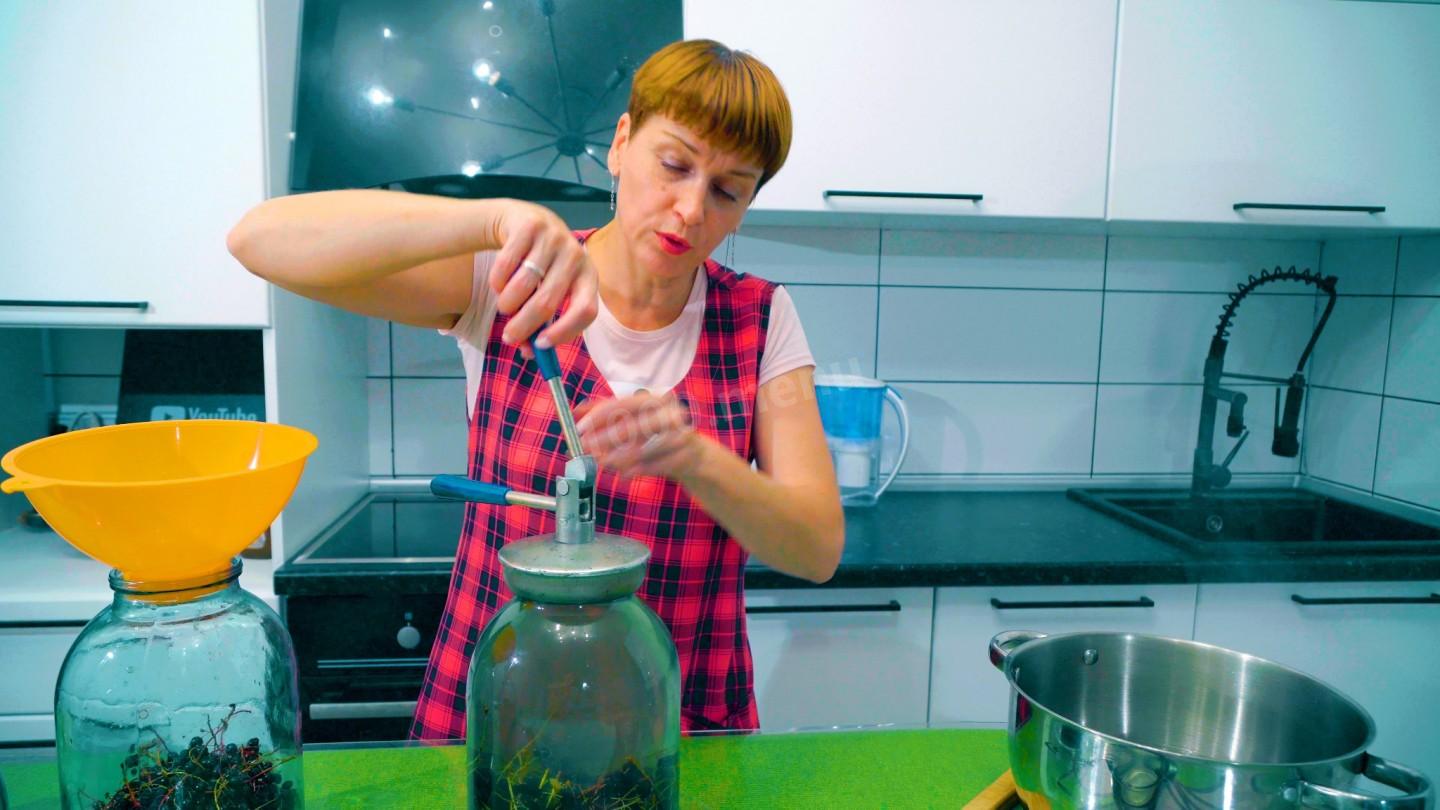
Seal the jars with sterile lids.
-
Step 8:

Carefully turn the sealed jars upside down to check the seal, then cover them with a warm blanket and leave them to cool for a day.
-
Step 9:
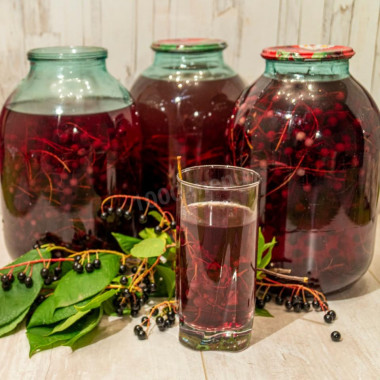
Cooking tasty, cooking simple — make this delicious bird cherry compote for winter right along with us! Enjoy!


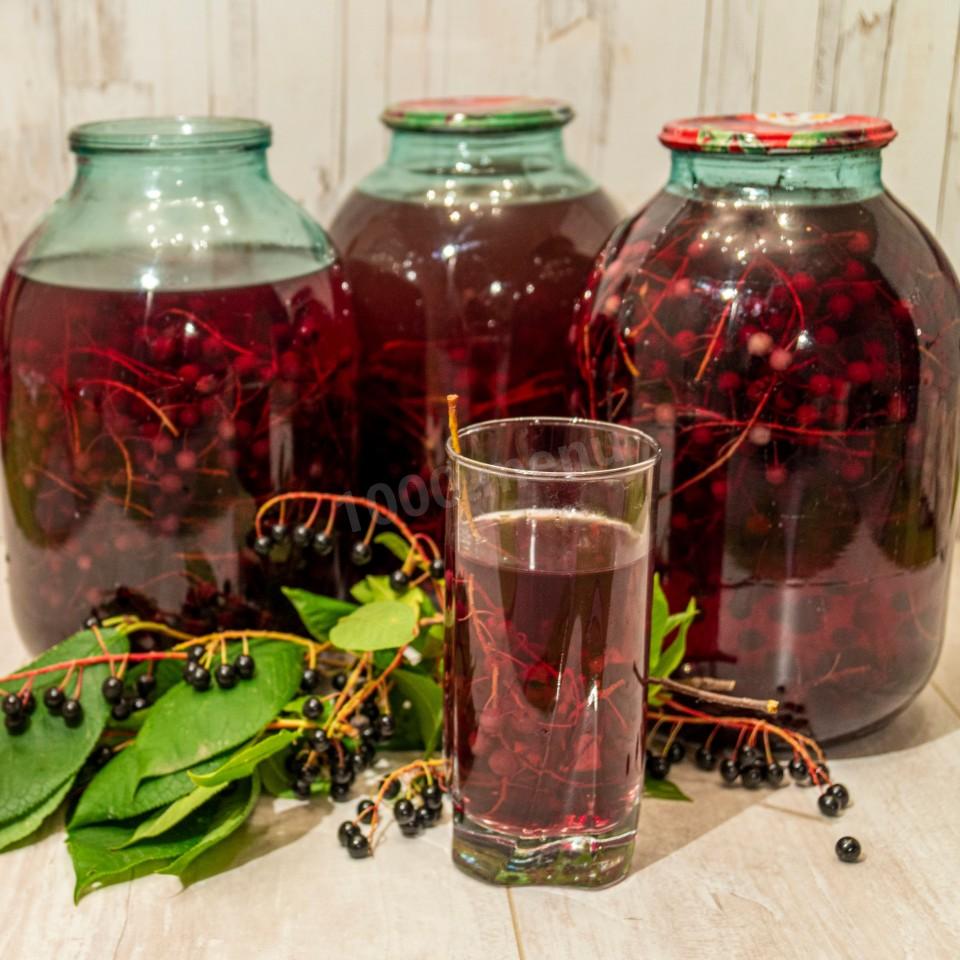
- This bird cherry compote for winter just might make your kids forget about soda. Soda is a hard habit to talk kids out of — it's sharp, sweet, and comes in every flavor imaginable, basically a dream drink. But you can try starting a family tradition of homemade compotes with lunch, the kind you cook and can over the summer. An unusual bird cherry compote fits the bill perfectly: its slightly tart flavor can stand in for fizzy drinks, and it's genuinely good for you. Bird cherry (Prunus padus) is a small tree (occasionally a shrub) in the plum family, growing in forests and thickets across much of Russia and into Western Europe and Asia. It favors moist, rich soil with a high water table, so it grows mainly along riverbanks, in floodplain forests and thickets, and along forest edges and clearings. Its fruit is a round black drupe 8–10 mm across — sweet but very astringent, with a rounded oval pit. The berries start out green and firm, then redden and finally turn black as they ripen; the flesh is green and darkens to deep purple when exposed to air. Bird cherry blooms generously every May–June, with fruit ripening in July–August, though it doesn't fruit every year, since late-spring frosts can damage the blossoms and the trees are prone to pests. The berries are harvested as they ripen, from July through September.
Caloric content of the products possible in the composition of the dish
- Granulated sugar - 398 kcal/100g
- Sugar - 398 kcal/100g
- Citric acid - 0 kcal/100g
- Bird cherry - 27 kcal/100g