Beef Liver Fritters
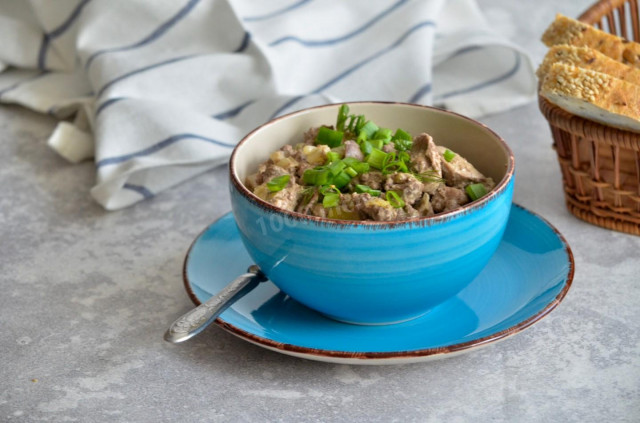
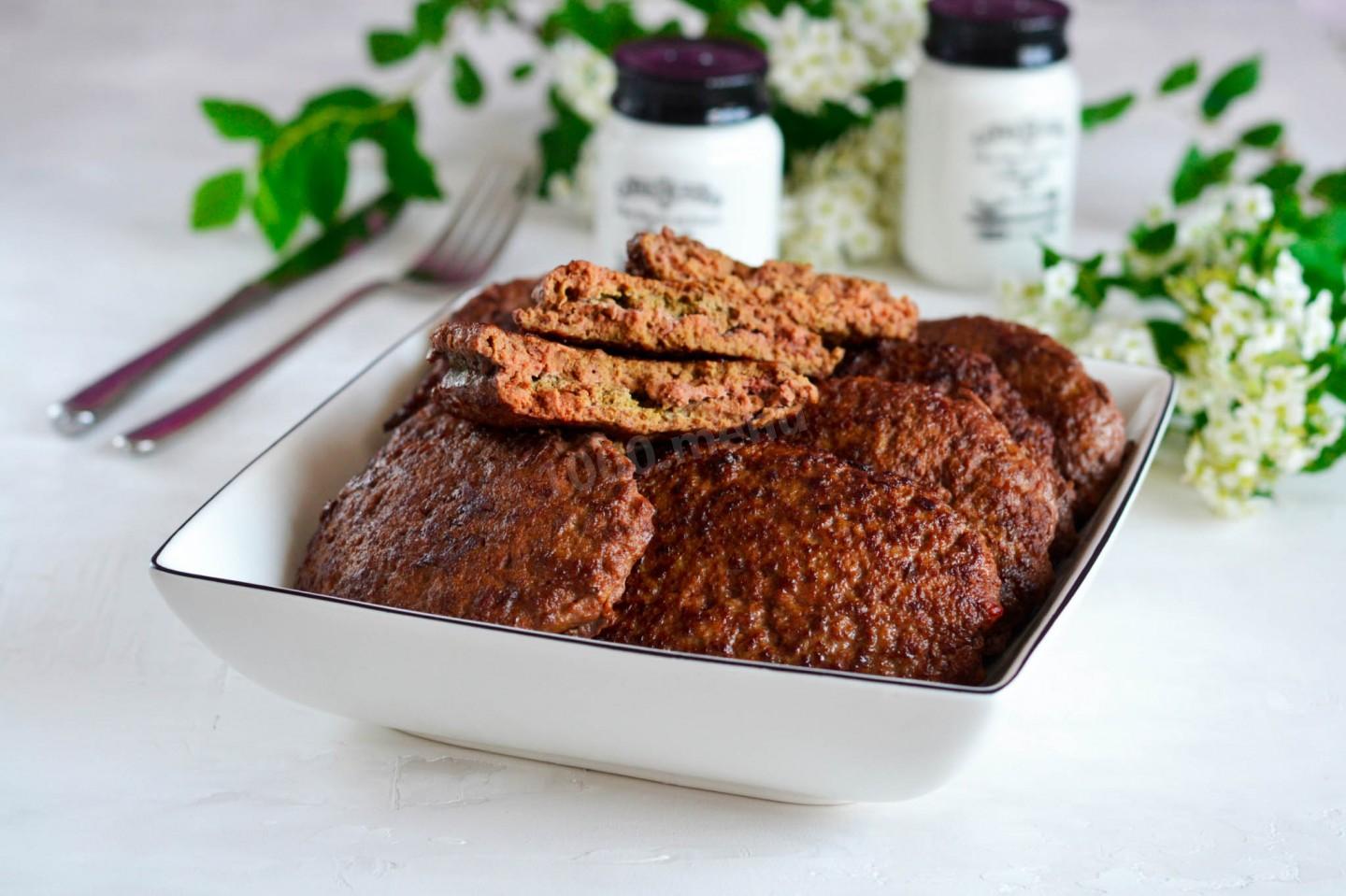
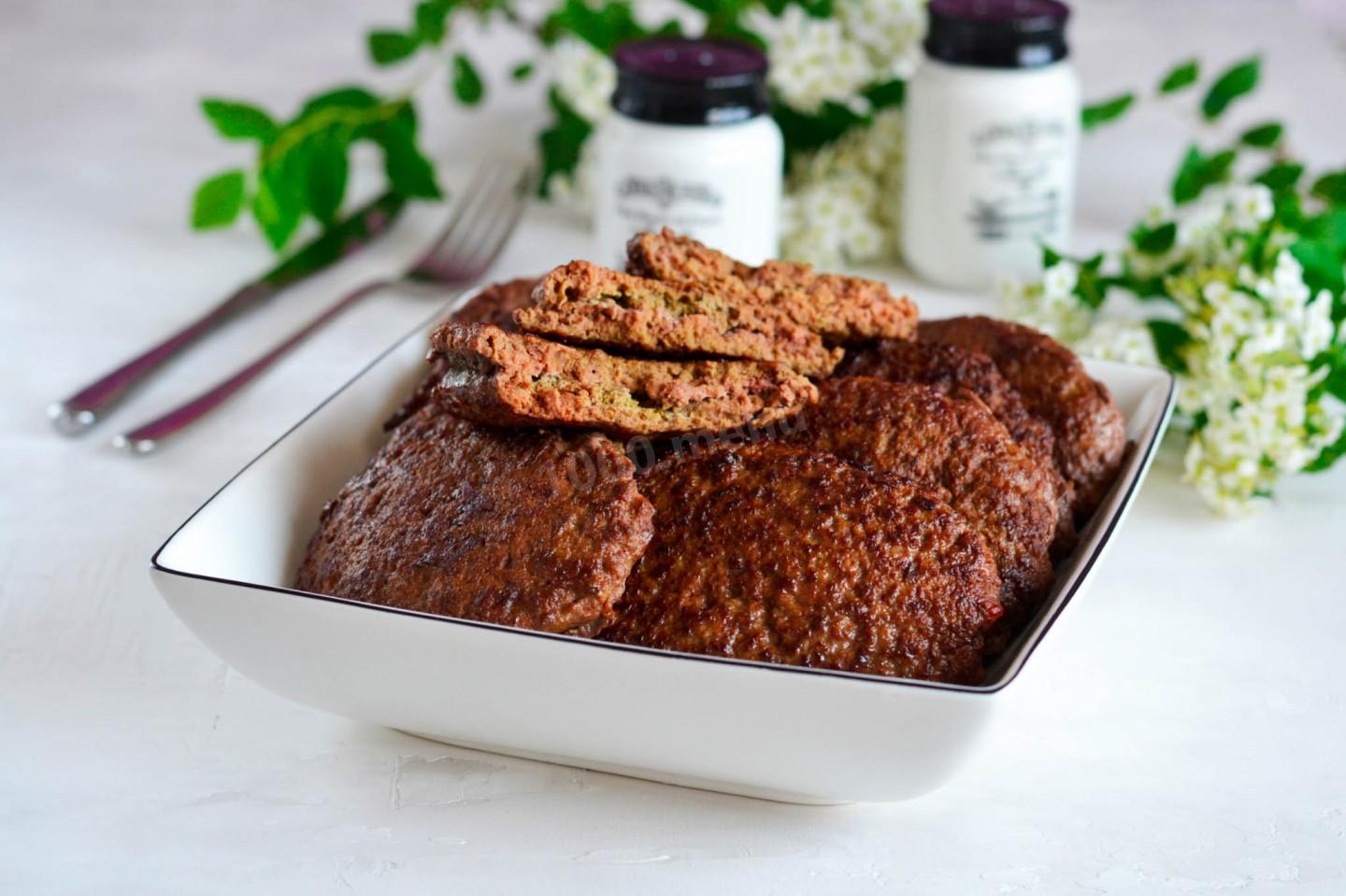
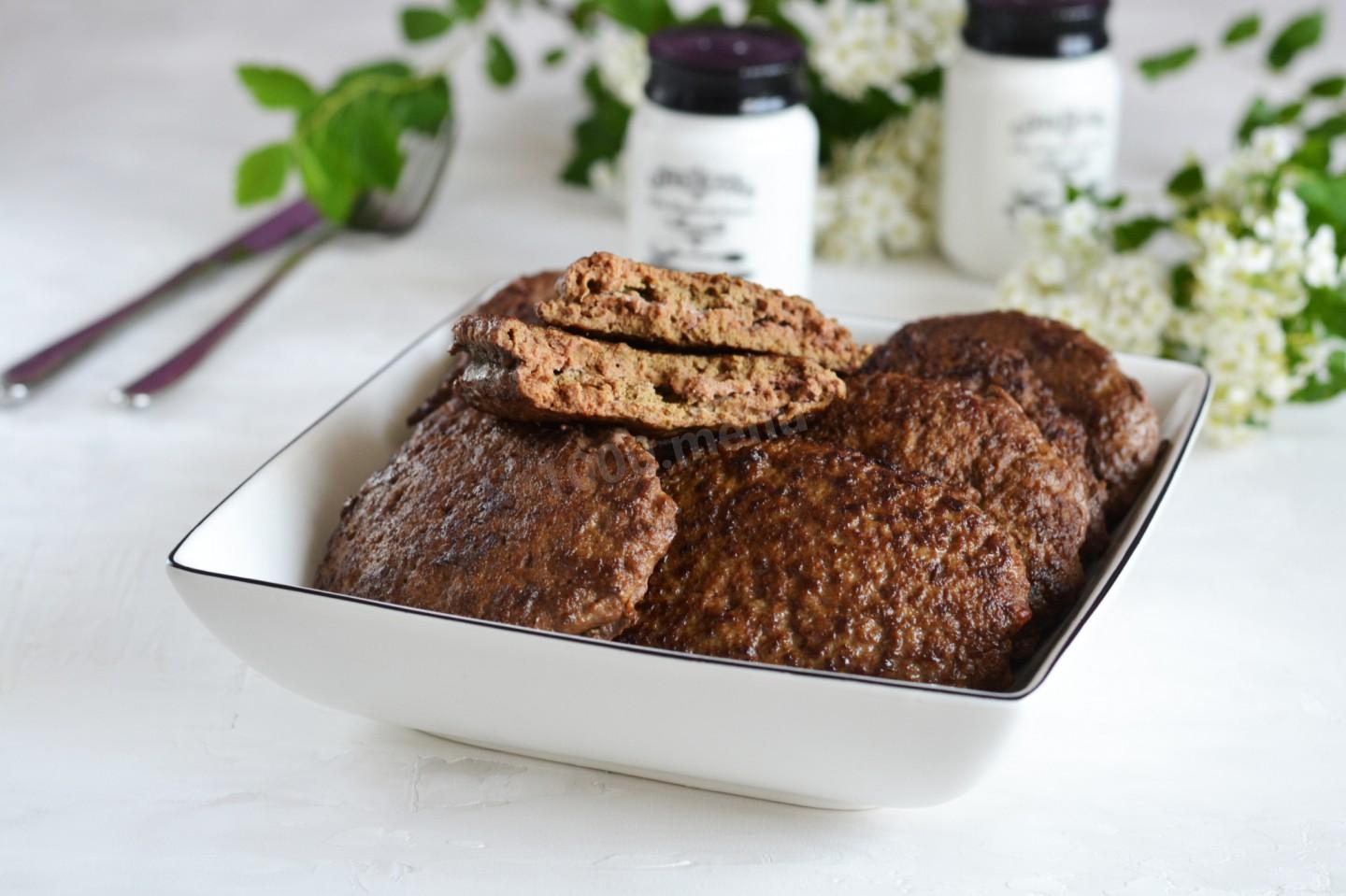
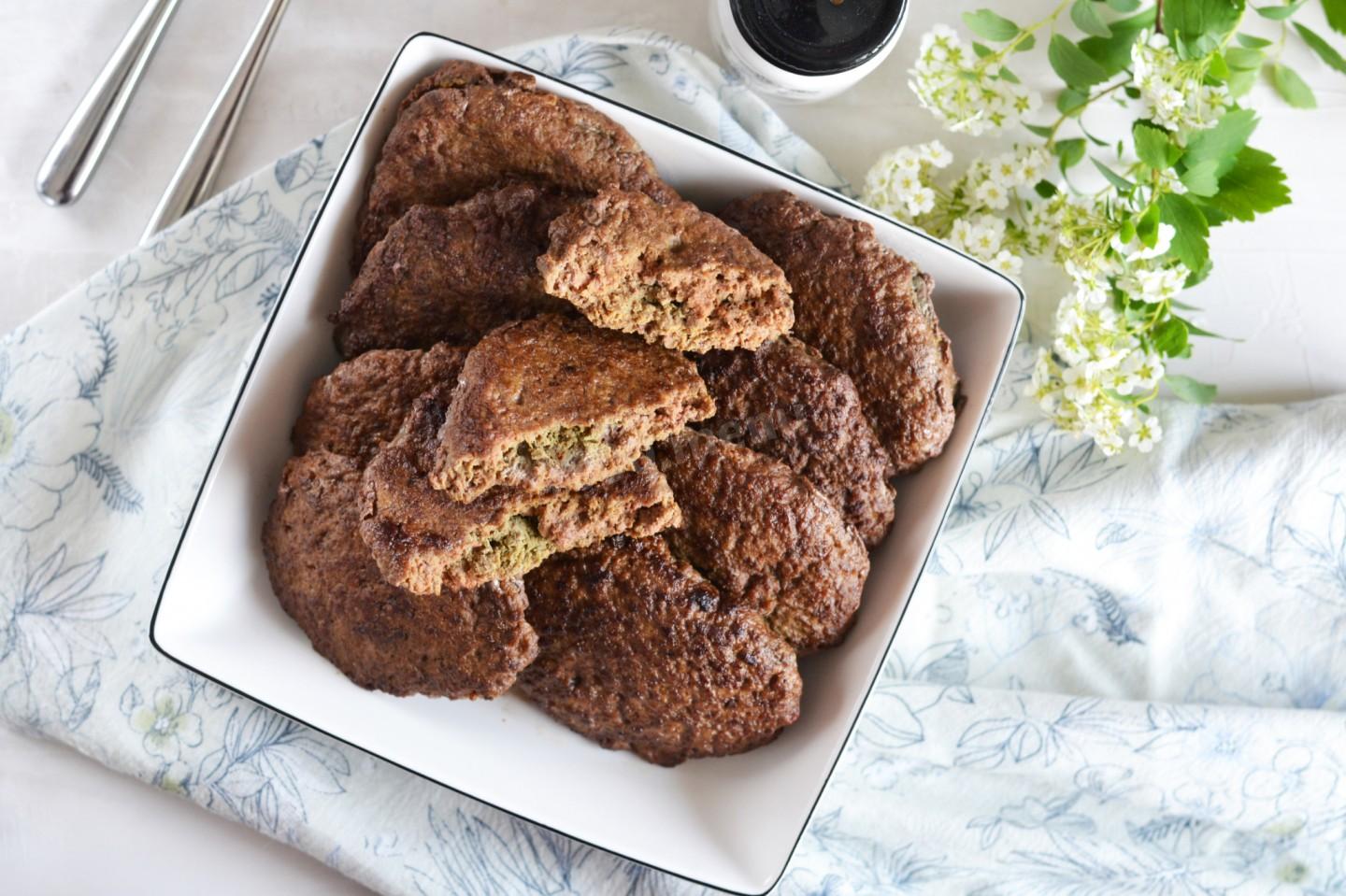
Wholesome and tasty, quick and easy, for the whole family! Beef liver fritters are actually simpler to make than plain liver. You blend everything up, then fry it in oil in a skillet. Bake them in the oven instead for a lighter version. They're gentle enough for kids, too.

Cooking method
-
Step 1:
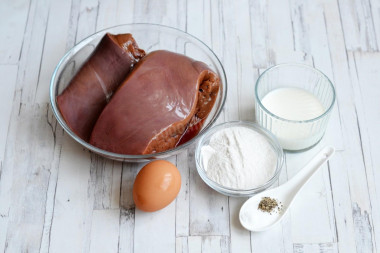
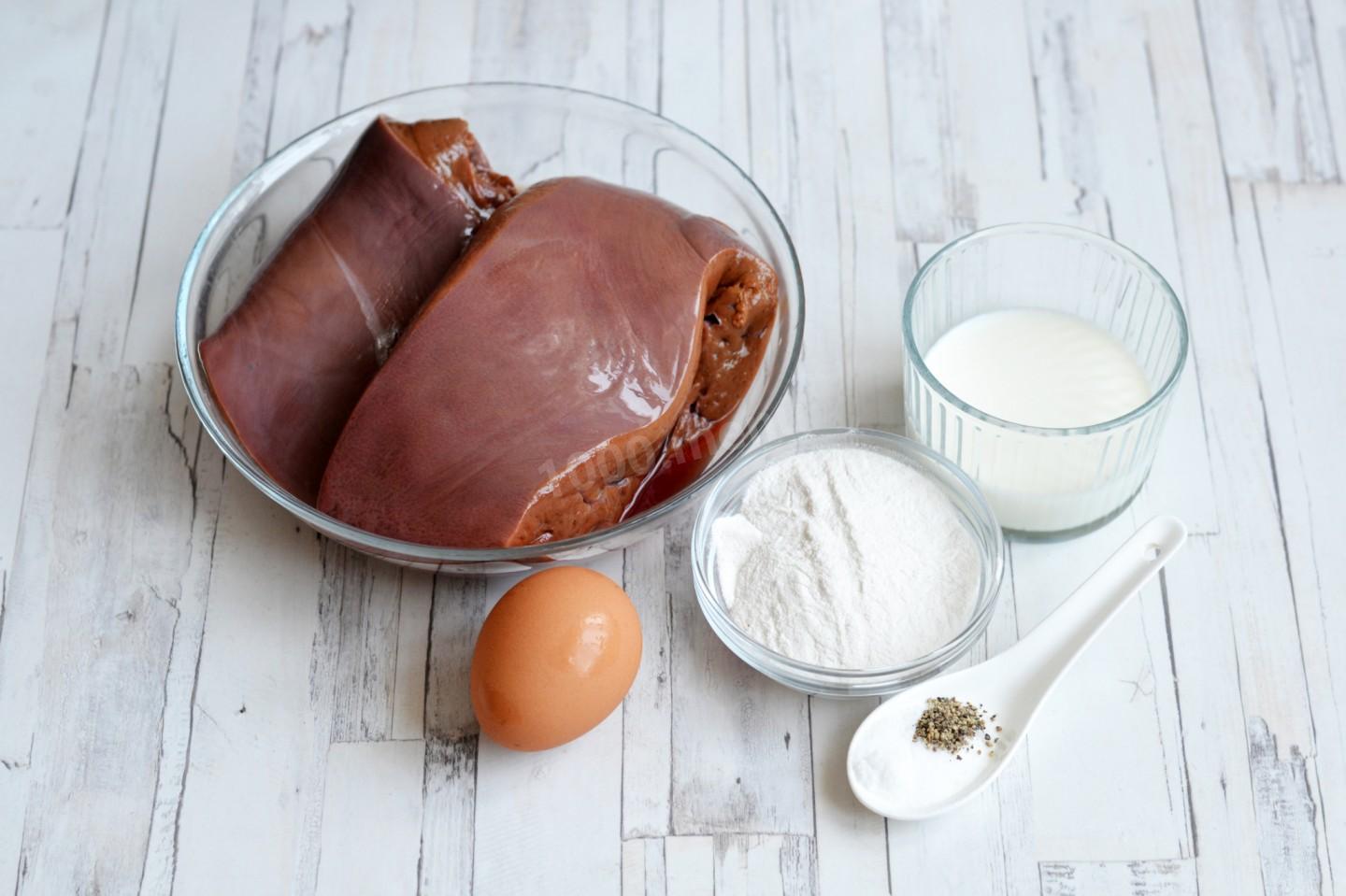
How do you make beef liver fritters? Get all your ingredients ready. Fresh beef liver is best — it makes for softer, more tender fritters.
-
Step 2:
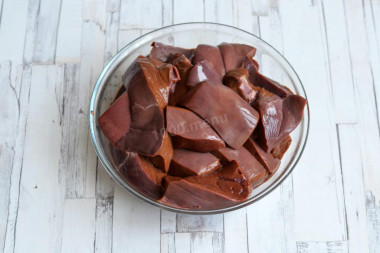
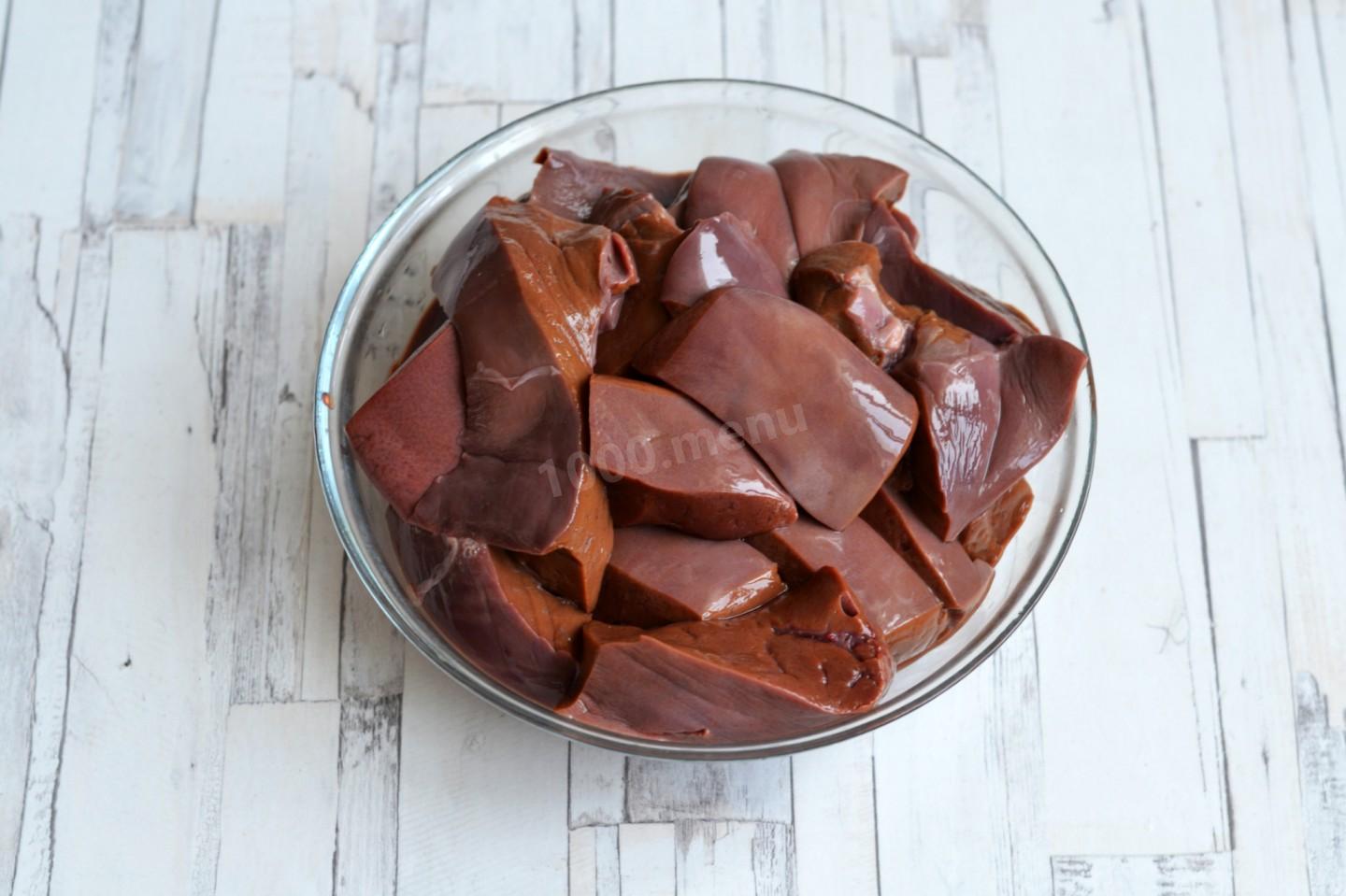
Rinse the beef liver thoroughly and remove the membranes, ducts, and any blood clots. Blot the liver dry with a paper towel and cut it into medium pieces.
-
Step 3:
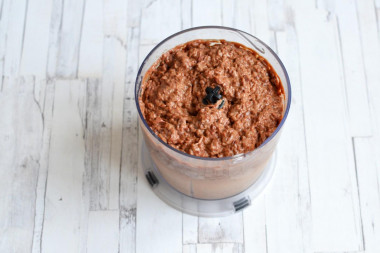
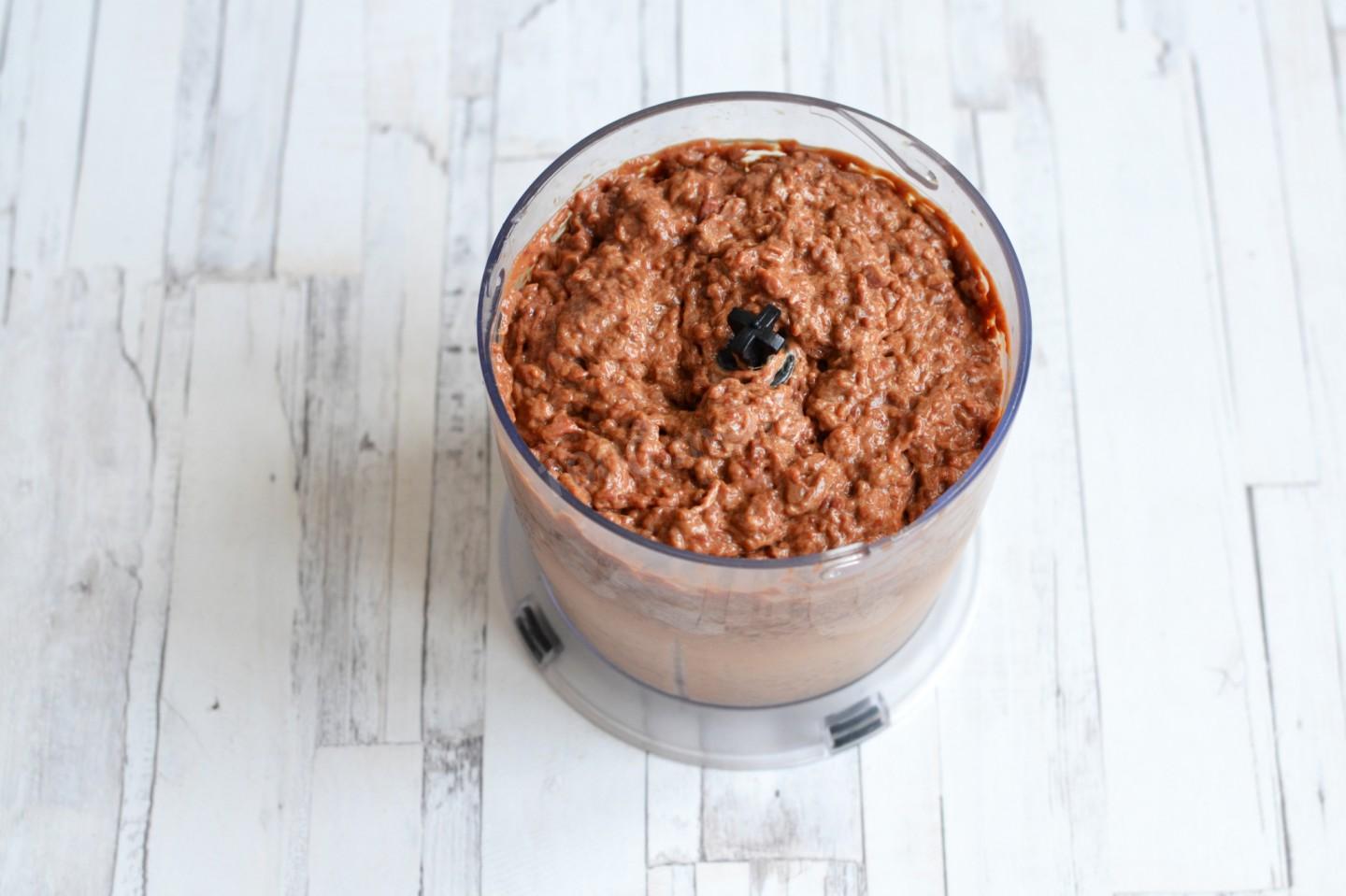
Put the liver in a blender and blend until smooth — you want a thick, ground-meat-like consistency. If your blender is small, work in batches, since a large load is hard to blend and can overheat the motor. A food processor can handle the whole amount at once. No blender? Run the liver through a meat grinder instead.
-
Step 4:
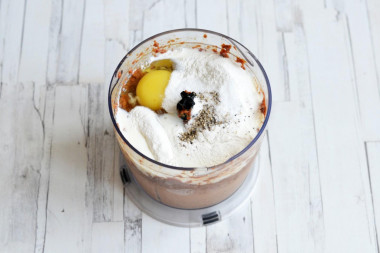
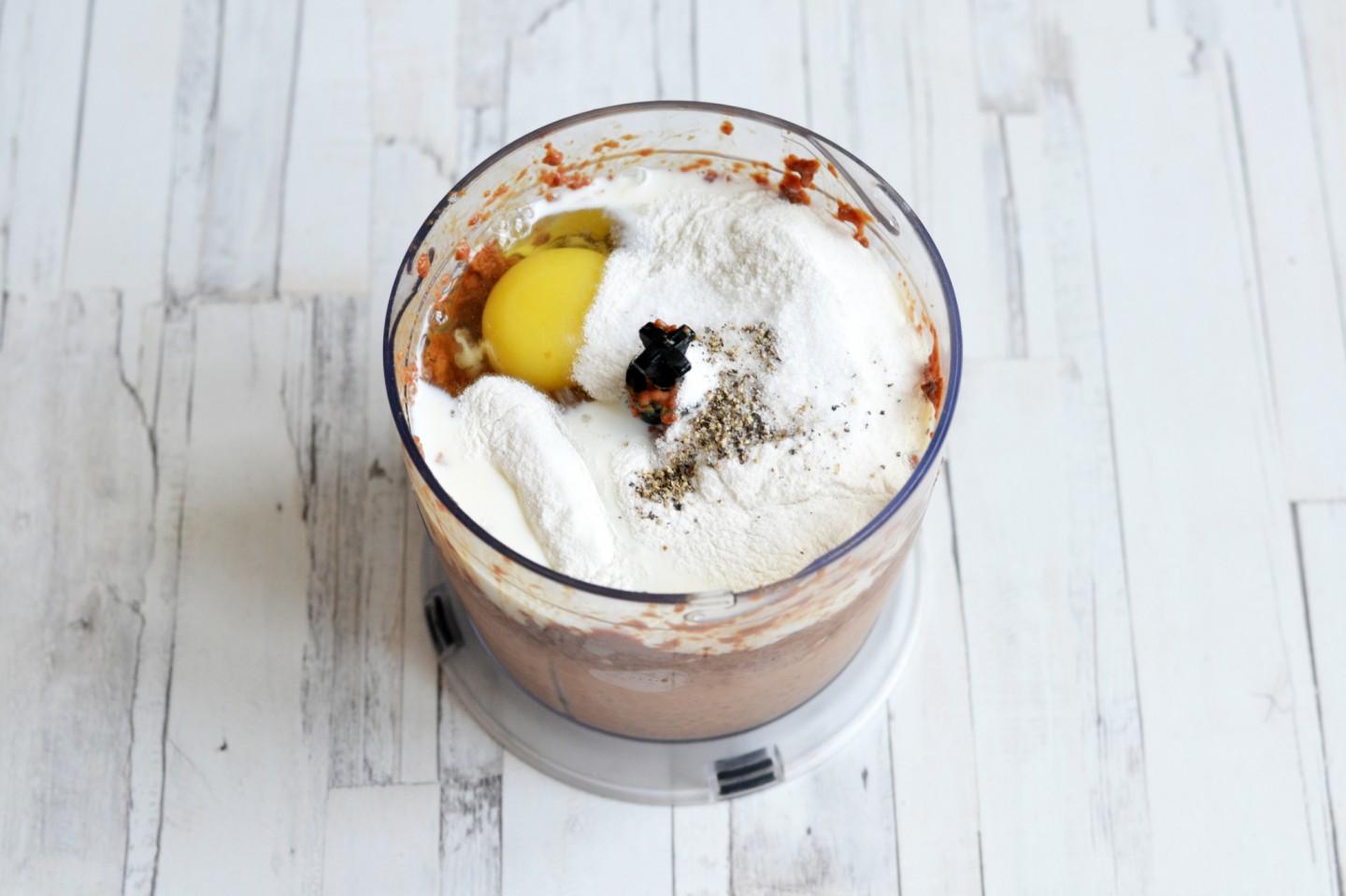
Add the milk, egg, flour, salt, and pepper to the blended liver.
-
Step 5:
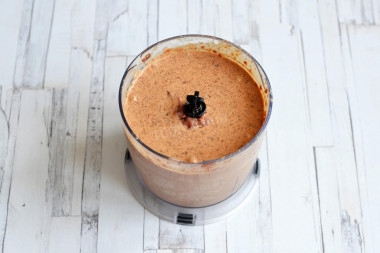
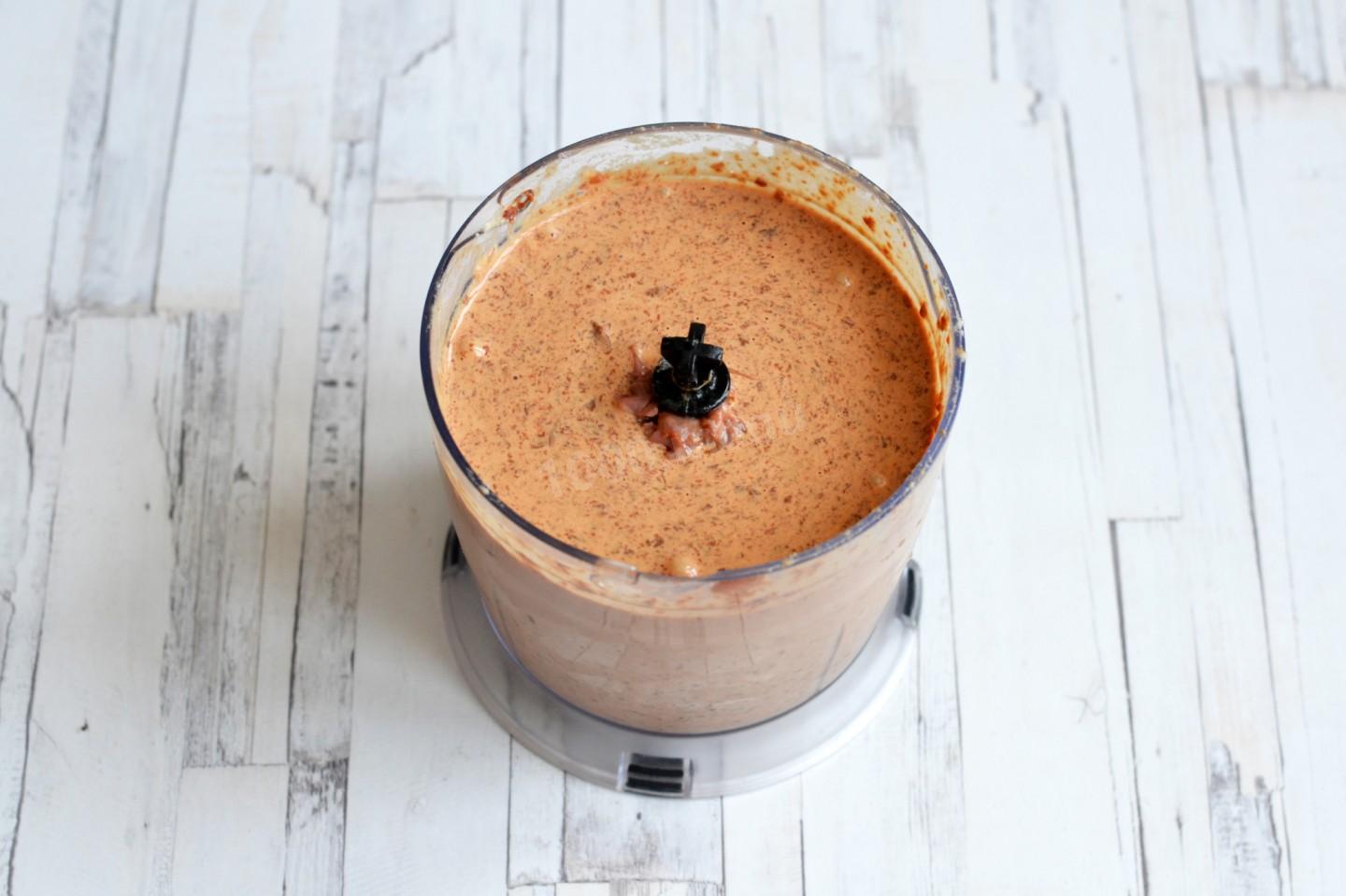
Blend everything again until smooth. This time the mixture will be fairly thin.
-
Step 6:
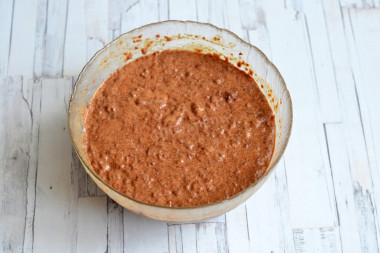
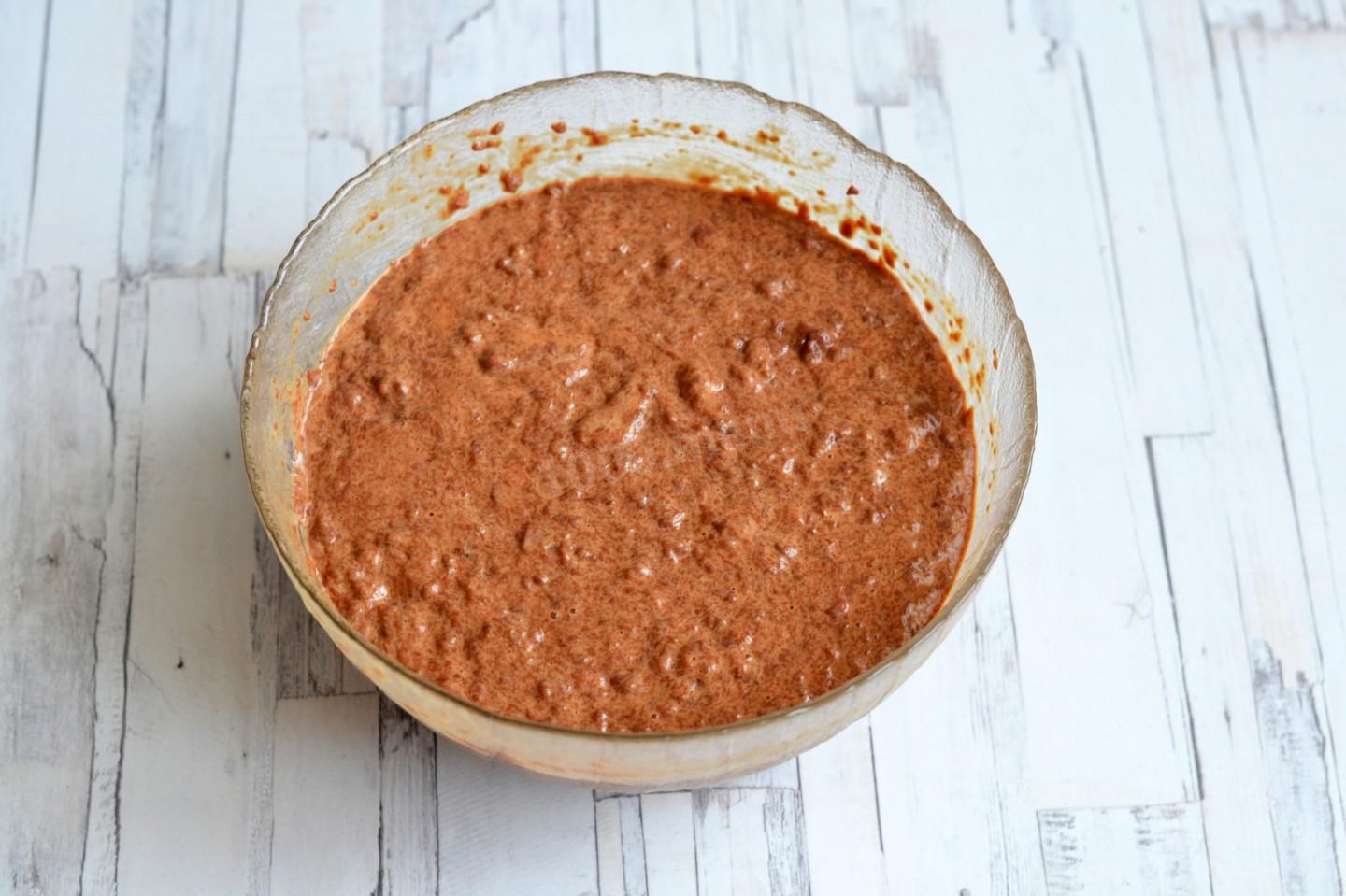
Pour the batter into a bowl and let it rest 15 to 20 minutes at room temperature. In that time the flour swells and thickens it. If it's still too thin after resting, sift in another tablespoon of flour and stir. You can use semolina in place of the flour.
-
Step 7:
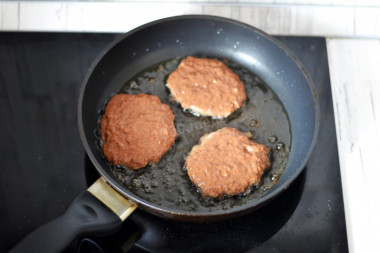
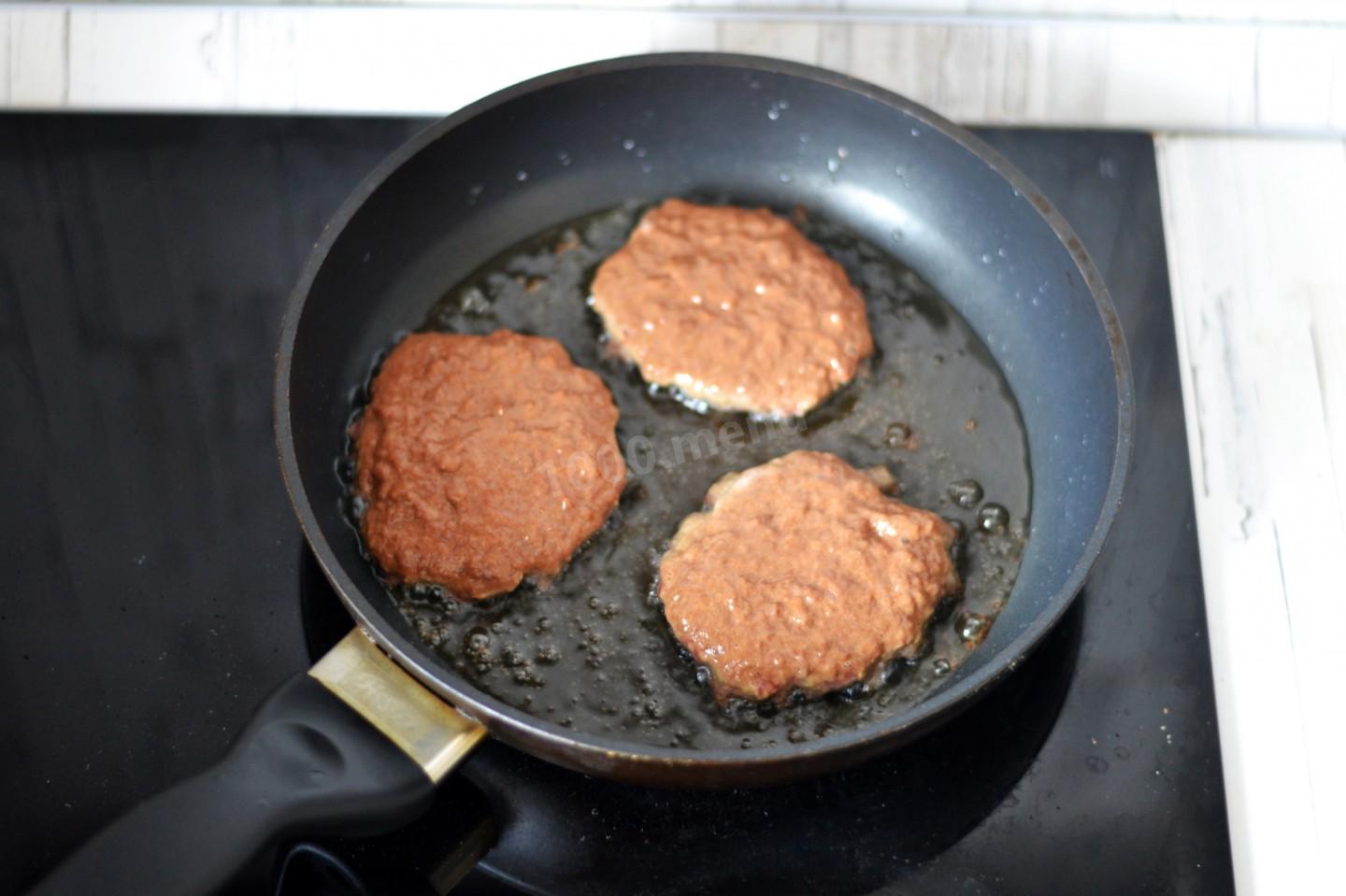
Heat the vegetable oil in a skillet over medium heat (for me that's about 5–6 out of 9), and spoon in the liver batter to form small round fritters. Fry them 5 to 6 minutes per side until cooked through, adding a little more oil as needed. The exact time depends on the weight of your pan, the heat, and how thick the batter is.
-
Step 8:
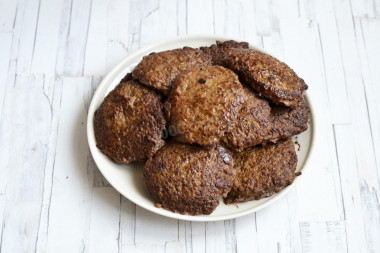
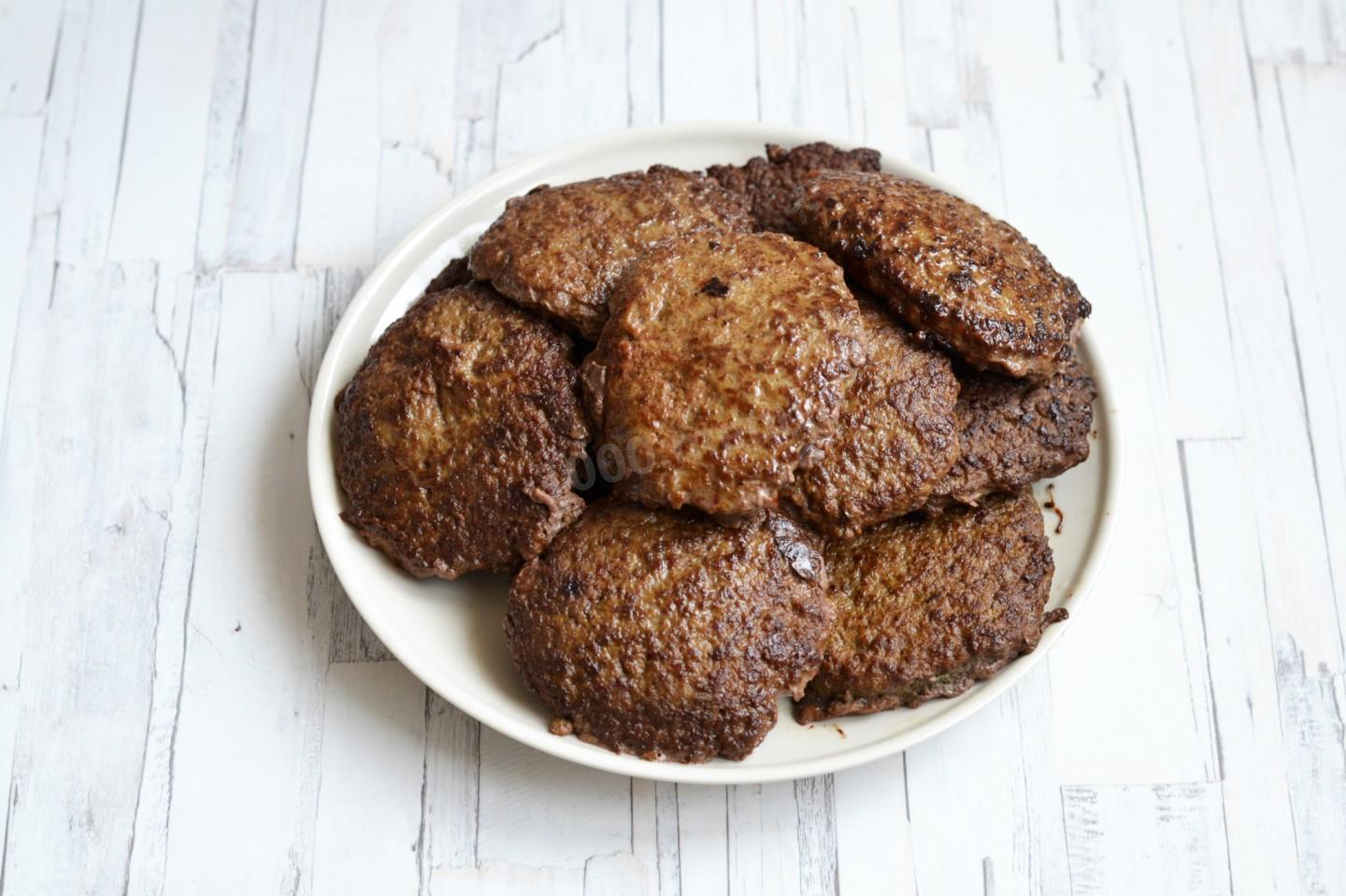
Inside, the fritters should be brownish. In the first minutes of cooking some blood may seep out; a well-cooked fritter shouldn't have any blood inside or out (unless that's how you like it). Transfer the finished fritters to a platter and serve. Any side dish goes with them. Enjoy!
- Use an oil with a high smoke point for frying. Any oil is only good up to a certain temperature — its smoke point — beyond which it starts to burn and forms harmful compounds. Unrefined oils, with rare exceptions, have a low smoke point; they're full of unfiltered particles that scorch quickly. Refined oils stand up to heat better and have a higher smoke point. If you're cooking in the oven, in a skillet, or on the grill, use an oil with a high smoke point. The most common ones are refined sunflower, olive, and grapeseed oils.
Caloric content of the products possible in the composition of the dish
- Whole cow's milk - 68 kcal/100g
- Milk 3.5% fat content - 64 kcal/100g
- Milk 3.2% fat content - 60 kcal/100g
- Milk 1.5% fat content - 47 kcal/100g
- Concentrated milk 7.5% fat content - 140 kcal/100g
- Milk 2.5% fat content - 54 kcal/100g
- Chicken egg - 157 kcal/100g
- Egg white - 45 kcal/100g
- Egg powder - 542 kcal/100g
- Egg yolk - 352 kcal/100g
- Ostrich egg - 118 kcal/100g
- Ground black pepper - 255 kcal/100g
- Whole durum wheat flour fortified - 333 kcal/100g
- Whole durum wheat flour, universal - 364 kcal/100g
- Flour krupchatka - 348 kcal/100g
- Flour - 325 kcal/100g
- Vegetable oil - 873 kcal/100g
- Salt - 0 kcal/100g
- Beef liver - 130 kcal/100g