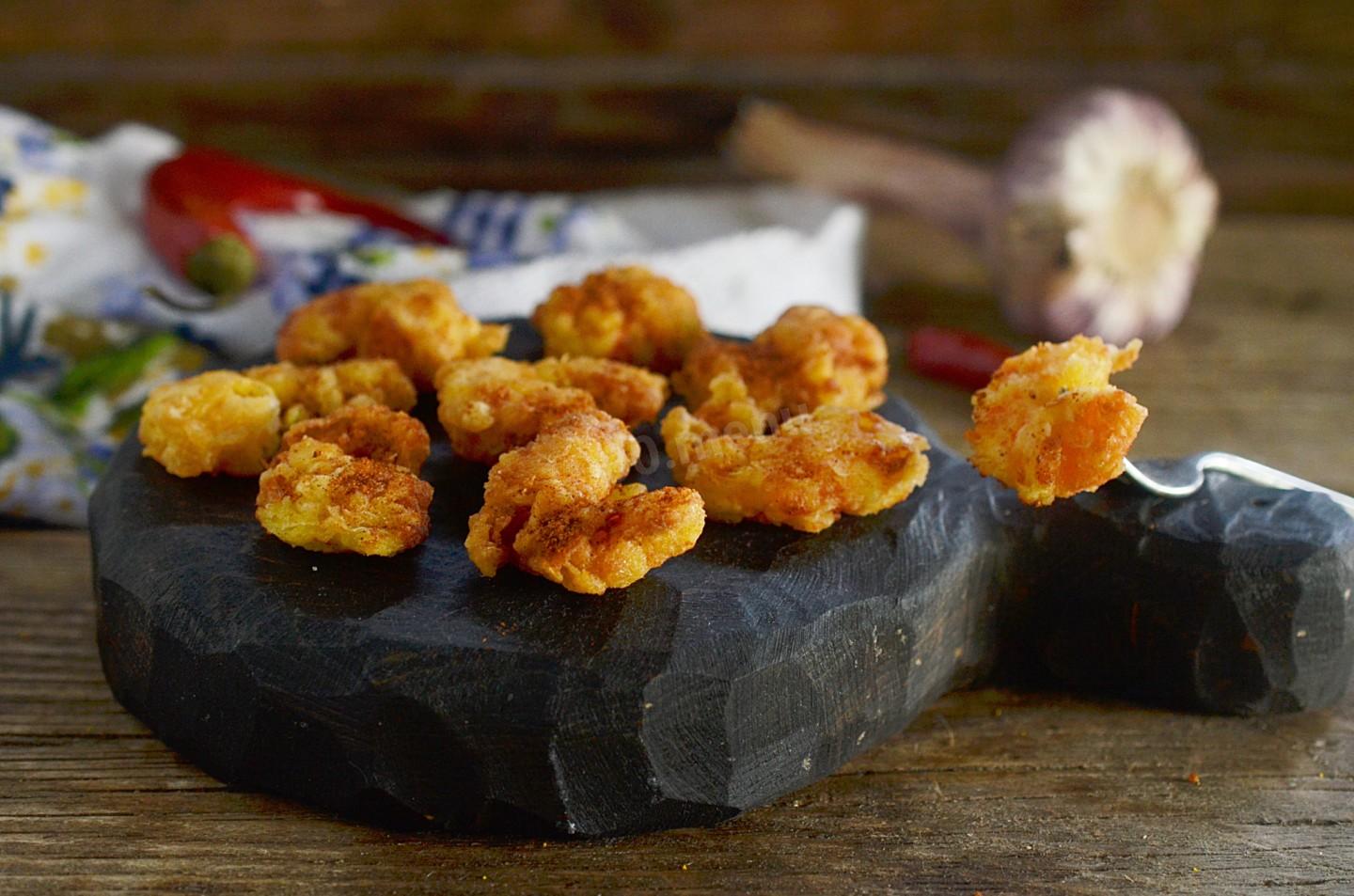
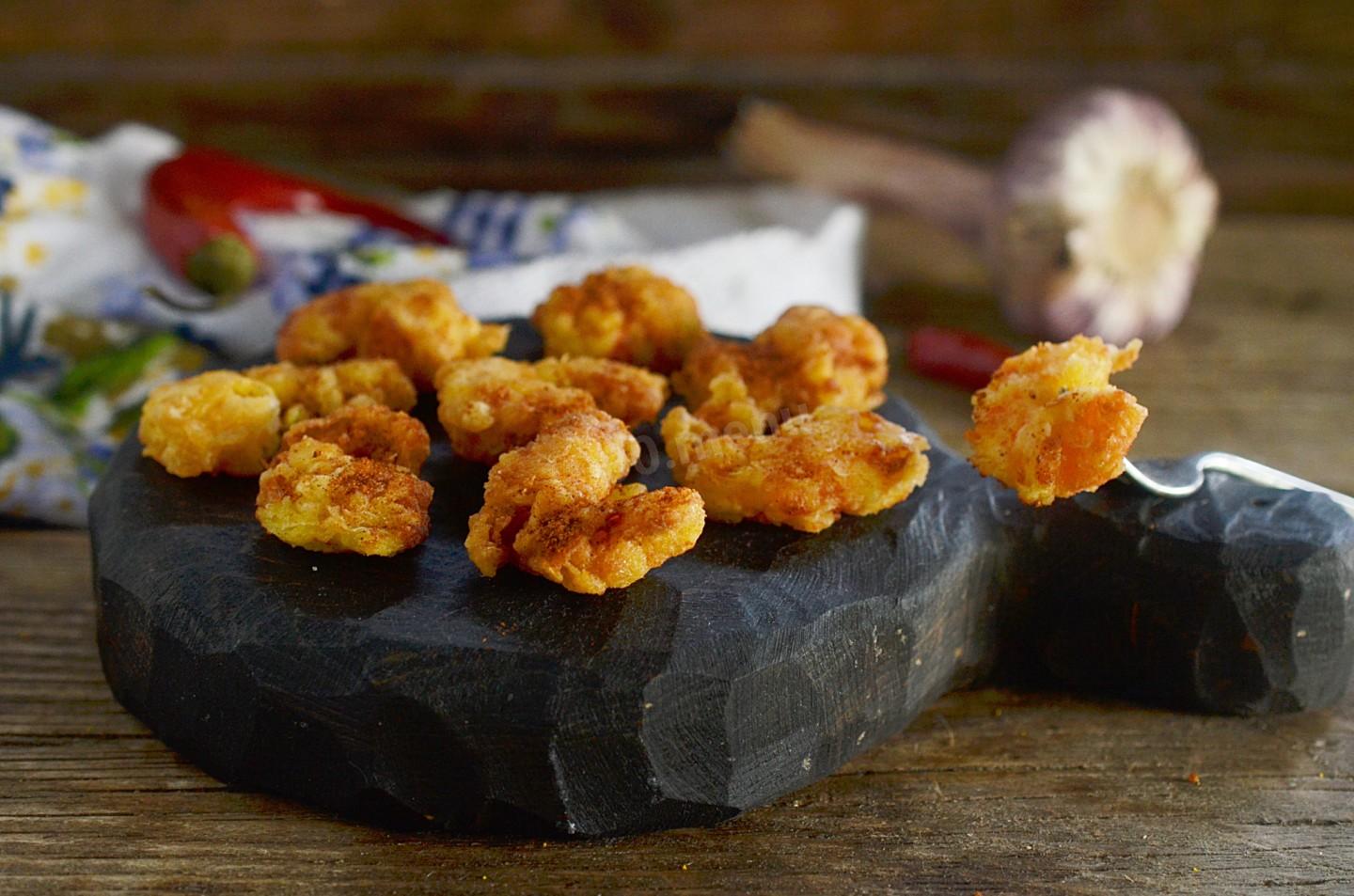
Batter-Fried Shrimp (Skillet)
Shrimp in a crispy batter — quick and easy! Golden, crunchy, fragrant battered shrimp make a great appetizer or main. They come together fast, so they're perfect for a party, a buffet spread, or just treating the family.

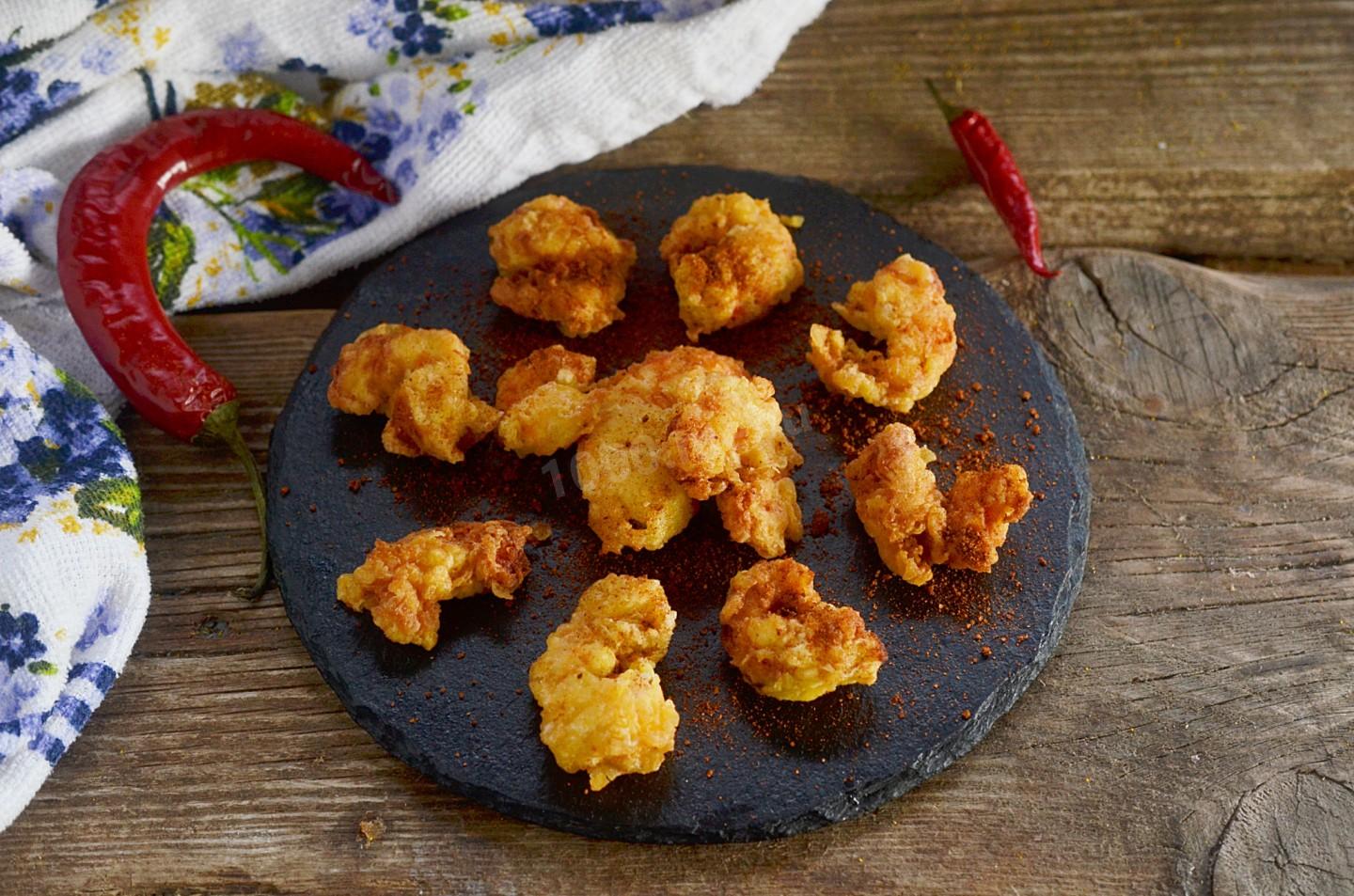
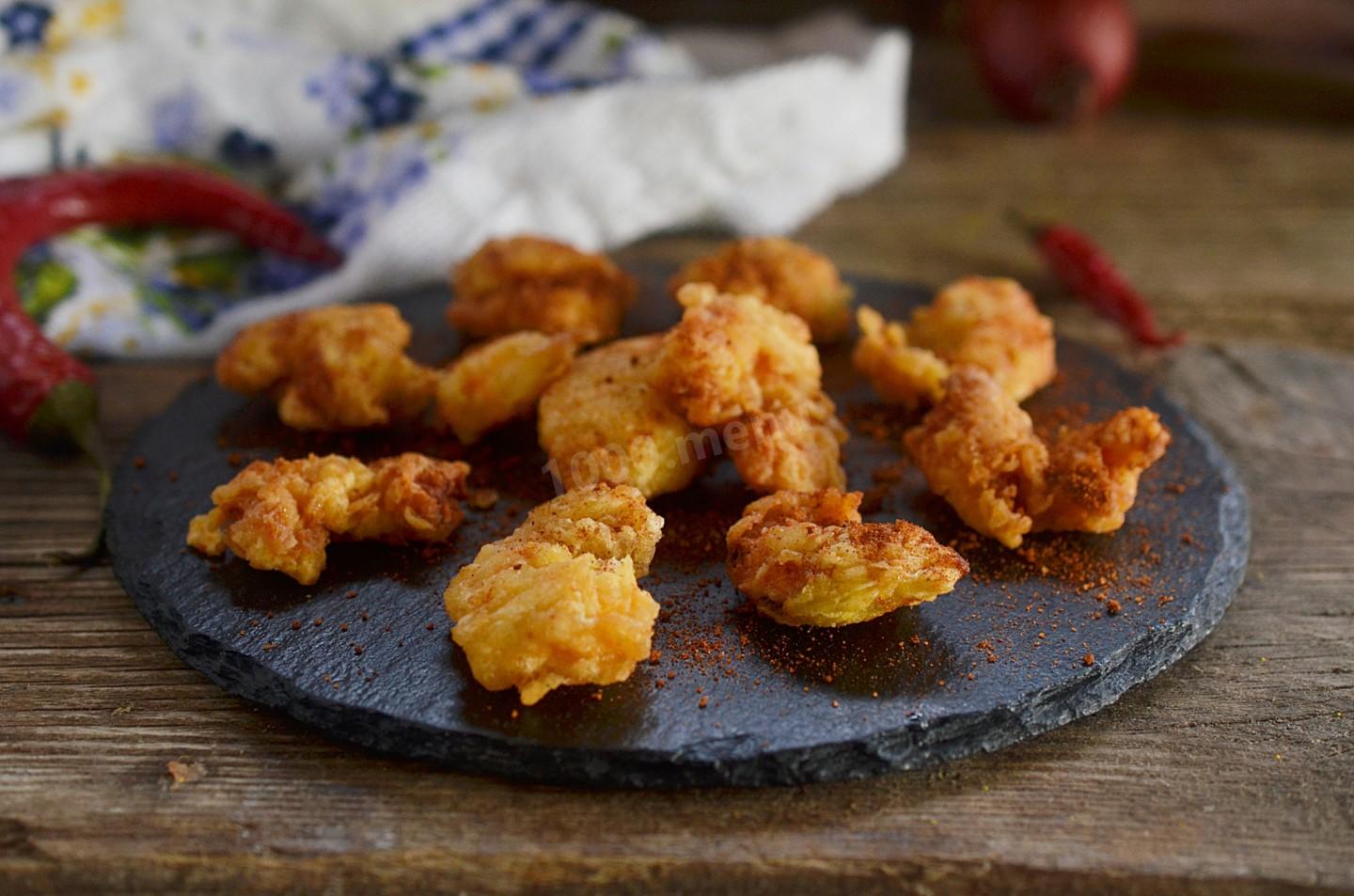
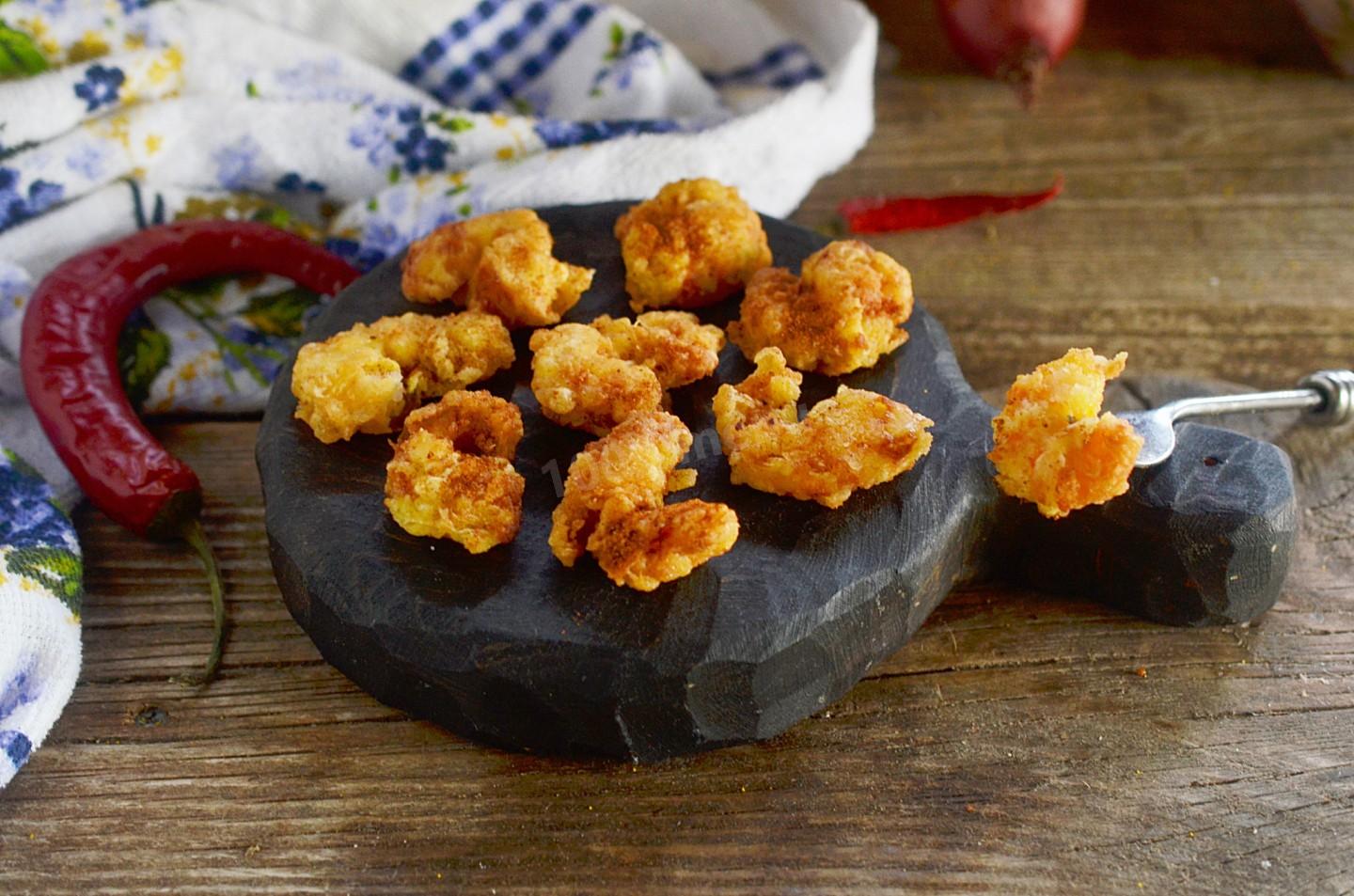
Cooking method
-
Step 1:
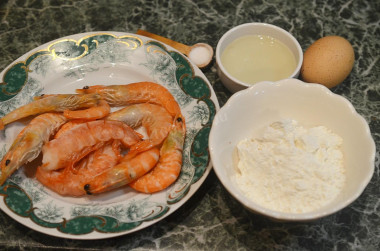
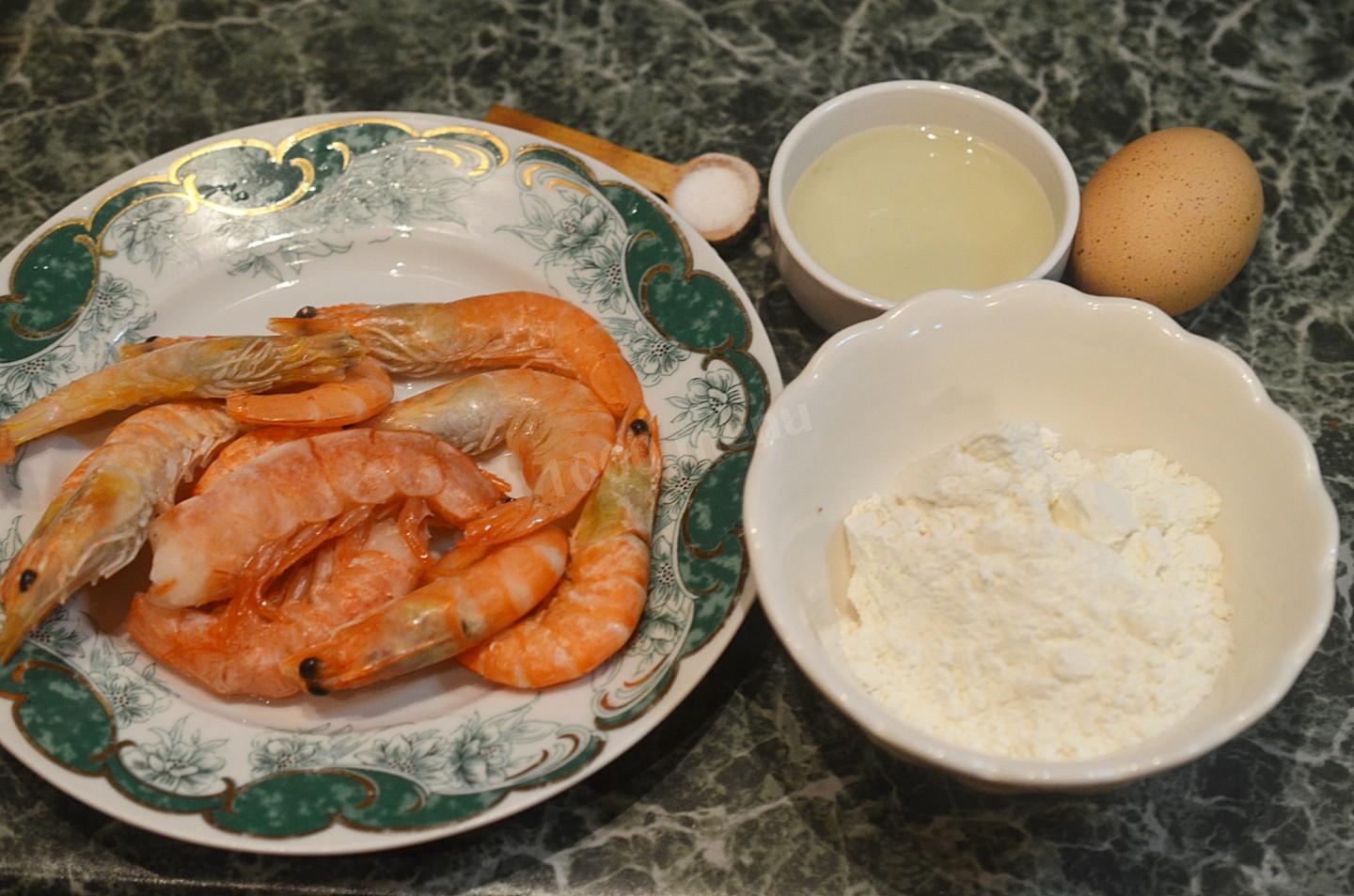
How do you make batter-fried shrimp in a skillet? Gather your ingredients. Use large shrimp — jumbo shrimp or langoustines are ideal; skip the tiny ones. I'm using all-purpose wheat flour, but if you'd like a different flavor, rice or buckwheat flour works too. Use a large egg, preferably a good farm-fresh one.
-
Step 2:
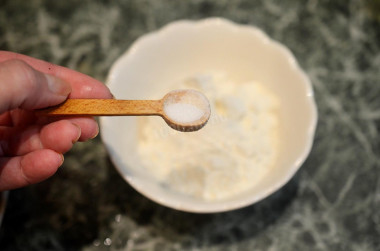
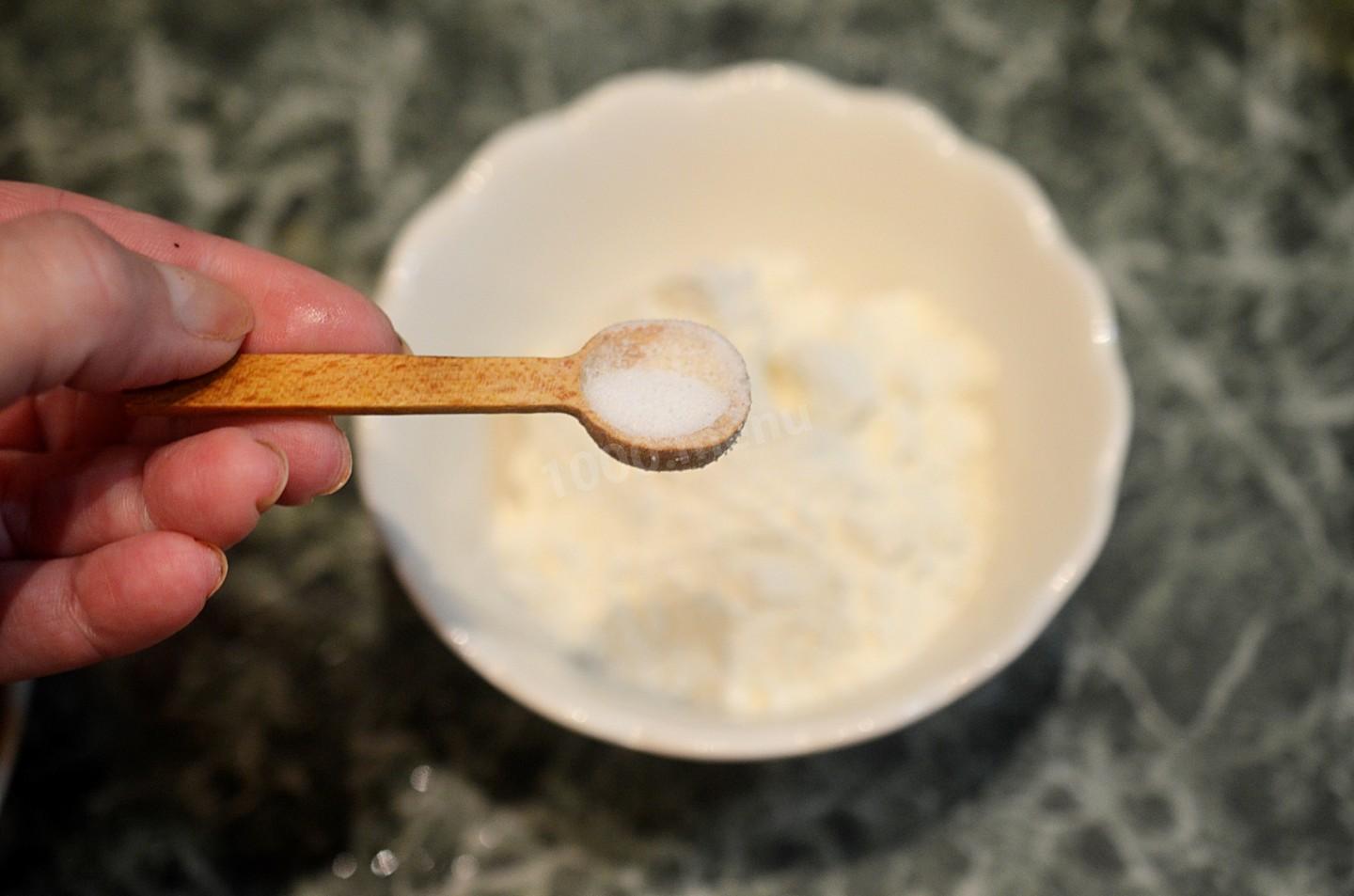
Mix the flour with salt. Sifting the flour helps make the coating lighter. This is a good point to work in any dry seasonings: dried garlic adds a little kick, paprika gives nice color, and dried dill or herbes de Provence add flavor and aroma. Stir to combine.
-
Step 3:
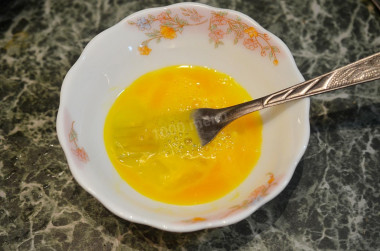
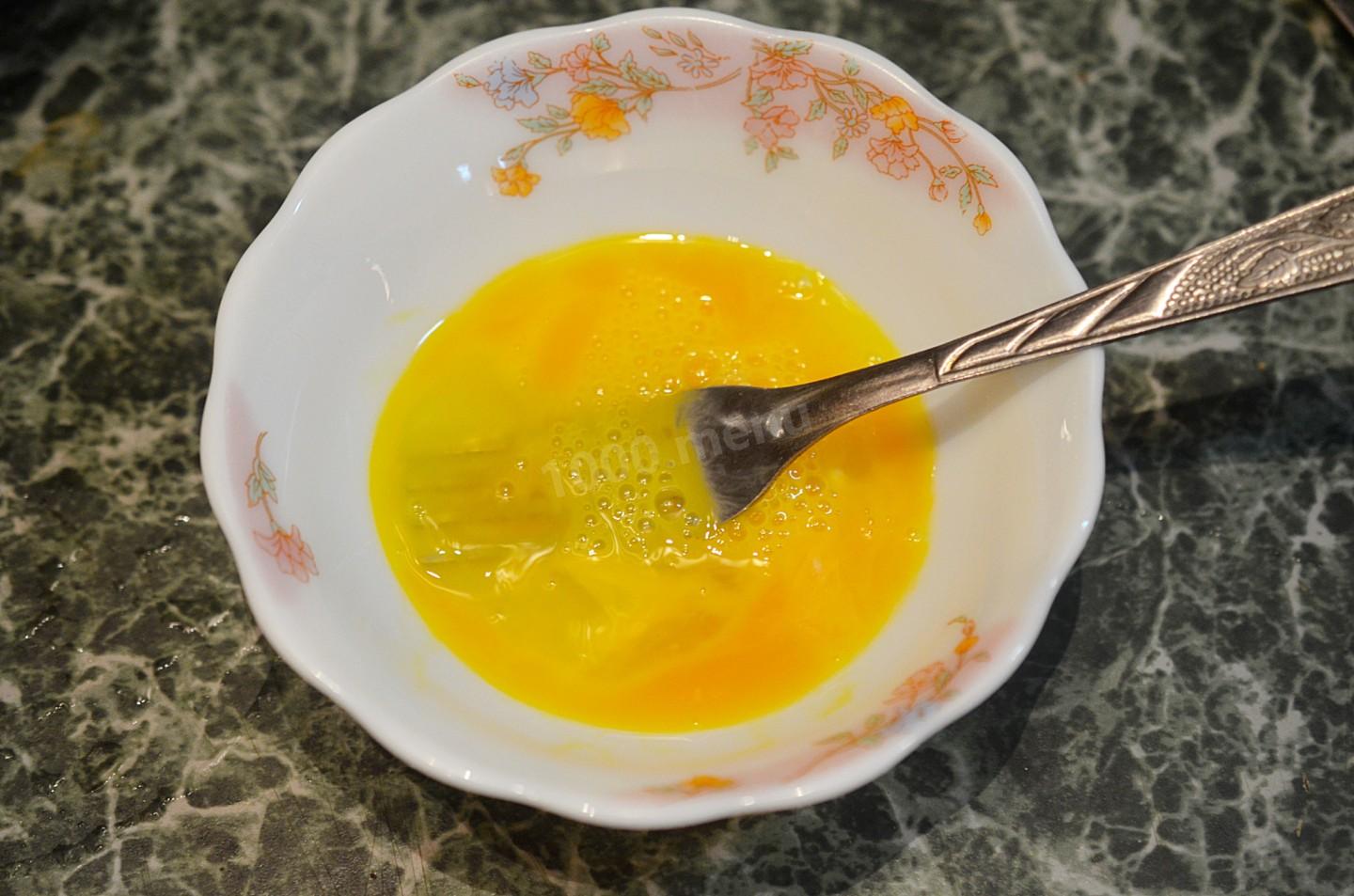
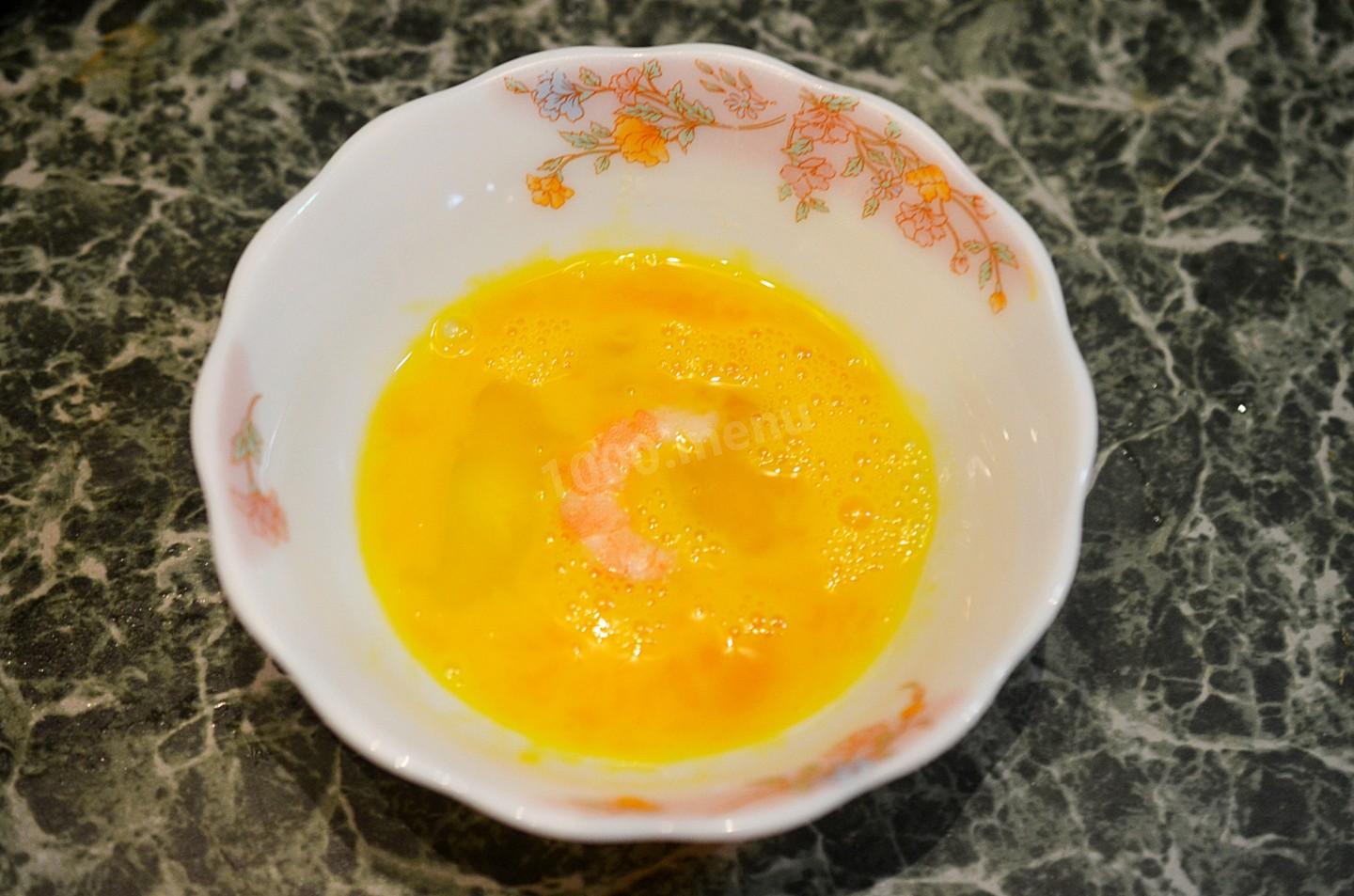
Wash the egg well — it's worth doing, since eggshells can carry a lot of bacteria. Warm water and a small brush work best. Crack the egg into a separate bowl and beat it lightly with a fork.
-
Step 4:
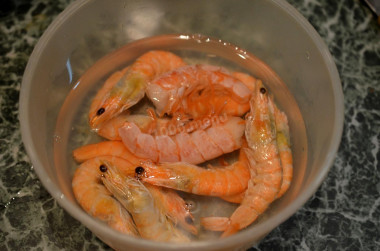
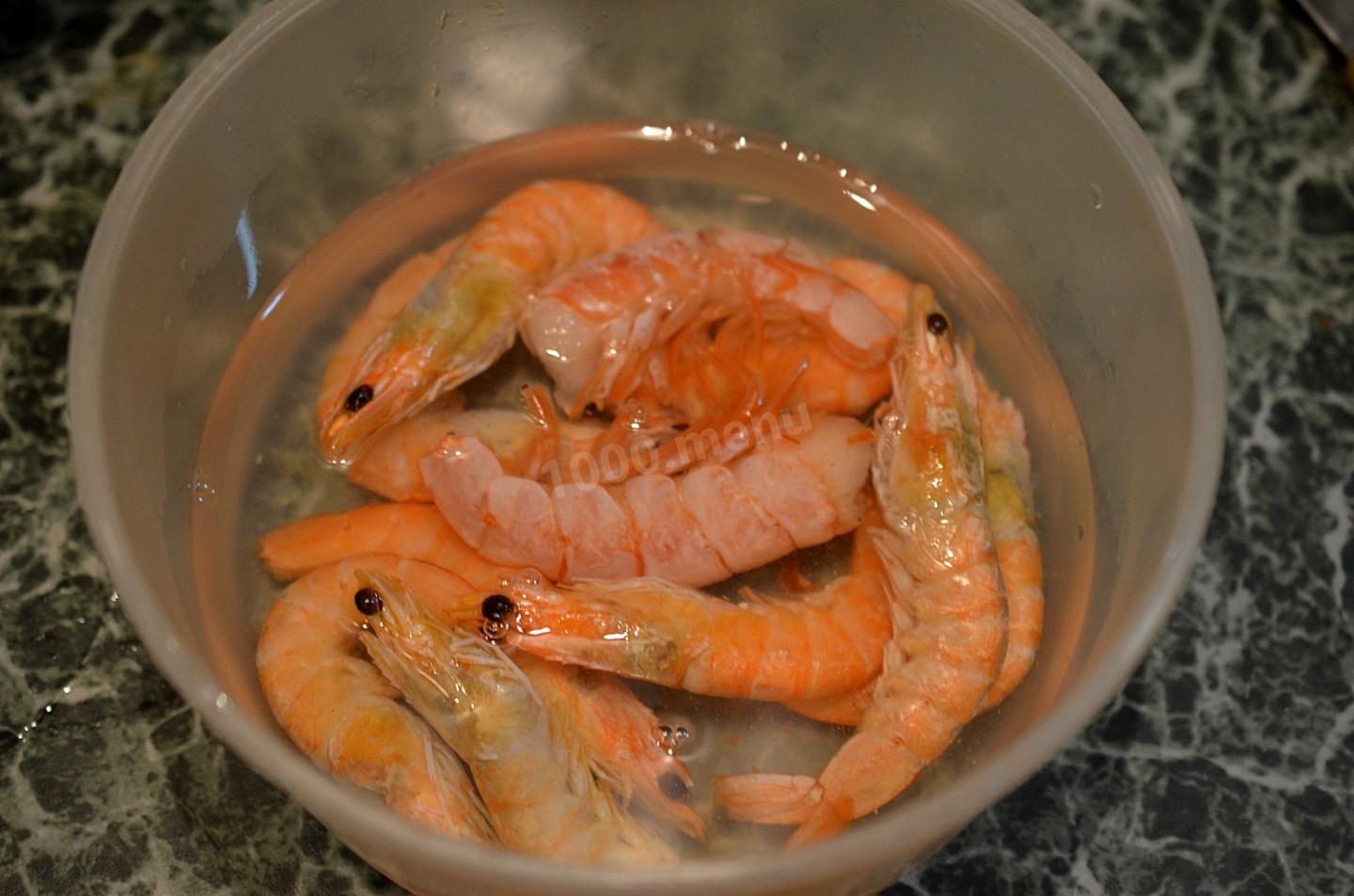
If you have cooked, frozen shrimp (usually pink), just pour boiling water over them to thaw them completely. If they're raw (usually gray), boil them in salted water for about 5–7 minutes.
-
Step 5:
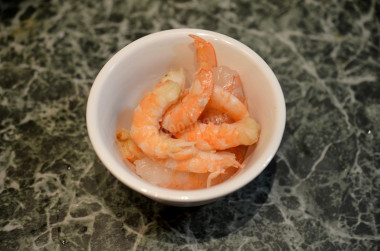
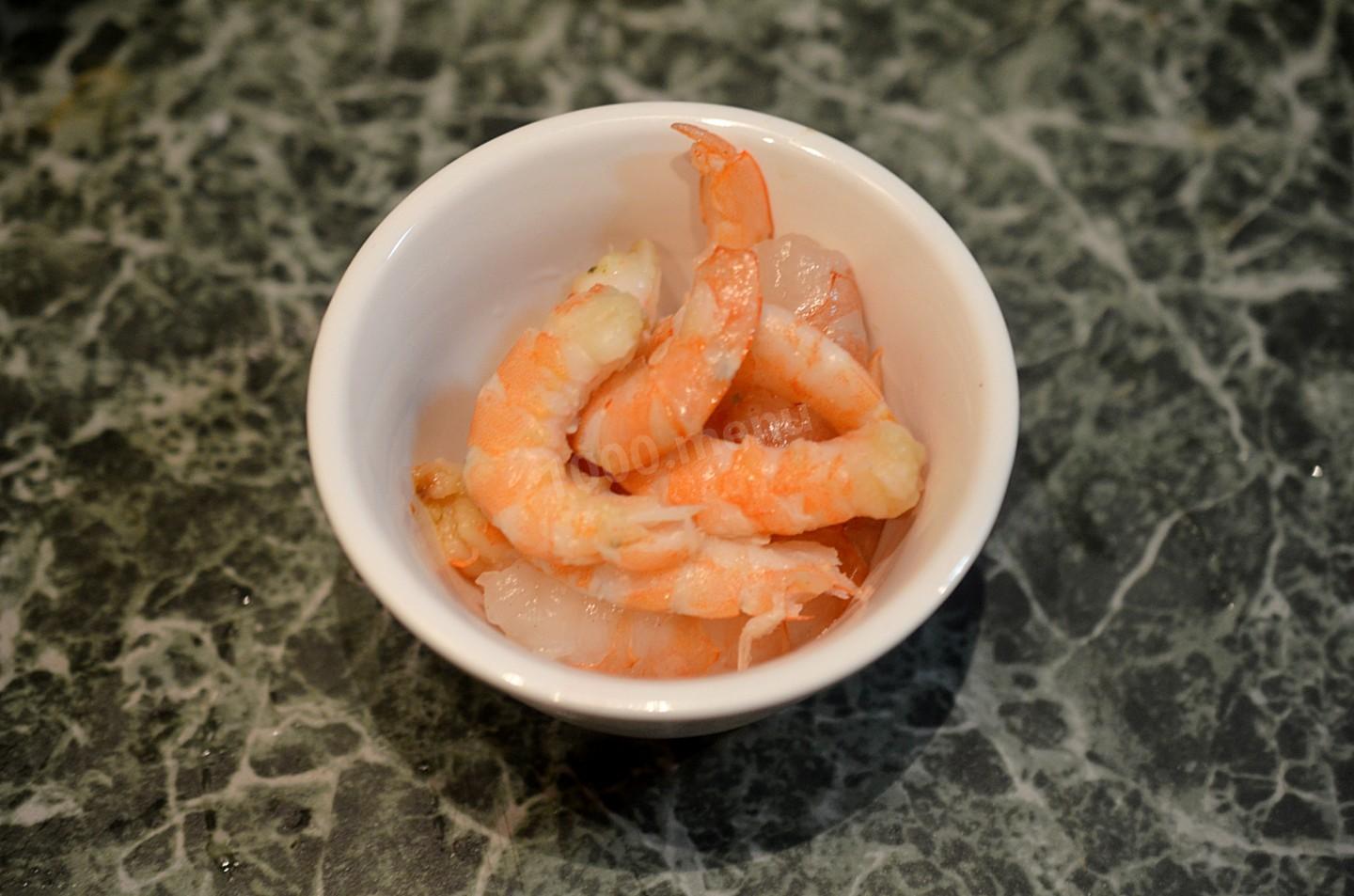
Remove the heads if the shrimp still have them, then peel the shrimp.
-
Step 6:
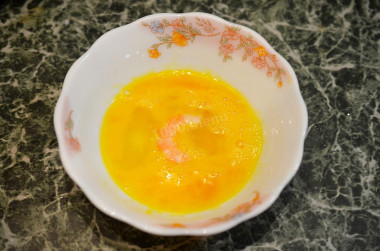
Dip each shrimp, one at a time, into the beaten egg first.
-
Step 7:
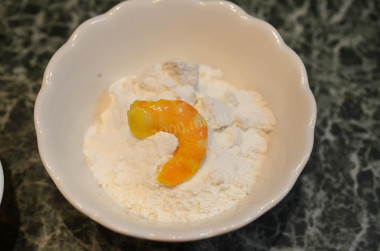
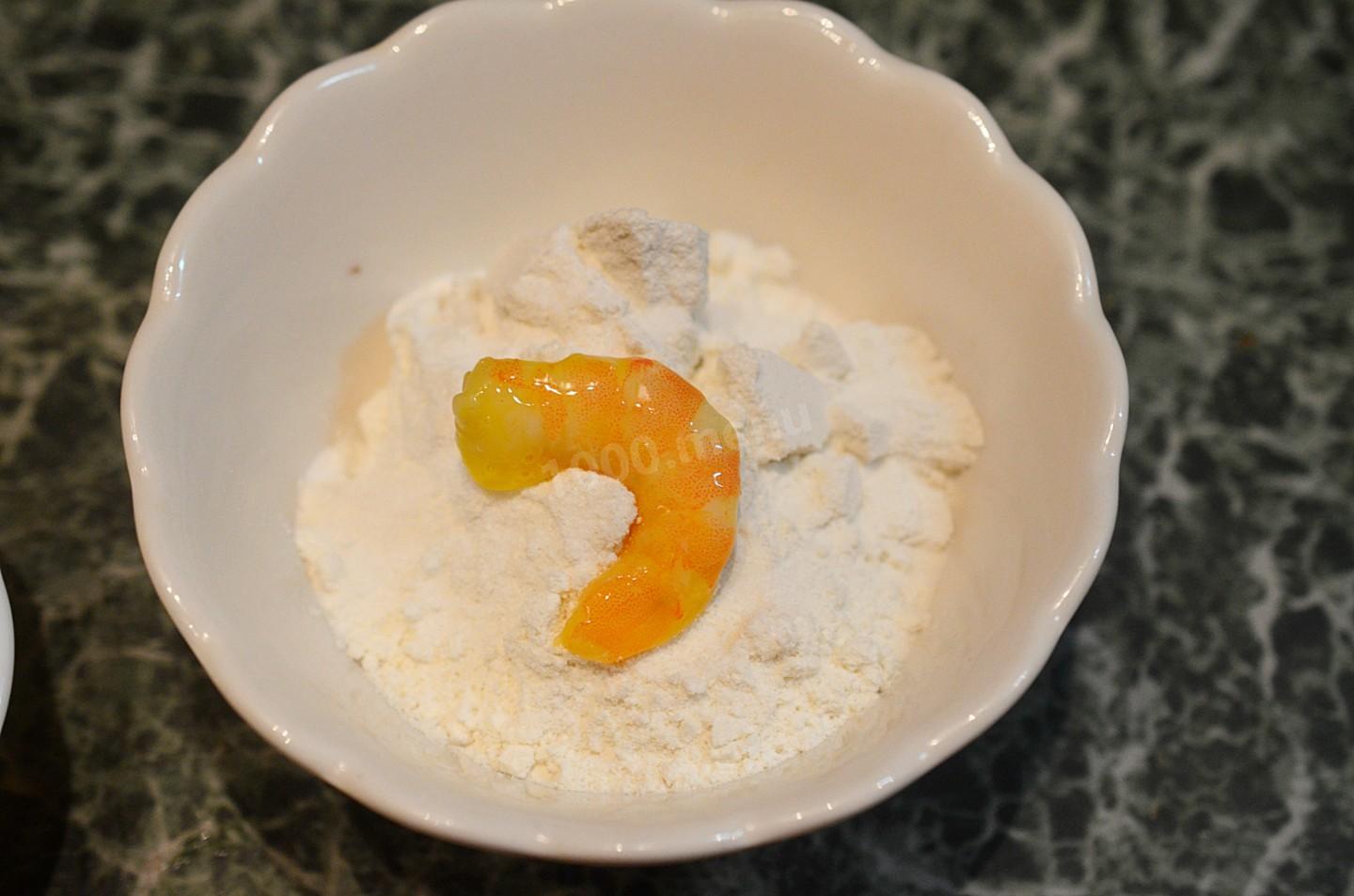
Then dredge it well in the flour mixture. For a thicker coating, repeat the egg-and-flour step once more. Shake off any excess flour.
-
Step 8:
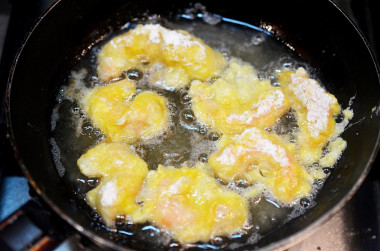
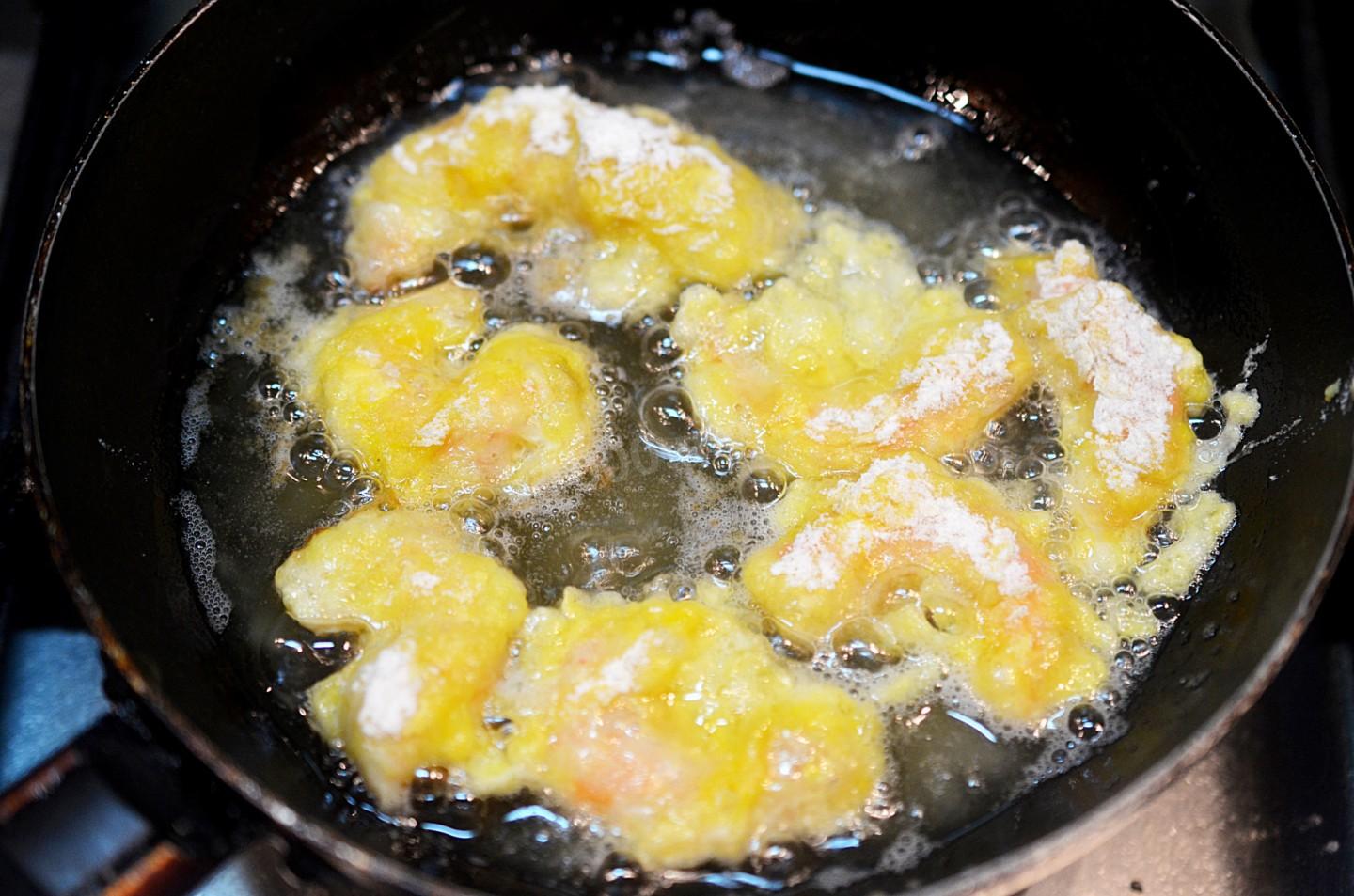
Heat the vegetable oil in a deep-sided skillet. Any oil works — from sunflower to olive — but since we're frying, it must be refined, as only refined oils are suited to frying. Add the coated shrimp with a little space between them so they brown evenly all over. Fry for 3–4 minutes per side.
-
Step 9:
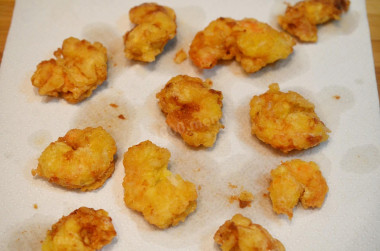
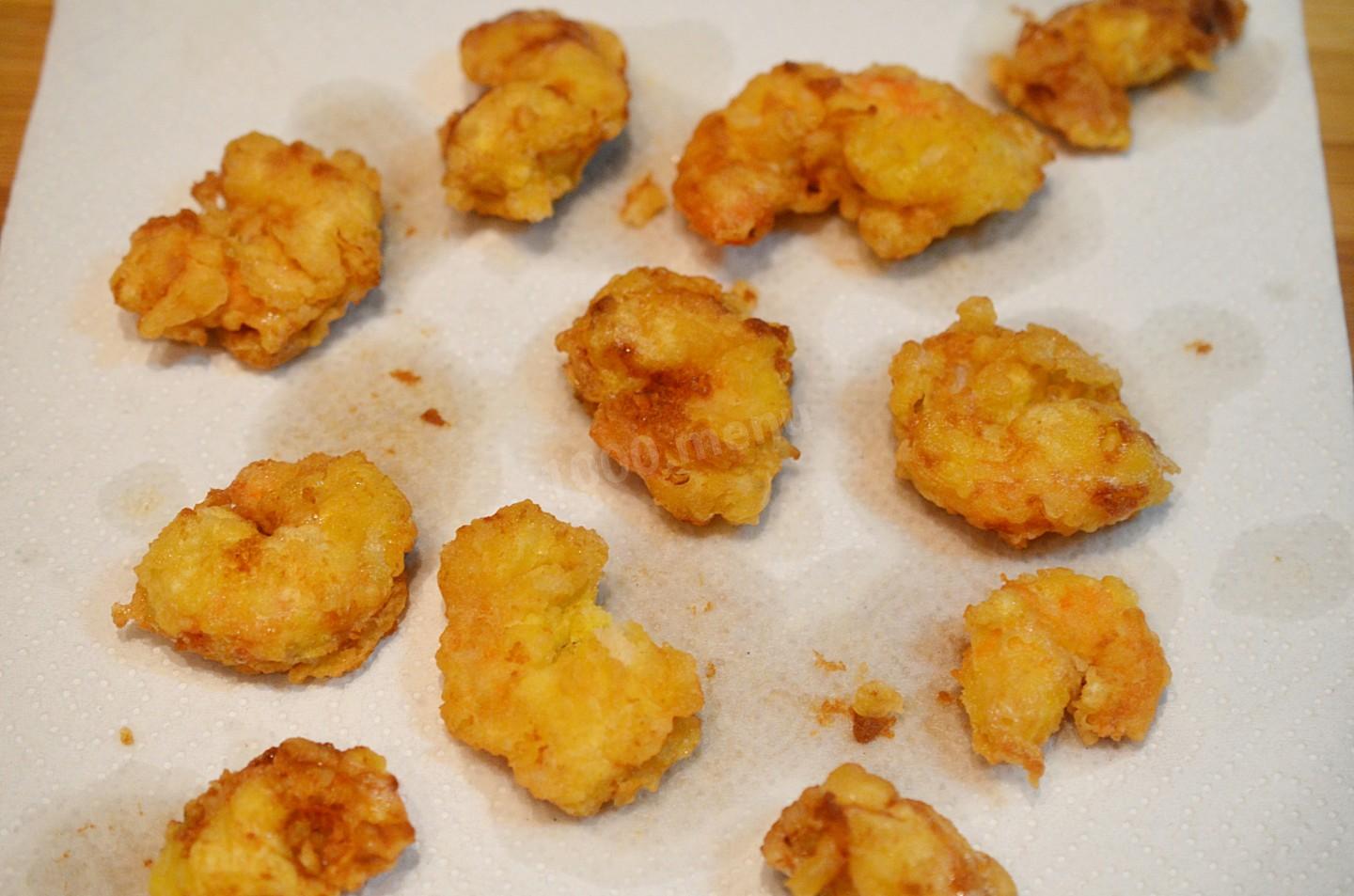
Set the fried shrimp on a paper towel to drain off the excess oil.
-
Step 10:
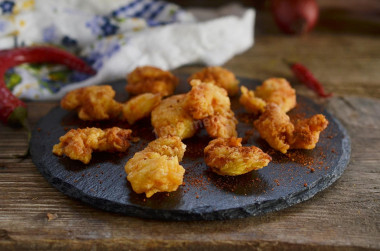
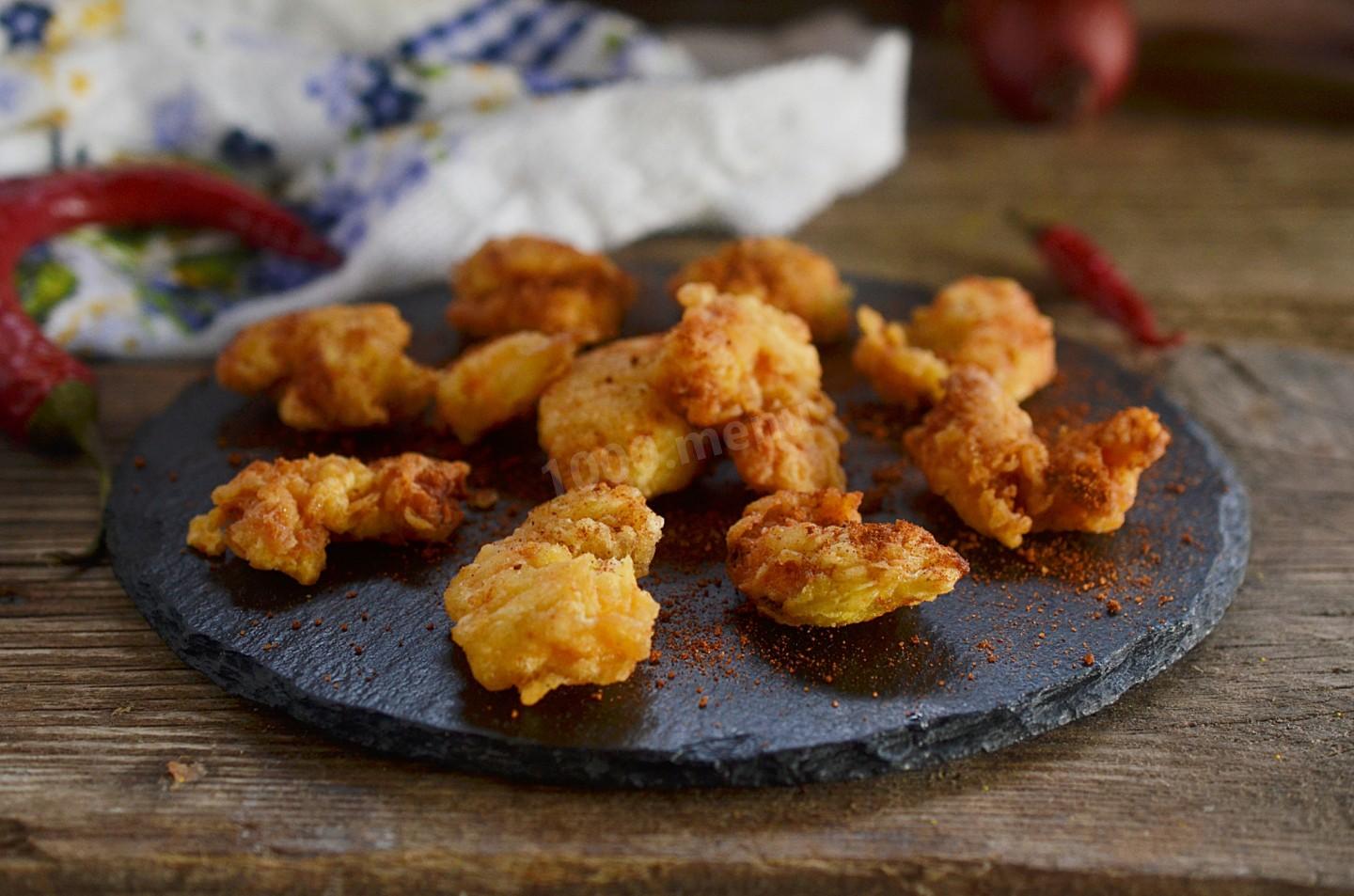
They're delicious hot or cold. Enjoy!
- Use a high-smoke-point oil for frying. Every oil is good only up to its smoke point — the temperature at which it starts to burn and form harmful compounds, including carcinogens. Unrefined oils, with few exceptions, have a low smoke point: they're full of unfiltered particles that scorch quickly. Refined oils hold up to heat better and have a higher smoke point. The most common high-smoke-point choices are refined sunflower, olive, and grapeseed oil.
- The right skillet matters — a poorly chosen pan can spoil even the best recipe.
Caloric content of the products possible in the composition of the dish
- Canned shrimp - 81 kcal/100g
- Boiled shrimp - 95 kcal/100g
- Shrimps peeled frozen - 60 kcal/100g
- Fresh shrimp - 97 kcal/100g
- Chicken egg - 157 kcal/100g
- Egg white - 45 kcal/100g
- Egg powder - 542 kcal/100g
- Egg yolk - 352 kcal/100g
- Ostrich egg - 118 kcal/100g
- Whole durum wheat flour fortified - 333 kcal/100g
- Whole durum wheat flour, universal - 364 kcal/100g
- Flour krupchatka - 348 kcal/100g
- Flour - 325 kcal/100g
- Vegetable oil - 873 kcal/100g
- Salt - 0 kcal/100g