Breaded Chicken Breast Schnitzel
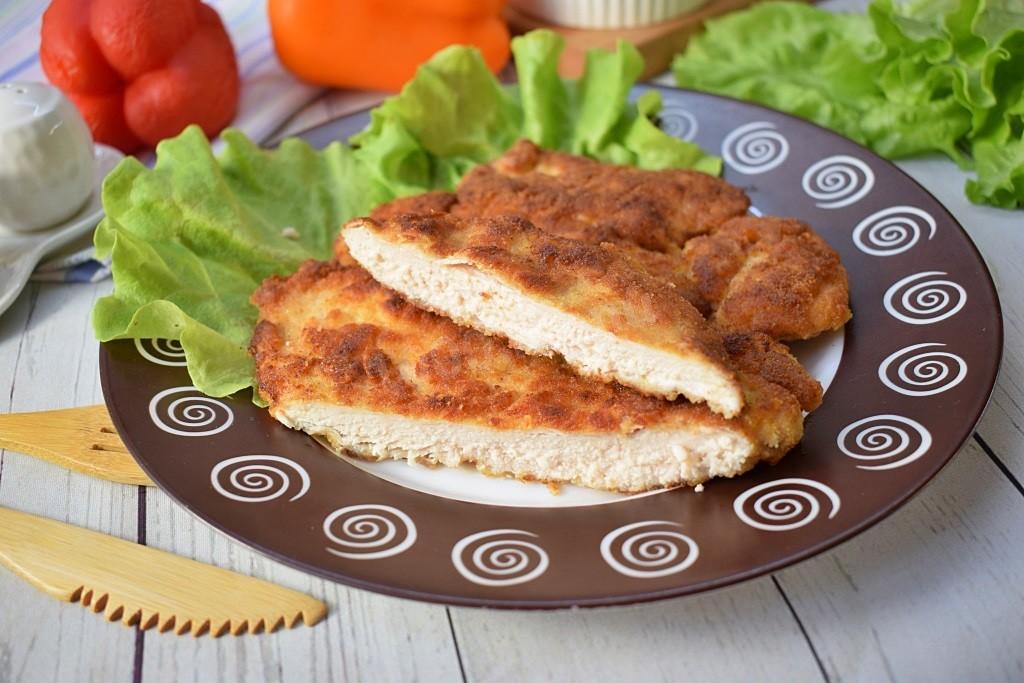
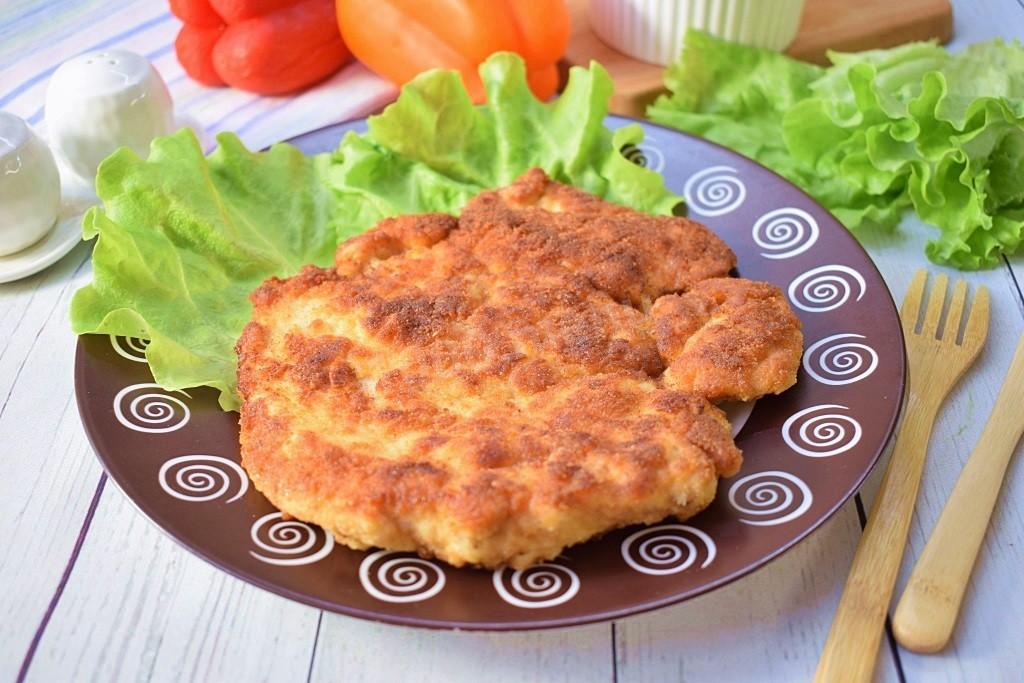
A delicious chicken dish — give it a try! Like a lot of people, I used to think fried chicken always came out dry. But once I learned to make chicken schnitzel, my opinion of this cut changed completely. If you want to learn how to cook juicy chicken breast too, read on!

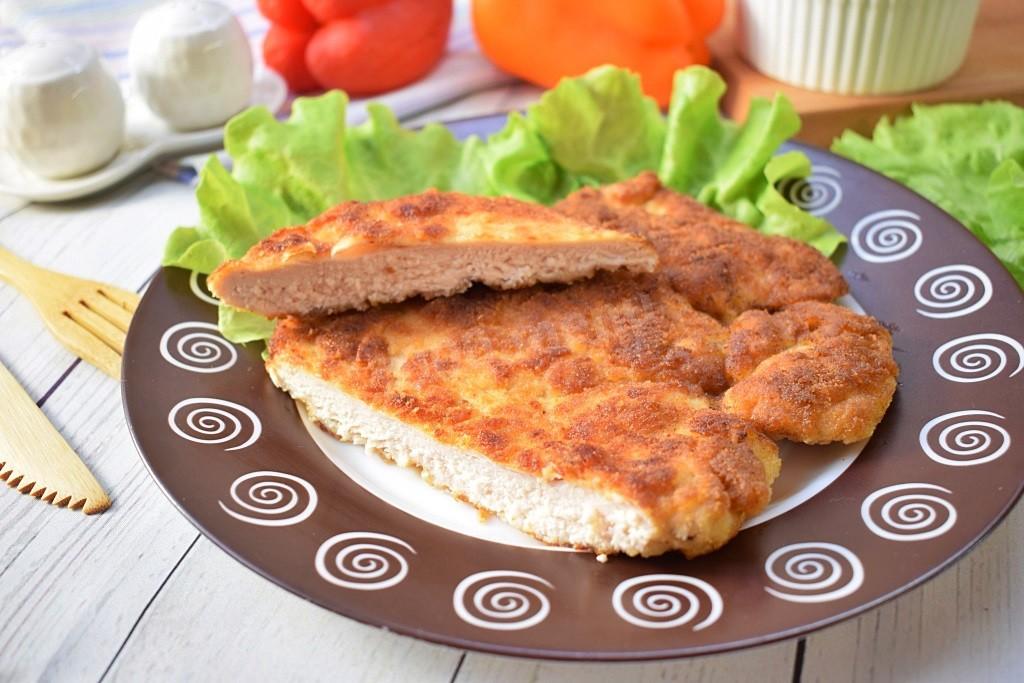
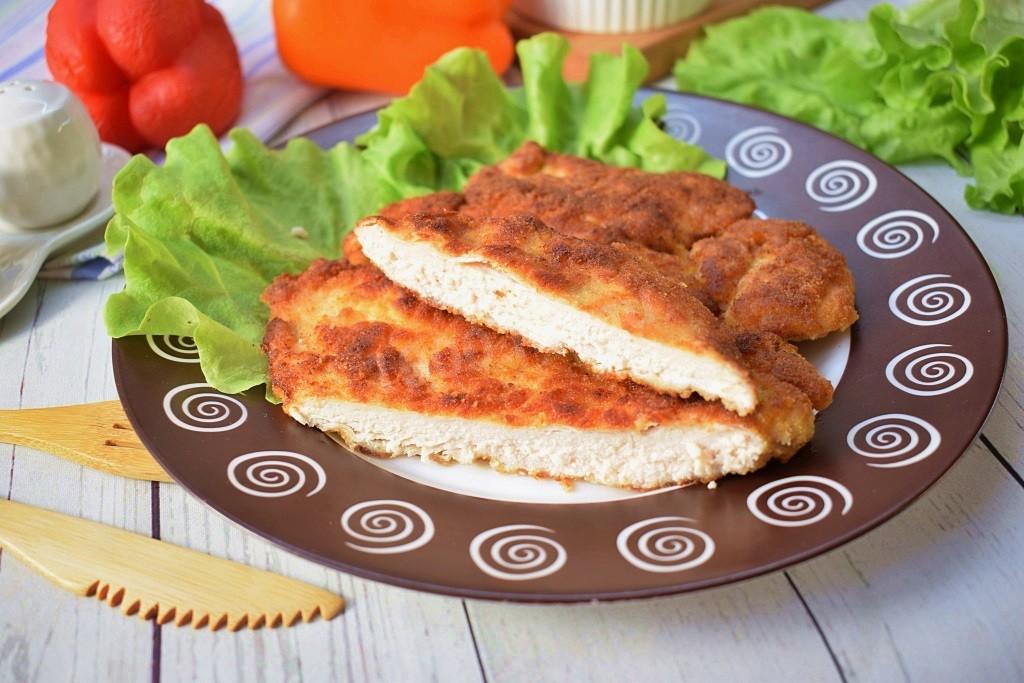
Cooking method
-
Step 1:
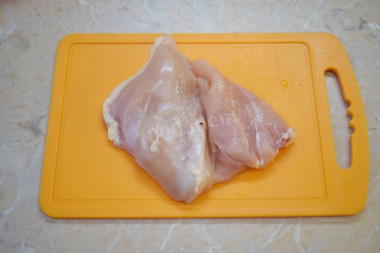
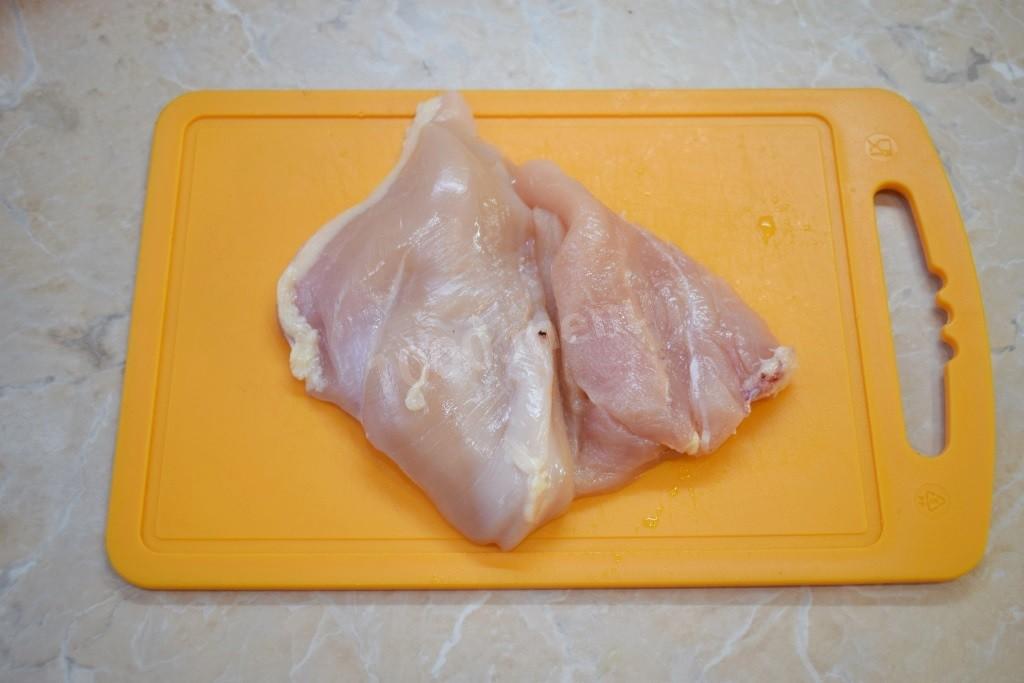
How do you make breaded chicken breast schnitzel in a skillet? Rinse the chicken breast under running water and pat it dry with a paper towel. Then slice it lengthwise without cutting all the way through, so it opens into one large, flat piece (butterflied).
-
Step 2:
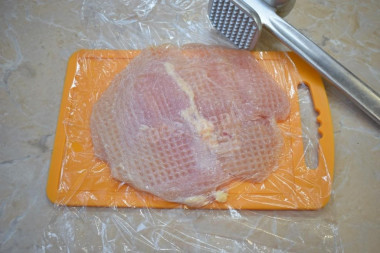
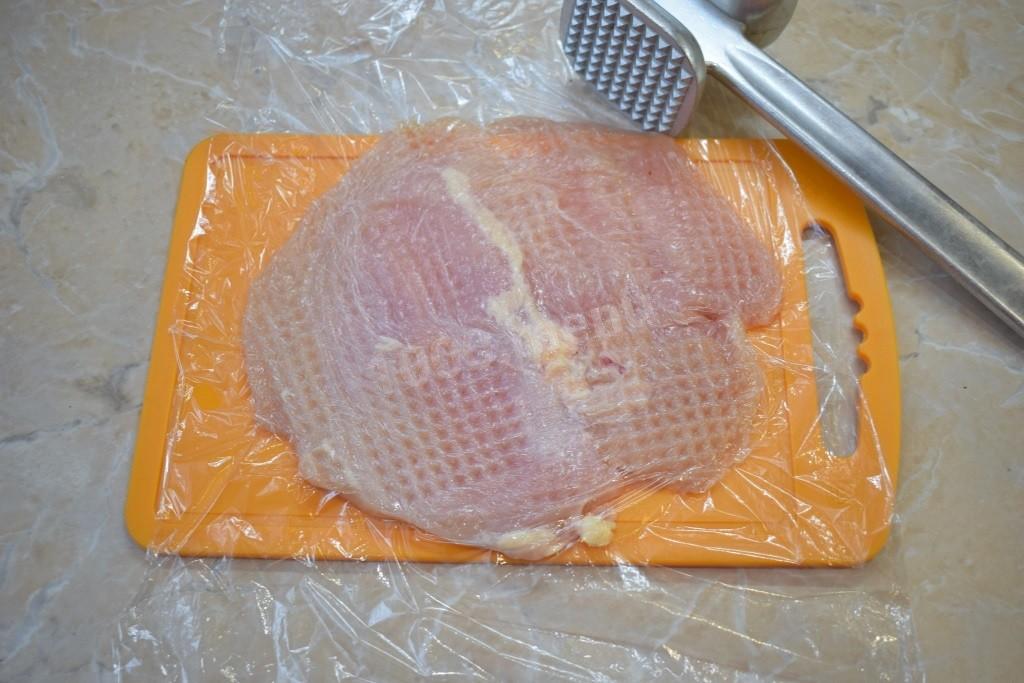
Put the meat on a cutting board and cover it with plastic wrap. Pound it with a meat mallet. The plastic wrap keeps the edges from tearing and stops meat from splattering all over the kitchen.
-
Step 3:
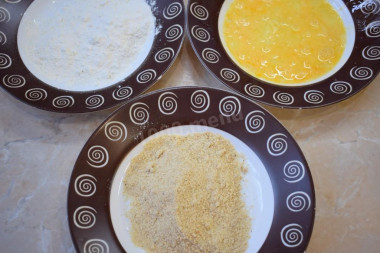
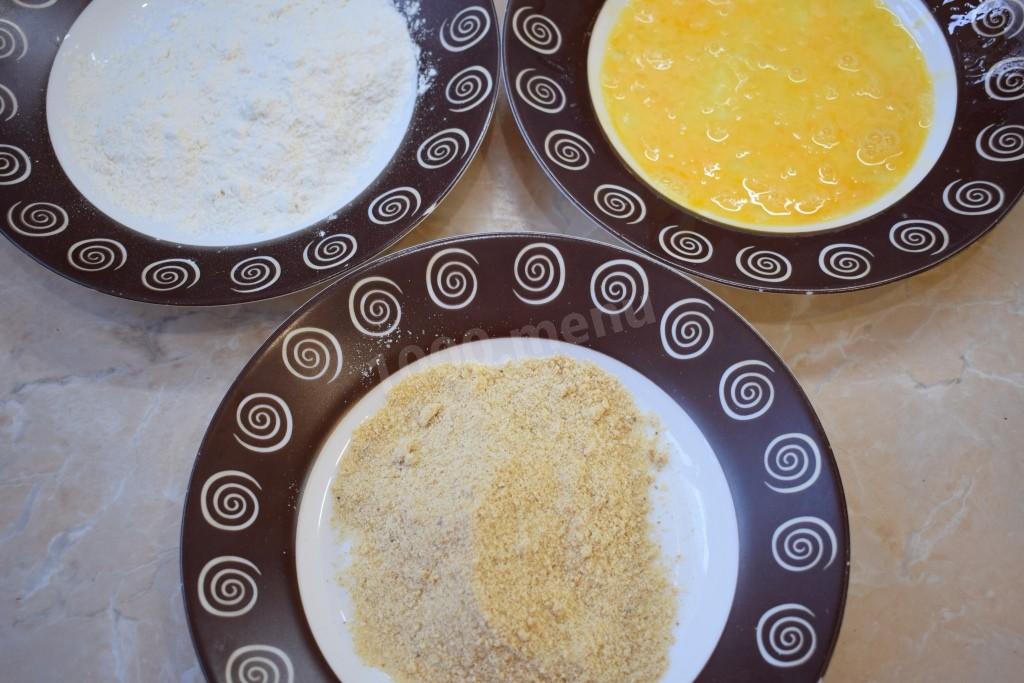
Set out three shallow dishes. Crack the egg into one, add a little salt and pepper, and beat it with a whisk. Put flour in the second and breadcrumbs in the third.
-
Step 4:
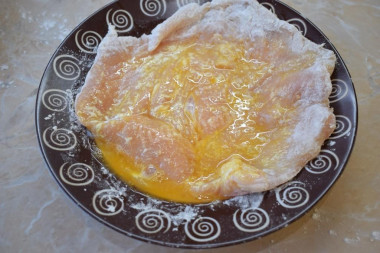
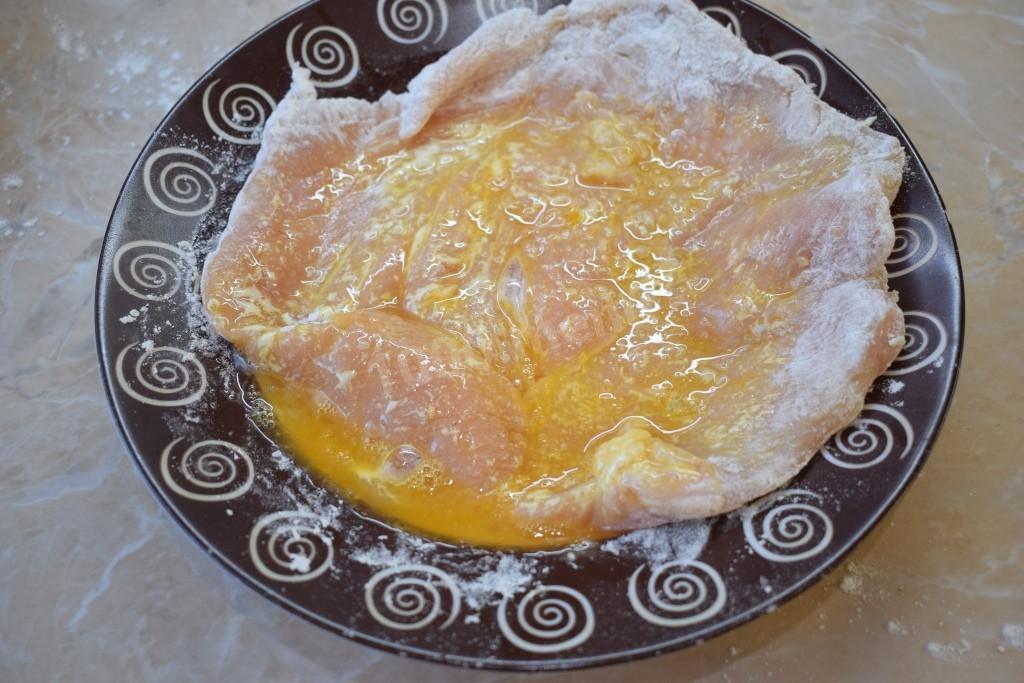
Dredge the chicken in flour, making sure to coat it on all sides. Then dip it in the egg on both sides. The flour coating helps the egg cling to the meat.
-
Step 5:
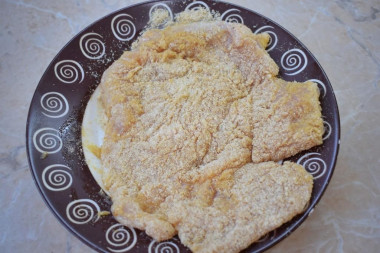
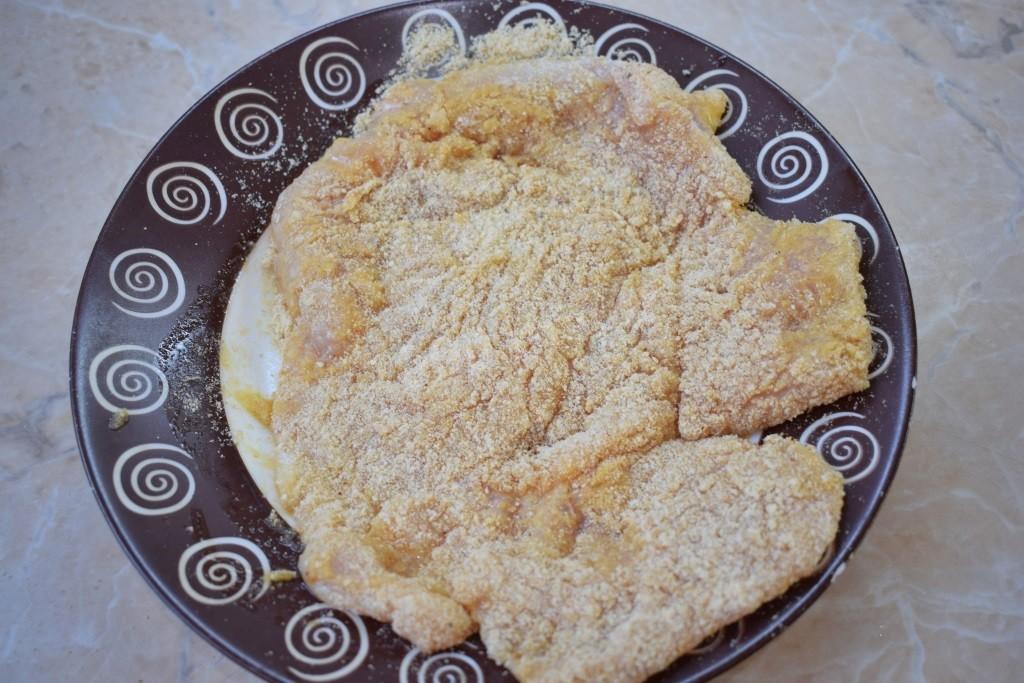
Then coat the meat in breadcrumbs. Press the meat firmly into the crumbs to form a dense breading.
-
Step 6:
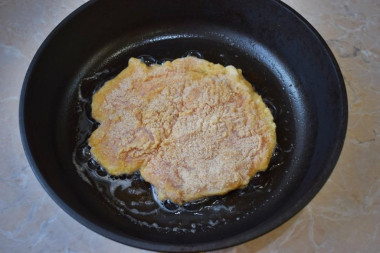
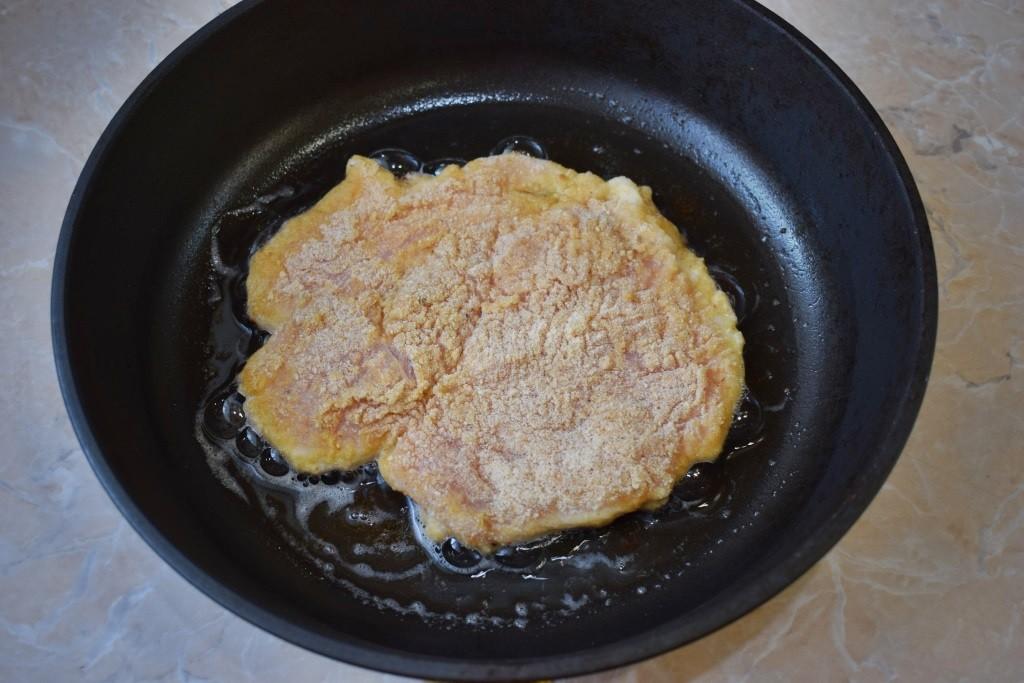
Pour a little vegetable oil into the skillet and heat it until hot. Lay the chicken schnitzel in the hot oil. Fry it over high heat for 1–2 minutes per side. It will turn golden.
-
Step 7:
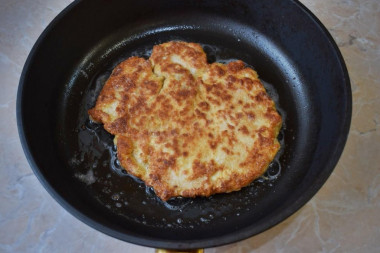
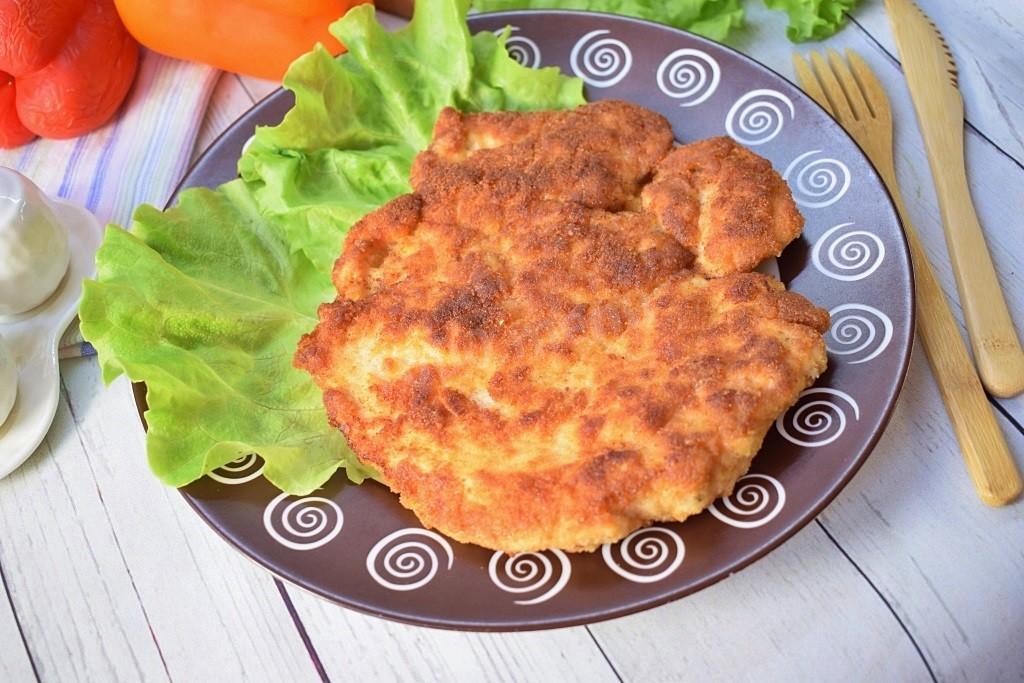
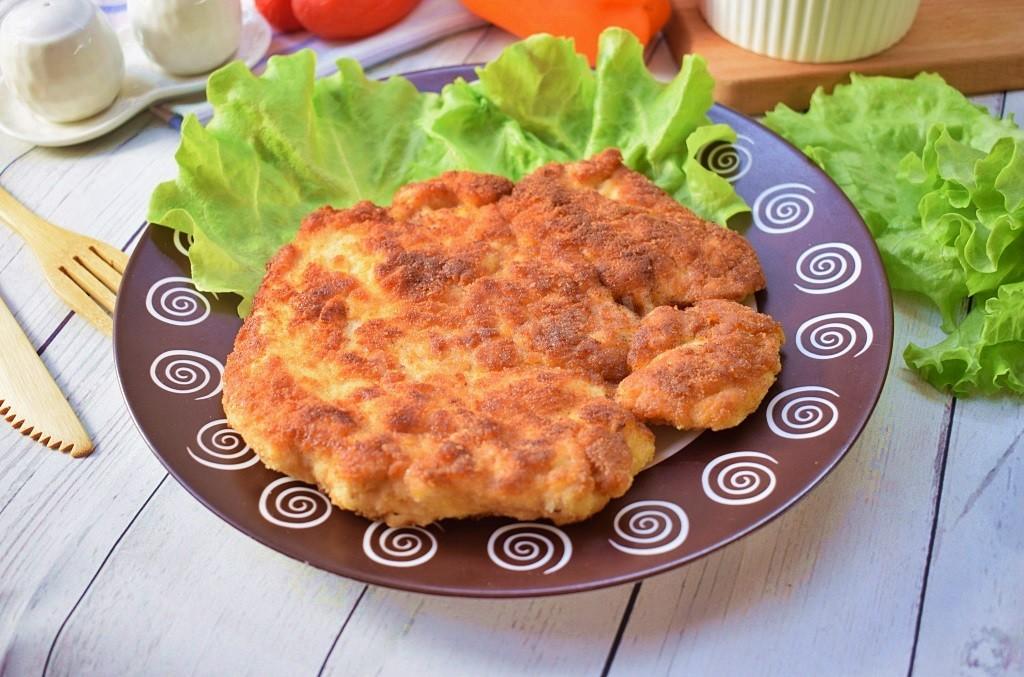
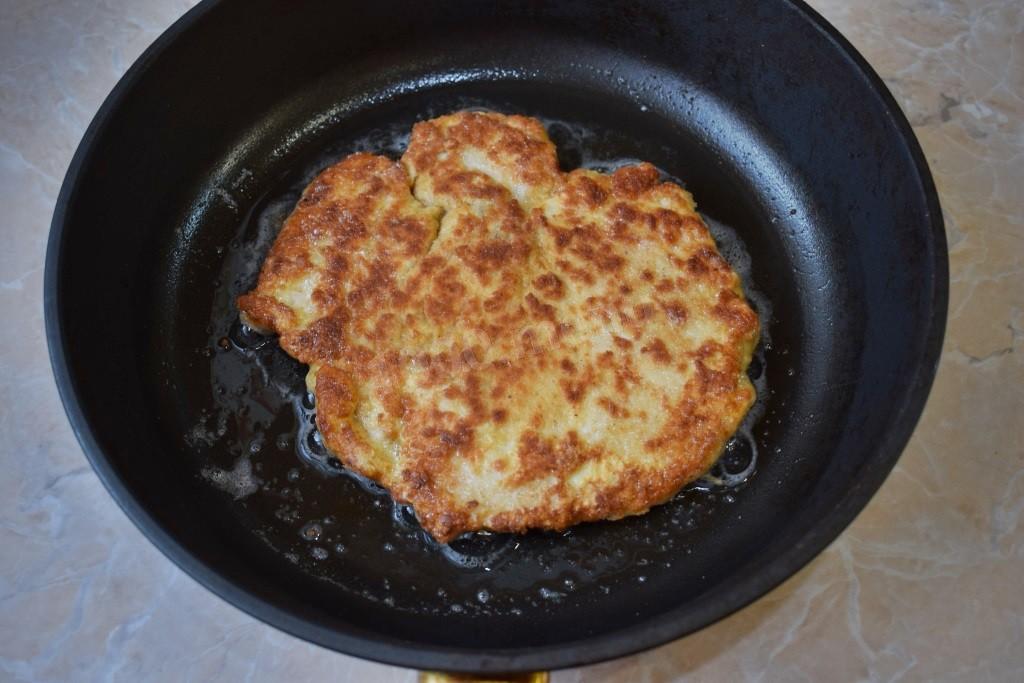
Then lower the heat and fry it another 3–4 minutes per side. Don't cover it with a lid — you want to keep that dense, crispy crust. Serve the chicken schnitzel on its own (it's very filling as is), or add any side dish or fresh vegetables. Enjoy!
- Because a dense breading forms around the meat, it doesn't really fry — it bakes inside its own juices under the coating. And it's exactly this breading that keeps all the juices locked inside. You can also make the schnitzel with a double coating: just repeat the whole flour–egg–breadcrumbs process a second time. The dish comes together very fast. If you have some extra time, you can marinate the chicken first to make it even more fragrant and flavorful.
- Important! The wrong pan can ruin even the best recipe. It's worth learning how to choose the ideal skillet for different dishes.
- Every oil is only good up to a certain temperature — its smoke point — beyond which it starts to burn and form harmful compounds, including carcinogens. It's worth learning how to gauge frying temperature, which oils are best for frying, and which are better avoided altogether.
- Since everyone's tolerance for saltiness, sweetness, bitterness, spiciness, acidity, and heat is different, always add spices and seasonings to your own taste! If you're using a seasoning for the first time, keep in mind that some are especially easy to overdo (chili pepper, for example).
Caloric content of the products possible in the composition of the dish
- Chicken egg - 157 kcal/100g
- Egg white - 45 kcal/100g
- Egg powder - 542 kcal/100g
- Egg yolk - 352 kcal/100g
- Ostrich egg - 118 kcal/100g
- Ground black pepper - 255 kcal/100g
- Whole durum wheat flour fortified - 333 kcal/100g
- Whole durum wheat flour, universal - 364 kcal/100g
- Flour krupchatka - 348 kcal/100g
- Flour - 325 kcal/100g
- Vegetable oil - 873 kcal/100g
- Salt - 0 kcal/100g
- Chicken breast - 113 kcal/100g
- Breadcrumbs - 347 kcal/100g
Similar recipes
- Fast and tasty
- Festive table
- Homemade dinner
- Second course
- Eggs
- Meat and meat products
- Flour
- Bakery products
- Spices seasonings spices
- Fats and oils
- With crackers
- Pepper
- Salt
- Vegetable oil
- Frying
- Simple dinner
- The second is fast and delicious
- Dishes in 30 minutes
- Meat second course
- Recipes for March 8
- Poultry
- Simple quick dinner
- Recipes for lean dishes without butter