Skillet Turkey Azu
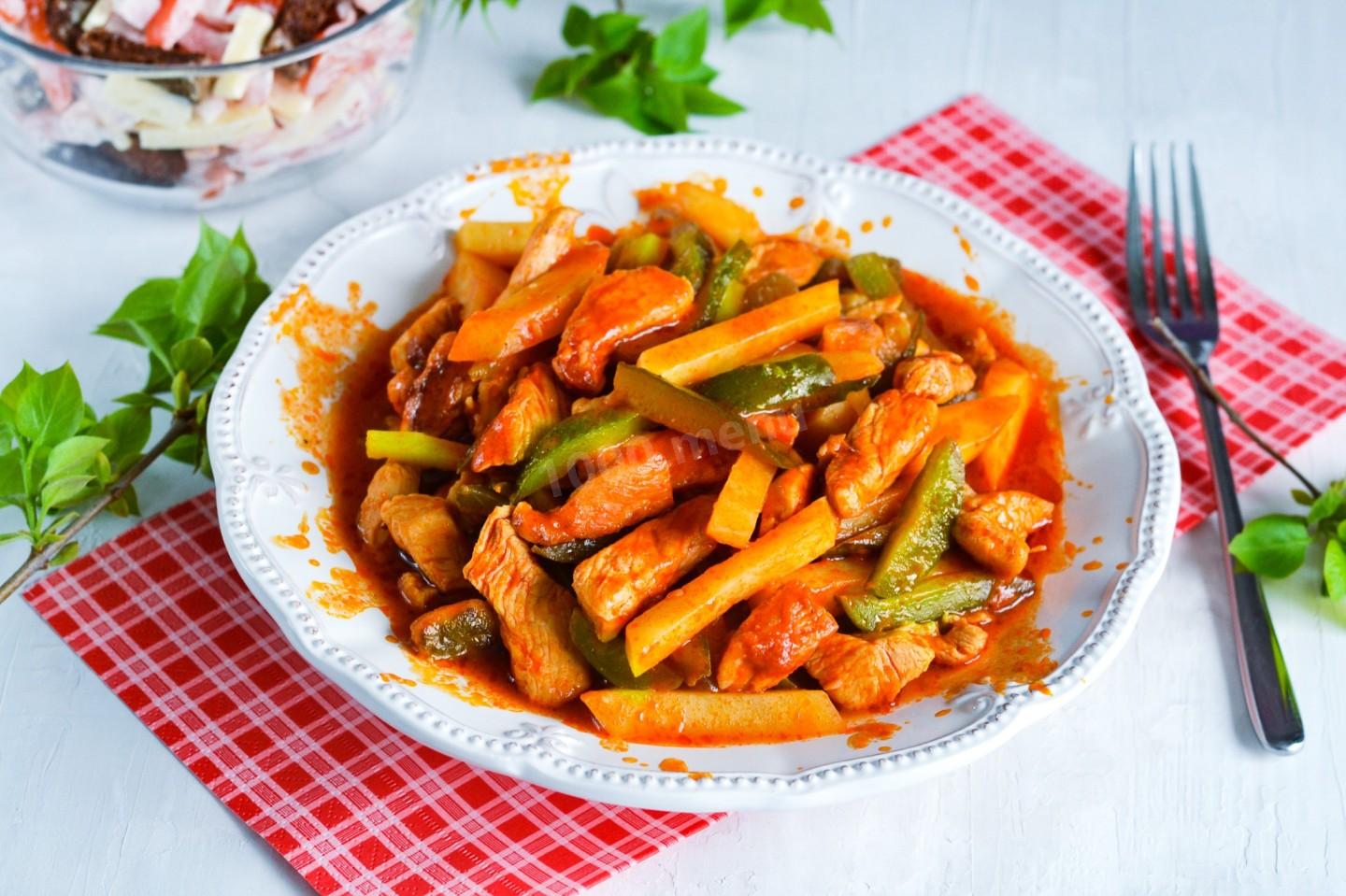
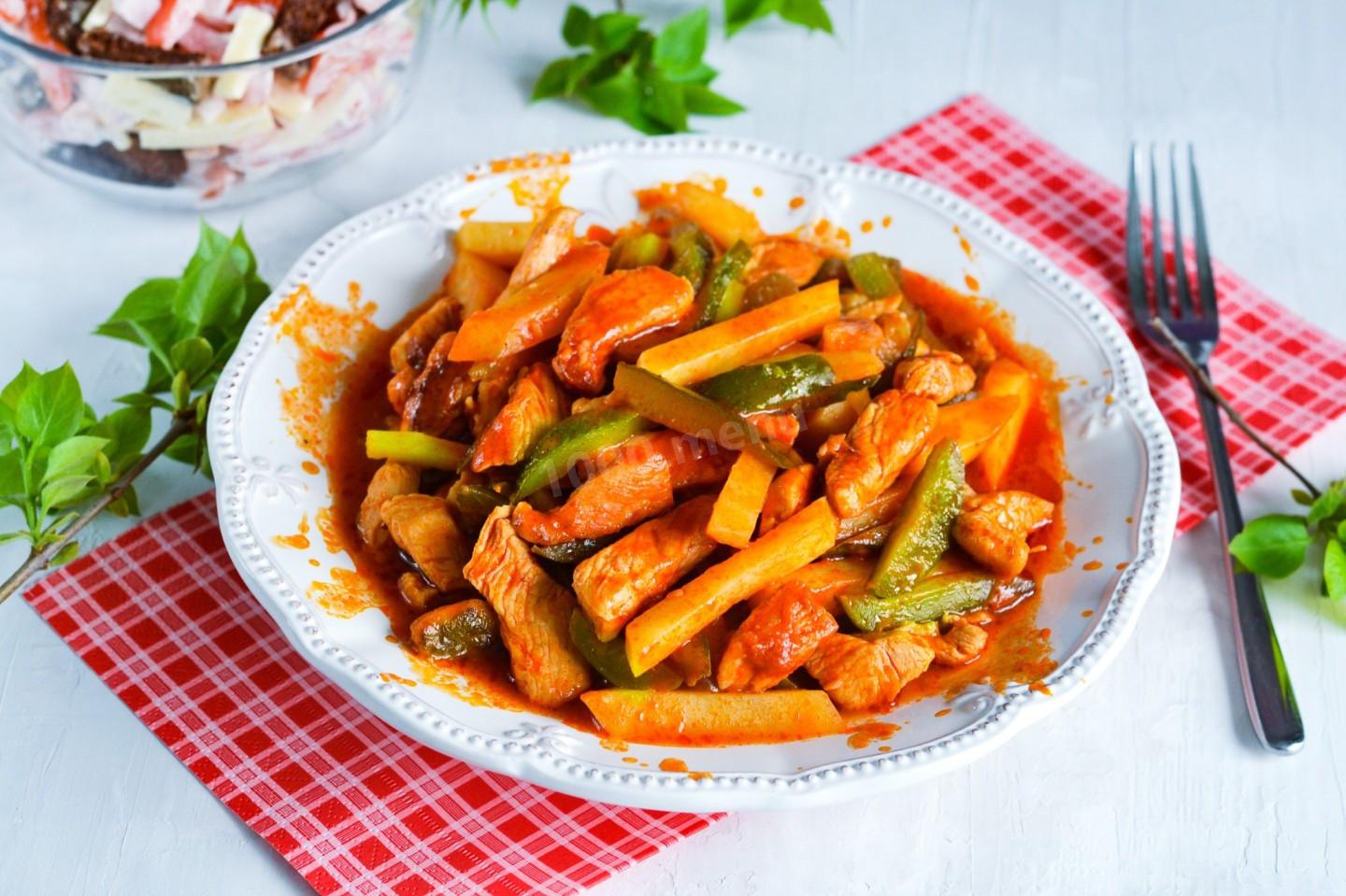
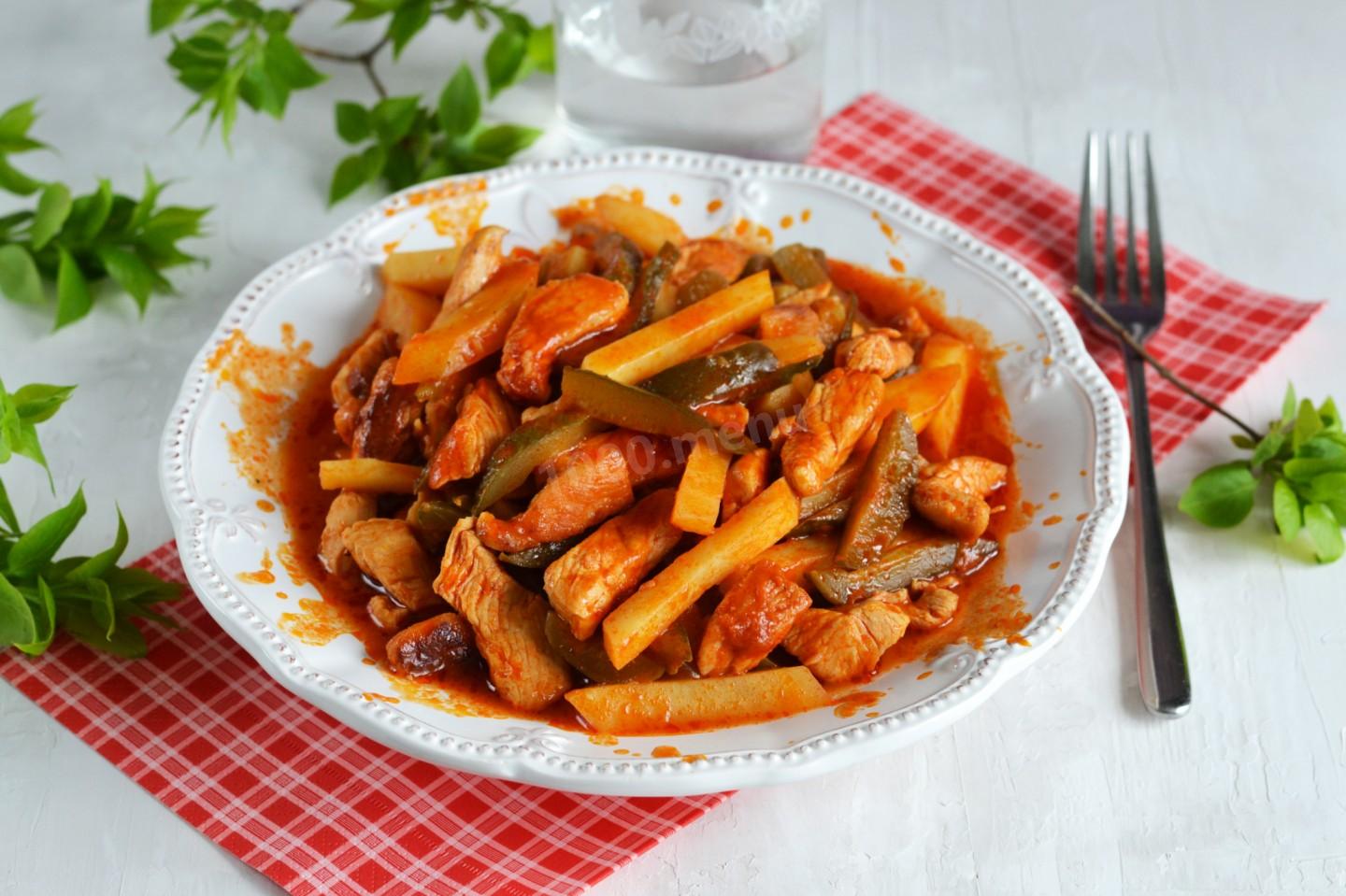
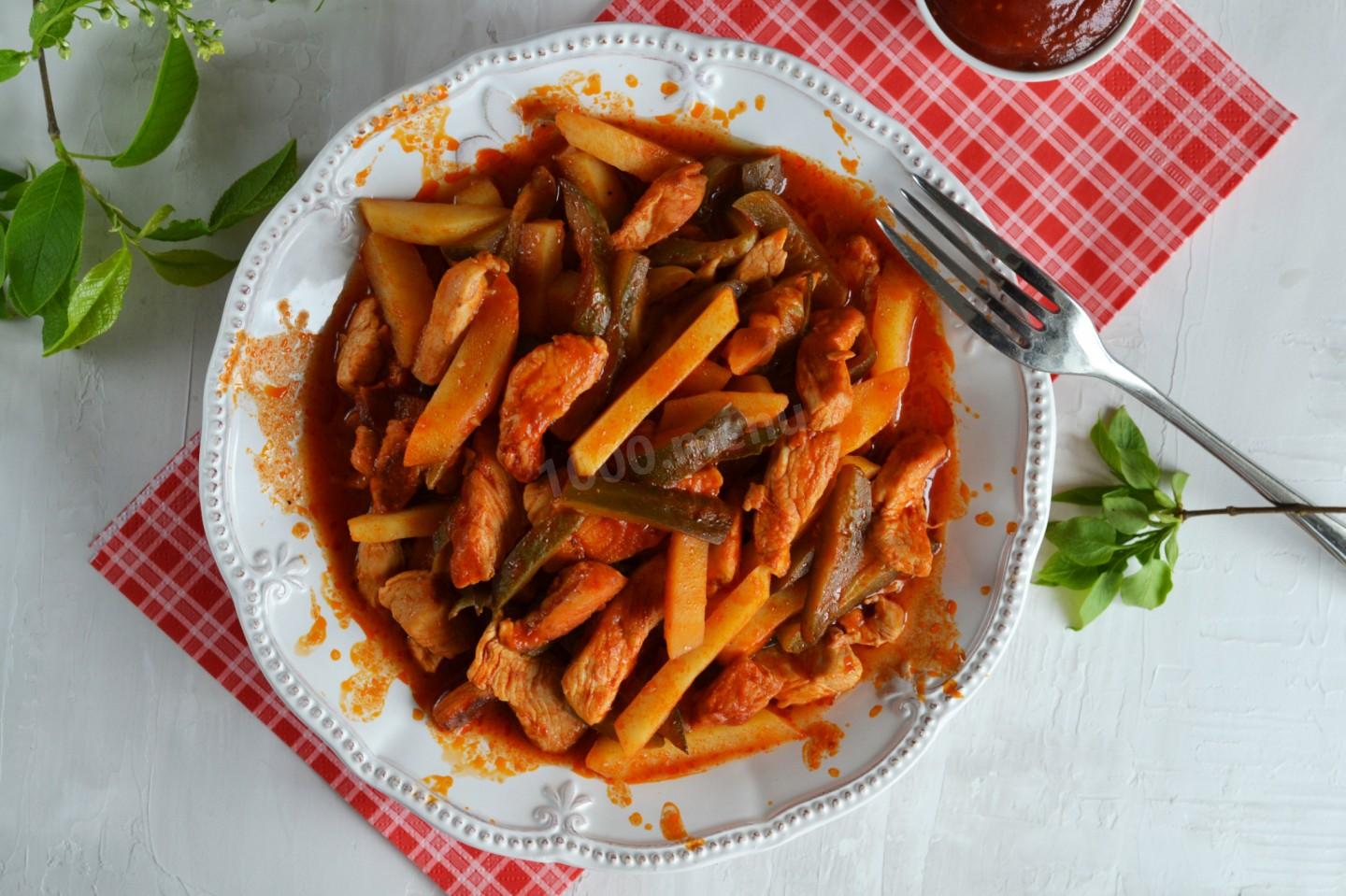
Tasty, fast, and simple—inspired by Tatar cuisine! Skillet turkey azu is perfect for a family lunch or dinner. It's made just like the traditional dish, only the meat is different: the classic uses beef, lamb, or horse meat. In place of turkey, you can use pork or chicken.

Cooking method
-
Step 1:
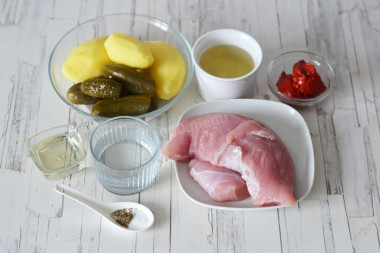
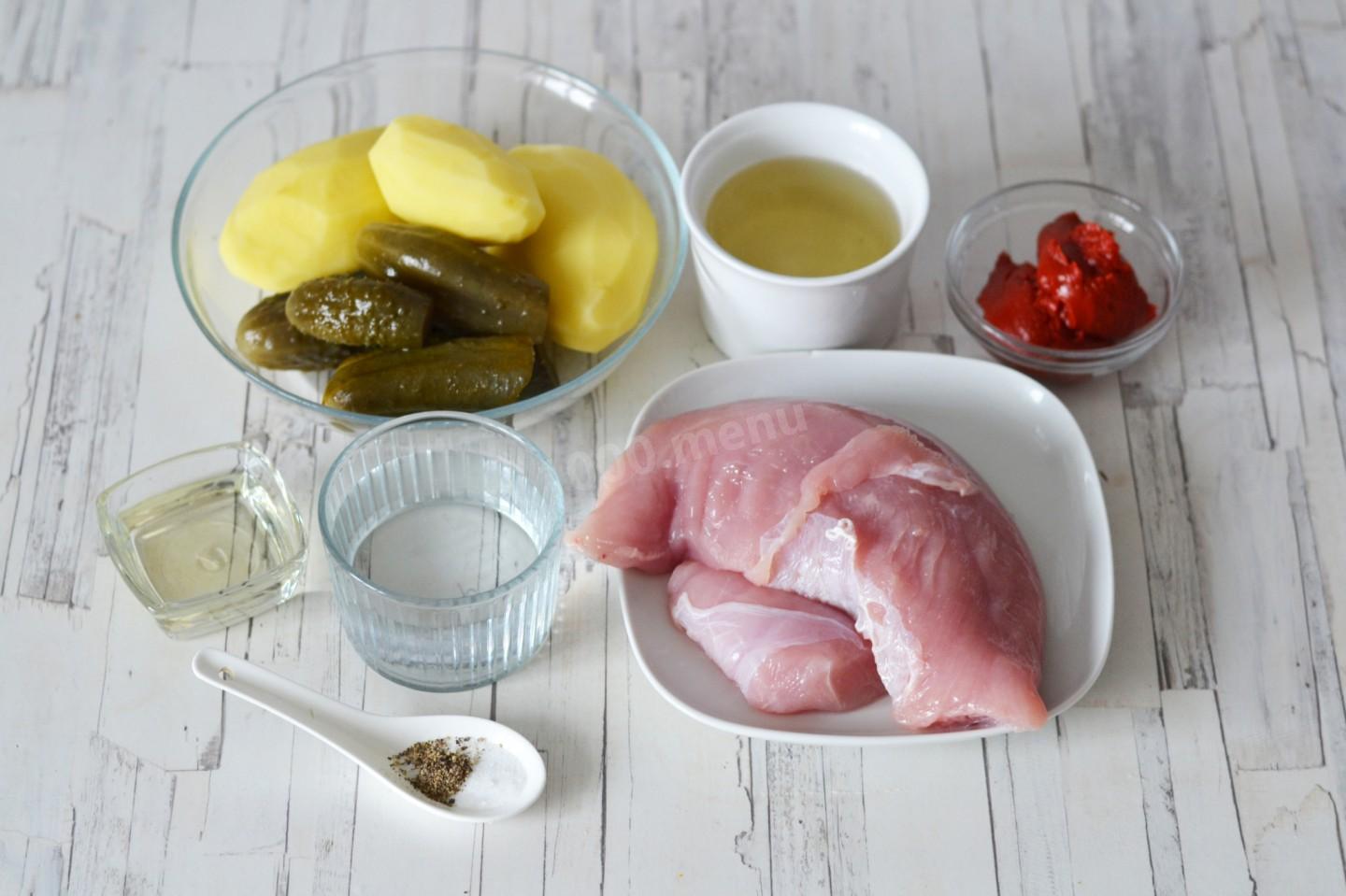
How do you make turkey azu? Gather everything you need. Use any turkey meat you like—thigh fillet or breast. Along with the tomato paste, you can add 1 fresh tomato. Remove its skin by scoring a cross in the peel and dropping it into boiling water for 10–15 seconds; the loosened skin peels right off. Then either cut the flesh into strips or grate it fine into a purée.
-
Step 2:
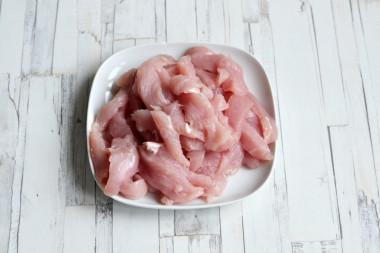
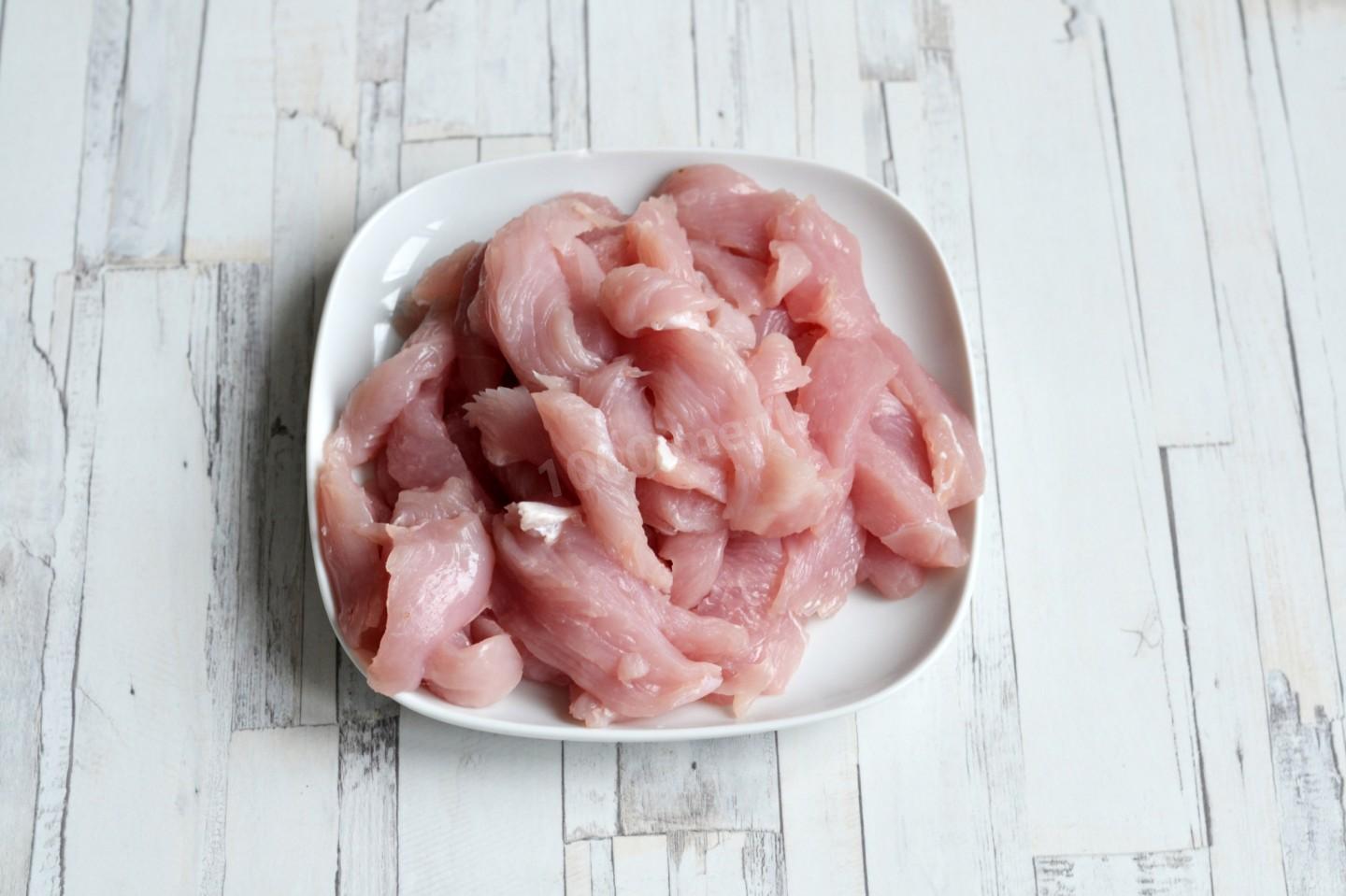
Rinse the turkey fillet, pat it dry, and cut it into strips. One thing that sets azu apart from similar dishes is that all the ingredients are cut into strips. The strips of meat, potato, and pickle should all be roughly the same size.
-
Step 3:
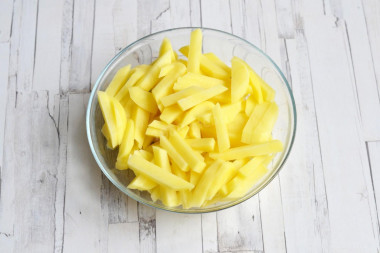
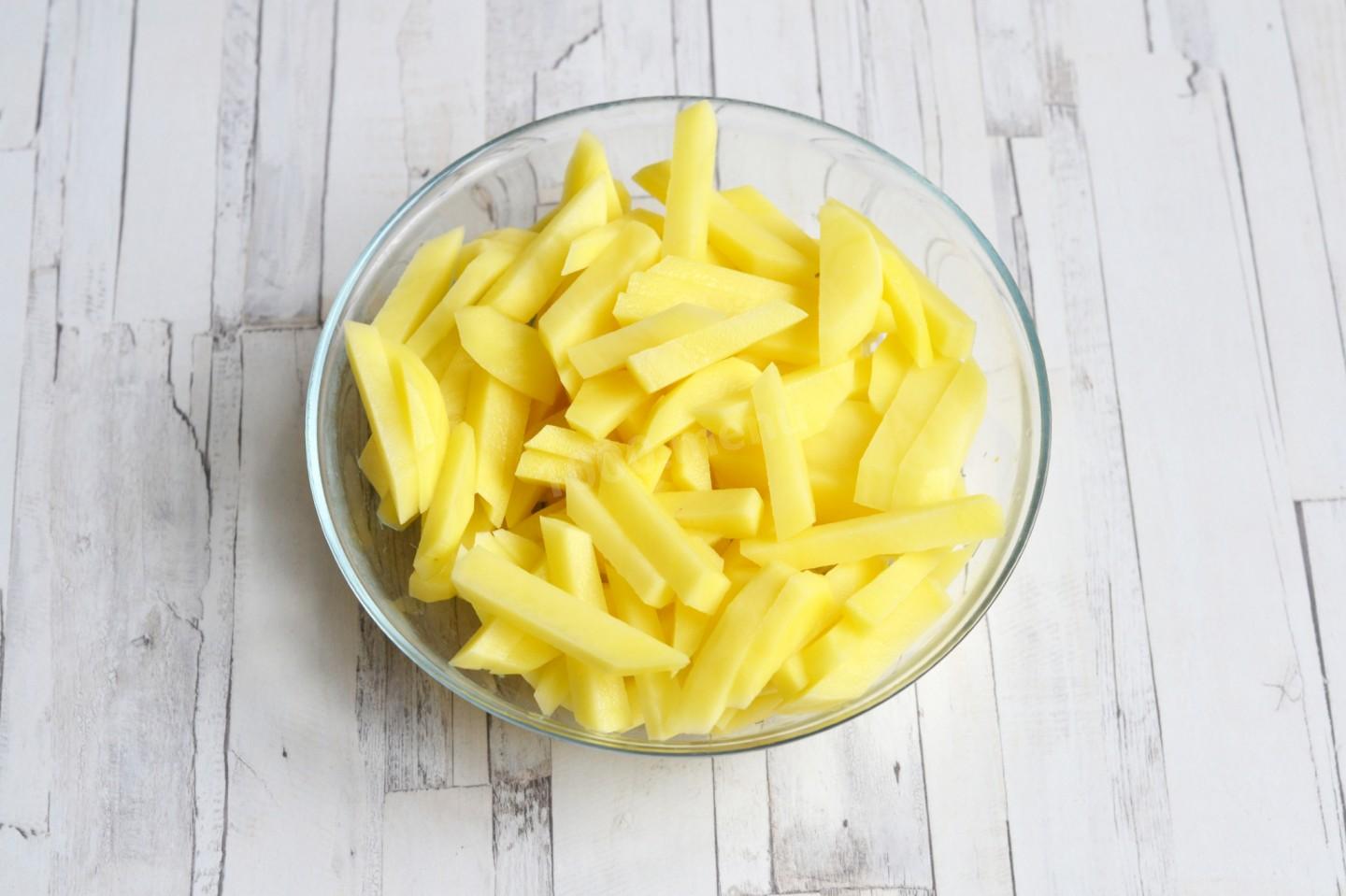
Peel the potatoes and cut them into strips as well. For this dish, choose potatoes that aren't too starchy—starchy varieties fall apart during braising, and here you want the potatoes to hold their shape. Yellow-fleshed potatoes work well; the whiter the flesh, the more starch it holds.
-
Step 4:
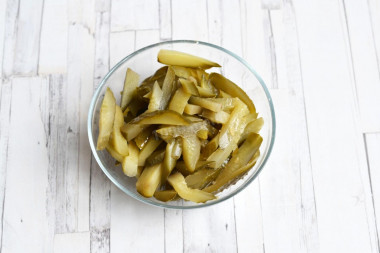
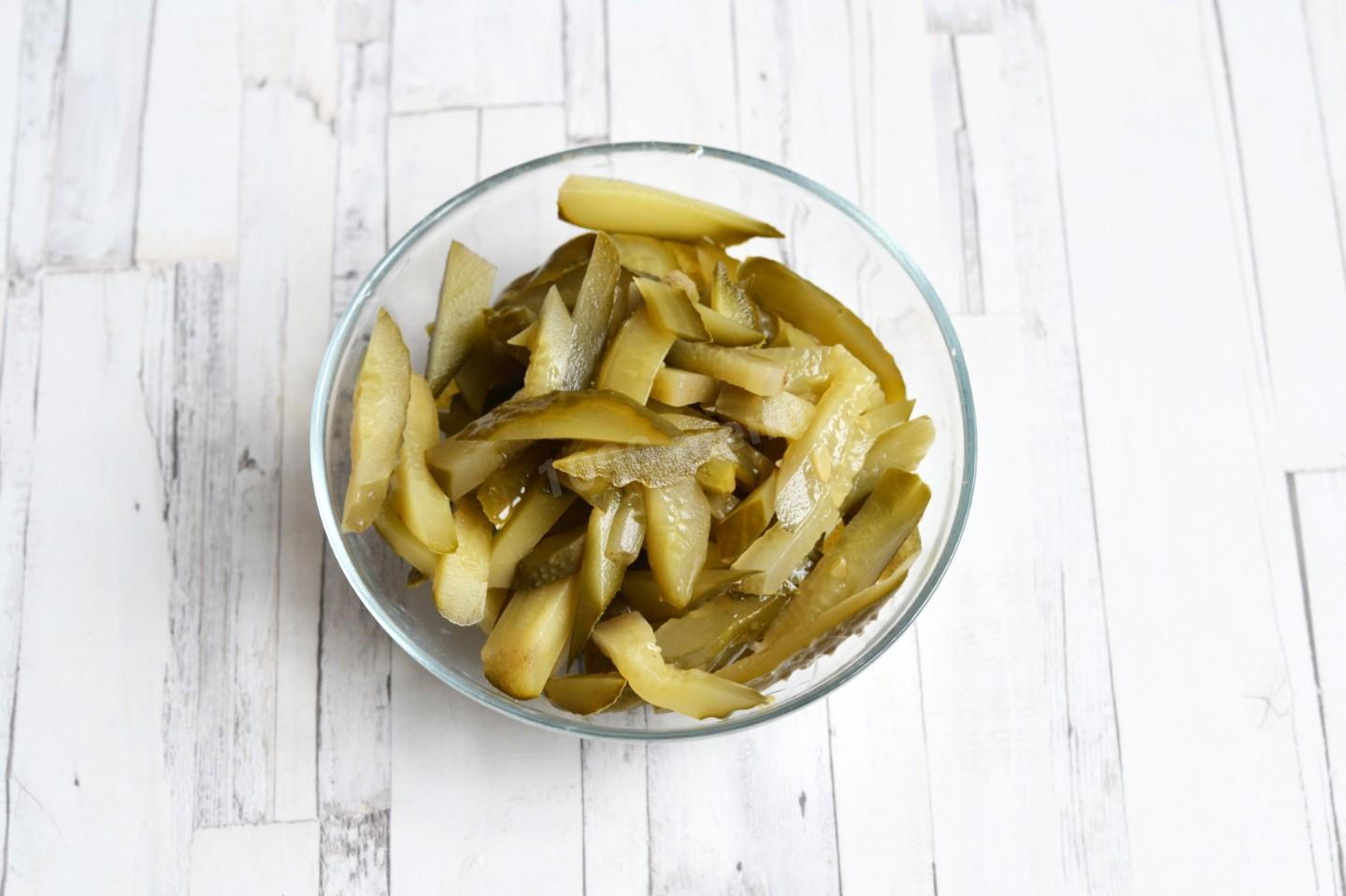
Cut the pickles into strips. They should be firm and crisp. If you don't have brined pickles on hand, marinated ones work too.
-
Step 5:
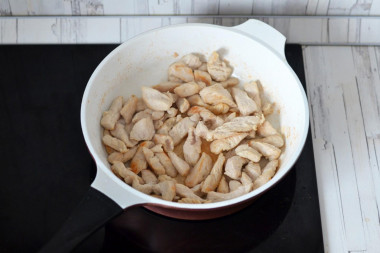
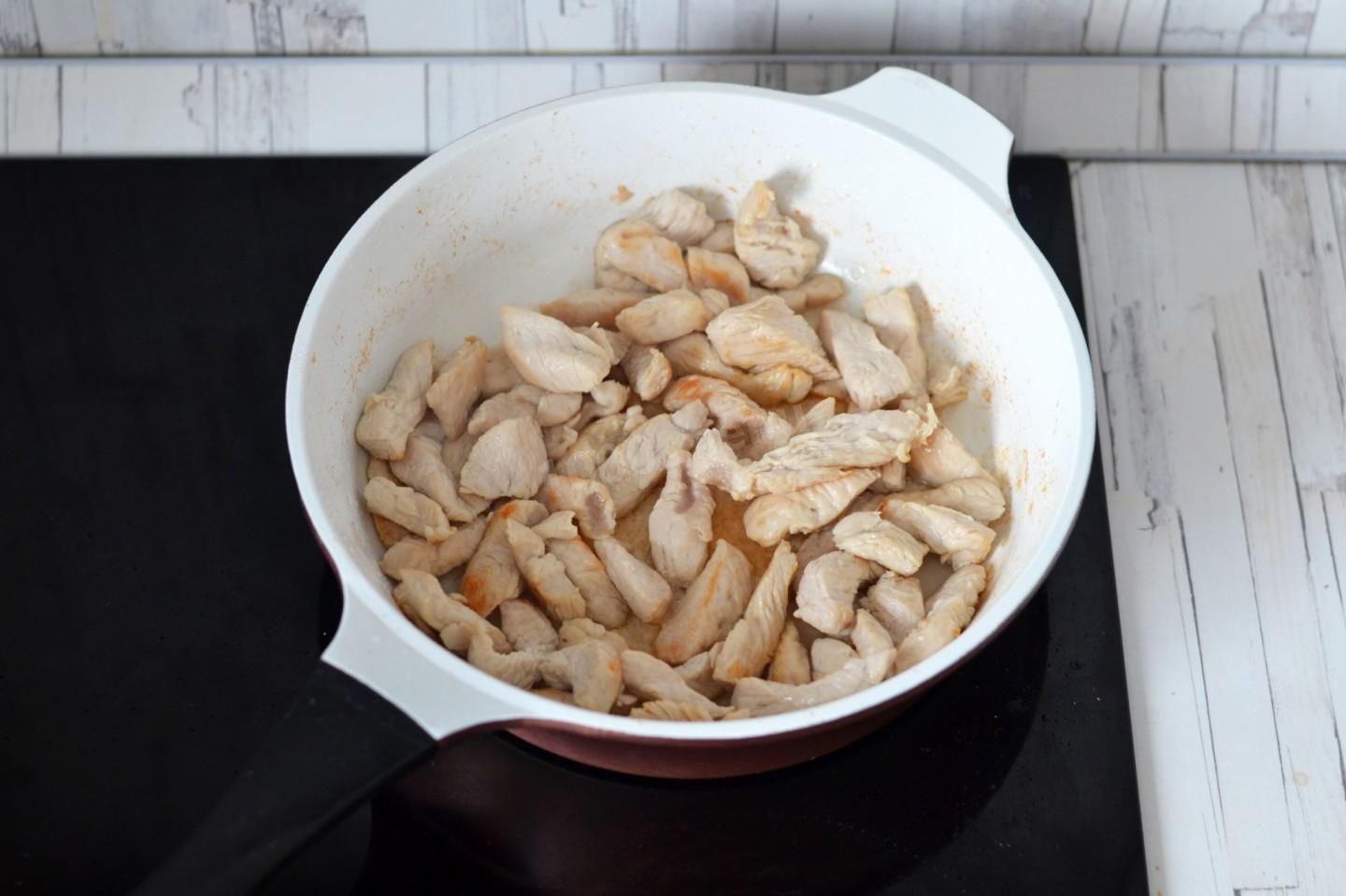
Heat the vegetable oil in a deep skillet over high heat. Add the turkey and sear the fillet, stirring now and then, until golden. Searing over high heat quickly seals in the juices and keeps the meat from drying out.
-
Step 6:
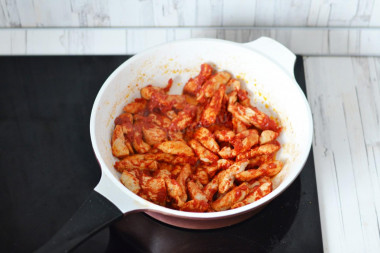
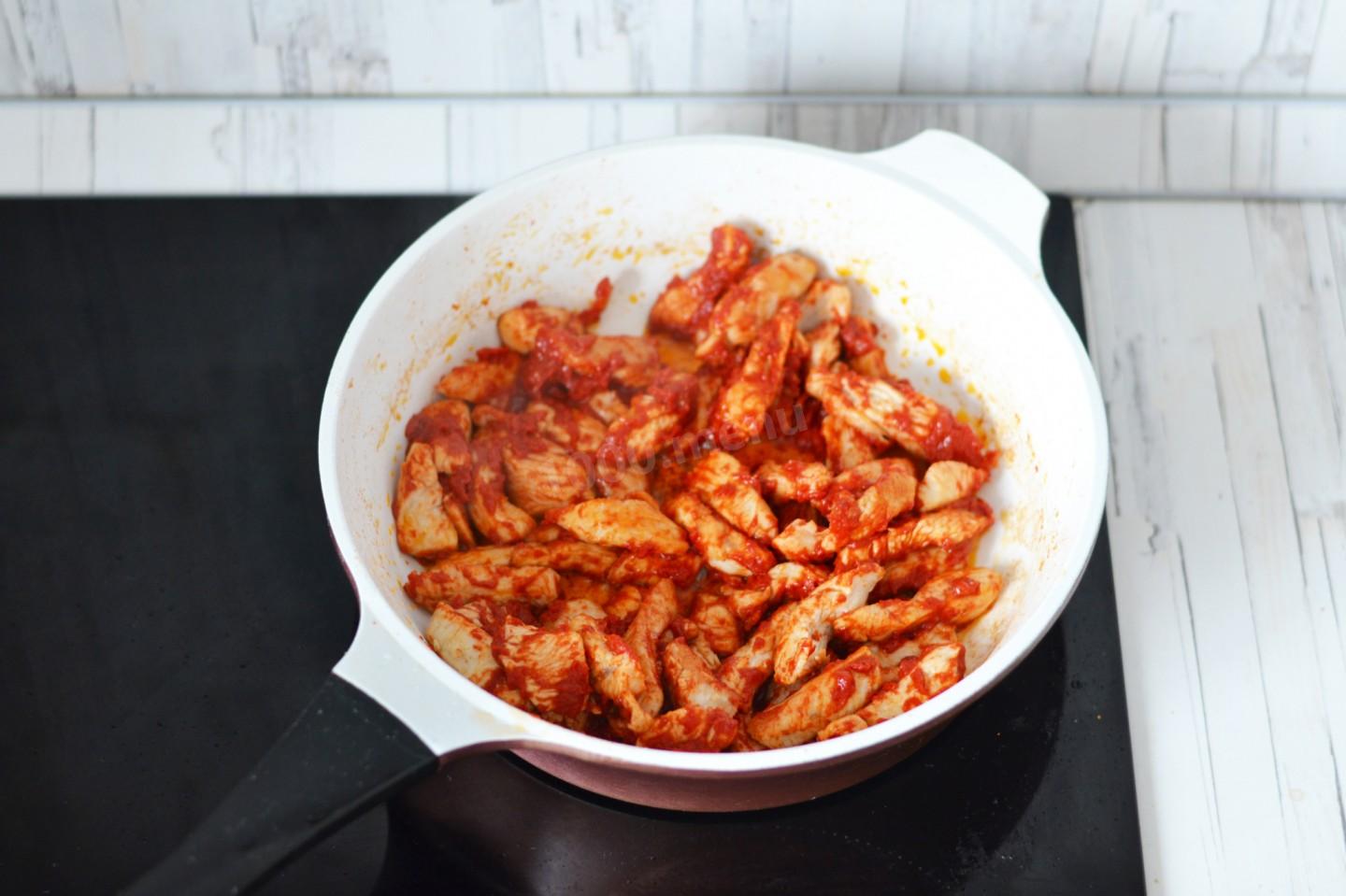
Add the tomato paste (and the fresh tomato, if you're using it) to the pan. Cook it with the turkey, stirring, for about 5 minutes.
-
Step 7:
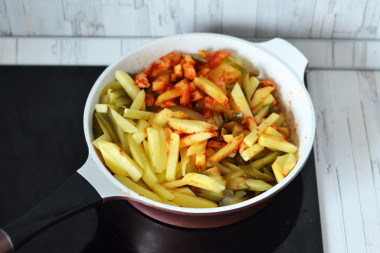
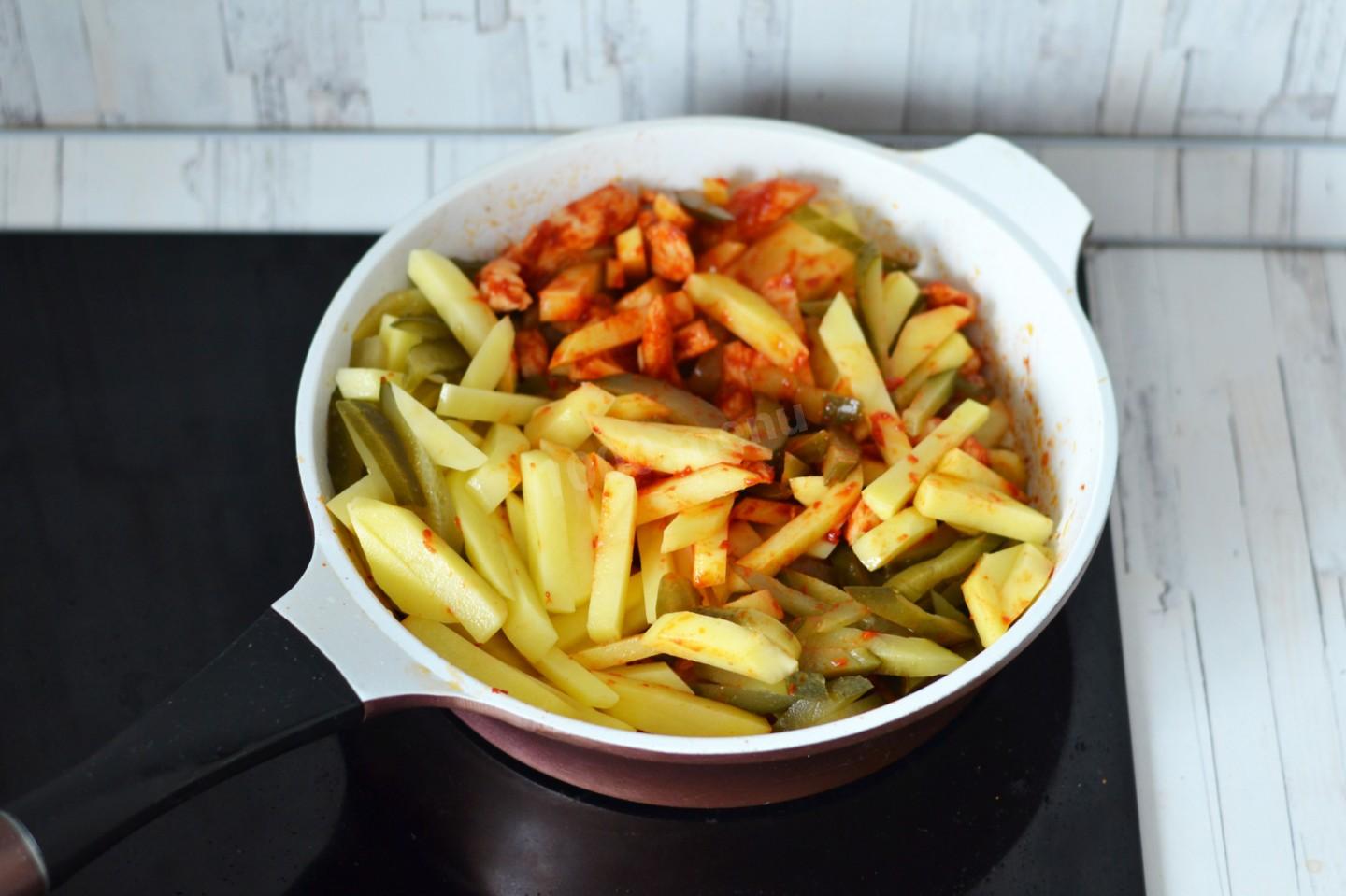
Add the cut pickles and potatoes. Mix everything together.
-
Step 8:
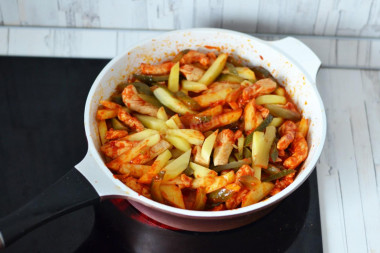
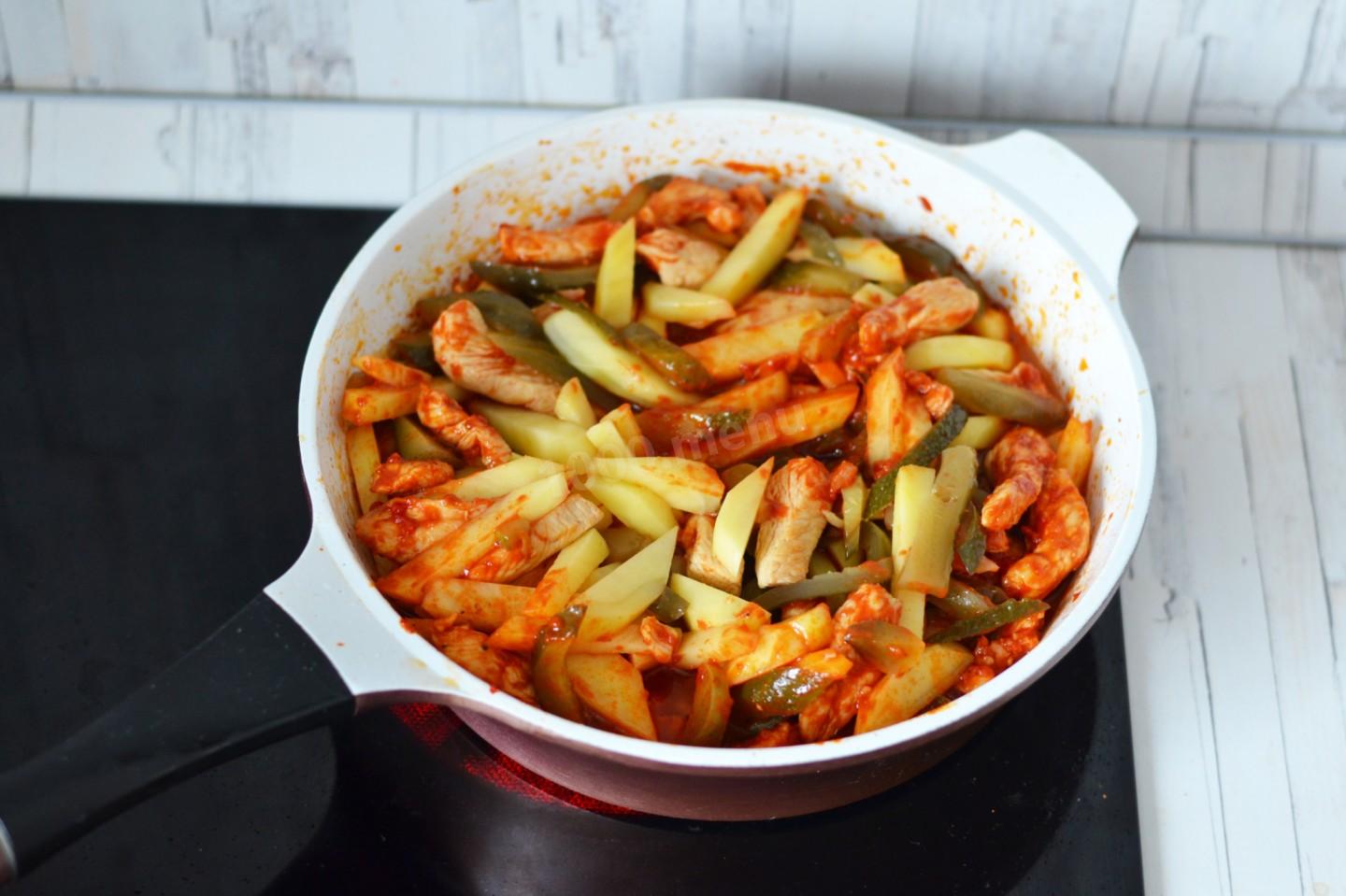
Season with salt and pepper. Pour in the hot water and pickle brine. Gently stir everything again.
-
Step 9:
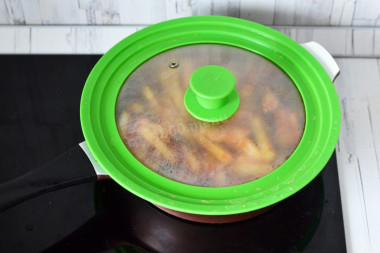
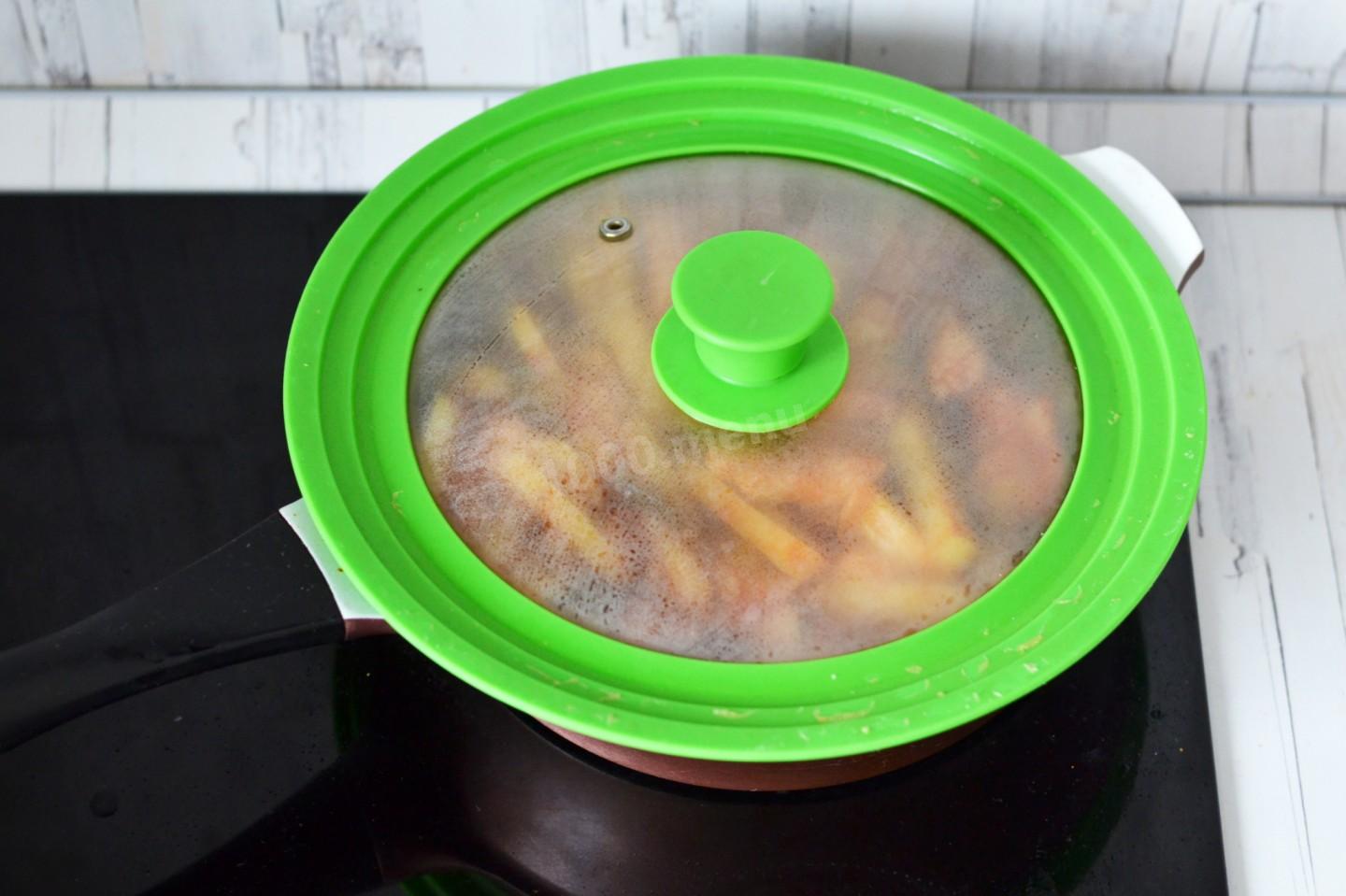
Cover the skillet and braise over low heat for about 20 minutes, until the meat and vegetables are tender.
-
Step 10:
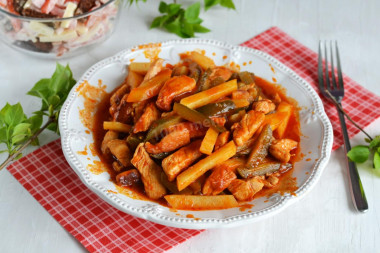
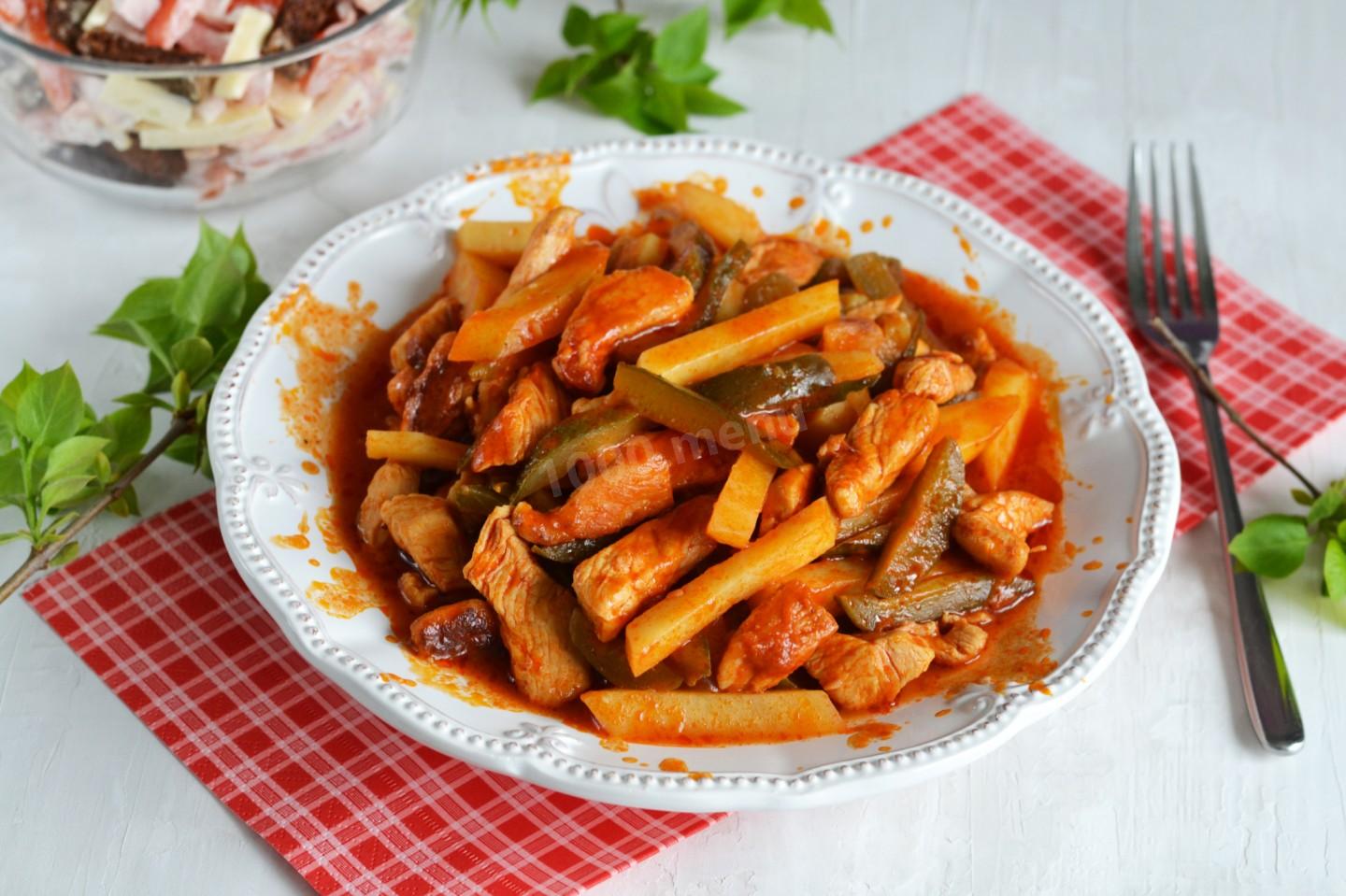
Spoon the finished turkey azu onto plates and serve. No extra side is needed—the dish already brings together the meat and vegetables. Enjoy!
- Use an oil with a high smoke point for frying! Every oil is only good up to a certain point—its smoke point, where it starts to burn and forms toxic compounds, including carcinogens. Unrefined oils, with few exceptions, have a low smoke point; they're full of unfiltered organic particles that scorch quickly. Refined oils stand up to heat better and have a higher smoke point. If you're cooking in the oven, in a skillet, or on the grill, make sure you use an oil with a high smoke point. The most common high-smoke-point oils are refined sunflower, olive, and grapeseed.
Caloric content of the products possible in the composition of the dish
- Ripe potatoes - 80 kcal/100g
- Baked potatoes - 70 kcal/100g
- Mashed potatoes - 380 kcal/100g
- Boiled potatoes - 82 kcal/100g
- Potatoes in uniform - 74 kcal/100g
- Fried potatoes - 192 kcal/100g
- Tomatoes - 23 kcal/100g
- Ground black pepper - 255 kcal/100g
- Vegetable oil - 873 kcal/100g
- Tomato paste - 28 kcal/100g
- Salt - 0 kcal/100g
- Water - 0 kcal/100g
- Pickles - 11 kcal/100g
- Brine - 1 kcal/100g
- Turkey fillet - 84 kcal/100g
Similar recipes
- Second course
- Meat and meat products
- Semi-finished products
- Vegetables
- Spices seasonings spices
- Fats and oils
- Other
- Pepper
- Salt
- Vegetable oil
- Water
- Tomato paste
- Frying
- Stewing
- Turkey and potatoes
- Stewed vegetables
- Meat second course
- Poultry
- Brine
- From potatoes
- From cucumbers
- From tomato
- No eggs
- Recipes for lean dishes without butter