Fresh Cabbage Bigos with Meat and Sausage
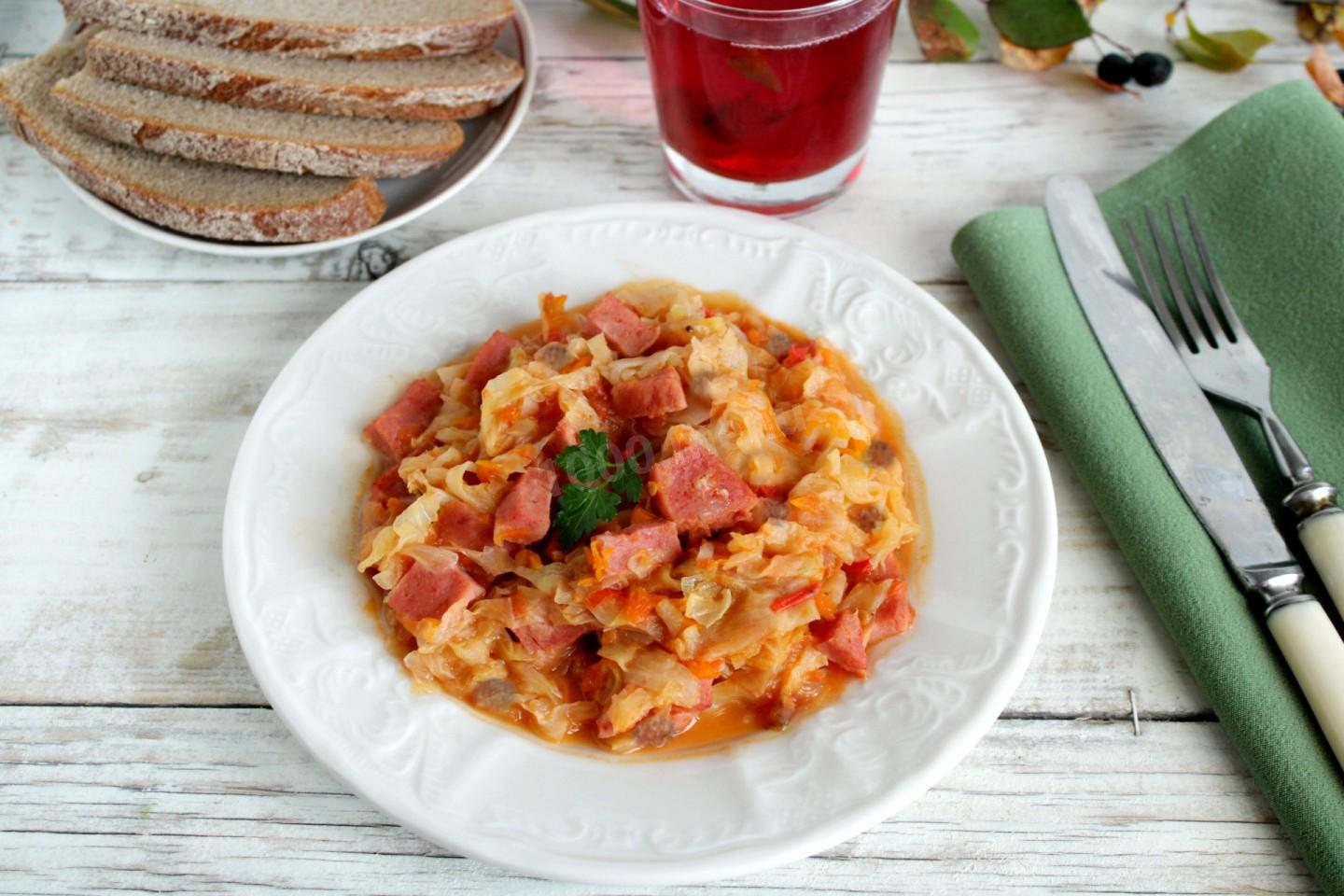
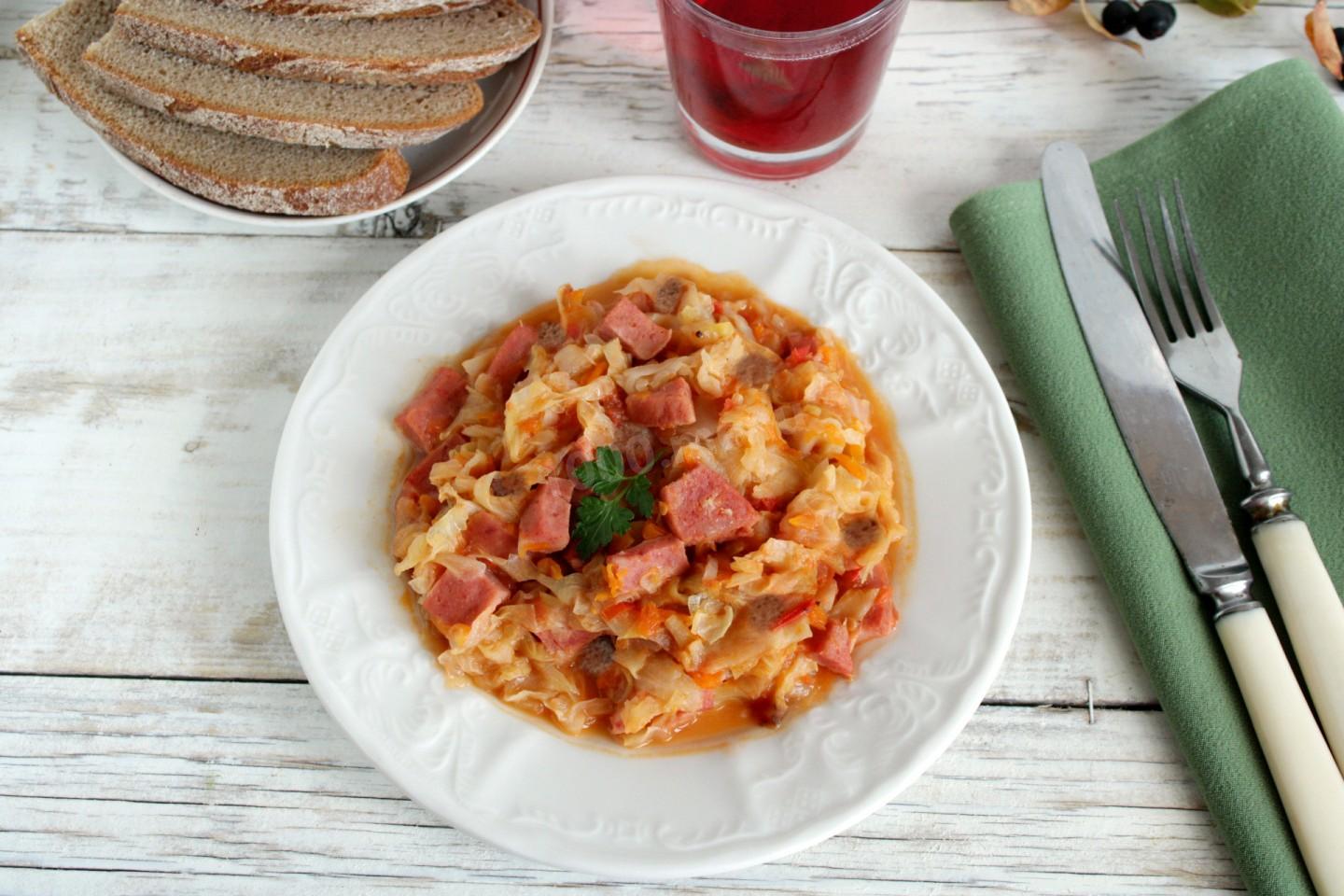
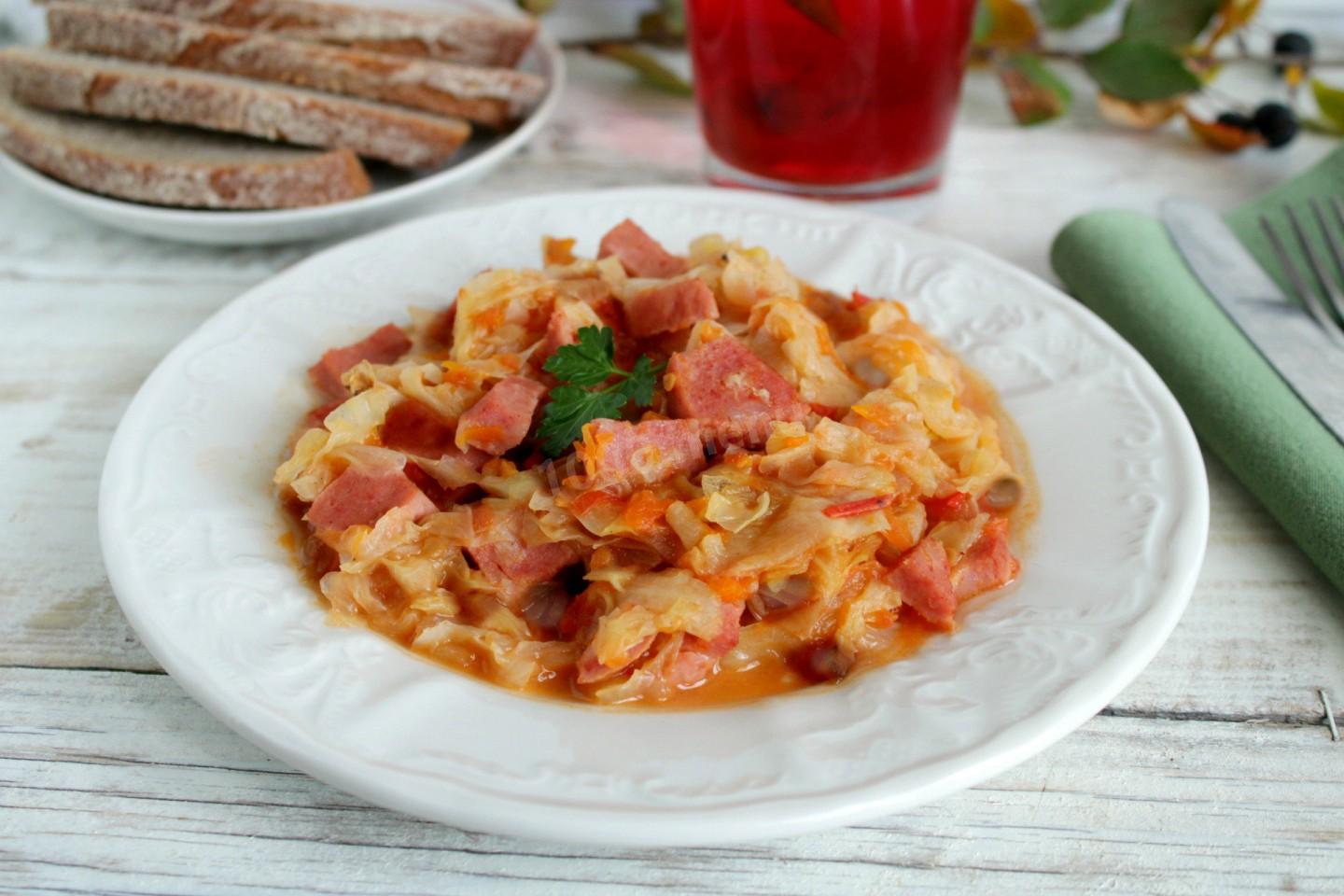
A tasty, hearty, aromatic cabbage dish! Bigos is a traditional Polish dish, and there are many versions of it, made with different ingredient combinations, so everyone can pick the one that suits them best. The flavor comes out bright and rich.

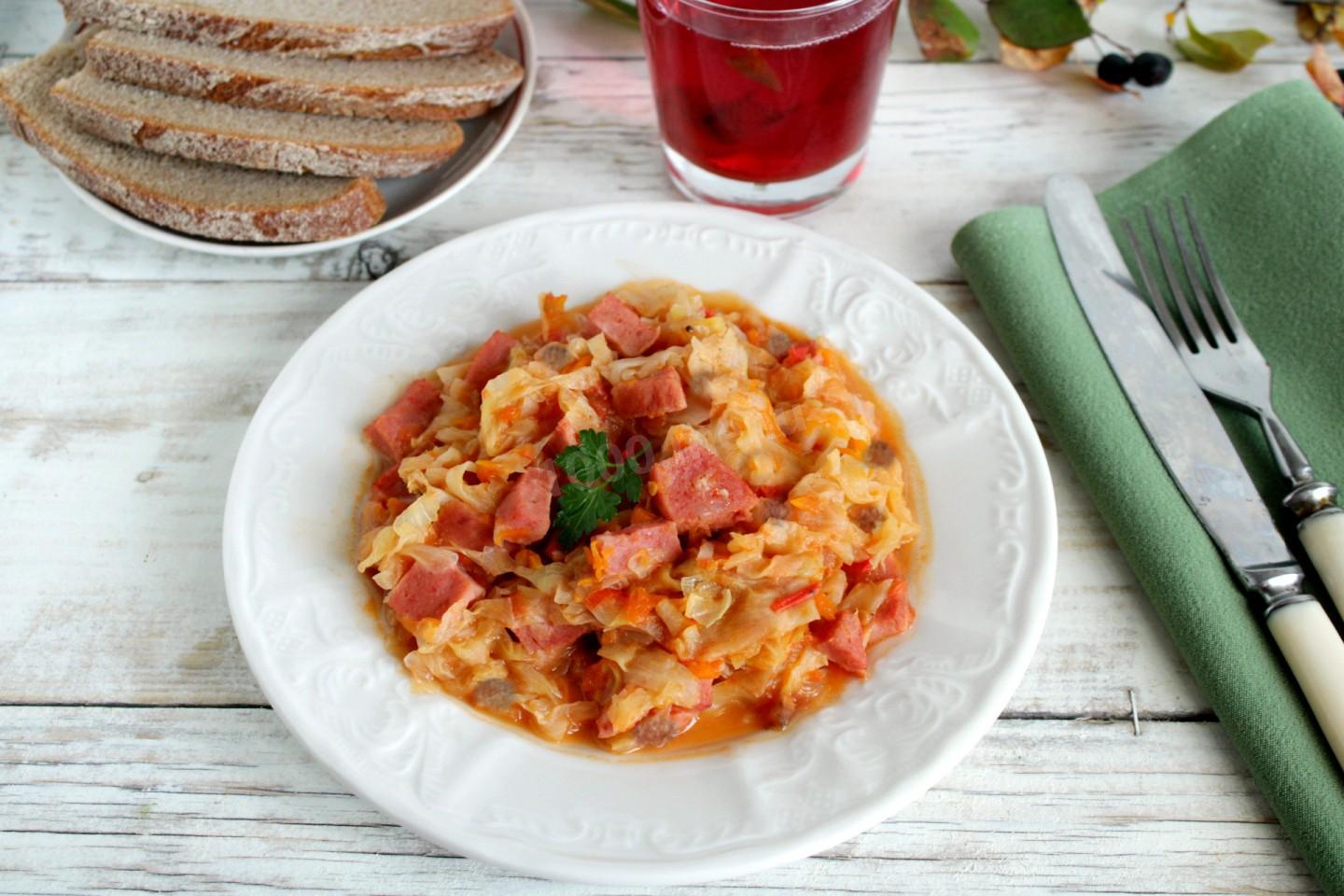
Cooking method
-
Step 1:
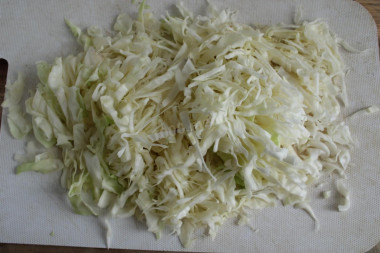
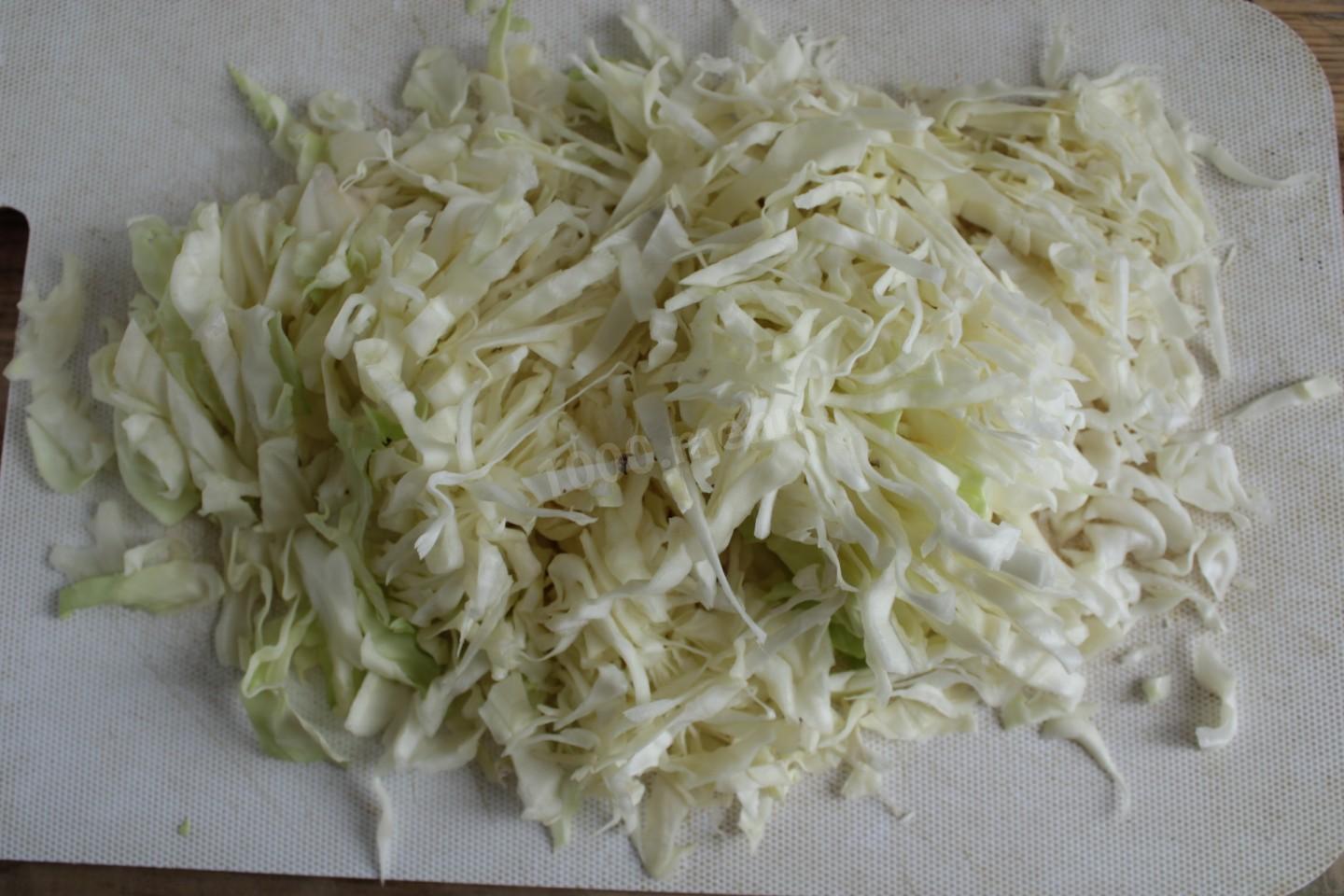
How do you make fresh cabbage bigos with meat and sausage? Gather the ingredients. Remove the outer leaves from the green cabbage and shred it thin. For a bit of tang, add sauerkraut—though you can make the dish without it.
-
Step 2:
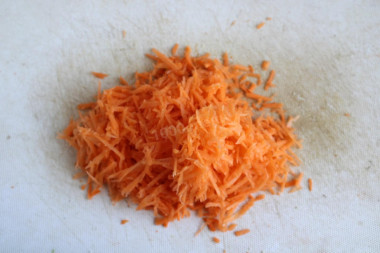
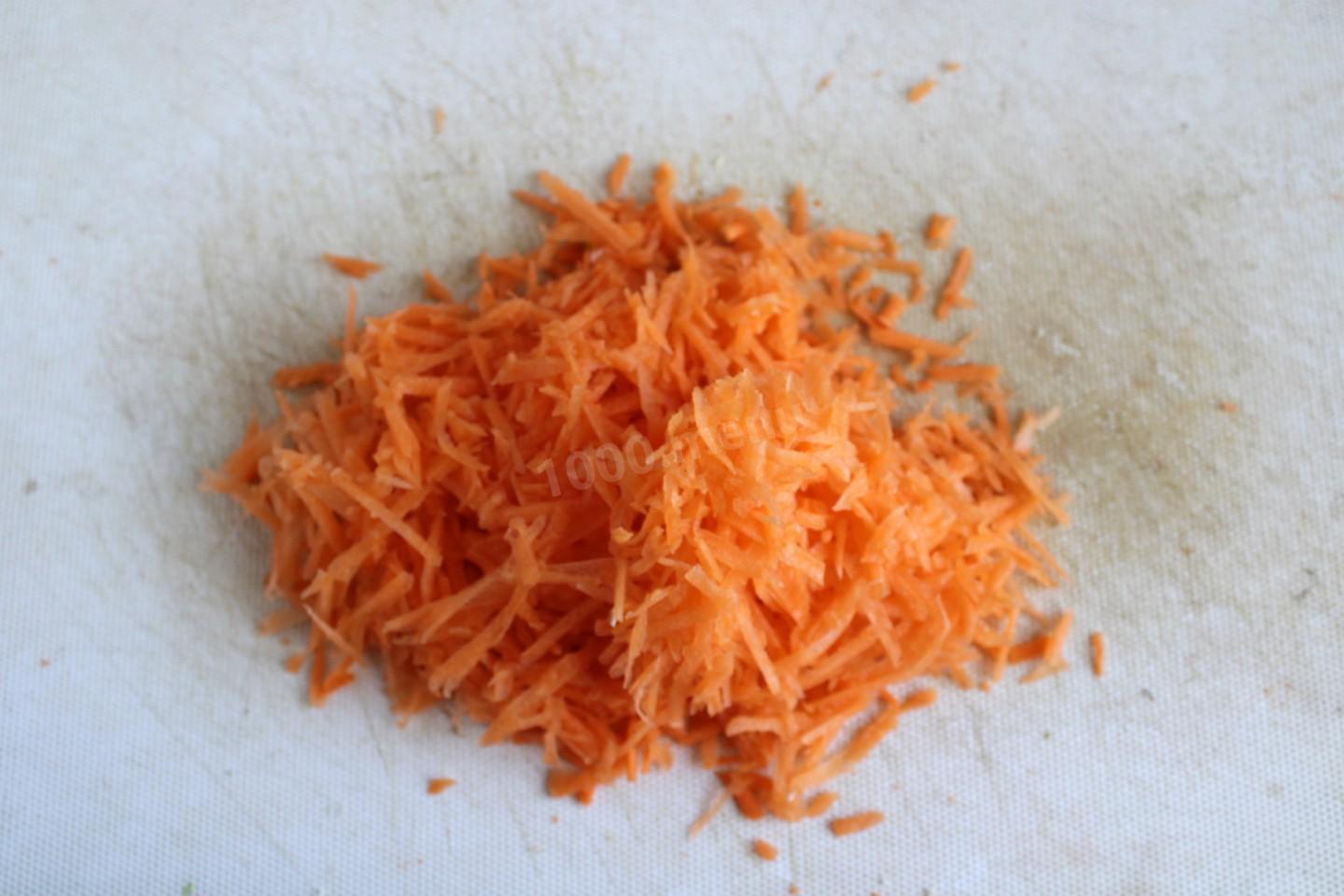
Wash, peel, and grate the carrot. Peel the onion and cut it into small dice.
-
Step 3:
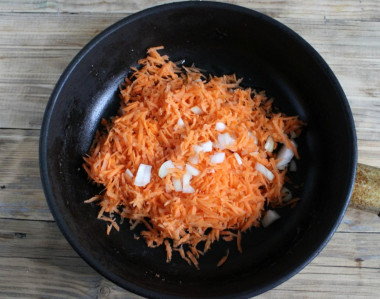
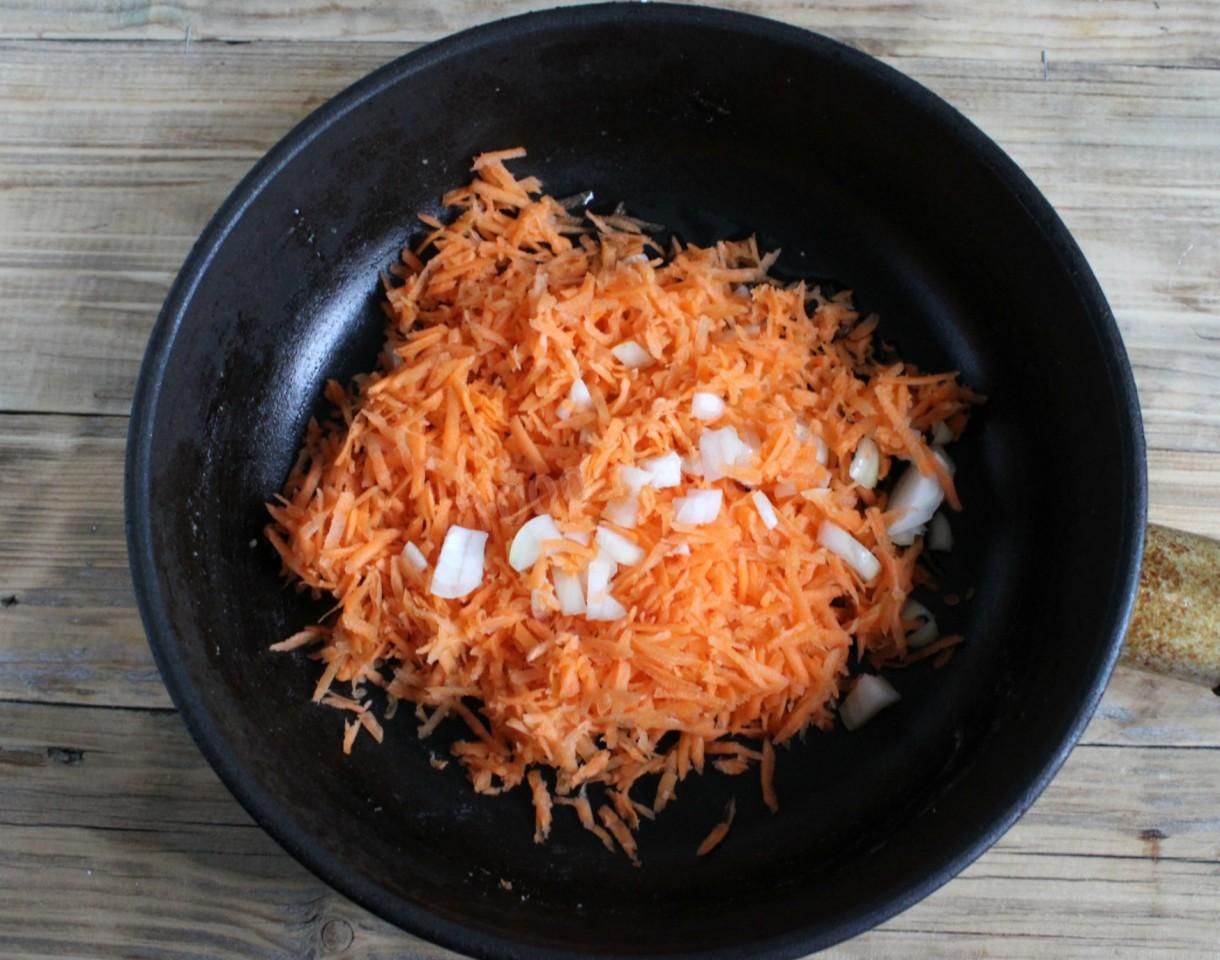
Pour vegetable oil into a skillet, heat it, and sauté the onion and carrot until softened. Remove this sautéed mixture from the pan.
-
Step 4:
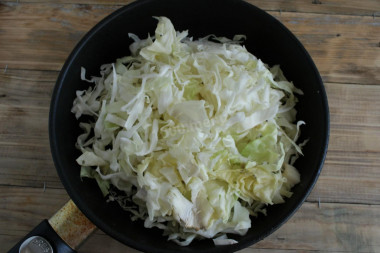
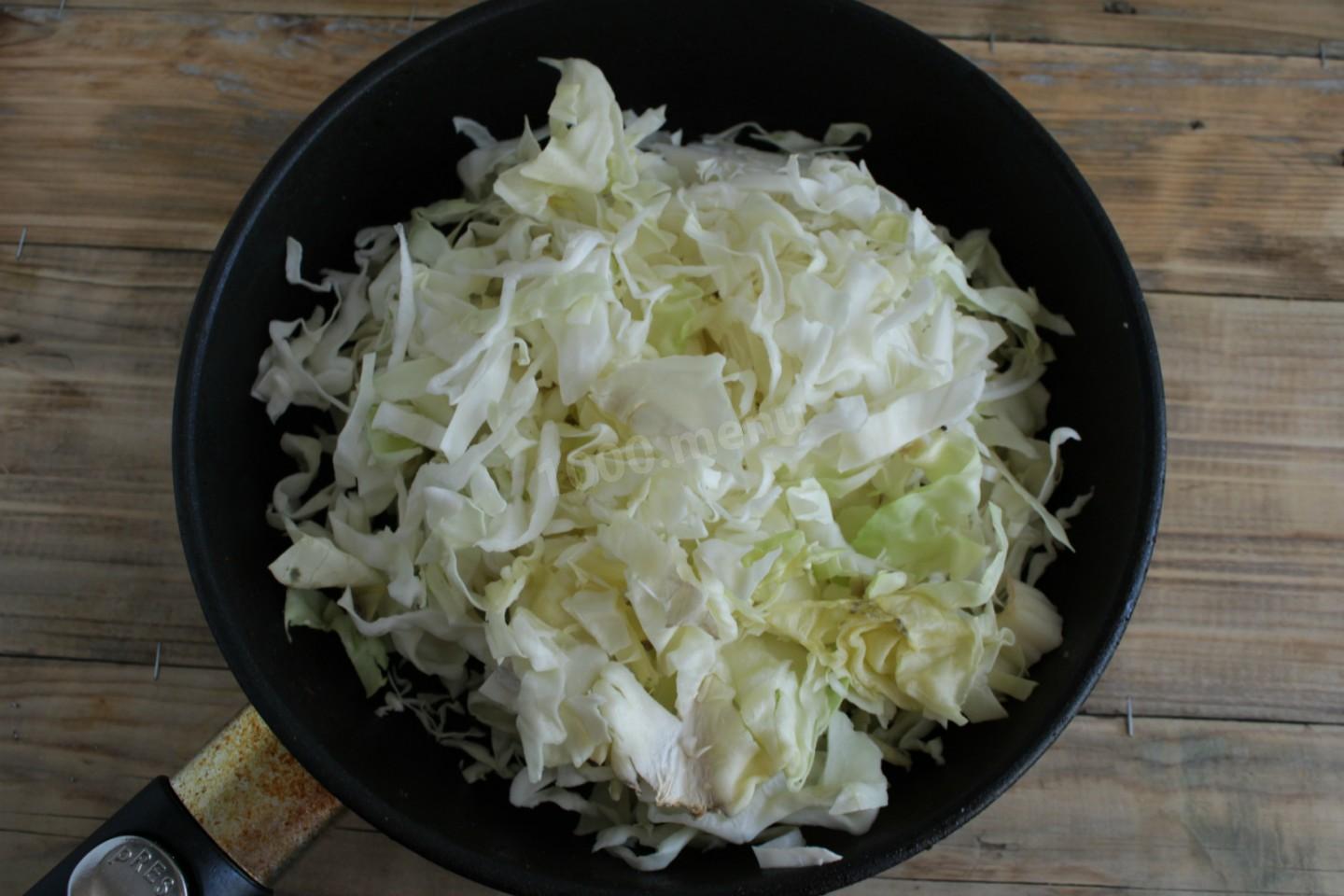
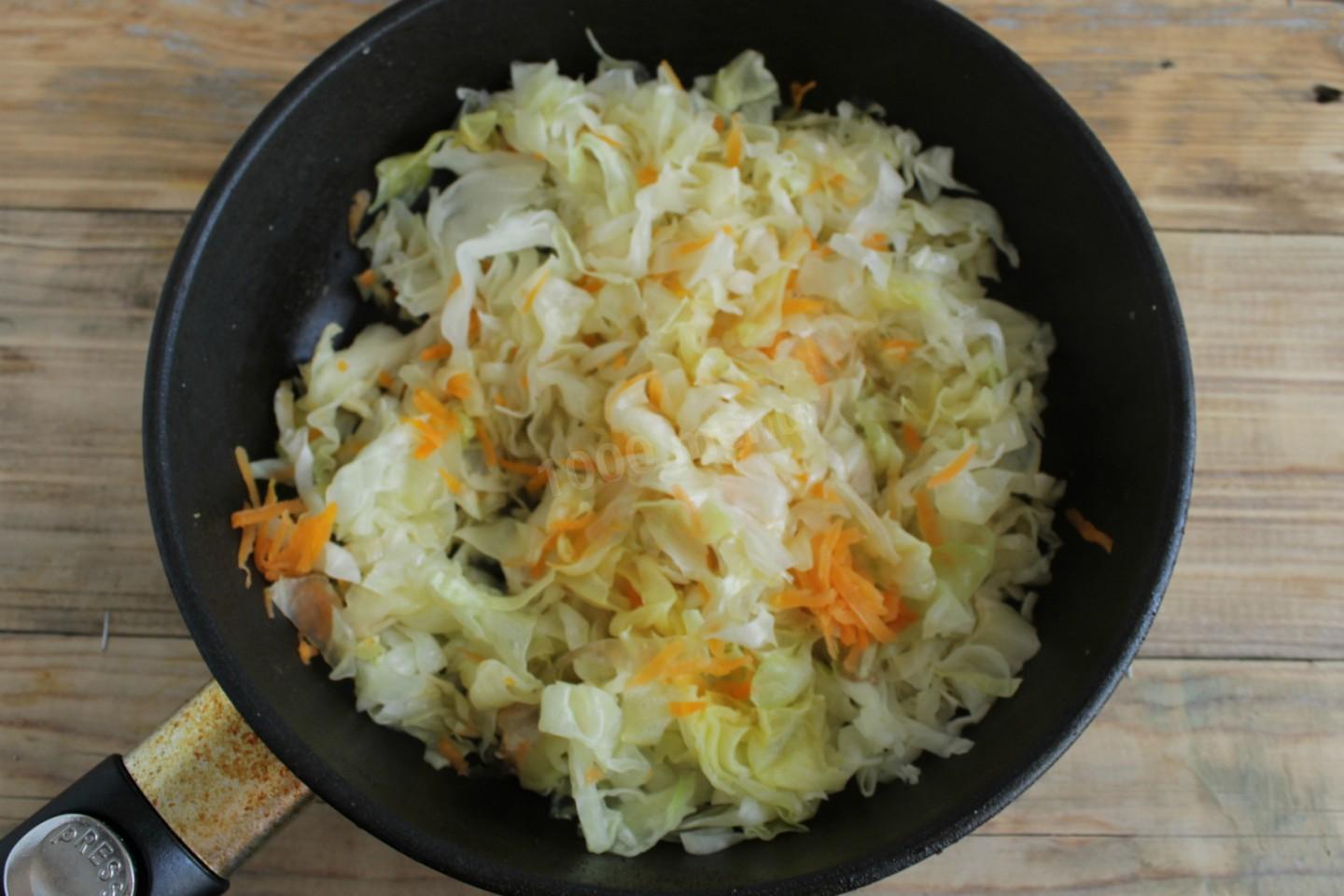
Add more oil if needed. Put the shredded green cabbage in the same pan and cook it for 5–7 minutes over medium heat, stirring with a spatula. Then add the sauerkraut, pour in the water, stir, and braise, covered, for about 15 minutes.
-
Step 5:
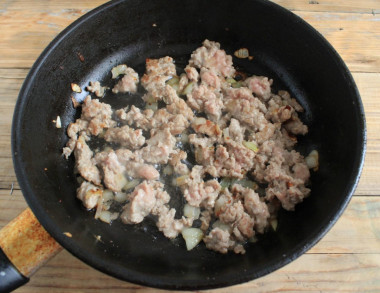
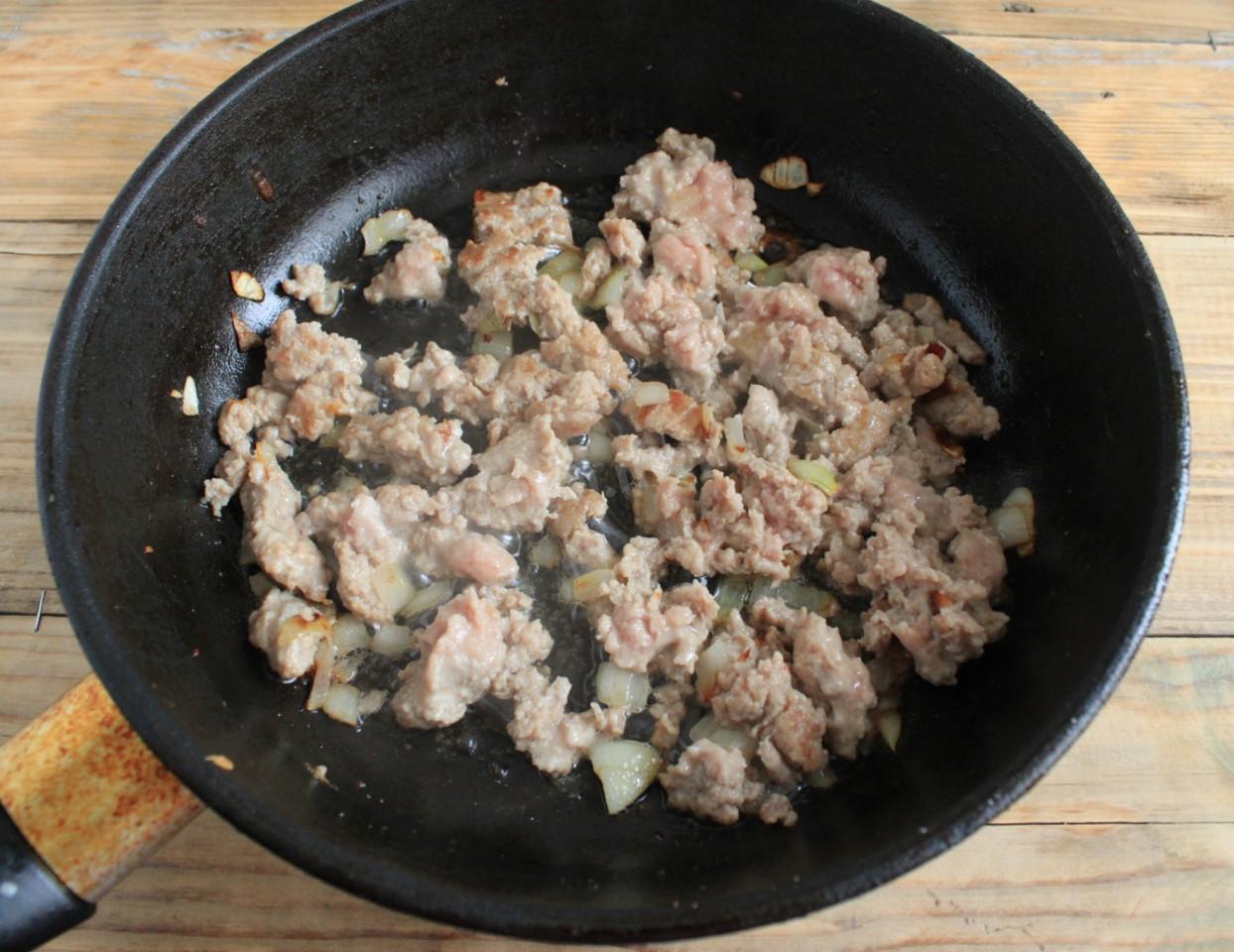
You can use any ground meat, store-bought or ground from fresh meat; for a tastier, juicier dish, a pork-and-beef blend is best. In another skillet, cook the ground meat in vegetable oil for about 15 minutes over medium heat, until it turns pale.
-
Step 6:
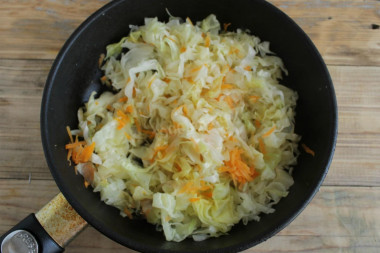
Add the carrot and onion to the pan of cabbage, stir, and braise them together for another 5 minutes.
-
Step 7:
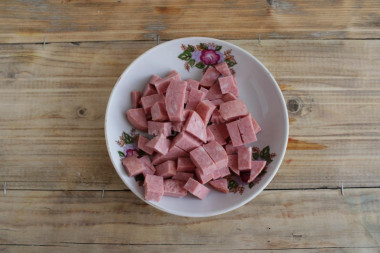
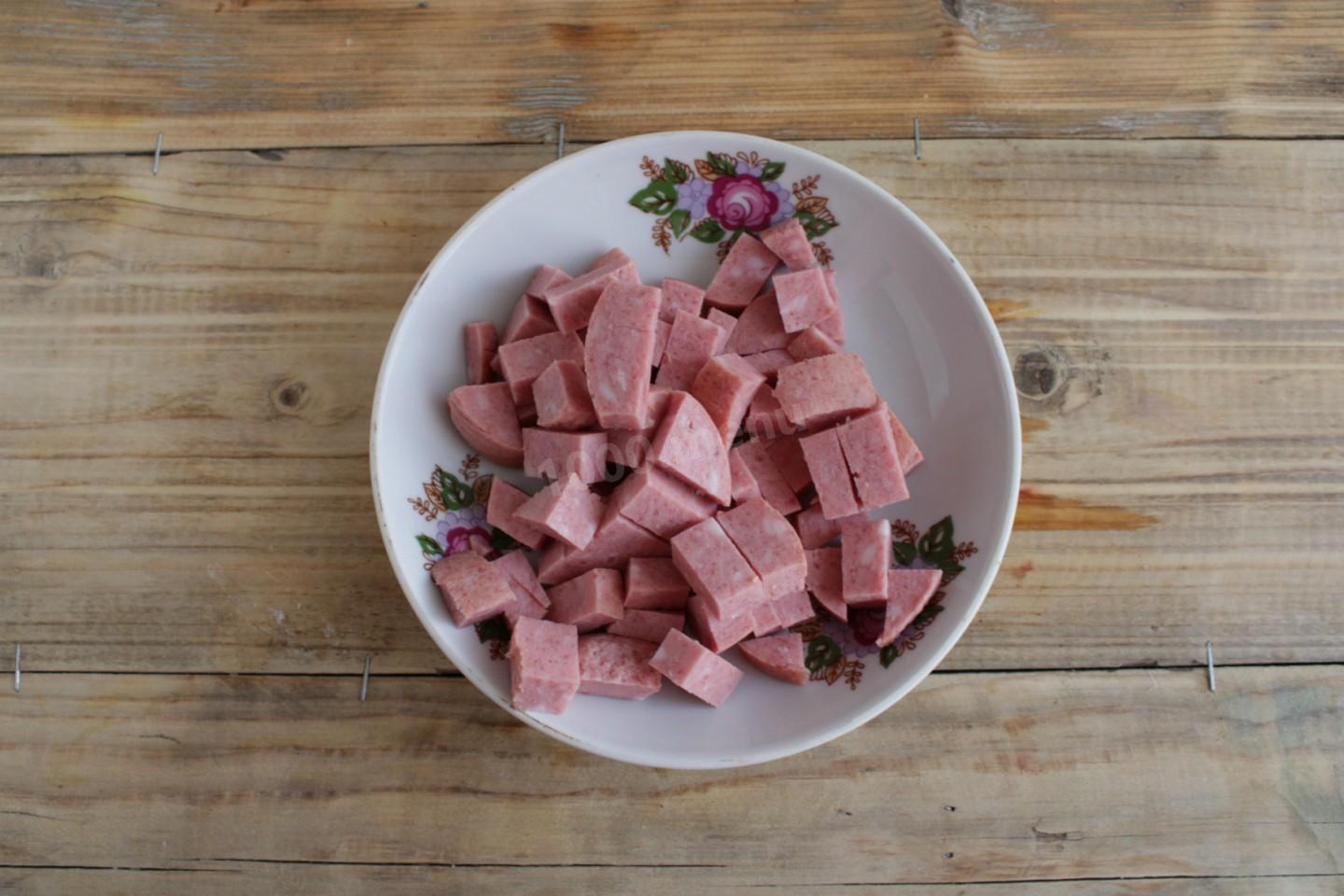
For this dish use bologna (a mild cooked sausage), cut into small cubes or strips.
-
Step 8:
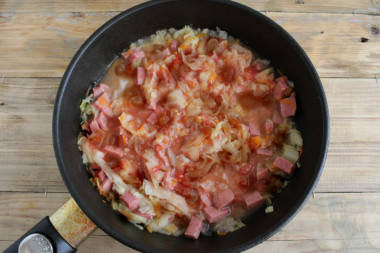
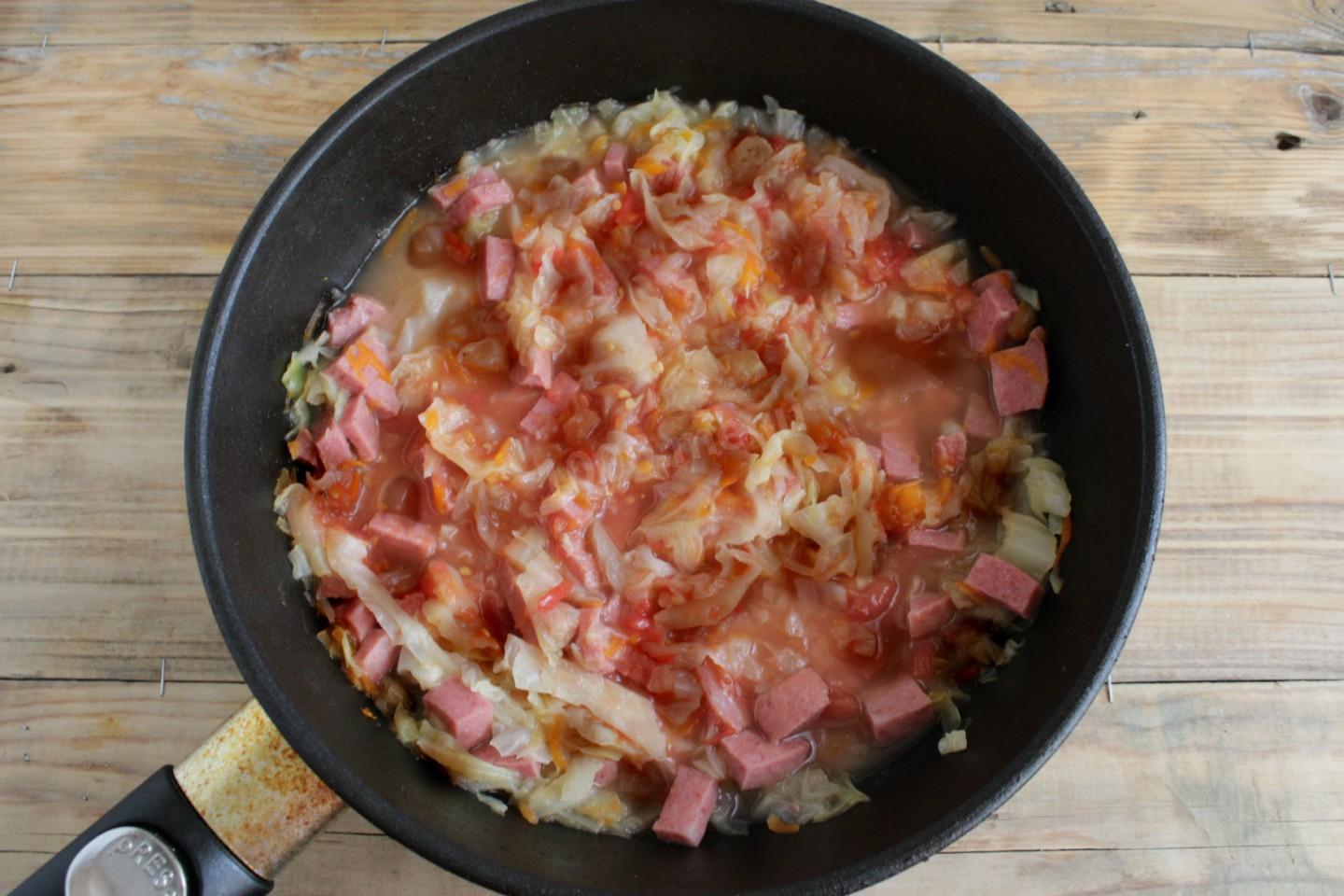
Then add the cooked ground meat, the sausage, the tomato paste, salt, and peppercorns to the vegetables and stir. If there's too little liquid in the pan, add more water and braise everything together, covered, over low heat for about another 10 minutes. Five minutes before it's done, add the bay leaf, taste, and add more salt if needed. There should be some sauce in the pan, but not a lot. Turn off the heat. Enjoy!
- Important! The wrong skillet can ruin even the best recipe. For all the details on how to choose the perfect pan for different dishes, read here.
- Every oil is only good up to a certain point—its smoke point, where it starts to burn and forms toxic compounds, including carcinogens. For how to gauge frying temperature and pick the best oil to fry with (and which ones to avoid entirely), read here.
- Keep in mind that how you cut the carrot affects the final result: grated carrot cooks down into a purée and blends evenly with everything else, while carrot cut into strips or sticks holds its shape.
Caloric content of the products possible in the composition of the dish
- Carrots - 33 kcal/100g
- Dried carrots - 275 kcal/100g
- Boiled carrots - 25 kcal/100g
- Bay leaf - 313 kcal/100g
- Mixed minced meat - 351 kcal/100g
- Vegetable oil - 873 kcal/100g
- Tomato paste - 28 kcal/100g
- Black pepper peas - 255 kcal/100g
- Sauerkraut - 19 kcal/100g
- Salt - 0 kcal/100g
- Sausage 'amateur' - 291 kcal/100g
- Sausage 'Ukrainian' - 404 kcal/100g
- Diabetic sausage - 254 kcal/100g
- Sausage 'doctor' - 197 kcal/100g
- Diet sausage - 170 kcal/100g
- Sausage 'milk' - 252 kcal/100g
- Water - 0 kcal/100g
- Onion - 41 kcal/100g
- White cabbage - 28 kcal/100g
- Boiled white cabbage - 21 kcal/100g
Similar recipes

- National cuisine
- Second course
- Meat and meat products
- Vegetables
- Spices seasonings spices
- Fats and oils
- Other
- Bay leaf
- Pepper
- Salt
- Vegetable oil
- Water
- Tomato paste
- Polish cuisine
- Frying
- Stewing
- In a frying pan
- Stewed vegetables
- Meat second course
- Second courses of cabbage
- Minced meat
- Sausage products
- From carrots
- From cabbage
- From onion
- No eggs
- Recipes for lean dishes without butter