Chudu with Potato and Cheese
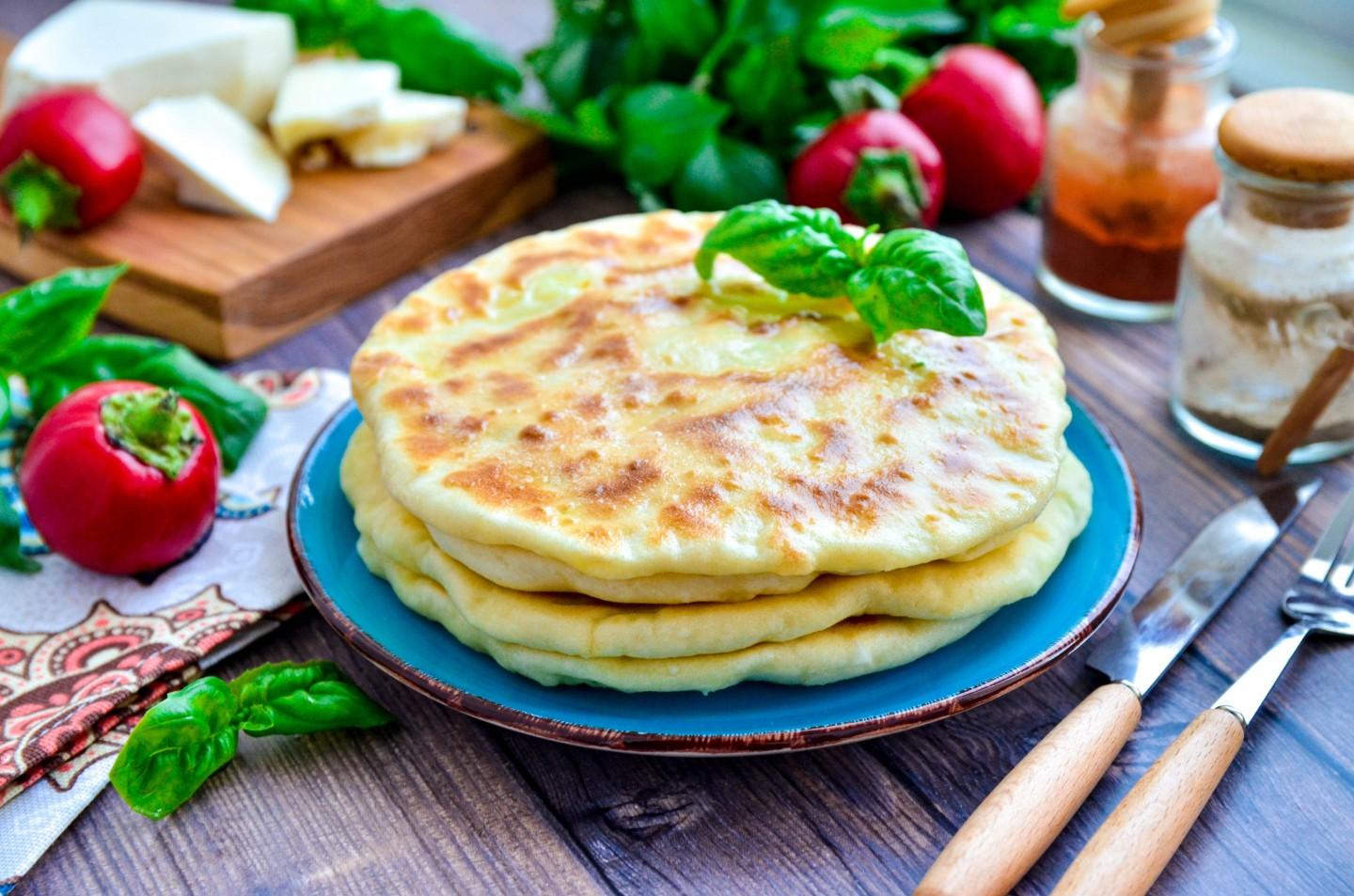
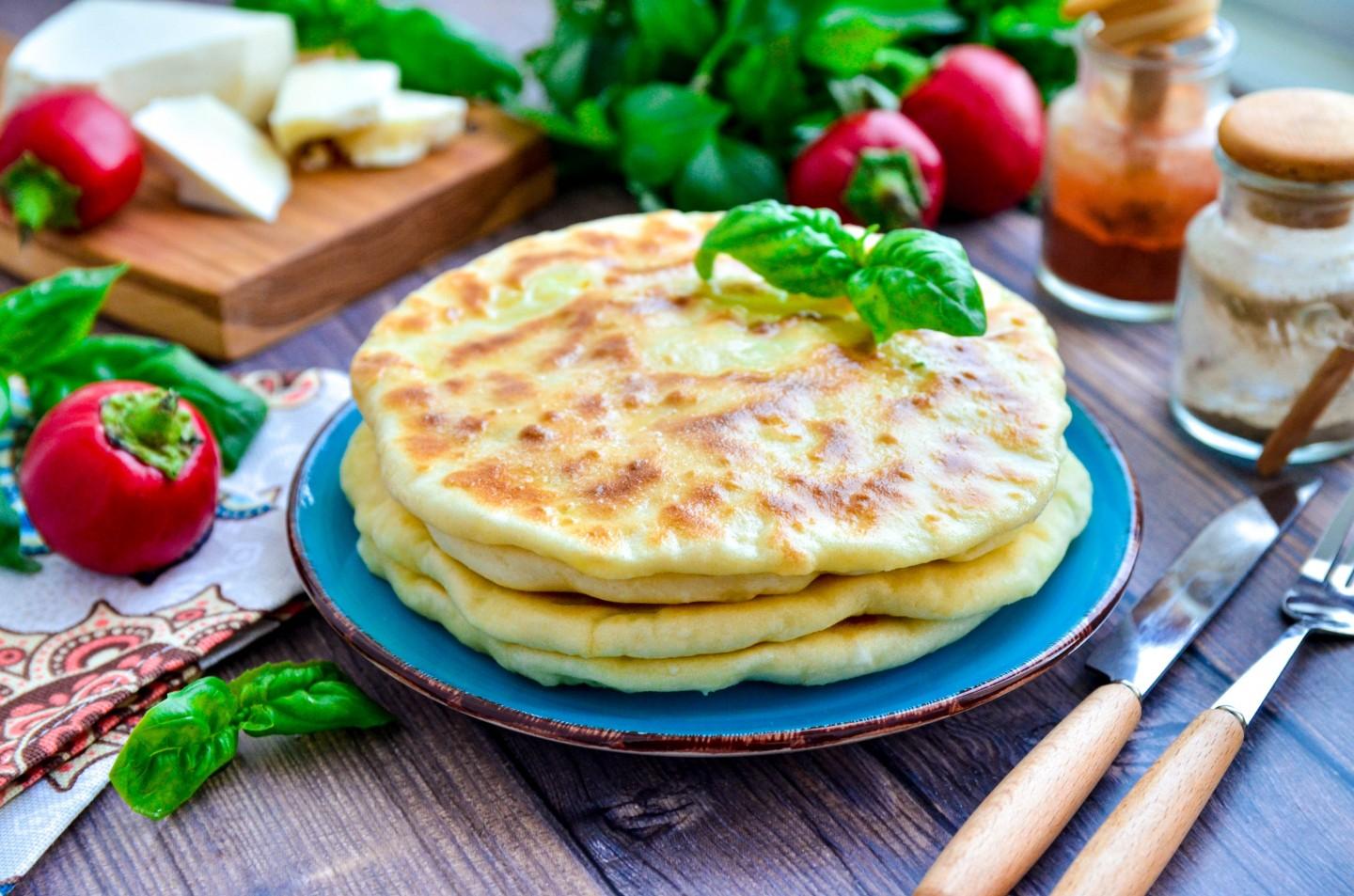
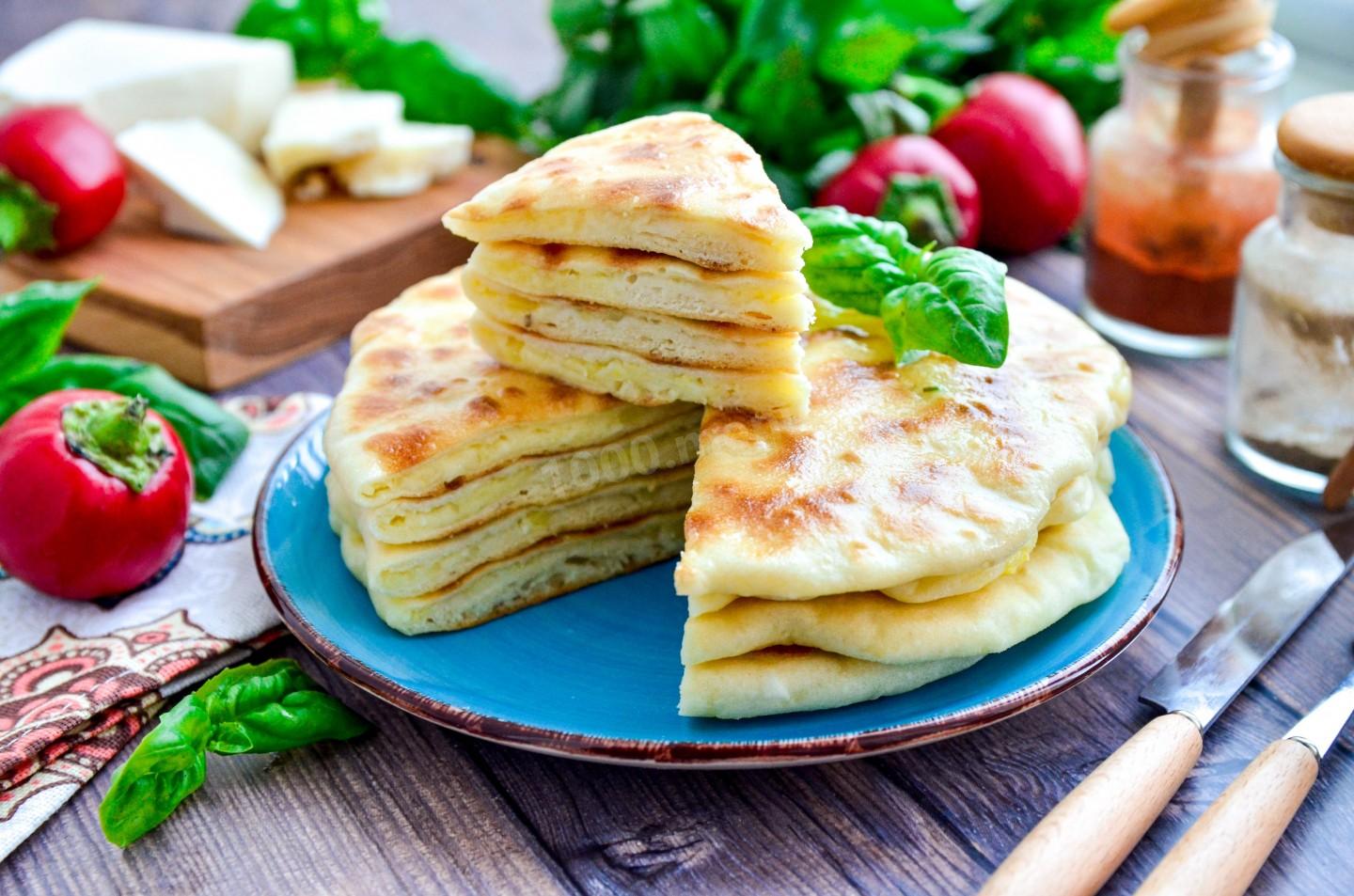
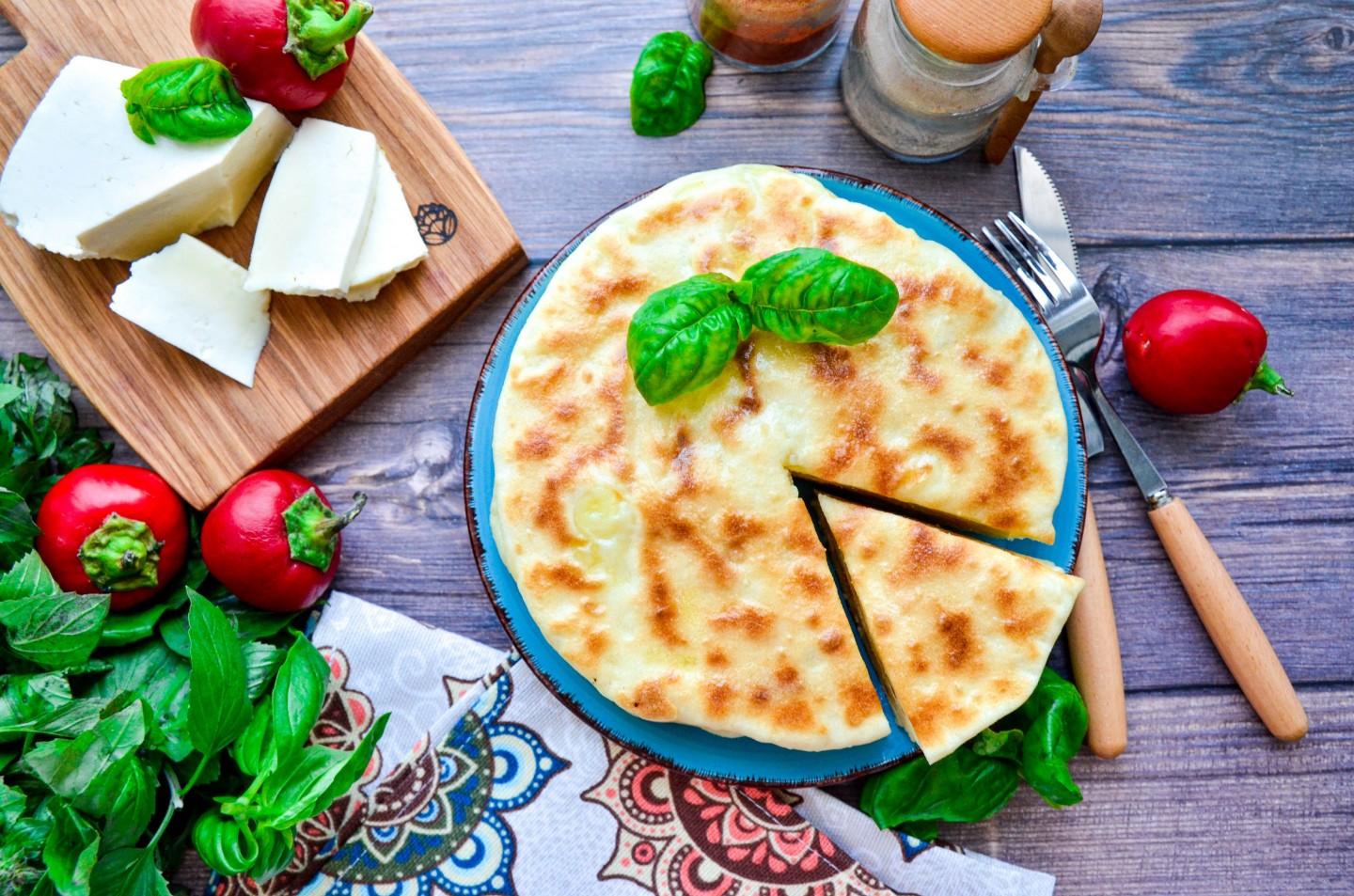
Appetizing, golden, made from everyday ingredients, and great for the whole family! Chudu with potato and cheese is a dish from Dagestani cuisine — flat stuffed flatbreads. The dough is unleavened, made with kefir and baking soda, and the filling can vary. In this recipe it's potato and fragrant soft cheese.

Cooking method
-
Step 1:
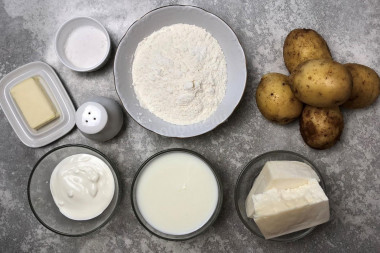
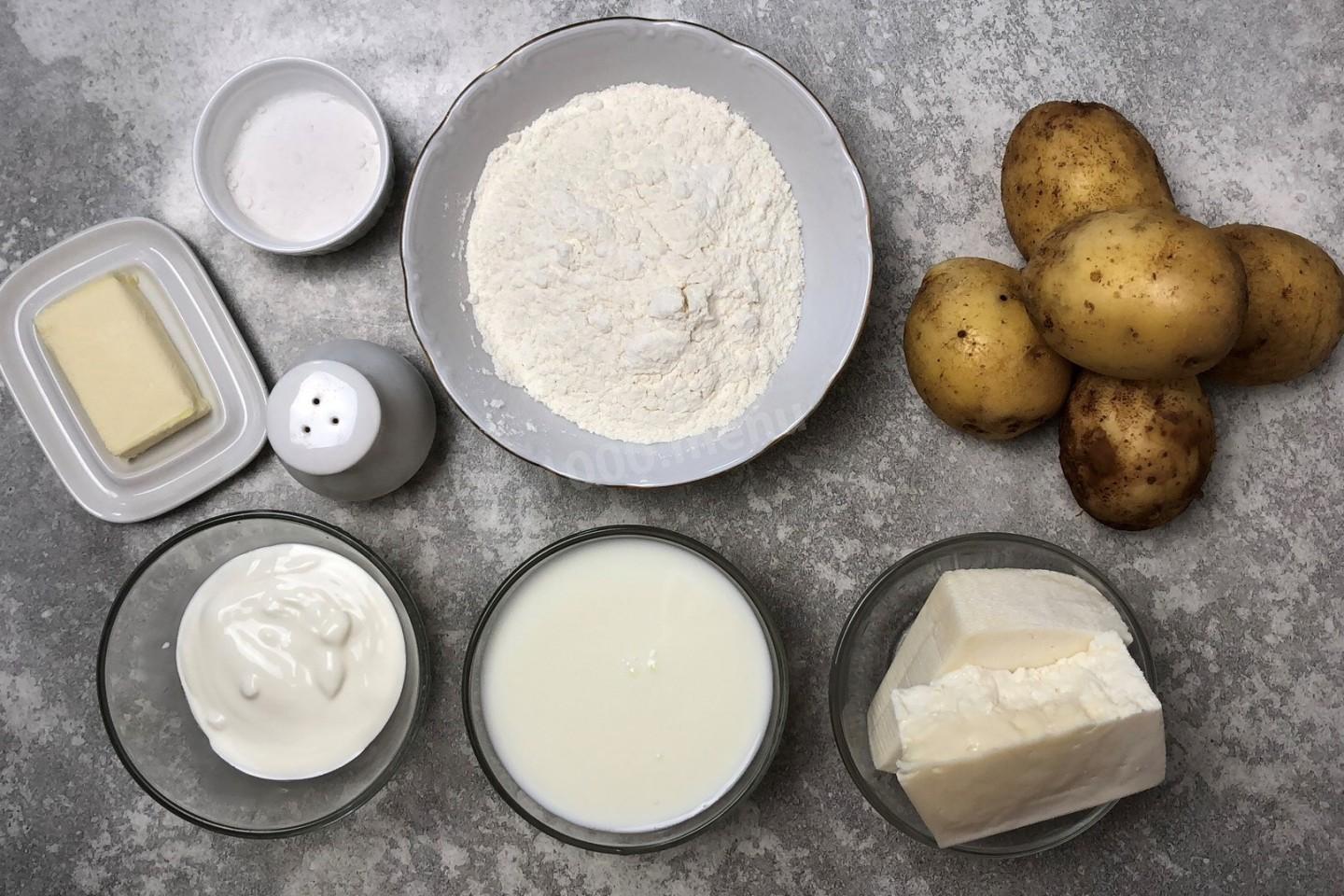
How do you make chudu with potato and cheese? Gather your ingredients. Any fat content of kefir works; take it out of the fridge ahead of time so it comes to room temperature. Use medium potatoes. For the cheese, use a soft, good-quality one like Adyghe cheese or brynza (a brined feta-style cheese), with no vegetable fats. I used brynza.
-
Step 2:
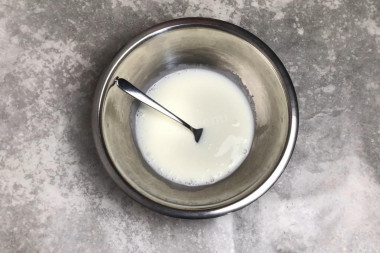
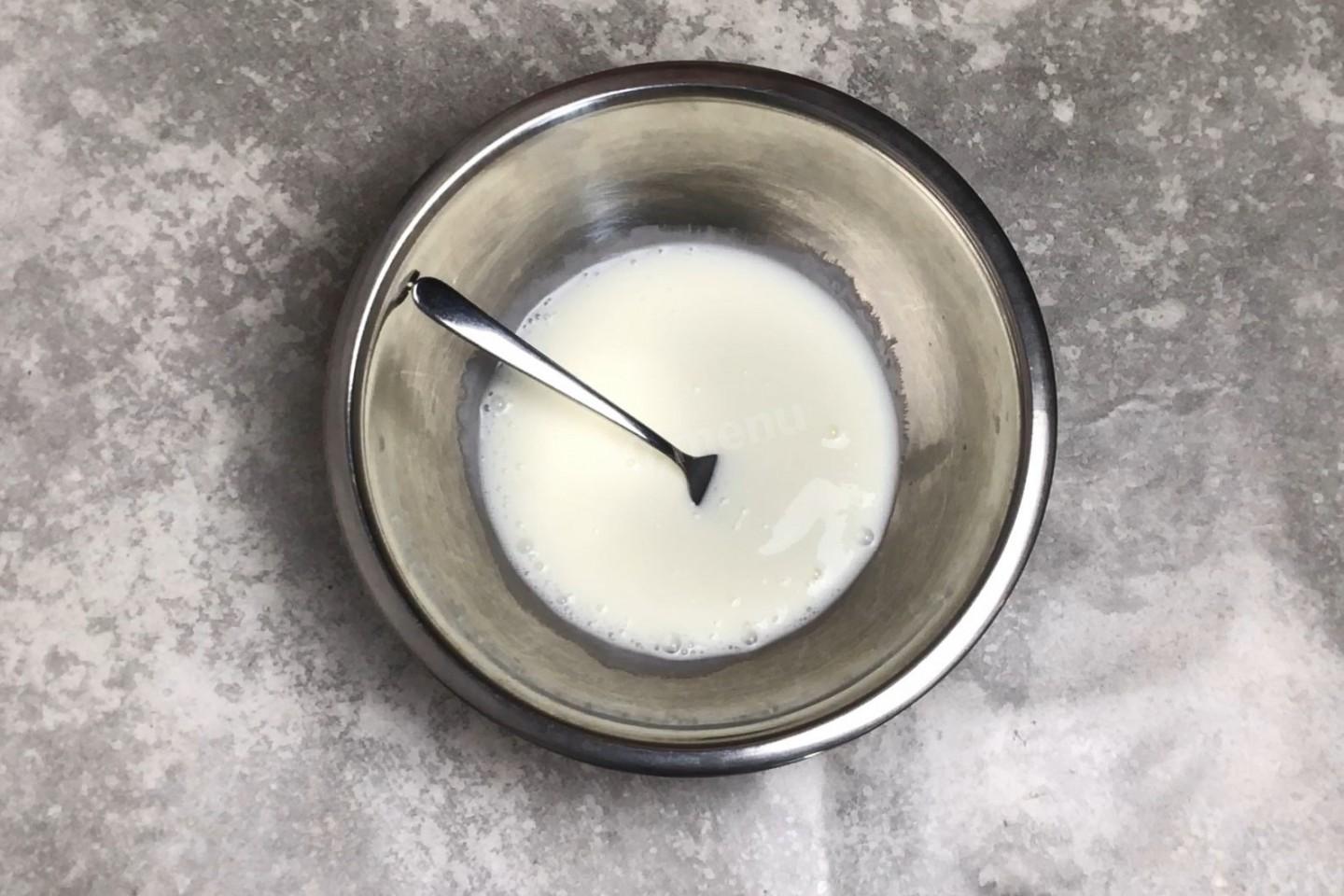
Start with the dough. Take a large bowl and pour in the warm kefir. If it's straight from the fridge, no problem — just warm it up with a splash of hot water. Stir in the baking soda and let the kefir stand for 5 minutes. During this time the soda reacts with the acid in the kefir, releasing gas that makes the dough fluffier and softer.
-
Step 3:
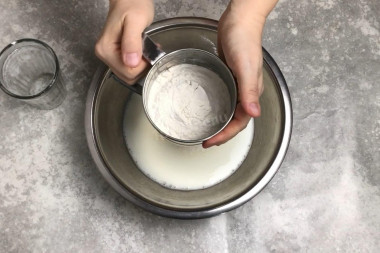
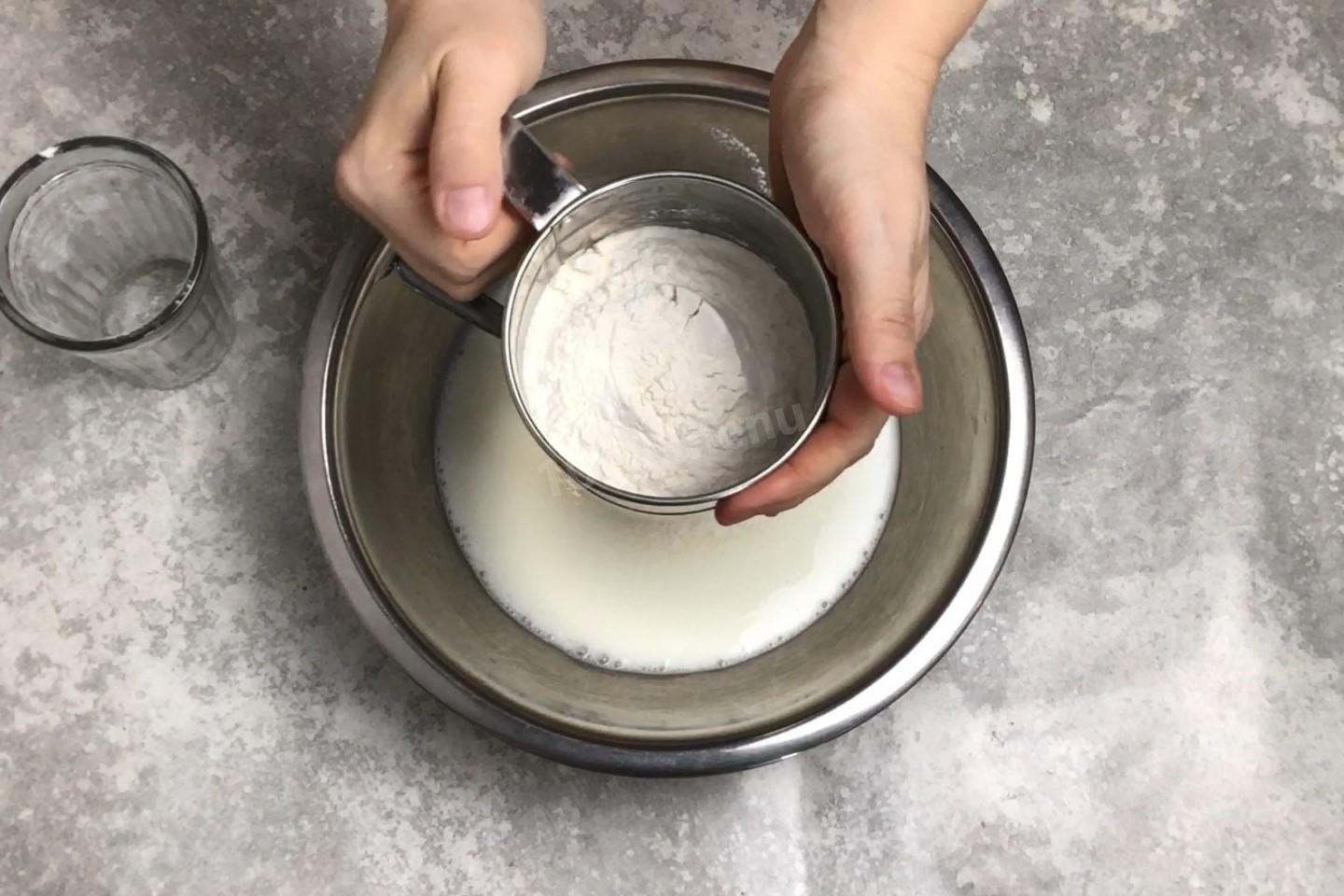
Then add the salt to the kefir and sift in one cup of flour.
-
Step 4:
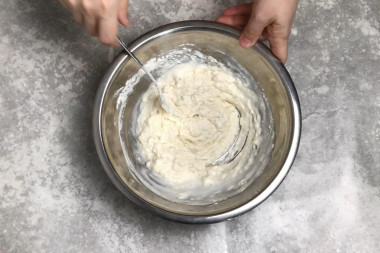
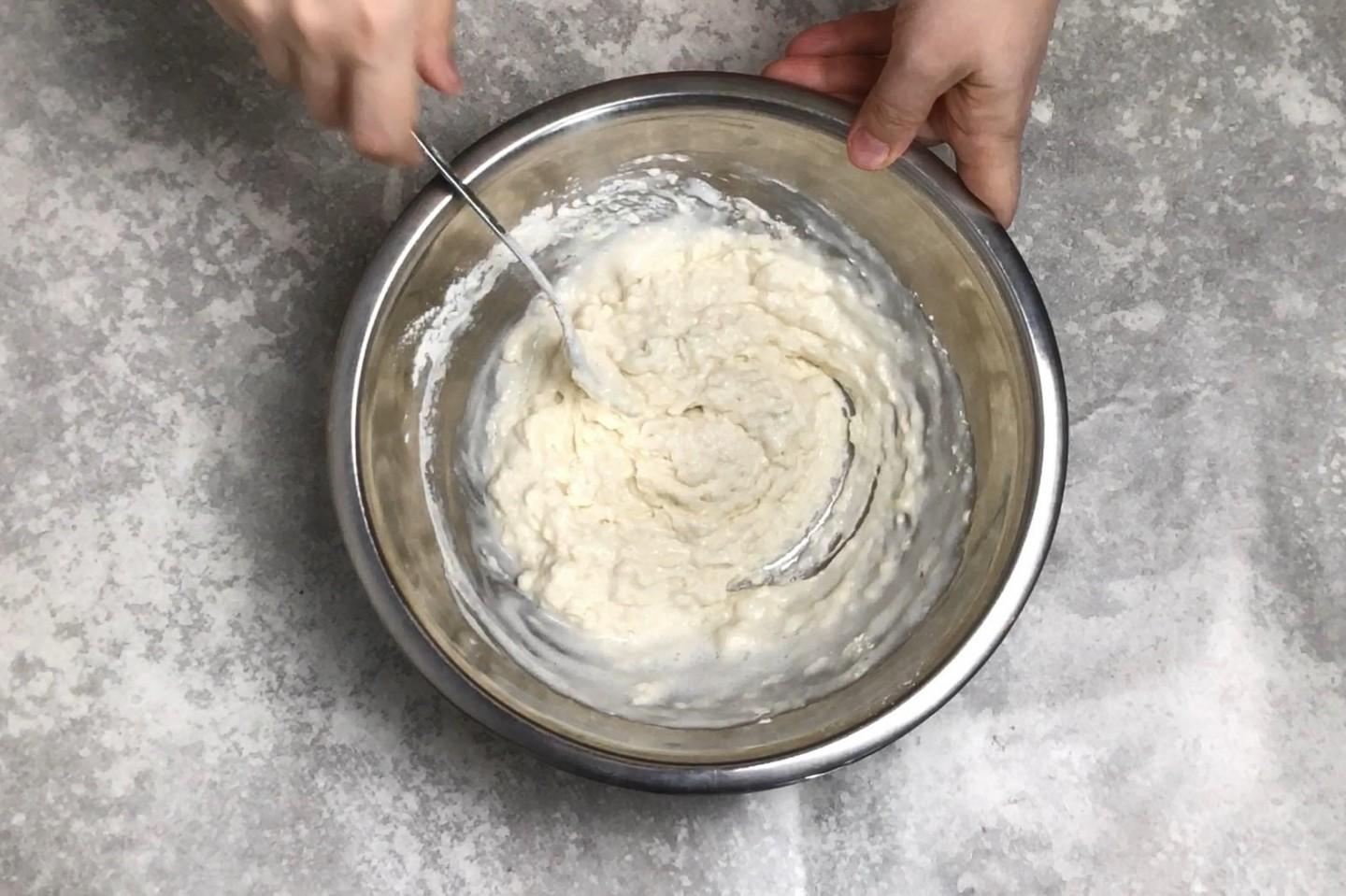
Start mixing the dough with a fork. Once the first cup of flour is worked in, sift in a bit more. Keep adding flour gradually as you knead.
-
Step 5:
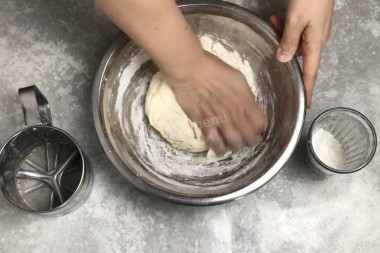
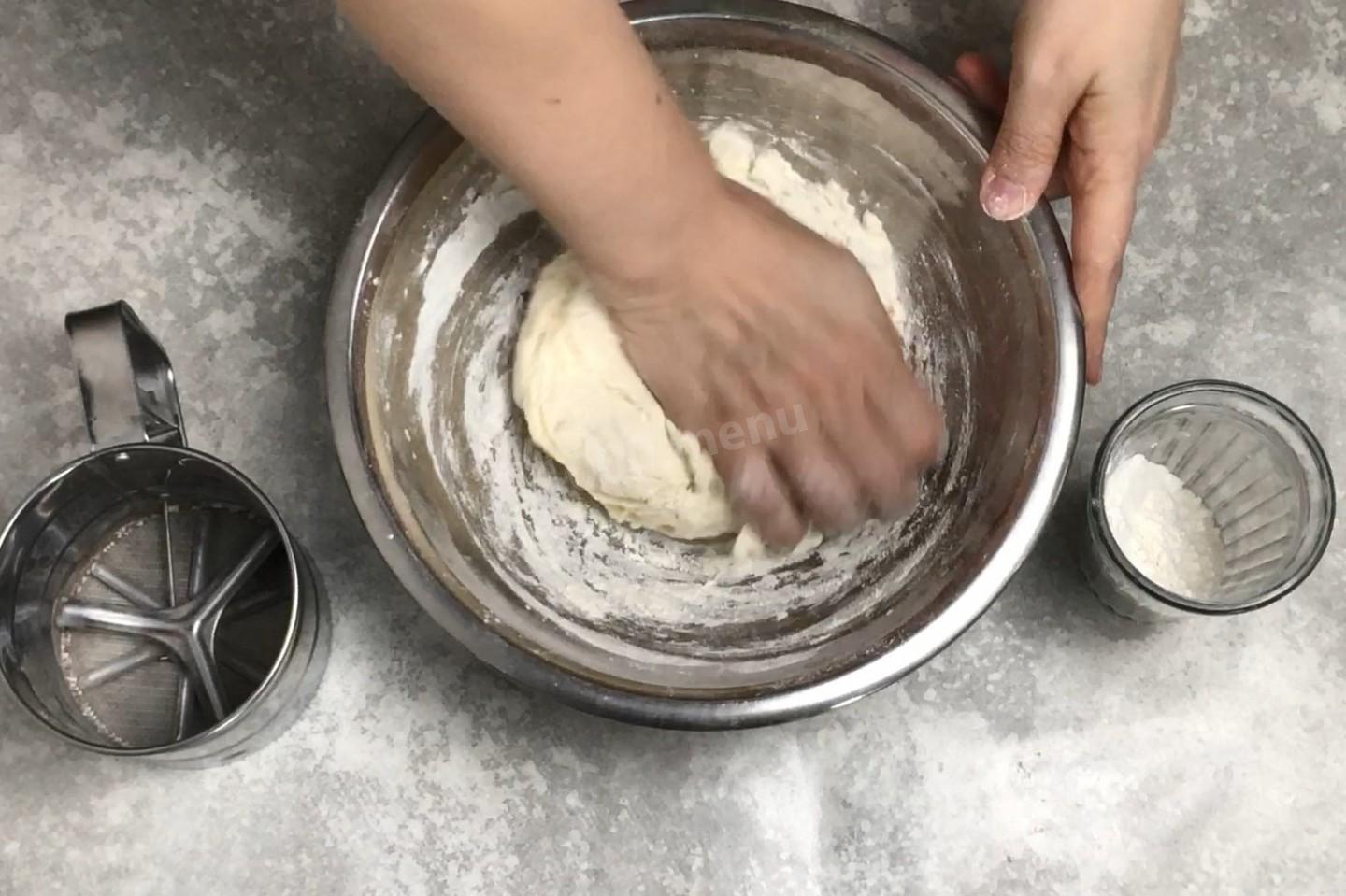
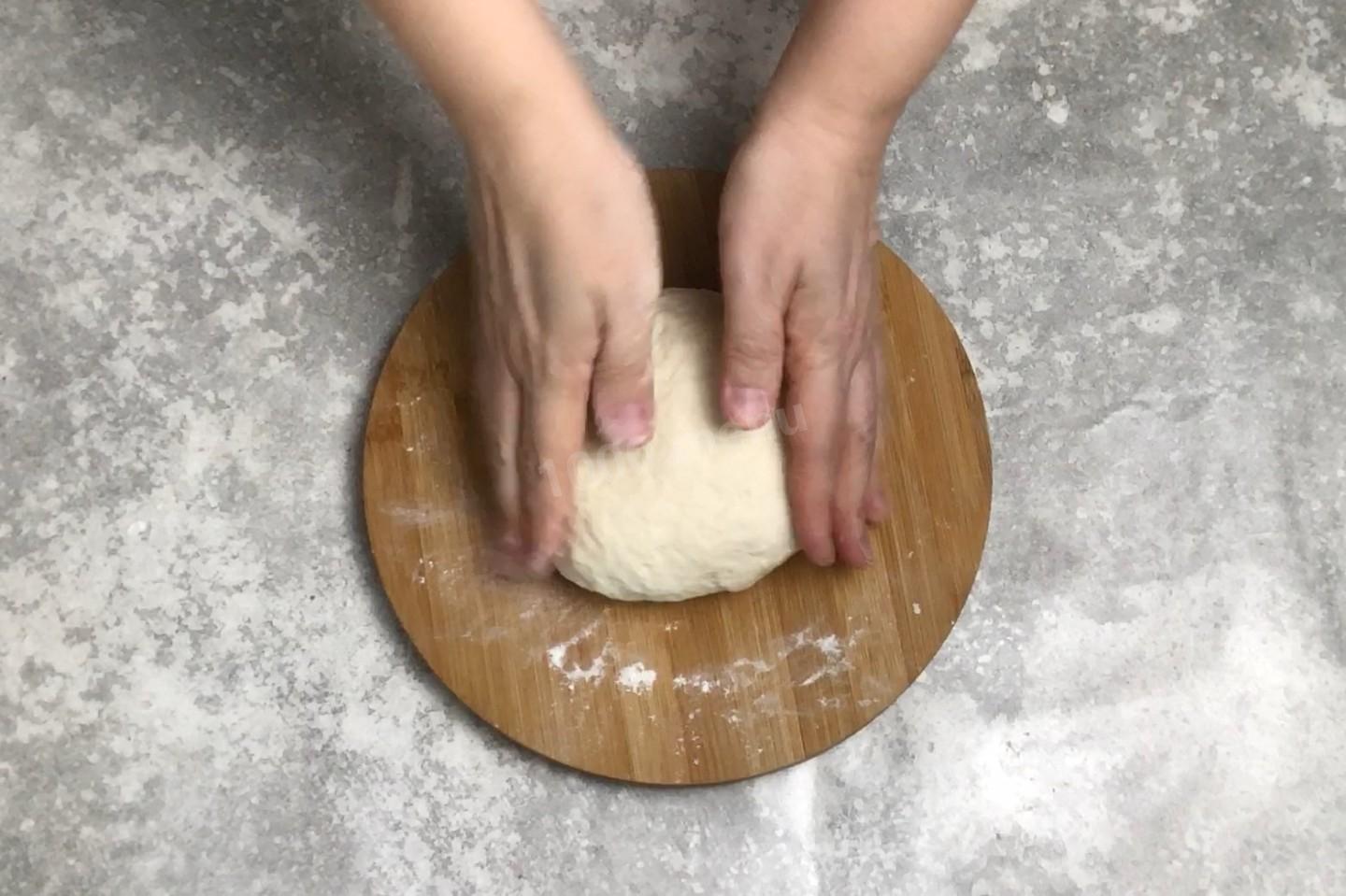
When it gets hard to stir with a fork, keep kneading by hand.
-
Step 6:
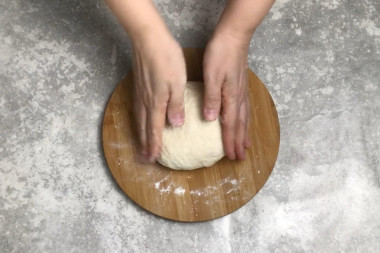
Be ready to use more or less flour than the recipe calls for. Go by the consistency of the dough, not a fixed amount — it should turn smooth, uniform, and stop sticking to your hands. I only needed two cups; the half cup wasn't necessary. Put the finished dough in a bowl, cover it with a cloth, and let it rest while you make the filling.
-
Step 7:
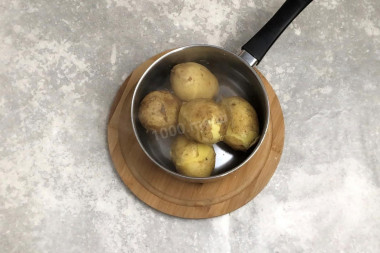
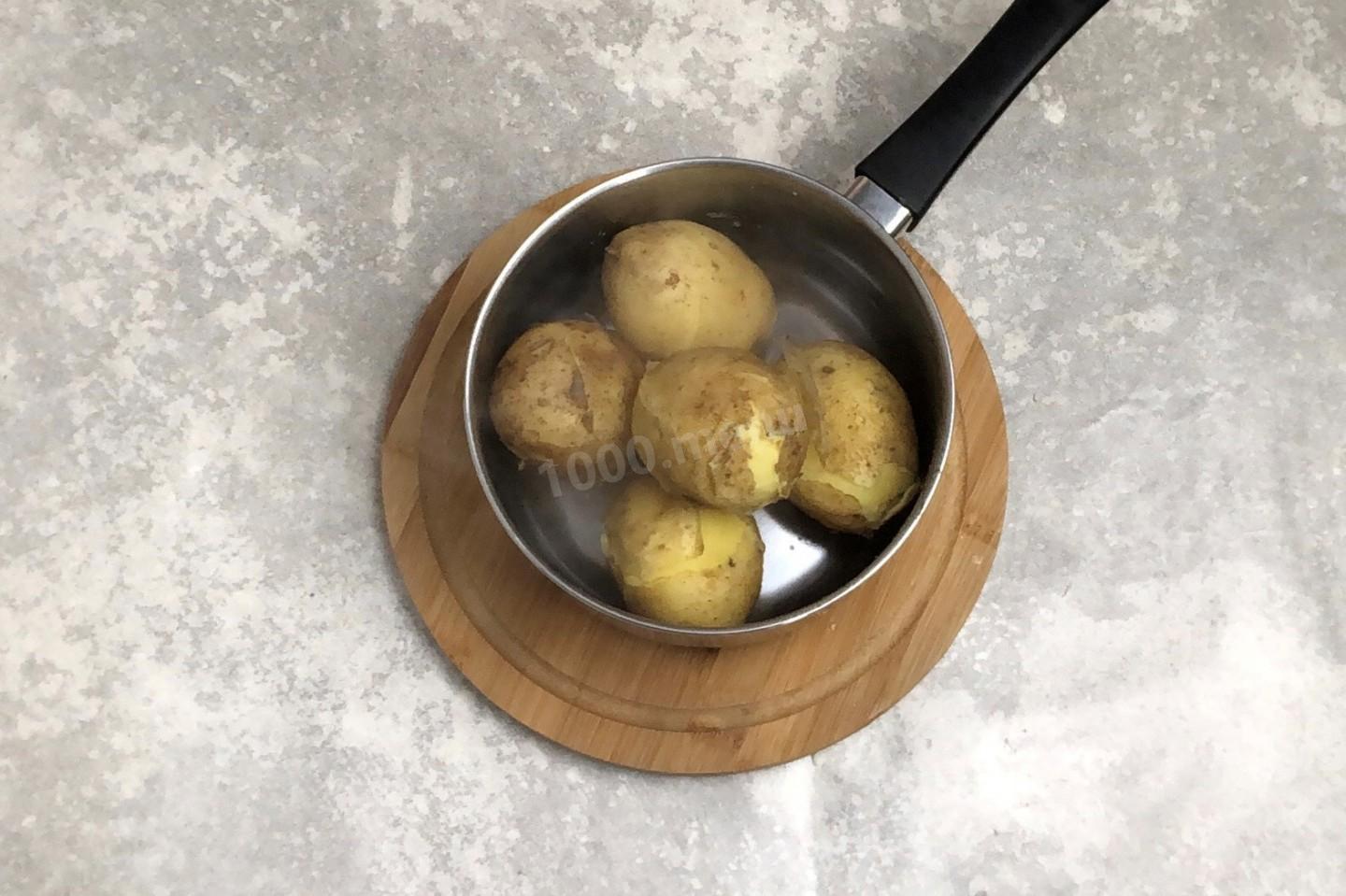
Make the filling. Wash the potatoes and put them in a saucepan. Cover them with cold water and set them over medium heat. Bring to a boil, then lower the heat. Cook the potatoes in their skins for 20–25 minutes, depending on size. Check with a knife — it should slide in easily. Drain and let the potatoes cool.
-
Step 8:
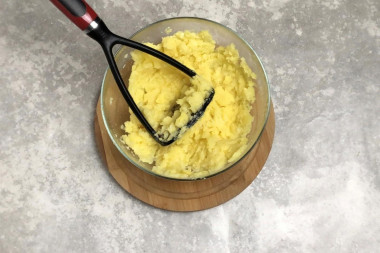
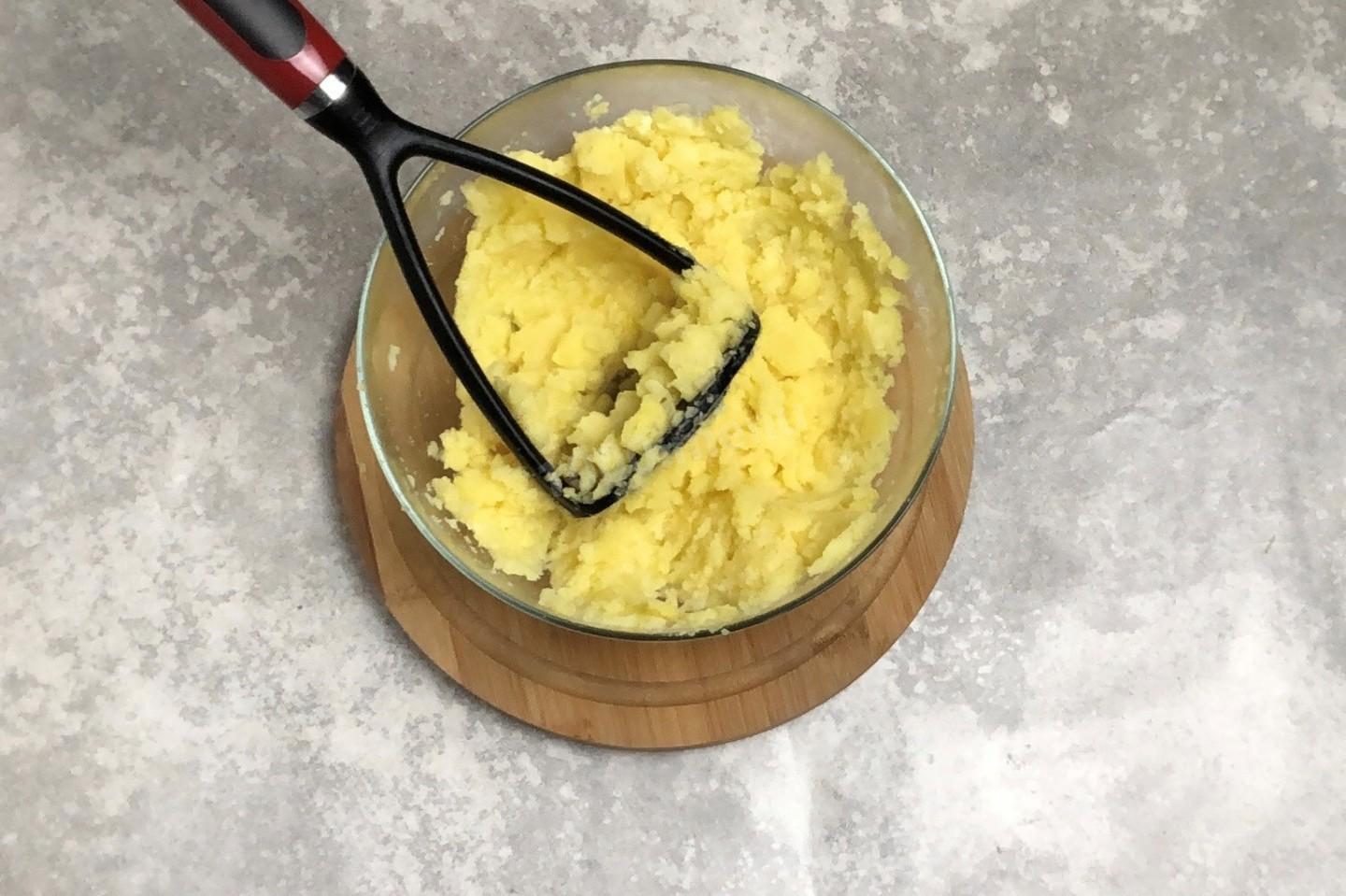
Let the potatoes cool until you can handle them without burning yourself. Peel them and mash them until smooth.
-
Step 9:
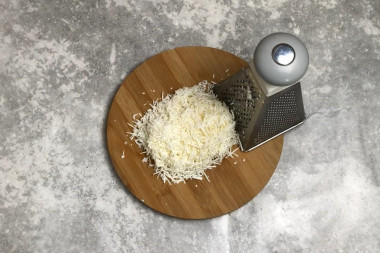
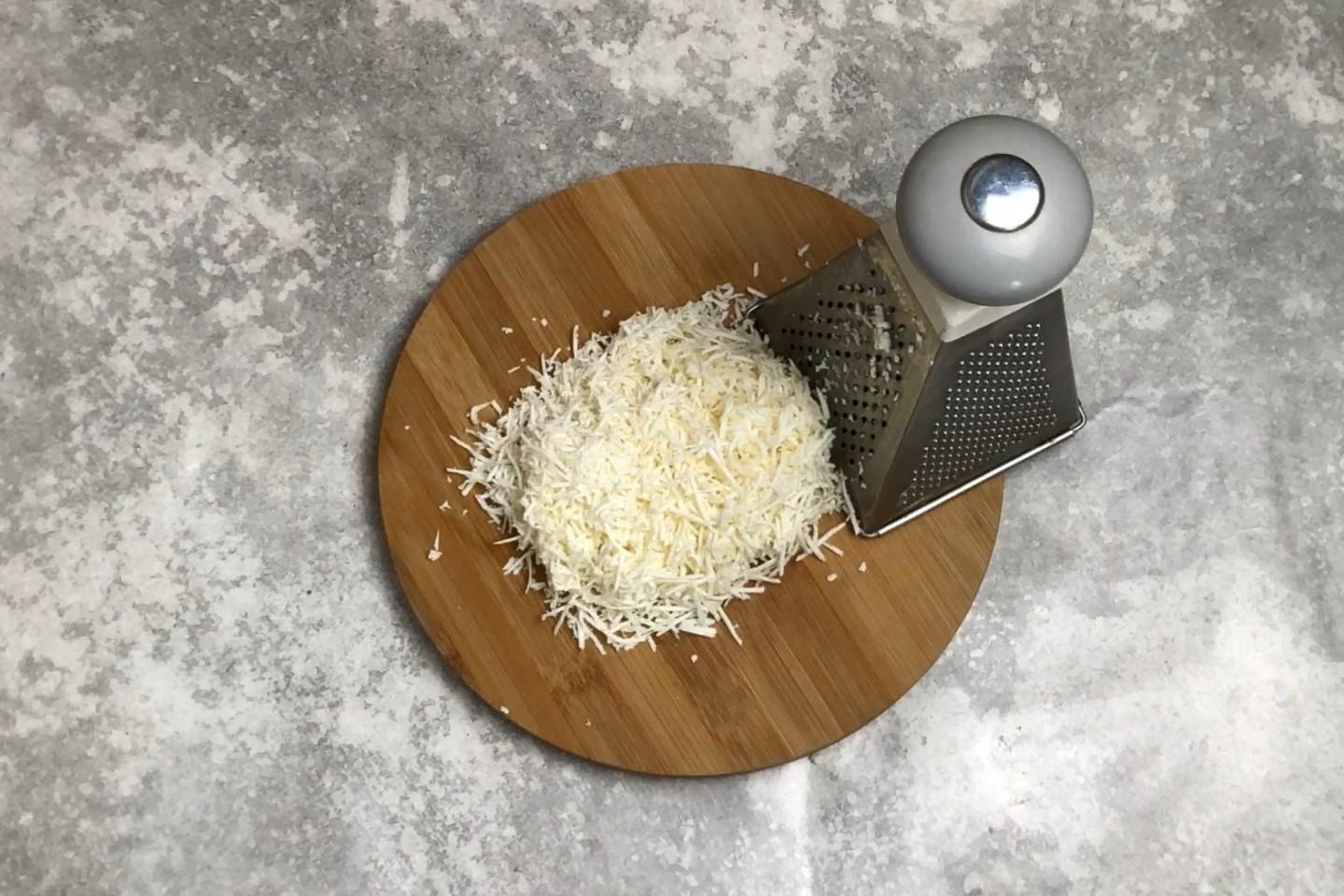
Grate the cheese on the fine holes of a box grater.
-
Step 10:
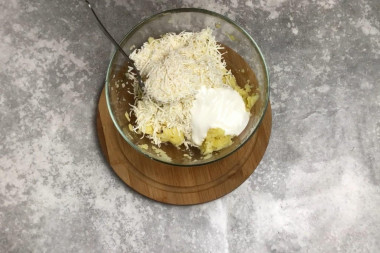
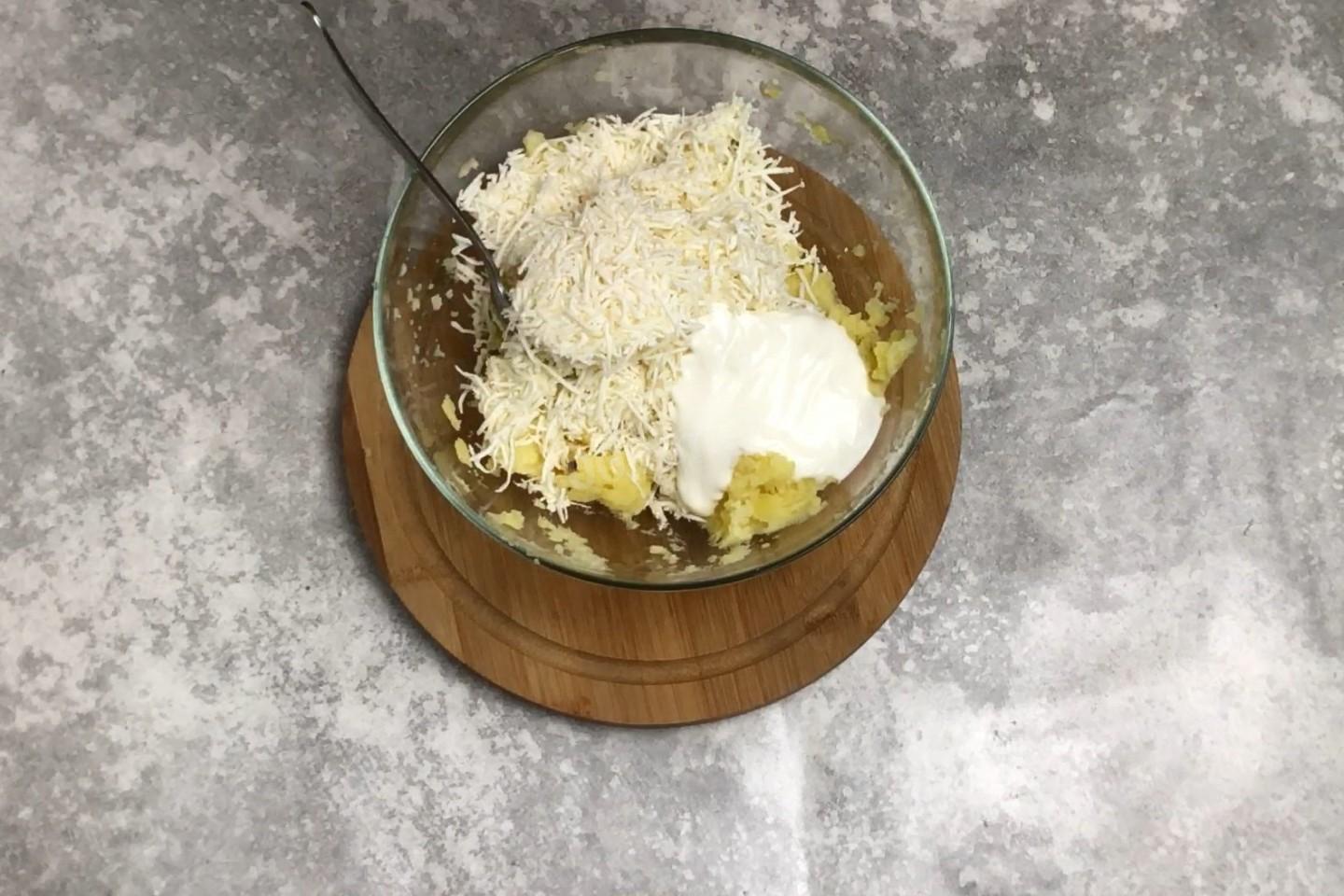
Add the grated cheese and sour cream to the mashed potatoes. Salt lightly — remember the cheese is already fairly salty, especially if it's brynza. You can also stir in any fresh herbs you like; I chose not to.
-
Step 11:
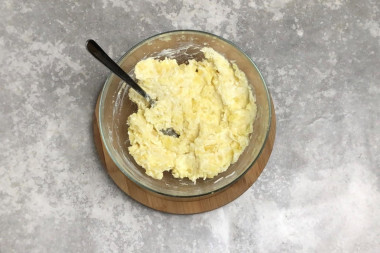
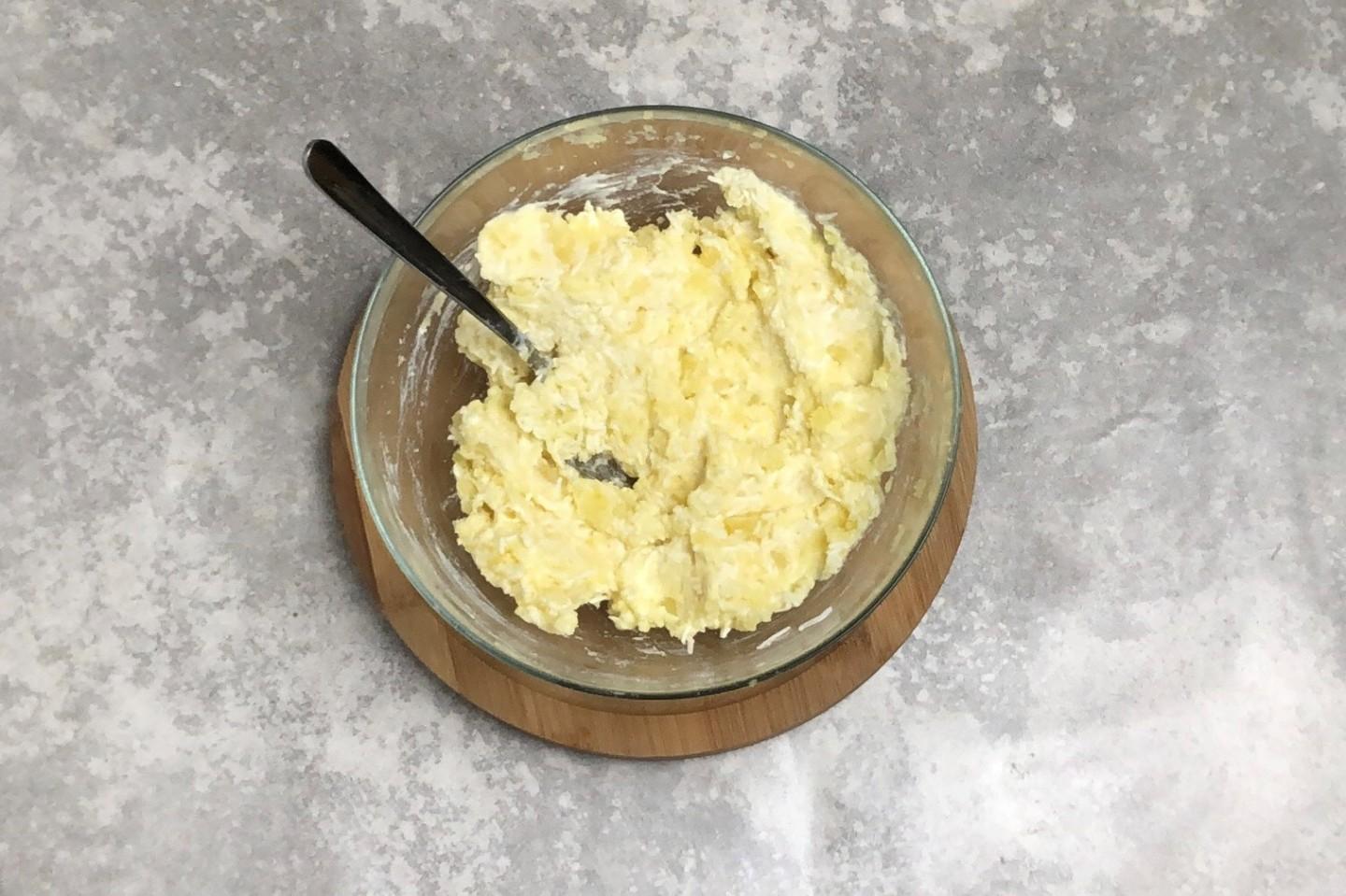
Mix everything until smooth. The filling is ready.
-
Step 12:
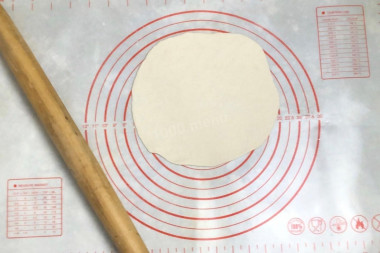
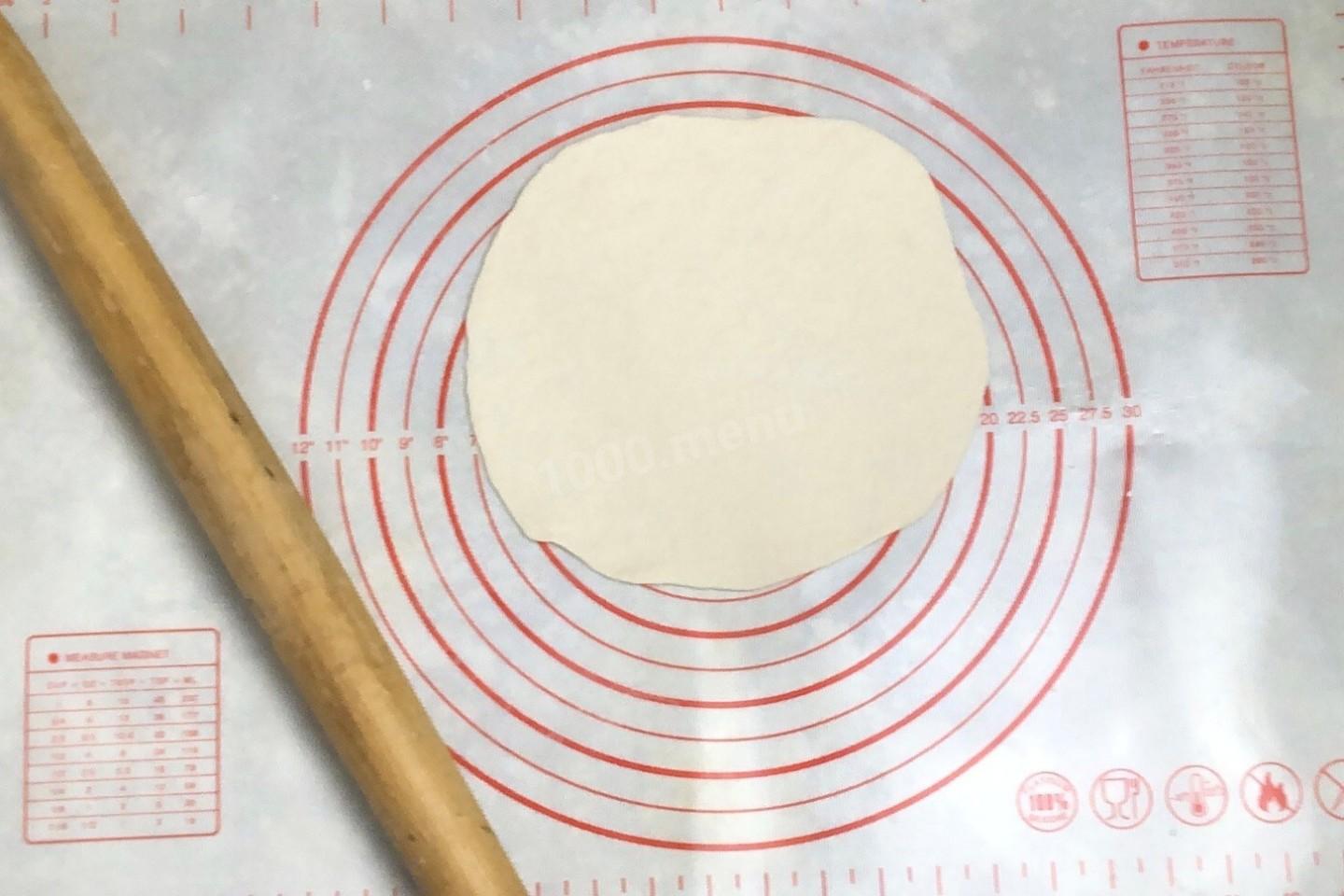
By now the dough has improved — the liquid has fully absorbed and the gluten has developed, giving it elasticity. Always try to let kneaded dough rest; it's much easier to work with. Divide the dough into 8 pieces. Roll each one out into a thin circle on a floured surface.
-
Step 13:
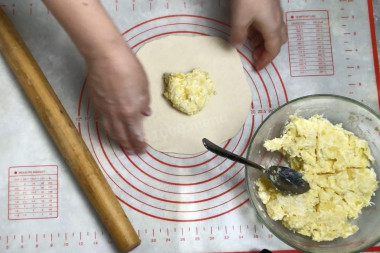
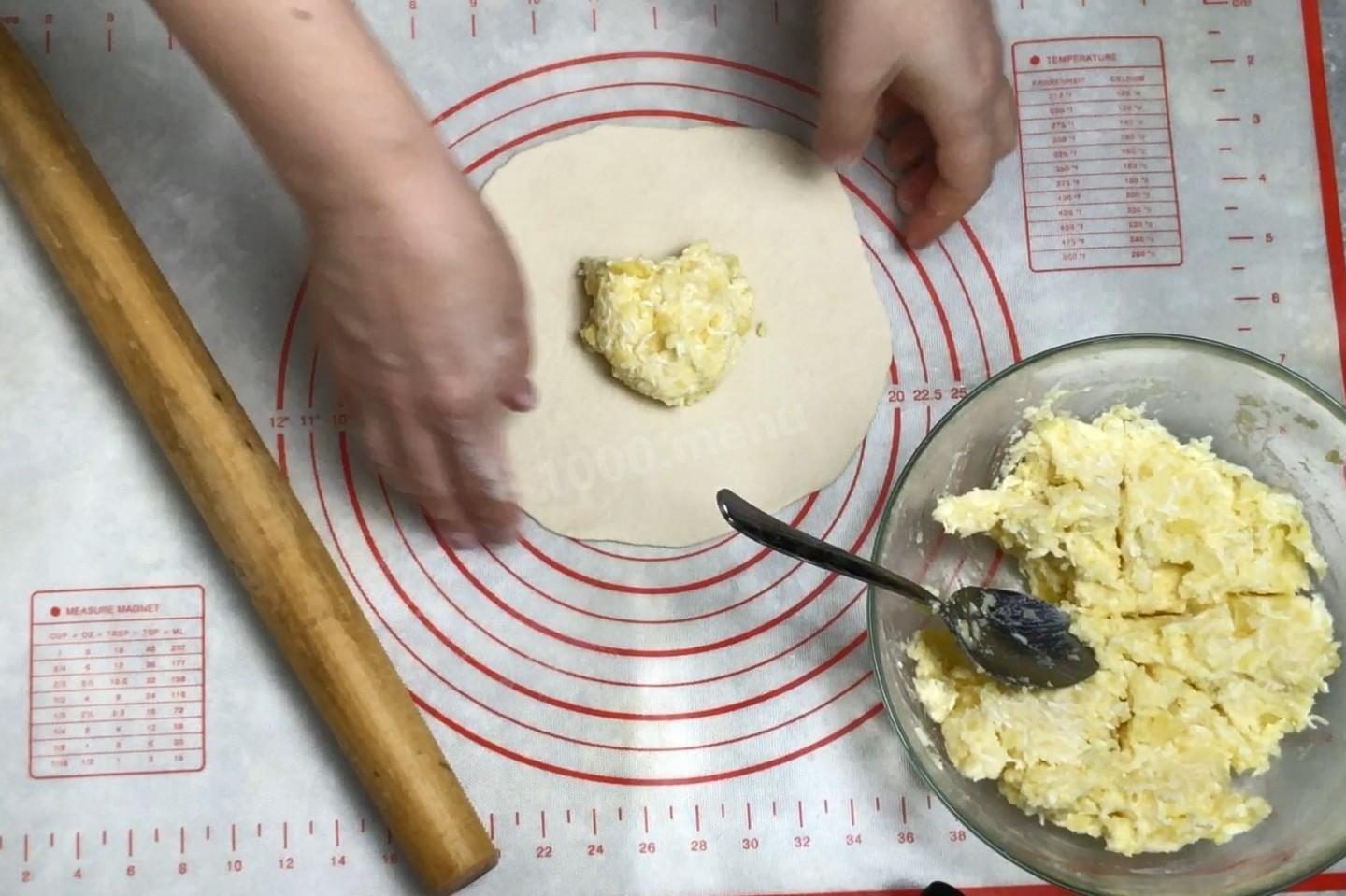
Place a generous portion of filling in the center of each round.
-
Step 14:
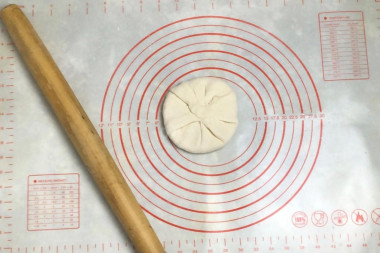
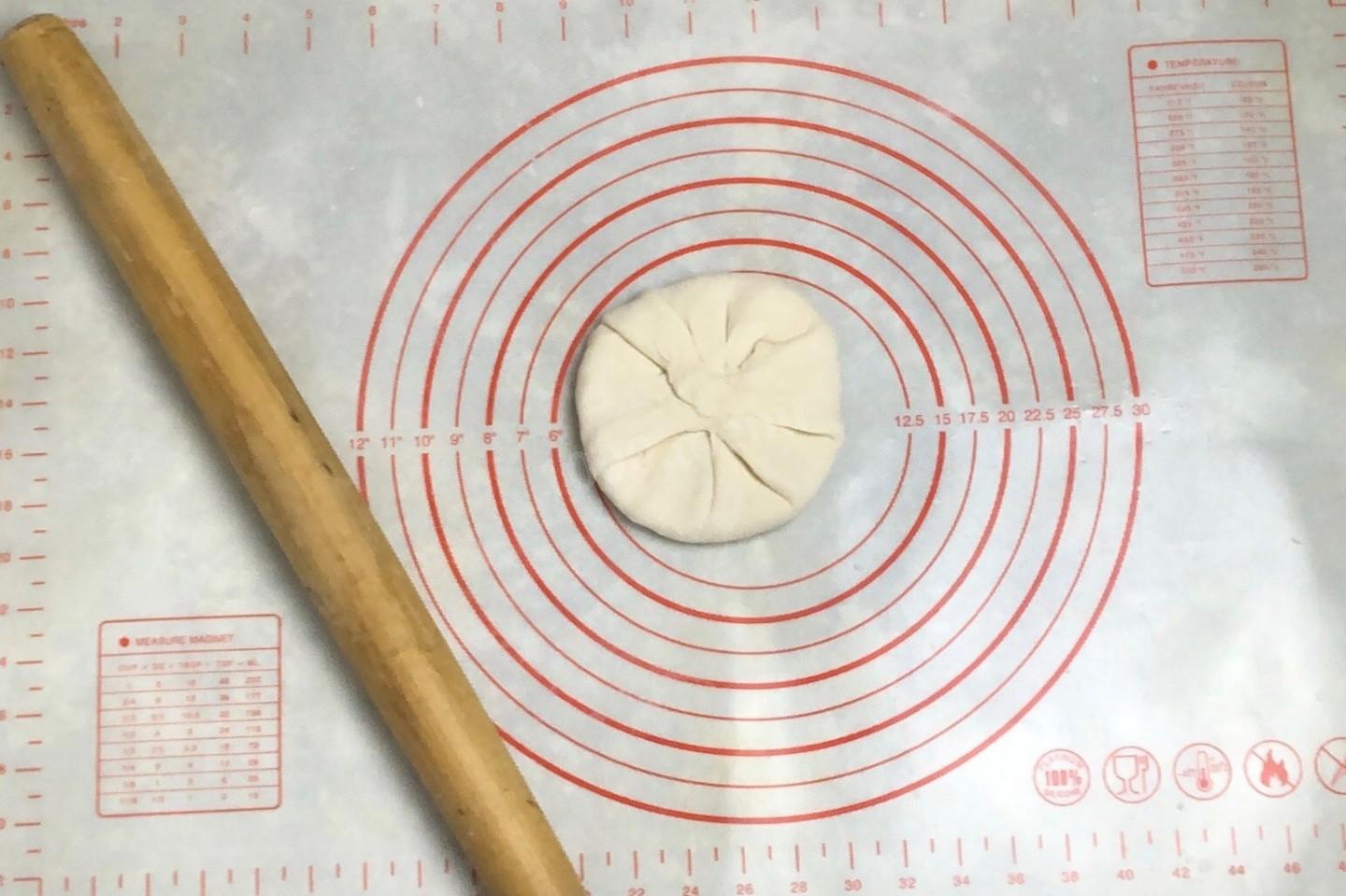
Gather the edges of the dough up into the center and pinch them together into a pouch. Flatten it from the top so it's flat.
-
Step 15:
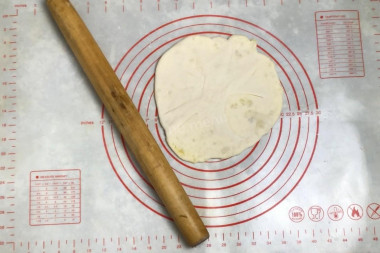
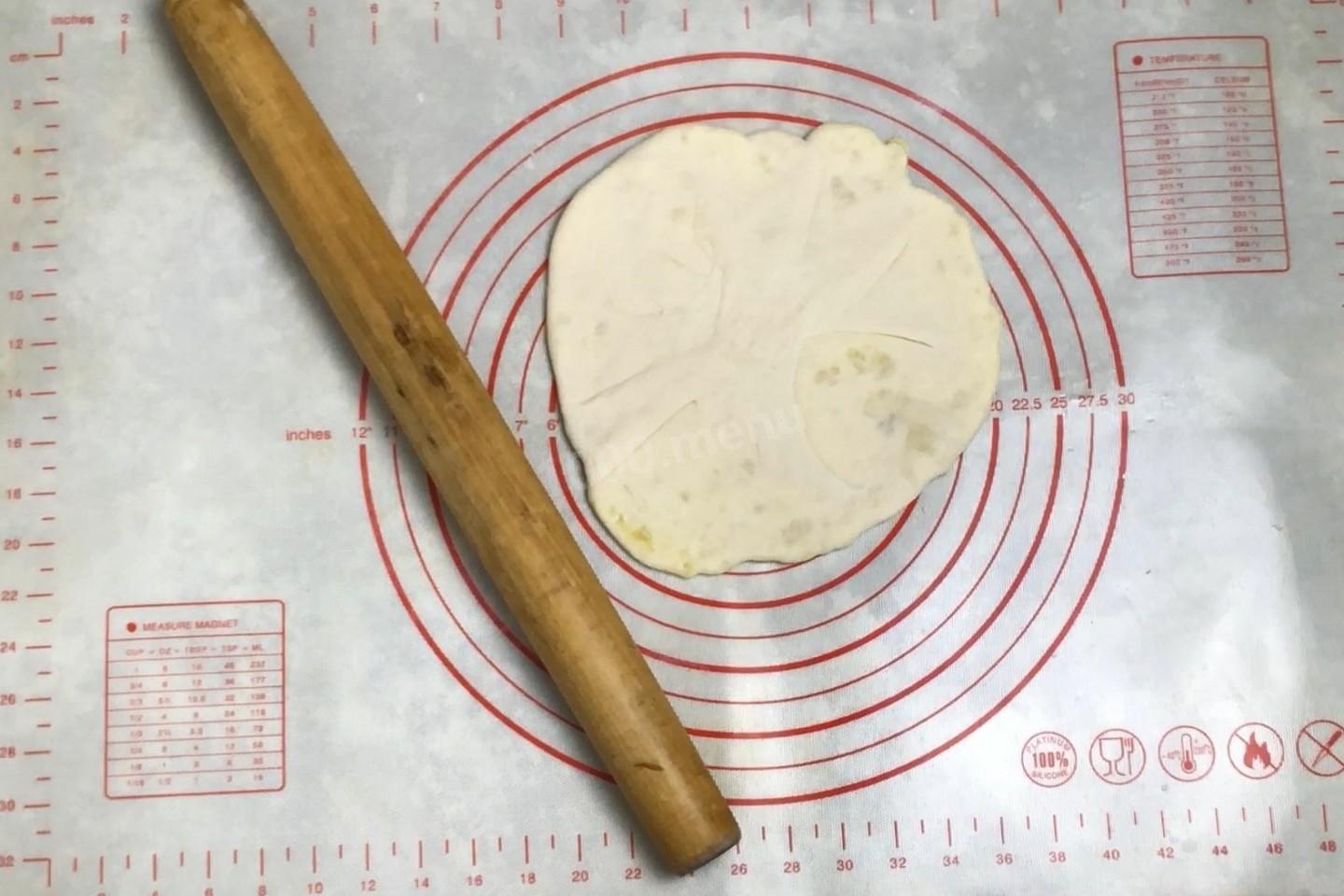
Roll the flatbread out to about 1/2 inch (1 cm) thick. The dough is very thin and can tear, so work carefully. Shape all the chudu the same way. I did it right as I fried — while one cooked, I shaped the next.
-
Step 16:
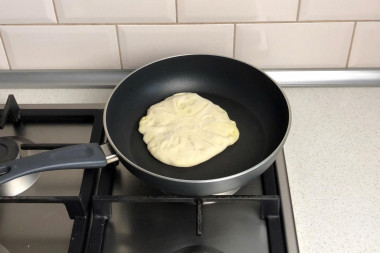
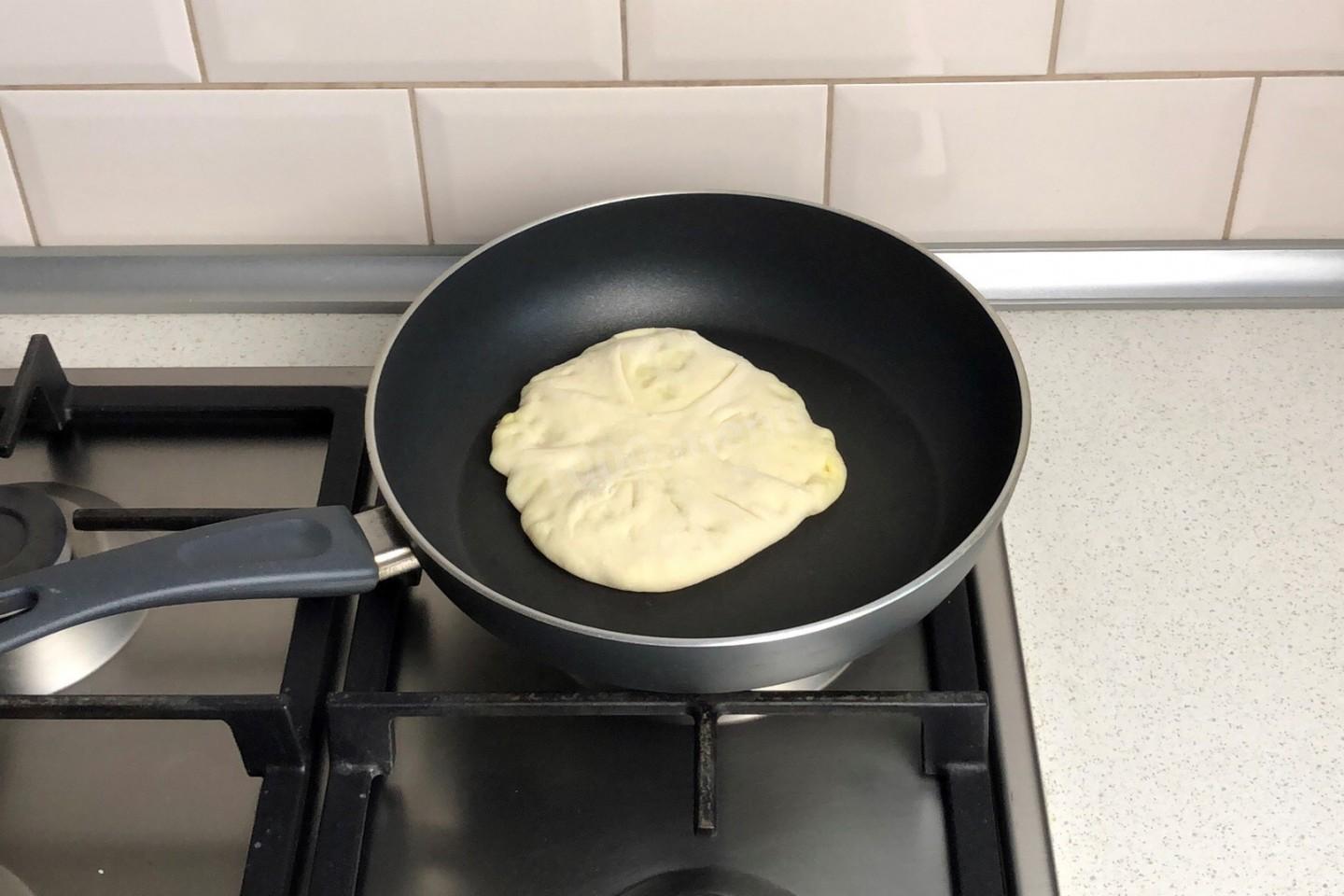
Set a skillet over medium heat. Without greasing it, heat it until hot. Lay a shaped flatbread on it.
-
Step 17:
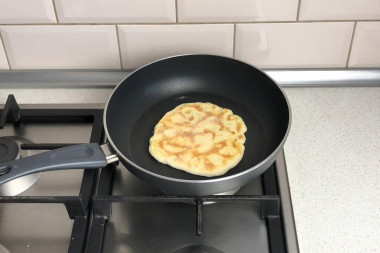
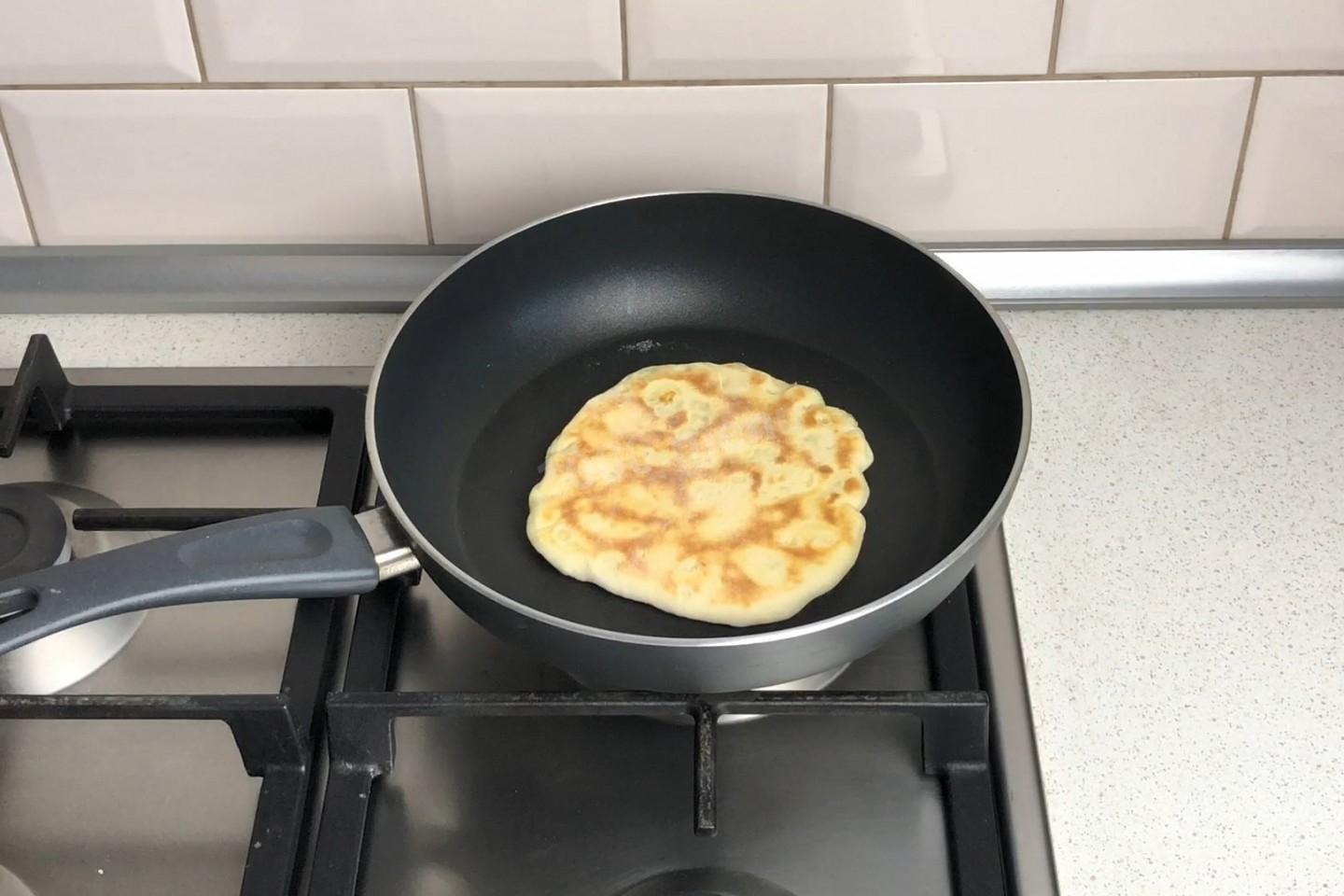
Cook the chudu in the dry skillet until golden on one side, then flip and cook the other side until golden too.
-
Step 18:
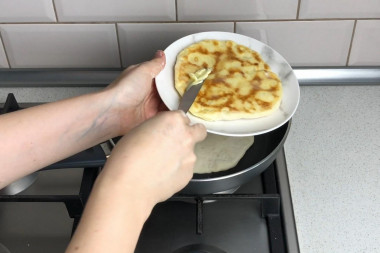
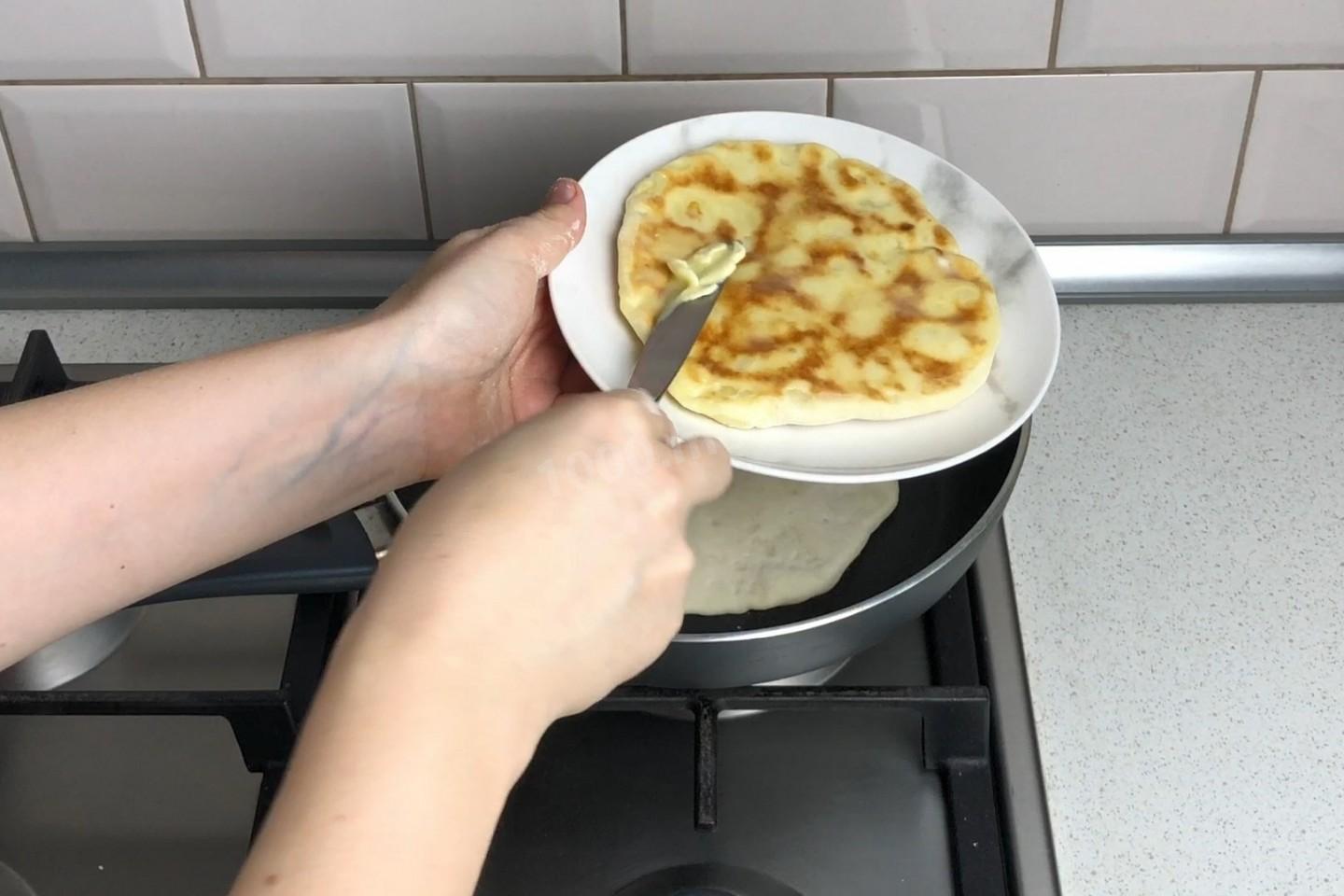
Move the finished flatbread to a plate and, while it's still hot, brush it with butter right away. Cook all the flatbreads the same way.
-
Step 19:
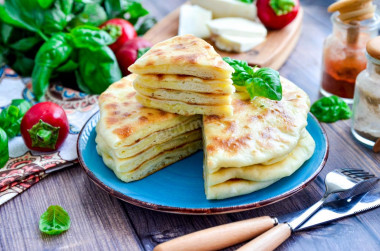
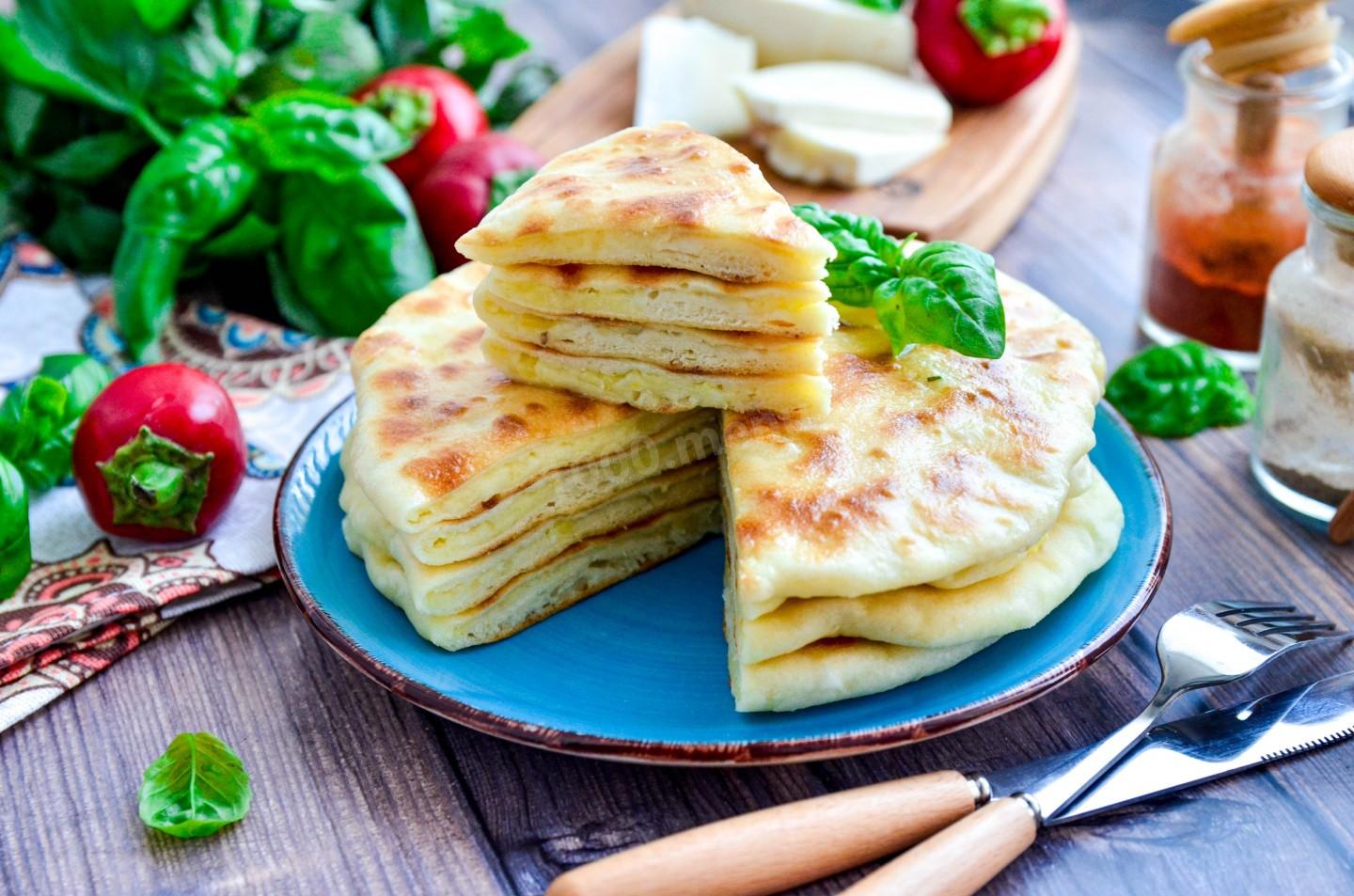
Serve the chudu hot with sour cream. Enjoy!
- It's important to sift the flour to aerate it. That way the bread comes out airy and rises well as it cooks.
- Can you swap baking soda for baking powder? How do you add each so the bake turns out fluffy, and how do you avoid an off, soda-like taste? Read all about it in the article "Baking powder or baking soda — which is better?"
- Root vegetables are best scrubbed with a brush or a firm sponge under running water.
Caloric content of the products possible in the composition of the dish
- Ripe potatoes - 80 kcal/100g
- Baked potatoes - 70 kcal/100g
- Mashed potatoes - 380 kcal/100g
- Boiled potatoes - 82 kcal/100g
- Potatoes in uniform - 74 kcal/100g
- Fried potatoes - 192 kcal/100g
- Sour cream with 30% fat content - 340 kcal/100g
- Sour cream of 25% fat content - 284 kcal/100g
- Sour cream with 20% fat content - 210 kcal/100g
- Sour cream of 10% fat content - 115 kcal/100g
- Sour cream - 210 kcal/100g
- Whole durum wheat flour fortified - 333 kcal/100g
- Whole durum wheat flour, universal - 364 kcal/100g
- Flour krupchatka - 348 kcal/100g
- Flour - 325 kcal/100g
- Kefir fat - 62 kcal/100g
- Kefir of 1% fat content - 38 kcal/100g
- Low-fat kefir - 30 kcal/100g
- Kefir 'doctor beefy' 1,8% fat content - 45 kcal/100g
- Kefir 2.5% fat content - 53 kcal/100g
- Butter 82% - 734 kcal/100g
- Amateur unsalted butter - 709 kcal/100g
- Unsalted peasant butter - 661 kcal/100g
- Peasant salted butter - 652 kcal/100g
- Melted butter - 869 kcal/100g
- Salt - 0 kcal/100g
- Baking soda - 0 kcal/100g
- Adyghe cheese - 240 kcal/100g
Similar recipes

- For breakfast
- Homemade dinner
- National cuisine
- Baking
- Cheese
- Dairy products
- Vegetables
- Flour
- Spices seasonings spices
- Fats and oils
- Other
- Salt
- Butter
- Baking soda
- Caucasian cuisine
- Frying
- In a frying pan
- Baked on kefir
- Yeast-free baking
- Pastries with sour cream
- Unsweetened pastries
- Soft cheese
- Kefir
- Sour cream
- From potatoes
- No eggs
- Vegetarianism