Skillet Omelet with Tomatoes
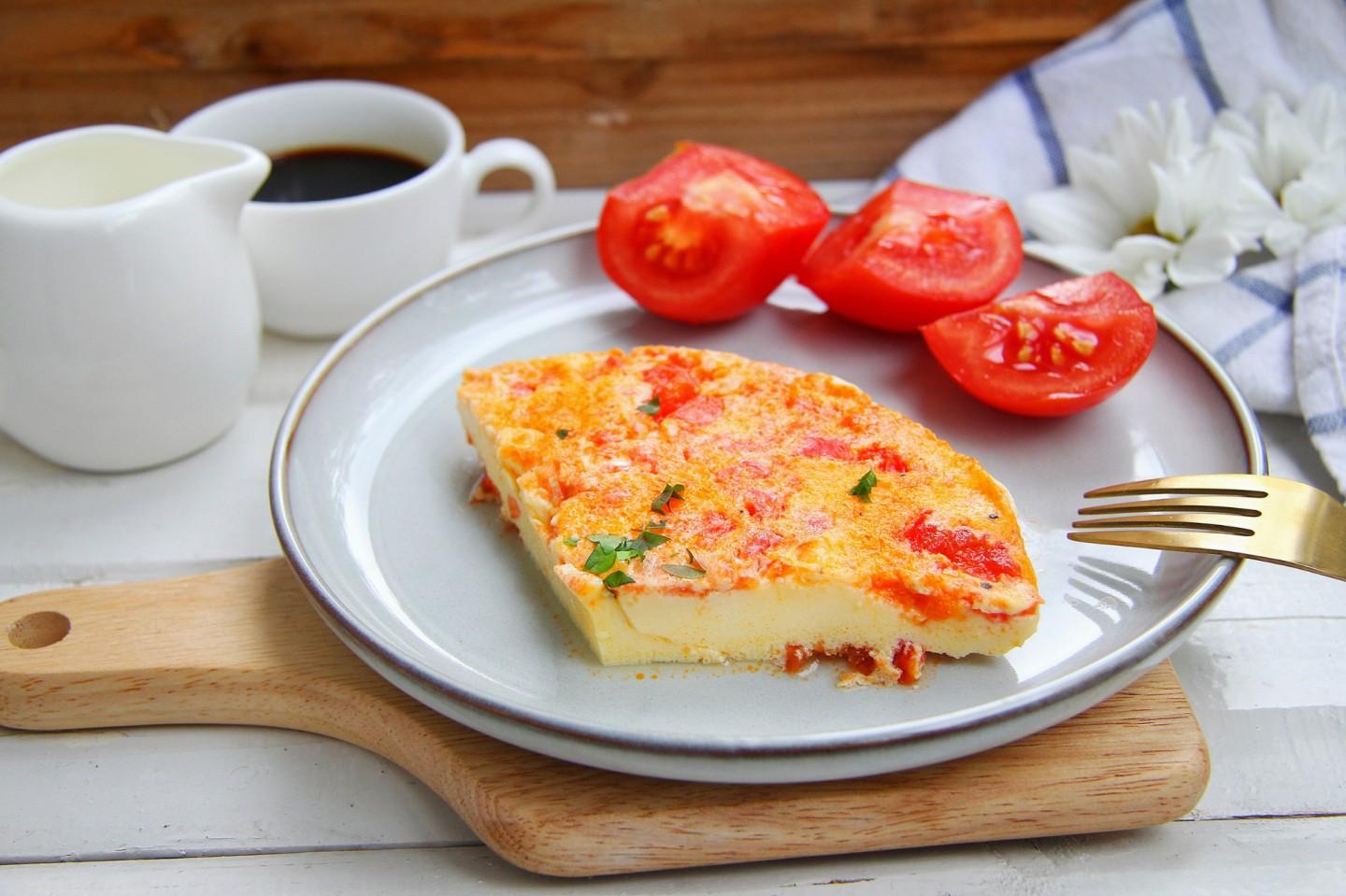
A tender, melt-in-your-mouth breakfast staple! An airy, feather-light milk omelet with sautéed tomatoes will make your morning. I'd say this dish already counts as a classic. It couldn't be easier to pull off: just 10–12 minutes, and the perfect companion for your morning coffee is ready!



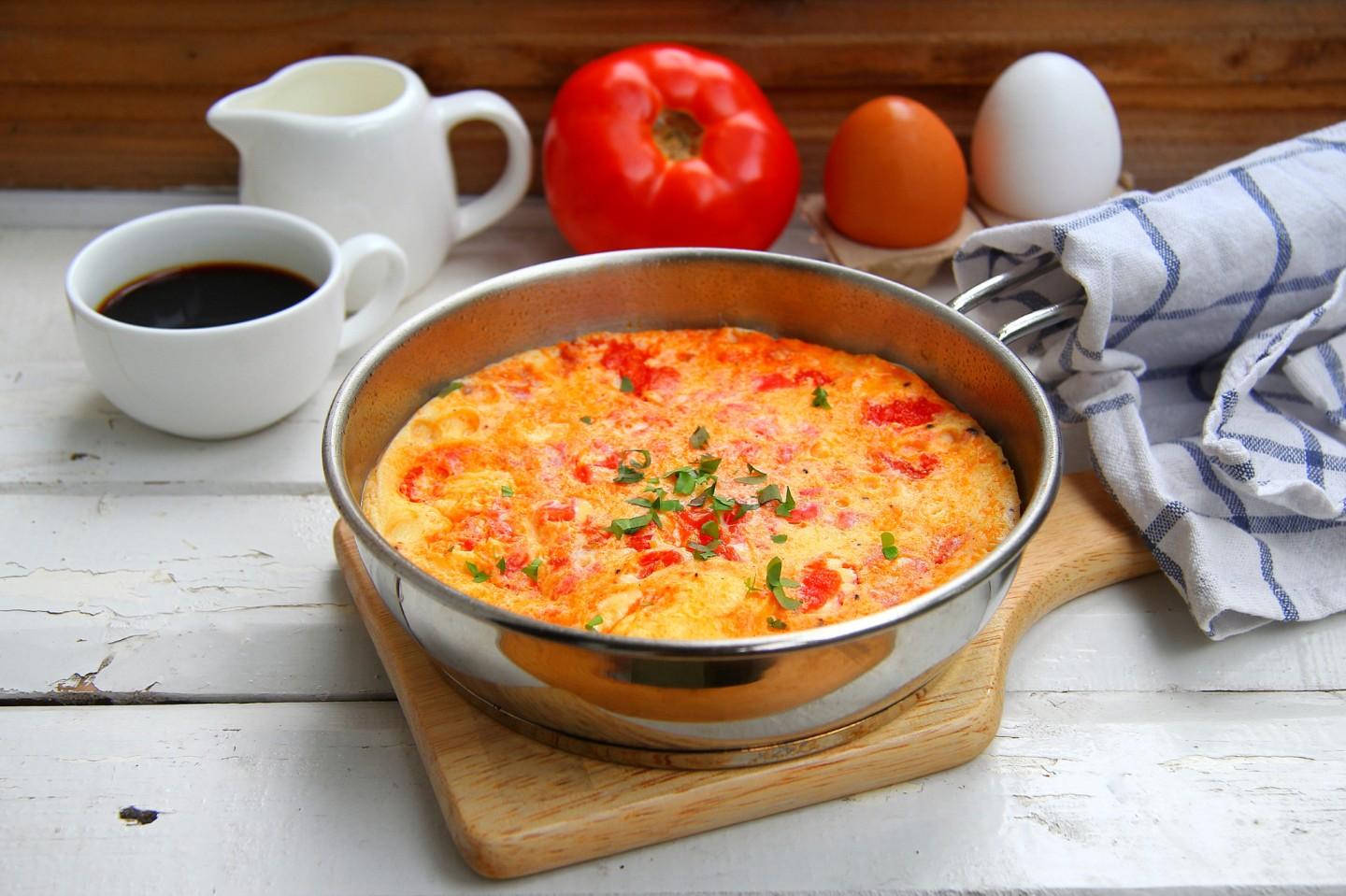
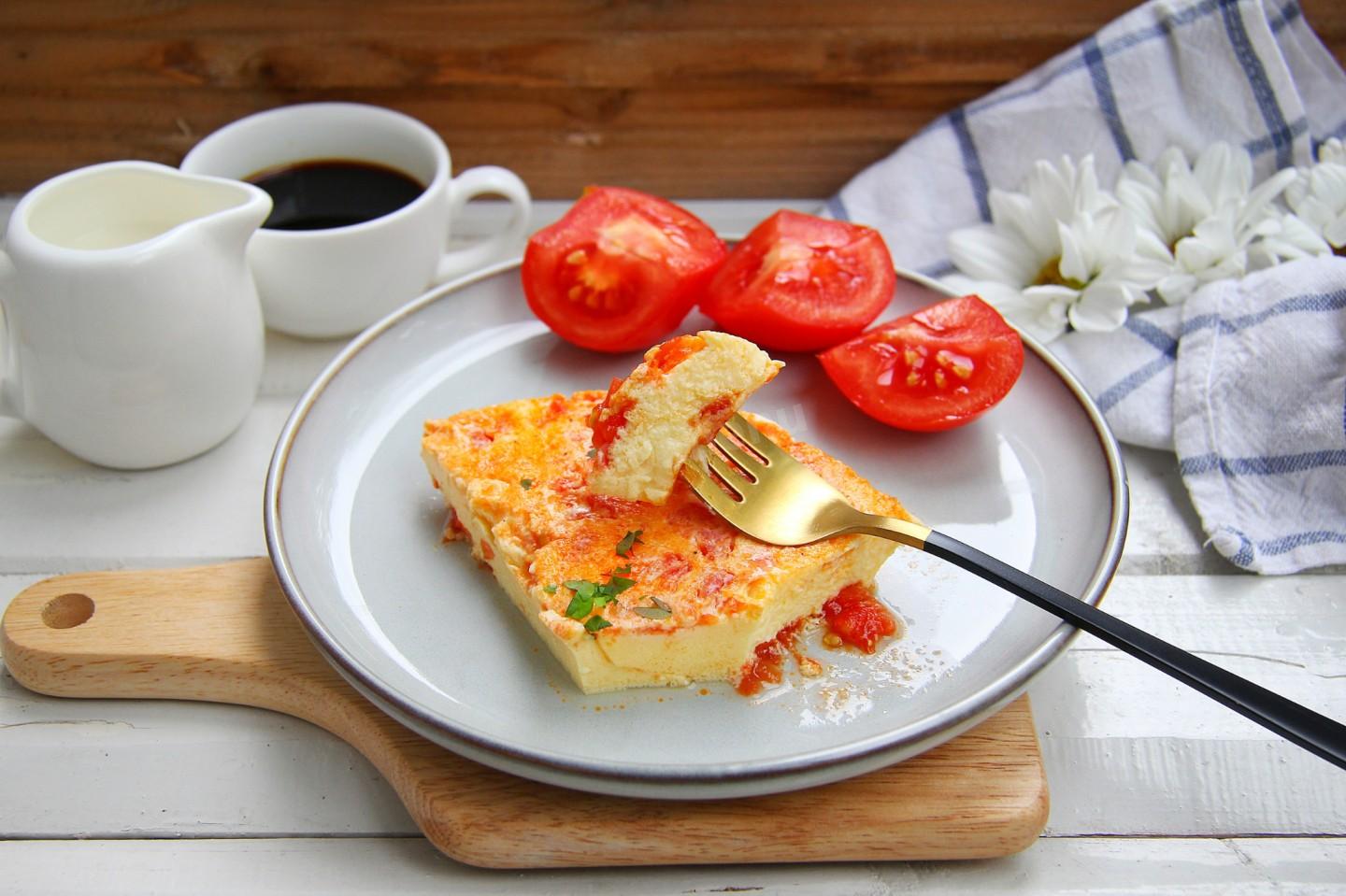
Cooking method
-
Step 1:
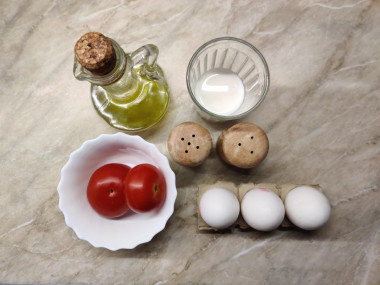
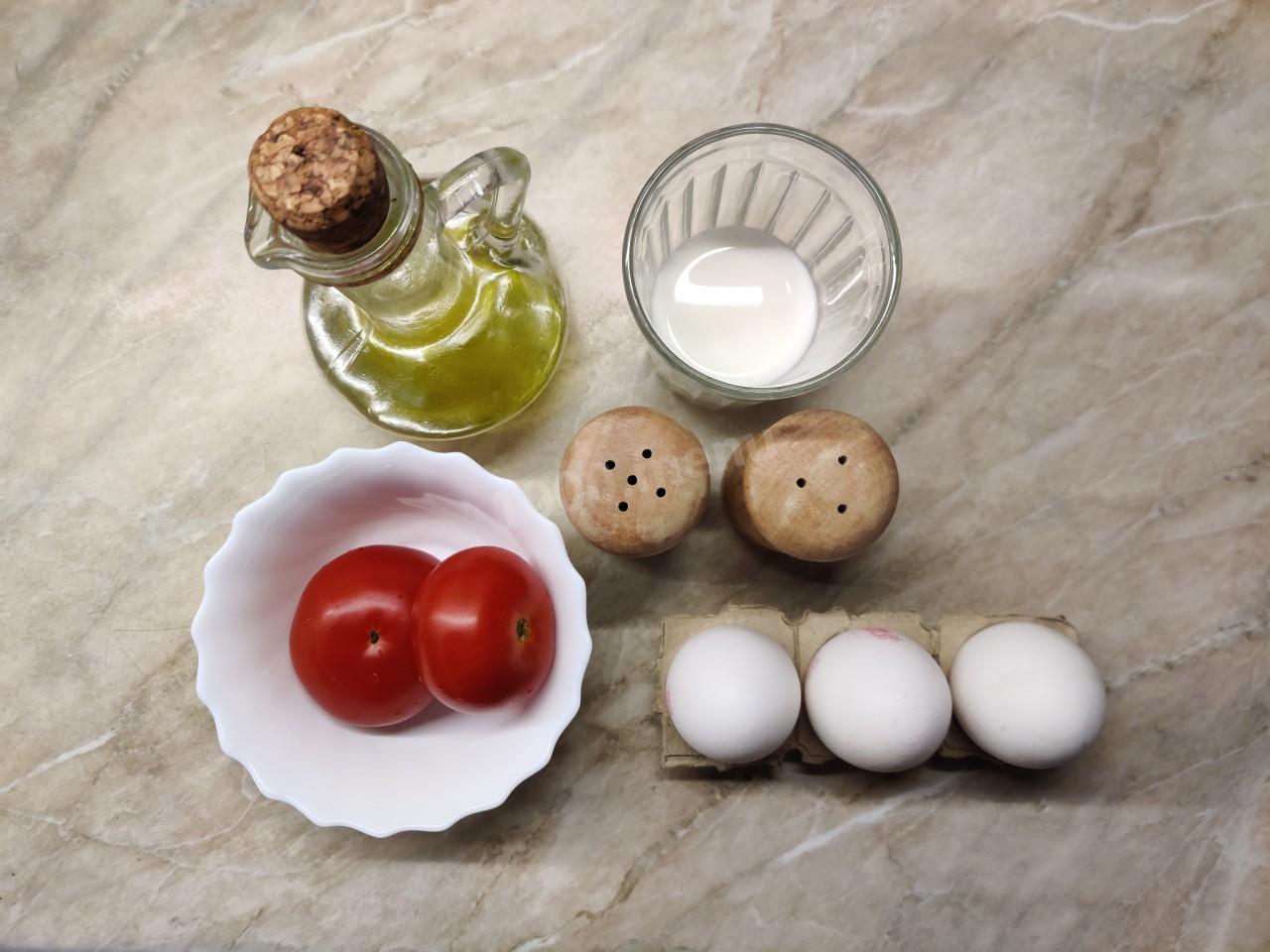
How do you make a skillet omelet with tomatoes? First, gather all the ingredients so you won't be scrambling mid-cook. Choose ripe, fragrant tomatoes. We'll be peeling them so the omelet turns out more tender. It helps if the eggs have had time to come to room temperature. Use whatever milk you normally keep on hand. I'm using a stainless steel skillet, but a nonstick pan is a safer bet.
-
Step 2:
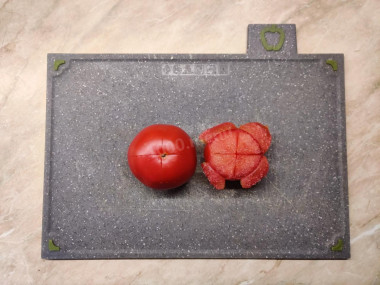
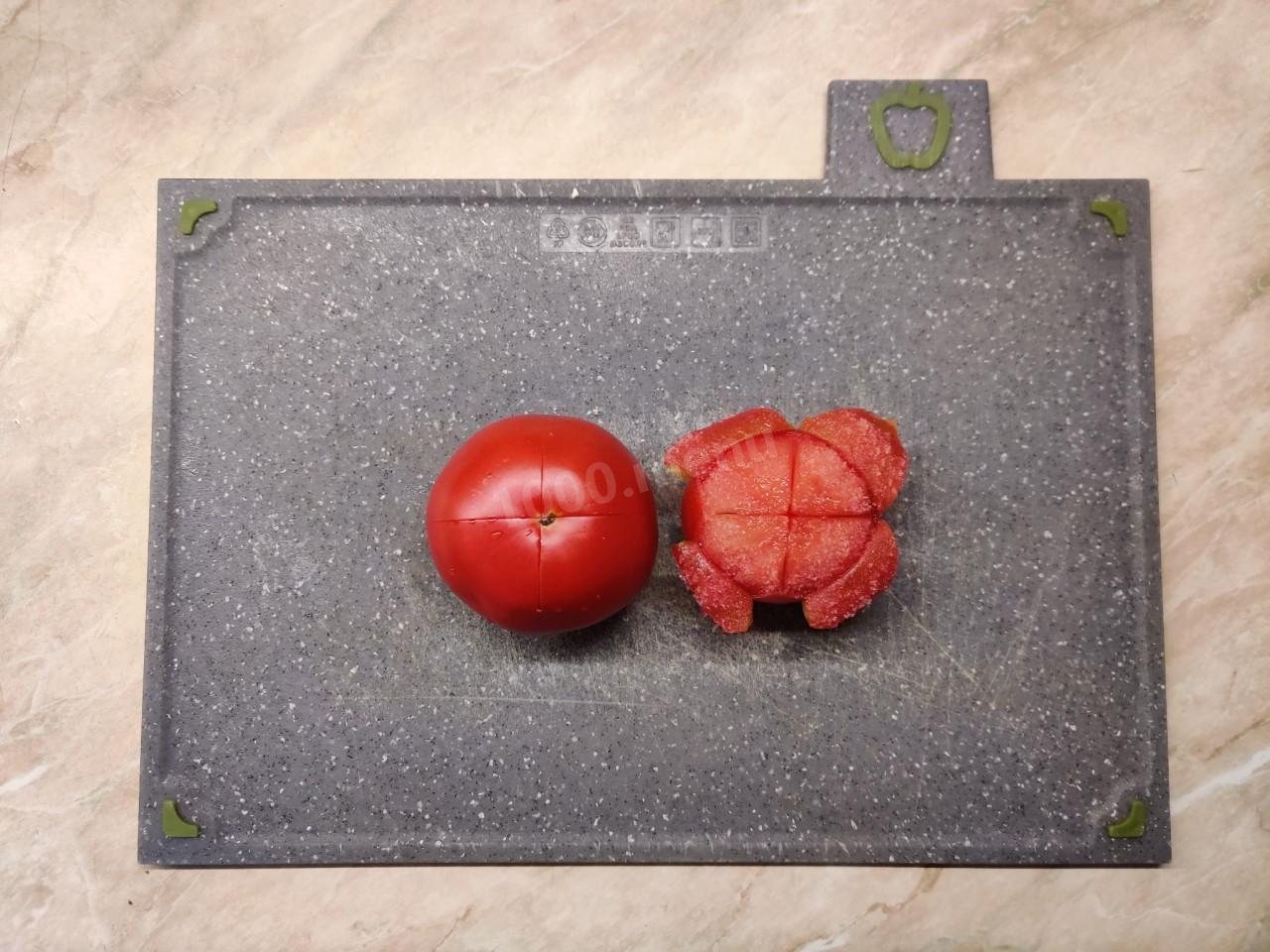
Rinse the tomatoes under running water and score a shallow X in the skin. Mine are ripe summer tomatoes, so the skin slipped right off. If it doesn't peel easily, set the tomatoes in a deep heatproof bowl and cover them completely with boiling water. After 2–3 minutes the skin should pull away from the flesh more easily. Remove the stem end and cut the tomatoes into small cubes.
-
Step 3:
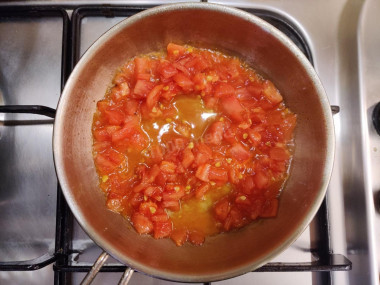
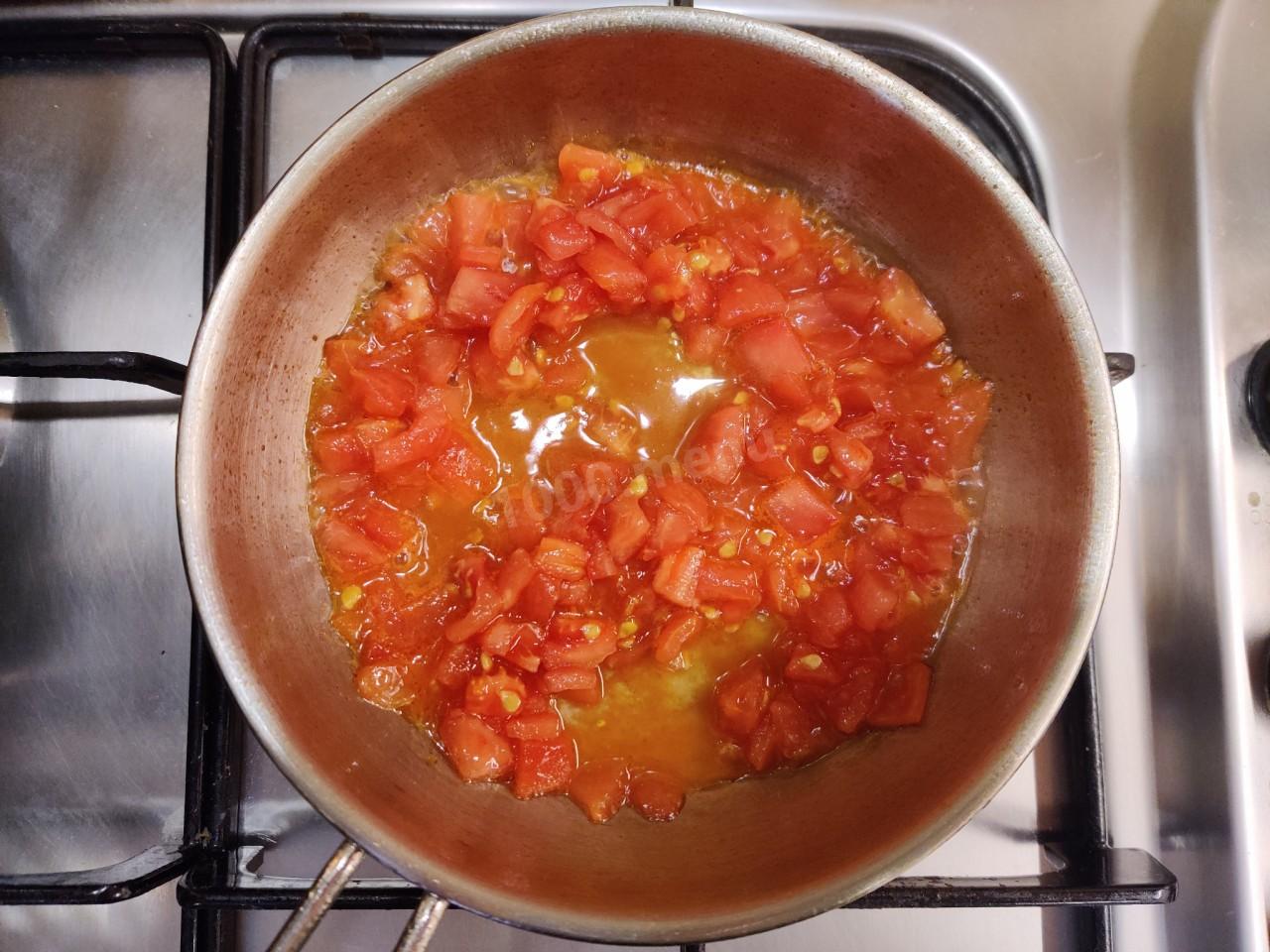
Heat the oil in a skillet over medium heat and add the tomatoes. Careful — they'll likely spatter! You can cover the pan with a lid right away until that settles down. Sauté the tomatoes for 5 minutes, stirring occasionally, until they soften.
-
Step 4:
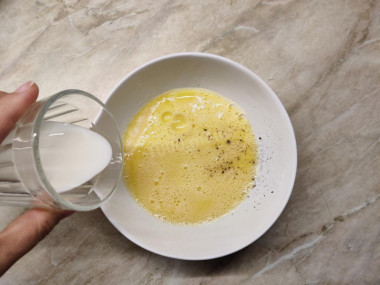
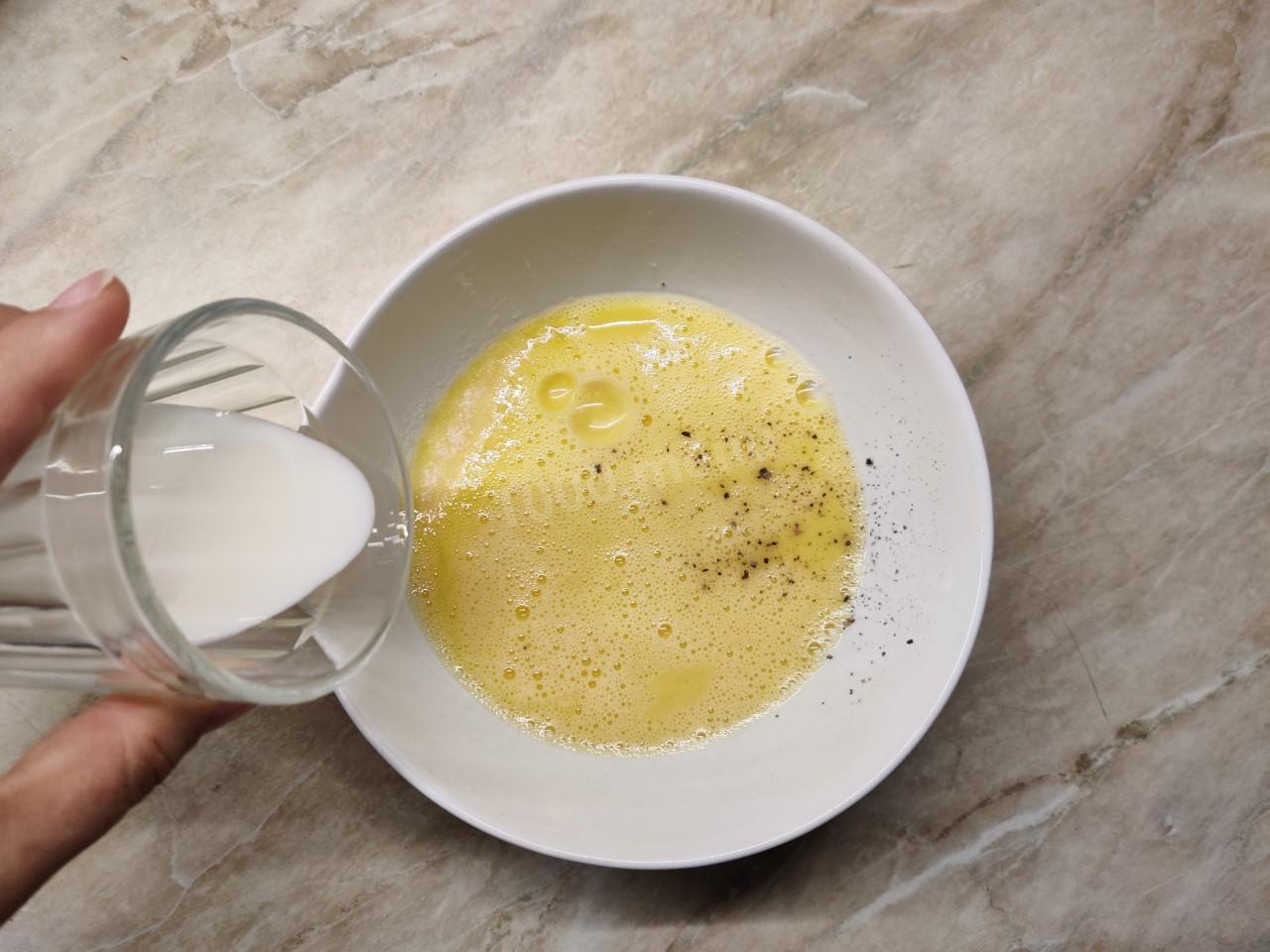
Meanwhile, get the eggs ready. Rinse them under running water, then whisk until frothy. Season with salt and pepper to taste. Pour in the milk and whisk again. The milk gives the omelet an incredible tenderness.
-
Step 5:
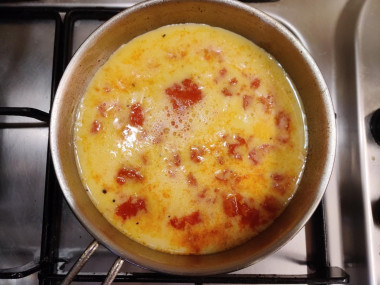
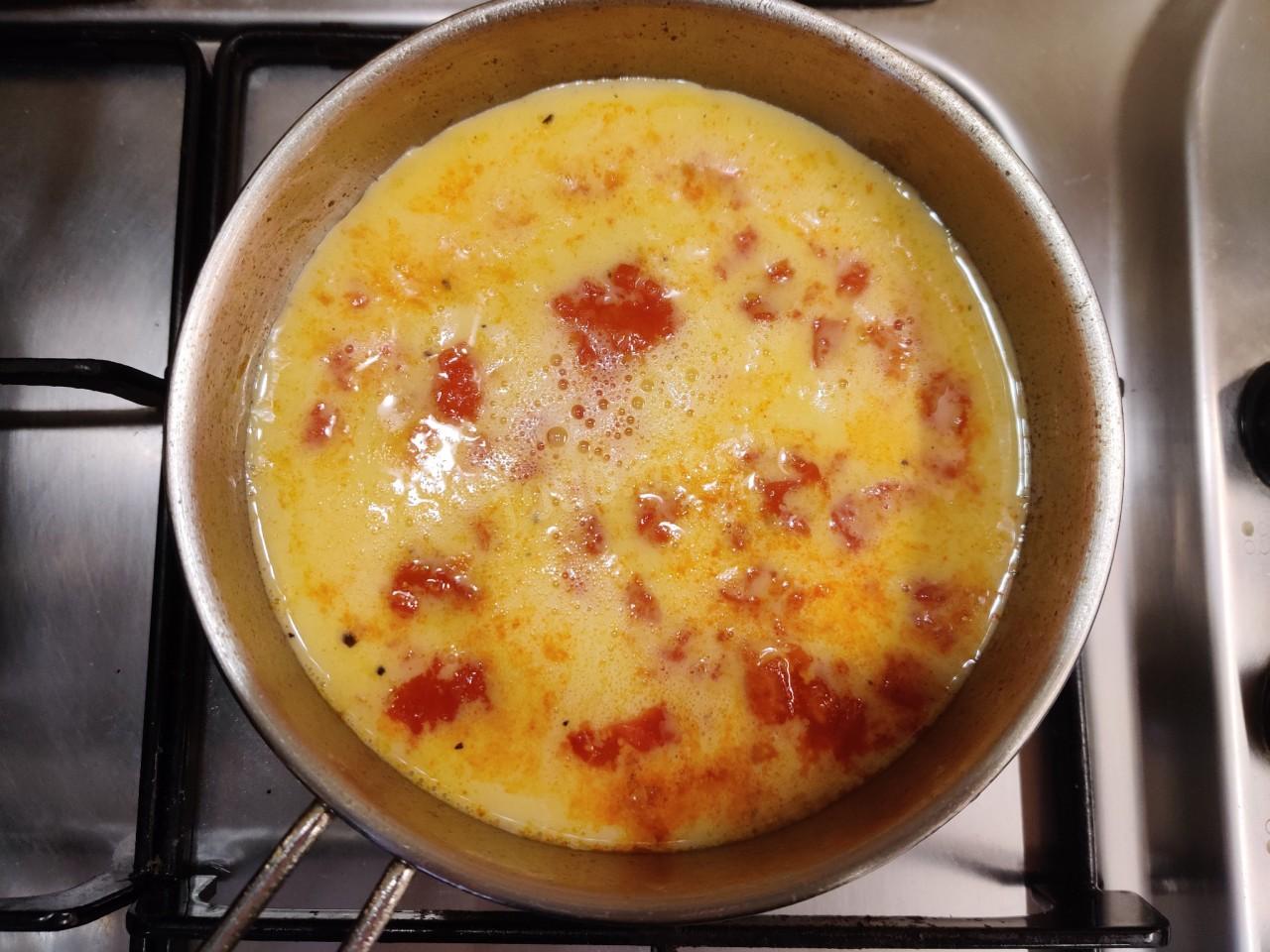
Pour the eggs into the pan and cover immediately. Keep the heat at medium. Note: the omelet cooks for 3–5 minutes under the lid — don't lift it until the dish is done! You can crack the lid open briefly to check on it.
-
Step 6:

Once the eggs are fully set and no liquid remains on top, the omelet is done. Take it off the heat. There's no getting around it — the omelet will deflate a bit; that's inevitable. The one trick is to leave the pan covered for another 2 minutes, which keeps the loss of height to a minimum.
-
Step 7:
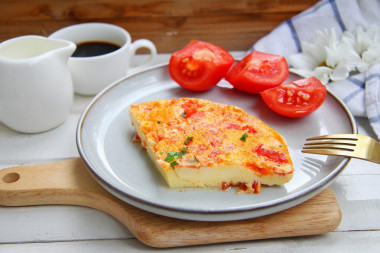
In that time you can chop some fresh herbs for serving — or have your espresso machine pull you a cup of fragrant espresso :)

- It's wonderful that simple yet great recipes like this exist for delicious breakfasts! Sometimes we forget about them while chasing almond croissants and chia-seed desserts :) But that makes it all the more delightful to suddenly remember them and cook them for the people we love!
- Enjoy!
- How can you tell if an egg is fresh? Crack it into a separate container. First and foremost, there should be no off smell. The white of a fresh egg will be clear and clean. The yolk should hold together without spreading, and it'll look shiny, domed, and even.
- Always wash eggs before using them, since even a shell that looks clean can carry harmful bacteria. A food-safe wash and a brush work best.
Caloric content of the products possible in the composition of the dish
- Tomatoes - 23 kcal/100g
- Whole cow's milk - 68 kcal/100g
- Milk 3.5% fat content - 64 kcal/100g
- Milk 3.2% fat content - 60 kcal/100g
- Milk 1.5% fat content - 47 kcal/100g
- Concentrated milk 7.5% fat content - 140 kcal/100g
- Milk 2.5% fat content - 54 kcal/100g
- Chicken egg - 157 kcal/100g
- Egg white - 45 kcal/100g
- Egg powder - 542 kcal/100g
- Egg yolk - 352 kcal/100g
- Ostrich egg - 118 kcal/100g
- Salt - 0 kcal/100g
- Olive oil - 913 kcal/100g
- Ground hot pepper - 21 kcal/100g
Similar recipes

- Fast and tasty
- For breakfast
- Children's recipes
- National cuisine
- Second course
- Eggs
- Dairy products
- Vegetables
- Spices seasonings spices
- Fats and oils
- Pepper
- Salt
- Vegetable oil
- Russian cuisine
- Frying
- Stewing
- In a frying pan
- Tomatoes fast and delicious
- The second is fast and delicious
- Dishes in 30 minutes
- Omelets рецепты
- Stewed vegetables
- Eggs with tomatoes
- Milk
- From tomato
- Vegetarianism
- Recipes for lean dishes without butter