Vegetable Stew with Beef and Potatoes
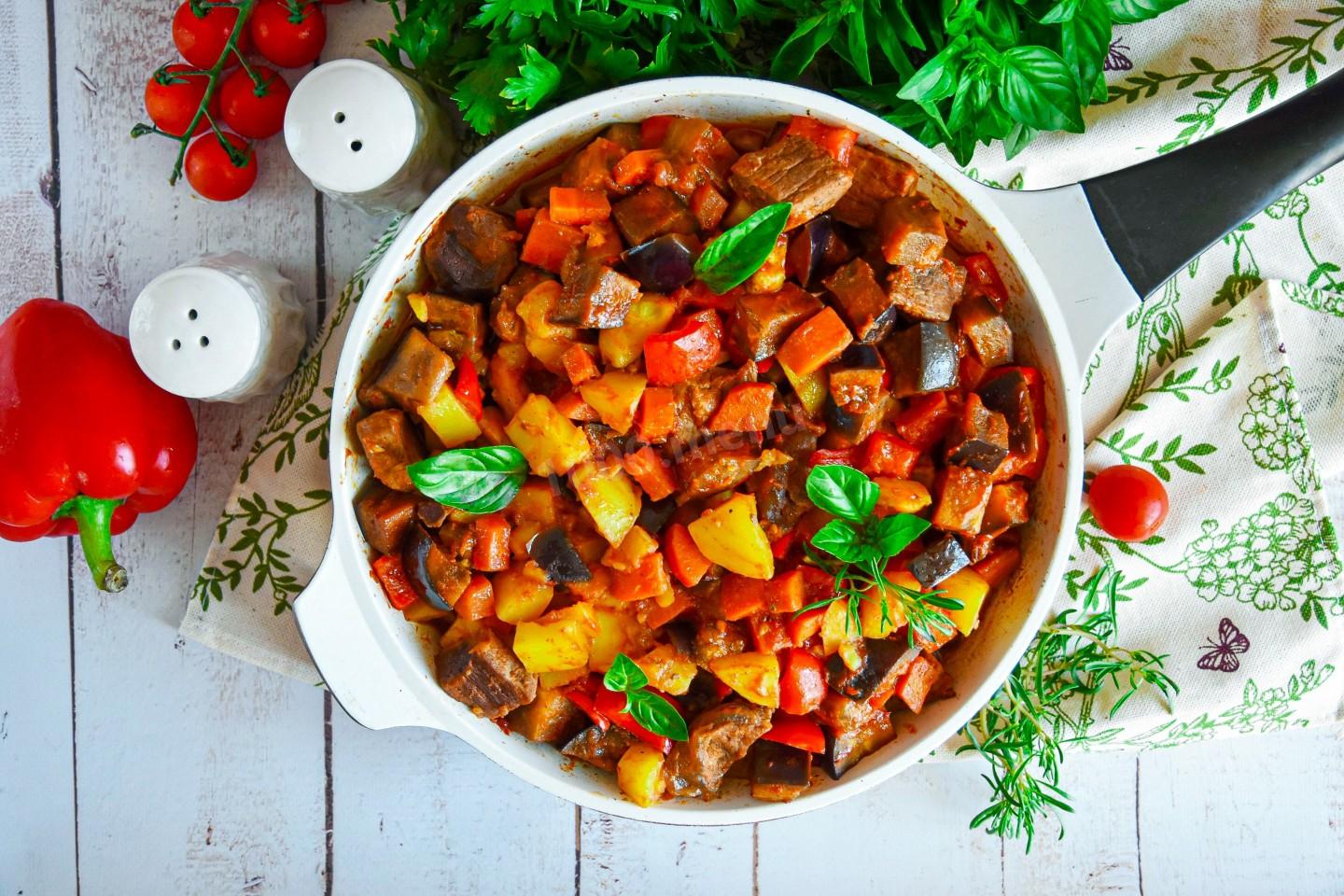
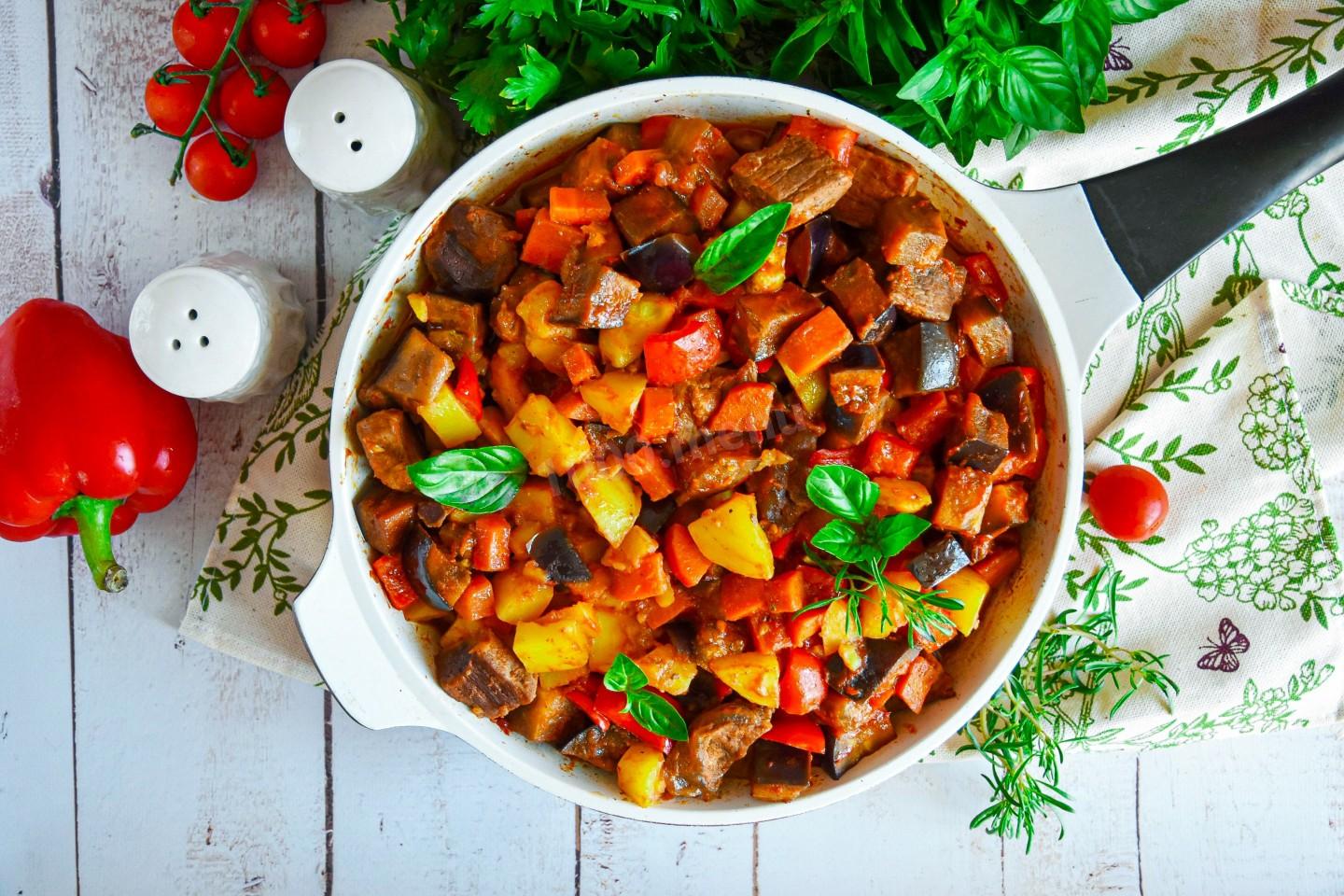
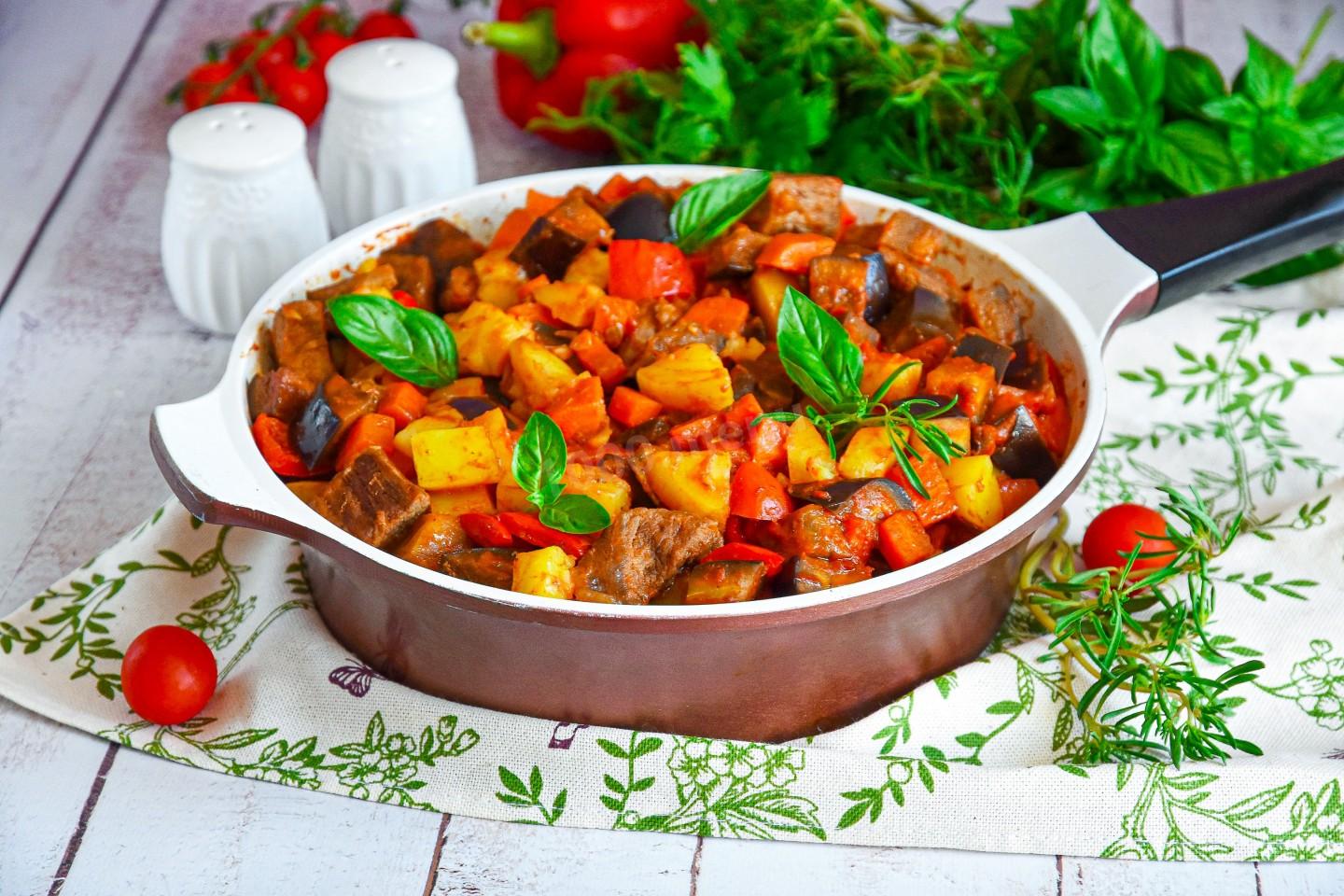
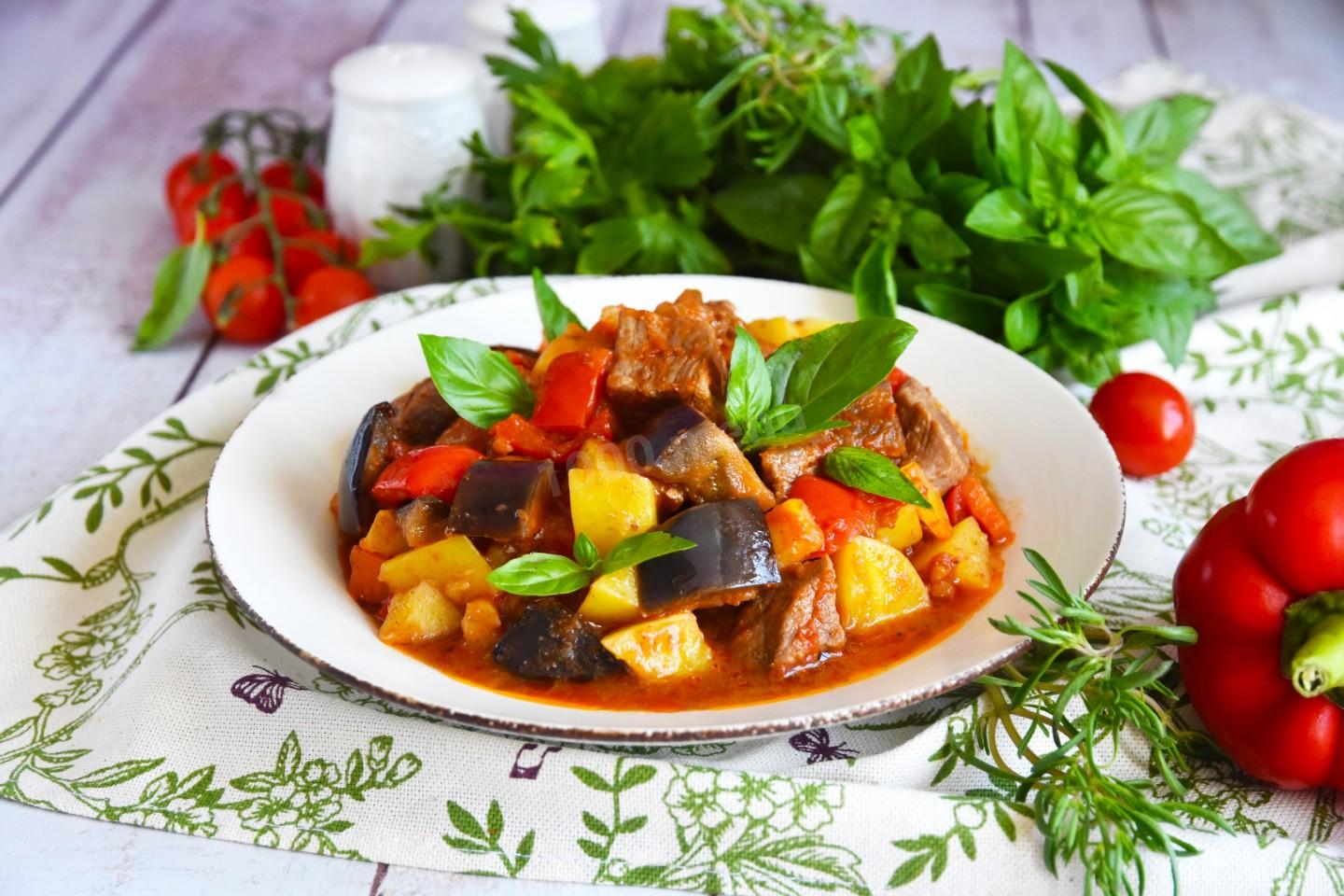
Really appetizing and colorful, made from simple ingredients, for the whole family! This vegetable stew with beef and potatoes comes out hearty and juicy. And for all its seeming complexity, it's surprisingly quick and easy to make! It's a complete meal, perfect for family dinners.

Cooking method
-
Step 1:
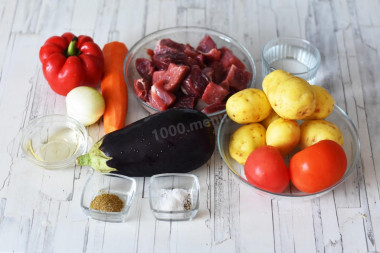
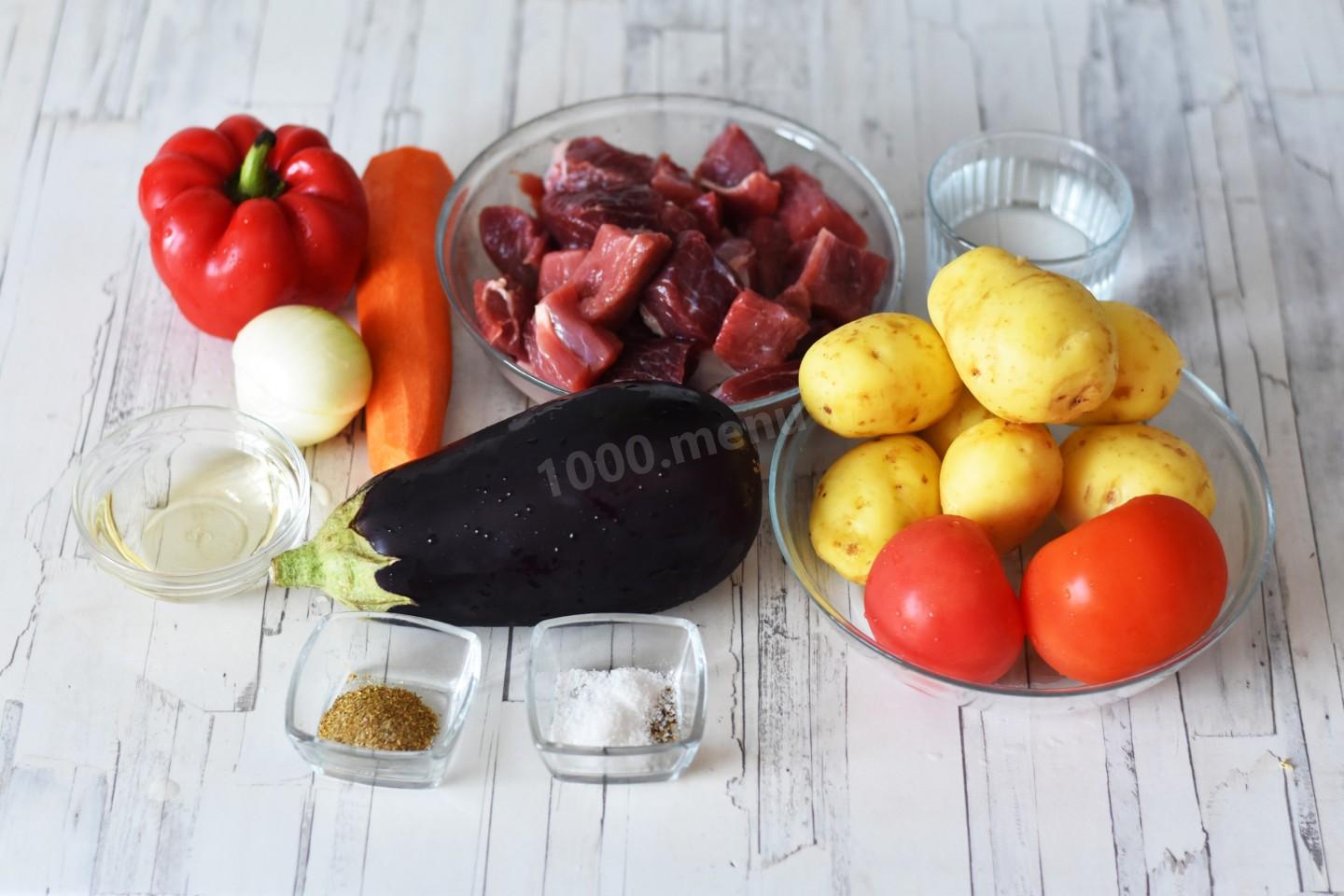
How do you make vegetable stew with beef and potatoes? It's really quite simple. First, gather the ingredients from the list. It's important to choose good meat for a stew — boneless beef or veal. Beyond the vegetables listed, feel free to add others you like, such as zucchini, cabbage, and so on. You can also season with your own spices to taste, like a vegetable- or meat-stew blend.
-
Step 2:
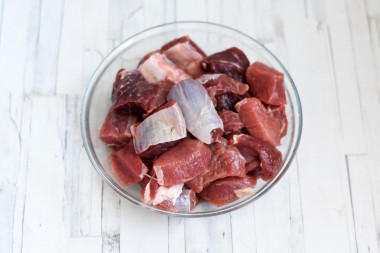
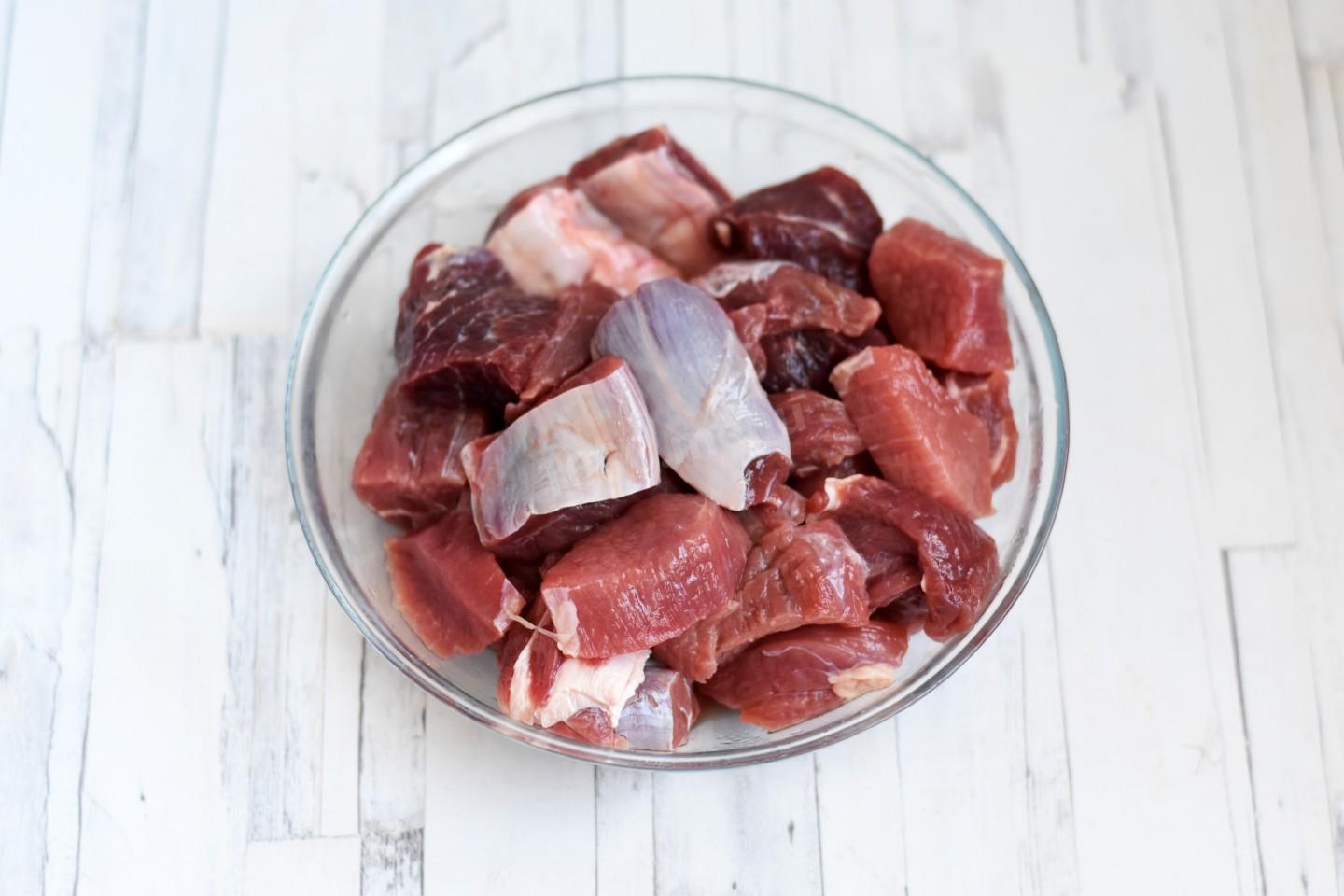
Rinse the beef, pat it dry, and cut it into small pieces. I'm using shank and shoulder, but you can use any boneless cut.
-
Step 3:
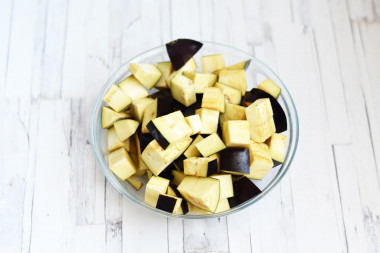
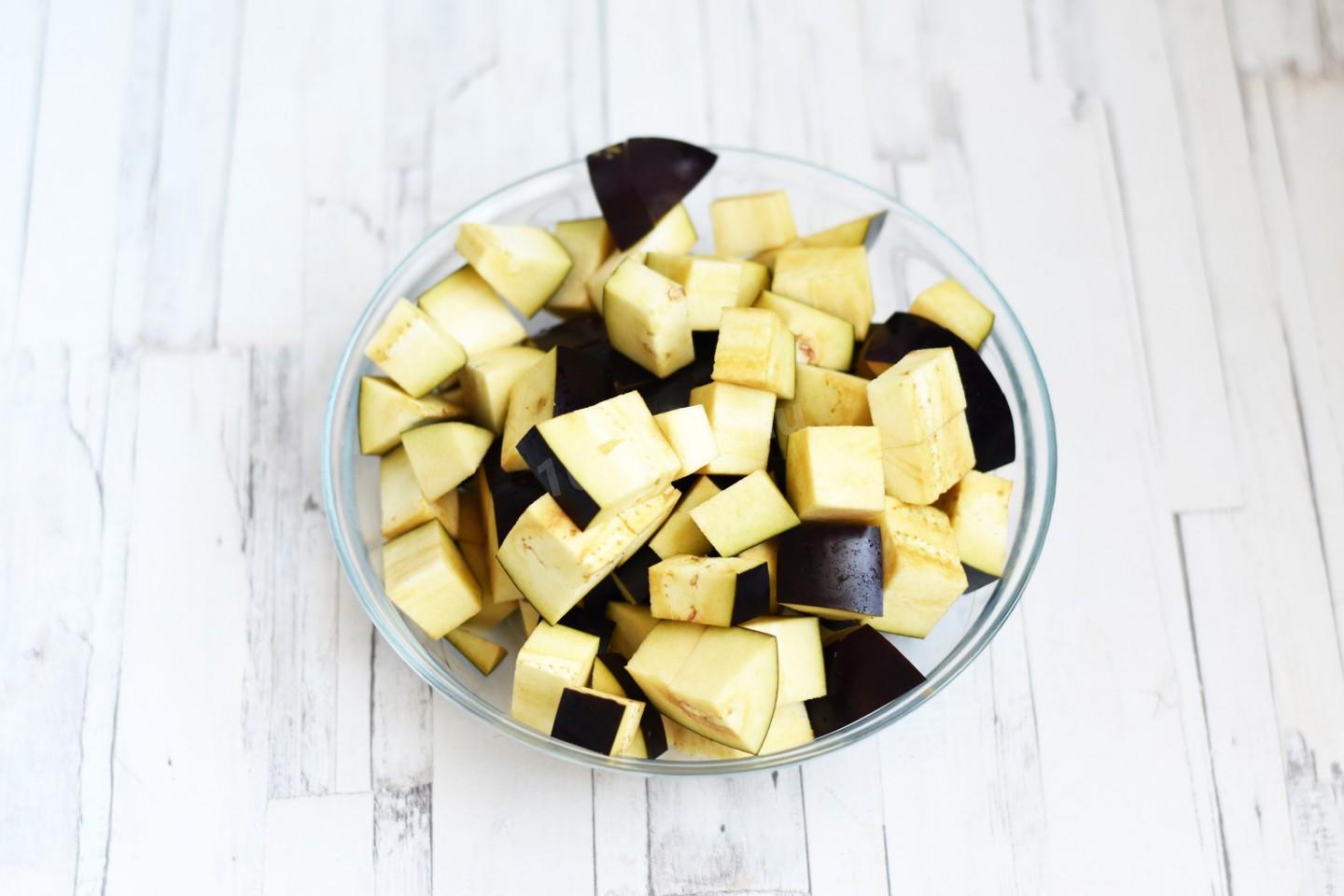
Wash and dry all the vegetables. Wash the eggplant, dry it, and cut it into cubes. If the eggplant tastes bitter, salt it and let it sit for 10 minutes, then rinse.
-
Step 4:
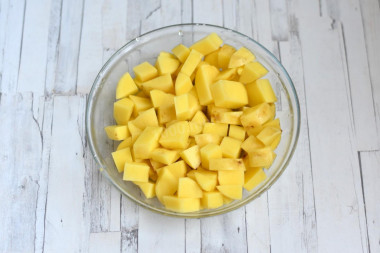
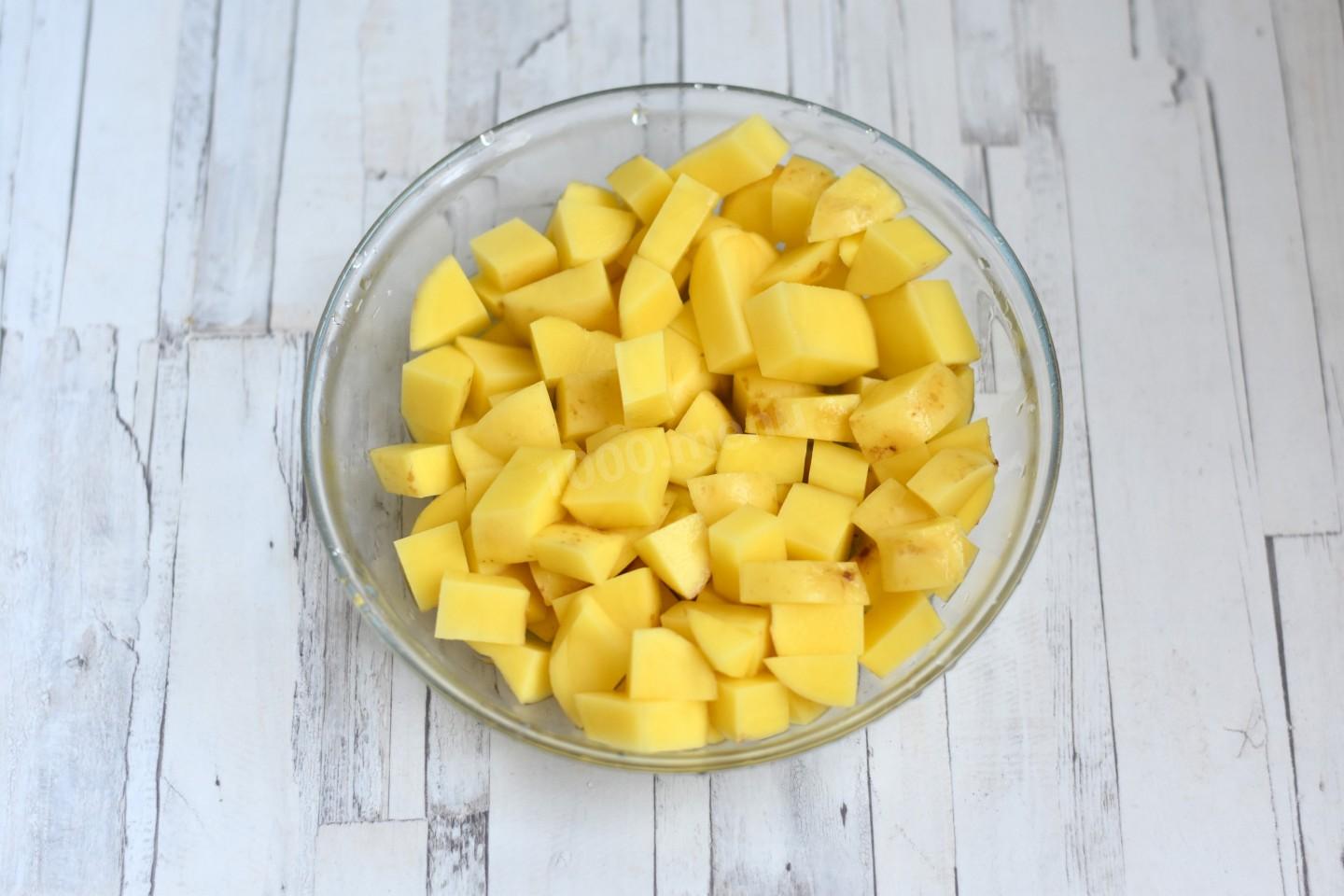
Peel the potatoes and cut them into small cubes. It's best to prep the potatoes right before you add them to the stew (step 15) so they don't darken — or cut them along with the other vegetables but keep them covered in cold water.
-
Step 5:
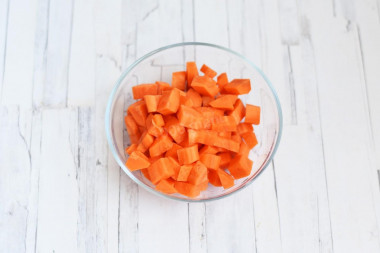
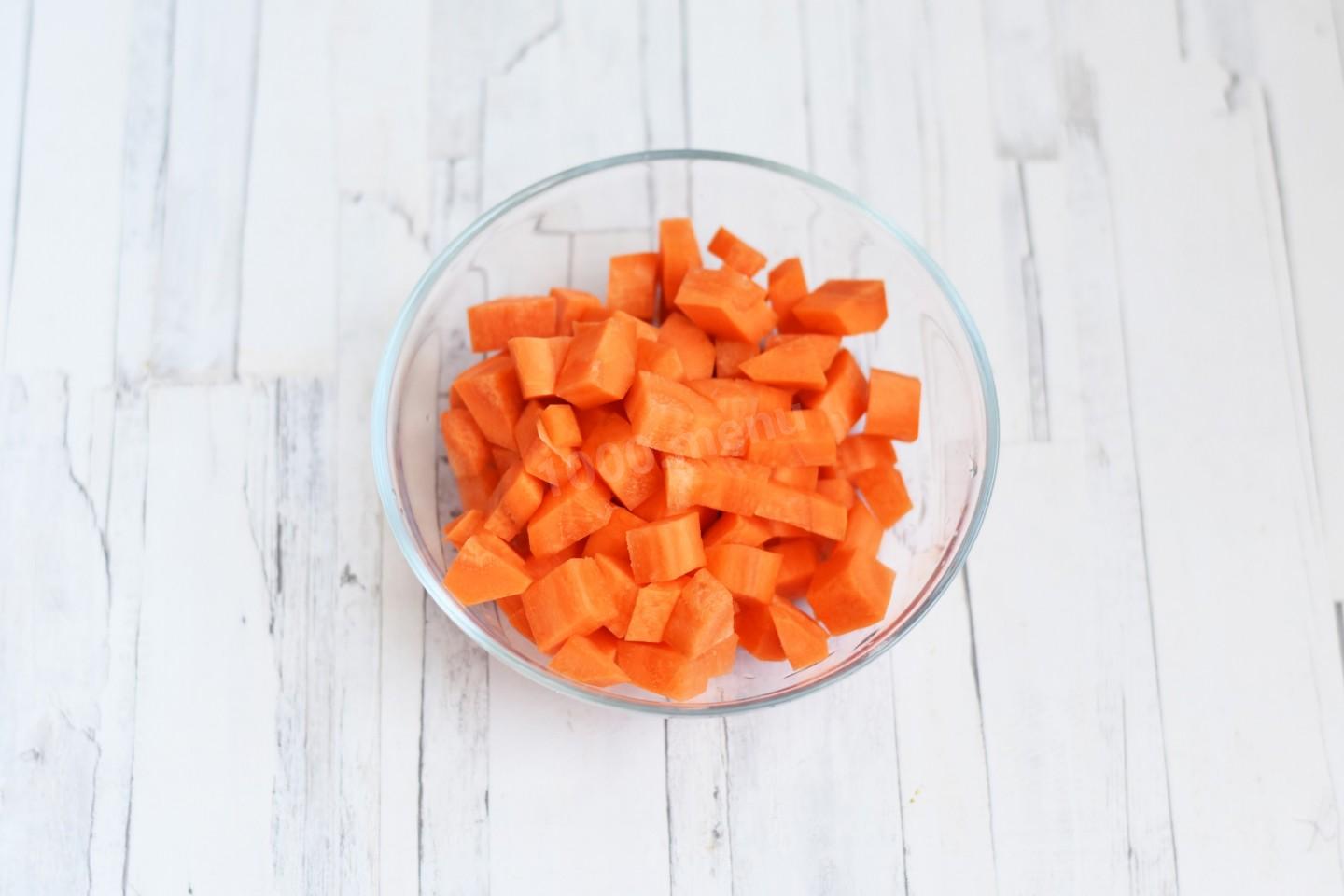
Peel the carrot and cut it into small cubes or quarter-rounds.
-
Step 6:
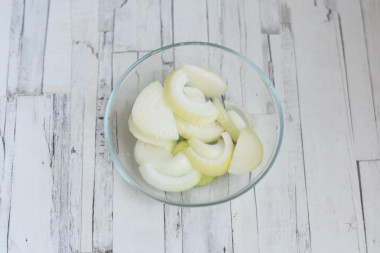
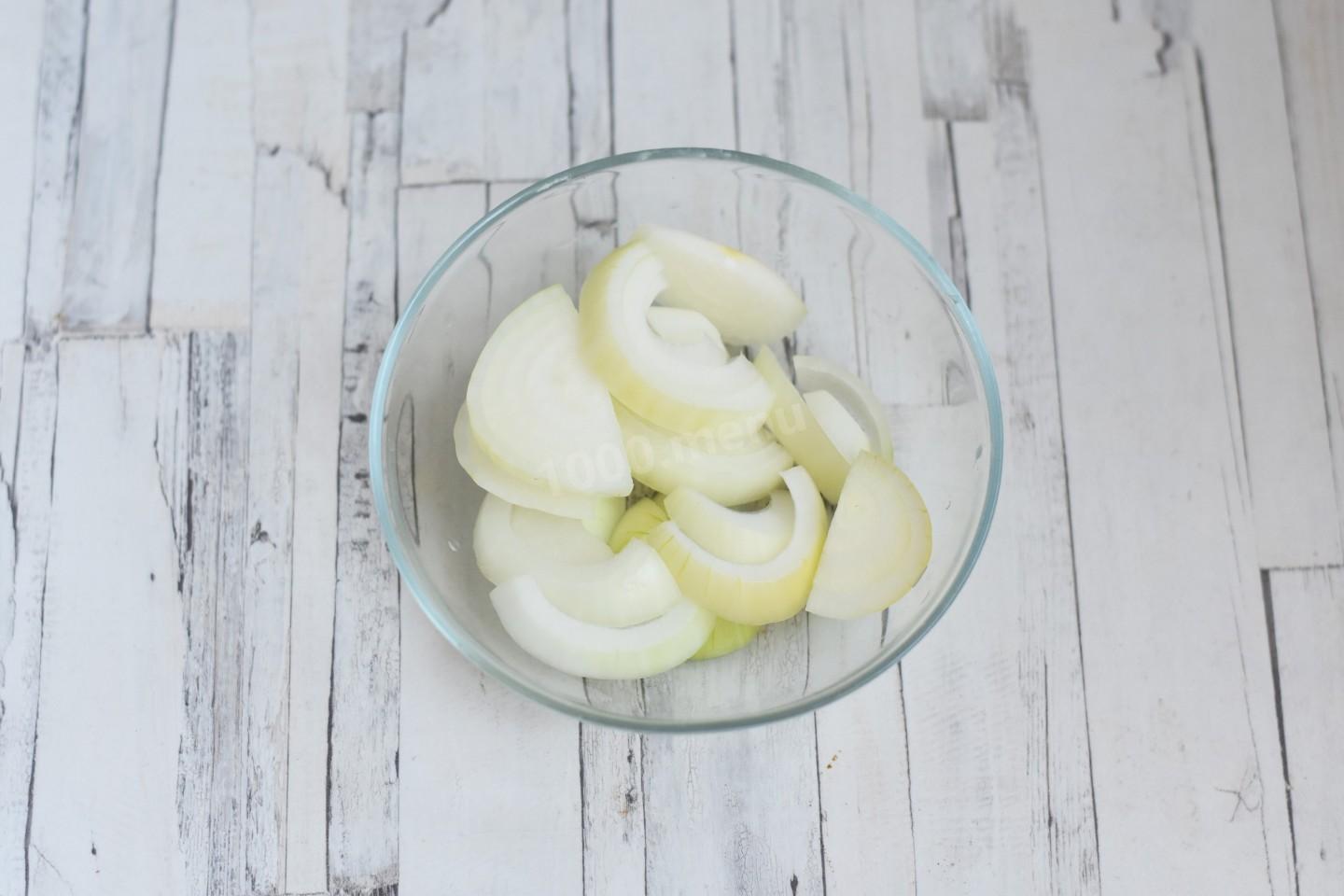
Cut the onion into half-moons or small cubes, whichever you prefer. If you or your kids don't like onion in a dish, you can add it whole, braise it along with everything else, and pull it out at the end — that way it gives up all its flavor without being noticeable in the finished dish.
-
Step 7:
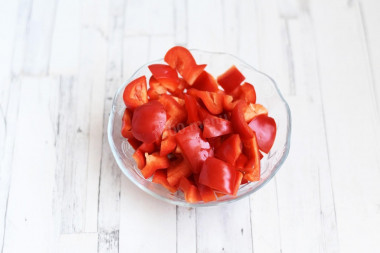
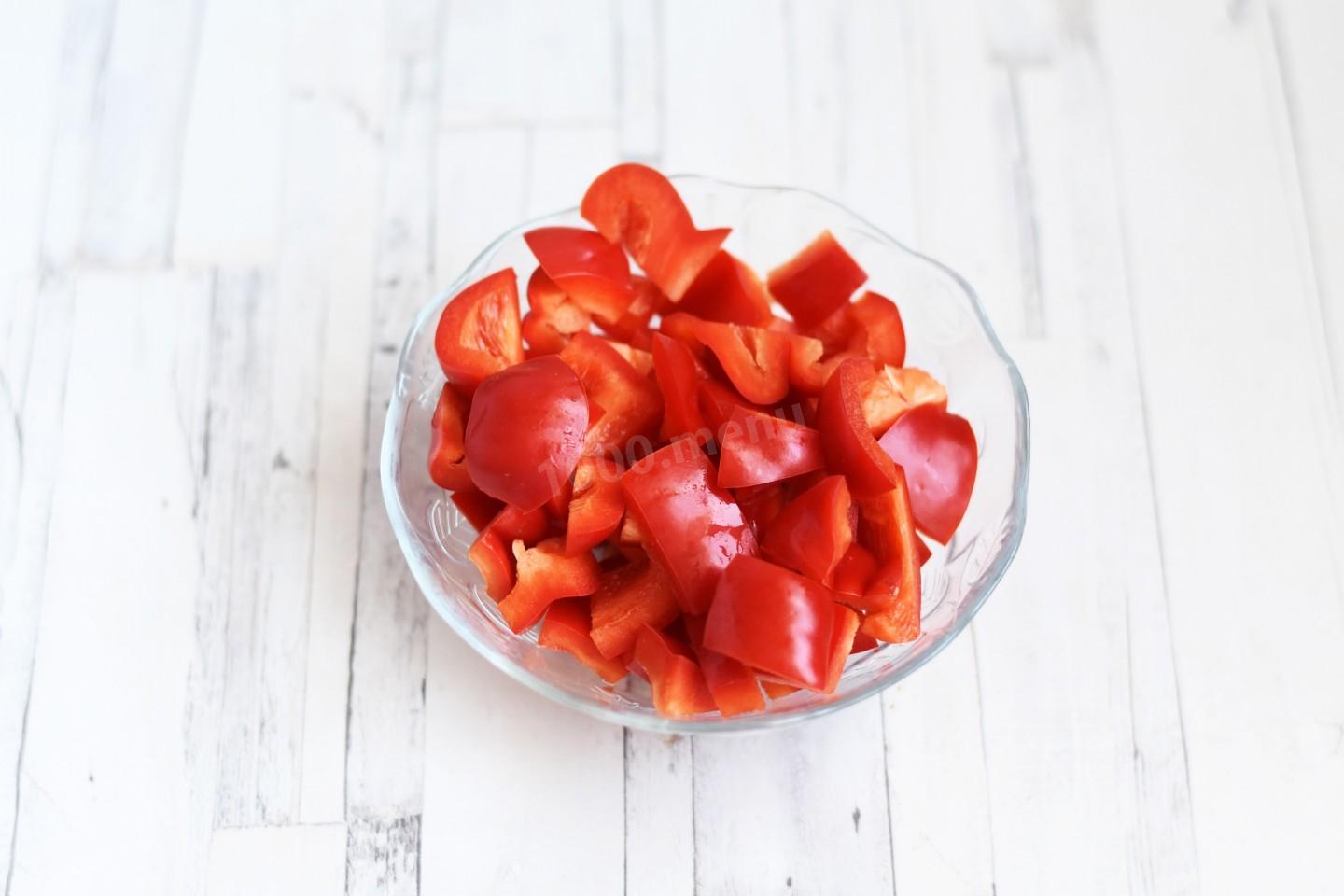
Seed the bell pepper and cut it into medium cubes.
-
Step 8:
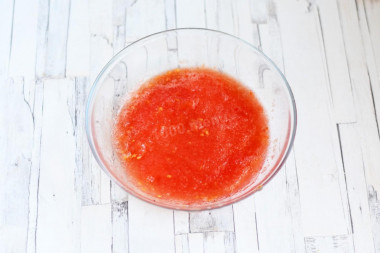
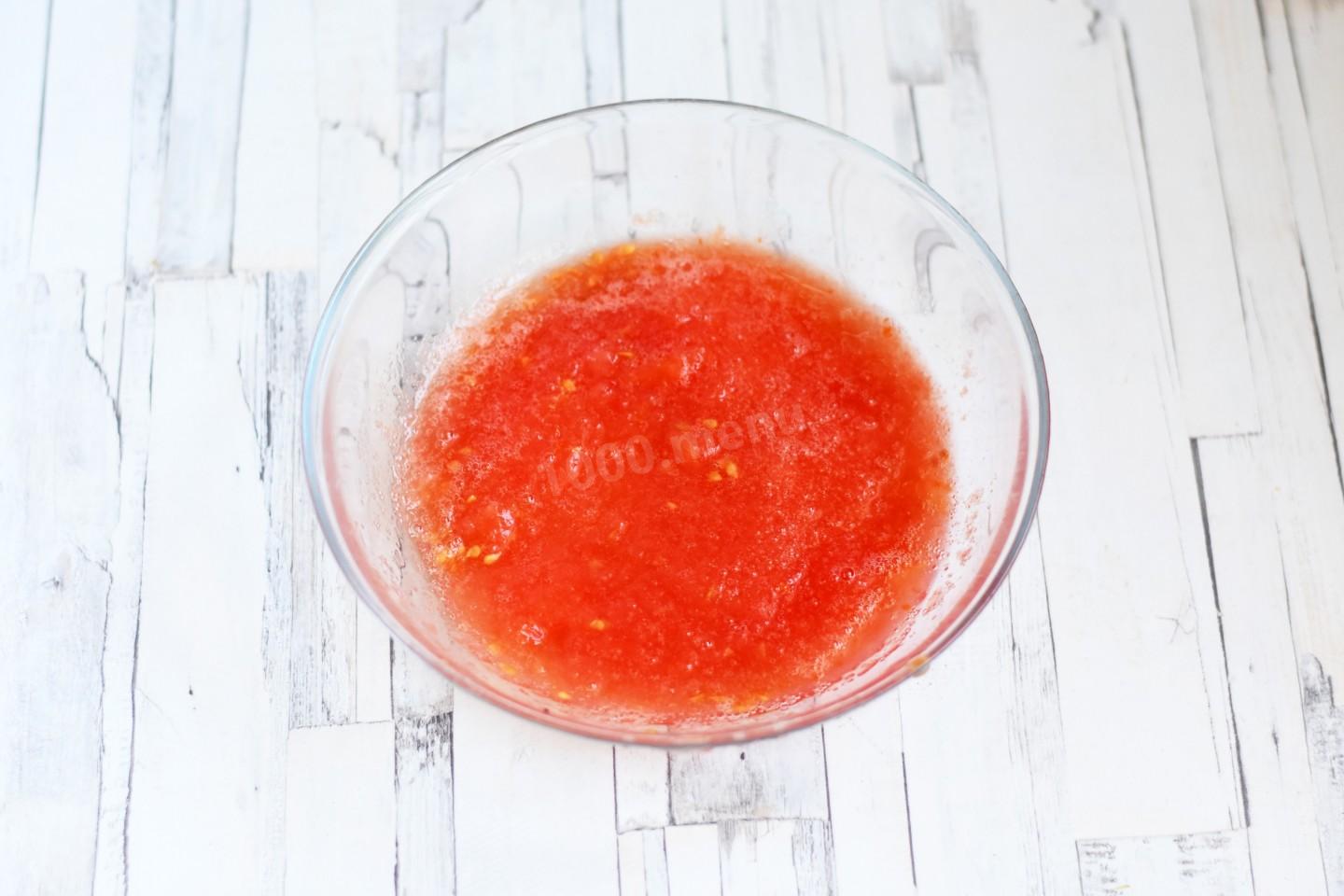
Halve the tomatoes and grate the pulp on the fine side of a grater, leaving the skins behind. For a thicker, bolder flavor, I recommend stirring 1 tablespoon of ketchup or tomato paste into the grated tomatoes.
-
Step 9:
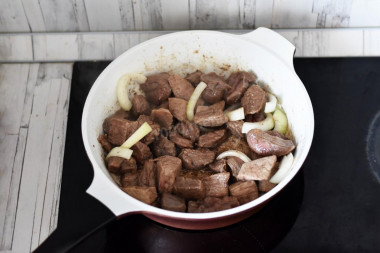
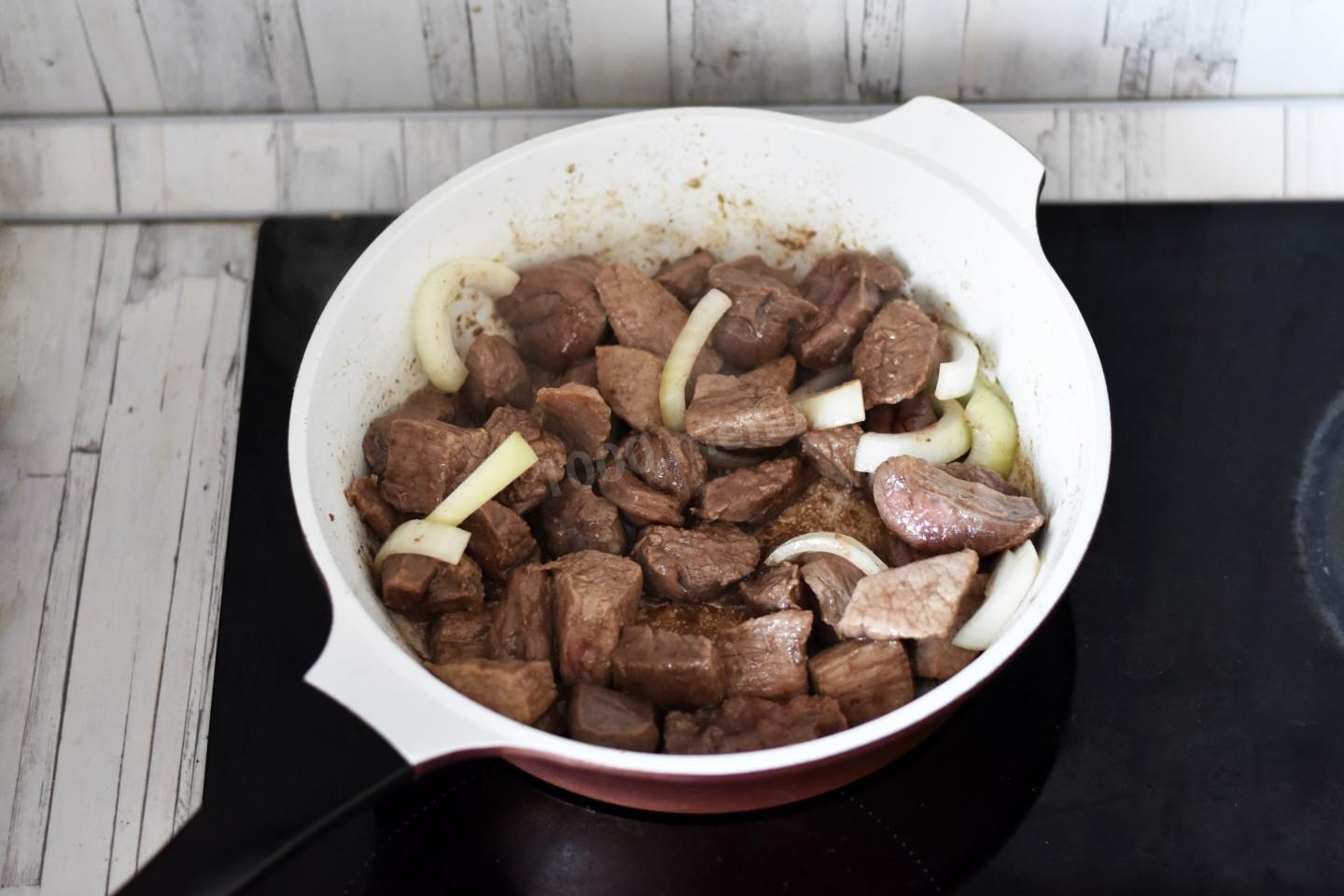
In a deep, heavy-bottomed pot over high heat, warm some of the oil and sear the meat until golden. At the end, season it with salt and pepper. Add half the onion and cook together over medium heat for 3–5 minutes. Besides a sauté pan, you can use any heavy-bottomed, stovetop-safe vessel: a Dutch oven, a pot, a cast-iron skillet, and so on.
-
Step 10:
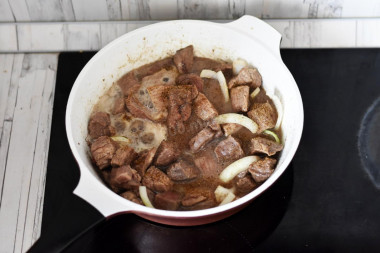
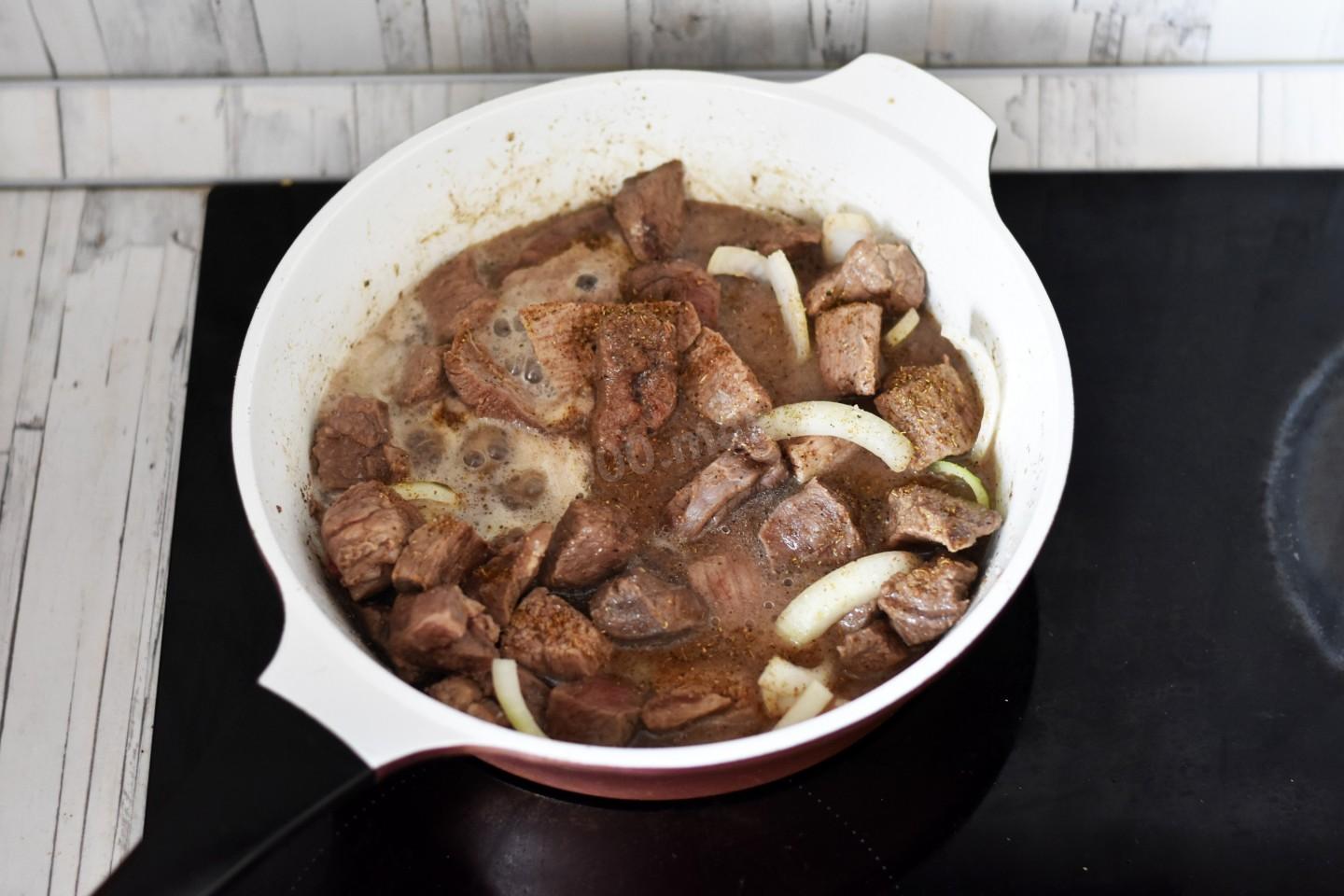
Pour in warm or hot water.
-
Step 11:
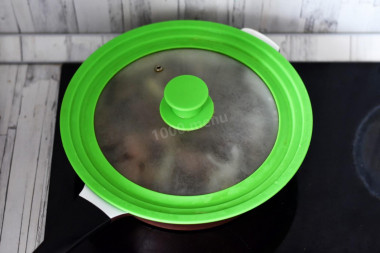
Braise the meat, covered, over low heat until tender, about 50 minutes.
-
Step 12:
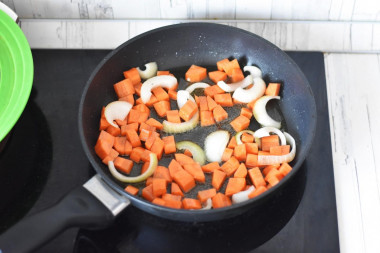
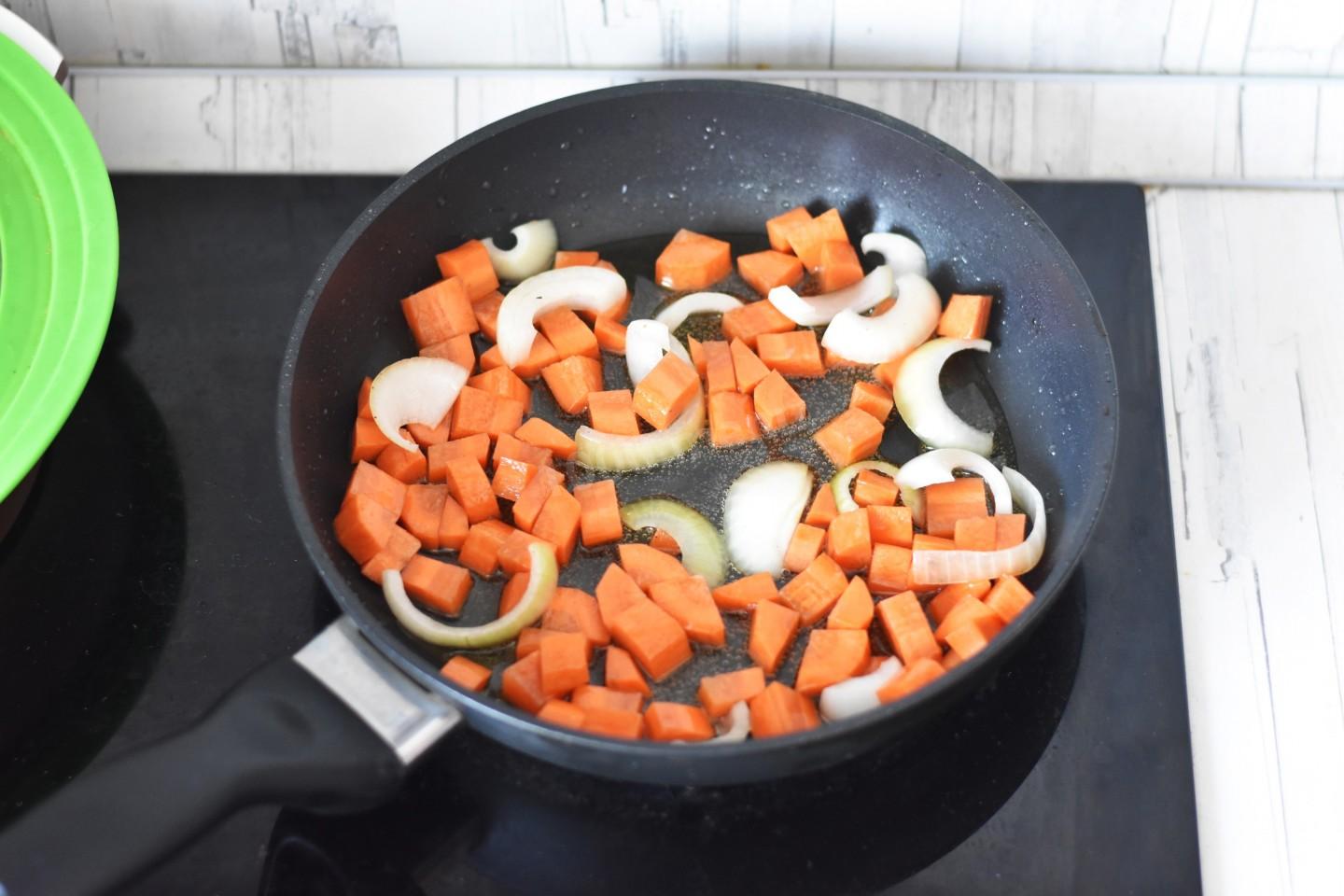
In a separate skillet, using the remaining oil over medium heat, sauté the carrot with the remaining onion for 3–5 minutes, stirring.
-
Step 13:
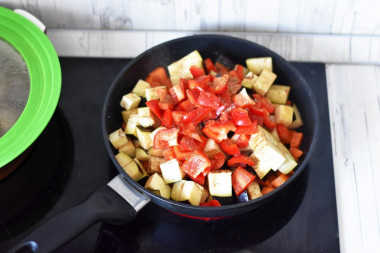
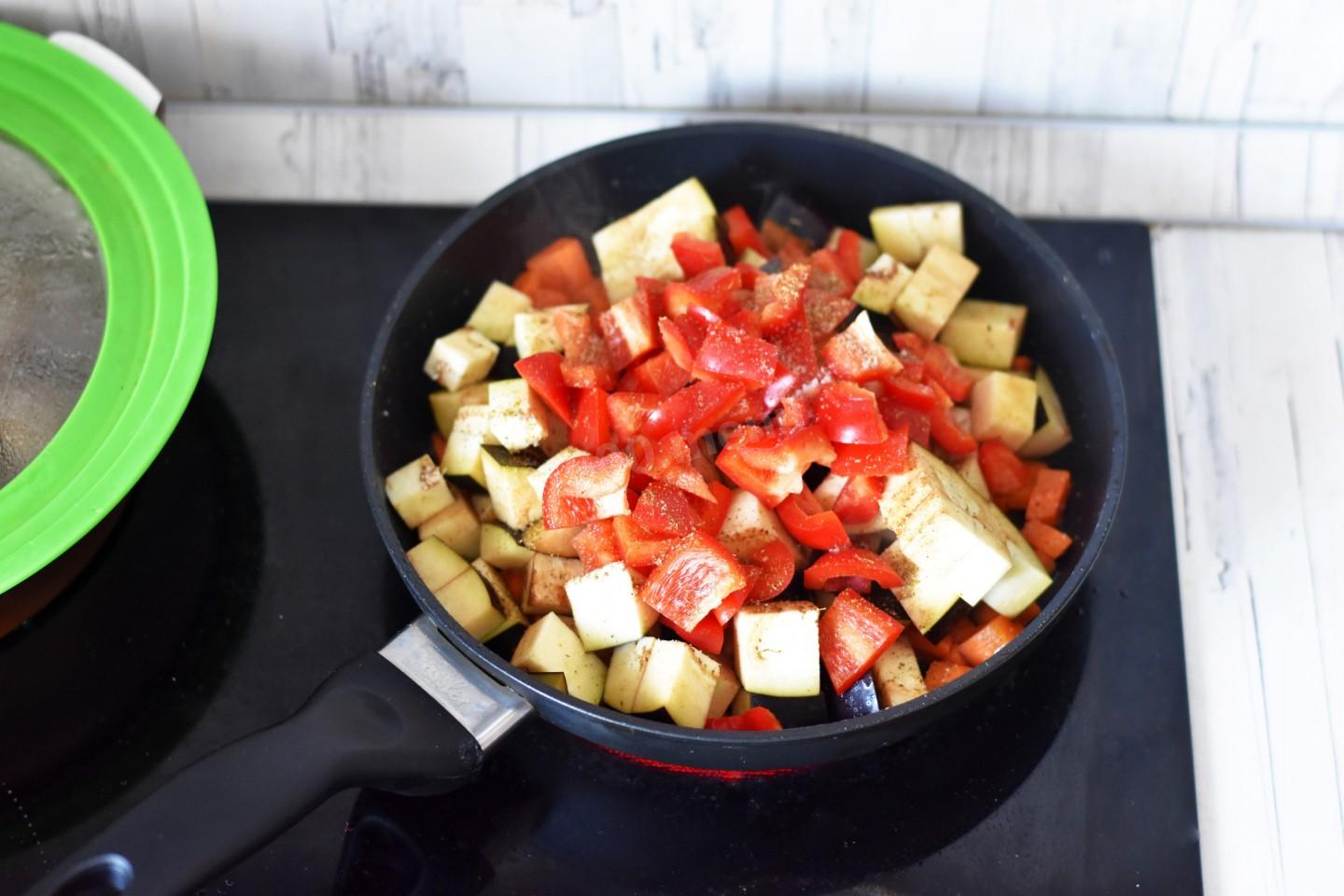
Add the eggplant, bell pepper, and spices. Stir and cook everything together for another 5 minutes.
-
Step 14:
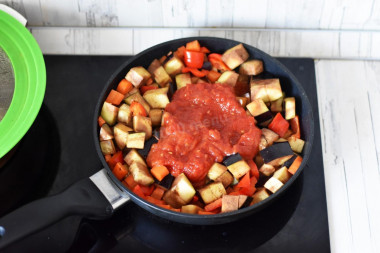
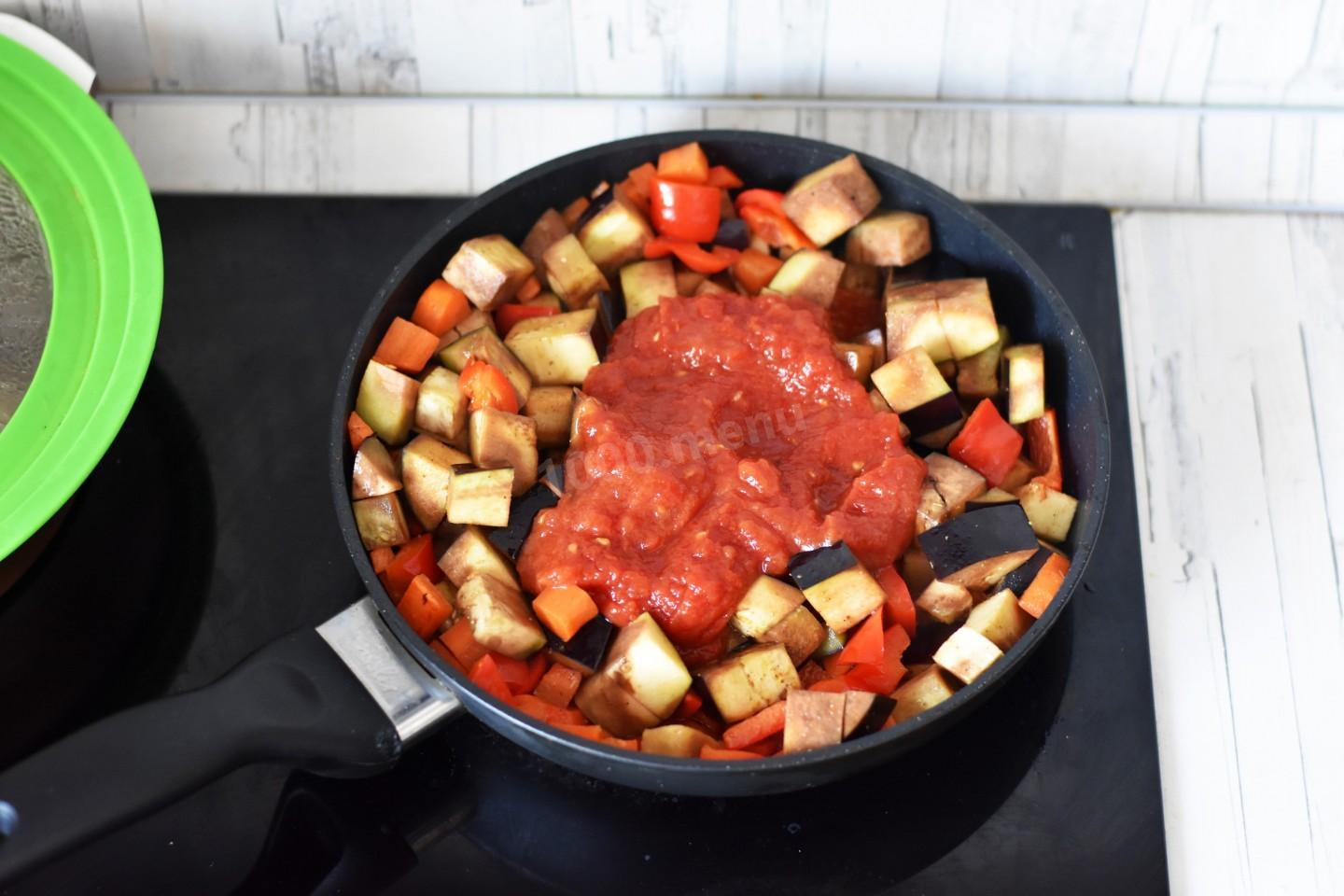
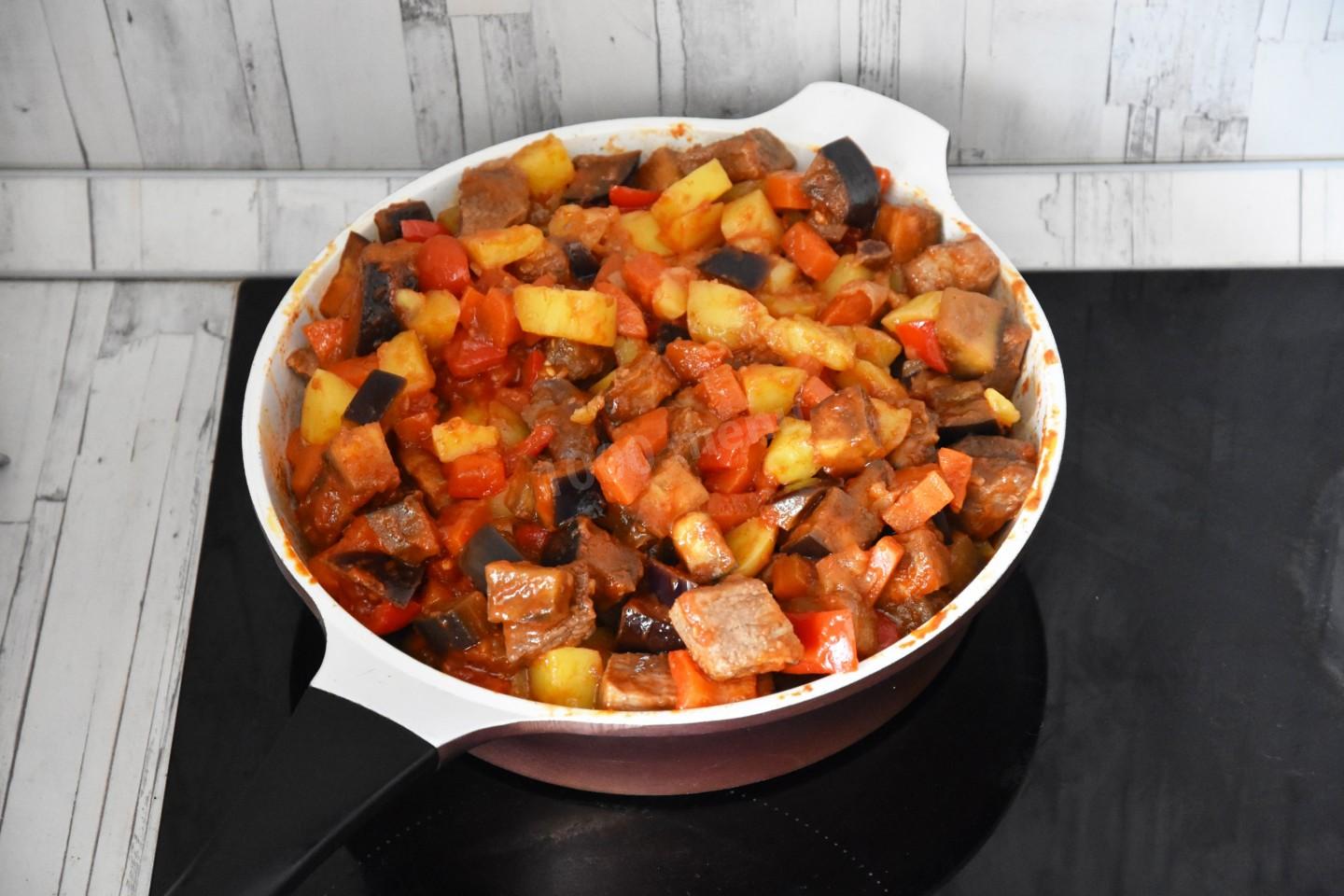
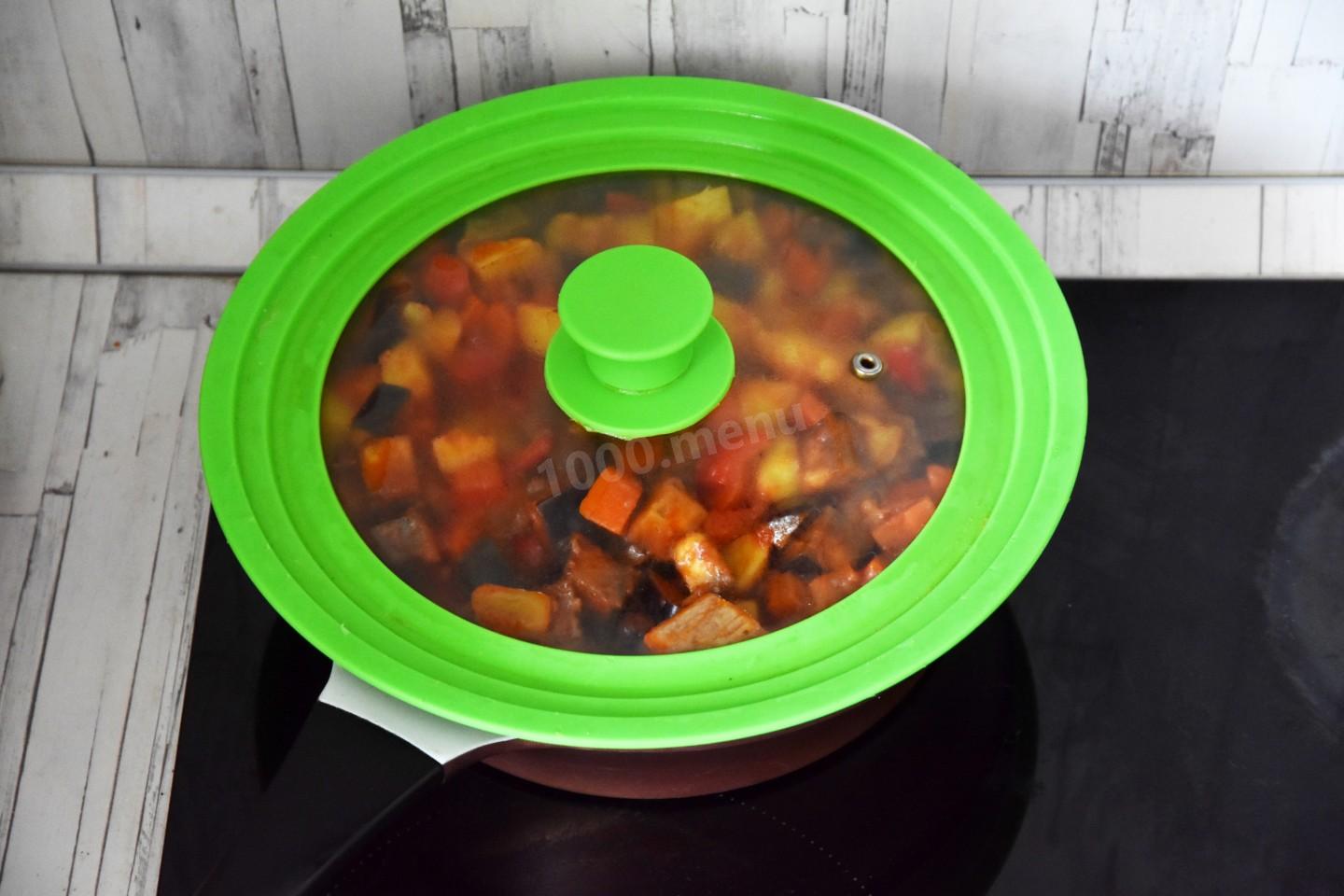
Add the grated tomatoes to the skillet. Stir and simmer, covered, over low heat for 30–40 minutes, until the vegetables are tender. Check the eggplant especially — some firmer varieties may still be tough even when the other vegetables are done.
-
Step 15:
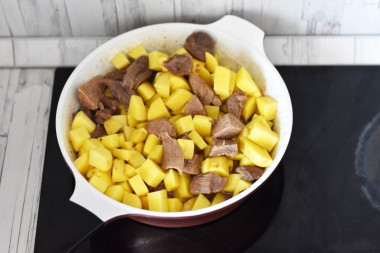
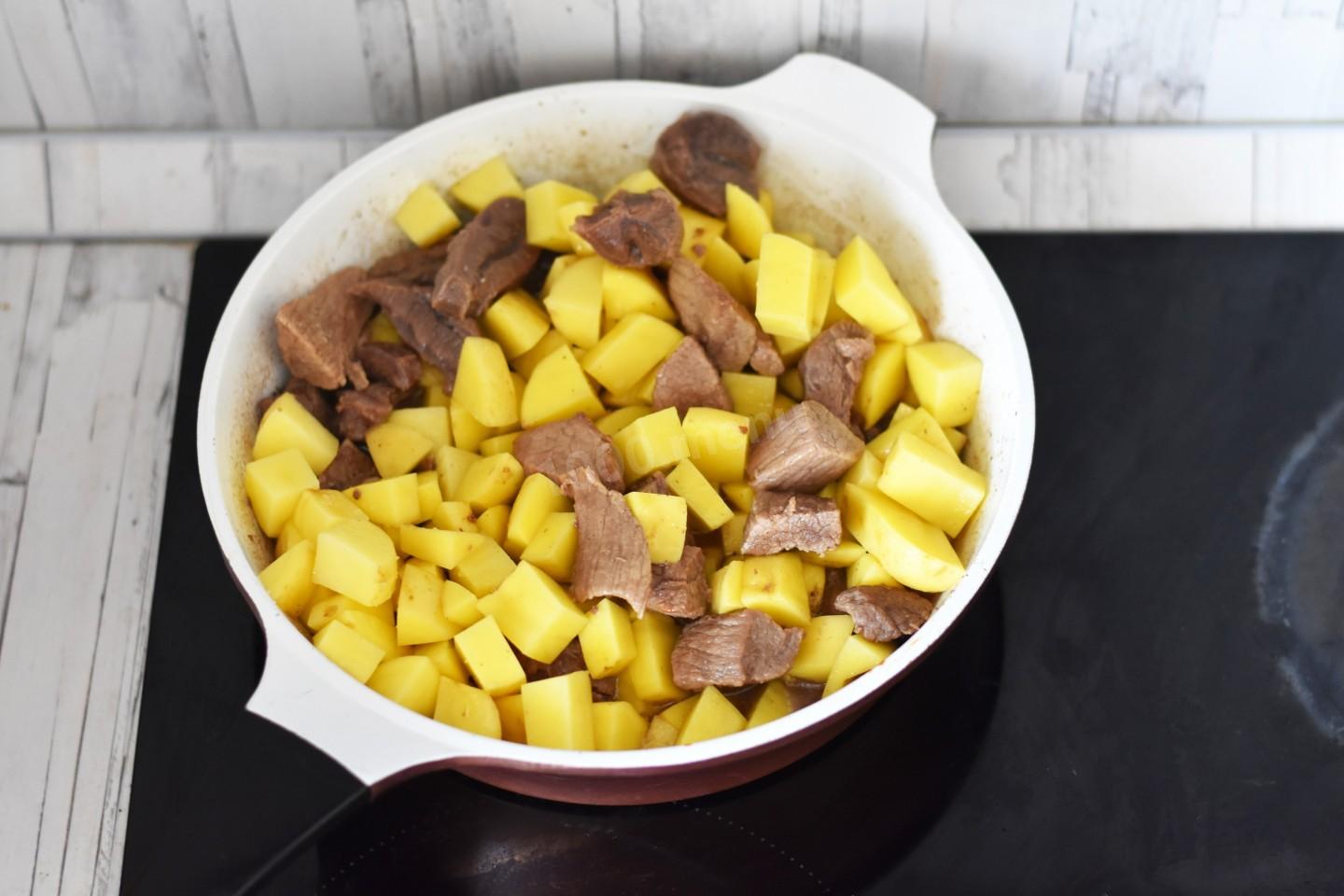
Add the potatoes to the pot with the beef and braise, covered, until tender. Add a little water if needed.
-
Step 16:
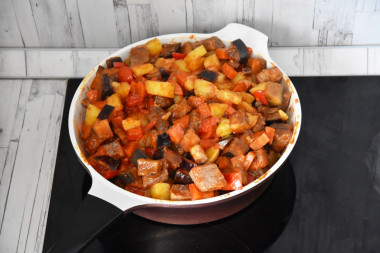
Add the braised vegetable mixture to the pot with the meat and potatoes and stir. Simmer everything together for about another 10 minutes. Taste the stew and add more salt and pepper if needed.
-
Step 17:
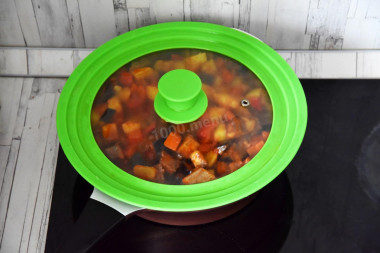
Take the stew off the heat and let it rest, covered, for 15–20 minutes. Enjoy!
- Since everyone's tolerance for salt, sweetness, bitterness, heat, and acidity is different, always adjust the spices and seasonings to your own taste! If you're using a seasoning for the first time, remember that some are easy to overdo — chili pepper especially.
- Every oil is only good up to a certain temperature — its smoke point — beyond which it starts to burn and forms harmful compounds, including carcinogens. Choose an oil with a smoke point suited to how hot you'll be cooking.
- One thing to note: the wrong pan can ruin even the best recipe, so pick one that suits the dish.
Caloric content of the products possible in the composition of the dish
- Ripe potatoes - 80 kcal/100g
- Baked potatoes - 70 kcal/100g
- Mashed potatoes - 380 kcal/100g
- Boiled potatoes - 82 kcal/100g
- Potatoes in uniform - 74 kcal/100g
- Fried potatoes - 192 kcal/100g
- Tomatoes - 23 kcal/100g
- Melted beef fat - 871 kcal/100g
- Fat beef - 171 kcal/100g
- Lean beef - 158 kcal/100g
- Beef brisket - 217 kcal/100g
- Beef - okovalok - 380 kcal/100g
- Beef - lean roast - 200 kcal/100g
- Beef shoulder - 137 kcal/100g
- Beef - ribs - 233 kcal/100g
- Beef - ham - 104 kcal/100g
- Beef - tail - 184 kcal/100g
- Boiled ham - 269 kcal/100g
- Beef corned beef - 216 kcal/100g
- Sweet pepper - 27 kcal/100g
- Carrots - 33 kcal/100g
- Dried carrots - 275 kcal/100g
- Boiled carrots - 25 kcal/100g
- Eggplant - 24 kcal/100g
- Ground black pepper - 255 kcal/100g
- Vegetable oil - 873 kcal/100g
- Salt - 0 kcal/100g
- Water - 0 kcal/100g
- Spices dry - 240 kcal/100g
Similar recipes

- Second course
- Meat and meat products
- Vegetables
- Spices seasonings spices
- Fats and oils
- Other
- Pepper
- Salt
- Dry spices
- Vegetable oil
- Water
- Frying
- Stewing
- In a frying pan
- Рагу
- Stewed vegetables
- Meat second course
- Eggplant second course
- Beef
- From carrots
- From potatoes
- From tomato
- From eggplant
- From sweet pepper
- No eggs
- Recipes for lean dishes without butter