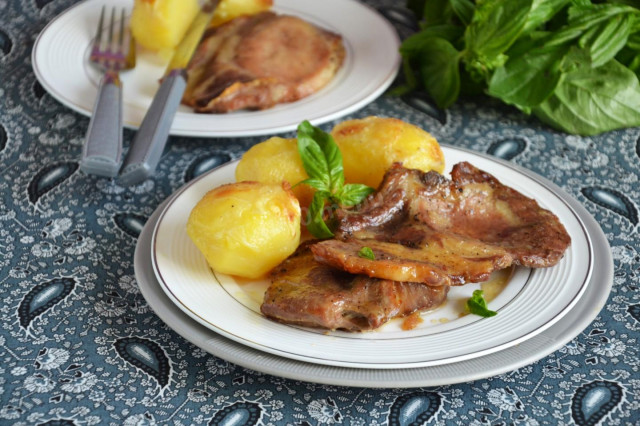
Stewed Meat with Vegetables
A hearty, appetizing dish for lunch or dinner! The meat pairs beautifully with the vegetables and is delicious all on its own, no side dish required. As it braises, the meat soaks up the vegetable juices and turns out wonderfully tender and juicy. Add a little extra water while it simmers and you get a soup and a main course in one!

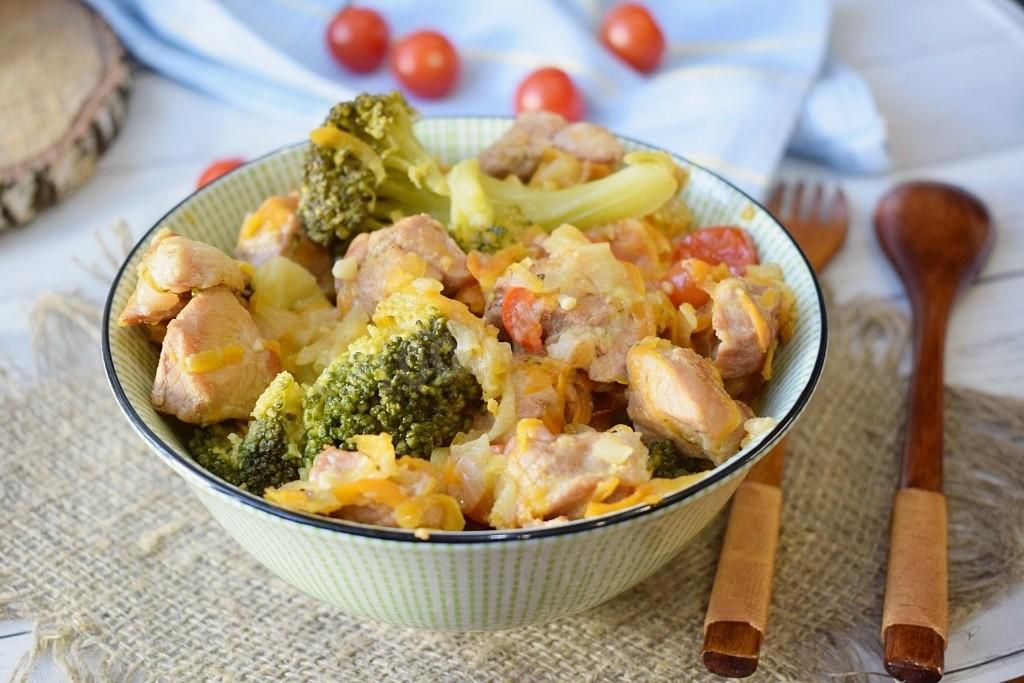
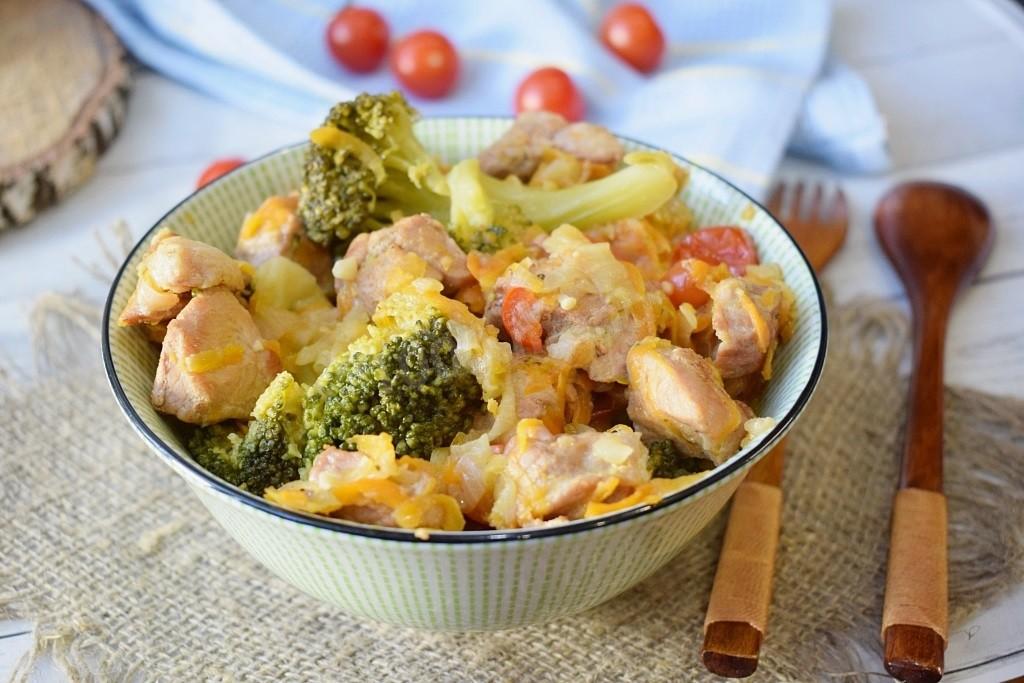
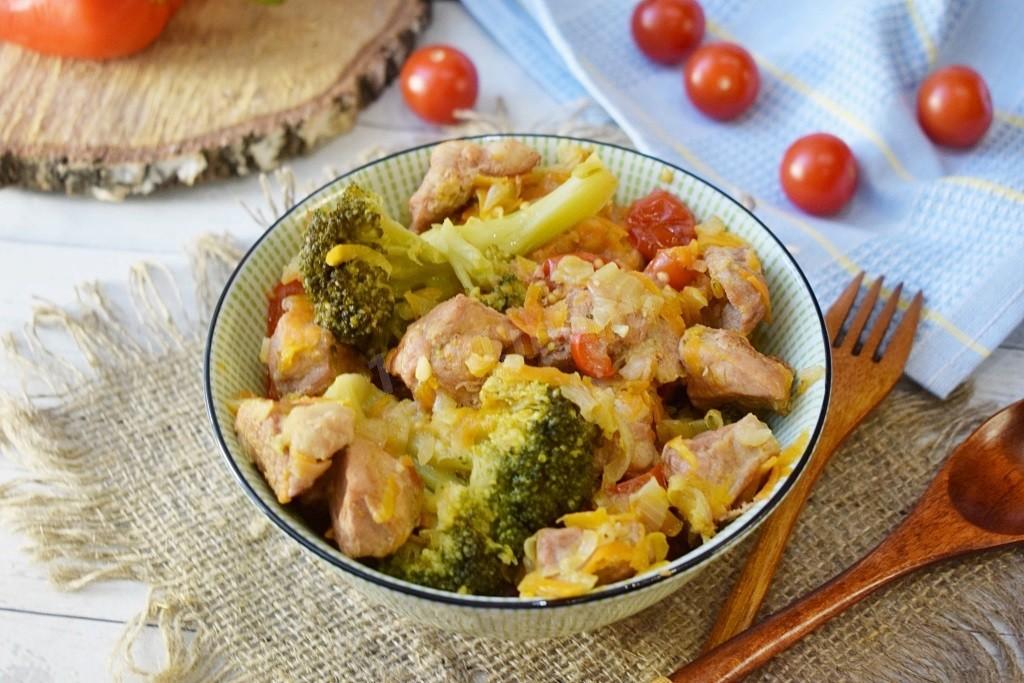
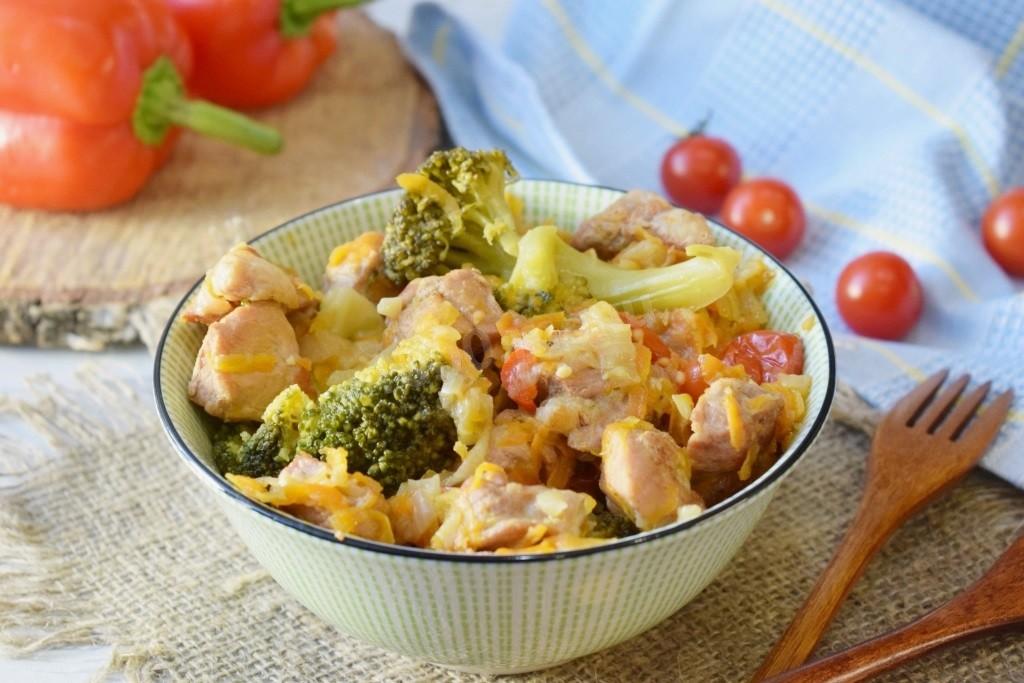
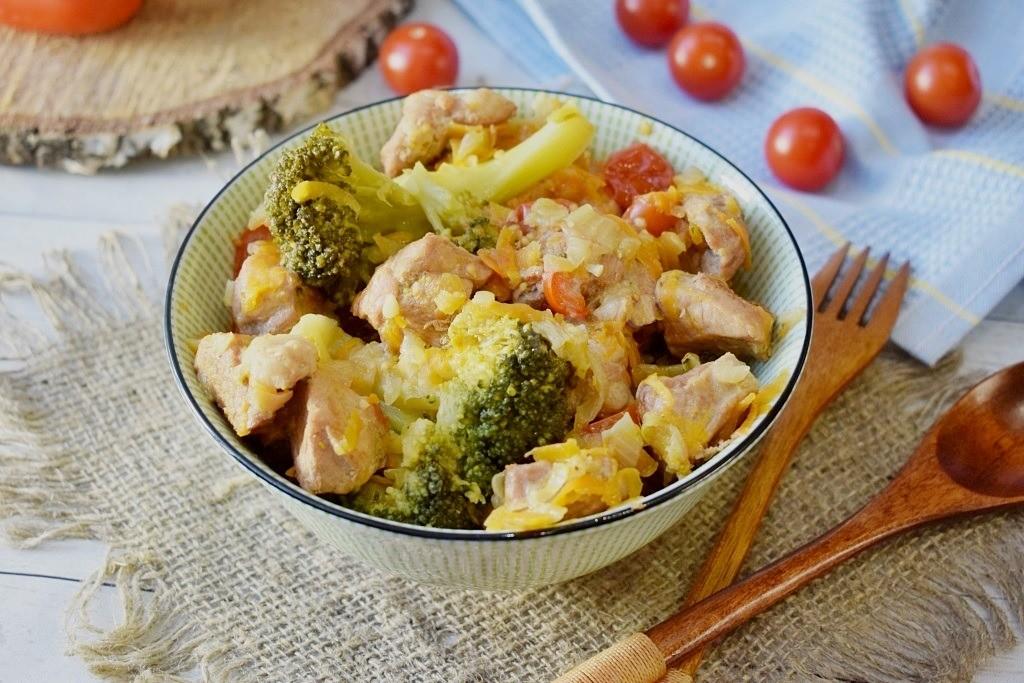
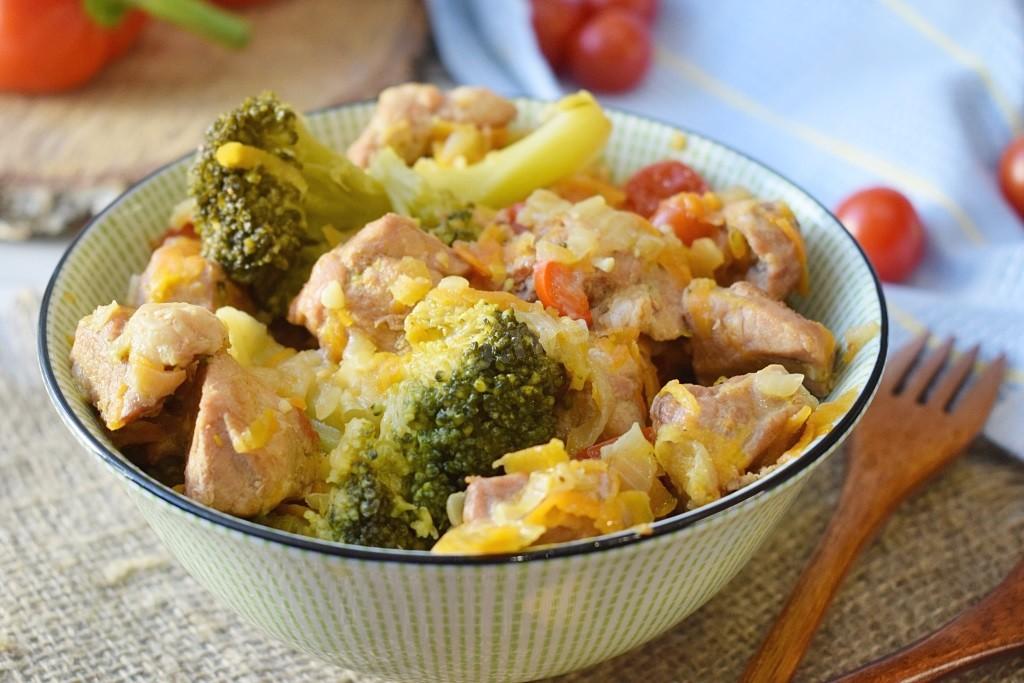
Cooking method
-
Step 1:
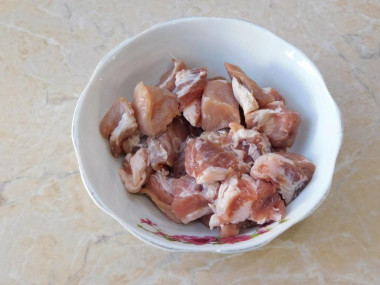
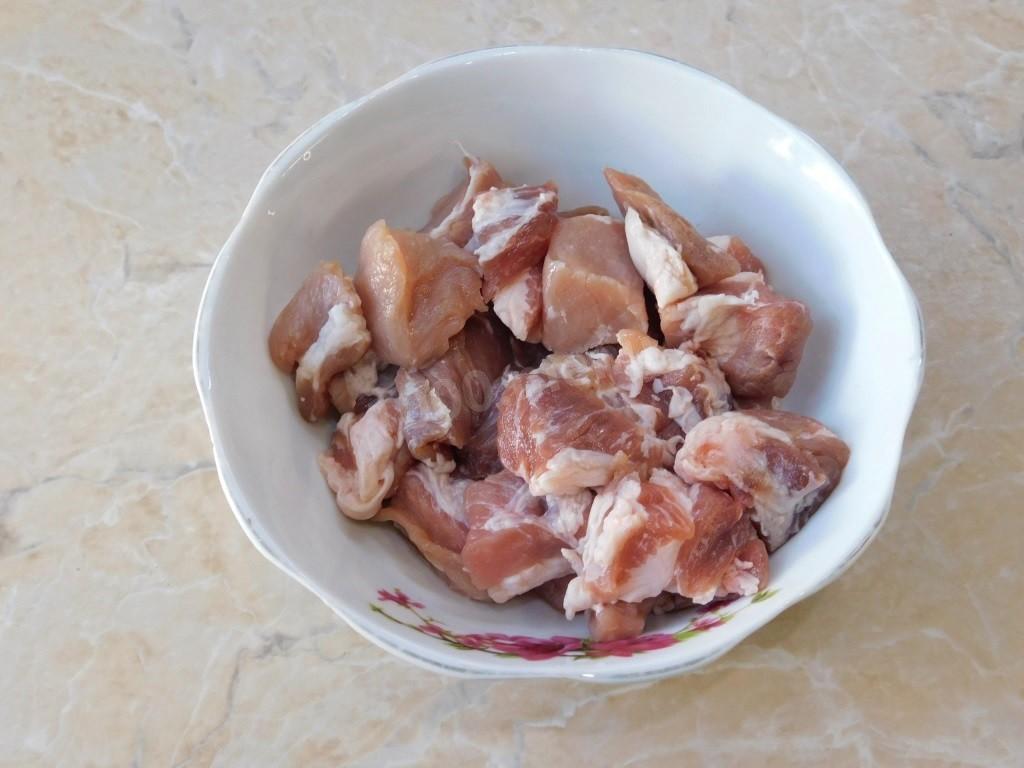
How do you make stewed meat with vegetables? Cut the meat into small, evenly sized pieces.
-
Step 2:
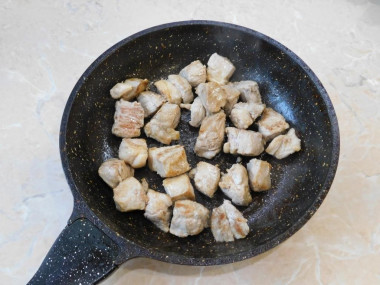
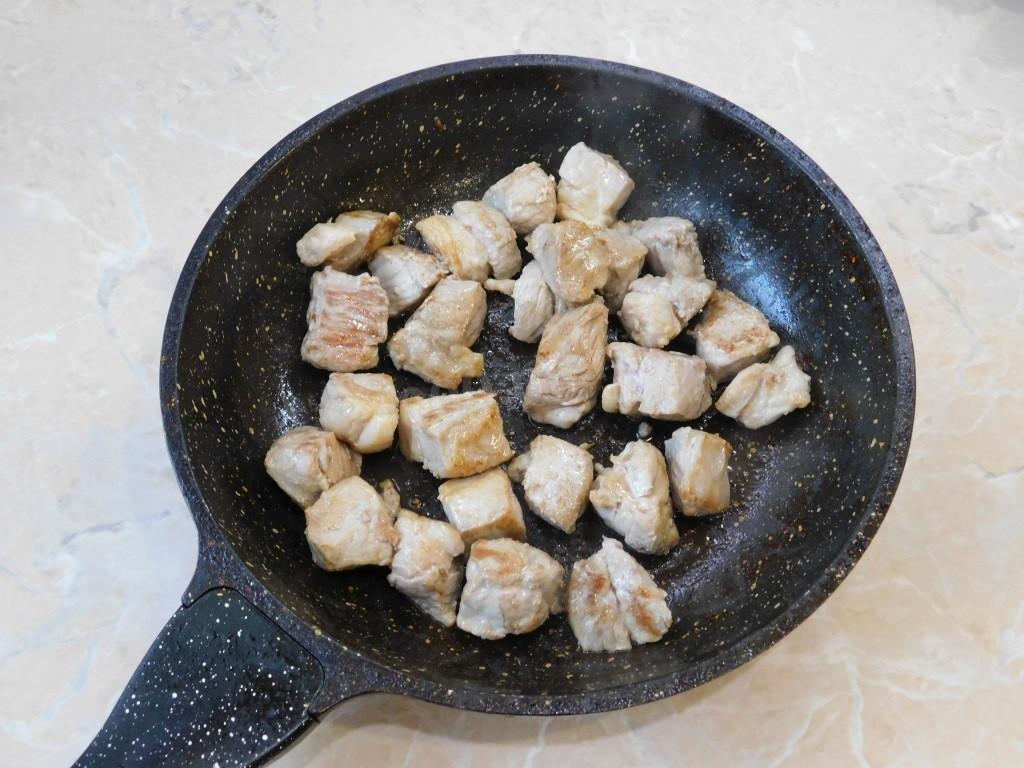
Heat a little vegetable oil in a hot skillet and sear the meat until it takes on a light golden color.
-
Step 3:
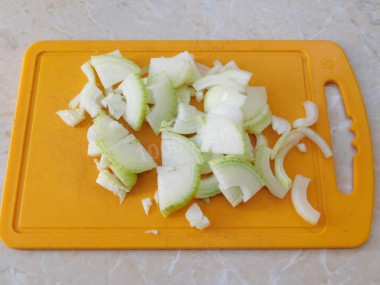
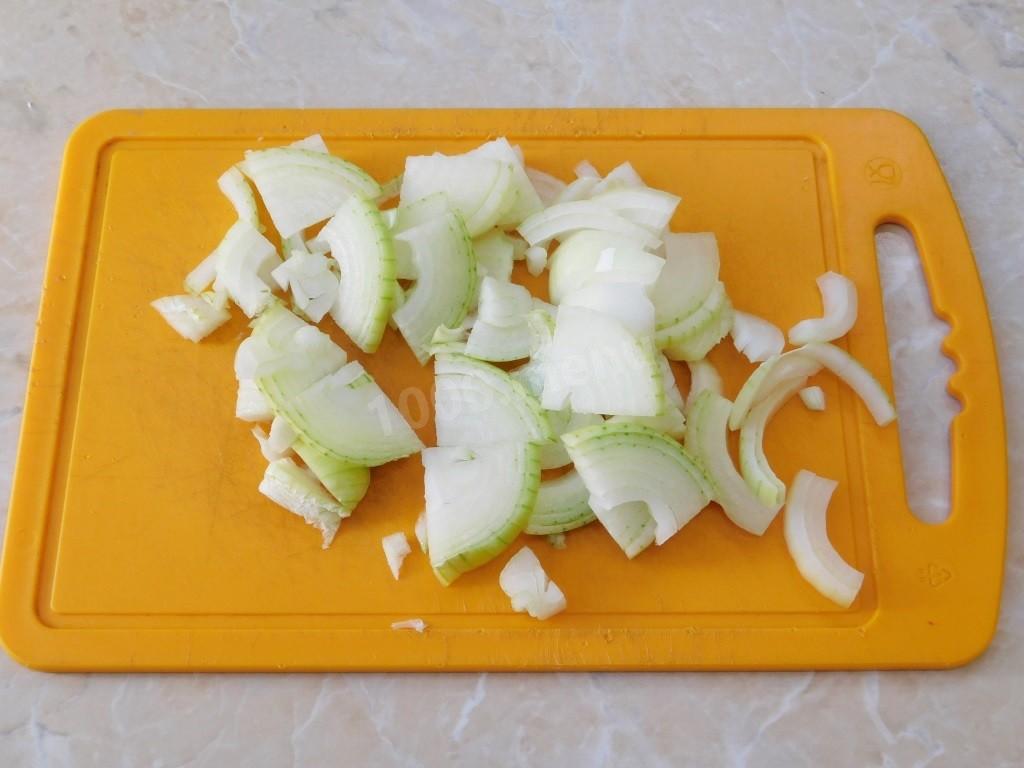
While the meat browns, prep the onion: peel it and chop it.
-
Step 4:
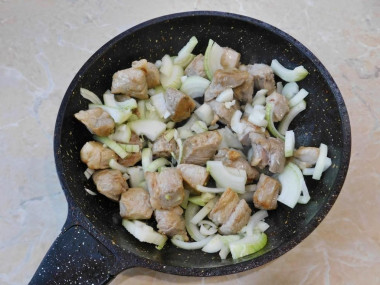
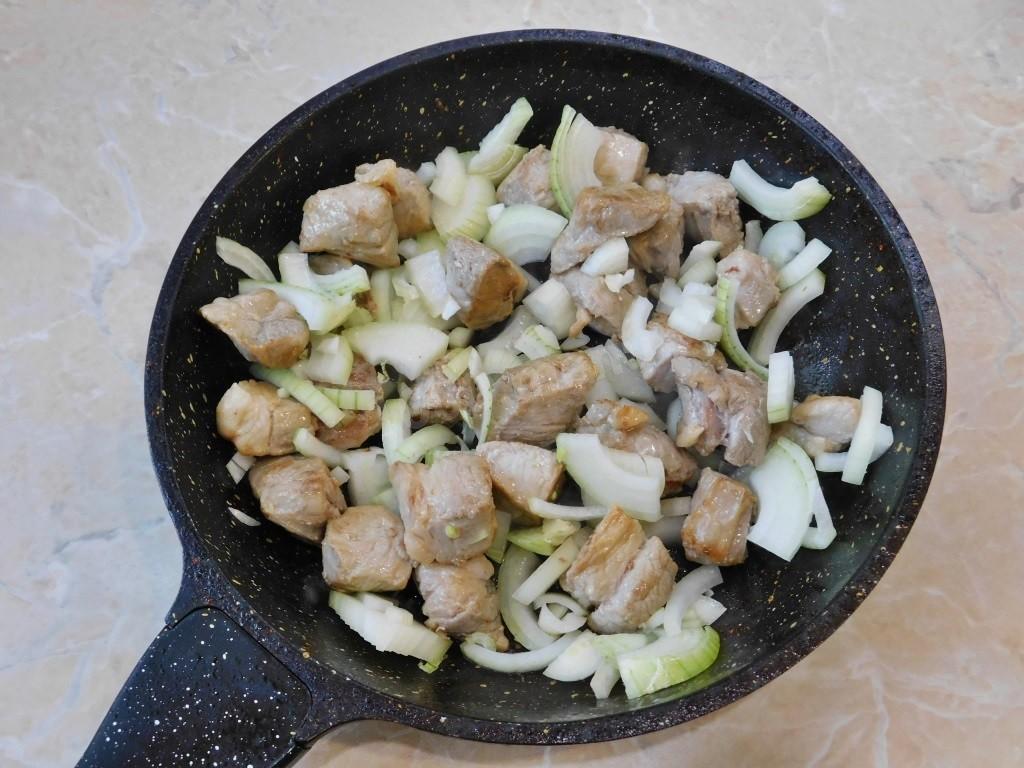
Add the chopped onion to the skillet with the meat. Stir and fry everything together for 2–3 minutes.
-
Step 5:
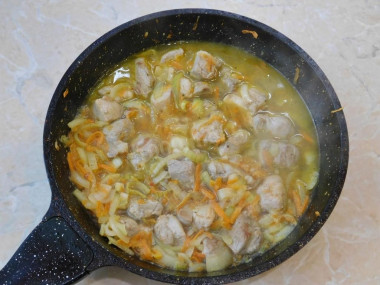
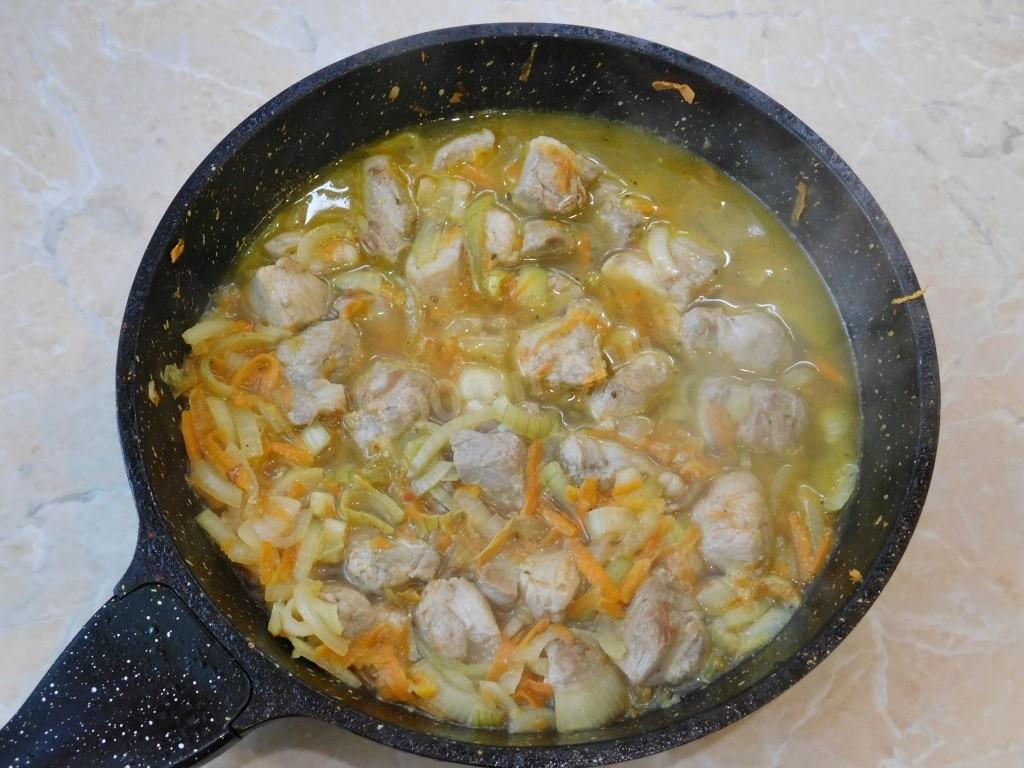
Peel and rinse the carrot. Grate it on the coarse side of a box grater and add it to the skillet. Season with a little salt and spices to taste. Pour in a splash of water, cover, and simmer everything over medium heat for 15 minutes.
-
Step 6:
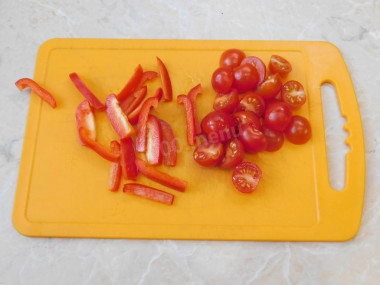
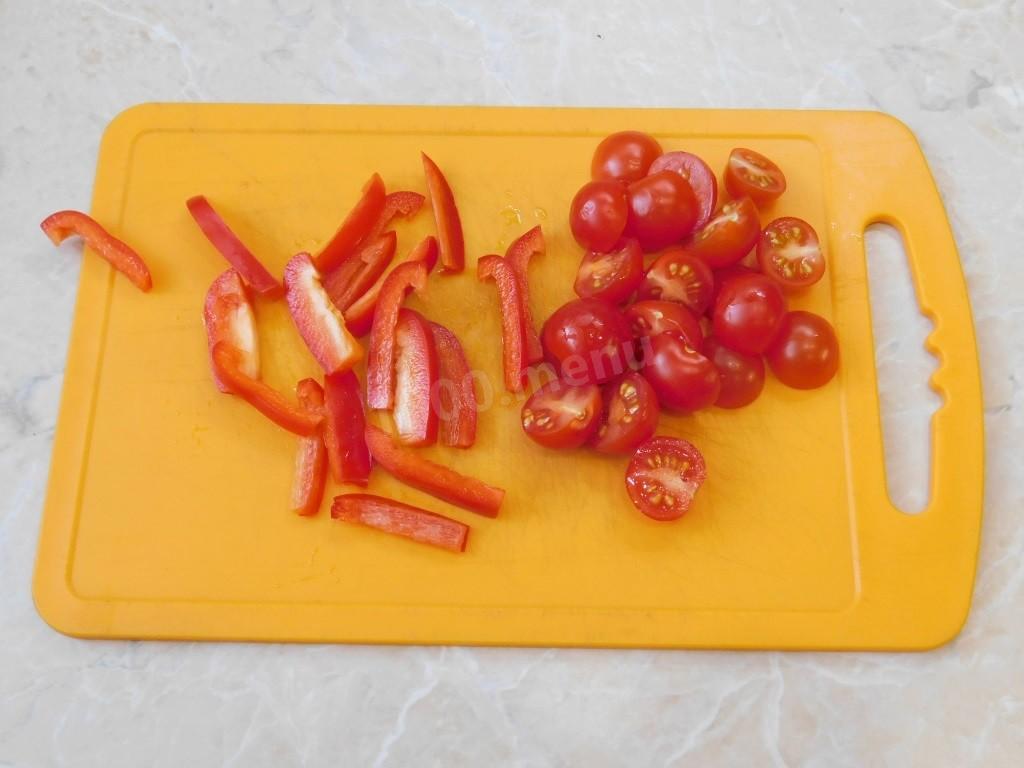
While the meat simmers, wash the tomatoes and bell pepper and cut them into medium pieces.
-
Step 7:
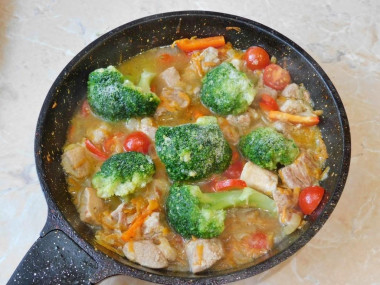
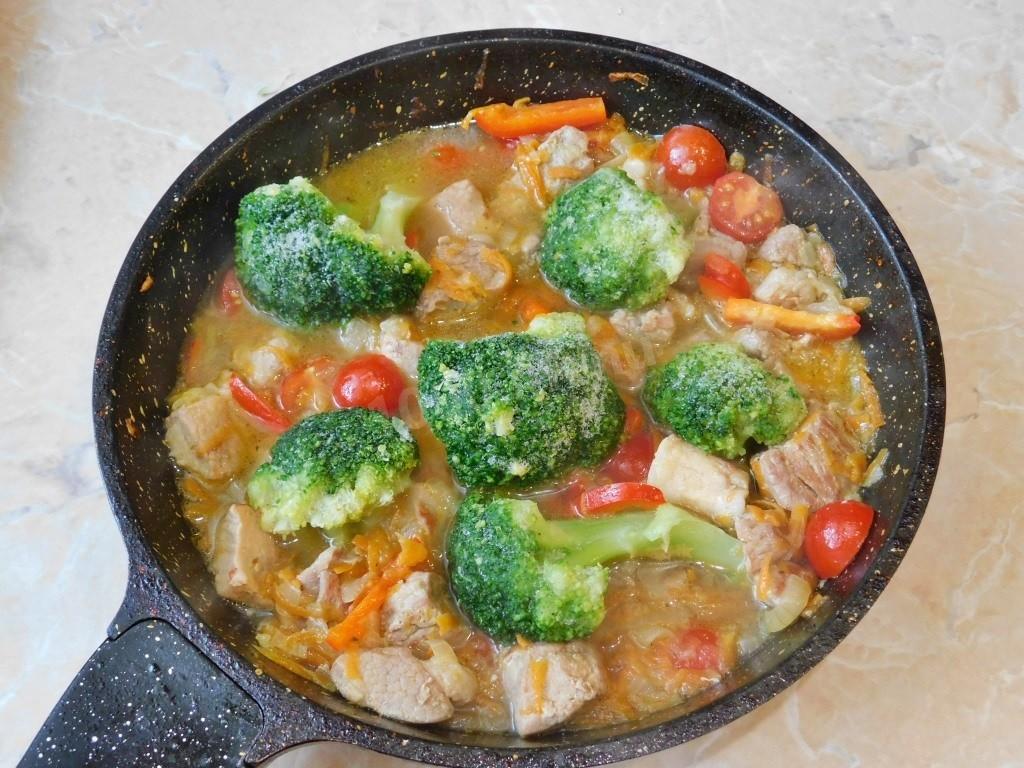
Add the chopped tomatoes and pepper to the skillet. Toss in the frozen broccoli, cover, and simmer everything together for another 10–15 minutes. If the water has cooked away, add a little more hot water. The finished dish is full of flavor and aroma. Sprinkle with fresh herbs just before serving. Enjoy!
- You can use just about any vegetables for braised meat — the more variety, the richer and more nourishing the flavor. Just remember that meat takes much longer to cook than vegetables, so bring the meat to tender first and add the vegetables near the end of cooking. Cooking times vary by cut: some are done in 15 minutes, others need well over 30. Pork swaps easily for chicken, turkey, or beef, and the juicy gravy makes it a natural match for any side. This is beginner-friendly — no special skills required, and the ingredients are inexpensive and easy to find. Add a few diced potatoes while it braises for an even heartier lunch or dinner.
- Every oil is healthy only up to a certain temperature — its smoke point — beyond which it begins to burn and form harmful compounds, including carcinogens. For frying, reach for an oil with a high smoke point, such as refined sunflower, olive, or grapeseed oil.
- The wrong pan can ruin even the best recipe, so choose one that suits what you're cooking — a heavy skillet holds heat well for browning and braising.
- If you use a store-bought spice blend, read the label first. Many already contain salt, so account for that to avoid over-salting the dish.
Caloric content of the products possible in the composition of the dish
- Onion - 41 kcal/100g
- Tomatoes - 23 kcal/100g
- Pork fat - 333 kcal/100g
- Pork meat - 357 kcal/100g
- Pork - low-fat roast - 184 kcal/100g
- Pork chop on a bone - 537 kcal/100g
- Pork - schnitzel - 352 kcal/100g
- Pork Shoulder - 593 kcal/100g
- Boar's leg - 113 kcal/100g
- Pork - 259 kcal/100g
- Sweet pepper - 27 kcal/100g
- Carrots - 33 kcal/100g
- Dried carrots - 275 kcal/100g
- Boiled carrots - 25 kcal/100g
- Broccoli - 33 kcal/100g
- Vegetable oil - 873 kcal/100g
- Salt - 0 kcal/100g
- Water - 0 kcal/100g
- Spices dry - 240 kcal/100g
Similar recipes

- Homemade dinner
- Second course
- Meat and meat products
- Vegetables
- Spices seasonings spices
- Fats and oils
- Other
- Salt
- Dry spices
- Vegetable oil
- Water
- Frying
- Stewing
- In a frying pan
- Stewed vegetables
- Meat second course
- Second courses of cabbage
- Pork
- Meat for dinner
- From carrots
- From cabbage
- From tomato
- From sweet pepper
- From onion
- No eggs