Pan-Fried Battered Tilapia
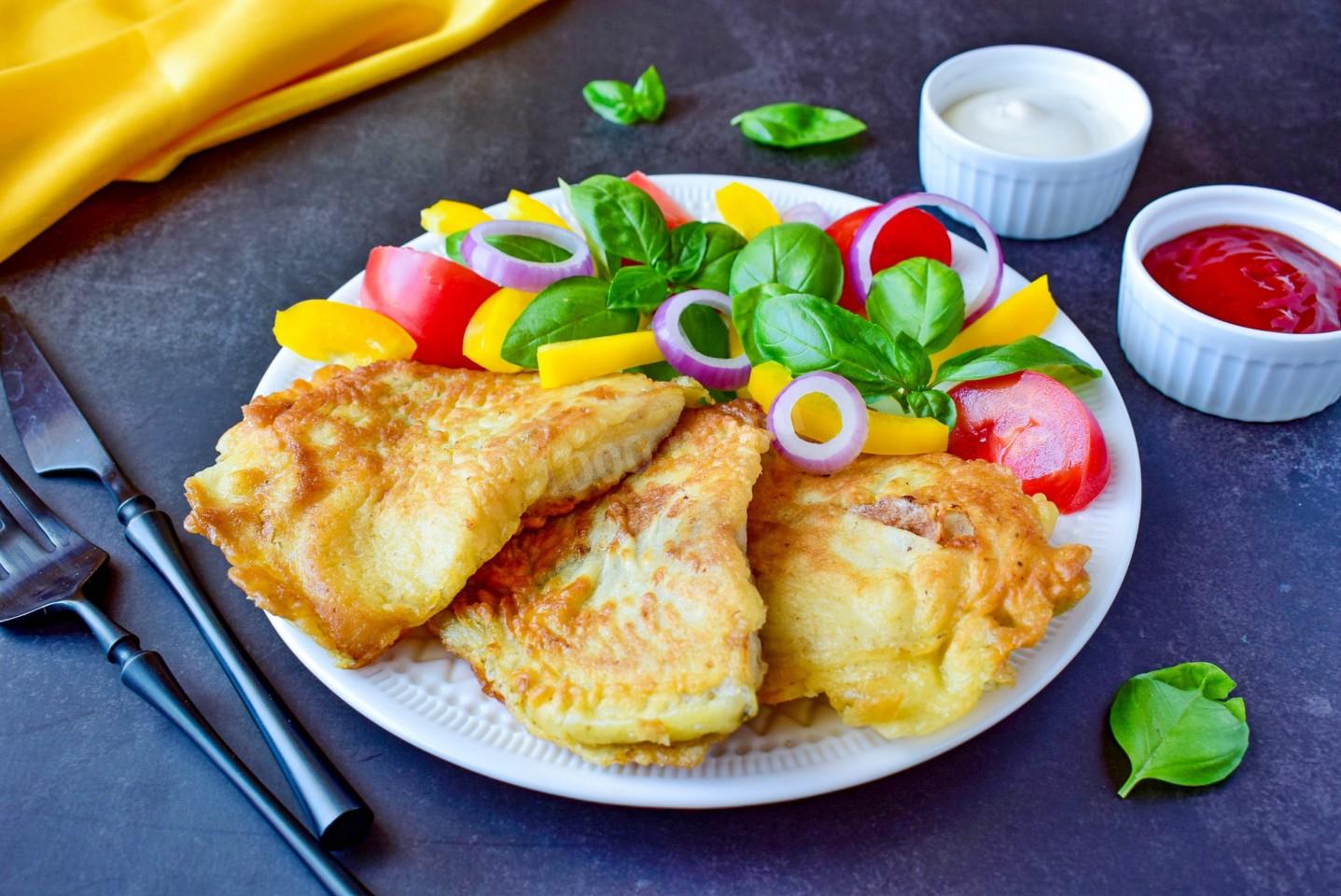
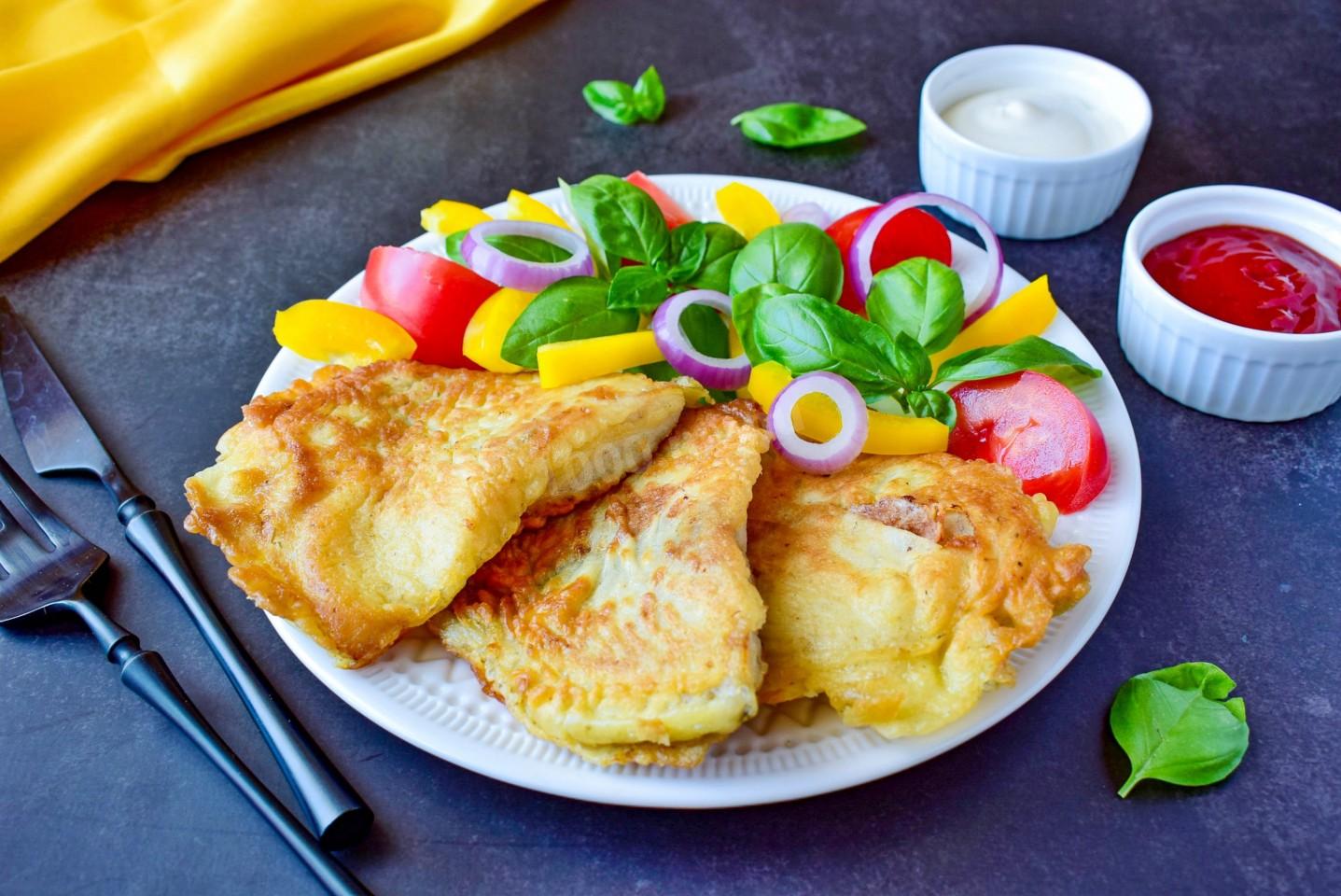
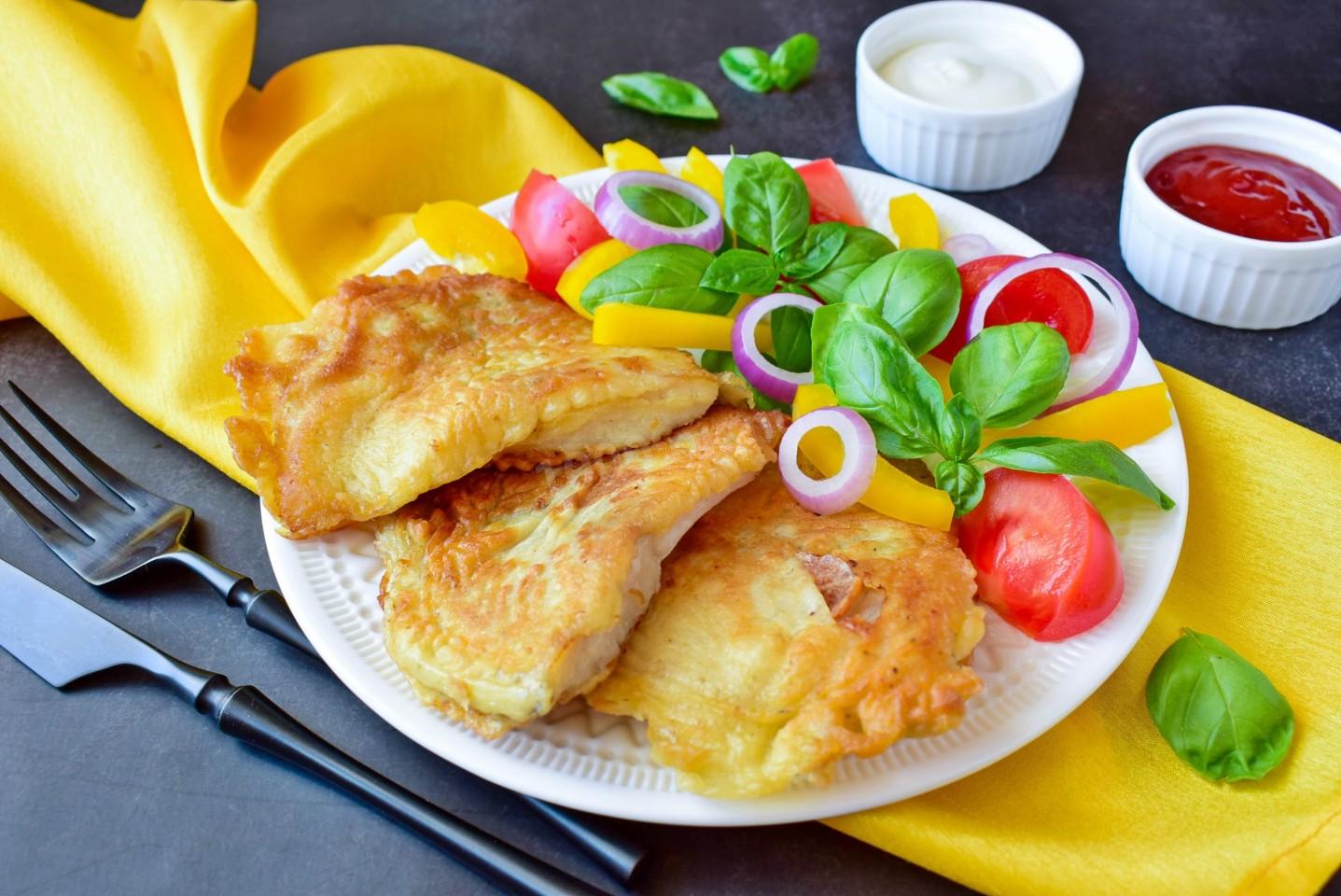
Delicious, dead simple, and special enough for any day! Battered tilapia fried in a skillet will dress up any table. It has almost no bones, so it's a real pleasure to eat — tasty even without a side dish!

Cooking method
-
Step 1:
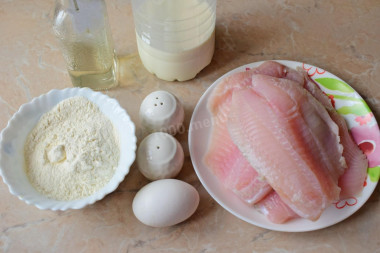
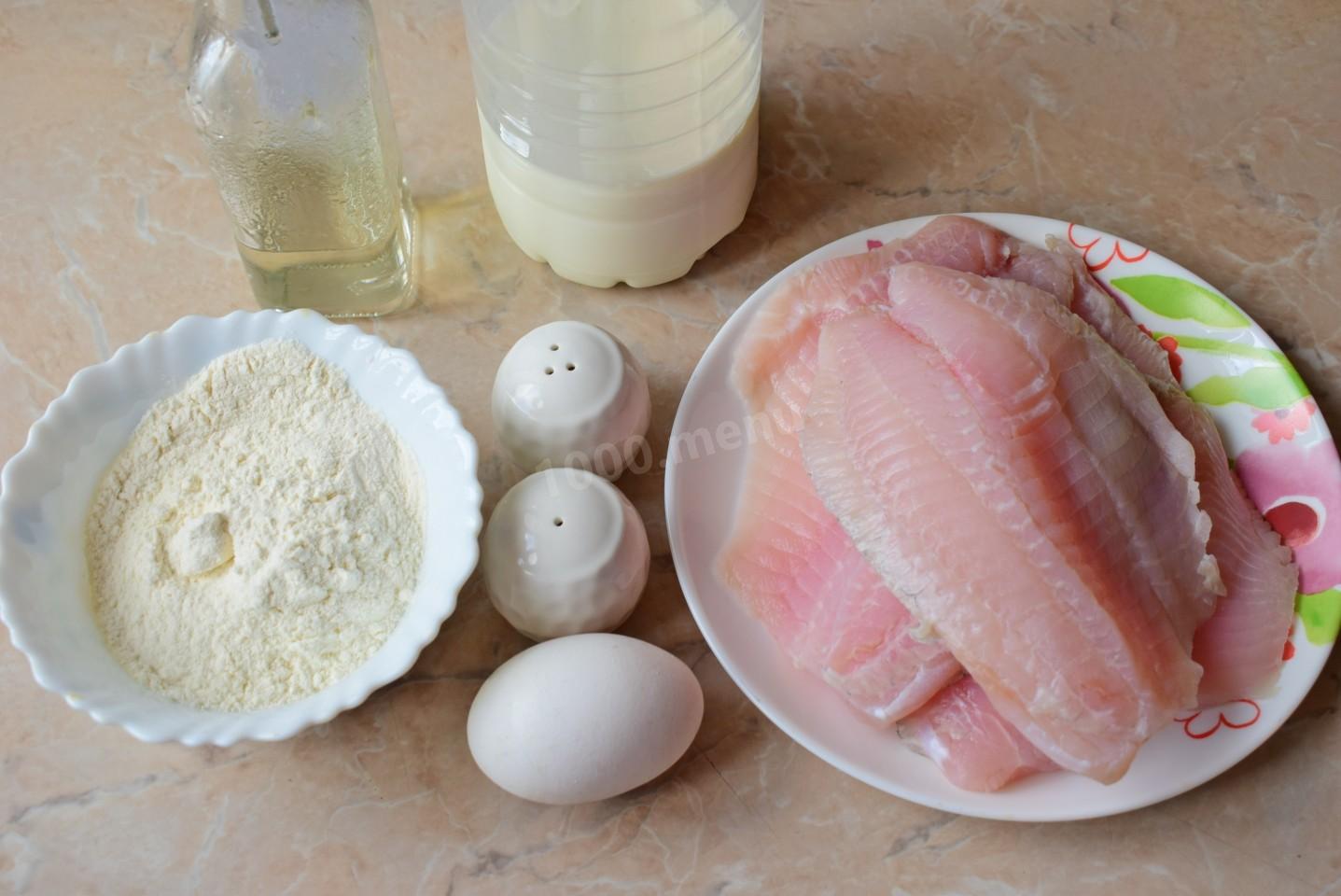
How do you pan-fry battered tilapia? Start by gathering the ingredients. Take the fish fillets out of the freezer ahead of time and let them thaw at room temperature.
-
Step 2:
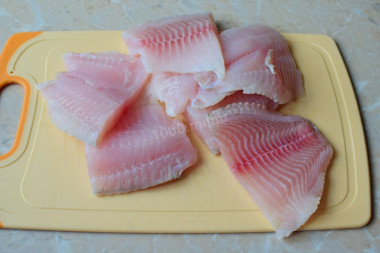
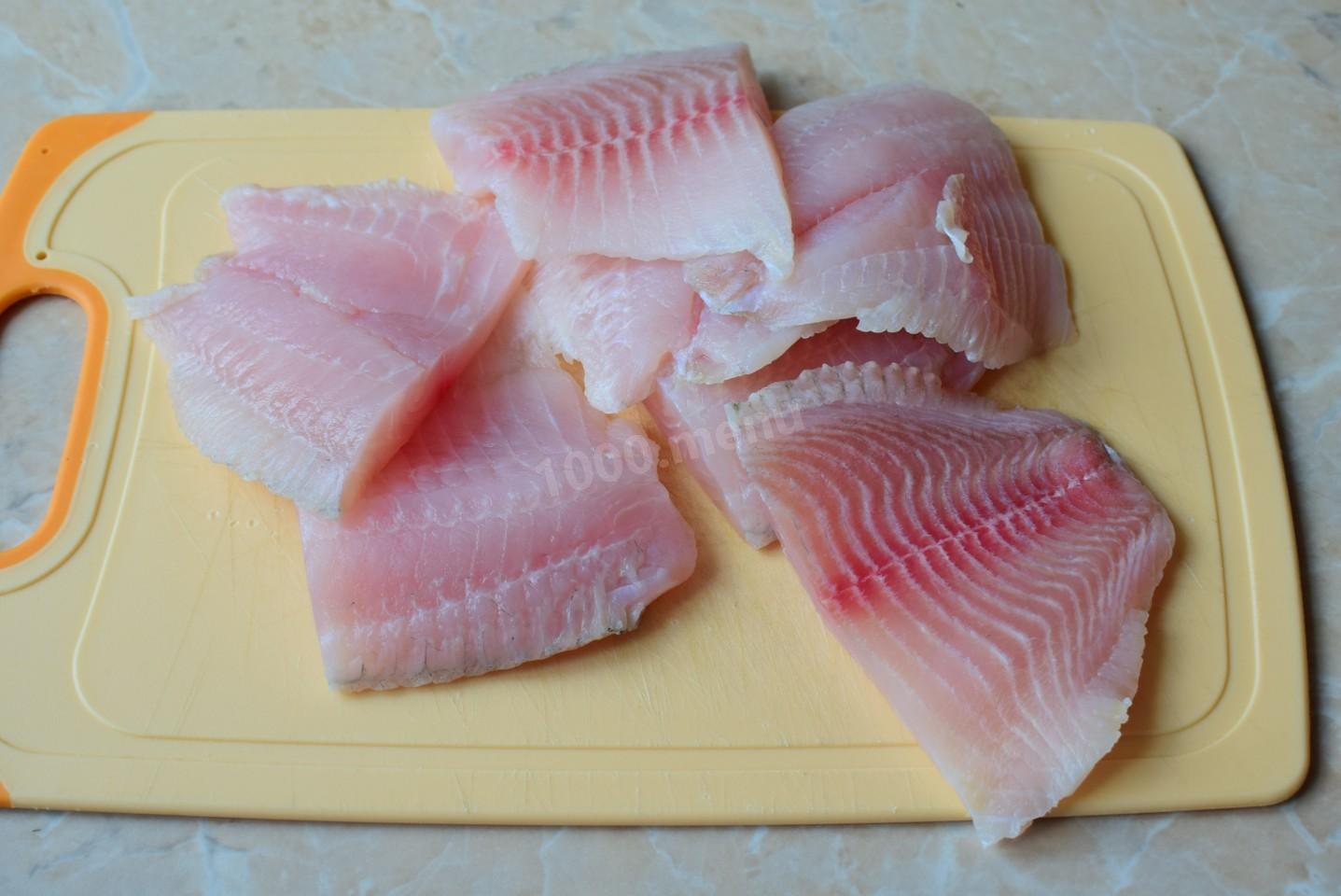
Pat the thawed fish with paper towels to remove excess moisture. If the fillet pieces are large, cut them into 2–3 pieces.
-
Step 3:
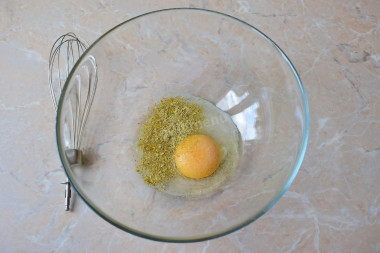
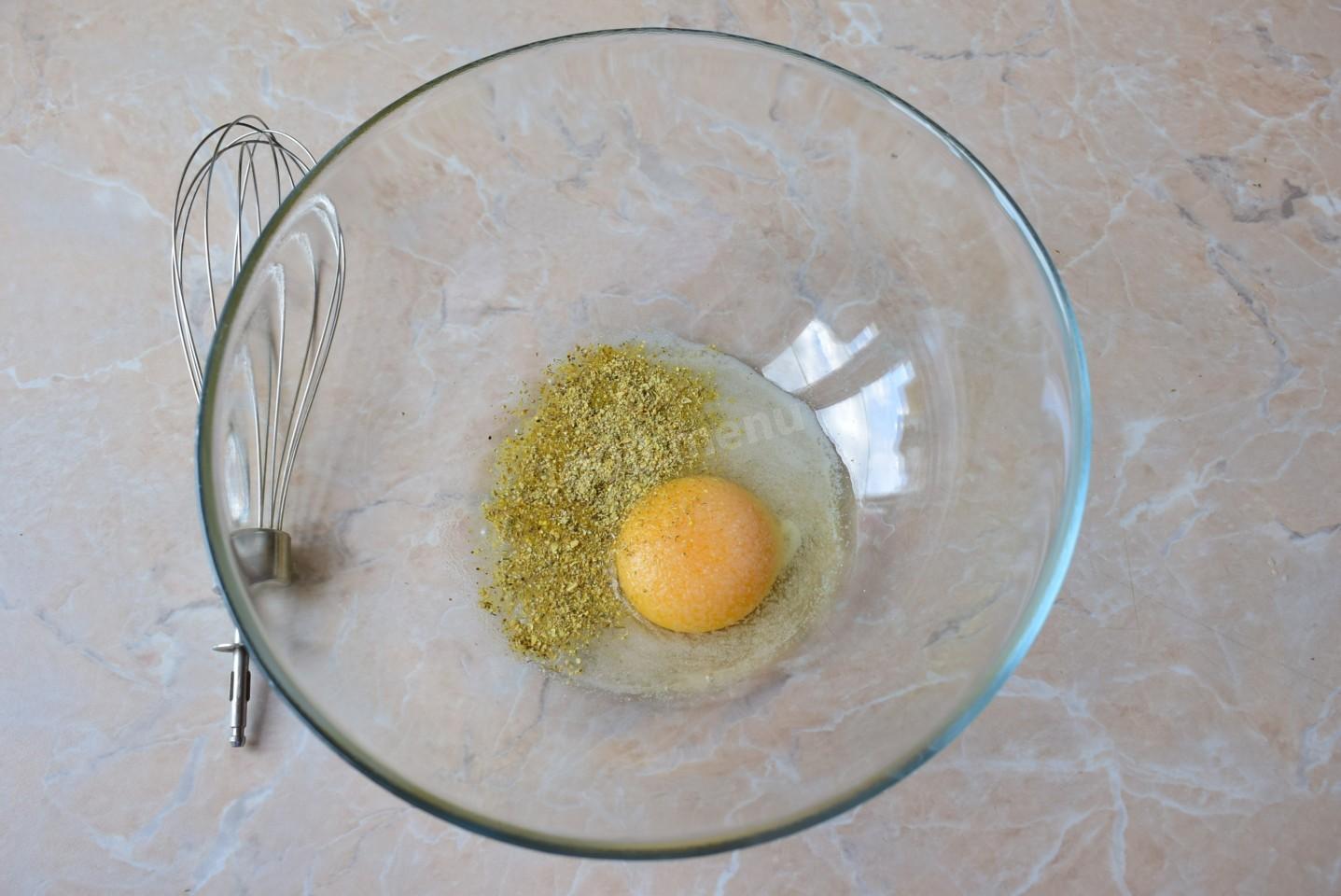
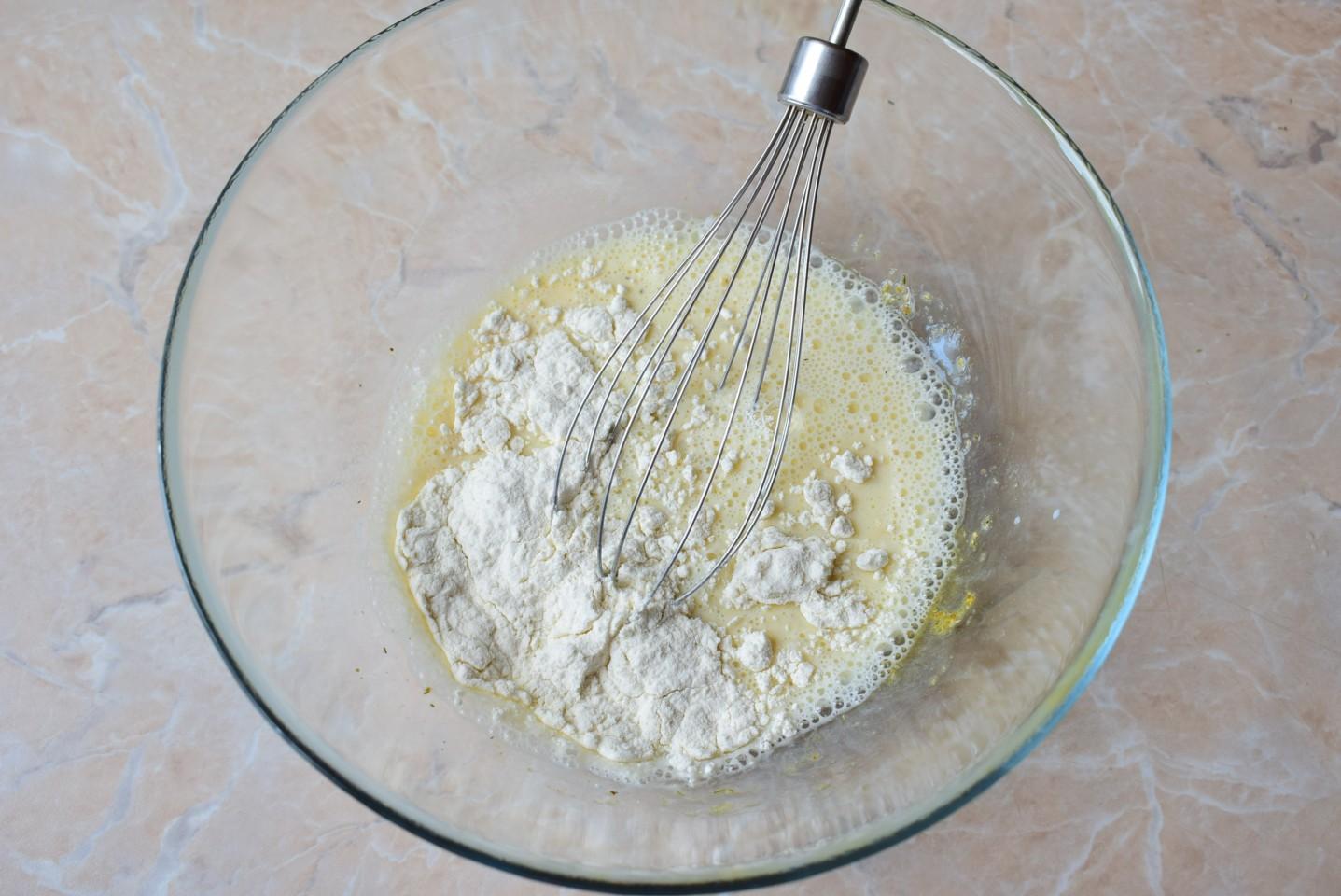
For the batter, take a deep bowl and crack in the egg. Add a little salt and some spices. I use a ready-made fish seasoning blend; you can add a little paprika, turmeric, or saffron.
-
Step 4:
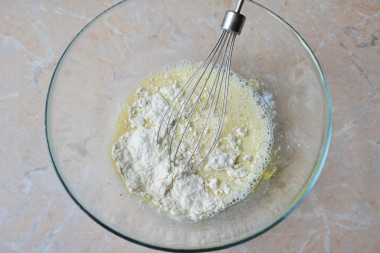
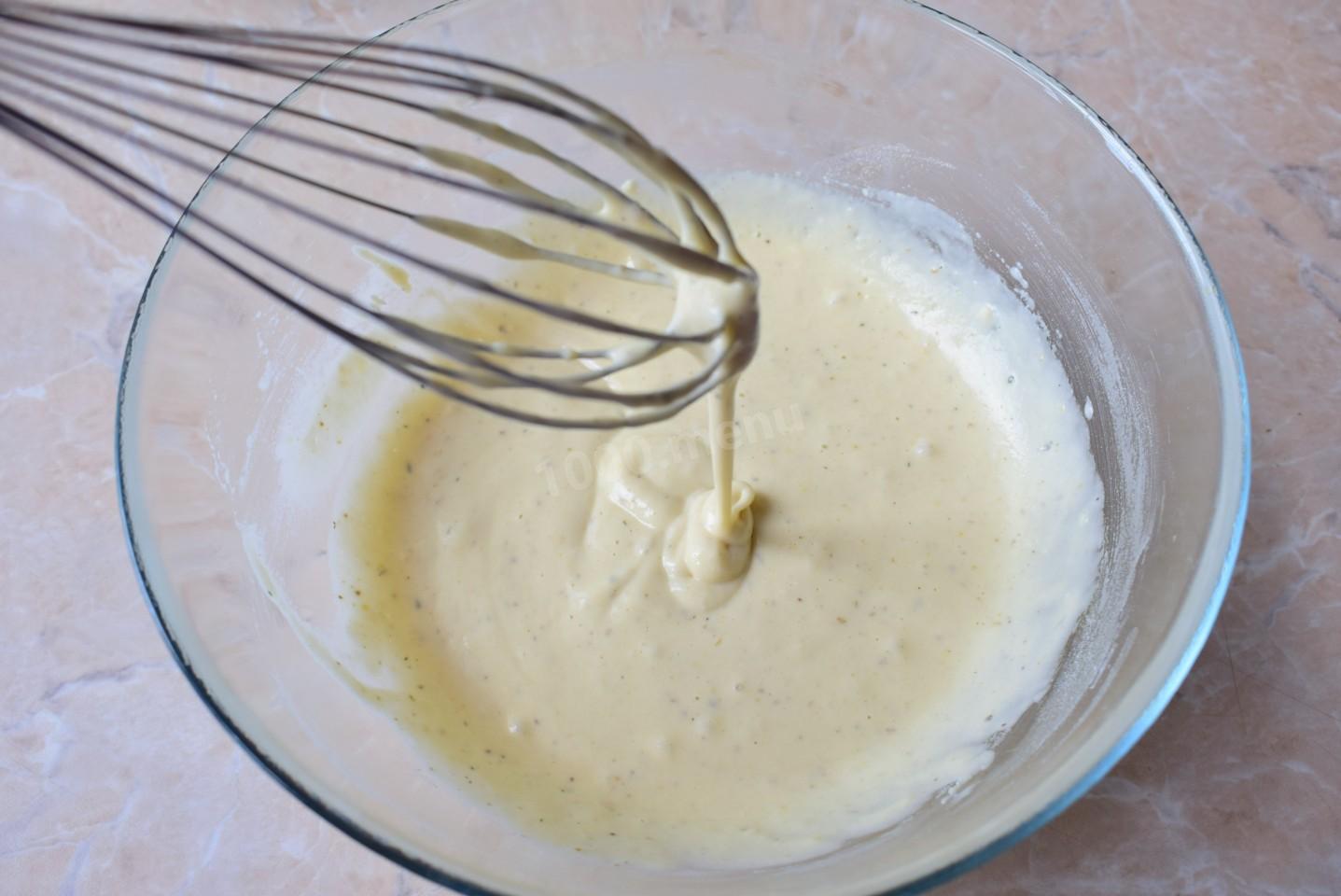
Then pour the milk into the bowl and, adding the flour a little at a time, whisk together a batter.
-
Step 5:
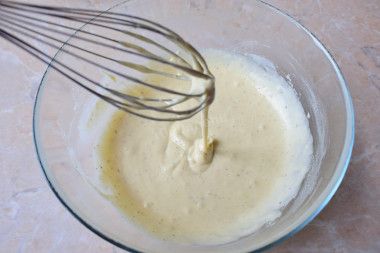
The finished batter will be on the thick side. Adjust the flour to get the consistency you want — the thicker the batter, the thicker the coating on the fish.
-
Step 6:
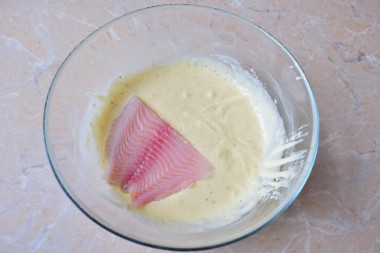
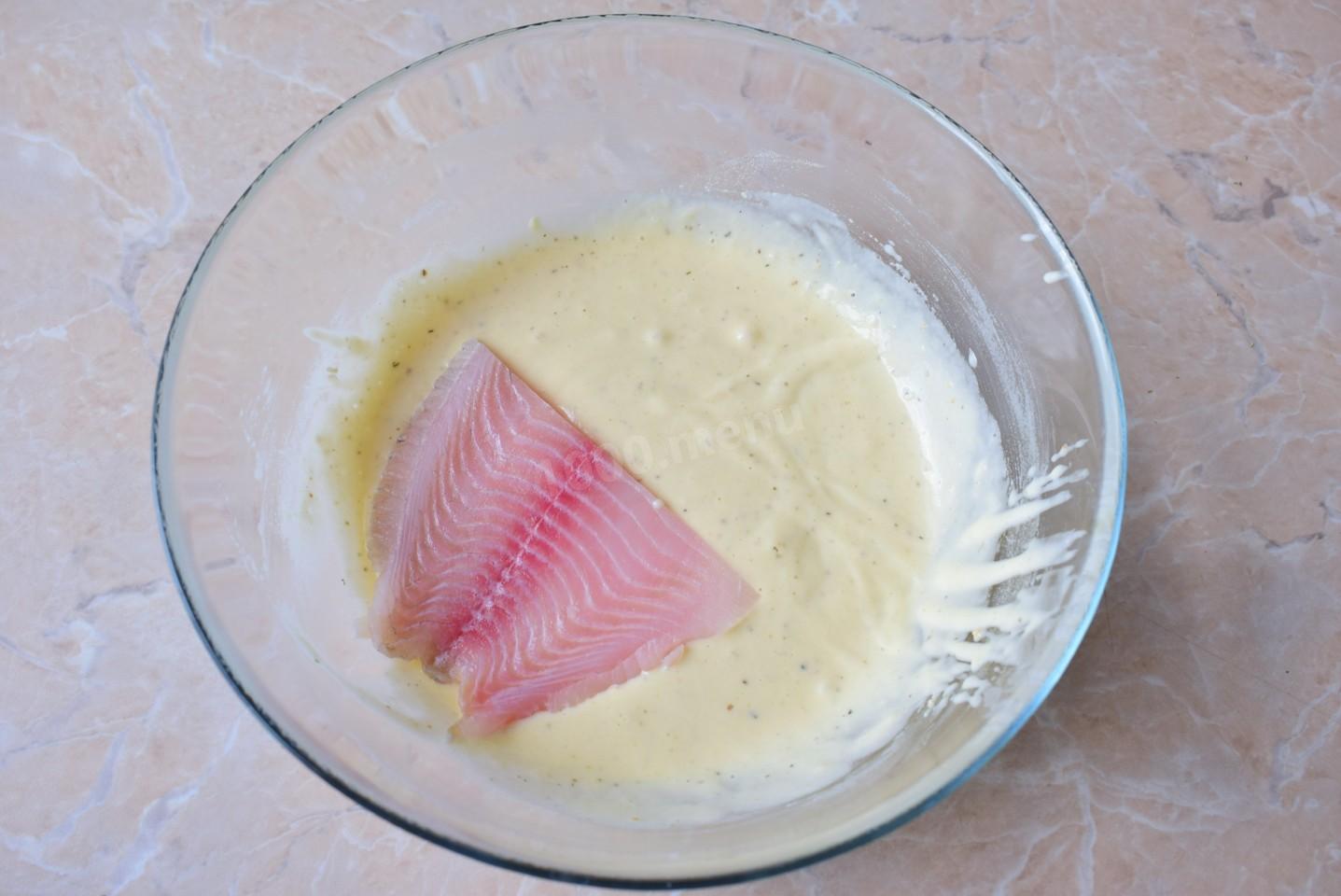
Dip each piece of fish into the batter on both sides so it's evenly coated all over. To keep the batter from sliding off, you can dredge the fish in flour first.
-
Step 7:
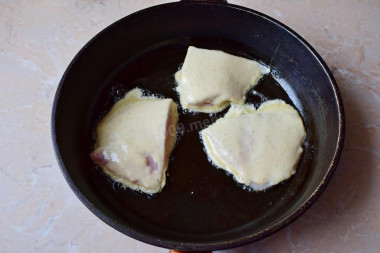
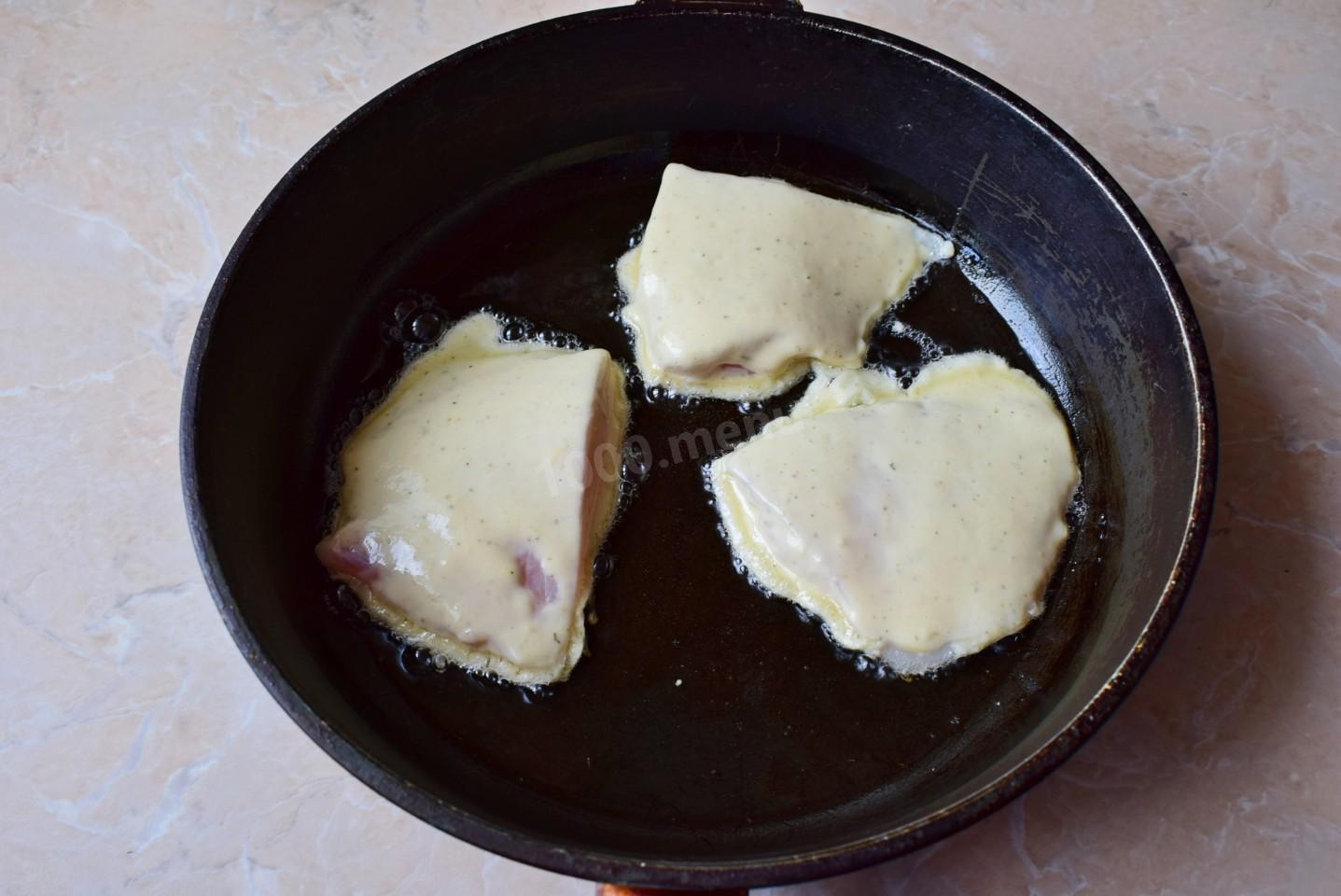
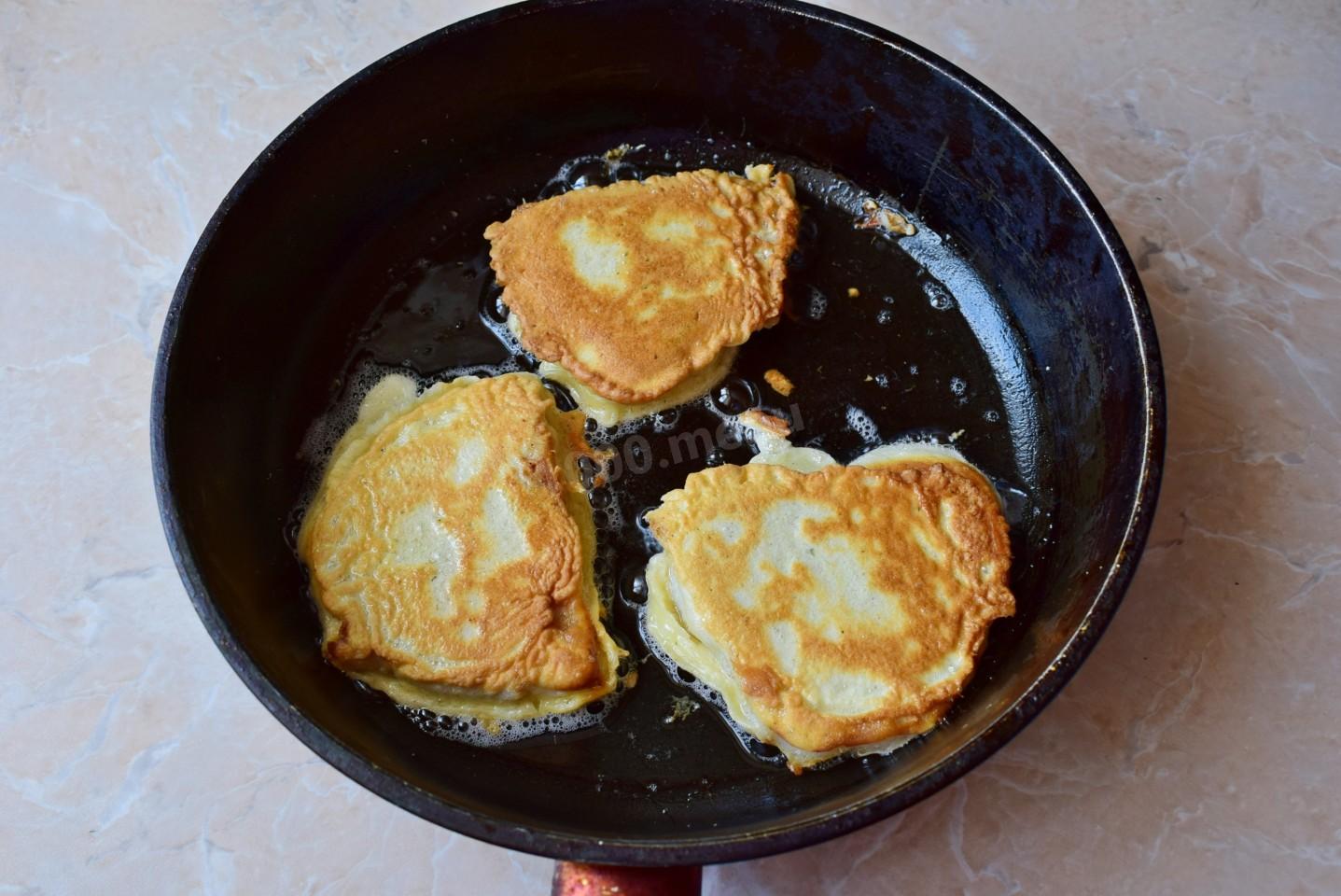
Heat a skillet until hot and add a little vegetable oil. Lay in the battered fish and fry over low heat for 3–4 minutes per side.
-
Step 8:
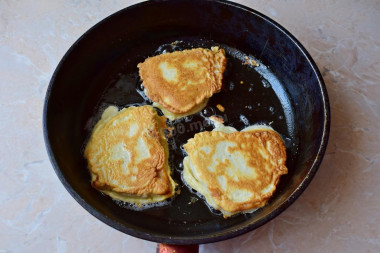
Don't use high heat, or the fish will start to burn on the outside before it cooks through inside. The finished battered tilapia will turn an appetizing golden color.
-
Step 9:
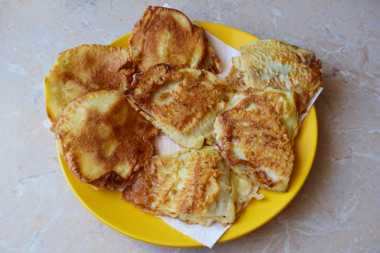
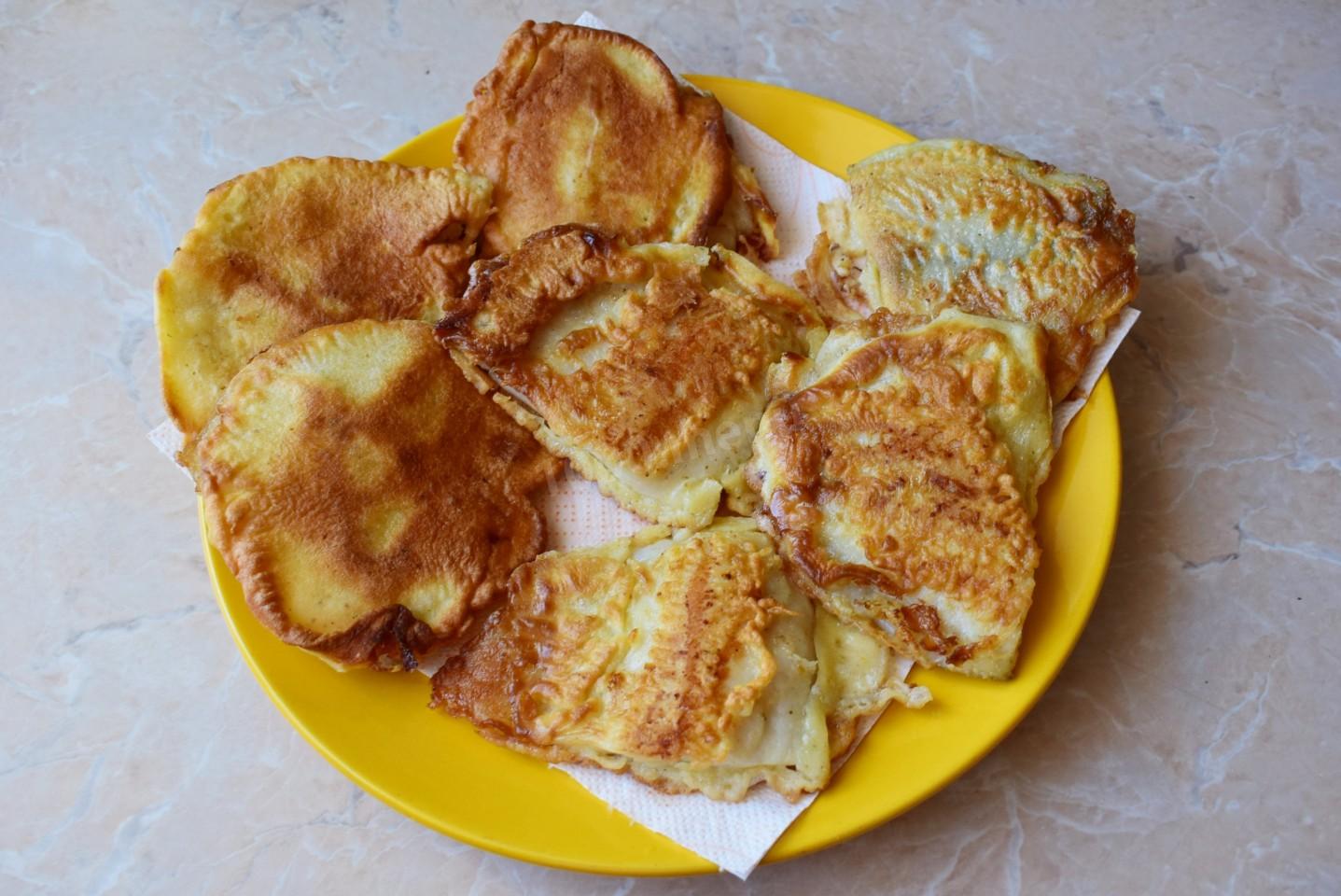
Transfer it to a paper towel to blot off the excess oil.
-
Step 10:
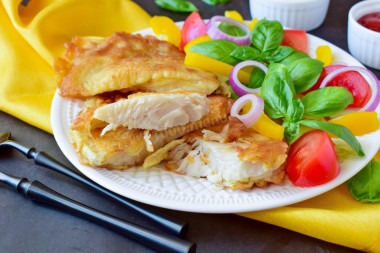
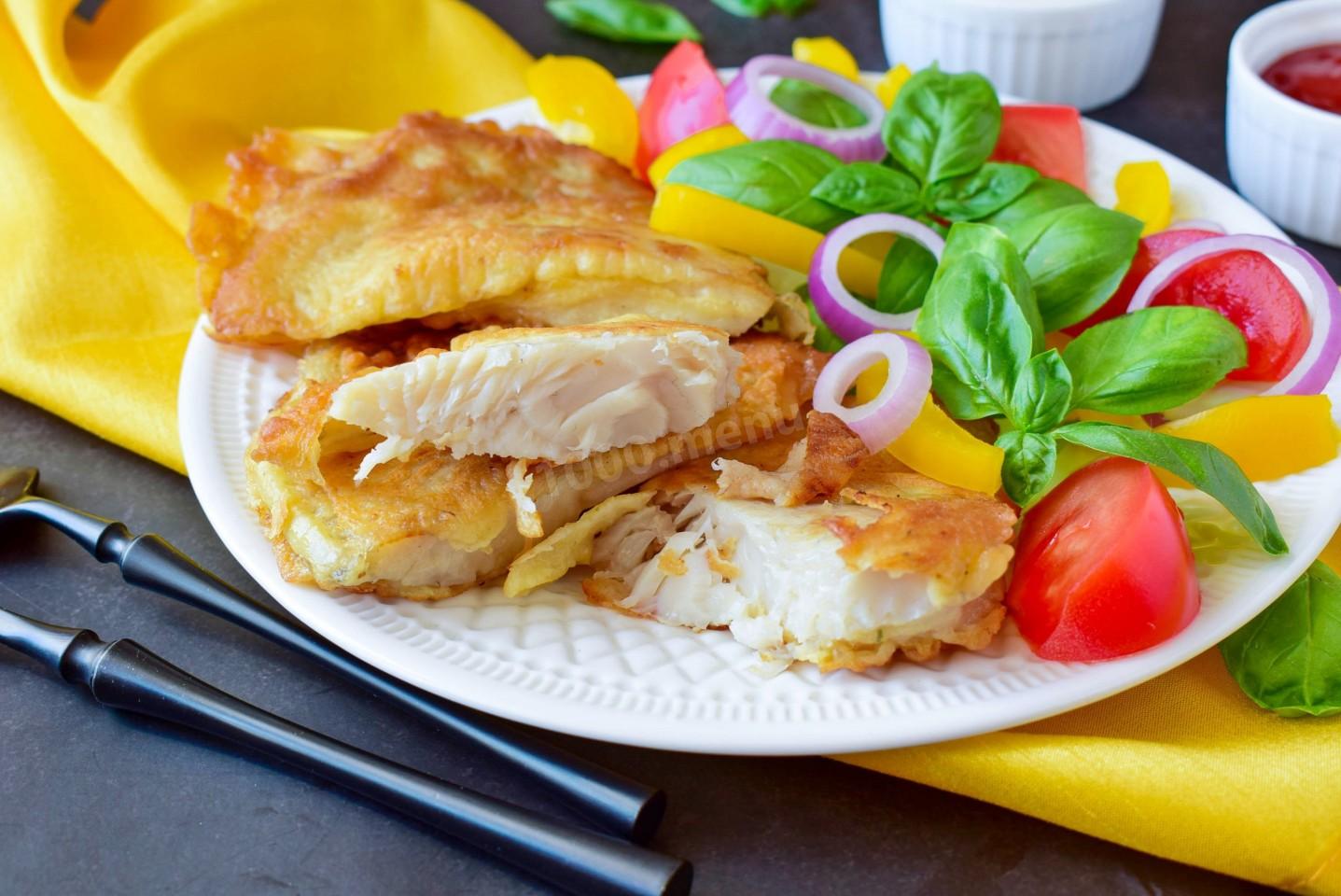
Round out the fish with fresh vegetables and herbs, and serve! Enjoy!
- Keep in mind that properly thawing your ingredients has a lot to do with the quality and flavor of the finished dish. For how to avoid mistakes and pick the best method, see the article on thawing.
- Always wash the eggs before using them — even a shell that looks clean can carry harmful bacteria. A food-safe wash and a brush work best.
- Any oil is only good up to a certain temperature — its smoke point, past which it starts to burn and forms harmful compounds, including carcinogens. For how to gauge frying temperature and choose the best oil for the job (and which ones to skip entirely), read more here.
Caloric content of the products possible in the composition of the dish
- Whole cow's milk - 68 kcal/100g
- Milk 3.5% fat content - 64 kcal/100g
- Milk 3.2% fat content - 60 kcal/100g
- Milk 1.5% fat content - 47 kcal/100g
- Concentrated milk 7.5% fat content - 140 kcal/100g
- Milk 2.5% fat content - 54 kcal/100g
- Chicken egg - 157 kcal/100g
- Egg white - 45 kcal/100g
- Egg powder - 542 kcal/100g
- Egg yolk - 352 kcal/100g
- Ostrich egg - 118 kcal/100g
- Whole durum wheat flour fortified - 333 kcal/100g
- Whole durum wheat flour universal - 364 kcal/100g
- Flour krupchatka - 348 kcal/100g
- Flour - 325 kcal/100g
- Vegetable oil - 873 kcal/100g
- Salt - 0 kcal/100g
- Spices dry - 240 kcal/100g
- Tilapia - 103 kcal/100g
Similar recipes
- Fast and tasty
- Homemade dinner
- Children's recipes
- Snacks
- Second course
- Baking
- Eggs
- Fish and seafood
- Dairy products
- Flour
- Spices seasonings spices
- Fats and oils
- Salt
- Dry spices
- Vegetable oil
- Frying
- In a frying pan
- Hasty pastries
- Dishes in 30 minutes
- Кляр
- Fish second course
- Quick baking
- Yeast-free baking
- Unsweetened pastries
- Tilapia
- Milk
- Recipes for lean dishes without butter