Braised Chicken Gizzards
Budget-friendly, quick, and easy — a great dinner or main dish! Chicken gizzards are a wonderful base for all kinds of interesting dishes — not just tasty but good for you too. These braised giblets will liven up your everyday menu and go with any side.

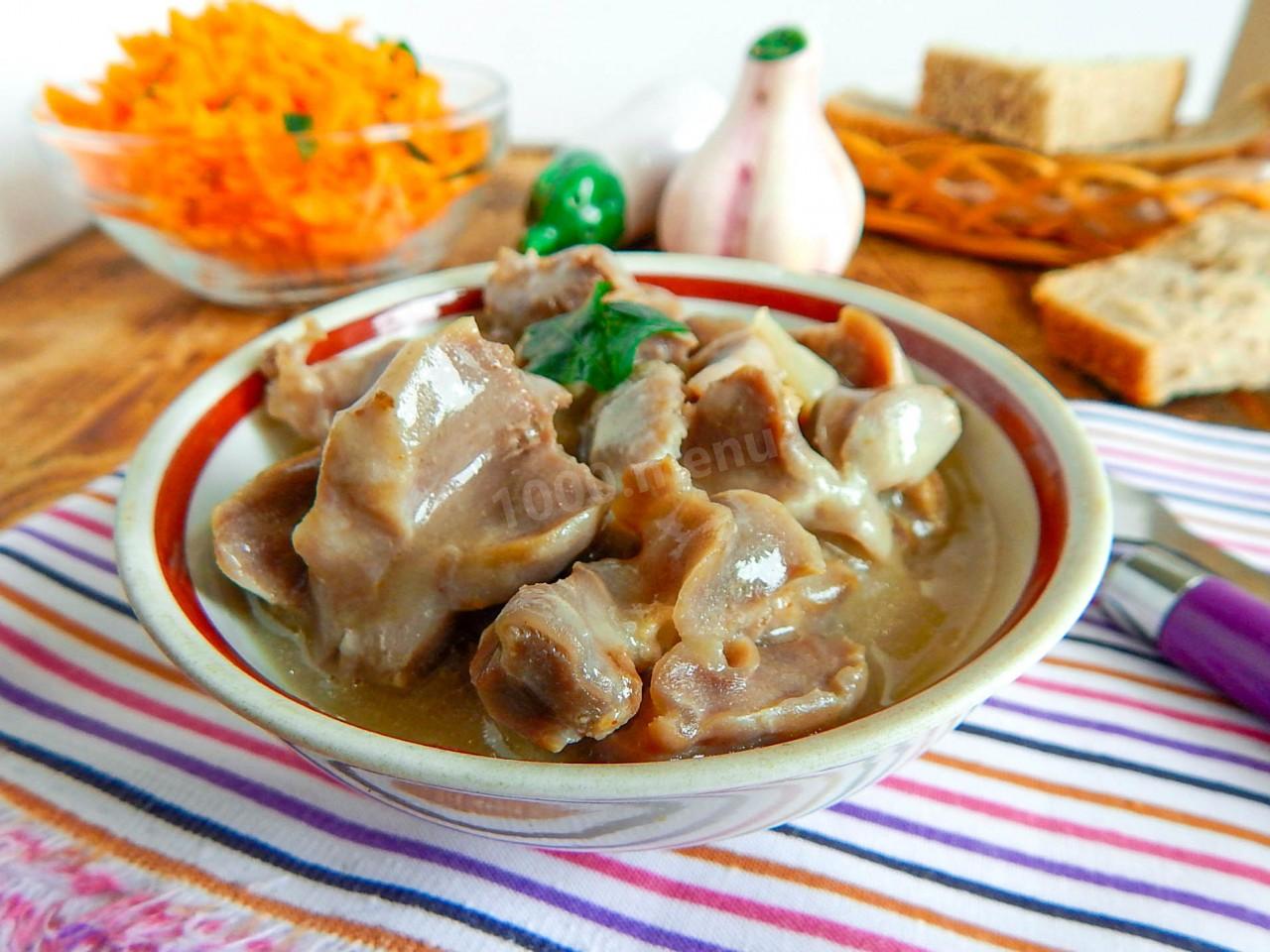
Cooking method
-
Step 1:
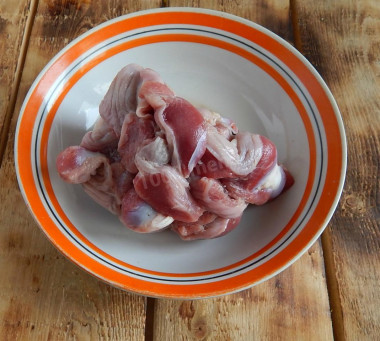
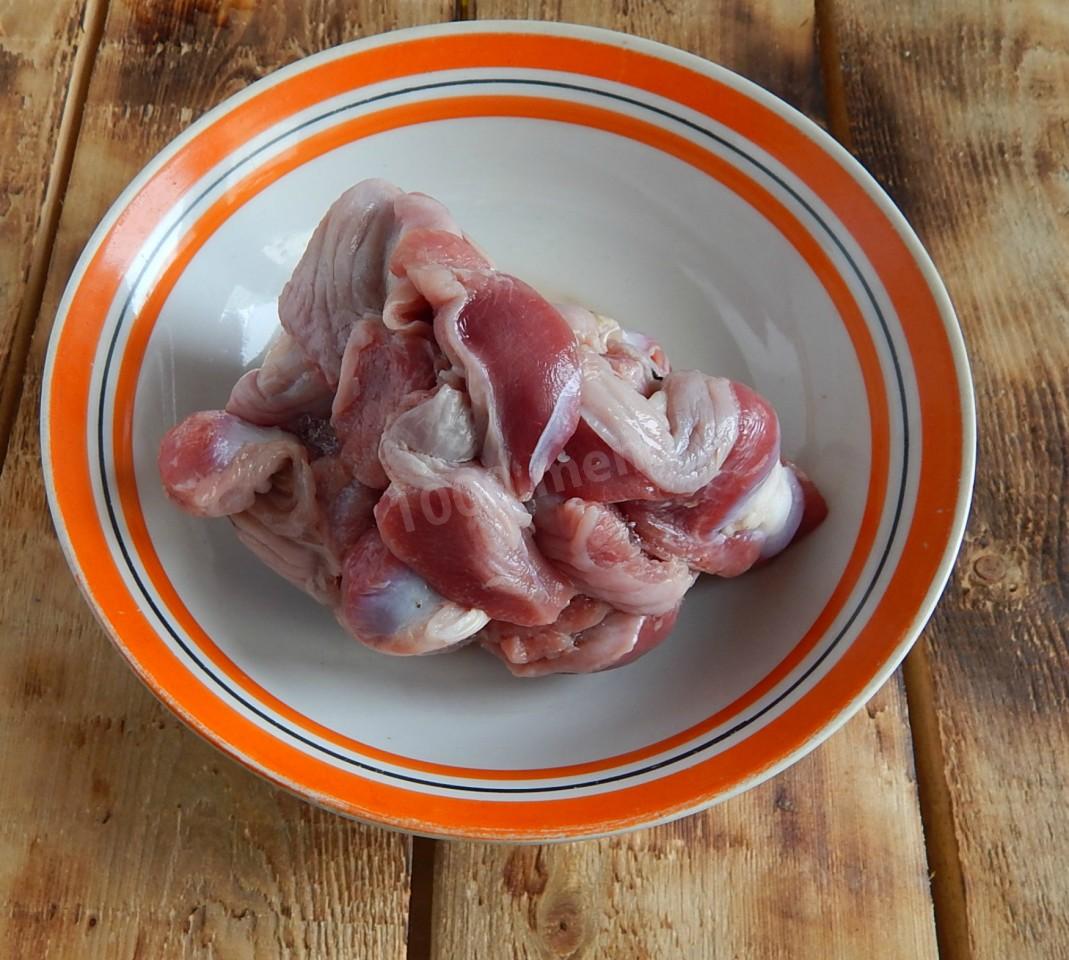
How do you make braised chicken gizzards? Gather your ingredients. If the gizzards were frozen, thaw them — ideally ahead of time, by moving them from the freezer to the bottom shelf of the fridge. Any fat content of sour cream will work; the main thing is that it's natural, good quality, and fresh. I used 20%.
-
Step 2:
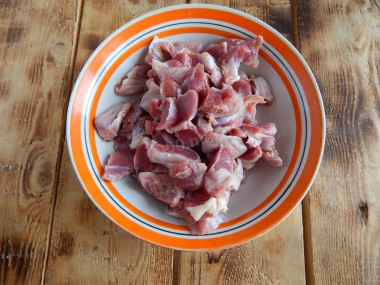
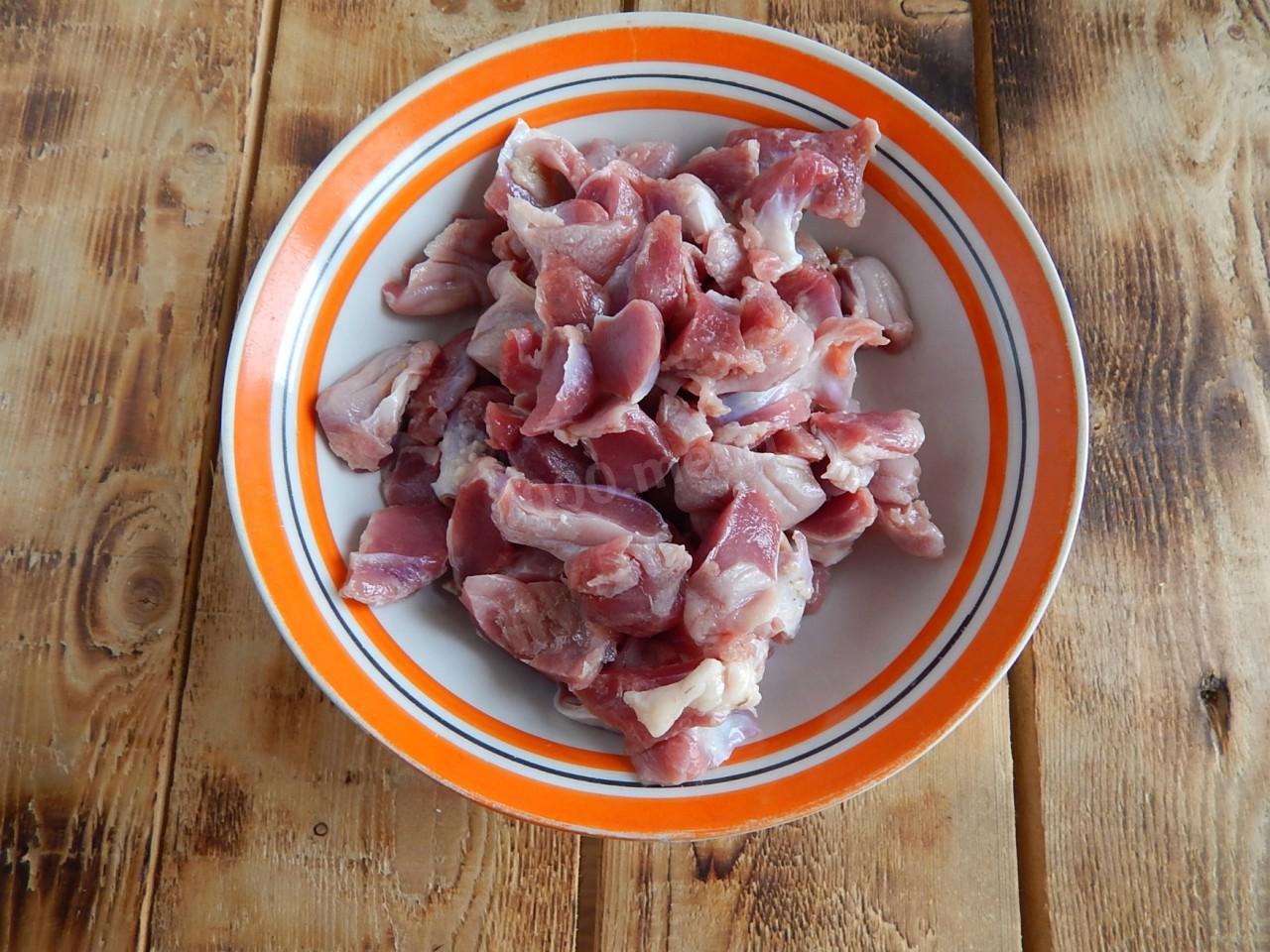
Rinse the thawed gizzards well under running water, then pat them dry with paper towels. Trim them if needed — sometimes there's a bit of the tough inner membrane left on, and if you don't remove it the giblet will taste bitter. Cut the gizzards into small pieces.
-
Step 3:
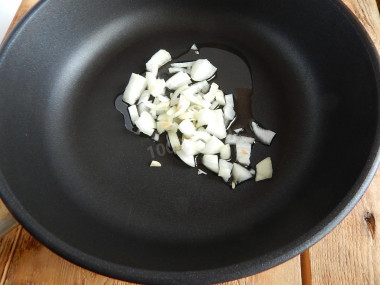
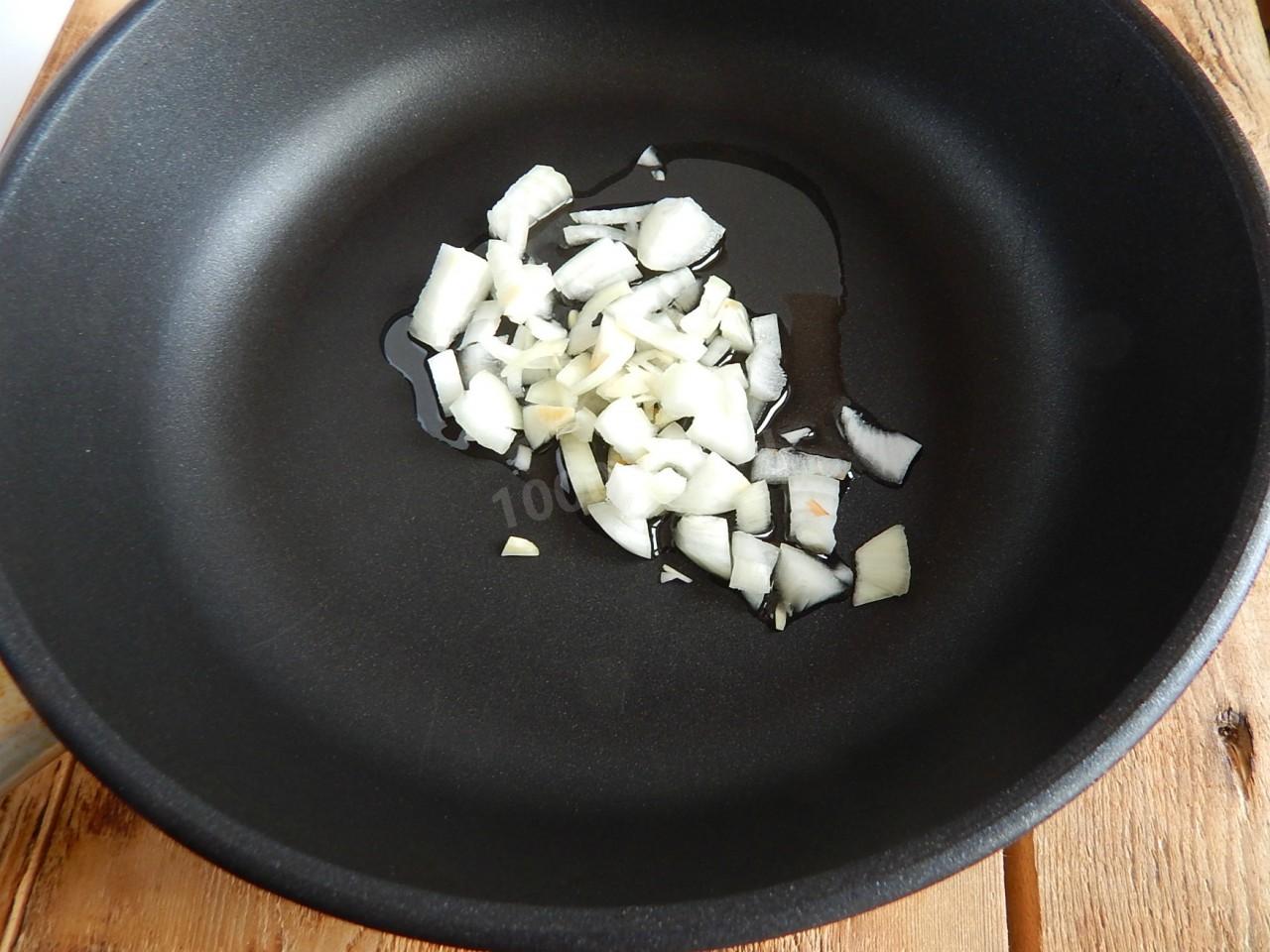
Peel the onion and finely chop it with a knife. Pour a little vegetable oil into a deep, heavy-bottomed skillet and heat it over medium heat. Sauté the onion until translucent, about 5 minutes, stirring.
-
Step 4:
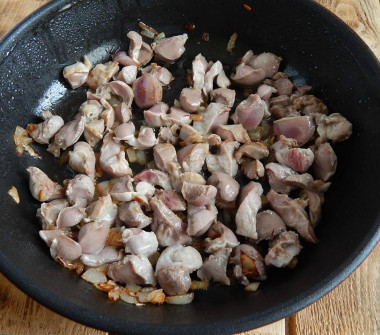
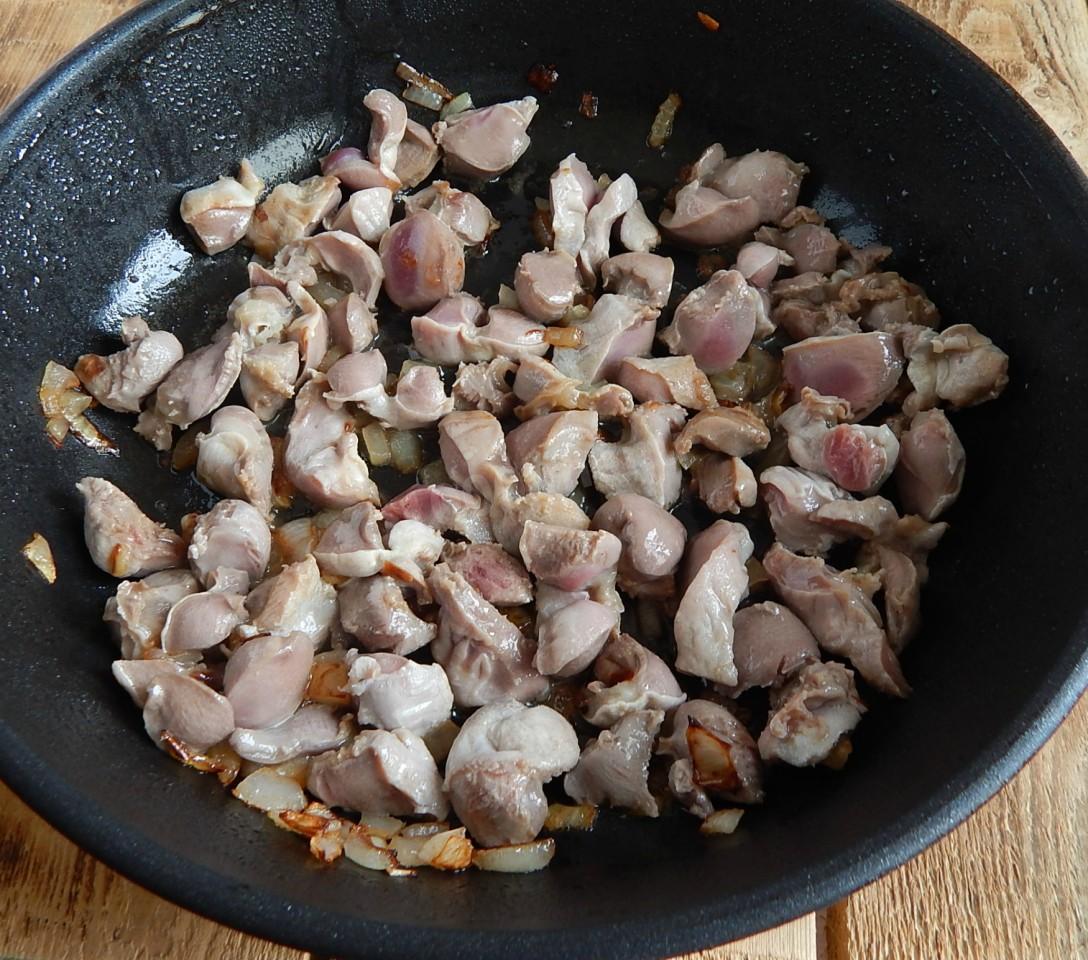
Add the chicken gizzards to the onion. Cook them together over medium heat for 5–7 minutes, stirring with a spatula.
-
Step 5:
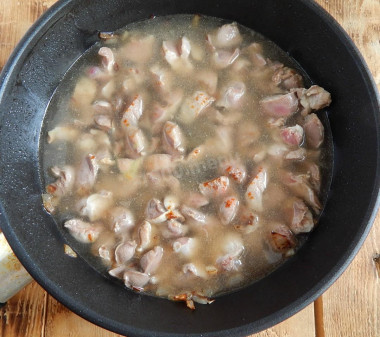
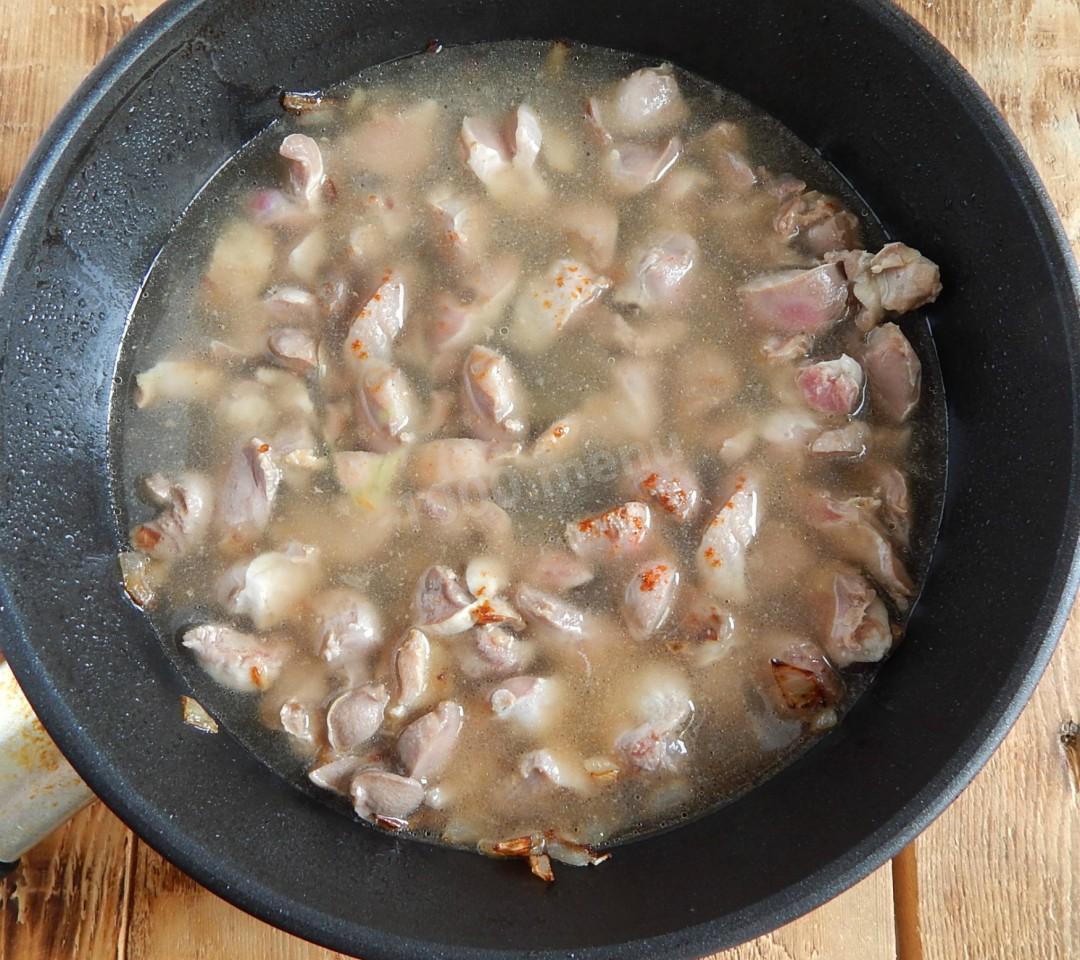
Then pour in the water and add the sour cream. Season with salt and ground black pepper to taste, and stir. Reduce the heat to low, cover the pan, and braise everything together for about 30 minutes.
-
Step 6:
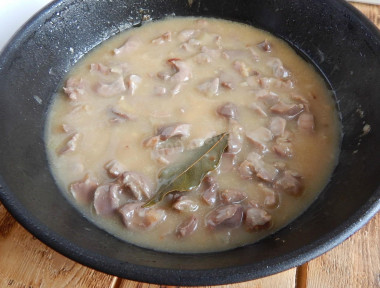
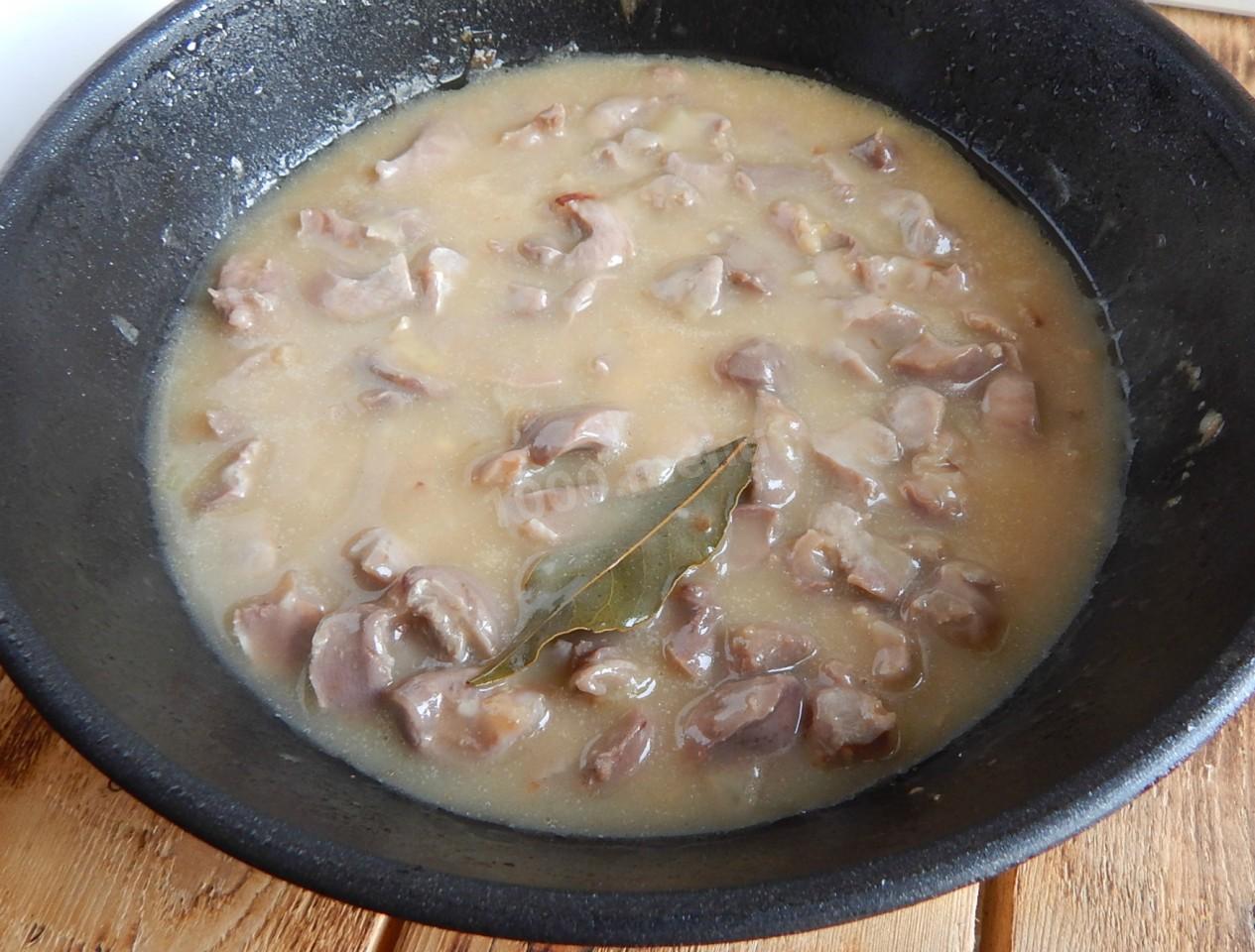
If you like, add a bay leaf and any other spices to taste for a nice aroma. You can also stir in a clove of garlic put through a press. Braise for another 10 minutes or so. The dish is done. You get a saucy meat dish that goes well with any side — it's especially good with mashed potatoes. Enjoy!
- Chicken gizzards may be cheap, but they're a very nutritious food worth adding to your menu. They're rich in iron for healthy circulation, phosphorus for strong teeth and bones, selenium that supports heart and vascular health, zinc, potassium that helps balance fluids, and B vitamins, folic acid, and vitamins A and E. They're also low in calories, which makes them a good choice if you're watching what you eat — though how you cook them matters too. Just as important is the quality and freshness of what you buy, so check the giblets' appearance and choose chilled ones when you can.
- One more thing: the wrong pan can ruin even the best recipe, so it's worth choosing a good skillet suited to what you're cooking.
- Every oil is only good up to a certain temperature — its smoke point — beyond which it starts to burn and forms harmful compounds. Choose a refined oil with a high smoke point for frying.
- For creamy sauces, here's a key tip: to keep cream or sour cream from curdling, don't let it come to a hard boil and temper it in gently.
Caloric content of the products possible in the composition of the dish
- Sour cream of 30% fat content - 340 kcal/100g
- Sour cream with 25 % fat content - 284 kcal/100g
- Sour cream with 20 % fat content - 210 kcal/100g
- Sour cream of 10% fat content - 115 kcal/100g
- Sour cream - 210 kcal/100g
- Garlic - 143 kcal/100g
- Bay leaf - 313 kcal/100g
- Ground black pepper - 255 kcal/100g
- Vegetable oil - 873 kcal/100g
- Salt - 0 kcal/100g
- Water - 0 kcal/100g
- Onion - 41 kcal/100g
- Chicken stomachs - 114 kcal/100g
Similar recipes
- Homemade dinner
- Second course
- Meat and meat products
- Dairy products
- Vegetables
- Spices seasonings spices
- Fats and oils
- Other
- Garlic
- Bay leaf
- Pepper
- Salt
- Vegetable oil
- Water
- Frying
- Stewing
- In a frying pan
- Simple dinner
- Stewed vegetables
- Meat second course
- Poultry
- Simple quick dinner
- Sour cream
- Chicken with vegetables
- From onion
- No eggs
- Recipes for lean dishes without butter