Braised Sauerkraut with Pork
For cabbage lovers — simple, hearty, and homey! This braised sauerkraut with pork is a true two-in-one dish: it needs no separate side. Cozy and comforting, it's the kind of family supper that works any night of the week, and it's even good enough for the holiday table.

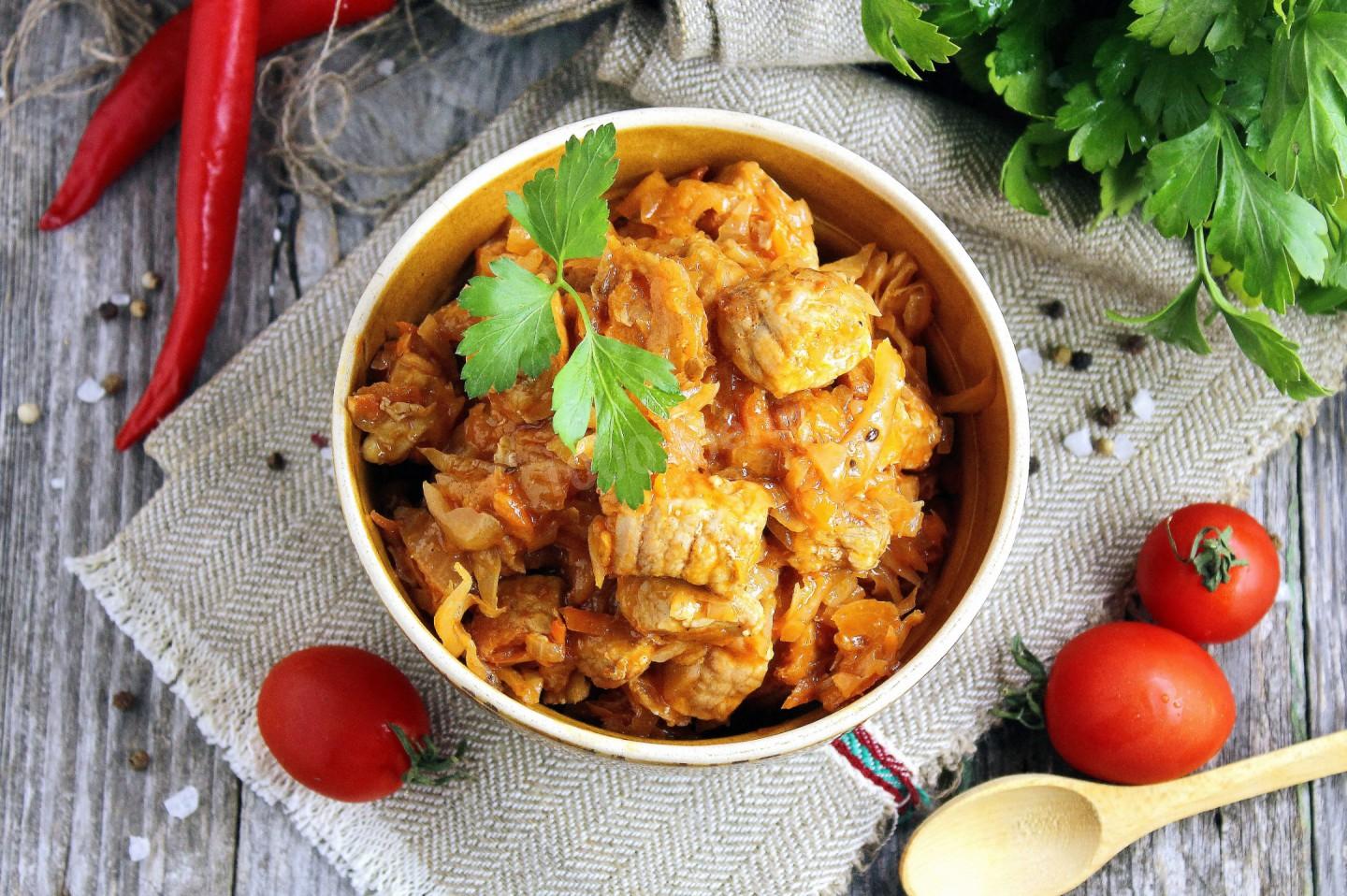
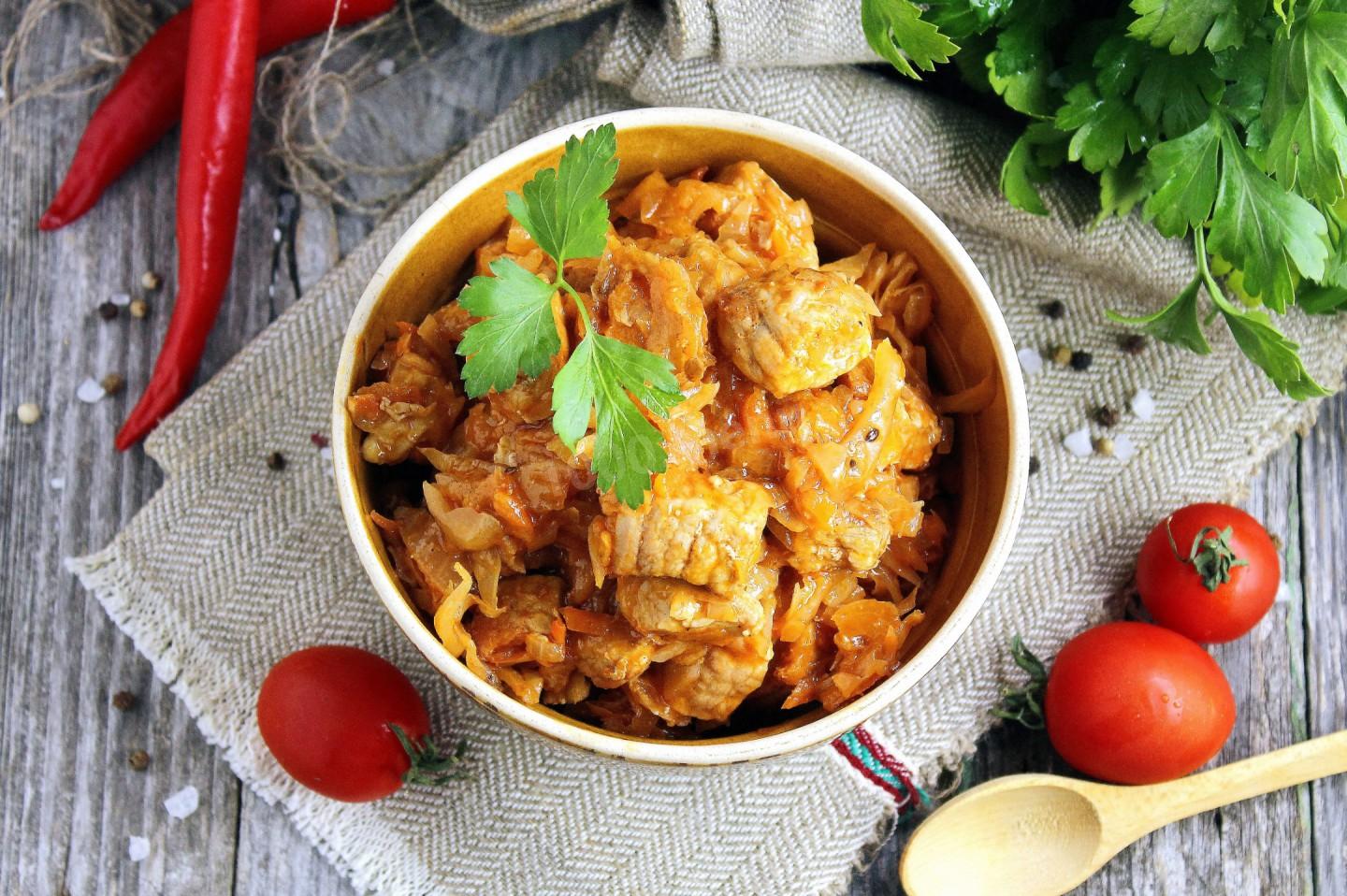
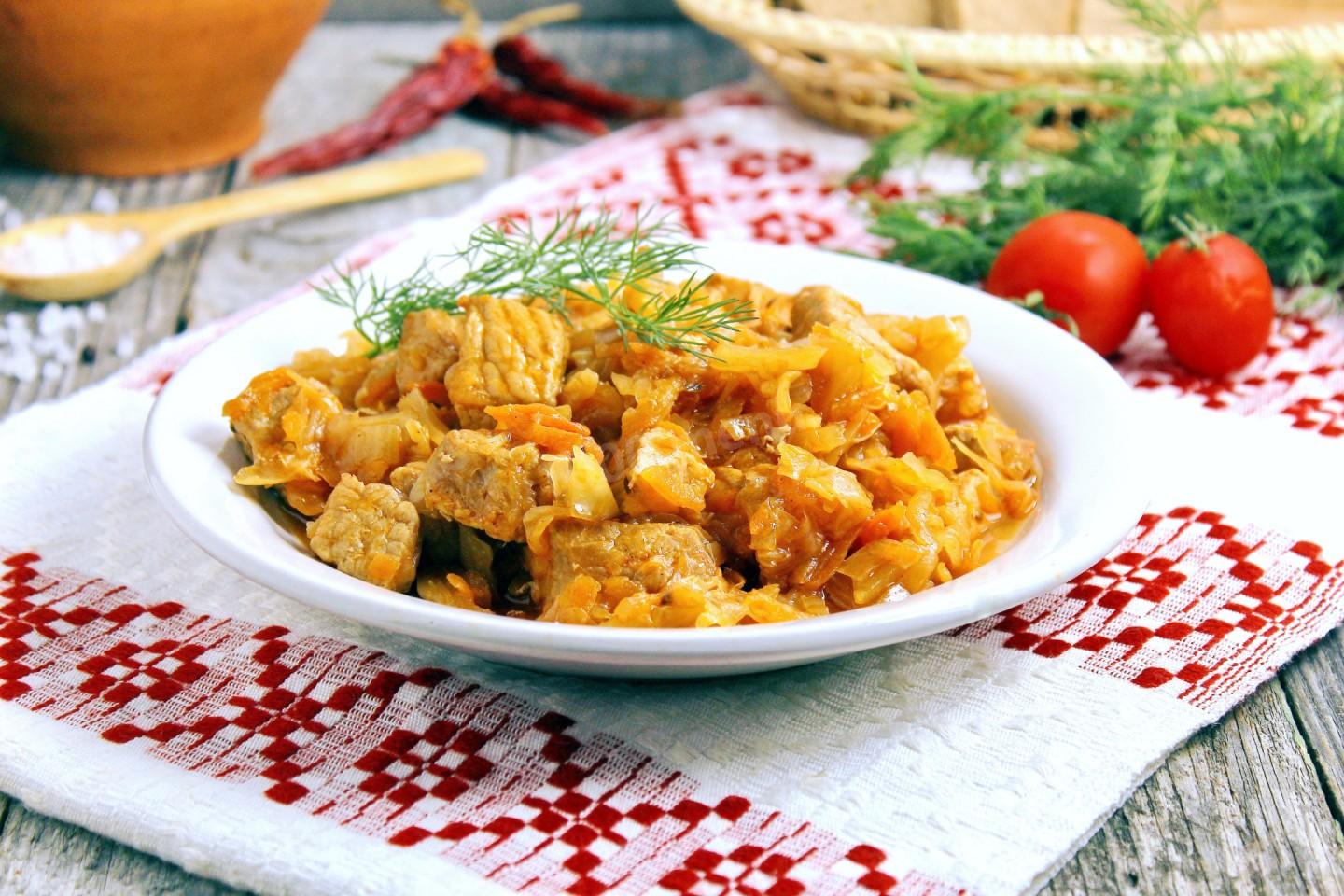
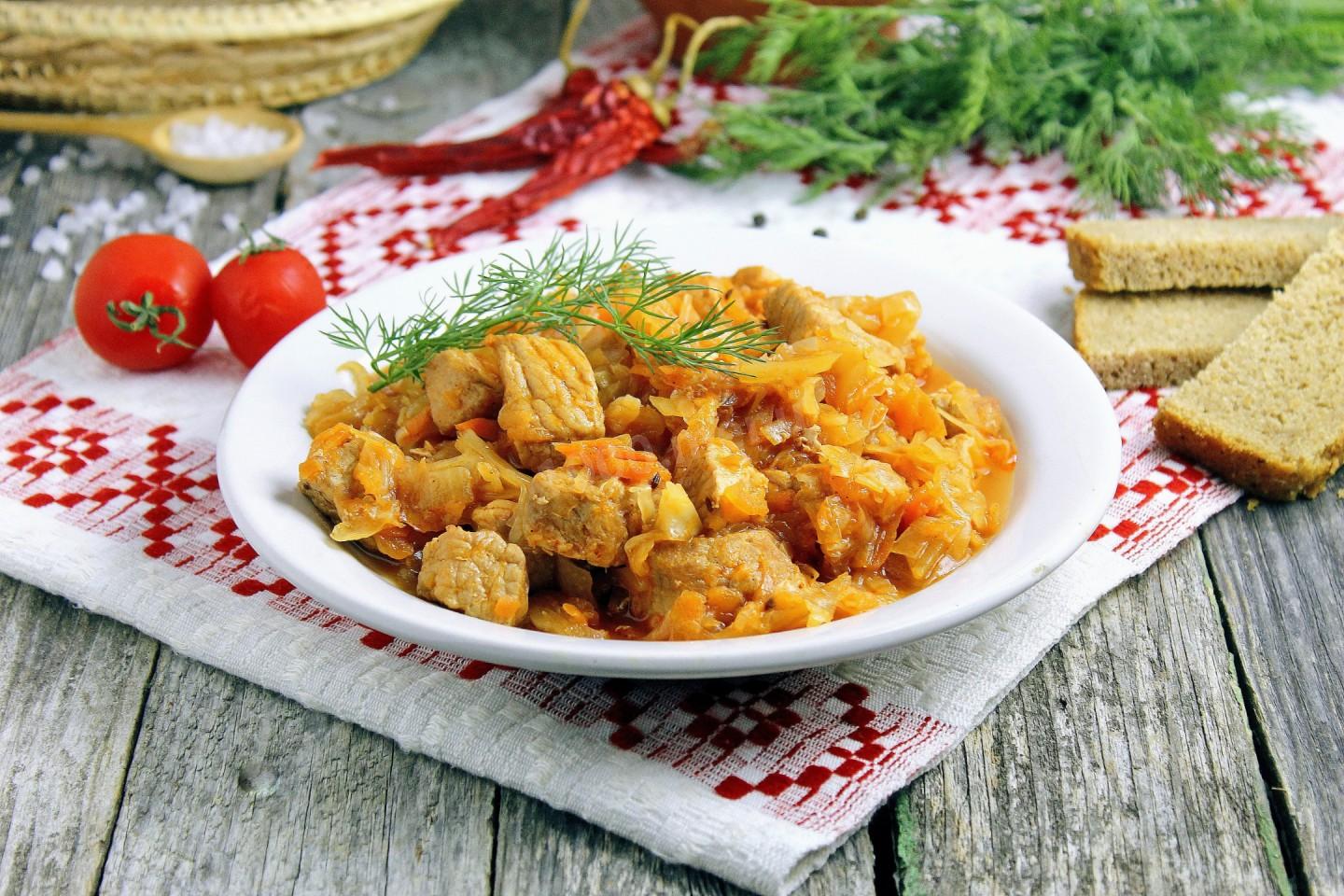
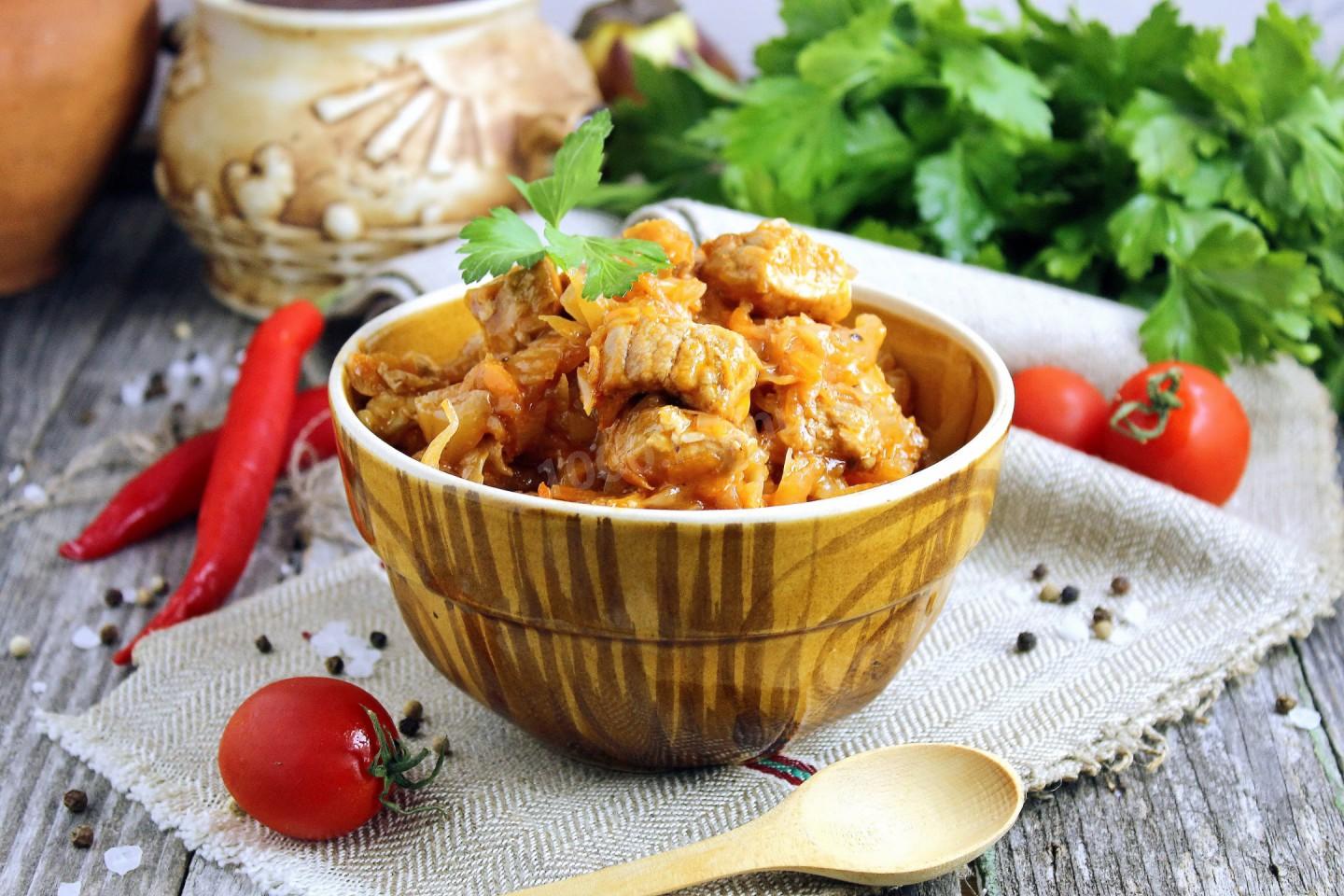
Cooking method
-
Step 1:
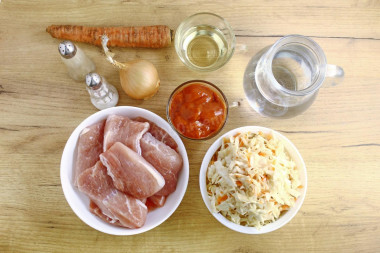
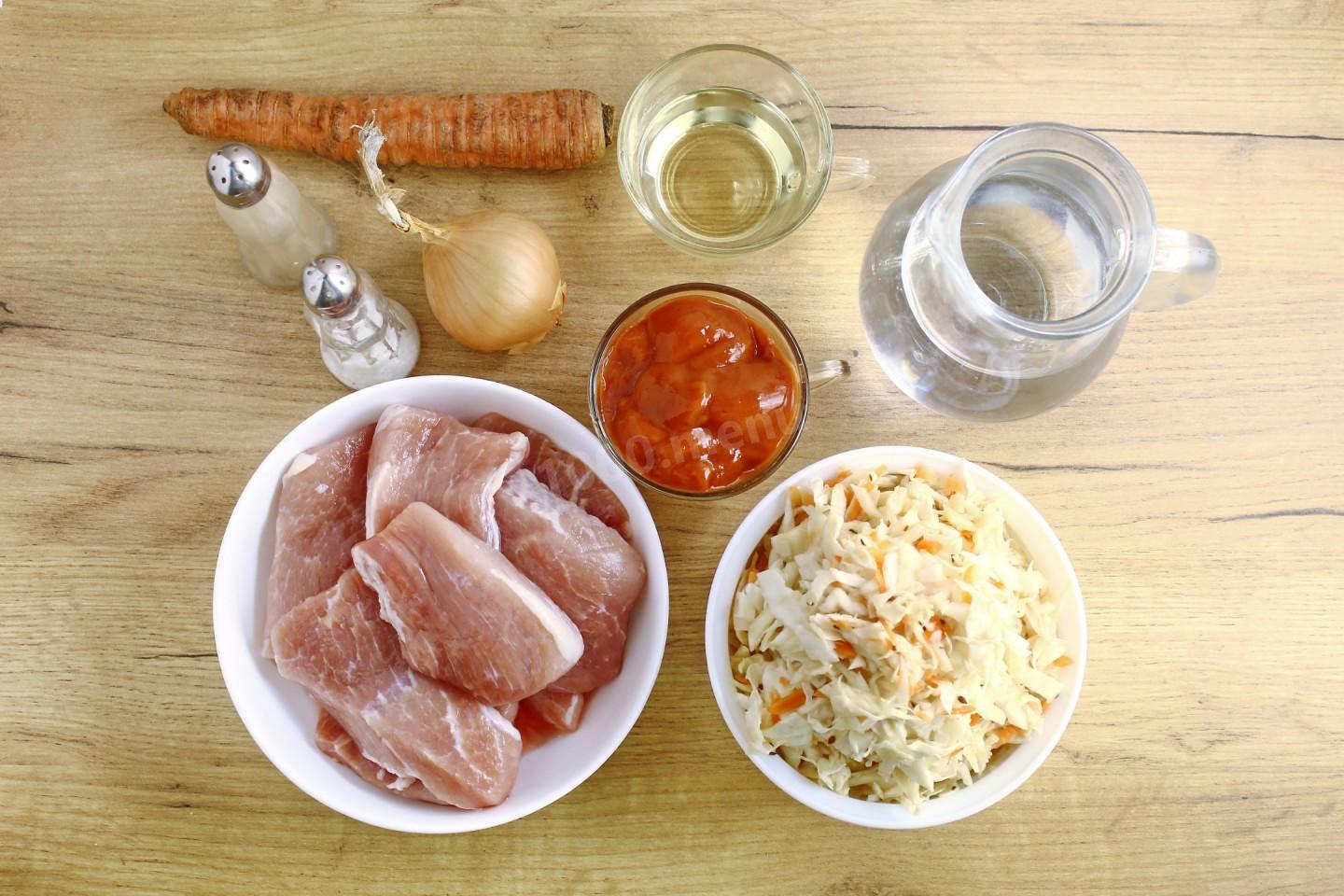
How do you braise sauerkraut with pork? Start by gathering all your ingredients. Any sauerkraut works here. It also doesn't matter which cut of pork you use — it turns meltingly tender as it braises. Bring the water to a boil right away, since this recipe calls for it hot.
-
Step 2:
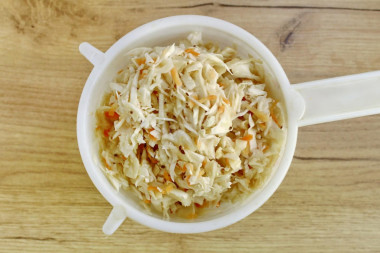
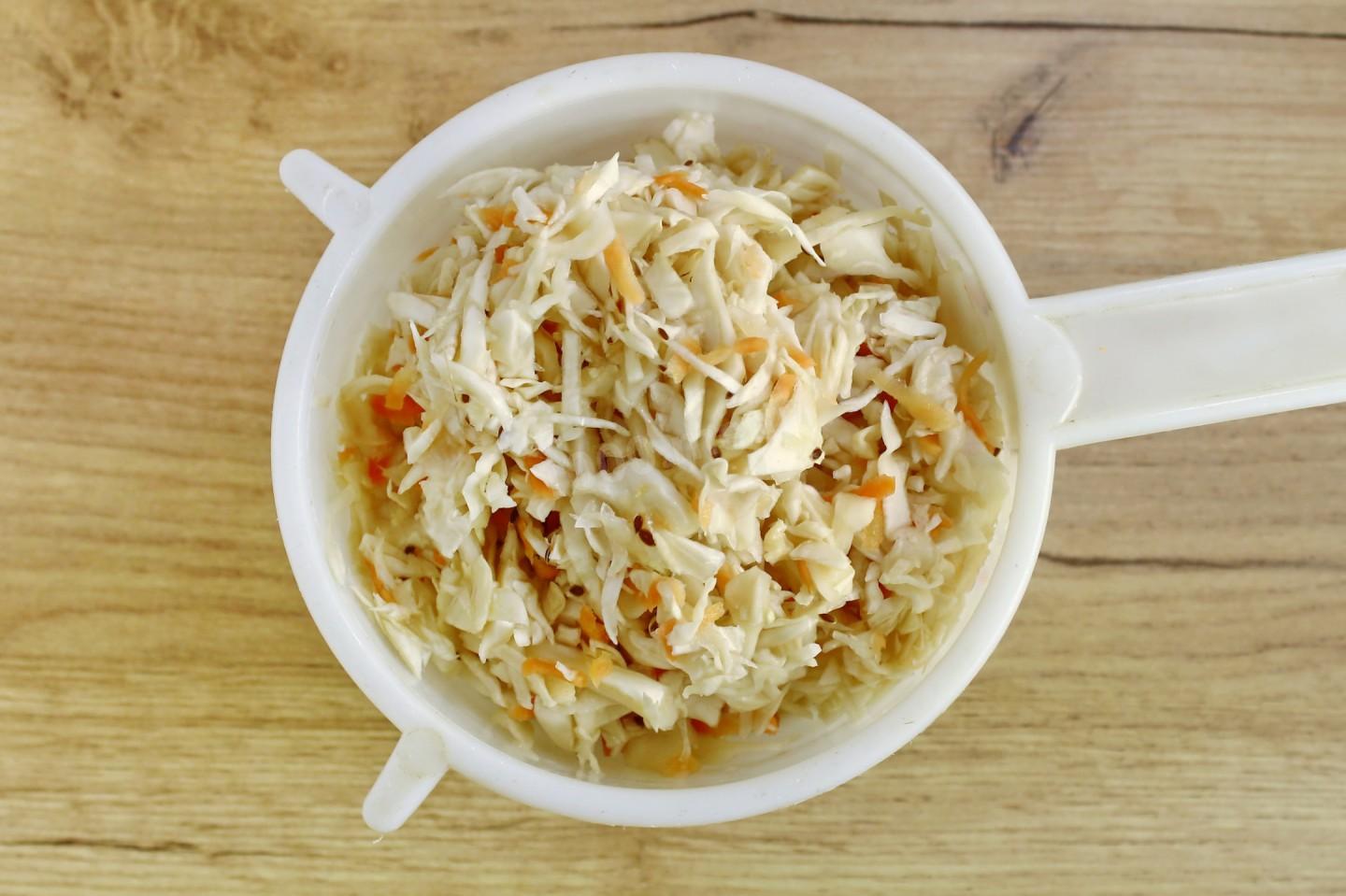
To tame the tartness of the sauerkraut, rinse it under cold water. I skipped this and just drained off the brine, tipping the kraut into a colander before I started cooking. If your sauerkraut is very sour, don't just rinse it — simmer it in water for a few minutes as well. That draws off the extra acid and mellows the sharp fermented aroma.
-
Step 3:
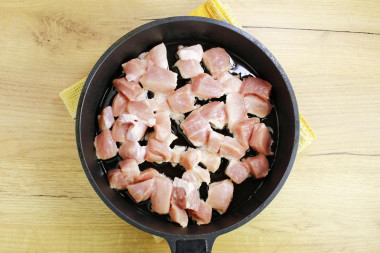
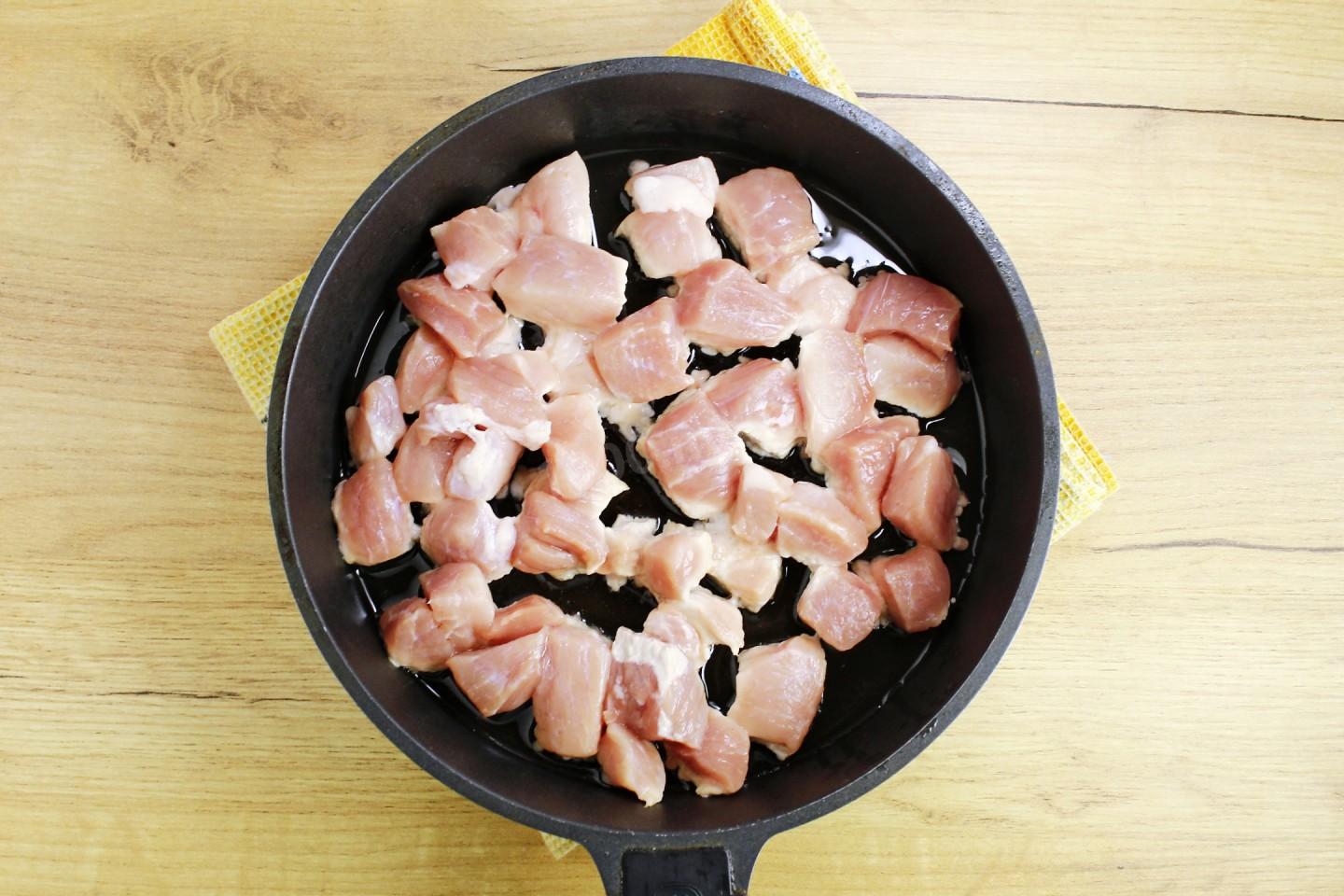
Rinse the pork and pat it dry with paper towels so it splatters less as it sears. Cut it into cubes no bigger than about 3/4 inch (2 cm). Set a heavy-bottomed skillet over medium heat and add the oil; use a pan large enough to hold everything later on. Add the pork and fry over high heat until lightly golden. Don't stir too often — leaving it alone helps the meat stay juicy.
-
Step 4:
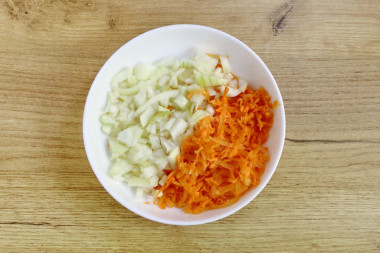
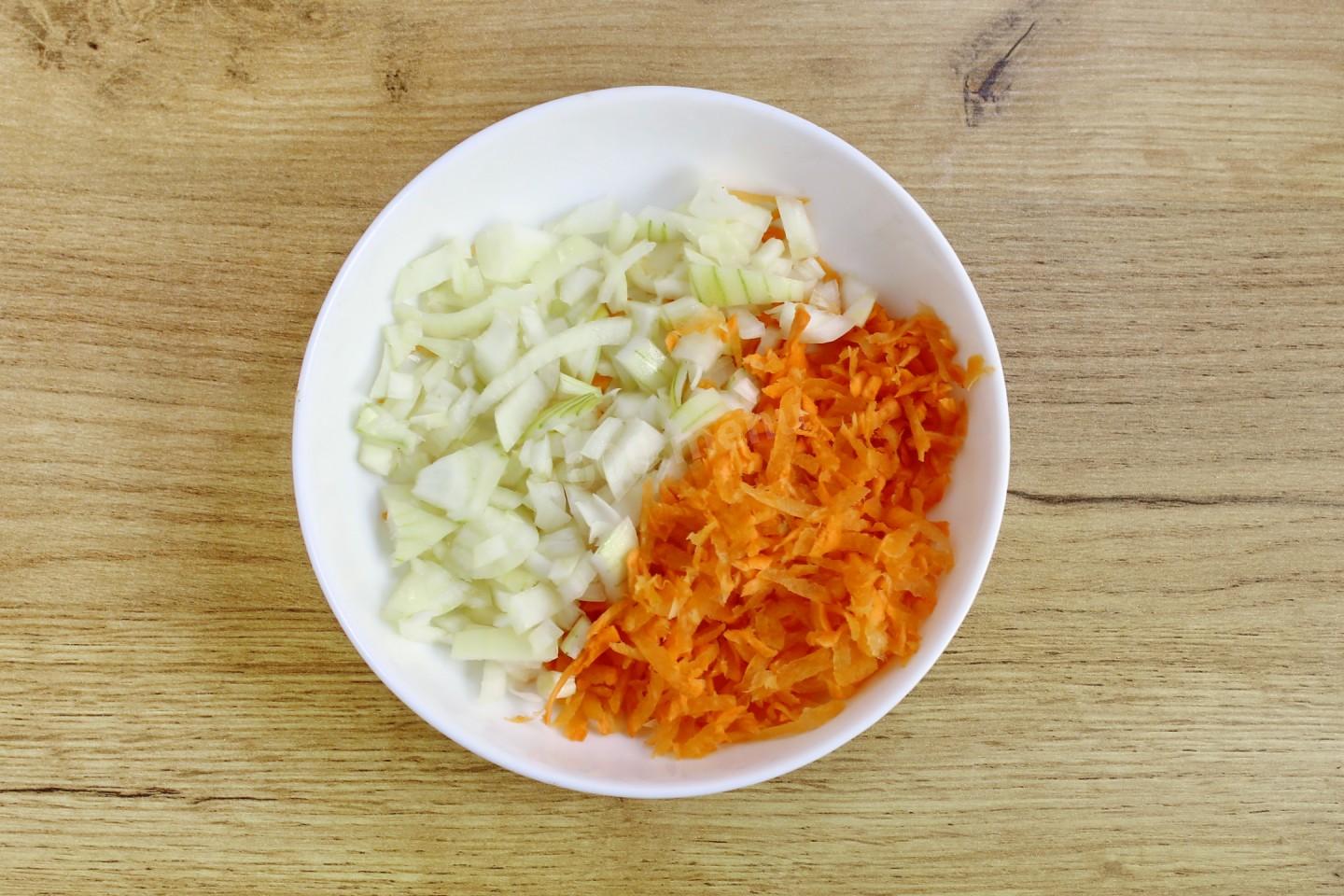
Peel and rinse the onion and carrot. Grate the carrot on the large holes of a box grater and cut the onion into a small dice. Cut this way, the vegetables cook down quickly and lend the cabbage a lovely color.
-
Step 5:
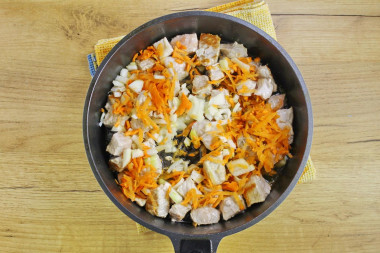
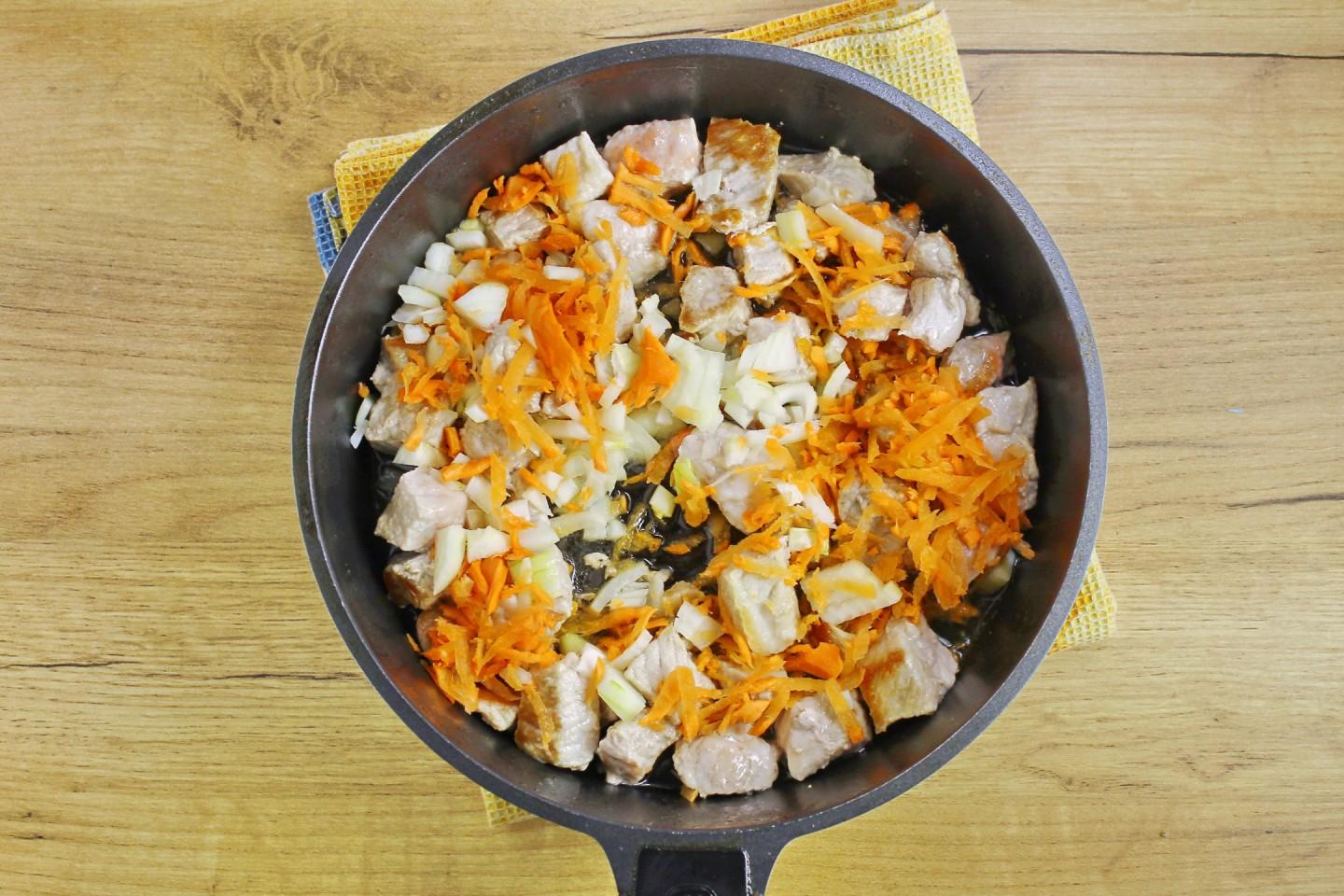
Once the pork is browned, add the onion and carrot. Stir and cook over medium heat for about 5 minutes.
-
Step 6:
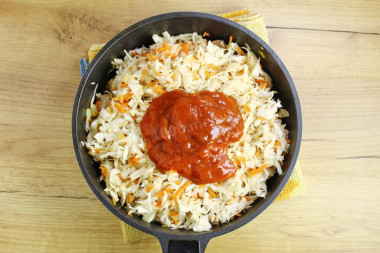
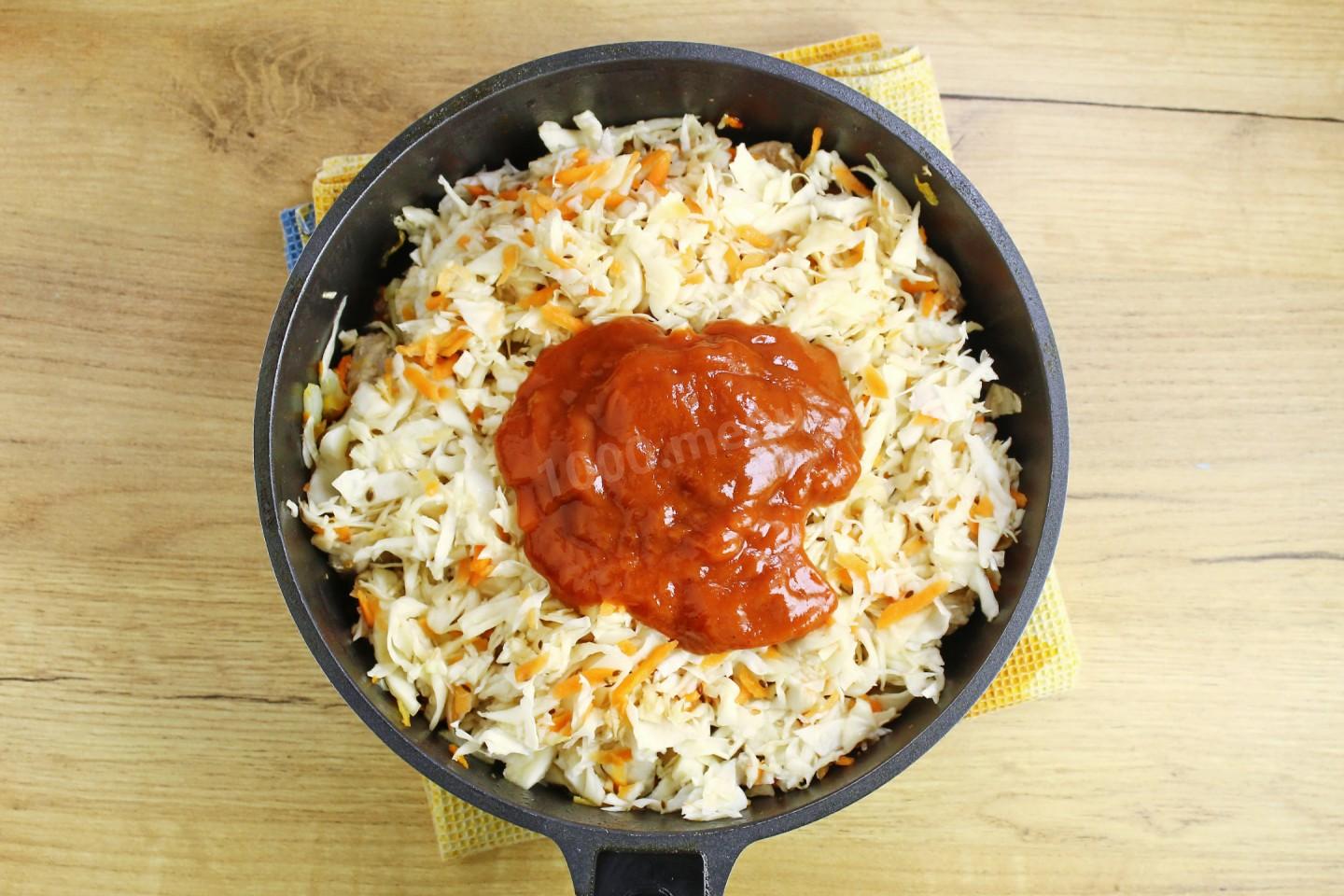
Add the sauerkraut and tomato paste to the pan and stir until everything is evenly combined.
-
Step 7:
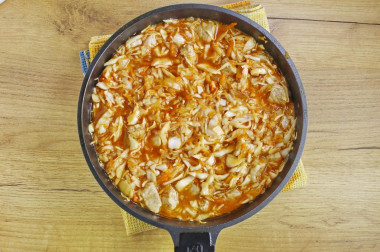
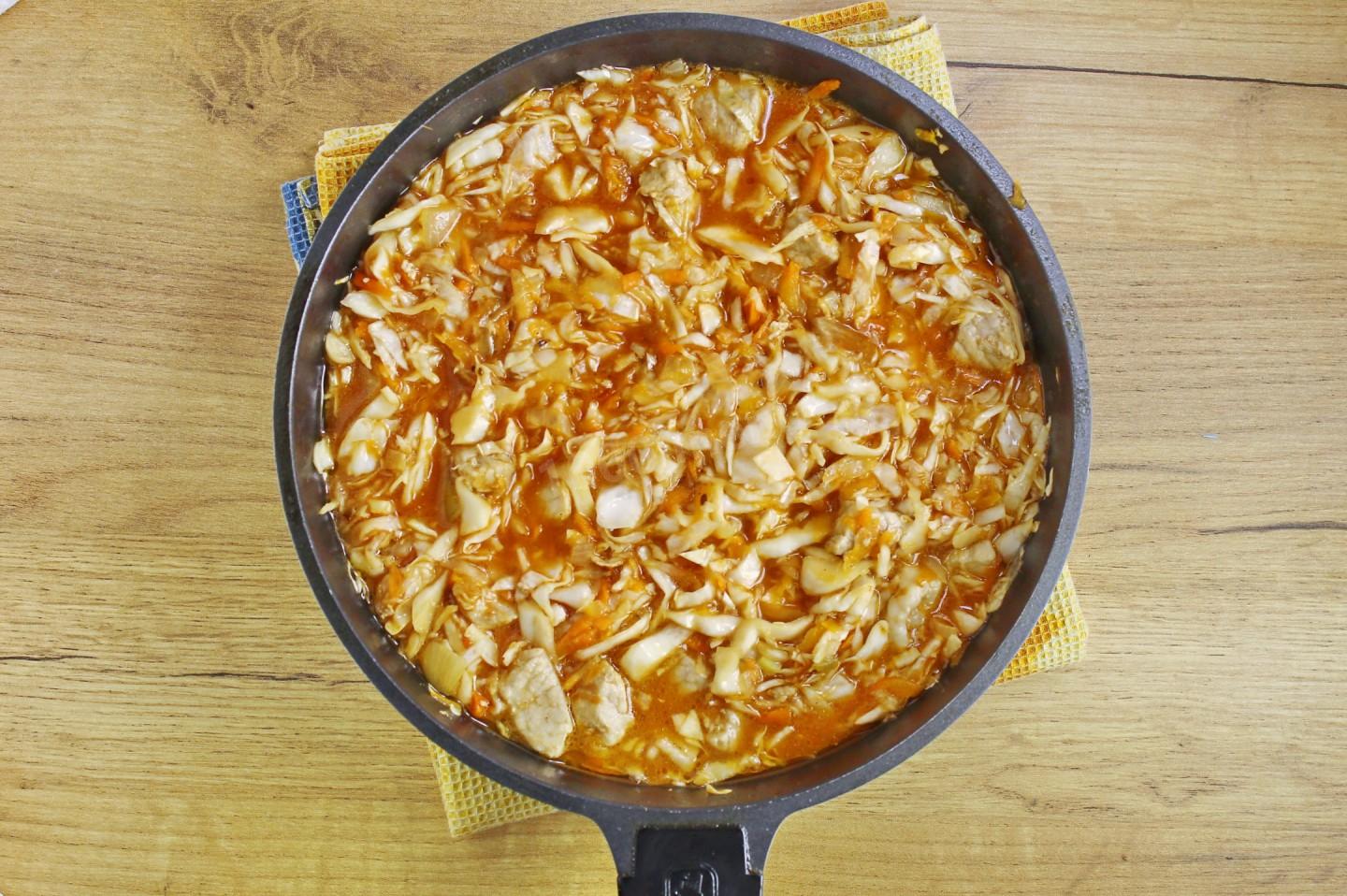
Pour in the hot water so the ingredients are almost — but not quite — covered. Cover with a lid, lower the heat, and simmer for an hour.
-
Step 8:
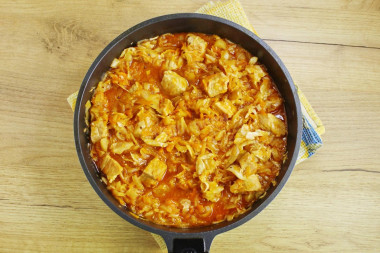
Give it a stir and taste. Add salt and pepper as needed. If the cabbage is tender, take it off the heat — the dish is done. If it needs more time, keep simmering until soft. And if there's still a lot of liquid in the pan but the cabbage is ready, turn up the heat, take off the lid, and let it cook down for another 5 minutes or so.
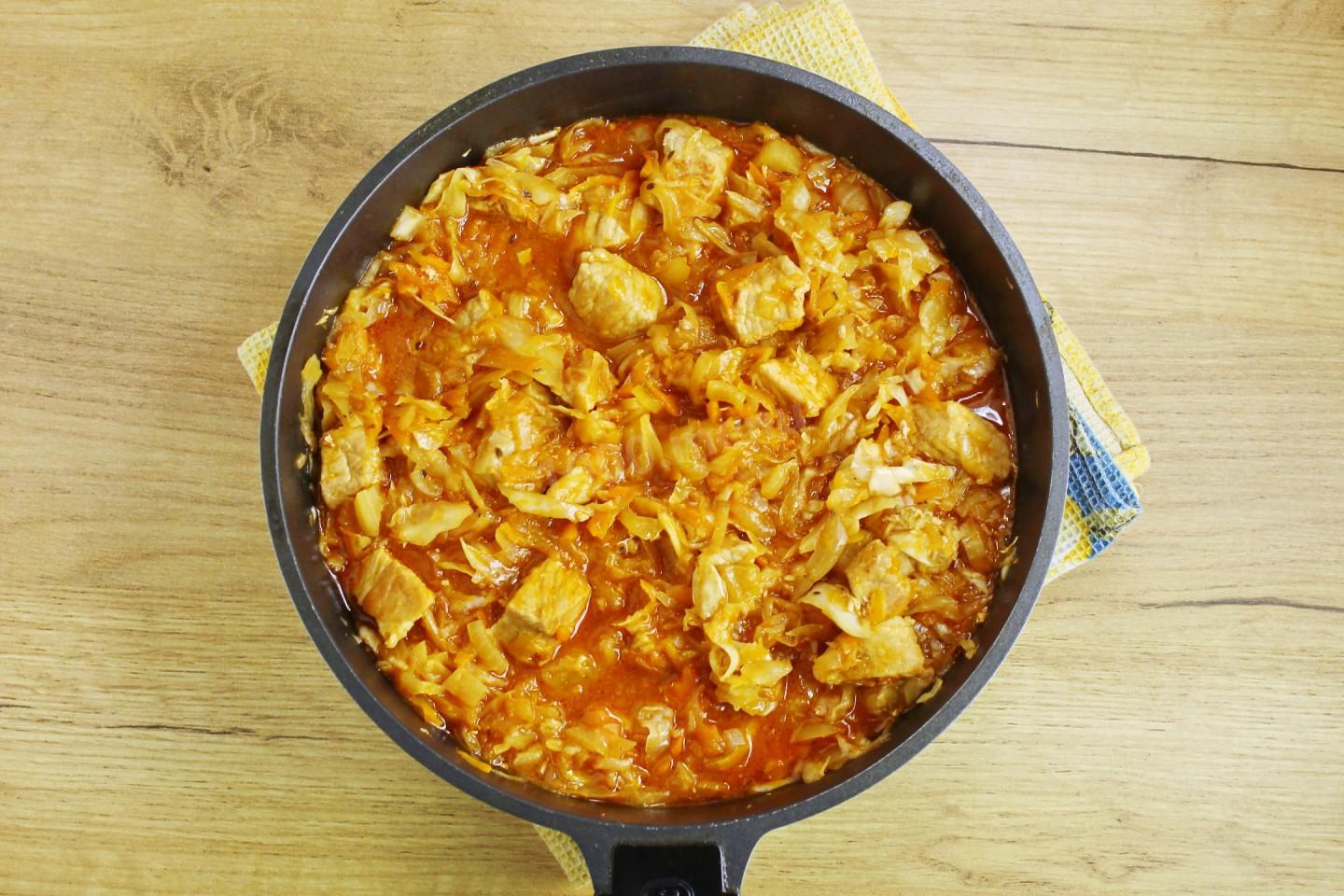
- Serve the braised sauerkraut and pork hot, for lunch or a laid-back family dinner. It doesn't need a side dish, though some folks love it alongside boiled potatoes.
- Feel free to adjust the meat-to-cabbage ratio to your taste. I personally like it best with a little extra cabbage.
- Fry with an oil that has a high smoke point. Every oil is only good up to a certain temperature — its smoke point — beyond which it starts to burn and forms harmful compounds. Most unrefined oils have a low smoke point because they're full of unfiltered particles that scorch quickly; refined oils stand up to heat better and smoke at higher temperatures. For anything you cook in the oven, in a skillet, or on the grill, reach for a high-smoke-point oil. Good choices include refined sunflower, olive, and grapeseed oil.
- You can swap the tomato paste for canned tomatoes in their juice, fresh tomatoes, ketchup, or tomato sauce.
Caloric content of the products possible in the composition of the dish
- Pork fat - 333 kcal/100g
- Pork meat - 357 kcal/100g
- Pork - low-fat roast - 184 kcal/100g
- Pork chop on a bone - 537 kcal/100g
- Pork - schnitzel - 352 kcal/100g
- Pork Shoulder - 593 kcal/100g
- Boar's leg - 113 kcal/100g
- Pork - 259 kcal/100g
- Carrots - 33 kcal/100g
- Dried carrots - 275 kcal/100g
- Boiled carrots - 25 kcal/100g
- Ground black pepper - 255 kcal/100g
- Vegetable oil - 873 kcal/100g
- Tomato paste - 28 kcal/100g
- Sauerkraut - 19 kcal/100g
- Salt - 0 kcal/100g
- Water - 0 kcal/100g
- Onion - 41 kcal/100g
Similar recipes

- National cuisine
- Second course
- Meat and meat products
- Vegetables
- Spices seasonings spices
- Fats and oils
- Other
- Pepper
- Salt
- Vegetable oil
- Water
- Tomato paste
- Russian cuisine
- Frying
- Stewing
- In a frying pan
- Stewed vegetables
- Meat second course
- Second courses of cabbage
- Pork
- From carrots
- From cabbage
- From onion
- No eggs
- Recipes for lean dishes without butter