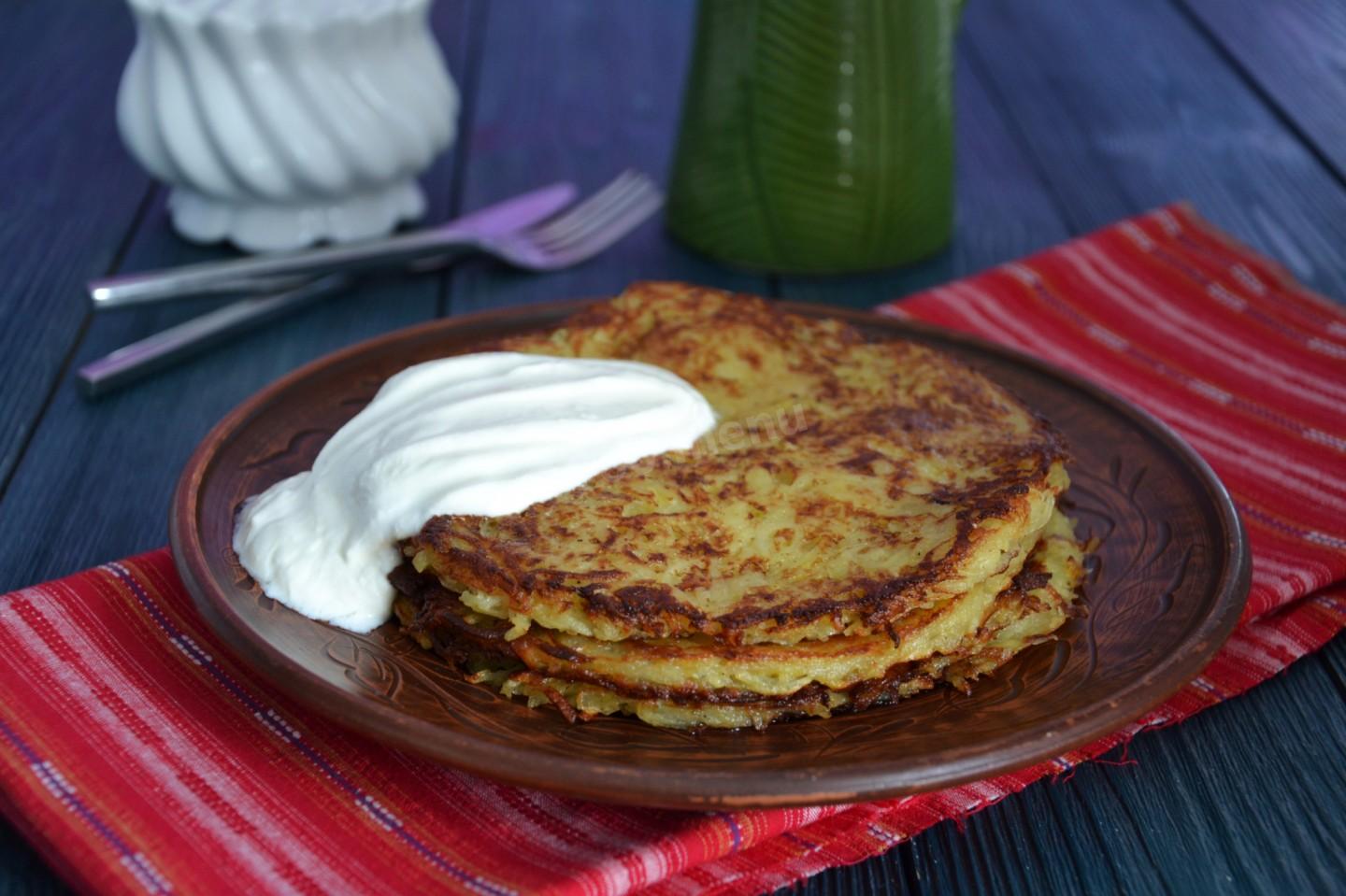
Flourless Skillet Potato Pancakes
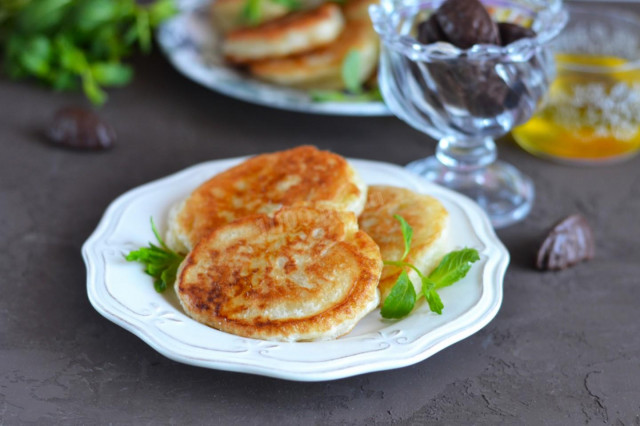
These flatcakes taste just like potato pancakes (draniki), but there's no flour in them at all. It's a quick, hearty, and delicious breakfast or dinner you can pull together from just 3 ingredients. Almost everyone has tried draniki — pancakes made from grated potato. Some grate the potato fine, until it's almost a purée; others use a coarse or medium grater. But draniki usually have flour added, and they come out quite small. Here it's the other way around. For these pancakes, reach for a smaller skillet — that way they're easier to flip.

Cooking method
-
Step 1:
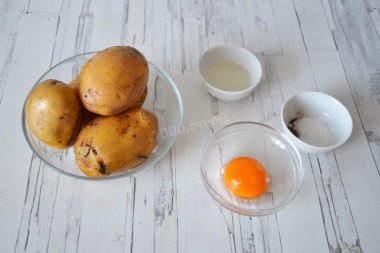
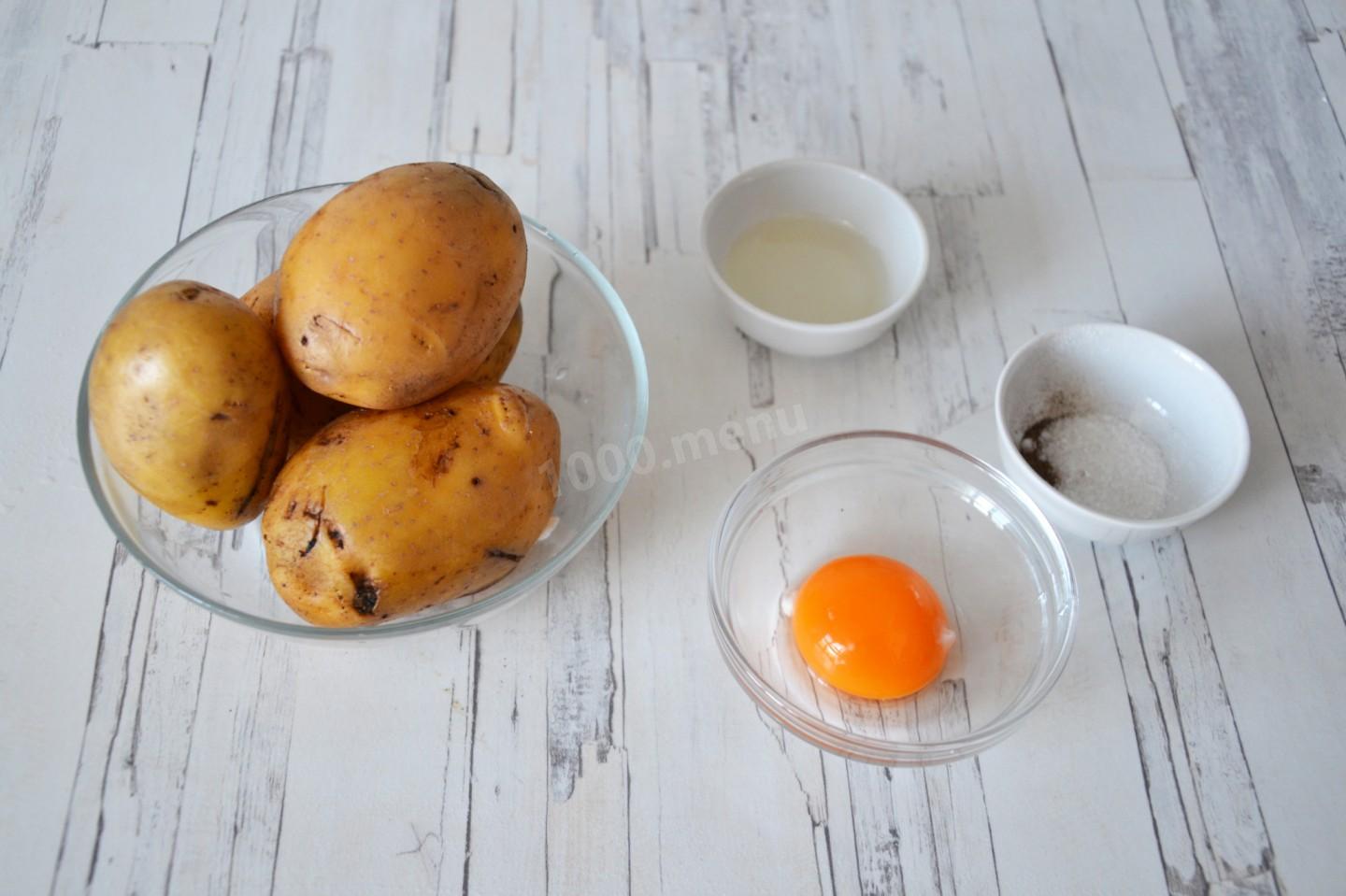
Gather your ingredients. To make these flourless potato pancakes, you'll need: potatoes, an egg yolk (or a whole egg), vegetable oil for frying, ground black pepper, and salt.
-
Step 2:
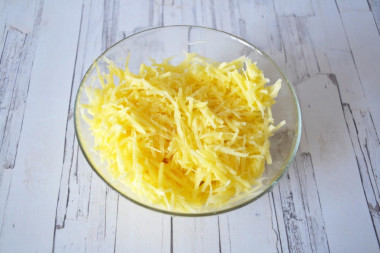
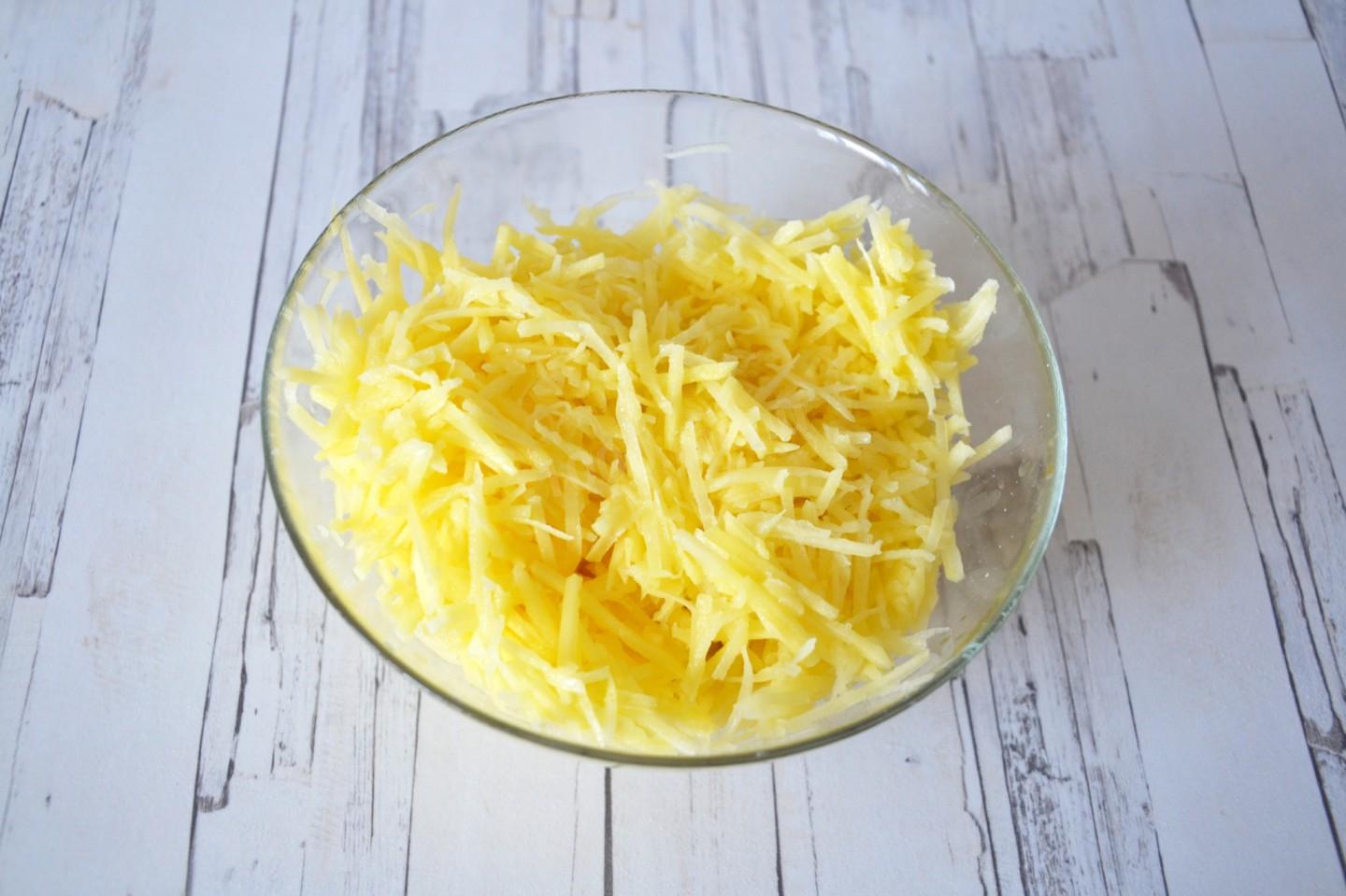
Wash, peel, and grate the potatoes on a coarse grater. Drain off any juice that collects.
-
Step 3:
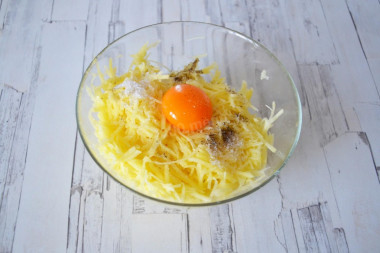
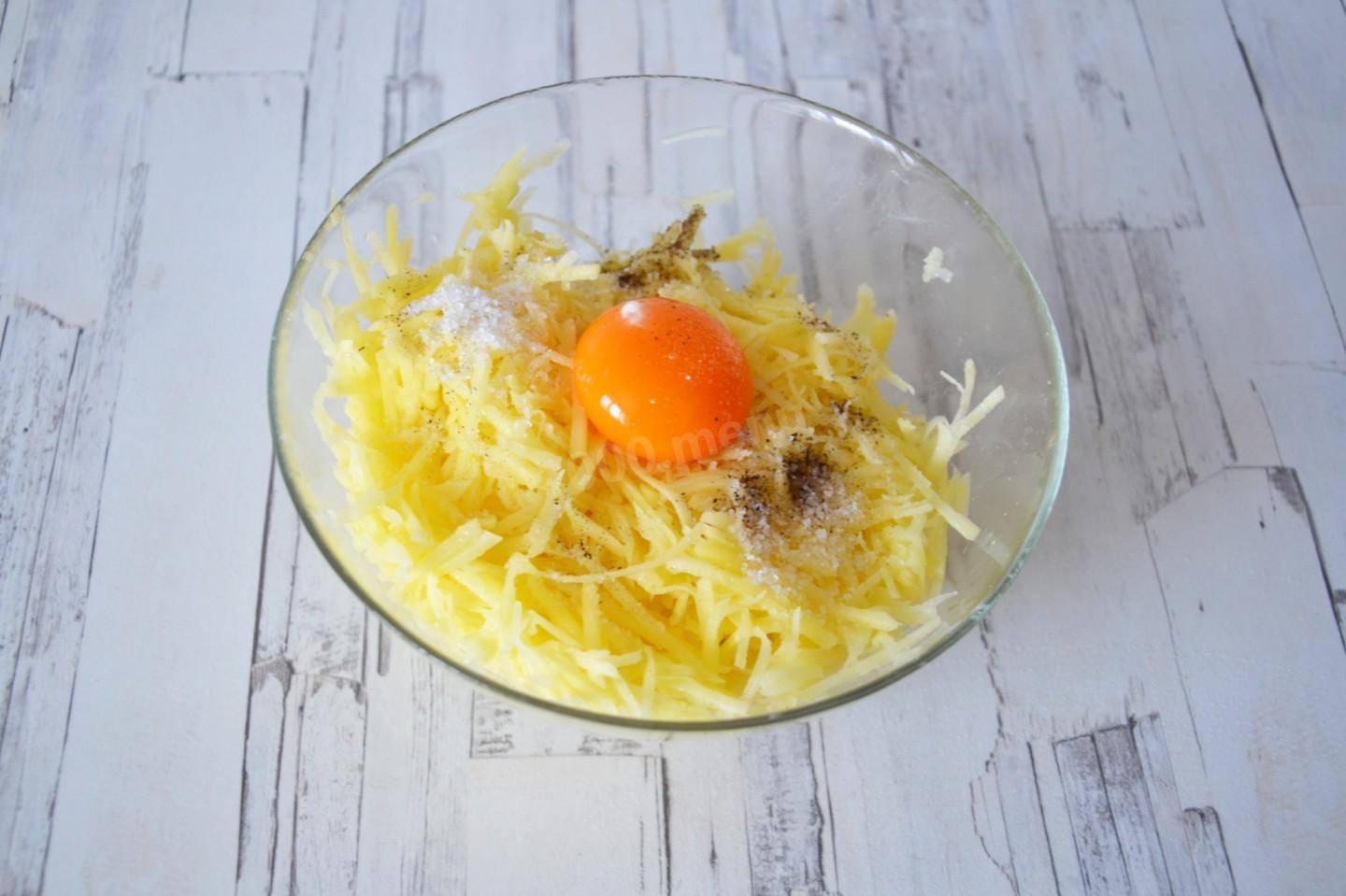
Add the egg yolk to the potatoes and mix well.
-
Step 4:
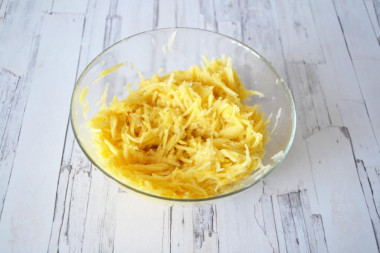
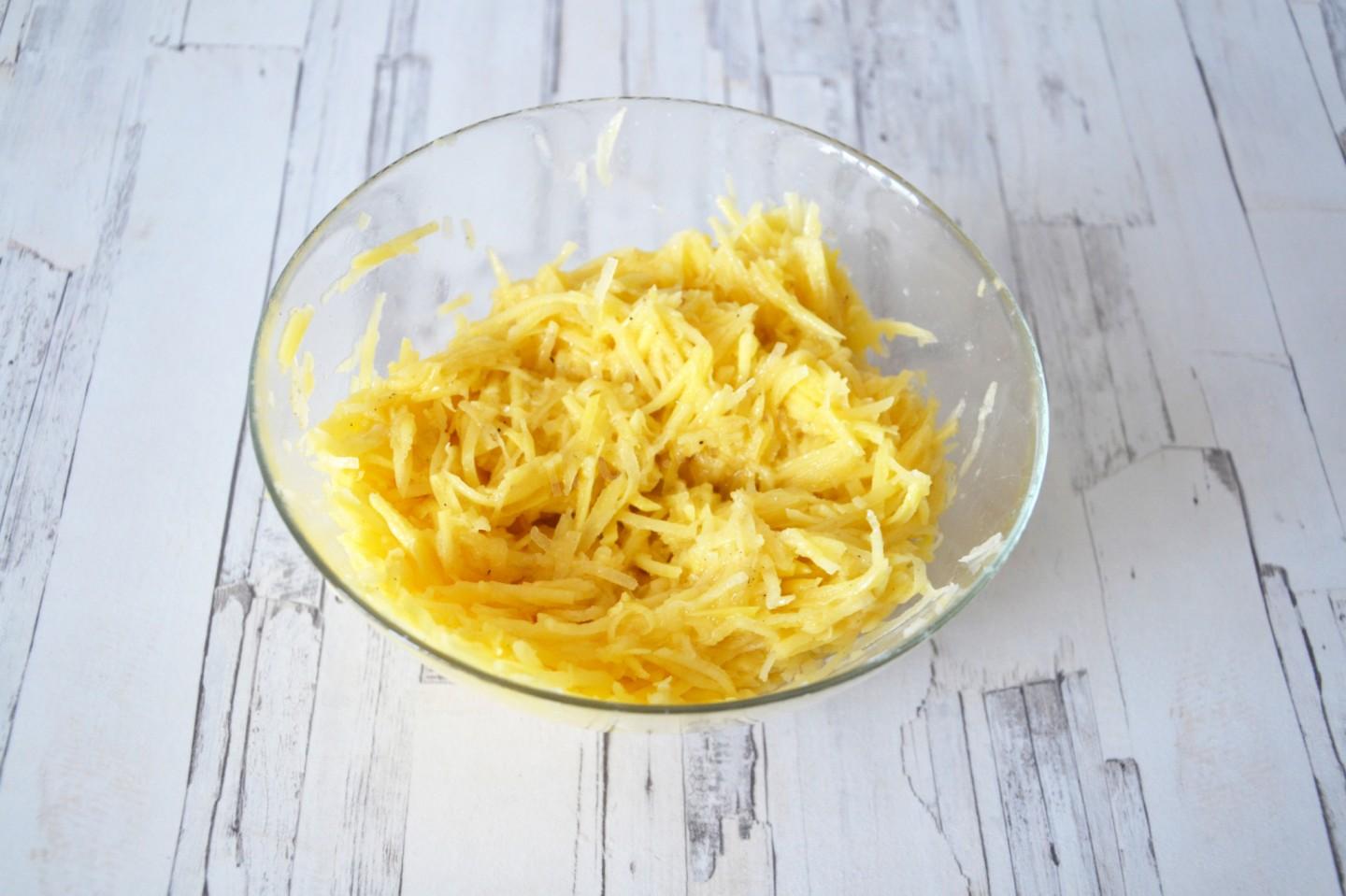
Season with salt and pepper and stir again until evenly combined.
-
Step 5:
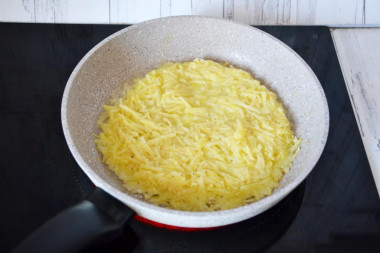
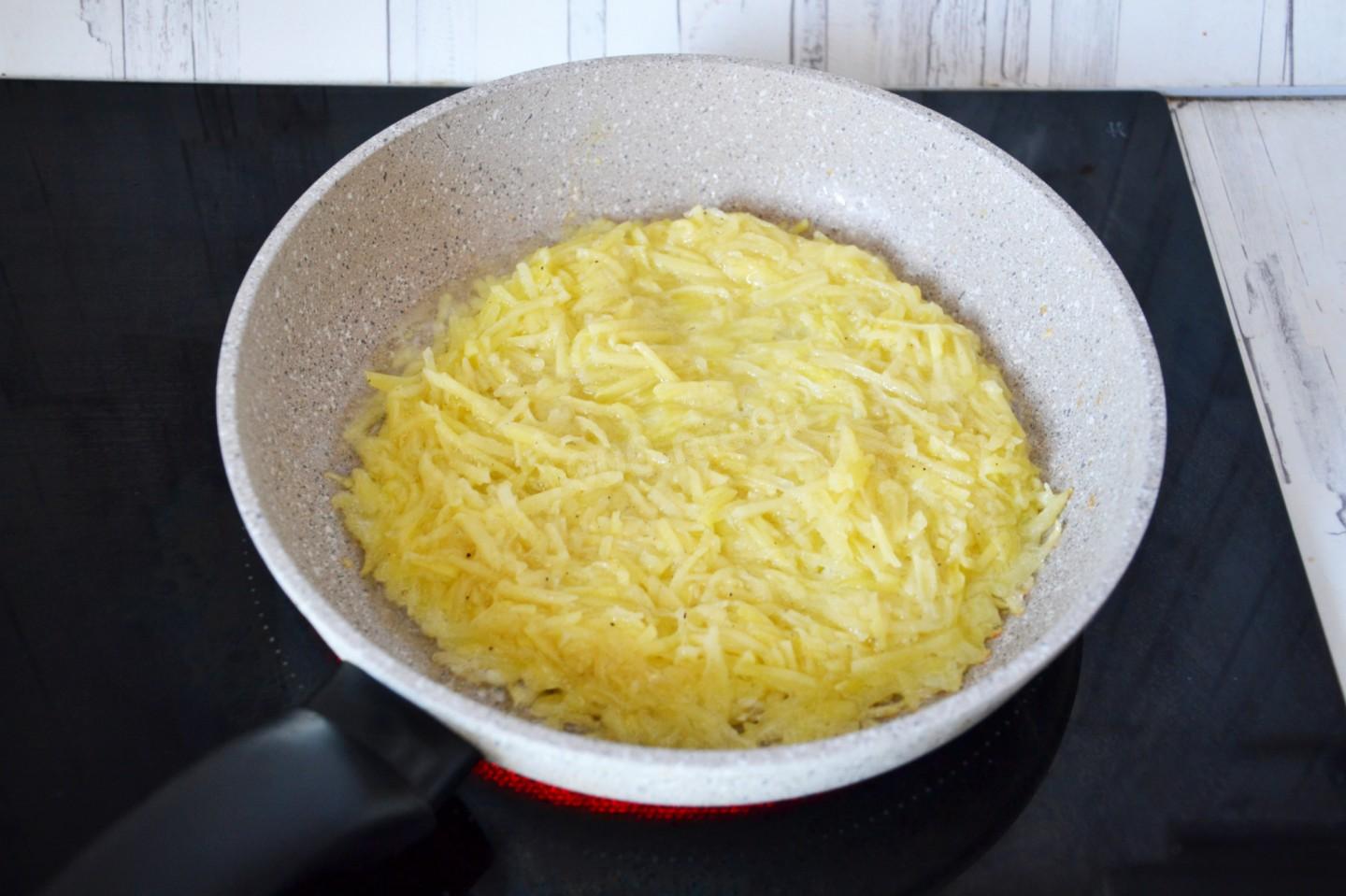
Heat the vegetable oil in a skillet. Drop a few spoonfuls of the potato mixture into the pan, quickly smooth it out, and shape it into a round pancake. Fry on both sides until golden, then transfer to a paper towel to soak up the excess oil. Fry the remaining pancakes the same way.
- These days it's hard to picture our table without potato dishes — it's often called our "second bread." But that wasn't always the case. By the common account, potatoes reached Russia fairly late, at the very start of the 18th century, brought back by Peter the Great, who first tasted various potato dishes in Holland. Impressed by their flavor, he ordered a sack of tubers sent home for planting and cultivation. Other sources tell it differently — that potatoes were already known here, just not yet widespread. The notion of the potato as a "second bread" really took hold thanks to the serious grain shortages of the mid-19th century: when the harvest failed, an alternative was needed, and the potato was put forward. People didn't welcome it at first, and the so-called "potato riots" broke out. Today, though, no one would dream of knocking the potato off its pedestal. Countless dishes have made it one of the most frequently eaten vegetables in our kitchens.
Caloric content of the products possible in the composition of the dish
- Ripe potatoes - 80 kcal/100g
- Baked potatoes - 70 kcal/100g
- Mashed potatoes - 380 kcal/100g
- Boiled potatoes - 82 kcal/100g
- Potatoes in uniform - 74 kcal/100g
- Fried potatoes - 192 kcal/100g
- Ground black pepper - 255 kcal/100g
- Vegetable oil - 873 kcal/100g
- Salt - 0 kcal/100g
- Egg yolks - 352 kcal/100g