Classic Scrambled Eggs
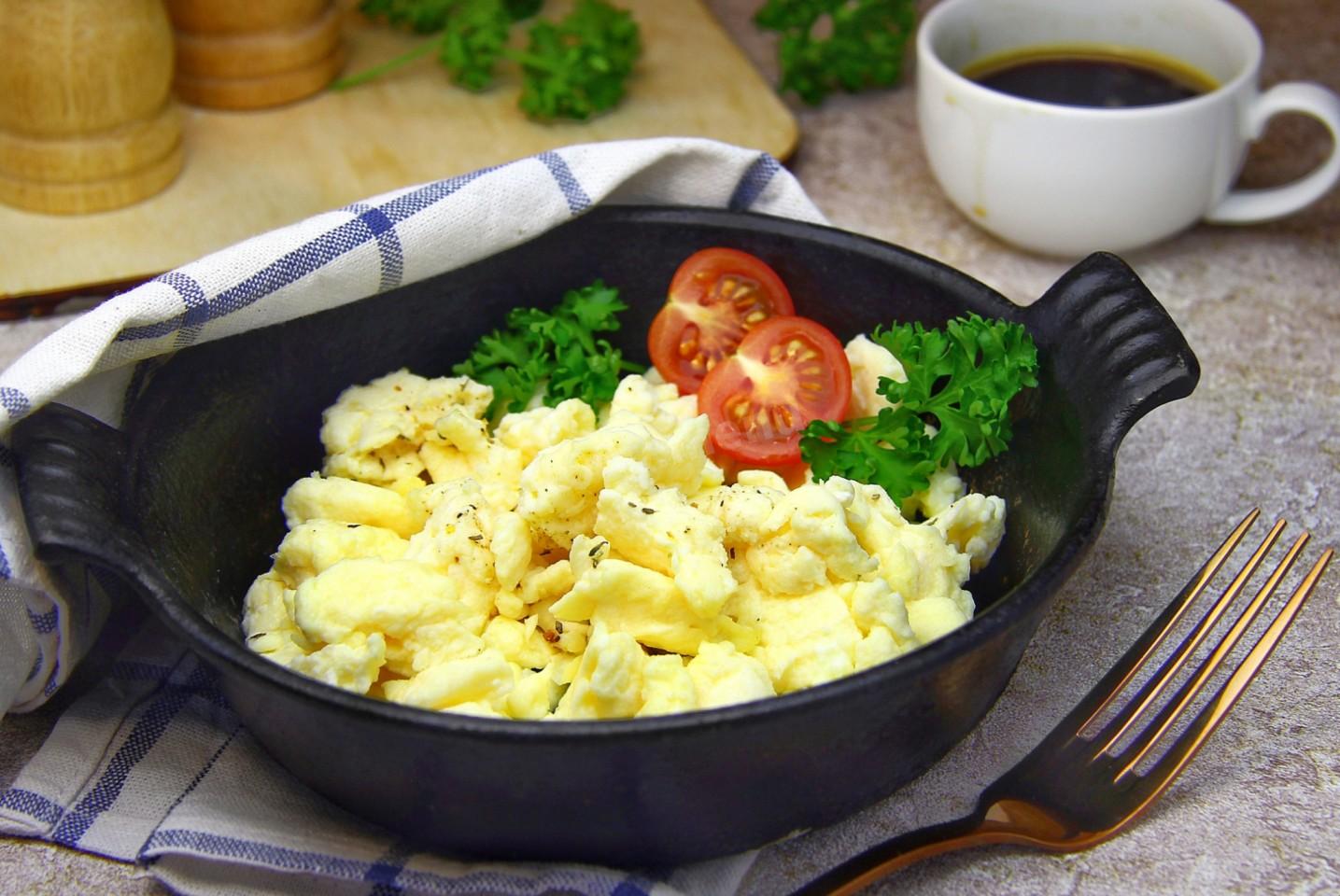
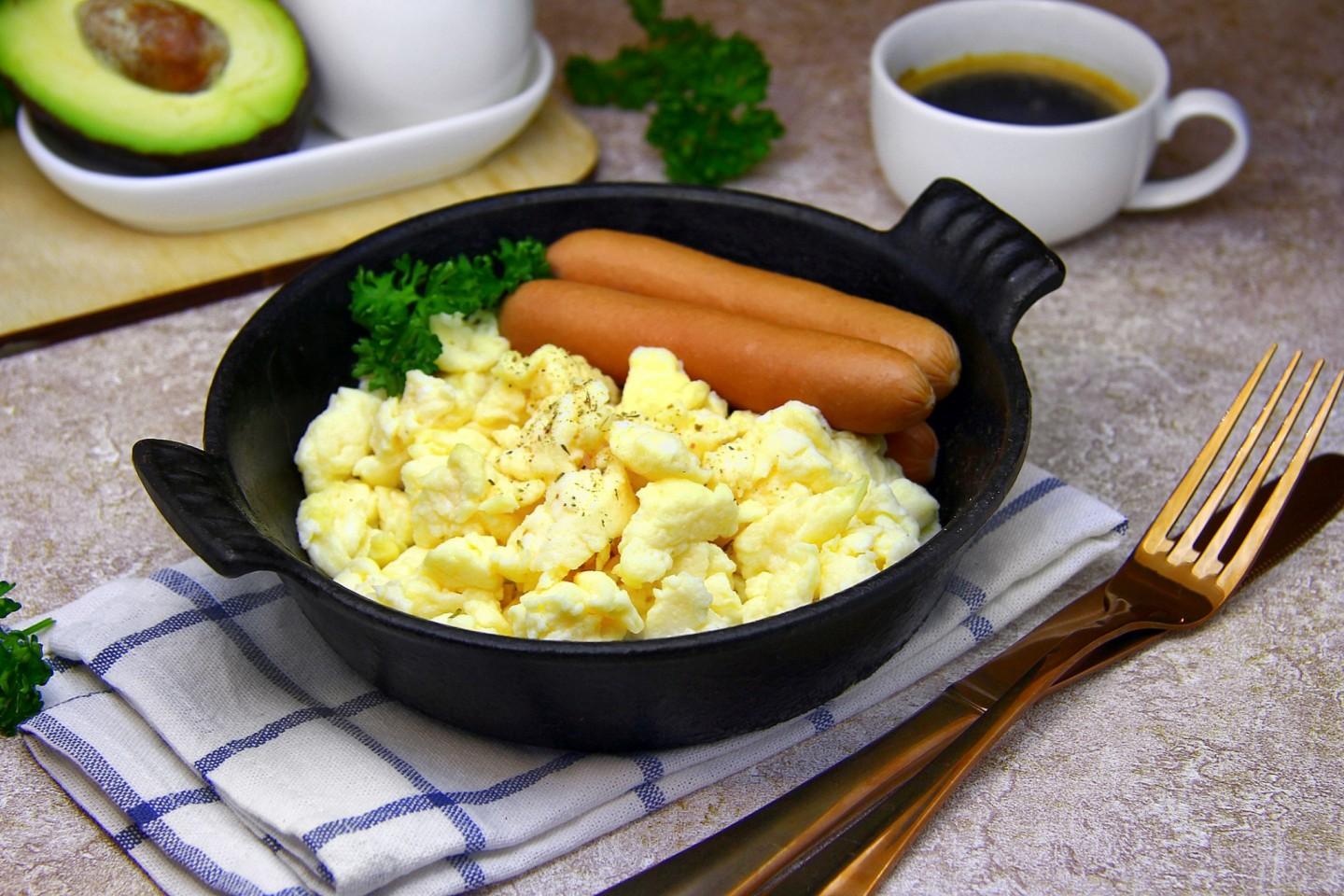
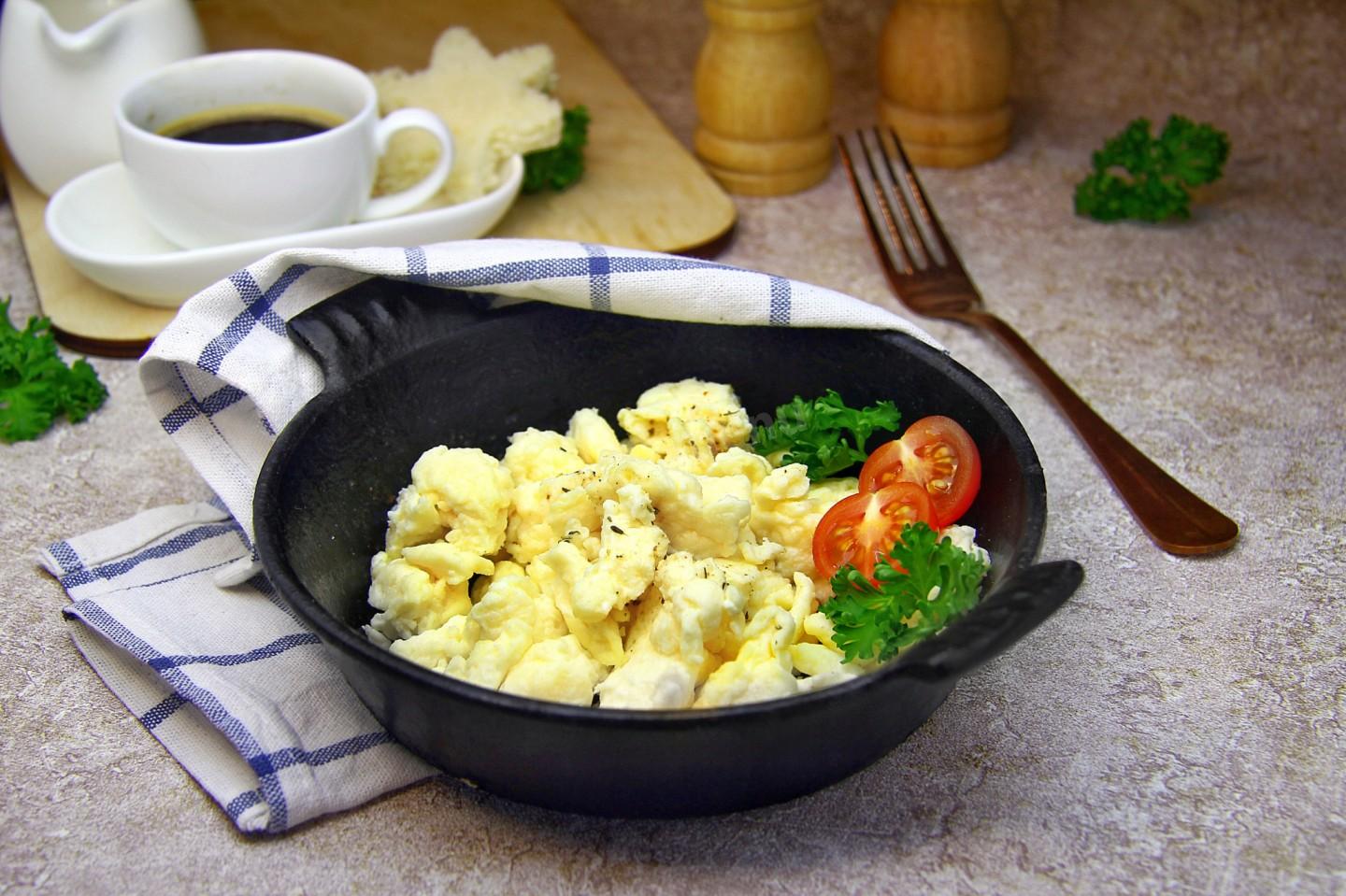
Eggs whisked and cooked in butter for breakfast. It's the simplest dish, yet the flavor is outstanding! The key here is quality ingredients. Real butter, good milk, and the freshest eggs (all at room temperature) — that's the secret to this dish.

Cooking method
-
Step 1:
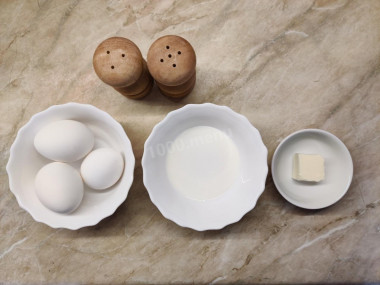
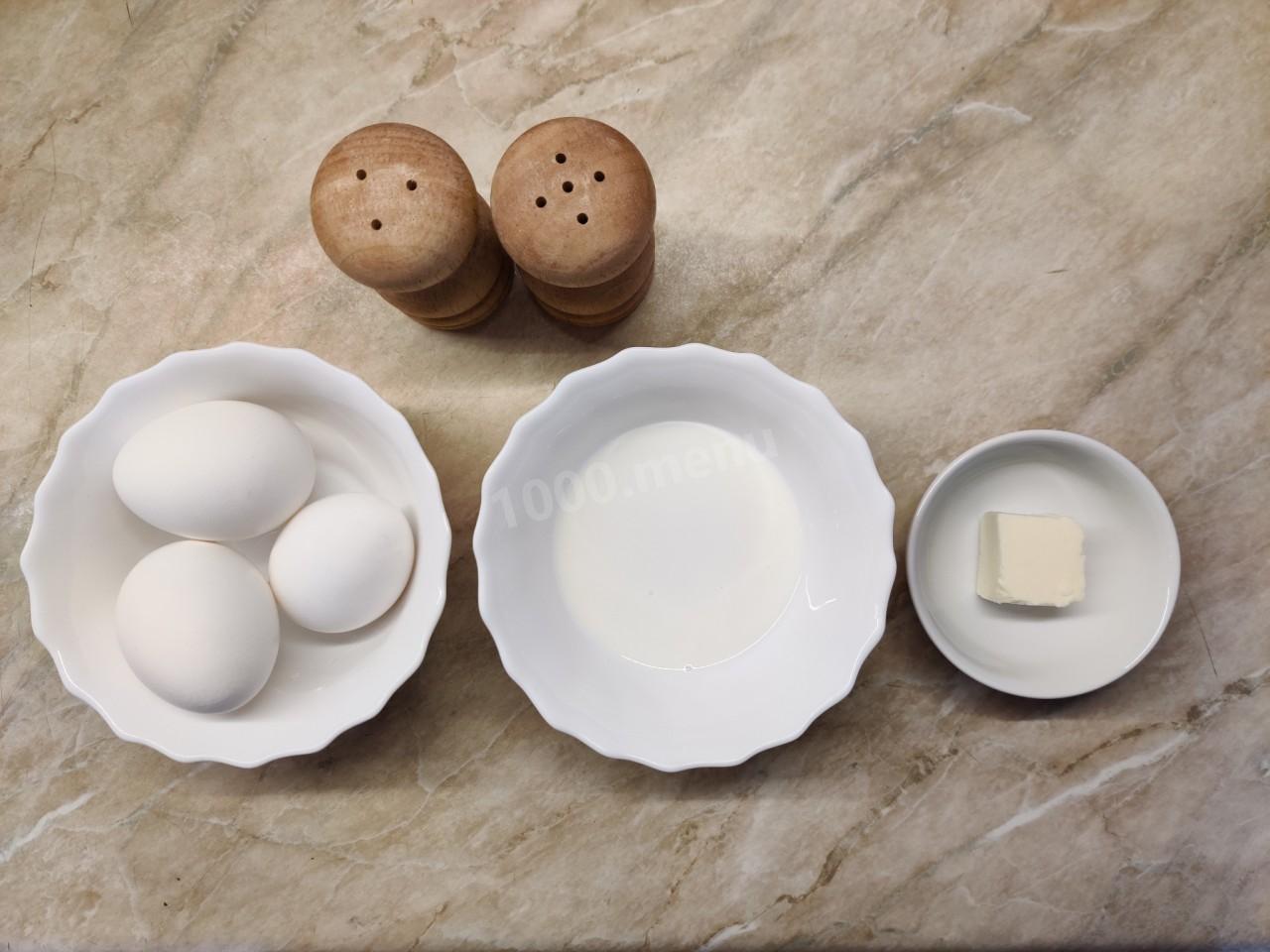
To make classic scrambled eggs, you'll need: eggs, milk, and butter, all at room temperature (take them out of the fridge 20 minutes before you start), plus salt and ground pepper. Check the freshness of the eggs ahead of time by dropping them one at a time into a glass of water. If an egg floats, it's not fresh. A good egg should lie flat on the bottom.
-
Step 2:
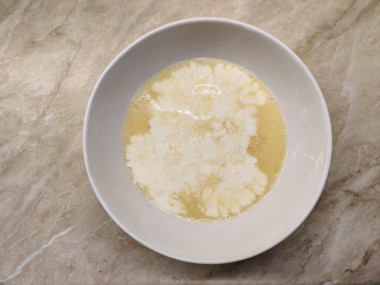
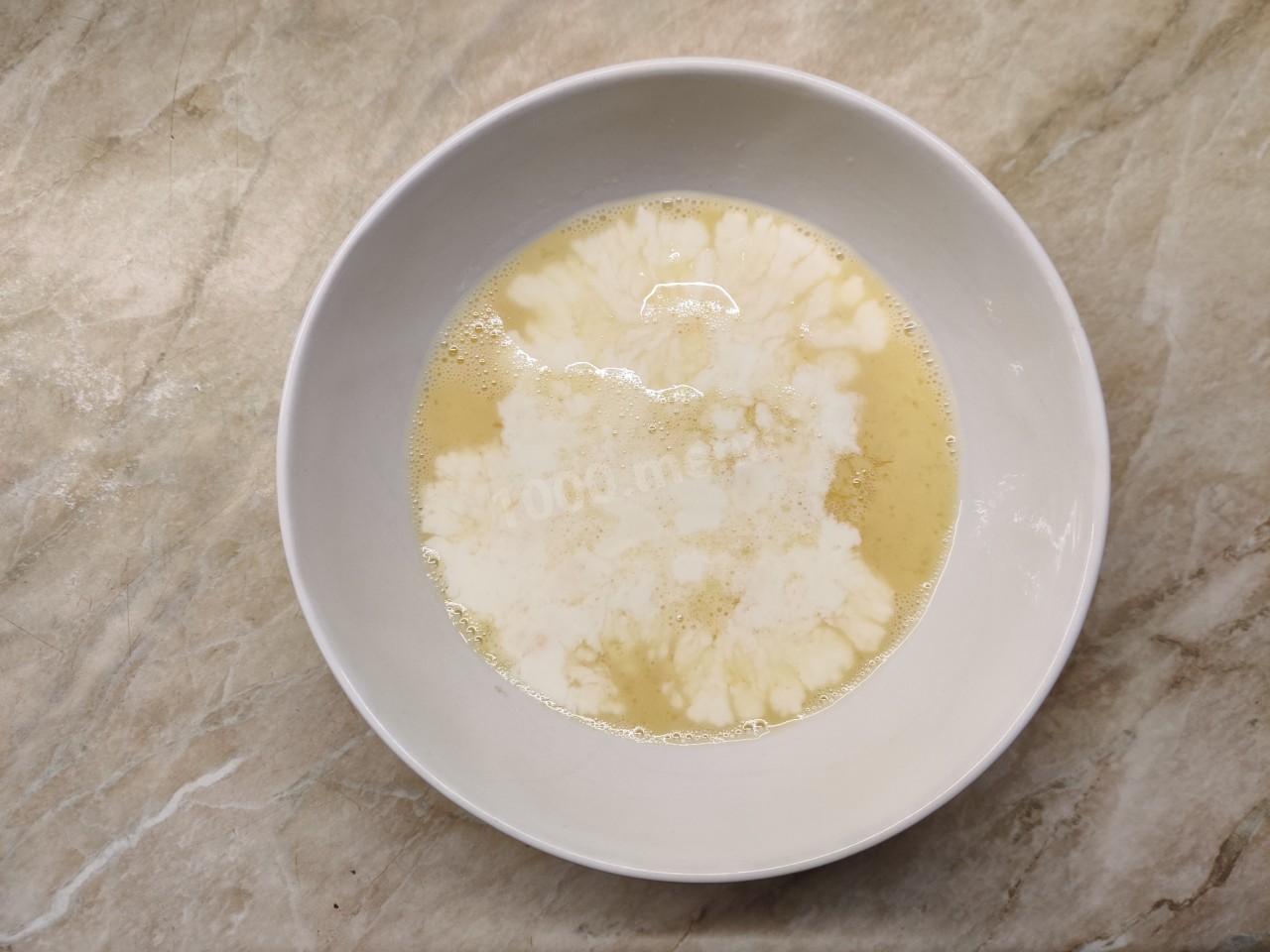
Rinse the eggs under running water and crack them into a bowl. Stir with a fork until the whites and yolks are combined. You don't want bubbles — just an even mixture. Pour in the milk and add salt. Stir again until smooth.
-
Step 3:
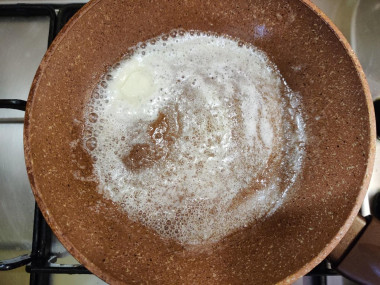
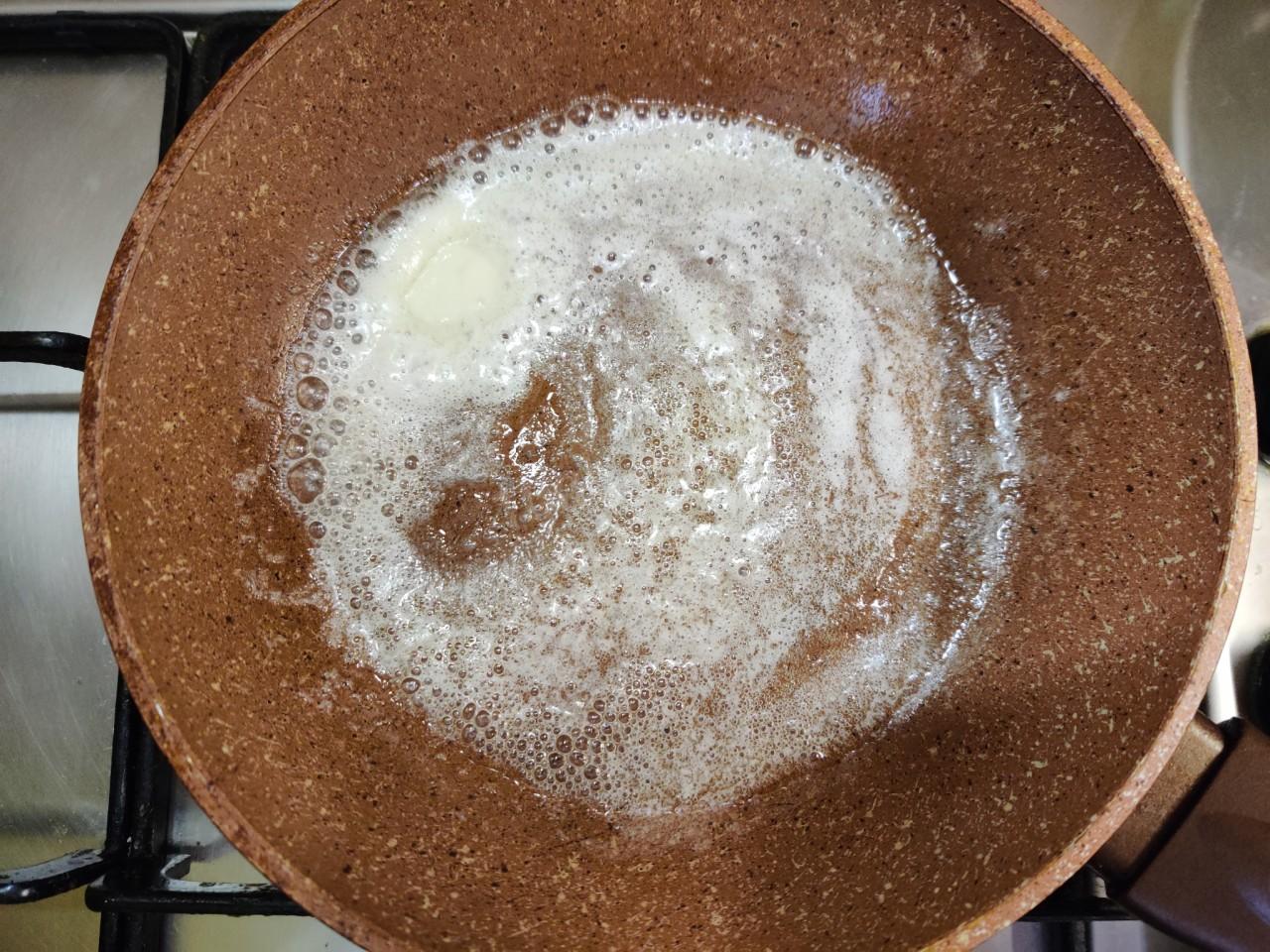
Heat a small nonstick skillet over medium heat. Melt the butter. In the classic recipe, scrambled eggs are cooked in butter, not oil — the butter really enriches the flavor of the finished dish.
-
Step 4:
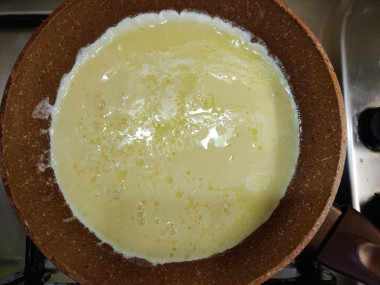
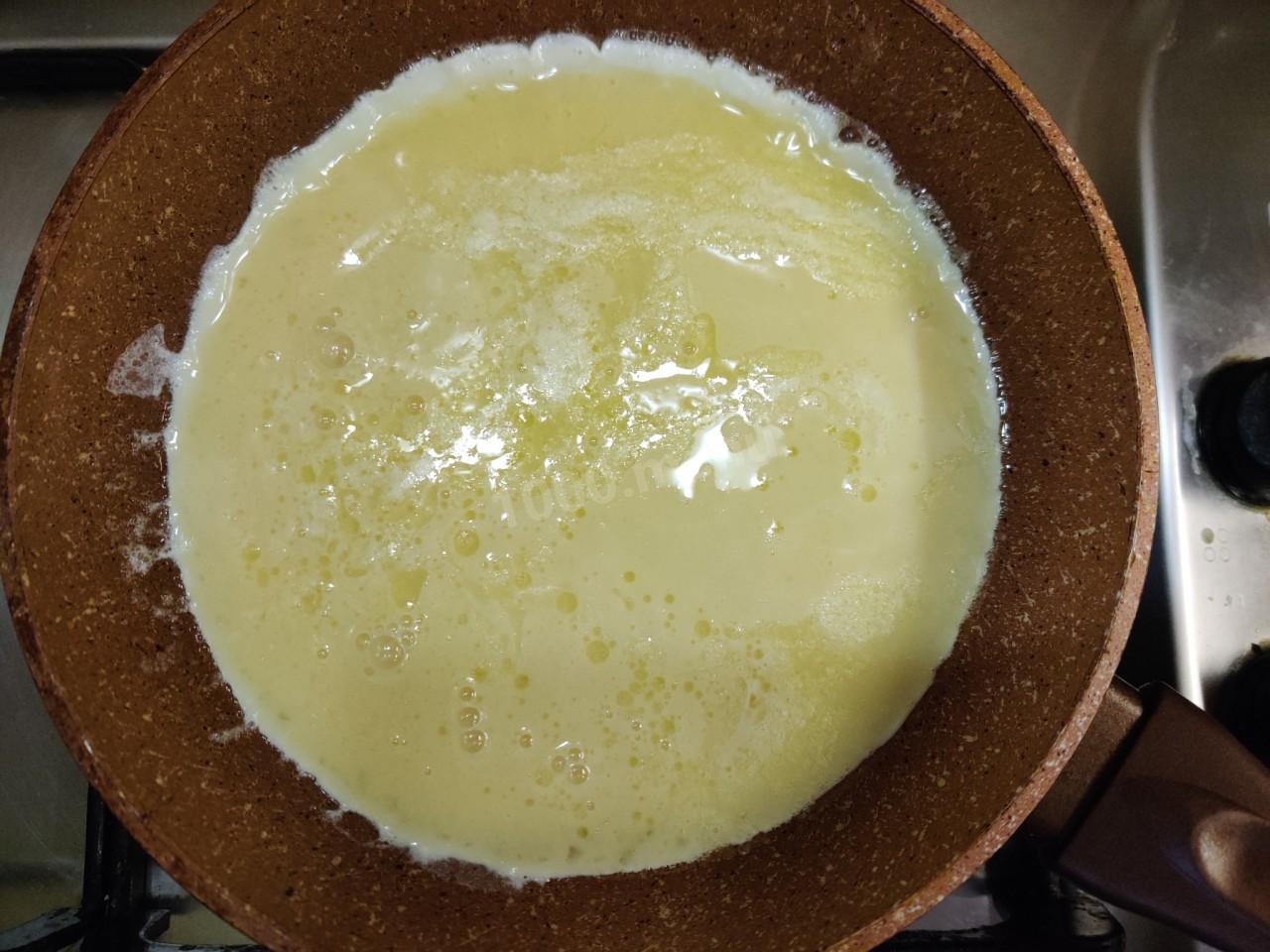
Pour the egg mixture into the skillet and wait about twenty seconds, until the egg just begins to set. Keep the heat at medium and don't cover the pan.
-
Step 5:
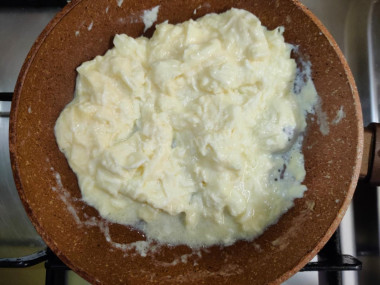
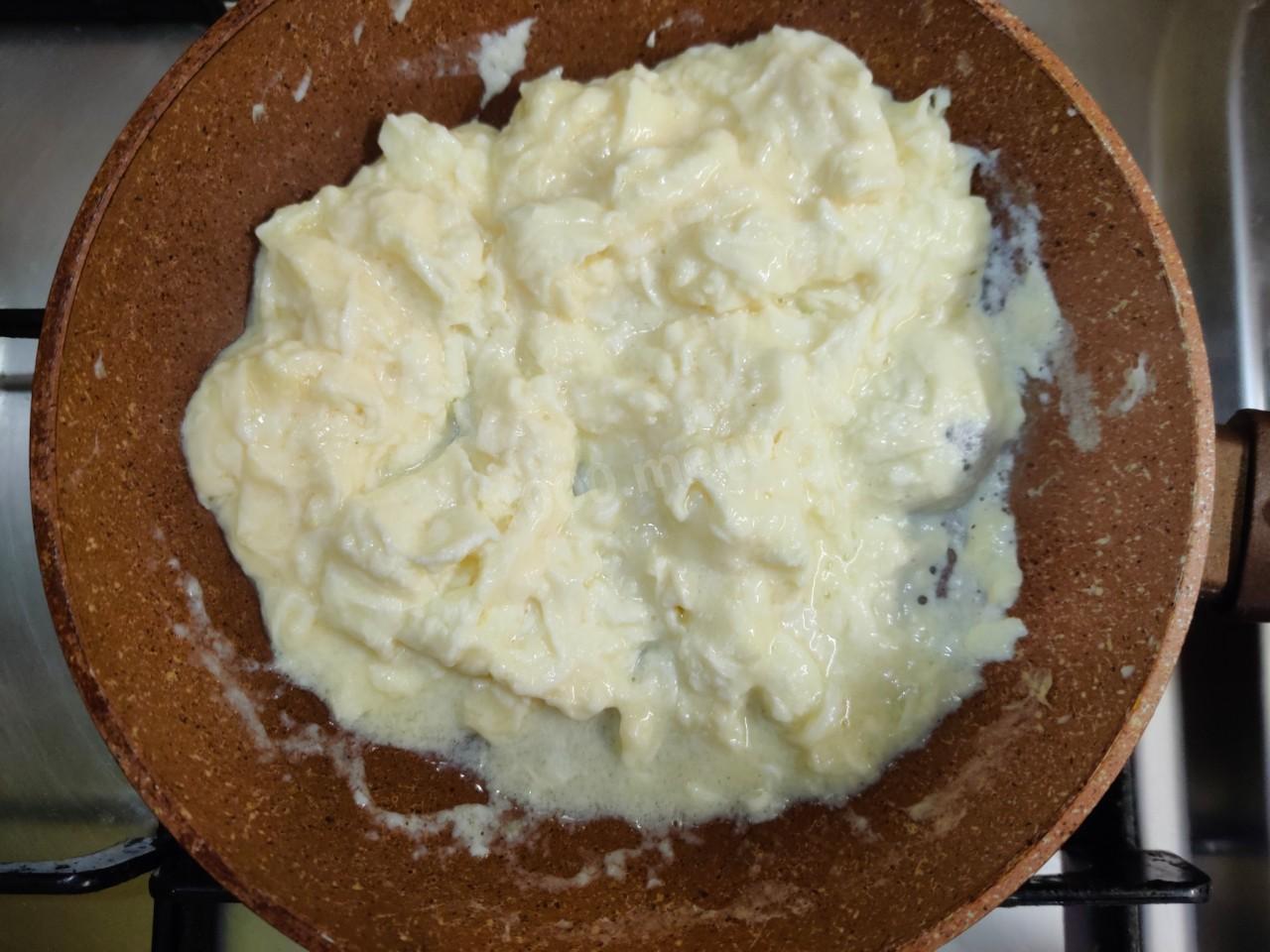
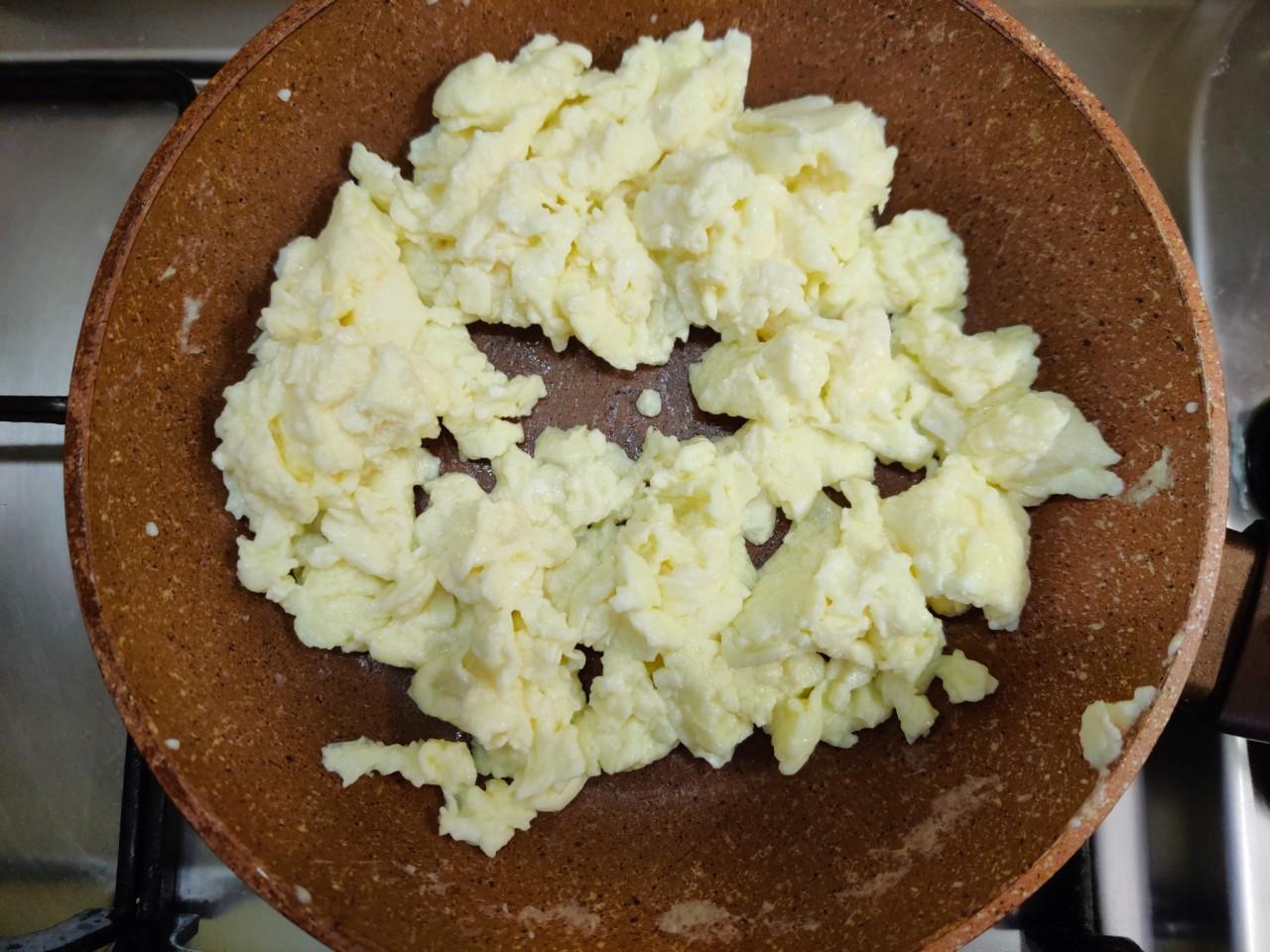
Right away, start moving the eggs around with a spatula, folding in every direction so no large clumps form. Scrambled eggs cook very fast — a couple of minutes at most, though it varies. When the mixture is pale and fluffy but still a little moist, like in the photo for this step, they're done! That's the classic level of doneness.
-
Step 6:
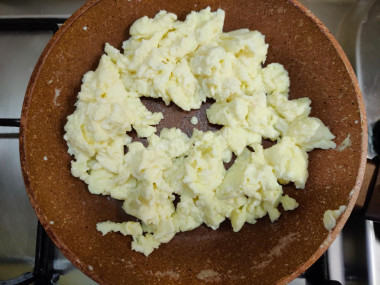
Personally, I let mine go another half a minute just for peace of mind... It's like the doneness on a steak — a matter of taste. Some people like it medium, others want it fully cooked. Where you stop is entirely up to you. Either way, scrambled eggs should never brown into a crust! It's all about being fluffy, lightly moist, and pale. Pepper to taste right before serving.
- Scrambled eggs are served right away, sometimes straight from the pan they were cooked in. They pair beautifully with strong coffee and buttered toast. This is a worthy alternative to a classic omelet for breakfast — and easier to make, if you ask me. In the classic version, the eggs should stay moist, looking almost underdone. But there's nothing stopping you from cooking them half a minute longer, until fully set. Peace of mind matters too, right? ;) Scrambled eggs have an interesting, unusual texture — soft little curds — while the flavor is just a buttery omelet. The only people who won't like this dish are those who can't stand eggs. My family devoured them, and I loved making them. Enjoy!
Caloric content of the products possible in the composition of the dish
- Whole cow's milk - 68 kcal/100g
- Milk 3.5% fat content - 64 kcal/100g
- Milk 3.2% fat content - 60 kcal/100g
- Milk 1.5% fat content - 47 kcal/100g
- Concentrated milk 7.5% fat content - 140 kcal/100g
- Milk 2.5% fat content - 54 kcal/100g
- Chicken egg - 157 kcal/100g
- Egg white - 45 kcal/100g
- Egg powder - 542 kcal/100g
- Egg yolk - 352 kcal/100g
- Ostrich egg - 118 kcal/100g
- Butter 82% - 734 kcal/100g
- Amateur unsalted butter - 709 kcal/100g
- Unsalted peasant butter - 661 kcal/100g
- Peasant salted butter - 652 kcal/100g
- Melted butter - 869 kcal/100g
- Salt - 0 kcal/100g
- Ground hot pepper - 21 kcal/100g
Similar recipes

- Fast and tasty
- For breakfast
- National cuisine
- Classic recipes
- Second course
- Eggs
- Dairy products
- Spices seasonings spices
- Fats and oils
- Pepper
- Salt
- Butter
- English cuisine
- American cuisine
- Frying
- In a frying pan
- The second is fast and delicious
- Dishes in 10 minutes
- Dishes in 30 minutes
- Egg breakfast
- Milk
- Vegetarianism