Buttery Meatballs
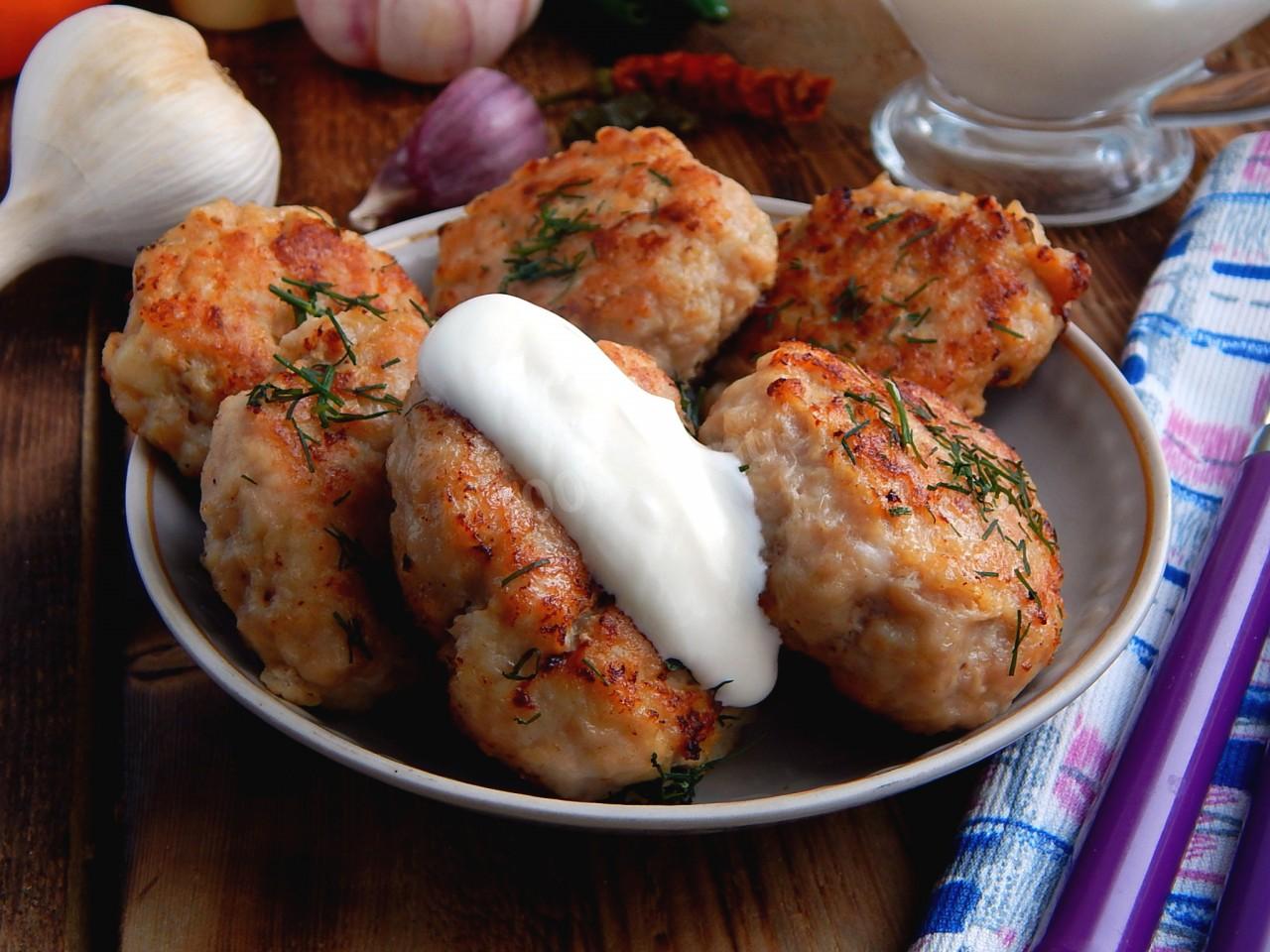
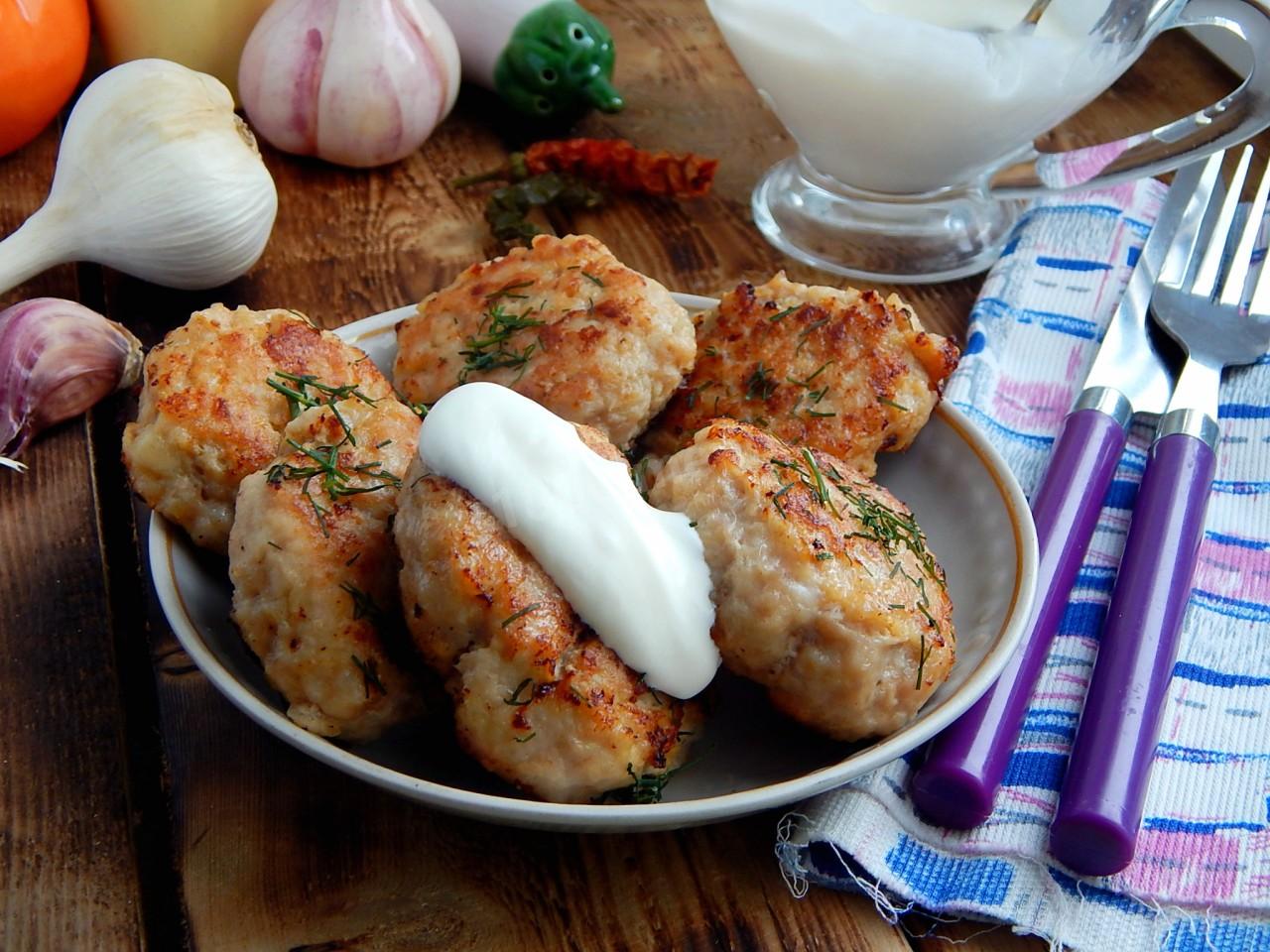
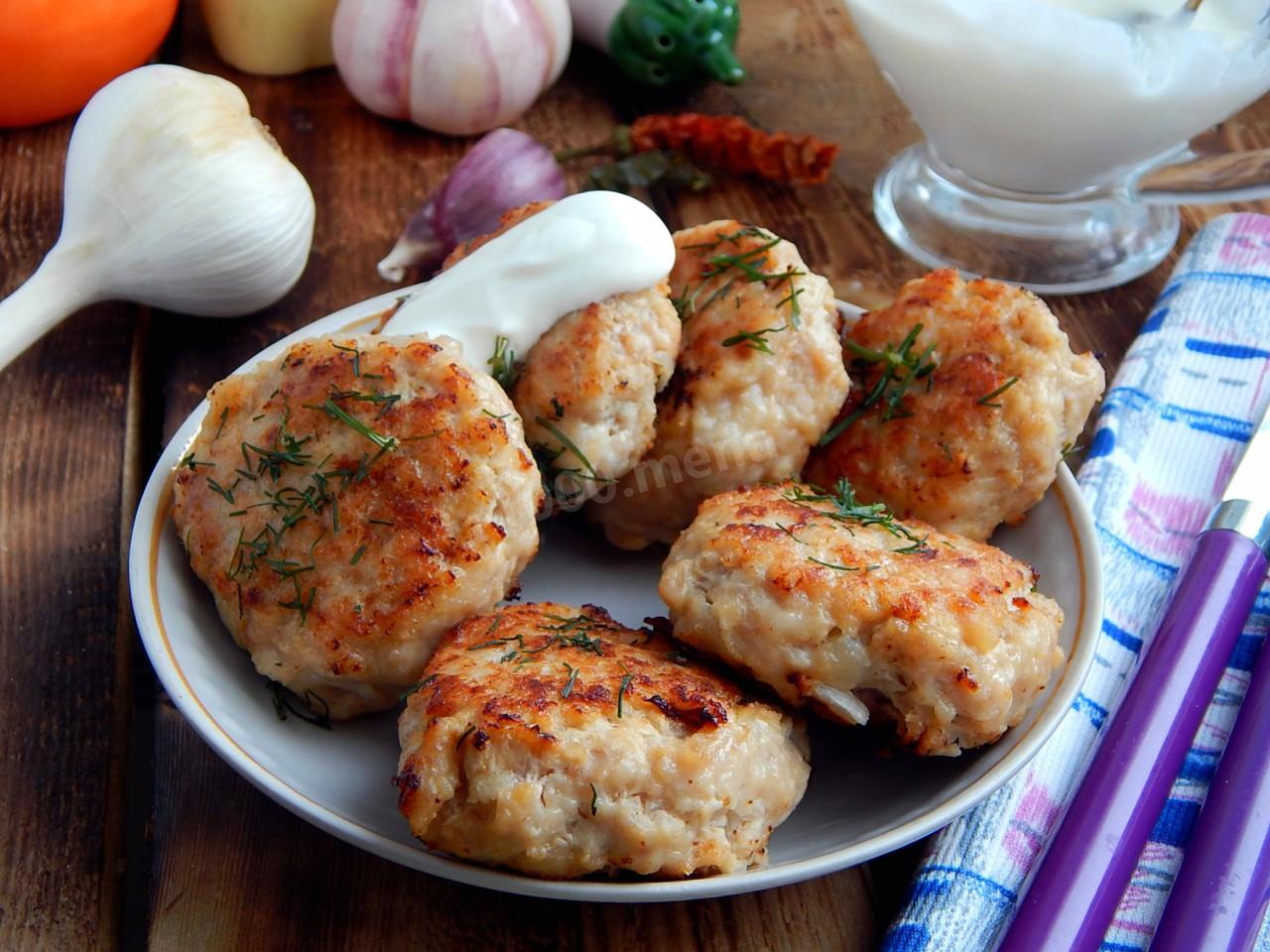
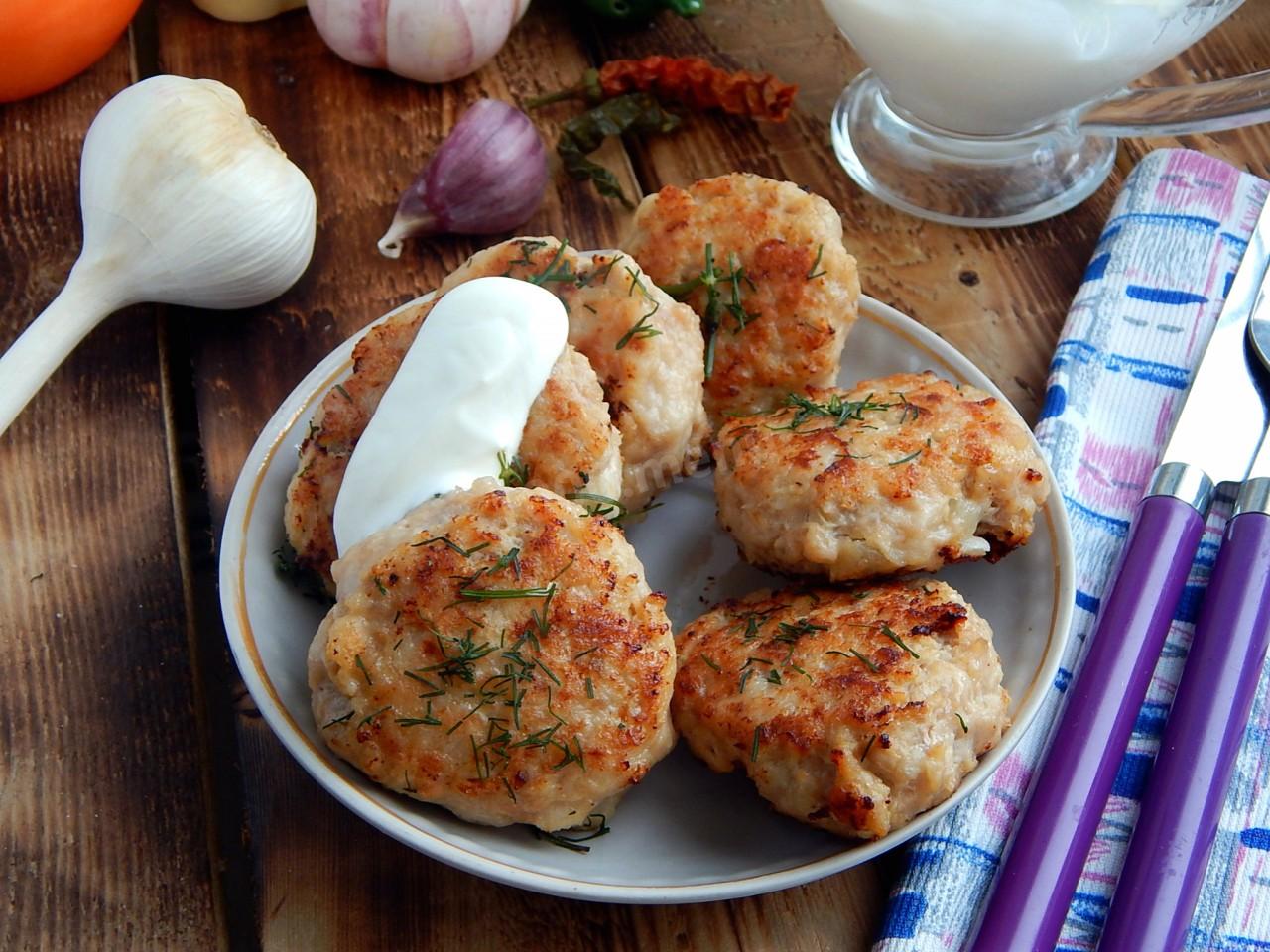
Plump, juicy, and fragrant patties for dinner! These patties turn out especially tasty and are a hit with everyone, kids most of all. The bread soaked in milk makes them wonderfully soft and fluffy, and the butter gives them a rich aroma and a juicy bite.

Cooking method
-
Step 1:
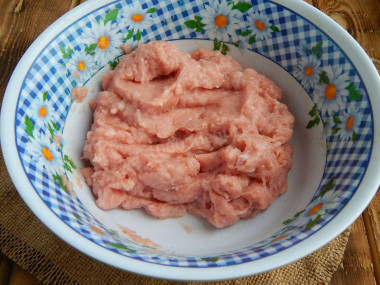
How do you make buttery meatballs? Use any ground meat you like. For a lighter, lower-calorie version, use poultry (chicken or turkey), or fish for something even healthier. Ground meat — a blend of pork and beef — comes out juicier and more flavorful, though richer and higher in calories. You can use store-bought ground meat from a trusted, reliable source, or grind fresh meat yourself.
-
Step 2:
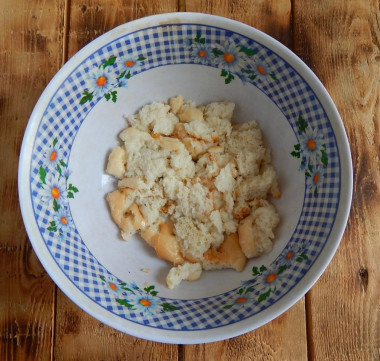
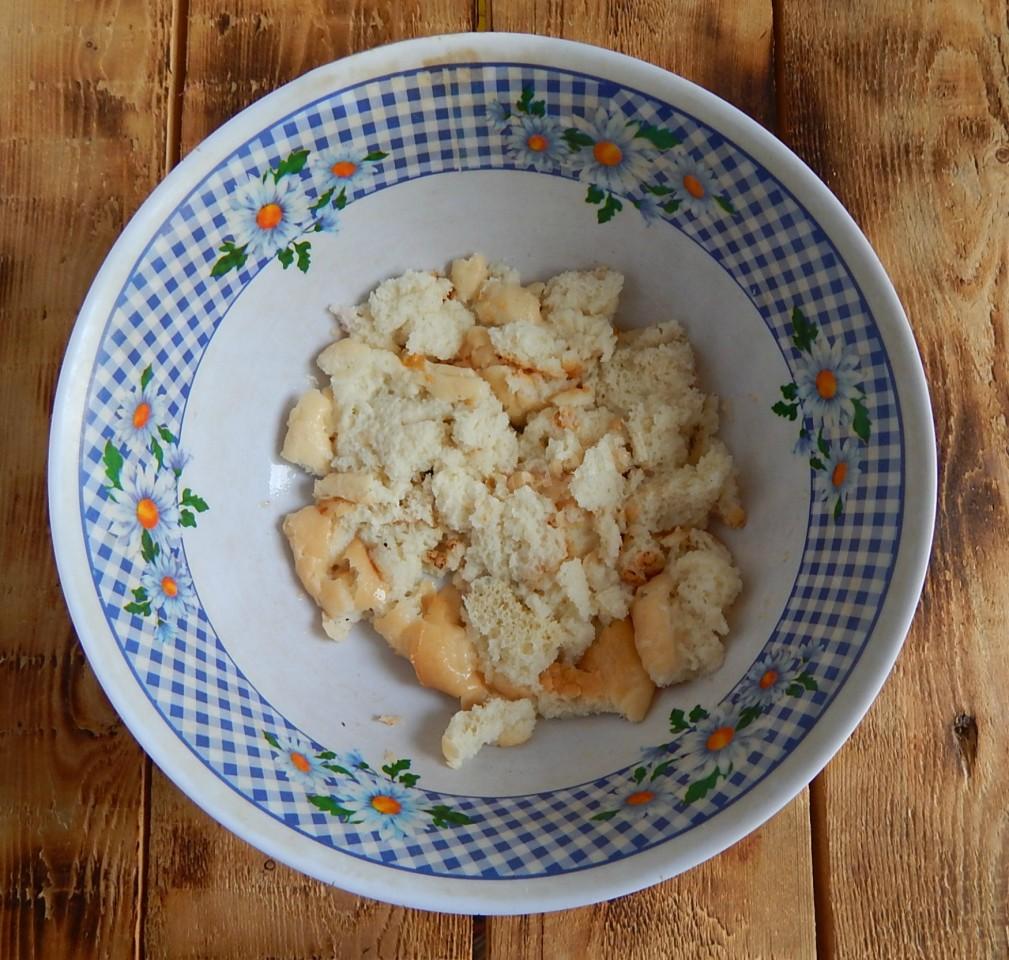
Put the crumb of white bread in a deep bowl and pour cold milk over it. Let it soak for 15 minutes to soften.
-
Step 3:
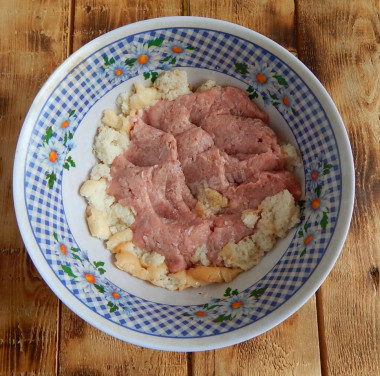
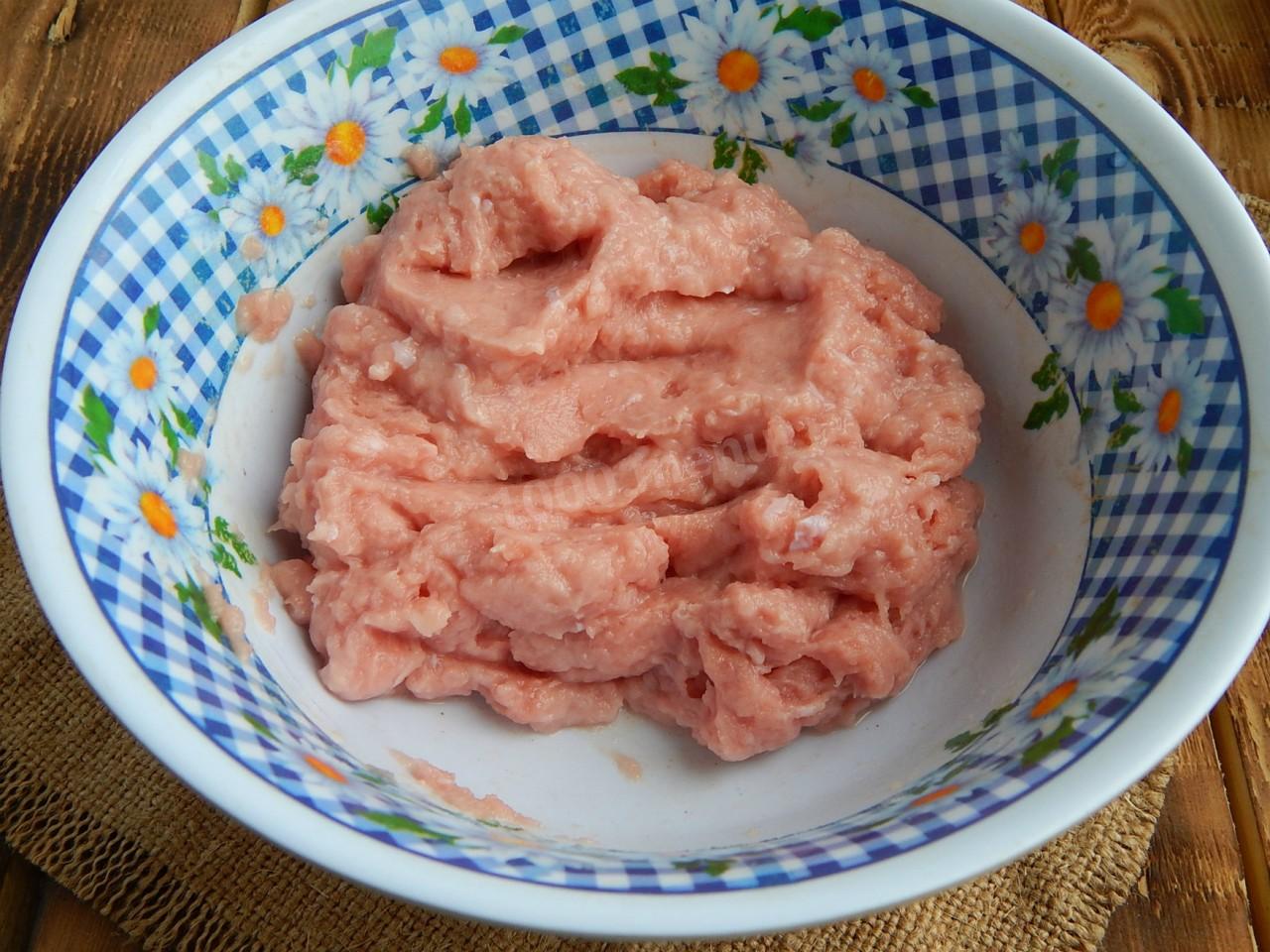
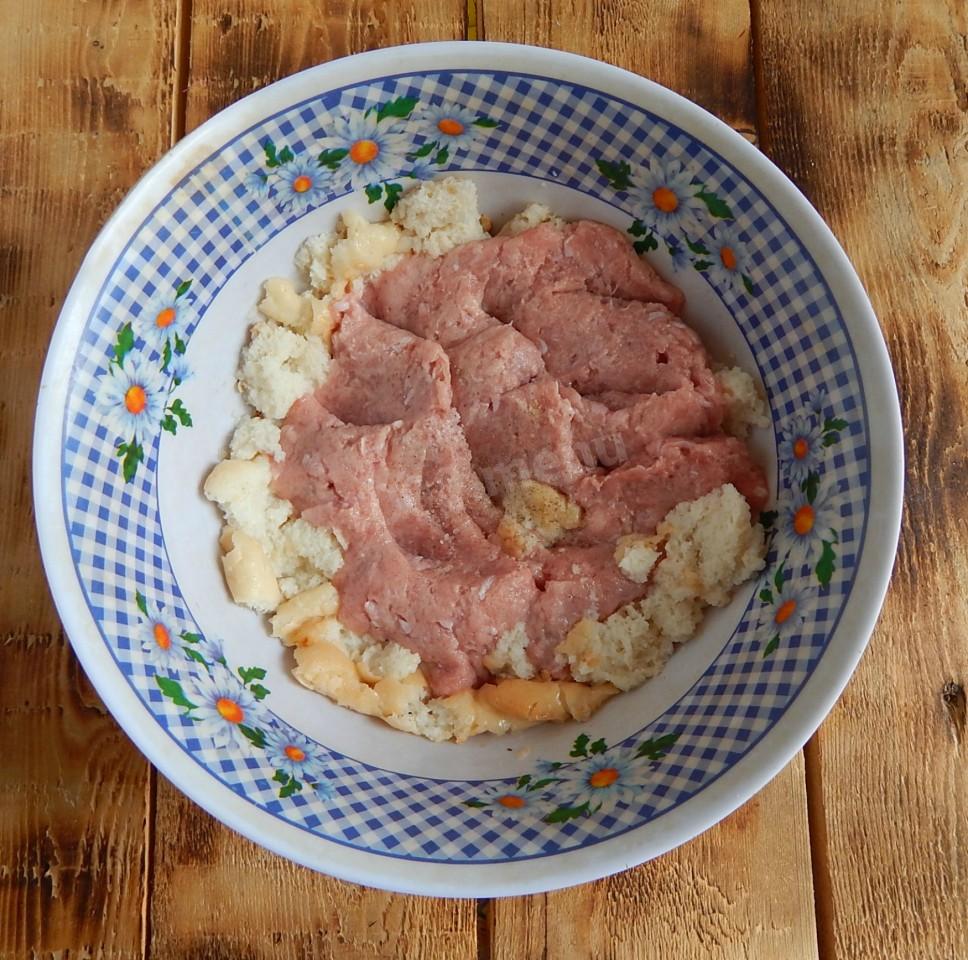
Add the ground meat to the bowl with the bread, along with finely chopped or grated onion, salt and ground black pepper to taste, and butter grated on the fine holes of a grater (freeze it first so it grates easily).
-
Step 4:
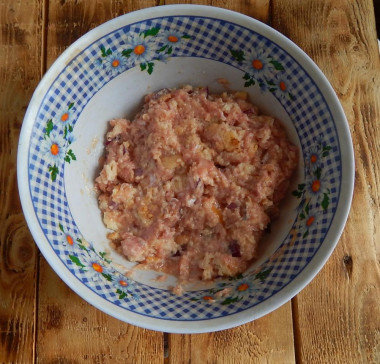
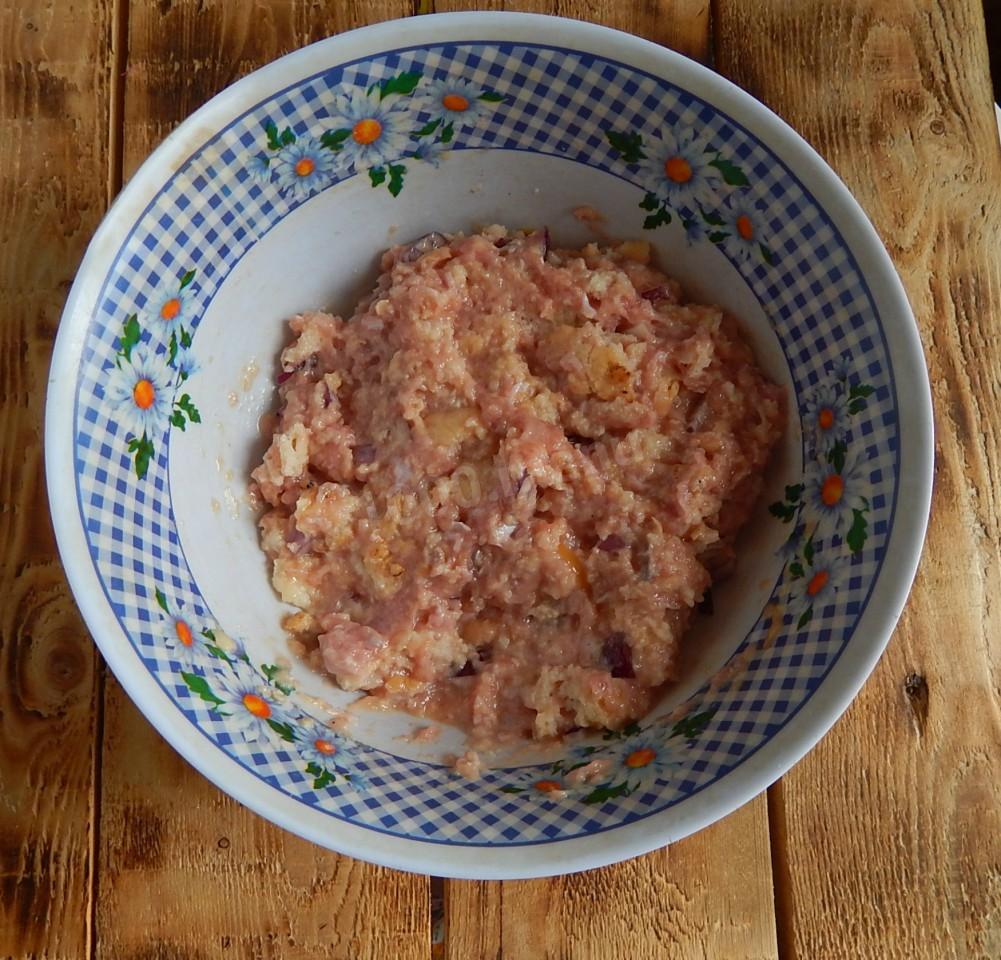
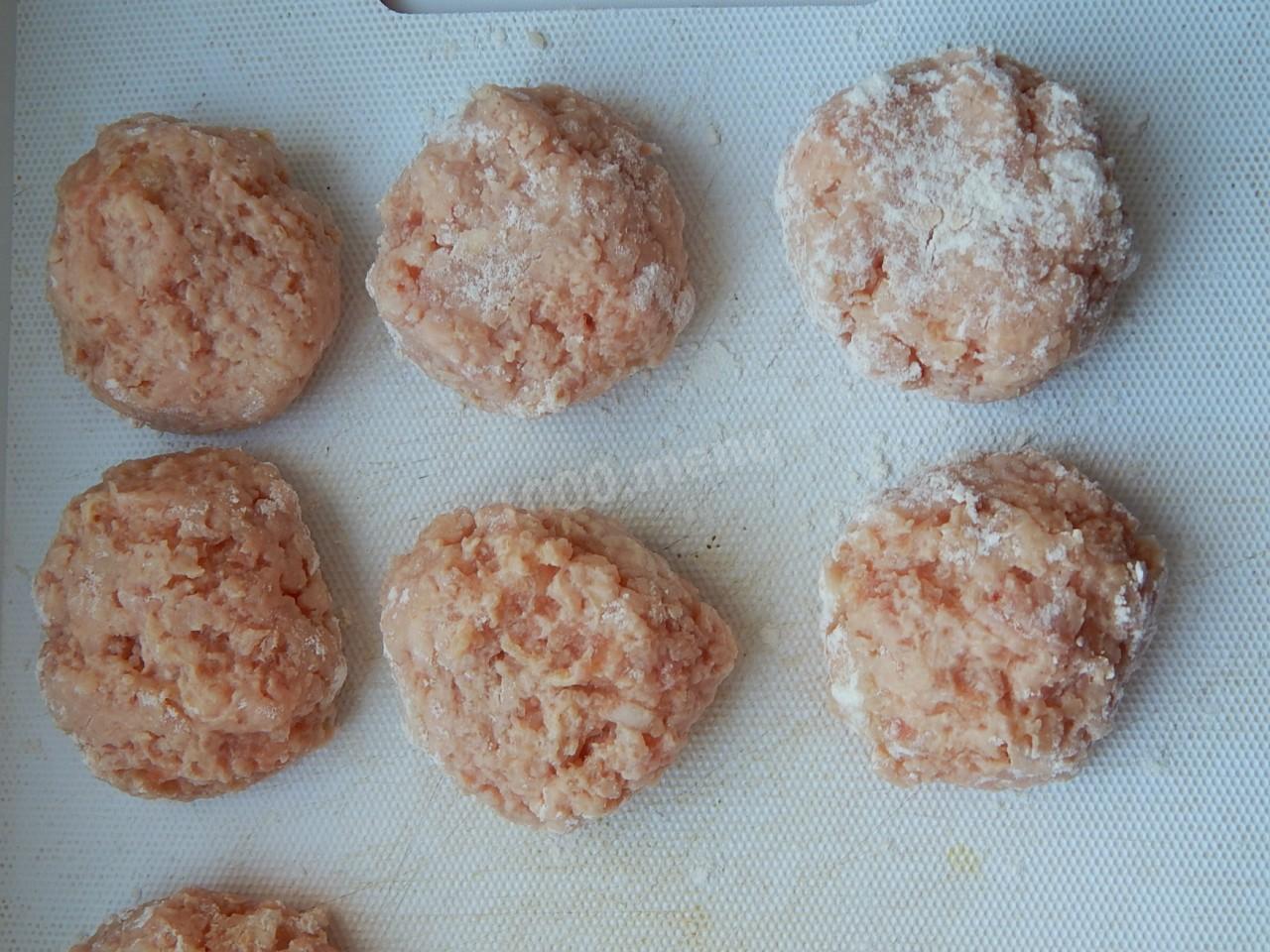
Mix everything until the mixture is smooth and even. To make the patties especially soft, many cooks recommend "throwing" the meat mixture — sealing it in a bag and slapping it against the counter. I skip that and instead spend a little longer shaping each patty: with wet hands, toss it from palm to palm until it holds its shape well.
-
Step 5:
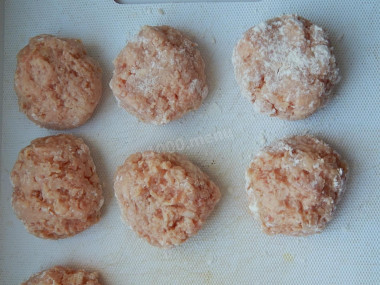
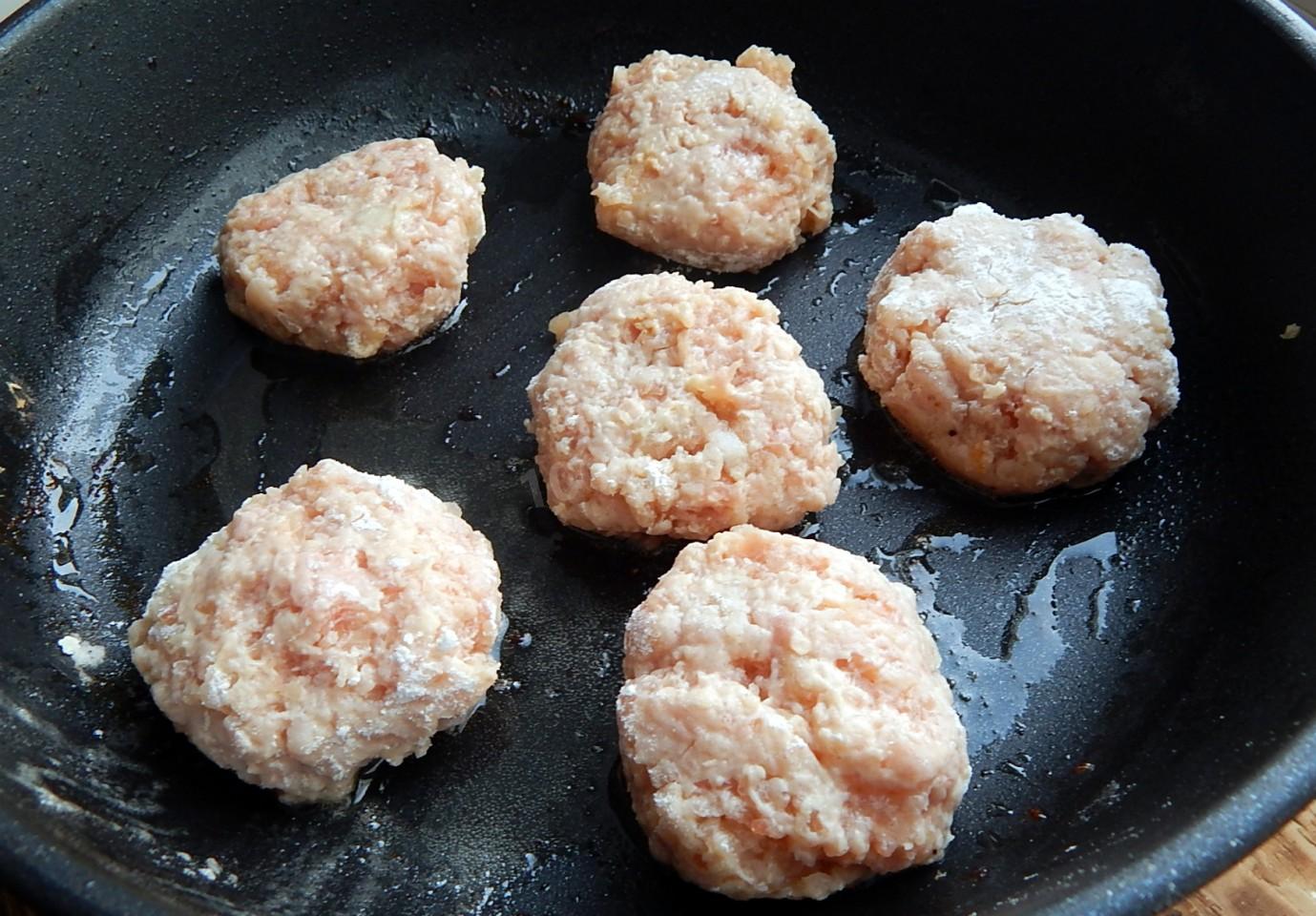
Dredge the shaped patties in wheat flour, breadcrumbs, or semolina — whichever you prefer.
-
Step 6:
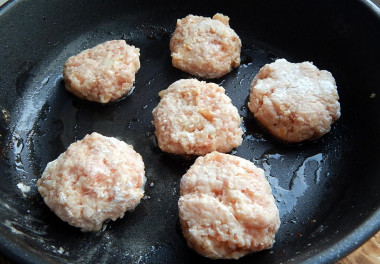
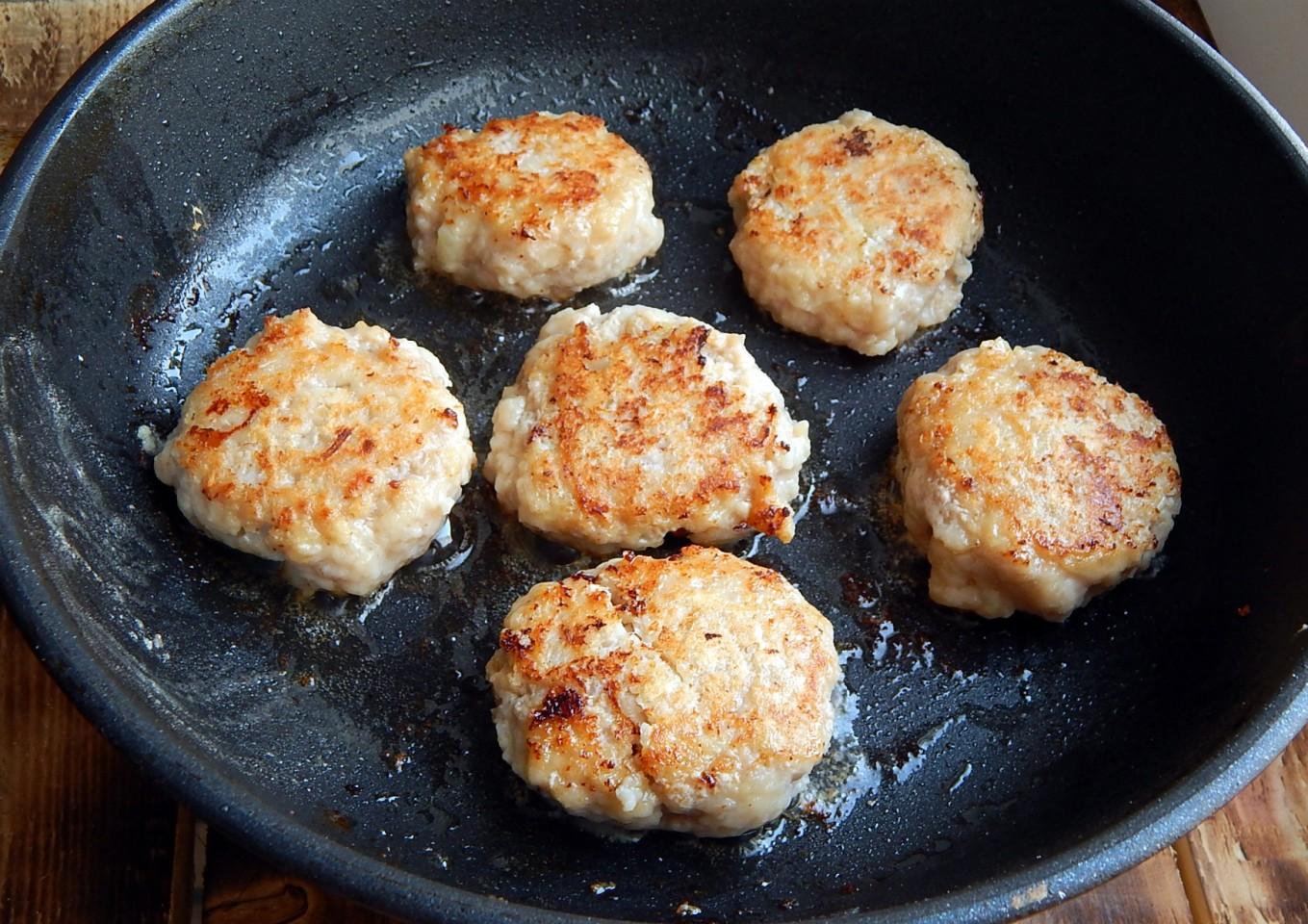
Pour vegetable oil into a skillet and heat it. Add the patties to the hot oil and fry over medium heat on both sides until golden brown.
-
Step 7:
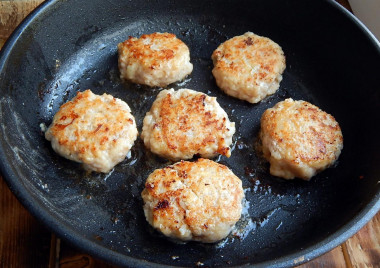
Then pour a little water into the skillet with the patties and turn the heat down to low. Cover with a lid and simmer the patties for 20 minutes, until the liquid has fully cooked off. Take off the lid, keep the patties on the heat for a couple more minutes, then turn off the burner. Your buttery meatballs are ready. Serve them with any side dish you like, plus fresh vegetables and herbs. Enjoy!
- Every oil is only good up to a certain temperature — its smoke point — beyond which it starts to burn and form harmful compounds, including carcinogens. For how to gauge frying temperature, pick the best oil for the job, and know which oils to skip altogether, read more here.
- Important! The wrong pan can ruin even the best recipe. For all the details on choosing the perfect skillet for different dishes, read more here.
- If you're using a ready-made spice blend, be sure to read the ingredient list on the package — these often already contain salt, so account for that or you risk over-salting the dish.
Caloric content of the products possible in the composition of the dish
- Whole cow's milk - 68 kcal/100g
- Milk 3.5% fat content - 64 kcal/100g
- Milk 3.2% fat content - 60 kcal/100g
- Milk 1.5% fat content - 47 kcal/100g
- Concentrated milk 7.5% fat content - 140 kcal/100g
- Milk 2.5% fat content - 54 kcal/100g
- Ground black pepper - 255 kcal/100g
- Butter 82% - 734 kcal/100g
- Amateur unsalted butter - 709 kcal/100g
- Unsalted peasant butter - 661 kcal/100g
- Peasant salted butter - 652 kcal/100g
- Melted butter - 869 kcal/100g
- Mixed minced meat - 351 kcal/100g
- Vegetable oil - 873 kcal/100g
- Salt - 0 kcal/100g
- Onion - 41 kcal/100g
- Wheat flour - 325 kcal/100g
- Loaf - 273 kcal/100g