Vegetables in Teriyaki Sauce
Creative, savory, quick, easy, and so good! These teriyaki vegetables turn out wonderfully fragrant and full of flavor thanks to the garlic and ginger — and a little marinating time before they hit the pan. If you love a hint of Asian flavor in your cooking, this one's for you!

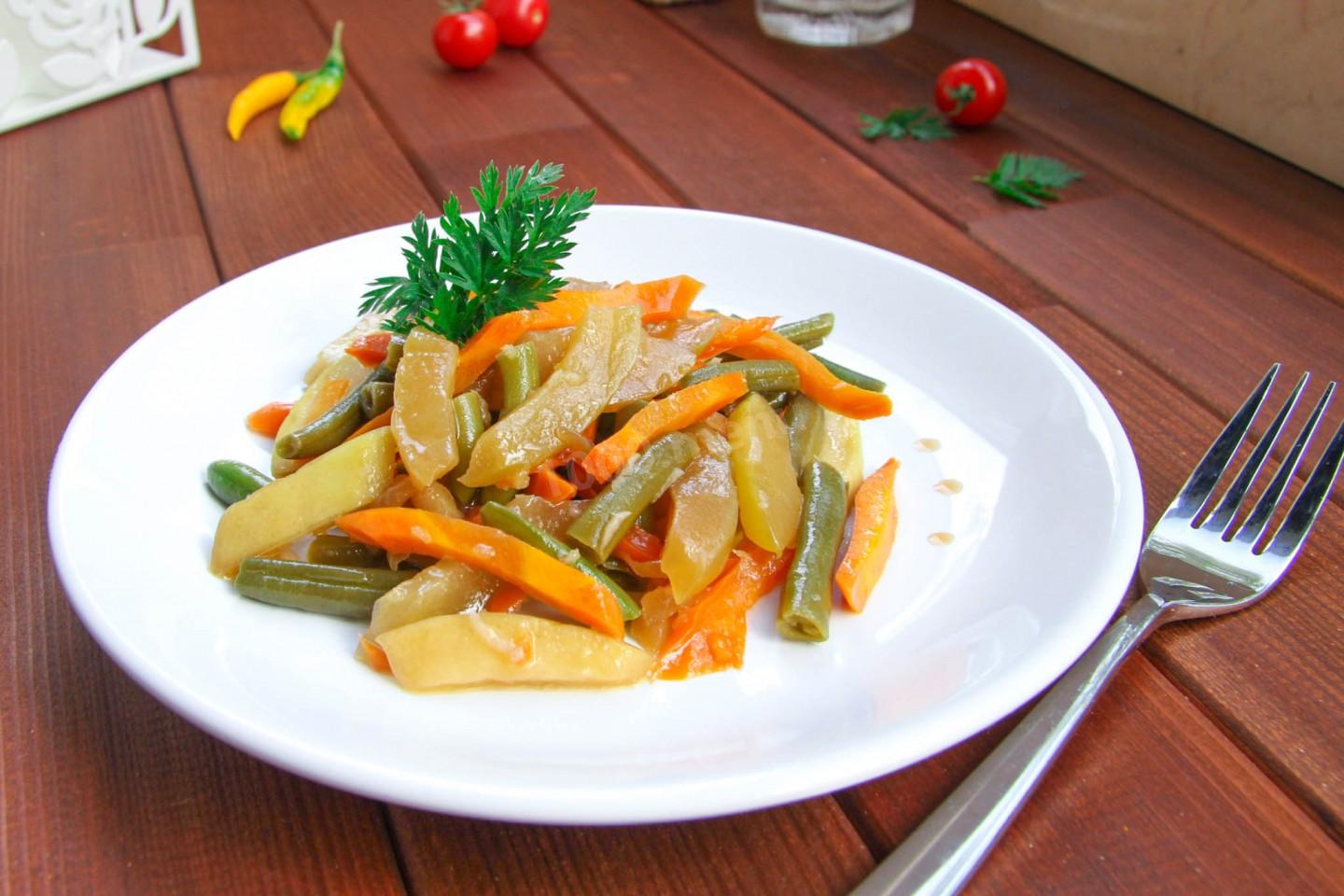
Cooking method
-
Step 1:
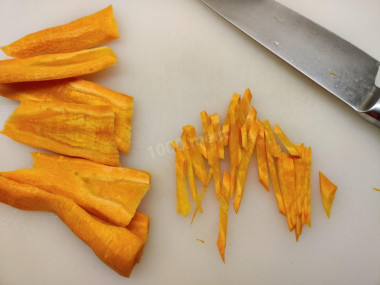
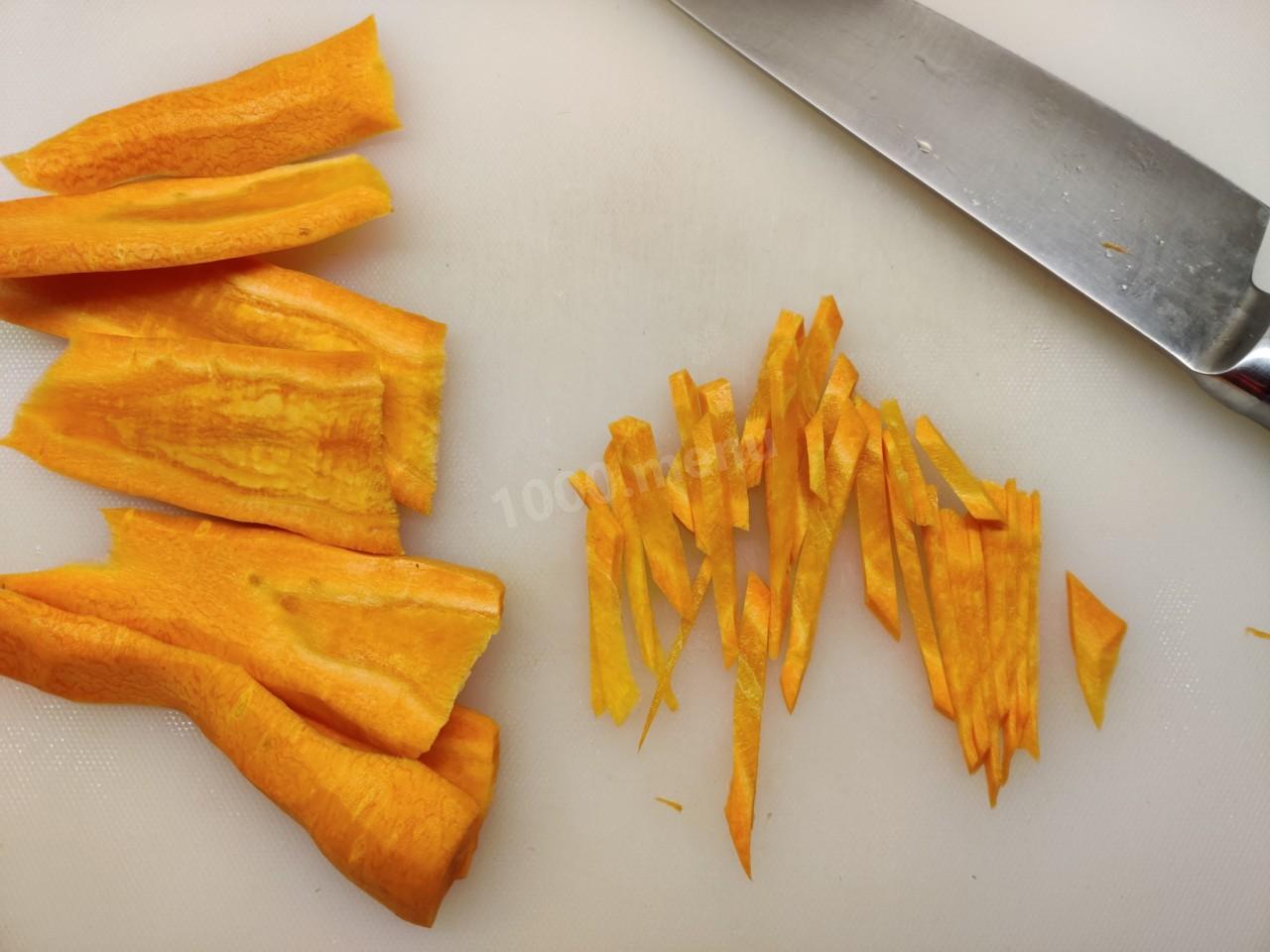
How do you make vegetables in teriyaki sauce? Prep the vegetables first. Wash and peel the carrot, then cut it into medium matchsticks with a sharp knife.
-
Step 2:
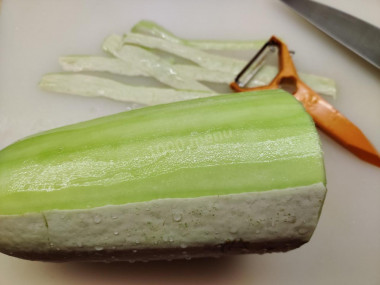
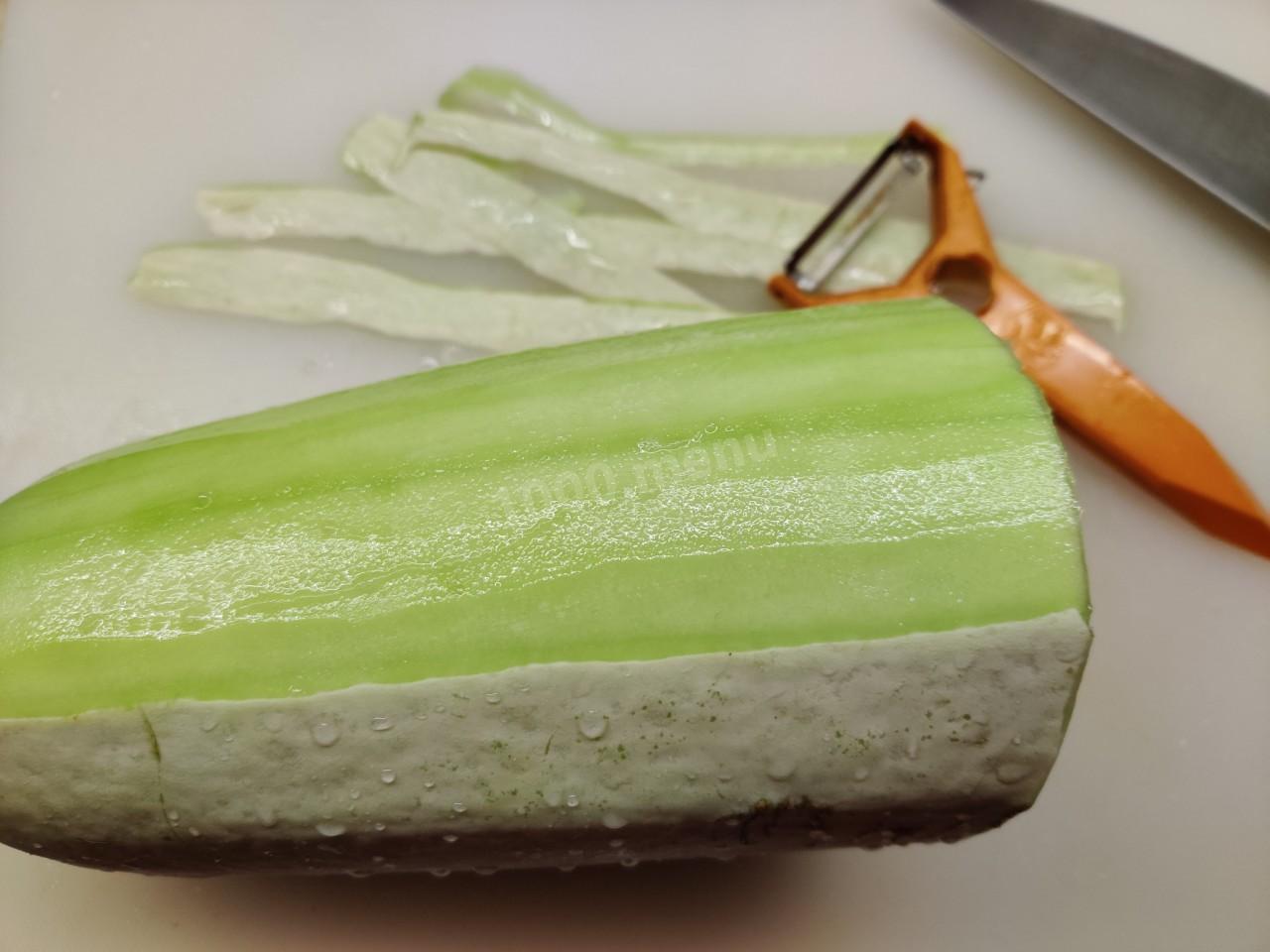
Wash the zucchini. If it isn't a young, tender one, peel off the tough skin with a vegetable peeler.
-
Step 3:
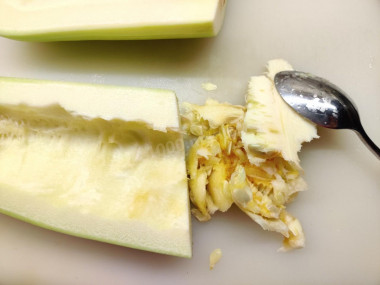
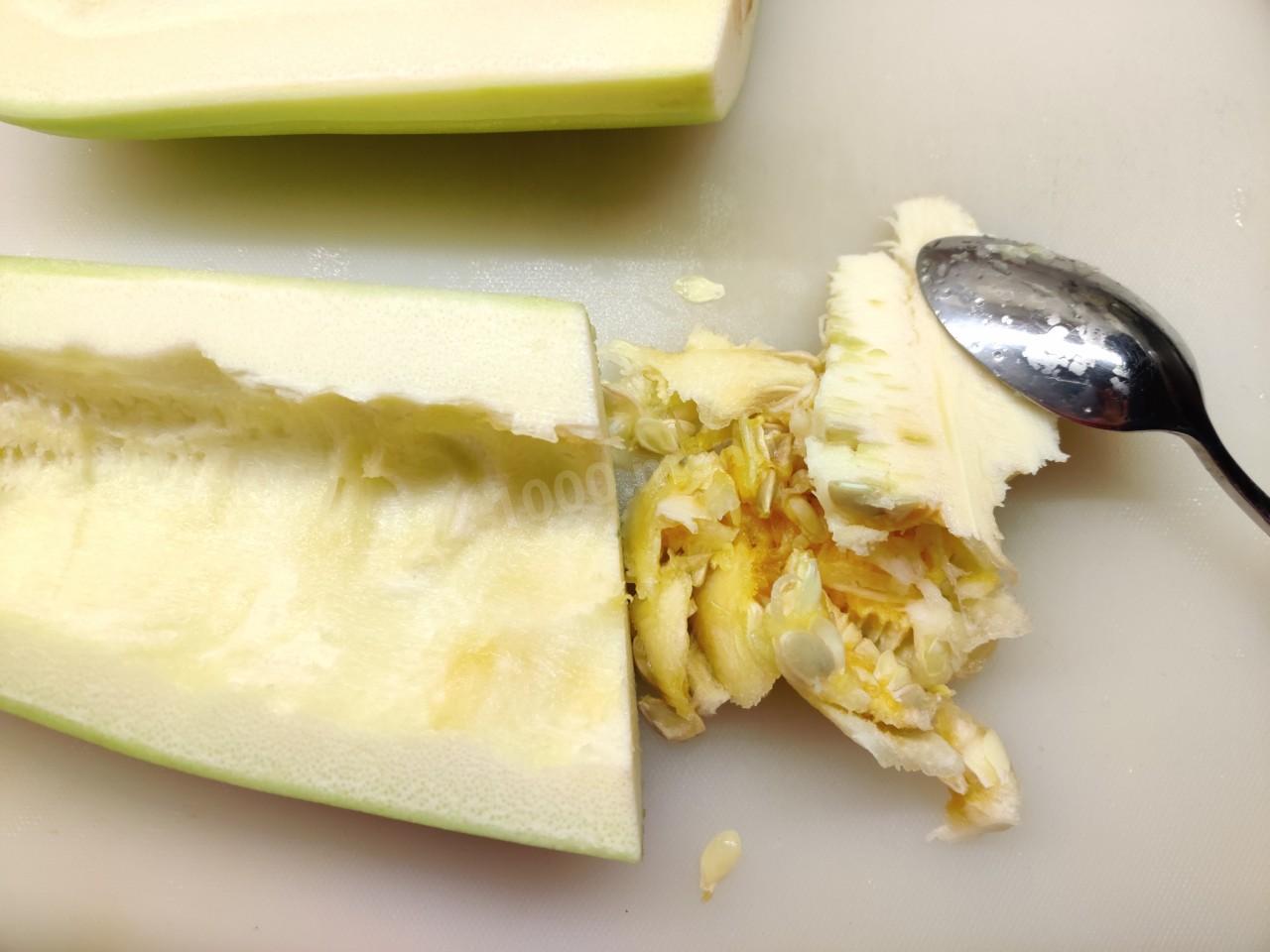
Scoop out any hard seeds, too. A tablespoon makes this easy.
-
Step 4:
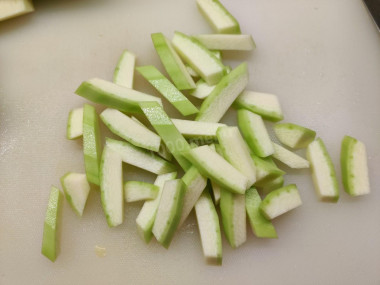
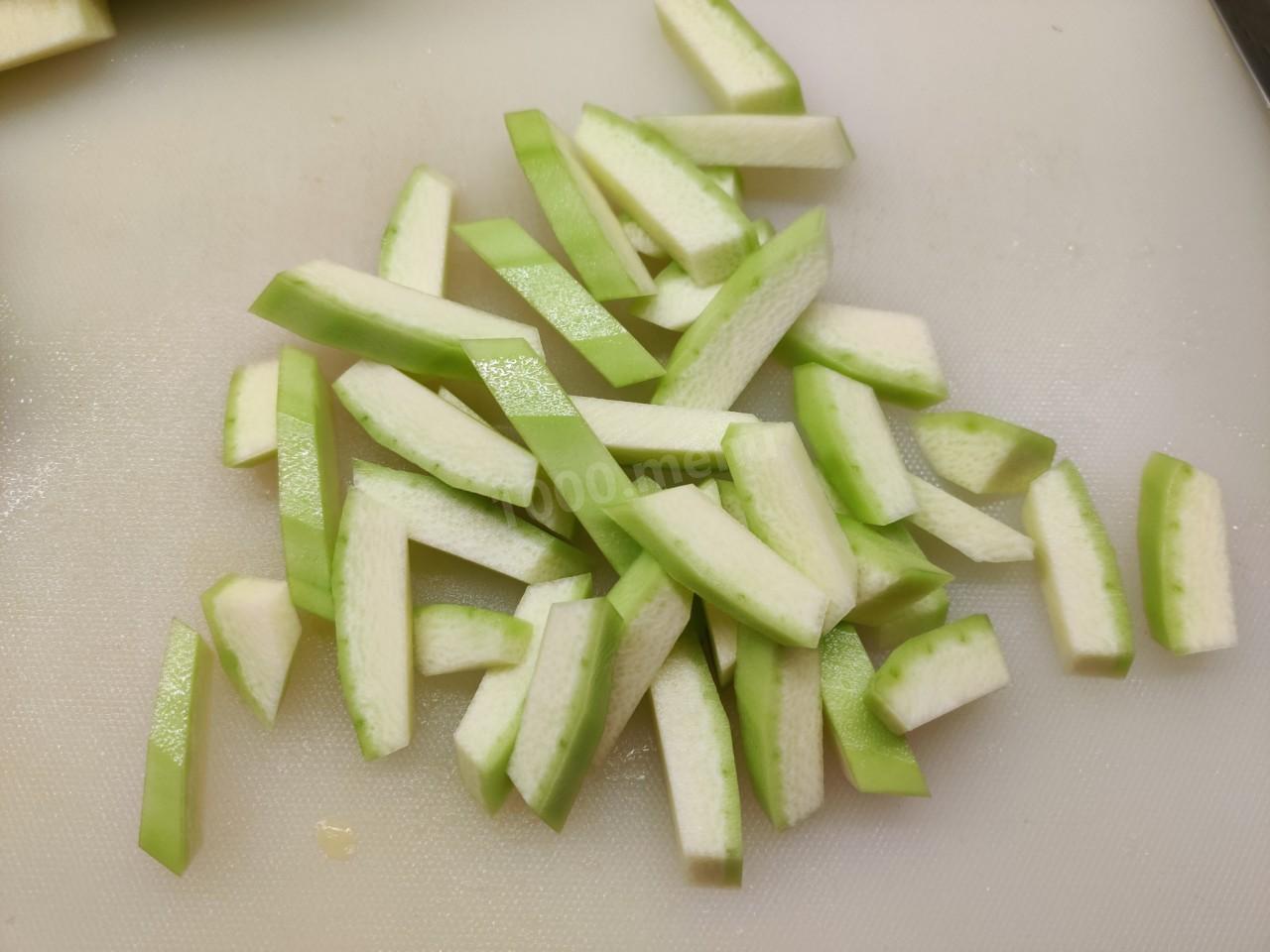
Cut the zucchini into the same medium matchsticks as the carrot.
-
Step 5:
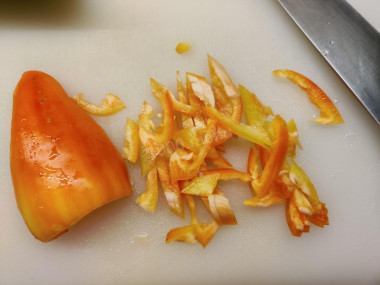
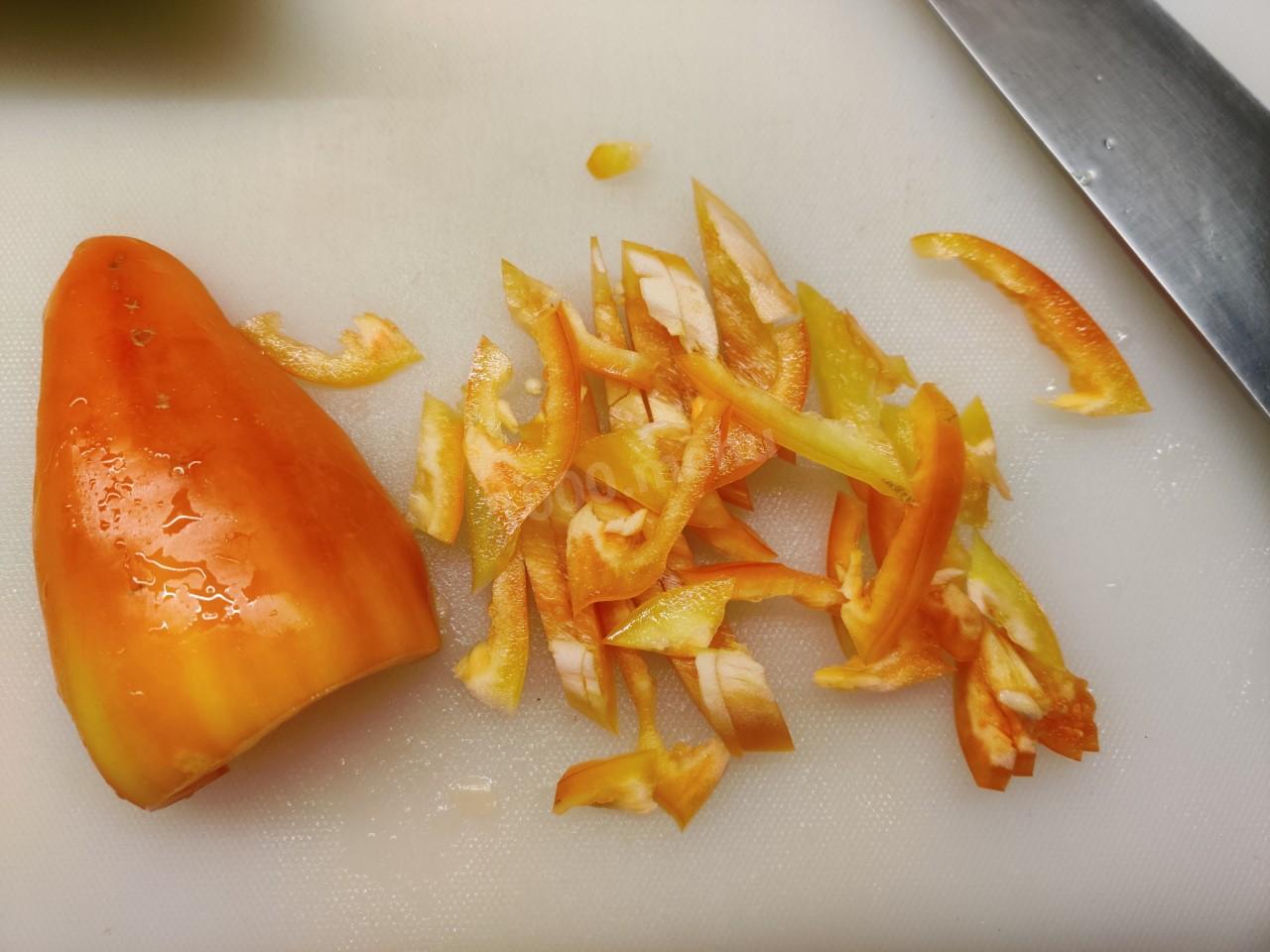
Wash the bell pepper, cut off the stem, and remove the seeds. Slice it into thin strips as well.
-
Step 6:
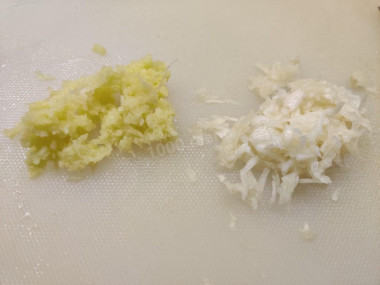
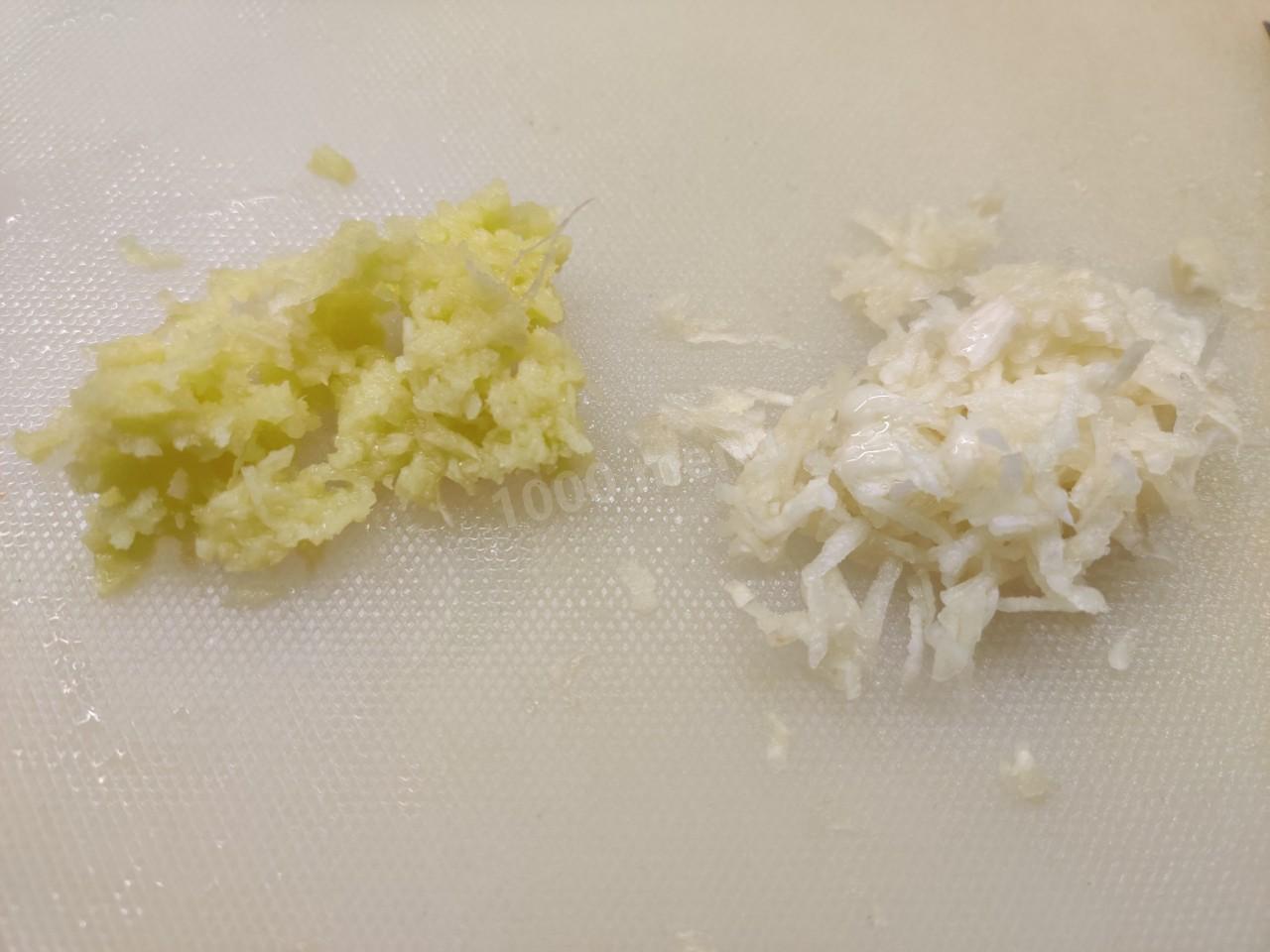
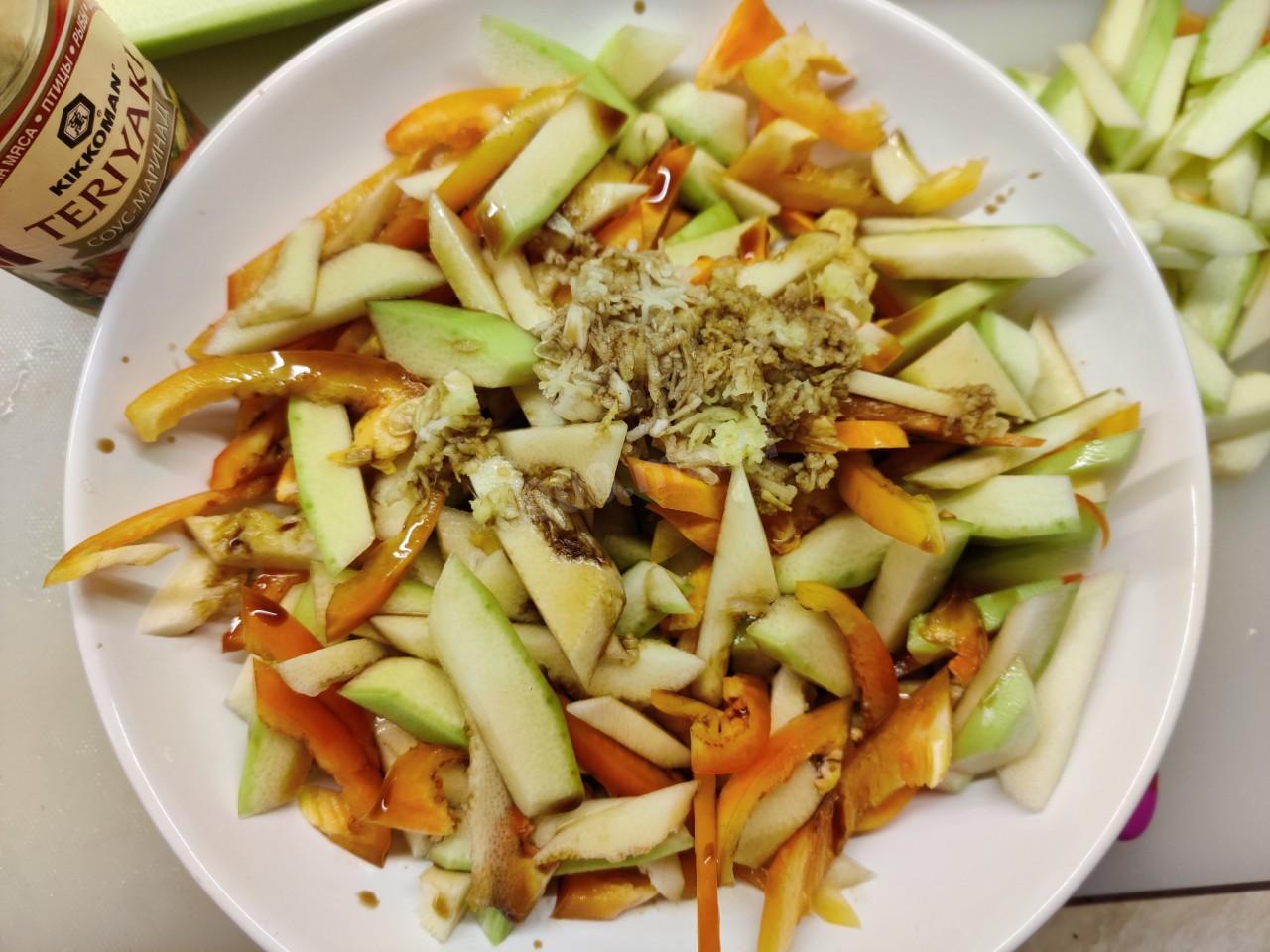
Wash the ginger root and pare off the skin. Peel the garlic. Grate both on the fine side of a grater.
-
Step 7:
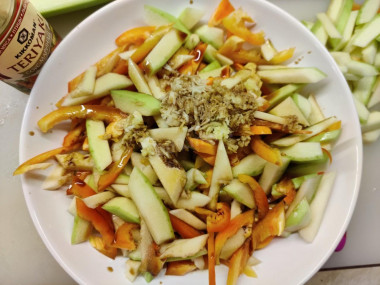
Put all the sliced vegetables in a single bowl. Add the teriyaki sauce, garlic, and ginger, and season with salt to taste. Toss to combine. Cover the bowl with plastic wrap and refrigerate for an hour to an hour and a half so the vegetables marinate well.
-
Step 8:
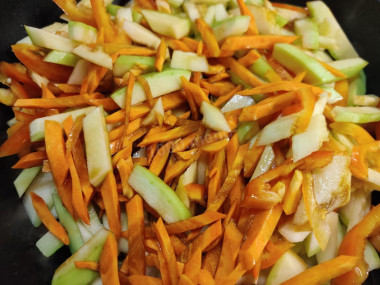
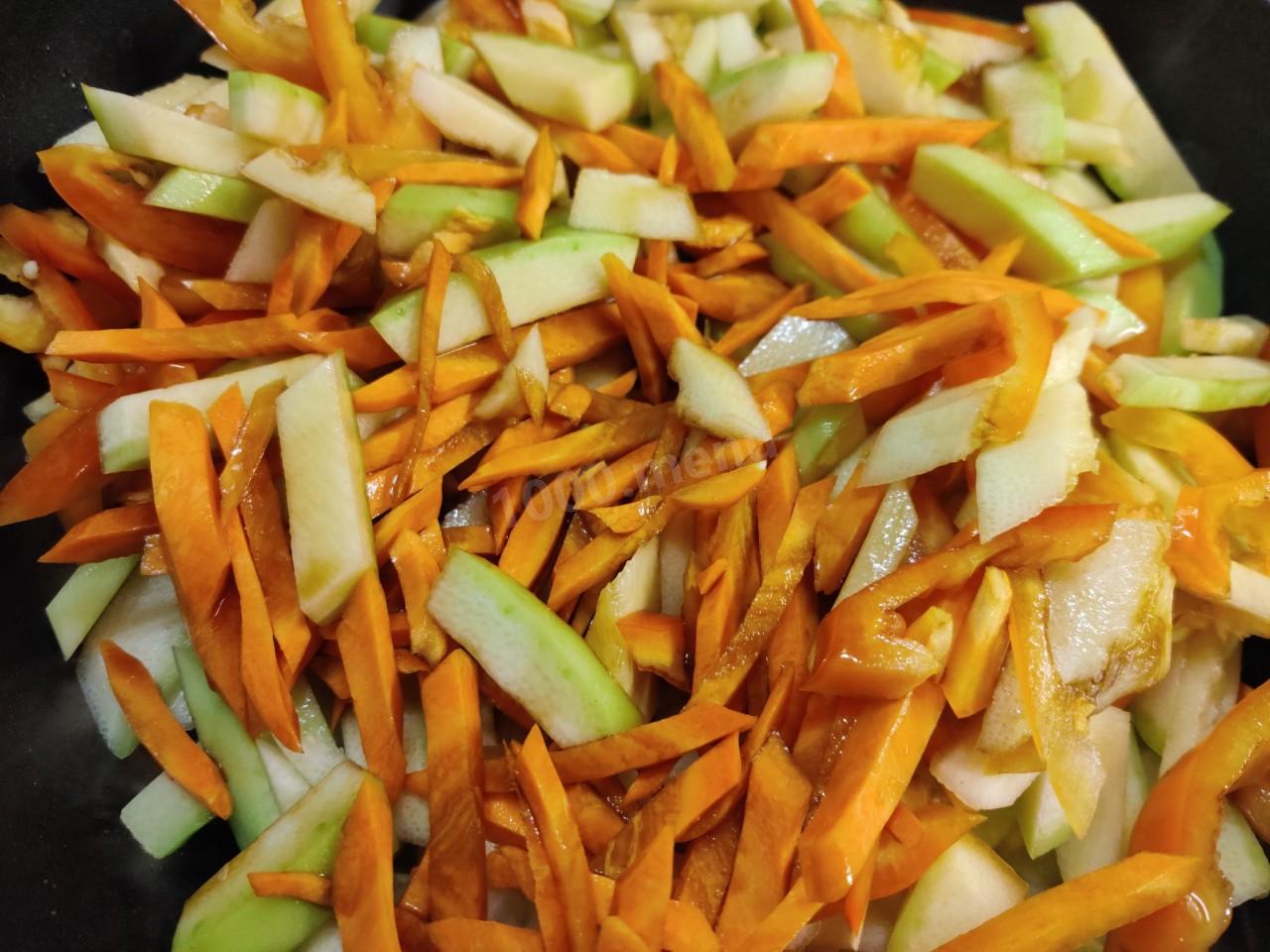
Heat a high-sided skillet — ideally a wok — over high heat. Add the sesame oil. Once it's shimmering hot, add the vegetables. Stir-fry for about seven minutes. Keep the heat high so the vegetables sear rather than steam.
-
Step 9:
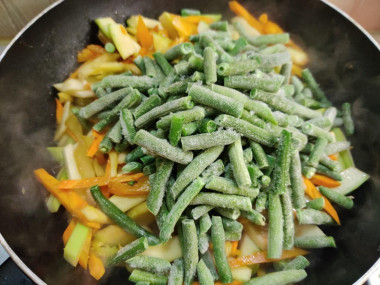
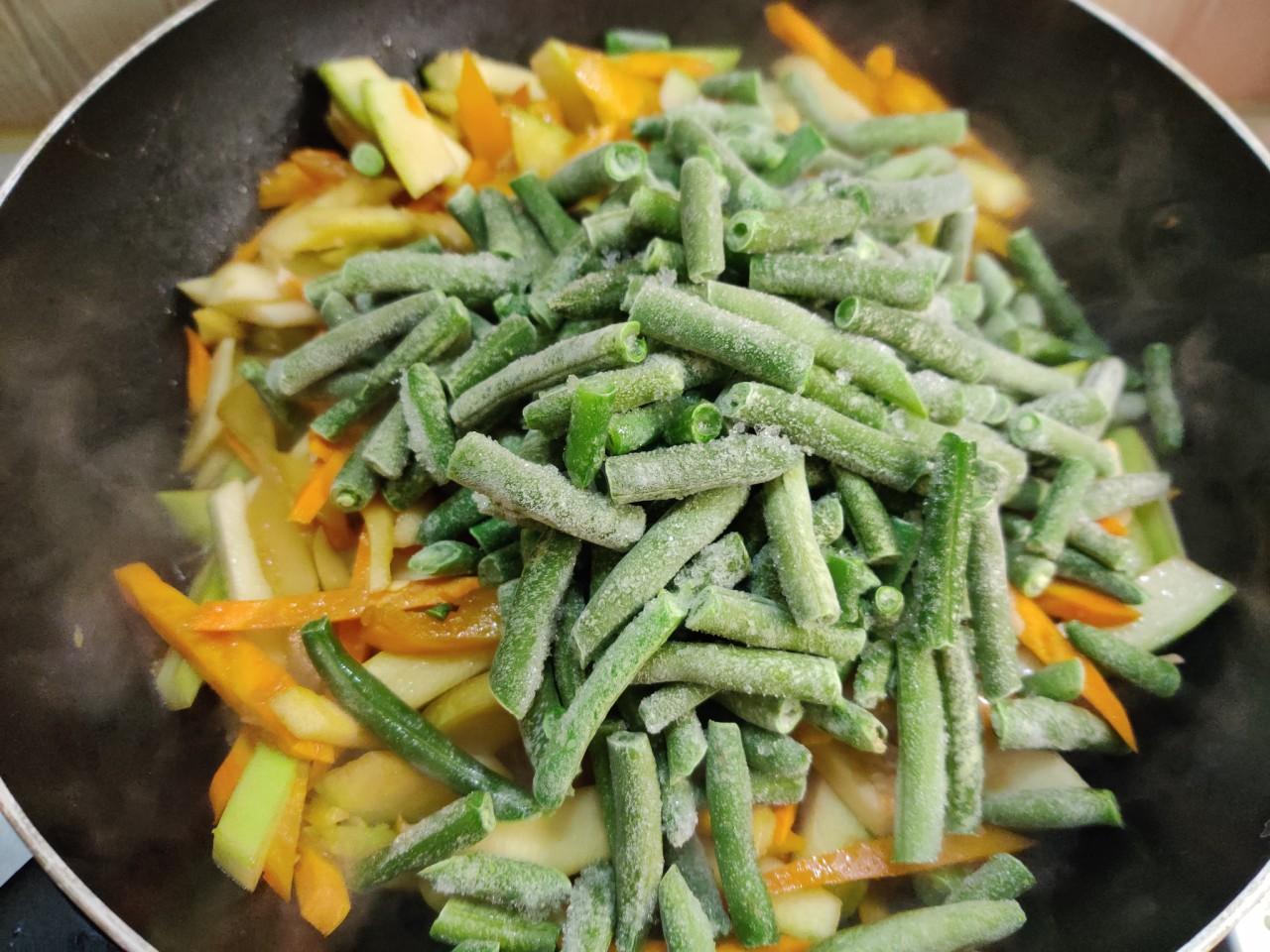
Once the vegetables have softened, add the green beans straight from frozen — no need to thaw them first. Toss everything together and stir-fry for about ten minutes more. Serve hot, sprinkled with sesame seeds if you like. Enjoy!
- Don't overcook the vegetables — you don't want them mushy. They're best with a little crunch left in the center. If your zucchini is young and tender, you can skip peeling and seeding it. I like to serve these vegetables with steamed jasmine rice and any simple meat, poultry, or fish dish you like.
- Use an oil with a high smoke point for frying. Every oil is only healthy up to its smoke point — the temperature at which it starts to burn and form harmful compounds. Unrefined oils, with rare exceptions, have a low smoke point and burn quickly. Refined oils hold up better to heat. If you're roasting, pan-frying, or grilling, reach for a high-smoke-point oil such as refined sunflower, olive, or grapeseed oil.
- Since everyone's tolerance for salt, sweetness, heat, and acidity is different, always season to your own taste. If you're using a spice for the first time, go easy — some, like chili pepper, are easy to overdo.
- To check whether the oil is hot enough, dip in a wooden spoon or spatula. If bubbles gather around it, you're ready to start frying.
Caloric content of the products possible in the composition of the dish
- Zucchini - 23 kcal/100g
- Sweet pepper - 27 kcal/100g
- Carrot - 33 kcal/100g
- Dried carrot - 275 kcal/100g
- Boiled carrot - 25 kcal/100g
- Garlic - 143 kcal/100g
- Ginger - 80 kcal/100g
- Dried ginger - 347 kcal/100g
- Pickled ginger - 51 kcal/100g
- Salt - 0 kcal/100g
- Ground hot pepper - 21 kcal/100g
- String beans - 24 kcal/100g
- Sesame oil - 899 kcal/100g
- Teriyaki sauce - 89 kcal/100g
Similar recipes

- Festive table
- Homemade dinner
- National cuisine
- Second course
- Side dishes
- Homemade preparations
- Semi-finished products
- Vegetables
- Legumes
- Spices seasonings spices
- Fats and oils
- From beans
- Garlic
- Ginger
- Pepper
- Salt
- Vegetable oil
- Asian cuisine
- Frying
- Marinating
- New year's side dishes
- Side dish to steak
- New Year recipes
- Vegetable blanks
- Marinades
- Sauce
- From zucchini
- From carrots
- From sweet pepper
- Low-calorie recipes
- Balanced nutrition
- Vegetarianism
- Lean table
- Recipes for lean dishes without butter