Pork Hasselback Roast in Foil with Tomatoes
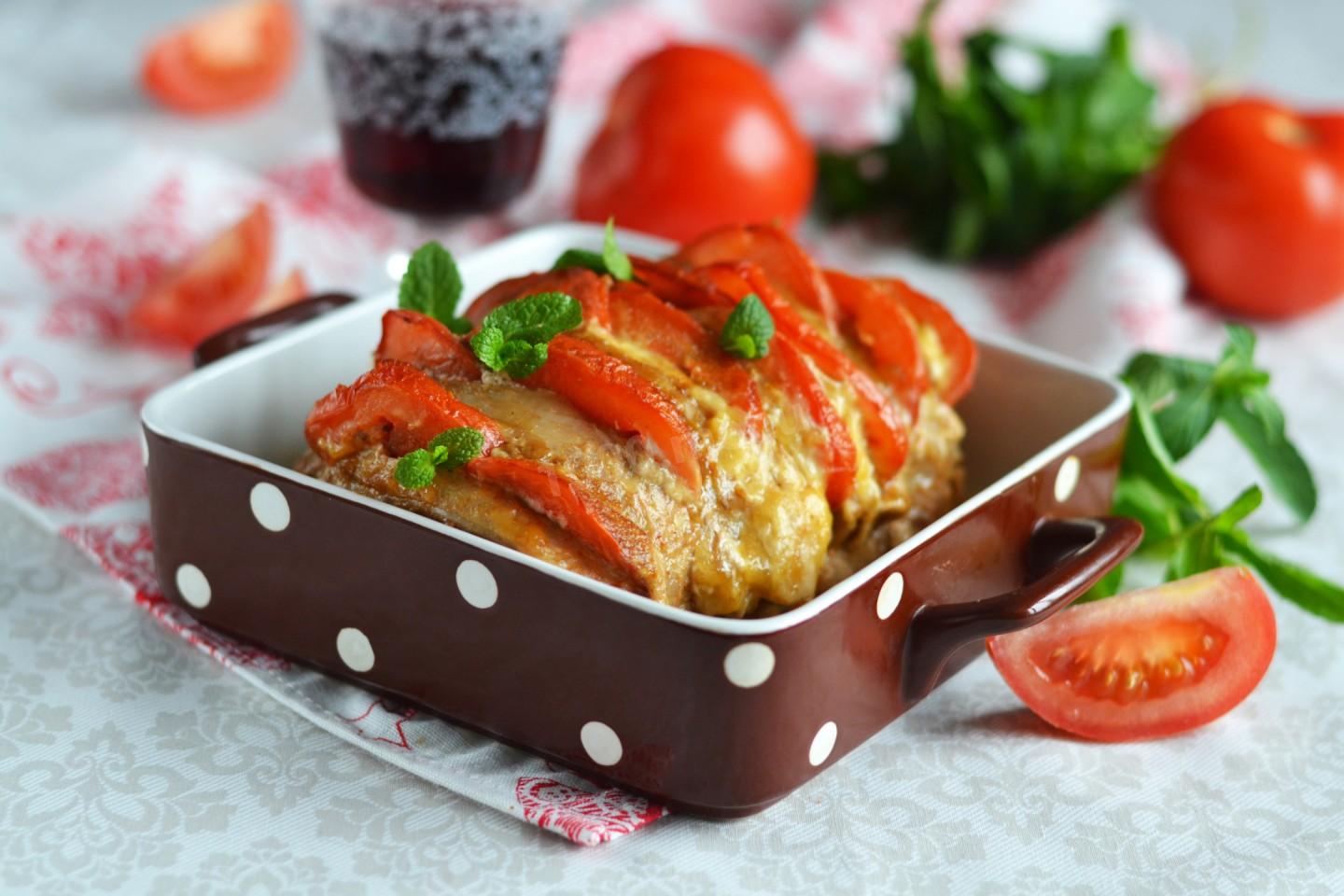
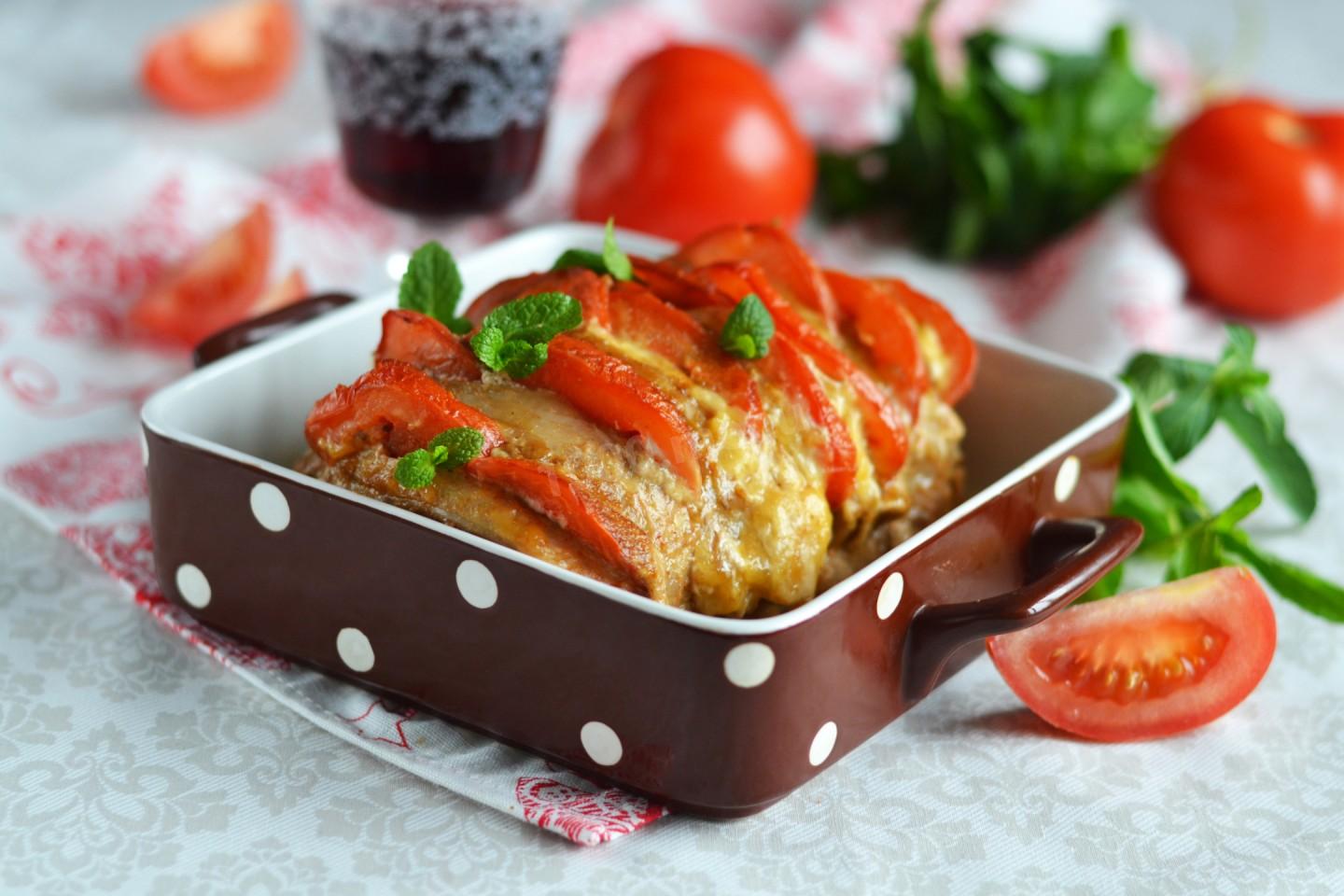
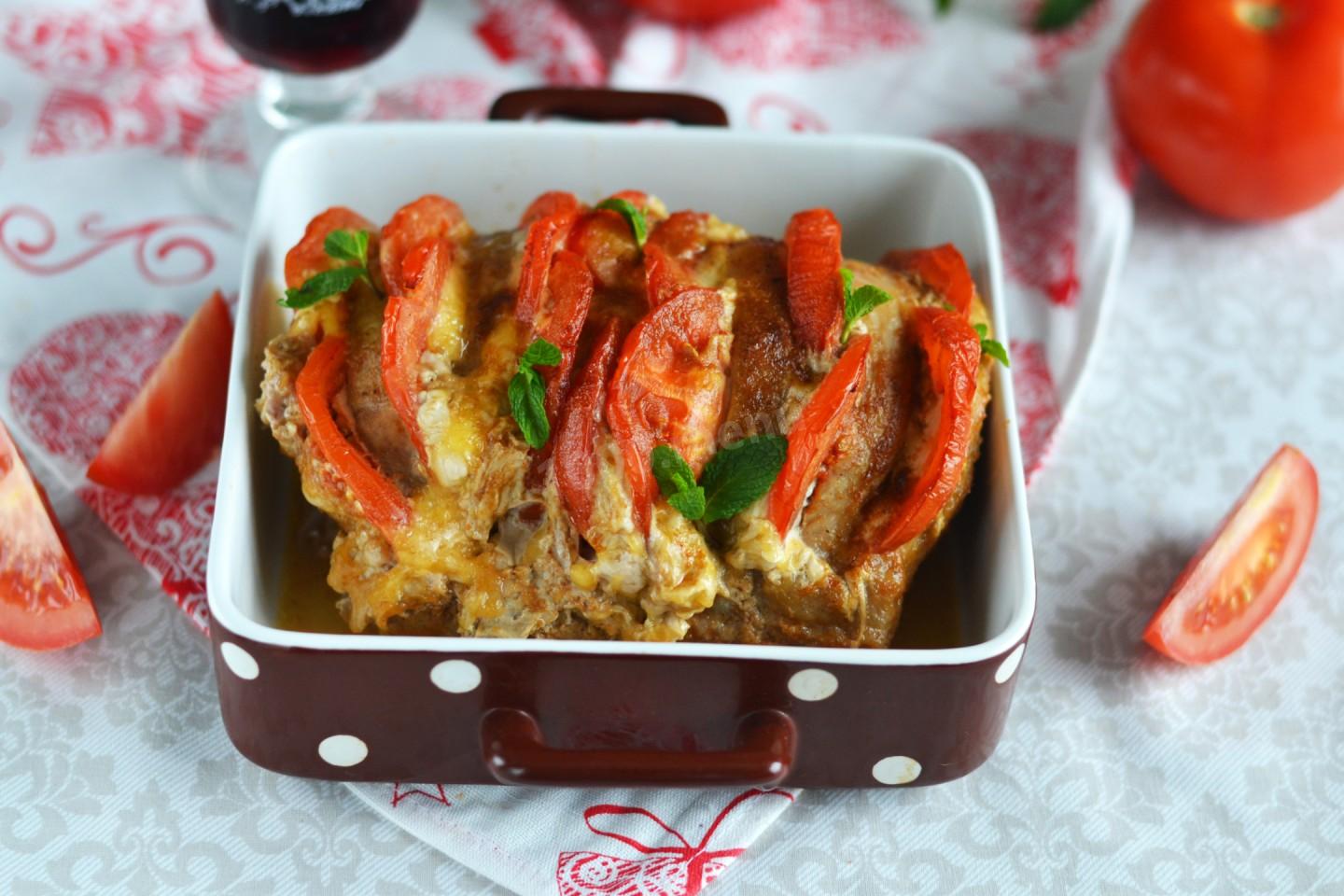
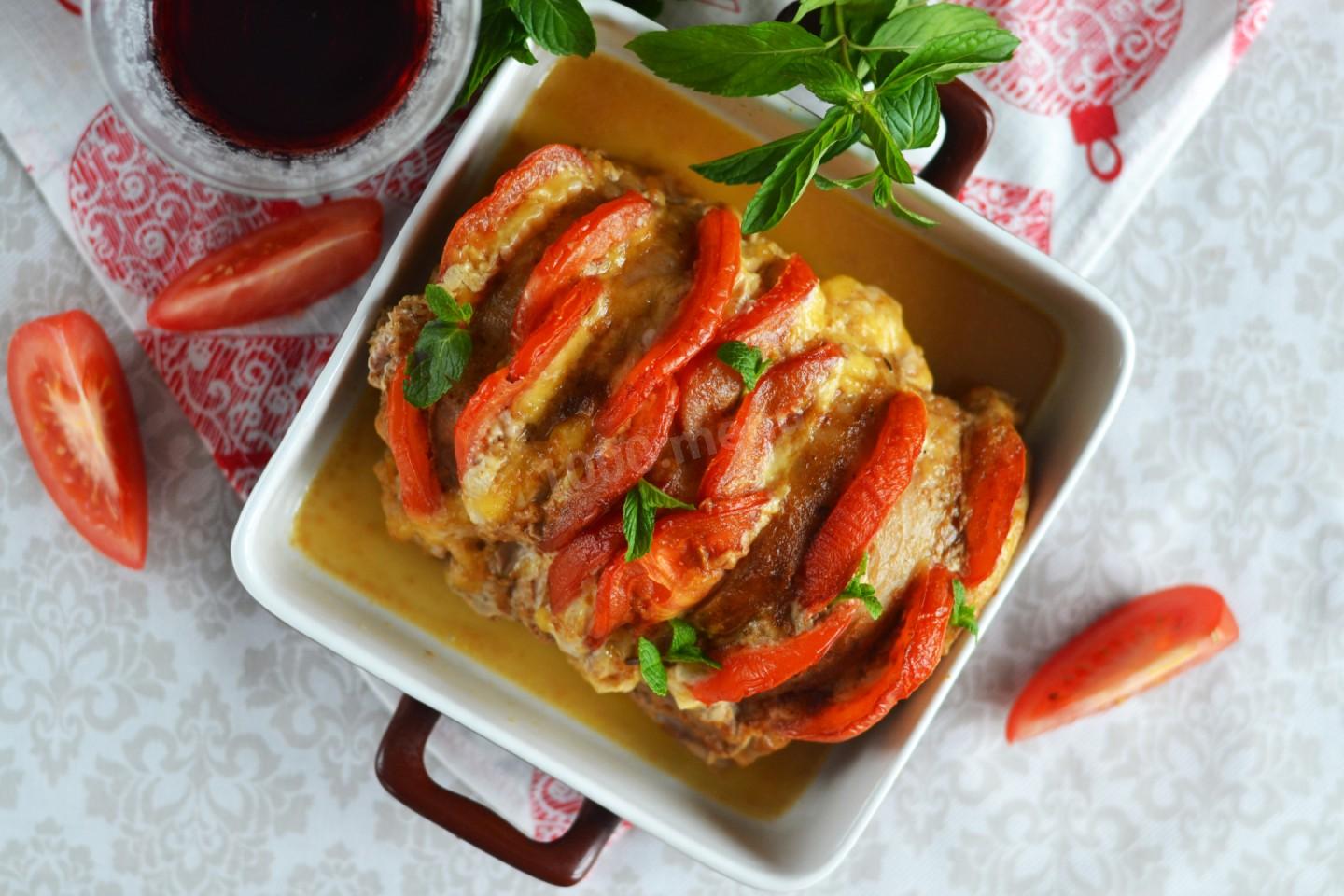
Tender and juicy, under the most delicious marinade! If you've never tried a pork "accordion" — a roast slit like a Hasselback and stuffed with tomatoes and other vegetables or fruit — this is a great recipe to start with. The eye-catching presentation and bright colors of the finished dish will draw every guest to it, without exception.

Cooking method
-
Step 1:
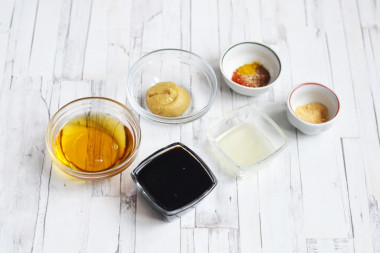
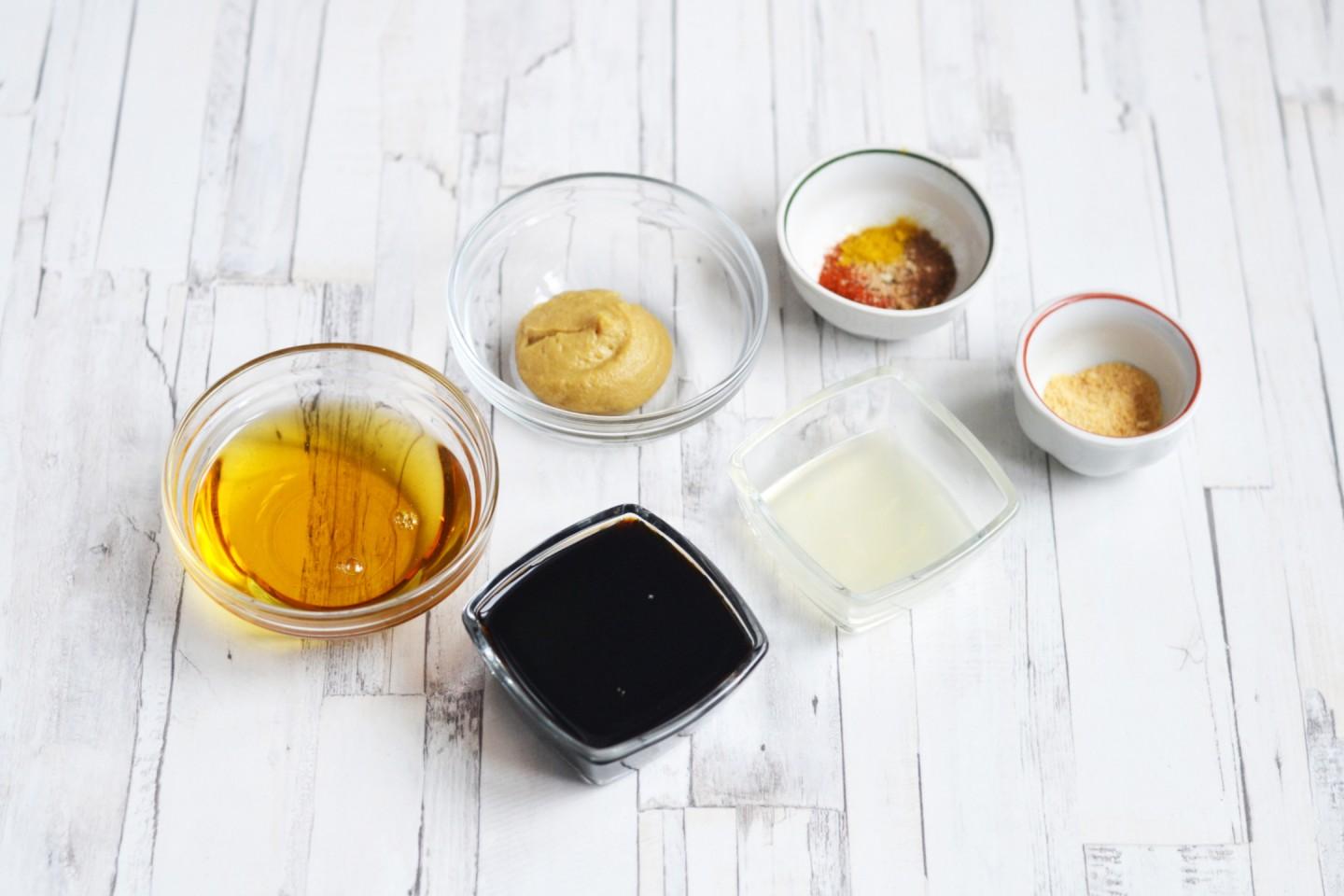
How do you make a pork Hasselback roast? Start by preparing the marinade. You can replace the garlic powder with 2 cloves of fresh garlic pressed through a garlic press. Besides the listed ingredients, you can also add 1–2 tablespoons of tomato paste or ketchup.
-
Step 2:
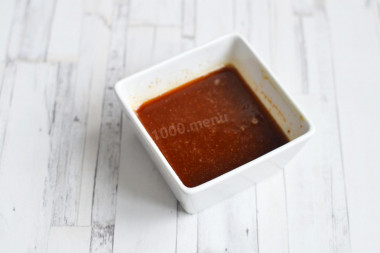
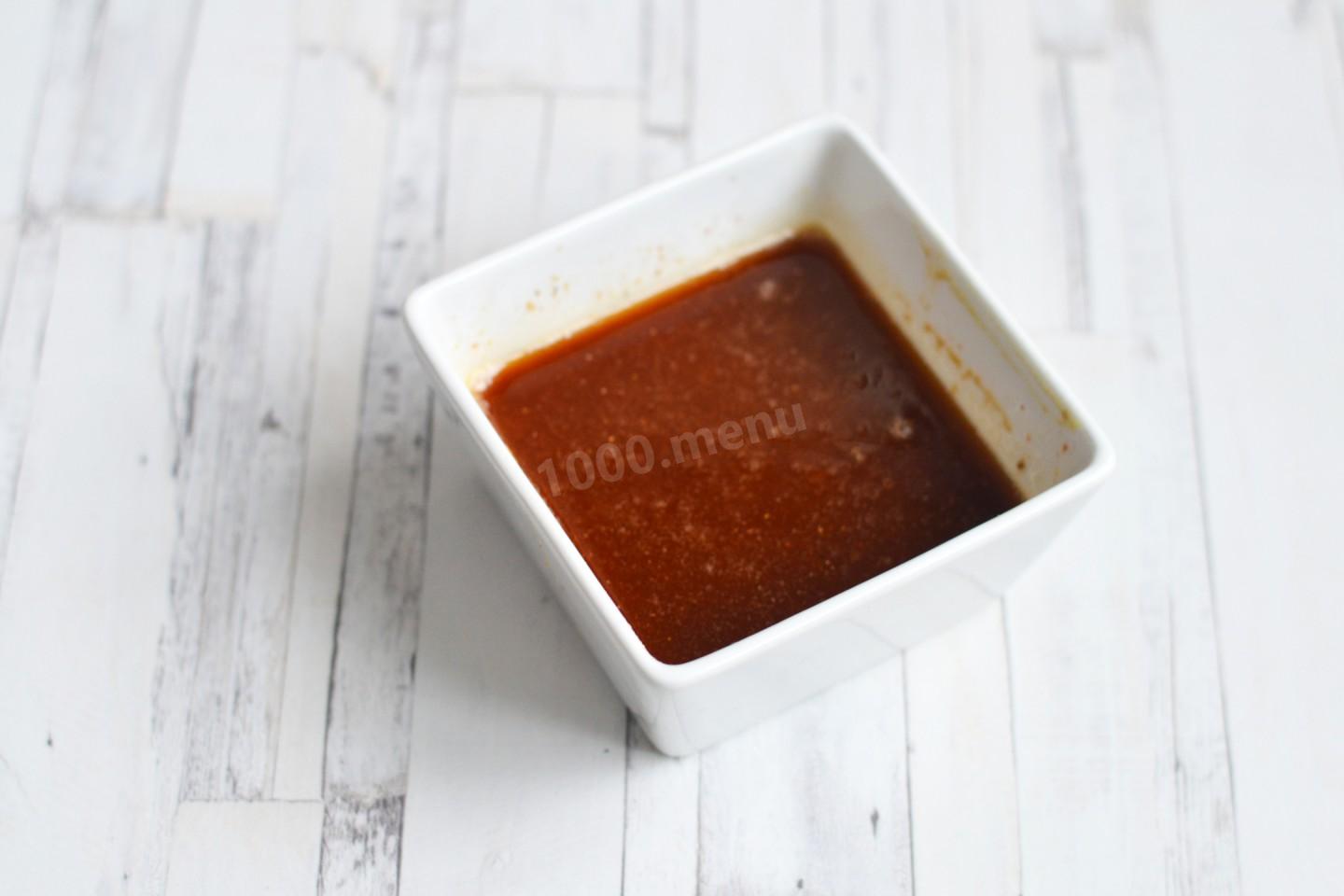
In a bowl, combine the soy sauce, olive oil, lemon juice, garlic powder, mustard, and spices. Stir until smooth. If you're using a store-bought spice blend, be sure to read the label — these often already contain ground pepper, so keep that in mind or you may over-pepper the dish. There's no need to add salt either, since the soy sauce takes care of it.
-
Step 3:
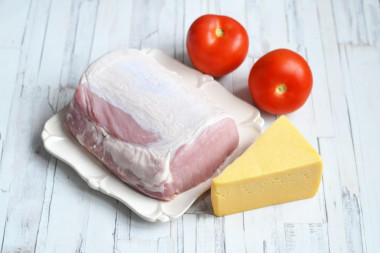
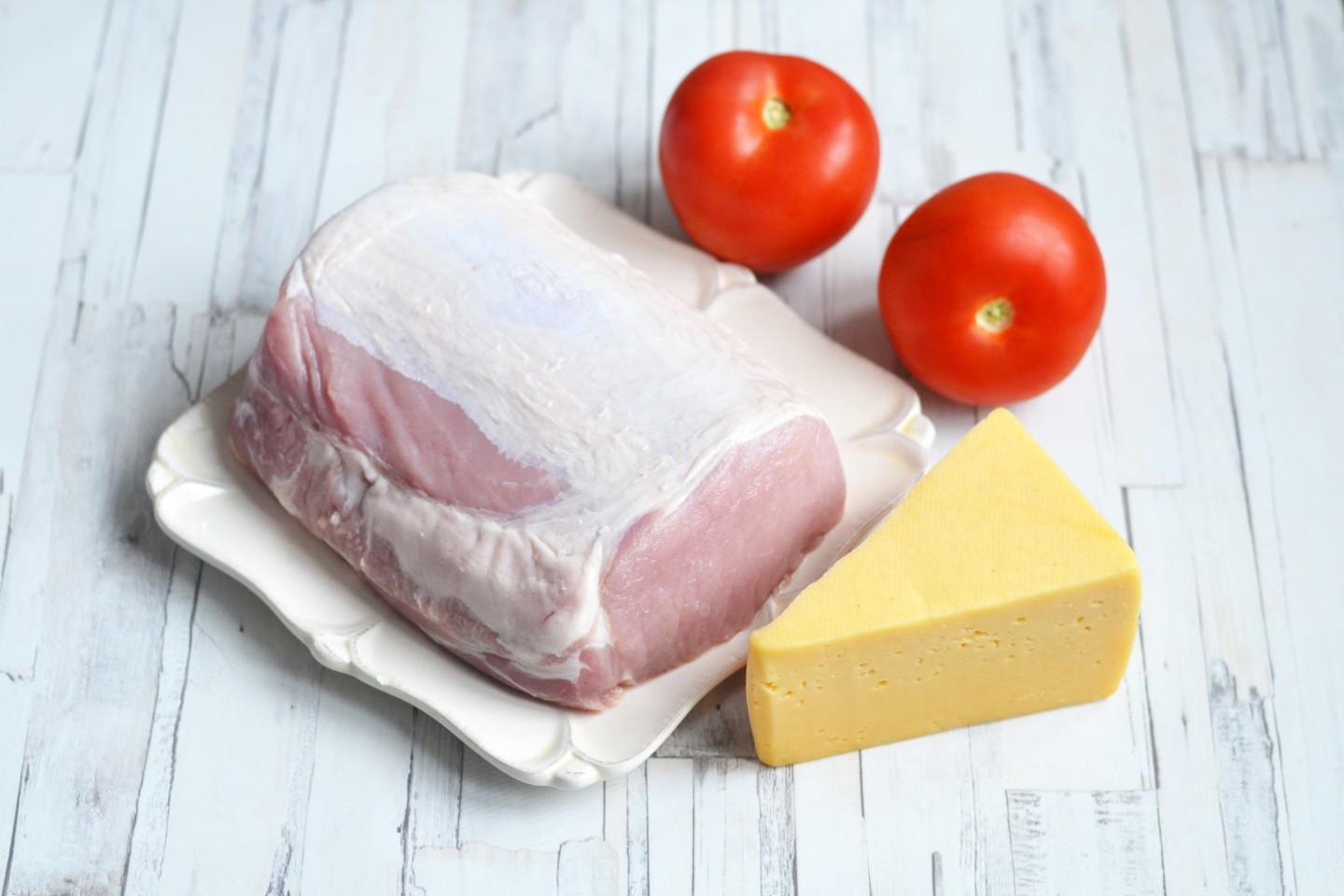
Now prep the rest of the ingredients. Use tomatoes that are ripe but firm, so they don't fall apart when sliced or baked. Any cheese you like works: a regular mild cheese or even low-moisture (pizza) mozzarella.
-
Step 4:
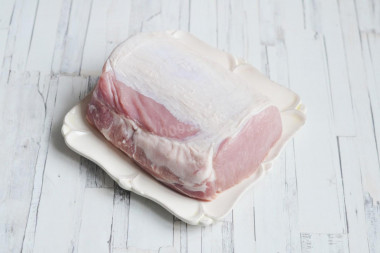
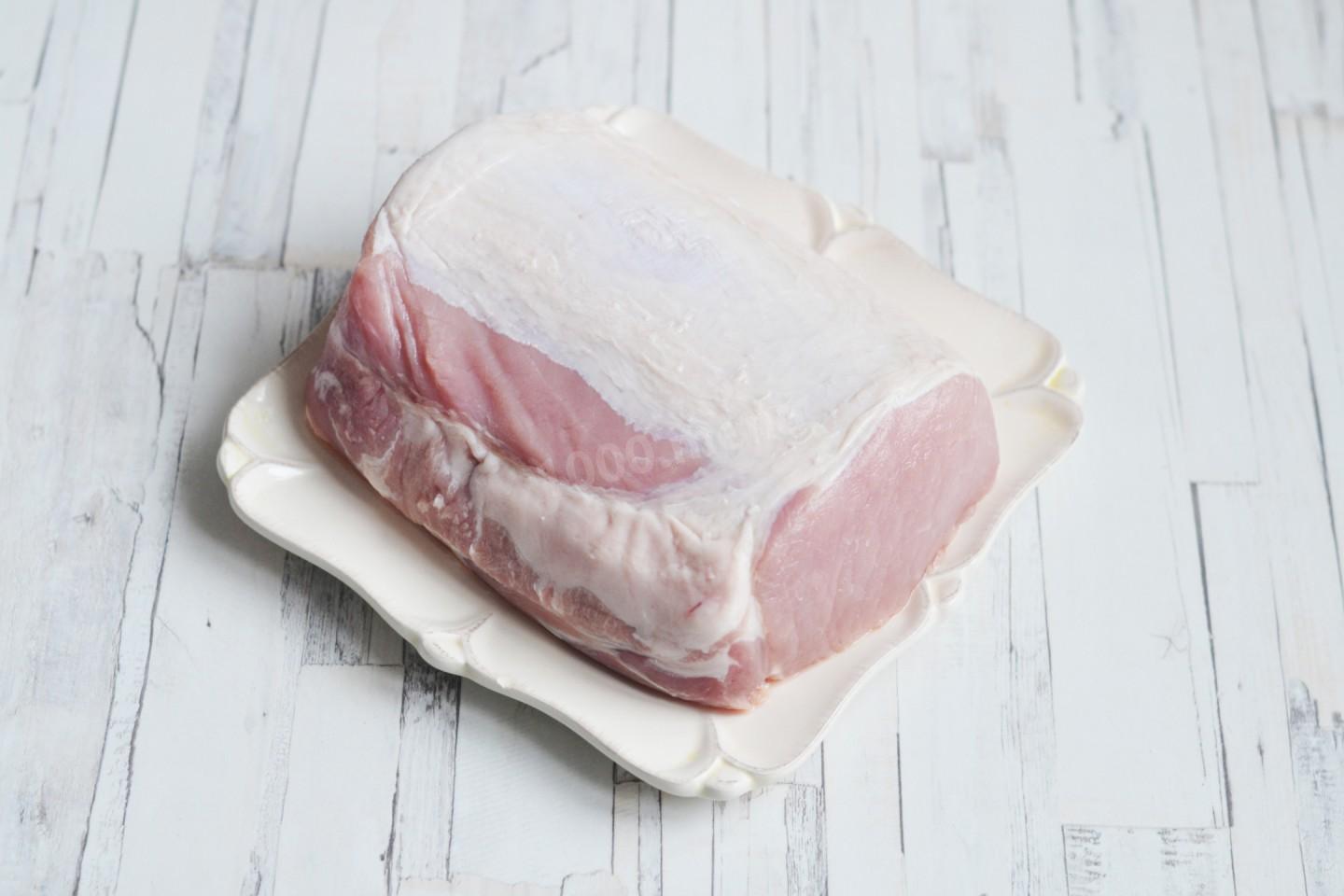
Rinse the piece of pork and pat it dry with paper towels. For fattier, juicier meat, use pork neck (collar); for a more moderate amount of fat, boneless loin works well.
-
Step 5:
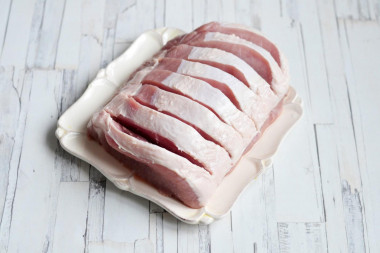
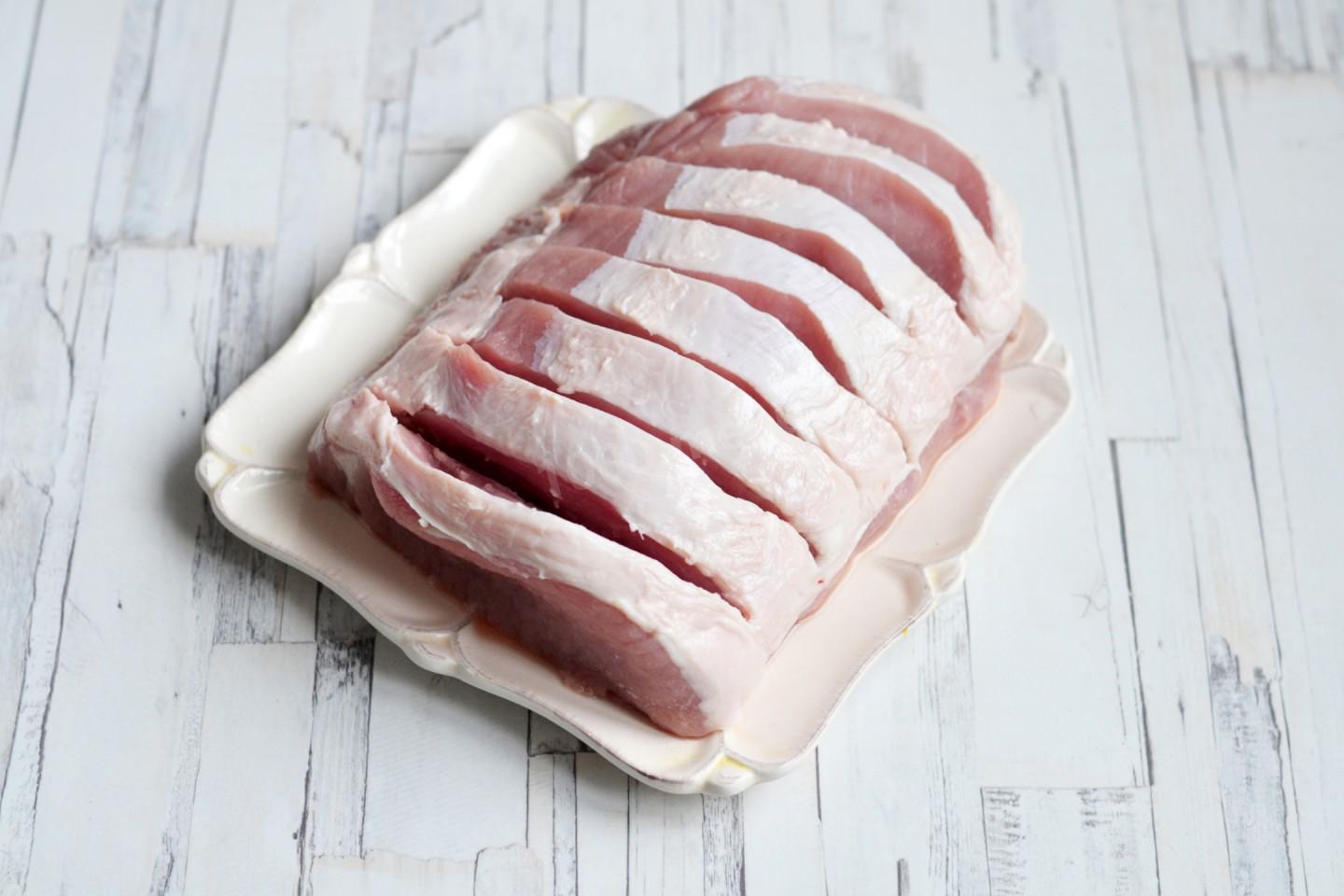
Make deep crosswise cuts about every 1/2 inch (1 cm), stopping about 1/2 inch (1 cm) from the bottom so the roast stays connected.
-
Step 6:
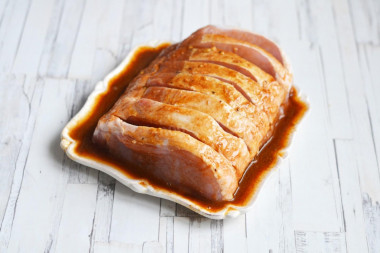
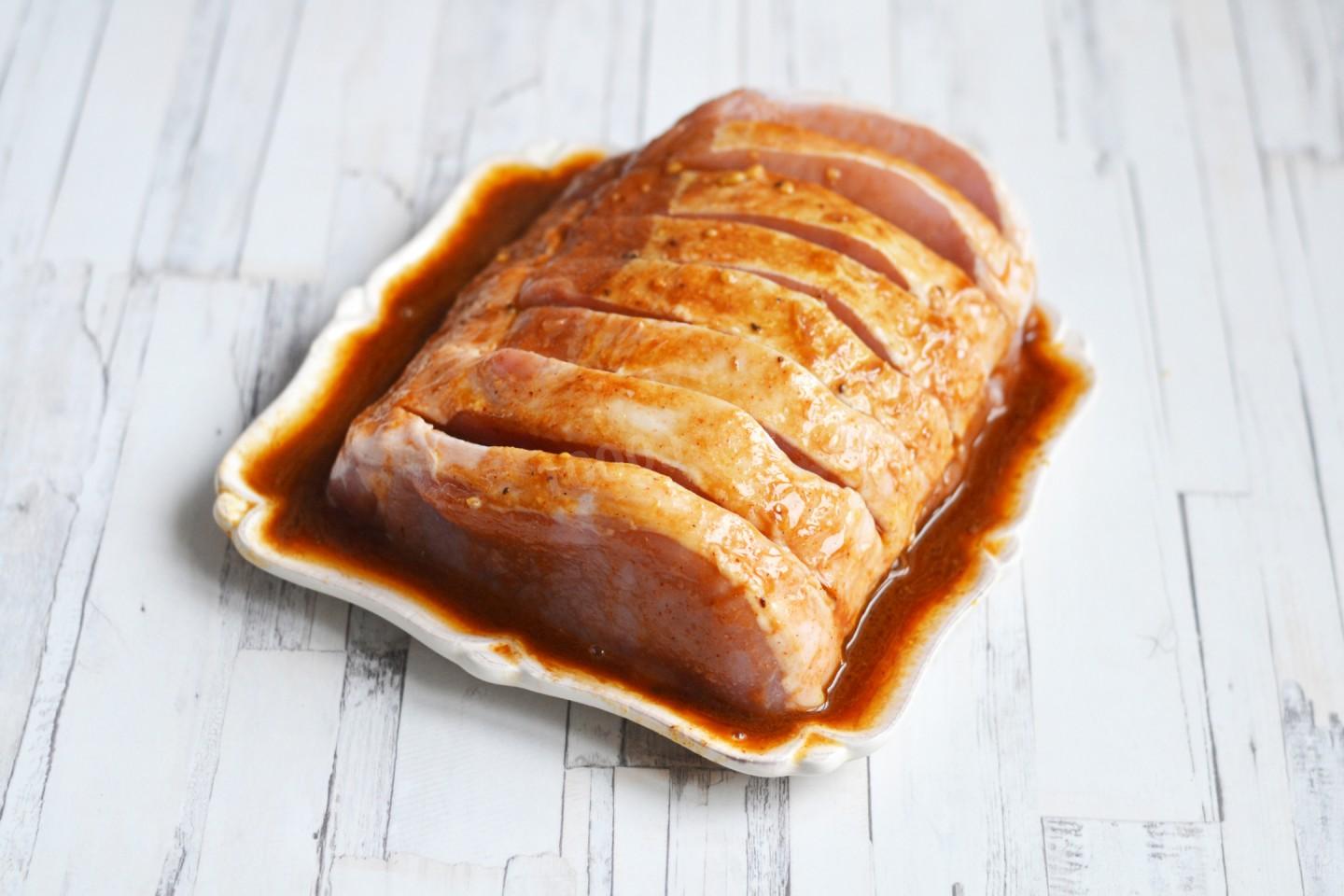
Brush the pork all over — outside and inside the cuts — with the marinade you made. If you have a lot of marinade left, put the meat in a deep bowl and pour it over. Let the meat marinate overnight in the refrigerator. If you're short on time, an hour to an hour and a half at room temperature is enough.
-
Step 7:
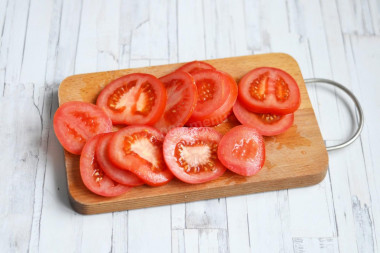
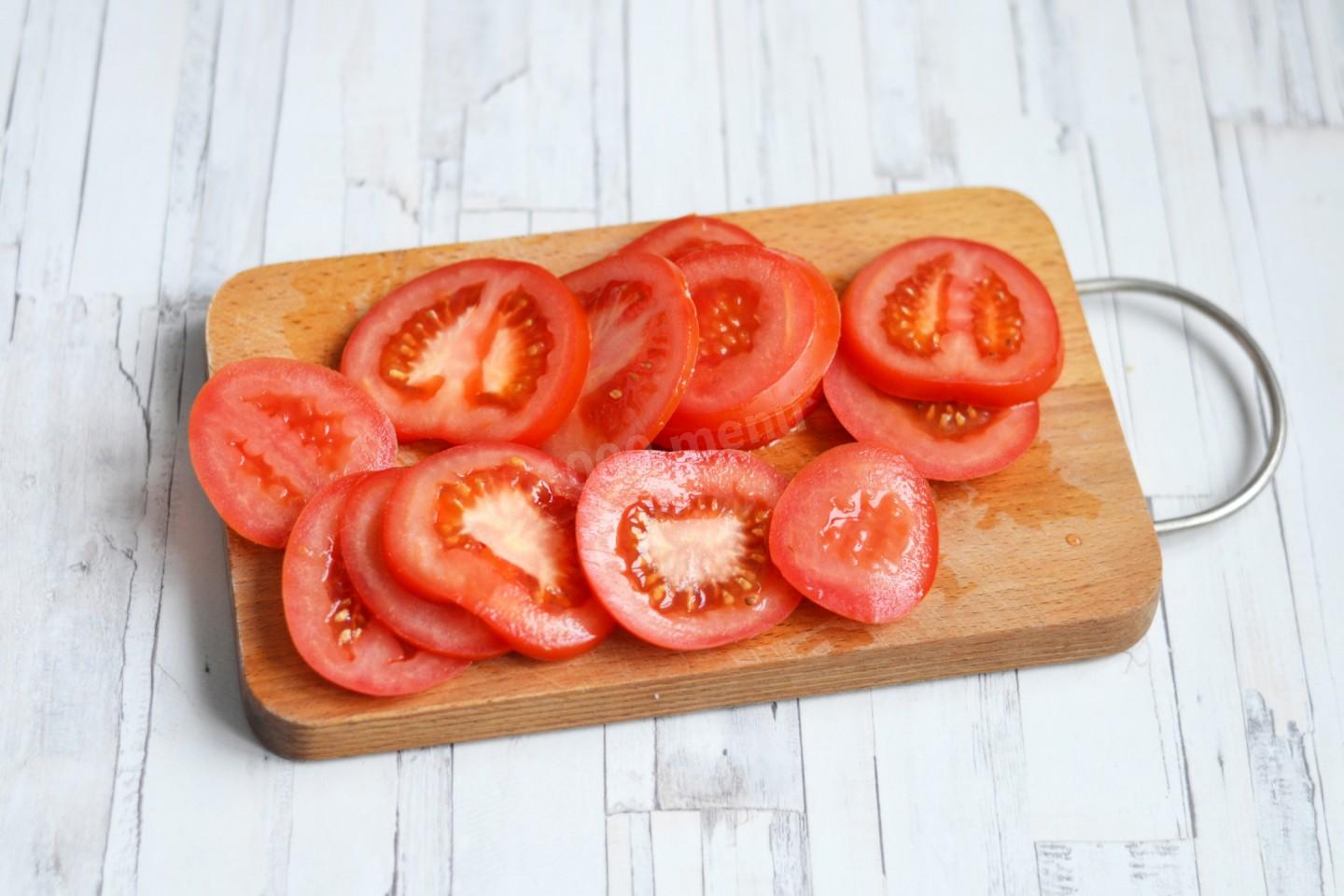
While the pork marinates, cut the tomatoes into thin rounds.
-
Step 8:
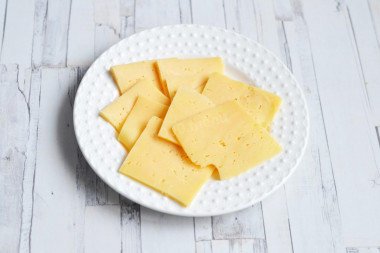
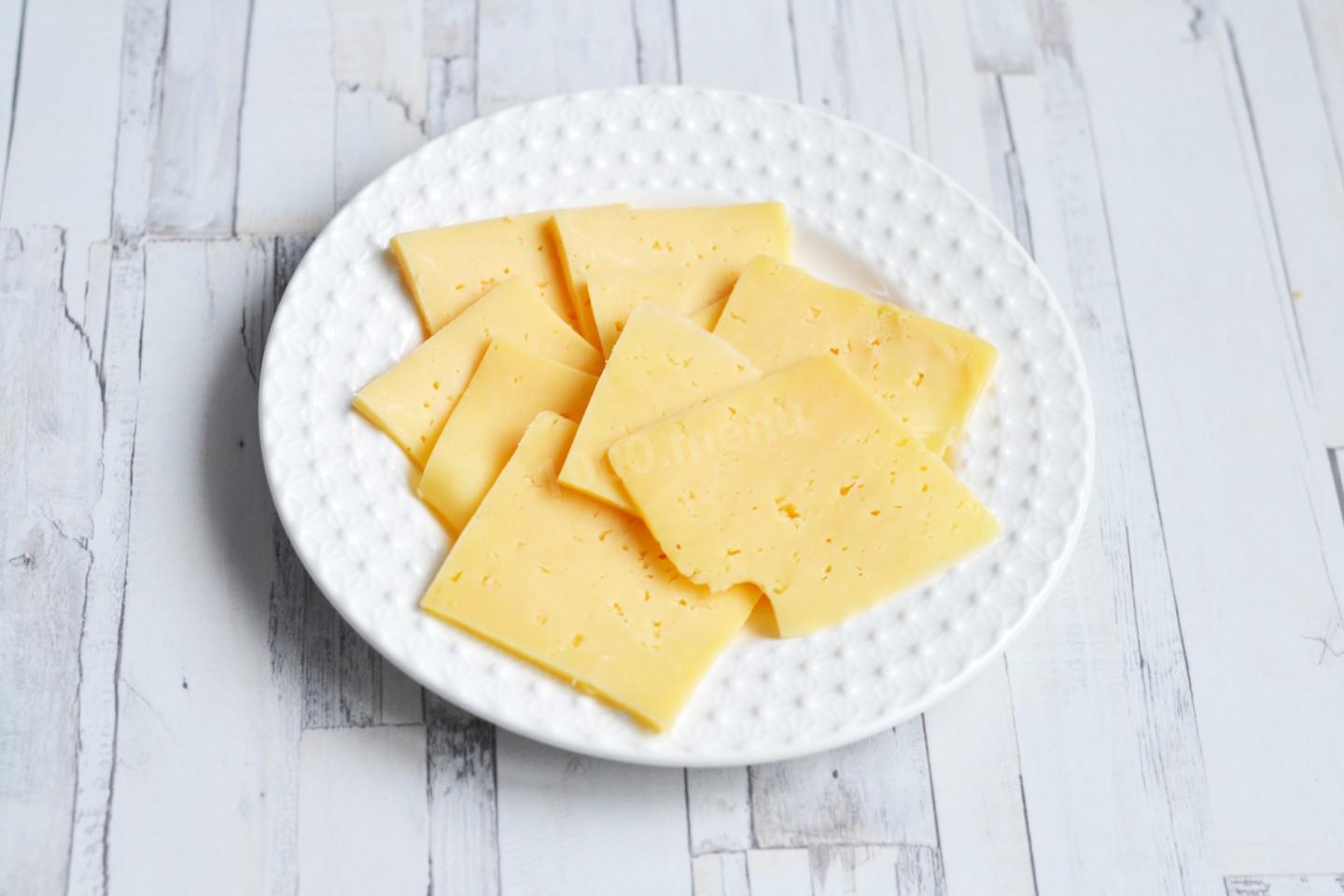
Cut the cheese into thin slices.
-
Step 9:
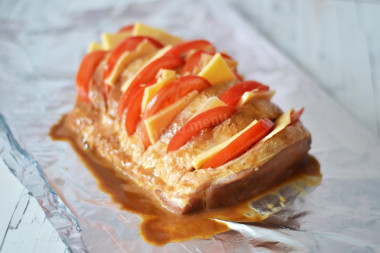
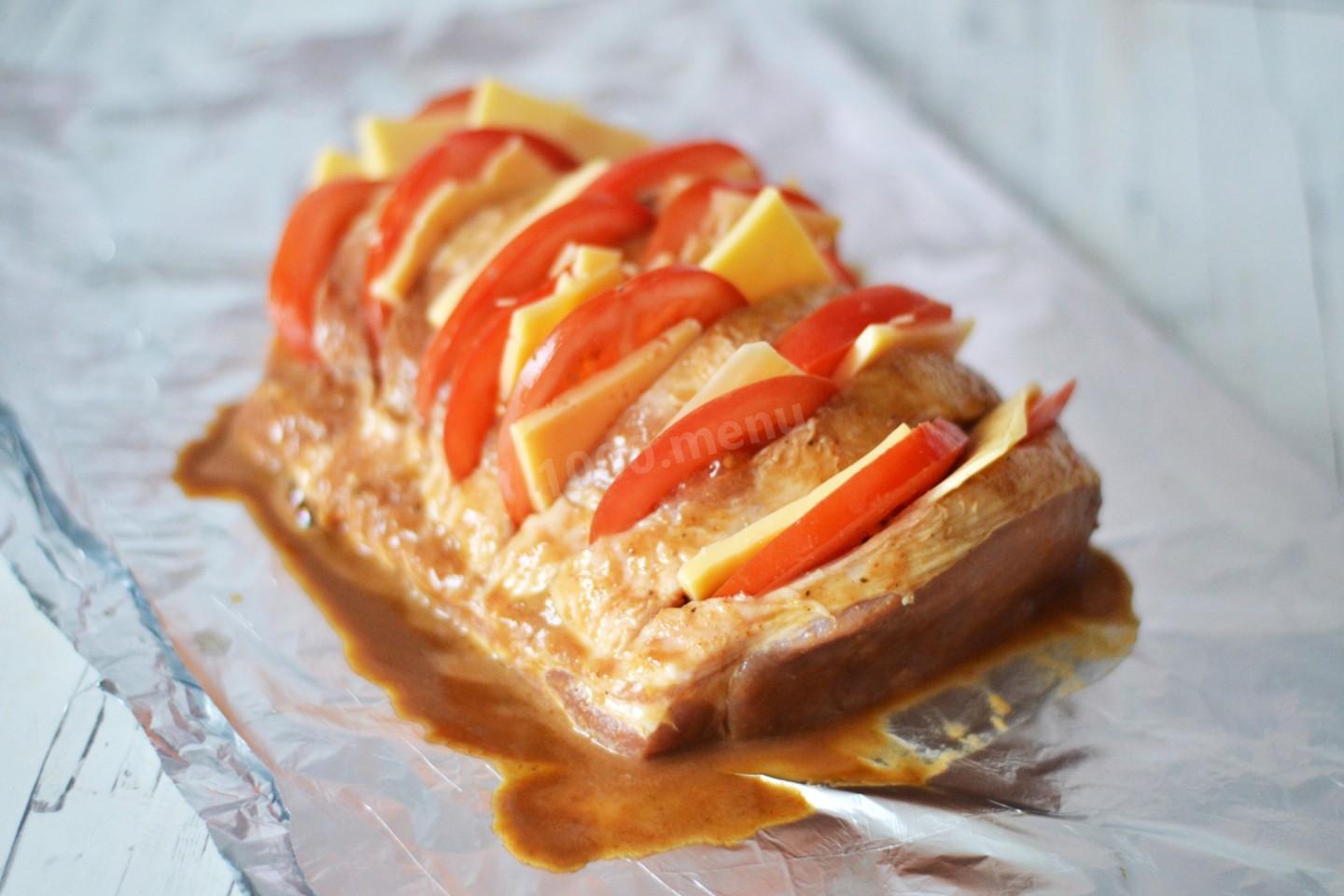
Set the scored pork on a double layer of foil. Into each cut, tuck 1–2 tomato rounds and 1–2 cheese slices.
-
Step 10:
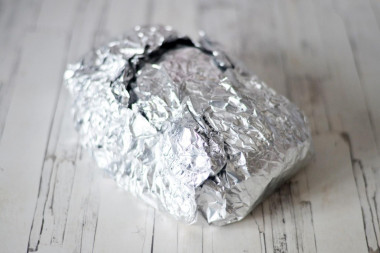
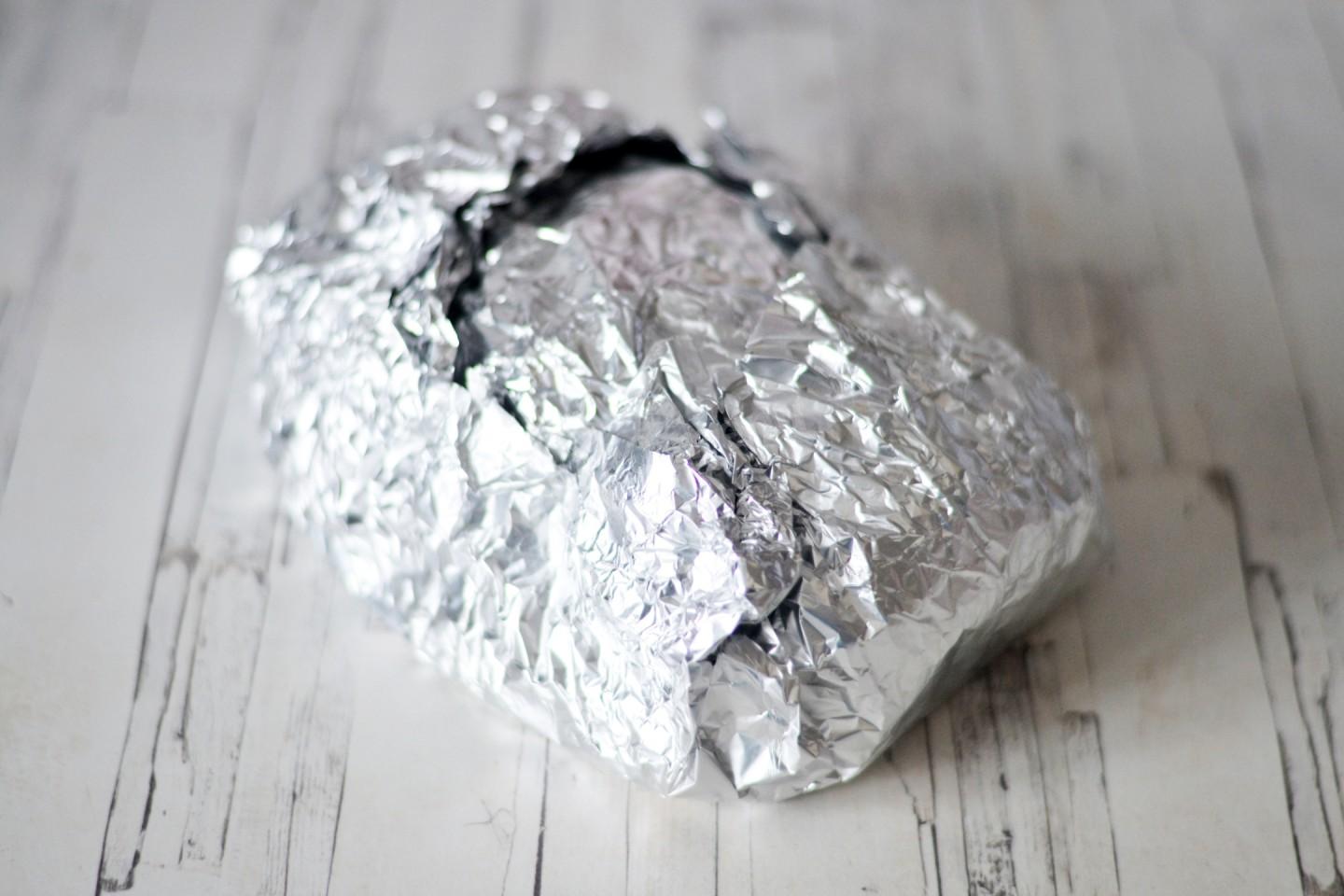
Wrap the meat in the foil and turn the edges up so the meat juices don't leak out during baking.
-
Step 11:
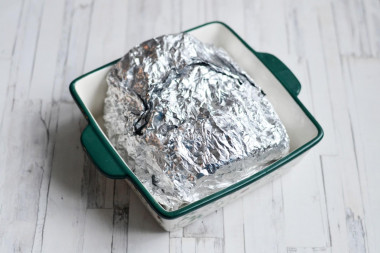
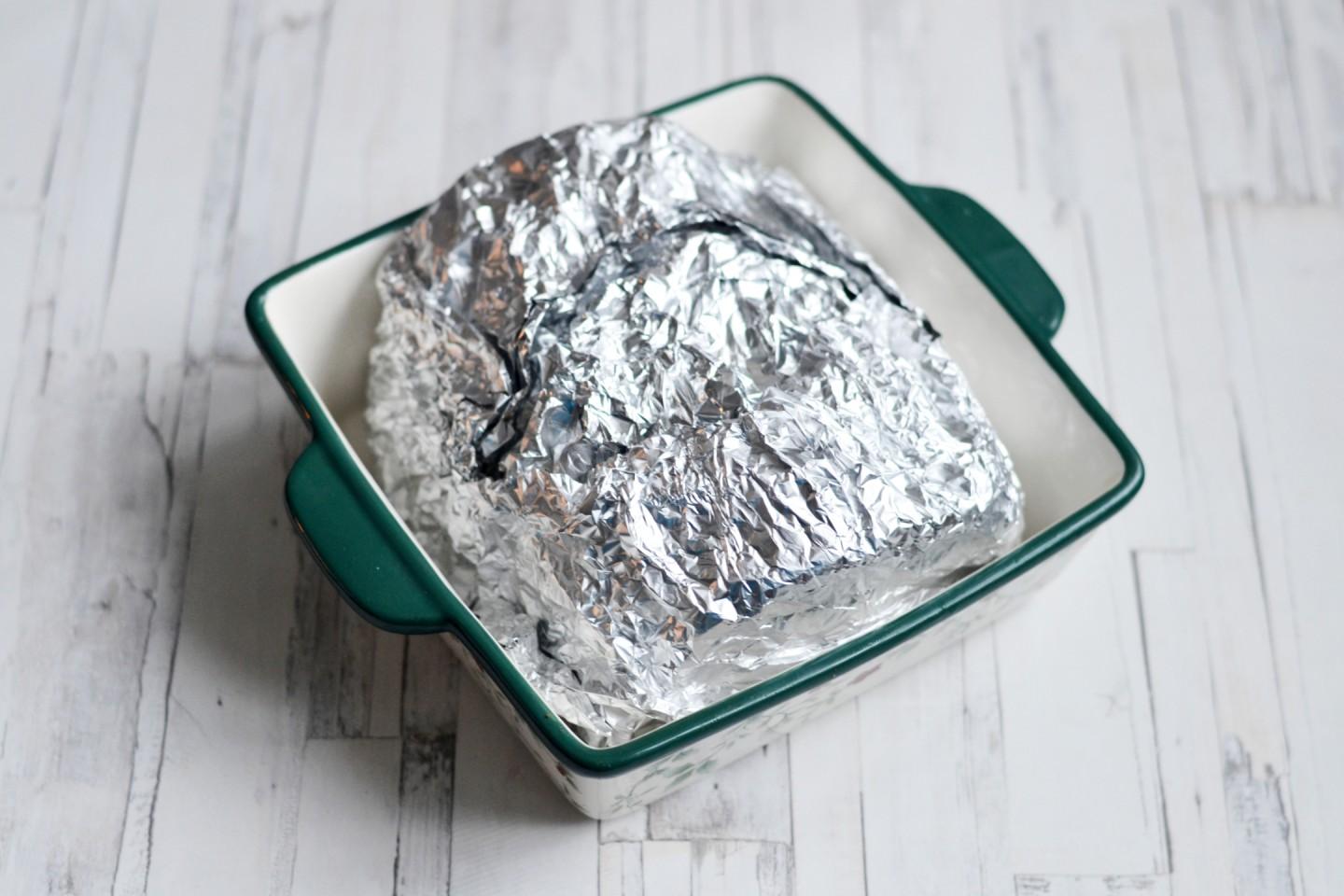
Place the foil-wrapped pork in a baking dish of the right size. I use a dish snug enough that the meat sits tightly and holds its shape while baking.
-
Step 12:
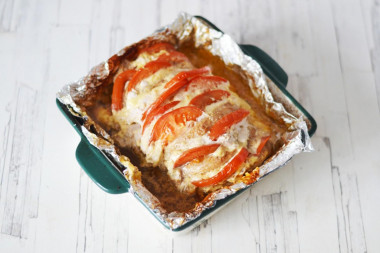
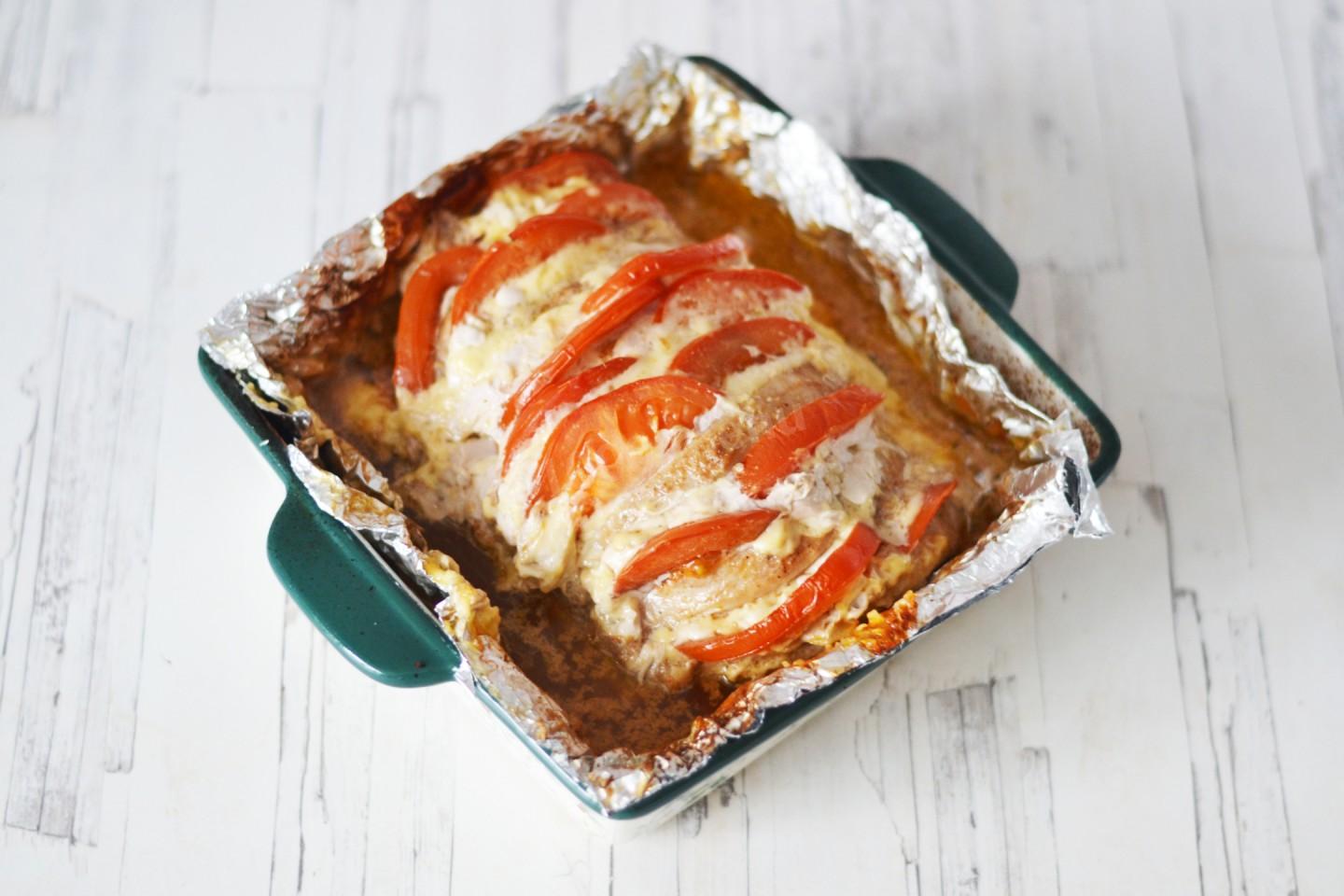
Bake the pork Hasselback in an oven preheated to 375°F (190°C) for about 50 minutes. Then open up the foil and return the meat to the oven for another 20 minutes or so, until the surface turns golden. The exact time depends on your oven, so keep an eye on it.
-
Step 13:
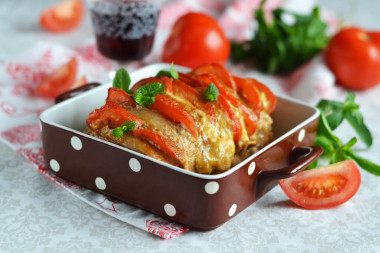
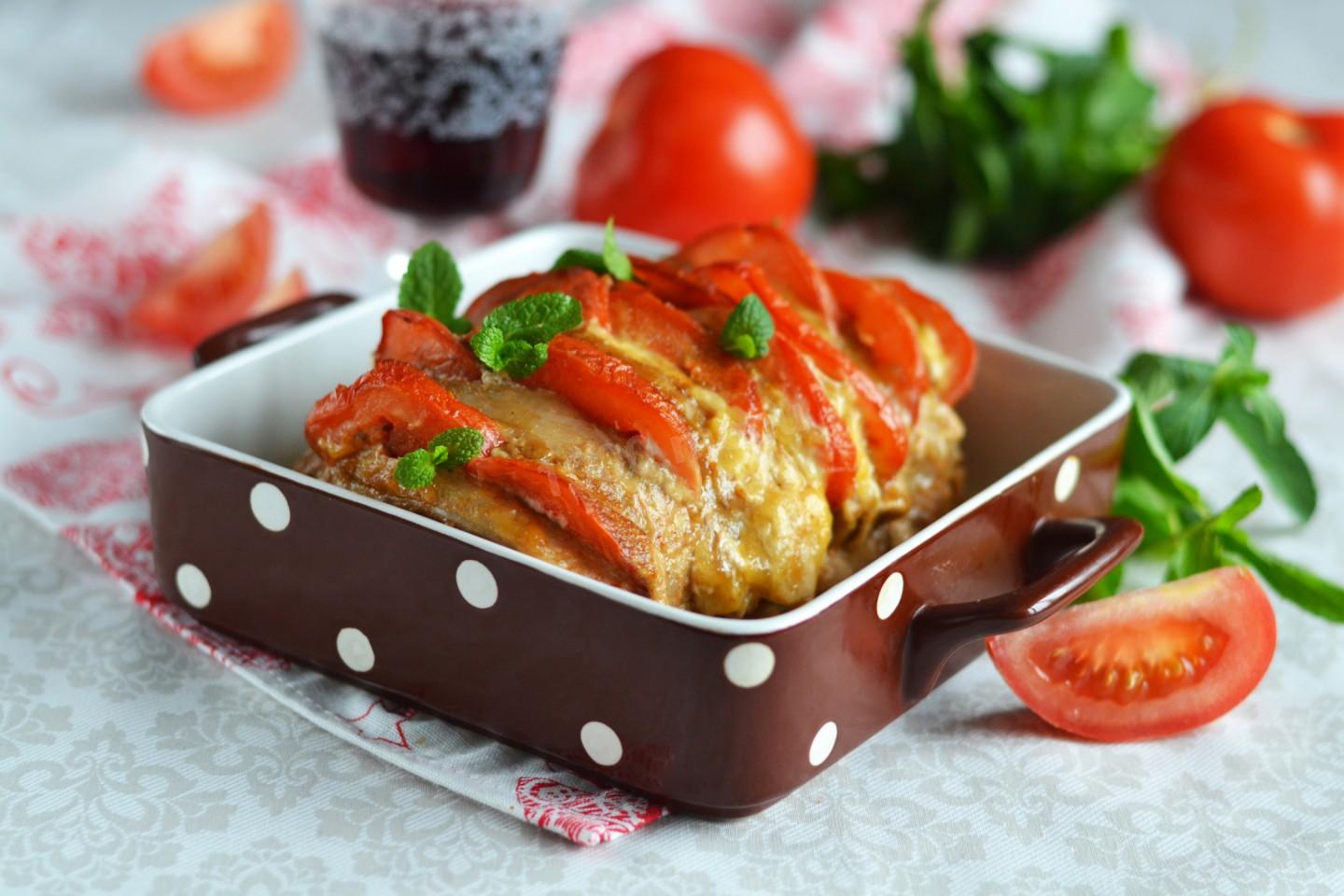
The pork Hasselback roast is ready. Transfer it to a platter, garnish with fresh herbs, and serve. Enjoy!
- Everyone's tolerance for salt, sweetness, tang, and heat is different, so always adjust the spices and seasonings to your own taste. If you're using a seasoning for the first time, keep in mind that some are easy to overdo — chili pepper, for one.
- Remember that every oven is different. The temperature and cooking time may vary from what's given in the recipe, so watch your roast and adjust as needed.
Caloric content of the products possible in the composition of the dish
- Tomatoes - 23 kcal/100g
- Pork fat - 333 kcal/100g
- Pork meat - 357 kcal/100g
- Pork - low-fat roast - 184 kcal/100g
- Pork chop on a bone - 537 kcal/100g
- Pork - schnitzel - 352 kcal/100g
- Pork Shoulder - 593 kcal/100g
- Boar's leg - 113 kcal/100g
- Pork - 259 kcal/100g
- Dutch cheese - 352 kcal/100g
- Swiss cheese - 335 kcal/100g
- Russian cheese - 366 kcal/100g
- Kostroma cheese - 345 kcal/100g
- Yaroslavsky cheese - 361 kcal/100g
- Altai cheese 50% fat content - 356 kcal/100g
- Soviet cheese - 400 kcal/100g
- Cheese 'steppe' - 362 kcal/100g
- Uglichsky cheese - 347 kcal/100g
- Poshekhonsky cheese - 350 kcal/100g
- Lambert cheese - 377 kcal/100g
- Appnzeller cheese with 50% fat content - 400 kcal/100g
- Chester cheese with 50% fat content - 363 kcal/100g
- Edamer cheese with 40% fat content - 340 kcal/100g
- Cheese with mushrooms of 50% fat content - 395 kcal/100g
- Emmental cheese with 45% fat content - 420 kcal/100g
- Gouda cheese with 45% fat content - 356 kcal/100g
- Aiadeus cheese - 364 kcal/100g
- Dom blanc cheese (semi-hard) - 360 kcal/100g
- Lo spalmino cheese - 61 kcal/100g
- Cheese 'etorki' (sheep, hard) - 401 kcal/100g
- White cheese - 100 kcal/100g
- Fat yellow cheese - 260 kcal/100g
- Altai cheese - 355 kcal/100g
- Kaunas cheese - 355 kcal/100g
- Latvian cheese - 316 kcal/100g
- Limburger cheese - 327 kcal/100g
- Lithuanian cheese - 250 kcal/100g
- Lake cheese - 350 kcal/100g
- Gruyere cheese - 396 kcal/100g
- Ground black pepper - 255 kcal/100g
- Mustard canteen - 417 kcal/100g
- Mustard - 417 kcal/100g
- Soy sauce - 51 kcal/100g
- Spices dry - 240 kcal/100g
- Lemon juice - 16 kcal/100g
- Olive oil - 913 kcal/100g
- Garlic powder - 331 kcal/100g
Similar recipes



- Festive table
- Homemade dinner
- Kitchen utensils
- Second course
- Meat and meat products
- Semi-finished products
- Cheese
- Vegetables
- Spices seasonings spices
- Fats and oils
- Other
- Garlic
- Mustard
- Pepper
- Dry spices
- Recipes in foil
- Vegetable oil
- From juice
- Frying
- Oven roasting
- Marinating
- Meat second course
- New Year recipes
- Recipes for March 8
- Dishes for men holidays
- Meat in the oven
- Pork
- Sauce
- Made of solid cheese
- Romantic dinner
- Vegetables in the oven
- From tomato
- No eggs
- Recipes for lean dishes without butter