Beef Medallions
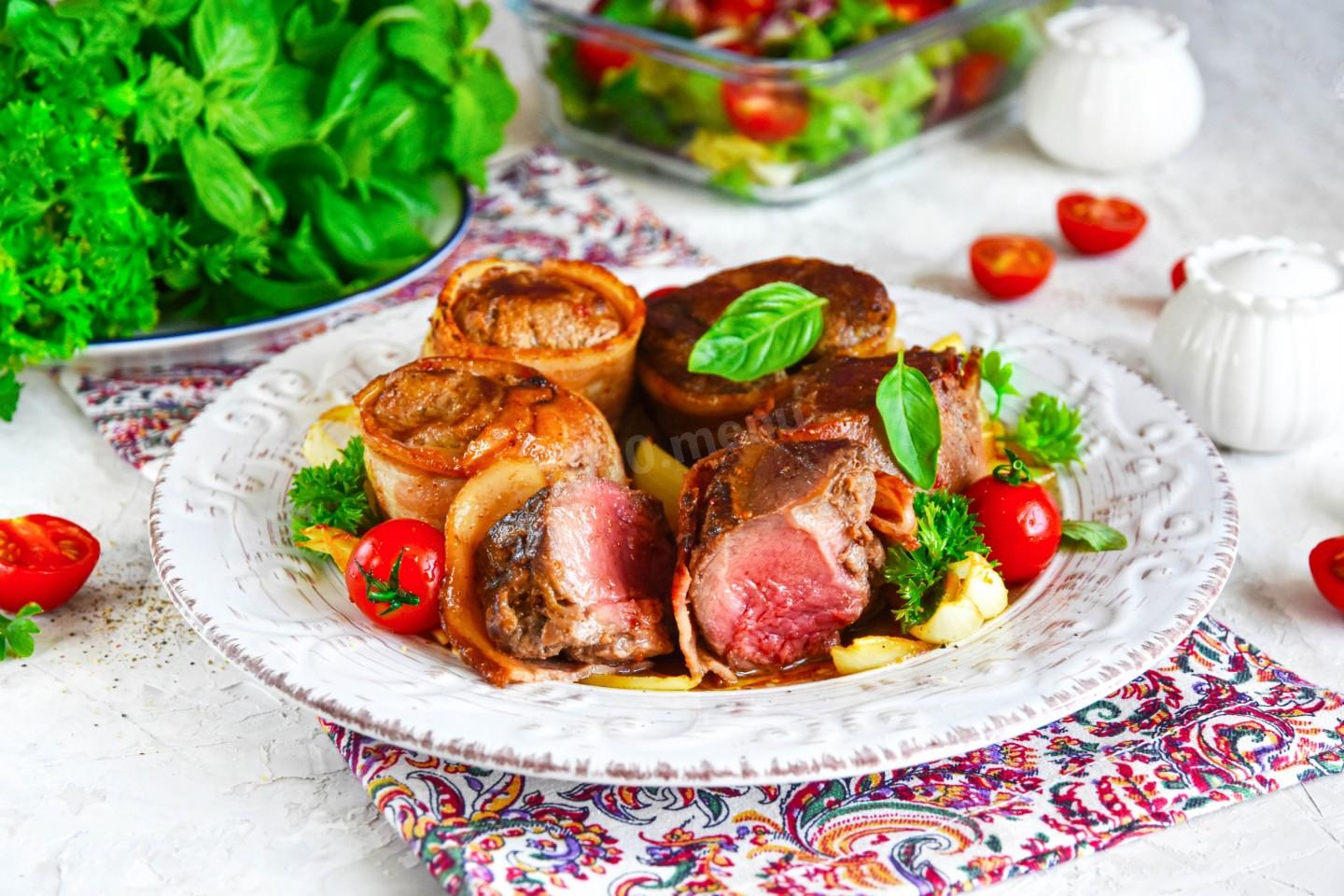
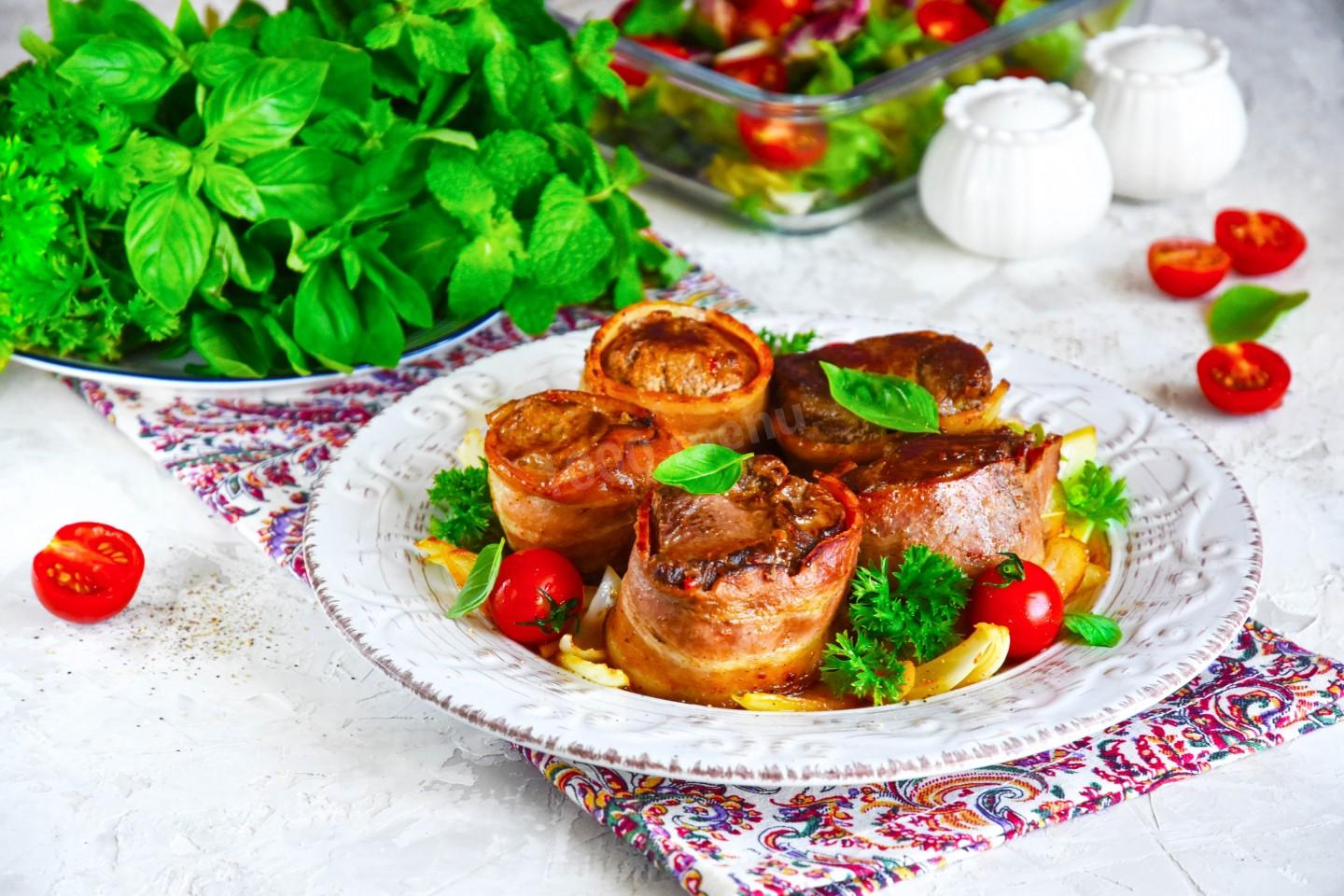
Juicy, tender, melt-in-your-mouth — quick, easy, and delicious! Beef medallions are a wonderful dish that never goes unnoticed. The bacon lends the meat an inviting smoky flavor and aroma. Serve them with a fresh vegetable salad or any side you like. Great for holidays and family dinners alike!


Cooking method
-
Step 1:
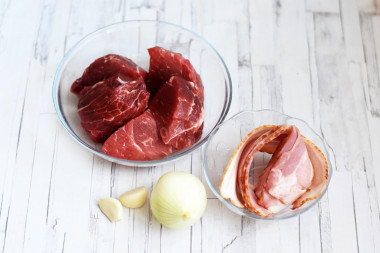
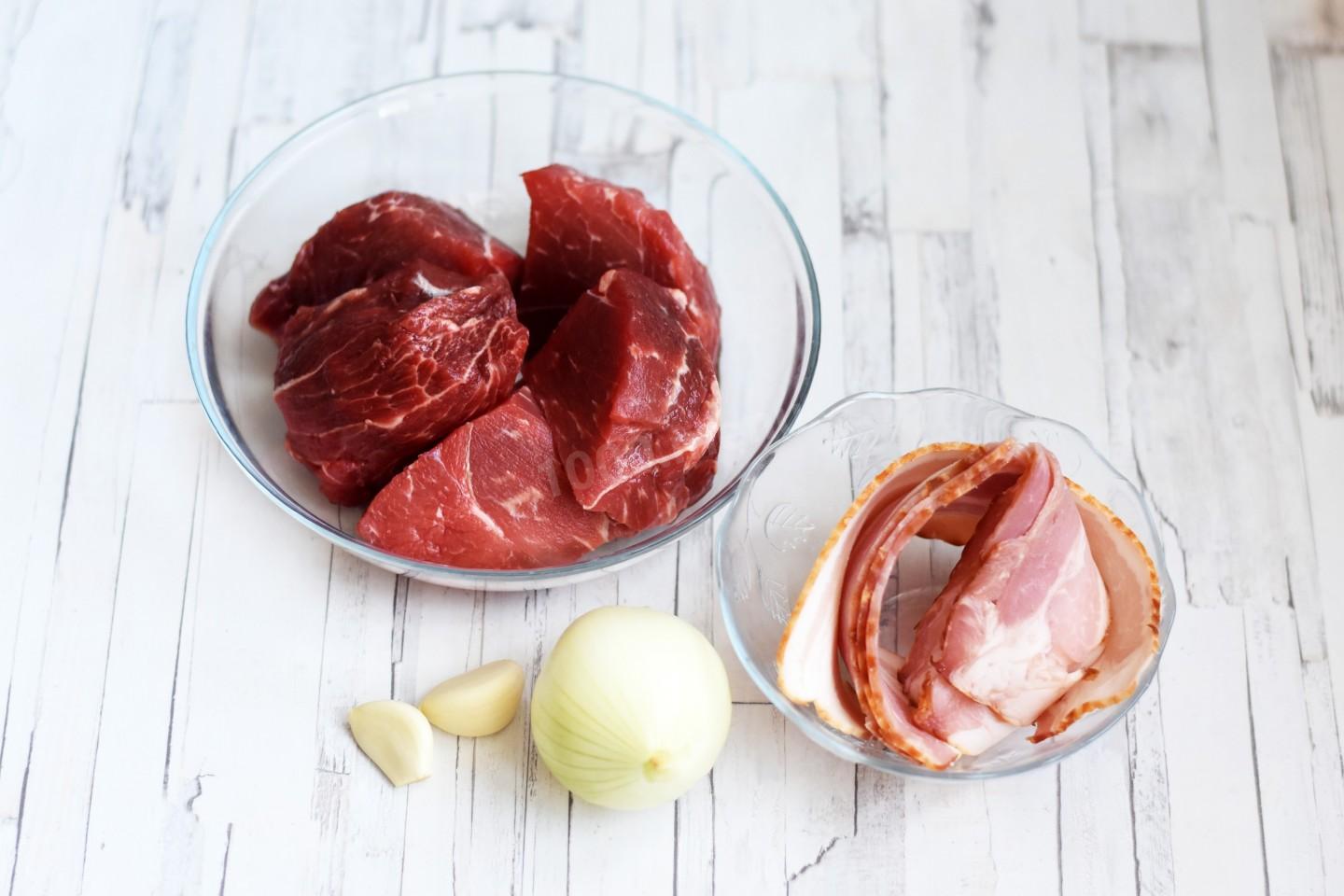
How do you make delicious, juicy beef medallions? First, gather the ingredients from the list. Beef tenderloin is the best cut for medallions, but if you don't have it, meat from other parts of the carcass will work too — just make sure it has no large, tough sinews. For the bacon, use dry-cured or cooked-smoked, cut into long thin strips.
-
Step 2:
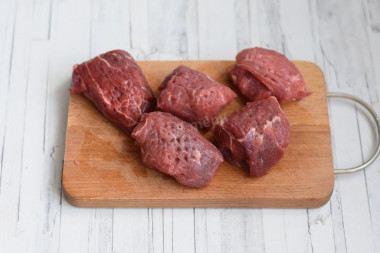
Wash the beef tenderloin, pat it dry, and cut it crosswise into pieces about 1 1/4 inches (3 cm) thick. If you're working with a regular piece of meat, cut it into long strips and slice each strip into medallions. Lay the medallions between sheets of plastic wrap and pound each one lightly on both sides.
-
Step 3:
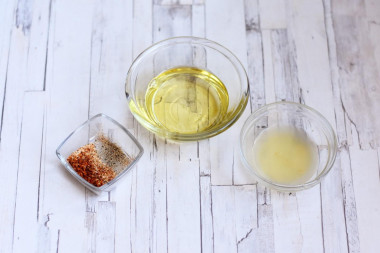
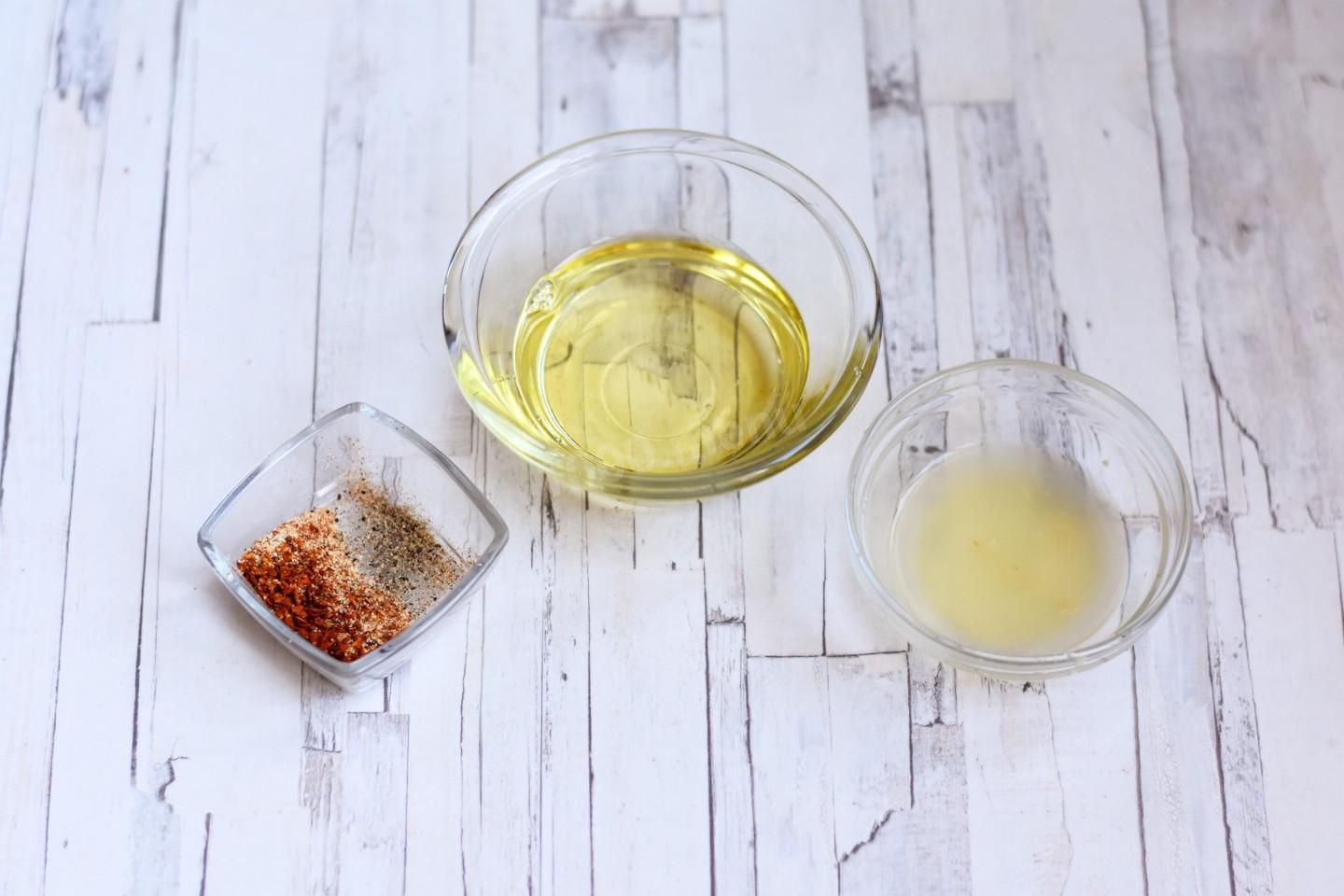
Now gather the ingredients for the marinade. Feel free to swap or add to these to taste. For example, add wine or apple cider vinegar (especially if your meat is on the tougher side), use orange juice instead of lemon, add fresh or dried herbs (thyme, rosemary, and so on), sprinkle in ground ginger, and so on.
-
Step 4:
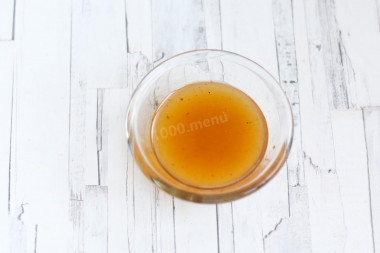
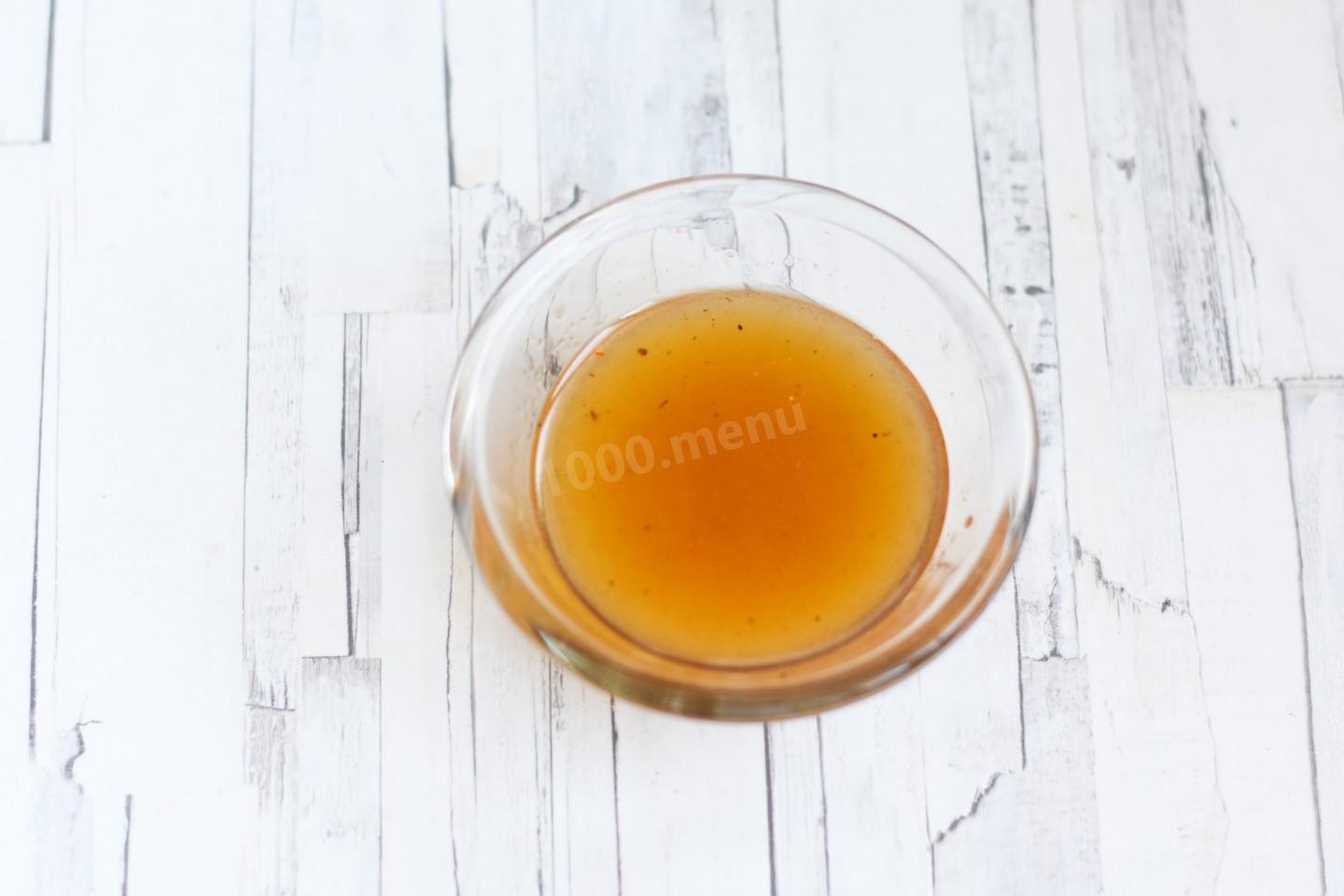
In a bowl, combine the vegetable oil, lemon juice, meat spices, and pepper. Don't add any salt to the marinade — salt draws out the juices and dries the meat. Season the medallions with salt at the very end, once they've formed a golden crust.
-
Step 5:
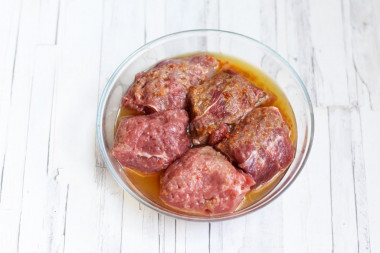
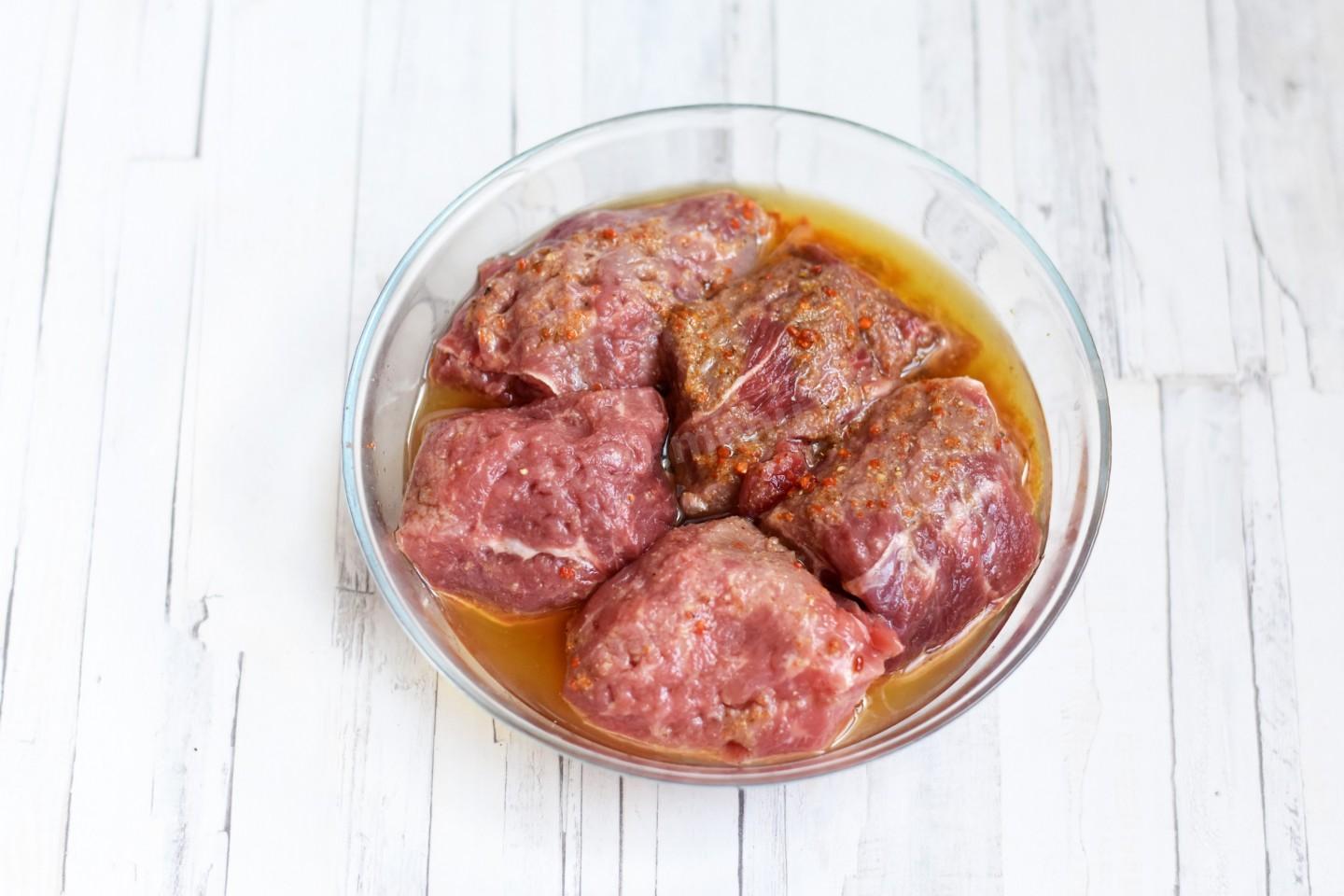
Pour the marinade over the medallions. Let them marinate at room temperature for 1 hour.
-
Step 6:
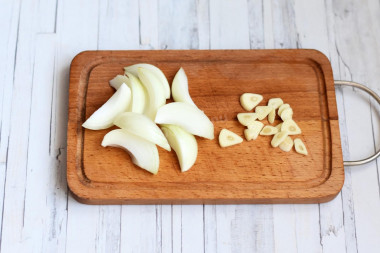
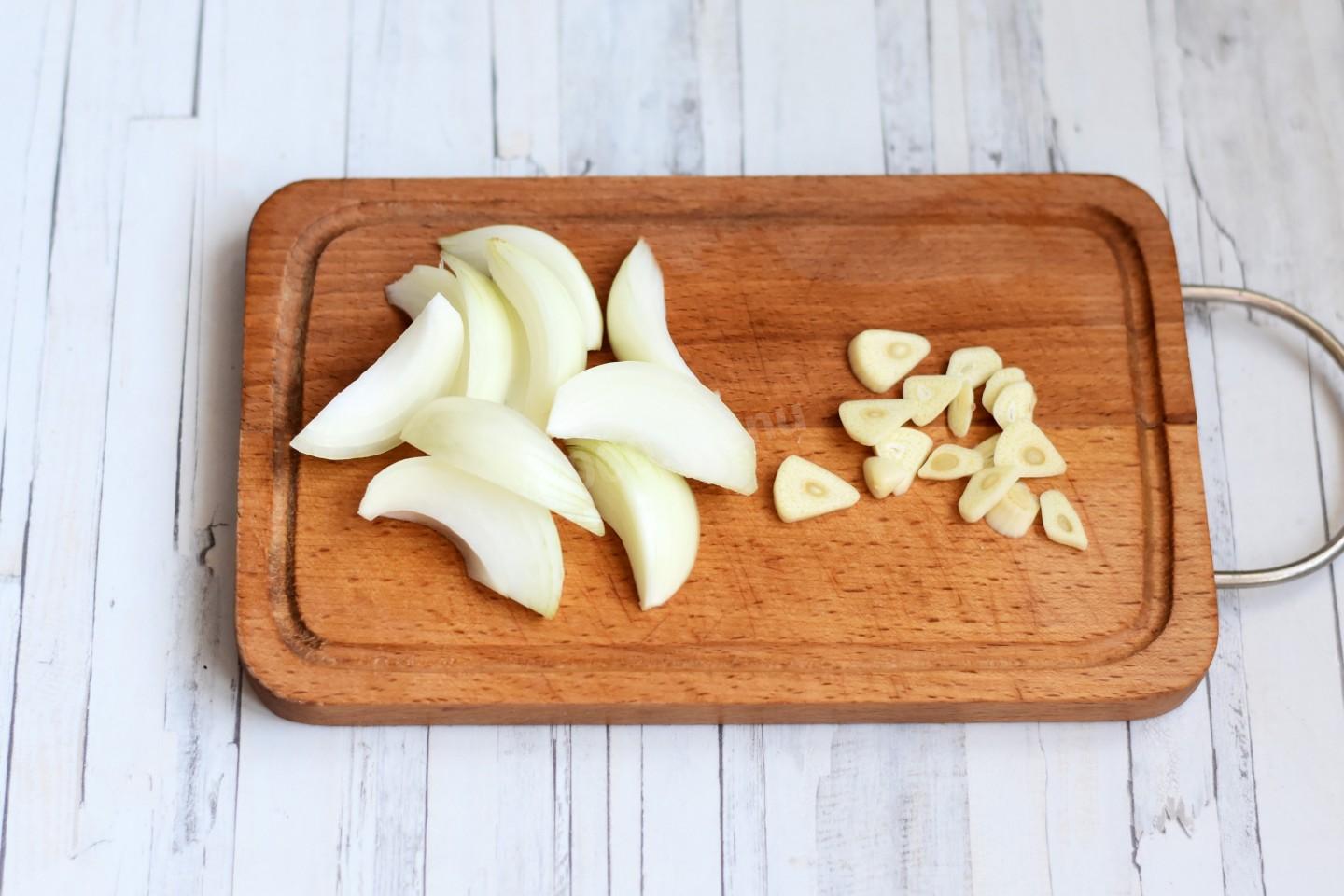
While the meat marinates, prep the vegetables. Cut the onion into wedges and slice the garlic into rounds.
-
Step 7:
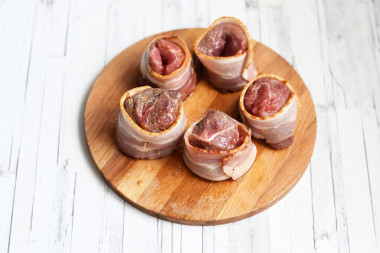
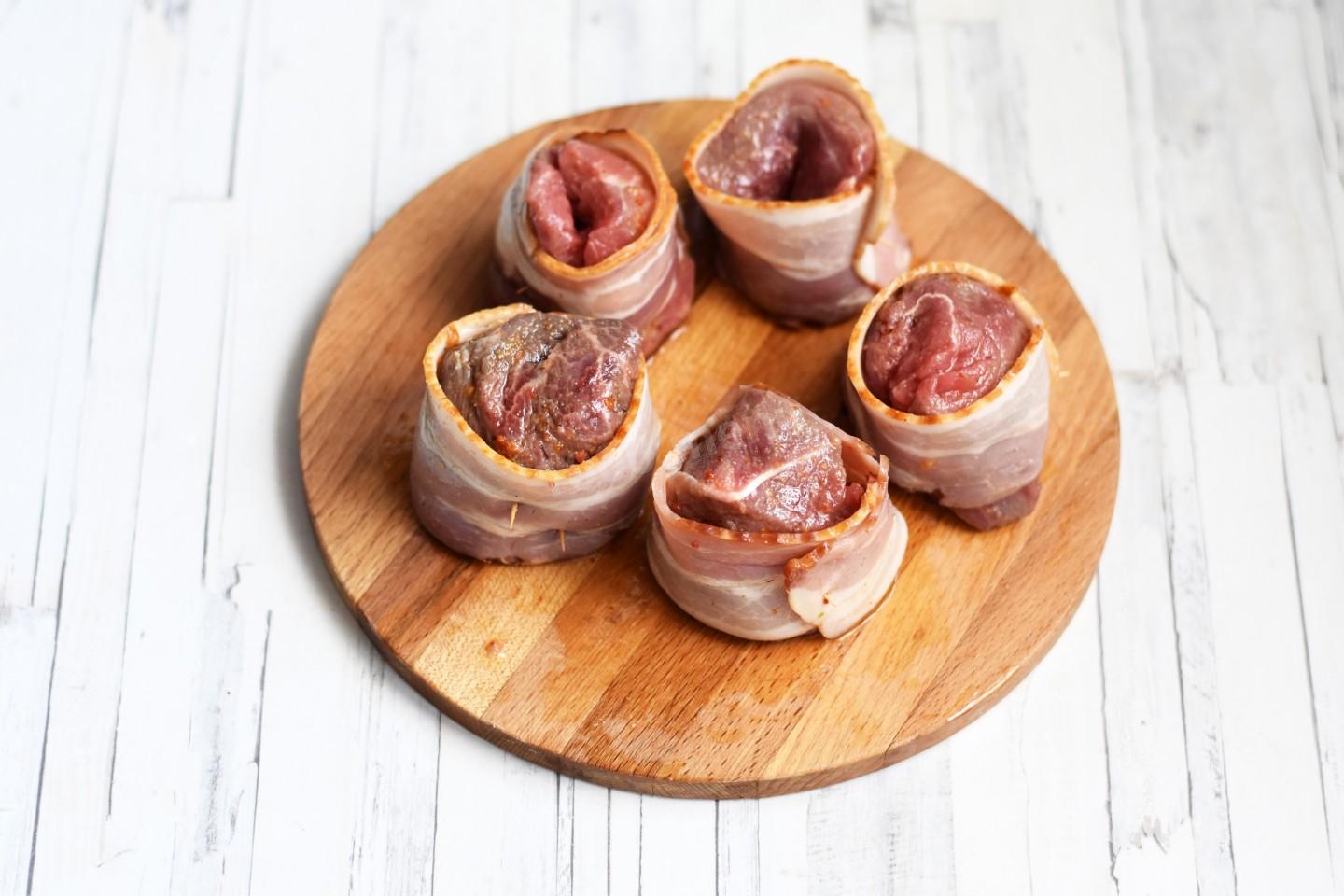
Wrap each medallion in a slice of bacon. To hold the bacon in place, tie the medallion with kitchen twine or secure it with skewers.
-
Step 8:
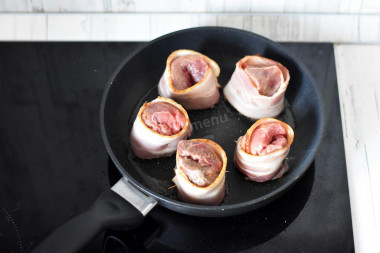
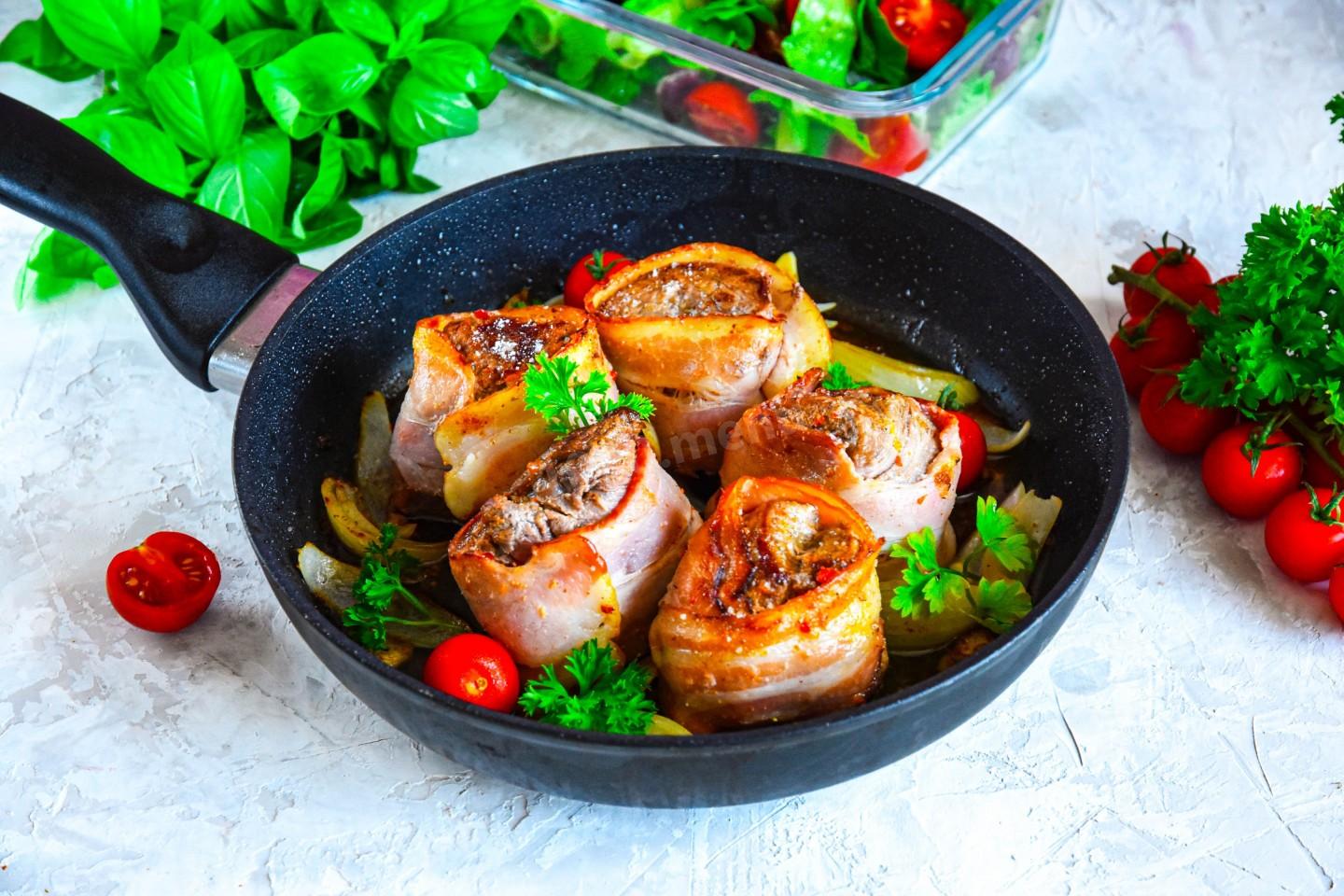
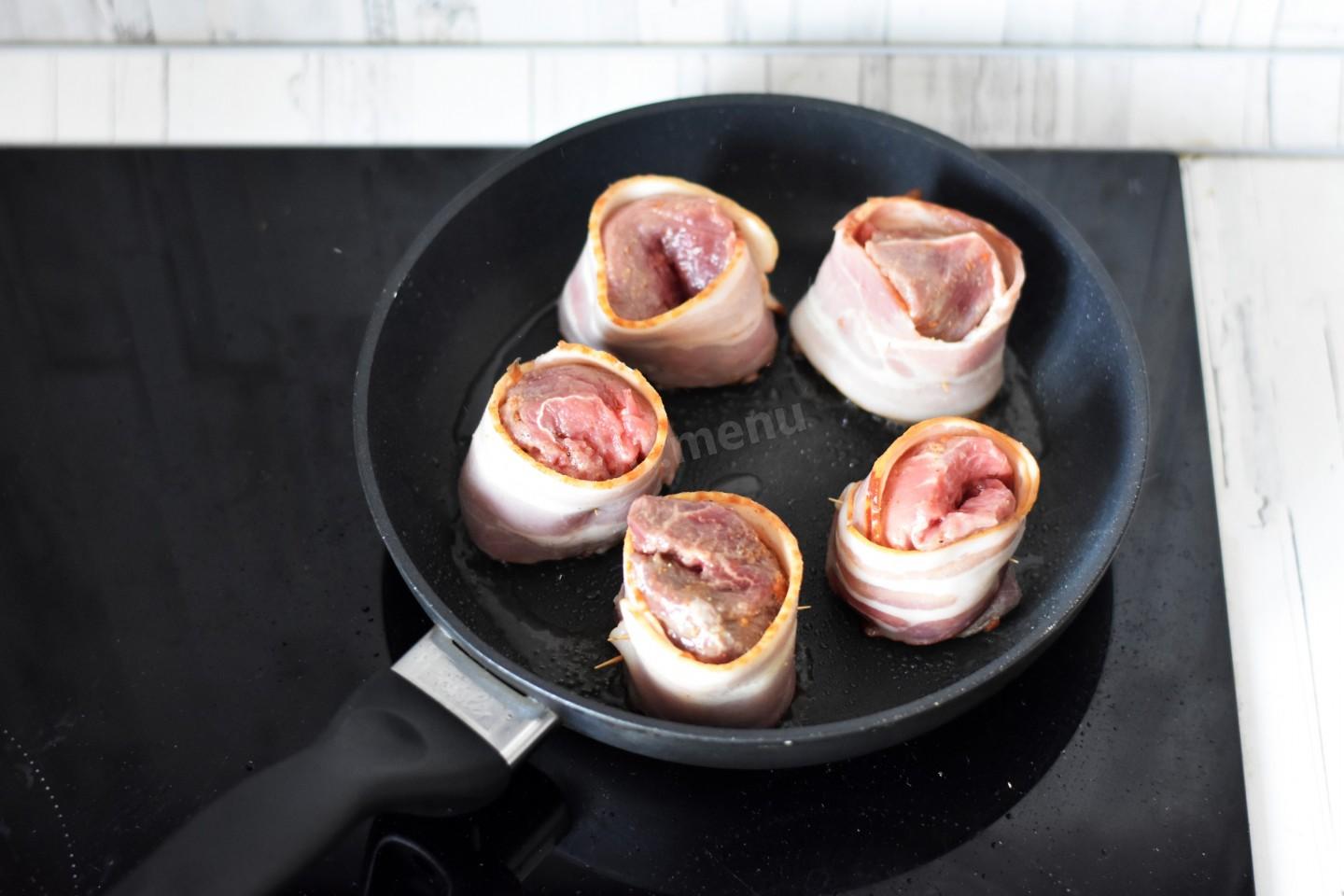
Heat the vegetable oil in a skillet. Place the bacon-wrapped medallions cut-side up and sear over high heat for about 3 minutes, until golden. The oil may spatter, so cover the skillet with a lid if it does. Then flip the medallions to the other side.
-
Step 9:
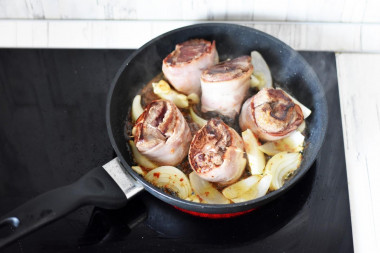
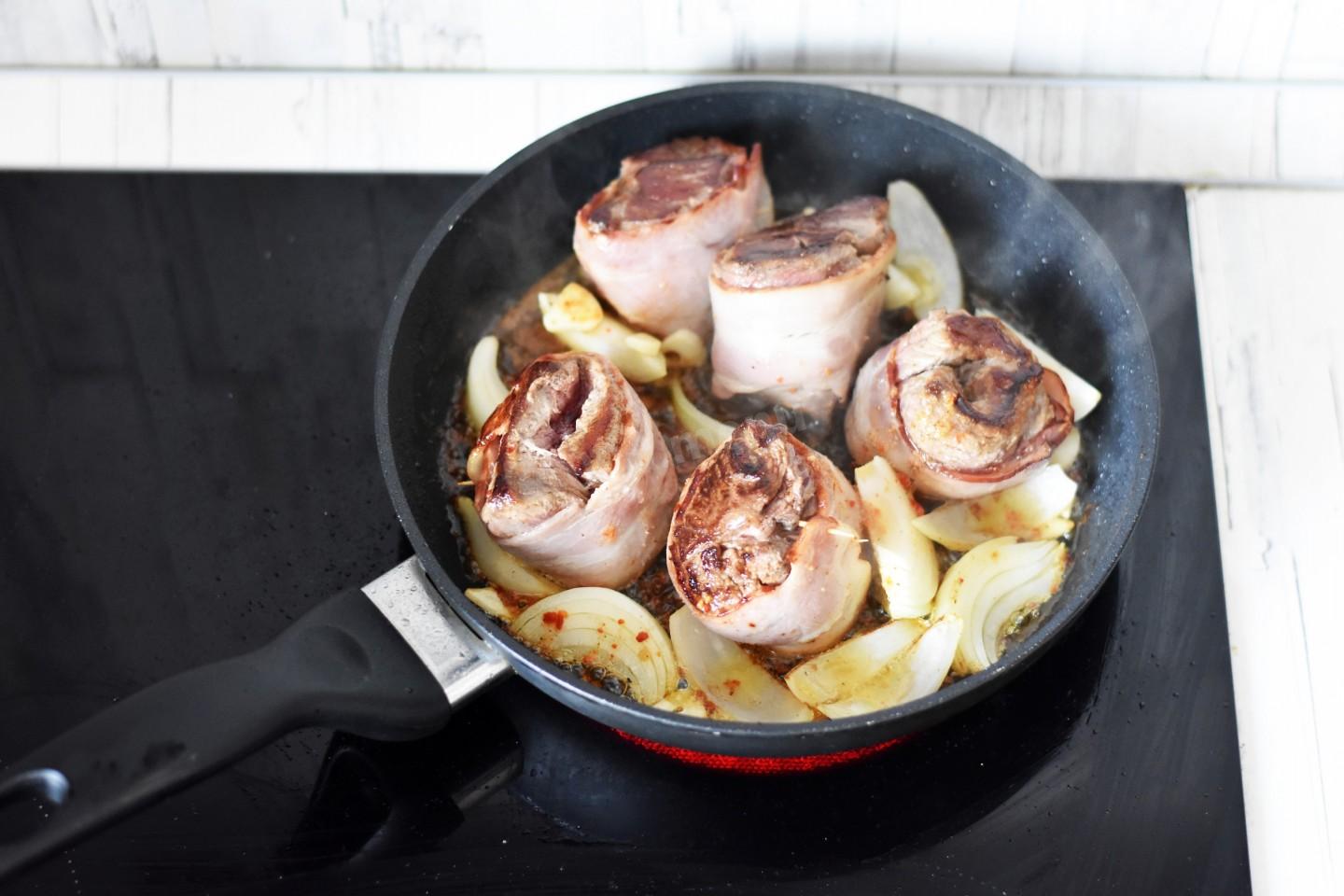
Add the onion and garlic to the skillet and cook everything together for another 3 minutes, until softened. Pour in the leftover marinade if you like. After 6 minutes of cooking, the medallions will be seared on the outside but rare inside. If that doneness suits you, take the skillet off the heat.
-
Step 10:
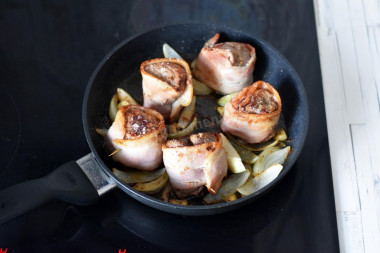
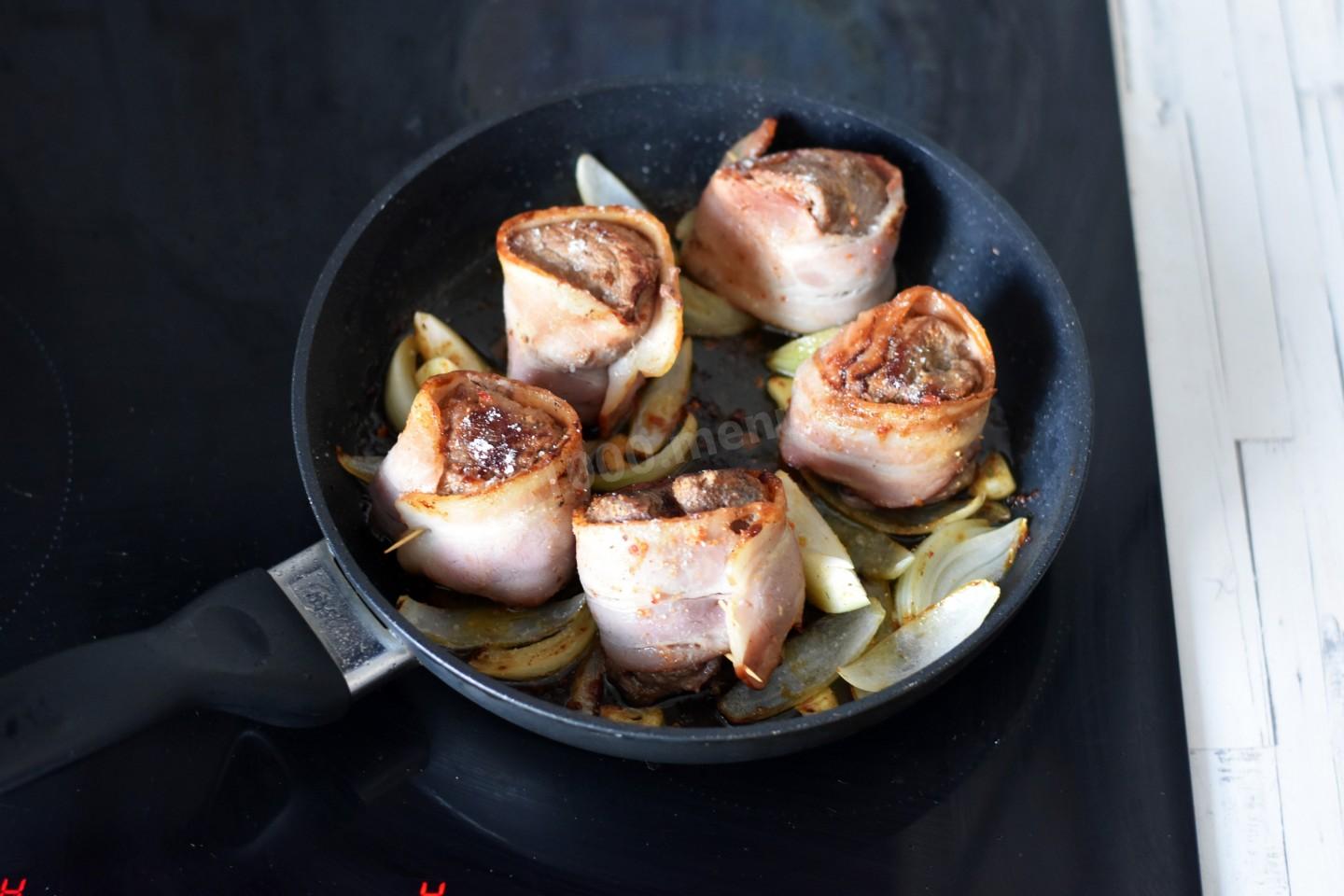
If you'd like them cooked more, cover the skillet and cook the medallions for about another 2–3 minutes per side, or longer. The exact time depends on the doneness you want and the toughness and thickness of the meat. Season with salt at the very end.
-
Step 11:
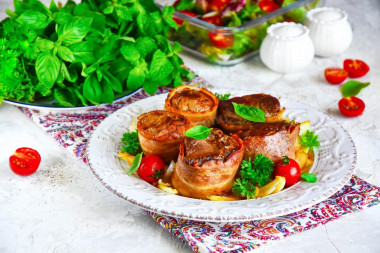
Serve the medallions with any sauce you like — berry or cream. Or add half a cup of white wine to the skillet, simmer for 5 minutes, and spoon it over the meat. Enjoy!

- You can use this same recipe for pork or lamb medallions, though the cooking time and calorie count will change.
- If you're using a ready-made spice blend, be sure to read the ingredients on the package. These blends often already contain salt. In that case, it's better to stick with plain herbs or a salt-free blend.
- Since everyone's tolerance for salty, sweet, bitter, spicy, sour, and hot is different, always add spices and seasonings to your own taste! When you're using a seasoning for the first time, remember that some are especially easy to overdo (chili pepper, for example).
Caloric content of the products possible in the composition of the dish
- Onion - 41 kcal/100g
- Garlic - 143 kcal/100g
- Ground black pepper - 255 kcal/100g
- Vegetable oil - 873 kcal/100g
- Boiled bacon - 447 kcal/100g
- Salt - 0 kcal/100g
- Spices dry - 240 kcal/100g
- Lemon juice - 16 kcal/100g
- Beef tenderloin - 324 kcal/100g