Liver and Potatoes in a Skillet
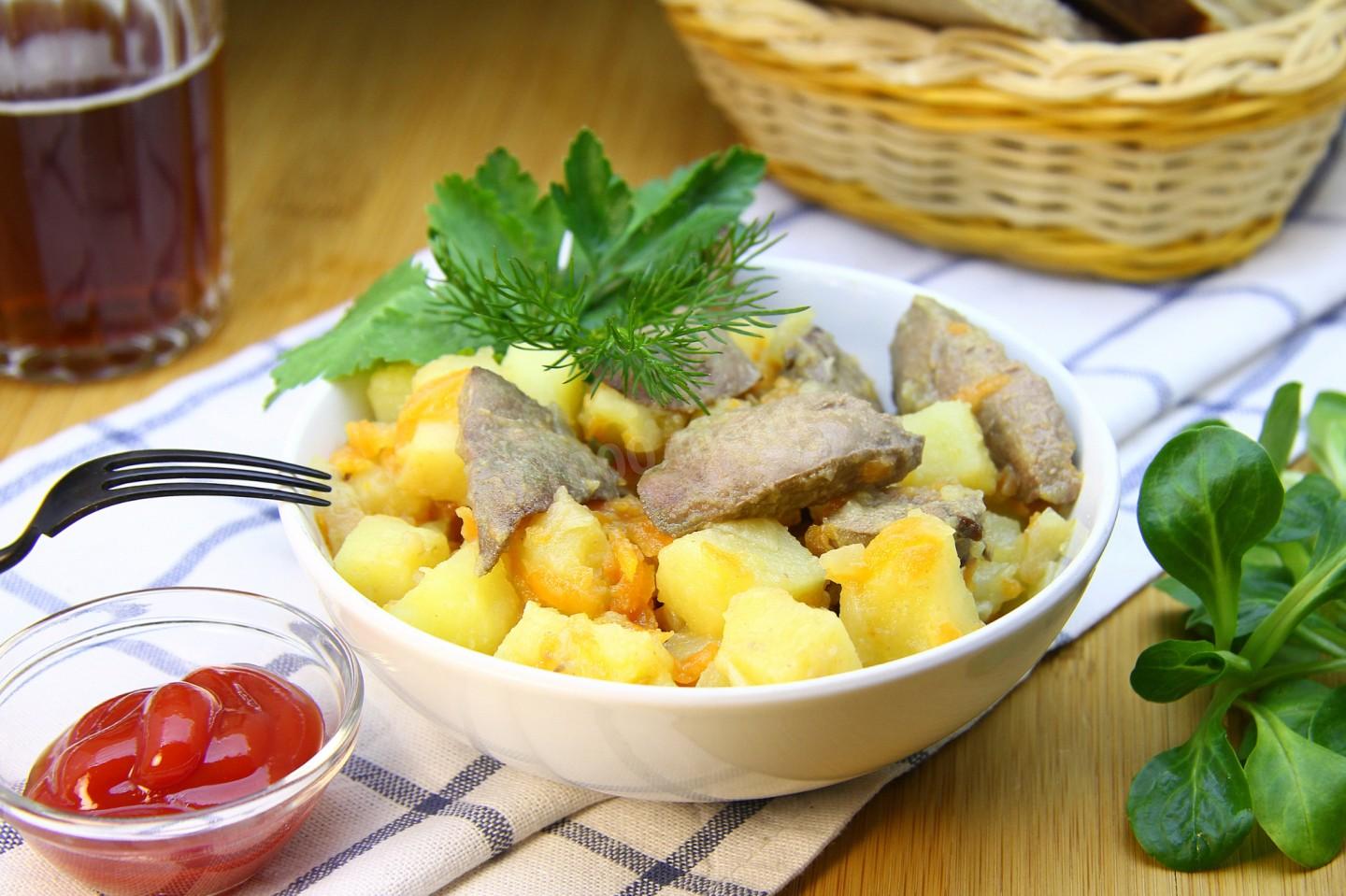
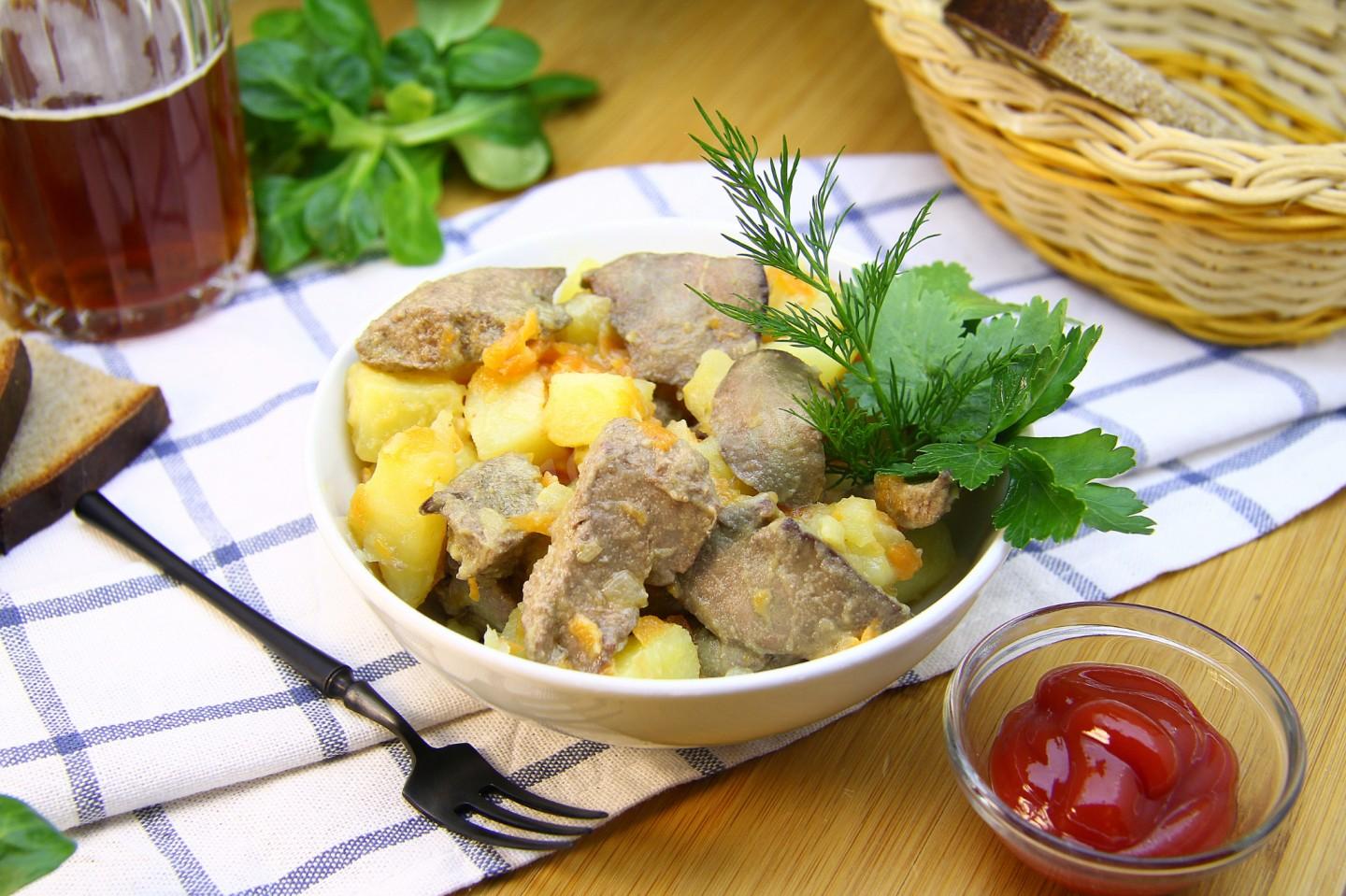
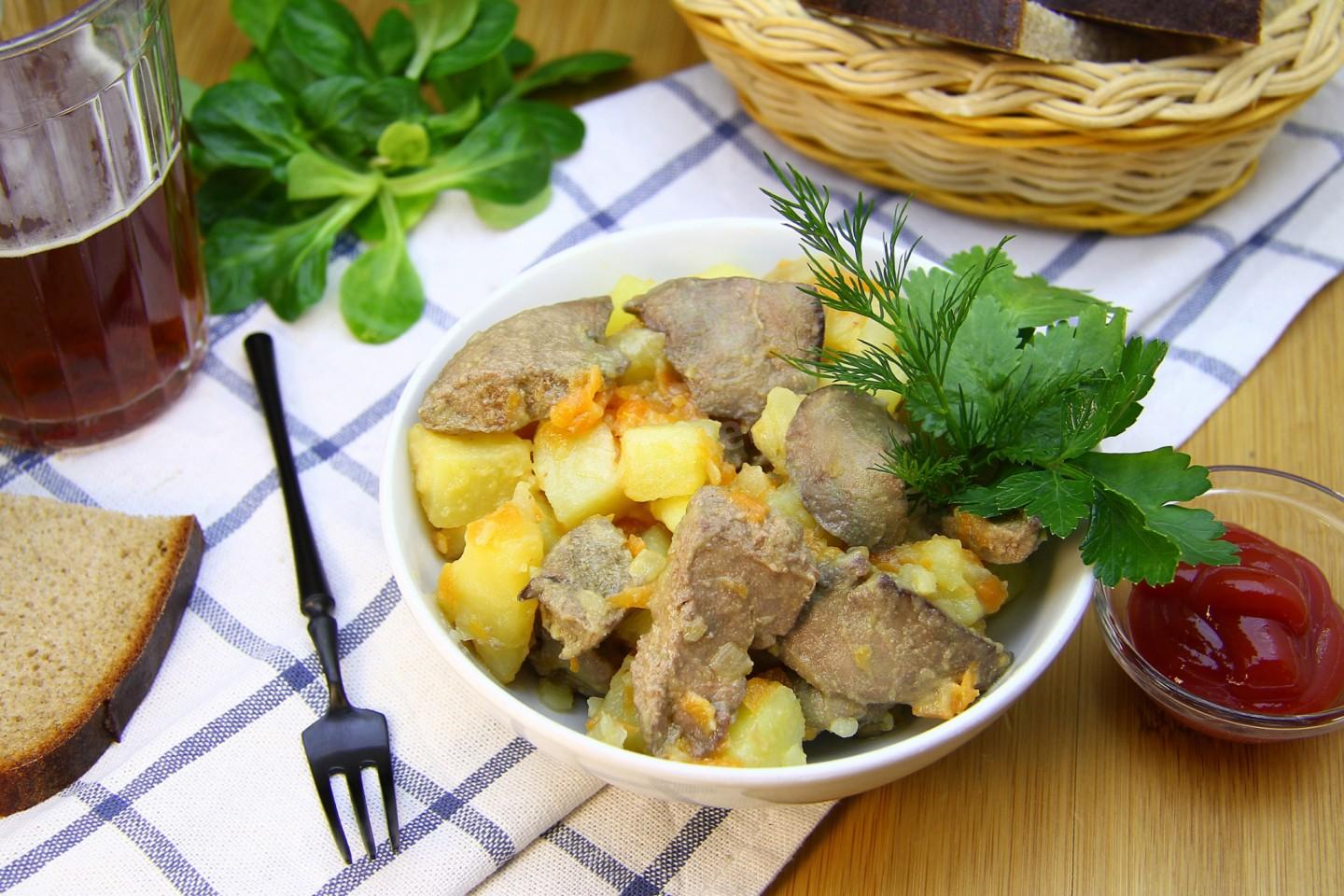
A go-to recipe for a hearty family dinner. It's delicious, wholesome, filling, and easy on the wallet — and it's ready after just twenty minutes of hands-on time. Besides, potatoes and meat (liver, in this case) are always a winning combo.

Cooking method
-
Step 1:
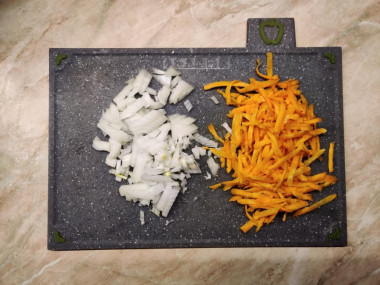
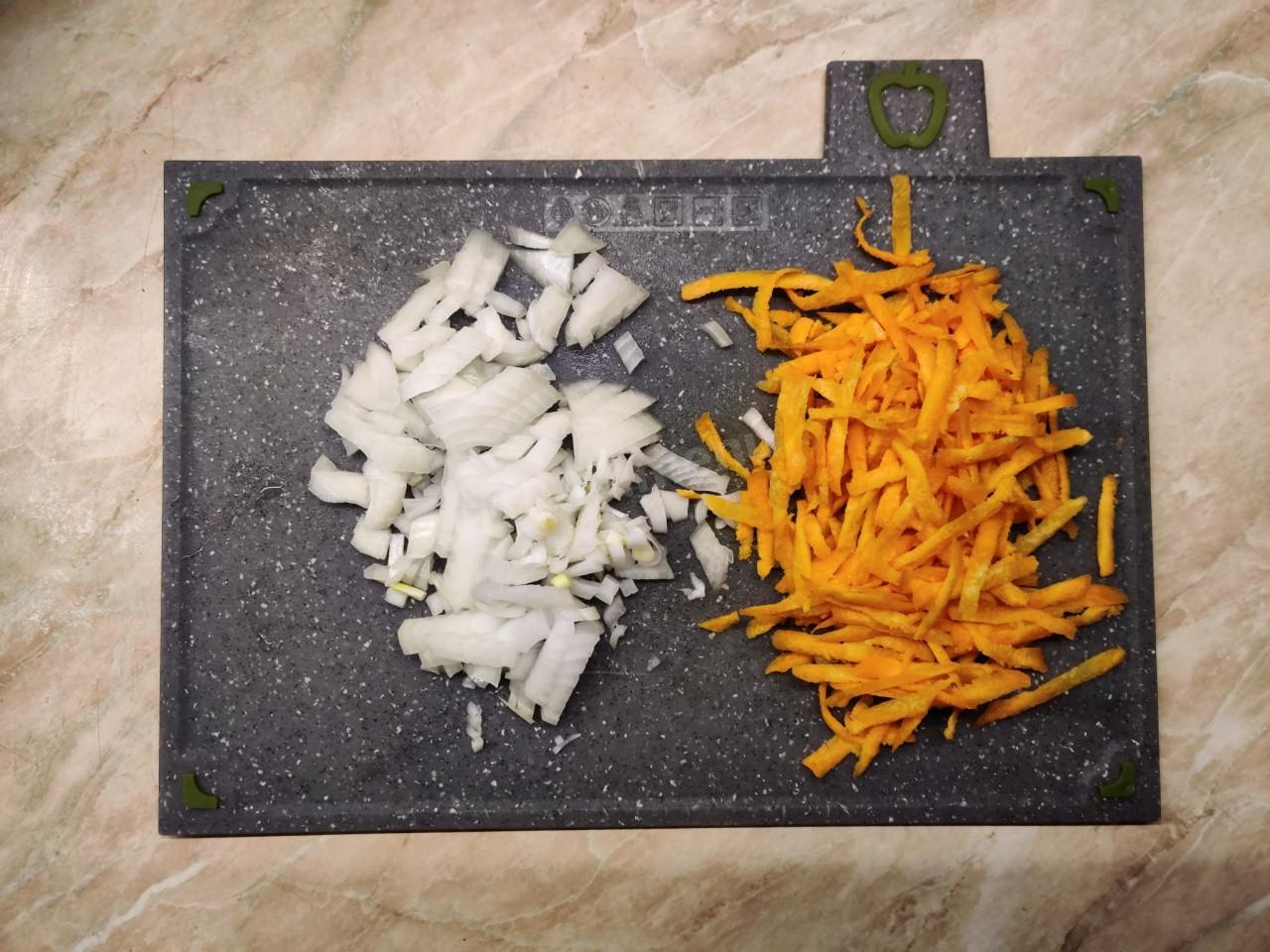
How do you make liver and potatoes in a skillet? Peel the onion. Wash and peel the carrots. Finely chop the onion and grate the carrots on the large holes of a box grater.
-
Step 2:
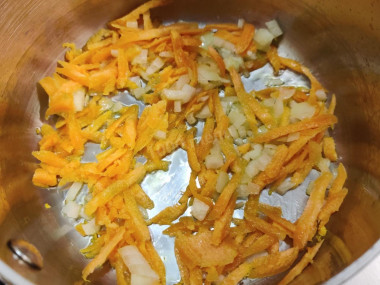
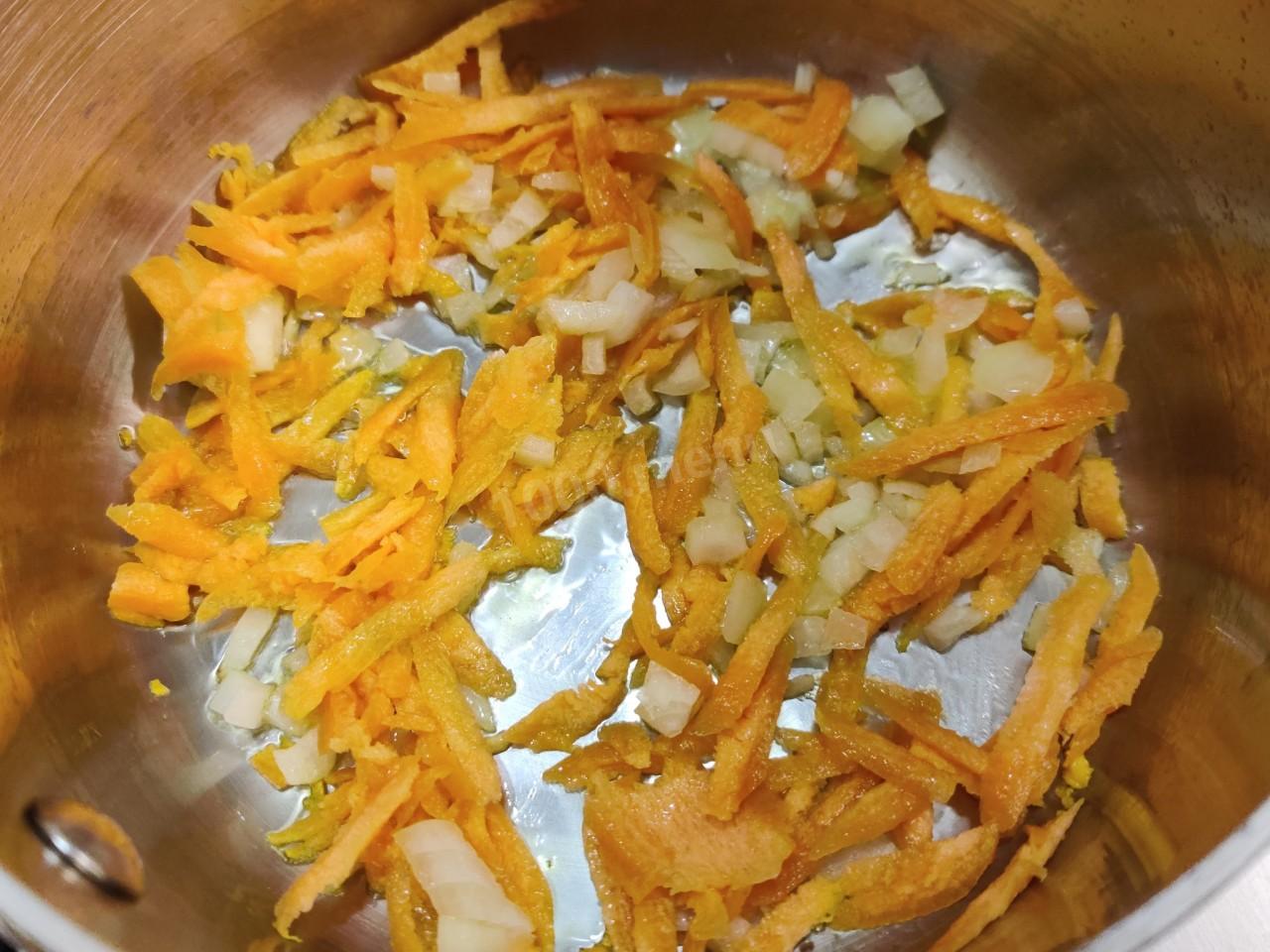
Heat the oil in a deep skillet or sauté pan. Lower the heat to medium and cook the carrots and onion until soft, about five minutes.
-
Step 3:
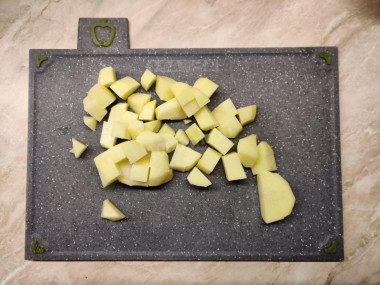
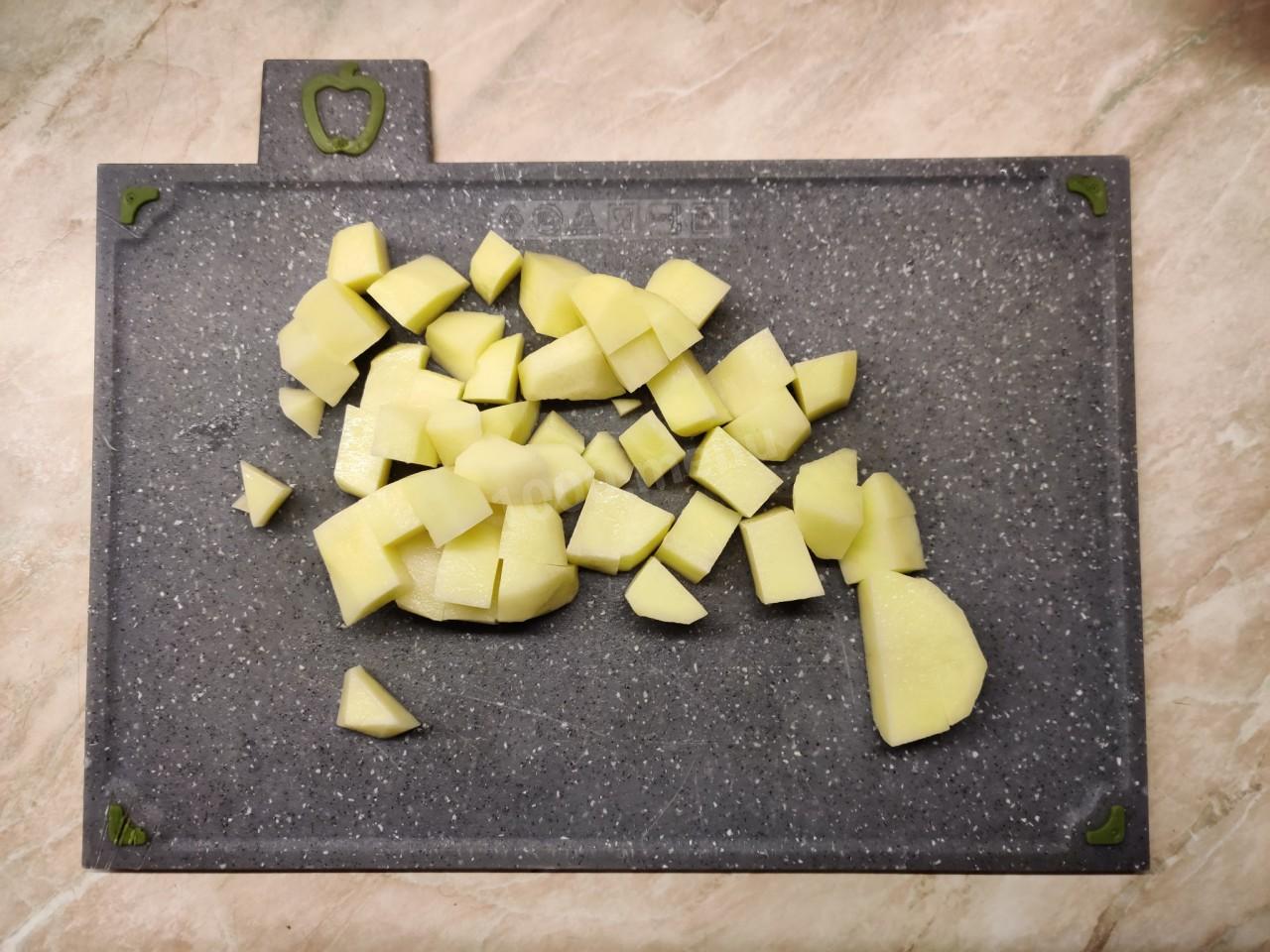
Wash and peel the potatoes. Cut them into fairly large cubes — you want them to stand out in the finished dish.
-
Step 4:
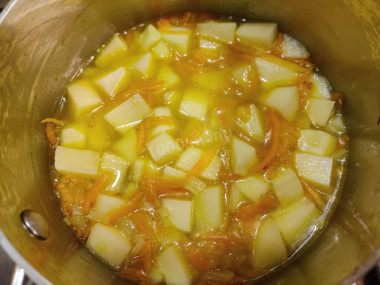
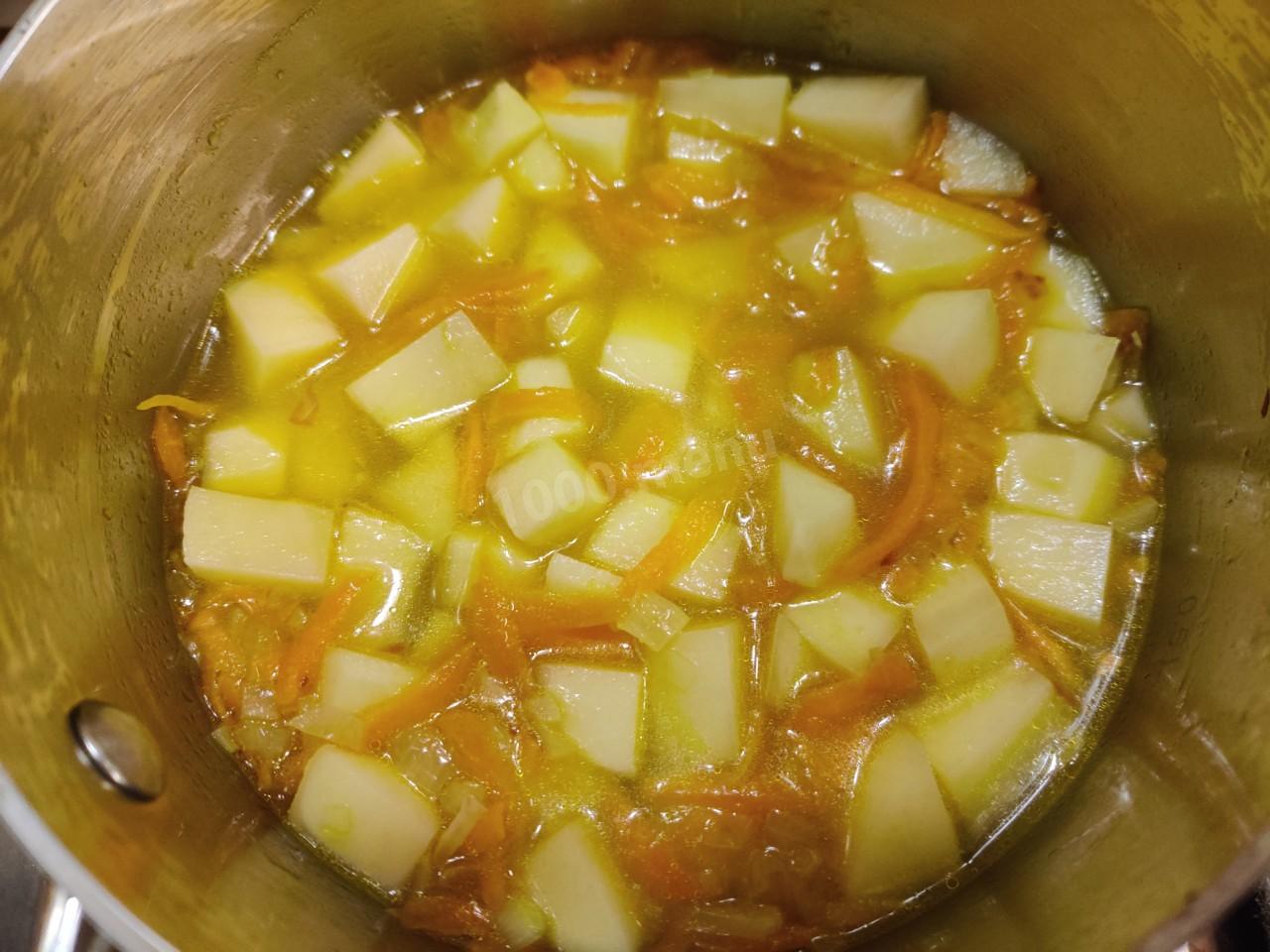
Add the potatoes to the pan with the carrots and onion and pour in enough water to cover them completely. Cover and simmer over low heat for twenty minutes, stirring now and then, until the potatoes are tender.
-
Step 5:
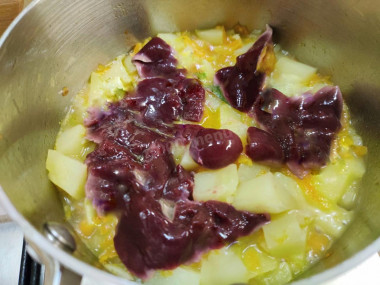
Rinse the liver and trim away the membranes and any bile ducts. I used beef liver. Cut it into small pieces. Add the bay leaf to the pan along with the liver. Season with salt and pepper to taste. Stir and simmer another fifteen minutes, until the liver is cooked through.
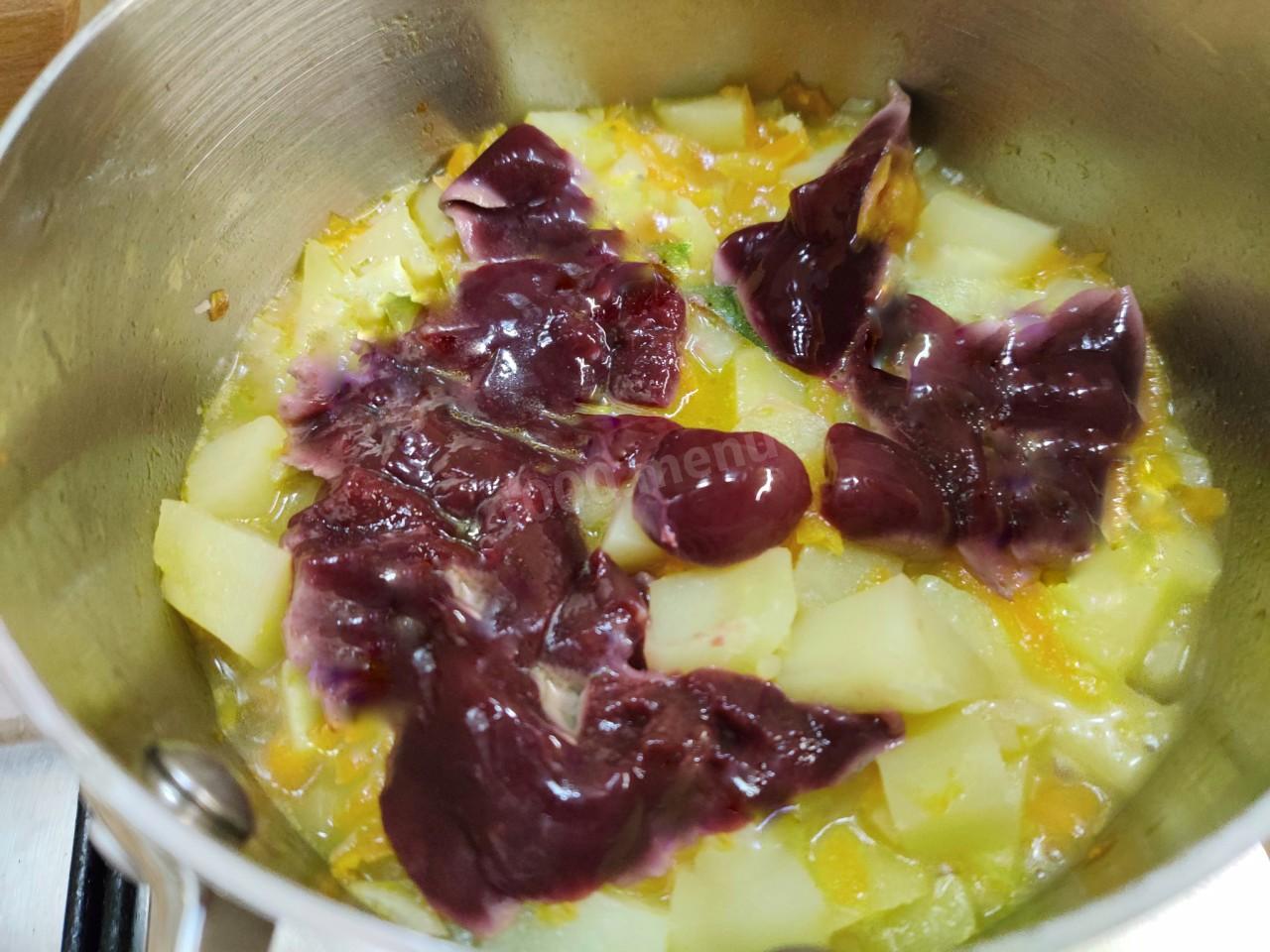
- The amount of water in the recipe is just a starting point. Exactly how much you'll need depends on the size of your pan, how you cut the potatoes, and how long you simmer. If it cooks off before the potatoes are done, just add more — ideally boiling or at least hot water, so you don't stall the cooking. Be careful pouring boiling water into the pan, though: it flashes to steam instantly and can burn your hands. You can use pork, chicken, or even rabbit liver in place of beef — whatever you have on hand. The finished flavor will be about the same. That said, I prefer chilled liver over frozen; it just tastes better to me. When I stew potatoes, I always take them to that "plus five minutes past done" stage, where the edges soften and round off instead of staying sharp like they are right after cutting. That way there's always a little thick gravy in the dish. That's how I like it — but you do you! I think this is great served with a fresh salad dressed in olive oil, some rye bread, and any tomato-based sauce. Enjoy!
- Important! The wrong pan can ruin even the best recipe. For all the details on choosing the perfect pan for different dishes, read here.
- Keep in mind that how you cut the carrots shapes the final result: grated carrots cook down into a mush that blends evenly into everything else, while matchsticks or cubes hold their shape.
- If you use a pre-made spice blend, always check the label. These mixes often already contain salt, so factor that in or you'll risk over-salting.
Caloric content of the products possible in the composition of the dish
- Onion - 41 kcal/100g
- Ripe potatoes - 80 kcal/100g
- Baked potatoes - 70 kcal/100g
- Mashed potatoes - 380 kcal/100g
- Boiled potatoes - 82 kcal/100g
- Potatoes in uniform - 74 kcal/100g
- Fried potatoes - 192 kcal/100g
- Carrots - 33 kcal/100g
- Dried carrots - 275 kcal/100g
- Boiled carrots - 25 kcal/100g
- Lamb liver - 101 kcal/100g
- Beef liver - 735 kcal/100g
- Goose liver - 412 kcal/100g
- Duck liver - 405 kcal/100g
- Beef liver - 130 kcal/100g
- Bay leaf - 313 kcal/100g
- Vegetable oil - 873 kcal/100g
- Salt - 0 kcal/100g
- Water - 0 kcal/100g
- Ground hot pepper - 21 kcal/100g
Similar recipes
- Children's recipes
- National cuisine
- Second course
- Meat and meat products
- Vegetables
- Spices seasonings spices
- Fats and oils
- Other
- Bay leaf
- Pepper
- Salt
- Vegetable oil
- Water
- Russian cuisine
- Frying
- Stewing
- In a frying pan
- Stewed vegetables
- Meat second course
- Offal
- From carrots
- From potatoes
- From onion
- No eggs
- Recipes for lean dishes without butter