Tandoor Flatbread
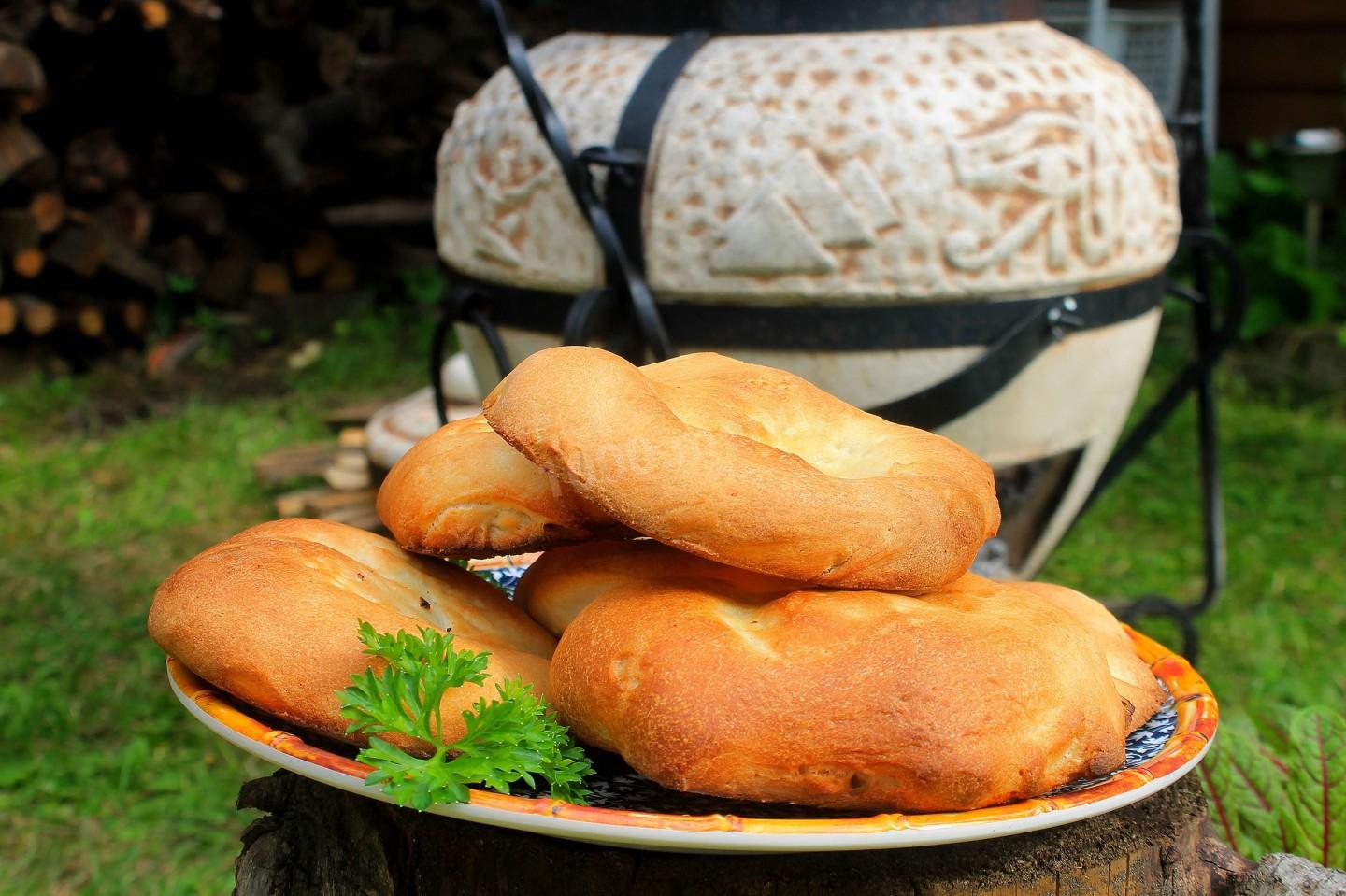
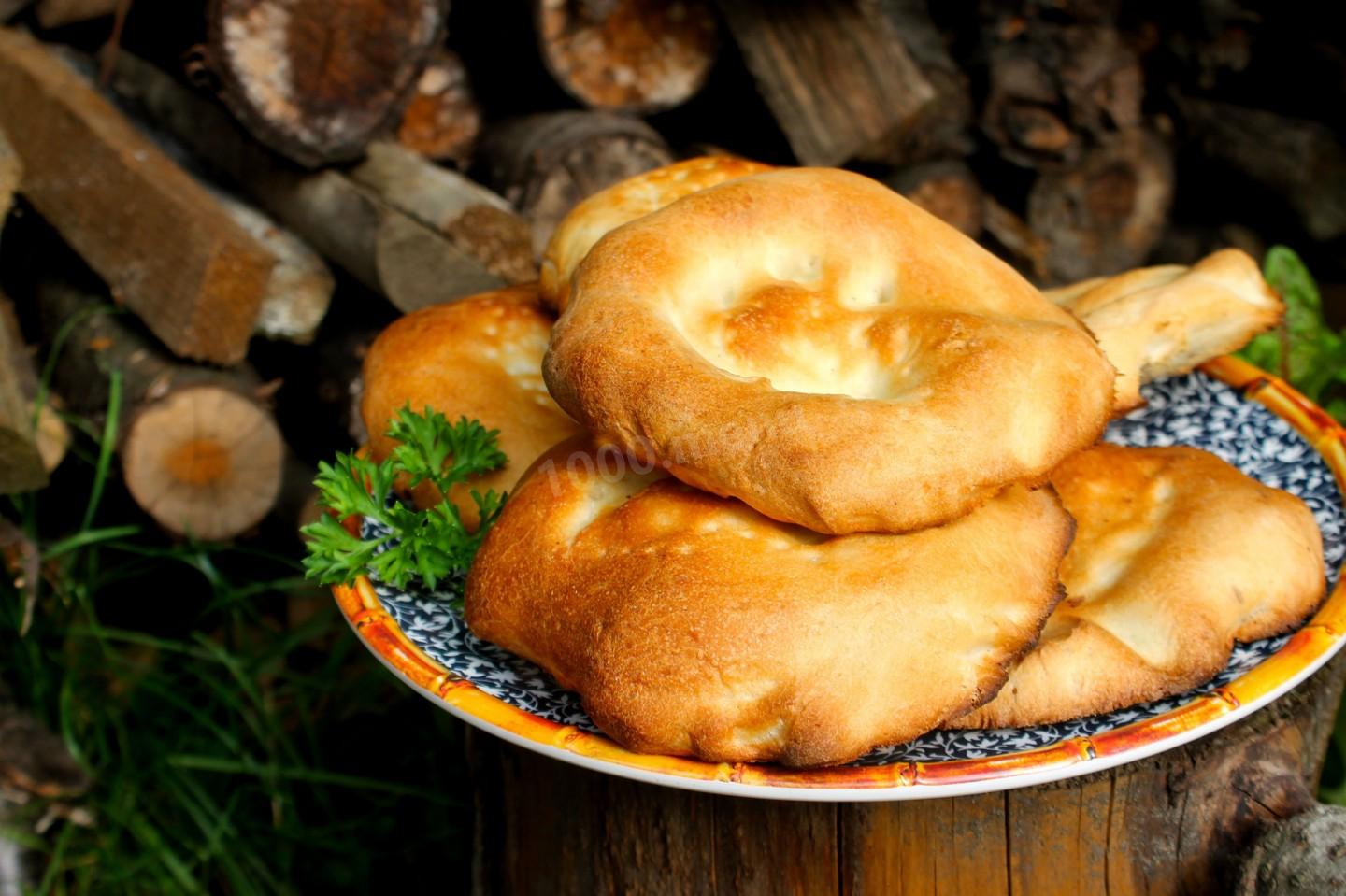
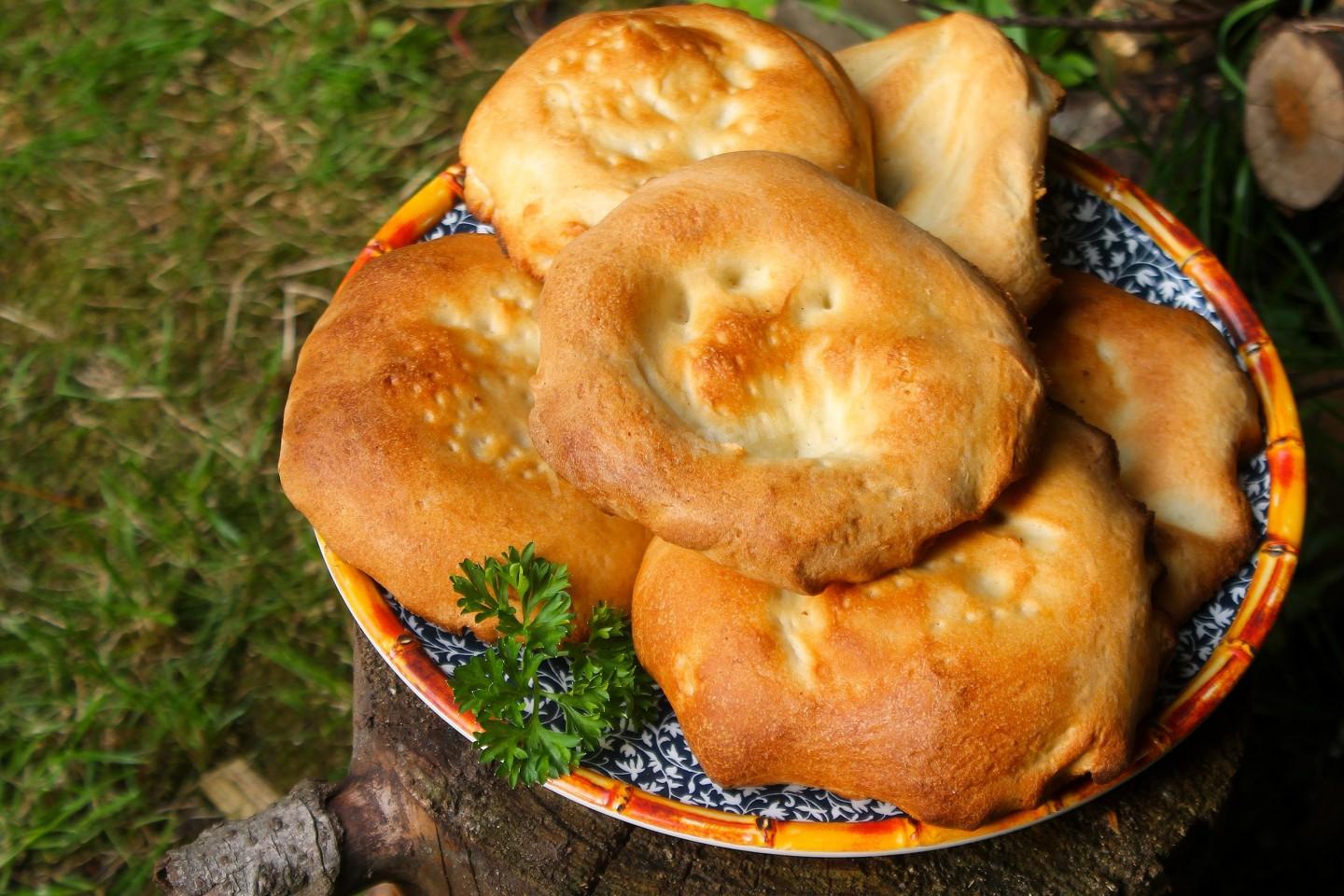
Soft, airy, and topped with a crisp golden crust! Bread baked as flatbreads in a tandoor comes out incredibly delicious, and it's actually quite simple to make. You can eat these just as they are — with nothing on them — especially while they're still piping hot, fresh out of the fire.

Cooking method
-
Step 1:
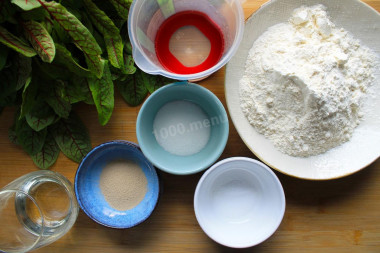
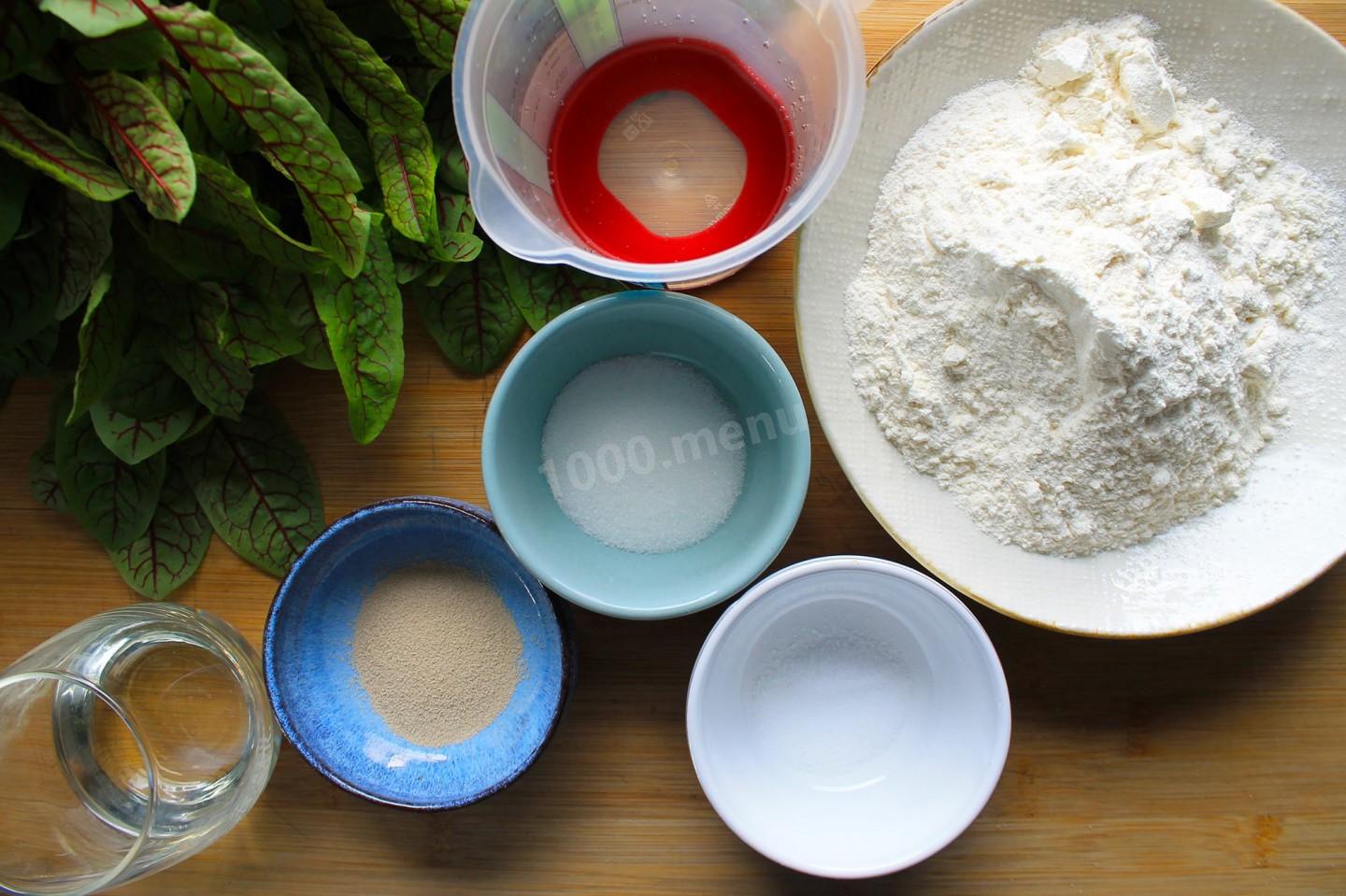
How do you bake bread in a tandoor? Start by making the dough. Measure out all the ingredients listed in the recipe. You may need a little more or a little less flour than called for. If you like, you can use milk in place of the water.
-
Step 2:
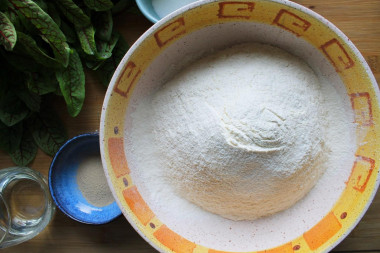
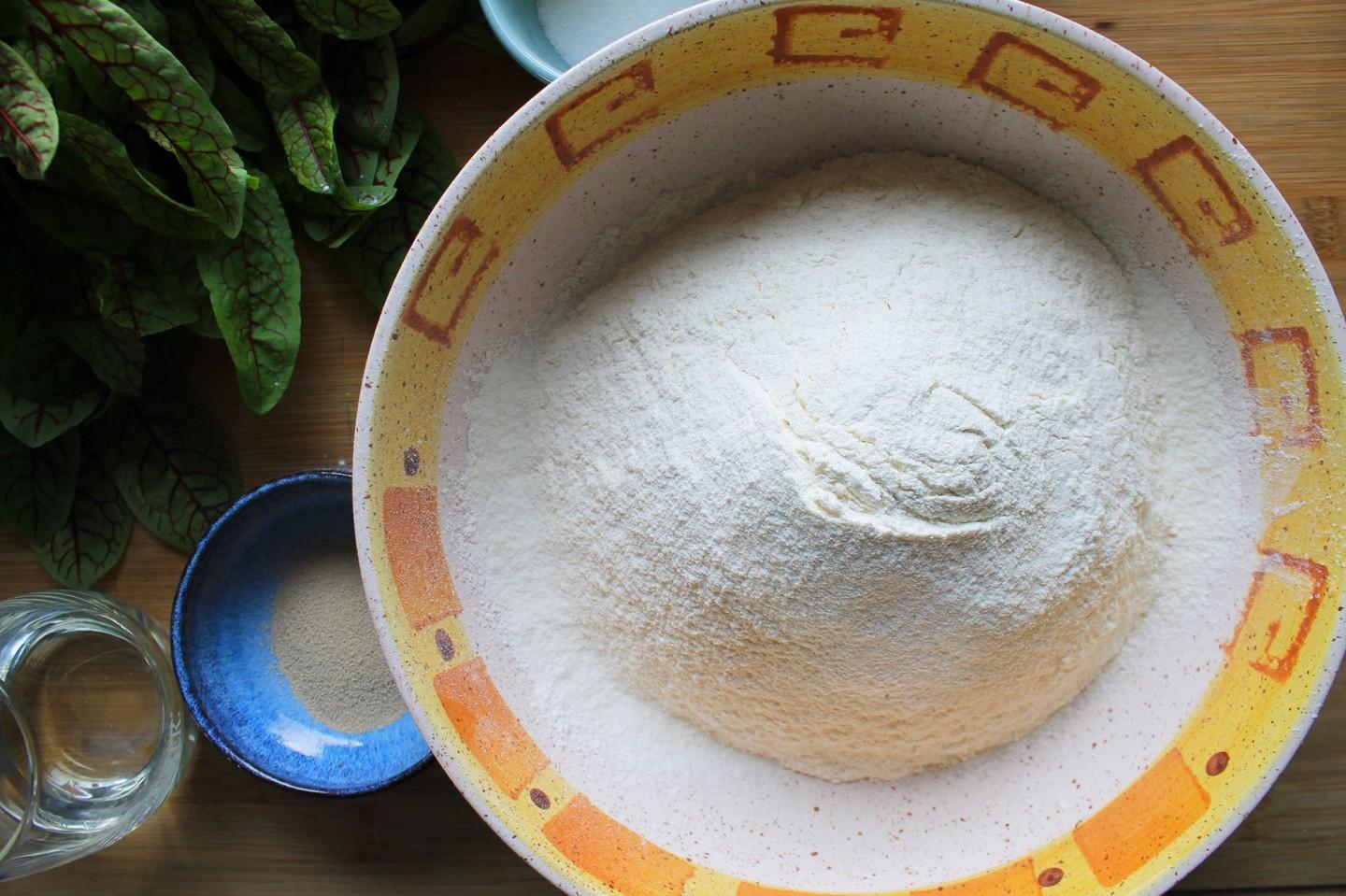
Sift the flour. This aerates it so your bread turns out light and soft. Put the flour into a large, deep bowl or another container.
-
Step 3:
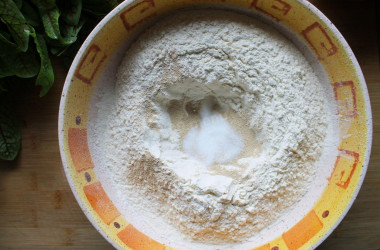
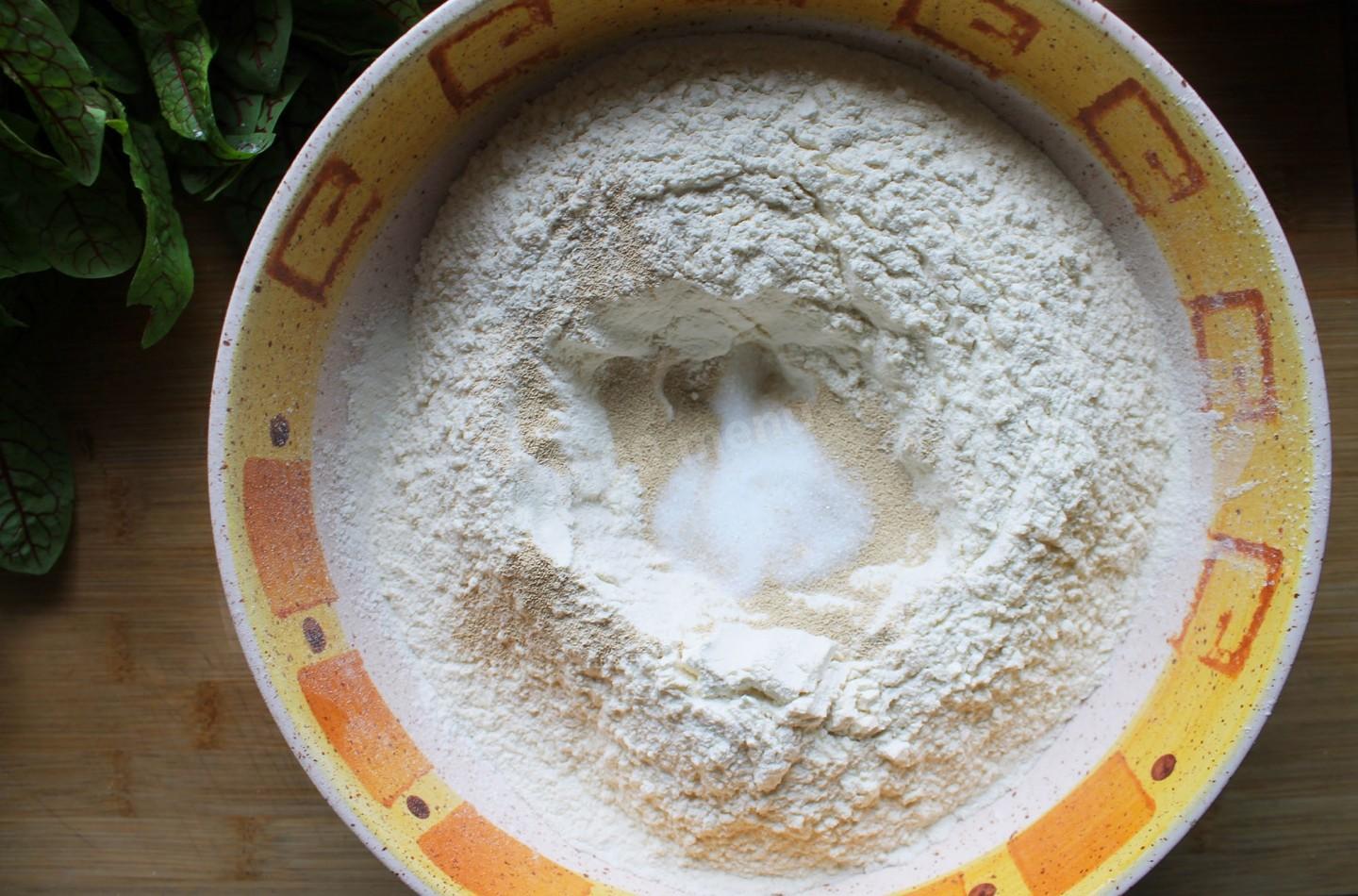
Make a well in the center. Add the yeast and sugar and stir lightly.
-
Step 4:
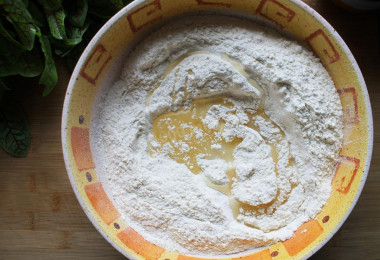
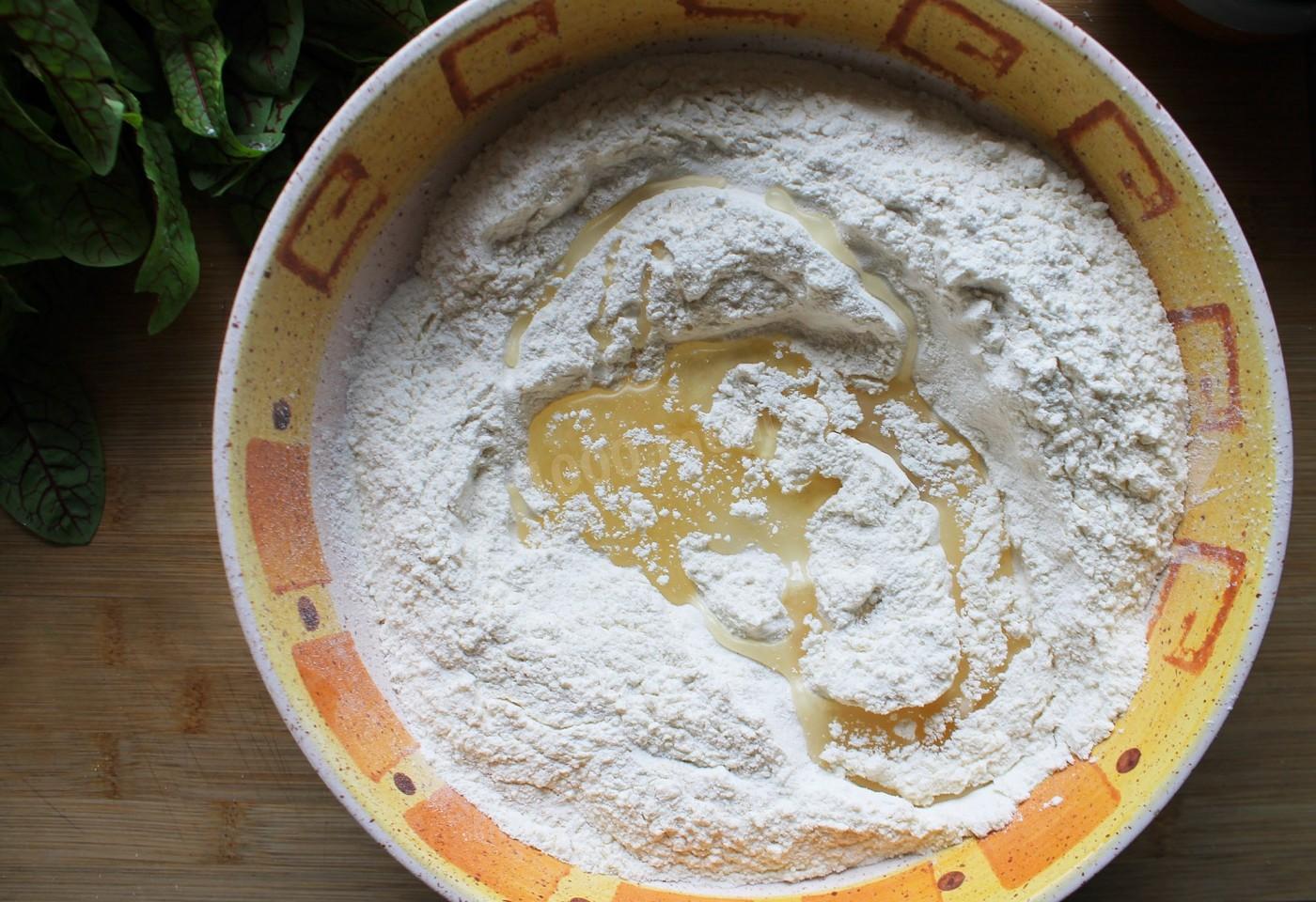
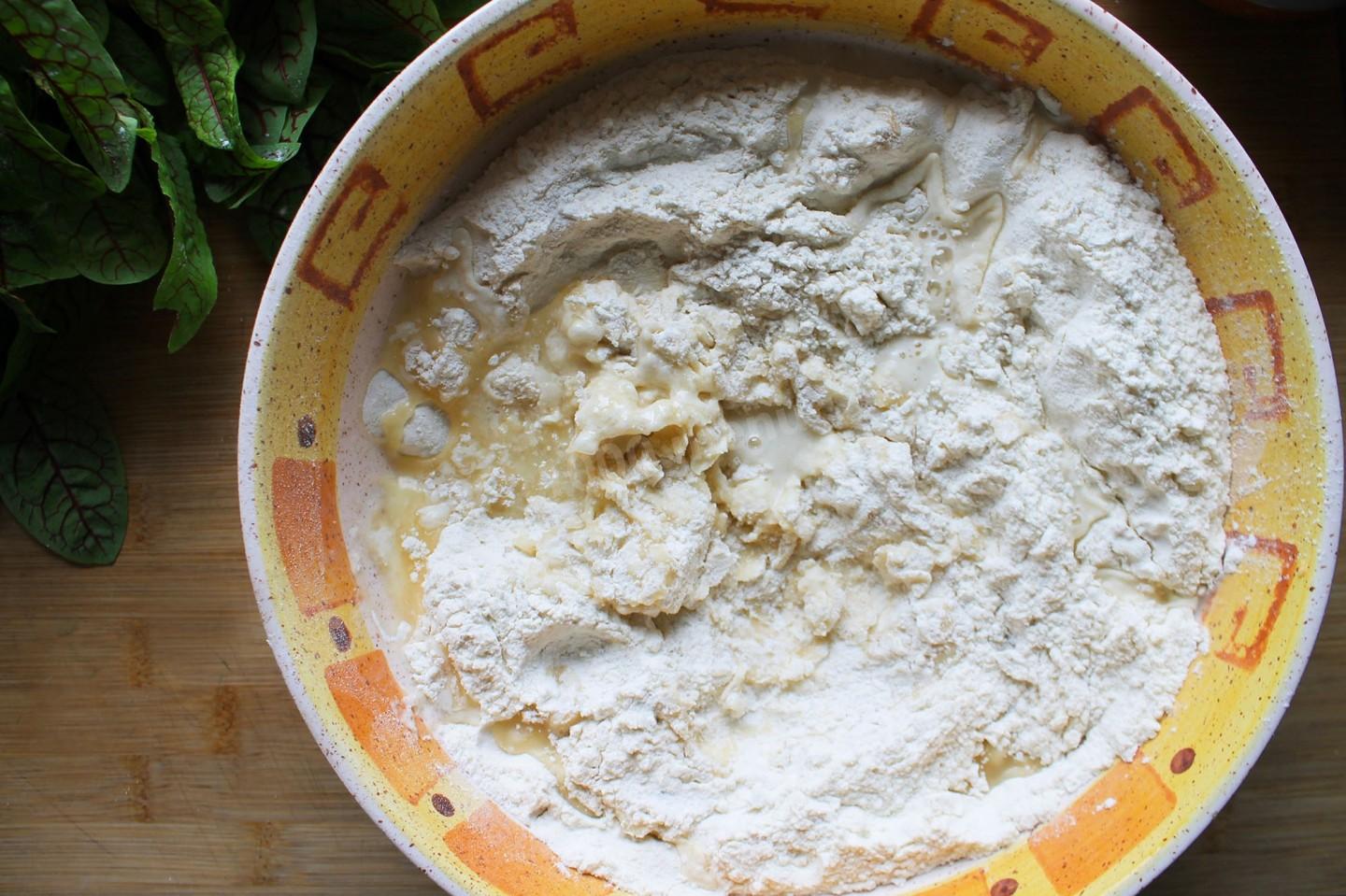
Next, add the salt and vegetable oil, and stir again briefly.
-
Step 5:
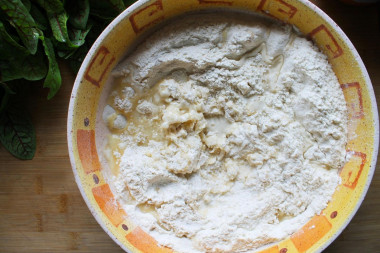
Gradually pour in the warm water as you start kneading the dough. The exact amount of water or flour may differ from what's listed here.
-
Step 6:
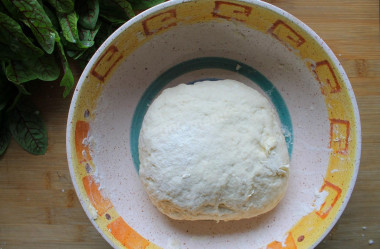
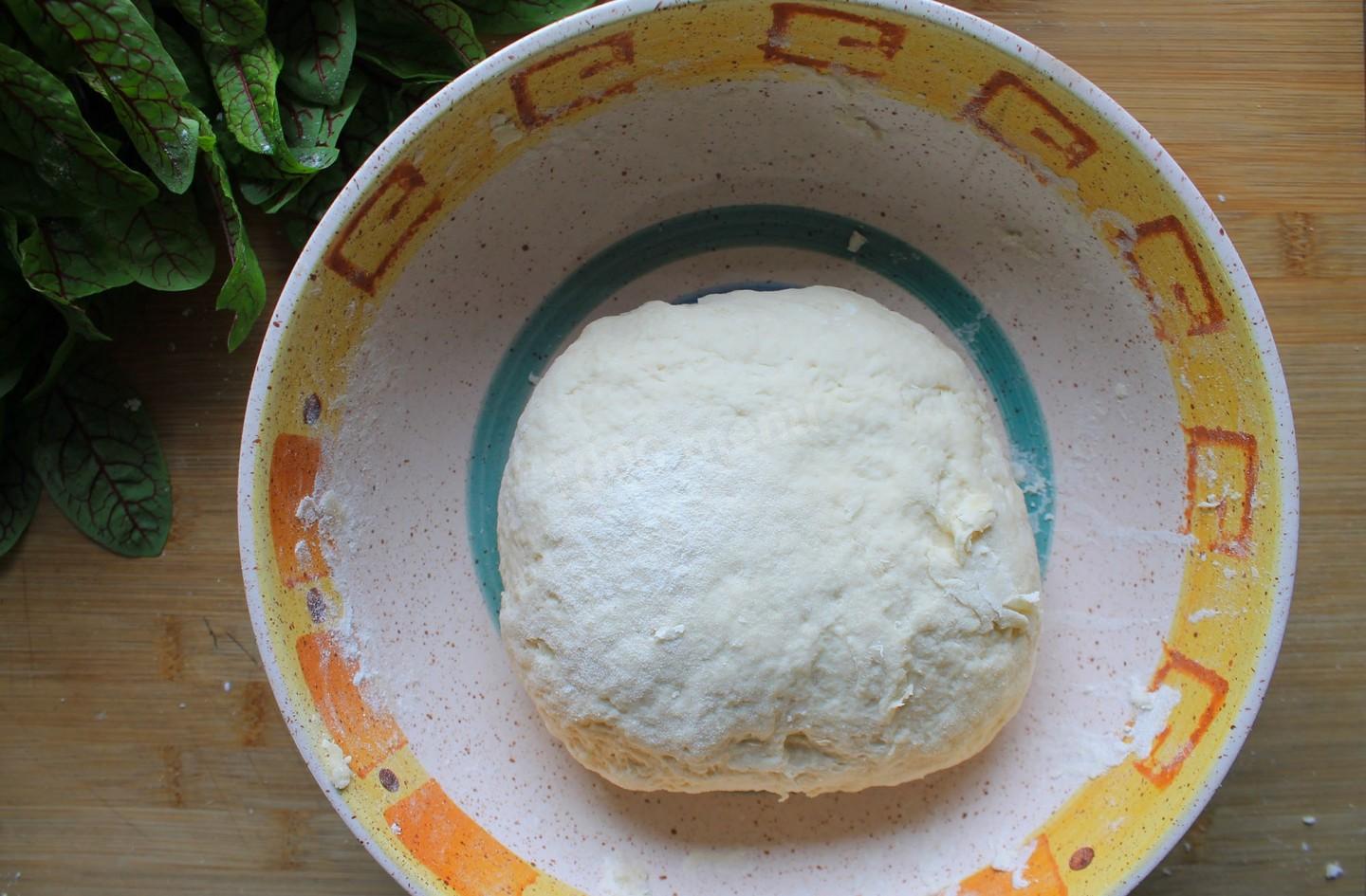
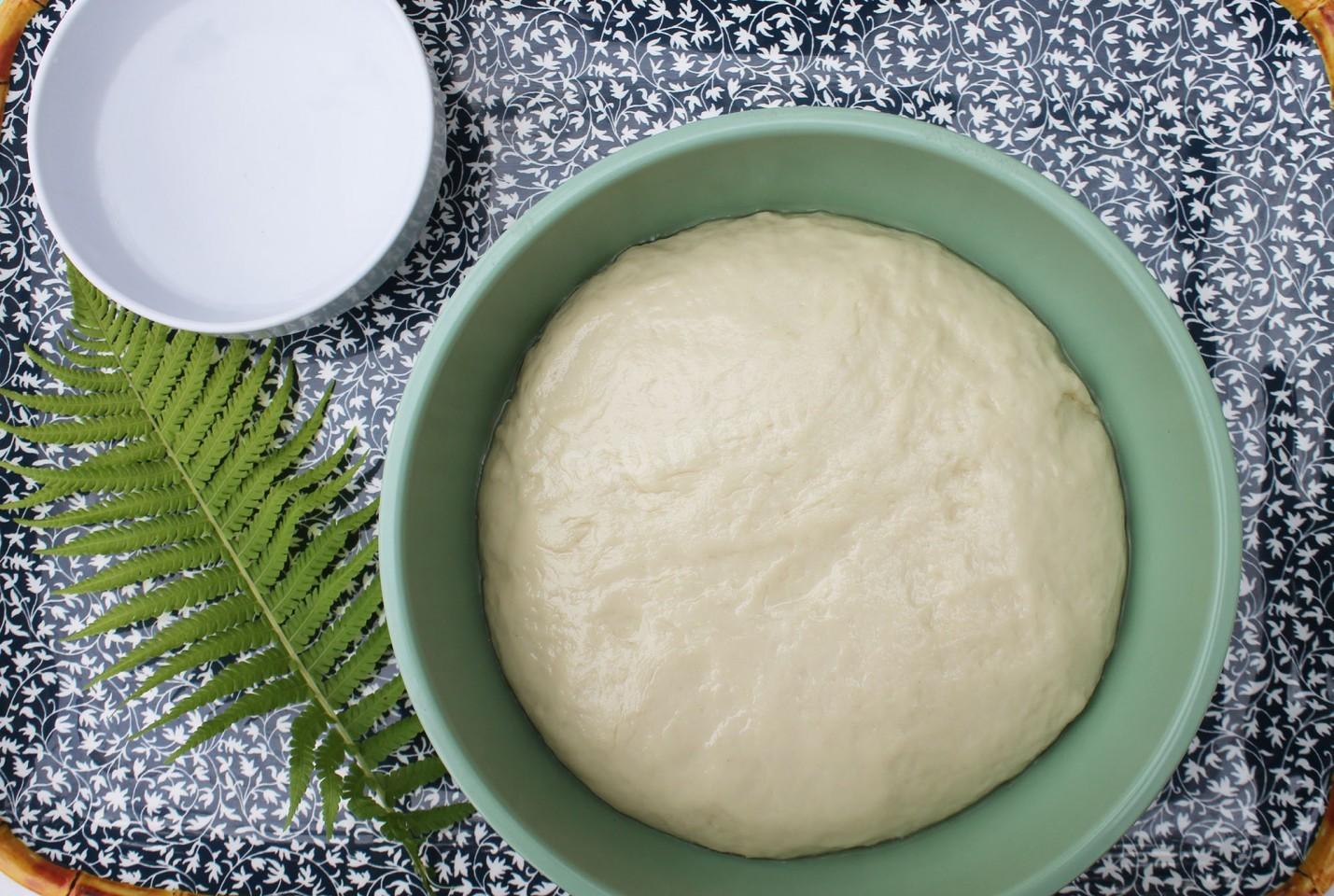
Go by the feel of the dough. It should be firm but not too stiff. Knead it for about 10 minutes.
-
Step 7:
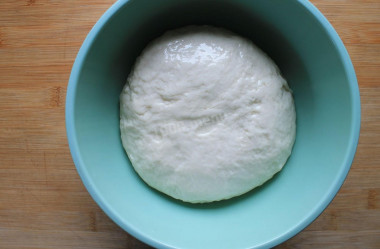
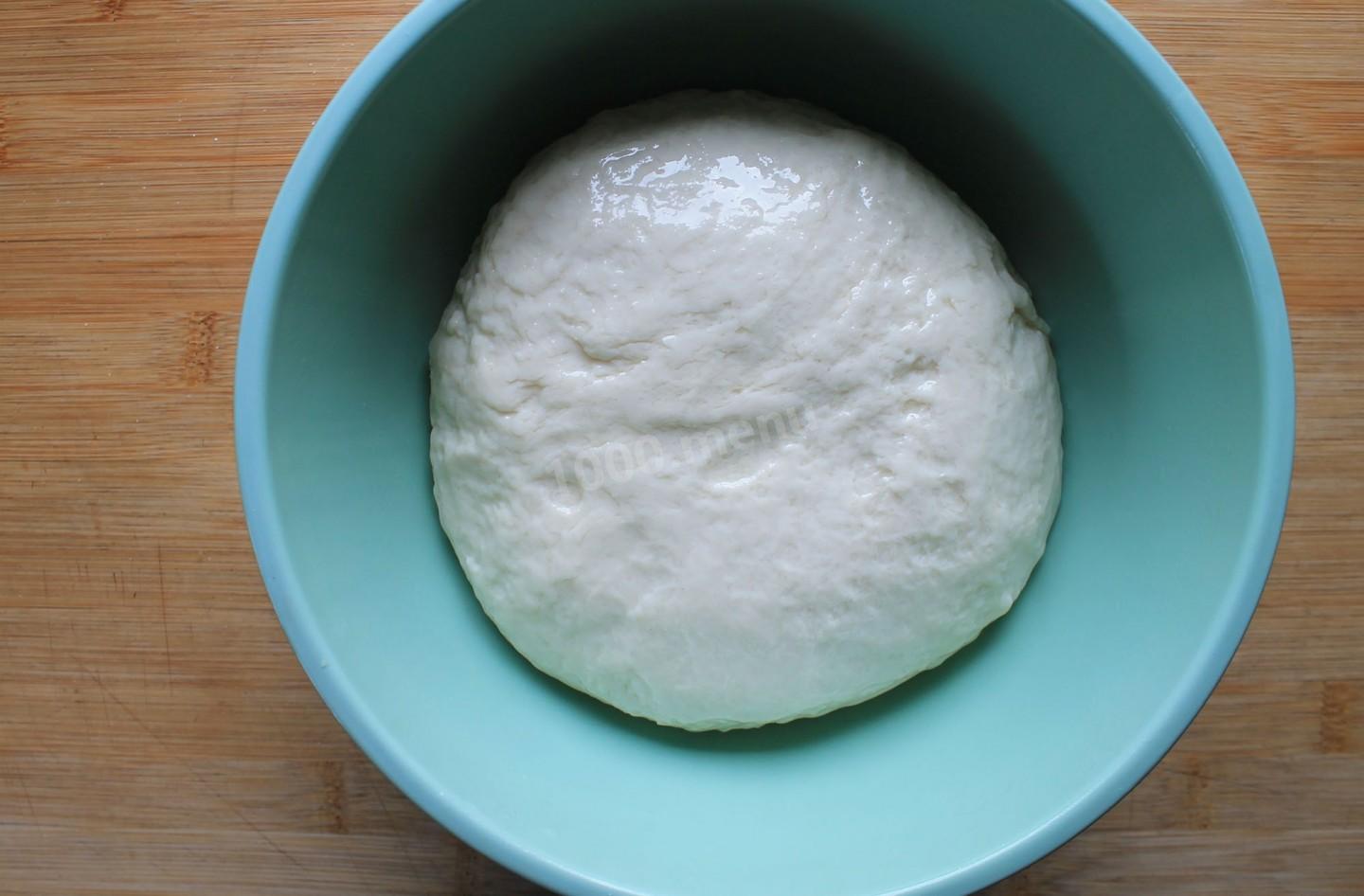
Grease a bowl with vegetable oil, set the ball of dough inside, and brush oil over the top as well. For proofing, I usually use a plastic bowl — the dough seems to rise faster in it than in glass or metal.
-
Step 8:
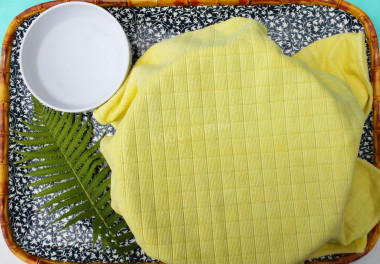
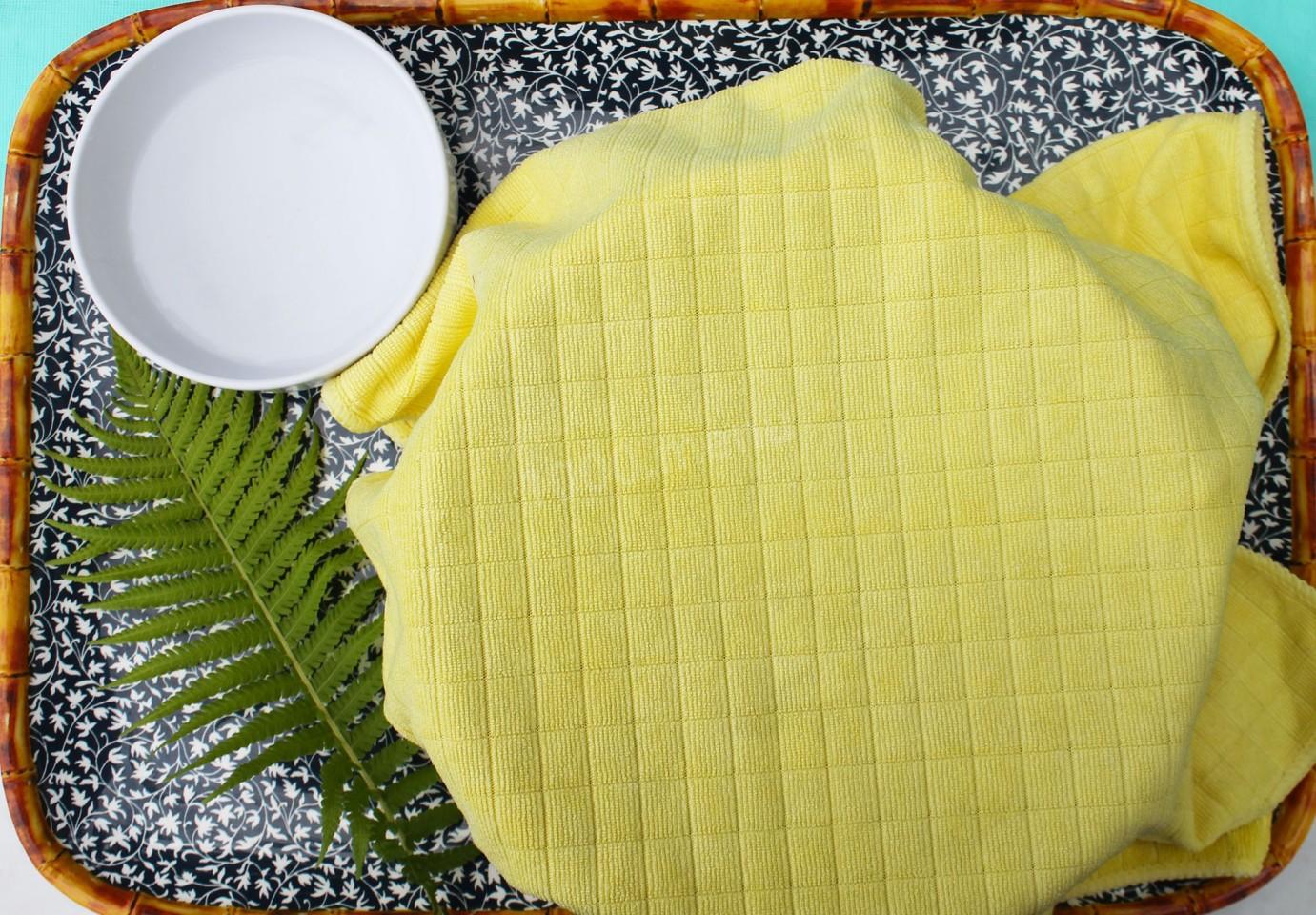
Cover the dough with a towel and let it rest for 30–40 minutes.
-
Step 9:
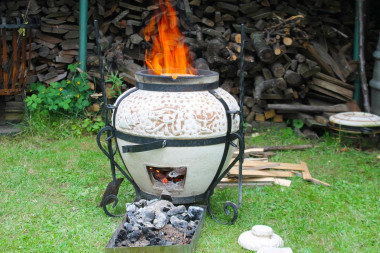
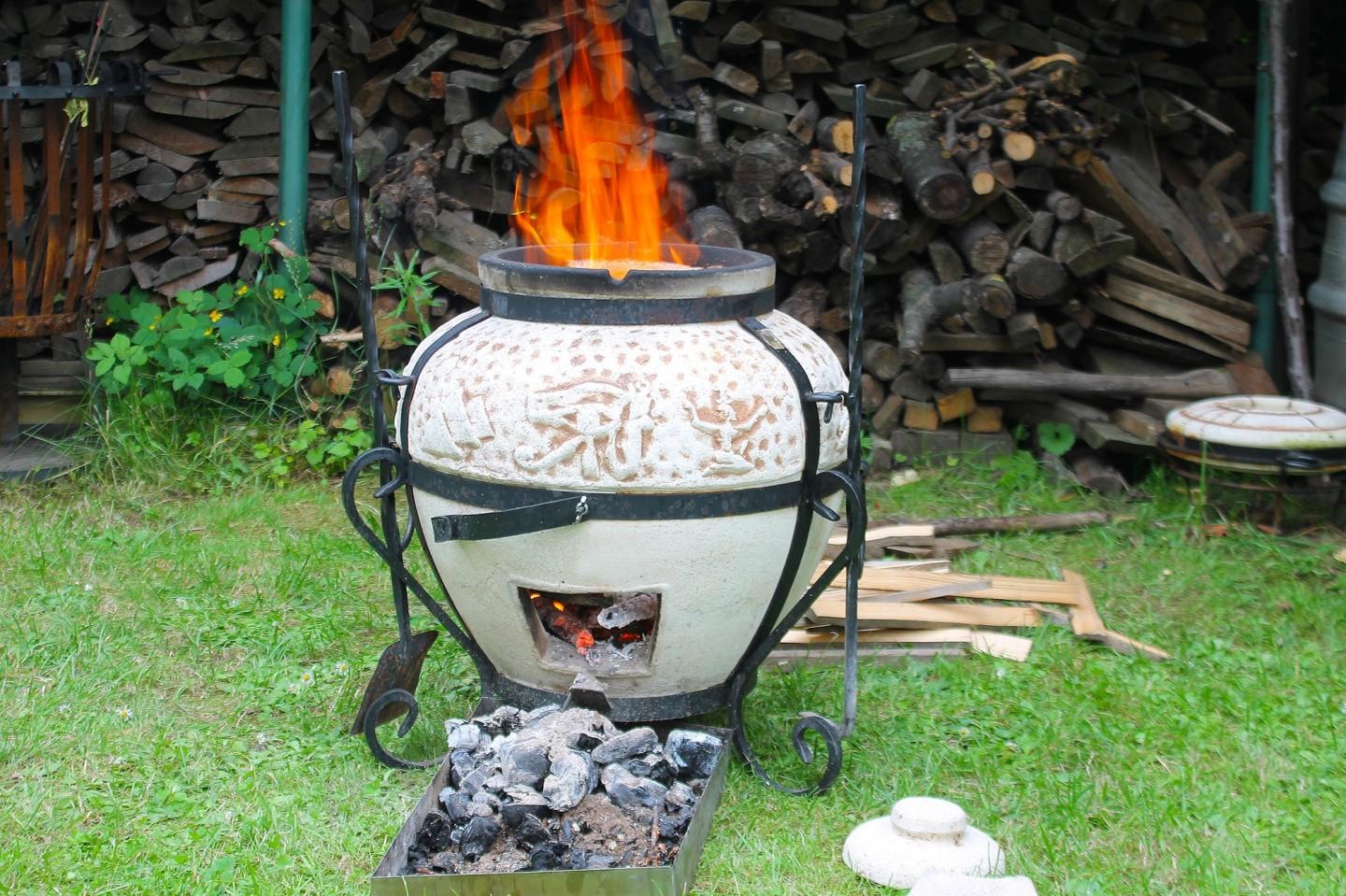
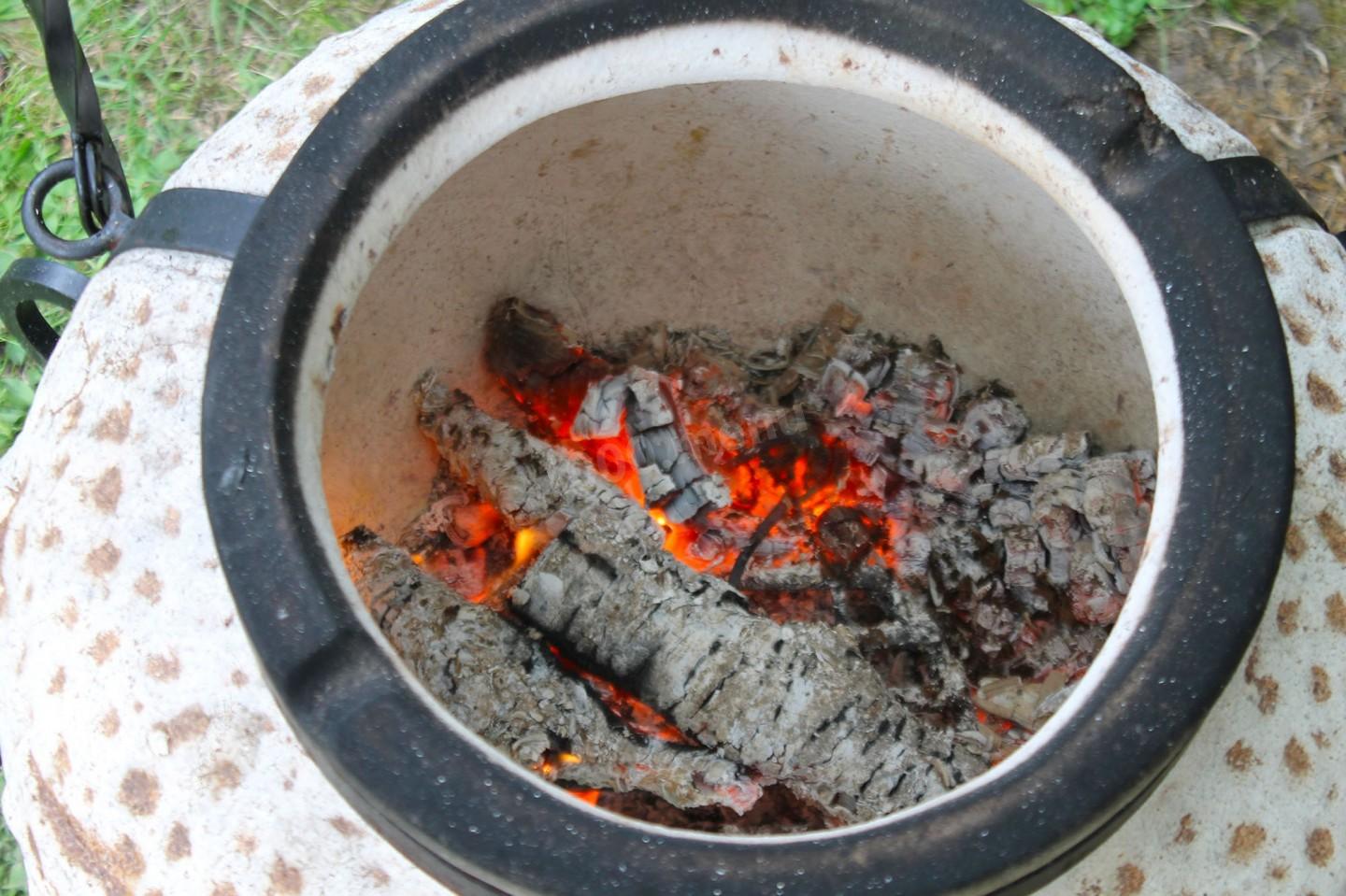
Meanwhile, light the tandoor.
-
Step 10:
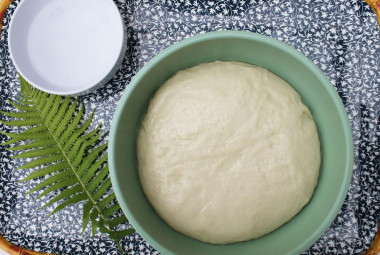
By the time the wood has burned down, the dough will usually be ready to work with.
-
Step 11:
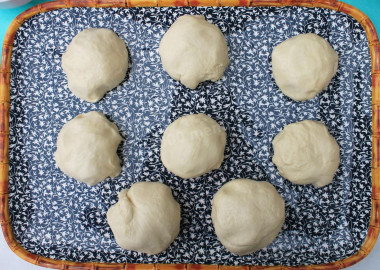
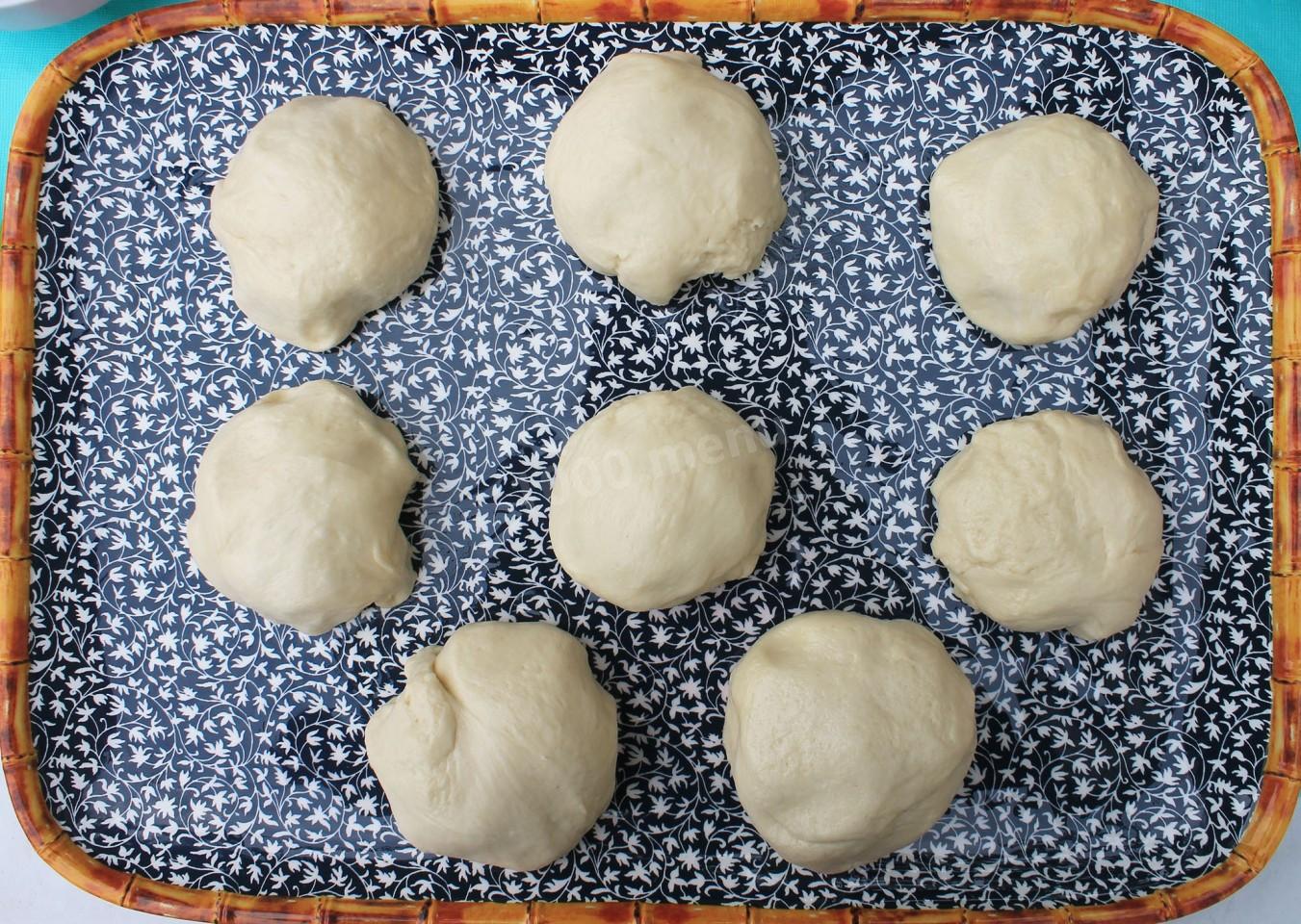
Gently punch down the risen dough with your hands. Shape it into balls of roughly equal size. Cover with a towel and let them rest another 10–15 minutes, during which they'll puff up a little again.
-
Step 12:
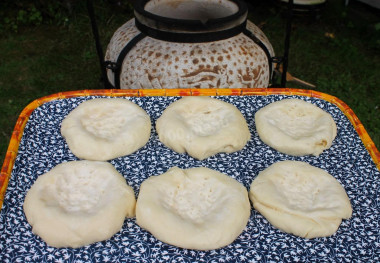
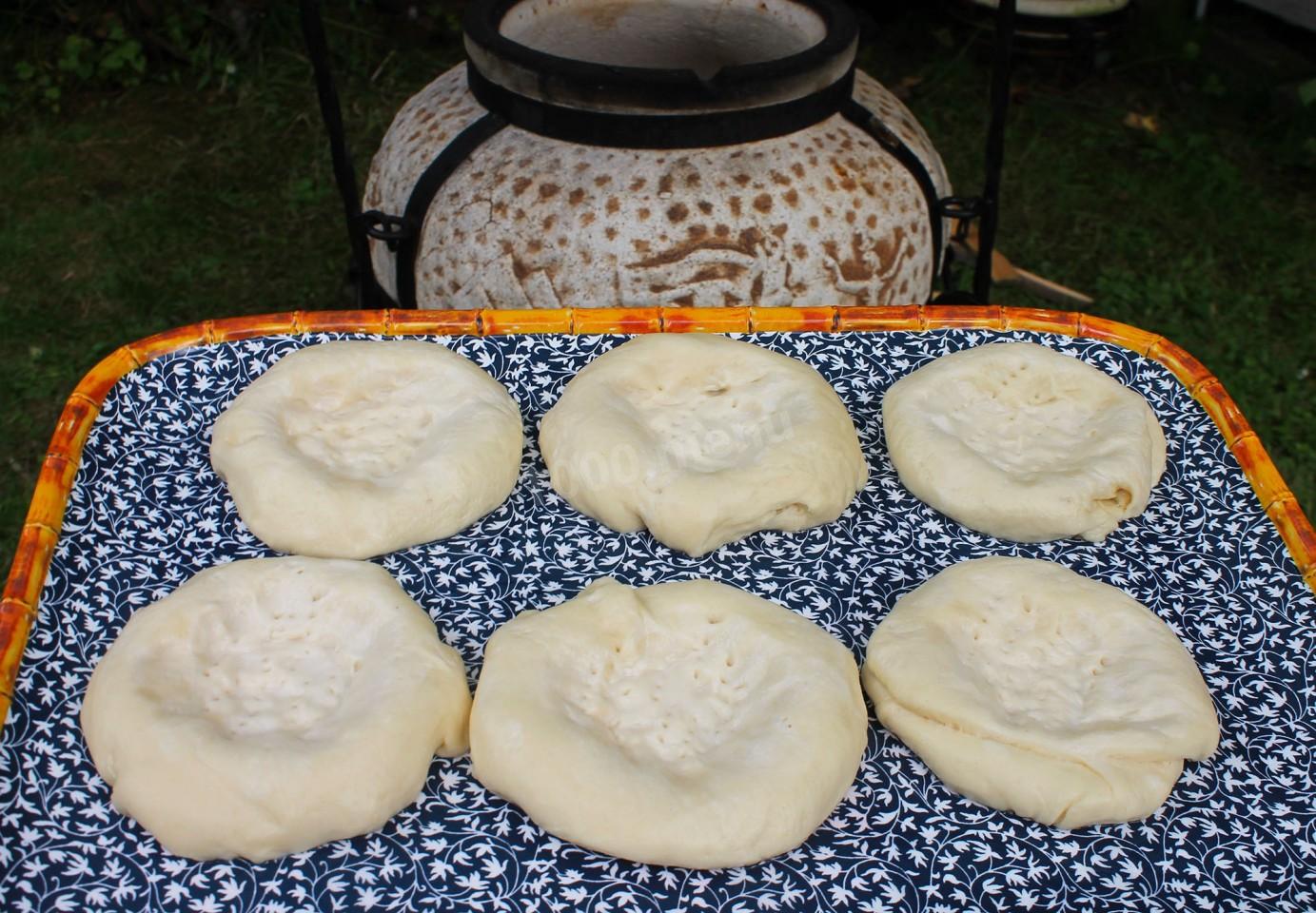
With fingers dipped in water, press a well into the center of each ball to form flatbreads. Prick the well a few times with a fork.
-
Step 13:
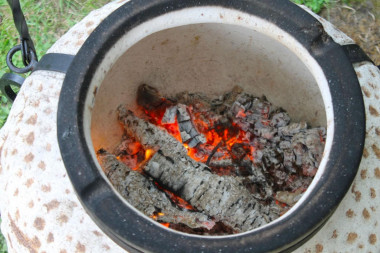
Once the wood has burned down and the walls of the tandoor turn pale again, you're ready for the final step.
-
Step 14:
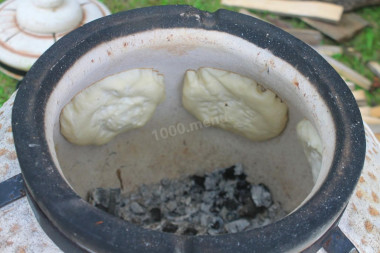
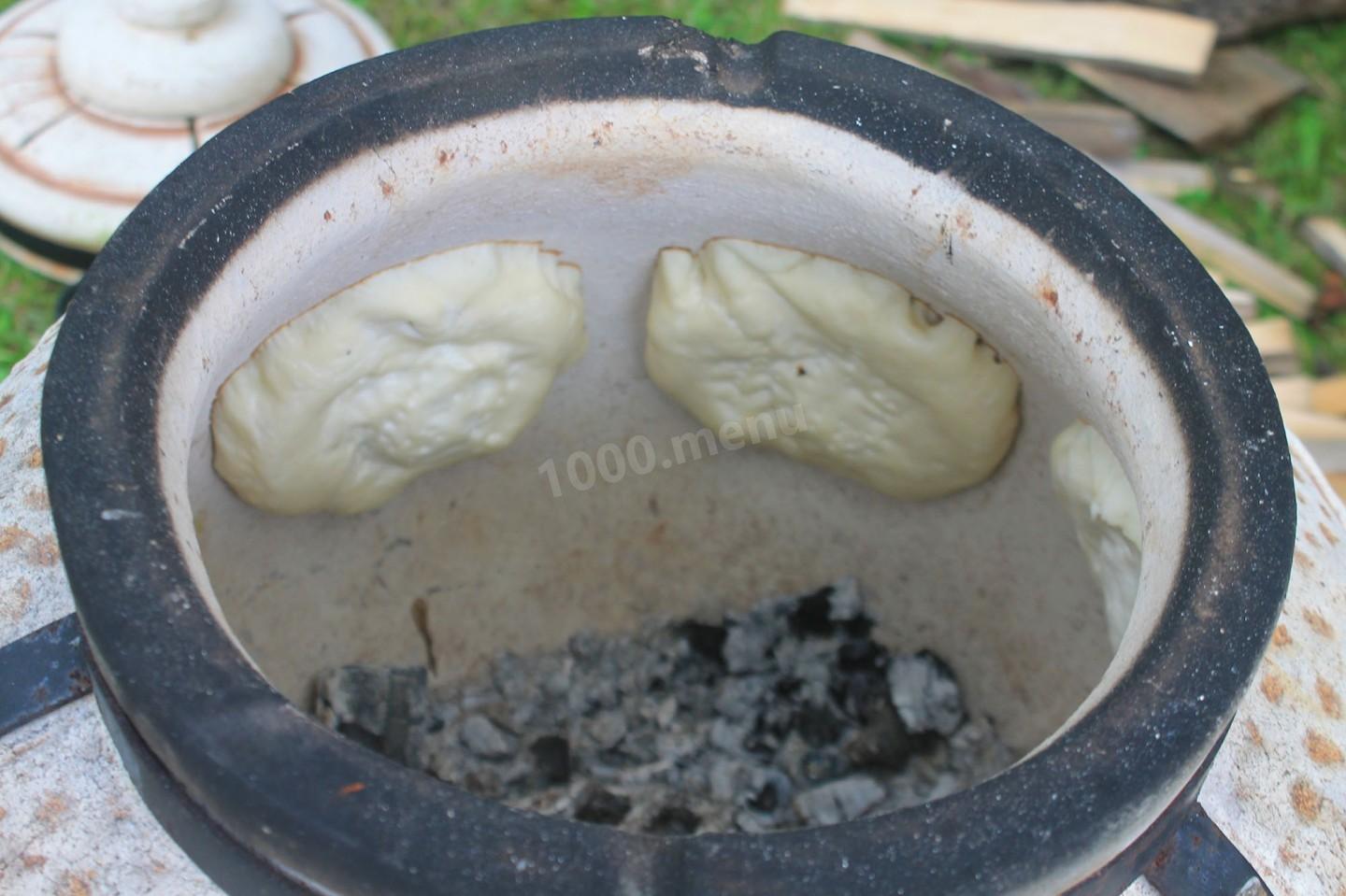
Brush the bottom of each flatbread with cold salted water. Press the flatbreads onto the inner walls of the tandoor. Be very careful not to burn yourself, and use heat-resistant mitts. Close the bottom vent and cover the top of the tandoor with its lid.
-
Step 15:
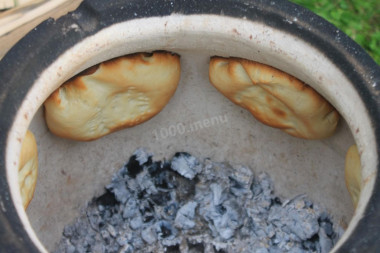
Flatbreads bake very fast in a tandoor; the time depends on the heat and the size of the breads. Here's how mine looked after 2 minutes.
-
Step 16:
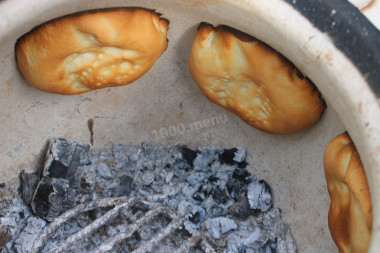
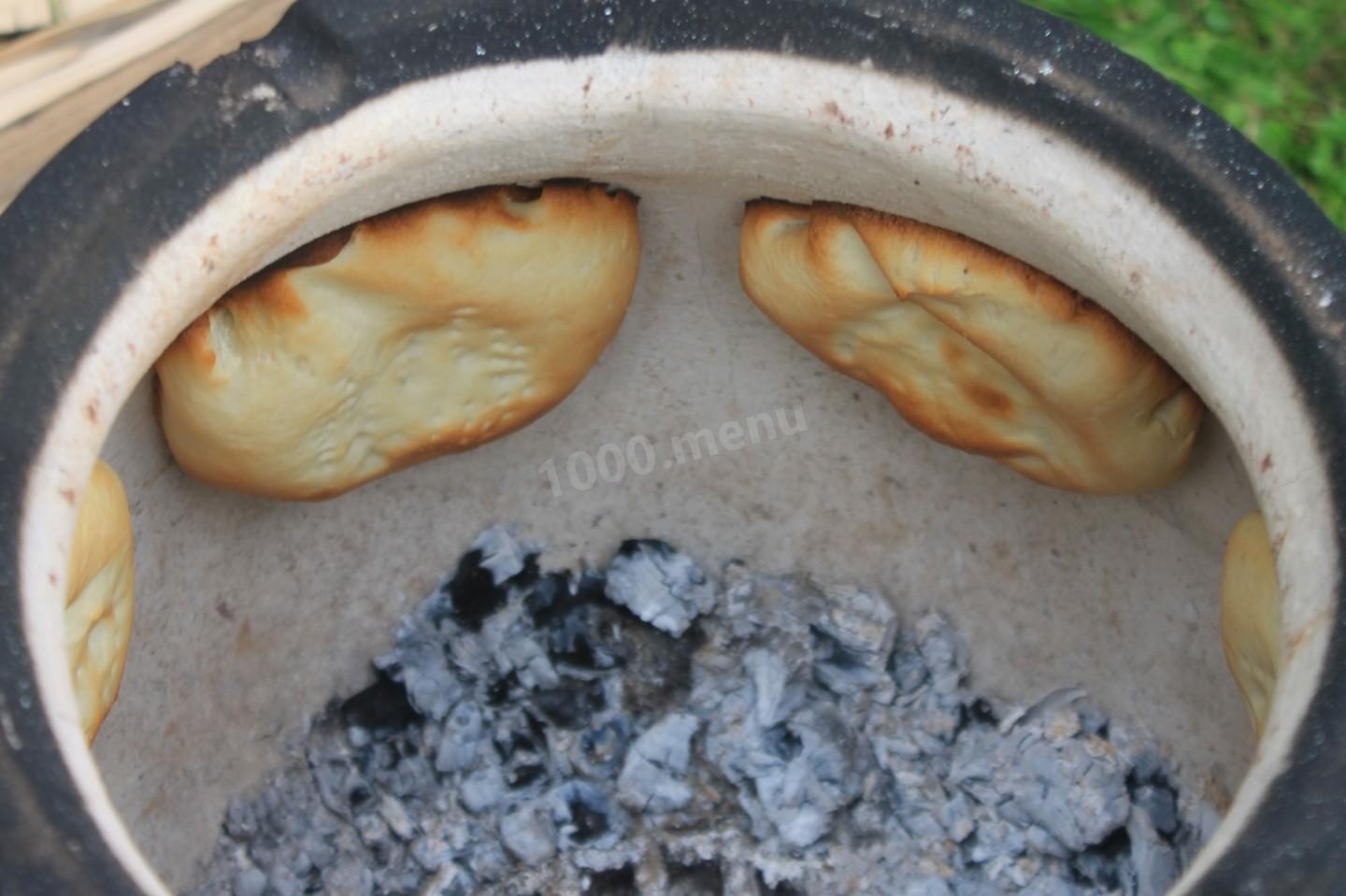
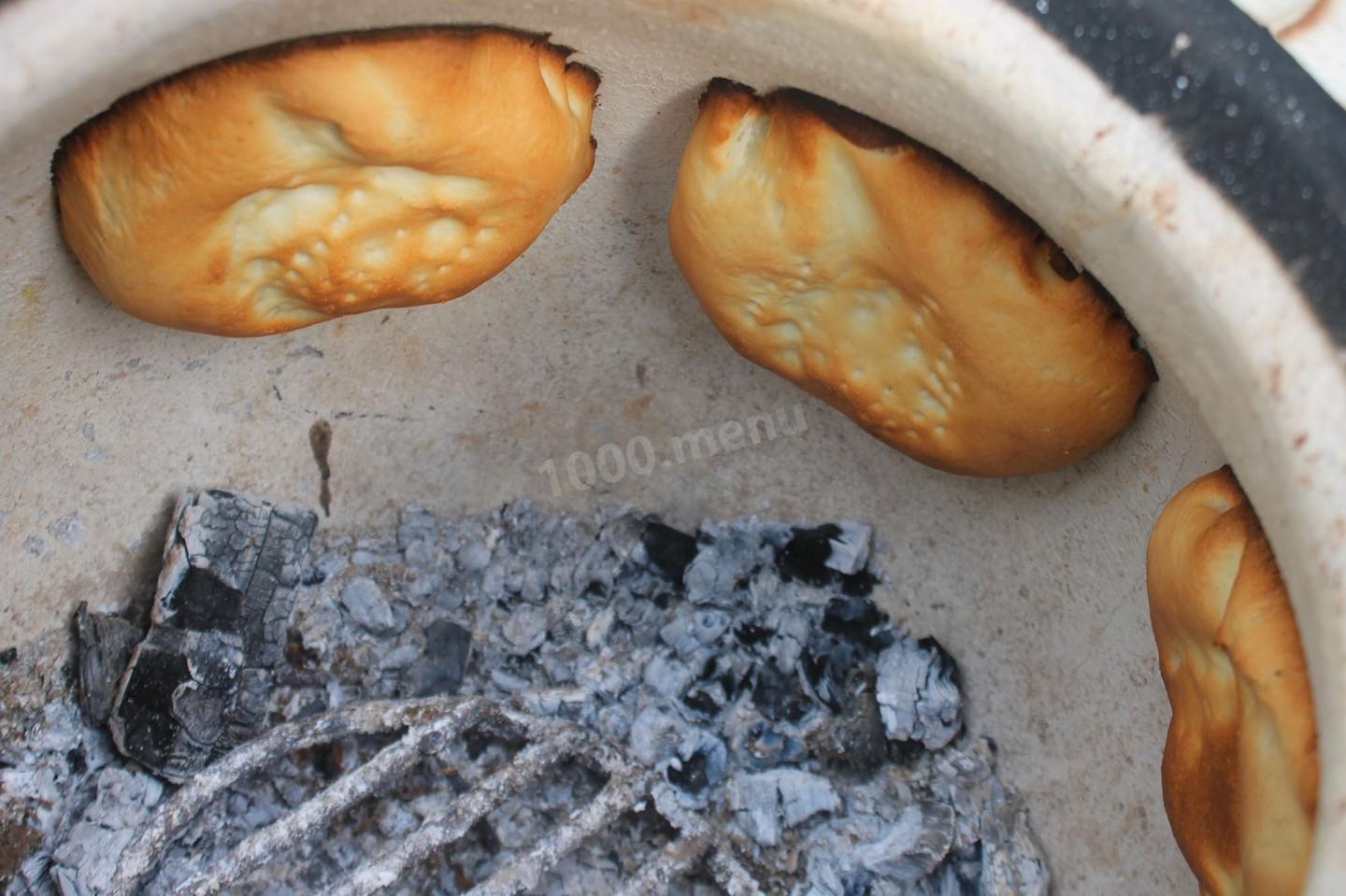
And this is the finished bread after 5 minutes of baking. On average the cooking time runs from 4 to 10 minutes. Carefully lift the finished bread off the tandoor wall.
-
Step 17:
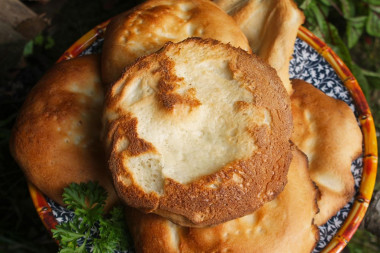
Here's the underside of the tandoor flatbreads.
-
Step 18:
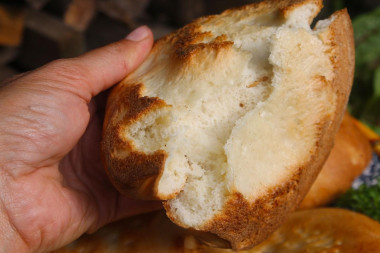
So soft and fragrant — you have to try them!
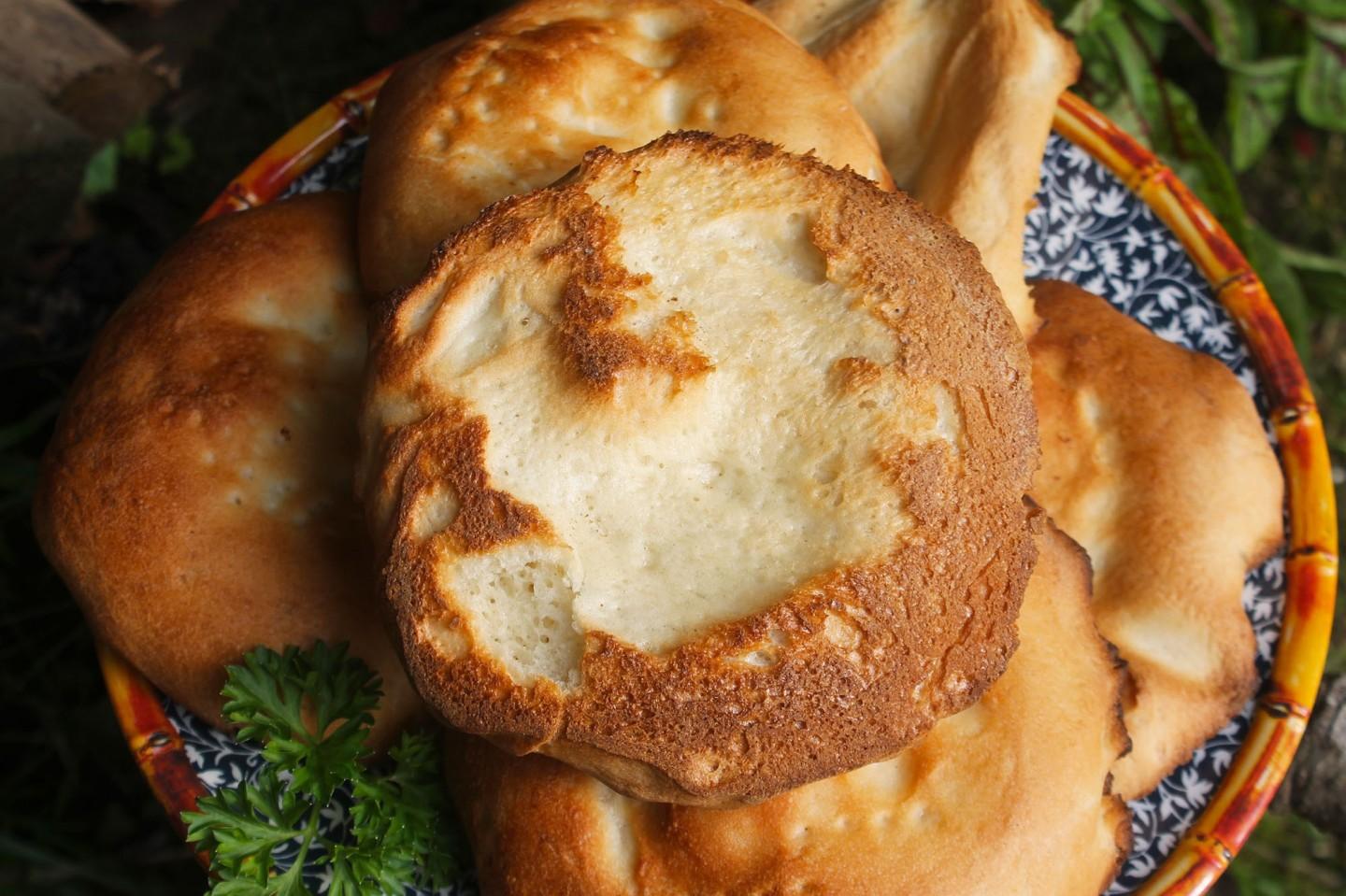
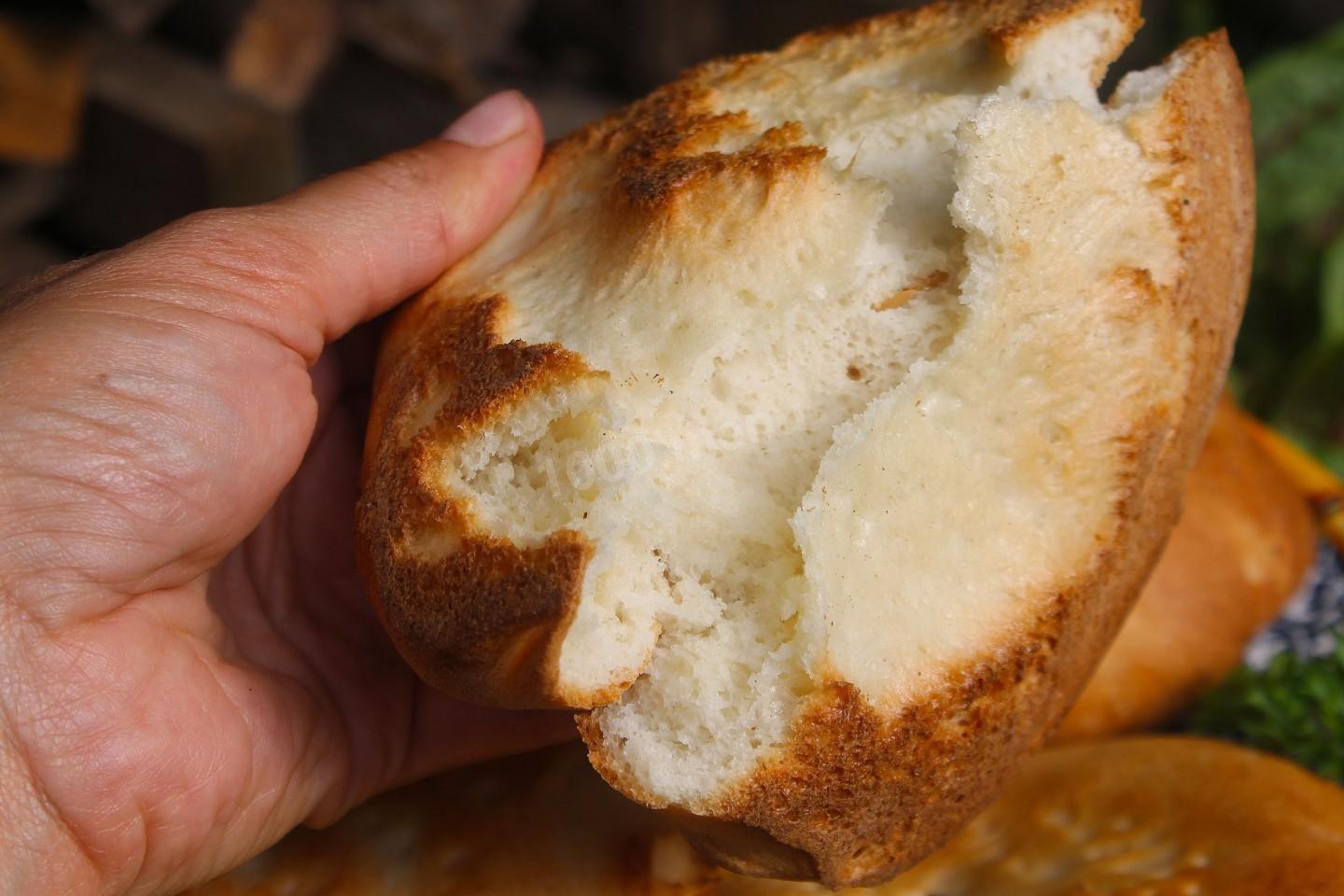
- Enjoy!
- A note on yeast: dry yeast comes in two forms, active and instant (read the package instructions carefully before use!). Active dry yeast looks like little beads or granules and needs to be "woken up" before use — dissolve it in warm sweetened water, milk, or whey. Bubbles, foam, or a frothy "cap" tell you it's alive and ready. Stir active dry yeast until it's fully dissolved; leftover undissolved granules won't dissolve on their own once in the dough, so they won't do their job and the dough may fail to rise. Instant dry yeast is easier — no need to activate it; just add it to the dough with the other ingredients, which also shortens your prep time. Keep in mind that the potency of either type can vary from brand to brand.
Caloric content of the products possible in the composition of the dish
- Whole durum wheat flour fortified - 333 kcal/100g
- Whole durum wheat flour universal - 364 kcal/100g
- Fine wheat flour - 348 kcal/100g
- Flour - 325 kcal/100g
- Granulated sugar - 398 kcal/100g
- Sugar - 398 kcal/100g
- Vegetable oil - 873 kcal/100g
- Salt - 0 kcal/100g
- Water - 0 kcal/100g
- Dry yeast - 410 kcal/100g