Pollock Fillet on a Grill Pan
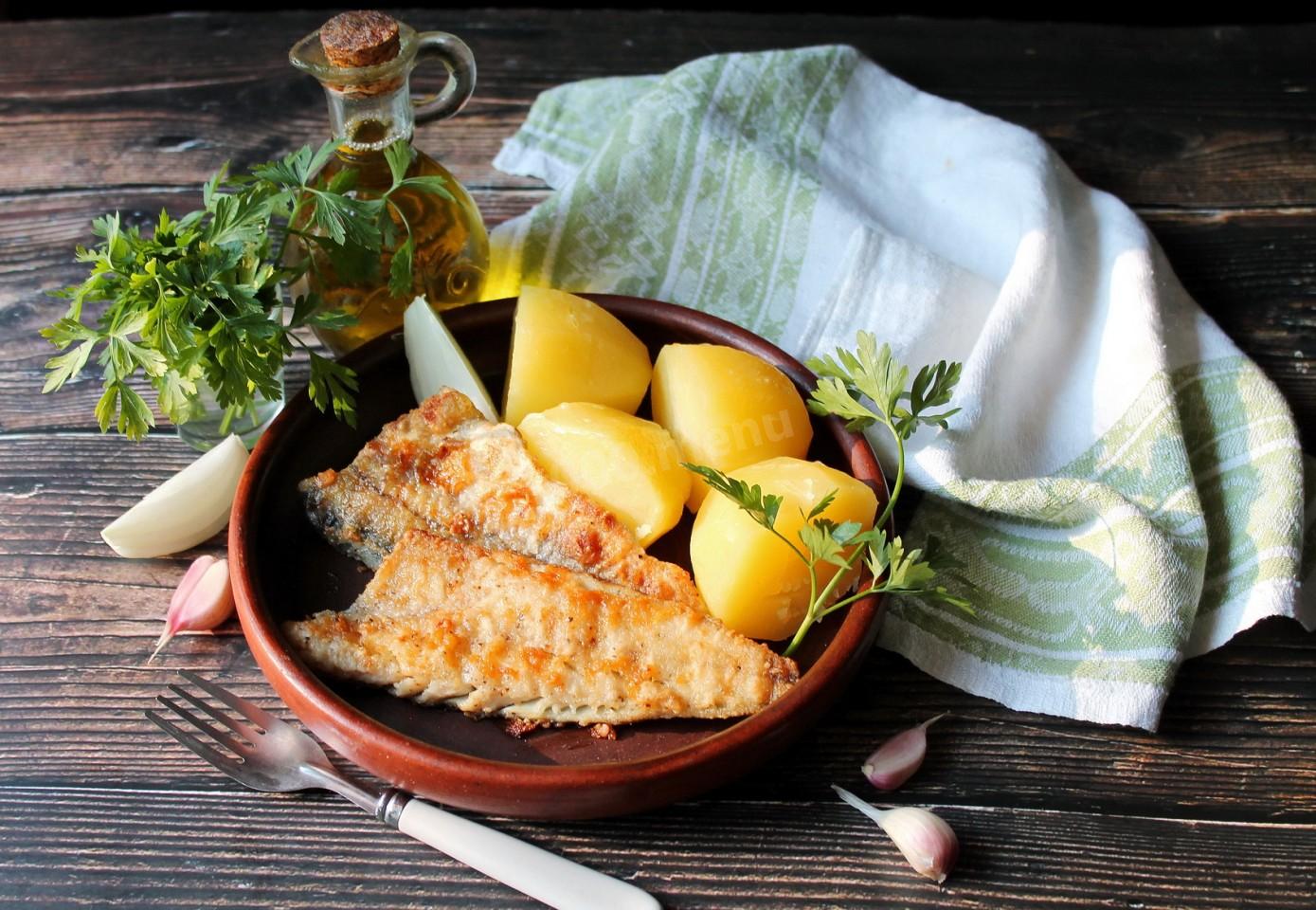
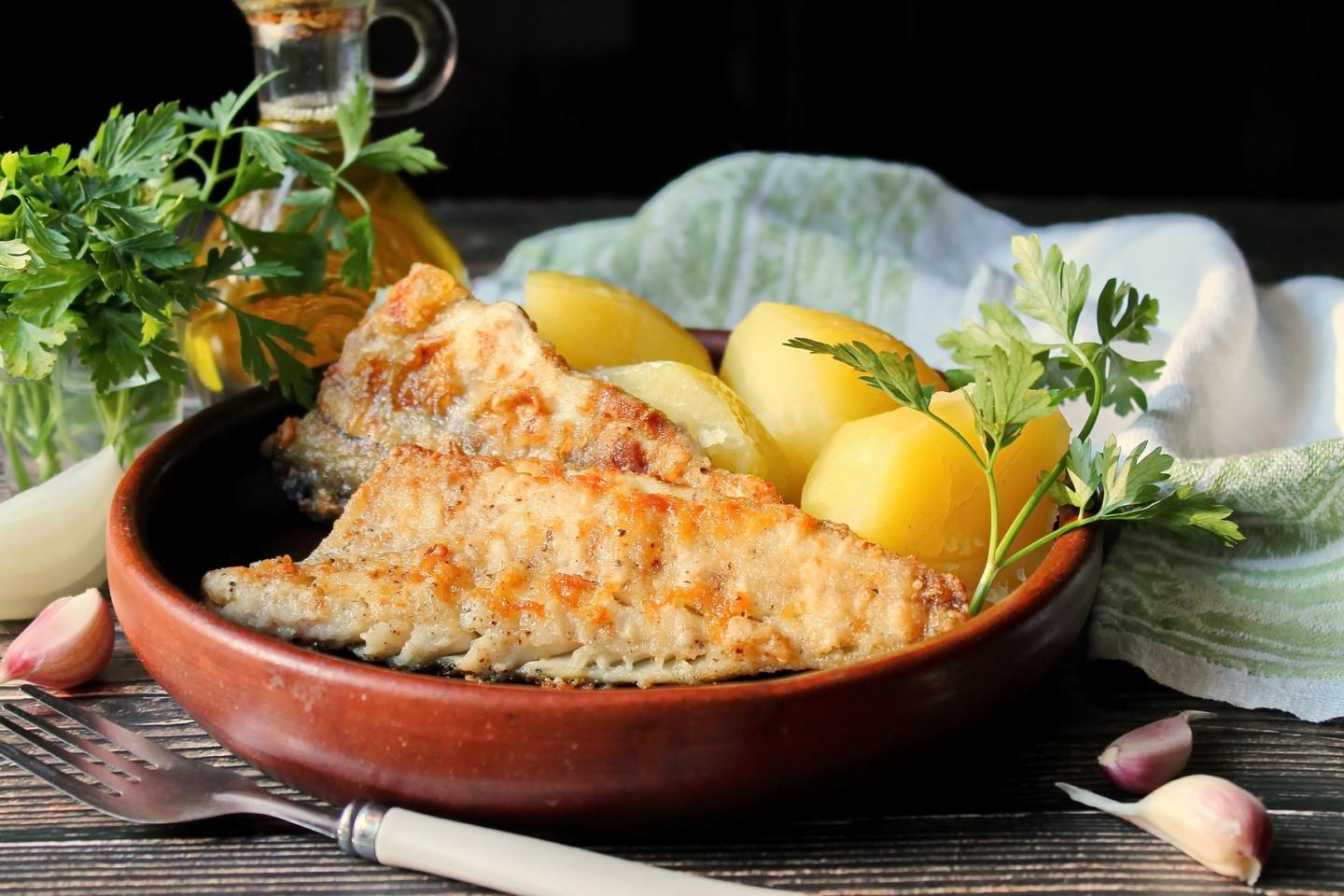
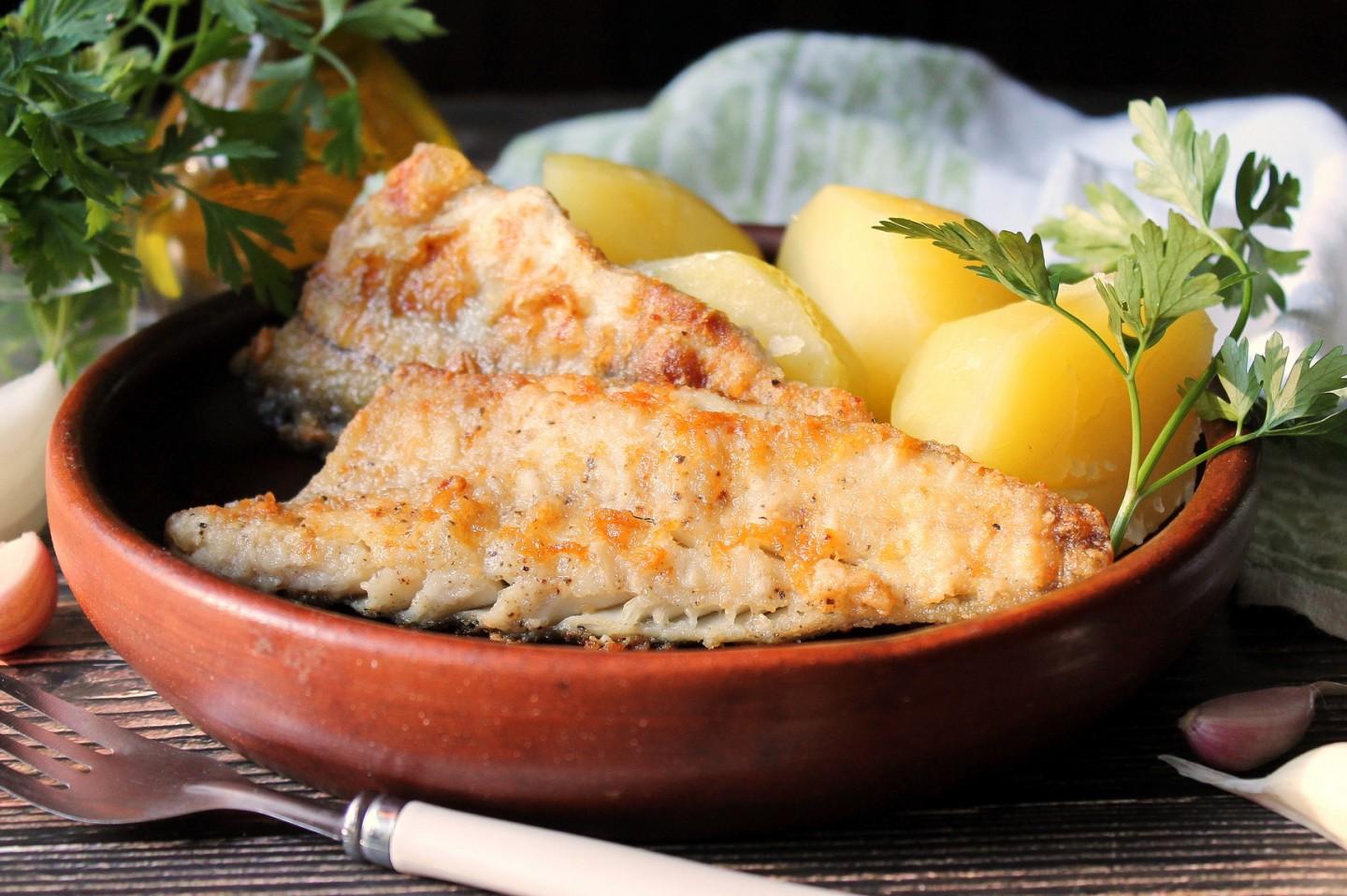
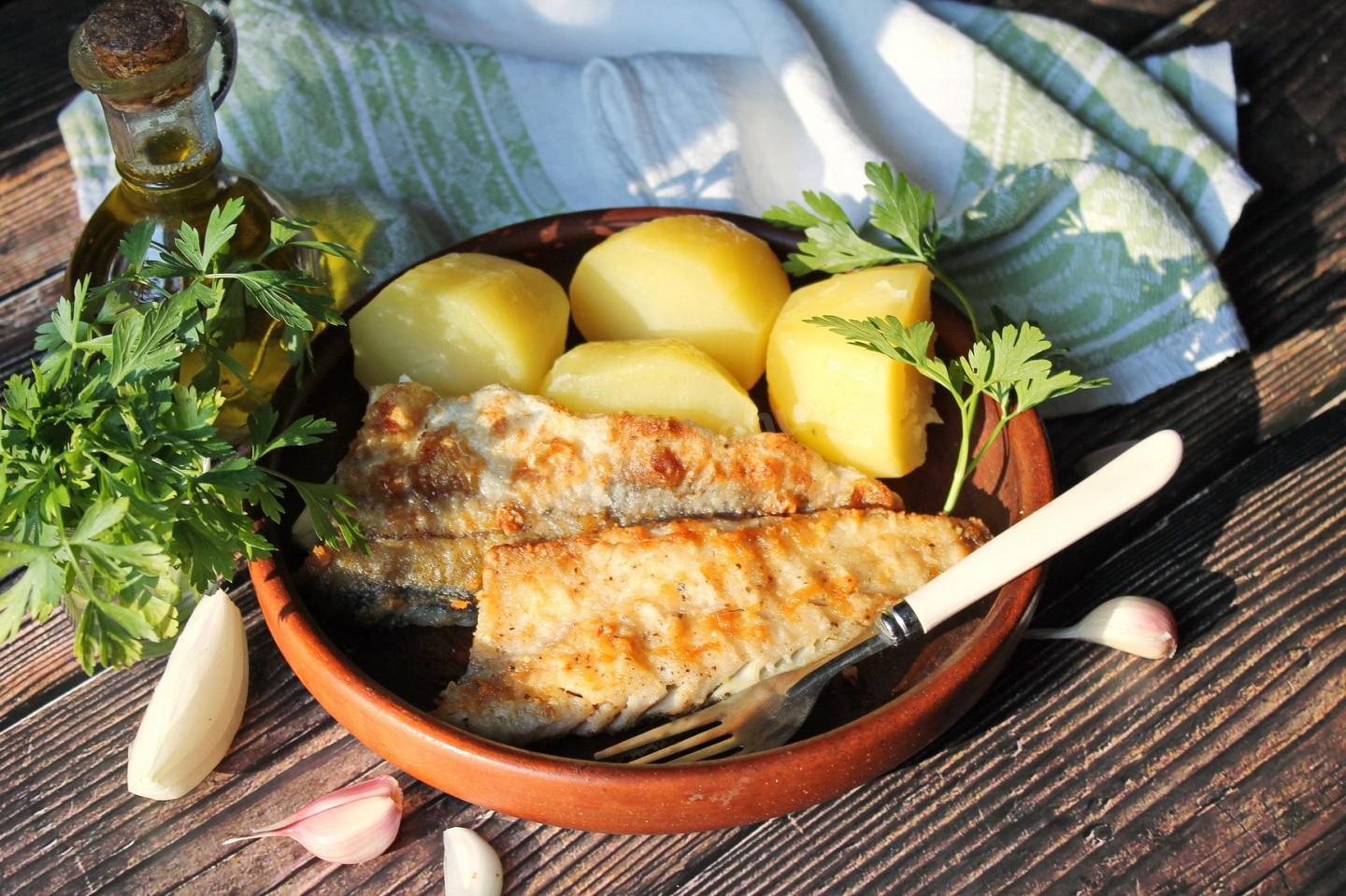
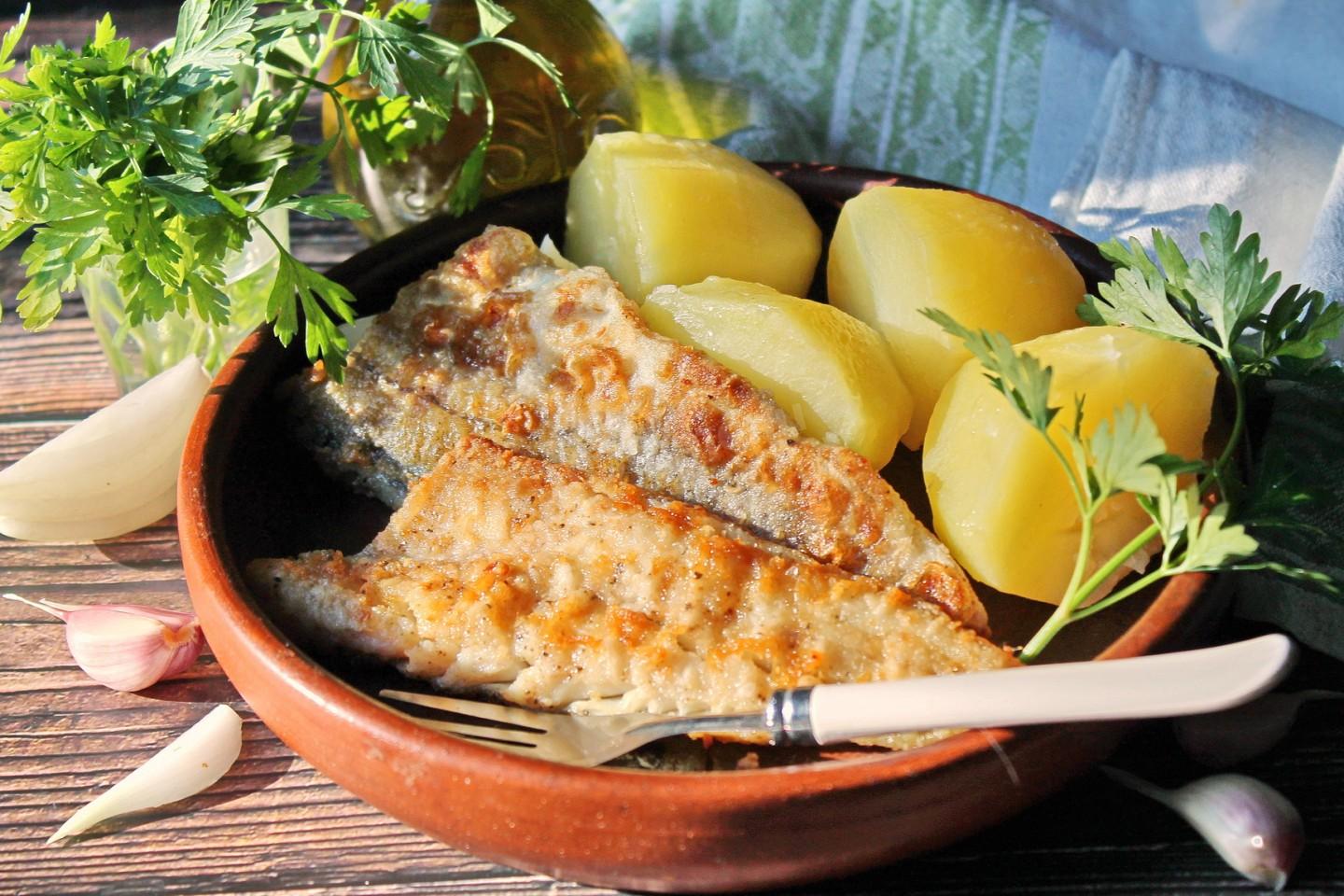
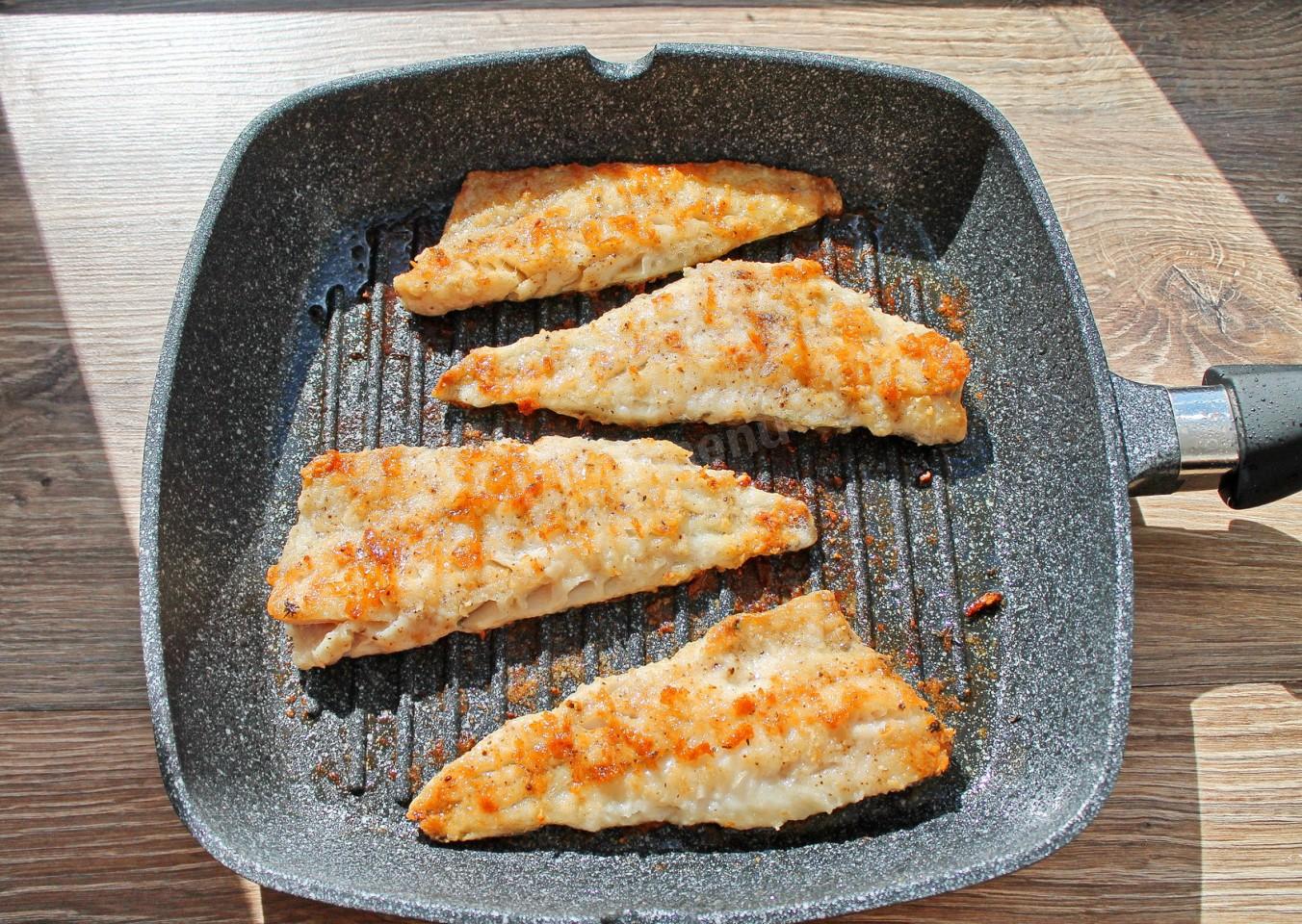
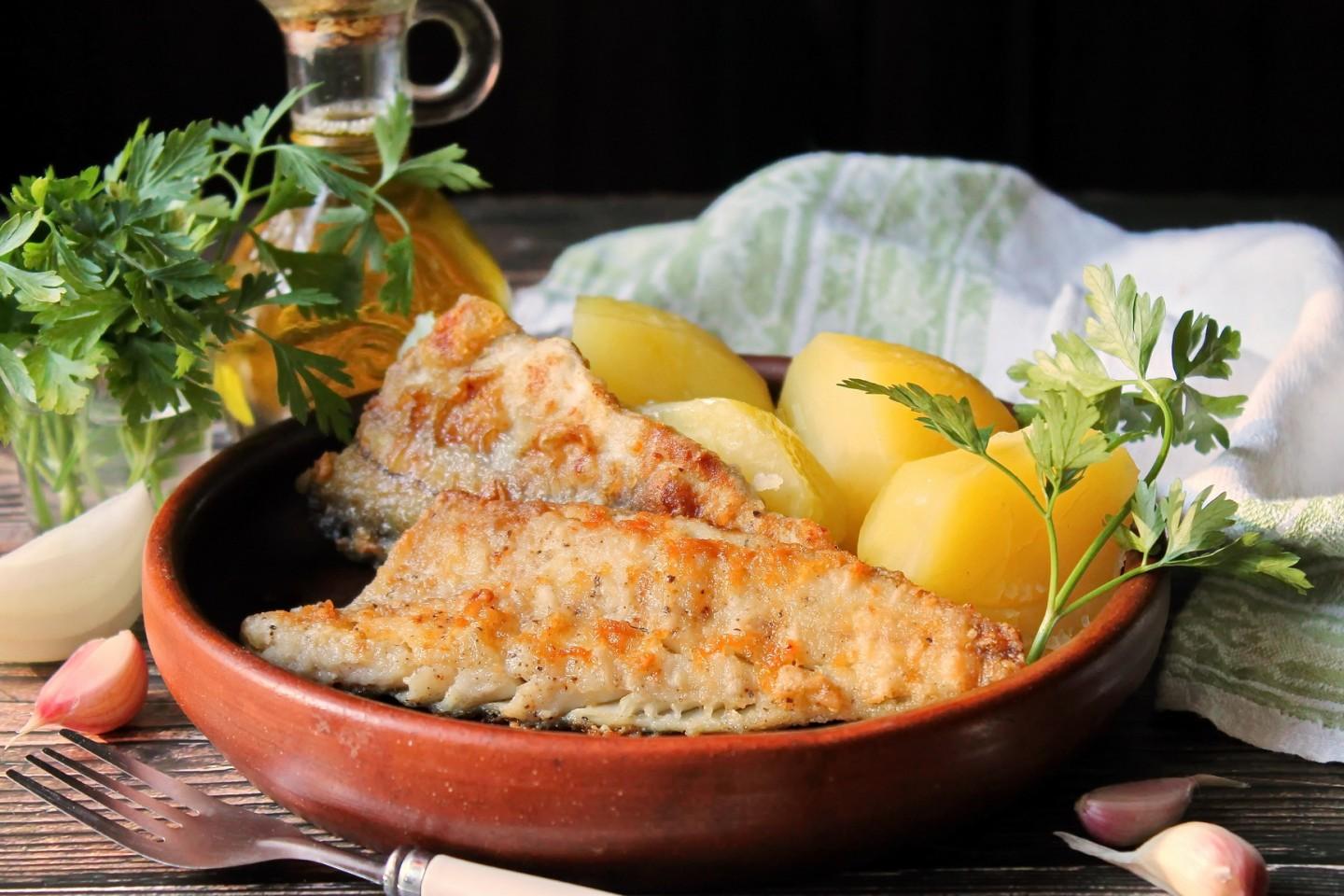
Golden-browned pollock fillet cooked on a grill pan. Cooking it this way keeps the fillet leaner, since it rests up on the ridges. The fish gets a beautiful crust and stays juicy and fragrant thanks to the garlic and thyme.

Cooking method
-
Step 1:
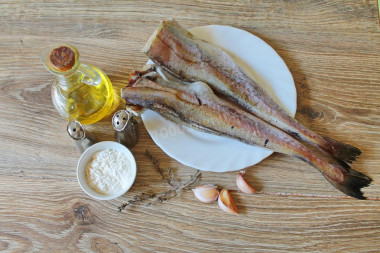
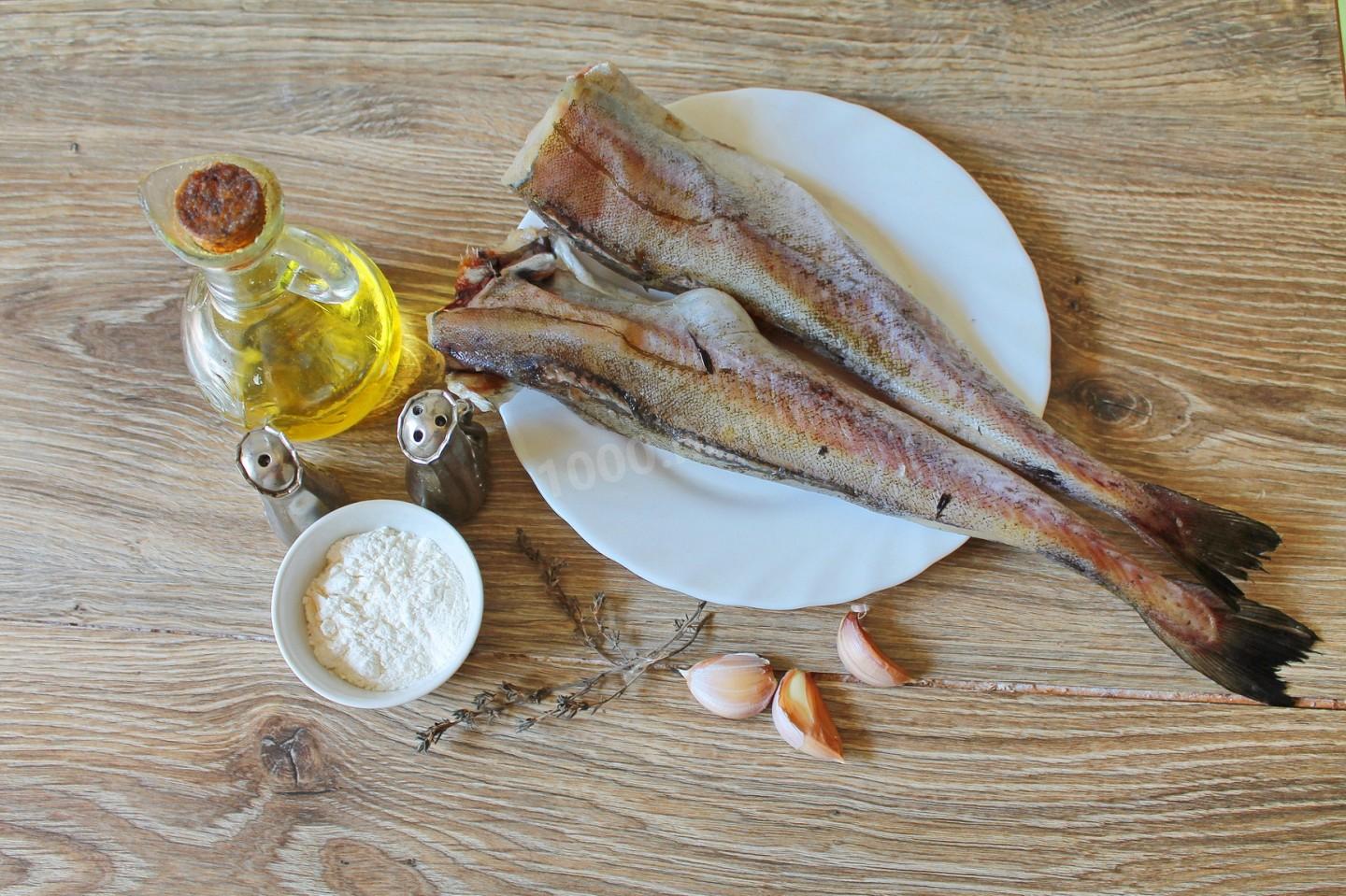
How do you grill pollock? Gather all the ingredients for pollock fillet on a grill pan. Of course, you can buy pre-cut fillet at the store, but you're also paying for a good bit of frozen water. On top of that, once it thaws, a pre-cut fillet may be pieced together from several scraps instead of one solid piece.
-
Step 2:
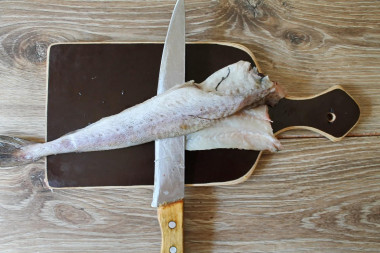
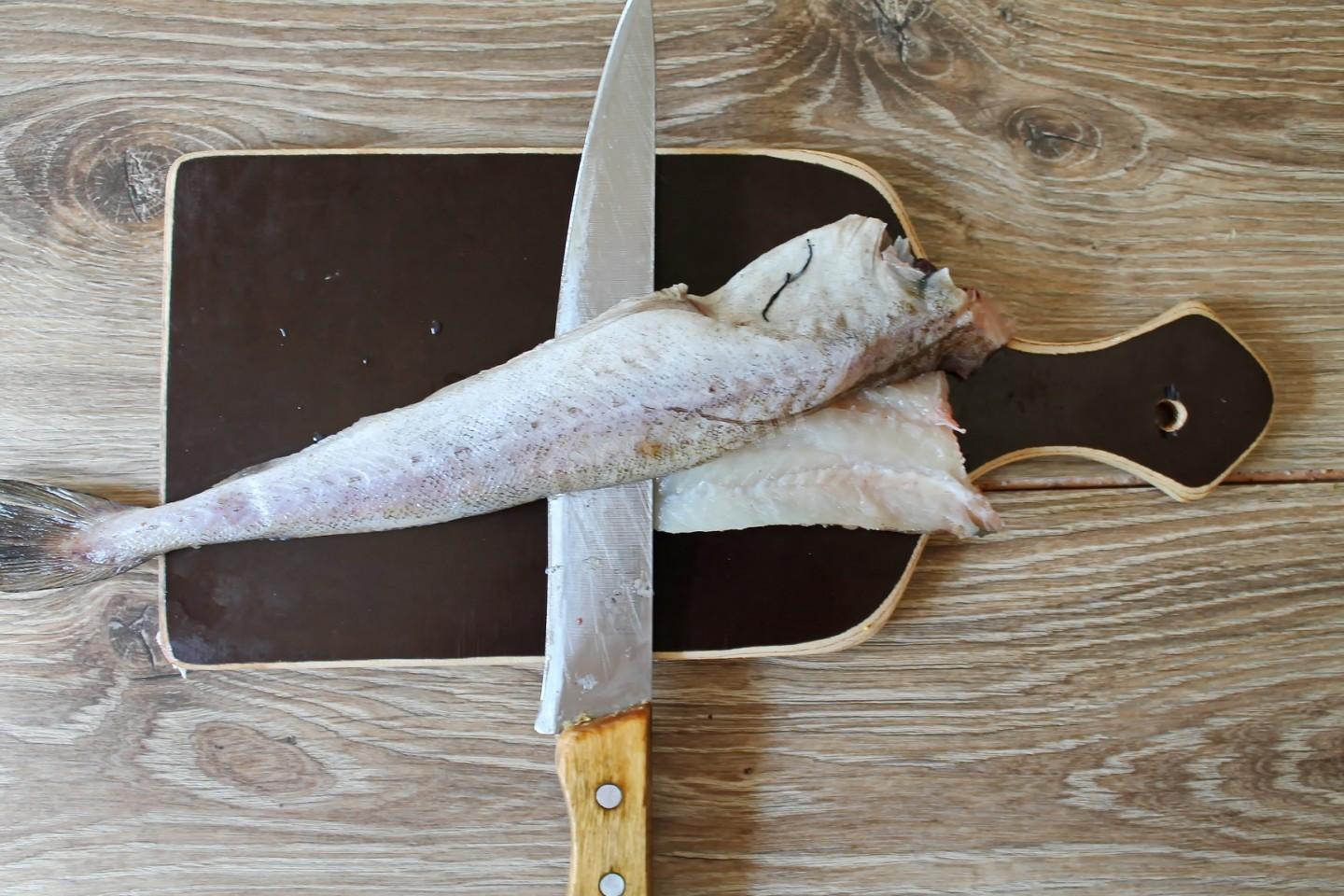
On the thawed pollock, snip off all the fins with kitchen scissors, slit the belly, and remove the innards along with the black membrane inside. If you see any green streaks on the flesh, cut them away without hesitation — that's a burst gallbladder, which turns the meat bitter and can't be washed out. Dry the pollock and slide your knife in under the backbone. Holding the fish with your left hand (if you're right-handed), cut off the bottom fillet with the knife in your right, keeping the blade against the bone.
-
Step 3:
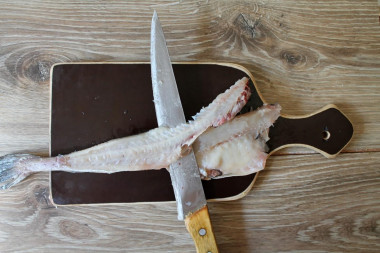
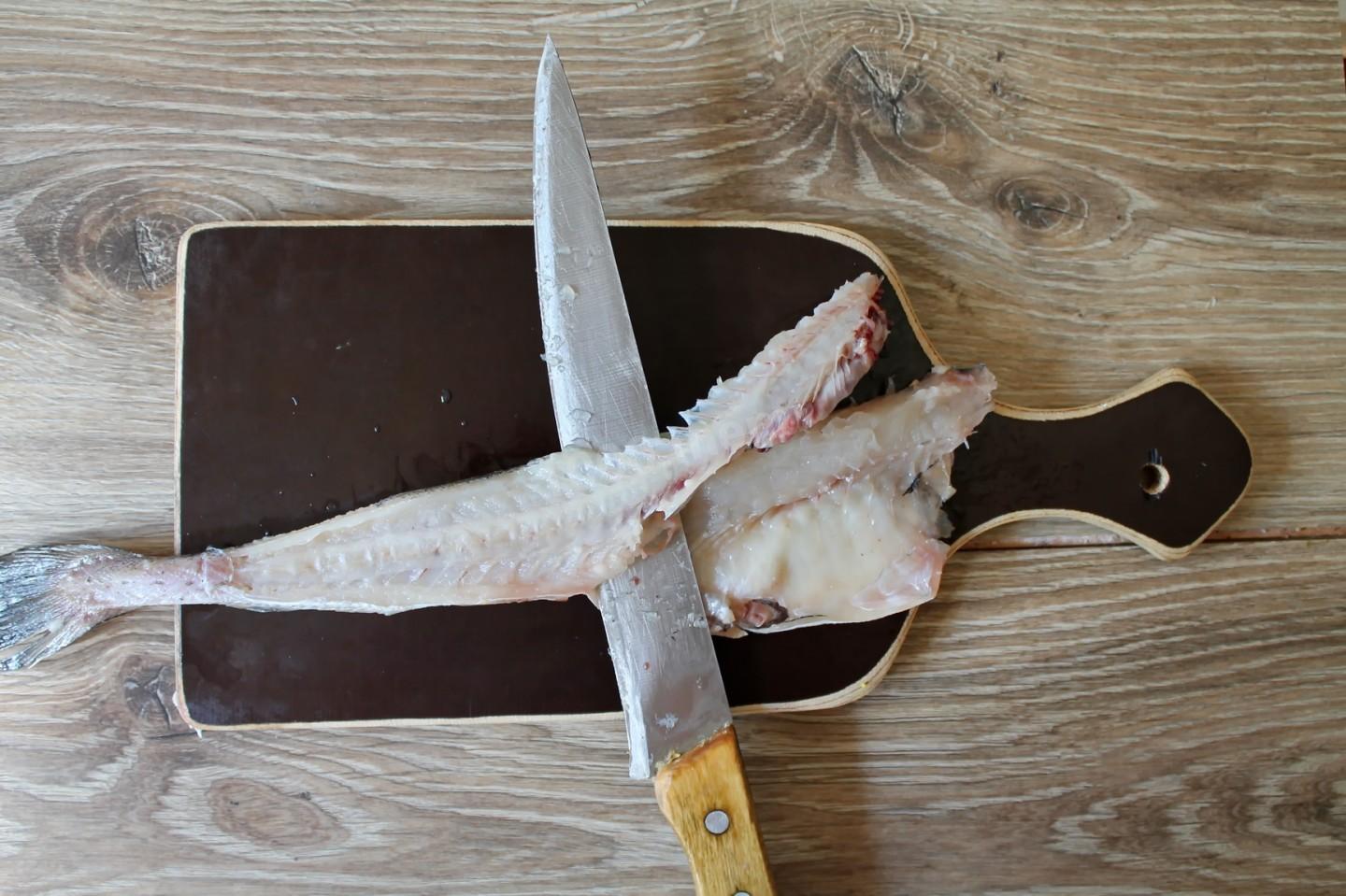
Then flip the pollock and cut off the other fillet, sliding the knife under the bone and keeping it pressed against it. Be careful not to cut yourself.
-
Step 4:
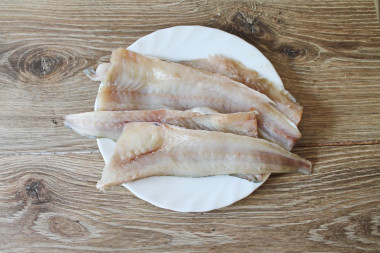
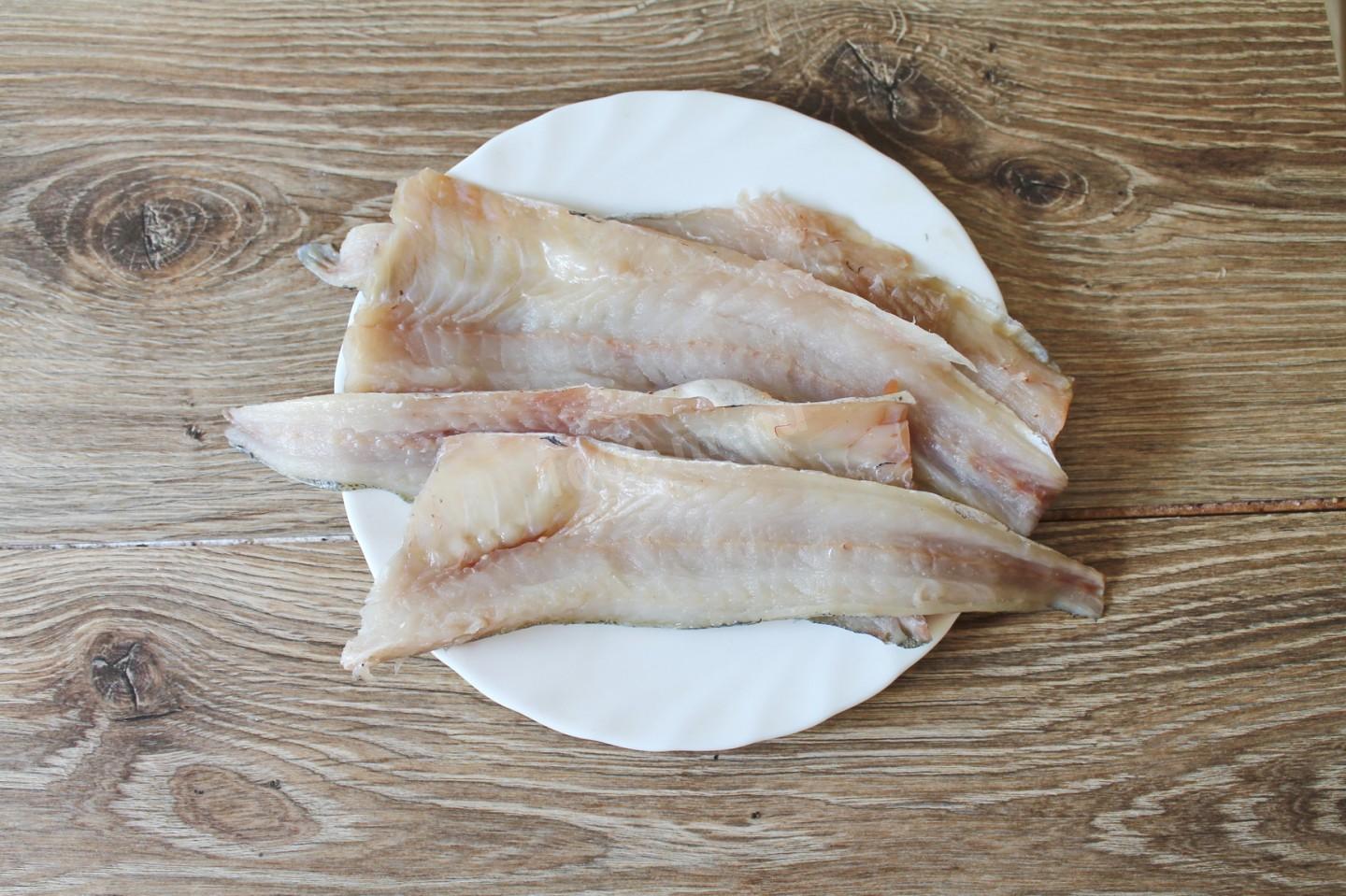
Fillet the second fish the same way. Trim off the rib bones.
-
Step 5:
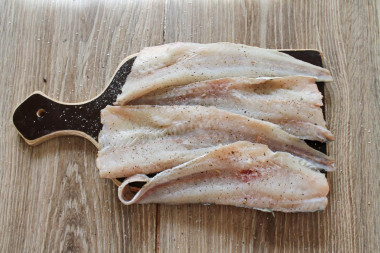
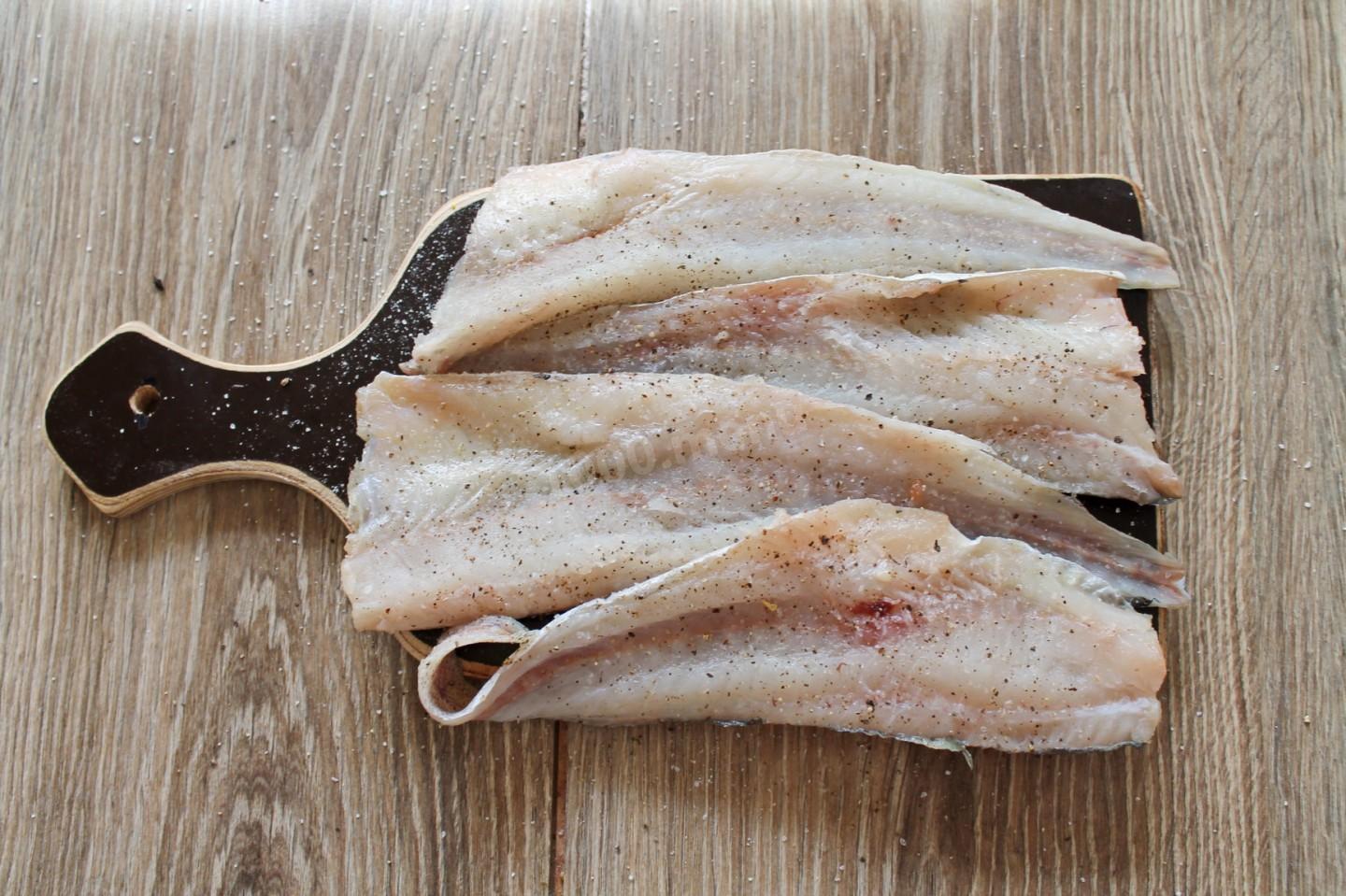
Lay the fillets out in a single layer on a board and season the fish with salt and pepper (if you like) on both sides.
-
Step 6:
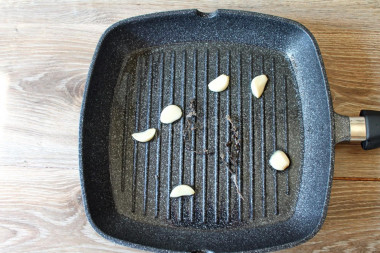
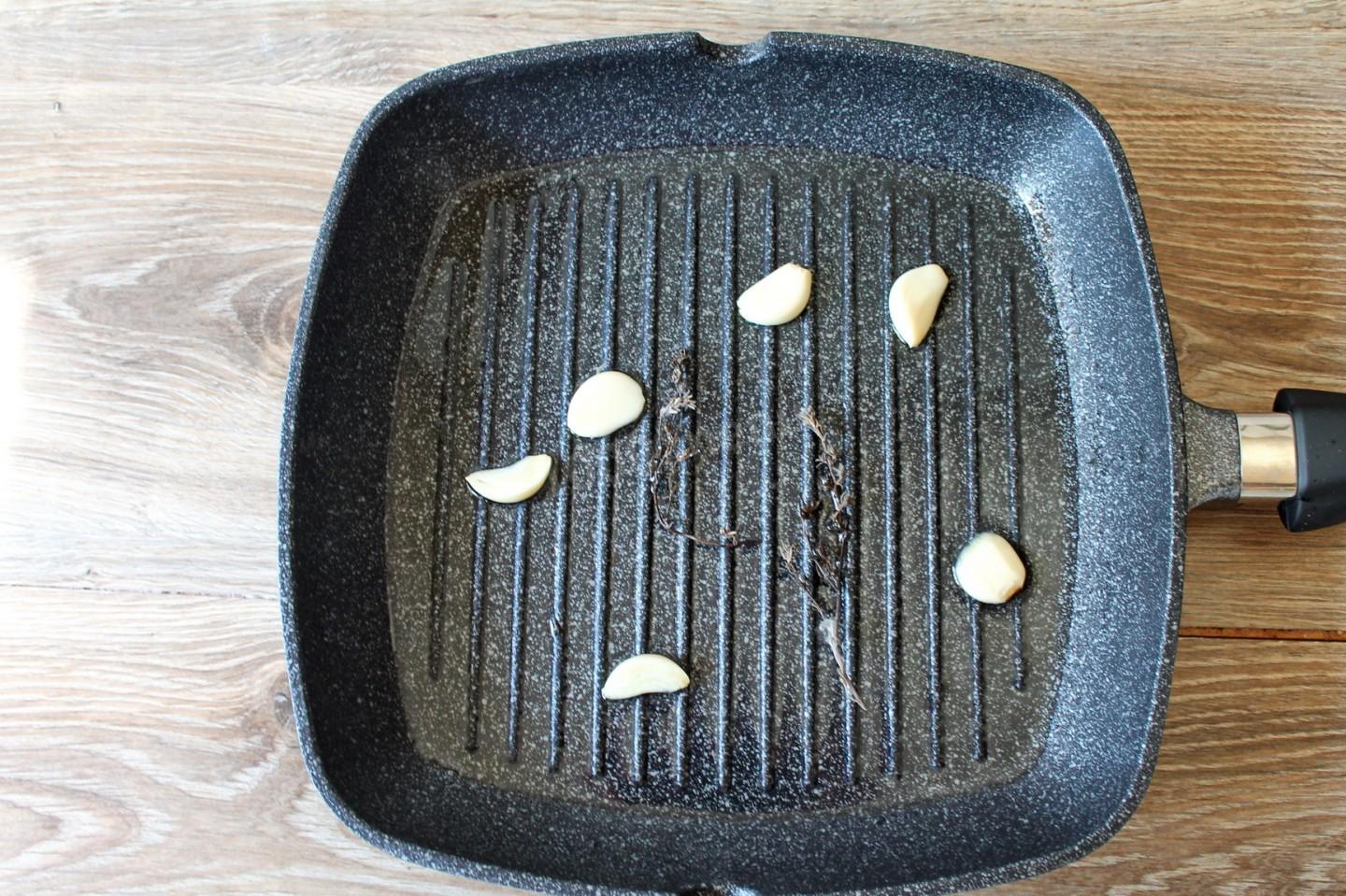
Peel the garlic and cut it in half lengthwise. Pour the vegetable oil into a grill pan and heat over medium. Add the halved garlic and the thyme sprigs — thyme can be fresh or dried. Fry for 2 minutes to flavor the oil.
-
Step 7:
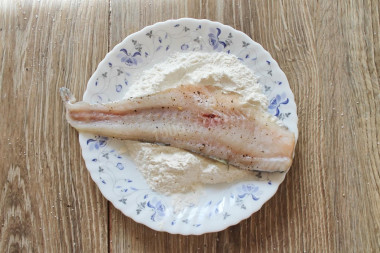
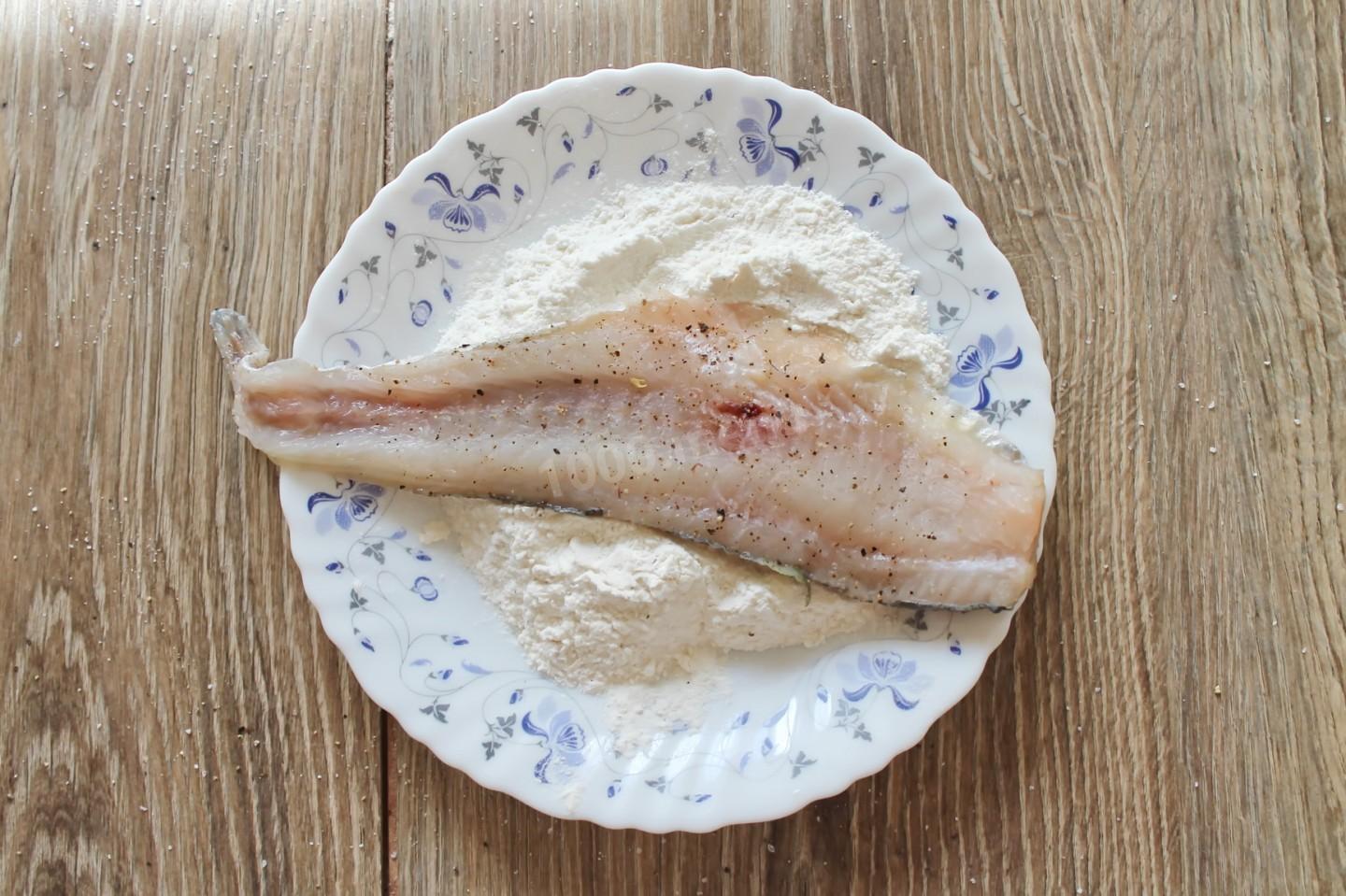
Pour flour onto a plate and dredge the pollock fillets on both sides. Any flour will do, as long as it's good quality.
-
Step 8:
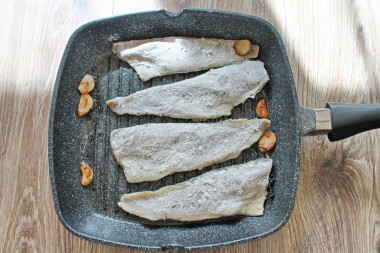
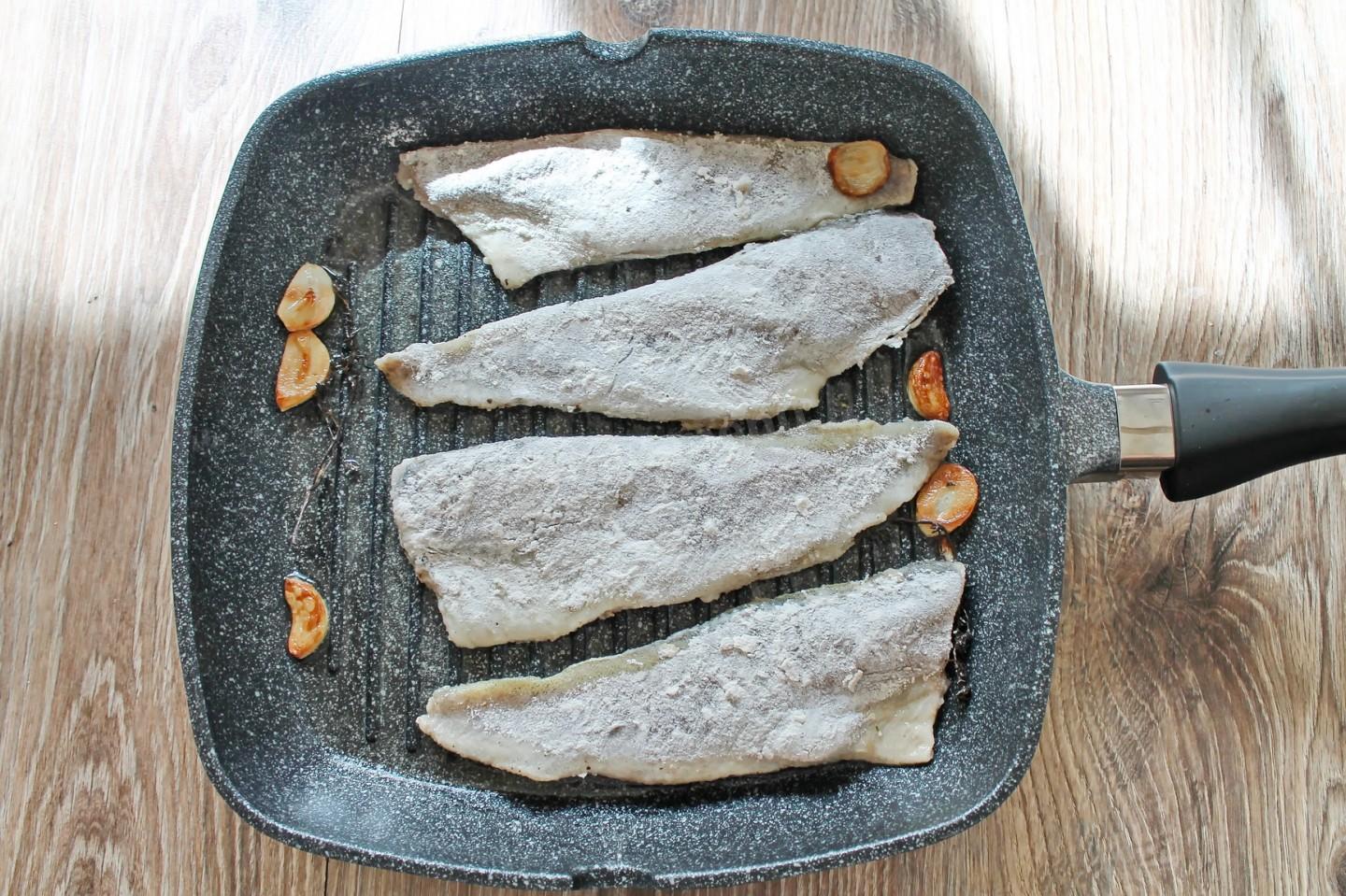
Push the fried garlic and thyme sprigs to the edges of the pan. Lay the dredged fillets on the grill pan skin-side down. Fry, without pressing, until golden, about 5–7 minutes. Don't cook them too long, or the pollock can dry out.
-
Step 9:
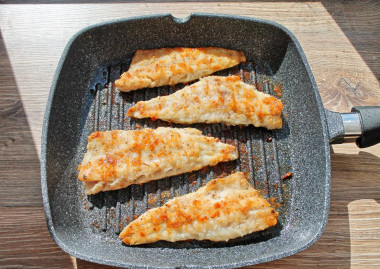
Flip the fillets and fry until done. If you want clear grill marks, press the fillet down with a spatula as it cooks. That didn't matter to us, so I didn't press much. Once the fish is browned, transfer it to plates and serve right away.
-
Step 10:
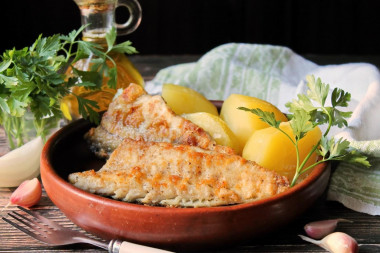
Enjoy!
- Use an oil with a high smoke point for frying! Oils are only healthy up to a certain temperature — the smoke point, past which the oil starts to burn and forms toxic compounds, including carcinogens. Unrefined oils, with rare exceptions, have a low smoke point; they contain many unfiltered organic particles that quickly begin to burn. Refined oils hold up better to heat and have a higher smoke point. If you're going to cook in the oven, in a skillet, or on the grill, make sure to use an oil with a high smoke point. The most common high-smoke-point oils are refined sunflower, olive, and grapeseed oil.
Caloric content of the products possible in the composition of the dish
- Boiled pollock - 79 kcal/100g
- Fresh pollock - 72 kcal/100g
- Garlic - 143 kcal/100g
- Ground black pepper - 255 kcal/100g
- Thyme - 101 kcal/100g
- Dried thyme - 276 kcal/100g
- Thyme - 276 kcal/100g
- Whole durum wheat flour fortified - 333 kcal/100g
- Whole durum wheat flour, universal - 364 kcal/100g
- Flour krupchatka - 348 kcal/100g
- Flour - 325 kcal/100g
- Vegetable oil - 873 kcal/100g
- Salt - 0 kcal/100g
Similar recipes
- Fast and tasty
- Second course
- Fish and seafood
- Flour
- Spices seasonings spices
- Fats and oils
- Garlic
- Pepper
- Salt
- Thyme
- Vegetable oil
- Frying
- In a frying pan
- Breading
- The second is fast and delicious
- Dishes in 30 minutes
- Fish second course
- Grilled fish
- Pollock
- No eggs
- Recipes for lean dishes without butter