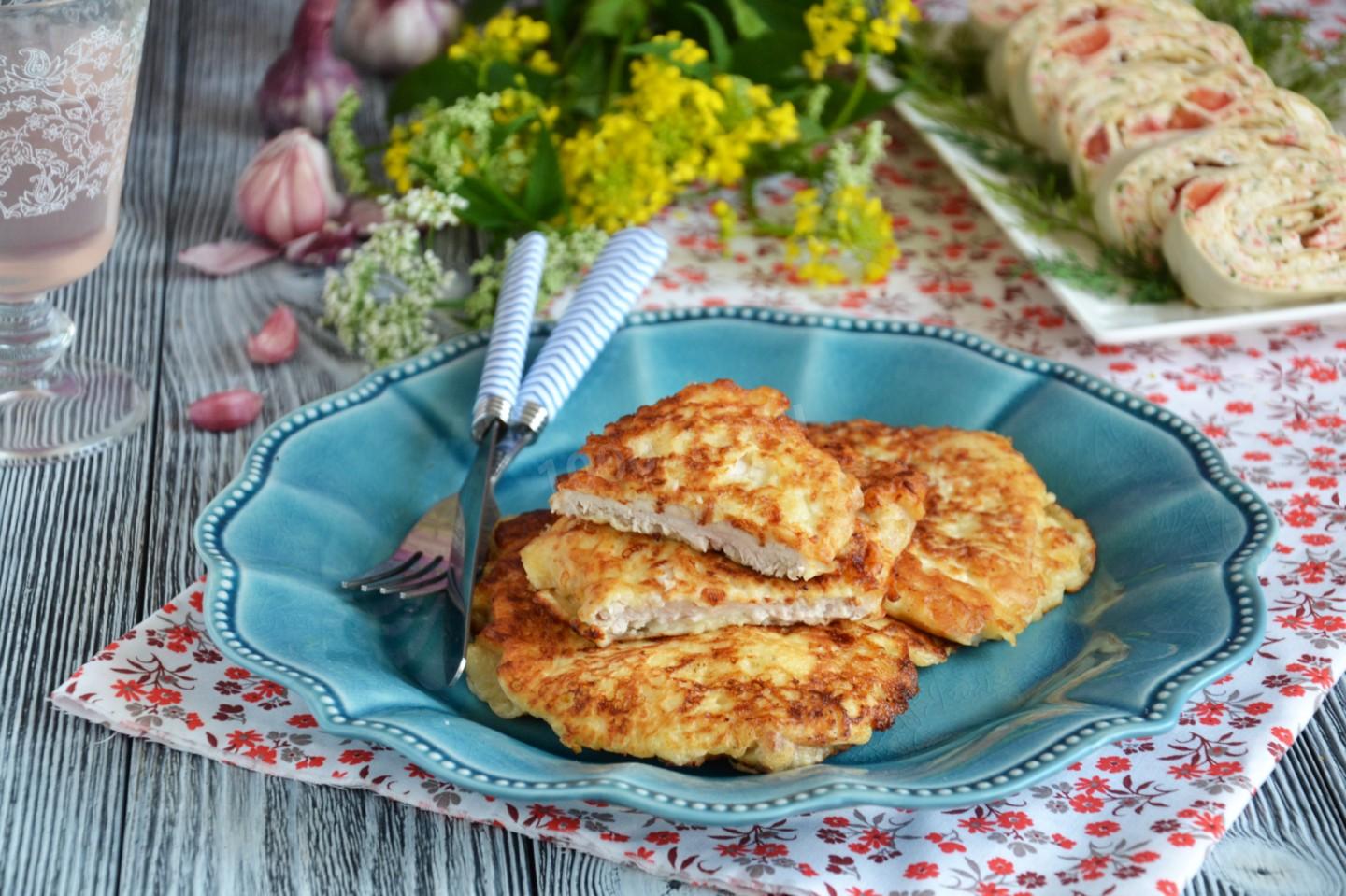
Cheese-Battered Pork Cutlets
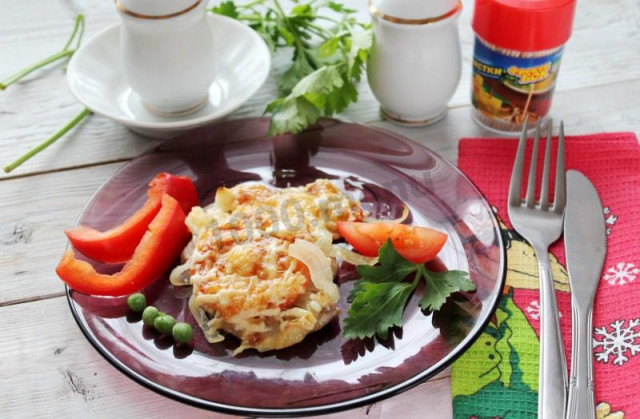
Tasty and quick — good for weeknights and special occasions alike. Juicy pan-fried pork cutlets in a cheese batter are a foolproof choice for dinner. In my family, everyone from the youngest to the oldest loves battered cutlets. I make them as often as I can — usually with chicken or pork.

Cooking method
-
Step 1:
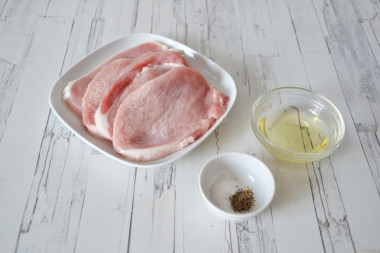
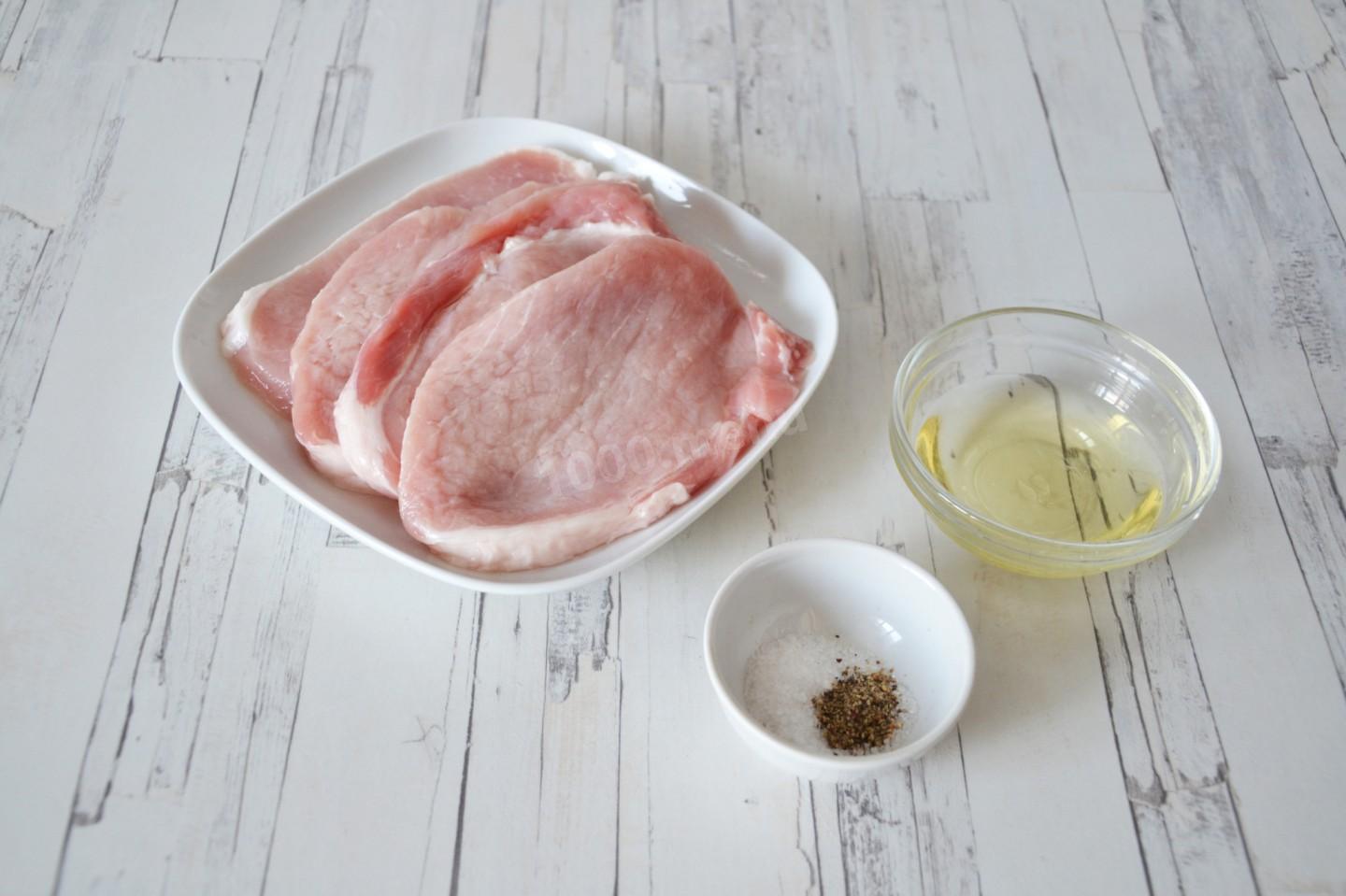
How do you pan-fry juicy pork cutlets in a cheese batter? Gather the ingredients. For battered pork in the skillet you'll need: boneless pork (tenderloin or ready-cut cutlets), ground black pepper (ideally a mix of freshly ground peppercorns), salt, and vegetable oil for frying.
-
Step 2:
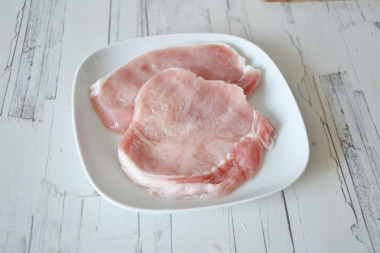
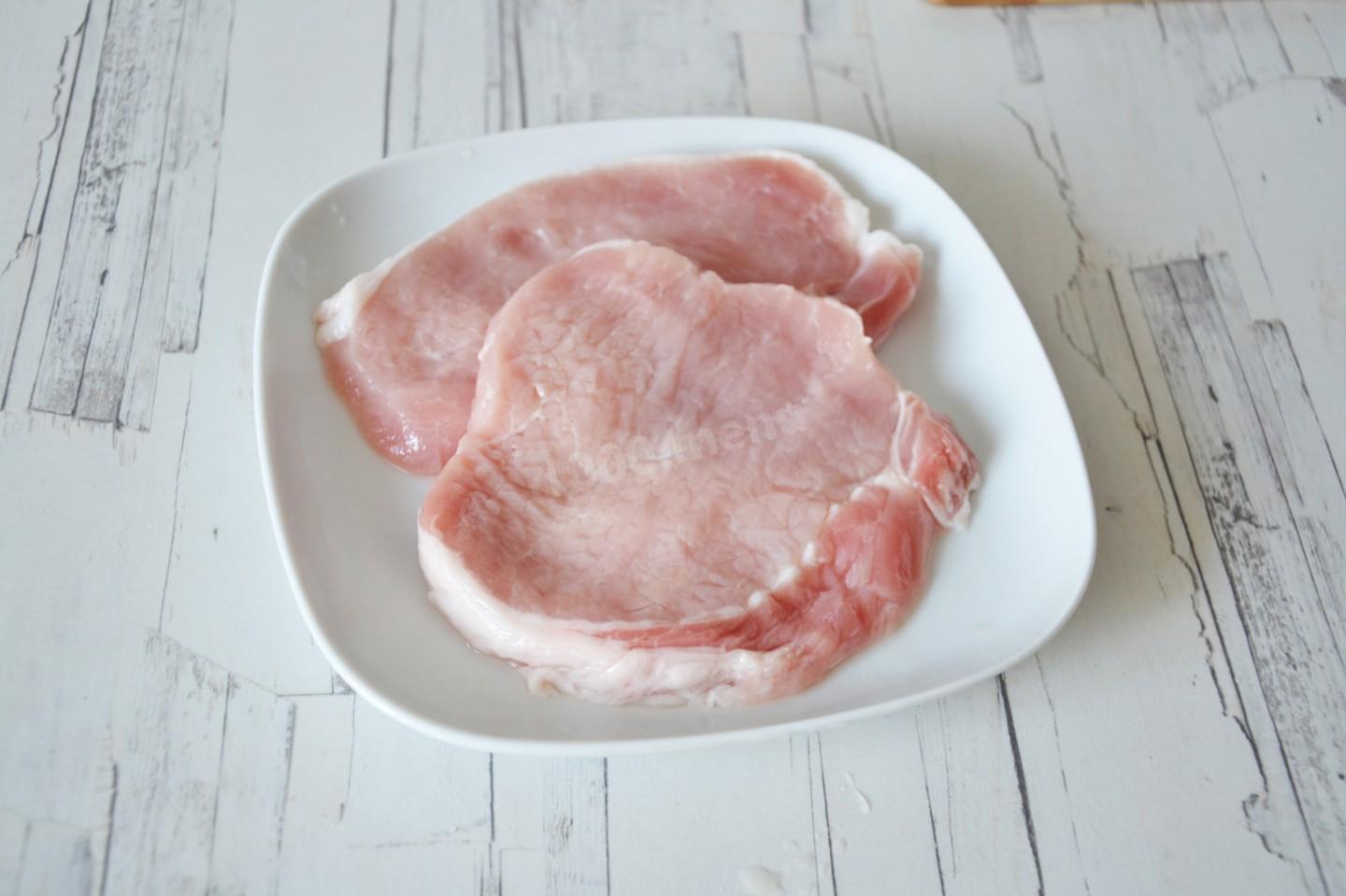
Rinse the pork, pat it dry, and cut it into fairly thin slices. Mine were already portioned boneless cutlets.
-
Step 3:
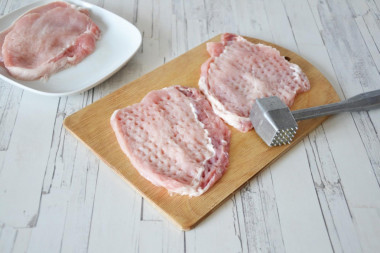
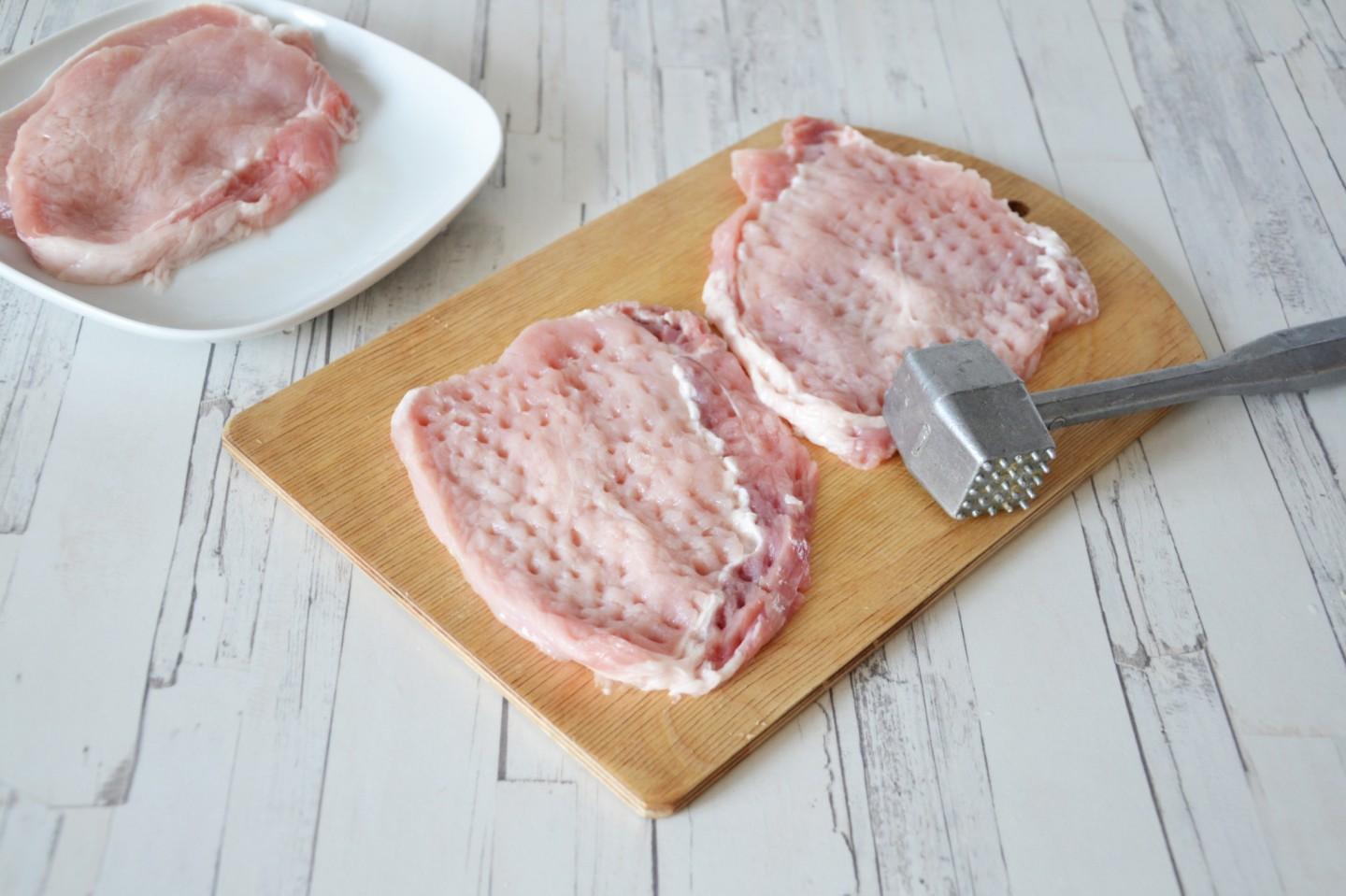
Pound the meat on both sides with a meat mallet.
-
Step 4:
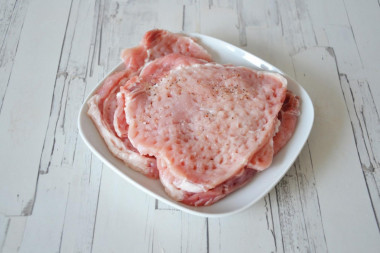
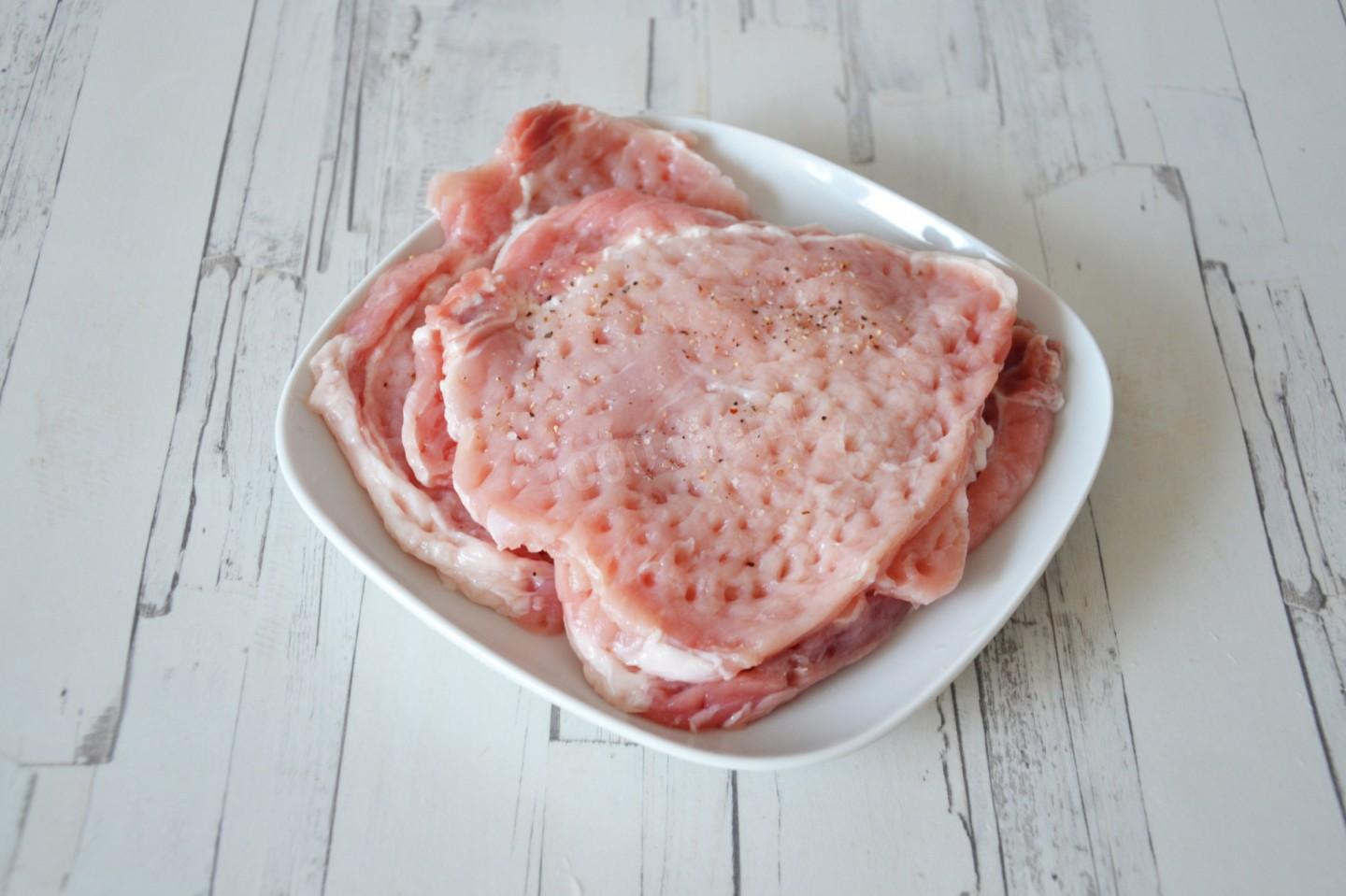
Season the pork with salt and pepper.
-
Step 5:
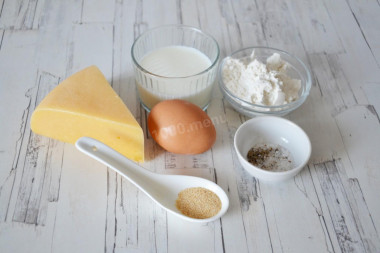
The batter. For it you'll need: cheese, one large egg, milk, flour, garlic powder, ground black pepper, and salt.
-
Step 6:
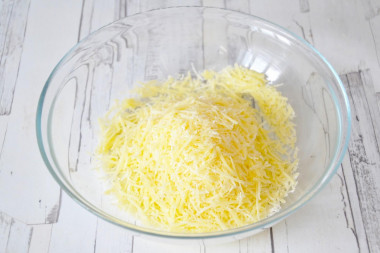
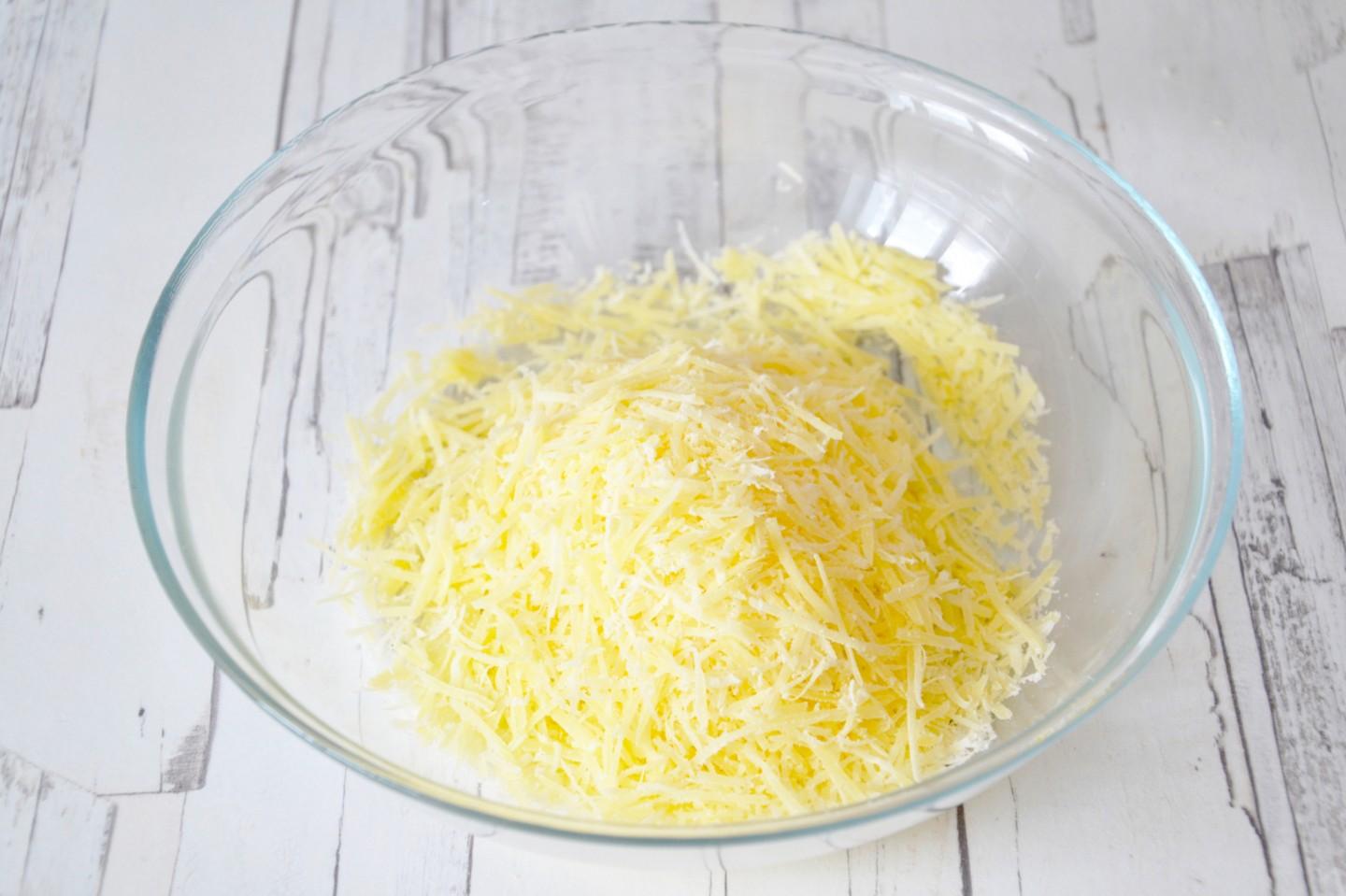
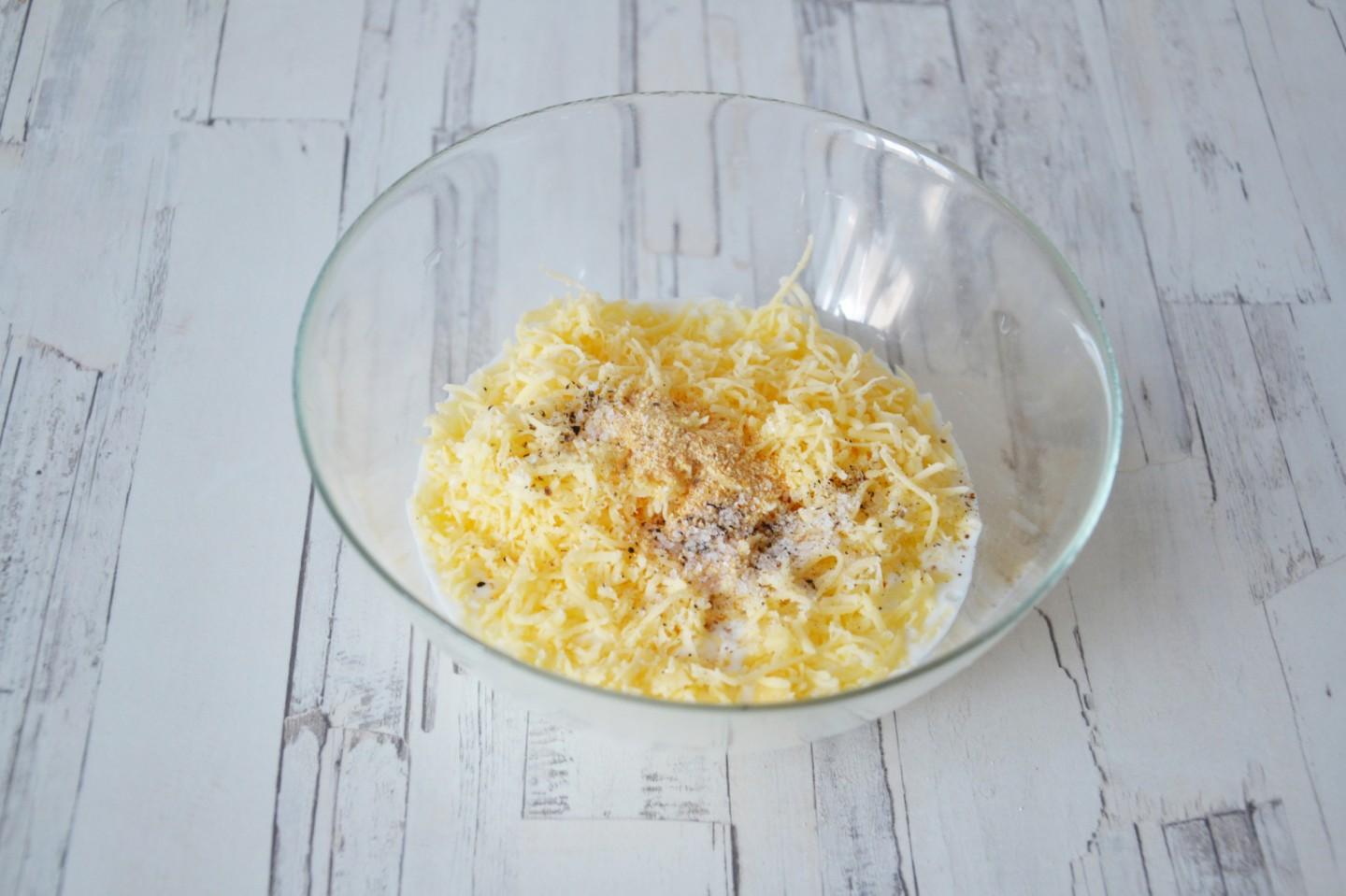
Grate the cheese on the medium side of a grater.
-
Step 7:
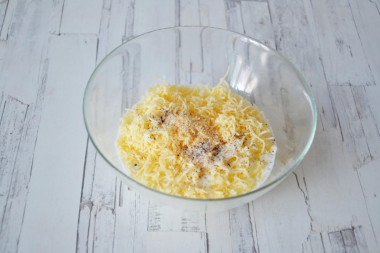
Combine the egg with the milk, cheese, garlic, salt, and pepper.
-
Step 8:
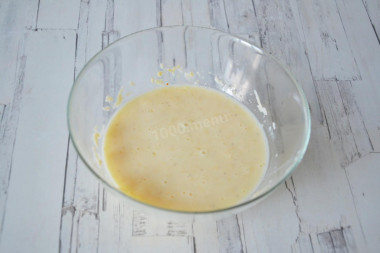
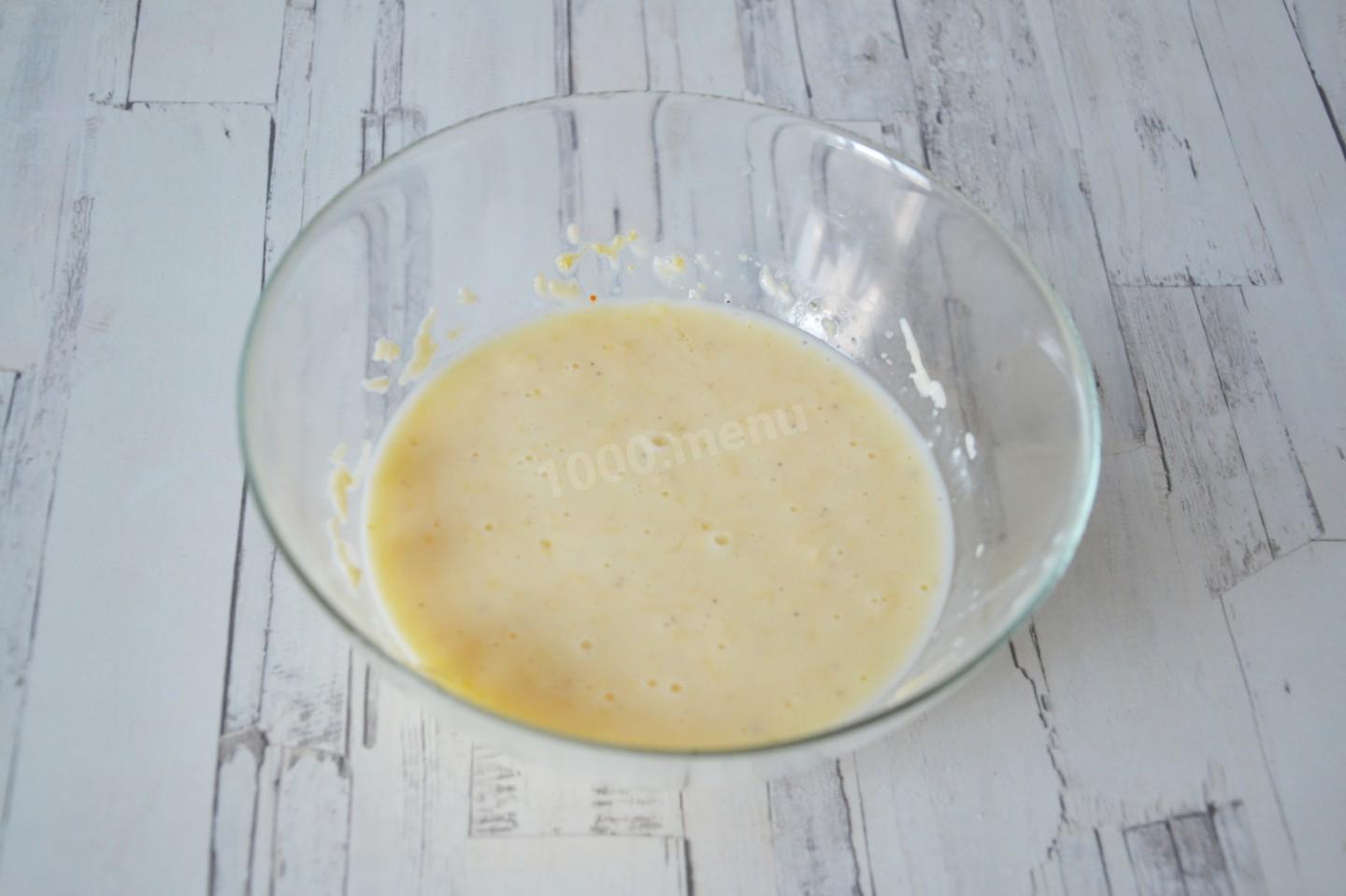
Stir everything until smooth.
-
Step 9:
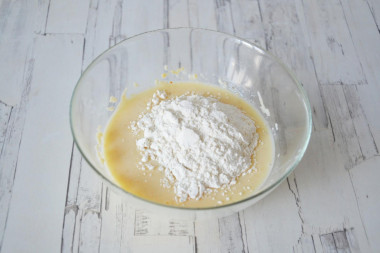
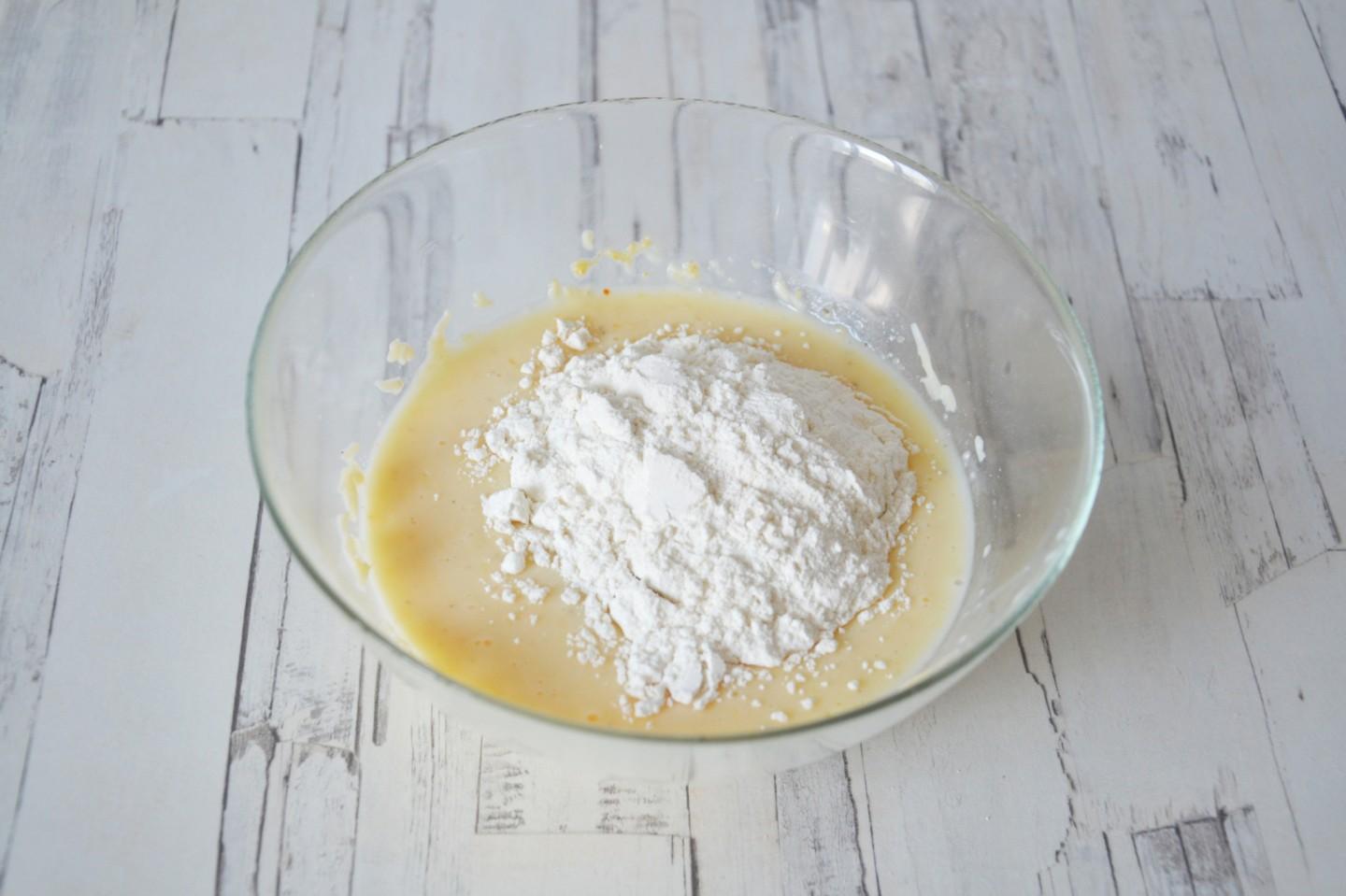
Add the flour.
-
Step 10:
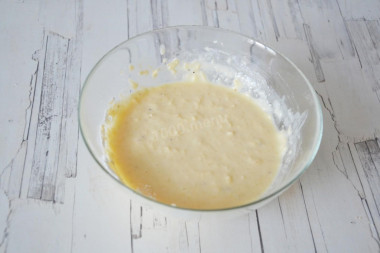
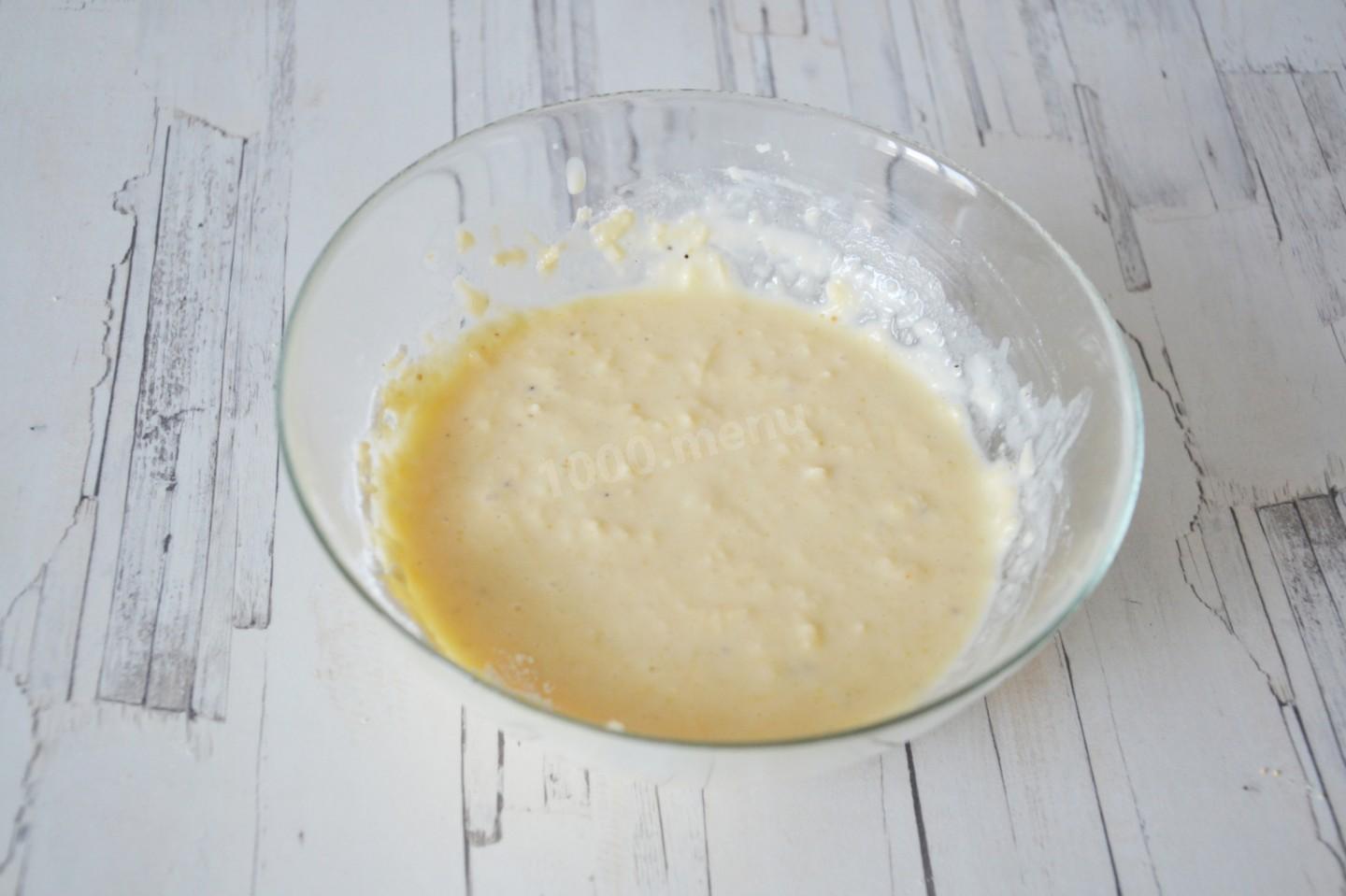
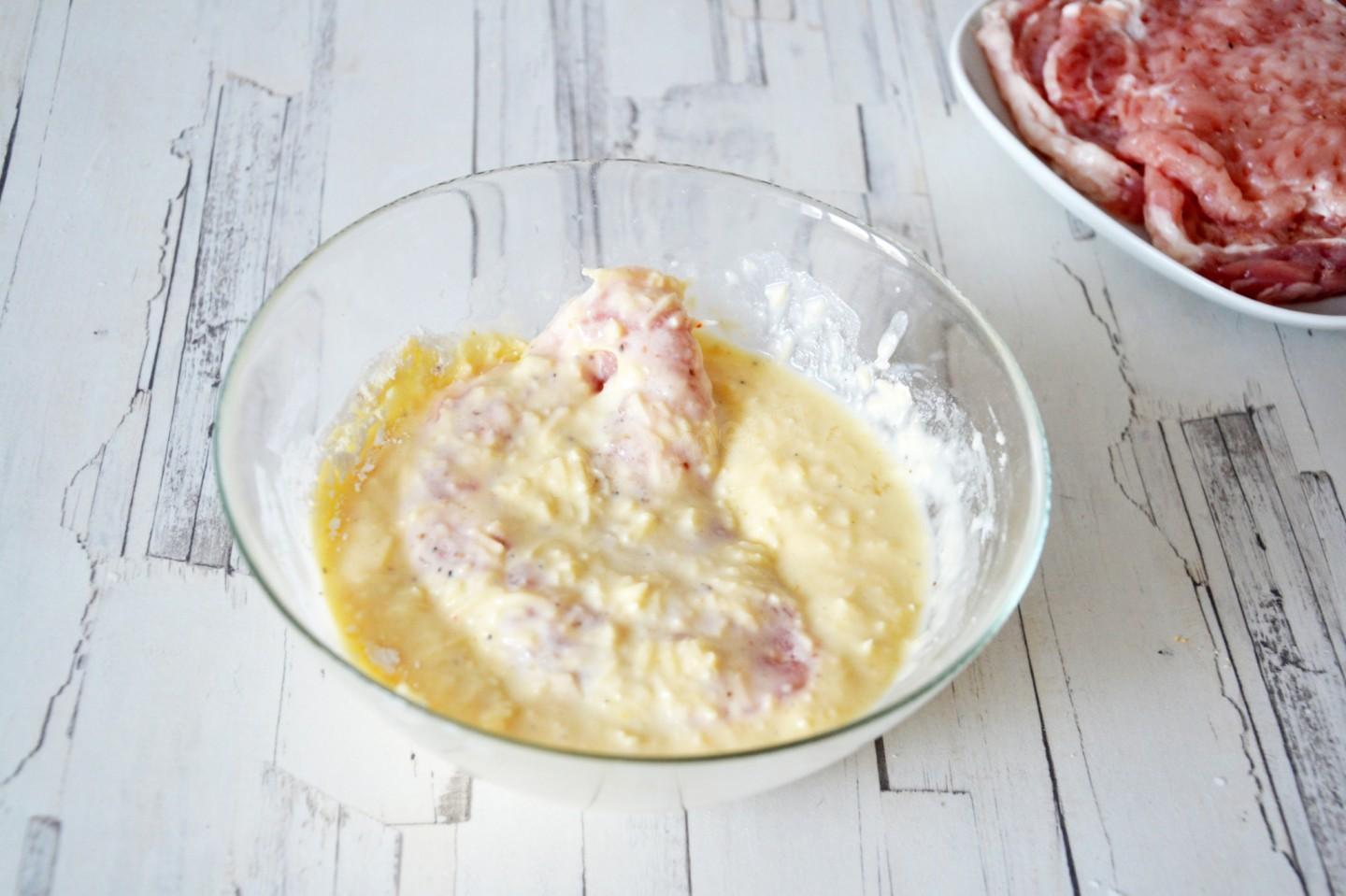
Mix thoroughly until smooth. You should end up with a thick, semi-fluid batter.
-
Step 11:
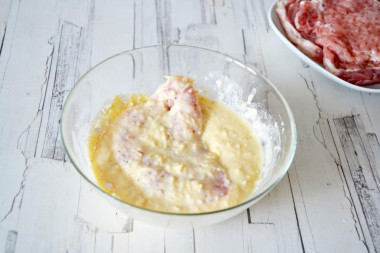
Dip the pork pieces in the batter.
-
Step 12:
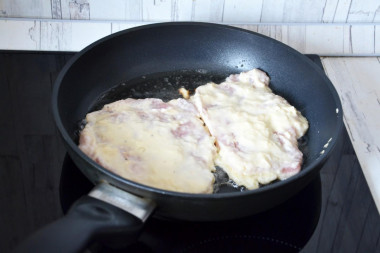
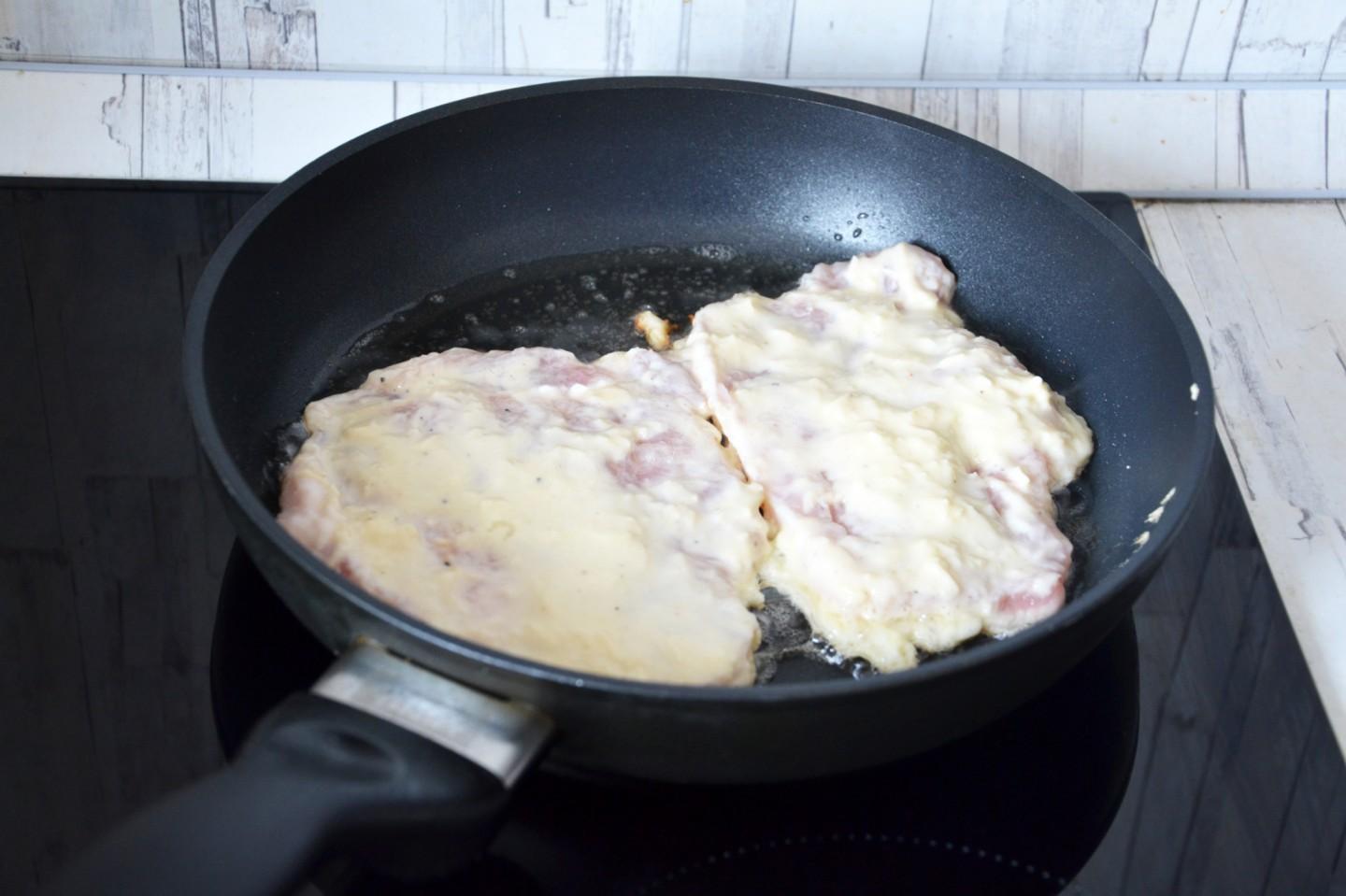
Heat the vegetable oil in a skillet. Add the pork cutlets and fry for 4–5 minutes per side, until golden. Enjoy!

- One thing to keep in mind: the wrong pan can ruin even the best recipe, so it pays to choose the right skillet for the job.
- Every oil is only good up to a certain temperature — its smoke point, where it starts to burn and forms harmful compounds. It's worth knowing the right frying temperature and which oils are best for the pan.
- You can use any meat besides pork here. Just keep in mind that the cooking time, flavor, and calorie count will change — beef, for example, takes longer than pork, while chicken breast or turkey cooks faster.
- There are countless recipes for battered meat, and the differences mostly come down to what goes into the batter. It can be a plain flour-and-egg batter, a beer batter, or made with vodka or kefir; there's even a Japanese-style version with soy sauce. So there are plenty of options. Here, I suggest a batter based on grated cheese. Depending on how salty your cheese is, you'll want to add more or less salt — if the cheese is quite salty, it's better not to add salt to the batter at all, or you can easily overdo it. You can just salt the cutlets themselves instead. Battered cutlets are a classic, universal dish that goes with any side.
Caloric content of the products possible in the composition of the dish
- Whole cow's milk - 68 kcal/100g
- Milk 3.5% fat content - 64 kcal/100g
- Milk 3.2% fat content - 60 kcal/100g
- Milk 1.5% fat content - 47 kcal/100g
- Concentrated milk 7.5% fat content - 140 kcal/100g
- Milk 2.5% fat content - 54 kcal/100g
- Chicken egg - 157 kcal/100g
- Egg white - 45 kcal/100g
- Egg powder - 542 kcal/100g
- Egg yolk - 352 kcal/100g
- Ostrich egg - 118 kcal/100g
- Pork fat - 333 kcal/100g
- Pork meat - 357 kcal/100g
- Pork - low-fat roast - 184 kcal/100g
- Pork chop on a bone - 537 kcal/100g
- Pork - schnitzel - 352 kcal/100g
- Pork Shoulder - 593 kcal/100g
- Hog leg - 113 kcal/100g
- Pork - 259 kcal/100g
- Dutch cheese - 352 kcal/100g
- Swiss cheese - 335 kcal/100g
- Russian cheese - 366 kcal/100g
- Kostroma cheese - 345 kcal/100g
- Yaroslavsky cheese - 361 kcal/100g
- Altai cheese 50% fat content - 356 kcal/100g
- Soviet cheese - 400 kcal/100g
- Cheese 'steppe' - 362 kcal/100g
- Uglichsky cheese - 347 kcal/100g
- Poshekhonsky cheese - 350 kcal/100g
- Lambert cheese - 377 kcal/100g
- Appnzeller cheese with 50% fat content - 400 kcal/100g
- Chester cheese with 50% fat content - 363 kcal/100g
- Edamer cheese with 40% fat content - 340 kcal/100g
- Cheese with mushrooms of 50% fat content - 395 kcal/100g
- Emmental cheese with 45% fat content - 420 kcal/100g
- Gouda cheese with 45% fat content - 356 kcal/100g
- Aiadeus cheese - 364 kcal/100g
- Dom blanc cheese (semi-hard) - 360 kcal/100g
- Lo spalmino cheese - 61 kcal/100g
- Cheese 'etorki' (sheep, hard) - 401 kcal/100g
- White cheese - 100 kcal/100g
- Fat yellow cheese - 260 kcal/100g
- Altai cheese - 355 kcal/100g
- Kaunas cheese - 355 kcal/100g
- Latvian cheese - 316 kcal/100g
- Limburger cheese - 327 kcal/100g
- Lithuanian cheese - 250 kcal/100g
- Lake cheese - 350 kcal/100g
- Gruyere cheese - 396 kcal/100g
- Garlic - 143 kcal/100g
- Ground black pepper - 255 kcal/100g
- Whole durum wheat flour fortified - 333 kcal/100g
- Whole durum wheat flour universal - 364 kcal/100g
- Flour krupchatka - 348 kcal/100g
- Flour - 325 kcal/100g
- Vegetable oil - 873 kcal/100g
- Salt - 0 kcal/100g