Sabji with Cheese
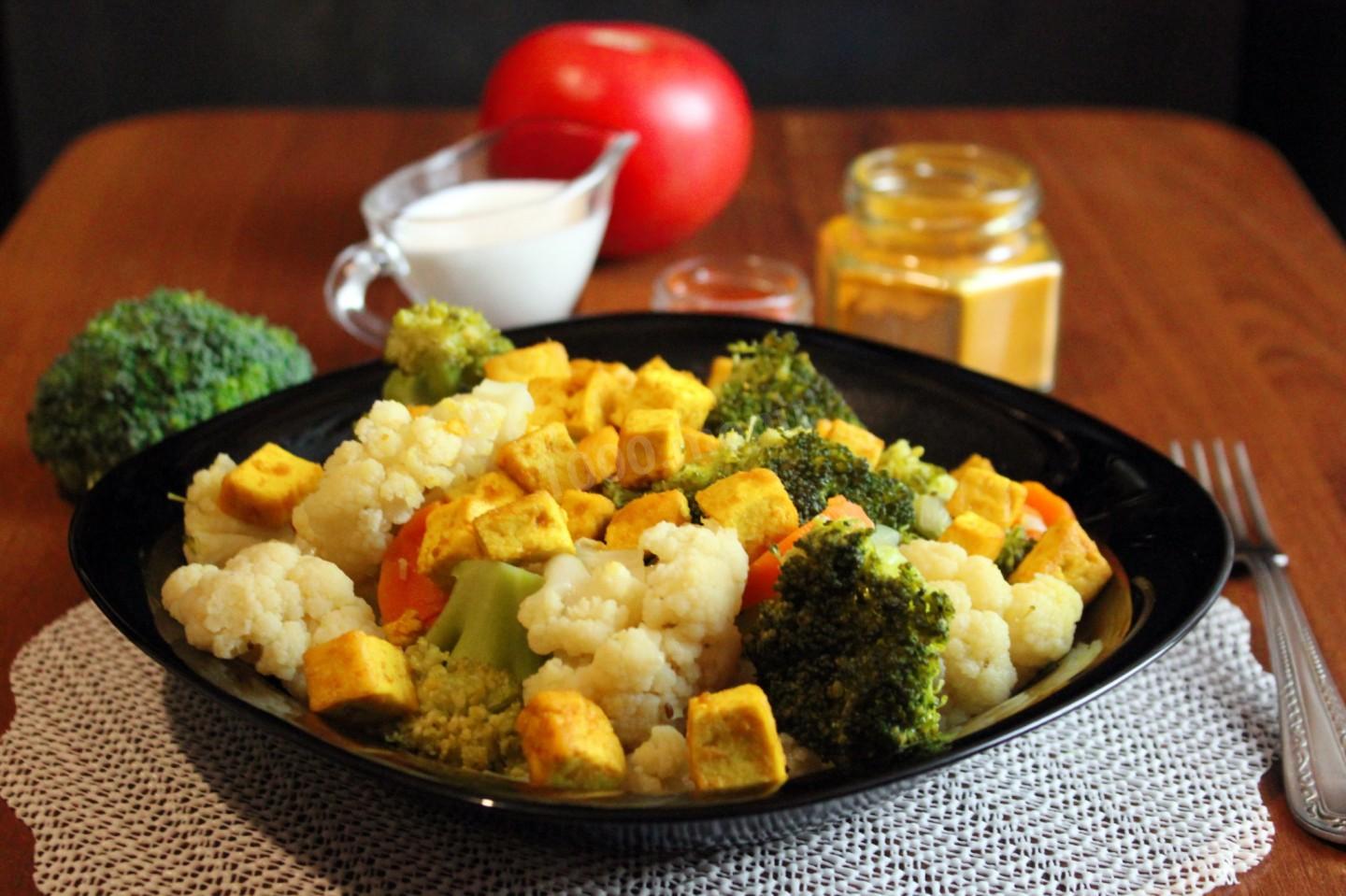
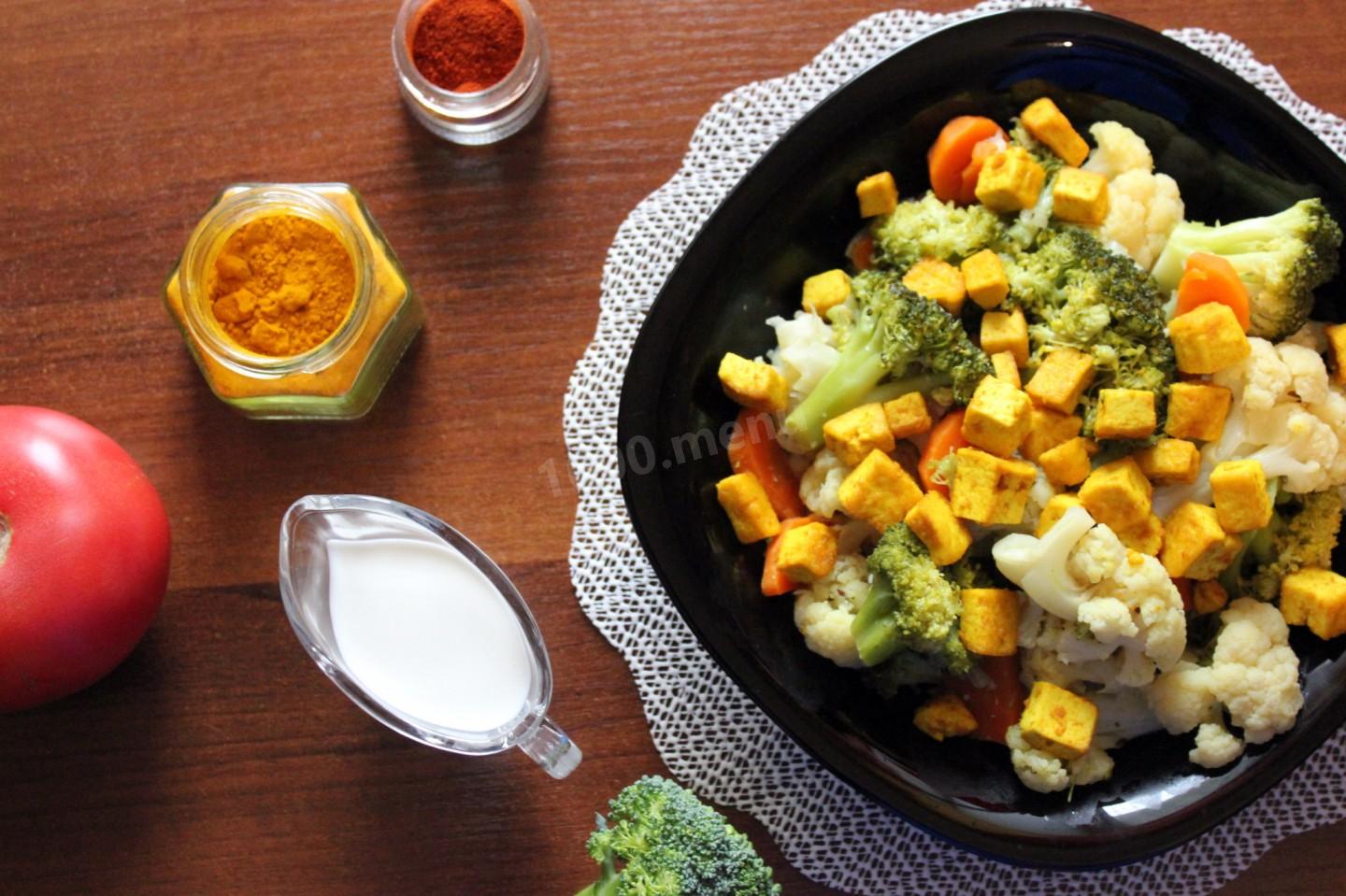
A recipe from India — vegetables braised in cream with cheese! This Indian vegetable stew always comes out juicy, fragrant, colorful, and light. It's great for vegetarians, anyone fasting, or anyone looking to eat a little lighter.


Cooking method
-
Step 1:
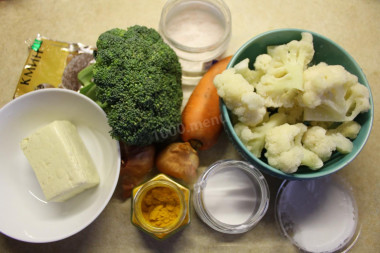
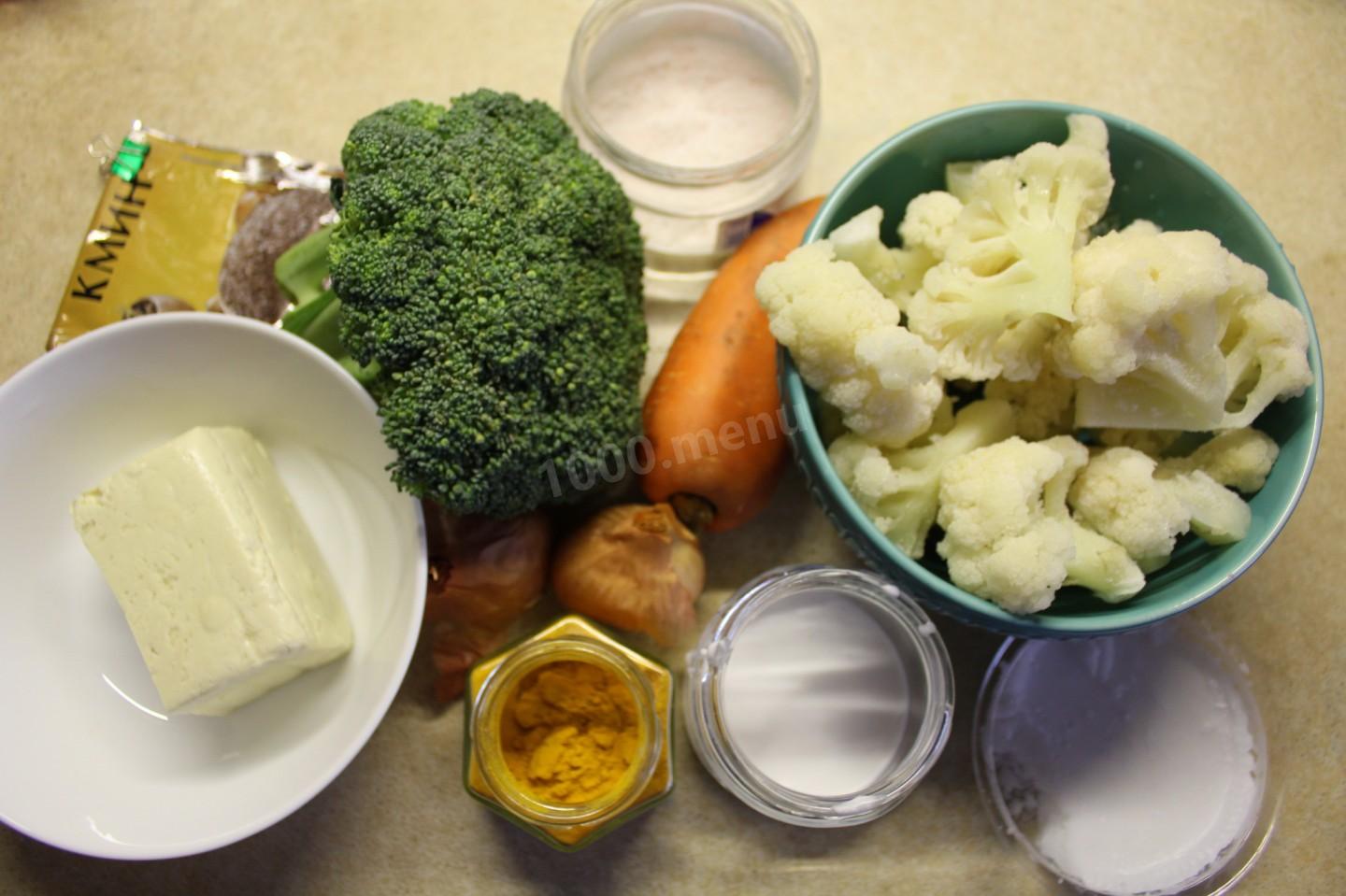
Gather the ingredients for our cheese sabji.
-
Step 2:
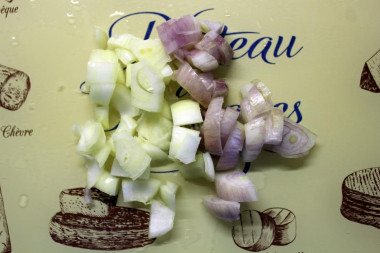
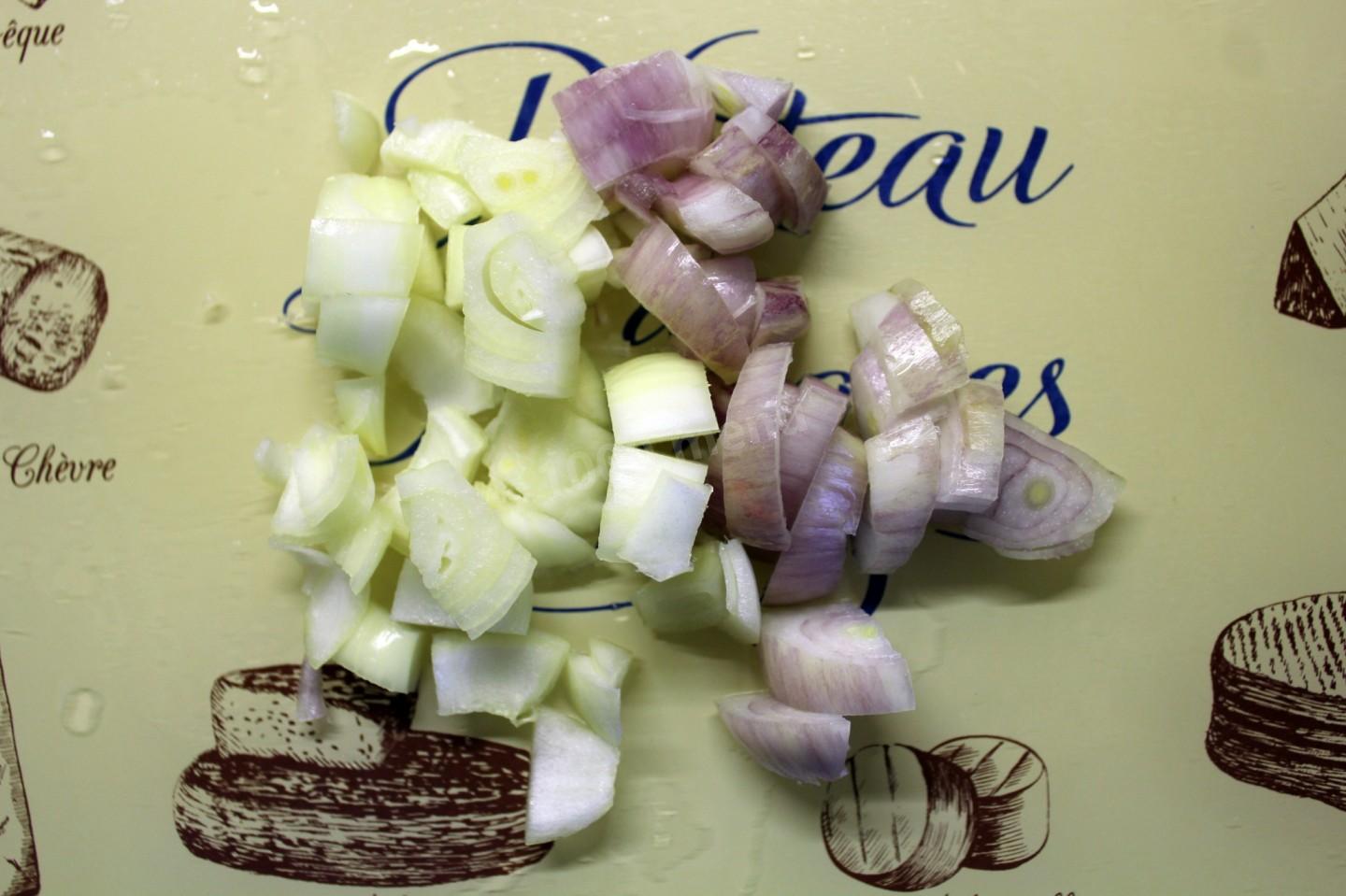
Peel and cut the onion into medium pieces — not too small.
-
Step 3:
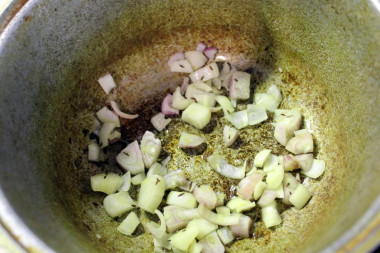
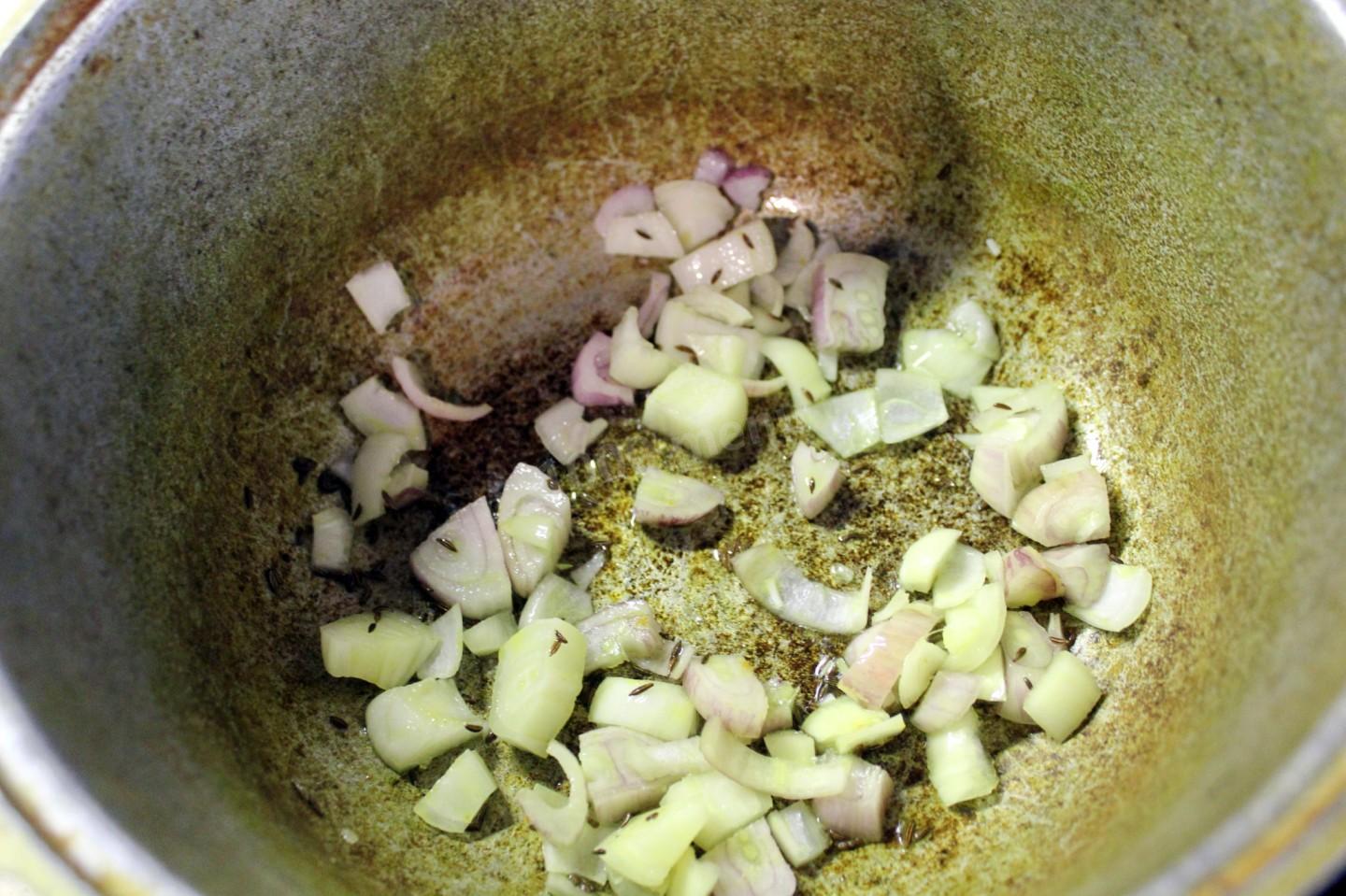
Add the onion to a heavy pot with the heated coconut oil and cumin toasted in it. Cook over low heat until lightly translucent.
-
Step 4:
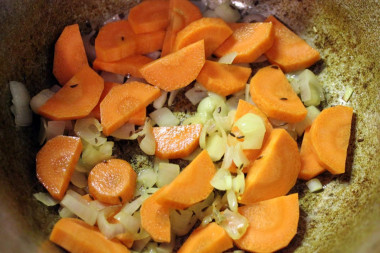
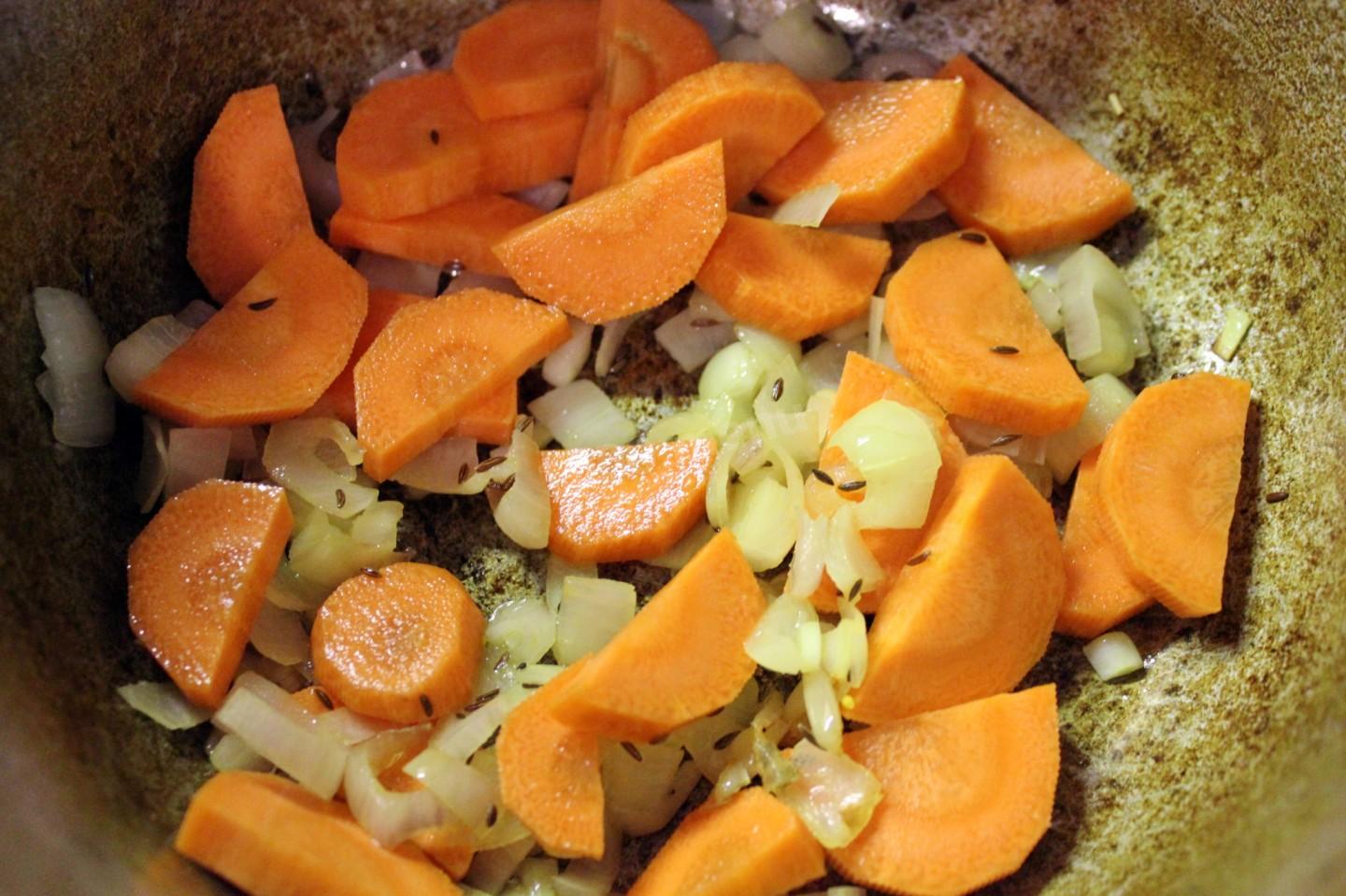
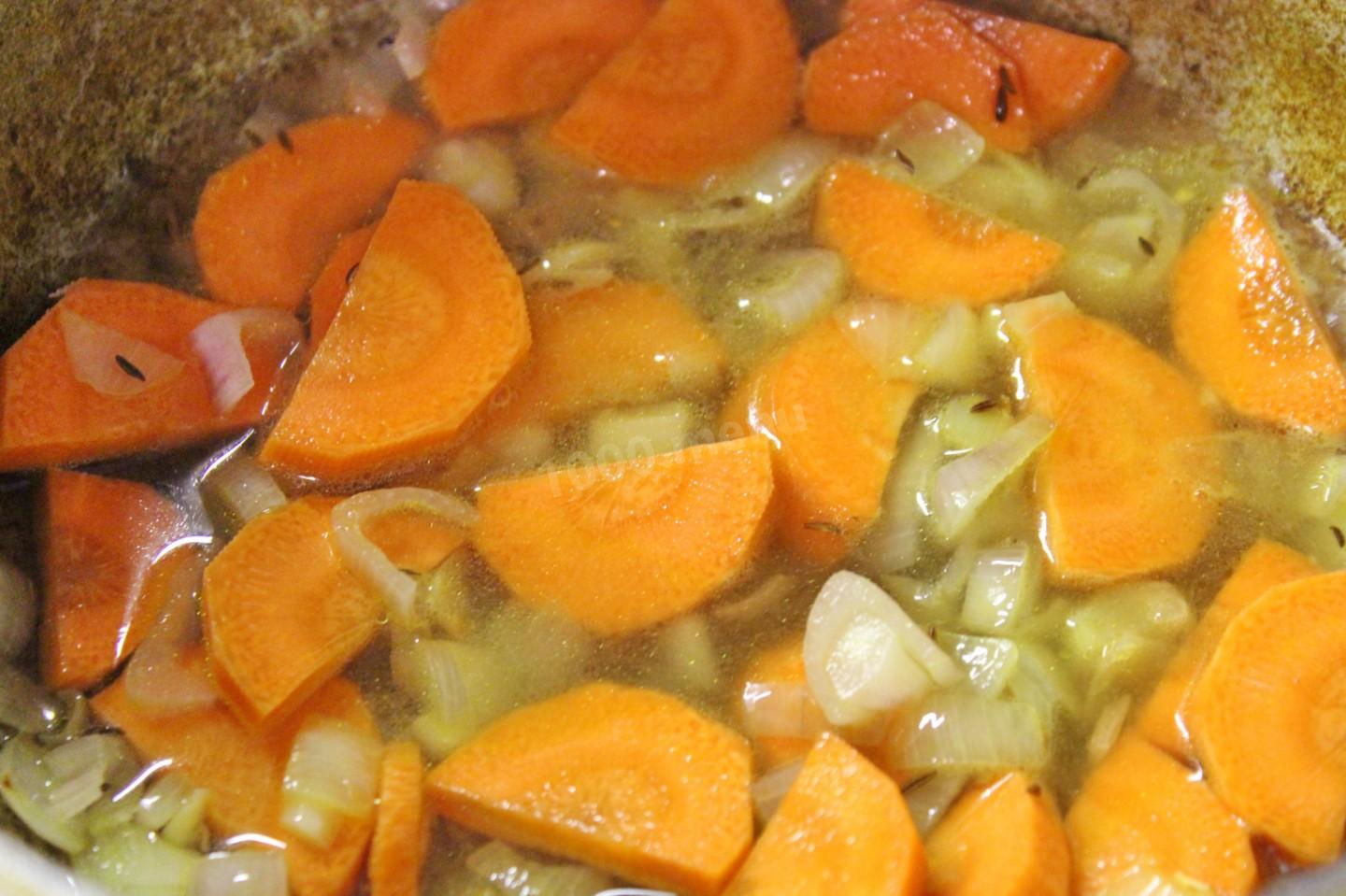
Meanwhile, peel the carrot and cut it into rounds, then halve the rounds. Add it to the onion in the pot.
-
Step 5:
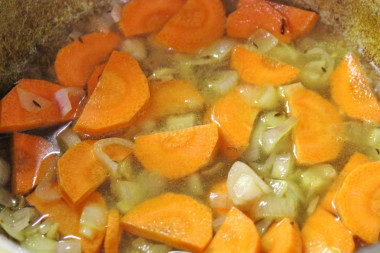
Pour in a little water so the vegetables can braise.
-
Step 6:
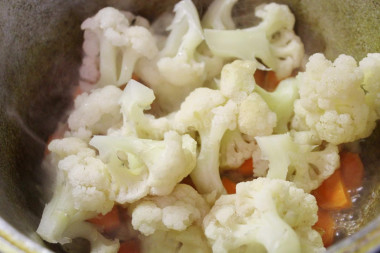
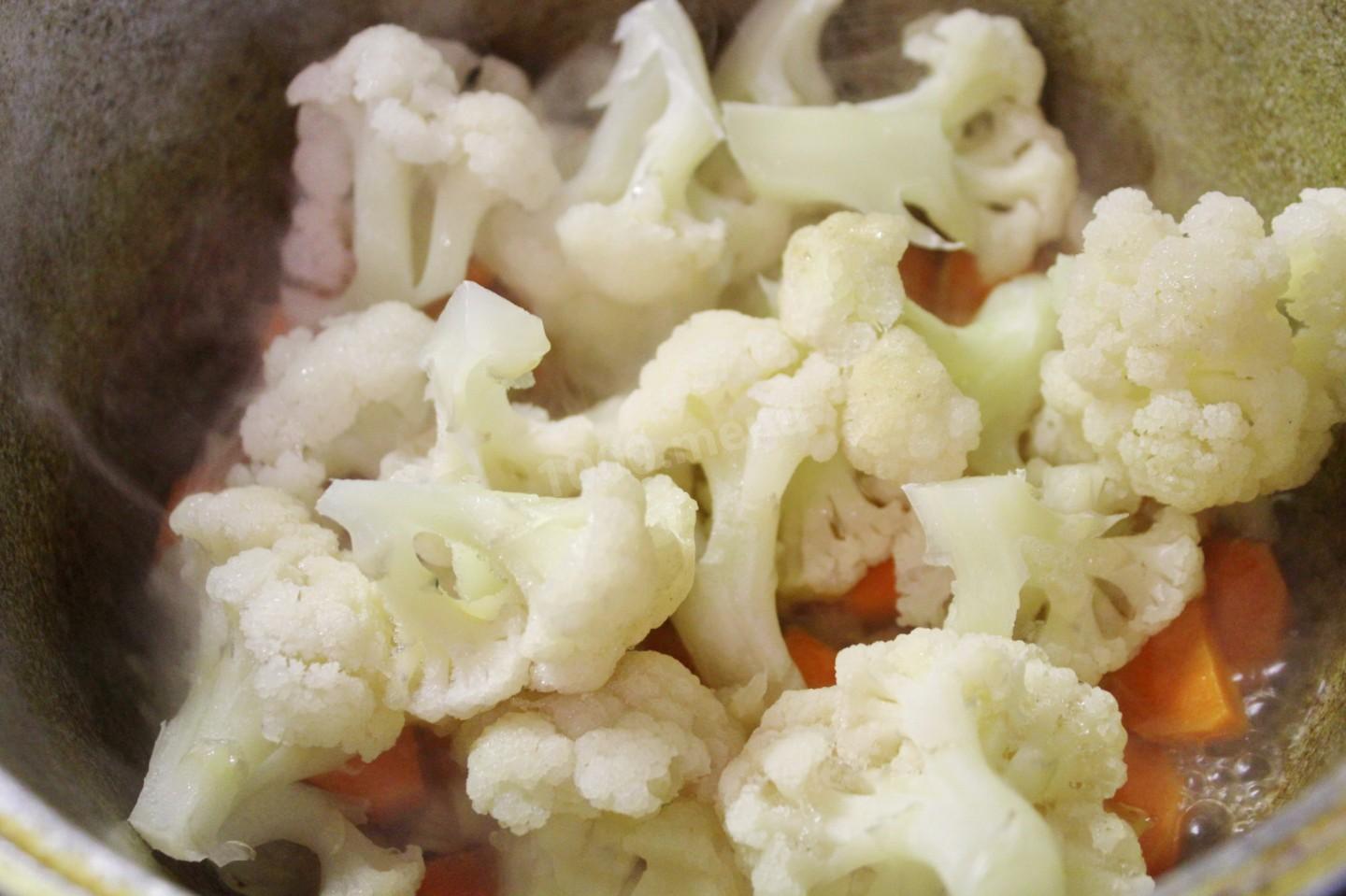
Add the cauliflower to the onion and carrot. Mine is frozen, so it's already washed and cut. If yours is fresh, wash it and break it into florets.
-
Step 7:
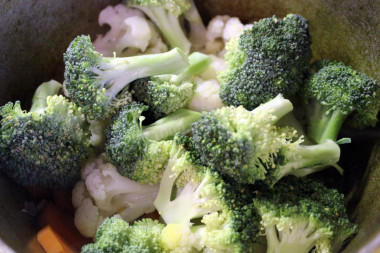
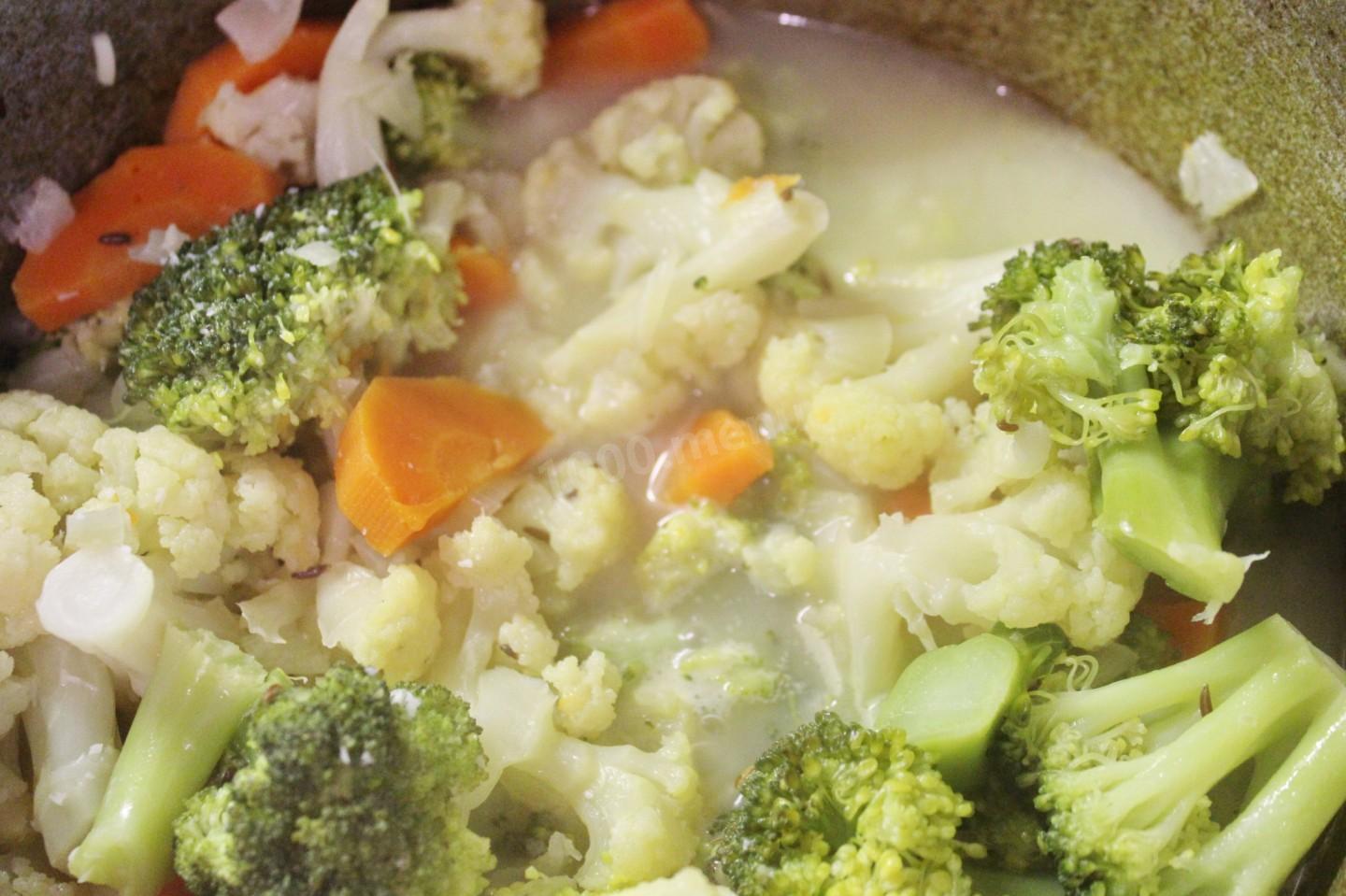
Next, wash the broccoli, break it into florets, and add it to the pot with the rest of the vegetables. Add a bit more water — about half the depth of the vegetables. They'll partly steam and then soften and shrink down, so you don't want too much liquid. Let the vegetables braise for about 5-10 minutes.
-
Step 8:
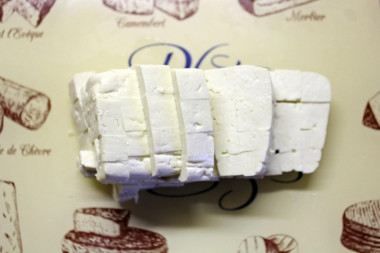
Meanwhile, cut the cheese into small cubes, roughly 1/2 inch (1 cm).
-
Step 9:
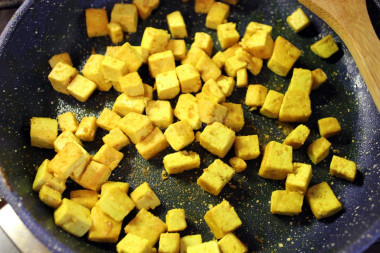
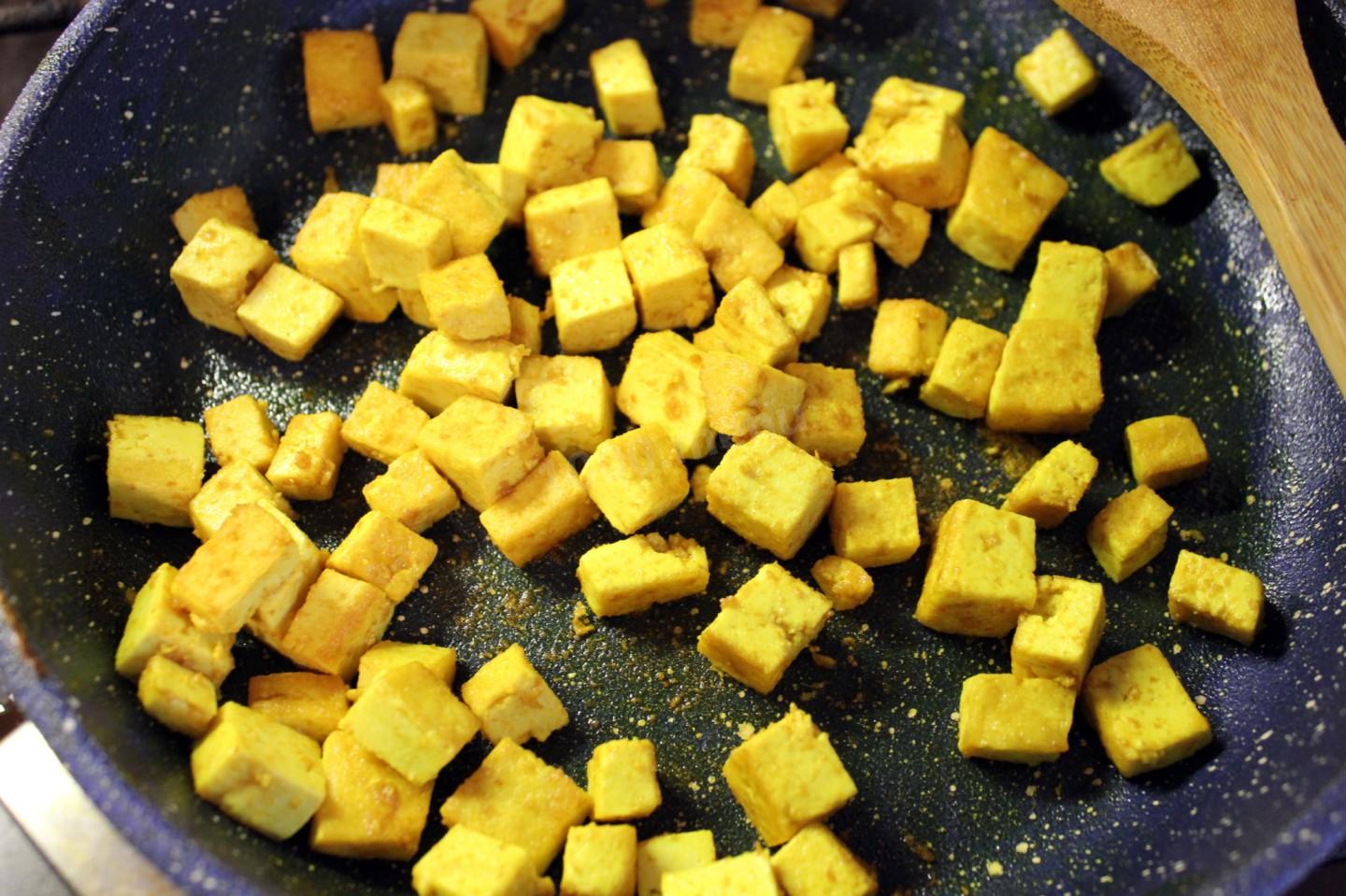
Add the cheese to a skillet with heated coconut oil and turmeric toasted in it. Stir the cheese around so it takes on a lovely golden-yellow color, and let it brown lightly as you stir.
-
Step 10:
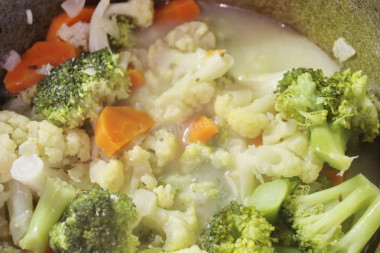
Add the coconut cream and salt to the vegetables and simmer a few more minutes, until all the vegetables are tender. Spoon the vegetables onto plates and top with the turmeric-fried cheese. Your cheese sabji is ready!


- Indian dishes are always so spiced and delicious, and sabji is no exception. There are lots of ways to make it. The classic recipe uses ghee, paneer, and cow's-milk cream, but you can swap the fat for butter or coconut oil, and the cheese for Adyghe cheese or tofu. With coconut oil, coconut cream, and tofu, this recipe works for vegans too. Some people add mushrooms, and you can vary the spices however you like. As for the vegetables, use whatever you've got — potatoes, cabbage, zucchini, eggplant, pumpkin, tomatoes — the flavor will change accordingly. You can even roast the vegetables in the oven instead of braising them. There are endless options, so try, experiment, and I think this dish will show up on your table often. Enjoy!
Caloric content of the products possible in the composition of the dish
- Buttermilk - 36 kcal/100g
- Cream of 20 % fat content - 300 kcal/100g
- Cream of 10% fat content - 120 kcal/100g
- Cream - 300 kcal/100g
- Carrots - 33 kcal/100g
- Dried carrots - 275 kcal/100g
- Boiled carrots - 25 kcal/100g
- Cauliflower - 28 kcal/100g
- Broccoli - 33 kcal/100g
- Turmeric - 325 kcal/100g
- Cumin - 333 kcal/100g
- Onion - 41 kcal/100g
- Coconut oil - 925 kcal/100g
- Adyghe cheese - 240 kcal/100g
Similar recipes

- National cuisine
- Second course
- Cheese
- Dairy products
- Vegetables
- Spices seasonings spices
- Fats and oils
- Cumin
- Vegetable oil
- Indian cuisine
- Frying
- Stewing
- In a frying pan
- Stewed vegetables
- Second courses of cabbage
- Soft cheese
- Сливки
- From carrots
- From cabbage
- From onion
- No eggs
- Vegetarianism
- Recipes for lean dishes without butter