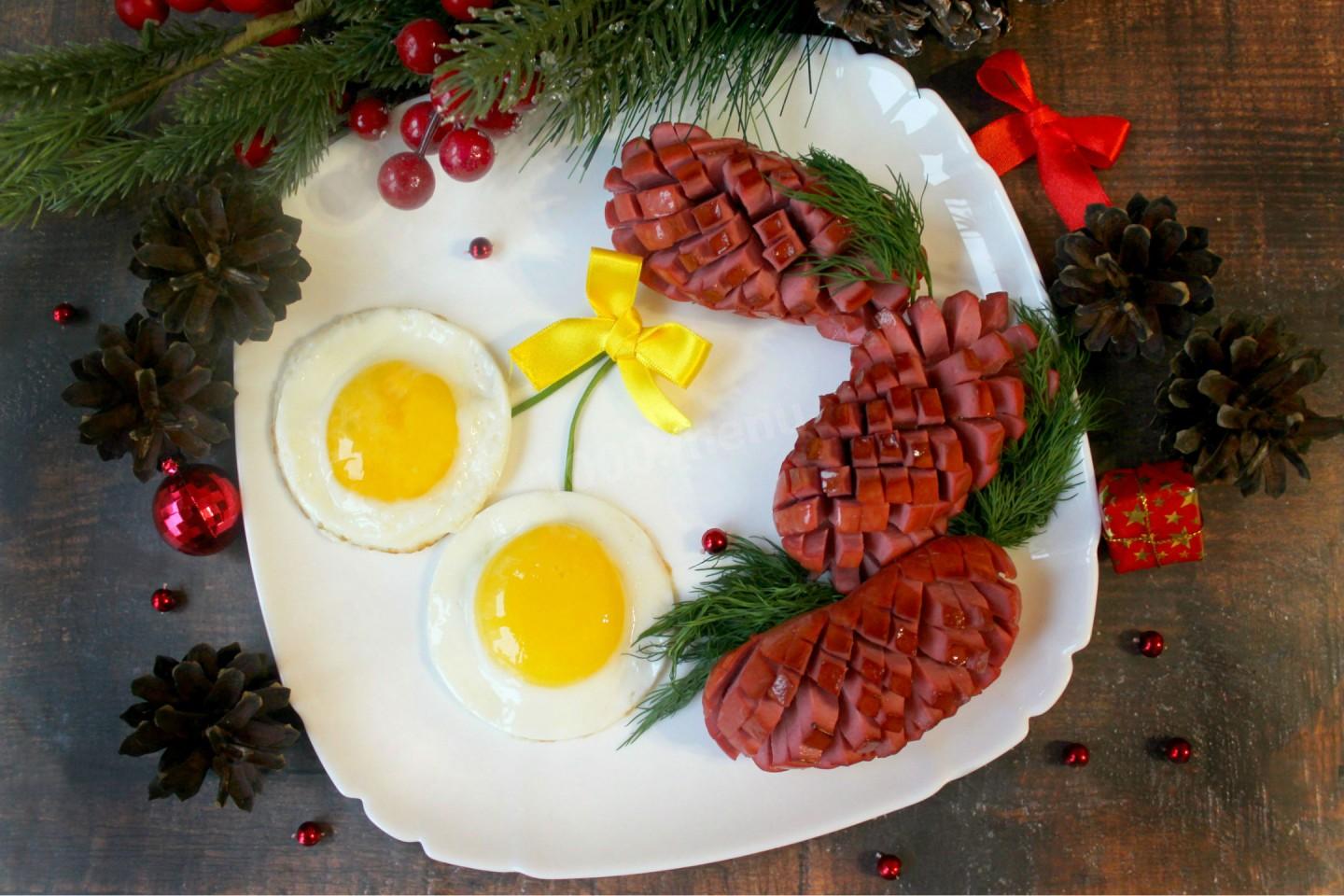
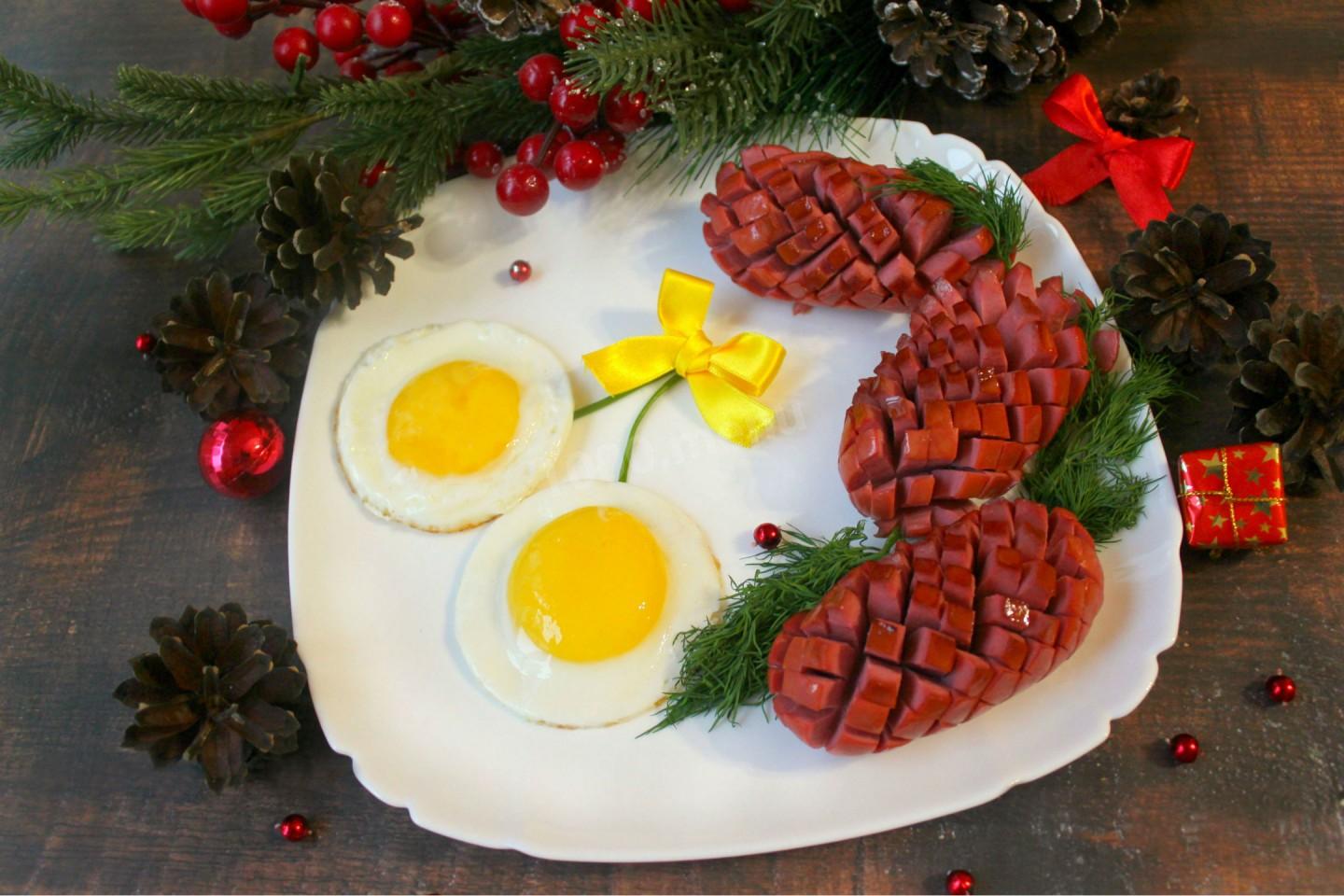
Holiday Breakfast with "Pinecones"
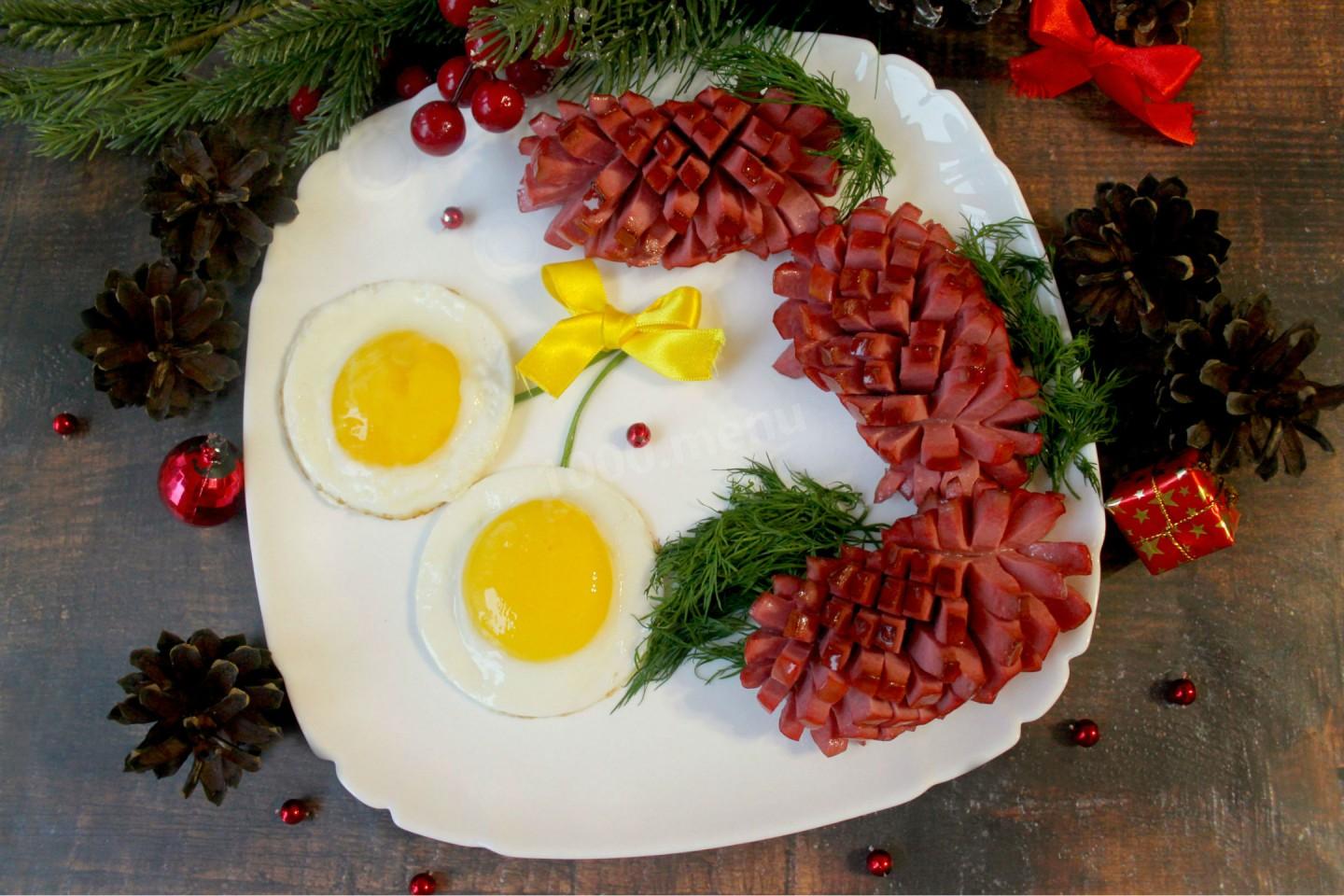
Surprise the kids over the holidays with a playful breakfast! It's a nice take on a classic diner-style breakfast, just plated in a really fun way. Round it out with fresh vegetables, a piece of toast, juice, or a cup of coffee. For something more filling, add potatoes.

Cooking method
-
Step 1:

Gather all the ingredients. Use good-quality sausages, large eggs, fresh dill, salt, and butter and vegetable oil for frying. Instead of the thick sausages, you can use smaller frankfurters, as long as they're wide enough in diameter and the right shape for making "pinecones." Long, thin wieners won't work for this recipe.
-
Step 2:
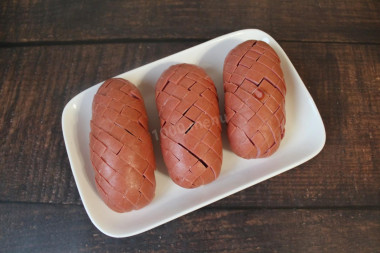
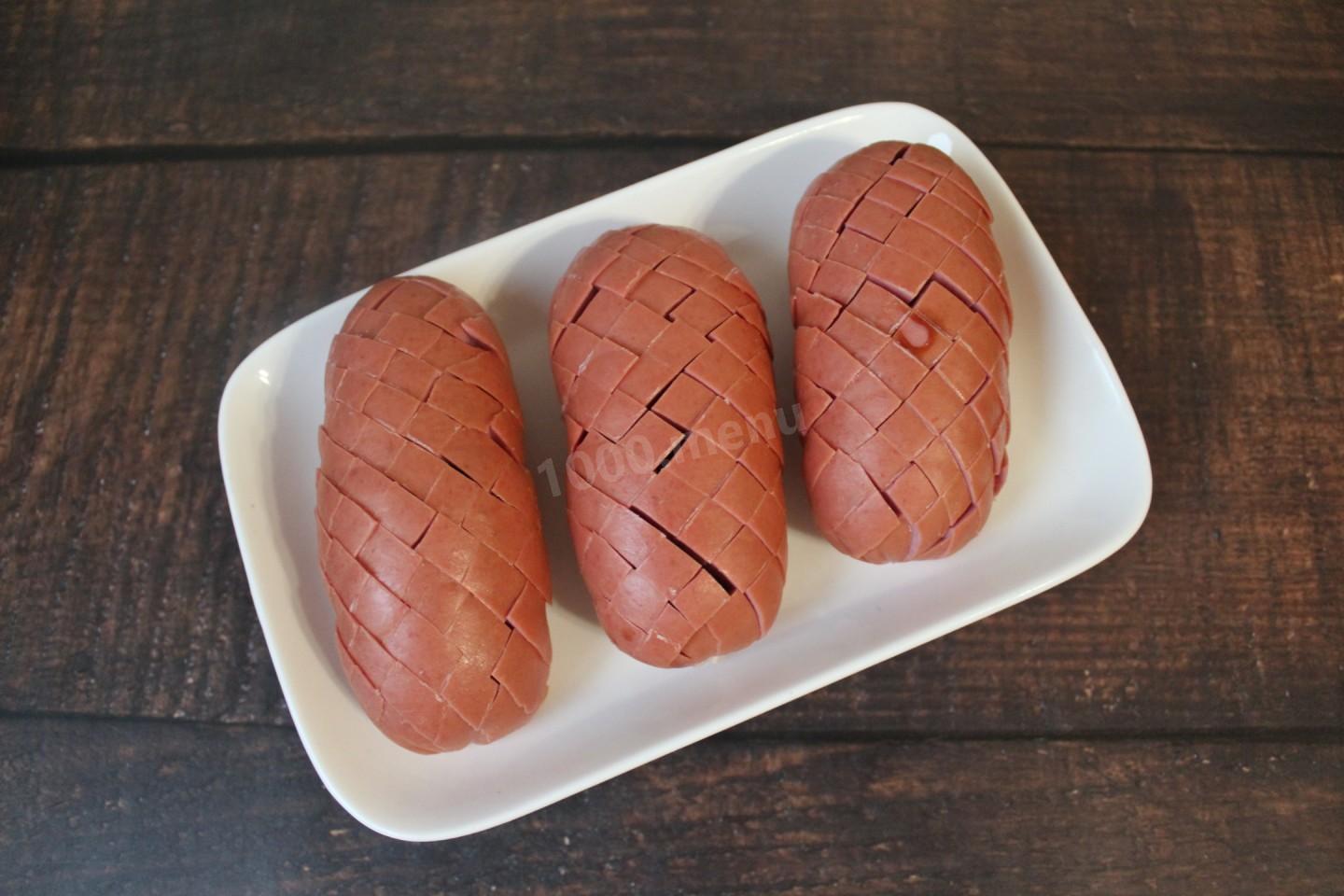
Take the sausages and, with a sharp knife, cut deep diagonal slashes first in one direction and then the other, creating a crosshatch of little diamonds. Don't cut all the way through, though, or the "scales" of the pinecone will have nothing to hold onto.
-
Step 3:

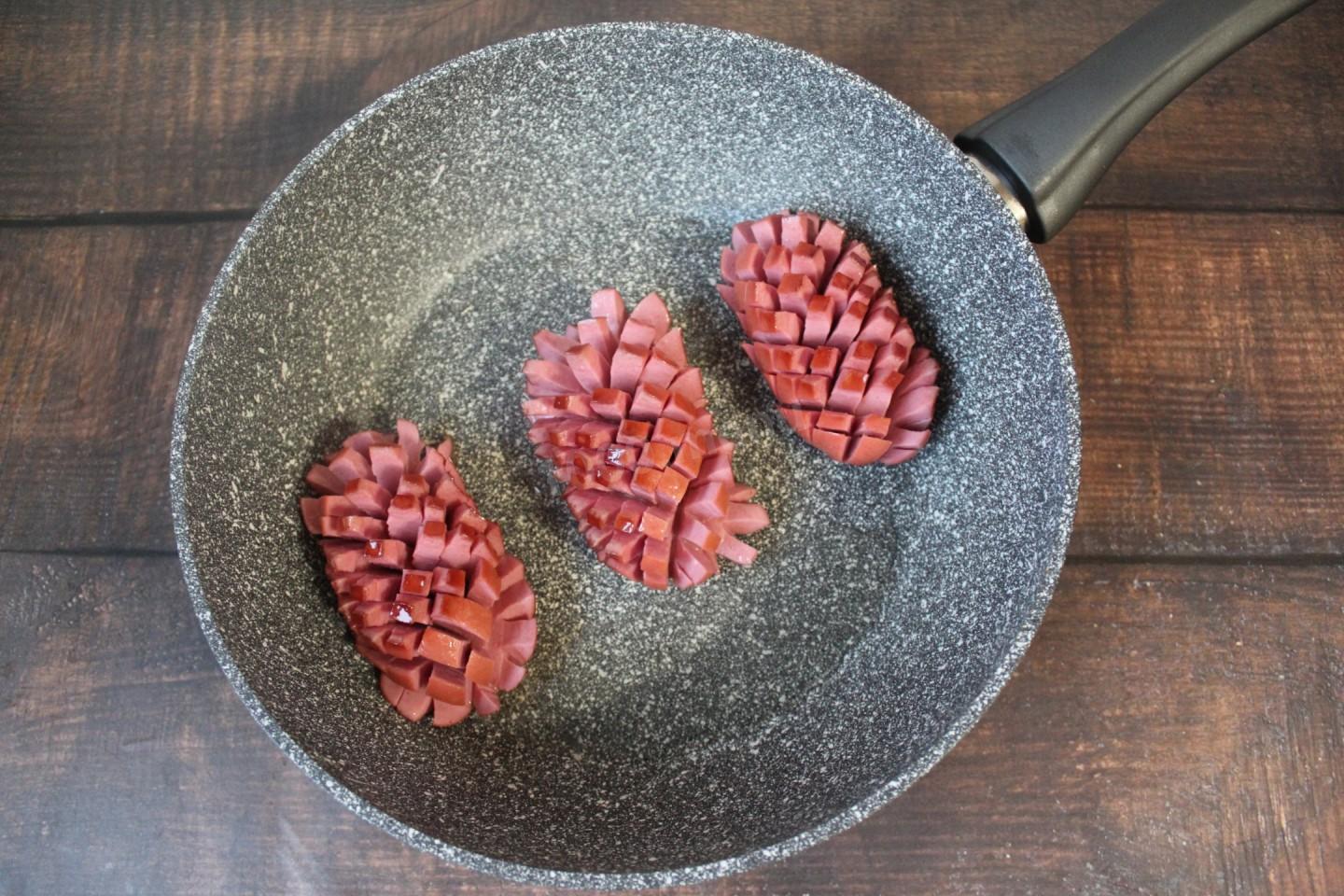
Heat the vegetable oil in a skillet, add the prepared sausages, and fry them on all sides over medium heat until golden. As they cook, the cut "scales" open up and the sausages take on a pinecone shape. You can use butter instead of oil, but then it's best to use clarified butter, which holds up better to frying. Or fry the sausages in a mix of oil and butter, so the butter won't burn.
-
Step 4:
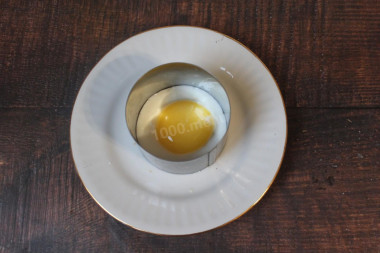
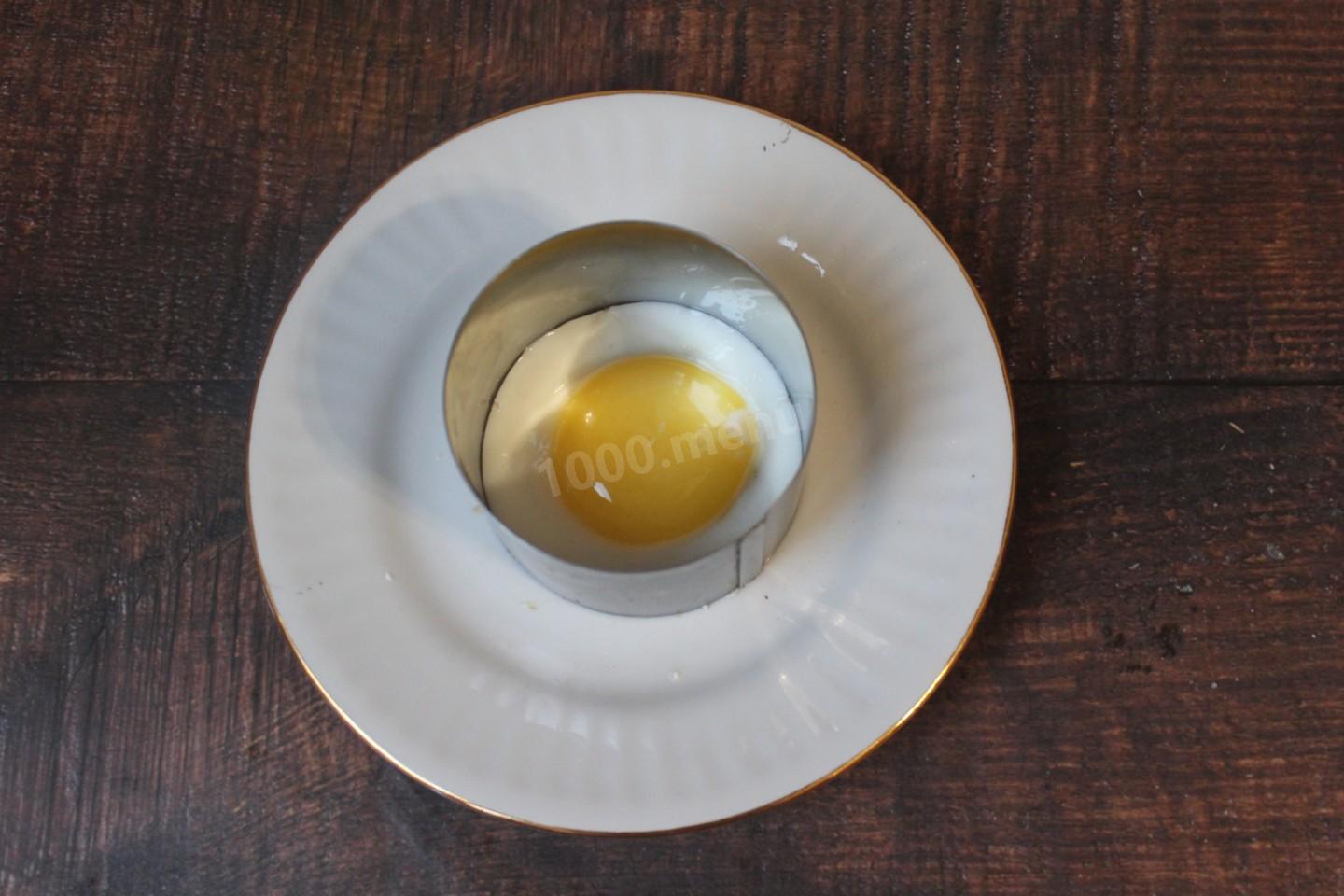
Put a pat of butter in a clean skillet and melt it. Set an oiled egg ring (about 3 inches / 7.6 cm across) in the center and crack an egg into it. Fry the egg sunny-side up over slightly-above-medium heat until the white sets. Salt it at the end. Don't salt it early, or white spots may form on the yolk and the white can turn rubbery.
-
Step 5:
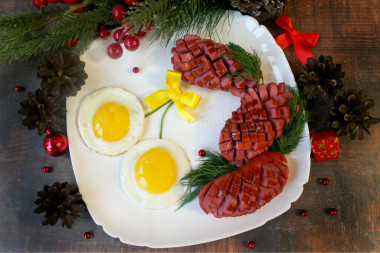
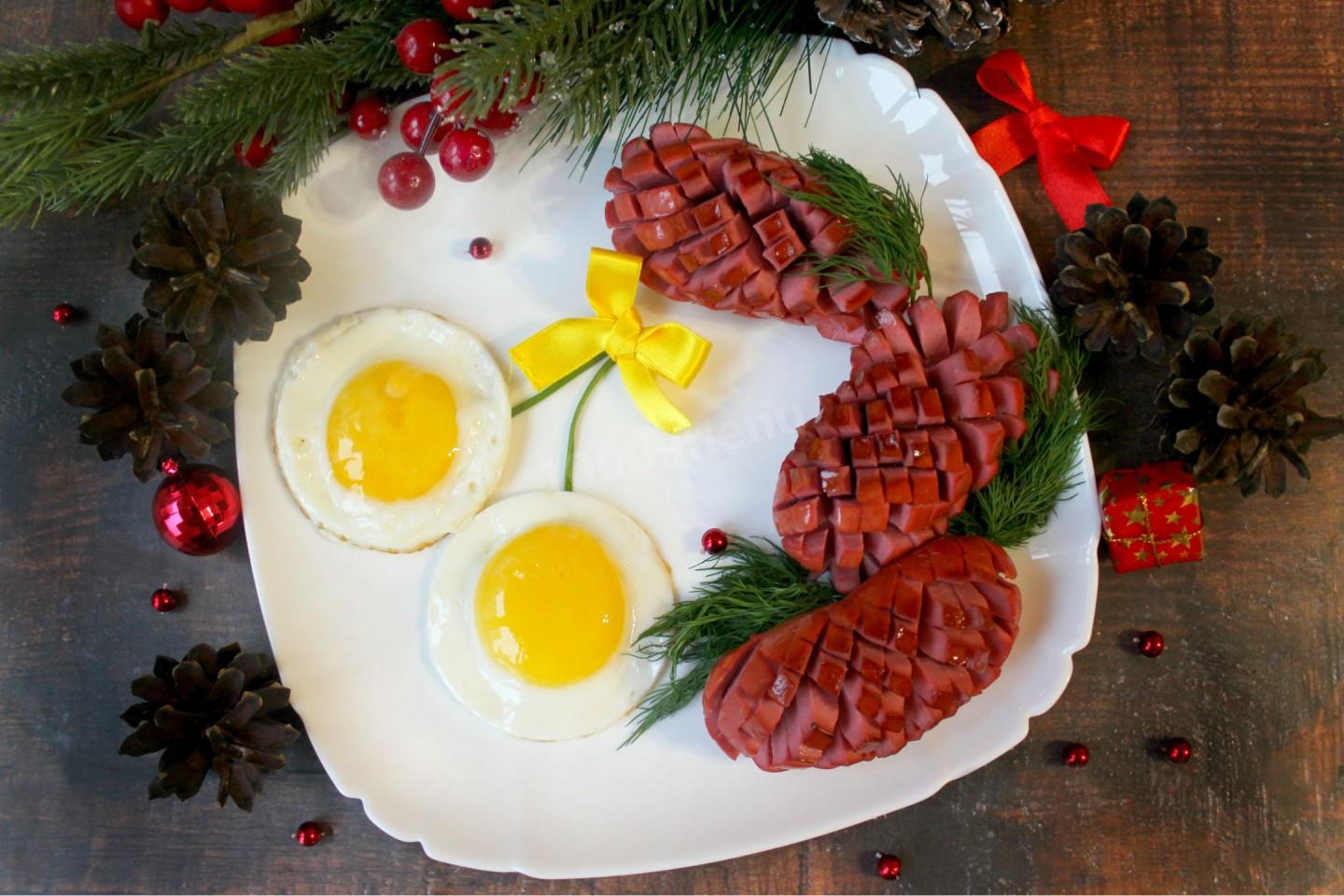
Carefully lift off the egg ring and transfer the fried egg to a plate with a spatula. Make the second egg the same way and add it to the plate. Arrange the sausage "pinecones" alongside and garnish the plate with fresh dill. Serve the holiday breakfast with bread and a cup of good cappuccino.

- Always wash eggs before using them — even a shell that looks clean can carry harmful bacteria. A food-safe wash and a brush work best.
- How can you tell if an egg is fresh? Crack it into a separate bowl. First, there should be no off smell. The white of a fresh egg is clear and clean, and the yolk should hold its shape — glossy, domed, and even.
- Use an oil with a high smoke point for frying. Every oil is only healthy up to a certain temperature — its smoke point — beyond which it starts to burn and forms harmful compounds, including carcinogens. Unrefined oils, with few exceptions, have a low smoke point: they contain many unfiltered organic particles that quickly begin to burn. Refined oils stand up to heat better and have a higher smoke point. If you're cooking in the oven, in a skillet, or on the grill, make sure you use an oil with a high smoke point. The most common high-smoke-point choices are refined sunflower, olive, and grapeseed oils.
Caloric content of the products possible in the composition of the dish
- Chicken egg - 157 kcal/100g
- Egg white - 45 kcal/100g
- Egg powder - 542 kcal/100g
- Egg yolk - 352 kcal/100g
- Ostrich egg - 118 kcal/100g
- Dill greens - 38 kcal/100g
- Butter 82% - 734 kcal/100g
- Amateur unsalted butter - 709 kcal/100g
- Unsalted peasant butter - 661 kcal/100g
- Peasant salted butter - 652 kcal/100g
- Melted butter - 869 kcal/100g
- Vegetable oil - 873 kcal/100g
- Salt - 0 kcal/100g
- Pork sausages - 332 kcal/100g
- Beef sausages - 215 kcal/100g