Boiled Pork Tongue
For the holiday table — incredibly delicious, and it melts in your mouth! Boiled pork tongue is a true delicacy. But you need to know a few little secrets to cook and clean it properly. The tongue made by this recipe comes out tender and juicy, with no off odor.



Cooking method
-
Step 1:
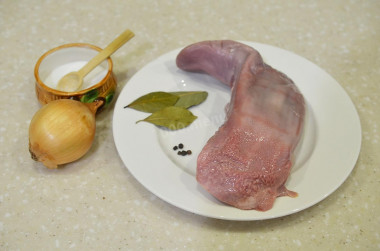
How do you cook pork tongue? Gather all the necessary ingredients. It's better to use a chilled tongue rather than a frozen one. If it was frozen, thaw it by moving it from the freezer to the bottom shelf of the refrigerator. Don't pick too large a tongue: the ideal weight is 250–300 grams. Alongside the bay leaf and pepper, you can add other dried spices and seasonings.
-
Step 2:
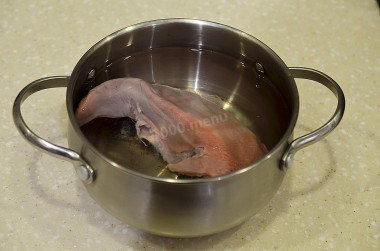
Wash the tongue very thoroughly — a brush works best for this. To get rid of any strong odor, soak the tongue in a pot of cold water for 12–20 hours. You can also add a spoonful of lemon juice to the water to speed up the process.
-
Step 3:
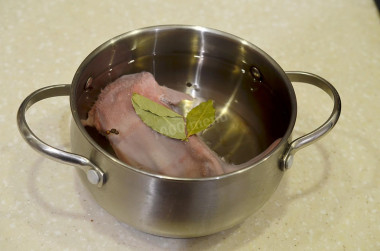
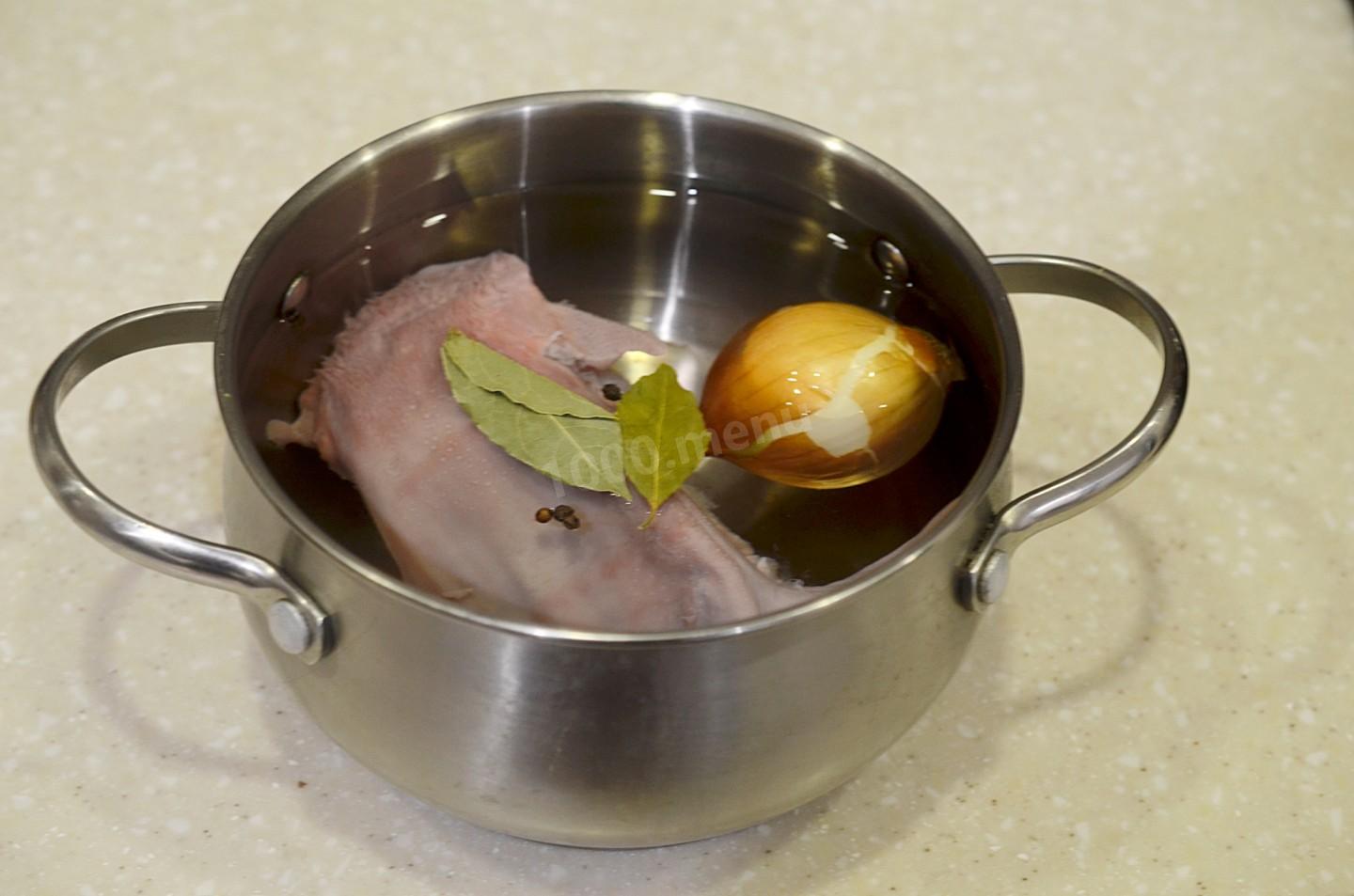
Cover the soaked tongue with fresh cold water so that it's fully submerged. Add the bay leaf and peppercorns.
-
Step 4:
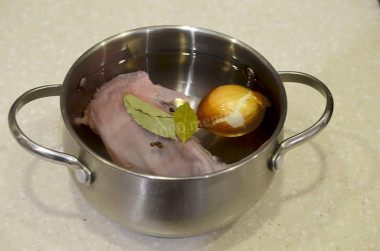
Wash the onion well and add it to the tongue whole. I didn't peel the onion — I added it skin and all, which gave the tongue extra flavor. Bring to a boil and cook over the lowest heat for 1.5 hours, covered, skimming off the foam as it forms. Don't salt the water at the start of cooking; add the salt 10 minutes before the end, and the tongue will stay tender and juicy! If you happen to have a large tongue, increase the cooking time.
-
Step 5:
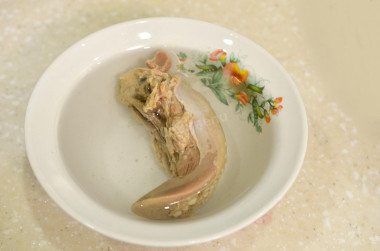
Lift the cooked tongue out of the pot and immediately submerge it in cold water for about 3 minutes.
-
Step 6:

The sudden temperature change makes the skin on the tongue swell, so you'll be able to peel it off easily.
-
Step 7:

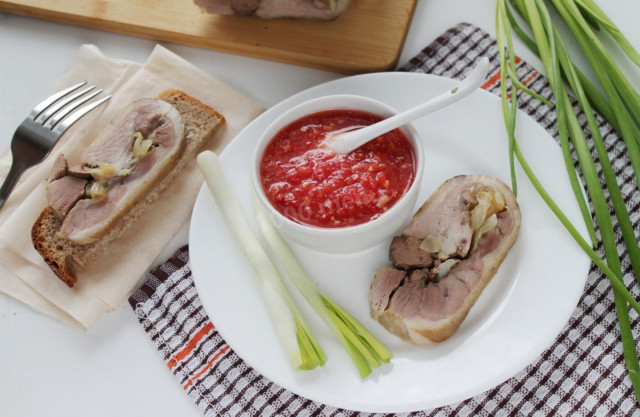
Serve the tongue hot or cold, cut into small slices, with horseradish or mustard. You can use the broth for aspic by adding gelatin to it. Enjoy your meal!




- Tongue is a true delicacy! You can serve it as a hot dish, slice it as a cold appetizer, or use it to make a salad or aspic. It's wonderful prepared any of these ways. If you're going to slice the tongue, chill it well first — it will be easy to cut and the slices will come out smooth and attractive. When serving such a platter, be sure to offer a variety of sauces alongside. Horseradish, mustard, adjika, mayonnaise, and others all work beautifully. Warm tongue pairs perfectly with various fresh greens (lettuce, arugula, cilantro, and basil), as well as with seasonal vegetables and light salads. Tongue dishes are not only delicious but also nutritious! Enjoy your meal!
- Keep in mind that the quality and flavor of the finished dish depend heavily on properly thawing the ingredients. To avoid mistakes and pick the best method, see our article on thawing.
- Pierce the meat with a knife: if the knife slides in easily and clear juices run out, it's done; if the juices are pink or red, keep cooking.
- Since everyone's tolerance for saltiness, sweetness, bitterness, spiciness, acidity, and heat is different, always add spices and seasonings to your own taste! If you're using a particular seasoning for the first time, keep in mind that some are especially easy to overdo (chili pepper, for example).
Caloric content of the products possible in the composition of the dish
- Bay leaf - 313 kcal/100g
- Black peppercorns - 255 kcal/100g
- Salt - 0 kcal/100g
- Onion - 41 kcal/100g
- Pork tongue - 165 kcal/100g
Similar recipes



- Festive table
- Homemade dinner
- Snacks
- Second course
- Meat and meat products
- Vegetables
- Spices seasonings spices
- Bay leaf
- Pepper
- Salt
- Cold snacks
- Beer snacks
- Hot snacks
- Meat snacks
- Cooking
- Birthday recipes
- New Year recipes
- Recipes for March 8
- Dishes for men holidays
- Offal
- Meat for dinner
- From onion
- No eggs
- Recipes for lean dishes without butter