Steamed Rice
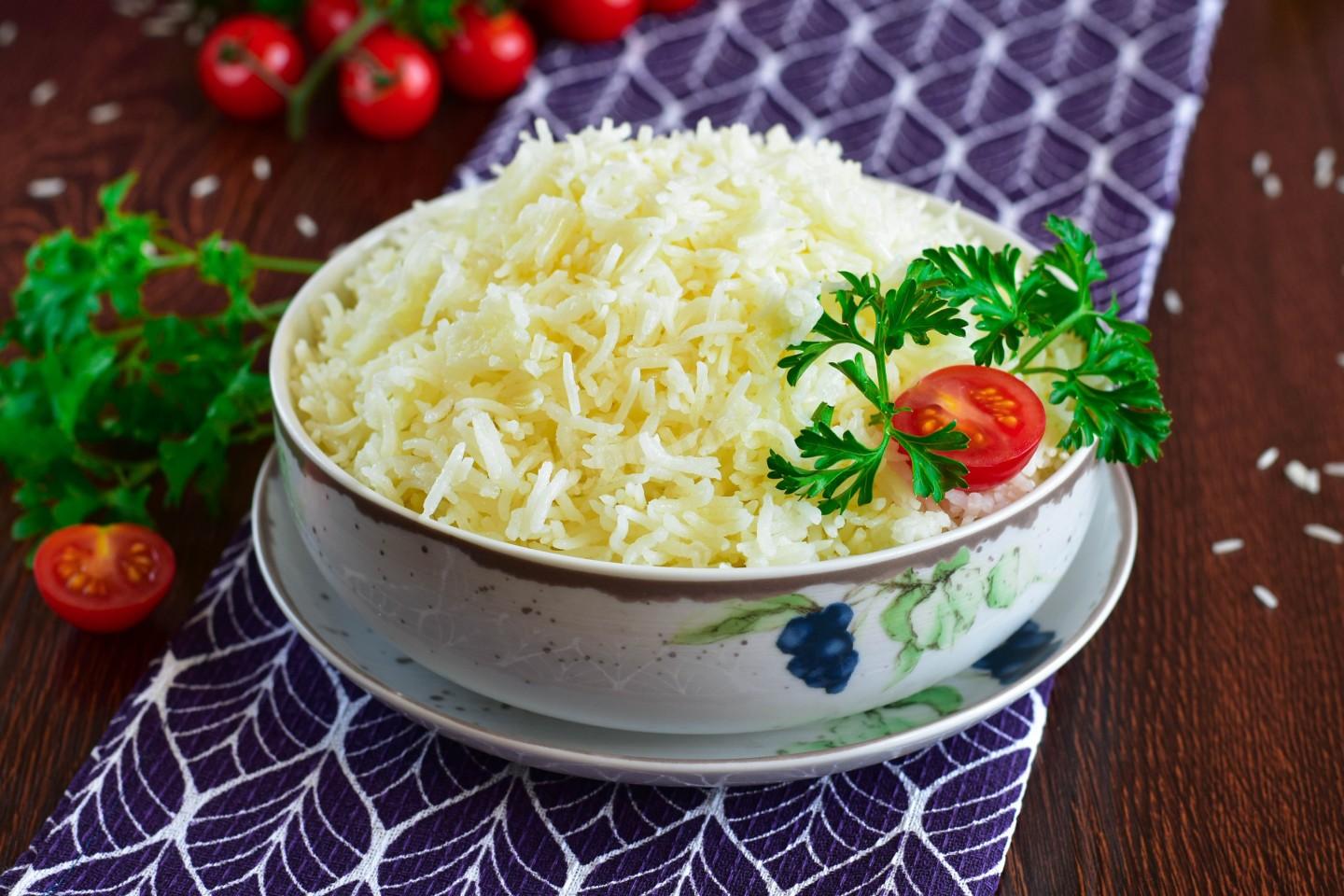
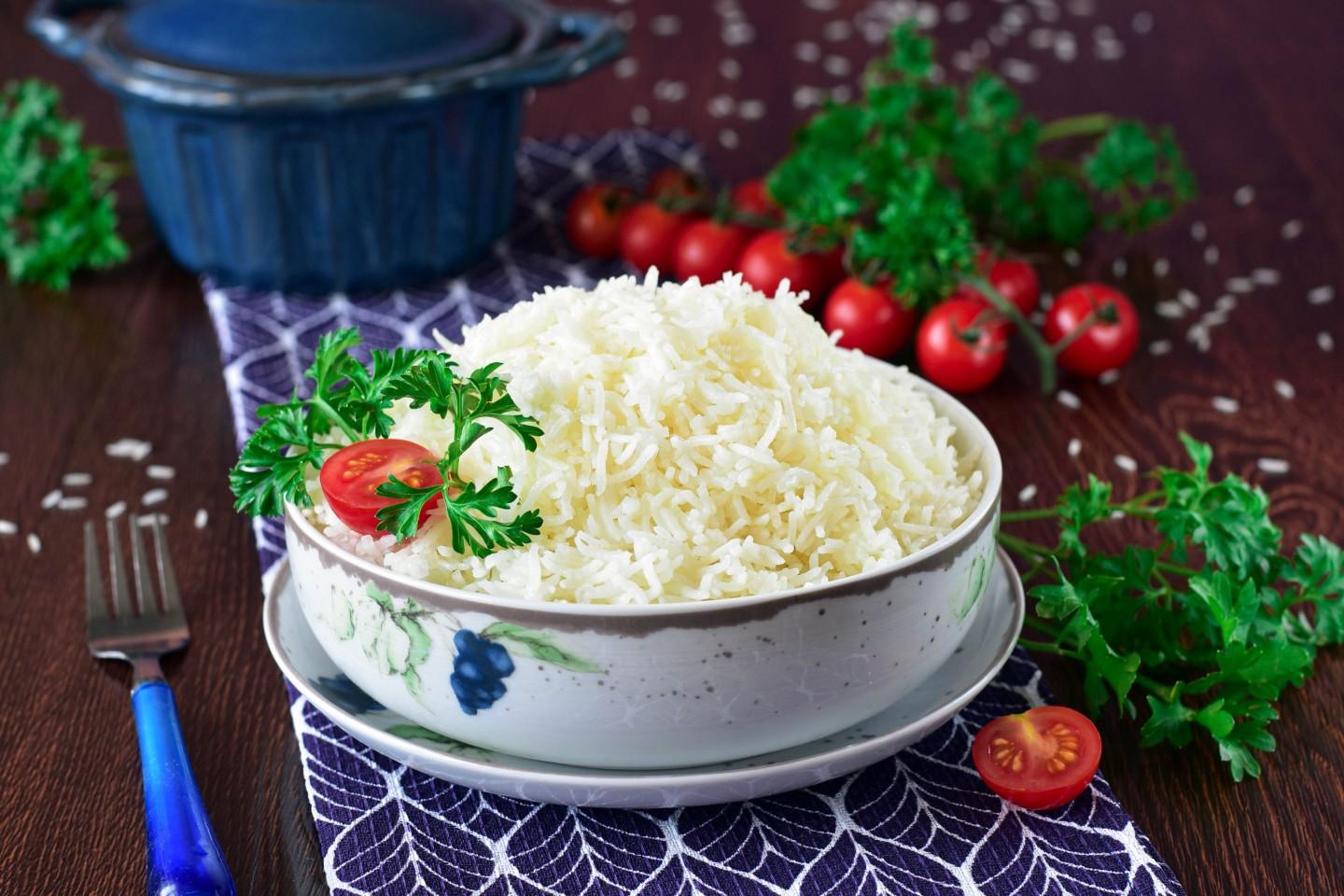
The tastiest, most fragrant side dish in just minutes! This recipe for steamed rice is a guaranteed way to cook it quickly, easily, and with the best results — especially if yours often turns out overcooked and sticky. This one comes out fluffy and juicy, and even as it cooks it soaks up the butter and the juices from the onion!


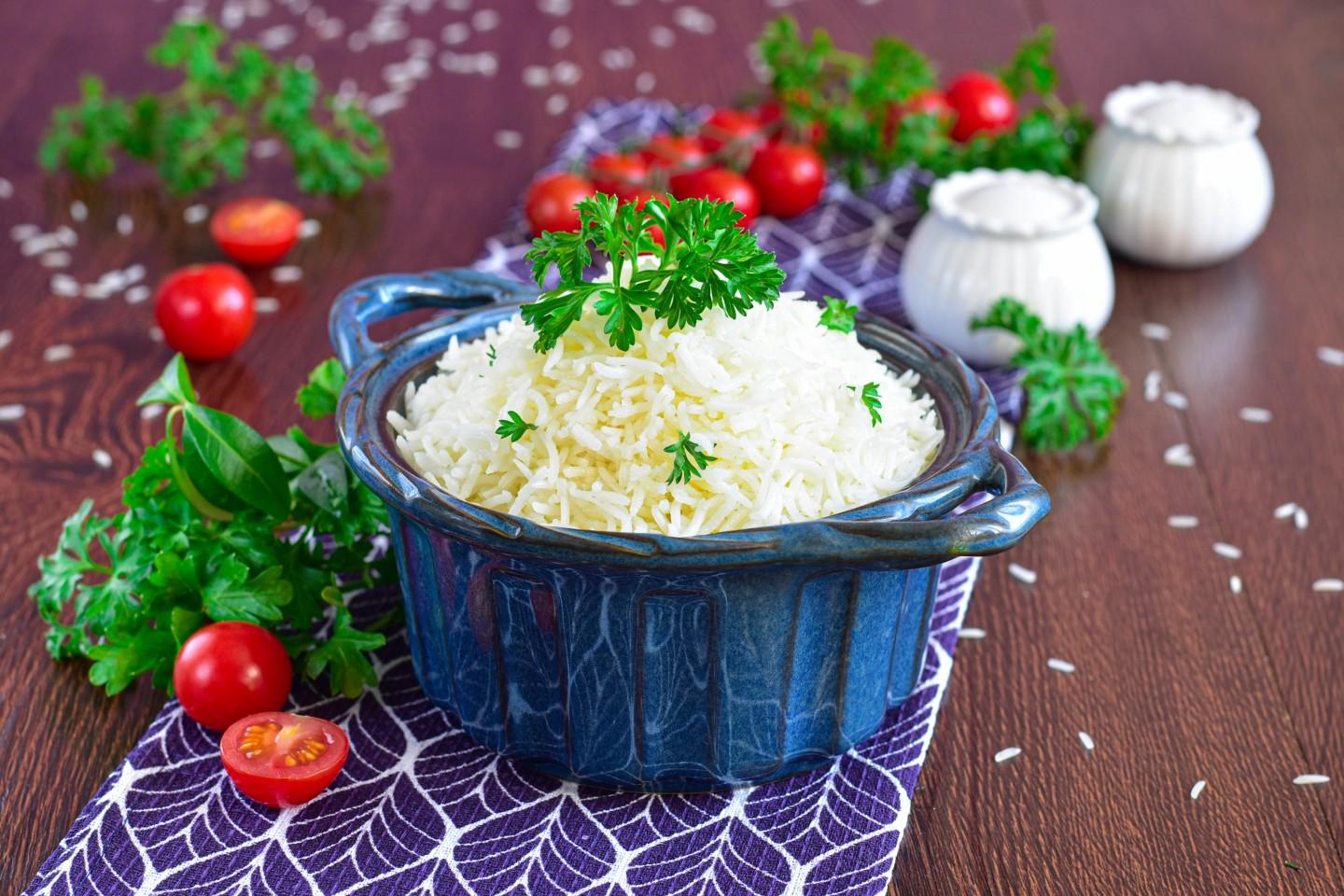
Cooking method
-
Step 1:
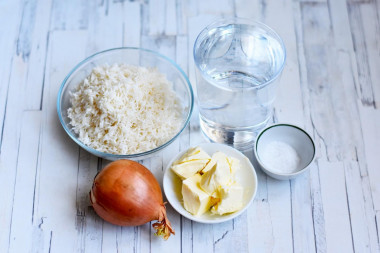
How do you cook fluffy steamed rice in a pot? Very simple! First, gather all the ingredients from the list. For cooking, it's best to use clean drinking water with no off smell or taste. Use tap water only if it's filtered, otherwise poor-quality water can spoil the flavor of the finished dish.
-
Step 2:
Lightly salt the water to taste and bring it to a boil. I added 1/2 tsp of salt.
-
Step 3:

While the water heats, rinse the rice thoroughly until the water runs clear. You can use any rice, but preferably not the lowest quality. Cheap rice overcooks faster than a top-grade grain. I'm using long-grain Basmati rice. Before cooking, carefully read the package directions for how long to cook your particular variety.
-
Step 4:
Peel the onion and leave it whole. Choose the size of the onion to your taste. You can skip it entirely, but it makes the rice more fragrant and flavorful.
-
Step 5:
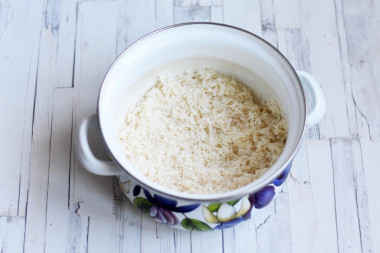
Pour the rinsed rice into a heavy-bottomed pot and level it out.
-
Step 6:
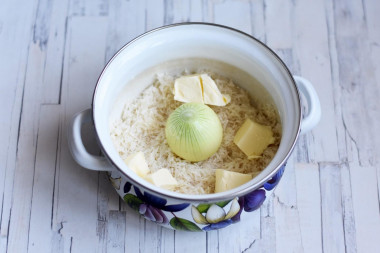
Nestle the whole onion on top. Scatter the pieces of butter around it.
-
Step 7:
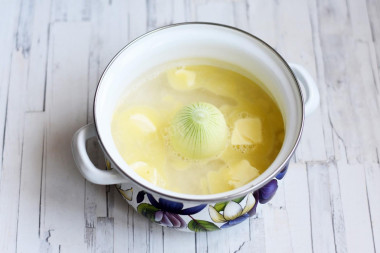
Pour the salted boiling water into the pot so it rises 1–1.5 cm above the rice. I ended up with 460 ml of water — exactly the classic ratio of two parts water to one part rice.
-
Step 8:
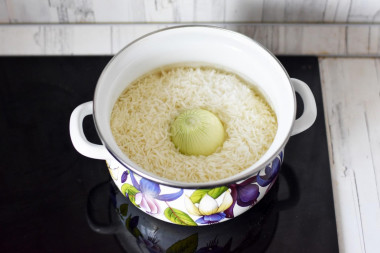
Set the pot over low heat (mine is setting 2 out of 9) and cook the rice until the liquid has completely evaporated. I cooked it for 10 minutes. As it cooks, the rice absorbs the water and swells.
-
Step 9:
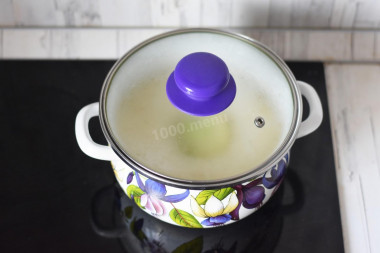
Once the water has evaporated, turn off the heat, cover the pot with a lid, and let it rest for 15 minutes. During this time, any remaining water will be absorbed into the rice.
-
Step 10:

Then take out the onion. Divide the rice among plates and serve it with any main dish. Enjoy your meal!



- If you like, you can swap the rice for any other grain. But keep the cooking specifics of different grains in mind! The cooking time can go up or down. Some grains need to be soaked beforehand.
- Important! For rice dishes that turn out delicious every time, read our article on the finer points of choosing rice and the secrets to cooking it.
- Since everyone's tolerance for saltiness, sweetness, bitterness, spiciness, acidity, and heat is different, always add spices and seasonings to your own taste! If you're using a particular seasoning for the first time, keep in mind that some are especially easy to overdo (chili pepper, for example).
Caloric content of the products possible in the composition of the dish
- Onion - 41 kcal/100g
- Raw wild rice - 353 kcal/100g
- Raw brown rice - 360 kcal/100g
- Boiled brown rice - 119 kcal/100g
- Raw fortified white rice - 363 kcal/100g
- Boiled fortified white rice - 109 kcal/100g
- Raw long-grain parboiled white rice - 369 kcal/100g
- Boiled long-grain parboiled white rice - 106 kcal/100g
- Dry instant rice - 374 kcal/100g
- Instant rice, ready to eat - 109 kcal/100g
- Rice - 344 kcal/100g
- Butter 82% - 734 kcal/100g
- Unsalted premium butter - 709 kcal/100g
- Unsalted farmhouse butter - 661 kcal/100g
- Salted farmhouse butter - 652 kcal/100g
- Clarified butter - 869 kcal/100g
- Salt - 0 kcal/100g
- Water - 0 kcal/100g